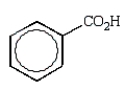
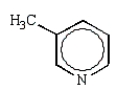
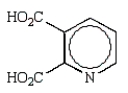
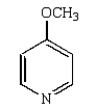
Deck 13: Heterocyclic Compounds

Full screen (f)
exit full mode
Question
Which of the following statements about pyridine is false?

A) The nitrogen is basic.
B) Pyridine reacts faster than benzene in electrophilic aromatic substitution reactions.
C) Pyridine can behave as a hydrogen bond acceptor.
D) Pyridine is more polar than benzene.
E) All of pyridine's atoms are sp2 hybridized.
Use Space or
up arrow
down arrow
to flip the card.
Question
Pyrrole is a weak base because: <strong>Pyrrole is a weak base because:  </strong> A) the nitrogen lone pair is part of the aromatic system. B) the nitrogen lone pair is in an sp<sup>2</sup>-hybridized orbital. C) the nitrogen lone pair is on a highly electronegative atom. D) the nitrogen lone pair is easily deprotonated E) the nitrogen lone pair is easily protonated. <div style=padding-top: 35px>
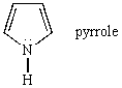
A) the nitrogen lone pair is part of the aromatic system.
B) the nitrogen lone pair is in an sp2-hybridized orbital.
C) the nitrogen lone pair is on a highly electronegative atom.
D) the nitrogen lone pair is easily deprotonated
E) the nitrogen lone pair is easily protonated.
Question
The structural formula for furan is:

A) <strong>The structural formula for furan is:</strong> A)   B)   C)   D)   E)   <div style=padding-top: 35px>
B) <strong>The structural formula for furan is:</strong> A)   B)   C)   D)   E)   <div style=padding-top: 35px>
C) <strong>The structural formula for furan is:</strong> A)   B)   C)   D)   E)   <div style=padding-top: 35px>
D) <strong>The structural formula for furan is:</strong> A)   B)   C)   D)   E)   <div style=padding-top: 35px>
E) <strong>The structural formula for furan is:</strong> A)   B)   C)   D)   E)   <div style=padding-top: 35px>
Question
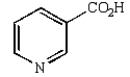
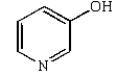
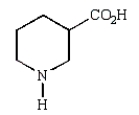
The decreasing order of basicity of the following is: <strong>The decreasing order of basicity of the following is:  </strong> A) 1 > 2 > 3 B) 1 > 3 > 2 C) 3 > 2 > 1 D) 2 > 1 > 3 E) 3 > 1 > 2 <div style=padding-top: 35px>
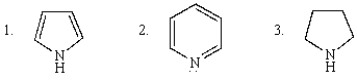
A) 1 > 2 > 3
B) 1 > 3 > 2
C) 3 > 2 > 1
D) 2 > 1 > 3
E) 3 > 1 > 2
Question
What type of heterocycle is present in both histamine and histidine? <strong>What type of heterocycle is present in both histamine and histidine?  </strong> A) indole B) pyrimidine C) purine D) imidazole E) thiazole <div style=padding-top: 35px>
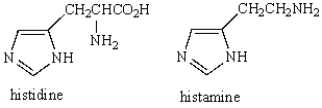
A) indole
B) pyrimidine
C) purine
D) imidazole
E) thiazole
Question
The name of the heterocycle below is: <strong>The name of the heterocycle below is:  </strong> A) pyrrole B) furan C) thiophene D) pyryllium E) phenol <div style=padding-top: 35px>

A) pyrrole
B) furan
C) thiophene
D) pyryllium
E) phenol
Question
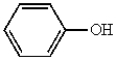
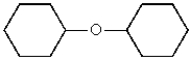
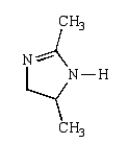
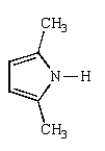
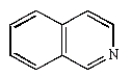
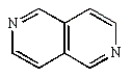
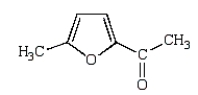
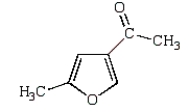
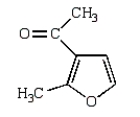
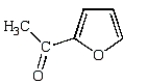
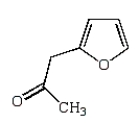
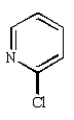
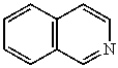
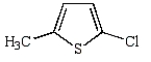
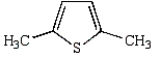
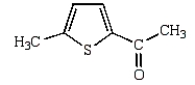
Which of the following molecules can be classified as a heterocycle?

A) <strong>Which of the following molecules can be classified as a heterocycle?</strong> A)   B)   C)   D)   E)   <div style=padding-top: 35px>
B) <strong>Which of the following molecules can be classified as a heterocycle?</strong> A)   B)   C)   D)   E)   <div style=padding-top: 35px>
C) <strong>Which of the following molecules can be classified as a heterocycle?</strong> A)   B)   C)   D)   E)   <div style=padding-top: 35px>
D) <strong>Which of the following molecules can be classified as a heterocycle?</strong> A)   B)   C)   D)   E)   <div style=padding-top: 35px>
E) <strong>Which of the following molecules can be classified as a heterocycle?</strong> A)   B)   C)   D)   E)   <div style=padding-top: 35px>
Question
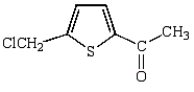
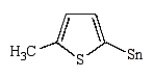
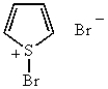
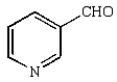
Which of the following is not a heterocyclic compound? <strong>Which of the following is not a heterocyclic compound?  </strong> A) 1 B) 2 C) 3 D) 4 E) 5 <div style=padding-top: 35px>
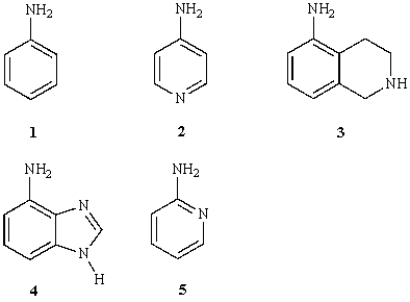
A) 1
B) 2
C) 3
D) 4
E) 5
Question
Which of the following statements about the pyrylium ion is false? <strong>Which of the following statements about the pyrylium ion is false?  </strong> A) The pyrylium ion appears as a substructure in many pigments. B) The pyrylium ion is an example of an aromatic cation. C) The oxygen lone pair in a pyrylium ion is basic. D) All atoms in the pyrylium ion (except the hydrogens) are sp<sup>2</sup>-hybridized. E) The pyrylium ion will react with nucleophiles. <div style=padding-top: 35px>
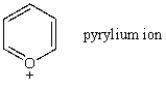
A) The pyrylium ion appears as a substructure in many pigments.
B) The pyrylium ion is an example of an aromatic cation.
C) The oxygen lone pair in a pyrylium ion is basic.
D) All atoms in the pyrylium ion (except the hydrogens) are sp2-hybridized.
E) The pyrylium ion will react with nucleophiles.
Question
What is the structure of 2,5-dimethylpyrrole?

A) <strong>What is the structure of 2,5-dimethylpyrrole?</strong> A)   B)   C)   D)   E)   <div style=padding-top: 35px>
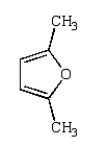
B) <strong>What is the structure of 2,5-dimethylpyrrole?</strong> A)   B)   C)   D)   E)   <div style=padding-top: 35px>
C) <strong>What is the structure of 2,5-dimethylpyrrole?</strong> A)   B)   C)   D)   E)   <div style=padding-top: 35px>
D) <strong>What is the structure of 2,5-dimethylpyrrole?</strong> A)   B)   C)   D)   E)   <div style=padding-top: 35px>
E) <strong>What is the structure of 2,5-dimethylpyrrole?</strong> A)   B)   C)   D)   E)   <div style=padding-top: 35px>
Question
The name of the heterocycle below is: <strong>The name of the heterocycle below is:  </strong> A) pyrrole B) furan C) thiophene D) pyryllium E) phenol <div style=padding-top: 35px>

A) pyrrole
B) furan
C) thiophene
D) pyryllium
E) phenol
Question
What type of heterocycle is found in guanine? <strong>What type of heterocycle is found in guanine?  </strong> A) purine B) pyrimidine C) pyridine D) quinoline E) oxazole <div style=padding-top: 35px>
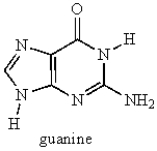
A) purine
B) pyrimidine
C) pyridine
D) quinoline
E) oxazole
Question
In imidazole, <strong>In imidazole,  </strong> A) the chemistry is more like a diene than like an aromatic compound. B) the chemistry is more like an isolated alkene than an aromatic compound. C) N<sup>1</sup> is more basic than N<sup>3</sup>. D) both N<sup>3</sup> and N<sup>1</sup> are equally basic. E) N<sup>3</sup> is more basic than N<sup>1</sup>. <div style=padding-top: 35px>
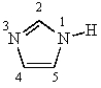
A) the chemistry is more like a diene than like an aromatic compound.
B) the chemistry is more like an isolated alkene than an aromatic compound.
C) N1 is more basic than N3.
D) both N3 and N1 are equally basic.
E) N3 is more basic than N1.
Question
The heterocycle cytosine, found in nucleic acids, is an example of a:

A) purine
B) pyrimidine
C) pyridine
D) piperidine
E) pyrazine
Question
To what family of heterocyclic compounds do both serotonin and tryptophan belong? <strong>To what family of heterocyclic compounds do both serotonin and tryptophan belong?  </strong> A) imidazole B) oxazole C) thiazole D) indole E) pyridazine <div style=padding-top: 35px>
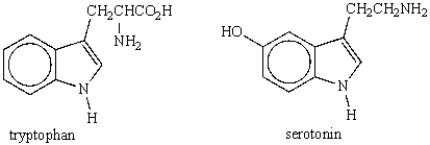
A) imidazole
B) oxazole
C) thiazole
D) indole
E) pyridazine
Question
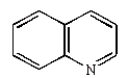
The structure of quinoline is:

A) <strong>The structure of quinoline is:</strong> A)   B)   C)   D)   E)   <div style=padding-top: 35px>
B) <strong>The structure of quinoline is:</strong> A)   B)   C)   D)   E)   <div style=padding-top: 35px>
C) <strong>The structure of quinoline is:</strong> A)   B)   C)   D)   E)   <div style=padding-top: 35px>
D) <strong>The structure of quinoline is:</strong> A)   B)   C)   D)   E)   <div style=padding-top: 35px>
E) <strong>The structure of quinoline is:</strong> A)   B)   C)   D)   E)   <div style=padding-top: 35px>
Question
Which of the following statements is false?

A) Furan, pyrrole, and thiophene are more reactive than benzene in electrophilic aromatic substitution.
B) Electrophilic substitution in pyridine occurs mainly in the 2- and 4-positions.
C) Electrophilic substitution in furan, pyrrole, and thiophene occurs mainly in the 2-position.
D) Pyridine is more basic than pyrrole.
E) An unshared electron pair on O, N, or S is part of the aromatic π\pi system in furan, pyrrole, and thiophene.
Question
Pyridine is a weaker base than aliphatic tertiary amines because

A) the N is sp2 hybridized in pyridine and sp3 hybridized in aliphatic amines.
B) there are no unshared electrons on the N in pyridine.
C) the electrons on the N in pyridine are delocalized around the ring.
D) the N in pyridine is already protonated.
E) the unshared electron pair on N in pyridine is part of the aromatic π\pi system.
Question
Which of the following heterocyclic compounds is not aromatic?

A) <strong>Which of the following heterocyclic compounds is not aromatic?</strong> A)   B)   C)   D)   E)   <div style=padding-top: 35px>
B) <strong>Which of the following heterocyclic compounds is not aromatic?</strong> A)   B)   C)   D)   E)   <div style=padding-top: 35px>
C) <strong>Which of the following heterocyclic compounds is not aromatic?</strong> A)   B)   C)   D)   E)   <div style=padding-top: 35px>
D) <strong>Which of the following heterocyclic compounds is not aromatic?</strong> A)   B)   C)   D)   E)   <div style=padding-top: 35px>
E) <strong>Which of the following heterocyclic compounds is not aromatic?</strong> A)   B)   C)   D)   E)   <div style=padding-top: 35px>
Question
The name of <strong>The name of   is:</strong> A) pyrrole B) furan C) pyridine D) pyrimidine E) thiophene <div style=padding-top: 35px> is:

A) pyrrole
B) furan
C) pyridine
D) pyrimidine
E) thiophene
Question
What is the major product of the following reaction? <strong>What is the major product of the following reaction?  </strong> A)   B)   C)   D)   E)   <div style=padding-top: 35px>
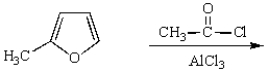
A) <strong>What is the major product of the following reaction?  </strong> A)   B)   C)   D)   E)   <div style=padding-top: 35px>
B) <strong>What is the major product of the following reaction?  </strong> A)   B)   C)   D)   E)   <div style=padding-top: 35px>
C) <strong>What is the major product of the following reaction?  </strong> A)   B)   C)   D)   E)   <div style=padding-top: 35px>
D) <strong>What is the major product of the following reaction?  </strong> A)   B)   C)   D)   E)   <div style=padding-top: 35px>
E) <strong>What is the major product of the following reaction?  </strong> A)   B)   C)   D)   E)   <div style=padding-top: 35px>
Question
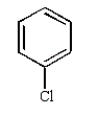
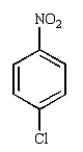
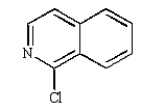
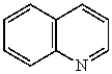
Which of the following compounds will undergo nucleophilic aromatic substitution at the fastest rate?

A) <strong>Which of the following compounds will undergo nucleophilic aromatic substitution at the fastest rate?</strong> A)   B)   C)   D)   E)   <div style=padding-top: 35px>
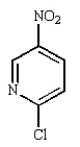
B) <strong>Which of the following compounds will undergo nucleophilic aromatic substitution at the fastest rate?</strong> A)   B)   C)   D)   E)   <div style=padding-top: 35px>
C) <strong>Which of the following compounds will undergo nucleophilic aromatic substitution at the fastest rate?</strong> A)   B)   C)   D)   E)   <div style=padding-top: 35px>
D) <strong>Which of the following compounds will undergo nucleophilic aromatic substitution at the fastest rate?</strong> A)   B)   C)   D)   E)   <div style=padding-top: 35px>
E) <strong>Which of the following compounds will undergo nucleophilic aromatic substitution at the fastest rate?</strong> A)   B)   C)   D)   E)   <div style=padding-top: 35px>
Question
What reagent(s) will accomplish the following transformation? <strong>What reagent(s) will accomplish the following transformation?  </strong> A) H<sub>2</sub>SO<sub>4</sub> in H<sub>2</sub>O B) NaOCH<sub>3</sub> in CH<sub>3</sub>OH C) NaBH<sub>4</sub> D) CH<sub>3</sub>I E) NaOH in H<sub>2</sub>O <div style=padding-top: 35px>
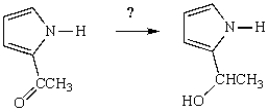
A) H2SO4 in H2O
B) NaOCH3 in CH3OH
C) NaBH4
D) CH3I
E) NaOH in H2O
Question
What set of reagents is needed to carry out the following reaction? <strong>What set of reagents is needed to carry out the following reaction?  </strong> A) KMnO<sub>4</sub> B) 3 H<sub>2</sub>, Pt C) NaNH<sub>2</sub>, liq.NH<sub>3</sub> D) HCl, H<sub>2</sub>O E) NaOH, H<sub>2</sub>O <div style=padding-top: 35px>
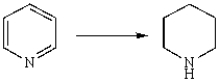
A) KMnO4
B) 3 H2, Pt
C) NaNH2, liq.NH3
D) HCl, H2O
E) NaOH, H2O
Question
The following reaction occurs by what mechanism? <strong>The following reaction occurs by what mechanism?  </strong> A) S<sub>N</sub>1 B) S<sub>N</sub>2 C) nucleophilic acyl substitution D) nucleophilic aromatic substitution E) electrophilic aromatic substitution <div style=padding-top: 35px>

A) SN1
B) SN2
C) nucleophilic acyl substitution
D) nucleophilic aromatic substitution
E) electrophilic aromatic substitution
Question
Which of the following compounds will undergo electrophilic aromatic substitution reactions at the fastest rate?

A) <strong>Which of the following compounds will undergo electrophilic aromatic substitution reactions at the fastest rate?</strong> A)   B)   C)   D)   E)   <div style=padding-top: 35px>
B) <strong>Which of the following compounds will undergo electrophilic aromatic substitution reactions at the fastest rate?</strong> A)   B)   C)   D)   E)   <div style=padding-top: 35px>
C) <strong>Which of the following compounds will undergo electrophilic aromatic substitution reactions at the fastest rate?</strong> A)   B)   C)   D)   E)   <div style=padding-top: 35px>
D) <strong>Which of the following compounds will undergo electrophilic aromatic substitution reactions at the fastest rate?</strong> A)   B)   C)   D)   E)   <div style=padding-top: 35px>
E) <strong>Which of the following compounds will undergo electrophilic aromatic substitution reactions at the fastest rate?</strong> A)   B)   C)   D)   E)   <div style=padding-top: 35px>
Question
The product of the following reaction is <strong>The product of the following reaction is  </strong> A)   B)   C)   D)   E)   <div style=padding-top: 35px>

A) <strong>The product of the following reaction is  </strong> A)   B)   C)   D)   E)   <div style=padding-top: 35px>
B) <strong>The product of the following reaction is  </strong> A)   B)   C)   D)   E)   <div style=padding-top: 35px>
C) <strong>The product of the following reaction is  </strong> A)   B)   C)   D)   E)   <div style=padding-top: 35px>
D) <strong>The product of the following reaction is  </strong> A)   B)   C)   D)   E)   <div style=padding-top: 35px>
E) <strong>The product of the following reaction is  </strong> A)   B)   C)   D)   E)   <div style=padding-top: 35px>
Question
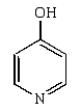
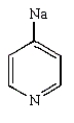
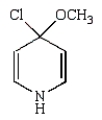
An intermediate in the nitration of pyridine is: <strong>An intermediate in the nitration of pyridine is:  </strong> A) I B) II C) III D) IV E) none of the above <div style=padding-top: 35px>
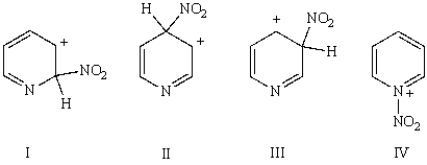
A) I
B) II
C) III
D) IV
E) none of the above
Question
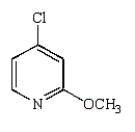
The first step in the following reaction is: <strong>The first step in the following reaction is:  </strong> A) loss of chloride (Cl<sup>-</sup>) from C-2 to give a carbocation. B) displacement of chloride (Cl<sup>-</sup>) from C-2 by methoxide (CH<sub>3</sub>O<sup>-</sup>). C) base-promoted elimination of HCl from carbons 2 and 3. D) reduction of the pyridine by methoxide. E) addition of methoxide to C-2. <div style=padding-top: 35px>

A) loss of chloride (Cl-) from C-2 to give a carbocation.
B) displacement of chloride (Cl-) from C-2 by methoxide (CH3O-).
C) base-promoted elimination of HCl from carbons 2 and 3.
D) reduction of the pyridine by methoxide.
E) addition of methoxide to C-2.
Question
What is the major product of the following reaction? <strong>What is the major product of the following reaction?  </strong> A)   B)   C)   D)   E)   <div style=padding-top: 35px>
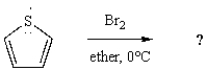
A) <strong>What is the major product of the following reaction?  </strong> A)   B)   C)   D)   E)   <div style=padding-top: 35px>
B) <strong>What is the major product of the following reaction?  </strong> A)   B)   C)   D)   E)   <div style=padding-top: 35px>
C) <strong>What is the major product of the following reaction?  </strong> A)   B)   C)   D)   E)   <div style=padding-top: 35px>
D) <strong>What is the major product of the following reaction?  </strong> A)   B)   C)   D)   E)   <div style=padding-top: 35px>
E) <strong>What is the major product of the following reaction?  </strong> A)   B)   C)   D)   E)   <div style=padding-top: 35px>
Question
The final product of the following reaction sequence is: <strong>The final product of the following reaction sequence is:  </strong> A)   B)   C)   D)   E)   <div style=padding-top: 35px>
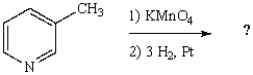
A) <strong>The final product of the following reaction sequence is:  </strong> A)   B)   C)   D)   E)   <div style=padding-top: 35px>
B) <strong>The final product of the following reaction sequence is:  </strong> A)   B)   C)   D)   E)   <div style=padding-top: 35px>
C) <strong>The final product of the following reaction sequence is:  </strong> A)   B)   C)   D)   E)   <div style=padding-top: 35px>
D) <strong>The final product of the following reaction sequence is:  </strong> A)   B)   C)   D)   E)   <div style=padding-top: 35px>
E) <strong>The final product of the following reaction sequence is:  </strong> A)   B)   C)   D)   E)   <div style=padding-top: 35px>
Question
The product of the following reaction is: <strong>The product of the following reaction is:  </strong> A)   B)   C)   D)   E)   <div style=padding-top: 35px>
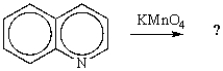
A) <strong>The product of the following reaction is:  </strong> A)   B)   C)   D)   E)   <div style=padding-top: 35px>
B) <strong>The product of the following reaction is:  </strong> A)   B)   C)   D)   E)   <div style=padding-top: 35px>
C) <strong>The product of the following reaction is:  </strong> A)   B)   C)   D)   E)   <div style=padding-top: 35px>
D) <strong>The product of the following reaction is:  </strong> A)   B)   C)   D)   E)   <div style=padding-top: 35px>
E) <strong>The product of the following reaction is:  </strong> A)   B)   C)   D)   E)   <div style=padding-top: 35px>
Question
What reagent is required to accomplish the following transformation? <strong>What reagent is required to accomplish the following transformation?  </strong> A) NaBH<sub>4</sub> B) CH<sub>3</sub>OH C) KMnO<sub>4</sub> D) NaOCH<sub>3</sub> E) NaNH<sub>2</sub>/NH<sub>3</sub> <div style=padding-top: 35px>
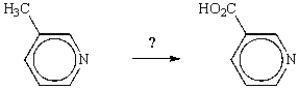
A) NaBH4
B) CH3OH
C) KMnO4
D) NaOCH3
E) NaNH2/NH3
Question
Furfural (2-furaldehyde) is produced by dehydrating a(n):

A) cyclic acid
B) ether
C) hexose
D) pentose
E) triose
Question
The product of the following reaction is <strong>The product of the following reaction is  </strong> A)   B)   C)   D)   E)   <div style=padding-top: 35px>
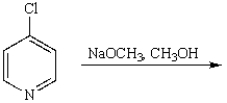
A) <strong>The product of the following reaction is  </strong> A)   B)   C)   D)   E)   <div style=padding-top: 35px>
B) <strong>The product of the following reaction is  </strong> A)   B)   C)   D)   E)   <div style=padding-top: 35px>
C) <strong>The product of the following reaction is  </strong> A)   B)   C)   D)   E)   <div style=padding-top: 35px>
D) <strong>The product of the following reaction is  </strong> A)   B)   C)   D)   E)   <div style=padding-top: 35px>
E) <strong>The product of the following reaction is  </strong> A)   B)   C)   D)   E)   <div style=padding-top: 35px>
Question
The major mechanism by which five membered aromatic heterocycles react with electrophiles is:

A) nucleophilic aromatic substitution
B) electrophilic aromatic substitution
C) ionic addition
D) free radical addition
E) oxidation-reduction
Unlock Deck
Sign up to unlock the cards in this deck!
Unlock Deck
Unlock Deck
1/36
auto play flashcards
Play
simple tutorial
Full screen (f)
exit full mode
Deck 13: Heterocyclic Compounds
1
Which of the following statements about pyridine is false?

A) The nitrogen is basic.
B) Pyridine reacts faster than benzene in electrophilic aromatic substitution reactions.
C) Pyridine can behave as a hydrogen bond acceptor.
D) Pyridine is more polar than benzene.
E) All of pyridine's atoms are sp2 hybridized.
Pyridine reacts faster than benzene in electrophilic aromatic substitution reactions.
2
Pyrrole is a weak base because: <strong>Pyrrole is a weak base because:  </strong> A) the nitrogen lone pair is part of the aromatic system. B) the nitrogen lone pair is in an sp<sup>2</sup>-hybridized orbital. C) the nitrogen lone pair is on a highly electronegative atom. D) the nitrogen lone pair is easily deprotonated E) the nitrogen lone pair is easily protonated.

A) the nitrogen lone pair is part of the aromatic system.
B) the nitrogen lone pair is in an sp2-hybridized orbital.
C) the nitrogen lone pair is on a highly electronegative atom.
D) the nitrogen lone pair is easily deprotonated
E) the nitrogen lone pair is easily protonated.
the nitrogen lone pair is part of the aromatic system.
3
The structural formula for furan is:

A) <strong>The structural formula for furan is:</strong> A)   B)   C)   D)   E)
B) <strong>The structural formula for furan is:</strong> A)   B)   C)   D)   E)
C) <strong>The structural formula for furan is:</strong> A)   B)   C)   D)   E)
D) <strong>The structural formula for furan is:</strong> A)   B)   C)   D)   E)
E) <strong>The structural formula for furan is:</strong> A)   B)   C)   D)   E)
4
The decreasing order of basicity of the following is: <strong>The decreasing order of basicity of the following is:  </strong> A) 1 > 2 > 3 B) 1 > 3 > 2 C) 3 > 2 > 1 D) 2 > 1 > 3 E) 3 > 1 > 2

A) 1 > 2 > 3
B) 1 > 3 > 2
C) 3 > 2 > 1
D) 2 > 1 > 3
E) 3 > 1 > 2
Unlock Deck
Unlock for access to all 36 flashcards in this deck.
Unlock Deck
k this deck
5
What type of heterocycle is present in both histamine and histidine? <strong>What type of heterocycle is present in both histamine and histidine?  </strong> A) indole B) pyrimidine C) purine D) imidazole E) thiazole

A) indole
B) pyrimidine
C) purine
D) imidazole
E) thiazole
Unlock Deck
Unlock for access to all 36 flashcards in this deck.
Unlock Deck
k this deck
6
The name of the heterocycle below is: <strong>The name of the heterocycle below is:  </strong> A) pyrrole B) furan C) thiophene D) pyryllium E) phenol

A) pyrrole
B) furan
C) thiophene
D) pyryllium
E) phenol
Unlock Deck
Unlock for access to all 36 flashcards in this deck.
Unlock Deck
k this deck
7
Which of the following molecules can be classified as a heterocycle?

A) <strong>Which of the following molecules can be classified as a heterocycle?</strong> A)   B)   C)   D)   E)
B) <strong>Which of the following molecules can be classified as a heterocycle?</strong> A)   B)   C)   D)   E)
C) <strong>Which of the following molecules can be classified as a heterocycle?</strong> A)   B)   C)   D)   E)
D) <strong>Which of the following molecules can be classified as a heterocycle?</strong> A)   B)   C)   D)   E)
E) <strong>Which of the following molecules can be classified as a heterocycle?</strong> A)   B)   C)   D)   E)
Unlock Deck
Unlock for access to all 36 flashcards in this deck.

Unlock Deck
k this deck
8
Which of the following is not a heterocyclic compound? <strong>Which of the following is not a heterocyclic compound?  </strong> A) 1 B) 2 C) 3 D) 4 E) 5

A) 1
B) 2
C) 3
D) 4
E) 5
Unlock Deck
Unlock for access to all 36 flashcards in this deck.

Unlock Deck
k this deck
9
Which of the following statements about the pyrylium ion is false? <strong>Which of the following statements about the pyrylium ion is false?  </strong> A) The pyrylium ion appears as a substructure in many pigments. B) The pyrylium ion is an example of an aromatic cation. C) The oxygen lone pair in a pyrylium ion is basic. D) All atoms in the pyrylium ion (except the hydrogens) are sp<sup>2</sup>-hybridized. E) The pyrylium ion will react with nucleophiles.

A) The pyrylium ion appears as a substructure in many pigments.
B) The pyrylium ion is an example of an aromatic cation.
C) The oxygen lone pair in a pyrylium ion is basic.
D) All atoms in the pyrylium ion (except the hydrogens) are sp2-hybridized.
E) The pyrylium ion will react with nucleophiles.
Unlock Deck
Unlock for access to all 36 flashcards in this deck.
Unlock Deck
k this deck
10
What is the structure of 2,5-dimethylpyrrole?

A) <strong>What is the structure of 2,5-dimethylpyrrole?</strong> A)   B)   C)   D)   E)
B) <strong>What is the structure of 2,5-dimethylpyrrole?</strong> A)   B)   C)   D)   E)
C) <strong>What is the structure of 2,5-dimethylpyrrole?</strong> A)   B)   C)   D)   E)
D) <strong>What is the structure of 2,5-dimethylpyrrole?</strong> A)   B)   C)   D)   E)
E) <strong>What is the structure of 2,5-dimethylpyrrole?</strong> A)   B)   C)   D)   E)
Unlock Deck
Unlock for access to all 36 flashcards in this deck.
Unlock Deck
k this deck
11
The name of the heterocycle below is: <strong>The name of the heterocycle below is:  </strong> A) pyrrole B) furan C) thiophene D) pyryllium E) phenol

A) pyrrole
B) furan
C) thiophene
D) pyryllium
E) phenol
Unlock Deck
Unlock for access to all 36 flashcards in this deck.
Unlock Deck
k this deck
12
What type of heterocycle is found in guanine? <strong>What type of heterocycle is found in guanine?  </strong> A) purine B) pyrimidine C) pyridine D) quinoline E) oxazole

A) purine
B) pyrimidine
C) pyridine
D) quinoline
E) oxazole
Unlock Deck
Unlock for access to all 36 flashcards in this deck.
Unlock Deck
k this deck
13
In imidazole, <strong>In imidazole,  </strong> A) the chemistry is more like a diene than like an aromatic compound. B) the chemistry is more like an isolated alkene than an aromatic compound. C) N<sup>1</sup> is more basic than N<sup>3</sup>. D) both N<sup>3</sup> and N<sup>1</sup> are equally basic. E) N<sup>3</sup> is more basic than N<sup>1</sup>.

A) the chemistry is more like a diene than like an aromatic compound.
B) the chemistry is more like an isolated alkene than an aromatic compound.
C) N1 is more basic than N3.
D) both N3 and N1 are equally basic.
E) N3 is more basic than N1.
Unlock Deck
Unlock for access to all 36 flashcards in this deck.
Unlock Deck
k this deck
14
The heterocycle cytosine, found in nucleic acids, is an example of a:

A) purine
B) pyrimidine
C) pyridine
D) piperidine
E) pyrazine
Unlock Deck
Unlock for access to all 36 flashcards in this deck.
Unlock Deck
k this deck
15
To what family of heterocyclic compounds do both serotonin and tryptophan belong? <strong>To what family of heterocyclic compounds do both serotonin and tryptophan belong?  </strong> A) imidazole B) oxazole C) thiazole D) indole E) pyridazine

A) imidazole
B) oxazole
C) thiazole
D) indole
E) pyridazine
Unlock Deck
Unlock for access to all 36 flashcards in this deck.
Unlock Deck
k this deck
16
The structure of quinoline is:

A) <strong>The structure of quinoline is:</strong> A)   B)   C)   D)   E)
B) <strong>The structure of quinoline is:</strong> A)   B)   C)   D)   E)
C) <strong>The structure of quinoline is:</strong> A)   B)   C)   D)   E)
D) <strong>The structure of quinoline is:</strong> A)   B)   C)   D)   E)
E) <strong>The structure of quinoline is:</strong> A)   B)   C)   D)   E)
Unlock Deck
Unlock for access to all 36 flashcards in this deck.
Unlock Deck
k this deck
17
Which of the following statements is false?

A) Furan, pyrrole, and thiophene are more reactive than benzene in electrophilic aromatic substitution.
B) Electrophilic substitution in pyridine occurs mainly in the 2- and 4-positions.
C) Electrophilic substitution in furan, pyrrole, and thiophene occurs mainly in the 2-position.
D) Pyridine is more basic than pyrrole.
E) An unshared electron pair on O, N, or S is part of the aromatic π\pi system in furan, pyrrole, and thiophene.
Unlock Deck
Unlock for access to all 36 flashcards in this deck.
Unlock Deck
k this deck
18
Pyridine is a weaker base than aliphatic tertiary amines because

A) the N is sp2 hybridized in pyridine and sp3 hybridized in aliphatic amines.
B) there are no unshared electrons on the N in pyridine.
C) the electrons on the N in pyridine are delocalized around the ring.
D) the N in pyridine is already protonated.
E) the unshared electron pair on N in pyridine is part of the aromatic π\pi system.
Unlock Deck
Unlock for access to all 36 flashcards in this deck.
Unlock Deck
k this deck
19
Which of the following heterocyclic compounds is not aromatic?

A) <strong>Which of the following heterocyclic compounds is not aromatic?</strong> A)   B)   C)   D)   E)
B) <strong>Which of the following heterocyclic compounds is not aromatic?</strong> A)   B)   C)   D)   E)
C) <strong>Which of the following heterocyclic compounds is not aromatic?</strong> A)   B)   C)   D)   E)
D) <strong>Which of the following heterocyclic compounds is not aromatic?</strong> A)   B)   C)   D)   E)
E) <strong>Which of the following heterocyclic compounds is not aromatic?</strong> A)   B)   C)   D)   E)
Unlock Deck
Unlock for access to all 36 flashcards in this deck.
Unlock Deck
k this deck
20
The name of <strong>The name of   is:</strong> A) pyrrole B) furan C) pyridine D) pyrimidine E) thiophene is:

A) pyrrole
B) furan
C) pyridine
D) pyrimidine
E) thiophene
Unlock Deck
Unlock for access to all 36 flashcards in this deck.
Unlock Deck
k this deck
21
What is the major product of the following reaction? <strong>What is the major product of the following reaction?  </strong> A)   B)   C)   D)   E)

A) <strong>What is the major product of the following reaction?  </strong> A)   B)   C)   D)   E)
B) <strong>What is the major product of the following reaction?  </strong> A)   B)   C)   D)   E)
C) <strong>What is the major product of the following reaction?  </strong> A)   B)   C)   D)   E)
D) <strong>What is the major product of the following reaction?  </strong> A)   B)   C)   D)   E)
E) <strong>What is the major product of the following reaction?  </strong> A)   B)   C)   D)   E)
Unlock Deck
Unlock for access to all 36 flashcards in this deck.
Unlock Deck
k this deck
22
Which of the following compounds will undergo nucleophilic aromatic substitution at the fastest rate?

A) <strong>Which of the following compounds will undergo nucleophilic aromatic substitution at the fastest rate?</strong> A)   B)   C)   D)   E)
B) <strong>Which of the following compounds will undergo nucleophilic aromatic substitution at the fastest rate?</strong> A)   B)   C)   D)   E)
C) <strong>Which of the following compounds will undergo nucleophilic aromatic substitution at the fastest rate?</strong> A)   B)   C)   D)   E)
D) <strong>Which of the following compounds will undergo nucleophilic aromatic substitution at the fastest rate?</strong> A)   B)   C)   D)   E)
E) <strong>Which of the following compounds will undergo nucleophilic aromatic substitution at the fastest rate?</strong> A)   B)   C)   D)   E)
Unlock Deck
Unlock for access to all 36 flashcards in this deck.
Unlock Deck
k this deck
23
What reagent(s) will accomplish the following transformation? <strong>What reagent(s) will accomplish the following transformation?  </strong> A) H<sub>2</sub>SO<sub>4</sub> in H<sub>2</sub>O B) NaOCH<sub>3</sub> in CH<sub>3</sub>OH C) NaBH<sub>4</sub> D) CH<sub>3</sub>I E) NaOH in H<sub>2</sub>O

A) H2SO4 in H2O
B) NaOCH3 in CH3OH
C) NaBH4
D) CH3I
E) NaOH in H2O
Unlock Deck
Unlock for access to all 36 flashcards in this deck.
Unlock Deck
k this deck
24
What set of reagents is needed to carry out the following reaction? <strong>What set of reagents is needed to carry out the following reaction?  </strong> A) KMnO<sub>4</sub> B) 3 H<sub>2</sub>, Pt C) NaNH<sub>2</sub>, liq.NH<sub>3</sub> D) HCl, H<sub>2</sub>O E) NaOH, H<sub>2</sub>O

A) KMnO4
B) 3 H2, Pt
C) NaNH2, liq.NH3
D) HCl, H2O
E) NaOH, H2O
Unlock Deck
Unlock for access to all 36 flashcards in this deck.
Unlock Deck
k this deck
25
The following reaction occurs by what mechanism? <strong>The following reaction occurs by what mechanism?  </strong> A) S<sub>N</sub>1 B) S<sub>N</sub>2 C) nucleophilic acyl substitution D) nucleophilic aromatic substitution E) electrophilic aromatic substitution

A) SN1
B) SN2
C) nucleophilic acyl substitution
D) nucleophilic aromatic substitution
E) electrophilic aromatic substitution
Unlock Deck
Unlock for access to all 36 flashcards in this deck.
Unlock Deck
k this deck
26
Which of the following compounds will undergo electrophilic aromatic substitution reactions at the fastest rate?

A) <strong>Which of the following compounds will undergo electrophilic aromatic substitution reactions at the fastest rate?</strong> A)   B)   C)   D)   E)
B) <strong>Which of the following compounds will undergo electrophilic aromatic substitution reactions at the fastest rate?</strong> A)   B)   C)   D)   E)
C) <strong>Which of the following compounds will undergo electrophilic aromatic substitution reactions at the fastest rate?</strong> A)   B)   C)   D)   E)
D) <strong>Which of the following compounds will undergo electrophilic aromatic substitution reactions at the fastest rate?</strong> A)   B)   C)   D)   E)
E) <strong>Which of the following compounds will undergo electrophilic aromatic substitution reactions at the fastest rate?</strong> A)   B)   C)   D)   E)
Unlock Deck
Unlock for access to all 36 flashcards in this deck.
Unlock Deck
k this deck
27
The product of the following reaction is <strong>The product of the following reaction is  </strong> A)   B)   C)   D)   E)

A) <strong>The product of the following reaction is  </strong> A)   B)   C)   D)   E)
B) <strong>The product of the following reaction is  </strong> A)   B)   C)   D)   E)
C) <strong>The product of the following reaction is  </strong> A)   B)   C)   D)   E)
D) <strong>The product of the following reaction is  </strong> A)   B)   C)   D)   E)
E) <strong>The product of the following reaction is  </strong> A)   B)   C)   D)   E)
Unlock Deck
Unlock for access to all 36 flashcards in this deck.
Unlock Deck
k this deck
28
An intermediate in the nitration of pyridine is: <strong>An intermediate in the nitration of pyridine is:  </strong> A) I B) II C) III D) IV E) none of the above

A) I
B) II
C) III
D) IV
E) none of the above
Unlock Deck
Unlock for access to all 36 flashcards in this deck.
Unlock Deck
k this deck
29
The first step in the following reaction is: <strong>The first step in the following reaction is:  </strong> A) loss of chloride (Cl<sup>-</sup>) from C-2 to give a carbocation. B) displacement of chloride (Cl<sup>-</sup>) from C-2 by methoxide (CH<sub>3</sub>O<sup>-</sup>). C) base-promoted elimination of HCl from carbons 2 and 3. D) reduction of the pyridine by methoxide. E) addition of methoxide to C-2.

A) loss of chloride (Cl-) from C-2 to give a carbocation.
B) displacement of chloride (Cl-) from C-2 by methoxide (CH3O-).
C) base-promoted elimination of HCl from carbons 2 and 3.
D) reduction of the pyridine by methoxide.
E) addition of methoxide to C-2.
Unlock Deck
Unlock for access to all 36 flashcards in this deck.
Unlock Deck
k this deck
30
What is the major product of the following reaction? <strong>What is the major product of the following reaction?  </strong> A)   B)   C)   D)   E)

A) <strong>What is the major product of the following reaction?  </strong> A)   B)   C)   D)   E)
B) <strong>What is the major product of the following reaction?  </strong> A)   B)   C)   D)   E)
C) <strong>What is the major product of the following reaction?  </strong> A)   B)   C)   D)   E)
D) <strong>What is the major product of the following reaction?  </strong> A)   B)   C)   D)   E)
E) <strong>What is the major product of the following reaction?  </strong> A)   B)   C)   D)   E)
Unlock Deck
Unlock for access to all 36 flashcards in this deck.
Unlock Deck
k this deck
31
The final product of the following reaction sequence is: <strong>The final product of the following reaction sequence is:  </strong> A)   B)   C)   D)   E)

A) <strong>The final product of the following reaction sequence is:  </strong> A)   B)   C)   D)   E)
B) <strong>The final product of the following reaction sequence is:  </strong> A)   B)   C)   D)   E)
C) <strong>The final product of the following reaction sequence is:  </strong> A)   B)   C)   D)   E)
D) <strong>The final product of the following reaction sequence is:  </strong> A)   B)   C)   D)   E)
E) <strong>The final product of the following reaction sequence is:  </strong> A)   B)   C)   D)   E)
Unlock Deck
Unlock for access to all 36 flashcards in this deck.
Unlock Deck
k this deck
32
The product of the following reaction is: <strong>The product of the following reaction is:  </strong> A)   B)   C)   D)   E)

A) <strong>The product of the following reaction is:  </strong> A)   B)   C)   D)   E)
B) <strong>The product of the following reaction is:  </strong> A)   B)   C)   D)   E)
C) <strong>The product of the following reaction is:  </strong> A)   B)   C)   D)   E)
D) <strong>The product of the following reaction is:  </strong> A)   B)   C)   D)   E)
E) <strong>The product of the following reaction is:  </strong> A)   B)   C)   D)   E)
Unlock Deck
Unlock for access to all 36 flashcards in this deck.
Unlock Deck
k this deck
33
What reagent is required to accomplish the following transformation? <strong>What reagent is required to accomplish the following transformation?  </strong> A) NaBH<sub>4</sub> B) CH<sub>3</sub>OH C) KMnO<sub>4</sub> D) NaOCH<sub>3</sub> E) NaNH<sub>2</sub>/NH<sub>3</sub>

A) NaBH4
B) CH3OH
C) KMnO4
D) NaOCH3
E) NaNH2/NH3
Unlock Deck
Unlock for access to all 36 flashcards in this deck.
Unlock Deck
k this deck
34
Furfural (2-furaldehyde) is produced by dehydrating a(n):

A) cyclic acid
B) ether
C) hexose
D) pentose
E) triose
Unlock Deck
Unlock for access to all 36 flashcards in this deck.
Unlock Deck
k this deck
35
The product of the following reaction is <strong>The product of the following reaction is  </strong> A)   B)   C)   D)   E)

A) <strong>The product of the following reaction is  </strong> A)   B)   C)   D)   E)
B) <strong>The product of the following reaction is  </strong> A)   B)   C)   D)   E)
C) <strong>The product of the following reaction is  </strong> A)   B)   C)   D)   E)
D) <strong>The product of the following reaction is  </strong> A)   B)   C)   D)   E)
E) <strong>The product of the following reaction is  </strong> A)   B)   C)   D)   E)
Unlock Deck
Unlock for access to all 36 flashcards in this deck.
Unlock Deck
k this deck
36
The major mechanism by which five membered aromatic heterocycles react with electrophiles is:

A) nucleophilic aromatic substitution
B) electrophilic aromatic substitution
C) ionic addition
D) free radical addition
E) oxidation-reduction
Unlock Deck
Unlock for access to all 36 flashcards in this deck.
Unlock Deck
k this deck
locked card icon
Unlock Deck
Unlock for access to all 36 flashcards in this deck.