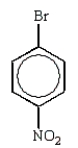
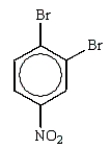
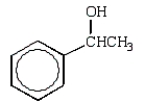
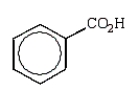
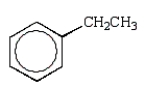
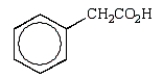
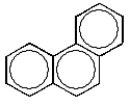
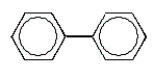
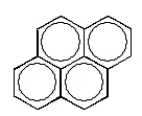
Deck 4: Aromatic Compounds

Full screen (f)
exit full mode
Question
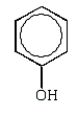
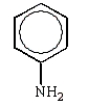
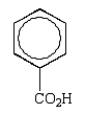
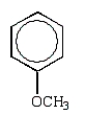
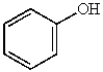
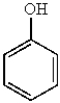
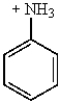
Which of the following structures accurately represents phenol?

A) <strong>Which of the following structures accurately represents phenol?</strong> A)   B)   C)   D)   E)   <div style=padding-top: 35px>
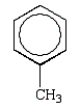
B) <strong>Which of the following structures accurately represents phenol?</strong> A)   B)   C)   D)   E)   <div style=padding-top: 35px>
C) <strong>Which of the following structures accurately represents phenol?</strong> A)   B)   C)   D)   E)   <div style=padding-top: 35px>
D) <strong>Which of the following structures accurately represents phenol?</strong> A)   B)   C)   D)   E)   <div style=padding-top: 35px>
E) <strong>Which of the following structures accurately represents phenol?</strong> A)   B)   C)   D)   E)   <div style=padding-top: 35px>
Use Space or
up arrow
down arrow
to flip the card.
Question
How many different trisubstituted products are possible from the nitration of o-xylene?

A) 1
B) 2
C) 3
D) 4
E) 5
Question
Using the following monosubstituted benzene, which position would be meta to X? <strong>Using the following monosubstituted benzene, which position would be meta to X?  </strong> A) 1 B) 2 C) 3 D) 4 E) 5 <div style=padding-top: 35px>
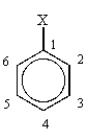
A) 1
B) 2
C) 3
D) 4
E) 5
Question
What dibromobenzene can form only one tribromobenzene?

A) o-dibromobenzene
B) m-dibromobenzene
C) p-dibromobenzene
D) cumene
E) styrene
Question
Which of the following names represents more than one compound?

A) dichlorobenzene
B) 2-bromophenol
C) o-nitrobenzaldehyde
D) 2,4,6-trinitrotoluene
E) cumene
Question
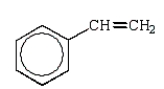
Which name(s) of the following molecule is/are incorrect? <strong>Which name(s) of the following molecule is/are incorrect?  </strong> A) styrene B) vinylbenzene C) ethylbenzene D) phenylethene E) a and b <div style=padding-top: 35px>
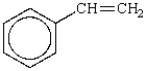
A) styrene
B) vinylbenzene
C) ethylbenzene
D) phenylethene
E) a and b
Question
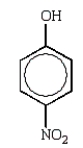
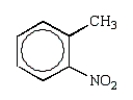
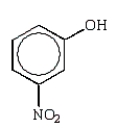
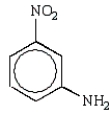
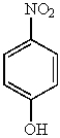
Which of the following molecules is o-nitrophenol?

A) <strong>Which of the following molecules is o-nitrophenol?</strong> A)   B)   C)   D)   E)   <div style=padding-top: 35px>
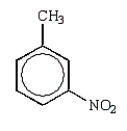
B) <strong>Which of the following molecules is o-nitrophenol?</strong> A)   B)   C)   D)   E)   <div style=padding-top: 35px>
C) <strong>Which of the following molecules is o-nitrophenol?</strong> A)   B)   C)   D)   E)   <div style=padding-top: 35px>
D) <strong>Which of the following molecules is o-nitrophenol?</strong> A)   B)   C)   D)   E)   <div style=padding-top: 35px>
E) <strong>Which of the following molecules is o-nitrophenol?</strong> A)   B)   C)   D)   E)   <div style=padding-top: 35px>
Question
Which statement about benzene is true?

A) All six hydrogens in benzene are chemically equivalent.
B) Benzene decolorizes bromine solutions.
C) The molecule is planar, and each carbon is at the corner of a regular hexagon.
D) Both a and c are true.
E) Both b and c are true.
Question
Which of the following statements about benzene is FALSE?

A) the molecule is planar and each carbon is at a corner of regular hexagon
B) there are two resonance structures of equivalent energy
C) the bond angles are all 120º and the bond lengths are all 1.39Å
D) the typical mechanism by which reactions occur is by addition
E) each carbon in the benzene ring is sp2 hybridized
Question
Which of the following is NOT an electrophile in an electrophilic aromatic substitution reaction?

A) NO2+
B) (CH3)3C+
C) SO3
D) Cl-
E) all are
Question
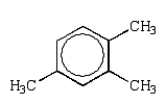
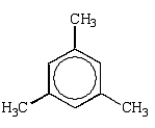
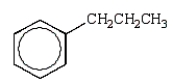
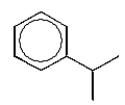
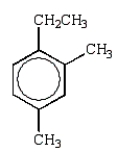
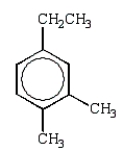
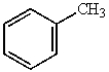
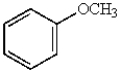
Which alkylbenzene, C9H12, when nitrated can yield only one mononitro product?

A) <strong>Which alkylbenzene, C<sub>9</sub>H<sub>12</sub>, when nitrated can yield only one mononitro product?</strong> A)   B)   C)   D)   E)   <div style=padding-top: 35px>
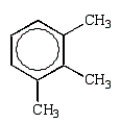
B) <strong>Which alkylbenzene, C<sub>9</sub>H<sub>12</sub>, when nitrated can yield only one mononitro product?</strong> A)   B)   C)   D)   E)   <div style=padding-top: 35px>
C) <strong>Which alkylbenzene, C<sub>9</sub>H<sub>12</sub>, when nitrated can yield only one mononitro product?</strong> A)   B)   C)   D)   E)   <div style=padding-top: 35px>
D) <strong>Which alkylbenzene, C<sub>9</sub>H<sub>12</sub>, when nitrated can yield only one mononitro product?</strong> A)   B)   C)   D)   E)   <div style=padding-top: 35px>
E) <strong>Which alkylbenzene, C<sub>9</sub>H<sub>12</sub>, when nitrated can yield only one mononitro product?</strong> A)   B)   C)   D)   E)   <div style=padding-top: 35px>
Question
The name of the following molecule is: <strong>The name of the following molecule is:  </strong> A) toluene B) ethylbenzene C) cumene D) styrene E) anisole <div style=padding-top: 35px>
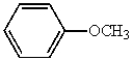
A) toluene
B) ethylbenzene
C) cumene
D) styrene
E) anisole
Question
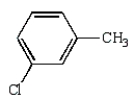
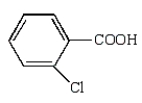
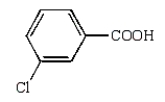
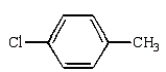
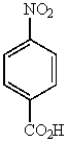
The structural formula for p-chlorobenzoic acid is:

A) <strong>The structural formula for p-chlorobenzoic acid is:</strong> A)   B)   C)   D)   E)   <div style=padding-top: 35px>
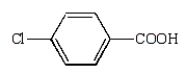
B) <strong>The structural formula for p-chlorobenzoic acid is:</strong> A)   B)   C)   D)   E)   <div style=padding-top: 35px>
C) <strong>The structural formula for p-chlorobenzoic acid is:</strong> A)   B)   C)   D)   E)   <div style=padding-top: 35px>
D) <strong>The structural formula for p-chlorobenzoic acid is:</strong> A)   B)   C)   D)   E)   <div style=padding-top: 35px>
E) <strong>The structural formula for p-chlorobenzoic acid is:</strong> A)   B)   C)   D)   E)   <div style=padding-top: 35px>
Question
What is the name of the following molecule?
PhCH2CH2CH=CH2

A) styrene
B) 4-phenyl-1-butene
C) 1-phenyl-3-butene
D) 3-benzyl-1-propene
E) allylbenzene
Question
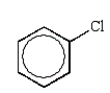
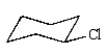
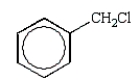
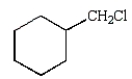
The structure of chlorobenzene is correctly represented by:

A) <strong>The structure of chlorobenzene is correctly represented by:</strong> A)   B)   C)   D)   E)   <div style=padding-top: 35px>
B) <strong>The structure of chlorobenzene is correctly represented by:</strong> A)   B)   C)   D)   E)   <div style=padding-top: 35px>
C) <strong>The structure of chlorobenzene is correctly represented by:</strong> A)   B)   C)   D)   E)   <div style=padding-top: 35px>
D) <strong>The structure of chlorobenzene is correctly represented by:</strong> A)   B)   C)   D)   E)   <div style=padding-top: 35px>
E) <strong>The structure of chlorobenzene is correctly represented by:</strong> A)   B)   C)   D)   E)   <div style=padding-top: 35px>
Question
What is the correct name for the following molecule? <strong>What is the correct name for the following molecule?  </strong> A) o-bromobenzyl B) biphenyl bromide C) 2-bromodiphenylpropane D) bromobenzylbenzene E) o-benzylbromobenzene <div style=padding-top: 35px>
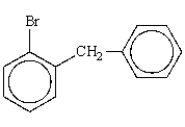
A) o-bromobenzyl
B) biphenyl bromide
C) 2-bromodiphenylpropane
D) bromobenzylbenzene
E) o-benzylbromobenzene
Question
The correct name for <strong>The correct name for   is</strong> A) 2-chloro-4-bromotoluene. B) o-chloro-p-bromotoluene. C) 1-bromo-3-chloro-4-methylbenzene. D) 4-bromo-2-chlorotoluene. E) m-chlorobromotoluene. <div style=padding-top: 35px> is
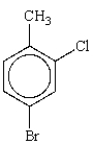
A) 2-chloro-4-bromotoluene.
B) o-chloro-p-bromotoluene.
C) 1-bromo-3-chloro-4-methylbenzene.
D) 4-bromo-2-chlorotoluene.
E) m-chlorobromotoluene.
Question
Which position would be para to X? <strong>Which position would be para to X?  </strong> A) 1 B) 2 C) 3 D) 4 E) 6 <div style=padding-top: 35px>
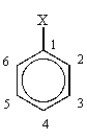
A) 1
B) 2
C) 3
D) 4
E) 6
Question
In the mechanism for the nitration of benzene, what is the function of H2SO4?

A) to act solely as a solvent
B) to donate a proton to HNO3
C) to accept a proton from HNO3
D) to generate heat for reaction to occur
E) to protonate the benzene ring
Question
How many dinitrobenzoic acids are possible?

A) 4
B) 5
C) 6
D) 7
E) 8
Question
Which of the following groups are ortho, para-directing?

A) -CO2CH3
B) -CONH2
C) -SO3H
D) <strong>Which of the following groups are ortho, para-directing?</strong> A) -CO<sub>2</sub>CH<sub>3</sub> B) -CONH<sub>2</sub> C) -SO<sub>3</sub>H D)   E) -SCH<sub>3</sub> <div style=padding-top: 35px>
E) -SCH3
Question
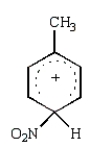
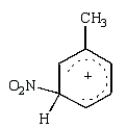
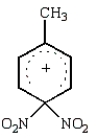
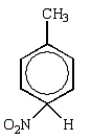
The predominant intermediate in electrophilic nitration of toluene is:

A) <strong>The predominant intermediate in electrophilic nitration of toluene is:</strong> A)   B)   C)   D)   E)   <div style=padding-top: 35px>
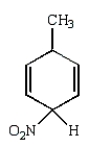
B) <strong>The predominant intermediate in electrophilic nitration of toluene is:</strong> A)   B)   C)   D)   E)   <div style=padding-top: 35px>
C) <strong>The predominant intermediate in electrophilic nitration of toluene is:</strong> A)   B)   C)   D)   E)   <div style=padding-top: 35px>
D) <strong>The predominant intermediate in electrophilic nitration of toluene is:</strong> A)   B)   C)   D)   E)   <div style=padding-top: 35px>
E) <strong>The predominant intermediate in electrophilic nitration of toluene is:</strong> A)   B)   C)   D)   E)   <div style=padding-top: 35px>
Question
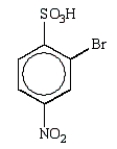
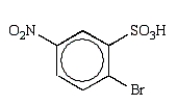
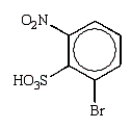
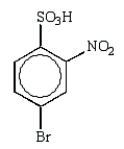
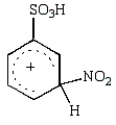
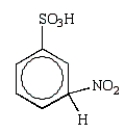
The predominant product from sequential nitration and bromination of benzenesulfonic acid is:

A) <strong>The predominant product from sequential nitration and bromination of benzenesulfonic acid is:</strong> A)   B)   C)   D)   E)   <div style=padding-top: 35px>
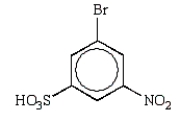
B) <strong>The predominant product from sequential nitration and bromination of benzenesulfonic acid is:</strong> A)   B)   C)   D)   E)   <div style=padding-top: 35px>
C) <strong>The predominant product from sequential nitration and bromination of benzenesulfonic acid is:</strong> A)   B)   C)   D)   E)   <div style=padding-top: 35px>
D) <strong>The predominant product from sequential nitration and bromination of benzenesulfonic acid is:</strong> A)   B)   C)   D)   E)   <div style=padding-top: 35px>
E) <strong>The predominant product from sequential nitration and bromination of benzenesulfonic acid is:</strong> A)   B)   C)   D)   E)   <div style=padding-top: 35px>
Question
If p-nitrophenol is treated with chlorine in the presence of AlCl3, the only trisubstituted product observed is:

A) 2-chloro-4-nitrophenol
B) 3-chloro-4-nitrophenol
C) 3-chloro-5-nitrophenol
D) 4-chloro-2-nitrophenol
E) 4-chloro-3-nitrophenol
Question
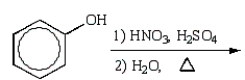
What is the product of the following reaction? <strong>What is the product of the following reaction?  </strong> A)   B)   C)   D)   E)   <div style=padding-top: 35px>
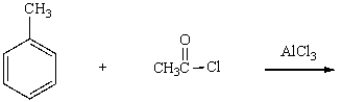
A) <strong>What is the product of the following reaction?  </strong> A)   B)   C)   D)   E)   <div style=padding-top: 35px>
B) <strong>What is the product of the following reaction?  </strong> A)   B)   C)   D)   E)   <div style=padding-top: 35px>
C) <strong>What is the product of the following reaction?  </strong> A)   B)   C)   D)   E)   <div style=padding-top: 35px>
D) <strong>What is the product of the following reaction?  </strong> A)   B)   C)   D)   E)   <div style=padding-top: 35px>
E) <strong>What is the product of the following reaction?  </strong> A)   B)   C)   D)   E)   <div style=padding-top: 35px>
Question
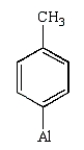
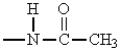
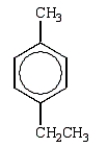
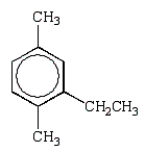
The relative rates of nitration of the following are: <strong>The relative rates of nitration of the following are:        </strong> A) 1 > 2 > 3 > 4 B) 4 > 2 > 1 > 3 C) 2 > 1 > 4 > 3 D) 3 > 4 > 2 > 1 E) 3 > 2 > 1 > 4 <div style=padding-top: 35px> <strong>The relative rates of nitration of the following are:        </strong> A) 1 > 2 > 3 > 4 B) 4 > 2 > 1 > 3 C) 2 > 1 > 4 > 3 D) 3 > 4 > 2 > 1 E) 3 > 2 > 1 > 4 <div style=padding-top: 35px> <strong>The relative rates of nitration of the following are:        </strong> A) 1 > 2 > 3 > 4 B) 4 > 2 > 1 > 3 C) 2 > 1 > 4 > 3 D) 3 > 4 > 2 > 1 E) 3 > 2 > 1 > 4 <div style=padding-top: 35px> <strong>The relative rates of nitration of the following are:        </strong> A) 1 > 2 > 3 > 4 B) 4 > 2 > 1 > 3 C) 2 > 1 > 4 > 3 D) 3 > 4 > 2 > 1 E) 3 > 2 > 1 > 4 <div style=padding-top: 35px>
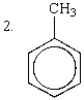
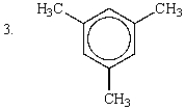
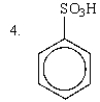
A) 1 > 2 > 3 > 4
B) 4 > 2 > 1 > 3
C) 2 > 1 > 4 > 3
D) 3 > 4 > 2 > 1
E) 3 > 2 > 1 > 4
Question
The only group among the following that is m-directing is:

A) <strong>The only group among the following that is m-directing is:</strong> A)   B)   C)   D)   E)   <div style=padding-top: 35px>
B) <strong>The only group among the following that is m-directing is:</strong> A)   B)   C)   D)   E)   <div style=padding-top: 35px>
C) <strong>The only group among the following that is m-directing is:</strong> A)   B)   C)   D)   E)   <div style=padding-top: 35px>
D) <strong>The only group among the following that is m-directing is:</strong> A)   B)   C)   D)   E)   <div style=padding-top: 35px>
E) <strong>The only group among the following that is m-directing is:</strong> A)   B)   C)   D)   E)   <div style=padding-top: 35px>
Question
The expected product from the following reaction is: <strong>The expected product from the following reaction is:  </strong> A)   B)   C)   D)   <div style=padding-top: 35px>

A) <strong>The expected product from the following reaction is:  </strong> A)   B)   C)   D)   <div style=padding-top: 35px>
B) <strong>The expected product from the following reaction is:  </strong> A)   B)   C)   D)   <div style=padding-top: 35px>
C) <strong>The expected product from the following reaction is:  </strong> A)   B)   C)   D)   <div style=padding-top: 35px>
D) <strong>The expected product from the following reaction is:  </strong> A)   B)   C)   D)   <div style=padding-top: 35px>
Question
In electrophilic aromatic substitution reactions, which of the following molecules are considered to be less reactive than benzene?

A) <strong>In electrophilic aromatic substitution reactions, which of the following molecules are considered to be less reactive than benzene?</strong> A)   B)   C)   D)   E)   <div style=padding-top: 35px>
B) <strong>In electrophilic aromatic substitution reactions, which of the following molecules are considered to be less reactive than benzene?</strong> A)   B)   C)   D)   E)   <div style=padding-top: 35px>
C) <strong>In electrophilic aromatic substitution reactions, which of the following molecules are considered to be less reactive than benzene?</strong> A)   B)   C)   D)   E)   <div style=padding-top: 35px>
D) <strong>In electrophilic aromatic substitution reactions, which of the following molecules are considered to be less reactive than benzene?</strong> A)   B)   C)   D)   E)   <div style=padding-top: 35px>
E) <strong>In electrophilic aromatic substitution reactions, which of the following molecules are considered to be less reactive than benzene?</strong> A)   B)   C)   D)   E)   <div style=padding-top: 35px>
Question
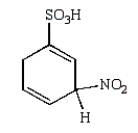
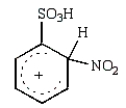
The predominant intermediate in the nitration of benzenesulfonic acid is:

A) <strong>The predominant intermediate in the nitration of benzenesulfonic acid is:</strong> A)   B)   C)   D)   E)   <div style=padding-top: 35px>
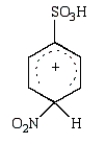
B) <strong>The predominant intermediate in the nitration of benzenesulfonic acid is:</strong> A)   B)   C)   D)   E)   <div style=padding-top: 35px>
C) <strong>The predominant intermediate in the nitration of benzenesulfonic acid is:</strong> A)   B)   C)   D)   E)   <div style=padding-top: 35px>
D) <strong>The predominant intermediate in the nitration of benzenesulfonic acid is:</strong> A)   B)   C)   D)   E)   <div style=padding-top: 35px>
E) <strong>The predominant intermediate in the nitration of benzenesulfonic acid is:</strong> A)   B)   C)   D)   E)   <div style=padding-top: 35px>
Question
Which of the following molecules is the most reactive toward electrophilic aromatic substitution?

A) <strong>Which of the following molecules is the most reactive toward electrophilic aromatic substitution?</strong> A)   B)   C)   D)   E)   <div style=padding-top: 35px>
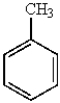
B) <strong>Which of the following molecules is the most reactive toward electrophilic aromatic substitution?</strong> A)   B)   C)   D)   E)   <div style=padding-top: 35px>
C) <strong>Which of the following molecules is the most reactive toward electrophilic aromatic substitution?</strong> A)   B)   C)   D)   E)   <div style=padding-top: 35px>
D) <strong>Which of the following molecules is the most reactive toward electrophilic aromatic substitution?</strong> A)   B)   C)   D)   E)   <div style=padding-top: 35px>
E) <strong>Which of the following molecules is the most reactive toward electrophilic aromatic substitution?</strong> A)   B)   C)   D)   E)   <div style=padding-top: 35px>
Question
Which electrophile is used to make acetophenone from benzene?

A) <strong>Which electrophile is used to make acetophenone from benzene?</strong> A)   B)   C)   D)   E)   <div style=padding-top: 35px>
B) <strong>Which electrophile is used to make acetophenone from benzene?</strong> A)   B)   C)   D)   E)   <div style=padding-top: 35px>
C) <strong>Which electrophile is used to make acetophenone from benzene?</strong> A)   B)   C)   D)   E)   <div style=padding-top: 35px>
D) <strong>Which electrophile is used to make acetophenone from benzene?</strong> A)   B)   C)   D)   E)   <div style=padding-top: 35px>
E) <strong>Which electrophile is used to make acetophenone from benzene?</strong> A)   B)   C)   D)   E)   <div style=padding-top: 35px>
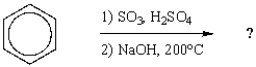
Question
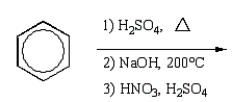
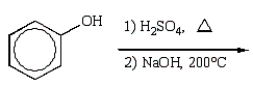
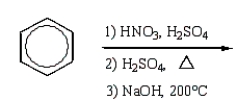
What is the name of the major product from the following sequence of reactions? <strong>What is the name of the major product from the following sequence of reactions?  </strong> A) aniline B) anisole C) benzoic acid D) phenol E) toluene <div style=padding-top: 35px>
A) aniline
B) anisole
C) benzoic acid
D) phenol
E) toluene
Question
What is the best sequence of reactions to synthesize m-nitrophenol?

A) <strong>What is the best sequence of reactions to synthesize m-nitrophenol?</strong> A)   B)   C)   D)   E)   <div style=padding-top: 35px>
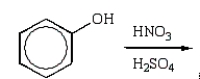
B) <strong>What is the best sequence of reactions to synthesize m-nitrophenol?</strong> A)   B)   C)   D)   E)   <div style=padding-top: 35px>
C) <strong>What is the best sequence of reactions to synthesize m-nitrophenol?</strong> A)   B)   C)   D)   E)   <div style=padding-top: 35px>
D) <strong>What is the best sequence of reactions to synthesize m-nitrophenol?</strong> A)   B)   C)   D)   E)   <div style=padding-top: 35px>
E) <strong>What is the best sequence of reactions to synthesize m-nitrophenol?</strong> A)   B)   C)   D)   E)   <div style=padding-top: 35px>
Question
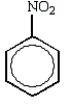
The name of the product of the following reaction is: <strong>The name of the product of the following reaction is:  </strong> A) benzenesulfonic acid B) aniline C) benzoic acid D) nitrobenzene E) anisole <div style=padding-top: 35px>

A) benzenesulfonic acid
B) aniline
C) benzoic acid
D) nitrobenzene
E) anisole
Question
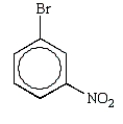
The predominant product from the sequential bromination and nitration of benzene is:

A) <strong>The predominant product from the sequential bromination and nitration of benzene is:</strong> A)   B)   C)   D)   E)   <div style=padding-top: 35px>
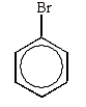
B) <strong>The predominant product from the sequential bromination and nitration of benzene is:</strong> A)   B)   C)   D)   E)   <div style=padding-top: 35px>
C) <strong>The predominant product from the sequential bromination and nitration of benzene is:</strong> A)   B)   C)   D)   E)   <div style=padding-top: 35px>
D) <strong>The predominant product from the sequential bromination and nitration of benzene is:</strong> A)   B)   C)   D)   E)   <div style=padding-top: 35px>
E) <strong>The predominant product from the sequential bromination and nitration of benzene is:</strong> A)   B)   C)   D)   E)   <div style=padding-top: 35px>
Question
Among the following groups, which ones are o,p-directing? <strong>Among the following groups, which ones are o,p-directing?  </strong> A) 1, 3, and 5 B) 1 and 5 C) 2 and 4 D) 2, 3, and 4 E) 1 and 3 <div style=padding-top: 35px>

A) 1, 3, and 5
B) 1 and 5
C) 2 and 4
D) 2, 3, and 4
E) 1 and 3
Question
Which of the following groups is a meta director?

A) -Cl
B) -COOH
C) -OCH3
D) -OH
E) -NH2
Question
Which group is both ortho-para directing and ring-deactivating?

A) -Cl
B) -CH3
C) -NO2
D) -CHO
E) -OCH3
Question
What is the final product of the following reaction sequence? <strong>What is the final product of the following reaction sequence?  </strong> A)   B)   C)   D)   E)   <div style=padding-top: 35px>
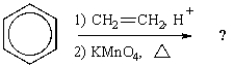
A) <strong>What is the final product of the following reaction sequence?  </strong> A)   B)   C)   D)   E)   <div style=padding-top: 35px>
B) <strong>What is the final product of the following reaction sequence?  </strong> A)   B)   C)   D)   E)   <div style=padding-top: 35px>
C) <strong>What is the final product of the following reaction sequence?  </strong> A)   B)   C)   D)   E)   <div style=padding-top: 35px>
D) <strong>What is the final product of the following reaction sequence?  </strong> A)   B)   C)   D)   E)   <div style=padding-top: 35px>
E) <strong>What is the final product of the following reaction sequence?  </strong> A)   B)   C)   D)   E)   <div style=padding-top: 35px>
Question
Which is the best reaction sequence to synthesize m-bromobenzenesulfonic acid from benzene? <strong>Which is the best reaction sequence to synthesize m-bromobenzenesulfonic acid from benzene?  </strong> A) 1) Br<sub>2</sub>, AlBr<sub>3</sub>, 2) H<sub>2</sub>SO<sub>4</sub>, SO<sub>3</sub> B) 1) H<sub>2</sub>SO<sub>4</sub>, SO<sub>3</sub> 2) Br<sub>2</sub>, AlBr<sub>3</sub> C) 1) ethene, HF, 2) Br<sub>2</sub>, AlBr<sub>3</sub> D) 1) CH<sub>3</sub>Cl, AlCl<sub>3</sub>, 2) Br<sub>2</sub>, AlBr<sub>3</sub> E) 1) Br<sub>2</sub>, AlBr<sub>3</sub>, 2) CH<sub>3</sub>COCl, AlCl<sub>3</sub> <div style=padding-top: 35px>
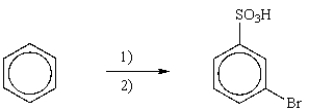
A) 1) Br2, AlBr3, 2) H2SO4, SO3
B) 1) H2SO4, SO3 2) Br2, AlBr3
C) 1) ethene, HF, 2) Br2, AlBr3
D) 1) CH3Cl, AlCl3, 2) Br2, AlBr3
E) 1) Br2, AlBr3, 2) CH3COCl, AlCl3
Question
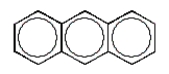
The number of possible mononitration products of anthracene is: <strong>The number of possible mononitration products of anthracene is:  </strong> A) 1 B) 2 C) 3 D) 4 E) 5 <div style=padding-top: 35px>
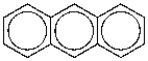
A) 1
B) 2
C) 3
D) 4
E) 5
Question
The polycyclic aromatic hydrocarbon benzo[a]pyrene is a known carcinogen found in soot and tobacco smoke.What is its structure?

A) <strong>The polycyclic aromatic hydrocarbon benzo[a]pyrene is a known carcinogen found in soot and tobacco smoke.What is its structure?</strong> A)   B)   C)   D)   E)   <div style=padding-top: 35px>
B) <strong>The polycyclic aromatic hydrocarbon benzo[a]pyrene is a known carcinogen found in soot and tobacco smoke.What is its structure?</strong> A)   B)   C)   D)   E)   <div style=padding-top: 35px>
C) <strong>The polycyclic aromatic hydrocarbon benzo[a]pyrene is a known carcinogen found in soot and tobacco smoke.What is its structure?</strong> A)   B)   C)   D)   E)   <div style=padding-top: 35px>
D) <strong>The polycyclic aromatic hydrocarbon benzo[a]pyrene is a known carcinogen found in soot and tobacco smoke.What is its structure?</strong> A)   B)   C)   D)   E)   <div style=padding-top: 35px>
E) <strong>The polycyclic aromatic hydrocarbon benzo[a]pyrene is a known carcinogen found in soot and tobacco smoke.What is its structure?</strong> A)   B)   C)   D)   E)   <div style=padding-top: 35px>
Question
Which is the best reaction sequence to synthesize p-bromobenzenesulfonic acid from benzene? <strong>Which is the best reaction sequence to synthesize p-bromobenzenesulfonic acid from benzene?  </strong> A) 1) Br<sub>2</sub>, AlBr<sub>3</sub>, 2) H<sub>2</sub>SO<sub>4</sub>, SO<sub>3</sub> B) 1) H<sub>2</sub>SO<sub>4</sub>, SO<sub>3</sub>, 2) Br<sub>2</sub>, AlBr<sub>3</sub> C) 1) CH<sub>3</sub>Cl, AlCl<sub>3</sub>, 2) Br<sub>2</sub>, AlBr<sub>3</sub> D) 1) Br<sub>2</sub>, AlBr<sub>3</sub>, 2) CH<sub>3</sub>COCl, AlCl<sub>3</sub> E) 1) HBr, ethane, 2) H<sub>2</sub>SO<sub>4</sub>, SO<sub>3</sub> <div style=padding-top: 35px>
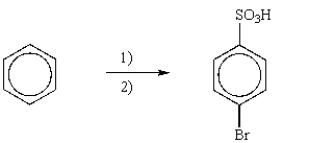
A) 1) Br2, AlBr3, 2) H2SO4, SO3
B) 1) H2SO4, SO3, 2) Br2, AlBr3
C) 1) CH3Cl, AlCl3, 2) Br2, AlBr3
D) 1) Br2, AlBr3, 2) CH3COCl, AlCl3
E) 1) HBr, ethane, 2) H2SO4, SO3
Question
A common polycyclic aromatic hydrocarbon is named naphthalene.What is the structure of naphthalene?

A) <strong>A common polycyclic aromatic hydrocarbon is named naphthalene.What is the structure of naphthalene?</strong> A)   B)   C)   D)   E)   <div style=padding-top: 35px>
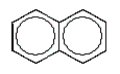
B) <strong>A common polycyclic aromatic hydrocarbon is named naphthalene.What is the structure of naphthalene?</strong> A)   B)   C)   D)   E)   <div style=padding-top: 35px>
C) <strong>A common polycyclic aromatic hydrocarbon is named naphthalene.What is the structure of naphthalene?</strong> A)   B)   C)   D)   E)   <div style=padding-top: 35px>
D) <strong>A common polycyclic aromatic hydrocarbon is named naphthalene.What is the structure of naphthalene?</strong> A)   B)   C)   D)   E)   <div style=padding-top: 35px>
E) <strong>A common polycyclic aromatic hydrocarbon is named naphthalene.What is the structure of naphthalene?</strong> A)   B)   C)   D)   E)   <div style=padding-top: 35px>
Question
Which is the best sequence of reagents to use in synthesizing 2-chloro-4-nitrotoluene from benzene:

A) Cl2, FeCl3; then CH3Cl, AlCl3; then HNO3, H2SO4
B) CH3Cl, AlCl3; then Cl2, FeCl3; then HNO3, H2SO4
C) CH3Cl, AlCl3; then HNO3, H2SO4; then Cl2, FeCl3
D) SO3, H2SO4; then HNO3, H2SO4; then Cl2, FeCl3
E) HNO3, H2SO4; then Cl2, FeCl3; then CH3Cl, AlCl3
Unlock Deck
Sign up to unlock the cards in this deck!
Unlock Deck
Unlock Deck
1/46
auto play flashcards
Play
simple tutorial
Full screen (f)
exit full mode
Deck 4: Aromatic Compounds
1
Which of the following structures accurately represents phenol?

A) <strong>Which of the following structures accurately represents phenol?</strong> A)   B)   C)   D)   E)
B) <strong>Which of the following structures accurately represents phenol?</strong> A)   B)   C)   D)   E)
C) <strong>Which of the following structures accurately represents phenol?</strong> A)   B)   C)   D)   E)
D) <strong>Which of the following structures accurately represents phenol?</strong> A)   B)   C)   D)   E)
E) <strong>Which of the following structures accurately represents phenol?</strong> A)   B)   C)   D)   E)
2
How many different trisubstituted products are possible from the nitration of o-xylene?

A) 1
B) 2
C) 3
D) 4
E) 5
2
3
Using the following monosubstituted benzene, which position would be meta to X? <strong>Using the following monosubstituted benzene, which position would be meta to X?  </strong> A) 1 B) 2 C) 3 D) 4 E) 5

A) 1
B) 2
C) 3
D) 4
E) 5
3
4
What dibromobenzene can form only one tribromobenzene?

A) o-dibromobenzene
B) m-dibromobenzene
C) p-dibromobenzene
D) cumene
E) styrene
Unlock Deck
Unlock for access to all 46 flashcards in this deck.
Unlock Deck
k this deck
5
Which of the following names represents more than one compound?

A) dichlorobenzene
B) 2-bromophenol
C) o-nitrobenzaldehyde
D) 2,4,6-trinitrotoluene
E) cumene
Unlock Deck
Unlock for access to all 46 flashcards in this deck.
Unlock Deck
k this deck
6
Which name(s) of the following molecule is/are incorrect? <strong>Which name(s) of the following molecule is/are incorrect?  </strong> A) styrene B) vinylbenzene C) ethylbenzene D) phenylethene E) a and b

A) styrene
B) vinylbenzene
C) ethylbenzene
D) phenylethene
E) a and b
Unlock Deck
Unlock for access to all 46 flashcards in this deck.
Unlock Deck
k this deck
7
Which of the following molecules is o-nitrophenol?

A) <strong>Which of the following molecules is o-nitrophenol?</strong> A)   B)   C)   D)   E)
B) <strong>Which of the following molecules is o-nitrophenol?</strong> A)   B)   C)   D)   E)
C) <strong>Which of the following molecules is o-nitrophenol?</strong> A)   B)   C)   D)   E)
D) <strong>Which of the following molecules is o-nitrophenol?</strong> A)   B)   C)   D)   E)
E) <strong>Which of the following molecules is o-nitrophenol?</strong> A)   B)   C)   D)   E)
Unlock Deck
Unlock for access to all 46 flashcards in this deck.

Unlock Deck
k this deck
8
Which statement about benzene is true?

A) All six hydrogens in benzene are chemically equivalent.
B) Benzene decolorizes bromine solutions.
C) The molecule is planar, and each carbon is at the corner of a regular hexagon.
D) Both a and c are true.
E) Both b and c are true.
Unlock Deck
Unlock for access to all 46 flashcards in this deck.

Unlock Deck
k this deck
9
Which of the following statements about benzene is FALSE?

A) the molecule is planar and each carbon is at a corner of regular hexagon
B) there are two resonance structures of equivalent energy
C) the bond angles are all 120º and the bond lengths are all 1.39Å
D) the typical mechanism by which reactions occur is by addition
E) each carbon in the benzene ring is sp2 hybridized
Unlock Deck
Unlock for access to all 46 flashcards in this deck.
Unlock Deck
k this deck
10
Which of the following is NOT an electrophile in an electrophilic aromatic substitution reaction?

A) NO2+
B) (CH3)3C+
C) SO3
D) Cl-
E) all are
Unlock Deck
Unlock for access to all 46 flashcards in this deck.
Unlock Deck
k this deck
11
Which alkylbenzene, C9H12, when nitrated can yield only one mononitro product?

A) <strong>Which alkylbenzene, C<sub>9</sub>H<sub>12</sub>, when nitrated can yield only one mononitro product?</strong> A)   B)   C)   D)   E)
B) <strong>Which alkylbenzene, C<sub>9</sub>H<sub>12</sub>, when nitrated can yield only one mononitro product?</strong> A)   B)   C)   D)   E)
C) <strong>Which alkylbenzene, C<sub>9</sub>H<sub>12</sub>, when nitrated can yield only one mononitro product?</strong> A)   B)   C)   D)   E)
D) <strong>Which alkylbenzene, C<sub>9</sub>H<sub>12</sub>, when nitrated can yield only one mononitro product?</strong> A)   B)   C)   D)   E)
E) <strong>Which alkylbenzene, C<sub>9</sub>H<sub>12</sub>, when nitrated can yield only one mononitro product?</strong> A)   B)   C)   D)   E)
Unlock Deck
Unlock for access to all 46 flashcards in this deck.
Unlock Deck
k this deck
12
The name of the following molecule is: <strong>The name of the following molecule is:  </strong> A) toluene B) ethylbenzene C) cumene D) styrene E) anisole

A) toluene
B) ethylbenzene
C) cumene
D) styrene
E) anisole
Unlock Deck
Unlock for access to all 46 flashcards in this deck.
Unlock Deck
k this deck
13
The structural formula for p-chlorobenzoic acid is:

A) <strong>The structural formula for p-chlorobenzoic acid is:</strong> A)   B)   C)   D)   E)
B) <strong>The structural formula for p-chlorobenzoic acid is:</strong> A)   B)   C)   D)   E)
C) <strong>The structural formula for p-chlorobenzoic acid is:</strong> A)   B)   C)   D)   E)
D) <strong>The structural formula for p-chlorobenzoic acid is:</strong> A)   B)   C)   D)   E)
E) <strong>The structural formula for p-chlorobenzoic acid is:</strong> A)   B)   C)   D)   E)
Unlock Deck
Unlock for access to all 46 flashcards in this deck.
Unlock Deck
k this deck
14
What is the name of the following molecule?
PhCH2CH2CH=CH2

A) styrene
B) 4-phenyl-1-butene
C) 1-phenyl-3-butene
D) 3-benzyl-1-propene
E) allylbenzene
Unlock Deck
Unlock for access to all 46 flashcards in this deck.
Unlock Deck
k this deck
15
The structure of chlorobenzene is correctly represented by:

A) <strong>The structure of chlorobenzene is correctly represented by:</strong> A)   B)   C)   D)   E)
B) <strong>The structure of chlorobenzene is correctly represented by:</strong> A)   B)   C)   D)   E)
C) <strong>The structure of chlorobenzene is correctly represented by:</strong> A)   B)   C)   D)   E)
D) <strong>The structure of chlorobenzene is correctly represented by:</strong> A)   B)   C)   D)   E)
E) <strong>The structure of chlorobenzene is correctly represented by:</strong> A)   B)   C)   D)   E)
Unlock Deck
Unlock for access to all 46 flashcards in this deck.
Unlock Deck
k this deck
16
What is the correct name for the following molecule? <strong>What is the correct name for the following molecule?  </strong> A) o-bromobenzyl B) biphenyl bromide C) 2-bromodiphenylpropane D) bromobenzylbenzene E) o-benzylbromobenzene

A) o-bromobenzyl
B) biphenyl bromide
C) 2-bromodiphenylpropane
D) bromobenzylbenzene
E) o-benzylbromobenzene
Unlock Deck
Unlock for access to all 46 flashcards in this deck.
Unlock Deck
k this deck
17
The correct name for <strong>The correct name for   is</strong> A) 2-chloro-4-bromotoluene. B) o-chloro-p-bromotoluene. C) 1-bromo-3-chloro-4-methylbenzene. D) 4-bromo-2-chlorotoluene. E) m-chlorobromotoluene. is

A) 2-chloro-4-bromotoluene.
B) o-chloro-p-bromotoluene.
C) 1-bromo-3-chloro-4-methylbenzene.
D) 4-bromo-2-chlorotoluene.
E) m-chlorobromotoluene.
Unlock Deck
Unlock for access to all 46 flashcards in this deck.
Unlock Deck
k this deck
18
Which position would be para to X? <strong>Which position would be para to X?  </strong> A) 1 B) 2 C) 3 D) 4 E) 6

A) 1
B) 2
C) 3
D) 4
E) 6
Unlock Deck
Unlock for access to all 46 flashcards in this deck.
Unlock Deck
k this deck
19
In the mechanism for the nitration of benzene, what is the function of H2SO4?

A) to act solely as a solvent
B) to donate a proton to HNO3
C) to accept a proton from HNO3
D) to generate heat for reaction to occur
E) to protonate the benzene ring
Unlock Deck
Unlock for access to all 46 flashcards in this deck.
Unlock Deck
k this deck
20
How many dinitrobenzoic acids are possible?

A) 4
B) 5
C) 6
D) 7
E) 8
Unlock Deck
Unlock for access to all 46 flashcards in this deck.
Unlock Deck
k this deck
21
Which of the following groups are ortho, para-directing?

A) -CO2CH3
B) -CONH2
C) -SO3H
D) <strong>Which of the following groups are ortho, para-directing?</strong> A) -CO<sub>2</sub>CH<sub>3</sub> B) -CONH<sub>2</sub> C) -SO<sub>3</sub>H D)   E) -SCH<sub>3</sub>
E) -SCH3
Unlock Deck
Unlock for access to all 46 flashcards in this deck.
Unlock Deck
k this deck
22
The predominant intermediate in electrophilic nitration of toluene is:

A) <strong>The predominant intermediate in electrophilic nitration of toluene is:</strong> A)   B)   C)   D)   E)
B) <strong>The predominant intermediate in electrophilic nitration of toluene is:</strong> A)   B)   C)   D)   E)
C) <strong>The predominant intermediate in electrophilic nitration of toluene is:</strong> A)   B)   C)   D)   E)
D) <strong>The predominant intermediate in electrophilic nitration of toluene is:</strong> A)   B)   C)   D)   E)
E) <strong>The predominant intermediate in electrophilic nitration of toluene is:</strong> A)   B)   C)   D)   E)
Unlock Deck
Unlock for access to all 46 flashcards in this deck.
Unlock Deck
k this deck
23
The predominant product from sequential nitration and bromination of benzenesulfonic acid is:

A) <strong>The predominant product from sequential nitration and bromination of benzenesulfonic acid is:</strong> A)   B)   C)   D)   E)
B) <strong>The predominant product from sequential nitration and bromination of benzenesulfonic acid is:</strong> A)   B)   C)   D)   E)
C) <strong>The predominant product from sequential nitration and bromination of benzenesulfonic acid is:</strong> A)   B)   C)   D)   E)
D) <strong>The predominant product from sequential nitration and bromination of benzenesulfonic acid is:</strong> A)   B)   C)   D)   E)
E) <strong>The predominant product from sequential nitration and bromination of benzenesulfonic acid is:</strong> A)   B)   C)   D)   E)
Unlock Deck
Unlock for access to all 46 flashcards in this deck.
Unlock Deck
k this deck
24
If p-nitrophenol is treated with chlorine in the presence of AlCl3, the only trisubstituted product observed is:

A) 2-chloro-4-nitrophenol
B) 3-chloro-4-nitrophenol
C) 3-chloro-5-nitrophenol
D) 4-chloro-2-nitrophenol
E) 4-chloro-3-nitrophenol
Unlock Deck
Unlock for access to all 46 flashcards in this deck.
Unlock Deck
k this deck
25
What is the product of the following reaction? <strong>What is the product of the following reaction?  </strong> A)   B)   C)   D)   E)

A) <strong>What is the product of the following reaction?  </strong> A)   B)   C)   D)   E)
B) <strong>What is the product of the following reaction?  </strong> A)   B)   C)   D)   E)
C) <strong>What is the product of the following reaction?  </strong> A)   B)   C)   D)   E)
D) <strong>What is the product of the following reaction?  </strong> A)   B)   C)   D)   E)
E) <strong>What is the product of the following reaction?  </strong> A)   B)   C)   D)   E)
Unlock Deck
Unlock for access to all 46 flashcards in this deck.
Unlock Deck
k this deck
26
The relative rates of nitration of the following are: <strong>The relative rates of nitration of the following are:        </strong> A) 1 > 2 > 3 > 4 B) 4 > 2 > 1 > 3 C) 2 > 1 > 4 > 3 D) 3 > 4 > 2 > 1 E) 3 > 2 > 1 > 4 <strong>The relative rates of nitration of the following are:        </strong> A) 1 > 2 > 3 > 4 B) 4 > 2 > 1 > 3 C) 2 > 1 > 4 > 3 D) 3 > 4 > 2 > 1 E) 3 > 2 > 1 > 4 <strong>The relative rates of nitration of the following are:        </strong> A) 1 > 2 > 3 > 4 B) 4 > 2 > 1 > 3 C) 2 > 1 > 4 > 3 D) 3 > 4 > 2 > 1 E) 3 > 2 > 1 > 4 <strong>The relative rates of nitration of the following are:        </strong> A) 1 > 2 > 3 > 4 B) 4 > 2 > 1 > 3 C) 2 > 1 > 4 > 3 D) 3 > 4 > 2 > 1 E) 3 > 2 > 1 > 4

A) 1 > 2 > 3 > 4
B) 4 > 2 > 1 > 3
C) 2 > 1 > 4 > 3
D) 3 > 4 > 2 > 1
E) 3 > 2 > 1 > 4
Unlock Deck
Unlock for access to all 46 flashcards in this deck.
Unlock Deck
k this deck
27
The only group among the following that is m-directing is:

A) <strong>The only group among the following that is m-directing is:</strong> A)   B)   C)   D)   E)
B) <strong>The only group among the following that is m-directing is:</strong> A)   B)   C)   D)   E)
C) <strong>The only group among the following that is m-directing is:</strong> A)   B)   C)   D)   E)
D) <strong>The only group among the following that is m-directing is:</strong> A)   B)   C)   D)   E)
E) <strong>The only group among the following that is m-directing is:</strong> A)   B)   C)   D)   E)
Unlock Deck
Unlock for access to all 46 flashcards in this deck.
Unlock Deck
k this deck
28
The expected product from the following reaction is: <strong>The expected product from the following reaction is:  </strong> A)   B)   C)   D)

A) <strong>The expected product from the following reaction is:  </strong> A)   B)   C)   D)
B) <strong>The expected product from the following reaction is:  </strong> A)   B)   C)   D)
C) <strong>The expected product from the following reaction is:  </strong> A)   B)   C)   D)
D) <strong>The expected product from the following reaction is:  </strong> A)   B)   C)   D)
Unlock Deck
Unlock for access to all 46 flashcards in this deck.
Unlock Deck
k this deck
29
In electrophilic aromatic substitution reactions, which of the following molecules are considered to be less reactive than benzene?

A) <strong>In electrophilic aromatic substitution reactions, which of the following molecules are considered to be less reactive than benzene?</strong> A)   B)   C)   D)   E)
B) <strong>In electrophilic aromatic substitution reactions, which of the following molecules are considered to be less reactive than benzene?</strong> A)   B)   C)   D)   E)
C) <strong>In electrophilic aromatic substitution reactions, which of the following molecules are considered to be less reactive than benzene?</strong> A)   B)   C)   D)   E)
D) <strong>In electrophilic aromatic substitution reactions, which of the following molecules are considered to be less reactive than benzene?</strong> A)   B)   C)   D)   E)
E) <strong>In electrophilic aromatic substitution reactions, which of the following molecules are considered to be less reactive than benzene?</strong> A)   B)   C)   D)   E)
Unlock Deck
Unlock for access to all 46 flashcards in this deck.
Unlock Deck
k this deck
30
The predominant intermediate in the nitration of benzenesulfonic acid is:

A) <strong>The predominant intermediate in the nitration of benzenesulfonic acid is:</strong> A)   B)   C)   D)   E)
B) <strong>The predominant intermediate in the nitration of benzenesulfonic acid is:</strong> A)   B)   C)   D)   E)
C) <strong>The predominant intermediate in the nitration of benzenesulfonic acid is:</strong> A)   B)   C)   D)   E)
D) <strong>The predominant intermediate in the nitration of benzenesulfonic acid is:</strong> A)   B)   C)   D)   E)
E) <strong>The predominant intermediate in the nitration of benzenesulfonic acid is:</strong> A)   B)   C)   D)   E)
Unlock Deck
Unlock for access to all 46 flashcards in this deck.
Unlock Deck
k this deck
31
Which of the following molecules is the most reactive toward electrophilic aromatic substitution?

A) <strong>Which of the following molecules is the most reactive toward electrophilic aromatic substitution?</strong> A)   B)   C)   D)   E)
B) <strong>Which of the following molecules is the most reactive toward electrophilic aromatic substitution?</strong> A)   B)   C)   D)   E)
C) <strong>Which of the following molecules is the most reactive toward electrophilic aromatic substitution?</strong> A)   B)   C)   D)   E)
D) <strong>Which of the following molecules is the most reactive toward electrophilic aromatic substitution?</strong> A)   B)   C)   D)   E)
E) <strong>Which of the following molecules is the most reactive toward electrophilic aromatic substitution?</strong> A)   B)   C)   D)   E)
Unlock Deck
Unlock for access to all 46 flashcards in this deck.
Unlock Deck
k this deck
32
Which electrophile is used to make acetophenone from benzene?

A) <strong>Which electrophile is used to make acetophenone from benzene?</strong> A)   B)   C)   D)   E)
B) <strong>Which electrophile is used to make acetophenone from benzene?</strong> A)   B)   C)   D)   E)
C) <strong>Which electrophile is used to make acetophenone from benzene?</strong> A)   B)   C)   D)   E)
D) <strong>Which electrophile is used to make acetophenone from benzene?</strong> A)   B)   C)   D)   E)
E) <strong>Which electrophile is used to make acetophenone from benzene?</strong> A)   B)   C)   D)   E)
Unlock Deck
Unlock for access to all 46 flashcards in this deck.
Unlock Deck
k this deck
33
What is the name of the major product from the following sequence of reactions? <strong>What is the name of the major product from the following sequence of reactions?  </strong> A) aniline B) anisole C) benzoic acid D) phenol E) toluene

A) aniline
B) anisole
C) benzoic acid
D) phenol
E) toluene
Unlock Deck
Unlock for access to all 46 flashcards in this deck.
Unlock Deck
k this deck
34
What is the best sequence of reactions to synthesize m-nitrophenol?

A) <strong>What is the best sequence of reactions to synthesize m-nitrophenol?</strong> A)   B)   C)   D)   E)
B) <strong>What is the best sequence of reactions to synthesize m-nitrophenol?</strong> A)   B)   C)   D)   E)
C) <strong>What is the best sequence of reactions to synthesize m-nitrophenol?</strong> A)   B)   C)   D)   E)
D) <strong>What is the best sequence of reactions to synthesize m-nitrophenol?</strong> A)   B)   C)   D)   E)
E) <strong>What is the best sequence of reactions to synthesize m-nitrophenol?</strong> A)   B)   C)   D)   E)
Unlock Deck
Unlock for access to all 46 flashcards in this deck.
Unlock Deck
k this deck
35
The name of the product of the following reaction is: <strong>The name of the product of the following reaction is:  </strong> A) benzenesulfonic acid B) aniline C) benzoic acid D) nitrobenzene E) anisole

A) benzenesulfonic acid
B) aniline
C) benzoic acid
D) nitrobenzene
E) anisole
Unlock Deck
Unlock for access to all 46 flashcards in this deck.
Unlock Deck
k this deck
36
The predominant product from the sequential bromination and nitration of benzene is:

A) <strong>The predominant product from the sequential bromination and nitration of benzene is:</strong> A)   B)   C)   D)   E)
B) <strong>The predominant product from the sequential bromination and nitration of benzene is:</strong> A)   B)   C)   D)   E)
C) <strong>The predominant product from the sequential bromination and nitration of benzene is:</strong> A)   B)   C)   D)   E)
D) <strong>The predominant product from the sequential bromination and nitration of benzene is:</strong> A)   B)   C)   D)   E)
E) <strong>The predominant product from the sequential bromination and nitration of benzene is:</strong> A)   B)   C)   D)   E)
Unlock Deck
Unlock for access to all 46 flashcards in this deck.
Unlock Deck
k this deck
37
Among the following groups, which ones are o,p-directing? <strong>Among the following groups, which ones are o,p-directing?  </strong> A) 1, 3, and 5 B) 1 and 5 C) 2 and 4 D) 2, 3, and 4 E) 1 and 3

A) 1, 3, and 5
B) 1 and 5
C) 2 and 4
D) 2, 3, and 4
E) 1 and 3
Unlock Deck
Unlock for access to all 46 flashcards in this deck.
Unlock Deck
k this deck
38
Which of the following groups is a meta director?

A) -Cl
B) -COOH
C) -OCH3
D) -OH
E) -NH2
Unlock Deck
Unlock for access to all 46 flashcards in this deck.
Unlock Deck
k this deck
39
Which group is both ortho-para directing and ring-deactivating?

A) -Cl
B) -CH3
C) -NO2
D) -CHO
E) -OCH3
Unlock Deck
Unlock for access to all 46 flashcards in this deck.
Unlock Deck
k this deck
40
What is the final product of the following reaction sequence? <strong>What is the final product of the following reaction sequence?  </strong> A)   B)   C)   D)   E)

A) <strong>What is the final product of the following reaction sequence?  </strong> A)   B)   C)   D)   E)
B) <strong>What is the final product of the following reaction sequence?  </strong> A)   B)   C)   D)   E)
C) <strong>What is the final product of the following reaction sequence?  </strong> A)   B)   C)   D)   E)
D) <strong>What is the final product of the following reaction sequence?  </strong> A)   B)   C)   D)   E)
E) <strong>What is the final product of the following reaction sequence?  </strong> A)   B)   C)   D)   E)
Unlock Deck
Unlock for access to all 46 flashcards in this deck.
Unlock Deck
k this deck
41
Which is the best reaction sequence to synthesize m-bromobenzenesulfonic acid from benzene? <strong>Which is the best reaction sequence to synthesize m-bromobenzenesulfonic acid from benzene?  </strong> A) 1) Br<sub>2</sub>, AlBr<sub>3</sub>, 2) H<sub>2</sub>SO<sub>4</sub>, SO<sub>3</sub> B) 1) H<sub>2</sub>SO<sub>4</sub>, SO<sub>3</sub> 2) Br<sub>2</sub>, AlBr<sub>3</sub> C) 1) ethene, HF, 2) Br<sub>2</sub>, AlBr<sub>3</sub> D) 1) CH<sub>3</sub>Cl, AlCl<sub>3</sub>, 2) Br<sub>2</sub>, AlBr<sub>3</sub> E) 1) Br<sub>2</sub>, AlBr<sub>3</sub>, 2) CH<sub>3</sub>COCl, AlCl<sub>3</sub>

A) 1) Br2, AlBr3, 2) H2SO4, SO3
B) 1) H2SO4, SO3 2) Br2, AlBr3
C) 1) ethene, HF, 2) Br2, AlBr3
D) 1) CH3Cl, AlCl3, 2) Br2, AlBr3
E) 1) Br2, AlBr3, 2) CH3COCl, AlCl3
Unlock Deck
Unlock for access to all 46 flashcards in this deck.
Unlock Deck
k this deck
42
The number of possible mononitration products of anthracene is: <strong>The number of possible mononitration products of anthracene is:  </strong> A) 1 B) 2 C) 3 D) 4 E) 5

A) 1
B) 2
C) 3
D) 4
E) 5
Unlock Deck
Unlock for access to all 46 flashcards in this deck.
Unlock Deck
k this deck
43
The polycyclic aromatic hydrocarbon benzo[a]pyrene is a known carcinogen found in soot and tobacco smoke.What is its structure?

A) <strong>The polycyclic aromatic hydrocarbon benzo[a]pyrene is a known carcinogen found in soot and tobacco smoke.What is its structure?</strong> A)   B)   C)   D)   E)
B) <strong>The polycyclic aromatic hydrocarbon benzo[a]pyrene is a known carcinogen found in soot and tobacco smoke.What is its structure?</strong> A)   B)   C)   D)   E)
C) <strong>The polycyclic aromatic hydrocarbon benzo[a]pyrene is a known carcinogen found in soot and tobacco smoke.What is its structure?</strong> A)   B)   C)   D)   E)
D) <strong>The polycyclic aromatic hydrocarbon benzo[a]pyrene is a known carcinogen found in soot and tobacco smoke.What is its structure?</strong> A)   B)   C)   D)   E)
E) <strong>The polycyclic aromatic hydrocarbon benzo[a]pyrene is a known carcinogen found in soot and tobacco smoke.What is its structure?</strong> A)   B)   C)   D)   E)
Unlock Deck
Unlock for access to all 46 flashcards in this deck.
Unlock Deck
k this deck
44
Which is the best reaction sequence to synthesize p-bromobenzenesulfonic acid from benzene? <strong>Which is the best reaction sequence to synthesize p-bromobenzenesulfonic acid from benzene?  </strong> A) 1) Br<sub>2</sub>, AlBr<sub>3</sub>, 2) H<sub>2</sub>SO<sub>4</sub>, SO<sub>3</sub> B) 1) H<sub>2</sub>SO<sub>4</sub>, SO<sub>3</sub>, 2) Br<sub>2</sub>, AlBr<sub>3</sub> C) 1) CH<sub>3</sub>Cl, AlCl<sub>3</sub>, 2) Br<sub>2</sub>, AlBr<sub>3</sub> D) 1) Br<sub>2</sub>, AlBr<sub>3</sub>, 2) CH<sub>3</sub>COCl, AlCl<sub>3</sub> E) 1) HBr, ethane, 2) H<sub>2</sub>SO<sub>4</sub>, SO<sub>3</sub>

A) 1) Br2, AlBr3, 2) H2SO4, SO3
B) 1) H2SO4, SO3, 2) Br2, AlBr3
C) 1) CH3Cl, AlCl3, 2) Br2, AlBr3
D) 1) Br2, AlBr3, 2) CH3COCl, AlCl3
E) 1) HBr, ethane, 2) H2SO4, SO3
Unlock Deck
Unlock for access to all 46 flashcards in this deck.
Unlock Deck
k this deck
45
A common polycyclic aromatic hydrocarbon is named naphthalene.What is the structure of naphthalene?

A) <strong>A common polycyclic aromatic hydrocarbon is named naphthalene.What is the structure of naphthalene?</strong> A)   B)   C)   D)   E)
B) <strong>A common polycyclic aromatic hydrocarbon is named naphthalene.What is the structure of naphthalene?</strong> A)   B)   C)   D)   E)
C) <strong>A common polycyclic aromatic hydrocarbon is named naphthalene.What is the structure of naphthalene?</strong> A)   B)   C)   D)   E)
D) <strong>A common polycyclic aromatic hydrocarbon is named naphthalene.What is the structure of naphthalene?</strong> A)   B)   C)   D)   E)
E) <strong>A common polycyclic aromatic hydrocarbon is named naphthalene.What is the structure of naphthalene?</strong> A)   B)   C)   D)   E)
Unlock Deck
Unlock for access to all 46 flashcards in this deck.
Unlock Deck
k this deck
46
Which is the best sequence of reagents to use in synthesizing 2-chloro-4-nitrotoluene from benzene:

A) Cl2, FeCl3; then CH3Cl, AlCl3; then HNO3, H2SO4
B) CH3Cl, AlCl3; then Cl2, FeCl3; then HNO3, H2SO4
C) CH3Cl, AlCl3; then HNO3, H2SO4; then Cl2, FeCl3
D) SO3, H2SO4; then HNO3, H2SO4; then Cl2, FeCl3
E) HNO3, H2SO4; then Cl2, FeCl3; then CH3Cl, AlCl3
Unlock Deck
Unlock for access to all 46 flashcards in this deck.
Unlock Deck
k this deck
locked card icon
Unlock Deck
Unlock for access to all 46 flashcards in this deck.