







 Chat with AI

Deck 8: Heart and Blood Vessels
Full screen (f)

Question

Question
Question
Question
Question
Question
Question
Question
Question
Question
Question
Question
Question
Question
Question
Question
Question
Question
Question
Question
Question
Question
Question
Question
Question
Question
Question
Question
Question
Question
Question
Question
Question
Question
Question
Question
Question
Question
Question
Question
Question
Question
Question
Question
Question
Question
Question
Question
Question
Question
Question
Question
Question
Question
Question
Question
Question
Question
Question
Question
Question
Question
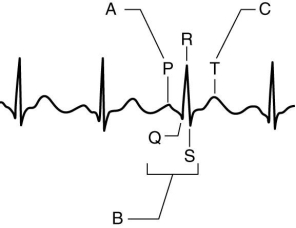 The figure above shows a normal ECG recording. Match each part, A, B, or C, of the recording to its description.
Represents the end of electrical activity in the ventricles
Question
Question
Question
Question
The figure above shows a normal ECG recording. Match each part, A, B, or C, of the recording to its description.Represents the stimulus for heart contraction traveling across the atria
Question
Question
Question
Question
Question
Question
Question
The figure above shows a normal ECG recording. Match each part, A, B, or C, of the recording to its description.Represents the movement of the stimulus for heart contraction down the septum and through the Purkinje fibers of the ventricles
Question
Question
Question
Question
Question
Question
Question

Unlock Deck
Sign up to unlock the cards in this deck!
Unlock Deck
Unlock Deck
1/112

Play

Full screen (f)
Deck 8: Heart and Blood Vessels
1
After blood flows through the right atrium of the heart, its next major destination is the
A) right ventricle.
B) left atrium.
C) aorta.
D) left ventricle.
E) lungs.
A) right ventricle.
B) left atrium.
C) aorta.
D) left ventricle.
E) lungs.
A
2
Which one of the following blood vessels transports oxygenated blood from the lungs to the heart?
A) pulmonary artery
B) aorta
C) carotid artery
D) pulmonary vein
E) iliac vein
A) pulmonary artery
B) aorta
C) carotid artery
D) pulmonary vein
E) iliac vein
D
3
Each of the following statements accurately describes a feature of arteries EXCEPT which one?
A) Arteries have an endothelial lining that reduces friction and promotes smooth blood flow.
B) Arteries have a smooth muscle layer on the outside, which provides some stiffness.
C) Elastin fibers in arterial walls allow stretching of the arteries.
D) Valves along major arteries maintain directed blood flow.
E) A tough supportive layer of connective tissue containing collagen is found on the outer surface of arteries.
A) Arteries have an endothelial lining that reduces friction and promotes smooth blood flow.
B) Arteries have a smooth muscle layer on the outside, which provides some stiffness.
C) Elastin fibers in arterial walls allow stretching of the arteries.
D) Valves along major arteries maintain directed blood flow.
E) A tough supportive layer of connective tissue containing collagen is found on the outer surface of arteries.
D
4
Life-threatening aneurisms are most likely to occur in
A) veins.
B) venules.
C) capillaries.
D) arterioles.
E) arteries.
A) veins.
B) venules.
C) capillaries.
D) arterioles.
E) arteries.
Unlock Deck
Unlock for access to all 112 flashcards in this deck.
Unlock Deck
k this deck
5
The atrioventricular valves are closed when the
A) right atrium is contracting.
B) P wave of an electrocardiogram appears.
C) heart is completely relaxed.
D) ventricles contract.
E) ventricles are relaxed.
A) right atrium is contracting.
B) P wave of an electrocardiogram appears.
C) heart is completely relaxed.
D) ventricles contract.
E) ventricles are relaxed.
Unlock Deck
Unlock for access to all 112 flashcards in this deck.
Unlock Deck
k this deck
6
When blood leaves the heart, it first enters
A) capillaries.
B) arterioles.
C) venules.
D) veins.
E) arteries.
A) capillaries.
B) arterioles.
C) venules.
D) veins.
E) arteries.
Unlock Deck
Unlock for access to all 112 flashcards in this deck.
Unlock Deck
k this deck
7
Exchange of nutrients and gases between blood and tissues is the primary function of
A) arterioles.
B) epicardium.
C) arteries.
D) capillaries.
E) veins.
A) arterioles.
B) epicardium.
C) arteries.
D) capillaries.
E) veins.
Unlock Deck
Unlock for access to all 112 flashcards in this deck.
Unlock Deck
k this deck
8
All of the following are features of capillaries that promote exchange between blood and interstitial fluid EXCEPT which one?
A) Capillaries lack connective tissue in their walls.
B) Capillary walls consist of a single layer of squamous epithelial cells.
C) Capillary walls have pores within the cells and slits between the cells, making them "leaky."
D) Capillary walls lack smooth muscle.
E) Capillaries have tiny valves that keep the blood flowing in one direction.
A) Capillaries lack connective tissue in their walls.
B) Capillary walls consist of a single layer of squamous epithelial cells.
C) Capillary walls have pores within the cells and slits between the cells, making them "leaky."
D) Capillary walls lack smooth muscle.
E) Capillaries have tiny valves that keep the blood flowing in one direction.
Unlock Deck
Unlock for access to all 112 flashcards in this deck.
Unlock Deck
k this deck
9
The aortic semilunar valve opens when the
A) arterial pressure is lower than the ventricular pressure.
B) right ventricle is in diastole.
C) atrioventricular valves open.
D) atrium is in systole.
E) pulmonary semilunar valve closes.
A) arterial pressure is lower than the ventricular pressure.
B) right ventricle is in diastole.
C) atrioventricular valves open.
D) atrium is in systole.
E) pulmonary semilunar valve closes.
Unlock Deck
Unlock for access to all 112 flashcards in this deck.
Unlock Deck
k this deck
10
Which one of the following plays the most significant role in regulating the distribution of blood into tissues?
A) arteries
B) veins
C) capillaries
D) arterioles
E) venules
A) arteries
B) veins
C) capillaries
D) arterioles
E) venules
Unlock Deck
Unlock for access to all 112 flashcards in this deck.
Unlock Deck
k this deck
11
Fluid in the lymphatic system, as well as interstitial fluid, is
A) derived from blood plasma.
B) pumped from the left ventricle into lymphatic vessels and then back into the right atrium.
C) composed mostly of formed elements from blood.
D) the liquid portion of fluid escaping from the digestive system.
E) produced by the endothelium to lubricate the interior of vascular tissue.
A) derived from blood plasma.
B) pumped from the left ventricle into lymphatic vessels and then back into the right atrium.
C) composed mostly of formed elements from blood.
D) the liquid portion of fluid escaping from the digestive system.
E) produced by the endothelium to lubricate the interior of vascular tissue.
Unlock Deck
Unlock for access to all 112 flashcards in this deck.
Unlock Deck
k this deck
12
Each of the following is part of the systemic circuit EXCEPT the
A) aorta.
B) left ventricle.
C) aortic semilunar valve.
D) pulmonary arteries.
E) superior vena cava.
A) aorta.
B) left ventricle.
C) aortic semilunar valve.
D) pulmonary arteries.
E) superior vena cava.
Unlock Deck
Unlock for access to all 112 flashcards in this deck.
Unlock Deck
k this deck
13
Which one of the following is TRUE regarding the lymphatic system?
A) The lymphatic system removes microorganisms from body fluid.
B) Lymph flows from lymph capillaries to larger lymphatic vessels to the heart and lungs.
C) Lymphatic capillaries absorb lipid droplets from plasma.
D) Lymph is excreted from the body.
E) Lymphatic capillaries produce interstitial fluid.
A) The lymphatic system removes microorganisms from body fluid.
B) Lymph flows from lymph capillaries to larger lymphatic vessels to the heart and lungs.
C) Lymphatic capillaries absorb lipid droplets from plasma.
D) Lymph is excreted from the body.
E) Lymphatic capillaries produce interstitial fluid.
Unlock Deck
Unlock for access to all 112 flashcards in this deck.
Unlock Deck
k this deck
14
The left ventricle has a more muscular wall than the other three chambers of the heart because the left ventricle
A) must generate enough blood pressure to pump blood into the aorta and throughout the body.
B) pumps blood more rapidly than the other chambers.
C) pumps blood into the atria.
D) must decrease the amount of pressure on the blood so it can flow more smoothly.
E) receives blood directly from major arteries.
A) must generate enough blood pressure to pump blood into the aorta and throughout the body.
B) pumps blood more rapidly than the other chambers.
C) pumps blood into the atria.
D) must decrease the amount of pressure on the blood so it can flow more smoothly.
E) receives blood directly from major arteries.
Unlock Deck
Unlock for access to all 112 flashcards in this deck.
Unlock Deck
k this deck
15
Which one of the following is a CORRECT statement?
A) Blood pressure is higher in veins than in arteries since blood must be returned to the heart.
B) Veins are more distensible than arteries.
C) Veins have a smaller lumen than arteries.
D) The walls of veins are made up of two distinct layers of tissues.
E) Veins carry blood to the capillaries of the body.
A) Blood pressure is higher in veins than in arteries since blood must be returned to the heart.
B) Veins are more distensible than arteries.
C) Veins have a smaller lumen than arteries.
D) The walls of veins are made up of two distinct layers of tissues.
E) Veins carry blood to the capillaries of the body.
Unlock Deck
Unlock for access to all 112 flashcards in this deck.
Unlock Deck
k this deck
16
Each of the following mechanisms plays a role in the return of blood to the heart via veins EXCEPT which one?
A) osmotic pressure exerted by plasma proteins in the blood
B) squeezing action of skeletal muscles
C) valves that permit the one-way flow of blood returning to the heart and prevent backflow
D) pressure changes in the abdominal and thoracic cavities associated with breathing
A) osmotic pressure exerted by plasma proteins in the blood
B) squeezing action of skeletal muscles
C) valves that permit the one-way flow of blood returning to the heart and prevent backflow
D) pressure changes in the abdominal and thoracic cavities associated with breathing
Unlock Deck
Unlock for access to all 112 flashcards in this deck.
Unlock Deck
k this deck
17
Which one of the following statements is TRUE regarding arterioles and arteries?
A) Arterioles and arteries transport blood from capillaries to veins.
B) Blood pressure in arterioles is greater than the blood pressure in arteries.
C) Arterioles are smaller and have less smooth muscle than arteries.
D) Arteries do not contain valves, whereas arterioles do.
E) Small sphincter muscles regulate the flow of blood from arteries into arterioles.
A) Arterioles and arteries transport blood from capillaries to veins.
B) Blood pressure in arterioles is greater than the blood pressure in arteries.
C) Arterioles are smaller and have less smooth muscle than arteries.
D) Arteries do not contain valves, whereas arterioles do.
E) Small sphincter muscles regulate the flow of blood from arteries into arterioles.
Unlock Deck
Unlock for access to all 112 flashcards in this deck.
Unlock Deck
k this deck
18
Fluid that "escapes" from the circulatory system due to high pressure is referred to as
A) digestive fluid.
B) interstitial fluid.
C) formed elements.
D) platelets.
E) aneurysm.
A) digestive fluid.
B) interstitial fluid.
C) formed elements.
D) platelets.
E) aneurysm.
Unlock Deck
Unlock for access to all 112 flashcards in this deck.
Unlock Deck
k this deck
19
These structures serve as gates that regulate blood flow from arterioles into capillaries.
A) vasoconstrictors
B) capillary beds
C) precapillary sphincters
D) capillary pores
E) interstitial gates
A) vasoconstrictors
B) capillary beds
C) precapillary sphincters
D) capillary pores
E) interstitial gates
Unlock Deck
Unlock for access to all 112 flashcards in this deck.
Unlock Deck
k this deck
20
The fibrous sac that surrounds the heart and produces lubricant for heart contraction is the
A) myocardium.
B) pericardium.
C) endocardium.
D) epicardium.
E) reticulocardium.
A) myocardium.
B) pericardium.
C) endocardium.
D) epicardium.
E) reticulocardium.
Unlock Deck
Unlock for access to all 112 flashcards in this deck.
Unlock Deck
k this deck
21
Arthrosclerosis is a condition that results in a thickening of arterial walls due to buildup of fatty deposits containing
A) glycerol.
B) albumin.
C) phospholipids.
D) glucose.
E) cholesterol.
A) glycerol.
B) albumin.
C) phospholipids.
D) glucose.
E) cholesterol.
Unlock Deck
Unlock for access to all 112 flashcards in this deck.
Unlock Deck
k this deck
22
You have been advised to check your pulse during exercise in order to monitor your heart rate. What is happening in your heart as your pulse is produced?
A) ventricular diastole
B) atrial diastole
C) the aortic valve and pulmonary valves are closing
D) ventricular systole
E) atrial systole
A) ventricular diastole
B) atrial diastole
C) the aortic valve and pulmonary valves are closing
D) ventricular systole
E) atrial systole
Unlock Deck
Unlock for access to all 112 flashcards in this deck.
Unlock Deck
k this deck
23
Ventricular fibrillation is occurring in a patient who has just arrived in the emergency room. Which one of the following treatments may be applied immediately to correct this potentially fatal arrhythmia?
A) implantation of an artificial pacemaker
B) coronary artery bypass surgery
C) cardioversion
D) balloon angioplasty
E) replacement of the defective heart valve
A) implantation of an artificial pacemaker
B) coronary artery bypass surgery
C) cardioversion
D) balloon angioplasty
E) replacement of the defective heart valve
Unlock Deck
Unlock for access to all 112 flashcards in this deck.
Unlock Deck
k this deck
24
The "lub" of the lub-DUB sounds heard through a stethoscope when listening to the heart is produced by the
A) inferior vena cava and superior vena cava emptying into the right atrium.
B) closing of the two atrioventricular valves.
C) contraction of the atria.
D) closing of the aortic valve and pulmonary valve.
E) pulmonary arteries emptying into the left atrium.
A) inferior vena cava and superior vena cava emptying into the right atrium.
B) closing of the two atrioventricular valves.
C) contraction of the atria.
D) closing of the aortic valve and pulmonary valve.
E) pulmonary arteries emptying into the left atrium.
Unlock Deck
Unlock for access to all 112 flashcards in this deck.
Unlock Deck
k this deck
25
Deoxygenated blood always flows
A) into the left ventricle.
B) toward the left atrium.
C) toward the right atrium.
D) in the systemic circuit.
E) from capillaries to arterioles.
A) into the left ventricle.
B) toward the left atrium.
C) toward the right atrium.
D) in the systemic circuit.
E) from capillaries to arterioles.
Unlock Deck
Unlock for access to all 112 flashcards in this deck.
Unlock Deck
k this deck
26
When the force of blood on the walls of blood vessels drops below normal, the condition is referred to as
A) blood pressure.
B) hypotension.
C) hypertension.
D) aneurysm.
E) angina.
A) blood pressure.
B) hypotension.
C) hypertension.
D) aneurysm.
E) angina.
Unlock Deck
Unlock for access to all 112 flashcards in this deck.
Unlock Deck
k this deck
27
Which one of the following segments of the typical cardiac cycle is the briefest?
A) atrial systole
B) atrial diastole
C) ventricular systole
D) ventricular diastole
E) macular systole
A) atrial systole
B) atrial diastole
C) ventricular systole
D) ventricular diastole
E) macular systole
Unlock Deck
Unlock for access to all 112 flashcards in this deck.
Unlock Deck
k this deck
28
In the ________ circuit, blood leaving the ________ ultimately delivers oxygen and nutrients to all of the body's tissues and organs.
A) pulmonary; lung capillaries
B) systemic; vena cava
C) pulmonary; myocardium
D) systemic; left ventricle
A) pulmonary; lung capillaries
B) systemic; vena cava
C) pulmonary; myocardium
D) systemic; left ventricle
Unlock Deck
Unlock for access to all 112 flashcards in this deck.
Unlock Deck
k this deck
29
Following damage to his heart, Jim is having a pacemaker implanted. Which one of the following components of the heart does this device replace the activity of?
A) atrioventricular node
B) sinoatrial valve
C) atrioventricular bundle
D) Purkinje fibers
E) sinoatrial node
A) atrioventricular node
B) sinoatrial valve
C) atrioventricular bundle
D) Purkinje fibers
E) sinoatrial node
Unlock Deck
Unlock for access to all 112 flashcards in this deck.
Unlock Deck
k this deck
30
In which one of the following blood vessels is blood under the lowest pressure?
A) artery
B) arteriole
C) capillary
D) venule
E) vein
A) artery
B) arteriole
C) capillary
D) venule
E) vein
Unlock Deck
Unlock for access to all 112 flashcards in this deck.
Unlock Deck
k this deck
31
Which layer of the heart is in contact with the blood?
A) pericardium
B) endocardium
C) myocardium
D) epicardium
E) epithelial
A) pericardium
B) endocardium
C) myocardium
D) epicardium
E) epithelial
Unlock Deck
Unlock for access to all 112 flashcards in this deck.
Unlock Deck
k this deck
32
The sinoatrial node
A) is located in the left atrium.
B) sends out a signal for contraction once every two minutes.
C) regulates the rate of heart contraction.
D) is also known as the atrioventricular node.
E) receives signals from the atrioventricular node.
A) is located in the left atrium.
B) sends out a signal for contraction once every two minutes.
C) regulates the rate of heart contraction.
D) is also known as the atrioventricular node.
E) receives signals from the atrioventricular node.
Unlock Deck
Unlock for access to all 112 flashcards in this deck.
Unlock Deck
k this deck
33
Blood pressure in veins is lower than that in arteries, and a series of ________ are necessary to prevent backflow of blood.
A) one-way valves
B) two- or three-way valves
C) varicose veins
D) tricuspid valves
E) endothelial cells
A) one-way valves
B) two- or three-way valves
C) varicose veins
D) tricuspid valves
E) endothelial cells
Unlock Deck
Unlock for access to all 112 flashcards in this deck.
Unlock Deck
k this deck
34
Blood pumped from the right ventricle is ________ and enters the ________.
A) oxygenated; pulmonary vein
B) deoxygenated; aorta
C) oxygenated; pulmonary trunk
D) deoxygenated; coronary vein
E) deoxygenated; pulmonary trunk
A) oxygenated; pulmonary vein
B) deoxygenated; aorta
C) oxygenated; pulmonary trunk
D) deoxygenated; coronary vein
E) deoxygenated; pulmonary trunk
Unlock Deck
Unlock for access to all 112 flashcards in this deck.
Unlock Deck
k this deck
35
Which one of the following symptoms is most typical of hypertension?
A) feeling dizzy and faint
B) rapid heart rate
C) very slow heart rate
D) loss of appetite
E) most often there are no symptoms
A) feeling dizzy and faint
B) rapid heart rate
C) very slow heart rate
D) loss of appetite
E) most often there are no symptoms
Unlock Deck
Unlock for access to all 112 flashcards in this deck.
Unlock Deck
k this deck
36
Electrical impulses that stimulate contraction of heart muscles are initiated in the
A) left ventricle.
B) bundle of His.
C) sinoatrial node.
D) atrioventricular node.
E) Purkinje fibers.
A) left ventricle.
B) bundle of His.
C) sinoatrial node.
D) atrioventricular node.
E) Purkinje fibers.
Unlock Deck
Unlock for access to all 112 flashcards in this deck.
Unlock Deck
k this deck
37
Risk factors for atherosclerosis include factors that can raise the levels of blood cholesterol, such as
A) obesity, smoking, and a sedentary lifestyle.
B) regular exercise and a high-fat diet.
C) dieting and REM sleep.
D) sedentary lifestyle, low-fat diet.
E) maintaining homeostatic blood pressure.
A) obesity, smoking, and a sedentary lifestyle.
B) regular exercise and a high-fat diet.
C) dieting and REM sleep.
D) sedentary lifestyle, low-fat diet.
E) maintaining homeostatic blood pressure.
Unlock Deck
Unlock for access to all 112 flashcards in this deck.
Unlock Deck
k this deck
38
An electrocardiogram is used to
A) measure the amount of blood leaving the heart with each contraction.
B) measure the electrical activity of the heart.
C) listen to heart sounds.
D) correct a heart murmur.
E) initiate angina pectoris.
A) measure the amount of blood leaving the heart with each contraction.
B) measure the electrical activity of the heart.
C) listen to heart sounds.
D) correct a heart murmur.
E) initiate angina pectoris.
Unlock Deck
Unlock for access to all 112 flashcards in this deck.
Unlock Deck
k this deck
39
Blood pressure is highest in
A) arteries.
B) capillaries.
C) arterioles.
D) venules.
E) veins.
A) arteries.
B) capillaries.
C) arterioles.
D) venules.
E) veins.
Unlock Deck
Unlock for access to all 112 flashcards in this deck.
Unlock Deck
k this deck
40
Given the following components of the cardiac conduction cycle, which one of the following best describes the movement of the stimulus that causes a heart contraction? A. atrioventricular bundle
B) sinoatrial node
C) atria
D) atrioventricular node
E) Purkinje fibers
F) ventricles
A) B, C, D, A, E, F
B) B, D, A, C, E, F
C) D, A, E, F, B, C
D) A, D, E, B, C, F
E) B, C, D, F, A, E
B) sinoatrial node
C) atria
D) atrioventricular node
E) Purkinje fibers
F) ventricles
A) B, C, D, A, E, F
B) B, D, A, C, E, F
C) D, A, E, F, B, C
D) A, D, E, B, C, F
E) B, C, D, F, A, E
Unlock Deck
Unlock for access to all 112 flashcards in this deck.
Unlock Deck
k this deck
41
Which one of the following would result in a decrease in cardiac output?
A) increased heart rate
B) decreased stroke volume
C) exercise
D) strong emotions
E) activation of the sympathetic nervous system
A) increased heart rate
B) decreased stroke volume
C) exercise
D) strong emotions
E) activation of the sympathetic nervous system
Unlock Deck
Unlock for access to all 112 flashcards in this deck.
Unlock Deck
k this deck
42
Which one of the following is a symptom of a heart attack?
A) increased cardiac output
B) intense chest pain
C) normal breathing
D) pain in the knees
E) pain in the right chest that radiates down the right arm
A) increased cardiac output
B) intense chest pain
C) normal breathing
D) pain in the knees
E) pain in the right chest that radiates down the right arm
Unlock Deck
Unlock for access to all 112 flashcards in this deck.
Unlock Deck
k this deck
43
Veins carry blood away from the heart.
Unlock Deck
Unlock for access to all 112 flashcards in this deck.
Unlock Deck
k this deck
44
A person's blood pressure has fallen below normal as the person has quickly jumped out of his or her chair where he or she had been relaxing. All of the following reflect events in restoring the blood pressure to normal EXCEPT which one?
A) The heart rate will decrease.
B) The baroreceptors will detect the drop in blood pressure.
C) The medulla oblongata will send signals to the heart and to the blood vessels.
D) The force of contraction of the heart will increase.
E) Vasoconstriction of a number of arterioles will increase blood pressure.
A) The heart rate will decrease.
B) The baroreceptors will detect the drop in blood pressure.
C) The medulla oblongata will send signals to the heart and to the blood vessels.
D) The force of contraction of the heart will increase.
E) Vasoconstriction of a number of arterioles will increase blood pressure.
Unlock Deck
Unlock for access to all 112 flashcards in this deck.
Unlock Deck
k this deck
45
The endothelium of the heart and blood vessels is composed of a smooth layer of connective tissue that reduces friction, which helps keep blood flowing smoothly.
Unlock Deck
Unlock for access to all 112 flashcards in this deck.
Unlock Deck
k this deck
46
In a weakened heart, the heart begins to pump less blood, resulting in blood backing up in the veins causing pressure in veins and capillaries to rise. This condition is called
A) angina.
B) congestive heart failure.
C) hypotension.
D) hypertension.
E) atherosclerosis.
A) angina.
B) congestive heart failure.
C) hypotension.
D) hypertension.
E) atherosclerosis.
Unlock Deck
Unlock for access to all 112 flashcards in this deck.
Unlock Deck
k this deck
47
Blood pressure in veins is lower than blood pressure in arteries, due in part to the larger diameter of veins.
Unlock Deck
Unlock for access to all 112 flashcards in this deck.
Unlock Deck
k this deck
48
The cardiac cycle consists of a period of heart contraction called systole and a period of heart relaxation called diastole.
Unlock Deck
Unlock for access to all 112 flashcards in this deck.
Unlock Deck
k this deck
49
The lumen of capillaries is so small that red blood cells must travel through these blood vessels in single file or sometimes actually squeeze through.
Unlock Deck
Unlock for access to all 112 flashcards in this deck.
Unlock Deck
k this deck
50
Which one of the following best describes an angiogram?
A) an x-ray picture of blood vessels
B) a recording of heart sounds
C) use of a balloon to widen an artery
D) a sensation of pain in the chest associated with poor blood circulation to the heart
E) a recording of the electrical activity of the heart
A) an x-ray picture of blood vessels
B) a recording of heart sounds
C) use of a balloon to widen an artery
D) a sensation of pain in the chest associated with poor blood circulation to the heart
E) a recording of the electrical activity of the heart
Unlock Deck
Unlock for access to all 112 flashcards in this deck.
Unlock Deck
k this deck
51
All of the following are recommended ways to reduce the risk of developing cardiovascular disease EXCEPT which one?
A) reduce fat and cholesterol intake
B) reduce or quit smoking
C) engage in regular moderate exercise
D) older adults - use hormone replacement therapy
E) avoid chronic stress
A) reduce fat and cholesterol intake
B) reduce or quit smoking
C) engage in regular moderate exercise
D) older adults - use hormone replacement therapy
E) avoid chronic stress
Unlock Deck
Unlock for access to all 112 flashcards in this deck.
Unlock Deck
k this deck
52
Cardiac output can be calculated by
A) measuring the number of heartbeats in one hour.
B) monitoring changes in blood pressure for a specific period of time, but for at least 15 minutes.
C) multiplying heart rate by stroke volume.
D) dividing stroke volume by arterial blood pressure.
E) summing heart rate, stroke volume, and blood pressure.
A) measuring the number of heartbeats in one hour.
B) monitoring changes in blood pressure for a specific period of time, but for at least 15 minutes.
C) multiplying heart rate by stroke volume.
D) dividing stroke volume by arterial blood pressure.
E) summing heart rate, stroke volume, and blood pressure.
Unlock Deck
Unlock for access to all 112 flashcards in this deck.
Unlock Deck
k this deck
53
When a person exercises, sensory input from moving muscles and joints results in an increase in cardiac output, causing blood pressure to be maintained, despite an increase in blood flow to the muscles.
Unlock Deck
Unlock for access to all 112 flashcards in this deck.
Unlock Deck
k this deck
54
All veins carry deoxygenated blood.
Unlock Deck
Unlock for access to all 112 flashcards in this deck.
Unlock Deck
k this deck
55
Which one of the following is TRUE regarding baroreceptors?
A) Baroreceptors are pressure sensors that monitor blood pressure.
B) Baroreceptors are located in the right atrium and right ventricle.
C) Baroreceptors respond to high blood pressure by causing an increase in heart contraction.
D) Baroreceptors respond to low blood pressure by causing vasodilation of the arterioles.
E) Baroreceptors send nerve impulses directly to the heart.
A) Baroreceptors are pressure sensors that monitor blood pressure.
B) Baroreceptors are located in the right atrium and right ventricle.
C) Baroreceptors respond to high blood pressure by causing an increase in heart contraction.
D) Baroreceptors respond to low blood pressure by causing vasodilation of the arterioles.
E) Baroreceptors send nerve impulses directly to the heart.
Unlock Deck
Unlock for access to all 112 flashcards in this deck.
Unlock Deck
k this deck
56
Which one of the following parts of the brain regulates heart activity?
A) cerebrum
B) cerebellum
C) thalamus
D) midbrain
E) medulla oblongata
A) cerebrum
B) cerebellum
C) thalamus
D) midbrain
E) medulla oblongata
Unlock Deck
Unlock for access to all 112 flashcards in this deck.
Unlock Deck
k this deck
57
Coronary arteries supply the heart muscle with nutrients and oxygen.
Unlock Deck
Unlock for access to all 112 flashcards in this deck.
Unlock Deck
k this deck
58
The atrioventricular valves are closed when the heart is in complete diastole.
Unlock Deck
Unlock for access to all 112 flashcards in this deck.
Unlock Deck
k this deck
59
Which response would be characteristic of the parasympathetic nervous system?
A) secretion of the hormone epinephrine
B) increase in blood pressure
C) vasoconstriction of blood vessels
D) decrease the rate of heart contraction
E) activation during times of stress
A) secretion of the hormone epinephrine
B) increase in blood pressure
C) vasoconstriction of blood vessels
D) decrease the rate of heart contraction
E) activation during times of stress
Unlock Deck
Unlock for access to all 112 flashcards in this deck.
Unlock Deck
k this deck
60
Deoxygenated blood in the right side of the heart never mixes with the oxygenated blood in the left side of the heart.
Unlock Deck
Unlock for access to all 112 flashcards in this deck.
Unlock Deck
k this deck
61
Match each type of blood vessel to its description. Answers may be used more than once.
A) vein, artery
B) capillary
C) vein
D) artery
The inner walls are lined with endothelium to create a smooth, low-friction surface.
A) vein, artery
B) capillary
C) vein
D) artery
The inner walls are lined with endothelium to create a smooth, low-friction surface.
Unlock Deck
Unlock for access to all 112 flashcards in this deck.
Unlock Deck
k this deck
62
The figure above shows a normal ECG recording. Match each part, A, B, or C, of the recording to its description.Represents the end of electrical activity in the ventricles
Unlock Deck
Unlock for access to all 112 flashcards in this deck.
Unlock Deck
k this deck
63
Match each of the following cardiovascular disorders to its description.
A) stroke
B) heart attack
C) atherosclerosis
D) embolism
E) congestive heart failure
F) angina pectoris
blockage of a blood vessel, usually due to a floating blood clot
A) stroke
B) heart attack
C) atherosclerosis
D) embolism
E) congestive heart failure
F) angina pectoris
blockage of a blood vessel, usually due to a floating blood clot
Unlock Deck
Unlock for access to all 112 flashcards in this deck.
Unlock Deck
k this deck
64
Match each type of blood vessel to its description. Answers may be used more than once.
A) vein, artery
B) capillary
C) vein
D) artery
Medium- and large-size vessels maintain a partial state of muscle contraction, resulting in high intravessel pressure.
A) vein, artery
B) capillary
C) vein
D) artery
Medium- and large-size vessels maintain a partial state of muscle contraction, resulting in high intravessel pressure.
Unlock Deck
Unlock for access to all 112 flashcards in this deck.
Unlock Deck
k this deck
65
Match each type of blood vessel to its description. Answers may be used more than once.
A) vein, artery
B) capillary
C) vein
D) artery
Skeletal muscle pumps aid blood flow.
A) vein, artery
B) capillary
C) vein
D) artery
Skeletal muscle pumps aid blood flow.
Unlock Deck
Unlock for access to all 112 flashcards in this deck.
Unlock Deck
k this deck
66
The figure above shows a normal ECG recording. Match each part, A, B, or C, of the recording to its description.Represents the stimulus for heart contraction traveling across the atria
Unlock Deck
Unlock for access to all 112 flashcards in this deck.
Unlock Deck
k this deck
67
Match each of the following cardiovascular disorders to its description.
A) stroke
B) heart attack
C) atherosclerosis
D) embolism
E) congestive heart failure
F) angina pectoris
death of a portion of the heart due to an inadequate oxygen supply
A) stroke
B) heart attack
C) atherosclerosis
D) embolism
E) congestive heart failure
F) angina pectoris
death of a portion of the heart due to an inadequate oxygen supply
Unlock Deck
Unlock for access to all 112 flashcards in this deck.
Unlock Deck
k this deck
68
The buildup of fatty deposits on the inner wall of arteries is associated with higher levels of HDLs (high-density lipoproteins) in the blood.
Unlock Deck
Unlock for access to all 112 flashcards in this deck.
Unlock Deck
k this deck
69
Artificial hearts are used routinely today to replace damaged hearts when a donor heart is not available for transplant.
Unlock Deck
Unlock for access to all 112 flashcards in this deck.
Unlock Deck
k this deck
70
Match each type of blood vessel to its description. Answers may be used more than once.
A) vein, artery
B) capillary
C) vein
D) artery
This blood vessel transports blood from the capillaries to the heart.
A) vein, artery
B) capillary
C) vein
D) artery
This blood vessel transports blood from the capillaries to the heart.
Unlock Deck
Unlock for access to all 112 flashcards in this deck.
Unlock Deck
k this deck
71
Match each of the following cardiovascular disorders to its description.
A) stroke
B) heart attack
C) atherosclerosis
D) embolism
E) congestive heart failure
F) angina pectoris
buildup of fatty deposits on the inner walls of arteries
A) stroke
B) heart attack
C) atherosclerosis
D) embolism
E) congestive heart failure
F) angina pectoris
buildup of fatty deposits on the inner walls of arteries
Unlock Deck
Unlock for access to all 112 flashcards in this deck.
Unlock Deck
k this deck
72
Match each type of blood vessel to its description. Answers may be used more than once.
A) vein, artery
B) capillary
C) vein
D) artery
This blood vessel transports blood from the heart to the capillaries.
A) vein, artery
B) capillary
C) vein
D) artery
This blood vessel transports blood from the heart to the capillaries.
Unlock Deck
Unlock for access to all 112 flashcards in this deck.
Unlock Deck
k this deck
73
The figure above shows a normal ECG recording. Match each part, A, B, or C, of the recording to its description.Represents the movement of the stimulus for heart contraction down the septum and through the Purkinje fibers of the ventricles
Unlock Deck
Unlock for access to all 112 flashcards in this deck.
Unlock Deck
k this deck
74
Match each of the following cardiovascular disorders to its description.
A) stroke
B) heart attack
C) atherosclerosis
D) embolism
E) congestive heart failure
F) angina pectoris
brain damage caused by an inadequate supply of blood
A) stroke
B) heart attack
C) atherosclerosis
D) embolism
E) congestive heart failure
F) angina pectoris
brain damage caused by an inadequate supply of blood
Unlock Deck
Unlock for access to all 112 flashcards in this deck.
Unlock Deck
k this deck
75
Match each of the following cardiovascular disorders to its description.
A) stroke
B) heart attack
C) atherosclerosis
D) embolism
E) congestive heart failure
F) angina pectoris
sensation of tightness and pain in the chest associated with insufficient blood circulation to the heart
A) stroke
B) heart attack
C) atherosclerosis
D) embolism
E) congestive heart failure
F) angina pectoris
sensation of tightness and pain in the chest associated with insufficient blood circulation to the heart
Unlock Deck
Unlock for access to all 112 flashcards in this deck.
Unlock Deck
k this deck
76
Contraction of smooth muscle in the wall of arterioles is known as ________.
Unlock Deck
Unlock for access to all 112 flashcards in this deck.
Unlock Deck
k this deck
77
Match each type of blood vessel to its description. Answers may be used more than once.
A) vein, artery
B) capillary
C) vein
D) artery
This blood vessel permits exchange of nutrients and gases between blood and tissues.
A) vein, artery
B) capillary
C) vein
D) artery
This blood vessel permits exchange of nutrients and gases between blood and tissues.
Unlock Deck
Unlock for access to all 112 flashcards in this deck.
Unlock Deck
k this deck
78
Smooth muscle, in the form of ________, is frequently located where arterioles meet capillaries.
Unlock Deck
Unlock for access to all 112 flashcards in this deck.
Unlock Deck
k this deck
79
Vasoconstriction causes an increase in the diameter of blood vessels, thus causing an increase in blood flow to the tissues.
Unlock Deck
Unlock for access to all 112 flashcards in this deck.
Unlock Deck
k this deck
80
Match each of the following cardiovascular disorders to its description.
A) stroke
B) heart attack
C) atherosclerosis
D) embolism
E) congestive heart failure
F) angina pectoris
accumulation of fluid in the tissues due to a weak heart becoming less efficient at pumping blood
A) stroke
B) heart attack
C) atherosclerosis
D) embolism
E) congestive heart failure
F) angina pectoris
accumulation of fluid in the tissues due to a weak heart becoming less efficient at pumping blood
Unlock Deck
Unlock for access to all 112 flashcards in this deck.
Unlock Deck
k this deck
Unlock Deck
Unlock for access to all 112 flashcards in this deck.






