







 Chat with AI

Deck 13: Adrenergic Drugs Affecting the Autonomic Nervous System
Full screen (f)

Question

Question
Question
Question
Question
Question
Question
Question
The nurse is providing discharge medication instruction to the family of a child who is severely allergic to peanuts. Mark the spot where the family or patient should inject epinephrine from an EpiPen should an allergic response occur. 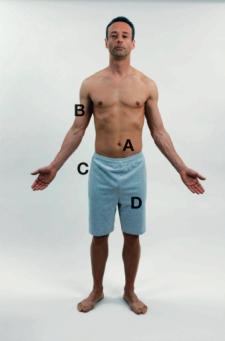
A) A
B) B
C) C
D) D
A) A
B) B
C) C
D) D
Question
Question
Question
Question
Question
Question
Question
Question
Question
Question
Question
Question
Question
Question
Question
Question
Question
Question
Question
Question
Question
Question

Unlock Deck
Sign up to unlock the cards in this deck!
Unlock Deck
Unlock Deck
1/30

Play

Full screen (f)
Deck 13: Adrenergic Drugs Affecting the Autonomic Nervous System
1
The patient receives metaproterenol (Alupent), an adrenergic drug. A consulting physician orders carteolol (Cartrol), a beta blocker. What best describes the nurse's assessment?
A) The patient is at risk for a hypertensive crisis.
B) The effects of metaproterenol (Alupent) will be decreased.
C) The drugs are compatible; there will not be any adverse effects.
D) The effects of metaproterenol (Alupent) will be increased.
A) The patient is at risk for a hypertensive crisis.
B) The effects of metaproterenol (Alupent) will be decreased.
C) The drugs are compatible; there will not be any adverse effects.
D) The effects of metaproterenol (Alupent) will be increased.
The effects of metaproterenol (Alupent) will be decreased.
2
Which statement is accurate concerning drugs classified as adrenergic antagonists?
A) They are also known as anticholinergics.
B) Their actions will block the neurotransmitter acetylcholine.
C) Their actions are the opposite of those of sympathomimetics.
D) They will stimulate the sympathetic nervous system.
A) They are also known as anticholinergics.
B) Their actions will block the neurotransmitter acetylcholine.
C) Their actions are the opposite of those of sympathomimetics.
D) They will stimulate the sympathetic nervous system.
Their actions are the opposite of those of sympathomimetics.
3
A patient who was recently prescribed an adrenergic drug says, "I am so nervous and I cannot sleep." The nurse would ask which questions?
A) "How much coffee do you drink?"
B) "Have you recently increased your intake of dairy products?"
C) "Do you eat chocolate?"
D) "When was the last time you ate pickled foods or aged cheese?"
E) "How much wine or other alcoholic beverages do you drink?"
A) "How much coffee do you drink?"
B) "Have you recently increased your intake of dairy products?"
C) "Do you eat chocolate?"
D) "When was the last time you ate pickled foods or aged cheese?"
E) "How much wine or other alcoholic beverages do you drink?"
"How much coffee do you drink?"
"Do you eat chocolate?"
"Do you eat chocolate?"
4
A patient has been prescribed isoproterenol (Isuprel). The nurse plans care based on the drug's stimulation of which receptors?
A) Alpha1
B) Alpha2
C) Beta1
D) Beta2
E) Beta3
A) Alpha1
B) Alpha2
C) Beta1
D) Beta2
E) Beta3
Unlock Deck
Unlock for access to all 30 flashcards in this deck.
Unlock Deck
k this deck
5
An older adult patient received an adrenergic eye drop to dilate the pupils for a retinal exam. What information should the nurse provide when discharging this patient?
A) "Do not drive until the effects of the eye drops have worn off."
B) "Wear sunglasses when in bright light."
C) "You may be more comfortable in a darkened room."
D) "You may experience burning in your eyes for a couple of days."
E) "Do not eat or drink anything for at least an hour after discharge."
A) "Do not drive until the effects of the eye drops have worn off."
B) "Wear sunglasses when in bright light."
C) "You may be more comfortable in a darkened room."
D) "You may experience burning in your eyes for a couple of days."
E) "Do not eat or drink anything for at least an hour after discharge."
Unlock Deck
Unlock for access to all 30 flashcards in this deck.
Unlock Deck
k this deck
6
A patient is prescribed a drug that activates alpha2 receptors. The nurse would plan care based on which physiological response?
A) Inhibition of norepinephrine release
B) Absence of monoamine oxidase
C) Increased lipolysis
D) Destruction of presynaptic nerve terminals
A) Inhibition of norepinephrine release
B) Absence of monoamine oxidase
C) Increased lipolysis
D) Destruction of presynaptic nerve terminals
Unlock Deck
Unlock for access to all 30 flashcards in this deck.
Unlock Deck
k this deck
7
A patient has been prescribed an adrenergic nasal spray. What medication instruction should the nurse provide?
A) "Do not share this spray with anyone."
B) "Sit upright while using this spray."
C) "Only use this spray for 3-5 days."
D) "Do not shake the bottle before using this spray."
E) "Keep this spray refrigerated."
A) "Do not share this spray with anyone."
B) "Sit upright while using this spray."
C) "Only use this spray for 3-5 days."
D) "Do not shake the bottle before using this spray."
E) "Keep this spray refrigerated."
Unlock Deck
Unlock for access to all 30 flashcards in this deck.
Unlock Deck
k this deck
8
The nurse is providing discharge medication instruction to the family of a child who is severely allergic to peanuts. Mark the spot where the family or patient should inject epinephrine from an EpiPen should an allergic response occur.
A) A
B) B
C) C
D) D
A) A
B) B
C) C
D) D
Unlock Deck
Unlock for access to all 30 flashcards in this deck.
Unlock Deck
k this deck
9
A patient who is in heart failure is administered a beta1 agonist. The nurse would evaluate that the drug is effective if which changes occur?
A) Heart rate increases
B) Pulse becomes stronger
C) Pupils dilate
D) Dysrhythmias dissipate
E) Blood pressure drops
A) Heart rate increases
B) Pulse becomes stronger
C) Pupils dilate
D) Dysrhythmias dissipate
E) Blood pressure drops
Unlock Deck
Unlock for access to all 30 flashcards in this deck.
Unlock Deck
k this deck
10
The physician ordered prazosin (Minipress), an alpha-adrenergic blocker, for the patient. The nurse plans to do medication education. What will the best plan of the nurse include?
A) Instruct the patient to not take OTC herbal preparations containing saw palmetto.
B) Instruct the patient to not take tub baths.
C) Instruct the patient to decrease his intake of sodium.
D) Instruct the patient to wear sunglasses when outdoors.
A) Instruct the patient to not take OTC herbal preparations containing saw palmetto.
B) Instruct the patient to not take tub baths.
C) Instruct the patient to decrease his intake of sodium.
D) Instruct the patient to wear sunglasses when outdoors.
Unlock Deck
Unlock for access to all 30 flashcards in this deck.
Unlock Deck
k this deck
11
Place these substances in the correct order of synthesis of catecholamines.
A) Norepinephrine
B) Tyrosine
C) Dopamine
D) Epinephrine
E) L-dopa
Standard Text: Click and drag the options below to move them up or down.
A) Norepinephrine
B) Tyrosine
C) Dopamine
D) Epinephrine
E) L-dopa
Standard Text: Click and drag the options below to move them up or down.
Unlock Deck
Unlock for access to all 30 flashcards in this deck.
Unlock Deck
k this deck
12
A patient who has used an adrenergic nasal spray for 2 weeks complains that, "I am more stuffed up now than I was when I was sick." What advise should the nurse provide?
A) "You are having an allergic reaction to the nasal spray. Stop using it immediately."
B) "You probably have developed a secondary infection."
C) "Try increasing the amount of fluids you are drinking."
D) "Switch to a saline-based nasal spray."
E) "Continue to use your current nasal spray until the congestion goes away."
A) "You are having an allergic reaction to the nasal spray. Stop using it immediately."
B) "You probably have developed a secondary infection."
C) "Try increasing the amount of fluids you are drinking."
D) "Switch to a saline-based nasal spray."
E) "Continue to use your current nasal spray until the congestion goes away."
Unlock Deck
Unlock for access to all 30 flashcards in this deck.
Unlock Deck
k this deck
13
A patient has been prescribed an alpha1 adrenergic agonist drug. The nurse would plan to monitor for effects from which organs?
A) Kidneys
B) Eyes
C) Heart
D) Bowels
E) Lungs
A) Kidneys
B) Eyes
C) Heart
D) Bowels
E) Lungs
Unlock Deck
Unlock for access to all 30 flashcards in this deck.
Unlock Deck
k this deck
14
The nurse is preparing to administer an adrenergic drug intravenously. What nursing actions should be planned?
A) Give the drug as rapidly as possible by intravenous push.
B) Dilute the drug before administration.
C) Use an infusion pump to control rate of administration.
D) Monitor for blanching at the infusion site.
E) Advise the patient that a sweet taste may occur as the drug is being given.
A) Give the drug as rapidly as possible by intravenous push.
B) Dilute the drug before administration.
C) Use an infusion pump to control rate of administration.
D) Monitor for blanching at the infusion site.
E) Advise the patient that a sweet taste may occur as the drug is being given.
Unlock Deck
Unlock for access to all 30 flashcards in this deck.
Unlock Deck
k this deck
15
The nurse has been doing medication education for the patient receiving atenolol (Tenormin), a beta blocker. The nurse determines that learning has occurred when the patient makes which statement?
A) "I need to take my pulse every day."
B) "If I have any side effects, I will stop the medication."
C) "I cannot take this drug if I develop glaucoma."
D) "I cannot continue to have my morning cup of coffee."
A) "I need to take my pulse every day."
B) "If I have any side effects, I will stop the medication."
C) "I cannot take this drug if I develop glaucoma."
D) "I cannot continue to have my morning cup of coffee."
Unlock Deck
Unlock for access to all 30 flashcards in this deck.
Unlock Deck
k this deck
16
A nurse is reviewing medical records for usage of drugs that are beta2 agonists. The nurse should start with the medical records of patients with which conditions?
A) Heart failure
B) Asthma
C) COPD
D) Overactive bladder
E) Nasal congestion
A) Heart failure
B) Asthma
C) COPD
D) Overactive bladder
E) Nasal congestion
Unlock Deck
Unlock for access to all 30 flashcards in this deck.
Unlock Deck
k this deck
17
A nurse is providing discharge medication instruction regarding use of injectable epinephrine (EpiPen). What information should the nurse include?
A) If you need to use this pen, seek medical advice as follow-up.
B) You can dispose of a used EpiPen in your regular trash.
C) Keep an extra EpiPen on hand.
D) Store this device in your refrigerator.
E) Carry an EpiPen in your car's glovebox.
A) If you need to use this pen, seek medical advice as follow-up.
B) You can dispose of a used EpiPen in your regular trash.
C) Keep an extra EpiPen on hand.
D) Store this device in your refrigerator.
E) Carry an EpiPen in your car's glovebox.
Unlock Deck
Unlock for access to all 30 flashcards in this deck.
Unlock Deck
k this deck
18
A patient has been prescribed phenylephrine (Neo-Synephrine). Prior to administering this drug the nurse would review the patient's medication history for presence of which drugs?
A) MAO inhibitors
B) Tricyclic antidepressants
C) Iron supplements
D) Digoxin
E) Aspirin
A) MAO inhibitors
B) Tricyclic antidepressants
C) Iron supplements
D) Digoxin
E) Aspirin
Unlock Deck
Unlock for access to all 30 flashcards in this deck.
Unlock Deck
k this deck
19
The patient receives methyldopa (Aldomet), an adrenergic drug. The nurse determines that the patient is having side effects when the patient makes which statement?
A) "Will you check my pupils? I can't see very well at all."
B) "I am so thirsty; will you please bring me another pitcher of water?"
C) "I am so anxious; I really need to walk around the room."
D) "I feel so sleepy that I don't think I can eat my dinner."
A) "Will you check my pupils? I can't see very well at all."
B) "I am so thirsty; will you please bring me another pitcher of water?"
C) "I am so anxious; I really need to walk around the room."
D) "I feel so sleepy that I don't think I can eat my dinner."
Unlock Deck
Unlock for access to all 30 flashcards in this deck.
Unlock Deck
k this deck
20
A patient has been prescribed phenylephrine (Neo-Synephrine) spray for nasal congestion. What information about adverse effects should the nurse provide in discharge teaching?
A) "This drug may cause some stinging or burning in your nose."
B) "You may notice that your nasal secretions take on a slightly orange tint."
C) "You may feel like your blood pressure is low for the first few times you use this spray."
D) "One of the major adverse effects of this drug is rebound congestion if it is used more than a few days."
E) "Do not drink herbal teas while taking this medication."
A) "This drug may cause some stinging or burning in your nose."
B) "You may notice that your nasal secretions take on a slightly orange tint."
C) "You may feel like your blood pressure is low for the first few times you use this spray."
D) "One of the major adverse effects of this drug is rebound congestion if it is used more than a few days."
E) "Do not drink herbal teas while taking this medication."
Unlock Deck
Unlock for access to all 30 flashcards in this deck.
Unlock Deck
k this deck
21
A patient has been prescribed an adrenergic-blocker for treatment of hypertension. What information should the nurse provide?
A) "Rise from a sitting position slowly."
B) "Sit on the side of the bed a few moments before you stand."
C) "If you feel dizzy, add more salt to your diet."
D) "If you feel dizzy, sit or lie down until the dizziness passes."
E) "Try to continue daily activities even if dizziness occurs."
A) "Rise from a sitting position slowly."
B) "Sit on the side of the bed a few moments before you stand."
C) "If you feel dizzy, add more salt to your diet."
D) "If you feel dizzy, sit or lie down until the dizziness passes."
E) "Try to continue daily activities even if dizziness occurs."
Unlock Deck
Unlock for access to all 30 flashcards in this deck.
Unlock Deck
k this deck
22
A patient has been prescribed prazosin (Minipress). What information should the nurse provide?
A) "Stay out of the sun until you determine if you become sun-sensitive."
B) "Take this medication just before you go to bed."
C) "This medication may make you dizzy."
D) "This medication may slow your heart rate noticeably."
E) "Do not take this medication with milk."
A) "Stay out of the sun until you determine if you become sun-sensitive."
B) "Take this medication just before you go to bed."
C) "This medication may make you dizzy."
D) "This medication may slow your heart rate noticeably."
E) "Do not take this medication with milk."
Unlock Deck
Unlock for access to all 30 flashcards in this deck.
Unlock Deck
k this deck
23
A patient who was administered prazosin (Minipress) became unconscious 30 minutes after the first dose. What medications should the nurse prepare for resuscitation?
A) Normal saline
B) Dobutamine
C) Atenolol (Tenormin)
D) Carvedilol (Coreg)
E) Propranolol (Inderal)
A) Normal saline
B) Dobutamine
C) Atenolol (Tenormin)
D) Carvedilol (Coreg)
E) Propranolol (Inderal)
Unlock Deck
Unlock for access to all 30 flashcards in this deck.
Unlock Deck
k this deck
24
The nurse would classify which sympathomimetics as binding to and activating adrenergic receptors?
A) Epinephrine
B) Dopamine
C) Amphetamine
D) Cocaine
E) Ephedrine
A) Epinephrine
B) Dopamine
C) Amphetamine
D) Cocaine
E) Ephedrine
Unlock Deck
Unlock for access to all 30 flashcards in this deck.
Unlock Deck
k this deck
25
Due to an administration error, a patient may have received too much phenylephrine (Neo-Synephrine). Which findings would support the nurse's concerns about overdosage?
A) The patient's heart rate has increased from 72 bpm to 114 bpm.
B) The patient reports feeling anxious.
C) The patient's blood pressure has increased from 140/86 mmHg to 180/98 mmHg.
D) The patient's stools are dark and tarry.
E) The patient reports burning at the injection site.
A) The patient's heart rate has increased from 72 bpm to 114 bpm.
B) The patient reports feeling anxious.
C) The patient's blood pressure has increased from 140/86 mmHg to 180/98 mmHg.
D) The patient's stools are dark and tarry.
E) The patient reports burning at the injection site.
Unlock Deck
Unlock for access to all 30 flashcards in this deck.
Unlock Deck
k this deck
26
During assessment a patient says, "I took my blood pressure at home and it was high. I have been taking my husband's propranolol (Inderal) for the last week." The nurse is especially concerned about this action when it is noted that the patient has which preexisting conditions?
A) Obesity
B) Diabetes mellitus
C) COPD
D) Asthma
E) Rheumatoid arthritis
A) Obesity
B) Diabetes mellitus
C) COPD
D) Asthma
E) Rheumatoid arthritis
Unlock Deck
Unlock for access to all 30 flashcards in this deck.
Unlock Deck
k this deck
27
A patient returns to the clinic for follow-up after taking an adrenergic blocking medication for benign prostatic hypertrophy (BPH.) What assessment questions should the nurse ask?
A) "What color is your urine?"
B) "Do you have any difficulty starting to urinate?"
C) "Do you have the feeling that your bladder is full?"
D) "When was your last bowel movement?"
E) "Have you noticed being more hungry than usual?"
A) "What color is your urine?"
B) "Do you have any difficulty starting to urinate?"
C) "Do you have the feeling that your bladder is full?"
D) "When was your last bowel movement?"
E) "Have you noticed being more hungry than usual?"
Unlock Deck
Unlock for access to all 30 flashcards in this deck.
Unlock Deck
k this deck
28
A patient is being assessed for the presence of pheochromocytoma. The nurse would prepare for which interventions?
A) Monitoring blood pressure
B) Monitoring bowel sounds
C) Administration of phentolamine (Regitine)
D) Rapid administration of normal saline
E) Urinary catheterization to bypass prostatic enlargement
A) Monitoring blood pressure
B) Monitoring bowel sounds
C) Administration of phentolamine (Regitine)
D) Rapid administration of normal saline
E) Urinary catheterization to bypass prostatic enlargement
Unlock Deck
Unlock for access to all 30 flashcards in this deck.
Unlock Deck
k this deck
29
A 48-year-old male patient tells the nurse, "I have stopped taking my prazosin (Minipress). I don't like its effect on me." The nurse should ask further assessment questions about which possible effects?
A) Impotence
B) Nasal congestion
C) Somnolence
D) Nervousness
E) Slow heart rate
A) Impotence
B) Nasal congestion
C) Somnolence
D) Nervousness
E) Slow heart rate
Unlock Deck
Unlock for access to all 30 flashcards in this deck.
Unlock Deck
k this deck
30
A patient states, "I stopped taking that beta blocker last week. It made me so tired, I just couldn't go on taking it." What are the priority nursing assessments?
A) Blood pressure
B) Heart rhythm
C) Urinary output
D) Presence of chest pain
E) Presence of respiratory crackles
A) Blood pressure
B) Heart rhythm
C) Urinary output
D) Presence of chest pain
E) Presence of respiratory crackles
Unlock Deck
Unlock for access to all 30 flashcards in this deck.
Unlock Deck
k this deck
Unlock Deck
Unlock for access to all 30 flashcards in this deck.






