







 Chat with AI

Deck 15: The Special Senses
Full screen (f)

Question

Question
Question
Question
Which letter represents the foliate taste buds? 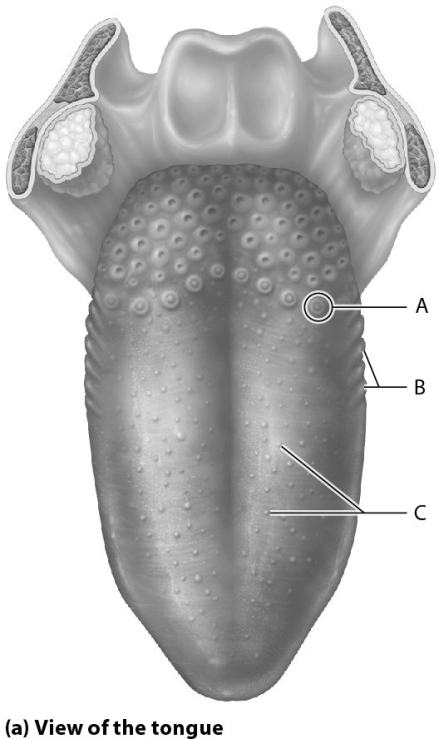
A) A
B) B
C) C
A) A
B) B
C) C
Question
Question
Question
Question
Question
Question
Question
Question
Question
Question
Question
Question
Question
Question
Question
Question
Question
Select the letter representing the nasolacrimal duct. 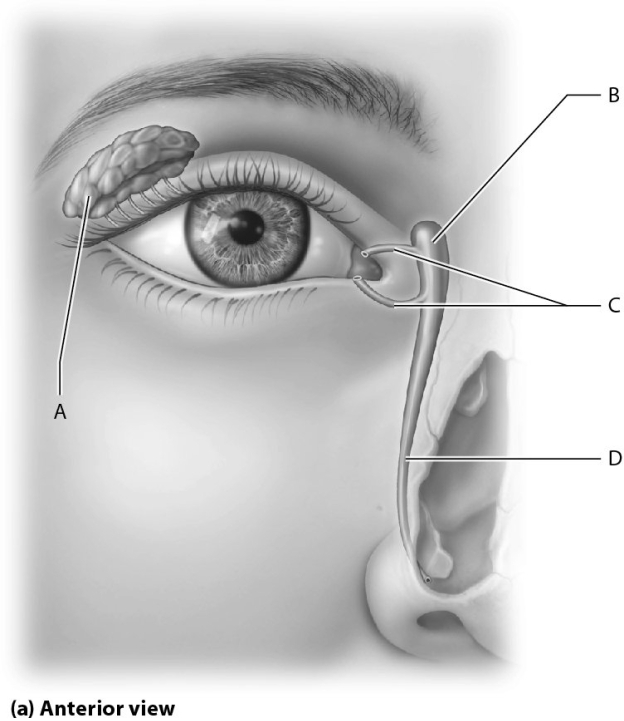
A) A
B) B
C) C
D) D
A) A
B) B
C) C
D) D
Question
Question
Question
Question
Question
Question
Question
Question
Question
Question
Question
Question
Question
Question
Question
Question
Question
Question
Question
Question
Question
Question
Question
Question
Question
Question
Question
Question
Question
Question
Question
Question
Question
Question
Question
Question
Question
Question
Question
Question
Question
Question
Question
Question
Question
Question
Question
Question
Question
Question
Question
Question
Question
Question
Question
Question
Question
Question
Question

Unlock Deck
Sign up to unlock the cards in this deck!
Unlock Deck
Unlock Deck
1/127

Play

Full screen (f)
Deck 15: The Special Senses
1
Place the following steps in the correct order for transduction of a chemical odorant into a nerve signal. 1. Odorants reach receptors in the cilia of olfactory neurons.
2) cAMP opens ions channels that allow sodium and calcium ions to enter the cell.
3) The G -protein activates an enzyme, adenylate cyclase, to convert ATP into cyclic AMP (cAMP).
4) The binding of an odorant activates a G -protein which then detaches from the receptor.
5) The membrane is depolarized. Depolarization that reaches threshold at the axon hillock triggers an action potential and transduction has been achieved.
A) 1, 4, 2, 3, 5
B) 1, 2, 3, 4, 5
C) 1, 4, 3, 2, 5
D) 1, 3, 4, 2, 5
2) cAMP opens ions channels that allow sodium and calcium ions to enter the cell.
3) The G -protein activates an enzyme, adenylate cyclase, to convert ATP into cyclic AMP (cAMP).
4) The binding of an odorant activates a G -protein which then detaches from the receptor.
5) The membrane is depolarized. Depolarization that reaches threshold at the axon hillock triggers an action potential and transduction has been achieved.
A) 1, 4, 2, 3, 5
B) 1, 2, 3, 4, 5
C) 1, 4, 3, 2, 5
D) 1, 3, 4, 2, 5
C
2
The most taste buds are present in:
A) filiform papillae.
B) fungiform papillae.
C) foliate papillae.
D) vallate (circumvallate) papillae.
A) filiform papillae.
B) fungiform papillae.
C) foliate papillae.
D) vallate (circumvallate) papillae.
D
3
What taste sensation results when sodium ions enter gustatory cells through sodium ion channel receptors, and the cell depolarizes?
A) bitter
B) salty
C) umami
D) sour
A) bitter
B) salty
C) umami
D) sour
B
4
Which letter represents the foliate taste buds?
A) A
B) B
C) C
A) A
B) B
C) C
Unlock Deck
Unlock for access to all 127 flashcards in this deck.
Unlock Deck
k this deck
5
Identify the cranial nerves NOT involved in carrying taste information from the tongue into the CNS.
A) vagus nerves (CN X)
B) facial nerves (CN VII)
C) glossopharyngeal nerves (CN IX)
D) hypoglossal nerves (CN XII)
A) vagus nerves (CN X)
B) facial nerves (CN VII)
C) glossopharyngeal nerves (CN IX)
D) hypoglossal nerves (CN XII)
Unlock Deck
Unlock for access to all 127 flashcards in this deck.
Unlock Deck
k this deck
6
Aiden was surprised to learn that his salad dressing contained glucose since it did NOT taste:
A) salty.
B) bitter.
C) sour.
D) sweet.
A) salty.
B) bitter.
C) sour.
D) sweet.
Unlock Deck
Unlock for access to all 127 flashcards in this deck.
Unlock Deck
k this deck
7
To what part of the brain are both general and most special senses carried?
A) pons
B) thalamus
C) medulla oblongata
D) hypothalamus
A) pons
B) thalamus
C) medulla oblongata
D) hypothalamus
Unlock Deck
Unlock for access to all 127 flashcards in this deck.
Unlock Deck
k this deck
8
The olfactory nerves (CN I) are formed by:
A) olfactory bulbs.
B) axons of the olfactory neurons.
C) olfactory tracts.
D) supporting cells.
A) olfactory bulbs.
B) axons of the olfactory neurons.
C) olfactory tracts.
D) supporting cells.
Unlock Deck
Unlock for access to all 127 flashcards in this deck.
Unlock Deck
k this deck
9
How is the sensation of taste affected by a dry mouth?
A) Most foods will taste bitter when the mouth is dry.
B) Foods have a less intense taste when the mouth is dry.
C) Foods have a more intense taste when the mouth is dry.
D) The moisture level of the mouth has no influence on taste sensation.
A) Most foods will taste bitter when the mouth is dry.
B) Foods have a less intense taste when the mouth is dry.
C) Foods have a more intense taste when the mouth is dry.
D) The moisture level of the mouth has no influence on taste sensation.
Unlock Deck
Unlock for access to all 127 flashcards in this deck.
Unlock Deck
k this deck
10
The activation of olfactory receptors requires that the odorant become immersed in:
A) cerumen.
B) saliva.
C) blood.
D) mucus.
A) cerumen.
B) saliva.
C) blood.
D) mucus.
Unlock Deck
Unlock for access to all 127 flashcards in this deck.
Unlock Deck
k this deck
11
Special senses, such as sight and sound, are detected by:
A) motor neurons.
B) sensory neurons.
C) both cranial nerves and spinal nerves.
D) special cells that transduce stimuli into electrical signals.
A) motor neurons.
B) sensory neurons.
C) both cranial nerves and spinal nerves.
D) special cells that transduce stimuli into electrical signals.
Unlock Deck
Unlock for access to all 127 flashcards in this deck.
Unlock Deck
k this deck
12
Olfaction is the sense of:
A) taste.
B) balance.
C) smell.
D) hearing.
A) taste.
B) balance.
C) smell.
D) hearing.
Unlock Deck
Unlock for access to all 127 flashcards in this deck.
Unlock Deck
k this deck
13
Which cell has receptors specialized to detect different tastes?
A) supporting cell
B) basal cell
C) olfactory cell
D) gustatory cell
A) supporting cell
B) basal cell
C) olfactory cell
D) gustatory cell
Unlock Deck
Unlock for access to all 127 flashcards in this deck.
Unlock Deck
k this deck
14
Where are the general senses located?
A) nose
B) eyes
C) skin
D) tongue
A) nose
B) eyes
C) skin
D) tongue
Unlock Deck
Unlock for access to all 127 flashcards in this deck.
Unlock Deck
k this deck
15
Taste is detected when chemicals bind receptors on the microvilli of:
A) gustatory cells.
B) olfactory cells.
C) basal cells.
D) supporting cells.
A) gustatory cells.
B) olfactory cells.
C) basal cells.
D) supporting cells.
Unlock Deck
Unlock for access to all 127 flashcards in this deck.
Unlock Deck
k this deck
16
What nerves carry information about the special senses to the CNS?
A) spinal nerves only
B) both cranial and spinal nerves
C) cranial nerves only
D) cervical nerves only
A) spinal nerves only
B) both cranial and spinal nerves
C) cranial nerves only
D) cervical nerves only
Unlock Deck
Unlock for access to all 127 flashcards in this deck.
Unlock Deck
k this deck
17
Place the following steps of nerve impulses in the olfaction pathway in order. 1. primary olfactory cortex in the temporal lobe
2) olfactory nerve
3) olfactory neurons
4) olfactory bulb
A) 2, 3, 4, 1
B) 3, 2, 4, 1
C) 2, 4, 3, 1
D) 3, 4, 2, 1
2) olfactory nerve
3) olfactory neurons
4) olfactory bulb
A) 2, 3, 4, 1
B) 3, 2, 4, 1
C) 2, 4, 3, 1
D) 3, 4, 2, 1
Unlock Deck
Unlock for access to all 127 flashcards in this deck.
Unlock Deck
k this deck
18
Where is the primary gustatory cortex located?
A) parietal lobe
B) occipital lobe
C) temporal lobe
D) frontal lobe
A) parietal lobe
B) occipital lobe
C) temporal lobe
D) frontal lobe
Unlock Deck
Unlock for access to all 127 flashcards in this deck.
Unlock Deck
k this deck
19
Damage to the basal cells in the olfactory epithelium results in a loss of:
A) vision.
B) hearing.
C) smell.
D) taste.
A) vision.
B) hearing.
C) smell.
D) taste.
Unlock Deck
Unlock for access to all 127 flashcards in this deck.
Unlock Deck
k this deck
20
Damage to the facial nerve would result in a loss of taste sensation from:
A) posterior one -third of the tongue.
B) anterior two -thirds of the tongue.
C) base of the tongue.
D) roof of the mouth.
A) posterior one -third of the tongue.
B) anterior two -thirds of the tongue.
C) base of the tongue.
D) roof of the mouth.
Unlock Deck
Unlock for access to all 127 flashcards in this deck.
Unlock Deck
k this deck
21
Select the letter representing the nasolacrimal duct.
A) A
B) B
C) C
D) D
A) A
B) B
C) C
D) D
Unlock Deck
Unlock for access to all 127 flashcards in this deck.
Unlock Deck
k this deck
22
What gland secretes oil to prevent the eyelids from sticking together?
A) sudoriferous gland
B) lacrimal gland
C) cerumen gland
D) tarsal gland
A) sudoriferous gland
B) lacrimal gland
C) cerumen gland
D) tarsal gland
Unlock Deck
Unlock for access to all 127 flashcards in this deck.
Unlock Deck
k this deck
23
Which extrinsic eye muscles move the eye inferiorly?
A) inferior oblique and superior rectus
B) lateral rectus and inferior oblique
C) superior oblique and inferior rectus
D) inferior oblique and inferior rectus
A) inferior oblique and superior rectus
B) lateral rectus and inferior oblique
C) superior oblique and inferior rectus
D) inferior oblique and inferior rectus
Unlock Deck
Unlock for access to all 127 flashcards in this deck.
Unlock Deck
k this deck
24
What region of the retina contains a high density of photoreceptor cells and allows for extremely detailed vision?
A) ora serrata
B) optic disc
C) ciliary body
D) fovea centralis
A) ora serrata
B) optic disc
C) ciliary body
D) fovea centralis
Unlock Deck
Unlock for access to all 127 flashcards in this deck.
Unlock Deck
k this deck
25
The optic disc is known as the blind spot because:
A) only cones populate the optic disc.
B) only rods populate the optic disc.
C) the fovea centralis prevents light from striking the optic disc.
D) photoreceptors are absent from the optic disc.
A) only cones populate the optic disc.
B) only rods populate the optic disc.
C) the fovea centralis prevents light from striking the optic disc.
D) photoreceptors are absent from the optic disc.
Unlock Deck
Unlock for access to all 127 flashcards in this deck.
Unlock Deck
k this deck
26
What gelatinous mass helps maintain the shape of the eyeball?
A) ora serrata
B) perilymph
C) vitreous humor
D) aqueous humor
A) ora serrata
B) perilymph
C) vitreous humor
D) aqueous humor
Unlock Deck
Unlock for access to all 127 flashcards in this deck.
Unlock Deck
k this deck
27
A weak superior oblique muscle would impair:
A) inferior and lateral movement of the eye.
B) superior movement of the eye.
C) lateral movement and elevation of the eye.
D) depression of the eye and lateral movement.
A) inferior and lateral movement of the eye.
B) superior movement of the eye.
C) lateral movement and elevation of the eye.
D) depression of the eye and lateral movement.
Unlock Deck
Unlock for access to all 127 flashcards in this deck.
Unlock Deck
k this deck
28
What type of photoreceptor cell perceives color?
A) hair cell
B) cone
C) bipolar cell
D) rod
A) hair cell
B) cone
C) bipolar cell
D) rod
Unlock Deck
Unlock for access to all 127 flashcards in this deck.
Unlock Deck
k this deck
29
The three types of cones are designated:
A) red, yellow, and blue.
B) red, green, and yellow.
C) yellow, red, and blue.
D) red, green, and blue.
A) red, yellow, and blue.
B) red, green, and yellow.
C) yellow, red, and blue.
D) red, green, and blue.
Unlock Deck
Unlock for access to all 127 flashcards in this deck.
Unlock Deck
k this deck
30
The ability of the lens to change its shape from flattened to round is known as:
A) refraction.
B) convergence.
C) accommodation.
D) inversion.
A) refraction.
B) convergence.
C) accommodation.
D) inversion.
Unlock Deck
Unlock for access to all 127 flashcards in this deck.
Unlock Deck
k this deck
31
What unit of light stimulates photoreceptor cells in the retina?
A) glutamate
B) gamma ray
C) refractive index
D) photon
A) glutamate
B) gamma ray
C) refractive index
D) photon
Unlock Deck
Unlock for access to all 127 flashcards in this deck.
Unlock Deck
k this deck
32
What part of the eye controls the amount of light entering through the pupil?
A) lens
B) cornea
C) iris
D) sclera
A) lens
B) cornea
C) iris
D) sclera
Unlock Deck
Unlock for access to all 127 flashcards in this deck.
Unlock Deck
k this deck
33
The three layers of the eyeball, from outer to inner, are:
A) neural, vascular, and fibrous layers
B) fibrous, neural, and vascular layers
C) vascular, neural, and fibrous layers
D) fibrous, vascular, and neural layers
A) neural, vascular, and fibrous layers
B) fibrous, neural, and vascular layers
C) vascular, neural, and fibrous layers
D) fibrous, vascular, and neural layers
Unlock Deck
Unlock for access to all 127 flashcards in this deck.
Unlock Deck
k this deck
34
Determine the correct order that light, and then an action potential, travels as it strikes the retina.
A) photoreceptor cells, bipolar cells, retinal ganglion cells, optic nerve
B) retinal ganglion cells, photoreceptor cells, bipolar cells, optic nerve
C) photoreceptor cells, retinal ganglion cells, bipolar cells, optic nerve
D) bipolar cells, photoreceptor cells, retinal ganglion cells, optic nerve
A) photoreceptor cells, bipolar cells, retinal ganglion cells, optic nerve
B) retinal ganglion cells, photoreceptor cells, bipolar cells, optic nerve
C) photoreceptor cells, retinal ganglion cells, bipolar cells, optic nerve
D) bipolar cells, photoreceptor cells, retinal ganglion cells, optic nerve
Unlock Deck
Unlock for access to all 127 flashcards in this deck.
Unlock Deck
k this deck
35
What secretes the aqueous humor?
A) iris
B) vitreous humor
C) lens
D) ciliary body
A) iris
B) vitreous humor
C) lens
D) ciliary body
Unlock Deck
Unlock for access to all 127 flashcards in this deck.
Unlock Deck
k this deck
36
What pigment is derived from vitamin A?
A) transducin
B) photopsin
C) retinal
D) opsin
A) transducin
B) photopsin
C) retinal
D) opsin
Unlock Deck
Unlock for access to all 127 flashcards in this deck.
Unlock Deck
k this deck
37
What is the function of the lens?
A) The lens focuses light on the retina.
B) The lens reduces the scattering of light.
C) The lens nourishes the retina.
D) The lens controls the amount of light passing through the pupil.
A) The lens focuses light on the retina.
B) The lens reduces the scattering of light.
C) The lens nourishes the retina.
D) The lens controls the amount of light passing through the pupil.
Unlock Deck
Unlock for access to all 127 flashcards in this deck.
Unlock Deck
k this deck
38
The sclera is continuous with a transparent layer over the anterior eye known as the:
A) choroid.
B) lens.
C) cornea.
D) conjunctiva.
A) choroid.
B) lens.
C) cornea.
D) conjunctiva.
Unlock Deck
Unlock for access to all 127 flashcards in this deck.
Unlock Deck
k this deck
39
Which of the following parts of the eye refract light to focus it on the retina?
A) pupil and iris
B) ciliary body and suspensory ligaments
C) sclera and choroid
D) cornea and lens
A) pupil and iris
B) ciliary body and suspensory ligaments
C) sclera and choroid
D) cornea and lens
Unlock Deck
Unlock for access to all 127 flashcards in this deck.
Unlock Deck
k this deck
40
Twenty -year -old Leslie learned she is hyperopic after having her eyes examined. What best describes her eye condition?
A) Her eyeballs are too short.
B) Her eyeball shape is normal.
C) Her eyes are experiencing age -related decline.
D) Her eyeballs are too long.
A) Her eyeballs are too short.
B) Her eyeball shape is normal.
C) Her eyes are experiencing age -related decline.
D) Her eyeballs are too long.
Unlock Deck
Unlock for access to all 127 flashcards in this deck.
Unlock Deck
k this deck
41
Standing still in an elevator that suddenly lowers stimulates receptors in the:
A) spiral organ (organ of Corti).
B) bony labyrinth.
C) utricle and saccule.
D) basilar membrane.
A) spiral organ (organ of Corti).
B) bony labyrinth.
C) utricle and saccule.
D) basilar membrane.
Unlock Deck
Unlock for access to all 127 flashcards in this deck.
Unlock Deck
k this deck
42
What creates the boundary between the air -filled middle ear and the fluid -filled inner ear?
A) tectorial membrane
B) oval window
C) tympanic membrane
D) basilar membrane
A) tectorial membrane
B) oval window
C) tympanic membrane
D) basilar membrane
Unlock Deck
Unlock for access to all 127 flashcards in this deck.
Unlock Deck
k this deck
43
Which auditory ossicle is connected to the tympanic membrane?
A) anvil
B) stapes
C) incus
D) malleus
A) anvil
B) stapes
C) incus
D) malleus
Unlock Deck
Unlock for access to all 127 flashcards in this deck.
Unlock Deck
k this deck
44
What equalizes pressure on both sides of the tympanic membrane?
A) oval window
B) pharyngotympanic tube (eustachian tube)
C) round window
D) external auditory canal (external acoustic meatus)
A) oval window
B) pharyngotympanic tube (eustachian tube)
C) round window
D) external auditory canal (external acoustic meatus)
Unlock Deck
Unlock for access to all 127 flashcards in this deck.
Unlock Deck
k this deck
45
What supports the spiral organ (organ of Corti)?
A) tectorial membrane
B) tympanic membrane
C) membranous labyrinth
D) basilar membrane
A) tectorial membrane
B) tympanic membrane
C) membranous labyrinth
D) basilar membrane
Unlock Deck
Unlock for access to all 127 flashcards in this deck.
Unlock Deck
k this deck
46
People who are unable to distinguish certain colors have a form of:
A) color blindness.
B) glaucoma.
C) astigmatism.
D) cataracts.
A) color blindness.
B) glaucoma.
C) astigmatism.
D) cataracts.
Unlock Deck
Unlock for access to all 127 flashcards in this deck.
Unlock Deck
k this deck
47
The receptor cells of the semicircular canals are located in the:
A) perilymph.
B) ampullae.
C) saccules.
D) utricles.
A) perilymph.
B) ampullae.
C) saccules.
D) utricles.
Unlock Deck
Unlock for access to all 127 flashcards in this deck.
Unlock Deck
k this deck
48
What separates the outer ear from the middle ear?
A) pharyngotympanic tube
B) auditory ossicles
C) tympanic membrane
D) auricle
A) pharyngotympanic tube
B) auditory ossicles
C) tympanic membrane
D) auricle
Unlock Deck
Unlock for access to all 127 flashcards in this deck.
Unlock Deck
k this deck
49
What is NOT a function of cerumen?
A) Cerumen traps debris before it reaches the tympanic membrane.
B) Cerumen waterproofs and lubricates the external auditory canal.
C) Cerumen enhances sound transmission into the ear canal.
D) Cerumen sweeps debris from the external auditory canal.
A) Cerumen traps debris before it reaches the tympanic membrane.
B) Cerumen waterproofs and lubricates the external auditory canal.
C) Cerumen enhances sound transmission into the ear canal.
D) Cerumen sweeps debris from the external auditory canal.
Unlock Deck
Unlock for access to all 127 flashcards in this deck.
Unlock Deck
k this deck
50
When a photoreceptor cell is stimulated by light:
A) the photoreceptor hyperpolarizes as sodium ion channels close.
B) transducin and phosphodiesterase (PDE) are inactive.
C) opsin and cis -retinal combine to form rhodopsin.
D) sodium ions enter the outer segment of the photoreceptor and depolarize it.
A) the photoreceptor hyperpolarizes as sodium ion channels close.
B) transducin and phosphodiesterase (PDE) are inactive.
C) opsin and cis -retinal combine to form rhodopsin.
D) sodium ions enter the outer segment of the photoreceptor and depolarize it.
Unlock Deck
Unlock for access to all 127 flashcards in this deck.
Unlock Deck
k this deck
51
What part of the inner ear is involved in hearing?
A) saccule
B) utricle
C) cochlea
D) vestibule
A) saccule
B) utricle
C) cochlea
D) vestibule
Unlock Deck
Unlock for access to all 127 flashcards in this deck.
Unlock Deck
k this deck
52
What cranial nerve carries information about hearing and head movement to the brain?
A) trochlear nerve (CN V)
B) vestibulocochlear nerve (CN VIII)
C) trigeminal nerve (CN IV)
D) abducens nerve (CN VI)
A) trochlear nerve (CN V)
B) vestibulocochlear nerve (CN VIII)
C) trigeminal nerve (CN IV)
D) abducens nerve (CN VI)
Unlock Deck
Unlock for access to all 127 flashcards in this deck.
Unlock Deck
k this deck
53
In the dark (absence of a stimulus), the photoreceptors are:
A) bleached.
B) polarized.
C) depolarized.
D) hyperpolarized.
A) bleached.
B) polarized.
C) depolarized.
D) hyperpolarized.
Unlock Deck
Unlock for access to all 127 flashcards in this deck.
Unlock Deck
k this deck
54
In the light -adapted state:
A) rods are bleached and unable to function.
B) colors are dull.
C) we could see better in the dark.
D) we can only see color and not black and white.
A) rods are bleached and unable to function.
B) colors are dull.
C) we could see better in the dark.
D) we can only see color and not black and white.
Unlock Deck
Unlock for access to all 127 flashcards in this deck.
Unlock Deck
k this deck
55
The inability to recognize a family member indicates impairment in the:
A) ventral pathway.
B) parietal lobe.
C) dorsal pathway.
D) pretectal area.
A) ventral pathway.
B) parietal lobe.
C) dorsal pathway.
D) pretectal area.
Unlock Deck
Unlock for access to all 127 flashcards in this deck.
Unlock Deck
k this deck
56
Where does each half of the visual field get segregated so that it reaches the opposite hemisphere of the brain?
A) occipital lobe
B) optic chiasma
C) hypothalamus
D) lateral geniculate nucleus
A) occipital lobe
B) optic chiasma
C) hypothalamus
D) lateral geniculate nucleus
Unlock Deck
Unlock for access to all 127 flashcards in this deck.
Unlock Deck
k this deck
57
Having to adjust to a dark room after walking in from bright light is because:
A) the lens requires time to accommodate dim light.
B) rods exposed to bright light need time to regenerate rhodopsin.
C) only cones function in dim light.
D) rhodopsin does not function in dim light.
A) the lens requires time to accommodate dim light.
B) rods exposed to bright light need time to regenerate rhodopsin.
C) only cones function in dim light.
D) rhodopsin does not function in dim light.
Unlock Deck
Unlock for access to all 127 flashcards in this deck.
Unlock Deck
k this deck
58
If the stapedius muscle is unable to reduce movement of the ossicles as a unit, how is hearing affected?
A) Hearing is not affected.
B) Sounds will be louder than normal.
C) We hear no sound.
D) Sounds will be softer than normal.
A) Hearing is not affected.
B) Sounds will be louder than normal.
C) We hear no sound.
D) Sounds will be softer than normal.
Unlock Deck
Unlock for access to all 127 flashcards in this deck.
Unlock Deck
k this deck
59
What is NOT part of the inner ear?
A) semicircular canals
B) vestibule
C) tympanic membrane
D) cochlea
A) semicircular canals
B) vestibule
C) tympanic membrane
D) cochlea
Unlock Deck
Unlock for access to all 127 flashcards in this deck.
Unlock Deck
k this deck
60
The vibrations received by the tympanic membrane are transferred to the oval window by the:
A) auditory ossicles.
B) cochlea.
C) stapedius muscle.
D) oval window.
A) auditory ossicles.
B) cochlea.
C) stapedius muscle.
D) oval window.
Unlock Deck
Unlock for access to all 127 flashcards in this deck.
Unlock Deck
k this deck
61
The five major taste sensations are sweet, salty, bitter, sour, and umami.
Unlock Deck
Unlock for access to all 127 flashcards in this deck.
Unlock Deck
k this deck
62
The loudness of sound is determined by the vibrations of the:
A) tectorial membrane.
B) otoliths.
C) basilar membrane.
D) scala vestibuli.
A) tectorial membrane.
B) otoliths.
C) basilar membrane.
D) scala vestibuli.
Unlock Deck
Unlock for access to all 127 flashcards in this deck.
Unlock Deck
k this deck
63
Which cranial nerve is responsible for transmitting information about sounds and head position and movement to the brain?
A) optic nerve (CN II)
B) olfactory nerve (CN I)
C) facial nerve (CN VII)
D) vestibulocochlear nerve (CN VIII)
A) optic nerve (CN II)
B) olfactory nerve (CN I)
C) facial nerve (CN VII)
D) vestibulocochlear nerve (CN VIII)
Unlock Deck
Unlock for access to all 127 flashcards in this deck.
Unlock Deck
k this deck
64
When sound waves bend stereocilia, what happens?
A) Hair cells depolarize, releasing neurotransmitter, and triggering an action potential.
B) The force of the sound waves is converted into mechanical energy.
C) Hair cells hyperpolarize as potassium flows into the cell through open channels.
D) Hearing loss results.
A) Hair cells depolarize, releasing neurotransmitter, and triggering an action potential.
B) The force of the sound waves is converted into mechanical energy.
C) Hair cells hyperpolarize as potassium flows into the cell through open channels.
D) Hearing loss results.
Unlock Deck
Unlock for access to all 127 flashcards in this deck.
Unlock Deck
k this deck
65
Like all other sensory pathways, the nerve impulses associated with olfaction are routed through the thalamus on the way to the primary olfactory cortex.
Unlock Deck
Unlock for access to all 127 flashcards in this deck.
Unlock Deck
k this deck
66
In both general and (most) special sensation, information is first processed by sensory nuclei and then transmitted to the thalamus and to primary cortex areas for awareness and
identification.
identification.
Unlock Deck
Unlock for access to all 127 flashcards in this deck.
Unlock Deck
k this deck
67
All taste sensations begin with the entry of hydrogen ions into a gustatory cell.
Unlock Deck
Unlock for access to all 127 flashcards in this deck.
Unlock Deck
k this deck
68
Where does the conscious awareness of sound begin, along with the analysis of its pitch, location, and loudness?
A) temporal lobe
B) frontal lobe
C) occipital lobe
D) parietal lobe
A) temporal lobe
B) frontal lobe
C) occipital lobe
D) parietal lobe
Unlock Deck
Unlock for access to all 127 flashcards in this deck.
Unlock Deck
k this deck
69
Which of the following demonstrates static equilibrium?
A) riding in an elevator
B) riding in a car
C) sitting in a movie theater to watch a film
D) spinning on a merry -go -round at the park
A) riding in an elevator
B) riding in a car
C) sitting in a movie theater to watch a film
D) spinning on a merry -go -round at the park
Unlock Deck
Unlock for access to all 127 flashcards in this deck.
Unlock Deck
k this deck
70
What description best matches the function of stereocilia?
A) transmit movement of the tympanic membrane to the inner ear
B) move up and down when the stapes moves back and forth
C) bending produces depolarization or hyperpolarization in hair cells
D) tiny calcium carbonate crystal that increase density in endolymph
A) transmit movement of the tympanic membrane to the inner ear
B) move up and down when the stapes moves back and forth
C) bending produces depolarization or hyperpolarization in hair cells
D) tiny calcium carbonate crystal that increase density in endolymph
Unlock Deck
Unlock for access to all 127 flashcards in this deck.
Unlock Deck
k this deck
71
The startle reflex occurs when auditory information reaches the:
A) hypothalamus.
B) thalamus.
C) pons.
D) midbrain.
A) hypothalamus.
B) thalamus.
C) pons.
D) midbrain.
Unlock Deck
Unlock for access to all 127 flashcards in this deck.
Unlock Deck
k this deck
72
Neural sensory signals are relayed to the thalamus, EXCEPT for the sensation of:
A) vision.
B) dynamic equilibrium.
C) olfaction.
D) hearing.
A) vision.
B) dynamic equilibrium.
C) olfaction.
D) hearing.
Unlock Deck
Unlock for access to all 127 flashcards in this deck.
Unlock Deck
k this deck
73
As sound waves travel into the ear, they pass from the auditory canal to the:
A) tympanic membrane, auditory ossicles, oval window, endolymph, scala vestibuli of the cochlea.
B) tympanic membrane, auditory ossicles, round window, perilymph, scala vestibuli of the cochlea.
C) tympanic membrane, auditory ossicles, oval window, perilymph, scala vestibuli of the cochlea.
D) tympanic membrane, oval window, auditory ossicles, perilymph, scala vestibuli of the cochlea.
A) tympanic membrane, auditory ossicles, oval window, endolymph, scala vestibuli of the cochlea.
B) tympanic membrane, auditory ossicles, round window, perilymph, scala vestibuli of the cochlea.
C) tympanic membrane, auditory ossicles, oval window, perilymph, scala vestibuli of the cochlea.
D) tympanic membrane, oval window, auditory ossicles, perilymph, scala vestibuli of the cochlea.
Unlock Deck
Unlock for access to all 127 flashcards in this deck.
Unlock Deck
k this deck
74
Where are sound vibrations amplified?
A) tympanic membrane
B) vestibule
C) auditory ossicles
D) semicircular canals
A) tympanic membrane
B) vestibule
C) auditory ossicles
D) semicircular canals
Unlock Deck
Unlock for access to all 127 flashcards in this deck.
Unlock Deck
k this deck
75
The receptor cells for static equilibrium are located in the:
A) spiral organ (organ of Corti) of the cochlea.
B) otolithic membrane of the utricle and saccule of the vestibule.
C) ampullae of the semicircular canals.
D) maculae of the utricle and saccule of the vestibule.
A) spiral organ (organ of Corti) of the cochlea.
B) otolithic membrane of the utricle and saccule of the vestibule.
C) ampullae of the semicircular canals.
D) maculae of the utricle and saccule of the vestibule.
Unlock Deck
Unlock for access to all 127 flashcards in this deck.
Unlock Deck
k this deck
76
The bending of stereocilia depolarizes or hyperpolarizes hair cells within the utricle and saccule and promote a sensation of:
A) spinning in a circle.
B) sound.
C) linear movement of the head.
D) turning of the head to the left or right.
A) spinning in a circle.
B) sound.
C) linear movement of the head.
D) turning of the head to the left or right.
Unlock Deck
Unlock for access to all 127 flashcards in this deck.
Unlock Deck
k this deck
77
What detects dynamic equilibrium?
A) spiral organ (organ of Corti)
B) crista ampullaris
C) utricle and saccule
D) cochlea
A) spiral organ (organ of Corti)
B) crista ampullaris
C) utricle and saccule
D) cochlea
Unlock Deck
Unlock for access to all 127 flashcards in this deck.
Unlock Deck
k this deck
78
Damage to the hair cells of the spiral organ (organ of Corti) can result in a loss of:
A) hearing.
B) olfaction.
C) equilibrium.
D) vision.
A) hearing.
B) olfaction.
C) equilibrium.
D) vision.
Unlock Deck
Unlock for access to all 127 flashcards in this deck.
Unlock Deck
k this deck
79
The sense of equilibrium does NOT depend on input from:
A) the visual system.
B) the vestibular system.
C) the cochlea.
D) proprioceptors in muscles and joints.
A) the visual system.
B) the vestibular system.
C) the cochlea.
D) proprioceptors in muscles and joints.
Unlock Deck
Unlock for access to all 127 flashcards in this deck.
Unlock Deck
k this deck
80
Where are sensations integrated with memories of past experiences?
A) limbic system
B) parietal lobe
C) cerebellum
D) frontal lobe
A) limbic system
B) parietal lobe
C) cerebellum
D) frontal lobe
Unlock Deck
Unlock for access to all 127 flashcards in this deck.
Unlock Deck
k this deck
Unlock Deck
Unlock for access to all 127 flashcards in this deck.






