







 Chat with AI

Deck 33: The Contemporary World in Historical Perspective
Full screen (f)

Question

Question
What is the purpose of the caricatured Japanese features and Japanese flag in this poster? 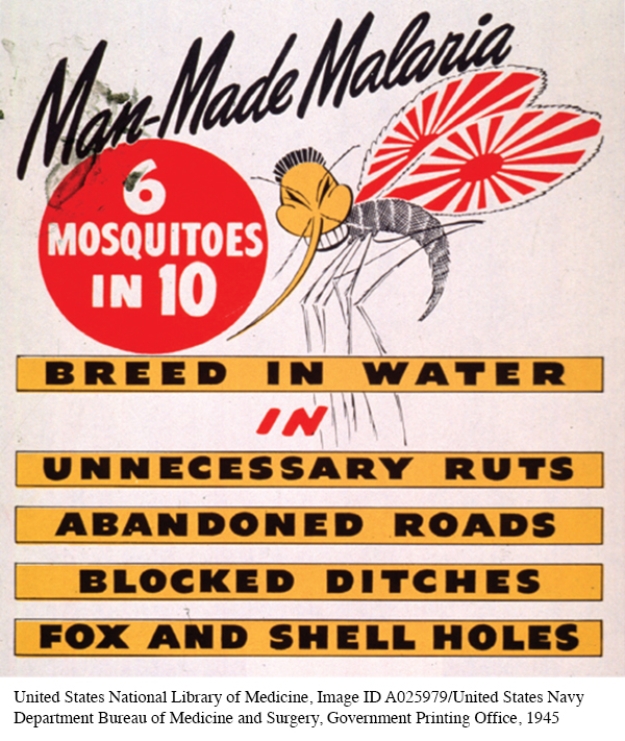
A) To dehumanize the Japanese
B) To draw attention to the prevalence of malaria
C) To build support for World War II
D) To suggest that malaria was the only enemy to fear more than the Japanese
A) To dehumanize the Japanese
B) To draw attention to the prevalence of malaria
C) To build support for World War II
D) To suggest that malaria was the only enemy to fear more than the Japanese
Question
Question
Question
Question
Question
Question
Question
Question
The attack on mosquitos and rats in this image is indicative of which of the following? 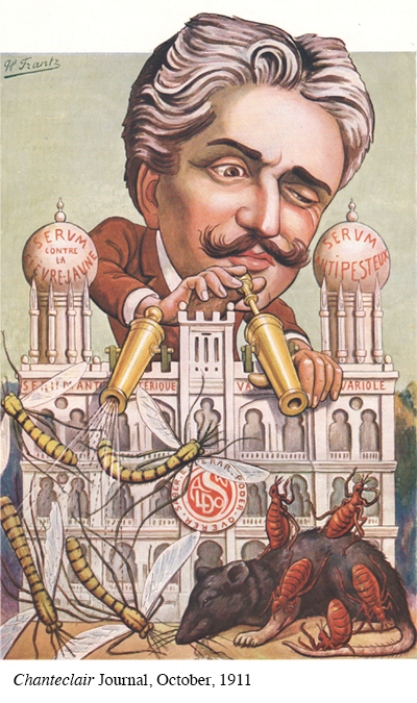
A) That the French viewed their enemies during the First World War as vermin
B) An increased focus on combating public health issues
C) That diseases such as the plague were having a major impact on European populations
D) That many people feared there was no defense against life-threatening illnesses such as the plague or malaria
A) That the French viewed their enemies during the First World War as vermin
B) An increased focus on combating public health issues
C) That diseases such as the plague were having a major impact on European populations
D) That many people feared there was no defense against life-threatening illnesses such as the plague or malaria
Question
Question
Question
Question
Question
Question
Question
Question
Question
Question
Question
Question
Question
Question
Question
Question
Question
Question
Question
The evidence in Map 33.2, "People Living with HIV/AIDS Worldwide, ca. 2010," suggests that the people of which region have less access to healthcare? 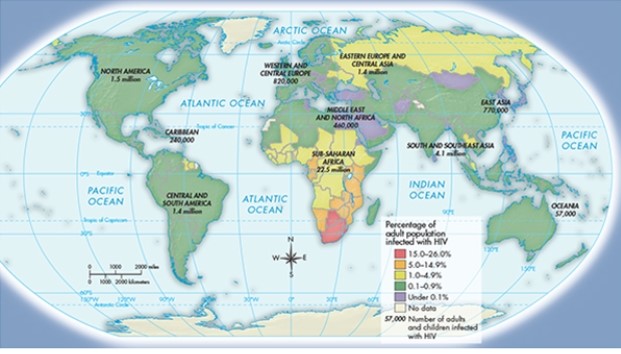
A) The Middle East
B) East Asia
C) Sub-Saharan Africa
D) South America
A) The Middle East
B) East Asia
C) Sub-Saharan Africa
D) South America
Question
Question
Question
Based on Map 33.1, "The Global Distribution of Wealth, ca. 2010," which of the following is true regarding the GDP of most European members of the European Union? 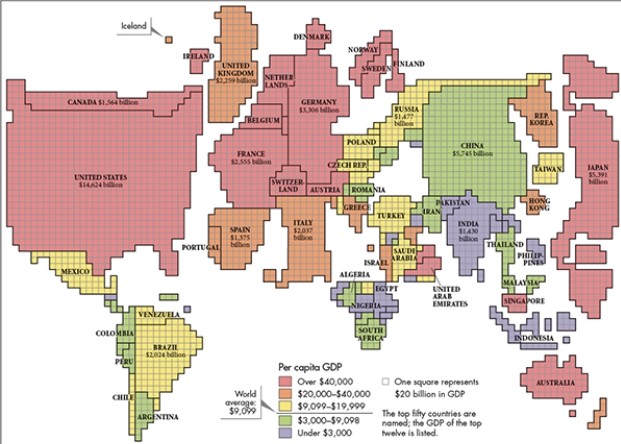
A) Their per capita GDP is higher than the world average.
B) Their per capita GDP is lower than the world average.
C) Their per capita GDP is among the lowest in the world.
D) Their per capita GDP decreased significantly after joining the European Union.
A) Their per capita GDP is higher than the world average.
B) Their per capita GDP is lower than the world average.
C) Their per capita GDP is among the lowest in the world.
D) Their per capita GDP decreased significantly after joining the European Union.
Question
Question
Question
Question
Question
According to this map, how does the distribution of Sunni and Shi'ite in 2010 compare to their distribution in the late twentieth century? 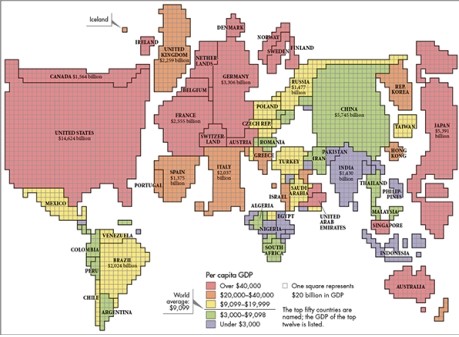
A) Their distribution has not changed much at all.
B) The Kurdish region used to contain a heavy mix of Sunni and Shi'ite.
C) The Sunni population is much larger in the twenty-first century.
D) The "mixed" region was once home to a significant Sunni majority.
A) Their distribution has not changed much at all.
B) The Kurdish region used to contain a heavy mix of Sunni and Shi'ite.
C) The Sunni population is much larger in the twenty-first century.
D) The "mixed" region was once home to a significant Sunni majority.
Question
Question
Question
Question
Question
Question
Question
Question
Question
Question
Question
Question
Question
Question
Question
Question
Question
Question
Question
Question
Question
Question
Question
Question
Question
Question
Question
Question
Question
Question
Question
Question
Question
Question
Question
Question

Unlock Deck
Sign up to unlock the cards in this deck!
Unlock Deck
Unlock Deck
1/73

Play

Full screen (f)
Deck 33: The Contemporary World in Historical Perspective
1
What have several former Soviet republics done with their nuclear weapons since the breakup of the Soviet Union?
A) Destroyed them
B) Transferred their nuclear capabilities to energy plants
C) Returned their nuclear weapons to Russia
D) Sold them to the United States and Great Britain
A) Destroyed them
B) Transferred their nuclear capabilities to energy plants
C) Returned their nuclear weapons to Russia
D) Sold them to the United States and Great Britain
Returned their nuclear weapons to Russia
2
What is the purpose of the caricatured Japanese features and Japanese flag in this poster?
A) To dehumanize the Japanese
B) To draw attention to the prevalence of malaria
C) To build support for World War II
D) To suggest that malaria was the only enemy to fear more than the Japanese
A) To dehumanize the Japanese
B) To draw attention to the prevalence of malaria
C) To build support for World War II
D) To suggest that malaria was the only enemy to fear more than the Japanese
To dehumanize the Japanese
3
Of the increasingly assertive middle powers, what has become the dominant nation-state in South America?
A) Peru
B) Brazil
C) Argentina
D) Chile
A) Peru
B) Brazil
C) Argentina
D) Chile
Brazil
4
Which country has abandoned its nuclear weapons program?
A) Libya
B) India
C) Pakistan
D) Israel
A) Libya
B) India
C) Pakistan
D) Israel
Unlock Deck
Unlock for access to all 73 flashcards in this deck.
Unlock Deck
k this deck
5
Who makes up the great majority of Asian and African migrants to the cities?
A) Entire families
B) Young married couples
C) Young men
D) Single women
A) Entire families
B) Young married couples
C) Young men
D) Single women
Unlock Deck
Unlock for access to all 73 flashcards in this deck.
Unlock Deck
k this deck
6
The emerging multipolar political system has been characterized by which of the following?
A) The rise of new superpowers to challenge the United States and Russia
B) Economic consolidation and cooperation among superpowers
C) New and continuing regional wars
D) Increased reliance on the United Nations to resolve conflicts
A) The rise of new superpowers to challenge the United States and Russia
B) Economic consolidation and cooperation among superpowers
C) New and continuing regional wars
D) Increased reliance on the United Nations to resolve conflicts
Unlock Deck
Unlock for access to all 73 flashcards in this deck.
Unlock Deck
k this deck
7
In 2004, 191 people were killed by a bombing in a train station in what European city?
A) Hamburg
B) London
C) Paris
D) Madrid
A) Hamburg
B) London
C) Paris
D) Madrid
Unlock Deck
Unlock for access to all 73 flashcards in this deck.
Unlock Deck
k this deck
8
Which of the following has led to more than half of urban growth?
A) Improved health care in cities
B) The attraction of new industrial jobs
C) Rural migration to cities
D) Wars, food shortages, and disease epidemics
A) Improved health care in cities
B) The attraction of new industrial jobs
C) Rural migration to cities
D) Wars, food shortages, and disease epidemics
Unlock Deck
Unlock for access to all 73 flashcards in this deck.
Unlock Deck
k this deck
9
How did the growing migration of men change the lives of rural African and Asian women?
A) It left many of them destitute as their husbands abandoned them to find work in the cities.
B) It reduced the overall number of children as many married later.
C) It created more pressure to get married and travel to the city with a husband.
D) It encouraged women's independence as many became heads of households after men left.
A) It left many of them destitute as their husbands abandoned them to find work in the cities.
B) It reduced the overall number of children as many married later.
C) It created more pressure to get married and travel to the city with a husband.
D) It encouraged women's independence as many became heads of households after men left.
Unlock Deck
Unlock for access to all 73 flashcards in this deck.
Unlock Deck
k this deck
10
The attack on mosquitos and rats in this image is indicative of which of the following?
A) That the French viewed their enemies during the First World War as vermin
B) An increased focus on combating public health issues
C) That diseases such as the plague were having a major impact on European populations
D) That many people feared there was no defense against life-threatening illnesses such as the plague or malaria
A) That the French viewed their enemies during the First World War as vermin
B) An increased focus on combating public health issues
C) That diseases such as the plague were having a major impact on European populations
D) That many people feared there was no defense against life-threatening illnesses such as the plague or malaria
Unlock Deck
Unlock for access to all 73 flashcards in this deck.
Unlock Deck
k this deck
11
Which of these is one of the three main factions that emerged in Iraq in the aftermath of the U.S. invasion?
A) Persians
B) Slavs
C) Turks
D) Kurds
A) Persians
B) Slavs
C) Turks
D) Kurds
Unlock Deck
Unlock for access to all 73 flashcards in this deck.
Unlock Deck
k this deck
12
Many of the civil wars since the 1990s have been caused by which of the following?
A) Economics and trade
B) Political ideology
C) Ethnic rivalries
D) Industrialization
A) Economics and trade
B) Political ideology
C) Ethnic rivalries
D) Industrialization
Unlock Deck
Unlock for access to all 73 flashcards in this deck.
Unlock Deck
k this deck
13
Why has the triumph of liberal ideology tended to produce activism?
A) Liberalism has tended to increase inequality.
B) Liberalism often involves the imposition of fundamentalist beliefs.
C) Liberal leaders have tended to be tyrants.
D) Activism seeks to expand opportunities for wealth creation.
A) Liberalism has tended to increase inequality.
B) Liberalism often involves the imposition of fundamentalist beliefs.
C) Liberal leaders have tended to be tyrants.
D) Activism seeks to expand opportunities for wealth creation.
Unlock Deck
Unlock for access to all 73 flashcards in this deck.
Unlock Deck
k this deck
14
What was meant by scholars who argued that the fall of the Berlin Wall led to an "end of history"?
A) They meant that the past no longer mattered.
B) They meant Western-style liberalism had triumphed for all time.
C) They meant that universities would soon serve no purpose.
D) They meant that all that mattered was science.
A) They meant that the past no longer mattered.
B) They meant Western-style liberalism had triumphed for all time.
C) They meant that universities would soon serve no purpose.
D) They meant that all that mattered was science.
Unlock Deck
Unlock for access to all 73 flashcards in this deck.
Unlock Deck
k this deck
15
How many megacities (those with 5 million or more inhabitants) were there in 1950, and how many do estimates suggest there will be by 2017?
A) Zero, seventeen
B) Four, twenty
C) Eight, fifty-nine
D) Twelve, eighty-four
A) Zero, seventeen
B) Four, twenty
C) Eight, fifty-nine
D) Twelve, eighty-four
Unlock Deck
Unlock for access to all 73 flashcards in this deck.
Unlock Deck
k this deck
16
Which of the following describes the bazaar economy common in cities in the developing world.
A) It largely caters to urban elites and tourists.
B) It is generally controlled by organized crime.
C) It is tightly regulated by the government.
D) It is largely composed of small traders and unskilled labor.
A) It largely caters to urban elites and tourists.
B) It is generally controlled by organized crime.
C) It is tightly regulated by the government.
D) It is largely composed of small traders and unskilled labor.
Unlock Deck
Unlock for access to all 73 flashcards in this deck.
Unlock Deck
k this deck
17
One concern about North Korea's nuclear program is that it will produce warheads capable of reaching what country?
A) India
B) Japan
C) The United States
D) The United Kingdom
A) India
B) Japan
C) The United States
D) The United Kingdom
Unlock Deck
Unlock for access to all 73 flashcards in this deck.
Unlock Deck
k this deck
18
How has the presence of multinational corporations in developing nations affected those nations?
A) Multinational corporations have encouraged the sale of products specifically tailored to the interests of the local markets.
B) Multinational corporations have spread the products and values of a consumer society among the elites of developing nations.
C) Multinational corporations have led to sharp declines in unemployment and poverty.
D) Many multinational corporations have created social tensions as they often refuse to hire local business leaders to important positions in their operations.
A) Multinational corporations have encouraged the sale of products specifically tailored to the interests of the local markets.
B) Multinational corporations have spread the products and values of a consumer society among the elites of developing nations.
C) Multinational corporations have led to sharp declines in unemployment and poverty.
D) Many multinational corporations have created social tensions as they often refuse to hire local business leaders to important positions in their operations.
Unlock Deck
Unlock for access to all 73 flashcards in this deck.
Unlock Deck
k this deck
19
What are the major factors driving global migration?
A) Pursuit of economic opportunity and flight from persecution
B) Declining costs associated with travel
C) The relative ease of returning to native countries
D) Warfare
A) Pursuit of economic opportunity and flight from persecution
B) Declining costs associated with travel
C) The relative ease of returning to native countries
D) Warfare
Unlock Deck
Unlock for access to all 73 flashcards in this deck.
Unlock Deck
k this deck
20
What has contributed to growing restrictions on immigration since the 1980s?
A) Increasing cultural homogeneity in host nations
B) Growing reluctance from employers to hire foreign workers
C) Slowing economic growth in host nations
D) Stricter United Nations regulations affecting the treatment of migrants
A) Increasing cultural homogeneity in host nations
B) Growing reluctance from employers to hire foreign workers
C) Slowing economic growth in host nations
D) Stricter United Nations regulations affecting the treatment of migrants
Unlock Deck
Unlock for access to all 73 flashcards in this deck.
Unlock Deck
k this deck
21
How have United Nations' member states viewed the 1989 Convention on the Rights of the Child?
A) Most have rejected it.
B) It has been ratified by virtually every country.
C) Western countries have rejected it, whereas developing countries have accepted it.
D) Most Western countries have accepted it, whereas developing countries have rejected it.
A) Most have rejected it.
B) It has been ratified by virtually every country.
C) Western countries have rejected it, whereas developing countries have accepted it.
D) Most Western countries have accepted it, whereas developing countries have rejected it.
Unlock Deck
Unlock for access to all 73 flashcards in this deck.
Unlock Deck
k this deck
22
Which of these statements is true regarding the impact of climate change on the spread of disease?
A) Drought has reduced the breeding grounds for mosquitoes.
B) In many areas, temperature extremes have shortened the length of active seasons for many disease-carrying organisms.
C) It has accelerated the spread of airborne diseases such as tuberculosis.
D) It has allowed the number of habitats for disease-carrying organisms to expand.
A) Drought has reduced the breeding grounds for mosquitoes.
B) In many areas, temperature extremes have shortened the length of active seasons for many disease-carrying organisms.
C) It has accelerated the spread of airborne diseases such as tuberculosis.
D) It has allowed the number of habitats for disease-carrying organisms to expand.
Unlock Deck
Unlock for access to all 73 flashcards in this deck.
Unlock Deck
k this deck
23
About 90 percent of all persons who die from AIDS and 86 percent of those currently infected with HIV live in
A) South Asia.
B) sub-Saharan Africa.
C) North America.
D) East Asia.
A) South Asia.
B) sub-Saharan Africa.
C) North America.
D) East Asia.
Unlock Deck
Unlock for access to all 73 flashcards in this deck.
Unlock Deck
k this deck
24
As the world's population continued to rise in the twentieth century, how did agricultural technology keep pace with that change?
A) Better irrigation techniques were developed.
B) Genetically engineered seeds were cultivated.
C) Crop rotation was practiced.
D) Better engineered plows became available.
A) Better irrigation techniques were developed.
B) Genetically engineered seeds were cultivated.
C) Crop rotation was practiced.
D) Better engineered plows became available.
Unlock Deck
Unlock for access to all 73 flashcards in this deck.
Unlock Deck
k this deck
25
The green revolution began with the development of new strains of wheat in what country?
A) India
B) Egypt
C) Austria
D) Mexico
A) India
B) Egypt
C) Austria
D) Mexico
Unlock Deck
Unlock for access to all 73 flashcards in this deck.
Unlock Deck
k this deck
26
Which of these has contributed to the spread of AIDS in Africa?
A) The high cost of AIDS drugs
B) The 2008 financial crisis
C) Political instability
D) The growing number of non-African immigrants
A) The high cost of AIDS drugs
B) The 2008 financial crisis
C) Political instability
D) The growing number of non-African immigrants
Unlock Deck
Unlock for access to all 73 flashcards in this deck.
Unlock Deck
k this deck
27
Rachel Carson is most famous for her book
A) The Population Bomb.
B) Silent Spring.
C) Fatal Harvest.
D) North America Tomorrow.
A) The Population Bomb.
B) Silent Spring.
C) Fatal Harvest.
D) North America Tomorrow.
Unlock Deck
Unlock for access to all 73 flashcards in this deck.
Unlock Deck
k this deck
28
The accelerated population growth of the developing world since 1945 was primarily a result of which of the following?
A) The green revolution
B) The medical revolution
C) Industrialization
D) The decline in terrorism
A) The green revolution
B) The medical revolution
C) Industrialization
D) The decline in terrorism
Unlock Deck
Unlock for access to all 73 flashcards in this deck.
Unlock Deck
k this deck
29
The evidence in Map 33.2, "People Living with HIV/AIDS Worldwide, ca. 2010," suggests that the people of which region have less access to healthcare?
A) The Middle East
B) East Asia
C) Sub-Saharan Africa
D) South America
A) The Middle East
B) East Asia
C) Sub-Saharan Africa
D) South America
Unlock Deck
Unlock for access to all 73 flashcards in this deck.
Unlock Deck
k this deck
30
Which of the following occurred in India in 1966 and 1967 and caused widespread concern that food production could no longer keep pace with population growth?
A) Drought
B) Trade embargo
C) Famine
D) Record number of births
A) Drought
B) Trade embargo
C) Famine
D) Record number of births
Unlock Deck
Unlock for access to all 73 flashcards in this deck.
Unlock Deck
k this deck
31
Which of the following was one of the ways in which many African and Asian countries improved medical care after gaining their independence?
A) They trained paramedics to care for patients in rural areas.
B) They replaced the hospitals inherited from colonial regimes with their own.
C) They addressed the political instability that had allowed for the uncontrolled spread of many diseases.
D) They opened their first major medical schools.
A) They trained paramedics to care for patients in rural areas.
B) They replaced the hospitals inherited from colonial regimes with their own.
C) They addressed the political instability that had allowed for the uncontrolled spread of many diseases.
D) They opened their first major medical schools.
Unlock Deck
Unlock for access to all 73 flashcards in this deck.
Unlock Deck
k this deck
32
Based on Map 33.1, "The Global Distribution of Wealth, ca. 2010," which of the following is true regarding the GDP of most European members of the European Union?
A) Their per capita GDP is higher than the world average.
B) Their per capita GDP is lower than the world average.
C) Their per capita GDP is among the lowest in the world.
D) Their per capita GDP decreased significantly after joining the European Union.
A) Their per capita GDP is higher than the world average.
B) Their per capita GDP is lower than the world average.
C) Their per capita GDP is among the lowest in the world.
D) Their per capita GDP decreased significantly after joining the European Union.
Unlock Deck
Unlock for access to all 73 flashcards in this deck.
Unlock Deck
k this deck
33
What was the greatest environmental concern at the beginning of the twenty-first century?
A) Nuclear waste
B) Global warming
C) Acid rain
D) Species extinction
A) Nuclear waste
B) Global warming
C) Acid rain
D) Species extinction
Unlock Deck
Unlock for access to all 73 flashcards in this deck.
Unlock Deck
k this deck
34
Which of these issues was addressed by the 1997 Kyoto Protocol?
A) Ethnic violence
B) The AIDS crisis
C) The feminization of poverty
D) Global warming
A) Ethnic violence
B) The AIDS crisis
C) The feminization of poverty
D) Global warming
Unlock Deck
Unlock for access to all 73 flashcards in this deck.
Unlock Deck
k this deck
35
What was the thesis of Paul Ehrlich's 1968 book The Population Bomb?
A) That the poverty of the Third World would result in savage racial wars.
B) That a green revolution could solve the world's overpopulation problem.
C) That conflict between liberalism and communism would destroy the world.
D) That it was too late to prevent hundreds of millions of people from starving.
A) That the poverty of the Third World would result in savage racial wars.
B) That a green revolution could solve the world's overpopulation problem.
C) That conflict between liberalism and communism would destroy the world.
D) That it was too late to prevent hundreds of millions of people from starving.
Unlock Deck
Unlock for access to all 73 flashcards in this deck.
Unlock Deck
k this deck
36
What influenced the development of the 1981 World Health Organization's new standards for breast-milk substitutes?
A) Pressure from governments in Africa
B) Mass deaths in the non-Western world
C) The Nestlé boycott
D) Reforms suggested by formula producers
A) Pressure from governments in Africa
B) Mass deaths in the non-Western world
C) The Nestlé boycott
D) Reforms suggested by formula producers
Unlock Deck
Unlock for access to all 73 flashcards in this deck.
Unlock Deck
k this deck
37
According to this map, how does the distribution of Sunni and Shi'ite in 2010 compare to their distribution in the late twentieth century?
A) Their distribution has not changed much at all.
B) The Kurdish region used to contain a heavy mix of Sunni and Shi'ite.
C) The Sunni population is much larger in the twenty-first century.
D) The "mixed" region was once home to a significant Sunni majority.
A) Their distribution has not changed much at all.
B) The Kurdish region used to contain a heavy mix of Sunni and Shi'ite.
C) The Sunni population is much larger in the twenty-first century.
D) The "mixed" region was once home to a significant Sunni majority.
Unlock Deck
Unlock for access to all 73 flashcards in this deck.
Unlock Deck
k this deck
38
Which of these has limited the medical benefits of scientific advances?
A) Unequal access to health care
B) Limited funding for most forms of medical research
C) The advent of national healthcare systems
D) High profile medical science failures
A) Unequal access to health care
B) Limited funding for most forms of medical research
C) The advent of national healthcare systems
D) High profile medical science failures
Unlock Deck
Unlock for access to all 73 flashcards in this deck.
Unlock Deck
k this deck
39
The green revolution's greatest successes have come in which Asian countries?
A) Those dominated by large-scale estate farms
B) Those that have collectivized farming
C) Those with broad-based peasant ownership of land
D) Those where tenant farming predominates
A) Those dominated by large-scale estate farms
B) Those that have collectivized farming
C) Those with broad-based peasant ownership of land
D) Those where tenant farming predominates
Unlock Deck
Unlock for access to all 73 flashcards in this deck.
Unlock Deck
k this deck
40
Which of these was a major postwar medical advance?
A) The discovery of the link between sanitation and disease
B) The discovery of a cure for malaria
C) The advent of the germ theory of disease
D) The discovery of vaccines for many deadly diseases
A) The discovery of the link between sanitation and disease
B) The discovery of a cure for malaria
C) The advent of the germ theory of disease
D) The discovery of vaccines for many deadly diseases
Unlock Deck
Unlock for access to all 73 flashcards in this deck.
Unlock Deck
k this deck
41
How has the digital revolution affected the problem of inequality?
A) Communication has made inequality harder to sustain.
B) Technology has encouraged the breakup of large corporations.
C) Rural areas have been relatively advantaged by new technologies.
D) A "digital divide" has emerged that perpetuates inequalities.
A) Communication has made inequality harder to sustain.
B) Technology has encouraged the breakup of large corporations.
C) Rural areas have been relatively advantaged by new technologies.
D) A "digital divide" has emerged that perpetuates inequalities.
Unlock Deck
Unlock for access to all 73 flashcards in this deck.
Unlock Deck
k this deck
42
What led to the communication revolution?
Unlock Deck
Unlock for access to all 73 flashcards in this deck.
Unlock Deck
k this deck
43
What were some of the notable successes of the twentieth-century medical revolution? What challenges remain?
Unlock Deck
Unlock for access to all 73 flashcards in this deck.
Unlock Deck
k this deck
44
What percentage of the world's couples practice some form of birth control?
A) 10
B) 30
C) 50
D) 70
A) 10
B) 30
C) 50
D) 70
Unlock Deck
Unlock for access to all 73 flashcards in this deck.
Unlock Deck
k this deck
45
What are the greatest environmental challenges facing the world? Are these environmental problems concentrated in certain regions of the world? If so, where?
Unlock Deck
Unlock for access to all 73 flashcards in this deck.
Unlock Deck
k this deck
46
The postindependence era has seen the emergence of gigantic cities in the developing world. Why?
Unlock Deck
Unlock for access to all 73 flashcards in this deck.
Unlock Deck
k this deck
47
What is the digital divide, and how does it reflect contemporary global realities?
Unlock Deck
Unlock for access to all 73 flashcards in this deck.
Unlock Deck
k this deck
48
What migration patterns emerged in Africa, Asia, and Latin America after 1945?
Unlock Deck
Unlock for access to all 73 flashcards in this deck.
Unlock Deck
k this deck
49
How has the U.S. struggle against al-Qaeda progressed, and how has it affected other nations?
Unlock Deck
Unlock for access to all 73 flashcards in this deck.
Unlock Deck
k this deck
50
What recent technological development has had the greatest impact on human communication?
A) The Internet
B) The cell phone
C) Television
D) Film
A) The Internet
B) The cell phone
C) Television
D) Film
Unlock Deck
Unlock for access to all 73 flashcards in this deck.
Unlock Deck
k this deck
51
What attempts have been made to limit nuclear proliferation since 1945? Which attempts have been successful, and which have not?
Unlock Deck
Unlock for access to all 73 flashcards in this deck.
Unlock Deck
k this deck
52
Which of the following is true regarding the conditional cash transfer pioneered in Mexico?
A) It provides a stipend to families that meet certain goals, such as keeping their children in school.
B) It was created to combat poverty but failed to meet expectations.
C) It is an indirect, temporary solution to combating poverty.
D) The Family Scholarship, pioneered in Brazil, was the inspiration for Mexico's cash transfer plan.
A) It provides a stipend to families that meet certain goals, such as keeping their children in school.
B) It was created to combat poverty but failed to meet expectations.
C) It is an indirect, temporary solution to combating poverty.
D) The Family Scholarship, pioneered in Brazil, was the inspiration for Mexico's cash transfer plan.
Unlock Deck
Unlock for access to all 73 flashcards in this deck.
Unlock Deck
k this deck
53
In what sense has history not "ended"?
A) The Cold War has continued.
B) Technological change has slowed but not halted.
C) Cycles of economic growth and crisis have persisted.
D) While regional conflict has ended, change has not.
A) The Cold War has continued.
B) Technological change has slowed but not halted.
C) Cycles of economic growth and crisis have persisted.
D) While regional conflict has ended, change has not.
Unlock Deck
Unlock for access to all 73 flashcards in this deck.
Unlock Deck
k this deck
54
Which country made sexual reassignment surgery a legal right in 2012?
A) Ecuador
B) Uruguay
C) Argentina
D) Brazil
A) Ecuador
B) Uruguay
C) Argentina
D) Brazil
Unlock Deck
Unlock for access to all 73 flashcards in this deck.
Unlock Deck
k this deck
55
What evidence suggests that global interdependence is now a part of world affairs? Do you think these relationships will make wars more or less likely, and why?
Unlock Deck
Unlock for access to all 73 flashcards in this deck.
Unlock Deck
k this deck
56
What are the middle powers, and how do they create "multipolar" political landscapes?
Unlock Deck
Unlock for access to all 73 flashcards in this deck.
Unlock Deck
k this deck
57
Governments have found that new communication technologies
A) make both censorship and privacy more difficult to enforce.
B) make populations easier to manipulate.
C) can be easily controlled at "node points."
D) make revolutions less likely.
A) make both censorship and privacy more difficult to enforce.
B) make populations easier to manipulate.
C) can be easily controlled at "node points."
D) make revolutions less likely.
Unlock Deck
Unlock for access to all 73 flashcards in this deck.
Unlock Deck
k this deck
58
The "information age" has developed out of the parallel development of
A) human social skills and population.
B) electrification and transport.
C) computing and communication technologies.
D) stable governments and private corporations.
A) human social skills and population.
B) electrification and transport.
C) computing and communication technologies.
D) stable governments and private corporations.
Unlock Deck
Unlock for access to all 73 flashcards in this deck.
Unlock Deck
k this deck
59
What has prevented AIDS medications from being more widely distributed in South Africa?
A) No one has been willing to distribute them for free.
B) No effective medications have been developed.
C) The lack of facilities makes them impossible to administer there.
D) Availability of the medications cannot keep up with the need.
A) No one has been willing to distribute them for free.
B) No effective medications have been developed.
C) The lack of facilities makes them impossible to administer there.
D) Availability of the medications cannot keep up with the need.
Unlock Deck
Unlock for access to all 73 flashcards in this deck.
Unlock Deck
k this deck
60
The personal computer and the cell phone are associated with which of these?
A) The first communications revolution
B) The second communications revolution
C) The third communications revolution
D) The fourth communications revolution
A) The first communications revolution
B) The second communications revolution
C) The third communications revolution
D) The fourth communications revolution
Unlock Deck
Unlock for access to all 73 flashcards in this deck.
Unlock Deck
k this deck
61
Use the following to answer questions :
digital divide
A)Countries with significant economic influence that became increasingly assertive regional leaders after the Cold War.
B)Cities with populations of 5 million people or more.
C)Beginning in the 1950s, the increase in food production stemming from the introduction of high-yielding wheat, hybrid seeds, and other advancements.
D)An economy with few salaried jobs and an abundance of tiny, unregulated businesses such as peddlers and pushcart operators.
E)The gap between levels of access to computing, Internet, and telecommunications between rich and poor regions and populations.
F)Business firms that operate in a number of different countries and tend to adopt a global rather than a national perspective.
G)The issue that those living in extreme poverty are disproportionately women.
H)The belief of the majority of the world's scientists that hydrocarbons produced through the burning of fossil fuels have caused a greenhouse effect that has increased global temperatures over time.
digital divide
A)Countries with significant economic influence that became increasingly assertive regional leaders after the Cold War.
B)Cities with populations of 5 million people or more.
C)Beginning in the 1950s, the increase in food production stemming from the introduction of high-yielding wheat, hybrid seeds, and other advancements.
D)An economy with few salaried jobs and an abundance of tiny, unregulated businesses such as peddlers and pushcart operators.
E)The gap between levels of access to computing, Internet, and telecommunications between rich and poor regions and populations.
F)Business firms that operate in a number of different countries and tend to adopt a global rather than a national perspective.
G)The issue that those living in extreme poverty are disproportionately women.
H)The belief of the majority of the world's scientists that hydrocarbons produced through the burning of fossil fuels have caused a greenhouse effect that has increased global temperatures over time.
Unlock Deck
Unlock for access to all 73 flashcards in this deck.
Unlock Deck
k this deck
62
How has rapid economic and social change in the developing world affected women?
Unlock Deck
Unlock for access to all 73 flashcards in this deck.
Unlock Deck
k this deck
63
Use the following to answer questions :
megacities
A)Countries with significant economic influence that became increasingly assertive regional leaders after the Cold War.
B)Cities with populations of 5 million people or more.
C)Beginning in the 1950s, the increase in food production stemming from the introduction of high-yielding wheat, hybrid seeds, and other advancements.
D)An economy with few salaried jobs and an abundance of tiny, unregulated businesses such as peddlers and pushcart operators.
E)The gap between levels of access to computing, Internet, and telecommunications between rich and poor regions and populations.
F)Business firms that operate in a number of different countries and tend to adopt a global rather than a national perspective.
G)The issue that those living in extreme poverty are disproportionately women.
H)The belief of the majority of the world's scientists that hydrocarbons produced through the burning of fossil fuels have caused a greenhouse effect that has increased global temperatures over time.
megacities
A)Countries with significant economic influence that became increasingly assertive regional leaders after the Cold War.
B)Cities with populations of 5 million people or more.
C)Beginning in the 1950s, the increase in food production stemming from the introduction of high-yielding wheat, hybrid seeds, and other advancements.
D)An economy with few salaried jobs and an abundance of tiny, unregulated businesses such as peddlers and pushcart operators.
E)The gap between levels of access to computing, Internet, and telecommunications between rich and poor regions and populations.
F)Business firms that operate in a number of different countries and tend to adopt a global rather than a national perspective.
G)The issue that those living in extreme poverty are disproportionately women.
H)The belief of the majority of the world's scientists that hydrocarbons produced through the burning of fossil fuels have caused a greenhouse effect that has increased global temperatures over time.
Unlock Deck
Unlock for access to all 73 flashcards in this deck.
Unlock Deck
k this deck
64
Use the following to answer questions :
feminization of poverty
A)Countries with significant economic influence that became increasingly assertive regional leaders after the Cold War.
B)Cities with populations of 5 million people or more.
C)Beginning in the 1950s, the increase in food production stemming from the introduction of high-yielding wheat, hybrid seeds, and other advancements.
D)An economy with few salaried jobs and an abundance of tiny, unregulated businesses such as peddlers and pushcart operators.
E)The gap between levels of access to computing, Internet, and telecommunications between rich and poor regions and populations.
F)Business firms that operate in a number of different countries and tend to adopt a global rather than a national perspective.
G)The issue that those living in extreme poverty are disproportionately women.
H)The belief of the majority of the world's scientists that hydrocarbons produced through the burning of fossil fuels have caused a greenhouse effect that has increased global temperatures over time.
feminization of poverty
A)Countries with significant economic influence that became increasingly assertive regional leaders after the Cold War.
B)Cities with populations of 5 million people or more.
C)Beginning in the 1950s, the increase in food production stemming from the introduction of high-yielding wheat, hybrid seeds, and other advancements.
D)An economy with few salaried jobs and an abundance of tiny, unregulated businesses such as peddlers and pushcart operators.
E)The gap between levels of access to computing, Internet, and telecommunications between rich and poor regions and populations.
F)Business firms that operate in a number of different countries and tend to adopt a global rather than a national perspective.
G)The issue that those living in extreme poverty are disproportionately women.
H)The belief of the majority of the world's scientists that hydrocarbons produced through the burning of fossil fuels have caused a greenhouse effect that has increased global temperatures over time.
Unlock Deck
Unlock for access to all 73 flashcards in this deck.
Unlock Deck
k this deck
65
Use the following to answer questions :
multinational corporations
A)Countries with significant economic influence that became increasingly assertive regional leaders after the Cold War.
B)Cities with populations of 5 million people or more.
C)Beginning in the 1950s, the increase in food production stemming from the introduction of high-yielding wheat, hybrid seeds, and other advancements.
D)An economy with few salaried jobs and an abundance of tiny, unregulated businesses such as peddlers and pushcart operators.
E)The gap between levels of access to computing, Internet, and telecommunications between rich and poor regions and populations.
F)Business firms that operate in a number of different countries and tend to adopt a global rather than a national perspective.
G)The issue that those living in extreme poverty are disproportionately women.
H)The belief of the majority of the world's scientists that hydrocarbons produced through the burning of fossil fuels have caused a greenhouse effect that has increased global temperatures over time.
multinational corporations
A)Countries with significant economic influence that became increasingly assertive regional leaders after the Cold War.
B)Cities with populations of 5 million people or more.
C)Beginning in the 1950s, the increase in food production stemming from the introduction of high-yielding wheat, hybrid seeds, and other advancements.
D)An economy with few salaried jobs and an abundance of tiny, unregulated businesses such as peddlers and pushcart operators.
E)The gap between levels of access to computing, Internet, and telecommunications between rich and poor regions and populations.
F)Business firms that operate in a number of different countries and tend to adopt a global rather than a national perspective.
G)The issue that those living in extreme poverty are disproportionately women.
H)The belief of the majority of the world's scientists that hydrocarbons produced through the burning of fossil fuels have caused a greenhouse effect that has increased global temperatures over time.
Unlock Deck
Unlock for access to all 73 flashcards in this deck.
Unlock Deck
k this deck
66
Use the following to answer questions :
global warming
A)Countries with significant economic influence that became increasingly assertive regional leaders after the Cold War.
B)Cities with populations of 5 million people or more.
C)Beginning in the 1950s, the increase in food production stemming from the introduction of high-yielding wheat, hybrid seeds, and other advancements.
D)An economy with few salaried jobs and an abundance of tiny, unregulated businesses such as peddlers and pushcart operators.
E)The gap between levels of access to computing, Internet, and telecommunications between rich and poor regions and populations.
F)Business firms that operate in a number of different countries and tend to adopt a global rather than a national perspective.
G)The issue that those living in extreme poverty are disproportionately women.
H)The belief of the majority of the world's scientists that hydrocarbons produced through the burning of fossil fuels have caused a greenhouse effect that has increased global temperatures over time.
global warming
A)Countries with significant economic influence that became increasingly assertive regional leaders after the Cold War.
B)Cities with populations of 5 million people or more.
C)Beginning in the 1950s, the increase in food production stemming from the introduction of high-yielding wheat, hybrid seeds, and other advancements.
D)An economy with few salaried jobs and an abundance of tiny, unregulated businesses such as peddlers and pushcart operators.
E)The gap between levels of access to computing, Internet, and telecommunications between rich and poor regions and populations.
F)Business firms that operate in a number of different countries and tend to adopt a global rather than a national perspective.
G)The issue that those living in extreme poverty are disproportionately women.
H)The belief of the majority of the world's scientists that hydrocarbons produced through the burning of fossil fuels have caused a greenhouse effect that has increased global temperatures over time.
Unlock Deck
Unlock for access to all 73 flashcards in this deck.
Unlock Deck
k this deck
67
Use the following to answer questions :
green revolution
A)Countries with significant economic influence that became increasingly assertive regional leaders after the Cold War.
B)Cities with populations of 5 million people or more.
C)Beginning in the 1950s, the increase in food production stemming from the introduction of high-yielding wheat, hybrid seeds, and other advancements.
D)An economy with few salaried jobs and an abundance of tiny, unregulated businesses such as peddlers and pushcart operators.
E)The gap between levels of access to computing, Internet, and telecommunications between rich and poor regions and populations.
F)Business firms that operate in a number of different countries and tend to adopt a global rather than a national perspective.
G)The issue that those living in extreme poverty are disproportionately women.
H)The belief of the majority of the world's scientists that hydrocarbons produced through the burning of fossil fuels have caused a greenhouse effect that has increased global temperatures over time.
green revolution
A)Countries with significant economic influence that became increasingly assertive regional leaders after the Cold War.
B)Cities with populations of 5 million people or more.
C)Beginning in the 1950s, the increase in food production stemming from the introduction of high-yielding wheat, hybrid seeds, and other advancements.
D)An economy with few salaried jobs and an abundance of tiny, unregulated businesses such as peddlers and pushcart operators.
E)The gap between levels of access to computing, Internet, and telecommunications between rich and poor regions and populations.
F)Business firms that operate in a number of different countries and tend to adopt a global rather than a national perspective.
G)The issue that those living in extreme poverty are disproportionately women.
H)The belief of the majority of the world's scientists that hydrocarbons produced through the burning of fossil fuels have caused a greenhouse effect that has increased global temperatures over time.
Unlock Deck
Unlock for access to all 73 flashcards in this deck.
Unlock Deck
k this deck
68
Despite the end of the Cold War, many people still worry about new threats to world peace and security. What are these threats? How has the international community dealt with them?
Unlock Deck
Unlock for access to all 73 flashcards in this deck.
Unlock Deck
k this deck
69
Use the following to answer questions :
middle powers
A)Countries with significant economic influence that became increasingly assertive regional leaders after the Cold War.
B)Cities with populations of 5 million people or more.
C)Beginning in the 1950s, the increase in food production stemming from the introduction of high-yielding wheat, hybrid seeds, and other advancements.
D)An economy with few salaried jobs and an abundance of tiny, unregulated businesses such as peddlers and pushcart operators.
E)The gap between levels of access to computing, Internet, and telecommunications between rich and poor regions and populations.
F)Business firms that operate in a number of different countries and tend to adopt a global rather than a national perspective.
G)The issue that those living in extreme poverty are disproportionately women.
H)The belief of the majority of the world's scientists that hydrocarbons produced through the burning of fossil fuels have caused a greenhouse effect that has increased global temperatures over time.
middle powers
A)Countries with significant economic influence that became increasingly assertive regional leaders after the Cold War.
B)Cities with populations of 5 million people or more.
C)Beginning in the 1950s, the increase in food production stemming from the introduction of high-yielding wheat, hybrid seeds, and other advancements.
D)An economy with few salaried jobs and an abundance of tiny, unregulated businesses such as peddlers and pushcart operators.
E)The gap between levels of access to computing, Internet, and telecommunications between rich and poor regions and populations.
F)Business firms that operate in a number of different countries and tend to adopt a global rather than a national perspective.
G)The issue that those living in extreme poverty are disproportionately women.
H)The belief of the majority of the world's scientists that hydrocarbons produced through the burning of fossil fuels have caused a greenhouse effect that has increased global temperatures over time.
Unlock Deck
Unlock for access to all 73 flashcards in this deck.
Unlock Deck
k this deck
70
Discuss the green revolution and its successes. What factors have affected the spread of this agricultural revolution?
Unlock Deck
Unlock for access to all 73 flashcards in this deck.
Unlock Deck
k this deck
71
Use the following to answer questions :
bazaar economy
A)Countries with significant economic influence that became increasingly assertive regional leaders after the Cold War.
B)Cities with populations of 5 million people or more.
C)Beginning in the 1950s, the increase in food production stemming from the introduction of high-yielding wheat, hybrid seeds, and other advancements.
D)An economy with few salaried jobs and an abundance of tiny, unregulated businesses such as peddlers and pushcart operators.
E)The gap between levels of access to computing, Internet, and telecommunications between rich and poor regions and populations.
F)Business firms that operate in a number of different countries and tend to adopt a global rather than a national perspective.
G)The issue that those living in extreme poverty are disproportionately women.
H)The belief of the majority of the world's scientists that hydrocarbons produced through the burning of fossil fuels have caused a greenhouse effect that has increased global temperatures over time.
bazaar economy
A)Countries with significant economic influence that became increasingly assertive regional leaders after the Cold War.
B)Cities with populations of 5 million people or more.
C)Beginning in the 1950s, the increase in food production stemming from the introduction of high-yielding wheat, hybrid seeds, and other advancements.
D)An economy with few salaried jobs and an abundance of tiny, unregulated businesses such as peddlers and pushcart operators.
E)The gap between levels of access to computing, Internet, and telecommunications between rich and poor regions and populations.
F)Business firms that operate in a number of different countries and tend to adopt a global rather than a national perspective.
G)The issue that those living in extreme poverty are disproportionately women.
H)The belief of the majority of the world's scientists that hydrocarbons produced through the burning of fossil fuels have caused a greenhouse effect that has increased global temperatures over time.
Unlock Deck
Unlock for access to all 73 flashcards in this deck.
Unlock Deck
k this deck
72
How have multinational corporations shaped the global economy? Discuss in terms of costs and benefits, as well as the history of their development.
Unlock Deck
Unlock for access to all 73 flashcards in this deck.
Unlock Deck
k this deck
73
How have rights expanded globally in recent decades? What has contributed to this development?
Unlock Deck
Unlock for access to all 73 flashcards in this deck.
Unlock Deck
k this deck
Unlock Deck
Unlock for access to all 73 flashcards in this deck.






