







 Chat with AI

Deck 15: Europe in the Renaissance and Reformation, 1350-1600
Full screen (f)

Question

Question
Based on Map 15.2, "Religious Divisions in Europe, ca. 1555," which religious faith likely exercised the biggest influence on the Dutch colonists who migrated to the New World in the early seventeenth century? 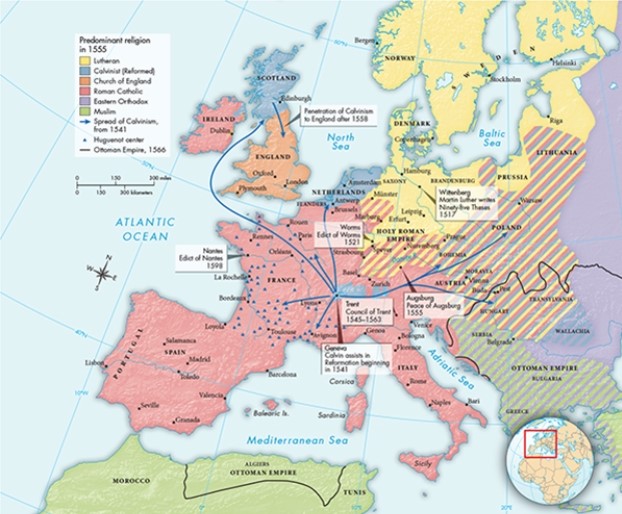
A) Calvinism
B) Lutheranism
C) The Church of England
D) Catholicism
A) Calvinism
B) Lutheranism
C) The Church of England
D) Catholicism
Question
Question
Question
Question
Question
Question
Question
Question
Question
Based upon Map 15.2, "Religious Divisions in Europe, ca. 1555," which city appears to have been at the heart of the Calvinist movement? 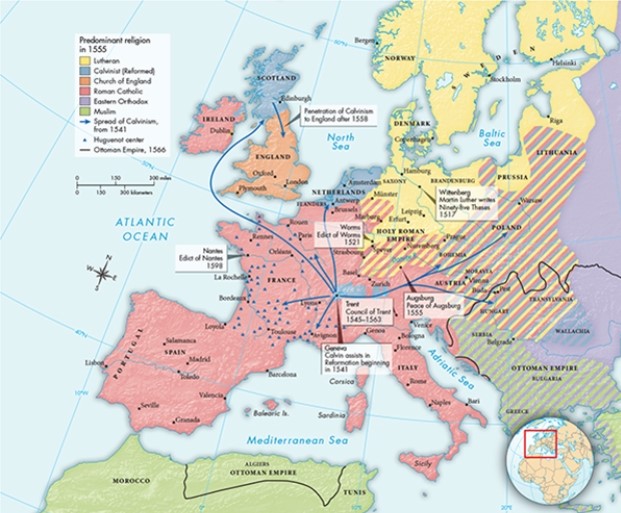
A) Edinburgh
B) Antwerp
C) Amsterdam
D) Geneva
A) Edinburgh
B) Antwerp
C) Amsterdam
D) Geneva
Question
Question
Question
Question
According to Map 15.1, "The Global Empire of Charles V, ca. 1556," the majority of territory in western and central Europe occupied by the enemies of Charles V claimed allegiance to which faith? 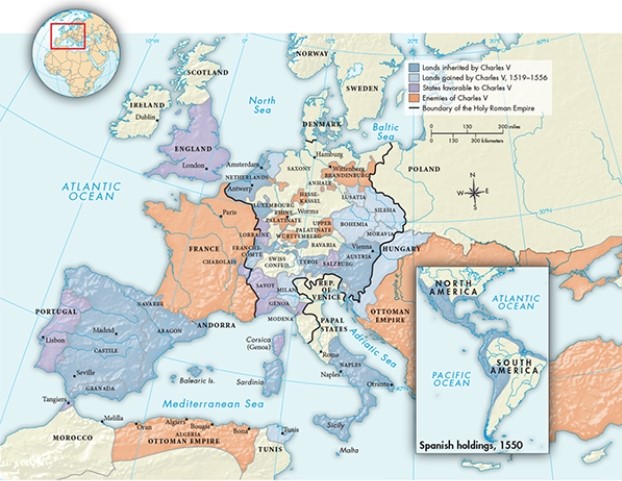
A) Lutheranism
B) Eastern Orthodox
C) Islam
D) Catholicism
A) Lutheranism
B) Eastern Orthodox
C) Islam
D) Catholicism
Question
Question
Question
Question
Question
Question
Question
While atrocities were committed by both Catholics and Protestants during the wars of religion, what evidence is there in this illustration to suggest it was created by a Protestant? 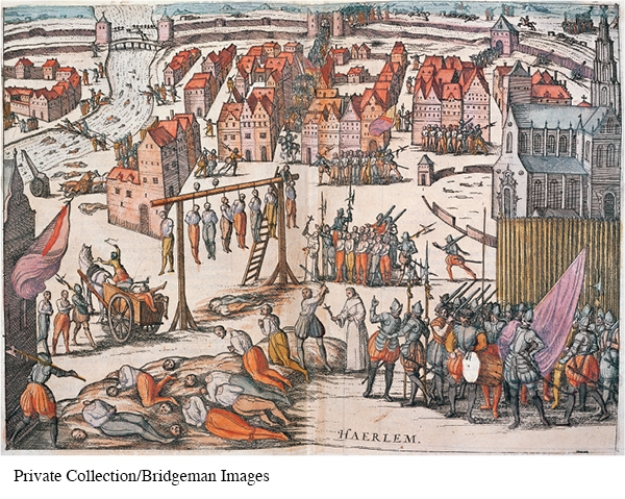
A) The inclusion of priests overseeing the killing
B) The particularly violent means through which victims were killed
C) The large number of victims
D) The clear superiority in numbers and weapons of the aggressors
A) The inclusion of priests overseeing the killing
B) The particularly violent means through which victims were killed
C) The large number of victims
D) The clear superiority in numbers and weapons of the aggressors
Question
Question
Question
Question
Question
Question
Question
Question
Question
Question
Question
Question
Question
Question
Question
Question
Question
Question
Question
Question
Question
How did the creator of this woodcut communicate his view that the selling of indulgences was deceitful? 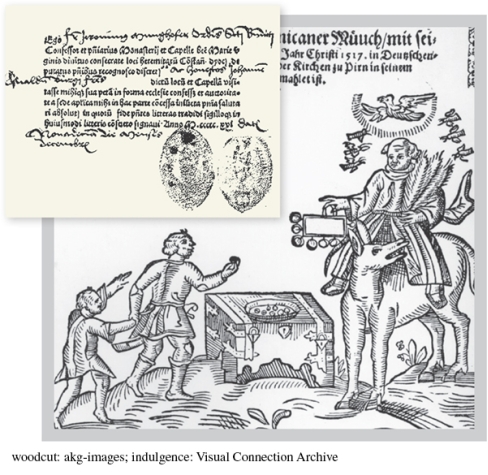
A) He placed a dove above the head of the peddler.
B) He included a very large chest in which money was collected.
C) He placed the peddler on a donkey, which represents ignorance.
D) Those buying the indulgence appear overly eager.
A) He placed a dove above the head of the peddler.
B) He included a very large chest in which money was collected.
C) He placed the peddler on a donkey, which represents ignorance.
D) Those buying the indulgence appear overly eager.
Question
Question
Question
Question
Question
Question
Question
Question
Question
Question
Question
Question
Question
Question
Question
Question
Question
Question
Question
Question
Question
Question
Question
Question
Question
Question
Question
Question
Question
Question
Question
Question
Question
Question
Question
Question

Unlock Deck
Sign up to unlock the cards in this deck!
Unlock Deck
Unlock Deck
1/79

Play

Full screen (f)
Deck 15: Europe in the Renaissance and Reformation, 1350-1600
1
Humanist and Renaissance ideas of the fifteenth and sixteenth centuries were spread by what new technology?
A) Telegraph
B) Paper
C) Stirrups
D) Printing press
A) Telegraph
B) Paper
C) Stirrups
D) Printing press
Printing press
2
Based on Map 15.2, "Religious Divisions in Europe, ca. 1555," which religious faith likely exercised the biggest influence on the Dutch colonists who migrated to the New World in the early seventeenth century?
A) Calvinism
B) Lutheranism
C) The Church of England
D) Catholicism
A) Calvinism
B) Lutheranism
C) The Church of England
D) Catholicism
Calvinism
3
With the spread of new ideas at the beginning of the Renaissance, how did the wealthy begin to view life?
A) As an opportunity for enjoyment and not just a painful pilgrimage to heaven
B) As a superior alternative to the afterlife, which was viewed with apprehension
C) As a painful penitential journey
D) As requiring constant physical activity
A) As an opportunity for enjoyment and not just a painful pilgrimage to heaven
B) As a superior alternative to the afterlife, which was viewed with apprehension
C) As a painful penitential journey
D) As requiring constant physical activity
As an opportunity for enjoyment and not just a painful pilgrimage to heaven
4
Why did the wealthy sponsor artists during the Renaissance?
A) Because it was good for their businesses
B) In order to please God
C) As a means of glorifying themselves and their families
D) In order to control unemployment
A) Because it was good for their businesses
B) In order to please God
C) As a means of glorifying themselves and their families
D) In order to control unemployment
Unlock Deck
Unlock for access to all 79 flashcards in this deck.
Unlock Deck
k this deck
5
According to the Dutch humanist Erasmus, what was the key to moral improvement?
A) The suppression of vice
B) Strict control of the papacy
C) Public demonstrations of piety
D) Education
A) The suppression of vice
B) Strict control of the papacy
C) Public demonstrations of piety
D) Education
Unlock Deck
Unlock for access to all 79 flashcards in this deck.
Unlock Deck
k this deck
6
Petrarch and other humanist poets and writers sought to reconnect with the culture and texts of what earlier society?
A) The Hebrews of Judaea
B) The Roman Empire
C) The empire of Alexander
D) The Early Middle Ages
A) The Hebrews of Judaea
B) The Roman Empire
C) The empire of Alexander
D) The Early Middle Ages
Unlock Deck
Unlock for access to all 79 flashcards in this deck.
Unlock Deck
k this deck
7
What is the best translation of the Renaissance quality of virtù?
A) An individual's ability to master all classical languages
B) An individual's ability to shape the world around him or her
C) Society's ability to provide for its poor and ill
D) A Christian's ability to atone for his or her sins
A) An individual's ability to master all classical languages
B) An individual's ability to shape the world around him or her
C) Society's ability to provide for its poor and ill
D) A Christian's ability to atone for his or her sins
Unlock Deck
Unlock for access to all 79 flashcards in this deck.
Unlock Deck
k this deck
8
Early humanists sought to synthesize classical teachings with which of the following?
A) Christian beliefs
B) Italian customs
C) Arabic science
D) Political theories
A) Christian beliefs
B) Italian customs
C) Arabic science
D) Political theories
Unlock Deck
Unlock for access to all 79 flashcards in this deck.
Unlock Deck
k this deck
9
One of the main goals of Christian humanism was to reform which of the following?
A) The Holy Roman Empire
B) The Crusader states
C) The Christian Church
D) Italian bankers
A) The Holy Roman Empire
B) The Crusader states
C) The Christian Church
D) Italian bankers
Unlock Deck
Unlock for access to all 79 flashcards in this deck.
Unlock Deck
k this deck
10
According to humanists, what was the goal of all education?
A) To achieve a higher-paying job
B) To bring the individual closer to God
C) To make people better Christians
D) To benefit the common good
A) To achieve a higher-paying job
B) To bring the individual closer to God
C) To make people better Christians
D) To benefit the common good
Unlock Deck
Unlock for access to all 79 flashcards in this deck.
Unlock Deck
k this deck
11
Based upon Map 15.2, "Religious Divisions in Europe, ca. 1555," which city appears to have been at the heart of the Calvinist movement?
A) Edinburgh
B) Antwerp
C) Amsterdam
D) Geneva
A) Edinburgh
B) Antwerp
C) Amsterdam
D) Geneva
Unlock Deck
Unlock for access to all 79 flashcards in this deck.
Unlock Deck
k this deck
12
What was an important factor in the emergence of the Italian Renaissance?
A) The decline of religious feeling and belief
B) The desire to rebound from the Black Death
C) The rise of wealthy, urban patrons of the arts
D) The creation of powerful, centralized monarchies
A) The decline of religious feeling and belief
B) The desire to rebound from the Black Death
C) The rise of wealthy, urban patrons of the arts
D) The creation of powerful, centralized monarchies
Unlock Deck
Unlock for access to all 79 flashcards in this deck.
Unlock Deck
k this deck
13
What was one of the root sources of Florentine prosperity?
A) The city's large mercantile fleet
B) Banking profits
C) The large deposits of gold in the hills around Florence
D) Its domination of the spice trade from the Near East
A) The city's large mercantile fleet
B) Banking profits
C) The large deposits of gold in the hills around Florence
D) Its domination of the spice trade from the Near East
Unlock Deck
Unlock for access to all 79 flashcards in this deck.
Unlock Deck
k this deck
14
Which of the following was an important consequence of the Renaissance?
A) Scholars and artists increasingly came from economically humble origins.
B) The culture of village life came to be dominated by Christian humanism.
C) The gulf between the learned minority and uneducated majority increased.
D) The social and economic status of women improved.
A) Scholars and artists increasingly came from economically humble origins.
B) The culture of village life came to be dominated by Christian humanism.
C) The gulf between the learned minority and uneducated majority increased.
D) The social and economic status of women improved.
Unlock Deck
Unlock for access to all 79 flashcards in this deck.
Unlock Deck
k this deck
15
According to Map 15.1, "The Global Empire of Charles V, ca. 1556," the majority of territory in western and central Europe occupied by the enemies of Charles V claimed allegiance to which faith?
A) Lutheranism
B) Eastern Orthodox
C) Islam
D) Catholicism
A) Lutheranism
B) Eastern Orthodox
C) Islam
D) Catholicism
Unlock Deck
Unlock for access to all 79 flashcards in this deck.
Unlock Deck
k this deck
16
Which of the following emerged as a distinct genre in Renaissance art?
A) Elaborate depictions of pagan gods
B) Individual portraits showing human ideals
C) Depictions of Christian saints in human forms
D) Landscape paintings
A) Elaborate depictions of pagan gods
B) Individual portraits showing human ideals
C) Depictions of Christian saints in human forms
D) Landscape paintings
Unlock Deck
Unlock for access to all 79 flashcards in this deck.
Unlock Deck
k this deck
17
How did Italian humanists view the education of women?
A) They saw value in exposing women to classical models of reasoning.
B) They supported it and established schools for girls in northern Italy.
C) They believed that women were incapable of intellectual improvement.
D) They believed education for women should remain focused on improving domestic duties.
A) They saw value in exposing women to classical models of reasoning.
B) They supported it and established schools for girls in northern Italy.
C) They believed that women were incapable of intellectual improvement.
D) They believed education for women should remain focused on improving domestic duties.
Unlock Deck
Unlock for access to all 79 flashcards in this deck.
Unlock Deck
k this deck
18
Before he became a printer, Johann Gutenberg belonged to what profession and used its skill for his printing?
A) Scribe
B) Scholar
C) Metal-smith
D) Artist
A) Scribe
B) Scholar
C) Metal-smith
D) Artist
Unlock Deck
Unlock for access to all 79 flashcards in this deck.
Unlock Deck
k this deck
19
Where did most Renaissance artists receive their training?
A) In monasteries, decorating manuscripts
B) From books on art techniques
C) In the workshops of older artists
D) At Dominican-run universities
A) In monasteries, decorating manuscripts
B) From books on art techniques
C) In the workshops of older artists
D) At Dominican-run universities
Unlock Deck
Unlock for access to all 79 flashcards in this deck.
Unlock Deck
k this deck
20
Which of the following was one of the central ideals of the Italian Renaissance?
A) Christian humility and self-effacement
B) Concern for the improvement of the common people
C) Recognition of individual achievement
D) The desire to educate the rural masses
A) Christian humility and self-effacement
B) Concern for the improvement of the common people
C) Recognition of individual achievement
D) The desire to educate the rural masses
Unlock Deck
Unlock for access to all 79 flashcards in this deck.
Unlock Deck
k this deck
21
What right did France win from the papacy in 1516?
A) The right to grant the king a divorce
B) The right to tax the clergy
C) The right to appoint church officials
D) The right to independently translate the Bible
A) The right to grant the king a divorce
B) The right to tax the clergy
C) The right to appoint church officials
D) The right to independently translate the Bible
Unlock Deck
Unlock for access to all 79 flashcards in this deck.
Unlock Deck
k this deck
22
While atrocities were committed by both Catholics and Protestants during the wars of religion, what evidence is there in this illustration to suggest it was created by a Protestant?
A) The inclusion of priests overseeing the killing
B) The particularly violent means through which victims were killed
C) The large number of victims
D) The clear superiority in numbers and weapons of the aggressors
A) The inclusion of priests overseeing the killing
B) The particularly violent means through which victims were killed
C) The large number of victims
D) The clear superiority in numbers and weapons of the aggressors
Unlock Deck
Unlock for access to all 79 flashcards in this deck.
Unlock Deck
k this deck
23
Protestants differed from Catholics by insisting what about the priesthood?
A) That it was unnecessary
B) That it had no basis in Scripture
C) That it was never a part of the early church
D) That it belonged to all believers
A) That it was unnecessary
B) That it had no basis in Scripture
C) That it was never a part of the early church
D) That it belonged to all believers
Unlock Deck
Unlock for access to all 79 flashcards in this deck.
Unlock Deck
k this deck
24
Henry VIII of England and Isabella and Ferdinand of Spain used similar moves to diminish the power of which of the following groups?
A) Judges and sheriffs
B) Urban merchants
C) Monks and other clergy
D) Aristocrats and nobles
A) Judges and sheriffs
B) Urban merchants
C) Monks and other clergy
D) Aristocrats and nobles
Unlock Deck
Unlock for access to all 79 flashcards in this deck.
Unlock Deck
k this deck
25
What happened to the last Arab-held territory in western Europe in 1492?
A) It became part of a larger Muslim empire.
B) It retained its independence and formed its own monarchy.
C) It was captured by the Spanish.
D) It captured most of France.
A) It became part of a larger Muslim empire.
B) It retained its independence and formed its own monarchy.
C) It was captured by the Spanish.
D) It captured most of France.
Unlock Deck
Unlock for access to all 79 flashcards in this deck.
Unlock Deck
k this deck
26
Martin Luther's "Ninety-five Theses on the Power of Indulgences" was a response to which of the following?
A) His personal struggle with the question of salvation
B) Being charged with clerical immorality
C) The draining of Germany's wealth by the papacy
D) The local archbishop's promotion of the sale of indulgences
A) His personal struggle with the question of salvation
B) Being charged with clerical immorality
C) The draining of Germany's wealth by the papacy
D) The local archbishop's promotion of the sale of indulgences
Unlock Deck
Unlock for access to all 79 flashcards in this deck.
Unlock Deck
k this deck
27
What was a consequence of the Peace of Augsburg?
A) Catholics reasserted their claim over all Germans.
B) All Europeans were given religious freedom.
C) Nearly all Germans converted to Lutheranism.
D) There were no religious wars in Germany for many decades.
A) Catholics reasserted their claim over all Germans.
B) All Europeans were given religious freedom.
C) Nearly all Germans converted to Lutheranism.
D) There were no religious wars in Germany for many decades.
Unlock Deck
Unlock for access to all 79 flashcards in this deck.
Unlock Deck
k this deck
28
France's Charles VII created the first
A) lasting parliament.
B) permanent royal army.
C) royal council.
D) royal treasury.
A) lasting parliament.
B) permanent royal army.
C) royal council.
D) royal treasury.
Unlock Deck
Unlock for access to all 79 flashcards in this deck.
Unlock Deck
k this deck
29
In the Habsburg-Valois wars of the sixteenth century, why did the Catholic French kings support the Lutheran German princes?
A) They had a vision in which God told them to do so.
B) They wanted to keep the Holy Roman Empire fragmented.
C) They wanted to maintain open debate on religion.
D) They were paid off by the German princes.
A) They had a vision in which God told them to do so.
B) They wanted to keep the Holy Roman Empire fragmented.
C) They wanted to maintain open debate on religion.
D) They were paid off by the German princes.
Unlock Deck
Unlock for access to all 79 flashcards in this deck.
Unlock Deck
k this deck
30
Of all the ways that Renaissance society was hierarchically divided, what was regarded as the most "natural" distinction and therefore the most important one to defend?
A) Gender
B) Race
C) Level of education
D) Social class
A) Gender
B) Race
C) Level of education
D) Social class
Unlock Deck
Unlock for access to all 79 flashcards in this deck.
Unlock Deck
k this deck
31
The concept that blood could be either "Christian" or "Jewish" was developed by officials in which of the following?
A) The Vatican in Italy
B) The Spanish Inquisition
C) Germanic kingdoms
D) The French royal councils
A) The Vatican in Italy
B) The Spanish Inquisition
C) Germanic kingdoms
D) The French royal councils
Unlock Deck
Unlock for access to all 79 flashcards in this deck.
Unlock Deck
k this deck
32
Which of the following helped form Luther's understanding of Christianity as relying only on faith, grace, and Scripture?
A) His successful tenure at the University of Wittenberg
B) His father's personal faith
C) His close reading of Plato in Greek
D) His study of Saint Paul's letters in the New Testament
A) His successful tenure at the University of Wittenberg
B) His father's personal faith
C) His close reading of Plato in Greek
D) His study of Saint Paul's letters in the New Testament
Unlock Deck
Unlock for access to all 79 flashcards in this deck.
Unlock Deck
k this deck
33
Which of these best describes England at the time of the death of Henry VII?
A) At war both domestically and internationally
B) At war domestically, but at peace internationally
C) At peace both domestically and internationally
D) At peace domestically but at war internationally
A) At war both domestically and internationally
B) At war domestically, but at peace internationally
C) At peace both domestically and internationally
D) At peace domestically but at war internationally
Unlock Deck
Unlock for access to all 79 flashcards in this deck.
Unlock Deck
k this deck
34
According to Luther, how did one achieve salvation?
A) From all good works
B) Through missionary work
C) Through faith alone
D) By being predestined to receive it
A) From all good works
B) Through missionary work
C) Through faith alone
D) By being predestined to receive it
Unlock Deck
Unlock for access to all 79 flashcards in this deck.
Unlock Deck
k this deck
35
As Holy Roman emperor, Charles V inherited authority over diverse lands and viewed it as his particular duty to keep what unified?
A) Western Christendom
B) Scholastic education
C) Other royal marriages
D) The New World
A) Western Christendom
B) Scholastic education
C) Other royal marriages
D) The New World
Unlock Deck
Unlock for access to all 79 flashcards in this deck.
Unlock Deck
k this deck
36
For Luther, what did "freedom" mean?
A) Personal liberty from all secular laws
B) Independence from the authority of the Roman Church
C) A total lack of any restrictions on religious beliefs
D) Free will and the rights of the individual
A) Personal liberty from all secular laws
B) Independence from the authority of the Roman Church
C) A total lack of any restrictions on religious beliefs
D) Free will and the rights of the individual
Unlock Deck
Unlock for access to all 79 flashcards in this deck.
Unlock Deck
k this deck
37
Gender standards of the Renaissance required men in political power to be which of the following?
A) Financially independent
B) Young and healthy
C) Married
D) Born into the upper class
A) Financially independent
B) Young and healthy
C) Married
D) Born into the upper class
Unlock Deck
Unlock for access to all 79 flashcards in this deck.
Unlock Deck
k this deck
38
The Inquisition established by Isabella and Ferdinand in Spain was particularly aimed at whom?
A) Humanist scholars who opposed the king's policies
B) Conversos
C) Tax collectors
D) Educated women
A) Humanist scholars who opposed the king's policies
B) Conversos
C) Tax collectors
D) Educated women
Unlock Deck
Unlock for access to all 79 flashcards in this deck.
Unlock Deck
k this deck
39
By the fifteenth century, where were most African slaves in Europe found?
A) The Holy Roman Empire
B) Athens
C) The French countryside
D) Spain and Portugal
A) The Holy Roman Empire
B) Athens
C) The French countryside
D) Spain and Portugal
Unlock Deck
Unlock for access to all 79 flashcards in this deck.
Unlock Deck
k this deck
40
One of the new roles for women in the Protestant world was to demonstrate which of the following?
A) The importance of women's literacy and education
B) The ability of women to preach effectively
C) The great success women could have by serving in a convent
D) The superiority of marriage over celibacy
A) The importance of women's literacy and education
B) The ability of women to preach effectively
C) The great success women could have by serving in a convent
D) The superiority of marriage over celibacy
Unlock Deck
Unlock for access to all 79 flashcards in this deck.
Unlock Deck
k this deck
41
How did printing in the fifteenth century change the private lives of Europeans?
Unlock Deck
Unlock for access to all 79 flashcards in this deck.
Unlock Deck
k this deck
42
The status of women changed dramatically as a result of the Reformation. In what ways were women affected? How can we explain these changes?
Unlock Deck
Unlock for access to all 79 flashcards in this deck.
Unlock Deck
k this deck
43
How did the creator of this woodcut communicate his view that the selling of indulgences was deceitful?
A) He placed a dove above the head of the peddler.
B) He included a very large chest in which money was collected.
C) He placed the peddler on a donkey, which represents ignorance.
D) Those buying the indulgence appear overly eager.
A) He placed a dove above the head of the peddler.
B) He included a very large chest in which money was collected.
C) He placed the peddler on a donkey, which represents ignorance.
D) Those buying the indulgence appear overly eager.
Unlock Deck
Unlock for access to all 79 flashcards in this deck.
Unlock Deck
k this deck
44
What percentage of those tried and executed as witches were women?
A) 10 to 20
B) 30 to 40
C) 45 to 55
D) 75 to 85
A) 10 to 20
B) 30 to 40
C) 45 to 55
D) 75 to 85
Unlock Deck
Unlock for access to all 79 flashcards in this deck.
Unlock Deck
k this deck
45
Religion played a very important role in defining the political geography of Europe. Which areas of Europe remained predominantly Catholic? Lutheran? Calvinist? Did religious diversity exist? If so, where?
Unlock Deck
Unlock for access to all 79 flashcards in this deck.
Unlock Deck
k this deck
46
What did Henry VIII of England use to transform his country into a Protestant state?
A) His army
B) Taxes on Catholics
C) Permission of the pope
D) Parliament
A) His army
B) Taxes on Catholics
C) Permission of the pope
D) Parliament
Unlock Deck
Unlock for access to all 79 flashcards in this deck.
Unlock Deck
k this deck
47
Which of the following principles was central to Calvin's theology?
A) Free will
B) Predestination
C) Christian liberty
D) Justification by good works
A) Free will
B) Predestination
C) Christian liberty
D) Justification by good works
Unlock Deck
Unlock for access to all 79 flashcards in this deck.
Unlock Deck
k this deck
48
What was the basis of the urban wealth that financed the Renaissance?
Unlock Deck
Unlock for access to all 79 flashcards in this deck.
Unlock Deck
k this deck
49
Describe the basic ideas of Calvinism. How are Calvin's reformation ideas different from those of Luther?
Unlock Deck
Unlock for access to all 79 flashcards in this deck.
Unlock Deck
k this deck
50
Discuss how African slaves fit into the society and culture of Renaissance Europe.
Unlock Deck
Unlock for access to all 79 flashcards in this deck.
Unlock Deck
k this deck
51
Under King Henry VIII, who was the head of the Church of England?
A) Henry VIII
B) Thomas More
C) The pope
D) Thomas Cromwell
A) Henry VIII
B) Thomas More
C) The pope
D) Thomas Cromwell
Unlock Deck
Unlock for access to all 79 flashcards in this deck.
Unlock Deck
k this deck
52
The Union of Utrecht was an alliance between whom?
A) Protestants and Catholics in the Netherlands
B) Philip II's Dutch and Spanish subjects
C) English and Dutch Protestants
D) Seven Protestant northern provinces of the Netherlands
A) Protestants and Catholics in the Netherlands
B) Philip II's Dutch and Spanish subjects
C) English and Dutch Protestants
D) Seven Protestant northern provinces of the Netherlands
Unlock Deck
Unlock for access to all 79 flashcards in this deck.
Unlock Deck
k this deck
53
What was founded by Ignatius Loyola?
A) The Knights Templar
B) The Holy Office of the Inquisition
C) The Confraternity of Mary
D) The Society of Jesus, or Jesuits
A) The Knights Templar
B) The Holy Office of the Inquisition
C) The Confraternity of Mary
D) The Society of Jesus, or Jesuits
Unlock Deck
Unlock for access to all 79 flashcards in this deck.
Unlock Deck
k this deck
54
How did humanism, including Christian humanism, influence the Renaissance?
Unlock Deck
Unlock for access to all 79 flashcards in this deck.
Unlock Deck
k this deck
55
In 1545, the papacy created what body to help plan the Church's response to the Reformation?
A) The Council of Augsburg
B) The Council of Trent
C) The Council of Worms
D) The Council of Rome
A) The Council of Augsburg
B) The Council of Trent
C) The Council of Worms
D) The Council of Rome
Unlock Deck
Unlock for access to all 79 flashcards in this deck.
Unlock Deck
k this deck
56
What was the Edict of Nantes?
A) A declaration that expelled the Huguenots from France
B) An essay that called for expelling Jews from France
C) An agreement that established Catholicism as the state religion of France
D) A declaration that granted the Huguenots the right to public worship in 150 French towns
A) A declaration that expelled the Huguenots from France
B) An essay that called for expelling Jews from France
C) An agreement that established Catholicism as the state religion of France
D) A declaration that granted the Huguenots the right to public worship in 150 French towns
Unlock Deck
Unlock for access to all 79 flashcards in this deck.
Unlock Deck
k this deck
57
What motivated German princes to support Martin Luther's challenge to the Roman Catholic hierarchy?
Unlock Deck
Unlock for access to all 79 flashcards in this deck.
Unlock Deck
k this deck
58
In what ways were Martin Luther's ideas "humanist"?
Unlock Deck
Unlock for access to all 79 flashcards in this deck.
Unlock Deck
k this deck
59
Why did some regions have more accusations, trials, and executions for witchcraft than others? What regions were most prone to "witch-hunts"?
Unlock Deck
Unlock for access to all 79 flashcards in this deck.
Unlock Deck
k this deck
60
What was the Genevan Consistory?
A) The council of Swiss bishops who rejected Calvin's teachings
B) The pope's secret police and inquisitional body
C) A group of Calvinist pastors and laymen who monitored citizens' behavior
D) A group of Calvin's supporters who persecuted Catholics and Jews
A) The council of Swiss bishops who rejected Calvin's teachings
B) The pope's secret police and inquisitional body
C) A group of Calvinist pastors and laymen who monitored citizens' behavior
D) A group of Calvin's supporters who persecuted Catholics and Jews
Unlock Deck
Unlock for access to all 79 flashcards in this deck.
Unlock Deck
k this deck
61
Use the following to answer questions :
debate about women
A)A French word meaning "rebirth," used to describe a cultural movement that began in fourteenth-century Italy and looked back to the classical past.
B)Financial support of writers and artists by cities, groups, and individuals, often to produce specific works or works in specific styles.
C)A program of study designed by Italians that emphasized the critical study of Latin and Greek literature with the goal of understanding human nature.
D)A group from northern Europe who thought that the best elements of classical and Christian cultures should be combined and saw such learning as a way to bring about reform of the church and deepen people's spiritual lives.
E)An argument about women's character, nature, and proper role in society that began in the later years of the fourteenth century and lasted for centuries.
F)A religious reform movement that began in the early sixteenth century and split the Western Christian Church.
G)A document issued by the pope that substituted for earthly penance or time in purgatory.
H)An assembly of representatives from the territories of the Holy Roman Empire convened by Charles V in the city of Worms in 1521. It was here that Martin Luther refused to recant his writings.
I)Originally meaning "a follower of Luther," this term came to be generally applied to all non-Catholic western European Christians.
J)Calvin's teaching that God decided at the beginning of time who could be saved and who damned, so people could not actively work to achieve salvation.
K)Members of the Society of Jesus, founded by Ignatius Loyola in 1540, whose goal was the spread of the Roman Catholic faith through schools and missionary activity.
L)French Calvinists.
M)Catholic and Protestant moderates who sought to end the religious violence in France by restoring a strong monarchy and granting official recognition to the Huguenots.
N)Campaign against witchcraft in Europe and European colonies during the sixteenth and seventeenth centuries in which hundreds of thousands of people, mostly women, were tried, and many of them executed.
debate about women
A)A French word meaning "rebirth," used to describe a cultural movement that began in fourteenth-century Italy and looked back to the classical past.
B)Financial support of writers and artists by cities, groups, and individuals, often to produce specific works or works in specific styles.
C)A program of study designed by Italians that emphasized the critical study of Latin and Greek literature with the goal of understanding human nature.
D)A group from northern Europe who thought that the best elements of classical and Christian cultures should be combined and saw such learning as a way to bring about reform of the church and deepen people's spiritual lives.
E)An argument about women's character, nature, and proper role in society that began in the later years of the fourteenth century and lasted for centuries.
F)A religious reform movement that began in the early sixteenth century and split the Western Christian Church.
G)A document issued by the pope that substituted for earthly penance or time in purgatory.
H)An assembly of representatives from the territories of the Holy Roman Empire convened by Charles V in the city of Worms in 1521. It was here that Martin Luther refused to recant his writings.
I)Originally meaning "a follower of Luther," this term came to be generally applied to all non-Catholic western European Christians.
J)Calvin's teaching that God decided at the beginning of time who could be saved and who damned, so people could not actively work to achieve salvation.
K)Members of the Society of Jesus, founded by Ignatius Loyola in 1540, whose goal was the spread of the Roman Catholic faith through schools and missionary activity.
L)French Calvinists.
M)Catholic and Protestant moderates who sought to end the religious violence in France by restoring a strong monarchy and granting official recognition to the Huguenots.
N)Campaign against witchcraft in Europe and European colonies during the sixteenth and seventeenth centuries in which hundreds of thousands of people, mostly women, were tried, and many of them executed.
Unlock Deck
Unlock for access to all 79 flashcards in this deck.
Unlock Deck
k this deck
62
Use the following to answer questions :
humanism
A)A French word meaning "rebirth," used to describe a cultural movement that began in fourteenth-century Italy and looked back to the classical past.
B)Financial support of writers and artists by cities, groups, and individuals, often to produce specific works or works in specific styles.
C)A program of study designed by Italians that emphasized the critical study of Latin and Greek literature with the goal of understanding human nature.
D)A group from northern Europe who thought that the best elements of classical and Christian cultures should be combined and saw such learning as a way to bring about reform of the church and deepen people's spiritual lives.
E)An argument about women's character, nature, and proper role in society that began in the later years of the fourteenth century and lasted for centuries.
F)A religious reform movement that began in the early sixteenth century and split the Western Christian Church.
G)A document issued by the pope that substituted for earthly penance or time in purgatory.
H)An assembly of representatives from the territories of the Holy Roman Empire convened by Charles V in the city of Worms in 1521. It was here that Martin Luther refused to recant his writings.
I)Originally meaning "a follower of Luther," this term came to be generally applied to all non-Catholic western European Christians.
J)Calvin's teaching that God decided at the beginning of time who could be saved and who damned, so people could not actively work to achieve salvation.
K)Members of the Society of Jesus, founded by Ignatius Loyola in 1540, whose goal was the spread of the Roman Catholic faith through schools and missionary activity.
L)French Calvinists.
M)Catholic and Protestant moderates who sought to end the religious violence in France by restoring a strong monarchy and granting official recognition to the Huguenots.
N)Campaign against witchcraft in Europe and European colonies during the sixteenth and seventeenth centuries in which hundreds of thousands of people, mostly women, were tried, and many of them executed.
humanism
A)A French word meaning "rebirth," used to describe a cultural movement that began in fourteenth-century Italy and looked back to the classical past.
B)Financial support of writers and artists by cities, groups, and individuals, often to produce specific works or works in specific styles.
C)A program of study designed by Italians that emphasized the critical study of Latin and Greek literature with the goal of understanding human nature.
D)A group from northern Europe who thought that the best elements of classical and Christian cultures should be combined and saw such learning as a way to bring about reform of the church and deepen people's spiritual lives.
E)An argument about women's character, nature, and proper role in society that began in the later years of the fourteenth century and lasted for centuries.
F)A religious reform movement that began in the early sixteenth century and split the Western Christian Church.
G)A document issued by the pope that substituted for earthly penance or time in purgatory.
H)An assembly of representatives from the territories of the Holy Roman Empire convened by Charles V in the city of Worms in 1521. It was here that Martin Luther refused to recant his writings.
I)Originally meaning "a follower of Luther," this term came to be generally applied to all non-Catholic western European Christians.
J)Calvin's teaching that God decided at the beginning of time who could be saved and who damned, so people could not actively work to achieve salvation.
K)Members of the Society of Jesus, founded by Ignatius Loyola in 1540, whose goal was the spread of the Roman Catholic faith through schools and missionary activity.
L)French Calvinists.
M)Catholic and Protestant moderates who sought to end the religious violence in France by restoring a strong monarchy and granting official recognition to the Huguenots.
N)Campaign against witchcraft in Europe and European colonies during the sixteenth and seventeenth centuries in which hundreds of thousands of people, mostly women, were tried, and many of them executed.
Unlock Deck
Unlock for access to all 79 flashcards in this deck.
Unlock Deck
k this deck
63
Use the following to answer questions :
predestination
A)A French word meaning "rebirth," used to describe a cultural movement that began in fourteenth-century Italy and looked back to the classical past.
B)Financial support of writers and artists by cities, groups, and individuals, often to produce specific works or works in specific styles.
C)A program of study designed by Italians that emphasized the critical study of Latin and Greek literature with the goal of understanding human nature.
D)A group from northern Europe who thought that the best elements of classical and Christian cultures should be combined and saw such learning as a way to bring about reform of the church and deepen people's spiritual lives.
E)An argument about women's character, nature, and proper role in society that began in the later years of the fourteenth century and lasted for centuries.
F)A religious reform movement that began in the early sixteenth century and split the Western Christian Church.
G)A document issued by the pope that substituted for earthly penance or time in purgatory.
H)An assembly of representatives from the territories of the Holy Roman Empire convened by Charles V in the city of Worms in 1521. It was here that Martin Luther refused to recant his writings.
I)Originally meaning "a follower of Luther," this term came to be generally applied to all non-Catholic western European Christians.
J)Calvin's teaching that God decided at the beginning of time who could be saved and who damned, so people could not actively work to achieve salvation.
K)Members of the Society of Jesus, founded by Ignatius Loyola in 1540, whose goal was the spread of the Roman Catholic faith through schools and missionary activity.
L)French Calvinists.
M)Catholic and Protestant moderates who sought to end the religious violence in France by restoring a strong monarchy and granting official recognition to the Huguenots.
N)Campaign against witchcraft in Europe and European colonies during the sixteenth and seventeenth centuries in which hundreds of thousands of people, mostly women, were tried, and many of them executed.
predestination
A)A French word meaning "rebirth," used to describe a cultural movement that began in fourteenth-century Italy and looked back to the classical past.
B)Financial support of writers and artists by cities, groups, and individuals, often to produce specific works or works in specific styles.
C)A program of study designed by Italians that emphasized the critical study of Latin and Greek literature with the goal of understanding human nature.
D)A group from northern Europe who thought that the best elements of classical and Christian cultures should be combined and saw such learning as a way to bring about reform of the church and deepen people's spiritual lives.
E)An argument about women's character, nature, and proper role in society that began in the later years of the fourteenth century and lasted for centuries.
F)A religious reform movement that began in the early sixteenth century and split the Western Christian Church.
G)A document issued by the pope that substituted for earthly penance or time in purgatory.
H)An assembly of representatives from the territories of the Holy Roman Empire convened by Charles V in the city of Worms in 1521. It was here that Martin Luther refused to recant his writings.
I)Originally meaning "a follower of Luther," this term came to be generally applied to all non-Catholic western European Christians.
J)Calvin's teaching that God decided at the beginning of time who could be saved and who damned, so people could not actively work to achieve salvation.
K)Members of the Society of Jesus, founded by Ignatius Loyola in 1540, whose goal was the spread of the Roman Catholic faith through schools and missionary activity.
L)French Calvinists.
M)Catholic and Protestant moderates who sought to end the religious violence in France by restoring a strong monarchy and granting official recognition to the Huguenots.
N)Campaign against witchcraft in Europe and European colonies during the sixteenth and seventeenth centuries in which hundreds of thousands of people, mostly women, were tried, and many of them executed.
Unlock Deck
Unlock for access to all 79 flashcards in this deck.
Unlock Deck
k this deck
64
Use the following to answer questions :
Protestant Reformation
A)A French word meaning "rebirth," used to describe a cultural movement that began in fourteenth-century Italy and looked back to the classical past.
B)Financial support of writers and artists by cities, groups, and individuals, often to produce specific works or works in specific styles.
C)A program of study designed by Italians that emphasized the critical study of Latin and Greek literature with the goal of understanding human nature.
D)A group from northern Europe who thought that the best elements of classical and Christian cultures should be combined and saw such learning as a way to bring about reform of the church and deepen people's spiritual lives.
E)An argument about women's character, nature, and proper role in society that began in the later years of the fourteenth century and lasted for centuries.
F)A religious reform movement that began in the early sixteenth century and split the Western Christian Church.
G)A document issued by the pope that substituted for earthly penance or time in purgatory.
H)An assembly of representatives from the territories of the Holy Roman Empire convened by Charles V in the city of Worms in 1521. It was here that Martin Luther refused to recant his writings.
I)Originally meaning "a follower of Luther," this term came to be generally applied to all non-Catholic western European Christians.
J)Calvin's teaching that God decided at the beginning of time who could be saved and who damned, so people could not actively work to achieve salvation.
K)Members of the Society of Jesus, founded by Ignatius Loyola in 1540, whose goal was the spread of the Roman Catholic faith through schools and missionary activity.
L)French Calvinists.
M)Catholic and Protestant moderates who sought to end the religious violence in France by restoring a strong monarchy and granting official recognition to the Huguenots.
N)Campaign against witchcraft in Europe and European colonies during the sixteenth and seventeenth centuries in which hundreds of thousands of people, mostly women, were tried, and many of them executed.
Protestant Reformation
A)A French word meaning "rebirth," used to describe a cultural movement that began in fourteenth-century Italy and looked back to the classical past.
B)Financial support of writers and artists by cities, groups, and individuals, often to produce specific works or works in specific styles.
C)A program of study designed by Italians that emphasized the critical study of Latin and Greek literature with the goal of understanding human nature.
D)A group from northern Europe who thought that the best elements of classical and Christian cultures should be combined and saw such learning as a way to bring about reform of the church and deepen people's spiritual lives.
E)An argument about women's character, nature, and proper role in society that began in the later years of the fourteenth century and lasted for centuries.
F)A religious reform movement that began in the early sixteenth century and split the Western Christian Church.
G)A document issued by the pope that substituted for earthly penance or time in purgatory.
H)An assembly of representatives from the territories of the Holy Roman Empire convened by Charles V in the city of Worms in 1521. It was here that Martin Luther refused to recant his writings.
I)Originally meaning "a follower of Luther," this term came to be generally applied to all non-Catholic western European Christians.
J)Calvin's teaching that God decided at the beginning of time who could be saved and who damned, so people could not actively work to achieve salvation.
K)Members of the Society of Jesus, founded by Ignatius Loyola in 1540, whose goal was the spread of the Roman Catholic faith through schools and missionary activity.
L)French Calvinists.
M)Catholic and Protestant moderates who sought to end the religious violence in France by restoring a strong monarchy and granting official recognition to the Huguenots.
N)Campaign against witchcraft in Europe and European colonies during the sixteenth and seventeenth centuries in which hundreds of thousands of people, mostly women, were tried, and many of them executed.
Unlock Deck
Unlock for access to all 79 flashcards in this deck.
Unlock Deck
k this deck
65
Use the following to answer questions :
indulgence
A)A French word meaning "rebirth," used to describe a cultural movement that began in fourteenth-century Italy and looked back to the classical past.
B)Financial support of writers and artists by cities, groups, and individuals, often to produce specific works or works in specific styles.
C)A program of study designed by Italians that emphasized the critical study of Latin and Greek literature with the goal of understanding human nature.
D)A group from northern Europe who thought that the best elements of classical and Christian cultures should be combined and saw such learning as a way to bring about reform of the church and deepen people's spiritual lives.
E)An argument about women's character, nature, and proper role in society that began in the later years of the fourteenth century and lasted for centuries.
F)A religious reform movement that began in the early sixteenth century and split the Western Christian Church.
G)A document issued by the pope that substituted for earthly penance or time in purgatory.
H)An assembly of representatives from the territories of the Holy Roman Empire convened by Charles V in the city of Worms in 1521. It was here that Martin Luther refused to recant his writings.
I)Originally meaning "a follower of Luther," this term came to be generally applied to all non-Catholic western European Christians.
J)Calvin's teaching that God decided at the beginning of time who could be saved and who damned, so people could not actively work to achieve salvation.
K)Members of the Society of Jesus, founded by Ignatius Loyola in 1540, whose goal was the spread of the Roman Catholic faith through schools and missionary activity.
L)French Calvinists.
M)Catholic and Protestant moderates who sought to end the religious violence in France by restoring a strong monarchy and granting official recognition to the Huguenots.
N)Campaign against witchcraft in Europe and European colonies during the sixteenth and seventeenth centuries in which hundreds of thousands of people, mostly women, were tried, and many of them executed.
indulgence
A)A French word meaning "rebirth," used to describe a cultural movement that began in fourteenth-century Italy and looked back to the classical past.
B)Financial support of writers and artists by cities, groups, and individuals, often to produce specific works or works in specific styles.
C)A program of study designed by Italians that emphasized the critical study of Latin and Greek literature with the goal of understanding human nature.
D)A group from northern Europe who thought that the best elements of classical and Christian cultures should be combined and saw such learning as a way to bring about reform of the church and deepen people's spiritual lives.
E)An argument about women's character, nature, and proper role in society that began in the later years of the fourteenth century and lasted for centuries.
F)A religious reform movement that began in the early sixteenth century and split the Western Christian Church.
G)A document issued by the pope that substituted for earthly penance or time in purgatory.
H)An assembly of representatives from the territories of the Holy Roman Empire convened by Charles V in the city of Worms in 1521. It was here that Martin Luther refused to recant his writings.
I)Originally meaning "a follower of Luther," this term came to be generally applied to all non-Catholic western European Christians.
J)Calvin's teaching that God decided at the beginning of time who could be saved and who damned, so people could not actively work to achieve salvation.
K)Members of the Society of Jesus, founded by Ignatius Loyola in 1540, whose goal was the spread of the Roman Catholic faith through schools and missionary activity.
L)French Calvinists.
M)Catholic and Protestant moderates who sought to end the religious violence in France by restoring a strong monarchy and granting official recognition to the Huguenots.
N)Campaign against witchcraft in Europe and European colonies during the sixteenth and seventeenth centuries in which hundreds of thousands of people, mostly women, were tried, and many of them executed.
Unlock Deck
Unlock for access to all 79 flashcards in this deck.
Unlock Deck
k this deck
66
Use the following to answer questions :
Jesuits
A)A French word meaning "rebirth," used to describe a cultural movement that began in fourteenth-century Italy and looked back to the classical past.
B)Financial support of writers and artists by cities, groups, and individuals, often to produce specific works or works in specific styles.
C)A program of study designed by Italians that emphasized the critical study of Latin and Greek literature with the goal of understanding human nature.
D)A group from northern Europe who thought that the best elements of classical and Christian cultures should be combined and saw such learning as a way to bring about reform of the church and deepen people's spiritual lives.
E)An argument about women's character, nature, and proper role in society that began in the later years of the fourteenth century and lasted for centuries.
F)A religious reform movement that began in the early sixteenth century and split the Western Christian Church.
G)A document issued by the pope that substituted for earthly penance or time in purgatory.
H)An assembly of representatives from the territories of the Holy Roman Empire convened by Charles V in the city of Worms in 1521. It was here that Martin Luther refused to recant his writings.
I)Originally meaning "a follower of Luther," this term came to be generally applied to all non-Catholic western European Christians.
J)Calvin's teaching that God decided at the beginning of time who could be saved and who damned, so people could not actively work to achieve salvation.
K)Members of the Society of Jesus, founded by Ignatius Loyola in 1540, whose goal was the spread of the Roman Catholic faith through schools and missionary activity.
L)French Calvinists.
M)Catholic and Protestant moderates who sought to end the religious violence in France by restoring a strong monarchy and granting official recognition to the Huguenots.
N)Campaign against witchcraft in Europe and European colonies during the sixteenth and seventeenth centuries in which hundreds of thousands of people, mostly women, were tried, and many of them executed.
Jesuits
A)A French word meaning "rebirth," used to describe a cultural movement that began in fourteenth-century Italy and looked back to the classical past.
B)Financial support of writers and artists by cities, groups, and individuals, often to produce specific works or works in specific styles.
C)A program of study designed by Italians that emphasized the critical study of Latin and Greek literature with the goal of understanding human nature.
D)A group from northern Europe who thought that the best elements of classical and Christian cultures should be combined and saw such learning as a way to bring about reform of the church and deepen people's spiritual lives.
E)An argument about women's character, nature, and proper role in society that began in the later years of the fourteenth century and lasted for centuries.
F)A religious reform movement that began in the early sixteenth century and split the Western Christian Church.
G)A document issued by the pope that substituted for earthly penance or time in purgatory.
H)An assembly of representatives from the territories of the Holy Roman Empire convened by Charles V in the city of Worms in 1521. It was here that Martin Luther refused to recant his writings.
I)Originally meaning "a follower of Luther," this term came to be generally applied to all non-Catholic western European Christians.
J)Calvin's teaching that God decided at the beginning of time who could be saved and who damned, so people could not actively work to achieve salvation.
K)Members of the Society of Jesus, founded by Ignatius Loyola in 1540, whose goal was the spread of the Roman Catholic faith through schools and missionary activity.
L)French Calvinists.
M)Catholic and Protestant moderates who sought to end the religious violence in France by restoring a strong monarchy and granting official recognition to the Huguenots.
N)Campaign against witchcraft in Europe and European colonies during the sixteenth and seventeenth centuries in which hundreds of thousands of people, mostly women, were tried, and many of them executed.
Unlock Deck
Unlock for access to all 79 flashcards in this deck.
Unlock Deck
k this deck
67
Use the following to answer questions :
Huguenots
A)A French word meaning "rebirth," used to describe a cultural movement that began in fourteenth-century Italy and looked back to the classical past.
B)Financial support of writers and artists by cities, groups, and individuals, often to produce specific works or works in specific styles.
C)A program of study designed by Italians that emphasized the critical study of Latin and Greek literature with the goal of understanding human nature.
D)A group from northern Europe who thought that the best elements of classical and Christian cultures should be combined and saw such learning as a way to bring about reform of the church and deepen people's spiritual lives.
E)An argument about women's character, nature, and proper role in society that began in the later years of the fourteenth century and lasted for centuries.
F)A religious reform movement that began in the early sixteenth century and split the Western Christian Church.
G)A document issued by the pope that substituted for earthly penance or time in purgatory.
H)An assembly of representatives from the territories of the Holy Roman Empire convened by Charles V in the city of Worms in 1521. It was here that Martin Luther refused to recant his writings.
I)Originally meaning "a follower of Luther," this term came to be generally applied to all non-Catholic western European Christians.
J)Calvin's teaching that God decided at the beginning of time who could be saved and who damned, so people could not actively work to achieve salvation.
K)Members of the Society of Jesus, founded by Ignatius Loyola in 1540, whose goal was the spread of the Roman Catholic faith through schools and missionary activity.
L)French Calvinists.
M)Catholic and Protestant moderates who sought to end the religious violence in France by restoring a strong monarchy and granting official recognition to the Huguenots.
N)Campaign against witchcraft in Europe and European colonies during the sixteenth and seventeenth centuries in which hundreds of thousands of people, mostly women, were tried, and many of them executed.
Huguenots
A)A French word meaning "rebirth," used to describe a cultural movement that began in fourteenth-century Italy and looked back to the classical past.
B)Financial support of writers and artists by cities, groups, and individuals, often to produce specific works or works in specific styles.
C)A program of study designed by Italians that emphasized the critical study of Latin and Greek literature with the goal of understanding human nature.
D)A group from northern Europe who thought that the best elements of classical and Christian cultures should be combined and saw such learning as a way to bring about reform of the church and deepen people's spiritual lives.
E)An argument about women's character, nature, and proper role in society that began in the later years of the fourteenth century and lasted for centuries.
F)A religious reform movement that began in the early sixteenth century and split the Western Christian Church.
G)A document issued by the pope that substituted for earthly penance or time in purgatory.
H)An assembly of representatives from the territories of the Holy Roman Empire convened by Charles V in the city of Worms in 1521. It was here that Martin Luther refused to recant his writings.
I)Originally meaning "a follower of Luther," this term came to be generally applied to all non-Catholic western European Christians.
J)Calvin's teaching that God decided at the beginning of time who could be saved and who damned, so people could not actively work to achieve salvation.
K)Members of the Society of Jesus, founded by Ignatius Loyola in 1540, whose goal was the spread of the Roman Catholic faith through schools and missionary activity.
L)French Calvinists.
M)Catholic and Protestant moderates who sought to end the religious violence in France by restoring a strong monarchy and granting official recognition to the Huguenots.
N)Campaign against witchcraft in Europe and European colonies during the sixteenth and seventeenth centuries in which hundreds of thousands of people, mostly women, were tried, and many of them executed.
Unlock Deck
Unlock for access to all 79 flashcards in this deck.
Unlock Deck
k this deck
68
What was the status of women, both upper class and common, between the Middle Ages and the Renaissance? How did women's status change during the Renaissance? What does this reveal about Renaissance society in general?
Unlock Deck
Unlock for access to all 79 flashcards in this deck.
Unlock Deck
k this deck
69
Use the following to answer questions :
Renaissance
A)A French word meaning "rebirth," used to describe a cultural movement that began in fourteenth-century Italy and looked back to the classical past.
B)Financial support of writers and artists by cities, groups, and individuals, often to produce specific works or works in specific styles.
C)A program of study designed by Italians that emphasized the critical study of Latin and Greek literature with the goal of understanding human nature.
D)A group from northern Europe who thought that the best elements of classical and Christian cultures should be combined and saw such learning as a way to bring about reform of the church and deepen people's spiritual lives.
E)An argument about women's character, nature, and proper role in society that began in the later years of the fourteenth century and lasted for centuries.
F)A religious reform movement that began in the early sixteenth century and split the Western Christian Church.
G)A document issued by the pope that substituted for earthly penance or time in purgatory.
H)An assembly of representatives from the territories of the Holy Roman Empire convened by Charles V in the city of Worms in 1521. It was here that Martin Luther refused to recant his writings.
I)Originally meaning "a follower of Luther," this term came to be generally applied to all non-Catholic western European Christians.
J)Calvin's teaching that God decided at the beginning of time who could be saved and who damned, so people could not actively work to achieve salvation.
K)Members of the Society of Jesus, founded by Ignatius Loyola in 1540, whose goal was the spread of the Roman Catholic faith through schools and missionary activity.
L)French Calvinists.
M)Catholic and Protestant moderates who sought to end the religious violence in France by restoring a strong monarchy and granting official recognition to the Huguenots.
N)Campaign against witchcraft in Europe and European colonies during the sixteenth and seventeenth centuries in which hundreds of thousands of people, mostly women, were tried, and many of them executed.
Renaissance
A)A French word meaning "rebirth," used to describe a cultural movement that began in fourteenth-century Italy and looked back to the classical past.
B)Financial support of writers and artists by cities, groups, and individuals, often to produce specific works or works in specific styles.
C)A program of study designed by Italians that emphasized the critical study of Latin and Greek literature with the goal of understanding human nature.
D)A group from northern Europe who thought that the best elements of classical and Christian cultures should be combined and saw such learning as a way to bring about reform of the church and deepen people's spiritual lives.
E)An argument about women's character, nature, and proper role in society that began in the later years of the fourteenth century and lasted for centuries.
F)A religious reform movement that began in the early sixteenth century and split the Western Christian Church.
G)A document issued by the pope that substituted for earthly penance or time in purgatory.
H)An assembly of representatives from the territories of the Holy Roman Empire convened by Charles V in the city of Worms in 1521. It was here that Martin Luther refused to recant his writings.
I)Originally meaning "a follower of Luther," this term came to be generally applied to all non-Catholic western European Christians.
J)Calvin's teaching that God decided at the beginning of time who could be saved and who damned, so people could not actively work to achieve salvation.
K)Members of the Society of Jesus, founded by Ignatius Loyola in 1540, whose goal was the spread of the Roman Catholic faith through schools and missionary activity.
L)French Calvinists.
M)Catholic and Protestant moderates who sought to end the religious violence in France by restoring a strong monarchy and granting official recognition to the Huguenots.
N)Campaign against witchcraft in Europe and European colonies during the sixteenth and seventeenth centuries in which hundreds of thousands of people, mostly women, were tried, and many of them executed.
Unlock Deck
Unlock for access to all 79 flashcards in this deck.
Unlock Deck
k this deck
70
Use the following to answer questions :
politiques
A)A French word meaning "rebirth," used to describe a cultural movement that began in fourteenth-century Italy and looked back to the classical past.
B)Financial support of writers and artists by cities, groups, and individuals, often to produce specific works or works in specific styles.
C)A program of study designed by Italians that emphasized the critical study of Latin and Greek literature with the goal of understanding human nature.
D)A group from northern Europe who thought that the best elements of classical and Christian cultures should be combined and saw such learning as a way to bring about reform of the church and deepen people's spiritual lives.
E)An argument about women's character, nature, and proper role in society that began in the later years of the fourteenth century and lasted for centuries.
F)A religious reform movement that began in the early sixteenth century and split the Western Christian Church.
G)A document issued by the pope that substituted for earthly penance or time in purgatory.
H)An assembly of representatives from the territories of the Holy Roman Empire convened by Charles V in the city of Worms in 1521. It was here that Martin Luther refused to recant his writings.
I)Originally meaning "a follower of Luther," this term came to be generally applied to all non-Catholic western European Christians.
J)Calvin's teaching that God decided at the beginning of time who could be saved and who damned, so people could not actively work to achieve salvation.
K)Members of the Society of Jesus, founded by Ignatius Loyola in 1540, whose goal was the spread of the Roman Catholic faith through schools and missionary activity.
L)French Calvinists.
M)Catholic and Protestant moderates who sought to end the religious violence in France by restoring a strong monarchy and granting official recognition to the Huguenots.
N)Campaign against witchcraft in Europe and European colonies during the sixteenth and seventeenth centuries in which hundreds of thousands of people, mostly women, were tried, and many of them executed.
politiques
A)A French word meaning "rebirth," used to describe a cultural movement that began in fourteenth-century Italy and looked back to the classical past.
B)Financial support of writers and artists by cities, groups, and individuals, often to produce specific works or works in specific styles.
C)A program of study designed by Italians that emphasized the critical study of Latin and Greek literature with the goal of understanding human nature.
D)A group from northern Europe who thought that the best elements of classical and Christian cultures should be combined and saw such learning as a way to bring about reform of the church and deepen people's spiritual lives.
E)An argument about women's character, nature, and proper role in society that began in the later years of the fourteenth century and lasted for centuries.
F)A religious reform movement that began in the early sixteenth century and split the Western Christian Church.
G)A document issued by the pope that substituted for earthly penance or time in purgatory.
H)An assembly of representatives from the territories of the Holy Roman Empire convened by Charles V in the city of Worms in 1521. It was here that Martin Luther refused to recant his writings.
I)Originally meaning "a follower of Luther," this term came to be generally applied to all non-Catholic western European Christians.
J)Calvin's teaching that God decided at the beginning of time who could be saved and who damned, so people could not actively work to achieve salvation.
K)Members of the Society of Jesus, founded by Ignatius Loyola in 1540, whose goal was the spread of the Roman Catholic faith through schools and missionary activity.
L)French Calvinists.
M)Catholic and Protestant moderates who sought to end the religious violence in France by restoring a strong monarchy and granting official recognition to the Huguenots.
N)Campaign against witchcraft in Europe and European colonies during the sixteenth and seventeenth centuries in which hundreds of thousands of people, mostly women, were tried, and many of them executed.
Unlock Deck
Unlock for access to all 79 flashcards in this deck.
Unlock Deck
k this deck
71
Use the following to answer questions :
witch-hunts
A)A French word meaning "rebirth," used to describe a cultural movement that began in fourteenth-century Italy and looked back to the classical past.
B)Financial support of writers and artists by cities, groups, and individuals, often to produce specific works or works in specific styles.
C)A program of study designed by Italians that emphasized the critical study of Latin and Greek literature with the goal of understanding human nature.
D)A group from northern Europe who thought that the best elements of classical and Christian cultures should be combined and saw such learning as a way to bring about reform of the church and deepen people's spiritual lives.
E)An argument about women's character, nature, and proper role in society that began in the later years of the fourteenth century and lasted for centuries.
F)A religious reform movement that began in the early sixteenth century and split the Western Christian Church.
G)A document issued by the pope that substituted for earthly penance or time in purgatory.
H)An assembly of representatives from the territories of the Holy Roman Empire convened by Charles V in the city of Worms in 1521. It was here that Martin Luther refused to recant his writings.
I)Originally meaning "a follower of Luther," this term came to be generally applied to all non-Catholic western European Christians.
J)Calvin's teaching that God decided at the beginning of time who could be saved and who damned, so people could not actively work to achieve salvation.
K)Members of the Society of Jesus, founded by Ignatius Loyola in 1540, whose goal was the spread of the Roman Catholic faith through schools and missionary activity.
L)French Calvinists.
M)Catholic and Protestant moderates who sought to end the religious violence in France by restoring a strong monarchy and granting official recognition to the Huguenots.
N)Campaign against witchcraft in Europe and European colonies during the sixteenth and seventeenth centuries in which hundreds of thousands of people, mostly women, were tried, and many of them executed.
witch-hunts
A)A French word meaning "rebirth," used to describe a cultural movement that began in fourteenth-century Italy and looked back to the classical past.
B)Financial support of writers and artists by cities, groups, and individuals, often to produce specific works or works in specific styles.
C)A program of study designed by Italians that emphasized the critical study of Latin and Greek literature with the goal of understanding human nature.
D)A group from northern Europe who thought that the best elements of classical and Christian cultures should be combined and saw such learning as a way to bring about reform of the church and deepen people's spiritual lives.
E)An argument about women's character, nature, and proper role in society that began in the later years of the fourteenth century and lasted for centuries.
F)A religious reform movement that began in the early sixteenth century and split the Western Christian Church.
G)A document issued by the pope that substituted for earthly penance or time in purgatory.
H)An assembly of representatives from the territories of the Holy Roman Empire convened by Charles V in the city of Worms in 1521. It was here that Martin Luther refused to recant his writings.
I)Originally meaning "a follower of Luther," this term came to be generally applied to all non-Catholic western European Christians.
J)Calvin's teaching that God decided at the beginning of time who could be saved and who damned, so people could not actively work to achieve salvation.
K)Members of the Society of Jesus, founded by Ignatius Loyola in 1540, whose goal was the spread of the Roman Catholic faith through schools and missionary activity.
L)French Calvinists.
M)Catholic and Protestant moderates who sought to end the religious violence in France by restoring a strong monarchy and granting official recognition to the Huguenots.
N)Campaign against witchcraft in Europe and European colonies during the sixteenth and seventeenth centuries in which hundreds of thousands of people, mostly women, were tried, and many of them executed.
Unlock Deck
Unlock for access to all 79 flashcards in this deck.
Unlock Deck
k this deck
72
What were some of the reasons for lay feelings of anticlericalism in the early sixteenth century?
Unlock Deck
Unlock for access to all 79 flashcards in this deck.
Unlock Deck
k this deck
73
Discuss the attempts-religious and secular-to reassert the unity of a Catholic Europe. Was this two-pronged offensive effective? Why or why not? In what ways did religion and politics work against each other?
Unlock Deck
Unlock for access to all 79 flashcards in this deck.
Unlock Deck
k this deck
74
Use the following to answer questions :
Protestant
A)A French word meaning "rebirth," used to describe a cultural movement that began in fourteenth-century Italy and looked back to the classical past.
B)Financial support of writers and artists by cities, groups, and individuals, often to produce specific works or works in specific styles.
C)A program of study designed by Italians that emphasized the critical study of Latin and Greek literature with the goal of understanding human nature.
D)A group from northern Europe who thought that the best elements of classical and Christian cultures should be combined and saw such learning as a way to bring about reform of the church and deepen people's spiritual lives.
E)An argument about women's character, nature, and proper role in society that began in the later years of the fourteenth century and lasted for centuries.
F)A religious reform movement that began in the early sixteenth century and split the Western Christian Church.
G)A document issued by the pope that substituted for earthly penance or time in purgatory.
H)An assembly of representatives from the territories of the Holy Roman Empire convened by Charles V in the city of Worms in 1521. It was here that Martin Luther refused to recant his writings.
I)Originally meaning "a follower of Luther," this term came to be generally applied to all non-Catholic western European Christians.
J)Calvin's teaching that God decided at the beginning of time who could be saved and who damned, so people could not actively work to achieve salvation.
K)Members of the Society of Jesus, founded by Ignatius Loyola in 1540, whose goal was the spread of the Roman Catholic faith through schools and missionary activity.
L)French Calvinists.
M)Catholic and Protestant moderates who sought to end the religious violence in France by restoring a strong monarchy and granting official recognition to the Huguenots.
N)Campaign against witchcraft in Europe and European colonies during the sixteenth and seventeenth centuries in which hundreds of thousands of people, mostly women, were tried, and many of them executed.
Protestant
A)A French word meaning "rebirth," used to describe a cultural movement that began in fourteenth-century Italy and looked back to the classical past.
B)Financial support of writers and artists by cities, groups, and individuals, often to produce specific works or works in specific styles.
C)A program of study designed by Italians that emphasized the critical study of Latin and Greek literature with the goal of understanding human nature.
D)A group from northern Europe who thought that the best elements of classical and Christian cultures should be combined and saw such learning as a way to bring about reform of the church and deepen people's spiritual lives.
E)An argument about women's character, nature, and proper role in society that began in the later years of the fourteenth century and lasted for centuries.
F)A religious reform movement that began in the early sixteenth century and split the Western Christian Church.
G)A document issued by the pope that substituted for earthly penance or time in purgatory.
H)An assembly of representatives from the territories of the Holy Roman Empire convened by Charles V in the city of Worms in 1521. It was here that Martin Luther refused to recant his writings.
I)Originally meaning "a follower of Luther," this term came to be generally applied to all non-Catholic western European Christians.
J)Calvin's teaching that God decided at the beginning of time who could be saved and who damned, so people could not actively work to achieve salvation.
K)Members of the Society of Jesus, founded by Ignatius Loyola in 1540, whose goal was the spread of the Roman Catholic faith through schools and missionary activity.
L)French Calvinists.
M)Catholic and Protestant moderates who sought to end the religious violence in France by restoring a strong monarchy and granting official recognition to the Huguenots.
N)Campaign against witchcraft in Europe and European colonies during the sixteenth and seventeenth centuries in which hundreds of thousands of people, mostly women, were tried, and many of them executed.
Unlock Deck
Unlock for access to all 79 flashcards in this deck.
Unlock Deck
k this deck
75
What were the guiding principles and basic tactics of the rulers of England, France, and Spain in their efforts to centralize their states? To what extent did these rulers rely on new policies and practices? Which of these monarchs was the most successful, and why?
Unlock Deck
Unlock for access to all 79 flashcards in this deck.
Unlock Deck
k this deck
76
Describe Renaissance art. What were its themes and techniques? (Be sure to include relevant examples.) How were artists trained? What was their status in society? Who was their audience?
Unlock Deck
Unlock for access to all 79 flashcards in this deck.
Unlock Deck
k this deck
77
Use the following to answer questions :
Christian humanists
A)A French word meaning "rebirth," used to describe a cultural movement that began in fourteenth-century Italy and looked back to the classical past.
B)Financial support of writers and artists by cities, groups, and individuals, often to produce specific works or works in specific styles.
C)A program of study designed by Italians that emphasized the critical study of Latin and Greek literature with the goal of understanding human nature.
D)A group from northern Europe who thought that the best elements of classical and Christian cultures should be combined and saw such learning as a way to bring about reform of the church and deepen people's spiritual lives.
E)An argument about women's character, nature, and proper role in society that began in the later years of the fourteenth century and lasted for centuries.
F)A religious reform movement that began in the early sixteenth century and split the Western Christian Church.
G)A document issued by the pope that substituted for earthly penance or time in purgatory.
H)An assembly of representatives from the territories of the Holy Roman Empire convened by Charles V in the city of Worms in 1521. It was here that Martin Luther refused to recant his writings.
I)Originally meaning "a follower of Luther," this term came to be generally applied to all non-Catholic western European Christians.
J)Calvin's teaching that God decided at the beginning of time who could be saved and who damned, so people could not actively work to achieve salvation.
K)Members of the Society of Jesus, founded by Ignatius Loyola in 1540, whose goal was the spread of the Roman Catholic faith through schools and missionary activity.
L)French Calvinists.
M)Catholic and Protestant moderates who sought to end the religious violence in France by restoring a strong monarchy and granting official recognition to the Huguenots.
N)Campaign against witchcraft in Europe and European colonies during the sixteenth and seventeenth centuries in which hundreds of thousands of people, mostly women, were tried, and many of them executed.
Christian humanists
A)A French word meaning "rebirth," used to describe a cultural movement that began in fourteenth-century Italy and looked back to the classical past.
B)Financial support of writers and artists by cities, groups, and individuals, often to produce specific works or works in specific styles.
C)A program of study designed by Italians that emphasized the critical study of Latin and Greek literature with the goal of understanding human nature.
D)A group from northern Europe who thought that the best elements of classical and Christian cultures should be combined and saw such learning as a way to bring about reform of the church and deepen people's spiritual lives.
E)An argument about women's character, nature, and proper role in society that began in the later years of the fourteenth century and lasted for centuries.
F)A religious reform movement that began in the early sixteenth century and split the Western Christian Church.
G)A document issued by the pope that substituted for earthly penance or time in purgatory.
H)An assembly of representatives from the territories of the Holy Roman Empire convened by Charles V in the city of Worms in 1521. It was here that Martin Luther refused to recant his writings.
I)Originally meaning "a follower of Luther," this term came to be generally applied to all non-Catholic western European Christians.
J)Calvin's teaching that God decided at the beginning of time who could be saved and who damned, so people could not actively work to achieve salvation.
K)Members of the Society of Jesus, founded by Ignatius Loyola in 1540, whose goal was the spread of the Roman Catholic faith through schools and missionary activity.
L)French Calvinists.
M)Catholic and Protestant moderates who sought to end the religious violence in France by restoring a strong monarchy and granting official recognition to the Huguenots.
N)Campaign against witchcraft in Europe and European colonies during the sixteenth and seventeenth centuries in which hundreds of thousands of people, mostly women, were tried, and many of them executed.
Unlock Deck
Unlock for access to all 79 flashcards in this deck.
Unlock Deck
k this deck
78
Use the following to answer questions :
patronage
A)A French word meaning "rebirth," used to describe a cultural movement that began in fourteenth-century Italy and looked back to the classical past.
B)Financial support of writers and artists by cities, groups, and individuals, often to produce specific works or works in specific styles.
C)A program of study designed by Italians that emphasized the critical study of Latin and Greek literature with the goal of understanding human nature.
D)A group from northern Europe who thought that the best elements of classical and Christian cultures should be combined and saw such learning as a way to bring about reform of the church and deepen people's spiritual lives.
E)An argument about women's character, nature, and proper role in society that began in the later years of the fourteenth century and lasted for centuries.
F)A religious reform movement that began in the early sixteenth century and split the Western Christian Church.
G)A document issued by the pope that substituted for earthly penance or time in purgatory.
H)An assembly of representatives from the territories of the Holy Roman Empire convened by Charles V in the city of Worms in 1521. It was here that Martin Luther refused to recant his writings.
I)Originally meaning "a follower of Luther," this term came to be generally applied to all non-Catholic western European Christians.
J)Calvin's teaching that God decided at the beginning of time who could be saved and who damned, so people could not actively work to achieve salvation.
K)Members of the Society of Jesus, founded by Ignatius Loyola in 1540, whose goal was the spread of the Roman Catholic faith through schools and missionary activity.
L)French Calvinists.
M)Catholic and Protestant moderates who sought to end the religious violence in France by restoring a strong monarchy and granting official recognition to the Huguenots.
N)Campaign against witchcraft in Europe and European colonies during the sixteenth and seventeenth centuries in which hundreds of thousands of people, mostly women, were tried, and many of them executed.
patronage
A)A French word meaning "rebirth," used to describe a cultural movement that began in fourteenth-century Italy and looked back to the classical past.
B)Financial support of writers and artists by cities, groups, and individuals, often to produce specific works or works in specific styles.
C)A program of study designed by Italians that emphasized the critical study of Latin and Greek literature with the goal of understanding human nature.
D)A group from northern Europe who thought that the best elements of classical and Christian cultures should be combined and saw such learning as a way to bring about reform of the church and deepen people's spiritual lives.
E)An argument about women's character, nature, and proper role in society that began in the later years of the fourteenth century and lasted for centuries.
F)A religious reform movement that began in the early sixteenth century and split the Western Christian Church.
G)A document issued by the pope that substituted for earthly penance or time in purgatory.
H)An assembly of representatives from the territories of the Holy Roman Empire convened by Charles V in the city of Worms in 1521. It was here that Martin Luther refused to recant his writings.
I)Originally meaning "a follower of Luther," this term came to be generally applied to all non-Catholic western European Christians.
J)Calvin's teaching that God decided at the beginning of time who could be saved and who damned, so people could not actively work to achieve salvation.
K)Members of the Society of Jesus, founded by Ignatius Loyola in 1540, whose goal was the spread of the Roman Catholic faith through schools and missionary activity.
L)French Calvinists.
M)Catholic and Protestant moderates who sought to end the religious violence in France by restoring a strong monarchy and granting official recognition to the Huguenots.
N)Campaign against witchcraft in Europe and European colonies during the sixteenth and seventeenth centuries in which hundreds of thousands of people, mostly women, were tried, and many of them executed.
Unlock Deck
Unlock for access to all 79 flashcards in this deck.
Unlock Deck
k this deck
79
Use the following to answer questions :
Diet of Worms
A)A French word meaning "rebirth," used to describe a cultural movement that began in fourteenth-century Italy and looked back to the classical past.
B)Financial support of writers and artists by cities, groups, and individuals, often to produce specific works or works in specific styles.
C)A program of study designed by Italians that emphasized the critical study of Latin and Greek literature with the goal of understanding human nature.
D)A group from northern Europe who thought that the best elements of classical and Christian cultures should be combined and saw such learning as a way to bring about reform of the church and deepen people's spiritual lives.
E)An argument about women's character, nature, and proper role in society that began in the later years of the fourteenth century and lasted for centuries.
F)A religious reform movement that began in the early sixteenth century and split the Western Christian Church.
G)A document issued by the pope that substituted for earthly penance or time in purgatory.
H)An assembly of representatives from the territories of the Holy Roman Empire convened by Charles V in the city of Worms in 1521. It was here that Martin Luther refused to recant his writings.
I)Originally meaning "a follower of Luther," this term came to be generally applied to all non-Catholic western European Christians.
J)Calvin's teaching that God decided at the beginning of time who could be saved and who damned, so people could not actively work to achieve salvation.
K)Members of the Society of Jesus, founded by Ignatius Loyola in 1540, whose goal was the spread of the Roman Catholic faith through schools and missionary activity.
L)French Calvinists.
M)Catholic and Protestant moderates who sought to end the religious violence in France by restoring a strong monarchy and granting official recognition to the Huguenots.
N)Campaign against witchcraft in Europe and European colonies during the sixteenth and seventeenth centuries in which hundreds of thousands of people, mostly women, were tried, and many of them executed.
Diet of Worms
A)A French word meaning "rebirth," used to describe a cultural movement that began in fourteenth-century Italy and looked back to the classical past.
B)Financial support of writers and artists by cities, groups, and individuals, often to produce specific works or works in specific styles.
C)A program of study designed by Italians that emphasized the critical study of Latin and Greek literature with the goal of understanding human nature.
D)A group from northern Europe who thought that the best elements of classical and Christian cultures should be combined and saw such learning as a way to bring about reform of the church and deepen people's spiritual lives.
E)An argument about women's character, nature, and proper role in society that began in the later years of the fourteenth century and lasted for centuries.
F)A religious reform movement that began in the early sixteenth century and split the Western Christian Church.
G)A document issued by the pope that substituted for earthly penance or time in purgatory.
H)An assembly of representatives from the territories of the Holy Roman Empire convened by Charles V in the city of Worms in 1521. It was here that Martin Luther refused to recant his writings.
I)Originally meaning "a follower of Luther," this term came to be generally applied to all non-Catholic western European Christians.
J)Calvin's teaching that God decided at the beginning of time who could be saved and who damned, so people could not actively work to achieve salvation.
K)Members of the Society of Jesus, founded by Ignatius Loyola in 1540, whose goal was the spread of the Roman Catholic faith through schools and missionary activity.
L)French Calvinists.
M)Catholic and Protestant moderates who sought to end the religious violence in France by restoring a strong monarchy and granting official recognition to the Huguenots.
N)Campaign against witchcraft in Europe and European colonies during the sixteenth and seventeenth centuries in which hundreds of thousands of people, mostly women, were tried, and many of them executed.
Unlock Deck
Unlock for access to all 79 flashcards in this deck.
Unlock Deck
k this deck
Unlock Deck
Unlock for access to all 79 flashcards in this deck.






