







 Chat with AI

Deck 1: Invitation to Biology
Full screen (f)

Question

Question
Question
Question
Question
Question
Question
Question
Question
The above figure represents a(n) 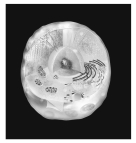
A)atom.
B)tissue.
C)molecule.
D)organ.
E)cell.
A)atom.
B)tissue.
C)molecule.
D)organ.
E)cell.
Question
Question
Question
Question
Question
Question
Question
Question
Question
Question
Question
Which of the following is NOT a key characteristic of "life"?
A)organization into cells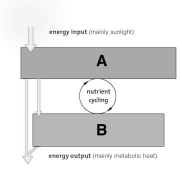
B)response to environmental change
C)reproduction
D)inability to change
E)using energy
A)organization into cells
B)response to environmental change
C)reproduction
D)inability to change
E)using energy
Question
Question
Question
Question
Question
Question
Question
Question
Question
Question
Question
Question
Question
Question
Question
Question
Question
Question
Question
Question
Question
Question
Question
Question
Question
Question
Question
Question
Question
Question
Question
Question
Question
Question
Question
Question
Question
Question
Question
Question
Question
Question
Question
Question
Question
Question
Question
Question
Question
Question
Question
Question
Question
Question
Question

Unlock Deck
Sign up to unlock the cards in this deck!
Unlock Deck
Unlock Deck
1/75

Play

Full screen (f)
Deck 1: Invitation to Biology
1
The most inclusive level of organization listed here is a(n)
A)organ.
B)atom.
C)molecule.
D)multicelled organism.
E)cell.
A)organ.
B)atom.
C)molecule.
D)multicelled organism.
E)cell.
D
2
Which of the following do not depend directly on sunlight for energy? I.terrestrial producers
II)animal consumers
III)decomposers
A)I only
B)II and III only
C)II only
D)III only
E)I and III
II)animal consumers
III)decomposers
A)I only
B)II and III only
C)II only
D)III only
E)I and III
B
3
All organisms are alike in their
A)requirements for energy.
B)participation in one or more nutrient cycles.
C)ultimate dependence on the sun.
D)interaction with other forms of life.
E)all of these.
A)requirements for energy.
B)participation in one or more nutrient cycles.
C)ultimate dependence on the sun.
D)interaction with other forms of life.
E)all of these.
E
4
The level of organization where factors such as sunlight, rainfall, and temperature enter the picture is the
A)organ system.
B)ecosystem.
C)biosphere.
D)molecule.
E)community.
A)organ system.
B)ecosystem.
C)biosphere.
D)molecule.
E)community.
Unlock Deck
Unlock for access to all 75 flashcards in this deck.
Unlock Deck
k this deck
5
Living organisms are members of all of the levels listed below; however, rocks are components of
A)the community.
B)the population.
C)the ecosystem.
D)the biosphere.
E)both the ecosystem and the biosphere.
A)the community.
B)the population.
C)the ecosystem.
D)the biosphere.
E)both the ecosystem and the biosphere.
Unlock Deck
Unlock for access to all 75 flashcards in this deck.
Unlock Deck
k this deck
6
The conversion of solar energy to chemical energy is known as
A)metabolism.
B)photosynthesis.
C)chemosynthesis.
D)catabolism.
E)anabolism.
A)metabolism.
B)photosynthesis.
C)chemosynthesis.
D)catabolism.
E)anabolism.
Unlock Deck
Unlock for access to all 75 flashcards in this deck.
Unlock Deck
k this deck
7
Nature is __________ in the universe except what humans have__________.
A)living; destroyed
B)everything; manufactured
C)macromolecular; genetically engineered
D)verifiable life-forms; selectively bred
E)matter; artificially created
A)living; destroyed
B)everything; manufactured
C)macromolecular; genetically engineered
D)verifiable life-forms; selectively bred
E)matter; artificially created
Unlock Deck
Unlock for access to all 75 flashcards in this deck.
Unlock Deck
k this deck
8
On the illustration, "A" and "B" should be labeled respectively
A)consumers; producers
B)decomposers; producers
C)producers; redistributors
D)producers; consumers
E)none of these
A)consumers; producers
B)decomposers; producers
C)producers; redistributors
D)producers; consumers
E)none of these
Unlock Deck
Unlock for access to all 75 flashcards in this deck.
Unlock Deck
k this deck
9
The above figure represents a(n)
A)atom.
B)tissue.
C)molecule.
D)organ.
E)cell.
A)atom.
B)tissue.
C)molecule.
D)organ.
E)cell.
Unlock Deck
Unlock for access to all 75 flashcards in this deck.
Unlock Deck
k this deck
10
The logical scientific method for studying nature includes all of the following EXCEPT:
A)observing nature
B)developing explanations
C)testing the explanations
D)genetically engineering test subjects
A)observing nature
B)developing explanations
C)testing the explanations
D)genetically engineering test subjects
Unlock Deck
Unlock for access to all 75 flashcards in this deck.
Unlock Deck
k this deck
11
A(n) __________ property is a characteristic of a system that does not appear in any of its component parts.
A)efferent
B)emergent
C)elective
D)energetic
E)living
A)efferent
B)emergent
C)elective
D)energetic
E)living
Unlock Deck
Unlock for access to all 75 flashcards in this deck.
Unlock Deck
k this deck
12
Recent expeditions into New Guinea found
A)dozens of new species of animals.
B)plants that had plate-sized flowers.
C)a bird that was thought to be extinct.
D)New Guinea has a history of several billion years.
E)all of these.
A)dozens of new species of animals.
B)plants that had plate-sized flowers.
C)a bird that was thought to be extinct.
D)New Guinea has a history of several billion years.
E)all of these.
Unlock Deck
Unlock for access to all 75 flashcards in this deck.
Unlock Deck
k this deck
13
Nonliving entities do NOT possess
A)energetic interactions.
B)DNA.
C)atoms.
D)elements.
E)any of these.
A)energetic interactions.
B)DNA.
C)atoms.
D)elements.
E)any of these.
Unlock Deck
Unlock for access to all 75 flashcards in this deck.
Unlock Deck
k this deck
14
The flow of energy among living organisms is best characterized as
A)circular.
B)a ladder.
C)a lattice.
D)one way.
E)a funnel.
A)circular.
B)a ladder.
C)a lattice.
D)one way.
E)a funnel.
Unlock Deck
Unlock for access to all 75 flashcards in this deck.
Unlock Deck
k this deck
15
Living organisms are different from inanimate objects because they
A)react to environmental stimuli.
B)exhibit massive complexity.
C)possess molecules of deoxyribonucleic acid.
D)exhibit multiple levels of organization.
E)all of these
A)react to environmental stimuli.
B)exhibit massive complexity.
C)possess molecules of deoxyribonucleic acid.
D)exhibit multiple levels of organization.
E)all of these
Unlock Deck
Unlock for access to all 75 flashcards in this deck.
Unlock Deck
k this deck
16
Organisms sense and respond to changes both inside and outside the body by way of
A)metabolism.
B)photosynthesis.
C)receptors.
D)catabolism.
E)anabolism.
A)metabolism.
B)photosynthesis.
C)receptors.
D)catabolism.
E)anabolism.
Unlock Deck
Unlock for access to all 75 flashcards in this deck.
Unlock Deck
k this deck
17
Which is the smallest unit of life that can exist as a separate entity?
A)a cell
B)a molecule
C)an organ
D)a population
E)an ecosystem
A)a cell
B)a molecule
C)an organ
D)a population
E)an ecosystem
Unlock Deck
Unlock for access to all 75 flashcards in this deck.
Unlock Deck
k this deck
18
DNA codes for the production of
A)proteins.
B)minerals.
C)inorganic molecules.
D)vital gasses.
E)water.
A)proteins.
B)minerals.
C)inorganic molecules.
D)vital gasses.
E)water.
Unlock Deck
Unlock for access to all 75 flashcards in this deck.
Unlock Deck
k this deck
19
A community
A)includes all populations of all species in an area.
B)features the living organisms interacting with the physical and chemical environment.
C)is the sum of all places in Earth's atmosphere, crust, and waters where organisms live.
D)includes members of only one species.
E)is at a higher level than an ecosystem.
A)includes all populations of all species in an area.
B)features the living organisms interacting with the physical and chemical environment.
C)is the sum of all places in Earth's atmosphere, crust, and waters where organisms live.
D)includes members of only one species.
E)is at a higher level than an ecosystem.
Unlock Deck
Unlock for access to all 75 flashcards in this deck.
Unlock Deck
k this deck
20
Which of the following is NOT a key characteristic of "life"?
A)organization into cells
B)response to environmental change
C)reproduction
D)inability to change
E)using energy
A)organization into cells
B)response to environmental change
C)reproduction
D)inability to change
E)using energy
Unlock Deck
Unlock for access to all 75 flashcards in this deck.
Unlock Deck
k this deck
21
The plural for genus is
A)genus.
B)geni.
C)genera.
D)gena.
E)genae.
A)genus.
B)geni.
C)genera.
D)gena.
E)genae.
Unlock Deck
Unlock for access to all 75 flashcards in this deck.
Unlock Deck
k this deck
22
A mutation is a change in
A)homeostasis.
B)the developmental pattern in an organism.
C)metabolism.
D)DNA.
E)the life cycle of an organism.
A)homeostasis.
B)the developmental pattern in an organism.
C)metabolism.
D)DNA.
E)the life cycle of an organism.
Unlock Deck
Unlock for access to all 75 flashcards in this deck.
Unlock Deck
k this deck
23
About twelve to twenty-four hours after the previous meal, a person's blood-sugar level normally varies from 60 to 90 milligrams per 100 milliliters of blood, though it may rise to 130 mg/100 ml after meals high in carbohydrates.That the blood-sugar level is maintained within a fairly narrow range despite uneven intake of sugar is due to the body's ability to carry out
A)adaptation.
B)inheritance.
C)metabolism.
D)homeostasis.
E)all of these.
A)adaptation.
B)inheritance.
C)metabolism.
D)homeostasis.
E)all of these.
Unlock Deck
Unlock for access to all 75 flashcards in this deck.
Unlock Deck
k this deck
24
Which of the following are NOT eukaryotes?
A)fungi
B)bacteria
C)plants
D)animals
E)protistans
A)fungi
B)bacteria
C)plants
D)animals
E)protistans
Unlock Deck
Unlock for access to all 75 flashcards in this deck.
Unlock Deck
k this deck
25
Members of what domain are evolutionarily closest to eukaryotes?
A)Animalia
B)Protista
C)Fungi
D)Bacteria
E)Archaea
A)Animalia
B)Protista
C)Fungi
D)Bacteria
E)Archaea
Unlock Deck
Unlock for access to all 75 flashcards in this deck.
Unlock Deck
k this deck
26
All of the following are domains of life except?
A)Animalia
B)Bacteria
C)Archaea
D)Eukarya
E)none of these
A)Animalia
B)Bacteria
C)Archaea
D)Eukarya
E)none of these
Unlock Deck
Unlock for access to all 75 flashcards in this deck.
Unlock Deck
k this deck
27
The hierarchical system of nomenclature
A)allows diversity to be catalogued.
B)organizes knowledge about species relationships.
C)permits organisms to be identified.
D)sorts organisms into groups.
E)all of these.
A)allows diversity to be catalogued.
B)organizes knowledge about species relationships.
C)permits organisms to be identified.
D)sorts organisms into groups.
E)all of these.
Unlock Deck
Unlock for access to all 75 flashcards in this deck.
Unlock Deck
k this deck
28
The DNA molecule is most similar functionally to a
A)pair of scissors.
B)flashlight battery.
C)computer memory chip.
D)ballpoint pen.
E)craft kit of ceramic tiles.
A)pair of scissors.
B)flashlight battery.
C)computer memory chip.
D)ballpoint pen.
E)craft kit of ceramic tiles.
Unlock Deck
Unlock for access to all 75 flashcards in this deck.
Unlock Deck
k this deck
29
The least inclusive of the taxonomic categories listed here is
A)family.
B)phylum.
C)class.
D)order.
E)genus.
A)family.
B)phylum.
C)class.
D)order.
E)genus.
Unlock Deck
Unlock for access to all 75 flashcards in this deck.
Unlock Deck
k this deck
30
Homeostasis provides what kind of environment?
A)positive
B)relatively constant around a set point
C)limiting
D)changing
E)chemical and physical
A)positive
B)relatively constant around a set point
C)limiting
D)changing
E)chemical and physical
Unlock Deck
Unlock for access to all 75 flashcards in this deck.
Unlock Deck
k this deck
31
Which of the following phrases would most likely be used in a discussion of homeostasis?
A)respond to environmental stimuli
B)limited range of variation
C)rapid energy turnover
D)cycle of elements
E)structural and functional units of life
A)respond to environmental stimuli
B)limited range of variation
C)rapid energy turnover
D)cycle of elements
E)structural and functional units of life
Unlock Deck
Unlock for access to all 75 flashcards in this deck.
Unlock Deck
k this deck
32
A scientific name consists of which of the following? I.family name
II)genus name
III)species name
A)I only
B)II only
C)III only
D)I and II
E)II and III
II)genus name
III)species name
A)I only
B)II only
C)III only
D)I and II
E)II and III
Unlock Deck
Unlock for access to all 75 flashcards in this deck.
Unlock Deck
k this deck
33
Which group includes all of the other groups?
A)domain
B)order
C)family
D)genus
E)species
A)domain
B)order
C)family
D)genus
E)species
Unlock Deck
Unlock for access to all 75 flashcards in this deck.
Unlock Deck
k this deck
34
Each cell is able to maintain a constant internal environment.This condition is called
A)metabolism.
B)homeostasis.
C)physiology.
D)adaptation.
E)evolution.
A)metabolism.
B)homeostasis.
C)physiology.
D)adaptation.
E)evolution.
Unlock Deck
Unlock for access to all 75 flashcards in this deck.
Unlock Deck
k this deck
35
Members of what group are multicellular producers?
A)Animalia
B)Protista
C)Fungi
D)Plantae
E)none of these
A)Animalia
B)Protista
C)Fungi
D)Plantae
E)none of these
Unlock Deck
Unlock for access to all 75 flashcards in this deck.
Unlock Deck
k this deck
36
For a cell to take up sugar from the bloodstream,
A)sugars must bind to receptors on cells of the pancreas.
B)a person must have had a meal with sugar within the last twenty-four hours.
C)homeostatic mechanisms must activate the blood-brain barrier.
D)glycogen must be broken down to provide a supply of glucose.
E)the pancreas must supply the appropriate enzymes to make sugar available.
A)sugars must bind to receptors on cells of the pancreas.
B)a person must have had a meal with sugar within the last twenty-four hours.
C)homeostatic mechanisms must activate the blood-brain barrier.
D)glycogen must be broken down to provide a supply of glucose.
E)the pancreas must supply the appropriate enzymes to make sugar available.
Unlock Deck
Unlock for access to all 75 flashcards in this deck.
Unlock Deck
k this deck
37
A fertilized moth egg passes through which stages of development before becoming an adult? I.larval
II)pupal
III)reproductive
A)I only
B)II only
C)I and II
D)I and III
E)II and III
II)pupal
III)reproductive
A)I only
B)II only
C)I and II
D)I and III
E)II and III
Unlock Deck
Unlock for access to all 75 flashcards in this deck.
Unlock Deck
k this deck
38
Plants produce sugars from
A)oxygen and carbon dioxide.
B)sunlight and water.
C)oxygen and water.
D)carbon dioxide and water.
E)iron and water.
A)oxygen and carbon dioxide.
B)sunlight and water.
C)oxygen and water.
D)carbon dioxide and water.
E)iron and water.
Unlock Deck
Unlock for access to all 75 flashcards in this deck.
Unlock Deck
k this deck
39
Which of the following groups are made up of almost exclusively decomposers?
A)Plantae
B)Fungi
C)Animalia
D)Monera
E)Protista
A)Plantae
B)Fungi
C)Animalia
D)Monera
E)Protista
Unlock Deck
Unlock for access to all 75 flashcards in this deck.
Unlock Deck
k this deck
40
When different forms of a trait are becoming more or less common over successive generations, what is taking place?
A)natural selection
B)adaptation
C)survival of the fittest
D)evolution
E)none of these
A)natural selection
B)adaptation
C)survival of the fittest
D)evolution
E)none of these
Unlock Deck
Unlock for access to all 75 flashcards in this deck.
Unlock Deck
k this deck
41
The diversity of structure, function, and behavior in living organisms is primarily the result of
A)reproduction.
B)heredity.
C)evolution.
D)chance variations in living organisms of the same generation.
E)artificial selection.
A)reproduction.
B)heredity.
C)evolution.
D)chance variations in living organisms of the same generation.
E)artificial selection.
Unlock Deck
Unlock for access to all 75 flashcards in this deck.
Unlock Deck
k this deck
42
Which premise used by Darwin in his theory is INCORRECTLY stated below?
A)More offspring are produced than will survive to reproduce.
B)Members of populations show heritable variation.
C)Some varieties have a better chance to survive and reproduce.
D)Organisms that possess advantageous traits have a decreased chance of producing offspring.
E)Some traits become more common because their bearers contribute more offspring to the next generation.
A)More offspring are produced than will survive to reproduce.
B)Members of populations show heritable variation.
C)Some varieties have a better chance to survive and reproduce.
D)Organisms that possess advantageous traits have a decreased chance of producing offspring.
E)Some traits become more common because their bearers contribute more offspring to the next generation.
Unlock Deck
Unlock for access to all 75 flashcards in this deck.
Unlock Deck
k this deck
43
The difference between results from the subset and results from the whole is
A)the variable.
B)sampling error
C)the prediction.
D)the control.
A)the variable.
B)sampling error
C)the prediction.
D)the control.
Unlock Deck
Unlock for access to all 75 flashcards in this deck.
Unlock Deck
k this deck
44
Which of the following statements is NOT true?
A)Natural selection is based upon differential reproduction and survival.
B)For evolution to occur in a population, there must be some variation.
C)Most mutations have beneficial effects on traits.
D)A population evolves when heritable change occurs in a line of descent.
E)Over time, some genetic traits are more adaptive than others.
A)Natural selection is based upon differential reproduction and survival.
B)For evolution to occur in a population, there must be some variation.
C)Most mutations have beneficial effects on traits.
D)A population evolves when heritable change occurs in a line of descent.
E)Over time, some genetic traits are more adaptive than others.
Unlock Deck
Unlock for access to all 75 flashcards in this deck.
Unlock Deck
k this deck
45
The validity of scientific discoveries cannot be based on
A)morality.
B)aesthetics.
C)philosophy.
D)economics.
E)any of these.
A)morality.
B)aesthetics.
C)philosophy.
D)economics.
E)any of these.
Unlock Deck
Unlock for access to all 75 flashcards in this deck.
Unlock Deck
k this deck
46
The principal point of Darwin's theory of evolution by natural selection is that
A)long-term heritable changes in organisms are caused by use and disuse.
B)mutations that adapt an organism to a given environment always arise in the greatest frequency in the organisms that occupy that environment.
C)mutations are caused by all sorts of environmental influences.
D)survival of characteristics in a population depends on a favoring of some forms of a given trait over others in nature.
E)mutations mostly have favorable effects.
A)long-term heritable changes in organisms are caused by use and disuse.
B)mutations that adapt an organism to a given environment always arise in the greatest frequency in the organisms that occupy that environment.
C)mutations are caused by all sorts of environmental influences.
D)survival of characteristics in a population depends on a favoring of some forms of a given trait over others in nature.
E)mutations mostly have favorable effects.
Unlock Deck
Unlock for access to all 75 flashcards in this deck.
Unlock Deck
k this deck
47
A well-tested hypothesis that has not been disproved is called a
A)principle.
B)law.
C)theory.
D)fact.
E)hypothesis.
A)principle.
B)law.
C)theory.
D)fact.
E)hypothesis.
Unlock Deck
Unlock for access to all 75 flashcards in this deck.
Unlock Deck
k this deck
48
Pigeon breeding is an example of
A)natural selection.
B)evolution.
C)artificial selection.
D)adaptation.
E)mutation
A)natural selection.
B)evolution.
C)artificial selection.
D)adaptation.
E)mutation
Unlock Deck
Unlock for access to all 75 flashcards in this deck.
Unlock Deck
k this deck
49
Science is based on
A)faith.
B)authority.
C)evidence.
D)force.
E)consensus.
A)faith.
B)authority.
C)evidence.
D)force.
E)consensus.
Unlock Deck
Unlock for access to all 75 flashcards in this deck.
Unlock Deck
k this deck
50
Copernicus, Galileo, and Darwin found that ________ caused their science to be controversial.
A)prevailing belief
B)objective data
C)astronomy
D)the supernatural
E)experimental design
A)prevailing belief
B)objective data
C)astronomy
D)the supernatural
E)experimental design
Unlock Deck
Unlock for access to all 75 flashcards in this deck.
Unlock Deck
k this deck
51
The scientific explanation for the diversity seen in nature is
A)based upon sexual differences.
B)divine creation of the many different forms of life.
C)found in the science of taxonomy.
D)natural selection.
E)artificial selection.
A)based upon sexual differences.
B)divine creation of the many different forms of life.
C)found in the science of taxonomy.
D)natural selection.
E)artificial selection.
Unlock Deck
Unlock for access to all 75 flashcards in this deck.
Unlock Deck
k this deck
52
Which of the following is NOT used in the development of science?
A)evaluation of data
B)personal conviction
C)prediction
D)systematic observation
E)sharing ideas
A)evaluation of data
B)personal conviction
C)prediction
D)systematic observation
E)sharing ideas
Unlock Deck
Unlock for access to all 75 flashcards in this deck.
Unlock Deck
k this deck
53
The study of the observable is
A)science.
B)optics.
C)hypothesis.
D)critical thinking.
E)visualization.
A)science.
B)optics.
C)hypothesis.
D)critical thinking.
E)visualization.
Unlock Deck
Unlock for access to all 75 flashcards in this deck.
Unlock Deck
k this deck
54
Of the following, which is the first explanation of a problem? (a testable answer to the question)
A)principle
B)law
C)theory
D)fact
E)hypothesis
A)principle
B)law
C)theory
D)fact
E)hypothesis
Unlock Deck
Unlock for access to all 75 flashcards in this deck.
Unlock Deck
k this deck
55
All of the following will strengthen a theory EXCEPT
A)repetitions of experiments.
B)increased observations.
C)time.
D)faith.
E)confirmation by many scientists.
A)repetitions of experiments.
B)increased observations.
C)time.
D)faith.
E)confirmation by many scientists.
Unlock Deck
Unlock for access to all 75 flashcards in this deck.
Unlock Deck
k this deck
56
An adaptive trait is a trait that has
A)mutated.
B)survival value.
C)decreased in frequency in a population.
D)deleterious biological effects.
E)the potential to produce variation.
A)mutated.
B)survival value.
C)decreased in frequency in a population.
D)deleterious biological effects.
E)the potential to produce variation.
Unlock Deck
Unlock for access to all 75 flashcards in this deck.
Unlock Deck
k this deck
57
The animals used in the text to show variation in domesticated forms are
A)pigeons.
B)chickens.
C)pigs.
D)dogs.
E)cats.
A)pigeons.
B)chickens.
C)pigs.
D)dogs.
E)cats.
Unlock Deck
Unlock for access to all 75 flashcards in this deck.
Unlock Deck
k this deck
58
_________ means judging information before accepting it as fact.
A)Critical thinking
B)Law
C)Theory
D)Fact
E)Hypothesis
A)Critical thinking
B)Law
C)Theory
D)Fact
E)Hypothesis
Unlock Deck
Unlock for access to all 75 flashcards in this deck.
Unlock Deck
k this deck
59
Which of the following ultimately accounts for variation in genetic traits?
A)replication of DNA molecules
B)genetic mutation
C)asexual reproduction
D)ecological succession
E)homeostatic mechanisms
A)replication of DNA molecules
B)genetic mutation
C)asexual reproduction
D)ecological succession
E)homeostatic mechanisms
Unlock Deck
Unlock for access to all 75 flashcards in this deck.
Unlock Deck
k this deck
60
Testing subsets of a population allows scientists to make_______ about the whole population.
A)theories
B)hypotheses
C)generalizations
D)conclusions
E)all of these
A)theories
B)hypotheses
C)generalizations
D)conclusions
E)all of these
Unlock Deck
Unlock for access to all 75 flashcards in this deck.
Unlock Deck
k this deck
61
Which represents the highest degree of certainty?
A)hypothesis
B)variable
C)assumption
D)theory
E)prediction
A)hypothesis
B)variable
C)assumption
D)theory
E)prediction
Unlock Deck
Unlock for access to all 75 flashcards in this deck.
Unlock Deck
k this deck
62
In the experiment with Peacock butterflies, the working hypothesis is that
A)mimicry confuses both predator and prey.
B)mimicry conveys a selective advantage to the prey.
C)birds are capable of learning.
D)birds are agents of evolution.
E)unpalatable species display distinctive wings.
A)mimicry confuses both predator and prey.
B)mimicry conveys a selective advantage to the prey.
C)birds are capable of learning.
D)birds are agents of evolution.
E)unpalatable species display distinctive wings.
Unlock Deck
Unlock for access to all 75 flashcards in this deck.
Unlock Deck
k this deck
63
In an experiment, the control group is
A)not subjected to experimental error.
B)exposed to experimental treatments.
C)maintained under strict laboratory conditions.
D)treated exactly the same as the experimental group, except for one variable.
E)statistically the most important part of the experiment.
A)not subjected to experimental error.
B)exposed to experimental treatments.
C)maintained under strict laboratory conditions.
D)treated exactly the same as the experimental group, except for one variable.
E)statistically the most important part of the experiment.
Unlock Deck
Unlock for access to all 75 flashcards in this deck.
Unlock Deck
k this deck
64
The control in an experiment
A)makes the experiment valid.
B)is an additional replicate for statistical purposes.
C)reduces the experimental errors.
D)minimizes experimental inaccuracy.
E)is identical to the experimental group, but eliminates the characteristic or treatment being tested.
A)makes the experiment valid.
B)is an additional replicate for statistical purposes.
C)reduces the experimental errors.
D)minimizes experimental inaccuracy.
E)is identical to the experimental group, but eliminates the characteristic or treatment being tested.
Unlock Deck
Unlock for access to all 75 flashcards in this deck.
Unlock Deck
k this deck
65
A hypothesis is
A)a statement of fact.
B)often expressed negatively.
C)a form of critical thinking.
D)a testable prediction.
E)none of these.
A)a statement of fact.
B)often expressed negatively.
C)a form of critical thinking.
D)a testable prediction.
E)none of these.
Unlock Deck
Unlock for access to all 75 flashcards in this deck.
Unlock Deck
k this deck
66
Performing an experiment where the sample sizes are small may result in
A)sampling error.
B)blind testing.
C)loss of evidence.
D)strong support of the experimental design.
E)consensus errors.
A)sampling error.
B)blind testing.
C)loss of evidence.
D)strong support of the experimental design.
E)consensus errors.
Unlock Deck
Unlock for access to all 75 flashcards in this deck.
Unlock Deck
k this deck
67
As a result of experimentation,
A)more hypotheses may be developed.
B)more questions may be asked.
C)a new biological principle could emerge.
D)entire theories may be modified.
E)all of these.
A)more hypotheses may be developed.
B)more questions may be asked.
C)a new biological principle could emerge.
D)entire theories may be modified.
E)all of these.
Unlock Deck
Unlock for access to all 75 flashcards in this deck.
Unlock Deck
k this deck
68
The results of the butterfly experiment
A)supported the hypothesis.
B)provided valuable quantitative data.
C)confirmed the prediction.
D)provided evidence of natural selection in action.
E)all of these.
A)supported the hypothesis.
B)provided valuable quantitative data.
C)confirmed the prediction.
D)provided evidence of natural selection in action.
E)all of these.
Unlock Deck
Unlock for access to all 75 flashcards in this deck.
Unlock Deck
k this deck
69
The data from the butterfly experiment reflected which of the following?
A)natural selection
B)food choices by predators
C)the ability of birds to find the prey
D)the role of mimicry
E)all of these
A)natural selection
B)food choices by predators
C)the ability of birds to find the prey
D)the role of mimicry
E)all of these
Unlock Deck
Unlock for access to all 75 flashcards in this deck.
Unlock Deck
k this deck
70
Which of the following can be changed based on new evidence?
A)hypothesis
B)theory
C)prediction
D)experiment
E)all of these
A)hypothesis
B)theory
C)prediction
D)experiment
E)all of these
Unlock Deck
Unlock for access to all 75 flashcards in this deck.
Unlock Deck
k this deck
71
How did the control group differ from the experimental group in the butterfly experiment?
A)They were different species.
B)Their native habitat area of the forest differed.
C)They tasted worse.
D)They had unmodified wing spots.
E)They preferred different flower species.
A)They were different species.
B)Their native habitat area of the forest differed.
C)They tasted worse.
D)They had unmodified wing spots.
E)They preferred different flower species.
Unlock Deck
Unlock for access to all 75 flashcards in this deck.
Unlock Deck
k this deck
72
In order to arrive at a solution to a problem, a scientist usually conducts one or more
A)laws.
B)theories.
C)experiments.
D)principles.
E)facts.
A)laws.
B)theories.
C)experiments.
D)principles.
E)facts.
Unlock Deck
Unlock for access to all 75 flashcards in this deck.
Unlock Deck
k this deck
73
Scientists are always thinking about ways to improve experimental design.In the text's potato chip experiment, which of these might do so?
A)show a different movie
B)exclude teenagers as group members
C)collect uneaten chip remains and weigh them for both groups
D)provide free drinks
E)use a smaller theater
A)show a different movie
B)exclude teenagers as group members
C)collect uneaten chip remains and weigh them for both groups
D)provide free drinks
E)use a smaller theater
Unlock Deck
Unlock for access to all 75 flashcards in this deck.
Unlock Deck
k this deck
74
The variable in the butterfly experiment is
A)butterfly wing pattern color.
B)butterfly species.
C)bird predator species.
D)rainforest region used.
E)percentage of survivors.
A)butterfly wing pattern color.
B)butterfly species.
C)bird predator species.
D)rainforest region used.
E)percentage of survivors.
Unlock Deck
Unlock for access to all 75 flashcards in this deck.
Unlock Deck
k this deck
75
Which represents the lowest degree of certainty?
A)hypothesis
B)conclusion
C)fact
D)principle
E)theory
A)hypothesis
B)conclusion
C)fact
D)principle
E)theory
Unlock Deck
Unlock for access to all 75 flashcards in this deck.
Unlock Deck
k this deck
Unlock Deck
Unlock for access to all 75 flashcards in this deck.






