







 Chat with AI

Deck 2: Molecules of Life
Full screen (f)

Question

Question
Consider thfollowing figure.It is technically INCORRECT in thsensthat
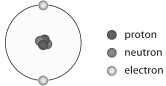
A)protons and neutrons are represented in the nucleus.
B)electrons spin around the nucleus.
C)the charge of protons are not represented.
D)the charge of electrons are not represented.
E)electrons should be much farther away from the atomic nucleus.
A)protons and neutrons are represented in the nucleus.
B)electrons spin around the nucleus.
C)the charge of protons are not represented.
D)the charge of electrons are not represented.
E)electrons should be much farther away from the atomic nucleus.
Question
Question
Question
Question
Question
Question
Question
Question
Question
Question
Question
Question
Question
Question
Question
Question
Question
Question
Question
Question
Question
Question
Question
Question
Question
Question
Question
Question
Question
Question
Question
Question
Question
Question
Question
Question
Question
Question
Question
Question
Question
Question
Question
Question
Question
Question
Question
Question
Question
Question
Question
Question
Question
Question
Question
Question
Question
Question
Question
Question
Question
Question
Question
Question
Question
Question
Question
Question
Question
Question
Question
Question
Question
Question
Question
Question
Question
Question

Unlock Deck
Sign up to unlock the cards in this deck!
Unlock Deck
Unlock Deck
1/109

Play

Full screen (f)
Deck 2: Molecules of Life
1
For a given element, all atoms of that element havthsamnumber of
A)neutrons.
B)electrons.
C)protons.
D)protons and neutrons.
E)ions.
A)neutrons.
B)electrons.
C)protons.
D)protons and neutrons.
E)ions.
C
2
Consider thfollowing figure.It is technically INCORRECT in thsensthat
A)protons and neutrons are represented in the nucleus.
B)electrons spin around the nucleus.
C)the charge of protons are not represented.
D)the charge of electrons are not represented.
E)electrons should be much farther away from the atomic nucleus.
A)protons and neutrons are represented in the nucleus.
B)electrons spin around the nucleus.
C)the charge of protons are not represented.
D)the charge of electrons are not represented.
E)electrons should be much farther away from the atomic nucleus.
E
3
Trans fats accumulatin our body because
A)enzymes that we produce are overwhelmed with the quantity that we ingest.
B)we may not produce enzymes able to metabolize these molecules.
C)enzymes that we produce are often defective.
D)those molecules help take the sugar out of the blood.
E)our body can tolerate a fair amount of those molecules.
A)enzymes that we produce are overwhelmed with the quantity that we ingest.
B)we may not produce enzymes able to metabolize these molecules.
C)enzymes that we produce are often defective.
D)those molecules help take the sugar out of the blood.
E)our body can tolerate a fair amount of those molecules.
B
4
Thnegativsubatomic particlis
A)the neutron.
B)the proton.
C)the electron.
D)both the electron and the proton.
E)both the proton and the electron.
A)the neutron.
B)the proton.
C)the electron.
D)both the electron and the proton.
E)both the proton and the electron.
Unlock Deck
Unlock for access to all 109 flashcards in this deck.
Unlock Deck
k this deck
5
Fats armajor components of thcell
A)membranes.
B)cytoplasm.
C)cytosol.
D)ribosomes.
E)mitochondria.
A)membranes.
B)cytoplasm.
C)cytosol.
D)ribosomes.
E)mitochondria.
Unlock Deck
Unlock for access to all 109 flashcards in this deck.
Unlock Deck
k this deck
6
An averagNew Yorker consumes thequivalent of __________ of butter per day.
A)1 teaspoon
B)4 teaspoons
C)1 tablespoon
D)1 stick
E)1 cup
A)1 teaspoon
B)4 teaspoons
C)1 tablespoon
D)1 stick
E)1 cup
Unlock Deck
Unlock for access to all 109 flashcards in this deck.
Unlock Deck
k this deck
7
Thnumber 30 represents the
A)mass number.
B)atomic number.
C)number of electrons.
D)number of protons.
E)number of neutrons.
A)mass number.
B)atomic number.
C)number of electrons.
D)number of protons.
E)number of neutrons.
Unlock Deck
Unlock for access to all 109 flashcards in this deck.
Unlock Deck
k this deck
8
__________, __________, an__________ arsubatomic particles.
A)cations; anions; electrons
B)cations; anions; ions
C)cations; neutrons; ions
D)protons; neutrons; ions
E)protons; neutrons; electrons
A)cations; anions; electrons
B)cations; anions; ions
C)cations; neutrons; ions
D)protons; neutrons; ions
E)protons; neutrons; electrons
Unlock Deck
Unlock for access to all 109 flashcards in this deck.
Unlock Deck
k this deck
9
Radioactivisotopes
A)are electrically unbalanced.
B)behave the same chemically and physically but differ biologically from other isotopes.
C)are the same physically and biologically but differ from other isotopes chemically.
D)have an excess number of neutrons.
E)are produced when substances are exposed to radiation.
A)are electrically unbalanced.
B)behave the same chemically and physically but differ biologically from other isotopes.
C)are the same physically and biologically but differ from other isotopes chemically.
D)have an excess number of neutrons.
E)are produced when substances are exposed to radiation.
Unlock Deck
Unlock for access to all 109 flashcards in this deck.
Unlock Deck
k this deck
10
Hydrogenatevegetabloil or trans fats are
A)as healthy as natural vegetable oil.
B)as healthy as animal fats.
C)more healthy than animal fats.
D)solid cooking fat.
E)completely wiped off from the market.
A)as healthy as natural vegetable oil.
B)as healthy as animal fats.
C)more healthy than animal fats.
D)solid cooking fat.
E)completely wiped off from the market.
Unlock Deck
Unlock for access to all 109 flashcards in this deck.
Unlock Deck
k this deck
11
Which of thfollowing may matter thleast to health?
I)thtypof fat
II)thaveragquantity of fat
III)thforof fat
A)I only
B)I and II
C)I and III
D)II and III
E)II only
I)thtypof fat
II)thaveragquantity of fat
III)thforof fat
A)I only
B)I and II
C)I and III
D)II and III
E)II only
Unlock Deck
Unlock for access to all 109 flashcards in this deck.
Unlock Deck
k this deck
12
An averagNew Yorker consumes about __________ pounds of fat per year.
A)100
B)85
C)75
D)55
E)25
A)100
B)85
C)75
D)55
E)25
Unlock Deck
Unlock for access to all 109 flashcards in this deck.
Unlock Deck
k this deck
13
What is thsmallest particlof an element that retains all thproperties of that element?
A)molecule
B)atom
C)ion
D)compound
E)electron
A)molecule
B)atom
C)ion
D)compound
E)electron
Unlock Deck
Unlock for access to all 109 flashcards in this deck.
Unlock Deck
k this deck
14
Thpositivsubatomic particlis
A)the neutron.
B)the proton.
C)the electron.
D)both the electron and the proton.
E)both the neutron and the electron.
A)the neutron.
B)the proton.
C)the electron.
D)both the electron and the proton.
E)both the neutron and the electron.
Unlock Deck
Unlock for access to all 109 flashcards in this deck.
Unlock Deck
k this deck
15
Thnucleus of an atois constituteof
A)protons
B)electrons
C)neutrons
D)protons and neutrons
E)electrons and neutrons
A)protons
B)electrons
C)neutrons
D)protons and neutrons
E)electrons and neutrons
Unlock Deck
Unlock for access to all 109 flashcards in this deck.
Unlock Deck
k this deck
16
A typical fat has __________ fatty acids.
A)1
B)2
C)3
D)4
E)5
A)1
B)2
C)3
D)4
E)5
Unlock Deck
Unlock for access to all 109 flashcards in this deck.
Unlock Deck
k this deck
17
What arthproperties that favor trans fat over other types of fats?
I)long shelf-life
II)cheaper than butter
III)milflavor
A)I and II
B)I, II, and III
C)I only
D)II and III
E)II only
I)long shelf-life
II)cheaper than butter
III)milflavor
A)I and II
B)I, II, and III
C)I only
D)II and III
E)II only
Unlock Deck
Unlock for access to all 109 flashcards in this deck.
Unlock Deck
k this deck
18
Thneutral subatomic particlis
A)the neutron.
B)the proton.
C)the electron.
D)both the electron and the proton.
E)both the neutron and the electron.
A)the neutron.
B)the proton.
C)the electron.
D)both the electron and the proton.
E)both the neutron and the electron.
Unlock Deck
Unlock for access to all 109 flashcards in this deck.
Unlock Deck
k this deck
19
According to nutritional evidences, thhuman body requires about __________ of fat each day to stay healthy.
A)1 teaspoon
B)4 teaspoons
C)1 tablespoon
D)4 tablespoons
E)1 cup
A)1 teaspoon
B)4 teaspoons
C)1 tablespoon
D)4 tablespoons
E)1 cup
Unlock Deck
Unlock for access to all 109 flashcards in this deck.
Unlock Deck
k this deck
20
In an atom, __________ spin arounthnucleus.
A)electrons
B)protons
C)neutrons
D)both neutrons and protons
E)both protons and electrons
A)electrons
B)protons
C)neutrons
D)both neutrons and protons
E)both protons and electrons
Unlock Deck
Unlock for access to all 109 flashcards in this deck.
Unlock Deck
k this deck
21
How many types of chemical bonds arfounwithin anbetween molecules?
A)1
B)2
C)3
D)5
E)7
A)1
B)2
C)3
D)5
E)7
Unlock Deck
Unlock for access to all 109 flashcards in this deck.
Unlock Deck
k this deck
22
Tracer isotopes
A)are used only in plants.
B)work differently than nontracers in reactions.
C)have an unbalanced electrical charge.
D)are detected by their radioactivity.
E)are not found in nature.
A)are used only in plants.
B)work differently than nontracers in reactions.
C)have an unbalanced electrical charge.
D)are detected by their radioactivity.
E)are not found in nature.
Unlock Deck
Unlock for access to all 109 flashcards in this deck.
Unlock Deck
k this deck
23
Which of thfollowing statements is (are) TRUabout radioisotopes?
A)Radioisotope decays at a constant rate.
B)Decay of a radioisotope is independent of temperature.
C)Decay of a radioisotope is independent of pressure.
D)A radioisotope decays into a predictable product.
E)All of these are true.
A)Radioisotope decays at a constant rate.
B)Decay of a radioisotope is independent of temperature.
C)Decay of a radioisotope is independent of pressure.
D)A radioisotope decays into a predictable product.
E)All of these are true.
Unlock Deck
Unlock for access to all 109 flashcards in this deck.
Unlock Deck
k this deck
24
How many protons arin thnucleus of a phosphorus atom?
A)5
B)7
C)10
D)15
E)30
A)5
B)7
C)10
D)15
E)30
Unlock Deck
Unlock for access to all 109 flashcards in this deck.
Unlock Deck
k this deck
25
Electrons arsharein bonds called
A)covalent bonds.
B)ionic bonds.
C)polar bonds.
D)nonpolar bonds.
E)all of these except ionic bonds.
A)covalent bonds.
B)ionic bonds.
C)polar bonds.
D)nonpolar bonds.
E)all of these except ionic bonds.
Unlock Deck
Unlock for access to all 109 flashcards in this deck.
Unlock Deck
k this deck
26
Phosphorus has __________ vacancies.
A)1
B)2
C)3
D)5
E)8
A)1
B)2
C)3
D)5
E)8
Unlock Deck
Unlock for access to all 109 flashcards in this deck.
Unlock Deck
k this deck
27
An atothat carries a chargis callea(n)
A)ion.
B)molecule.
C)compound.
D)element.
E)microelement.
A)ion.
B)molecule.
C)compound.
D)element.
E)microelement.
Unlock Deck
Unlock for access to all 109 flashcards in this deck.
Unlock Deck
k this deck
28
Which of thfollowing statements is NOT true?
A)All isotopes of an element have the same number of electrons.
B)All isotopes of an element have the same number of protons.
C)All isotopes of an element have the same number of neutrons.
D)All radioactive isotopes are unstable.
E)All isotopes of an element have the same atomic number.
A)All isotopes of an element have the same number of electrons.
B)All isotopes of an element have the same number of protons.
C)All isotopes of an element have the same number of neutrons.
D)All radioactive isotopes are unstable.
E)All isotopes of an element have the same atomic number.
Unlock Deck
Unlock for access to all 109 flashcards in this deck.
Unlock Deck
k this deck
29
Which chemical bonds arfounwithin water molecules?
A)hydrogen
B)ionic
C)covalent
D)inert
E)single
A)hydrogen
B)ionic
C)covalent
D)inert
E)single
Unlock Deck
Unlock for access to all 109 flashcards in this deck.
Unlock Deck
k this deck
30
How many electrons arin thseconelectron shell of a phosphorus atom?
A)1
B)2
C)3
D)5
E)8
A)1
B)2
C)3
D)5
E)8
Unlock Deck
Unlock for access to all 109 flashcards in this deck.
Unlock Deck
k this deck
31
An atom
A)is positively charged.
B)is negatively charged.
C)is electrically neutral.
D)carries the charge of its electrons.
E)carries the charge of its protons.
A)is positively charged.
B)is negatively charged.
C)is electrically neutral.
D)carries the charge of its electrons.
E)carries the charge of its protons.
Unlock Deck
Unlock for access to all 109 flashcards in this deck.
Unlock Deck
k this deck
32
How many electrons arin thoutermost electron shell of a phosphorus atom?
A)1
B)2
C)3
D)5
E)8
A)1
B)2
C)3
D)5
E)8
Unlock Deck
Unlock for access to all 109 flashcards in this deck.
Unlock Deck
k this deck
33
Radioactivisotopes have
A)excess electrons.
B)excess protons.
C)excess neutrons.
D)insufficient neutrons.
E)insufficient protons.
A)excess electrons.
B)excess protons.
C)excess neutrons.
D)insufficient neutrons.
E)insufficient protons.
Unlock Deck
Unlock for access to all 109 flashcards in this deck.
Unlock Deck
k this deck
34
__________ bonds holmolecules of DNA in their characteristic shape.
A)Hydrogen
B)Ionic
C)Covalent
D)Inert
E)Single
A)Hydrogen
B)Ionic
C)Covalent
D)Inert
E)Single
Unlock Deck
Unlock for access to all 109 flashcards in this deck.
Unlock Deck
k this deck
35
Thbonin tablsalt (NaCl) is
A)polar.
B)ionic.
C)covalent.
D)double.
E)nonpolar.
A)polar.
B)ionic.
C)covalent.
D)double.
E)nonpolar.
Unlock Deck
Unlock for access to all 109 flashcards in this deck.
Unlock Deck
k this deck
36
Which of thfollowing statements is TRUE?
A)Chemical bonds play an important role at keeping subatomic particles together.
B)Chemical bonds keep electrons close to the nucleus.
C)Molecules are formed when two or more atoms come together through chemical bonds.
D)Neighboring molecules could interact together through ionic bonds.
E)Compounds associate together to form molecules.
A)Chemical bonds play an important role at keeping subatomic particles together.
B)Chemical bonds keep electrons close to the nucleus.
C)Molecules are formed when two or more atoms come together through chemical bonds.
D)Neighboring molecules could interact together through ionic bonds.
E)Compounds associate together to form molecules.
Unlock Deck
Unlock for access to all 109 flashcards in this deck.
Unlock Deck
k this deck
37
How many electrons arin thinnermost electron shell of a phosphorus atom?
A)1
B)2
C)3
D)5
E)8
A)1
B)2
C)3
D)5
E)8
Unlock Deck
Unlock for access to all 109 flashcards in this deck.
Unlock Deck
k this deck
38
A(n) __________ is a typof chemical bonin which a strong mutual attraction forms between ions of oppositcharge.
A)hydrogen bond
B)nonpolar bond
C)polar bond
D)covalent bond
E)ionic bond
A)hydrogen bond
B)nonpolar bond
C)polar bond
D)covalent bond
E)ionic bond
Unlock Deck
Unlock for access to all 109 flashcards in this deck.
Unlock Deck
k this deck
39
Instability of radioisotopes is causeby
A)sudden temperature variations.
B)environmental humidity.
C)the random motion of atoms.
D)the disintegration of a neutron into a proton and an electron.
E)the motion of electrons and neutrons.
A)sudden temperature variations.
B)environmental humidity.
C)the random motion of atoms.
D)the disintegration of a neutron into a proton and an electron.
E)the motion of electrons and neutrons.
Unlock Deck
Unlock for access to all 109 flashcards in this deck.
Unlock Deck
k this deck
40
In __________ bonds, atoms sharelectrons equally.
A)double covalent
B)unstable covalent
C)polar covalent
D)nonpolar covalent
E)triple covalent
A)double covalent
B)unstable covalent
C)polar covalent
D)nonpolar covalent
E)triple covalent
Unlock Deck
Unlock for access to all 109 flashcards in this deck.
Unlock Deck
k this deck
41
A __________ is a compounthat releases ions other than OH- anH+ when dissolvein water.
A)protein
B)lipid
C)fat
D)salt
E)sugar
A)protein
B)lipid
C)fat
D)salt
E)sugar
Unlock Deck
Unlock for access to all 109 flashcards in this deck.
Unlock Deck
k this deck
42
A pH of 10 is how many times as basic as a pH of 7?
A)2
B)3
C)10
D)100
E)1,000
A)2
B)3
C)10
D)100
E)1,000
Unlock Deck
Unlock for access to all 109 flashcards in this deck.
Unlock Deck
k this deck
43
Which of thfollowing represents H+?
A)hydrogen ions
B)acid
C)base
D)hydroxyl ion
E)acceptor
A)hydrogen ions
B)acid
C)base
D)hydroxyl ion
E)acceptor
Unlock Deck
Unlock for access to all 109 flashcards in this deck.
Unlock Deck
k this deck
44
A hydrogen bonis
A)a sharing of a pair of electrons between a hydrogen and an oxygen nucleus.
B)a sharing of a pair of electrons between a hydrogen nucleus and either an oxygen or a nitrogen nucleus.
C)an attractive force that involves a hydrogen atom and an oxygen or a nitrogen atom that are either in two different molecules or within the same molecule.
D)none of these.
E)all of these.
A)a sharing of a pair of electrons between a hydrogen and an oxygen nucleus.
B)a sharing of a pair of electrons between a hydrogen nucleus and either an oxygen or a nitrogen nucleus.
C)an attractive force that involves a hydrogen atom and an oxygen or a nitrogen atom that are either in two different molecules or within the same molecule.
D)none of these.
E)all of these.
Unlock Deck
Unlock for access to all 109 flashcards in this deck.
Unlock Deck
k this deck
45
Water has thability to retarheat gain anloss duto its
A)hydrophilic interactions.
B)evaporation.
C)hydrogen bonds.
D)crystal structure.
E)liquidity.
A)hydrophilic interactions.
B)evaporation.
C)hydrogen bonds.
D)crystal structure.
E)liquidity.
Unlock Deck
Unlock for access to all 109 flashcards in this deck.
Unlock Deck
k this deck
46
Cellular pH is kept near a valuof 7 becausof
A)salts.
B)buffers.
C)acids.
D)bases.
E)water.
A)salts.
B)buffers.
C)acids.
D)bases.
E)water.
Unlock Deck
Unlock for access to all 109 flashcards in this deck.
Unlock Deck
k this deck
47
Methangas (CH4) is an examplof a moleculcontaining which typof chemical bonds?
A)hydrogen bonds
B)double bonds
C)ionic bonds
D)polar covalent bonds
E)nonpolar covalent bonds
A)hydrogen bonds
B)double bonds
C)ionic bonds
D)polar covalent bonds
E)nonpolar covalent bonds
Unlock Deck
Unlock for access to all 109 flashcards in this deck.
Unlock Deck
k this deck
48
A mix of glucosanwater is callea
A)compound.
B)suspension.
C)solvent.
D)solute.
E)solution.
A)compound.
B)suspension.
C)solvent.
D)solute.
E)solution.
Unlock Deck
Unlock for access to all 109 flashcards in this deck.
Unlock Deck
k this deck
49
__________ is thtendency of water molecules to stay attacheto onanother.
A)Adhesion
B)Cohesion
C)Fusion
D)Interaction
E)Junction
A)Adhesion
B)Cohesion
C)Fusion
D)Interaction
E)Junction
Unlock Deck
Unlock for access to all 109 flashcards in this deck.
Unlock Deck
k this deck
50
Which of thfollowing is TRUabout water?
A)The oxygen end is slightly electropositive.
B)Hydrogen bonds hold water molecules together.
C)Water covers about one-half of the surface of the earth.
D)Hydrophobic interactions attract water molecules.
E)Solvent properties are greatest with nonpolar molecules.
A)The oxygen end is slightly electropositive.
B)Hydrogen bonds hold water molecules together.
C)Water covers about one-half of the surface of the earth.
D)Hydrophobic interactions attract water molecules.
E)Solvent properties are greatest with nonpolar molecules.
Unlock Deck
Unlock for access to all 109 flashcards in this deck.
Unlock Deck
k this deck
51
A substancthat is dissolveby a liquiis callea
A)compound.
B)mixture.
C)solvent.
D)solute.
E)solution.
A)compound.
B)mixture.
C)solvent.
D)solute.
E)solution.
Unlock Deck
Unlock for access to all 109 flashcards in this deck.
Unlock Deck
k this deck
52
A water moleculis polar
A)because it is positively charged.
B)because it is negatively charged.
C)because it is magnetized.
D)because oxygen pulls the shared electrons a bit more than either hydrogen.
E)because each hydrogen is charged negatively while oxygen is charged positively.
A)because it is positively charged.
B)because it is negatively charged.
C)because it is magnetized.
D)because oxygen pulls the shared electrons a bit more than either hydrogen.
E)because each hydrogen is charged negatively while oxygen is charged positively.
Unlock Deck
Unlock for access to all 109 flashcards in this deck.
Unlock Deck
k this deck
53
A solution with a pH of 8 is how many times fewer hydrogen ions than a solution with a pH of 6?
A)2
B)3
C)10
D)100
E)1,000
A)2
B)3
C)10
D)100
E)1,000
Unlock Deck
Unlock for access to all 109 flashcards in this deck.
Unlock Deck
k this deck
54
A liquithat can dissolvother substances is callea
A)compound.
B)mixture.
C)solvent.
D)solute.
E)solution.
A)compound.
B)mixture.
C)solvent.
D)solute.
E)solution.
Unlock Deck
Unlock for access to all 109 flashcards in this deck.
Unlock Deck
k this deck
55
Water is an excellent solvent because
A)it forms spheres of hydrogenation around charged substances pulling their individual molecules away from one another.
B)it forms hydrogen bonds with many substances.
C)it has a high-heat containing property.
D)of its cohesive properties.
E)of all of these.
A)it forms spheres of hydrogenation around charged substances pulling their individual molecules away from one another.
B)it forms hydrogen bonds with many substances.
C)it has a high-heat containing property.
D)of its cohesive properties.
E)of all of these.
Unlock Deck
Unlock for access to all 109 flashcards in this deck.
Unlock Deck
k this deck
56
Which chemical bonds arfounbetween water molecules?
A)hydrogen
B)ionic
C)covalent
D)inert
E)single
A)hydrogen
B)ionic
C)covalent
D)inert
E)single
Unlock Deck
Unlock for access to all 109 flashcards in this deck.
Unlock Deck
k this deck
57
Which compounis NOT solublin water?
A)olive oil
B)table salt
C)sugar
D)albumin
E)sucrose
A)olive oil
B)table salt
C)sugar
D)albumin
E)sucrose
Unlock Deck
Unlock for access to all 109 flashcards in this deck.
Unlock Deck
k this deck
58
Which property of water molecules is responsiblfor movement of water froroots to leaves in a plant?
A)hydrophobicity
B)temperature stability
C)fusion
D)adhesion
E)cohesion
A)hydrophobicity
B)temperature stability
C)fusion
D)adhesion
E)cohesion
Unlock Deck
Unlock for access to all 109 flashcards in this deck.
Unlock Deck
k this deck
59
Glucosdissolves in water becausit
A)ionizes.
B)is a polysaccharide.
C)is a polar and forms many hydrogen bonds with water molecules.
D)has a very reactive primary structure.
E)is an isotope.
A)ionizes.
B)is a polysaccharide.
C)is a polar and forms many hydrogen bonds with water molecules.
D)has a very reactive primary structure.
E)is an isotope.
Unlock Deck
Unlock for access to all 109 flashcards in this deck.
Unlock Deck
k this deck
60
Hydrophobic molecules ar__________ water.
A)attracted by
B)absorbed by
C)repelled by
D)mixed with
E)polarized by
A)attracted by
B)absorbed by
C)repelled by
D)mixed with
E)polarized by
Unlock Deck
Unlock for access to all 109 flashcards in this deck.
Unlock Deck
k this deck
61
Sucrosis composeof
A)two molecules of fructose.
B)two molecules of glucose.
C)a molecule of fructose and a molecule of glucose.
D)a molecule of fructose and a molecule of galactose.
E)two molecules of galactose.
A)two molecules of fructose.
B)two molecules of glucose.
C)a molecule of fructose and a molecule of glucose.
D)a molecule of fructose and a molecule of galactose.
E)two molecules of galactose.
Unlock Deck
Unlock for access to all 109 flashcards in this deck.
Unlock Deck
k this deck
62
Oils are
A)liquid at room temperature.
B)unsaturated fats.
C)found only in animals.
D)complex carbohydrates.
E)both liquid at room temperature and unsaturated fats.
A)liquid at room temperature.
B)unsaturated fats.
C)found only in animals.
D)complex carbohydrates.
E)both liquid at room temperature and unsaturated fats.
Unlock Deck
Unlock for access to all 109 flashcards in this deck.
Unlock Deck
k this deck
63
Ththremost common atoms in your body are
A)hydrogen, oxygen, and carbon.
B)carbon, hydrogen, and nitrogen.
C)carbon, nitrogen, and oxygen.
D)nitrogen, hydrogen, and oxygen.
E)carbon, oxygen, and sulfur.
A)hydrogen, oxygen, and carbon.
B)carbon, hydrogen, and nitrogen.
C)carbon, nitrogen, and oxygen.
D)nitrogen, hydrogen, and oxygen.
E)carbon, oxygen, and sulfur.
Unlock Deck
Unlock for access to all 109 flashcards in this deck.
Unlock Deck
k this deck
64
Which substancis thmost common in cells?
A)carbohydrates
B)salts and minerals
C)proteins
D)nucleic acids
E)lipids
A)carbohydrates
B)salts and minerals
C)proteins
D)nucleic acids
E)lipids
Unlock Deck
Unlock for access to all 109 flashcards in this deck.
Unlock Deck
k this deck
65
Glucosanfructosare
A)ring forms.
B)structurally different.
C)monosaccharides.
D)simple sugars.
E)all of these.
A)ring forms.
B)structurally different.
C)monosaccharides.
D)simple sugars.
E)all of these.
Unlock Deck
Unlock for access to all 109 flashcards in this deck.
Unlock Deck
k this deck
66
Which of thfollowing coulbuseto describa monomer of carbohydrates?
A)glycogen
B)starch
C)nucleotide
D)amino acid
E)monosaccharide
A)glycogen
B)starch
C)nucleotide
D)amino acid
E)monosaccharide
Unlock Deck
Unlock for access to all 109 flashcards in this deck.
Unlock Deck
k this deck
67
Which of thfollowing molecules is NOT a sterol?
A)testosterone
B)estrogen
C)adrenaline
D)cholesterol
E)phytosterol
A)testosterone
B)estrogen
C)adrenaline
D)cholesterol
E)phytosterol
Unlock Deck
Unlock for access to all 109 flashcards in this deck.
Unlock Deck
k this deck
68
Glycogen is a polysaccharidusefor energy storagby
A)plants.
B)animals.
C)protists.
D)bacteria.
E)mushrooms.
A)plants.
B)animals.
C)protists.
D)bacteria.
E)mushrooms.
Unlock Deck
Unlock for access to all 109 flashcards in this deck.
Unlock Deck
k this deck
69
Which of thfollowing arlipids?
A)sterols
B)triglycerides
C)oils
D)waxes
E)all of these.
A)sterols
B)triglycerides
C)oils
D)waxes
E)all of these.
Unlock Deck
Unlock for access to all 109 flashcards in this deck.
Unlock Deck
k this deck
70
Condensation anhydrolysis araccomplishein cells by
A)bonding attraction.
B)functional group interactions.
C)spontaneous action.
D)the action of enzymes.
E)all of these.
A)bonding attraction.
B)functional group interactions.
C)spontaneous action.
D)the action of enzymes.
E)all of these.
Unlock Deck
Unlock for access to all 109 flashcards in this deck.
Unlock Deck
k this deck
71
Which is NOT a monosaccharide?
A)glucose
B)fructose
C)deoxyribose
D)starch
E)ribose
A)glucose
B)fructose
C)deoxyribose
D)starch
E)ribose
Unlock Deck
Unlock for access to all 109 flashcards in this deck.
Unlock Deck
k this deck
72
Molecules of lifaralso calleorganic molecules because
A)they are mainly constituted of carbon and hydrogen atoms.
B)they are mainly constituted of oxygen and hydrogen atoms.
C)they are building blocks of our organs.
D)they are exclusively found in living organisms.
E)they are mainly constituted of oxygen and nitrogen atoms.
A)they are mainly constituted of carbon and hydrogen atoms.
B)they are mainly constituted of oxygen and hydrogen atoms.
C)they are building blocks of our organs.
D)they are exclusively found in living organisms.
E)they are mainly constituted of oxygen and nitrogen atoms.
Unlock Deck
Unlock for access to all 109 flashcards in this deck.
Unlock Deck
k this deck
73
ThpH of banana juicis likely to be
A)below 3.
B)between 3 and 5.
C)between 5 and 6.5.
D)7.
E)above 7.
A)below 3.
B)between 3 and 5.
C)between 5 and 6.5.
D)7.
E)above 7.
Unlock Deck
Unlock for access to all 109 flashcards in this deck.
Unlock Deck
k this deck
74
Cellulosis
A)the most complex of the organic compounds.
B)a polymer of glucose and fructose.
C)a polymer of glucose and galactose.
D)a component of plasma membranes.
E)a material found in cell walls.
A)the most complex of the organic compounds.
B)a polymer of glucose and fructose.
C)a polymer of glucose and galactose.
D)a component of plasma membranes.
E)a material found in cell walls.
Unlock Deck
Unlock for access to all 109 flashcards in this deck.
Unlock Deck
k this deck
75
Which of thfollowing suggestions is NOT completely true?
A)Carbon backbones may form rings.
B)Carbon backbones may be arranged in triangle.
C)Carbon backbones may vary in length.
D)Carbon backbones may be linear or branched.
E)Carbon backbones may contain double bonds.
A)Carbon backbones may form rings.
B)Carbon backbones may be arranged in triangle.
C)Carbon backbones may vary in length.
D)Carbon backbones may be linear or branched.
E)Carbon backbones may contain double bonds.
Unlock Deck
Unlock for access to all 109 flashcards in this deck.
Unlock Deck
k this deck
76
A larger biological moleculis composeof smaller units called
A)polymers.
B)isomers.
C)monomers.
D)tetramers.
E)dimers.
A)polymers.
B)isomers.
C)monomers.
D)tetramers.
E)dimers.
Unlock Deck
Unlock for access to all 109 flashcards in this deck.
Unlock Deck
k this deck
77
Which of thfollowing CANNOT buseto describsomaspects of polysaccharides?
A)energy storage
B)glucose subunits
C)straight or branched chain
D)insoluble in water
E)complex
A)energy storage
B)glucose subunits
C)straight or branched chain
D)insoluble in water
E)complex
Unlock Deck
Unlock for access to all 109 flashcards in this deck.
Unlock Deck
k this deck
78
Plants stortheir excess carbohydrates in thforof
A)cellulose.
B)starch.
C)glycogen.
D)sucrose.
E)galactose.
A)cellulose.
B)starch.
C)glycogen.
D)sucrose.
E)galactose.
Unlock Deck
Unlock for access to all 109 flashcards in this deck.
Unlock Deck
k this deck
79
Which of thfollowing is composeof a 1:2:1 ratio of carbon, hydrogen, anoxygen?
A)protein
B)carbohydrate
C)lipid
D)nucleic acid
E)steroid
A)protein
B)carbohydrate
C)lipid
D)nucleic acid
E)steroid
Unlock Deck
Unlock for access to all 109 flashcards in this deck.
Unlock Deck
k this deck
80
Which of thfollowing carbohydrates is thmost abundant on earth?
A)cellulose
B)starch
C)glycogen
D)sucrose
E)galactose
A)cellulose
B)starch
C)glycogen
D)sucrose
E)galactose
Unlock Deck
Unlock for access to all 109 flashcards in this deck.
Unlock Deck
k this deck
Unlock Deck
Unlock for access to all 109 flashcards in this deck.






