







 Chat with AI

Deck 10: Employment Insurance
Full screen (f)

Question

Question
Question
Question
Question
Question
Question
Question
Question
Question
Question
Question
Question
Question
Question
Question
Question
Question
Question
Question
Question
Question
Question
The formula representing the relationship between the unemployment rate, the separation rate and average duration of unemployment is given by:
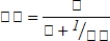 Assume that the job separation rate is 1 percent and the average duration of unemployment is 12 weeks. Calculate the unemployment rate. Now assume that the average duration has decreased to 10 weeks. Calculate the new unemployment rate. Explain how this relationship can be used to consider how employment insurance affects the unemployment rate.
Assume that the job separation rate is 1 percent and the average duration of unemployment is 12 weeks. Calculate the unemployment rate. Now assume that the average duration has decreased to 10 weeks. Calculate the new unemployment rate. Explain how this relationship can be used to consider how employment insurance affects the unemployment rate. Question
Question
Question
Question
Question
Question
Question

Unlock Deck
Sign up to unlock the cards in this deck!
Unlock Deck
Unlock Deck
1/30

Play

Full screen (f)
Deck 10: Employment Insurance
1
The Unemployment Insurance Act of 1971 expanded unemployment insurance coverage to 93 percent of the labour force.
A)True
B)False
C)Uncertain
A)True
B)False
C)Uncertain
True
2
In 2012, had the highest employment insurance benefits received to employment insurance premiums paid (benefit-to-tax)ratio.
A)Atlantic Canada
B)Ontario
C)Quebec
D)Western Canada
A)Atlantic Canada
B)Ontario
C)Quebec
D)Western Canada
Atlantic Canada
3
The unemployment rate is
A)the percentage of the labour force that is employed.
B)the percentage of the labour force that is unemployed.
C)the percentage of the working-age population that is not in the labour force.
D)the percentage of the working-age population that is unemployed.
A)the percentage of the labour force that is employed.
B)the percentage of the labour force that is unemployed.
C)the percentage of the working-age population that is not in the labour force.
D)the percentage of the working-age population that is unemployed.
the percentage of the labour force that is unemployed.
4
Individuals who do not have a job and are not actively searching for employment are classified as
A)not in the working-age population.
B)in the labour force.
C)not in the labour force.
D)unemployed.
A)not in the working-age population.
B)in the labour force.
C)not in the labour force.
D)unemployed.
Unlock Deck
Unlock for access to all 30 flashcards in this deck.
Unlock Deck
k this deck
5
Individuals are considered unemployed if they
A)have a job but are off work because of illness.
B)do not have a job and are actively searching for employment.
C)have a part-time job and are actively searching for alternative employment.
D)do not have a job and are not actively searching for employment.
A)have a job but are off work because of illness.
B)do not have a job and are actively searching for employment.
C)have a part-time job and are actively searching for alternative employment.
D)do not have a job and are not actively searching for employment.
Unlock Deck
Unlock for access to all 30 flashcards in this deck.
Unlock Deck
k this deck
6
The direct effects of employment insurance on labour markets refer to changes in the economic environment that determine employment patterns in the economy.
A)True
B)False
C)Uncertain
A)True
B)False
C)Uncertain
Unlock Deck
Unlock for access to all 30 flashcards in this deck.
Unlock Deck
k this deck
7
Unemployment taxes are collected from both employees and employers.
A)True
B)False
C)Uncertain
A)True
B)False
C)Uncertain
Unlock Deck
Unlock for access to all 30 flashcards in this deck.
Unlock Deck
k this deck
8
Employment insurance benefits are limited to a maximum on insurable earnings.
A)True
B)False
C)Uncertain
A)True
B)False
C)Uncertain
Unlock Deck
Unlock for access to all 30 flashcards in this deck.
Unlock Deck
k this deck
9
Employment insurance is subject to moral hazard because workers and employers can influence the probability and magnitude of a loss.
A)True
B)False
C)Uncertain
A)True
B)False
C)Uncertain
Unlock Deck
Unlock for access to all 30 flashcards in this deck.
Unlock Deck
k this deck
10
Layoffs and hiring occur because of fluctuations in aggregate demand over the business cycle.
A)True
B)False
C)Uncertain
A)True
B)False
C)Uncertain
Unlock Deck
Unlock for access to all 30 flashcards in this deck.
Unlock Deck
k this deck
11
The separation rate is
A)the number of individuals who quit searching for employment as a percentage of the working-age population.
B)the rate at which individuals are laid off or quit their job.
C)the total number of employed as a percentage of the working-age population.
D)the number of couples living apart relative to the total married population.
A)the number of individuals who quit searching for employment as a percentage of the working-age population.
B)the rate at which individuals are laid off or quit their job.
C)the total number of employed as a percentage of the working-age population.
D)the number of couples living apart relative to the total married population.
Unlock Deck
Unlock for access to all 30 flashcards in this deck.
Unlock Deck
k this deck
12
The minimum number of hours required to be eligible for employment insurance is the same across Canada.
A)True
B)False
C)Uncertain
A)True
B)False
C)Uncertain
Unlock Deck
Unlock for access to all 30 flashcards in this deck.
Unlock Deck
k this deck
13
The working-age population is comprised of individuals between the ages of 15 to 64.
A)True
B)False
C)Uncertain
A)True
B)False
C)Uncertain
Unlock Deck
Unlock for access to all 30 flashcards in this deck.
Unlock Deck
k this deck
14
The layoff rate is
A)the number of workers permanently or temporarily laid off divided by the number of employed workers.
B)the number of workers permanently laid off divided by the number of employed workers.
C)the number of workers temporarily laid off divided by the number of employed workers.
D)none of these answers is correct.
A)the number of workers permanently or temporarily laid off divided by the number of employed workers.
B)the number of workers permanently laid off divided by the number of employed workers.
C)the number of workers temporarily laid off divided by the number of employed workers.
D)none of these answers is correct.
Unlock Deck
Unlock for access to all 30 flashcards in this deck.
Unlock Deck
k this deck
15
The consensus from the empirical literature is that the employment insurance benefit rate and the duration of benefits have sizeable effects on the duration of unemployment.
A)True
B)False
C)Uncertain
A)True
B)False
C)Uncertain
Unlock Deck
Unlock for access to all 30 flashcards in this deck.
Unlock Deck
k this deck
16
A compulsory government insurance program can avoid the adverse selection problem, and it eliminates the moral hazard problem.
A)True
B)False
C)Uncertain
A)True
B)False
C)Uncertain
Unlock Deck
Unlock for access to all 30 flashcards in this deck.
Unlock Deck
k this deck
17
Individuals who quit their jobs employment insurance.
A)are eligible for
B)do not need
C)might be eligible for
D)are ineligible for
A)are eligible for
B)do not need
C)might be eligible for
D)are ineligible for
Unlock Deck
Unlock for access to all 30 flashcards in this deck.
Unlock Deck
k this deck
18
In 2012, the industry had the highest employment insurance benefits received to employment insurance premiums paid (benefit-to-tax)ratio.
A)public administration
B)agriculture, forestry, fishing, and hunting
C)mining and oil and gas extraction
D)utilities
A)public administration
B)agriculture, forestry, fishing, and hunting
C)mining and oil and gas extraction
D)utilities
Unlock Deck
Unlock for access to all 30 flashcards in this deck.
Unlock Deck
k this deck
19
In 2014, the province with the lowest unemployment rate was
A)Alberta.
B)Quebec.
C)Saskatchewan.
D)Ontario.
A)Alberta.
B)Quebec.
C)Saskatchewan.
D)Ontario.
Unlock Deck
Unlock for access to all 30 flashcards in this deck.
Unlock Deck
k this deck
20
Individuals received a total of n employment insurance benefits in 2013-14.
A)$15.4 million
B)$468 million
C)$15.4 trillion
D)$15.4 billion
A)$15.4 million
B)$468 million
C)$15.4 trillion
D)$15.4 billion
Unlock Deck
Unlock for access to all 30 flashcards in this deck.
Unlock Deck
k this deck
21
There has been an upward trend in the labour force participation rate since the mid-1960s. What are some possible explanations for this upward trend? Do you think this is likely to continue?
Unlock Deck
Unlock for access to all 30 flashcards in this deck.
Unlock Deck
k this deck
22
The extent to which employment insurance alleviates poverty and redistributes incomes depends on how the benefits are distributed and how the program is financed. Do you think that employment insurance achieves redistribution of incomes?
Unlock Deck
Unlock for access to all 30 flashcards in this deck.
Unlock Deck
k this deck
23
The formula representing the relationship between the unemployment rate, the separation rate and average duration of unemployment is given by:
Assume that the job separation rate is 1 percent and the average duration of unemployment is 12 weeks. Calculate the unemployment rate. Now assume that the average duration has decreased to 10 weeks. Calculate the new unemployment rate. Explain how this relationship can be used to consider how employment insurance affects the unemployment rate.
Assume that the job separation rate is 1 percent and the average duration of unemployment is 12 weeks. Calculate the unemployment rate. Now assume that the average duration has decreased to 10 weeks. Calculate the new unemployment rate. Explain how this relationship can be used to consider how employment insurance affects the unemployment rate. Unlock Deck
Unlock for access to all 30 flashcards in this deck.
Unlock Deck
k this deck
24
Systemic effects of employment insurance on the labour market include
A)quits.
B)duration of unemployment.
C)layoffs.
D)labour mobility.
A)quits.
B)duration of unemployment.
C)layoffs.
D)labour mobility.
Unlock Deck
Unlock for access to all 30 flashcards in this deck.
Unlock Deck
k this deck
25
Since employment insurance premium rates are _ for all workers and firms, the system can be seen as employment in the more volatile sectors of the economy.
A)the same; taxing
B)the same; subsidizing
C)different; taxing
D)different; subsidizing
A)the same; taxing
B)the same; subsidizing
C)different; taxing
D)different; subsidizing
Unlock Deck
Unlock for access to all 30 flashcards in this deck.
Unlock Deck
k this deck
26
Discuss how the flows between different labour market states influence the unemployment rate. How do these help us understand and determine the causes of unemployment?
Unlock Deck
Unlock for access to all 30 flashcards in this deck.
Unlock Deck
k this deck
27
The maximum length of an employment insurance claim is
A)10 weeks.
B)45 weeks.
C)52 weeks.
D)27 weeks.
A)10 weeks.
B)45 weeks.
C)52 weeks.
D)27 weeks.
Unlock Deck
Unlock for access to all 30 flashcards in this deck.
Unlock Deck
k this deck
28
The employment rate is total employment as a share of the labour force.
A)True
B)False
C)Uncertain
A)True
B)False
C)Uncertain
Unlock Deck
Unlock for access to all 30 flashcards in this deck.
Unlock Deck
k this deck
29
George face a 10 percent probability of being unemployed for 6 weeks each year. During that time he collects $3,240 in employment insurance benefits. What is the actuarially fair premium for this employment insurance coverage?
Unlock Deck
Unlock for access to all 30 flashcards in this deck.
Unlock Deck
k this deck
30
Employment insurance premiums have ________ expenditures by a margin since 1994.
A)lagged; substantial
B)exceeded; small
C)lagged; small
D)exceeded; substantial
A)lagged; substantial
B)exceeded; small
C)lagged; small
D)exceeded; substantial
Unlock Deck
Unlock for access to all 30 flashcards in this deck.
Unlock Deck
k this deck
Unlock Deck
Unlock for access to all 30 flashcards in this deck.






