







 Chat with AI

Deck 4: Tissue: the Living Fabric
Full screen (f)

Question

Question
Question
Question
Question
Question
Question
Question
Question
Question
Question
Question
Question
Question
Question
Question
Question
Question
Question
Question
Question
Question
Question
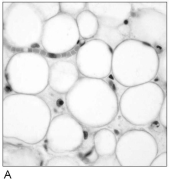
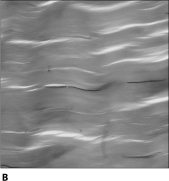
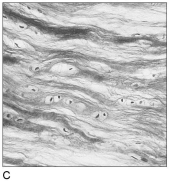
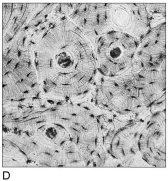
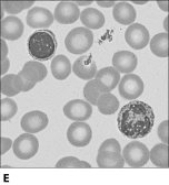 Figure 4.1Using Figure 4.1, match the following:
Composed of cells in a fluid matrix.
Question
Question
Question
Question
Question
Question
Question
Question
Question
Question
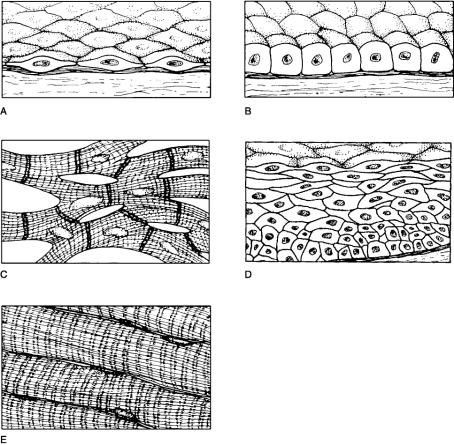 Figure 4.2Using Figure 4.2, match the following:
Cardiac muscle.
Question
Question
Question
Figure 4.2Using Figure 4.2, match the following:Simple squamous epithelium.
Question
Question
Question
Question
Question
Question
Question
Question
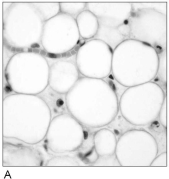
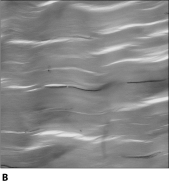
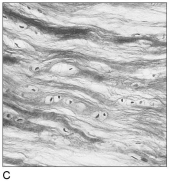
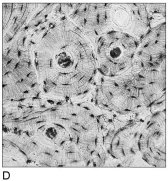
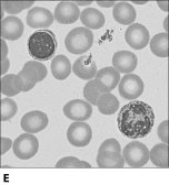 Figure 4.1Using Figure 4.1, match the following:
Supports and protects; stores calcium.
Question
Question
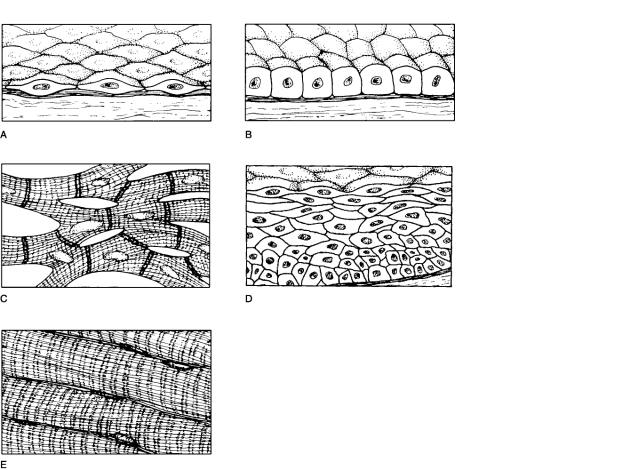 Figure 4.2Using Figure 4.2, match the following:
The tissue that forms the framework for the lamina propria of mucous membranes is
connective tissue.
Question
Figure 4.1Using Figure 4.1, match the following:Provides tensile strength with the ability to absorb compressive shock.
Question
Question
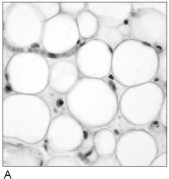
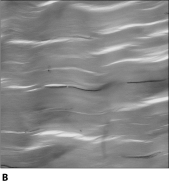
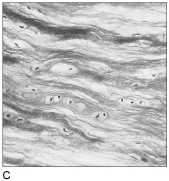
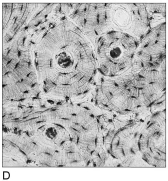
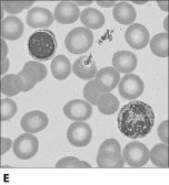 Figure 4.1Using Figure 4.1, match the following:
Three to six rows of cells covering a tissue in which the cells may be the same shape from the basement membrane to the surfaces would be epithelia.
Question
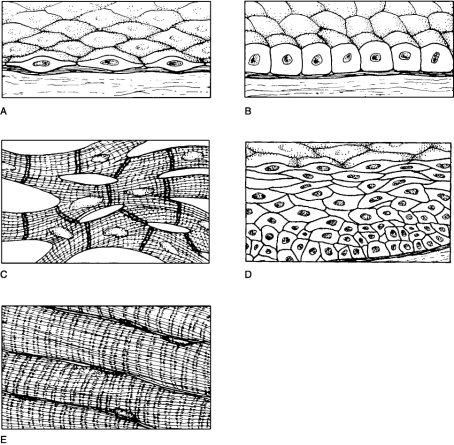 Figure 4.2Using Figure 4.2, match the following:
Skeletal muscle.
Question
Figure 4.2Using Figure 4.2, match the following:How is blood unique among connective tissues?
Question
Question
Question
Question
Figure 4.1Using Figure 4.1, match the following:Forms tendons and ligaments.
Question
 Figure 4.2Using Figure 4.2, match the following:
Simple cuboidal epithelium.
Question
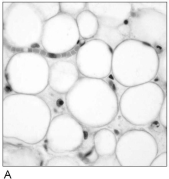
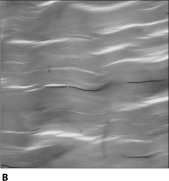
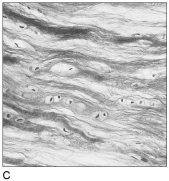
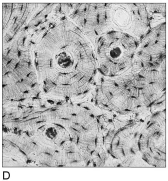
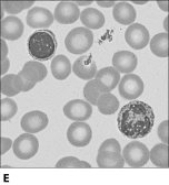 Figure 4.1Using Figure 4.1, match the following:
Supports and protects; insulates against heat loss; reserve source of fuel.
Question
Question
Question
Figure 4.2Using Figure 4.2, match the following:Stratified squamous epithelium.
Question
Question
Question
Question
Question
Question
Question
Question
Question
Question
Question
Question
Question
Question
Question
Question
Question
Question
Question
Question

Unlock Deck
Sign up to unlock the cards in this deck!
Unlock Deck
Unlock Deck
1/97

Play

Full screen (f)
Deck 4: Tissue: the Living Fabric
1
Which statement best describes connective tissue?
A) primarily concerned with secretion
B) usually lines a body cavity
C) typically arranged in a single layer of cells
D) usually contains a large amount of matrix
A) primarily concerned with secretion
B) usually lines a body cavity
C) typically arranged in a single layer of cells
D) usually contains a large amount of matrix
D
2
Heart muscle cells would tend to separate without
A) stroma
B) flana
C) myofilaments
D) intercalated discs
A) stroma
B) flana
C) myofilaments
D) intercalated discs
D
3
Cell type not found in areolar connective tissue.
A) macrophages
B) fibroblasts
C) chondrocytes
D) mast cells
A) macrophages
B) fibroblasts
C) chondrocytes
D) mast cells
C
4
Which cells are commonly found wedged between simple columnar epithelial cells?
A) macrophages
B) goblet cells
C) cilia
D) mast cells
A) macrophages
B) goblet cells
C) cilia
D) mast cells
Unlock Deck
Unlock for access to all 97 flashcards in this deck.
Unlock Deck
k this deck
5
The blast cell for blood production is the .
A) fibroblast
B) hemocytoblast
C) chondroblast
D) osteoblast
A) fibroblast
B) hemocytoblast
C) chondroblast
D) osteoblast
Unlock Deck
Unlock for access to all 97 flashcards in this deck.
Unlock Deck
k this deck
6
Select the correct statement regarding the stem cells of connective tissue.
A) Connective tissue does not contain cells.
B) Connective tissue cells are nondividing.
C) "Blast" cells are undifferentiated, actively dividing cells.
D) Chondroblasts are the main cell type of connective tissue proper.
A) Connective tissue does not contain cells.
B) Connective tissue cells are nondividing.
C) "Blast" cells are undifferentiated, actively dividing cells.
D) Chondroblasts are the main cell type of connective tissue proper.
Unlock Deck
Unlock for access to all 97 flashcards in this deck.
Unlock Deck
k this deck
7
Glands, such as the thyroid, that secrete their products directly into the blood rather than through ducts are classified as .
A) exocrine
B) ceruminous
C) sebaceous
D) endocrine
A) exocrine
B) ceruminous
C) sebaceous
D) endocrine
Unlock Deck
Unlock for access to all 97 flashcards in this deck.
Unlock Deck
k this deck
8
Which of the following is true about epithelia?
A) Pseudostratified epithelia are commonly keratinized.
B) Stratified epithelia are associated with filtration.
C) Simple epithelia are commonly found in areas of high abrasion.
D) Endothelium provides a slick surface lining all hollow cardiovascular organs.
A) Pseudostratified epithelia are commonly keratinized.
B) Stratified epithelia are associated with filtration.
C) Simple epithelia are commonly found in areas of high abrasion.
D) Endothelium provides a slick surface lining all hollow cardiovascular organs.
Unlock Deck
Unlock for access to all 97 flashcards in this deck.
Unlock Deck
k this deck
9
Select the correct statement regarding tissue repair.
A) The clot is formed from dried blood and transposed collagen fibers.
B) Inflammation causes capillaries to dilate and become permeable.
C) Granulation tissue is another name for a blood clot.
D) Granulation tissue is highly susceptible to infection.
A) The clot is formed from dried blood and transposed collagen fibers.
B) Inflammation causes capillaries to dilate and become permeable.
C) Granulation tissue is another name for a blood clot.
D) Granulation tissue is highly susceptible to infection.
Unlock Deck
Unlock for access to all 97 flashcards in this deck.
Unlock Deck
k this deck
10
Arteries, veins, and lymphatics keep clots from sticking as long as their is intact and healthy.
A) mesothelium
B) endothelium
C) simple cuboidal epithelium
D) transitional epithelium
A) mesothelium
B) endothelium
C) simple cuboidal epithelium
D) transitional epithelium
Unlock Deck
Unlock for access to all 97 flashcards in this deck.
Unlock Deck
k this deck
11
Mesenchymal cells are most commonly found in connective tissue.
A) reticular
B) dense regular
C) areolar
D) embryonic
A) reticular
B) dense regular
C) areolar
D) embryonic
Unlock Deck
Unlock for access to all 97 flashcards in this deck.
Unlock Deck
k this deck
12
Which tissue type arises from all three embryonic germ layers?
A) nervous tissue
B) muscle tissue
C) connective tissue
D) epithelial tissue
A) nervous tissue
B) muscle tissue
C) connective tissue
D) epithelial tissue
Unlock Deck
Unlock for access to all 97 flashcards in this deck.
Unlock Deck
k this deck
13
The reason that intervertebral discs exhibit a large amount of tensile strength, which allows them to absorb shock, is because they possess .
A) collagen fibers
B) elastic fibers
C) hydroxyapatite crystals
D) reticular fibers
A) collagen fibers
B) elastic fibers
C) hydroxyapatite crystals
D) reticular fibers
Unlock Deck
Unlock for access to all 97 flashcards in this deck.
Unlock Deck
k this deck
14
Which of the following is not a step in tissue repair?
A) Restoration of blood supply
B) Formation of new stem cells
C) Inflammation
D) Regeneration and fibrosis.
A) Restoration of blood supply
B) Formation of new stem cells
C) Inflammation
D) Regeneration and fibrosis.
Unlock Deck
Unlock for access to all 97 flashcards in this deck.
Unlock Deck
k this deck
15
The simple columnar epithelium that form absorptive cells of the digestive tract have which characteristic?
A) dense microvilli
B) fibroblasts
C) a rich vascular supply
D) cilia
A) dense microvilli
B) fibroblasts
C) a rich vascular supply
D) cilia
Unlock Deck
Unlock for access to all 97 flashcards in this deck.
Unlock Deck
k this deck
16
Connective tissue matrix is composed of .
A) fibers and ground substance
B) all organic compounds
C) ground substance and cells
D) cells and fibers
A) fibers and ground substance
B) all organic compounds
C) ground substance and cells
D) cells and fibers
Unlock Deck
Unlock for access to all 97 flashcards in this deck.
Unlock Deck
k this deck
17
A many- layered epithelium with cuboidal basal cells and flat cells at its surface would be classified as .
A) transitional
B) simple cuboidal
C) stratified squamous
D) simple squamous
A) transitional
B) simple cuboidal
C) stratified squamous
D) simple squamous
Unlock Deck
Unlock for access to all 97 flashcards in this deck.
Unlock Deck
k this deck
18
Which of the following is a single- celled layer of epithelium that forms the lining of serous membranes?
A) simple cuboidal
B) pseudostratified columnar
C) simple columnar
D) simple squamous
A) simple cuboidal
B) pseudostratified columnar
C) simple columnar
D) simple squamous
Unlock Deck
Unlock for access to all 97 flashcards in this deck.
Unlock Deck
k this deck
19
Groups of cells that are similar in structure and perform a common or related function form a(n)
)
A) organ
B) organ system
C) tissue
D) organism
)
A) organ
B) organ system
C) tissue
D) organism
Unlock Deck
Unlock for access to all 97 flashcards in this deck.
Unlock Deck
k this deck
20
Which of the following would be of most importance to goblet cells and other glandular epithelium?
A) multiple nuclei
B) microvilli
C) Golgi bodies
D) lysosomes
A) multiple nuclei
B) microvilli
C) Golgi bodies
D) lysosomes
Unlock Deck
Unlock for access to all 97 flashcards in this deck.
Unlock Deck
k this deck
21
Edema occurs when
A) collagen fibers enlarge as they change from dehydrated to hydrated shape
B) reticular connective tissue invades the area
C) adipose cells enlarge by pinocytosis
D) areolar tissue soaks up excess fluid in an inflamed area
A) collagen fibers enlarge as they change from dehydrated to hydrated shape
B) reticular connective tissue invades the area
C) adipose cells enlarge by pinocytosis
D) areolar tissue soaks up excess fluid in an inflamed area
Unlock Deck
Unlock for access to all 97 flashcards in this deck.
Unlock Deck
k this deck
22
Select the correct statement regarding epithelia.
A) Simple epithelia form impermeable barriers.
B) Stratified epithelia are tall, narrow cells.
C) Pseudostratified epithelia consist of at least two layers of cells stacked on top of one another.
D) Stratified epithelia are present where protection from abrasion is important.
A) Simple epithelia form impermeable barriers.
B) Stratified epithelia are tall, narrow cells.
C) Pseudostratified epithelia consist of at least two layers of cells stacked on top of one another.
D) Stratified epithelia are present where protection from abrasion is important.
Unlock Deck
Unlock for access to all 97 flashcards in this deck.
Unlock Deck
k this deck
23
Figure 4.1Using Figure 4.1, match the following:Composed of cells in a fluid matrix.
Unlock Deck
Unlock for access to all 97 flashcards in this deck.
Unlock Deck
k this deck
24
Inability to absorb digested nutrients and secrete mucus might indicate a disorder in which tissue?
A) simple columnar
B) transitional
C) stratified squamous
D) simple squamous
A) simple columnar
B) transitional
C) stratified squamous
D) simple squamous
Unlock Deck
Unlock for access to all 97 flashcards in this deck.
Unlock Deck
k this deck
25
The first step in tissue repair involves .
A) replacement of destroyed tissue by the same kind of cells
B) inflammation
C) proliferation of fibrous connective tissue
D) formation of scar tissue
A) replacement of destroyed tissue by the same kind of cells
B) inflammation
C) proliferation of fibrous connective tissue
D) formation of scar tissue
Unlock Deck
Unlock for access to all 97 flashcards in this deck.
Unlock Deck
k this deck
26
Pseudostratified columnar epithelium ciliated variety _.
A) aids in digestion
B) possesses no goblet cells
C) is not an epithelial classification
D) lines most of the respiratory tract
A) aids in digestion
B) possesses no goblet cells
C) is not an epithelial classification
D) lines most of the respiratory tract
Unlock Deck
Unlock for access to all 97 flashcards in this deck.
Unlock Deck
k this deck
27
Chondroblasts _.
A) never lose their ability to divide
B) are mature cartilage cells located in spaces called lacunae
C) within the cartilage divide and secrete new matrix
D) remain in compact bone even after the epiphyseal plate closes
A) never lose their ability to divide
B) are mature cartilage cells located in spaces called lacunae
C) within the cartilage divide and secrete new matrix
D) remain in compact bone even after the epiphyseal plate closes
Unlock Deck
Unlock for access to all 97 flashcards in this deck.
Unlock Deck
k this deck
28
Select the correct statement regarding adipose tissue.
A) Most of the cell volume is occupied by the nucleus.
B) Its primary function is nutrient storage.
C) It is composed mostly of extracellular matrix.
D) Mature adipose cells are highly mitotic.
A) Most of the cell volume is occupied by the nucleus.
B) Its primary function is nutrient storage.
C) It is composed mostly of extracellular matrix.
D) Mature adipose cells are highly mitotic.
Unlock Deck
Unlock for access to all 97 flashcards in this deck.
Unlock Deck
k this deck
29
epithelium appears to have two or three layers of cells, but all the cells are in contact with the basement membrane.
A) Stratified cuboidal
B) Transitional
C) Pseudostratified columnar
D) Stratified columnar
A) Stratified cuboidal
B) Transitional
C) Pseudostratified columnar
D) Stratified columnar
Unlock Deck
Unlock for access to all 97 flashcards in this deck.
Unlock Deck
k this deck
30
How is hyaline cartilage different from elastic or fibrocartilage?
A) Fibers are not normally visible.
B) It forms most of the embryonic skeleton..
C) It is more vascularized.
D) It contains more nuclei.
A) Fibers are not normally visible.
B) It forms most of the embryonic skeleton..
C) It is more vascularized.
D) It contains more nuclei.
Unlock Deck
Unlock for access to all 97 flashcards in this deck.
Unlock Deck
k this deck
31
Which of the following is true about the mode of secretion of exocrine glands?
A) Merocrine glands are not altered by the secretory process.
B) Holocrine cells are slightly damaged by the secretory process, but repair themselves.
C) These glands are ductless.
D) Apocrine cells are destroyed, then replaced, after secretion.
A) Merocrine glands are not altered by the secretory process.
B) Holocrine cells are slightly damaged by the secretory process, but repair themselves.
C) These glands are ductless.
D) Apocrine cells are destroyed, then replaced, after secretion.
Unlock Deck
Unlock for access to all 97 flashcards in this deck.
Unlock Deck
k this deck
32
Which of the following is not found in the matrix of cartilage but is found in bone?
A) lacunae
B) blood vessels
C) living cells
D) organic fibers
A) lacunae
B) blood vessels
C) living cells
D) organic fibers
Unlock Deck
Unlock for access to all 97 flashcards in this deck.
Unlock Deck
k this deck
33
Figure 4.2Using Figure 4.2, match the following:Cardiac muscle.
Unlock Deck
Unlock for access to all 97 flashcards in this deck.
Unlock Deck
k this deck
34
The fiber type that gives connective tissue great tensile strength is .
A) muscle
B) elastic
C) collagen
D) reticular
A) muscle
B) elastic
C) collagen
D) reticular
Unlock Deck
Unlock for access to all 97 flashcards in this deck.
Unlock Deck
k this deck
35
What tissue has lacunae, calcium salts, and blood vessels?
A) areolar tissue
B) cartilage tissue
C) fibrocartilaginous tissue
D) osseous tissue
A) areolar tissue
B) cartilage tissue
C) fibrocartilaginous tissue
D) osseous tissue
Unlock Deck
Unlock for access to all 97 flashcards in this deck.
Unlock Deck
k this deck
36
Figure 4.2Using Figure 4.2, match the following:Simple squamous epithelium.
Unlock Deck
Unlock for access to all 97 flashcards in this deck.
Unlock Deck
k this deck
37
Which of the following statements is true of connective tissue?
A) When connective tissue is stretched, collagen gives it the ability to snap back.
B) Collagen fibers provides high tensile strength.
C) Reticular fibers form thick, ropelike structures.
D) Elastin fibers are sometimes called white fibers.
A) When connective tissue is stretched, collagen gives it the ability to snap back.
B) Collagen fibers provides high tensile strength.
C) Reticular fibers form thick, ropelike structures.
D) Elastin fibers are sometimes called white fibers.
Unlock Deck
Unlock for access to all 97 flashcards in this deck.
Unlock Deck
k this deck
38
The shape of the external ear is maintained by _ .
A) hyaline cartilage
B) adipose tissue
C) fibrocartilage
D) elastic cartilage
A) hyaline cartilage
B) adipose tissue
C) fibrocartilage
D) elastic cartilage
Unlock Deck
Unlock for access to all 97 flashcards in this deck.
Unlock Deck
k this deck
39
What are the three main components of connective tissue?
A) fibroblasts, chondroblasts, and osteoblasts
B) collagen, elastin, and reticular fibers
C) ground substance, fibers, and cells
D) alveoli, fibrous capsule, and secretory cells
A) fibroblasts, chondroblasts, and osteoblasts
B) collagen, elastin, and reticular fibers
C) ground substance, fibers, and cells
D) alveoli, fibrous capsule, and secretory cells
Unlock Deck
Unlock for access to all 97 flashcards in this deck.
Unlock Deck
k this deck
40
Which is true concerning muscle tissue?
A) is a single- celled tissue
B) cuboidal shape enhances function
C) contains contractile units made of collagen
D) highly cellular and well vascularized
A) is a single- celled tissue
B) cuboidal shape enhances function
C) contains contractile units made of collagen
D) highly cellular and well vascularized
Unlock Deck
Unlock for access to all 97 flashcards in this deck.
Unlock Deck
k this deck
41
All epithelial tissue rests upon a(n) composed of connective tissue.
Unlock Deck
Unlock for access to all 97 flashcards in this deck.
Unlock Deck
k this deck
42
How can one tell the difference between stratified squamous epithelium and transitional epithelium?
Unlock Deck
Unlock for access to all 97 flashcards in this deck.
Unlock Deck
k this deck
43
What are the primary germ layers during embryonic development and what do they ultimately produce?
Unlock Deck
Unlock for access to all 97 flashcards in this deck.
Unlock Deck
k this deck
44
Figure 4.1Using Figure 4.1, match the following:Supports and protects; stores calcium.
Unlock Deck
Unlock for access to all 97 flashcards in this deck.
Unlock Deck
k this deck
45
All of the following statements refer to events of tissue repair. Put the events in proper numbered order according to the sequence of occurrence. The initial event, the injury, is already indicated as number one.
1. The skin receives a cut that penetrates into the dermis and bleeding begins.
2. Epithelial regeneration is nearly complete.
3. Granulation tissue is formed.
4. Blood clotting occurs and stops the blood flow.
5. The wound retracts.
6. Macrophages engulf and clean away cellular debris.
7. Fibroblasts elaborate connective tissue fibers to span the break.
1. The skin receives a cut that penetrates into the dermis and bleeding begins.
2. Epithelial regeneration is nearly complete.
3. Granulation tissue is formed.
4. Blood clotting occurs and stops the blood flow.
5. The wound retracts.
6. Macrophages engulf and clean away cellular debris.
7. Fibroblasts elaborate connective tissue fibers to span the break.
Unlock Deck
Unlock for access to all 97 flashcards in this deck.
Unlock Deck
k this deck
46
Figure 4.2Using Figure 4.2, match the following:The tissue that forms the framework for the lamina propria of mucous membranes is
connective tissue.
Unlock Deck
Unlock for access to all 97 flashcards in this deck.
Unlock Deck
k this deck
47
Figure 4.1Using Figure 4.1, match the following:Provides tensile strength with the ability to absorb compressive shock.
Unlock Deck
Unlock for access to all 97 flashcards in this deck.
Unlock Deck
k this deck
48
Kidney tubules are composed of epithelium.
Unlock Deck
Unlock for access to all 97 flashcards in this deck.
Unlock Deck
k this deck
49
Figure 4.1Using Figure 4.1, match the following:Three to six rows of cells covering a tissue in which the cells may be the same shape from the basement membrane to the surfaces would be epithelia.
Unlock Deck
Unlock for access to all 97 flashcards in this deck.
Unlock Deck
k this deck
50
Figure 4.2Using Figure 4.2, match the following:Skeletal muscle.
Unlock Deck
Unlock for access to all 97 flashcards in this deck.
Unlock Deck
k this deck
51
Figure 4.2Using Figure 4.2, match the following:How is blood unique among connective tissues?
Unlock Deck
Unlock for access to all 97 flashcards in this deck.
Unlock Deck
k this deck
52
Since mature adipocytes rarely divide, how can adults gain weight?
Unlock Deck
Unlock for access to all 97 flashcards in this deck.
Unlock Deck
k this deck
53
Explain what is meant by epithelial tissue being avascular but innervated.
Unlock Deck
Unlock for access to all 97 flashcards in this deck.
Unlock Deck
k this deck
54
The salivary glands are a good example of a(n) exocrine gland.
Unlock Deck
Unlock for access to all 97 flashcards in this deck.
Unlock Deck
k this deck
55
Figure 4.1Using Figure 4.1, match the following:Forms tendons and ligaments.
Unlock Deck
Unlock for access to all 97 flashcards in this deck.
Unlock Deck
k this deck
56
Figure 4.2Using Figure 4.2, match the following:Simple cuboidal epithelium.
Unlock Deck
Unlock for access to all 97 flashcards in this deck.
Unlock Deck
k this deck
57
Figure 4.1Using Figure 4.1, match the following:Supports and protects; insulates against heat loss; reserve source of fuel.
Unlock Deck
Unlock for access to all 97 flashcards in this deck.
Unlock Deck
k this deck
58
How is epithelial tissue the opposite of connective tissue?
Unlock Deck
Unlock for access to all 97 flashcards in this deck.
Unlock Deck
k this deck
59
The uppermost layer of skin is composed of .
Unlock Deck
Unlock for access to all 97 flashcards in this deck.
Unlock Deck
k this deck
60
Figure 4.2Using Figure 4.2, match the following:Stratified squamous epithelium.
Unlock Deck
Unlock for access to all 97 flashcards in this deck.
Unlock Deck
k this deck
61
Nervous tissue consists mainly of neurons and collagen fibers.
Unlock Deck
Unlock for access to all 97 flashcards in this deck.
Unlock Deck
k this deck
62
Cartilage tissue tends to heal less rapidly than bone tissue.
Unlock Deck
Unlock for access to all 97 flashcards in this deck.
Unlock Deck
k this deck
63
A major characteristic of fibrocartilage is its unique amount of flexibility and elasticity.
Unlock Deck
Unlock for access to all 97 flashcards in this deck.
Unlock Deck
k this deck
64
Macrophage- like cells are found in many different tissues, and may have specific names that reflect their location or specializations. What is the one functional characteristic common to all macrophage- like cells?
Unlock Deck
Unlock for access to all 97 flashcards in this deck.
Unlock Deck
k this deck
65
Tendons and ligaments are composed mainly of dense irregular connective tissue.
Unlock Deck
Unlock for access to all 97 flashcards in this deck.
Unlock Deck
k this deck
66
Elastic cartilage tissue is found in the walls of the large arteries that leave the heart.
Unlock Deck
Unlock for access to all 97 flashcards in this deck.
Unlock Deck
k this deck
67
Endocrine glands are often called ducted glands.
Unlock Deck
Unlock for access to all 97 flashcards in this deck.
Unlock Deck
k this deck
68
Cardiac muscle tissue is uninucleated, has intercalated discs, and is _.
Unlock Deck
Unlock for access to all 97 flashcards in this deck.
Unlock Deck
k this deck
69
Functions of connective tissues include binding, support, insulation, and protection.
Unlock Deck
Unlock for access to all 97 flashcards in this deck.
Unlock Deck
k this deck
70
Epithelial tissues always exhibit polarity; that is, they have a free surface and a basal surface.
Unlock Deck
Unlock for access to all 97 flashcards in this deck.
Unlock Deck
k this deck
71
Cartilage has good regenerative capacity, while most epithelial tissues do not.
Unlock Deck
Unlock for access to all 97 flashcards in this deck.
Unlock Deck
k this deck
72
The basic difference between dense irregular and dense regular connective tissues is in the amount of elastic fibers and adipose cells present.
Unlock Deck
Unlock for access to all 97 flashcards in this deck.
Unlock Deck
k this deck
73
What distinguishes cancer cells from the cells of benign neoplasms?
Unlock Deck
Unlock for access to all 97 flashcards in this deck.
Unlock Deck
k this deck
74
Merocrine glands produce their secretions by accumulating their secretions internally until the cell ruptures.
Unlock Deck
Unlock for access to all 97 flashcards in this deck.
Unlock Deck
k this deck
75
Simple cuboidal epithelia are usually found in areas where secretion and absorption occur.
Unlock Deck
Unlock for access to all 97 flashcards in this deck.
Unlock Deck
k this deck
76
Tendon tears or breaks are difficult to repair both physiologically and surgically. Why?
Unlock Deck
Unlock for access to all 97 flashcards in this deck.
Unlock Deck
k this deck
77
The shock- absorbing pads between the vertebrae are formed of fibrocartilage.
Unlock Deck
Unlock for access to all 97 flashcards in this deck.
Unlock Deck
k this deck
78
Squamous cells are flattened and scalelike when mature.
Unlock Deck
Unlock for access to all 97 flashcards in this deck.
Unlock Deck
k this deck
79
The muscle cells are multinucleated due to the fusion of myoblasts.
Unlock Deck
Unlock for access to all 97 flashcards in this deck.
Unlock Deck
k this deck
80
Connective tissues that possess a large quantity of collagen fibers often provide the framework for organs such as the spleen and lymph nodes.
Unlock Deck
Unlock for access to all 97 flashcards in this deck.
Unlock Deck
k this deck
Unlock Deck
Unlock for access to all 97 flashcards in this deck.






