







 Chat with AI

Deck 2: Chemistry Comes Alive
Full screen (f)

Question

Question
Question
Question
Question
Question
Question
Question
Question
Question
Question
Question
Question
Question
Question
Question
Question
Question
Question
Question
Question
Question
Question
Question
Question
Question
Question
Question
Question
Question
Question
Question
Question
Question
Question
Question
Question
Question
Question
Question
Question
Question
Question
Question
Question
Question
Question
Question
Question
Question
Question
Question
Question
Question
Question
Question
Question
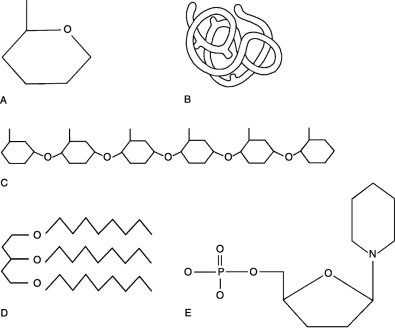 Figure 2.1Using Figure 2.1, match the following:
Tertiary (protein) structure
Question
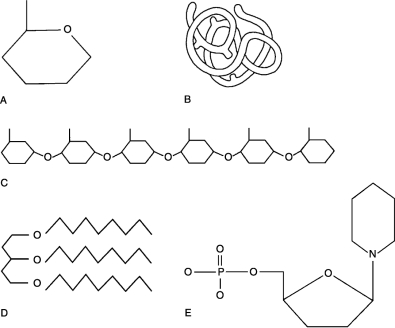 Figure 2.1Using Figure 2.1, match the following:
Functional protein
Question
Figure 2.1Using Figure 2.1, match the following:Which metals have a toxic effect on the body?
Question
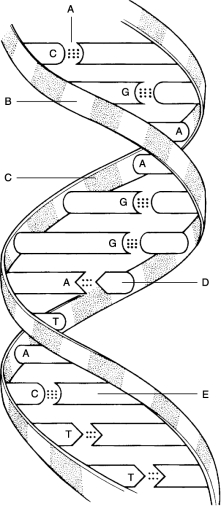 Figure 2.2Using Figure 2.2, match the following:
Hydrogen bonds
Question
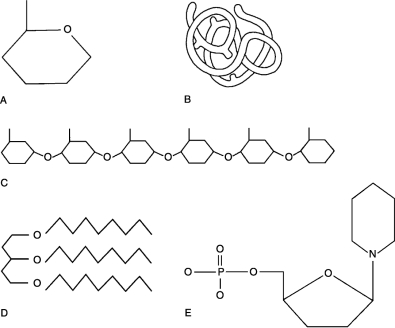 Figure 2.1Using Figure 2.1, match the following:
Lipid
Question
Question
Question
Figure 2.1Using Figure 2.1, match the following:Are all chemical reactions reversible? If not, why aren't they all reversible?
Question
Question
Question
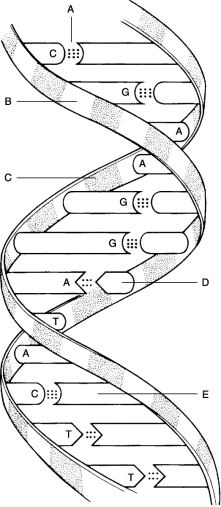 Using Figure 2.2, match the following:
Deoxyribose sugar.
Question
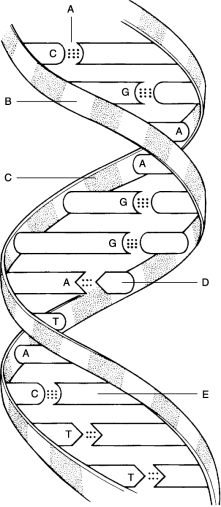 Figure 2.2Using Figure 2.2, match the following:
Guanine
Question
Question
Question
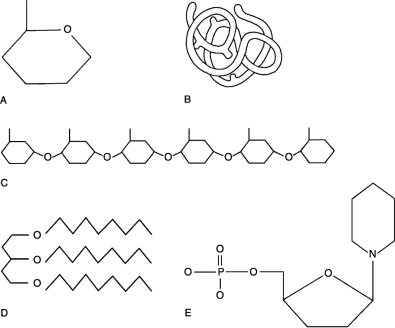 Figure 2.1Using Figure 2.1, match the following:
An amino acid may act as a proton acceptor or donor. Explain.
Question
Question
Question
Figure 2.1Using Figure 2.1, match the following:How many phosphates would AMP have attached to it?
Question
Figure 2.1Using Figure 2.1, match the following:Polymer
Question
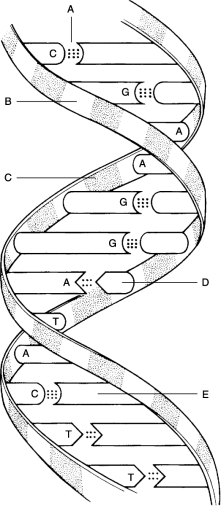 Figure 2.2Using Figure 2.2, match the following:
Phosphate
Question
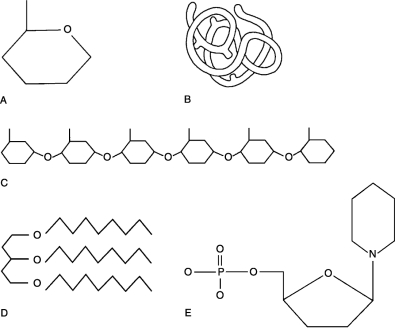 Figure 2.1Using Figure 2.1, match the following:
Monosaccharide
Question
Question
Figure 2.1Using Figure 2.1, match the following:In a DNA molecule, guanine would connect to .
Question

Unlock Deck
Sign up to unlock the cards in this deck!
Unlock Deck
Unlock Deck
1/120

Play

Full screen (f)
Deck 2: Chemistry Comes Alive
1
Carbohydrates are stored in the liver and muscles in the form of .
A) cholesterol
B) glucose
C) glycogen
D) triglycerides
A) cholesterol
B) glucose
C) glycogen
D) triglycerides
C
2
Carbohydrates and proteins are built up from their basic building blocks by the .
A) addition of a carbon atom between each two units
B) removal of a carbon atom between each two units
C) removal of a water molecule between each two units
D) addition of a water molecule between each two units
A) addition of a carbon atom between each two units
B) removal of a carbon atom between each two units
C) removal of a water molecule between each two units
D) addition of a water molecule between each two units
C
3
Which of the following would be regarded as an organic molecule?
A) CH4
B) NaOH
C) NaCl
D) H2O
A) CH4
B) NaOH
C) NaCl
D) H2O
A
4
Which of the following is a neutralization reaction?
A) NaOH -Na+ + OH-
B) HCl + NaOH -NaCl + H2O
C) HCl -H+ + Cl-
D) NH3 + H+ -NH4+2
A) NaOH -Na+ + OH-
B) HCl + NaOH -NaCl + H2O
C) HCl -H+ + Cl-
D) NH3 + H+ -NH4+2
Unlock Deck
Unlock for access to all 120 flashcards in this deck.
Unlock Deck
k this deck
5
What is a chain of more than 50 amino acids called?
A) polypeptide
B) protein
C) nucleic acid
D) polysaccharide
A) polypeptide
B) protein
C) nucleic acid
D) polysaccharide
Unlock Deck
Unlock for access to all 120 flashcards in this deck.
Unlock Deck
k this deck
6
An atom with a valence of 3 may have a total of electrons.
A) 13
B) 3
C) 17
D) 8
A) 13
B) 3
C) 17
D) 8
Unlock Deck
Unlock for access to all 120 flashcards in this deck.
Unlock Deck
k this deck
7
What is the ratio of fatty acids to glycerol in neutral fats?
A) 3:1
B) 4:1
C) 2:1
D) 1:1
A) 3:1
B) 4:1
C) 2:1
D) 1:1
Unlock Deck
Unlock for access to all 120 flashcards in this deck.
Unlock Deck
k this deck
8
Which of the following does not describe uses for the ATP molecule?
A) pigment structure
B) transport across membranes
C) mechanical work
D) chemical work
A) pigment structure
B) transport across membranes
C) mechanical work
D) chemical work
Unlock Deck
Unlock for access to all 120 flashcards in this deck.
Unlock Deck
k this deck
9
Which protein types are vitally important to cell function in all types of stressful circumstances?
A) structural proteins
B) regulatory proteins
C) catalytic proteins
D) molecular chaperones
A) structural proteins
B) regulatory proteins
C) catalytic proteins
D) molecular chaperones
Unlock Deck
Unlock for access to all 120 flashcards in this deck.
Unlock Deck
k this deck
10
What does the formula C6H12O6 mean?
A) The molecular weight is 24.
B) The substance is a colloid.
C) There are 6 calcium, 12 hydrogen, and 6 oxygen atoms.
D) There are, 6 carbon, 12 hydrogen, and 6 oxygen atoms.
A) The molecular weight is 24.
B) The substance is a colloid.
C) There are 6 calcium, 12 hydrogen, and 6 oxygen atoms.
D) There are, 6 carbon, 12 hydrogen, and 6 oxygen atoms.
Unlock Deck
Unlock for access to all 120 flashcards in this deck.
Unlock Deck
k this deck
11
Which property of water is demonstrated when we sweat?
A) high heat of vaporization
B) polar solvent properties
C) high heat capacity
D) reactivity
E) cushioning
A) high heat of vaporization
B) polar solvent properties
C) high heat capacity
D) reactivity
E) cushioning
Unlock Deck
Unlock for access to all 120 flashcards in this deck.
Unlock Deck
k this deck
12
is fat soluble, produced in the skin on exposure to UV radiation, and necessary for normal bone growth and function.
A) Vitamin A
B) Vitamin D
C) Vitamin K
D) Cortisol
A) Vitamin A
B) Vitamin D
C) Vitamin K
D) Cortisol
Unlock Deck
Unlock for access to all 120 flashcards in this deck.
Unlock Deck
k this deck
13
Stress proteins are a type of protein called _.
A) coenzymes
B) eicosanoids
C) cofactors
D) chaperones
A) coenzymes
B) eicosanoids
C) cofactors
D) chaperones
Unlock Deck
Unlock for access to all 120 flashcards in this deck.
Unlock Deck
k this deck
14
Choose the answer that best describes fibrous proteins.
A) are cellular catalysts
B) are very stable and insoluble in water
C) are usually called enzymes
D) rarely exhibit secondary structure
A) are cellular catalysts
B) are very stable and insoluble in water
C) are usually called enzymes
D) rarely exhibit secondary structure
Unlock Deck
Unlock for access to all 120 flashcards in this deck.
Unlock Deck
k this deck
15
Which of the following is an example of a suspension?
A) salt water
B) rubbing alcohol
C) blood
D) cytoplasm
A) salt water
B) rubbing alcohol
C) blood
D) cytoplasm
Unlock Deck
Unlock for access to all 120 flashcards in this deck.
Unlock Deck
k this deck
16
Which of the following is not considered a factor in influencing a reaction rate?
A) temperature
B) time
C) concentration
D) particle size
A) temperature
B) time
C) concentration
D) particle size
Unlock Deck
Unlock for access to all 120 flashcards in this deck.
Unlock Deck
k this deck
17
Select the most correct statement regarding nucleic acids.
A) Three forms exist: DNA, RNA, and tDNA.
B) RNA is a long, single- stranded molecule made up of the bases A, T, G, and C.
C) tDNA is considered a molecular slave of DNA during protein synthesis.
D) DNA is a long, double- stranded molecule made up of A, T, G, and C bases.
A) Three forms exist: DNA, RNA, and tDNA.
B) RNA is a long, single- stranded molecule made up of the bases A, T, G, and C.
C) tDNA is considered a molecular slave of DNA during protein synthesis.
D) DNA is a long, double- stranded molecule made up of A, T, G, and C bases.
Unlock Deck
Unlock for access to all 120 flashcards in this deck.
Unlock Deck
k this deck
18
Select which reactions will usually be irreversible regarding chemical equilibrium in human bodies.
A) H2O + CO2 to make H2CO3
B) ADP + Pi to make ATP
C) glucose molecules joined to make glycogen
D) glucose to CO2 and H2O
A) H2O + CO2 to make H2CO3
B) ADP + Pi to make ATP
C) glucose molecules joined to make glycogen
D) glucose to CO2 and H2O
Unlock Deck
Unlock for access to all 120 flashcards in this deck.
Unlock Deck
k this deck
19
The single most abundant protein in the body is _ _.
A) collagen
B) glucose
C) DNA
D) hemoglobin
A) collagen
B) glucose
C) DNA
D) hemoglobin
Unlock Deck
Unlock for access to all 120 flashcards in this deck.
Unlock Deck
k this deck
20
Select the correct statement about isotopes.
A) Isotopes occur only in the heavier elements.
B) All the isotopes of an element are radioactive.
C) Isotopes of the same element have the same atomic number but differ in their atomic masses.
D) All the isotopes of an element have the same number of neutrons but differing numbers of electrons.
A) Isotopes occur only in the heavier elements.
B) All the isotopes of an element are radioactive.
C) Isotopes of the same element have the same atomic number but differ in their atomic masses.
D) All the isotopes of an element have the same number of neutrons but differing numbers of electrons.
Unlock Deck
Unlock for access to all 120 flashcards in this deck.
Unlock Deck
k this deck
21
Which of the following elements is necessary for proper conduction of nervous impulses?
A) Na
B) I
C) Fe
D) P
A) Na
B) I
C) Fe
D) P
Unlock Deck
Unlock for access to all 120 flashcards in this deck.
Unlock Deck
k this deck
22
If atom X has an atomic number of 74 it would have which of the following?
A) 37 electrons
B) 37 protons and 37 neutrons
C) 74 protons
D) 37 protons and 37 electrons
A) 37 electrons
B) 37 protons and 37 neutrons
C) 74 protons
D) 37 protons and 37 electrons
Unlock Deck
Unlock for access to all 120 flashcards in this deck.
Unlock Deck
k this deck
23
Amino acids joining together to make a peptide is a good example of a(n) reaction.
A) decomposition
B) reversible
C) synthesis
D) exchange
A) decomposition
B) reversible
C) synthesis
D) exchange
Unlock Deck
Unlock for access to all 120 flashcards in this deck.
Unlock Deck
k this deck
24
Which of the following statements is false?
A) When the hydrogen ion concentration decreases, the hydroxyl ion concentration also decreases.
B) The pH of blood is slightly basic.
C) When acids and bases are mixed, they react with each other to form water and a salt.
D) The more hydrogen ions in a solution, the more acidic the solution.
A) When the hydrogen ion concentration decreases, the hydroxyl ion concentration also decreases.
B) The pH of blood is slightly basic.
C) When acids and bases are mixed, they react with each other to form water and a salt.
D) The more hydrogen ions in a solution, the more acidic the solution.
Unlock Deck
Unlock for access to all 120 flashcards in this deck.
Unlock Deck
k this deck
25
In general, the lipids that we refer to as oils have .
A) a high water content
B) long fatty acid chains
C) a high degree of unsaturated bonds
D) a high degree of saturated bonds
A) a high water content
B) long fatty acid chains
C) a high degree of unsaturated bonds
D) a high degree of saturated bonds
Unlock Deck
Unlock for access to all 120 flashcards in this deck.
Unlock Deck
k this deck
26
The four elements that make up about 96% of body matter are .
A) carbon, oxygen, hydrogen, nitrogen
B) nitrogen, hydrogen, calcium, sodium
C) sodium, potassium, hydrogen, oxygen
D) carbon, oxygen, phosphorus, calcium
A) carbon, oxygen, hydrogen, nitrogen
B) nitrogen, hydrogen, calcium, sodium
C) sodium, potassium, hydrogen, oxygen
D) carbon, oxygen, phosphorus, calcium
Unlock Deck
Unlock for access to all 120 flashcards in this deck.
Unlock Deck
k this deck
27
The numbers listed represent the number of electrons in the first, second, and third energy levels, respectively. On this basis, which of the following is an unstable or reactive atom?
A) 2, 8
B) 2
C) 2, 8, 1
D) 2, 8, 8
A) 2, 8
B) 2
C) 2, 8, 1
D) 2, 8, 8
Unlock Deck
Unlock for access to all 120 flashcards in this deck.
Unlock Deck
k this deck
28
Which statement about enzymes is false?
A) Enzymes require contact with substrate in order to assume their active form.
B) Enzymes may use coenzymes derived from vitamins or cofactors from metallic elements.
C) Enzymes may be damaged by high temperature.
D) Enzymes have the ability to accelerate reactions as much as a billion- fold.
A) Enzymes require contact with substrate in order to assume their active form.
B) Enzymes may use coenzymes derived from vitamins or cofactors from metallic elements.
C) Enzymes may be damaged by high temperature.
D) Enzymes have the ability to accelerate reactions as much as a billion- fold.
Unlock Deck
Unlock for access to all 120 flashcards in this deck.
Unlock Deck
k this deck
29
What does CH4 mean?
A) This was involved in a redox reaction.
B) There is one carbon and four hydrogen atoms.
C) There are four carbon and four hydrogen atoms.
D) This is an inorganic molecule.
A) This was involved in a redox reaction.
B) There is one carbon and four hydrogen atoms.
C) There are four carbon and four hydrogen atoms.
D) This is an inorganic molecule.
Unlock Deck
Unlock for access to all 120 flashcards in this deck.
Unlock Deck
k this deck
30
Which of the following is not a role of molecular chaperonins?
A) promote the breakdown of damaged or denatured proteins
B) aid the desired folding and association process of polypeptides
C) act as a platform for assembling primary protein structure
D) help to translocate proteins and certain metal ions across cell membranes
E) prevent accidental, premature, or incorrect folding of polypeptide chains
A) promote the breakdown of damaged or denatured proteins
B) aid the desired folding and association process of polypeptides
C) act as a platform for assembling primary protein structure
D) help to translocate proteins and certain metal ions across cell membranes
E) prevent accidental, premature, or incorrect folding of polypeptide chains
Unlock Deck
Unlock for access to all 120 flashcards in this deck.
Unlock Deck
k this deck
31
What is a dipole?
A) an organic molecule
B) a type of reaction
C) a polar molecule
D) a type of bond
A) an organic molecule
B) a type of reaction
C) a polar molecule
D) a type of bond
Unlock Deck
Unlock for access to all 120 flashcards in this deck.
Unlock Deck
k this deck
32
In a DNA molecule, the phosphate serves .
A) to bind the sugars to their bases
B) to hold the molecular backbone together
C) as nucleotides
D) as a code
A) to bind the sugars to their bases
B) to hold the molecular backbone together
C) as nucleotides
D) as a code
Unlock Deck
Unlock for access to all 120 flashcards in this deck.
Unlock Deck
k this deck
33
Choose the answer that best describes HCO3- .
A) a weak acid
B) a bicarbonate ion
C) common in the liver
D) a proton donor
A) a weak acid
B) a bicarbonate ion
C) common in the liver
D) a proton donor
Unlock Deck
Unlock for access to all 120 flashcards in this deck.
Unlock Deck
k this deck
34
The basic structural material of the body consists of .
A) Nucleic acids.
B) Lipids.
C) Carbohydrates
D) Proteins.
A) Nucleic acids.
B) Lipids.
C) Carbohydrates
D) Proteins.
Unlock Deck
Unlock for access to all 120 flashcards in this deck.
Unlock Deck
k this deck
35
A chemical reaction in which bonds are broken is usually associated with .
A) a synthesis
B) forming a larger molecule
C) the release of energy
D) the consumption of energy
A) a synthesis
B) forming a larger molecule
C) the release of energy
D) the consumption of energy
Unlock Deck
Unlock for access to all 120 flashcards in this deck.
Unlock Deck
k this deck
36
Salts are always .
A) hydrogen bonded
B) ionic compounds
C) double covalent compounds
D) single covalent compounds
A) hydrogen bonded
B) ionic compounds
C) double covalent compounds
D) single covalent compounds
Unlock Deck
Unlock for access to all 120 flashcards in this deck.
Unlock Deck
k this deck
37
The genetic information is coded in DNA by the .
A) regular alteration of sugar and phosphate molecules
B) arrangement of the histones
C) three- dimensional structure of the double helix
D) sequence of the nucleotides
A) regular alteration of sugar and phosphate molecules
B) arrangement of the histones
C) three- dimensional structure of the double helix
D) sequence of the nucleotides
Unlock Deck
Unlock for access to all 120 flashcards in this deck.
Unlock Deck
k this deck
38
Which bonds often bind different parts of a molecule into a specific three- dimensional shape?
A) Oxygen
B) Hydrogen
C) Carbon
D) Amino acid
A) Oxygen
B) Hydrogen
C) Carbon
D) Amino acid
Unlock Deck
Unlock for access to all 120 flashcards in this deck.
Unlock Deck
k this deck
39
Which of the following is the major positive ion outside cells?
A) potassium
B) magnesium
C) hydrogen
D) sodium
A) potassium
B) magnesium
C) hydrogen
D) sodium
Unlock Deck
Unlock for access to all 120 flashcards in this deck.
Unlock Deck
k this deck
40
Sucrose is a .
A) triglyceride
B) disaccharide
C) polysaccharide
D) monosaccharide
A) triglyceride
B) disaccharide
C) polysaccharide
D) monosaccharide
Unlock Deck
Unlock for access to all 120 flashcards in this deck.
Unlock Deck
k this deck
41
All chemical reactions are theoretically reversible. Comment on this statement.
Unlock Deck
Unlock for access to all 120 flashcards in this deck.
Unlock Deck
k this deck
42
Which of the following does NOT describe enzymes?
A) Some enzymes are purely protein.
B) Each enzyme is chemically specific.
C) Some enzymes are protein plus a cofactor.
D) Enzymes work by raising the energy of activation.
A) Some enzymes are purely protein.
B) Each enzyme is chemically specific.
C) Some enzymes are protein plus a cofactor.
D) Enzymes work by raising the energy of activation.
Unlock Deck
Unlock for access to all 120 flashcards in this deck.
Unlock Deck
k this deck
43
A chemical bond never occurs between components of a mixture. Discuss this.
Unlock Deck
Unlock for access to all 120 flashcards in this deck.
Unlock Deck
k this deck
44
Name at least four things you know about enzymes.
Unlock Deck
Unlock for access to all 120 flashcards in this deck.
Unlock Deck
k this deck
45
The chemical symbol O=O means _ .
A) the atoms are double bonded
B) this is an ionic bond with two shared electrons
C) zero equals zero
D) both atoms are bonded and have zero electrons in the outer orbit
A) the atoms are double bonded
B) this is an ionic bond with two shared electrons
C) zero equals zero
D) both atoms are bonded and have zero electrons in the outer orbit
Unlock Deck
Unlock for access to all 120 flashcards in this deck.
Unlock Deck
k this deck
46
What type of chemical bond can form between an element with 11 protons and an element with 17 protons?
Unlock Deck
Unlock for access to all 120 flashcards in this deck.
Unlock Deck
k this deck
47
Molecules such as methane that are made of atoms that share electrons have bonds.
Unlock Deck
Unlock for access to all 120 flashcards in this deck.
Unlock Deck
k this deck
48
What happens in redox reactions?
A) the organic substance that loses hydrogen is usually reduced
B) the electron acceptor is oxidized
C) the reaction is uniformly reversible
D) both decomposition and electron exchange occur
A) the organic substance that loses hydrogen is usually reduced
B) the electron acceptor is oxidized
C) the reaction is uniformly reversible
D) both decomposition and electron exchange occur
Unlock Deck
Unlock for access to all 120 flashcards in this deck.
Unlock Deck
k this deck
49
What level of protein synthesis is represented by the coiling of the protein chain backbone into an alpha helix?
A) primary structure
B) secondary structure
C) quaternary structure
D) tertiary structure
A) primary structure
B) secondary structure
C) quaternary structure
D) tertiary structure
Unlock Deck
Unlock for access to all 120 flashcards in this deck.
Unlock Deck
k this deck
50
What happens when globular proteins are denatured?
Unlock Deck
Unlock for access to all 120 flashcards in this deck.
Unlock Deck
k this deck
51
Atom X has 17 protons. How many electrons are in its valence shell?
A) 10
B) 5
C) 7
D) 3
A) 10
B) 5
C) 7
D) 3
Unlock Deck
Unlock for access to all 120 flashcards in this deck.
Unlock Deck
k this deck
52
31) You notice that you cannot read your book through a test tube of patient fluid held against the print, making it so blurred as to be unreadable. There is no precipitant in the bottom of the beaker, though it has been sitting for several days in a rack. What type of liquid is this?
A) suspension
B) colloid
C) mixture
D) solution
A) suspension
B) colloid
C) mixture
D) solution
Unlock Deck
Unlock for access to all 120 flashcards in this deck.
Unlock Deck
k this deck
53
AB -A + B is an example of a(n) reaction.
Unlock Deck
Unlock for access to all 120 flashcards in this deck.
Unlock Deck
k this deck
54
Which of the following is not true of proteins?
A) They have both functional and structural roles in the body..
B) They appear to be the molecular carriers of coded hereditary information.
C) Their function depends on their three- dimensional shape.
D) They may be denatured or coagulated by heat or acidity.
A) They have both functional and structural roles in the body..
B) They appear to be the molecular carriers of coded hereditary information.
C) Their function depends on their three- dimensional shape.
D) They may be denatured or coagulated by heat or acidity.
Unlock Deck
Unlock for access to all 120 flashcards in this deck.
Unlock Deck
k this deck
55
Which of the following statements is false?
A) Larger particles move faster than smaller ones and thus collide more frequently and more forcefully.
B) Catalysts increase the rate of chemical reactions, sometimes while undergoing reversible changes in shape.
C) Chemical reactions progress at a faster rate when the reacting particles are present in higher numbers.
D) Chemical reactions proceed more quickly at higher temperatures.
A) Larger particles move faster than smaller ones and thus collide more frequently and more forcefully.
B) Catalysts increase the rate of chemical reactions, sometimes while undergoing reversible changes in shape.
C) Chemical reactions progress at a faster rate when the reacting particles are present in higher numbers.
D) Chemical reactions proceed more quickly at higher temperatures.
Unlock Deck
Unlock for access to all 120 flashcards in this deck.
Unlock Deck
k this deck
56
What advantages does ATP have in being the energy currency molecule?
Unlock Deck
Unlock for access to all 120 flashcards in this deck.
Unlock Deck
k this deck
57
Figure 2.1Using Figure 2.1, match the following:Tertiary (protein) structure
Unlock Deck
Unlock for access to all 120 flashcards in this deck.
Unlock Deck
k this deck
58
Figure 2.1Using Figure 2.1, match the following:Functional protein
Unlock Deck
Unlock for access to all 120 flashcards in this deck.
Unlock Deck
k this deck
59
Figure 2.1Using Figure 2.1, match the following:Which metals have a toxic effect on the body?
Unlock Deck
Unlock for access to all 120 flashcards in this deck.
Unlock Deck
k this deck
60
Figure 2.2Using Figure 2.2, match the following:Hydrogen bonds
Unlock Deck
Unlock for access to all 120 flashcards in this deck.
Unlock Deck
k this deck
61
Figure 2.1Using Figure 2.1, match the following:Lipid
Unlock Deck
Unlock for access to all 120 flashcards in this deck.
Unlock Deck
k this deck
62
What properties does water have that make it a very versatile fluid?
Unlock Deck
Unlock for access to all 120 flashcards in this deck.
Unlock Deck
k this deck
63
The atomic number is equal to the number of _.
Unlock Deck
Unlock for access to all 120 flashcards in this deck.
Unlock Deck
k this deck
64
Figure 2.1Using Figure 2.1, match the following:Are all chemical reactions reversible? If not, why aren't they all reversible?
Unlock Deck
Unlock for access to all 120 flashcards in this deck.
Unlock Deck
k this deck
65
Protons and electrons exist in every atom nucleus except hydrogen. Is this statement true or false and why?
Unlock Deck
Unlock for access to all 120 flashcards in this deck.
Unlock Deck
k this deck
66
Explain the difference between potential and kinetic energy.
Unlock Deck
Unlock for access to all 120 flashcards in this deck.
Unlock Deck
k this deck
67
Using Figure 2.2, match the following:Deoxyribose sugar.
Unlock Deck
Unlock for access to all 120 flashcards in this deck.
Unlock Deck
k this deck
68
Figure 2.2Using Figure 2.2, match the following:Guanine
Unlock Deck
Unlock for access to all 120 flashcards in this deck.
Unlock Deck
k this deck
69
Describe the factors that affect chemical reaction rates.
Unlock Deck
Unlock for access to all 120 flashcards in this deck.
Unlock Deck
k this deck
70
If all protons, electrons, and neutrons are alike, regardless of the atom considered, what determines the unique properties of each element?
Unlock Deck
Unlock for access to all 120 flashcards in this deck.
Unlock Deck
k this deck
71
Figure 2.1Using Figure 2.1, match the following:An amino acid may act as a proton acceptor or donor. Explain.
Unlock Deck
Unlock for access to all 120 flashcards in this deck.
Unlock Deck
k this deck
72
What does the polar end of a phospholipid contain?
Unlock Deck
Unlock for access to all 120 flashcards in this deck.
Unlock Deck
k this deck
73
A holoenzyme is composed of an apoenzyme and a(n) .
Unlock Deck
Unlock for access to all 120 flashcards in this deck.
Unlock Deck
k this deck
74
Figure 2.1Using Figure 2.1, match the following:How many phosphates would AMP have attached to it?
Unlock Deck
Unlock for access to all 120 flashcards in this deck.
Unlock Deck
k this deck
75
Figure 2.1Using Figure 2.1, match the following:Polymer
Unlock Deck
Unlock for access to all 120 flashcards in this deck.
Unlock Deck
k this deck
76
Figure 2.2Using Figure 2.2, match the following:Phosphate
Unlock Deck
Unlock for access to all 120 flashcards in this deck.
Unlock Deck
k this deck
77
Figure 2.1Using Figure 2.1, match the following:Monosaccharide
Unlock Deck
Unlock for access to all 120 flashcards in this deck.
Unlock Deck
k this deck
78
Hydrogen bonds are more like a type of weak than true bonds.
Unlock Deck
Unlock for access to all 120 flashcards in this deck.
Unlock Deck
k this deck
79
Figure 2.1Using Figure 2.1, match the following:In a DNA molecule, guanine would connect to .
Unlock Deck
Unlock for access to all 120 flashcards in this deck.
Unlock Deck
k this deck
80
In the compound H2CO3, what do the numbers 2 and 3 represent?
Unlock Deck
Unlock for access to all 120 flashcards in this deck.
Unlock Deck
k this deck
Unlock Deck
Unlock for access to all 120 flashcards in this deck.






