







 Chat with AI

Deck 19: The Cardiovascular System: Blood Vessels
Full screen (f)

Question

Question
Question
Question
Question
Question
Question
Question
Question
Question
Question
Question
Question
Question
Question
Question
Question
Question
Question
Question
Question
Question
Question
Question
Question
Question
Question
Question
Question
Question
Question
Question
Question
Question
Question
Question
Question
Question
Question
Question
Question
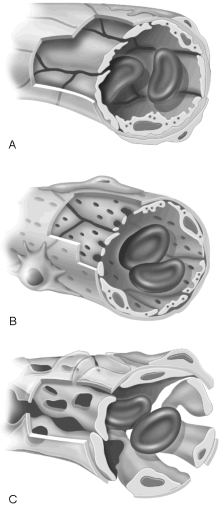 Figure 19.1Using Figure 19.1, match the following:
The type of circulatory shock due to abnormal expansion of blood vessels and a rapid drop in blood pressure is _ .
Question
Question
Question
Question
Question
Figure 19.1Using Figure 19.1, match the following:Blood islands are embryonic cells from which germ cell layer?
Question
Question
Question
Question
Question
Figure 19.1Using Figure 19.1, match the following:Arterial provide alternate pathways for blood to get to an organ.
Question
Question
Question
Question
Question
Question
Figure 19.1Using Figure 19.1, match the following:Consider the diameter of one 4- mm blood vessel and two 2- mm blood vessels. Would the two 2- mm vessels carry more, less, or the same amount of fluid, given that pressure is a constant? Why?
Question
Question
Figure 19.1Using Figure 19.1, match the following:A family of peptides called are released by the endothelium and are among the most potent vasoconstrictors known.
Question
Figure 19.1Using Figure 19.1, match the following:Capillary found where active capillary absorption of filtrate occurs.
Question
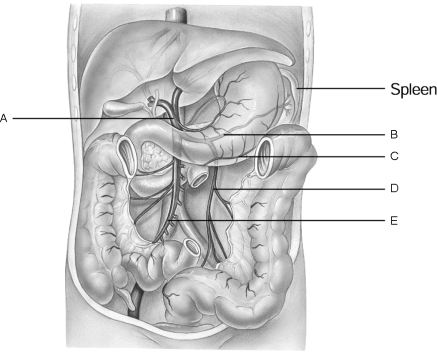 Figure 19.2Using Figure 19.2, match the following:
Hepatic portal vein.
Question
Question
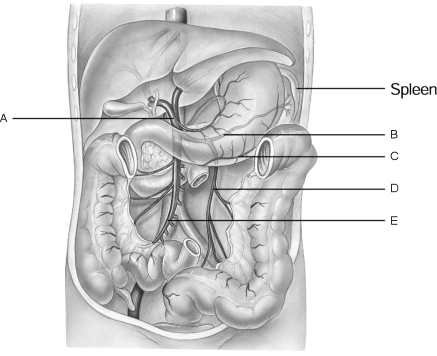 Figure 19.2Using Figure 19.2, match the following:
Inferior mesenteric vein.
Question
Question
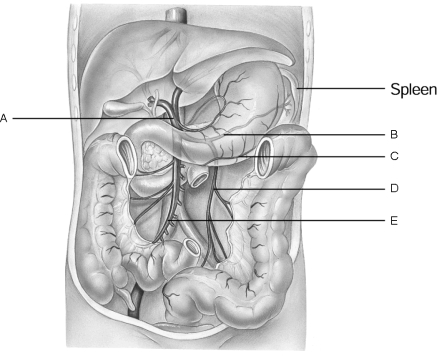 Figure 19.2Using Figure 19.2, match the following:
The internal carotid arteries supply the with blood.
Question
Figure 19.2Using Figure 19.2, match the following:The veins drain the gall bladder.
Question
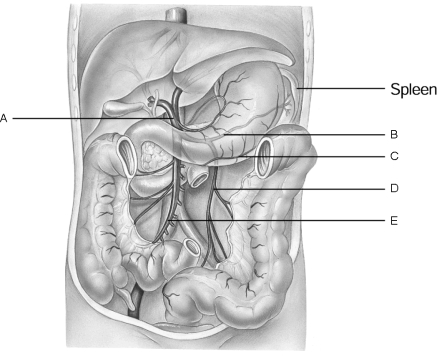 Figure 19.2Using Figure 19.2, match the following:
Right gastroepiploic vein.
Question
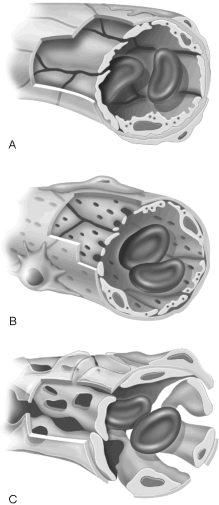 Figure 19.1Using Figure 19.1, match the following:
Sinusoid capillary.
Question
Question
Figure 19.2Using Figure 19.2, match the following:Superior mesenteric vein.
Question
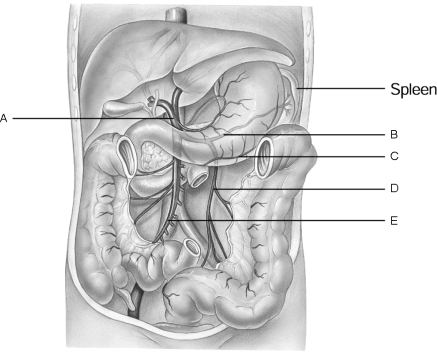 Figure 19.2Using Figure 19.2, match the following:
Describe the forces that determine fluid movements across capillary walls.
Question
Figure 19.2Using Figure 19.2, match the following:The most common form of shock is .
Question
Question
Figure 19.2Using Figure 19.2, match the following:Splenic vein.
Question
Figure 19.1Using Figure 19.1, match the following:Capillary with intercellular clefts found in the skin and muscles.
Question
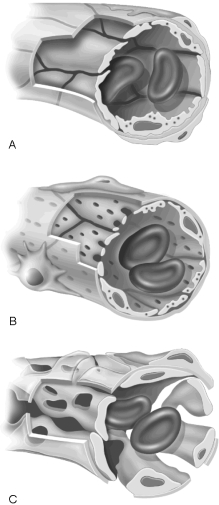 Figure 19.1Using Figure 19.1, match the following:
The mesenteric arteries branch off the abdominal aorta, but the mesenteric veins do not connect directly to the vena cava. Why?
Question
Figure 19.1Using Figure 19.1, match the following:Capillary found in endocrine organs that allows hormones to gain rapid entry into the blood.
Question
Question
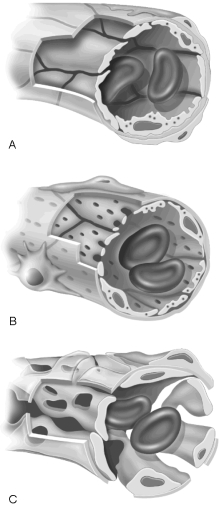 Figure 19.1Using Figure 19.1, match the following:
Capillary that may contain Kupffer cells in the lining.
Question
Figure 19.2Using Figure 19.2, match the following:List the major factors that are linked to essential hypertension and note which ones are controllable by the patient.

Unlock Deck
Sign up to unlock the cards in this deck!
Unlock Deck
Unlock Deck
1/107

Play

Full screen (f)
Deck 19: The Cardiovascular System: Blood Vessels
1
Which of the following statements regarding the hepatic portal system is false?
A) It consists of a vein connecting two capillary beds together.
B) It carries nutrients, toxins, and microorganisms to the liver for processing.
C) Its major vessels are the superior mesenteric, inferior mesenteric, and splenic veins.
D) It branches off of the inferior vena cava.
A) It consists of a vein connecting two capillary beds together.
B) It carries nutrients, toxins, and microorganisms to the liver for processing.
C) Its major vessels are the superior mesenteric, inferior mesenteric, and splenic veins.
D) It branches off of the inferior vena cava.
D
2
Which of the following is likely during vigorous exercise?
A) Blood flow to the kidneys increases.
B) Blood will be diverted to the digestive organs.
C) Capillaries of the active muscles will be engorged with blood.
D) The skin will be cold and clammy.
A) Blood flow to the kidneys increases.
B) Blood will be diverted to the digestive organs.
C) Capillaries of the active muscles will be engorged with blood.
D) The skin will be cold and clammy.
C
3
A patient with essential hypertension might have pressures of 200/120 mm Hg. This hypertensive state could result in all of the following changes except .
A) decreased size of the heart muscle
B) increased incidence of coronary artery disease
C) increased damage to blood vessel endothelium
D) increased work of the left ventricle
A) decreased size of the heart muscle
B) increased incidence of coronary artery disease
C) increased damage to blood vessel endothelium
D) increased work of the left ventricle
A
4
The influence of blood vessel diameter on peripheral resistance is .
A) significant because resistance is directly proportional to the blood vessel diameter
B) insignificant because vessel diameter does not vary
C) the only factor that influences resistance
D) significant because resistance is inversely proportional to the fourth power of the vessel radius
A) significant because resistance is directly proportional to the blood vessel diameter
B) insignificant because vessel diameter does not vary
C) the only factor that influences resistance
D) significant because resistance is inversely proportional to the fourth power of the vessel radius
Unlock Deck
Unlock for access to all 107 flashcards in this deck.
Unlock Deck
k this deck
5
Which of the choices below does not explain why low capillary pressures are desirable?
A) Low capillary pressure reduces the load of drainage the lymphatic drainage must handle
B) Most capillaries are extremely permeable and thus even low pressures force solute- containing fluid out of the bloodstream.
C) Low blood pressure is associated with longer life span than high blood pressure.
D) Capillaries are fragile and high pressures would rupture them.
A) Low capillary pressure reduces the load of drainage the lymphatic drainage must handle
B) Most capillaries are extremely permeable and thus even low pressures force solute- containing fluid out of the bloodstream.
C) Low blood pressure is associated with longer life span than high blood pressure.
D) Capillaries are fragile and high pressures would rupture them.
Unlock Deck
Unlock for access to all 107 flashcards in this deck.
Unlock Deck
k this deck
6
The baroreceptors in the carotid sinus and aortic arch are sensitive to which of the following?
A) changes in arterial pressure
B) a decrease in carbon dioxide
C) a decrease in oxygen levels
D) an increase in oxygen levels
A) changes in arterial pressure
B) a decrease in carbon dioxide
C) a decrease in oxygen levels
D) an increase in oxygen levels
Unlock Deck
Unlock for access to all 107 flashcards in this deck.
Unlock Deck
k this deck
7
Which tunic of an artery is most responsible for maintaining blood pressure and continuous blood circulation?
A) tunica intima
B) tunica externa
C) tunica media
D) tunica adventitia
A) tunica intima
B) tunica externa
C) tunica media
D) tunica adventitia
Unlock Deck
Unlock for access to all 107 flashcards in this deck.
Unlock Deck
k this deck
8
Factors that aid venous return include all except .
A) urinary output
B) venous valves
C) activity of skeletal muscles
D) pressure changes in the thorax
A) urinary output
B) venous valves
C) activity of skeletal muscles
D) pressure changes in the thorax
Unlock Deck
Unlock for access to all 107 flashcards in this deck.
Unlock Deck
k this deck
9
Modified capillaries that are lined with phagocytes are called .
A) sinusoids
B) thoroughfare channels
C) anastomoses
D) fenestrations
A) sinusoids
B) thoroughfare channels
C) anastomoses
D) fenestrations
Unlock Deck
Unlock for access to all 107 flashcards in this deck.
Unlock Deck
k this deck
10
Which of the following processes provides a long- term response to changes in blood pressure?
A) neural controls
B) renal regulation
C) chemoreceptor- initiated reflexes
D) baroreceptor- initiated reflexes
A) neural controls
B) renal regulation
C) chemoreceptor- initiated reflexes
D) baroreceptor- initiated reflexes
Unlock Deck
Unlock for access to all 107 flashcards in this deck.
Unlock Deck
k this deck
11
Which of the following signs of hypovolemic shock is a relatively late sign?
A) cold, clammy skin
B) rapid, thready pulse
C) increased heart rate
D) rapidly falling blood pressure
A) cold, clammy skin
B) rapid, thready pulse
C) increased heart rate
D) rapidly falling blood pressure
Unlock Deck
Unlock for access to all 107 flashcards in this deck.
Unlock Deck
k this deck
12
Which of the choices below explains why the arterioles are known as resistance vessels?
A) They distribute blood to various parts of the body.
B) Their prime function is the exchange of nutrients and wastes between the blood and tissue cells.
C) They contain a large quantity of elastic tissue.
D) The contraction and relaxation of the smooth muscle in their walls can change their diameter.
A) They distribute blood to various parts of the body.
B) Their prime function is the exchange of nutrients and wastes between the blood and tissue cells.
C) They contain a large quantity of elastic tissue.
D) The contraction and relaxation of the smooth muscle in their walls can change their diameter.
Unlock Deck
Unlock for access to all 107 flashcards in this deck.
Unlock Deck
k this deck
13
Which of the following do not influence arterial pulse rate?
A) the vessel selected to palpate
B) postural changes
C) activity
D) emotions
A) the vessel selected to palpate
B) postural changes
C) activity
D) emotions
Unlock Deck
Unlock for access to all 107 flashcards in this deck.
Unlock Deck
k this deck
14
Blood flow to the skin _ _.
A) is controlled mainly by decreasing pH
B) is not an important source of nutrients and oxygen for skin cells
C) increases when body temperature drops so that the skin does not freeze
D) increases when environmental temperature rises
A) is controlled mainly by decreasing pH
B) is not an important source of nutrients and oxygen for skin cells
C) increases when body temperature drops so that the skin does not freeze
D) increases when environmental temperature rises
Unlock Deck
Unlock for access to all 107 flashcards in this deck.
Unlock Deck
k this deck
15
A thrombus (blood clot) in the first branch of the arch of the aorta would affect the flow of blood to the .
A) myocardium of the heart
B) right side of the head and neck and right upper arm
C) left upper arm
D) left side of the head and neck
A) myocardium of the heart
B) right side of the head and neck and right upper arm
C) left upper arm
D) left side of the head and neck
Unlock Deck
Unlock for access to all 107 flashcards in this deck.
Unlock Deck
k this deck
16
Which of the following is the most significant source of blood flow resistance?
A) blood vessel diameter
B) blood viscosity
C) blood vessels type
D) total blood vessel length
A) blood vessel diameter
B) blood viscosity
C) blood vessels type
D) total blood vessel length
Unlock Deck
Unlock for access to all 107 flashcards in this deck.
Unlock Deck
k this deck
17
Which of the following is not true regarding fenestrated capillaries?
A) Fenestrated capillaries in endocrine organs allow hormones rapid entry into the blood.
B) Fenestrated capillaries in the small intestine receive nutrients from digested food.
C) Fenestrated capillaries are essential for filtration of blood plasma in the kidney.
D) Fenestrated capillaries form the blood- brain barrier.
A) Fenestrated capillaries in endocrine organs allow hormones rapid entry into the blood.
B) Fenestrated capillaries in the small intestine receive nutrients from digested food.
C) Fenestrated capillaries are essential for filtration of blood plasma in the kidney.
D) Fenestrated capillaries form the blood- brain barrier.
Unlock Deck
Unlock for access to all 107 flashcards in this deck.
Unlock Deck
k this deck
18
Which of the following would not result in the dilation of the feeder arterioles and opening of the precapillary sphincters in systemic capillary beds?
A) an increase in local tissue carbon dioxide
B) a decrease in local tissue oxygen content
C) a local increase in histamine
D) a local increase in pH
A) an increase in local tissue carbon dioxide
B) a decrease in local tissue oxygen content
C) a local increase in histamine
D) a local increase in pH
Unlock Deck
Unlock for access to all 107 flashcards in this deck.
Unlock Deck
k this deck
19
What do the ductus arteriosus and the foramen ovale become at birth?
A) fossa ovalis; ligamentum arteriosum
B) ligamentum arteriosum; ligamentum teres
C) ligamentum arteriosum; fossa ovalis
D) ligamentum teres; fossa ovalis
A) fossa ovalis; ligamentum arteriosum
B) ligamentum arteriosum; ligamentum teres
C) ligamentum arteriosum; fossa ovalis
D) ligamentum teres; fossa ovalis
Unlock Deck
Unlock for access to all 107 flashcards in this deck.
Unlock Deck
k this deck
20
Which of the following blood pressure readings would be indicative of hypertension?
A) 140/90 in a 70- year- old woman
B) 110/60 in a 20- year- old woman
C) 120/80 in a 30- year- old man
D) 170/96 in a 50- year- old man
A) 140/90 in a 70- year- old woman
B) 110/60 in a 20- year- old woman
C) 120/80 in a 30- year- old man
D) 170/96 in a 50- year- old man
Unlock Deck
Unlock for access to all 107 flashcards in this deck.
Unlock Deck
k this deck
21
In the dynamics of blood flow through capillaries, hydrostatic pressure .
A) is the same as capillary blood pressure
B) is completely canceled out by osmotic pressure
C) and osmotic pressure are the same
D) generally forces fluid from the interstitial space into the capillaries
A) is the same as capillary blood pressure
B) is completely canceled out by osmotic pressure
C) and osmotic pressure are the same
D) generally forces fluid from the interstitial space into the capillaries
Unlock Deck
Unlock for access to all 107 flashcards in this deck.
Unlock Deck
k this deck
22
If blood pressure is almost normal in a person who has lost blood, does that mean the tissues are receiving adequate blood flow?
A) no
B) not necessarily
C) yes
A) no
B) not necessarily
C) yes
Unlock Deck
Unlock for access to all 107 flashcards in this deck.
Unlock Deck
k this deck
23
Which of the following is a type of circulatory shock?
A) vascular, due to extreme vasodilation as a result of loss of vasomotor tone
B) cardiogenic, which results from any defect in blood vessels
C) circulatory, where blood volume is normal and constant
D) hypovolemic, caused by increased blood volume
A) vascular, due to extreme vasodilation as a result of loss of vasomotor tone
B) cardiogenic, which results from any defect in blood vessels
C) circulatory, where blood volume is normal and constant
D) hypovolemic, caused by increased blood volume
Unlock Deck
Unlock for access to all 107 flashcards in this deck.
Unlock Deck
k this deck
24
Arteriolar blood pressure increases in response to all but which of the following?
A) falling blood volume
B) rising blood volume
C) increasing heart rate
D) increasing stroke volume
E) all of these
A) falling blood volume
B) rising blood volume
C) increasing heart rate
D) increasing stroke volume
E) all of these
Unlock Deck
Unlock for access to all 107 flashcards in this deck.
Unlock Deck
k this deck
25
Aldosterone will _ .
A) promote a decrease in blood volume
B) promote an increase in blood pressure
C) result in a larger output of urine
D) decrease sodium reabsorption
A) promote a decrease in blood volume
B) promote an increase in blood pressure
C) result in a larger output of urine
D) decrease sodium reabsorption
Unlock Deck
Unlock for access to all 107 flashcards in this deck.
Unlock Deck
k this deck
26
The short- term controls of blood pressure, mediated by the nervous system and bloodborne chemicals, primarily operate via all but which of the following?
A) reflex arcs associated with vasomotor fibers
B) reflex arcs involving baroreceptors
C) chemoreceptors
D) altering blood volume
A) reflex arcs associated with vasomotor fibers
B) reflex arcs involving baroreceptors
C) chemoreceptors
D) altering blood volume
Unlock Deck
Unlock for access to all 107 flashcards in this deck.
Unlock Deck
k this deck
27
Peripheral resistance .
A) decreases with increasing length of the blood vessel
B) increases as blood viscosity increases
C) increases as blood vessel diameter increases
D) is not a major factor in blood pressure in healthy individuals
A) decreases with increasing length of the blood vessel
B) increases as blood viscosity increases
C) increases as blood vessel diameter increases
D) is not a major factor in blood pressure in healthy individuals
Unlock Deck
Unlock for access to all 107 flashcards in this deck.
Unlock Deck
k this deck
28
Which of the following chemicals does not help regulate blood pressure?
A) atrial natriuretic peptide
B) nitric acid
C) ADH
D) angiotensin II
A) atrial natriuretic peptide
B) nitric acid
C) ADH
D) angiotensin II
Unlock Deck
Unlock for access to all 107 flashcards in this deck.
Unlock Deck
k this deck
29
Select the correct statement about factors that influence blood pressure.
A) Systemic vasodilation would increase blood pressure, due to diversion of blood to essential areas.
B) Excess protein production would decrease blood pressure.
C) An increase in cardiac output corresponds to a decrease in blood pressure, due to the increased delivery.
D) Excess red cell production would cause a blood pressure increase.
A) Systemic vasodilation would increase blood pressure, due to diversion of blood to essential areas.
B) Excess protein production would decrease blood pressure.
C) An increase in cardiac output corresponds to a decrease in blood pressure, due to the increased delivery.
D) Excess red cell production would cause a blood pressure increase.
Unlock Deck
Unlock for access to all 107 flashcards in this deck.
Unlock Deck
k this deck
30
Which of the choices below reflects the balance (or imbalance) between the direction and amount of fluid that flows across the capillary walls?
A) hydrostatic pressure only
B) hydrostatic and osmotic pressure
C) plasma and formed element concentration
D) blood volume and viscosity
A) hydrostatic pressure only
B) hydrostatic and osmotic pressure
C) plasma and formed element concentration
D) blood volume and viscosity
Unlock Deck
Unlock for access to all 107 flashcards in this deck.
Unlock Deck
k this deck
31
The term ductus venosus refers to .
A) a fetal shunt that bypasses the lungs
B) a special fetal vessel that allows umbilical blood to bypass the liver
C) damage to the valves in the veins, leading to varicose veins
D) a condition of the aged in which the arteries lose elasticity
A) a fetal shunt that bypasses the lungs
B) a special fetal vessel that allows umbilical blood to bypass the liver
C) damage to the valves in the veins, leading to varicose veins
D) a condition of the aged in which the arteries lose elasticity
Unlock Deck
Unlock for access to all 107 flashcards in this deck.
Unlock Deck
k this deck
32
Cerebral blood flow is regulated by _ .
A) ADH
B) skin temperature
C) intrinsic autoregulatory mechanisms
D) the hypothalamic "thermostat"
A) ADH
B) skin temperature
C) intrinsic autoregulatory mechanisms
D) the hypothalamic "thermostat"
Unlock Deck
Unlock for access to all 107 flashcards in this deck.
Unlock Deck
k this deck
33
Which statement best describes arteries?
A) All carry blood away from the heart.
B) All contain valves to prevent the backflow of blood.
C) Only large arteries are lined with endothelium.
D) All carry oxygenated blood to the heart.
A) All carry blood away from the heart.
B) All contain valves to prevent the backflow of blood.
C) Only large arteries are lined with endothelium.
D) All carry oxygenated blood to the heart.
Unlock Deck
Unlock for access to all 107 flashcards in this deck.
Unlock Deck
k this deck
34
The pulse pressure is .
A) systolic pressure divided by diastolic pressure
B) systolic pressure plus diastolic pressure
C) diastolic pressure plus 1/3 (systolic pressure plus diastolic pressure)
D) systolic pressure minus diastolic pressure
A) systolic pressure divided by diastolic pressure
B) systolic pressure plus diastolic pressure
C) diastolic pressure plus 1/3 (systolic pressure plus diastolic pressure)
D) systolic pressure minus diastolic pressure
Unlock Deck
Unlock for access to all 107 flashcards in this deck.
Unlock Deck
k this deck
35
Normal average blood pressure for a newborn baby is .
A) 150/90
B) 130/80
C) 90/55
D) 120/80
A) 150/90
B) 130/80
C) 90/55
D) 120/80
Unlock Deck
Unlock for access to all 107 flashcards in this deck.
Unlock Deck
k this deck
36
Brain blood flow autoregulation .
A) is abolished when abnormally high CO2 levels persist
B) is controlled by cardiac centers in the pons
C) causes constriction of cerebral blood vessels in response to a drop in systemic blood pressure
D) is less sensitive to pH than to a decreased oxygen level
A) is abolished when abnormally high CO2 levels persist
B) is controlled by cardiac centers in the pons
C) causes constriction of cerebral blood vessels in response to a drop in systemic blood pressure
D) is less sensitive to pH than to a decreased oxygen level
Unlock Deck
Unlock for access to all 107 flashcards in this deck.
Unlock Deck
k this deck
37
Select the correct statement about blood flow.
A) It is relatively constant through all body organs.
B) It is greatest where resistance is highest.
C) Blood flow through the entire vascular system is equivalent to cardiac output.
D) It is measured in mm Hg.
A) It is relatively constant through all body organs.
B) It is greatest where resistance is highest.
C) Blood flow through the entire vascular system is equivalent to cardiac output.
D) It is measured in mm Hg.
Unlock Deck
Unlock for access to all 107 flashcards in this deck.
Unlock Deck
k this deck
38
Which of the following are involved directly in pulmonary circulation?
A) right ventricle, pulmonary artery, and left atrium
B) left ventricle, aorta, and inferior vena cava
C) superior vena cava, right atrium, and left ventricle
D) right atrium, aorta, and left ventricle
A) right ventricle, pulmonary artery, and left atrium
B) left ventricle, aorta, and inferior vena cava
C) superior vena cava, right atrium, and left ventricle
D) right atrium, aorta, and left ventricle
Unlock Deck
Unlock for access to all 107 flashcards in this deck.
Unlock Deck
k this deck
39
Permitting the exchange of nutrients and gases between the blood and tissue cells is the primary function of .
A) arterioles
B) veins
C) arteries
D) capillaries
A) arterioles
B) veins
C) arteries
D) capillaries
Unlock Deck
Unlock for access to all 107 flashcards in this deck.
Unlock Deck
k this deck
40
Which of the following is true about veins?
A) Veins are called capacitance vessels or blood reservoirs.
B) Veins have a small lumen in relation to the thickness of the vessel wall.
C) Up to 35% of total body blood is in venous circulation at any given time.
D) Venous valves are formed from the tunica media.
A) Veins are called capacitance vessels or blood reservoirs.
B) Veins have a small lumen in relation to the thickness of the vessel wall.
C) Up to 35% of total body blood is in venous circulation at any given time.
D) Venous valves are formed from the tunica media.
Unlock Deck
Unlock for access to all 107 flashcards in this deck.
Unlock Deck
k this deck
41
Figure 19.1Using Figure 19.1, match the following:The type of circulatory shock due to abnormal expansion of blood vessels and a rapid drop in blood pressure is _ .
Unlock Deck
Unlock for access to all 107 flashcards in this deck.
Unlock Deck
k this deck
42
The arteries that directly feed into the capillary beds are called .
A) venules
B) arterioles
C) elastic arteries
D) muscular arteries
A) venules
B) arterioles
C) elastic arteries
D) muscular arteries
Unlock Deck
Unlock for access to all 107 flashcards in this deck.
Unlock Deck
k this deck
43
Histologically, the is squamous epithelium supported by a sparse connective tissue layer.
A) tunica adventitia
B) tunica intima
C) tunica externa
D) tunica media
A) tunica adventitia
B) tunica intima
C) tunica externa
D) tunica media
Unlock Deck
Unlock for access to all 107 flashcards in this deck.
Unlock Deck
k this deck
44
Where in the body would you find low oxygen levels causing vasoconstriction and high levels causing vasodilation?
A) lungs
B) heart
C) kidney
D) liver
A) lungs
B) heart
C) kidney
D) liver
Unlock Deck
Unlock for access to all 107 flashcards in this deck.
Unlock Deck
k this deck
45
Which of the following is not one of the three main factors influencing blood pressure?
A) emotional state
B) cardiac output
C) blood volume
D) peripheral resistance
A) emotional state
B) cardiac output
C) blood volume
D) peripheral resistance
Unlock Deck
Unlock for access to all 107 flashcards in this deck.
Unlock Deck
k this deck
46
Figure 19.1Using Figure 19.1, match the following:Blood islands are embryonic cells from which germ cell layer?
Unlock Deck
Unlock for access to all 107 flashcards in this deck.
Unlock Deck
k this deck
47
The left subclavian artery is the major branch of the aortic arch.
Unlock Deck
Unlock for access to all 107 flashcards in this deck.
Unlock Deck
k this deck
48
The arteries that are also called distributing arteries are the .
A) muscular arteries
B) arterioles
C) elastic arteries
D) capillaries
A) muscular arteries
B) arterioles
C) elastic arteries
D) capillaries
Unlock Deck
Unlock for access to all 107 flashcards in this deck.
Unlock Deck
k this deck
49
What are the sounds of Korotkoff?
Unlock Deck
Unlock for access to all 107 flashcards in this deck.
Unlock Deck
k this deck
50
The in the carotid sinuses and aortic arch detect increases in blood pressure.
Unlock Deck
Unlock for access to all 107 flashcards in this deck.
Unlock Deck
k this deck
51
Figure 19.1Using Figure 19.1, match the following:Arterial provide alternate pathways for blood to get to an organ.
Unlock Deck
Unlock for access to all 107 flashcards in this deck.
Unlock Deck
k this deck
52
Mechanisms that do not help regulate blood pressure include _.
A) the dural sinus reflex
B) nervous control that operates via reflex arcs involving baroreceptors, chemoreceptors, and higher brain centers
C) chemical controls such as atrial natriuretic peptide
D) renal regulation via the renin- angiotensin system of vasoconstriction
A) the dural sinus reflex
B) nervous control that operates via reflex arcs involving baroreceptors, chemoreceptors, and higher brain centers
C) chemical controls such as atrial natriuretic peptide
D) renal regulation via the renin- angiotensin system of vasoconstriction
Unlock Deck
Unlock for access to all 107 flashcards in this deck.
Unlock Deck
k this deck
53
The most common type of blood capillary is the _ .
A) sinusoidal capillary
B) distributing capillary
C) continuous capillary
D) fenestrated capillary
A) sinusoidal capillary
B) distributing capillary
C) continuous capillary
D) fenestrated capillary
Unlock Deck
Unlock for access to all 107 flashcards in this deck.
Unlock Deck
k this deck
54
The form of circulatory shock known as hypovolemic shock is _.
A) any condition in which blood vessels are inadequately filled and blood cannot circulate normally
B) always fatal
C) shock that results from large- scale loss of blood volume, or after severe vomiting or diarrhea
D) the form of shock caused by anaphylaxis
A) any condition in which blood vessels are inadequately filled and blood cannot circulate normally
B) always fatal
C) shock that results from large- scale loss of blood volume, or after severe vomiting or diarrhea
D) the form of shock caused by anaphylaxis
Unlock Deck
Unlock for access to all 107 flashcards in this deck.
Unlock Deck
k this deck
55
The velocity of blood flow is .
A) slower in the veins than in the capillaries because veins have a large diameter
B) slowest in the capillaries because the total cross- sectional area is the greatest
C) slower in the arteries than in capillaries because arteries possess a relatively large diameter
D) in direct proportion to the total cross- sectional area of the blood vessels
A) slower in the veins than in the capillaries because veins have a large diameter
B) slowest in the capillaries because the total cross- sectional area is the greatest
C) slower in the arteries than in capillaries because arteries possess a relatively large diameter
D) in direct proportion to the total cross- sectional area of the blood vessels
Unlock Deck
Unlock for access to all 107 flashcards in this deck.
Unlock Deck
k this deck
56
Secondary hypertension can be caused by _ .
A) stress
B) arteriosclerosis
C) smoking
D) obesity
A) stress
B) arteriosclerosis
C) smoking
D) obesity
Unlock Deck
Unlock for access to all 107 flashcards in this deck.
Unlock Deck
k this deck
57
Figure 19.1Using Figure 19.1, match the following:Consider the diameter of one 4- mm blood vessel and two 2- mm blood vessels. Would the two 2- mm vessels carry more, less, or the same amount of fluid, given that pressure is a constant? Why?
Unlock Deck
Unlock for access to all 107 flashcards in this deck.
Unlock Deck
k this deck
58
Which of the choices below does not involve tissue perfusion?
A) blood clotting
B) absorption of nutrients from the digestive tract
C) gas exchange in the lungs
D) delivery of oxygen and nutrients to, and removal of wastes from, tissue cells
A) blood clotting
B) absorption of nutrients from the digestive tract
C) gas exchange in the lungs
D) delivery of oxygen and nutrients to, and removal of wastes from, tissue cells
Unlock Deck
Unlock for access to all 107 flashcards in this deck.
Unlock Deck
k this deck
59
Figure 19.1Using Figure 19.1, match the following:A family of peptides called are released by the endothelium and are among the most potent vasoconstrictors known.
Unlock Deck
Unlock for access to all 107 flashcards in this deck.
Unlock Deck
k this deck
60
Figure 19.1Using Figure 19.1, match the following:Capillary found where active capillary absorption of filtrate occurs.
Unlock Deck
Unlock for access to all 107 flashcards in this deck.
Unlock Deck
k this deck
61
Figure 19.2Using Figure 19.2, match the following:Hepatic portal vein.
Unlock Deck
Unlock for access to all 107 flashcards in this deck.
Unlock Deck
k this deck
62
Which type of blood vessels contain valves and what is their function?
Unlock Deck
Unlock for access to all 107 flashcards in this deck.
Unlock Deck
k this deck
63
Figure 19.2Using Figure 19.2, match the following:Inferior mesenteric vein.
Unlock Deck
Unlock for access to all 107 flashcards in this deck.
Unlock Deck
k this deck
64
Branches of the celiac trunk include the common hepatic, left gastric, and arteries.
Unlock Deck
Unlock for access to all 107 flashcards in this deck.
Unlock Deck
k this deck
65
Figure 19.2Using Figure 19.2, match the following:The internal carotid arteries supply the with blood.
Unlock Deck
Unlock for access to all 107 flashcards in this deck.
Unlock Deck
k this deck
66
Figure 19.2Using Figure 19.2, match the following:The veins drain the gall bladder.
Unlock Deck
Unlock for access to all 107 flashcards in this deck.
Unlock Deck
k this deck
67
Figure 19.2Using Figure 19.2, match the following:Right gastroepiploic vein.
Unlock Deck
Unlock for access to all 107 flashcards in this deck.
Unlock Deck
k this deck
68
Figure 19.1Using Figure 19.1, match the following:Sinusoid capillary.
Unlock Deck
Unlock for access to all 107 flashcards in this deck.
Unlock Deck
k this deck
69
Define vasoconstriction and vasodilation. What is the mechanism of regulation?
Unlock Deck
Unlock for access to all 107 flashcards in this deck.
Unlock Deck
k this deck
70
Figure 19.2Using Figure 19.2, match the following:Superior mesenteric vein.
Unlock Deck
Unlock for access to all 107 flashcards in this deck.
Unlock Deck
k this deck
71
Figure 19.2Using Figure 19.2, match the following:Describe the forces that determine fluid movements across capillary walls.
Unlock Deck
Unlock for access to all 107 flashcards in this deck.
Unlock Deck
k this deck
72
Figure 19.2Using Figure 19.2, match the following:The most common form of shock is .
Unlock Deck
Unlock for access to all 107 flashcards in this deck.
Unlock Deck
k this deck
73
The abdominal aorta divides into three arteries at its terminus; what are they?
Unlock Deck
Unlock for access to all 107 flashcards in this deck.
Unlock Deck
k this deck
74
Figure 19.2Using Figure 19.2, match the following:Splenic vein.
Unlock Deck
Unlock for access to all 107 flashcards in this deck.
Unlock Deck
k this deck
75
Figure 19.1Using Figure 19.1, match the following:Capillary with intercellular clefts found in the skin and muscles.
Unlock Deck
Unlock for access to all 107 flashcards in this deck.
Unlock Deck
k this deck
76
Figure 19.1Using Figure 19.1, match the following:The mesenteric arteries branch off the abdominal aorta, but the mesenteric veins do not connect directly to the vena cava. Why?
Unlock Deck
Unlock for access to all 107 flashcards in this deck.
Unlock Deck
k this deck
77
Figure 19.1Using Figure 19.1, match the following:Capillary found in endocrine organs that allows hormones to gain rapid entry into the blood.
Unlock Deck
Unlock for access to all 107 flashcards in this deck.
Unlock Deck
k this deck
78
The outermost layer of a blood vessel is the tunica intima.
Unlock Deck
Unlock for access to all 107 flashcards in this deck.
Unlock Deck
k this deck
79
Figure 19.1Using Figure 19.1, match the following:Capillary that may contain Kupffer cells in the lining.
Unlock Deck
Unlock for access to all 107 flashcards in this deck.
Unlock Deck
k this deck
80
Figure 19.2Using Figure 19.2, match the following:List the major factors that are linked to essential hypertension and note which ones are controllable by the patient.
Unlock Deck
Unlock for access to all 107 flashcards in this deck.
Unlock Deck
k this deck
Unlock Deck
Unlock for access to all 107 flashcards in this deck.






