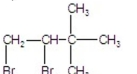
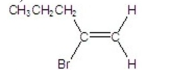
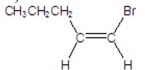
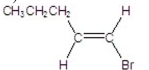
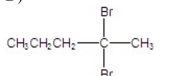
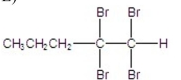
Deck 6: Reactions of Alkenes and Alkynes

Full screen (f)
exit full mode
Question
Identify the true statements pertaining to the mechanism for the acid-catalyzed addition of water to an alkene.

A) The addition of the electrophile is a slow step.
B) The addition of the nucleophile is a fast step.
C) A carbocation is formed as an intermediate.
D) Water removes a proton from the protonated alcohol.
E) All of the above
Use Space or
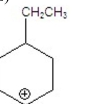
up arrow
down arrow
to flip the card.
Question
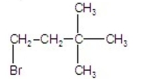
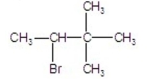
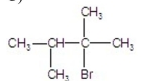
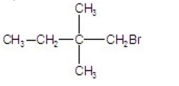
What is the major product of the following reaction?
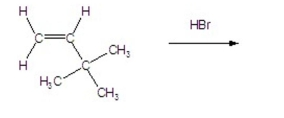
<strong>What is the major product of the following reaction?   </strong> A)  B)  C)  D)  E)  <div style=padding-top: 35px>
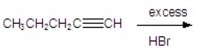
A)<strong>What is the major product of the following reaction?   </strong> A)  B)  C)  D)  E)  <div style=padding-top: 35px>
B)<strong>What is the major product of the following reaction?   </strong> A)  B)  C)  D)  E)  <div style=padding-top: 35px>
C)<strong>What is the major product of the following reaction?   </strong> A)  B)  C)  D)  E)  <div style=padding-top: 35px>
D)<strong>What is the major product of the following reaction?   </strong> A)  B)  C)  D)  E)  <div style=padding-top: 35px>
E)<strong>What is the major product of the following reaction?   </strong> A)  B)  C)  D)  E)  <div style=padding-top: 35px>
Question
What is the major product when 1-hexyne reacts with excess HBr?

A) 1,1 -dibromohexane
B) 1,1-dibromohexene
C) 1,2 -dibromohexene
D) 1,2-dibromohexane
E) 2,2 -dibromohexane
Question
What two atomic orbitals overlap to form the carbon-carbon ? bond in ethyne?

A) sp3sp3s p ^ { 3 } - s p ^ { 3 }
B) ppp - p
C) sp2sp2s p ^ { 2 } - s p ^ { 2 }
D) SSS - S
E) spsps p - s p
Question
What is the major product of the following reaction?
<strong>What is the major product of the following reaction?   </strong> A)  B)  C)  D)  E)  <div style=padding-top: 35px>

A)<strong>What is the major product of the following reaction?   </strong> A)  B)  C)  D)  E)  <div style=padding-top: 35px>
B)<strong>What is the major product of the following reaction?   </strong> A)  B)  C)  D)  E)  <div style=padding-top: 35px>
C)<strong>What is the major product of the following reaction?   </strong> A)  B)  C)  D)  E)  <div style=padding-top: 35px>
D)<strong>What is the major product of the following reaction?   </strong> A)  B)  C)  D)  E)  <div style=padding-top: 35px>
E)<strong>What is the major product of the following reaction?   </strong> A)  B)  C)  D)  E)  <div style=padding-top: 35px>
Question
Which of the following statements is not true about propyne HCCCH3\mathrm { HC } \equiv \mathrm { C } - \mathrm { CH } _ { 3 } ?

A) It contains six sigma bonds.
B) It contains three pi bonds.
C) The HCH\mathrm { H } - \mathrm { C } - \mathrm { H } bond angle is about 109.5109.5 ^ { \circ }
D) The CCC\mathrm { C } - \mathrm { C } - \mathrm { C } bond angle is 180.180 ^ { \circ } .
E) The pi bond is weaker than the sigma bond.
Question
How many isomers with molecular formula C6H10\mathrm { C } _ { 6 } \mathrm { H } _ { 10 } contain an internal alkyne?

A) 1
B) 2
C) 3
D) 4
E) 5
Question
Which of the following does not describe the physical properties of an alkyne?

A) relatively nonpolar
B) nearly insoluble in water
C) less dense than water
D) insoluble in most organic solvents
Question
Which of the following statements describes the reactivity of alkynes?

A) An alkyne is an electron-rich molecule and therefore reacts as a nucleophile.
B) The σ bonds of alkynes are greater in energy than the π bonds and, therefore, are more reactive.
C) Unlike alkenes, alkynes fail to undergo electrophilic addition reactions.
D) When a symmetrical internal alkyne reacts with HBr, two products are formed.
E) Alkynes react as electrophiles, whereas alkenes react as nucleophiles.
Question
The carbon-carbon triple bond of an alkyne is composed of ________.

A) three σ\sigma bonds
B) two σ\sigma bonds and one π\pi bond
C) one σ\sigma bond and two π\pi bonds
D) three π\pi bonds
Question
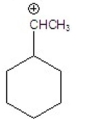
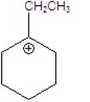
Which of the following carbocations is likely to rearrange? I.<strong>Which of the following carbocations is likely to rearrange? I.  II.  III.  IV.  </strong> A) I B) II C) III D) IV E) II and IV <div style=padding-top: 35px>
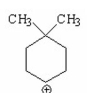
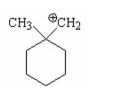
II.<strong>Which of the following carbocations is likely to rearrange? I.  II.  III.  IV.  </strong> A) I B) II C) III D) IV E) II and IV <div style=padding-top: 35px>
III.<strong>Which of the following carbocations is likely to rearrange? I.  II.  III.  IV.  </strong> A) I B) II C) III D) IV E) II and IV <div style=padding-top: 35px>
IV.<strong>Which of the following carbocations is likely to rearrange? I.  II.  III.  IV.  </strong> A) I B) II C) III D) IV E) II and IV <div style=padding-top: 35px>

A) I
B) II
C) III
D) IV
E) II and IV
Question
What is the hybridization of the carbons numbered 1 and 2, respectively?
12H3CCH=CHCCH\begin{array} { c } \quad\quad\quad\quad\quad\quad1 \quad2\\\mathrm { H } _ { 3 } \mathrm { C } - \mathrm { CH } = \mathrm { CH } - \mathrm { C } \equiv \mathrm { C } - \mathrm { H }\end{array}

A) sp3,sp2s p ^ { 3 } , s p ^ { 2 }
B) sp2,sp2s p ^ { 2 } , s p ^ { 2 }
C) sp2,sps p ^ { 2 } , s p
D) sp, sp
Question
What is the major product of the following reaction? <strong>What is the major product of the following reaction?   I.   II.   III.   IV.   V.  </strong> A) I B) II C) III D) IV E) V <div style=padding-top: 35px>
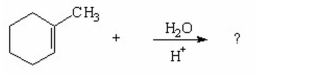
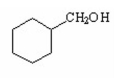
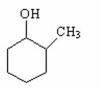
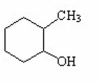
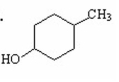
I.
<strong>What is the major product of the following reaction?   I.   II.   III.   IV.   V.  </strong> A) I B) II C) III D) IV E) V <div style=padding-top: 35px>
II.
<strong>What is the major product of the following reaction?   I.   II.   III.   IV.   V.  </strong> A) I B) II C) III D) IV E) V <div style=padding-top: 35px>
III.
<strong>What is the major product of the following reaction?   I.   II.   III.   IV.   V.  </strong> A) I B) II C) III D) IV E) V <div style=padding-top: 35px>
IV.
<strong>What is the major product of the following reaction?   I.   II.   III.   IV.   V.  </strong> A) I B) II C) III D) IV E) V <div style=padding-top: 35px>
V.
<strong>What is the major product of the following reaction?   I.   II.   III.   IV.   V.  </strong> A) I B) II C) III D) IV E) V <div style=padding-top: 35px>

A) I
B) II
C) III
D) IV
E) V
Question
What is the hybridization of the carbons numbered 1 and 2, respectively?
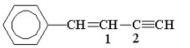
 <strong>What is the hybridization of the carbons numbered 1 and 2, respectively?  </strong> A)  s p ^ { 3 } , s p ^ { 2 }  B)  s p ^ { 2 } , s p ^ { 2 }  C)  sp, sp D)  s p ^ { 2 } , s p  E)  s p , s p^ { 2 }  <div style=padding-top: 35px>

A) sp3,sp2s p ^ { 3 } , s p ^ { 2 }
B) sp2,sp2s p ^ { 2 } , s p ^ { 2 }
C) sp, sp
D) sp2,sps p ^ { 2 } , s p
E) sp,sp2s p , s p^ { 2 }
Question
Which of the following is the most stable carbocation?

A) <strong>Which of the following is the most stable carbocation? </strong> A)   B)   C)   D)   E)   <div style=padding-top: 35px>
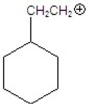
B) <strong>Which of the following is the most stable carbocation? </strong> A)   B)   C)   D)   E)   <div style=padding-top: 35px>
C) <strong>Which of the following is the most stable carbocation? </strong> A)   B)   C)   D)   E)   <div style=padding-top: 35px>
D) <strong>Which of the following is the most stable carbocation? </strong> A)   B)   C)   D)   E)   <div style=padding-top: 35px>
E) <strong>Which of the following is the most stable carbocation? </strong> A)   B)   C)   D)   E)   <div style=padding-top: 35px>
Question
What is the systematic name of the following compound?
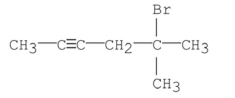
<strong>What is the systematic name of the following compound?  </strong> A) 5-bromo-2-heptyne B) 3-bromo-5-heptyne C) 2-bromo-2-methyl-4-hexyne D) 5-bromo-5,5-dimethylhexyne E) 5-bromo-5-methyl-2-hexyne <div style=padding-top: 35px>

A) 5-bromo-2-heptyne
B) 3-bromo-5-heptyne
C) 2-bromo-2-methyl-4-hexyne
D) 5-bromo-5,5-dimethylhexyne
E) 5-bromo-5-methyl-2-hexyne
Question
What is the major product of the following reaction?
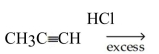
 <strong>What is the major product of the following reaction?    </strong> A)  B)  C) \mathrm { CH } _ { 3 } \mathrm { CH } = \mathrm { CH } - \mathrm { Cl }  D)  E)  <div style=padding-top: 35px>

A) <strong>What is the major product of the following reaction?    </strong> A)  B)  C) \mathrm { CH } _ { 3 } \mathrm { CH } = \mathrm { CH } - \mathrm { Cl }  D)  E)  <div style=padding-top: 35px>
B) <strong>What is the major product of the following reaction?    </strong> A)  B)  C) \mathrm { CH } _ { 3 } \mathrm { CH } = \mathrm { CH } - \mathrm { Cl }  D)  E)  <div style=padding-top: 35px>
C) CH3CH=CHCl\mathrm { CH } _ { 3 } \mathrm { CH } = \mathrm { CH } - \mathrm { Cl }
D) <strong>What is the major product of the following reaction?    </strong> A)  B)  C) \mathrm { CH } _ { 3 } \mathrm { CH } = \mathrm { CH } - \mathrm { Cl }  D)  E)  <div style=padding-top: 35px>
E) <strong>What is the major product of the following reaction?    </strong> A)  B)  C) \mathrm { CH } _ { 3 } \mathrm { CH } = \mathrm { CH } - \mathrm { Cl }  D)  E)  <div style=padding-top: 35px>
Question
Which of the following is the most stable carbocation? I.
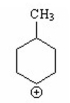
<strong>Which of the following is the most stable carbocation? I.   II.   III.   IV.   V.  </strong> A) I B) II C) III D) IV E) V <div style=padding-top: 35px>
II.
<strong>Which of the following is the most stable carbocation? I.   II.   III.   IV.   V.  </strong> A) I B) II C) III D) IV E) V <div style=padding-top: 35px>
III.
<strong>Which of the following is the most stable carbocation? I.   II.   III.   IV.   V.  </strong> A) I B) II C) III D) IV E) V <div style=padding-top: 35px>
IV.
<strong>Which of the following is the most stable carbocation? I.   II.   III.   IV.   V.  </strong> A) I B) II C) III D) IV E) V <div style=padding-top: 35px>
V.
<strong>Which of the following is the most stable carbocation? I.   II.   III.   IV.   V.  </strong> A) I B) II C) III D) IV E) V <div style=padding-top: 35px>

A) I
B) II
C) III
D) IV
E) V
Question
How many isomers with molecular formula C5H8\mathrm { C } _ { 5 } \mathrm { H } _ { 8 } contain a terminal alkyne?

A) 1
B) 2
C) 3
D) 4
E) 5
Question
Which of the following alkenes forms 3-bromo-3-methylpentane as the major product when it reacts with HBr? <strong>Which of the following alkenes forms 3-bromo-3-methylpentane as the major product when it reacts with HBr?  </strong> A) I and II only B) III only C) I, II, and III only D) all of them E) none of them <div style=padding-top: 35px>
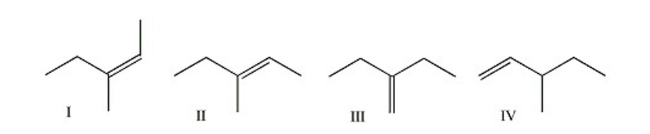
A) I and II only
B) III only
C) I, II, and III only
D) all of them
E) none of them
Question
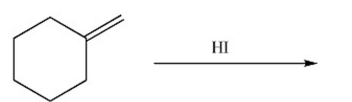
Draw the major product of the following reaction: Draw the major product of the following reaction:  <div style=padding-top: 35px>

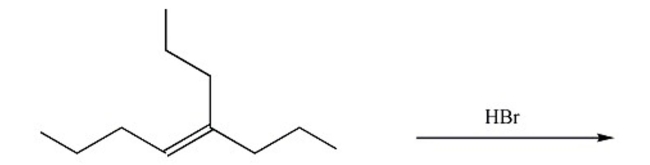
Question
Draw the major product of the following reaction: Draw the major product of the following reaction:  <div style=padding-top: 35px>
Question
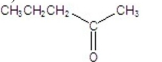
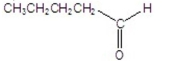
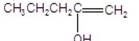
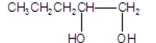
Which of the following are enol tautomers of the ketone shown below?
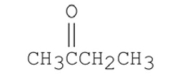
<strong>Which of the following are enol tautomers of the ketone shown below?   </strong> A)  B)  C)  D)  E)  <div style=padding-top: 35px>

A)<strong>Which of the following are enol tautomers of the ketone shown below?   </strong> A)  B)  C)  D)  E)  <div style=padding-top: 35px>
B)<strong>Which of the following are enol tautomers of the ketone shown below?   </strong> A)  B)  C)  D)  E)  <div style=padding-top: 35px>
C)<strong>Which of the following are enol tautomers of the ketone shown below?   </strong> A)  B)  C)  D)  E)  <div style=padding-top: 35px>
D)<strong>Which of the following are enol tautomers of the ketone shown below?   </strong> A)  B)  C)  D)  E)  <div style=padding-top: 35px>
E)<strong>Which of the following are enol tautomers of the ketone shown below?   </strong> A)  B)  C)  D)  E)  <div style=padding-top: 35px>
Question
What is hyperconjugation and how does it affect carbocation stability?
Question
Draw the major product of the following reaction: Draw the major product of the following reaction:  <div style=padding-top: 35px>

Question
A mixture of 1-heptyne, 2-heptyne, and 3-heptyne was hydrogenated in the presence of a palladium catalyst until hydrogen uptake ceased. How many seven-carbon hydrocarbons were
Produced?

A) 1
B) 2
C) 3
D) 6
E) 8
Question
Explain the reason for the regioselectivity exhibited by the addition of hydrogen halides to an
alkene.
Question
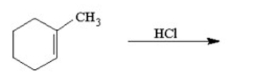
Draw the major product of the following reaction: Draw the major product of the following reaction:  <div style=padding-top: 35px>

Question
Draw the major product of the following reaction: Draw the major product of the following reaction:  <div style=padding-top: 35px>
Question
Draw the major product of the following reaction: Draw the major product of the following reaction:  <div style=padding-top: 35px>
Question
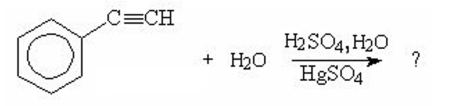
What is the major product of the following reaction?

 <strong>What is the major product of the following reaction?    </strong> A) \mathrm { CH } _ { 3 } \mathrm { CH } _ { 2 } \mathrm { CH } _ { 2 } \mathrm { CH } _ { 2 } \mathrm { CH } _ { 3 }  B)  C)  D)  E)  <div style=padding-top: 35px>
A) CH3CH2CH2CH2CH3\mathrm { CH } _ { 3 } \mathrm { CH } _ { 2 } \mathrm { CH } _ { 2 } \mathrm { CH } _ { 2 } \mathrm { CH } _ { 3 }
B) <strong>What is the major product of the following reaction?    </strong> A) \mathrm { CH } _ { 3 } \mathrm { CH } _ { 2 } \mathrm { CH } _ { 2 } \mathrm { CH } _ { 2 } \mathrm { CH } _ { 3 }  B)  C)  D)  E)  <div style=padding-top: 35px>
C) <strong>What is the major product of the following reaction?    </strong> A) \mathrm { CH } _ { 3 } \mathrm { CH } _ { 2 } \mathrm { CH } _ { 2 } \mathrm { CH } _ { 2 } \mathrm { CH } _ { 3 }  B)  C)  D)  E)  <div style=padding-top: 35px>
D) <strong>What is the major product of the following reaction?    </strong> A) \mathrm { CH } _ { 3 } \mathrm { CH } _ { 2 } \mathrm { CH } _ { 2 } \mathrm { CH } _ { 2 } \mathrm { CH } _ { 3 }  B)  C)  D)  E)  <div style=padding-top: 35px>
E) <strong>What is the major product of the following reaction?    </strong> A) \mathrm { CH } _ { 3 } \mathrm { CH } _ { 2 } \mathrm { CH } _ { 2 } \mathrm { CH } _ { 2 } \mathrm { CH } _ { 3 }  B)  C)  D)  E)  <div style=padding-top: 35px>
Question
What is the major product of the following reaction? <strong>What is the major product of the following reaction?    I.   II.   III.   IV.   V.   </strong> A) I B) II C) III D) IV E) V <div style=padding-top: 35px>
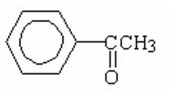
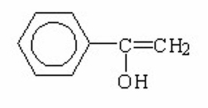
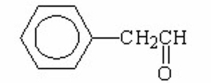
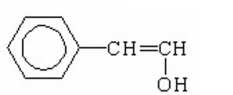
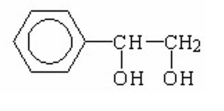
I.
<strong>What is the major product of the following reaction?    I.   II.   III.   IV.   V.   </strong> A) I B) II C) III D) IV E) V <div style=padding-top: 35px>
II.
<strong>What is the major product of the following reaction?    I.   II.   III.   IV.   V.   </strong> A) I B) II C) III D) IV E) V <div style=padding-top: 35px>
III.
<strong>What is the major product of the following reaction?    I.   II.   III.   IV.   V.   </strong> A) I B) II C) III D) IV E) V <div style=padding-top: 35px>
IV.
<strong>What is the major product of the following reaction?    I.   II.   III.   IV.   V.   </strong> A) I B) II C) III D) IV E) V <div style=padding-top: 35px>
V.
<strong>What is the major product of the following reaction?    I.   II.   III.   IV.   V.   </strong> A) I B) II C) III D) IV E) V <div style=padding-top: 35px>

A) I
B) II
C) III
D) IV
E) V
Question
Draw the major product of the following reaction: Draw the major product of the following reaction:  <div style=padding-top: 35px>
Question
The reagent needed to convert 2-butyne to cis-2-butene is ________.

A) H2,Pd/C\mathrm { H } _ { 2 } , \mathrm { Pd } / \mathrm { C }
B) H2/ Lindlar cataly \mathrm { H } _ { 2 } / \text { Lindlar cataly }
C) Li/NH3\mathrm { Li } / \mathrm { NH } _ { 3 }
D) Na/NH3\mathrm { Na } / \mathrm { NH } _ { 3 }
E) H+/H2\mathrm { H } ^ { + } / \mathrm { H } _ { 2 }
Question
What is the major product of the following reaction?
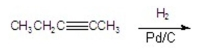
 <strong>What is the major product of the following reaction?   </strong> A) \mathrm { CH } _ { 3 } \mathrm { CH } _ { 2 } \mathrm { CH } _ { 2 } \mathrm { CH } _ { 2 } \mathrm { CH } _ { 3 }  B)  C)  D)  E)  <div style=padding-top: 35px>

A) CH3CH2CH2CH2CH3\mathrm { CH } _ { 3 } \mathrm { CH } _ { 2 } \mathrm { CH } _ { 2 } \mathrm { CH } _ { 2 } \mathrm { CH } _ { 3 }
B) <strong>What is the major product of the following reaction?   </strong> A) \mathrm { CH } _ { 3 } \mathrm { CH } _ { 2 } \mathrm { CH } _ { 2 } \mathrm { CH } _ { 2 } \mathrm { CH } _ { 3 }  B)  C)  D)  E)  <div style=padding-top: 35px>
C) <strong>What is the major product of the following reaction?   </strong> A) \mathrm { CH } _ { 3 } \mathrm { CH } _ { 2 } \mathrm { CH } _ { 2 } \mathrm { CH } _ { 2 } \mathrm { CH } _ { 3 }  B)  C)  D)  E)  <div style=padding-top: 35px>
D) <strong>What is the major product of the following reaction?   </strong> A) \mathrm { CH } _ { 3 } \mathrm { CH } _ { 2 } \mathrm { CH } _ { 2 } \mathrm { CH } _ { 2 } \mathrm { CH } _ { 3 }  B)  C)  D)  E)  <div style=padding-top: 35px>
E) <strong>What is the major product of the following reaction?   </strong> A) \mathrm { CH } _ { 3 } \mathrm { CH } _ { 2 } \mathrm { CH } _ { 2 } \mathrm { CH } _ { 2 } \mathrm { CH } _ { 3 }  B)  C)  D)  E)  <div style=padding-top: 35px>
Question
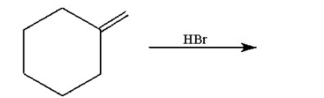
Which is more highly regioselective: the addition of HCl to methylenecyclohexane or to 1-methylcyclohexene? Explain.
Question
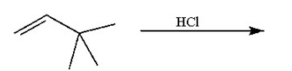
Draw the major product of the following reaction: Draw the major product of the following reaction:  <div style=padding-top: 35px>
Question
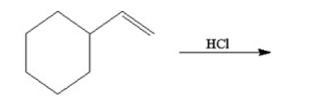
Draw the major product of the following reaction: Draw the major product of the following reaction:  <div style=padding-top: 35px>
Question
Draw the structures of the two alkenes that react with HBr to form 1-bromo-1-
methylcyclopentane as the major product.
Question
What is the major product of the following reaction?
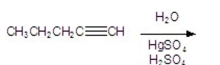
 <strong>What is the major product of the following reaction?   </strong> A)  B)  C)  D) \mathrm { CH } _ { 3 } \mathrm { CH } _ { 2 } \mathrm { CH } _ { 2 } \mathrm { CH } = \mathrm { CHOH }  E)  <div style=padding-top: 35px>

A) <strong>What is the major product of the following reaction?   </strong> A)  B)  C)  D) \mathrm { CH } _ { 3 } \mathrm { CH } _ { 2 } \mathrm { CH } _ { 2 } \mathrm { CH } = \mathrm { CHOH }  E)  <div style=padding-top: 35px>
B) <strong>What is the major product of the following reaction?   </strong> A)  B)  C)  D) \mathrm { CH } _ { 3 } \mathrm { CH } _ { 2 } \mathrm { CH } _ { 2 } \mathrm { CH } = \mathrm { CHOH }  E)  <div style=padding-top: 35px>
C) <strong>What is the major product of the following reaction?   </strong> A)  B)  C)  D) \mathrm { CH } _ { 3 } \mathrm { CH } _ { 2 } \mathrm { CH } _ { 2 } \mathrm { CH } = \mathrm { CHOH }  E)  <div style=padding-top: 35px>
D) CH3CH2CH2CH=CHOH\mathrm { CH } _ { 3 } \mathrm { CH } _ { 2 } \mathrm { CH } _ { 2 } \mathrm { CH } = \mathrm { CHOH }
E) <strong>What is the major product of the following reaction?   </strong> A)  B)  C)  D) \mathrm { CH } _ { 3 } \mathrm { CH } _ { 2 } \mathrm { CH } _ { 2 } \mathrm { CH } = \mathrm { CHOH }  E)  <div style=padding-top: 35px>
Question
Write structures and give systematic names for all alkynes with molecular formula C5H8.
Question
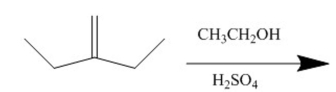
Draw the major product of the following reaction. The mechanism is the same as the mechanism for the addition of water to an alkene. Draw the major product of the following reaction. The mechanism is the same as the mechanism for the addition of water to an alkene.  <div style=padding-top: 35px>
Question
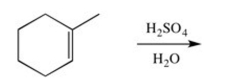
Draw the major product of the following reaction: Draw the major product of the following reaction:  <div style=padding-top: 35px>

Question
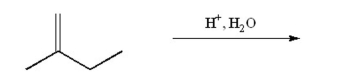
Draw the major product of the following reaction: Draw the major product of the following reaction:  <div style=padding-top: 35px>
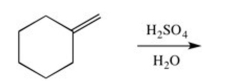
Question
Draw the major product of the following reaction: Draw the major product of the following reaction:  <div style=padding-top: 35px>
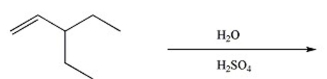
Question
Draw the major product of the following reaction: Draw the major product of the following reaction:  <div style=padding-top: 35px>
Question
Draw the major product of the following reaction: Draw the major product of the following reaction:  <div style=padding-top: 35px>
Question
Draw the structure of acetylene.
Question
Draw the major product of the following reaction. The mechanism is the same as the mechanism for the addition of water to an alkene. Draw the major product of the following reaction. The mechanism is the same as the mechanism for the addition of water to an alkene.  <div style=padding-top: 35px>

Question
Name Name  <div style=padding-top: 35px>
Question
Draw the major product of the following reaction: Draw the major product of the following reaction:  <div style=padding-top: 35px>

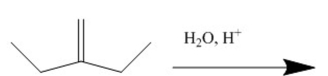
Question
Draw the major product of the following reaction: Draw the major product of the following reaction:  <div style=padding-top: 35px>
Question
Propose a mechanism for the following reaction: Propose a mechanism for the following reaction:  <div style=padding-top: 35px>
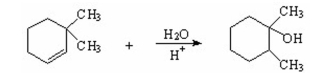
Question
Draw the major product of the following reaction: Draw the major product of the following reaction:  <div style=padding-top: 35px>
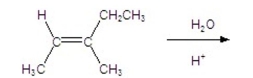
Question
Draw the major product of the following reaction. The mechanism is the same as the mechanism for the addition of water to an alkene. Draw the major product of the following reaction. The mechanism is the same as the mechanism for the addition of water to an alkene.  <div style=padding-top: 35px>
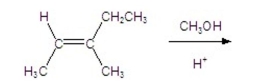
Question
Draw the major product of the following reaction: Draw the major product of the following reaction:  <div style=padding-top: 35px>
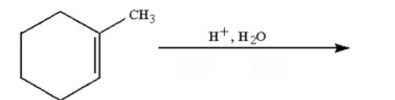
Question
Draw the major product of the following reaction. The mechanism is the same as the mechanism for the addition of water to an alkene. Draw the major product of the following reaction. The mechanism is the same as the mechanism for the addition of water to an alkene.  <div style=padding-top: 35px>
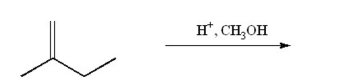
Question
Name Name  <div style=padding-top: 35px>
Question
Name Name  <div style=padding-top: 35px>
Question
Draw the structure of all terminal alkynes with molecular formul C6H10.
Question
Draw the major product of the following reaction: Draw the major product of the following reaction:  <div style=padding-top: 35px>
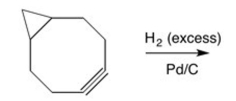
Question
Is the equilibrium constant of the following reaction greater than 1 or less than 1? Is the equilibrium constant of the following reaction greater than 1 or less than 1?  <div style=padding-top: 35px>

Question
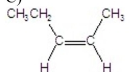
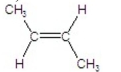
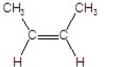
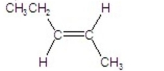
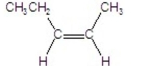
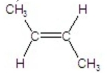
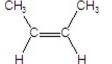
Draw the stereoisomer that is formed when 2-butyne reacts with H2 in the presence of Lindlar catalyst.
Question
Draw the major product of the following reaction: Draw the major product of the following reaction:  <div style=padding-top: 35px>
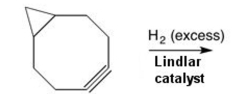
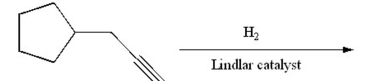
Question
Draw the major product of the following reaction: Draw the major product of the following reaction:  <div style=padding-top: 35px>
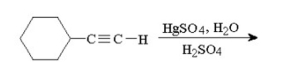
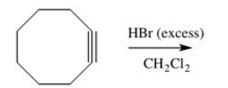
Question
Draw the major product of the following reaction: Draw the major product of the following reaction:  <div style=padding-top: 35px>
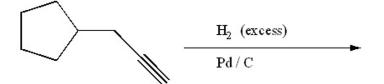
Question
Draw the major product that is formed when 2-butyne reacts wit H2SO4 in water.
Question
Draw 3-sec-butyl-1-heptyne.
Question
Draw the major product of the following reaction: Draw the major product of the following reaction:  <div style=padding-top: 35px>
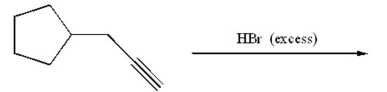

Question
Draw the major product of the following reaction: Draw the major product of the following reaction:  <div style=padding-top: 35px>
Question
Draw the major product of the following reaction: Draw the major product of the following reaction:  <div style=padding-top: 35px>
Question
Draw the major product that is formed when 2-butyne reacts with 2 equivalents of HCl.
Question
Draw 2-hexyne.
Question
Draw the major product of the following reaction: Draw the major product of the following reaction:  <div style=padding-top: 35px>
Question
Draw the major product of the following reaction: Draw the major product of the following reaction:  <div style=padding-top: 35px>
Question
Name the following compound: Name the following compound:  <div style=padding-top: 35px>
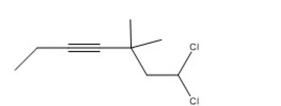
Question
Name the following compound Name the following compound  <div style=padding-top: 35px>
Question
Draw the major product of the following reaction: Draw the major product of the following reaction:  <div style=padding-top: 35px>
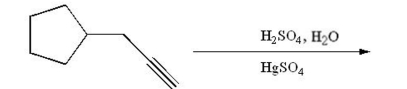

Question
Draw the major product of the following reaction: Draw the major product of the following reaction:  <div style=padding-top: 35px>
Question
Name the following compound: Name the following compound:  <div style=padding-top: 35px>
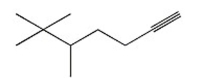
Unlock Deck
Sign up to unlock the cards in this deck!
Unlock Deck
Unlock Deck
1/83
auto play flashcards
Play
simple tutorial
Full screen (f)
exit full mode
Deck 6: Reactions of Alkenes and Alkynes
1
Identify the true statements pertaining to the mechanism for the acid-catalyzed addition of water to an alkene.

A) The addition of the electrophile is a slow step.
B) The addition of the nucleophile is a fast step.
C) A carbocation is formed as an intermediate.
D) Water removes a proton from the protonated alcohol.
E) All of the above
All of the above
2
What is the major product of the following reaction?
<strong>What is the major product of the following reaction?   </strong> A)  B)  C)  D)  E)

A)<strong>What is the major product of the following reaction?   </strong> A)  B)  C)  D)  E)
B)<strong>What is the major product of the following reaction?   </strong> A)  B)  C)  D)  E)
C)<strong>What is the major product of the following reaction?   </strong> A)  B)  C)  D)  E)
D)<strong>What is the major product of the following reaction?   </strong> A)  B)  C)  D)  E)
E)<strong>What is the major product of the following reaction?   </strong> A)  B)  C)  D)  E)
3
What is the major product when 1-hexyne reacts with excess HBr?

A) 1,1 -dibromohexane
B) 1,1-dibromohexene
C) 1,2 -dibromohexene
D) 1,2-dibromohexane
E) 2,2 -dibromohexane
2,2 -dibromohexane
4
What two atomic orbitals overlap to form the carbon-carbon ? bond in ethyne?

A) sp3sp3s p ^ { 3 } - s p ^ { 3 }
B) ppp - p
C) sp2sp2s p ^ { 2 } - s p ^ { 2 }
D) SSS - S
E) spsps p - s p
Unlock Deck
Unlock for access to all 83 flashcards in this deck.
Unlock Deck
k this deck
5
What is the major product of the following reaction?
<strong>What is the major product of the following reaction?   </strong> A)  B)  C)  D)  E)

A)<strong>What is the major product of the following reaction?   </strong> A)  B)  C)  D)  E)
B)<strong>What is the major product of the following reaction?   </strong> A)  B)  C)  D)  E)
C)<strong>What is the major product of the following reaction?   </strong> A)  B)  C)  D)  E)
D)<strong>What is the major product of the following reaction?   </strong> A)  B)  C)  D)  E)
E)<strong>What is the major product of the following reaction?   </strong> A)  B)  C)  D)  E)
Unlock Deck
Unlock for access to all 83 flashcards in this deck.
Unlock Deck
k this deck
6
Which of the following statements is not true about propyne HCCCH3\mathrm { HC } \equiv \mathrm { C } - \mathrm { CH } _ { 3 } ?

A) It contains six sigma bonds.
B) It contains three pi bonds.
C) The HCH\mathrm { H } - \mathrm { C } - \mathrm { H } bond angle is about 109.5109.5 ^ { \circ }
D) The CCC\mathrm { C } - \mathrm { C } - \mathrm { C } bond angle is 180.180 ^ { \circ } .
E) The pi bond is weaker than the sigma bond.
Unlock Deck
Unlock for access to all 83 flashcards in this deck.
Unlock Deck
k this deck
7
How many isomers with molecular formula C6H10\mathrm { C } _ { 6 } \mathrm { H } _ { 10 } contain an internal alkyne?

A) 1
B) 2
C) 3
D) 4
E) 5
Unlock Deck
Unlock for access to all 83 flashcards in this deck.

Unlock Deck
k this deck
8
Which of the following does not describe the physical properties of an alkyne?

A) relatively nonpolar
B) nearly insoluble in water
C) less dense than water
D) insoluble in most organic solvents
Unlock Deck
Unlock for access to all 83 flashcards in this deck.

Unlock Deck
k this deck
9
Which of the following statements describes the reactivity of alkynes?

A) An alkyne is an electron-rich molecule and therefore reacts as a nucleophile.
B) The σ bonds of alkynes are greater in energy than the π bonds and, therefore, are more reactive.
C) Unlike alkenes, alkynes fail to undergo electrophilic addition reactions.
D) When a symmetrical internal alkyne reacts with HBr, two products are formed.
E) Alkynes react as electrophiles, whereas alkenes react as nucleophiles.
Unlock Deck
Unlock for access to all 83 flashcards in this deck.
Unlock Deck
k this deck
10
The carbon-carbon triple bond of an alkyne is composed of ________.

A) three σ\sigma bonds
B) two σ\sigma bonds and one π\pi bond
C) one σ\sigma bond and two π\pi bonds
D) three π\pi bonds
Unlock Deck
Unlock for access to all 83 flashcards in this deck.
Unlock Deck
k this deck
11
Which of the following carbocations is likely to rearrange? I.<strong>Which of the following carbocations is likely to rearrange? I.  II.  III.  IV.  </strong> A) I B) II C) III D) IV E) II and IV
II.<strong>Which of the following carbocations is likely to rearrange? I.  II.  III.  IV.  </strong> A) I B) II C) III D) IV E) II and IV
III.<strong>Which of the following carbocations is likely to rearrange? I.  II.  III.  IV.  </strong> A) I B) II C) III D) IV E) II and IV
IV.<strong>Which of the following carbocations is likely to rearrange? I.  II.  III.  IV.  </strong> A) I B) II C) III D) IV E) II and IV

A) I
B) II
C) III
D) IV
E) II and IV
Unlock Deck
Unlock for access to all 83 flashcards in this deck.
Unlock Deck
k this deck
12
What is the hybridization of the carbons numbered 1 and 2, respectively?
12H3CCH=CHCCH\begin{array} { c } \quad\quad\quad\quad\quad\quad1 \quad2\\\mathrm { H } _ { 3 } \mathrm { C } - \mathrm { CH } = \mathrm { CH } - \mathrm { C } \equiv \mathrm { C } - \mathrm { H }\end{array}

A) sp3,sp2s p ^ { 3 } , s p ^ { 2 }
B) sp2,sp2s p ^ { 2 } , s p ^ { 2 }
C) sp2,sps p ^ { 2 } , s p
D) sp, sp
Unlock Deck
Unlock for access to all 83 flashcards in this deck.
Unlock Deck
k this deck
13
What is the major product of the following reaction? <strong>What is the major product of the following reaction?   I.   II.   III.   IV.   V.  </strong> A) I B) II C) III D) IV E) V
I.
<strong>What is the major product of the following reaction?   I.   II.   III.   IV.   V.  </strong> A) I B) II C) III D) IV E) V
II.
<strong>What is the major product of the following reaction?   I.   II.   III.   IV.   V.  </strong> A) I B) II C) III D) IV E) V
III.
<strong>What is the major product of the following reaction?   I.   II.   III.   IV.   V.  </strong> A) I B) II C) III D) IV E) V
IV.
<strong>What is the major product of the following reaction?   I.   II.   III.   IV.   V.  </strong> A) I B) II C) III D) IV E) V
V.
<strong>What is the major product of the following reaction?   I.   II.   III.   IV.   V.  </strong> A) I B) II C) III D) IV E) V

A) I
B) II
C) III
D) IV
E) V
Unlock Deck
Unlock for access to all 83 flashcards in this deck.
Unlock Deck
k this deck
14
What is the hybridization of the carbons numbered 1 and 2, respectively?
 <strong>What is the hybridization of the carbons numbered 1 and 2, respectively?  </strong> A)  s p ^ { 3 } , s p ^ { 2 }  B)  s p ^ { 2 } , s p ^ { 2 }  C)  sp, sp D)  s p ^ { 2 } , s p  E)  s p , s p^ { 2 }

A) sp3,sp2s p ^ { 3 } , s p ^ { 2 }
B) sp2,sp2s p ^ { 2 } , s p ^ { 2 }
C) sp, sp
D) sp2,sps p ^ { 2 } , s p
E) sp,sp2s p , s p^ { 2 }
Unlock Deck
Unlock for access to all 83 flashcards in this deck.
Unlock Deck
k this deck
15
Which of the following is the most stable carbocation?

A) <strong>Which of the following is the most stable carbocation? </strong> A)   B)   C)   D)   E)
B) <strong>Which of the following is the most stable carbocation? </strong> A)   B)   C)   D)   E)
C) <strong>Which of the following is the most stable carbocation? </strong> A)   B)   C)   D)   E)
D) <strong>Which of the following is the most stable carbocation? </strong> A)   B)   C)   D)   E)
E) <strong>Which of the following is the most stable carbocation? </strong> A)   B)   C)   D)   E)
Unlock Deck
Unlock for access to all 83 flashcards in this deck.
Unlock Deck
k this deck
16
What is the systematic name of the following compound?
<strong>What is the systematic name of the following compound?  </strong> A) 5-bromo-2-heptyne B) 3-bromo-5-heptyne C) 2-bromo-2-methyl-4-hexyne D) 5-bromo-5,5-dimethylhexyne E) 5-bromo-5-methyl-2-hexyne

A) 5-bromo-2-heptyne
B) 3-bromo-5-heptyne
C) 2-bromo-2-methyl-4-hexyne
D) 5-bromo-5,5-dimethylhexyne
E) 5-bromo-5-methyl-2-hexyne
Unlock Deck
Unlock for access to all 83 flashcards in this deck.
Unlock Deck
k this deck
17
What is the major product of the following reaction?

 <strong>What is the major product of the following reaction?    </strong> A)  B)  C) \mathrm { CH } _ { 3 } \mathrm { CH } = \mathrm { CH } - \mathrm { Cl }  D)  E)

A) <strong>What is the major product of the following reaction?    </strong> A)  B)  C) \mathrm { CH } _ { 3 } \mathrm { CH } = \mathrm { CH } - \mathrm { Cl }  D)  E)
B) <strong>What is the major product of the following reaction?    </strong> A)  B)  C) \mathrm { CH } _ { 3 } \mathrm { CH } = \mathrm { CH } - \mathrm { Cl }  D)  E)
C) CH3CH=CHCl\mathrm { CH } _ { 3 } \mathrm { CH } = \mathrm { CH } - \mathrm { Cl }
D) <strong>What is the major product of the following reaction?    </strong> A)  B)  C) \mathrm { CH } _ { 3 } \mathrm { CH } = \mathrm { CH } - \mathrm { Cl }  D)  E)
E) <strong>What is the major product of the following reaction?    </strong> A)  B)  C) \mathrm { CH } _ { 3 } \mathrm { CH } = \mathrm { CH } - \mathrm { Cl }  D)  E)
Unlock Deck
Unlock for access to all 83 flashcards in this deck.
Unlock Deck
k this deck
18
Which of the following is the most stable carbocation? I.
<strong>Which of the following is the most stable carbocation? I.   II.   III.   IV.   V.  </strong> A) I B) II C) III D) IV E) V
II.
<strong>Which of the following is the most stable carbocation? I.   II.   III.   IV.   V.  </strong> A) I B) II C) III D) IV E) V
III.
<strong>Which of the following is the most stable carbocation? I.   II.   III.   IV.   V.  </strong> A) I B) II C) III D) IV E) V
IV.
<strong>Which of the following is the most stable carbocation? I.   II.   III.   IV.   V.  </strong> A) I B) II C) III D) IV E) V
V.
<strong>Which of the following is the most stable carbocation? I.   II.   III.   IV.   V.  </strong> A) I B) II C) III D) IV E) V

A) I
B) II
C) III
D) IV
E) V
Unlock Deck
Unlock for access to all 83 flashcards in this deck.
Unlock Deck
k this deck
19
How many isomers with molecular formula C5H8\mathrm { C } _ { 5 } \mathrm { H } _ { 8 } contain a terminal alkyne?

A) 1
B) 2
C) 3
D) 4
E) 5
Unlock Deck
Unlock for access to all 83 flashcards in this deck.
Unlock Deck
k this deck
20
Which of the following alkenes forms 3-bromo-3-methylpentane as the major product when it reacts with HBr? <strong>Which of the following alkenes forms 3-bromo-3-methylpentane as the major product when it reacts with HBr?  </strong> A) I and II only B) III only C) I, II, and III only D) all of them E) none of them

A) I and II only
B) III only
C) I, II, and III only
D) all of them
E) none of them
Unlock Deck
Unlock for access to all 83 flashcards in this deck.
Unlock Deck
k this deck
21
Draw the major product of the following reaction: Draw the major product of the following reaction:
Unlock Deck
Unlock for access to all 83 flashcards in this deck.
Unlock Deck
k this deck
22
Draw the major product of the following reaction: Draw the major product of the following reaction:
Unlock Deck
Unlock for access to all 83 flashcards in this deck.
Unlock Deck
k this deck
23
Which of the following are enol tautomers of the ketone shown below?
<strong>Which of the following are enol tautomers of the ketone shown below?   </strong> A)  B)  C)  D)  E)

A)<strong>Which of the following are enol tautomers of the ketone shown below?   </strong> A)  B)  C)  D)  E)
B)<strong>Which of the following are enol tautomers of the ketone shown below?   </strong> A)  B)  C)  D)  E)
C)<strong>Which of the following are enol tautomers of the ketone shown below?   </strong> A)  B)  C)  D)  E)
D)<strong>Which of the following are enol tautomers of the ketone shown below?   </strong> A)  B)  C)  D)  E)
E)<strong>Which of the following are enol tautomers of the ketone shown below?   </strong> A)  B)  C)  D)  E)
Unlock Deck
Unlock for access to all 83 flashcards in this deck.
Unlock Deck
k this deck
24
What is hyperconjugation and how does it affect carbocation stability?
Unlock Deck
Unlock for access to all 83 flashcards in this deck.
Unlock Deck
k this deck
25
Draw the major product of the following reaction: Draw the major product of the following reaction:
Unlock Deck
Unlock for access to all 83 flashcards in this deck.
Unlock Deck
k this deck
26
A mixture of 1-heptyne, 2-heptyne, and 3-heptyne was hydrogenated in the presence of a palladium catalyst until hydrogen uptake ceased. How many seven-carbon hydrocarbons were
Produced?

A) 1
B) 2
C) 3
D) 6
E) 8
Unlock Deck
Unlock for access to all 83 flashcards in this deck.
Unlock Deck
k this deck
27
Explain the reason for the regioselectivity exhibited by the addition of hydrogen halides to an
alkene.
Unlock Deck
Unlock for access to all 83 flashcards in this deck.
Unlock Deck
k this deck
28
Draw the major product of the following reaction: Draw the major product of the following reaction:
Unlock Deck
Unlock for access to all 83 flashcards in this deck.
Unlock Deck
k this deck
29
Draw the major product of the following reaction: Draw the major product of the following reaction:
Unlock Deck
Unlock for access to all 83 flashcards in this deck.
Unlock Deck
k this deck
30
Draw the major product of the following reaction: Draw the major product of the following reaction:
Unlock Deck
Unlock for access to all 83 flashcards in this deck.
Unlock Deck
k this deck
31
What is the major product of the following reaction?

 <strong>What is the major product of the following reaction?    </strong> A) \mathrm { CH } _ { 3 } \mathrm { CH } _ { 2 } \mathrm { CH } _ { 2 } \mathrm { CH } _ { 2 } \mathrm { CH } _ { 3 }  B)  C)  D)  E)

A) CH3CH2CH2CH2CH3\mathrm { CH } _ { 3 } \mathrm { CH } _ { 2 } \mathrm { CH } _ { 2 } \mathrm { CH } _ { 2 } \mathrm { CH } _ { 3 }
B) <strong>What is the major product of the following reaction?    </strong> A) \mathrm { CH } _ { 3 } \mathrm { CH } _ { 2 } \mathrm { CH } _ { 2 } \mathrm { CH } _ { 2 } \mathrm { CH } _ { 3 }  B)  C)  D)  E)
C) <strong>What is the major product of the following reaction?    </strong> A) \mathrm { CH } _ { 3 } \mathrm { CH } _ { 2 } \mathrm { CH } _ { 2 } \mathrm { CH } _ { 2 } \mathrm { CH } _ { 3 }  B)  C)  D)  E)
D) <strong>What is the major product of the following reaction?    </strong> A) \mathrm { CH } _ { 3 } \mathrm { CH } _ { 2 } \mathrm { CH } _ { 2 } \mathrm { CH } _ { 2 } \mathrm { CH } _ { 3 }  B)  C)  D)  E)
E) <strong>What is the major product of the following reaction?    </strong> A) \mathrm { CH } _ { 3 } \mathrm { CH } _ { 2 } \mathrm { CH } _ { 2 } \mathrm { CH } _ { 2 } \mathrm { CH } _ { 3 }  B)  C)  D)  E)
Unlock Deck
Unlock for access to all 83 flashcards in this deck.
Unlock Deck
k this deck
32
What is the major product of the following reaction? <strong>What is the major product of the following reaction?    I.   II.   III.   IV.   V.   </strong> A) I B) II C) III D) IV E) V

I.
<strong>What is the major product of the following reaction?    I.   II.   III.   IV.   V.   </strong> A) I B) II C) III D) IV E) V
II.
<strong>What is the major product of the following reaction?    I.   II.   III.   IV.   V.   </strong> A) I B) II C) III D) IV E) V
III.
<strong>What is the major product of the following reaction?    I.   II.   III.   IV.   V.   </strong> A) I B) II C) III D) IV E) V
IV.
<strong>What is the major product of the following reaction?    I.   II.   III.   IV.   V.   </strong> A) I B) II C) III D) IV E) V
V.
<strong>What is the major product of the following reaction?    I.   II.   III.   IV.   V.   </strong> A) I B) II C) III D) IV E) V

A) I
B) II
C) III
D) IV
E) V
Unlock Deck
Unlock for access to all 83 flashcards in this deck.
Unlock Deck
k this deck
33
Draw the major product of the following reaction: Draw the major product of the following reaction:
Unlock Deck
Unlock for access to all 83 flashcards in this deck.
Unlock Deck
k this deck
34
The reagent needed to convert 2-butyne to cis-2-butene is ________.

A) H2,Pd/C\mathrm { H } _ { 2 } , \mathrm { Pd } / \mathrm { C }
B) H2/ Lindlar cataly \mathrm { H } _ { 2 } / \text { Lindlar cataly }
C) Li/NH3\mathrm { Li } / \mathrm { NH } _ { 3 }
D) Na/NH3\mathrm { Na } / \mathrm { NH } _ { 3 }
E) H+/H2\mathrm { H } ^ { + } / \mathrm { H } _ { 2 }
Unlock Deck
Unlock for access to all 83 flashcards in this deck.
Unlock Deck
k this deck
35
What is the major product of the following reaction?
 <strong>What is the major product of the following reaction?   </strong> A) \mathrm { CH } _ { 3 } \mathrm { CH } _ { 2 } \mathrm { CH } _ { 2 } \mathrm { CH } _ { 2 } \mathrm { CH } _ { 3 }  B)  C)  D)  E)

A) CH3CH2CH2CH2CH3\mathrm { CH } _ { 3 } \mathrm { CH } _ { 2 } \mathrm { CH } _ { 2 } \mathrm { CH } _ { 2 } \mathrm { CH } _ { 3 }
B) <strong>What is the major product of the following reaction?   </strong> A) \mathrm { CH } _ { 3 } \mathrm { CH } _ { 2 } \mathrm { CH } _ { 2 } \mathrm { CH } _ { 2 } \mathrm { CH } _ { 3 }  B)  C)  D)  E)
C) <strong>What is the major product of the following reaction?   </strong> A) \mathrm { CH } _ { 3 } \mathrm { CH } _ { 2 } \mathrm { CH } _ { 2 } \mathrm { CH } _ { 2 } \mathrm { CH } _ { 3 }  B)  C)  D)  E)
D) <strong>What is the major product of the following reaction?   </strong> A) \mathrm { CH } _ { 3 } \mathrm { CH } _ { 2 } \mathrm { CH } _ { 2 } \mathrm { CH } _ { 2 } \mathrm { CH } _ { 3 }  B)  C)  D)  E)
E) <strong>What is the major product of the following reaction?   </strong> A) \mathrm { CH } _ { 3 } \mathrm { CH } _ { 2 } \mathrm { CH } _ { 2 } \mathrm { CH } _ { 2 } \mathrm { CH } _ { 3 }  B)  C)  D)  E)
Unlock Deck
Unlock for access to all 83 flashcards in this deck.
Unlock Deck
k this deck
36
Which is more highly regioselective: the addition of HCl to methylenecyclohexane or to 1-methylcyclohexene? Explain.
Unlock Deck
Unlock for access to all 83 flashcards in this deck.
Unlock Deck
k this deck
37
Draw the major product of the following reaction: Draw the major product of the following reaction:
Unlock Deck
Unlock for access to all 83 flashcards in this deck.
Unlock Deck
k this deck
38
Draw the major product of the following reaction: Draw the major product of the following reaction:
Unlock Deck
Unlock for access to all 83 flashcards in this deck.
Unlock Deck
k this deck
39
Draw the structures of the two alkenes that react with HBr to form 1-bromo-1-
methylcyclopentane as the major product.
Unlock Deck
Unlock for access to all 83 flashcards in this deck.
Unlock Deck
k this deck
40
What is the major product of the following reaction?
 <strong>What is the major product of the following reaction?   </strong> A)  B)  C)  D) \mathrm { CH } _ { 3 } \mathrm { CH } _ { 2 } \mathrm { CH } _ { 2 } \mathrm { CH } = \mathrm { CHOH }  E)

A) <strong>What is the major product of the following reaction?   </strong> A)  B)  C)  D) \mathrm { CH } _ { 3 } \mathrm { CH } _ { 2 } \mathrm { CH } _ { 2 } \mathrm { CH } = \mathrm { CHOH }  E)
B) <strong>What is the major product of the following reaction?   </strong> A)  B)  C)  D) \mathrm { CH } _ { 3 } \mathrm { CH } _ { 2 } \mathrm { CH } _ { 2 } \mathrm { CH } = \mathrm { CHOH }  E)
C) <strong>What is the major product of the following reaction?   </strong> A)  B)  C)  D) \mathrm { CH } _ { 3 } \mathrm { CH } _ { 2 } \mathrm { CH } _ { 2 } \mathrm { CH } = \mathrm { CHOH }  E)
D) CH3CH2CH2CH=CHOH\mathrm { CH } _ { 3 } \mathrm { CH } _ { 2 } \mathrm { CH } _ { 2 } \mathrm { CH } = \mathrm { CHOH }
E) <strong>What is the major product of the following reaction?   </strong> A)  B)  C)  D) \mathrm { CH } _ { 3 } \mathrm { CH } _ { 2 } \mathrm { CH } _ { 2 } \mathrm { CH } = \mathrm { CHOH }  E)
Unlock Deck
Unlock for access to all 83 flashcards in this deck.
Unlock Deck
k this deck
41
Write structures and give systematic names for all alkynes with molecular formula C5H8.
Unlock Deck
Unlock for access to all 83 flashcards in this deck.
Unlock Deck
k this deck
42
Draw the major product of the following reaction. The mechanism is the same as the mechanism for the addition of water to an alkene. Draw the major product of the following reaction. The mechanism is the same as the mechanism for the addition of water to an alkene.
Unlock Deck
Unlock for access to all 83 flashcards in this deck.
Unlock Deck
k this deck
43
Draw the major product of the following reaction: Draw the major product of the following reaction:
Unlock Deck
Unlock for access to all 83 flashcards in this deck.
Unlock Deck
k this deck
44
Draw the major product of the following reaction: Draw the major product of the following reaction:
Unlock Deck
Unlock for access to all 83 flashcards in this deck.
Unlock Deck
k this deck
45
Draw the major product of the following reaction: Draw the major product of the following reaction:
Unlock Deck
Unlock for access to all 83 flashcards in this deck.
Unlock Deck
k this deck
46
Draw the major product of the following reaction: Draw the major product of the following reaction:
Unlock Deck
Unlock for access to all 83 flashcards in this deck.
Unlock Deck
k this deck
47
Draw the major product of the following reaction: Draw the major product of the following reaction:
Unlock Deck
Unlock for access to all 83 flashcards in this deck.
Unlock Deck
k this deck
48
Draw the structure of acetylene.
Unlock Deck
Unlock for access to all 83 flashcards in this deck.
Unlock Deck
k this deck
49
Draw the major product of the following reaction. The mechanism is the same as the mechanism for the addition of water to an alkene. Draw the major product of the following reaction. The mechanism is the same as the mechanism for the addition of water to an alkene.
Unlock Deck
Unlock for access to all 83 flashcards in this deck.
Unlock Deck
k this deck
50
Name Name
Unlock Deck
Unlock for access to all 83 flashcards in this deck.
Unlock Deck
k this deck
51
Draw the major product of the following reaction: Draw the major product of the following reaction:
Unlock Deck
Unlock for access to all 83 flashcards in this deck.
Unlock Deck
k this deck
52
Draw the major product of the following reaction: Draw the major product of the following reaction:
Unlock Deck
Unlock for access to all 83 flashcards in this deck.
Unlock Deck
k this deck
53
Propose a mechanism for the following reaction: Propose a mechanism for the following reaction:
Unlock Deck
Unlock for access to all 83 flashcards in this deck.
Unlock Deck
k this deck
54
Draw the major product of the following reaction: Draw the major product of the following reaction:
Unlock Deck
Unlock for access to all 83 flashcards in this deck.
Unlock Deck
k this deck
55
Draw the major product of the following reaction. The mechanism is the same as the mechanism for the addition of water to an alkene. Draw the major product of the following reaction. The mechanism is the same as the mechanism for the addition of water to an alkene.
Unlock Deck
Unlock for access to all 83 flashcards in this deck.
Unlock Deck
k this deck
56
Draw the major product of the following reaction: Draw the major product of the following reaction:
Unlock Deck
Unlock for access to all 83 flashcards in this deck.
Unlock Deck
k this deck
57
Draw the major product of the following reaction. The mechanism is the same as the mechanism for the addition of water to an alkene. Draw the major product of the following reaction. The mechanism is the same as the mechanism for the addition of water to an alkene.
Unlock Deck
Unlock for access to all 83 flashcards in this deck.
Unlock Deck
k this deck
58
Name Name
Unlock Deck
Unlock for access to all 83 flashcards in this deck.
Unlock Deck
k this deck
59
Name Name
Unlock Deck
Unlock for access to all 83 flashcards in this deck.
Unlock Deck
k this deck
60
Draw the structure of all terminal alkynes with molecular formul C6H10.
Unlock Deck
Unlock for access to all 83 flashcards in this deck.
Unlock Deck
k this deck
61
Draw the major product of the following reaction: Draw the major product of the following reaction:
Unlock Deck
Unlock for access to all 83 flashcards in this deck.
Unlock Deck
k this deck
62
Is the equilibrium constant of the following reaction greater than 1 or less than 1? Is the equilibrium constant of the following reaction greater than 1 or less than 1?
Unlock Deck
Unlock for access to all 83 flashcards in this deck.
Unlock Deck
k this deck
63
Draw the stereoisomer that is formed when 2-butyne reacts with H2 in the presence of Lindlar catalyst.
Unlock Deck
Unlock for access to all 83 flashcards in this deck.
Unlock Deck
k this deck
64
Draw the major product of the following reaction: Draw the major product of the following reaction:
Unlock Deck
Unlock for access to all 83 flashcards in this deck.
Unlock Deck
k this deck
65
Draw the major product of the following reaction: Draw the major product of the following reaction:
Unlock Deck
Unlock for access to all 83 flashcards in this deck.
Unlock Deck
k this deck
66
Draw the major product of the following reaction: Draw the major product of the following reaction:
Unlock Deck
Unlock for access to all 83 flashcards in this deck.
Unlock Deck
k this deck
67
Draw the major product that is formed when 2-butyne reacts wit H2SO4 in water.
Unlock Deck
Unlock for access to all 83 flashcards in this deck.
Unlock Deck
k this deck
68
Draw 3-sec-butyl-1-heptyne.
Unlock Deck
Unlock for access to all 83 flashcards in this deck.
Unlock Deck
k this deck
69
Draw the major product of the following reaction: Draw the major product of the following reaction:
Unlock Deck
Unlock for access to all 83 flashcards in this deck.
Unlock Deck
k this deck
70
Draw the major product of the following reaction: Draw the major product of the following reaction:
Unlock Deck
Unlock for access to all 83 flashcards in this deck.
Unlock Deck
k this deck
71
Draw the major product of the following reaction: Draw the major product of the following reaction:
Unlock Deck
Unlock for access to all 83 flashcards in this deck.
Unlock Deck
k this deck
72
Draw the major product that is formed when 2-butyne reacts with 2 equivalents of HCl.
Unlock Deck
Unlock for access to all 83 flashcards in this deck.
Unlock Deck
k this deck
73
Draw 2-hexyne.
Unlock Deck
Unlock for access to all 83 flashcards in this deck.
Unlock Deck
k this deck
74
Draw the major product of the following reaction: Draw the major product of the following reaction:
Unlock Deck
Unlock for access to all 83 flashcards in this deck.
Unlock Deck
k this deck
75
Draw the major product of the following reaction: Draw the major product of the following reaction:
Unlock Deck
Unlock for access to all 83 flashcards in this deck.
Unlock Deck
k this deck
76
Name the following compound: Name the following compound:
Unlock Deck
Unlock for access to all 83 flashcards in this deck.
Unlock Deck
k this deck
77
Name the following compound Name the following compound
Unlock Deck
Unlock for access to all 83 flashcards in this deck.
Unlock Deck
k this deck
78
Draw the major product of the following reaction: Draw the major product of the following reaction:
Unlock Deck
Unlock for access to all 83 flashcards in this deck.
Unlock Deck
k this deck
79
Draw the major product of the following reaction: Draw the major product of the following reaction:
Unlock Deck
Unlock for access to all 83 flashcards in this deck.
Unlock Deck
k this deck
80
Name the following compound: Name the following compound:
Unlock Deck
Unlock for access to all 83 flashcards in this deck.
Unlock Deck
k this deck
locked card icon
Unlock Deck
Unlock for access to all 83 flashcards in this deck.