Deck 21: Special Topic: Bio-Organic Chemistry

Full screen (f)
exit full mode
Question
What is the major product of the reaction of n-butyl bromide with excess ammonia?

A)butylamine
B)dibutylamine
C)tributylamine
D)tetrabutylammonium bromide
E)ammonium bromide
Use Space or
up arrow
down arrow
to flip the card.
Question
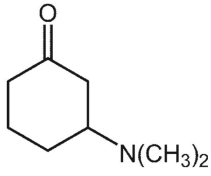
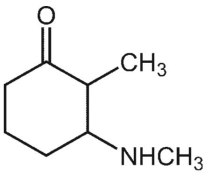
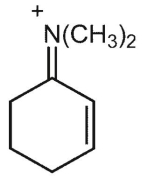
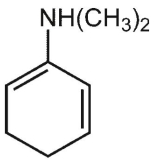
What is the major organic product of two-step transformation?
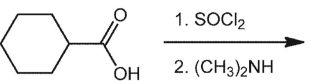
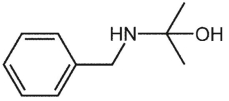
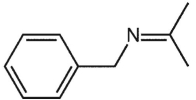
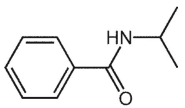
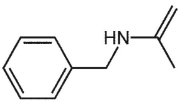
<strong>What is the major organic product of two-step transformation?  </strong> A)  B)  C)  D)  E)  <div style=padding-top: 35px>

A)<strong>What is the major organic product of two-step transformation?  </strong> A)  B)  C)  D)  E)  <div style=padding-top: 35px>
B)<strong>What is the major organic product of two-step transformation?  </strong> A)  B)  C)  D)  E)  <div style=padding-top: 35px>
C)<strong>What is the major organic product of two-step transformation?  </strong> A)  B)  C)  D)  E)  <div style=padding-top: 35px>
D)<strong>What is the major organic product of two-step transformation?  </strong> A)  B)  C)  D)  E)  <div style=padding-top: 35px>
E)<strong>What is the major organic product of two-step transformation?  </strong> A)  B)  C)  D)  E)  <div style=padding-top: 35px>
Question
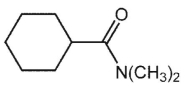
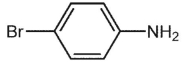
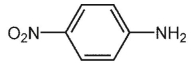
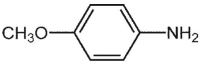
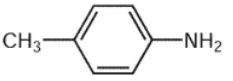
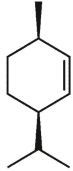
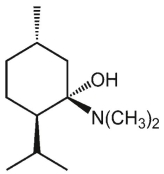
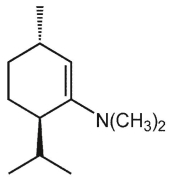
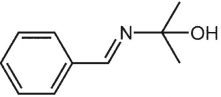
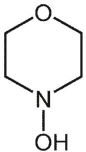
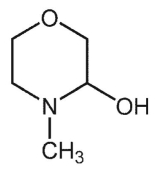
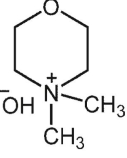
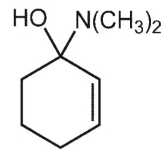
Which amine is the most basic?

A)
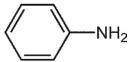
<strong>Which amine is the most basic?</strong> A)   B)   C)   D)   E)  <div style=padding-top: 35px>
B)
<strong>Which amine is the most basic?</strong> A)   B)   C)   D)   E)  <div style=padding-top: 35px>
C)
<strong>Which amine is the most basic?</strong> A)   B)   C)   D)   E)  <div style=padding-top: 35px>
D)
<strong>Which amine is the most basic?</strong> A)   B)   C)   D)   E)  <div style=padding-top: 35px>
E)<strong>Which amine is the most basic?</strong> A)   B)   C)   D)   E)  <div style=padding-top: 35px>
Question
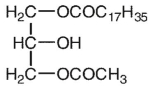
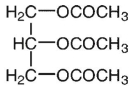
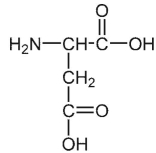
Which of the following compound i s a lipid?

A)
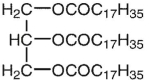
<strong>Which of the following compound i s a lipid?</strong> A)   B)   C)   D)   E)   <div style=padding-top: 35px>
B)
<strong>Which of the following compound i s a lipid?</strong> A)   B)   C)   D)   E)   <div style=padding-top: 35px>
C)
<strong>Which of the following compound i s a lipid?</strong> A)   B)   C)   D)   E)   <div style=padding-top: 35px>
D)
<strong>Which of the following compound i s a lipid?</strong> A)   B)   C)   D)   E)   <div style=padding-top: 35px>
E)
<strong>Which of the following compound i s a lipid?</strong> A)   B)   C)   D)   E)   <div style=padding-top: 35px>
Question
Which atom is the most basic in each molecule? Which of the molecules is more basic overall?
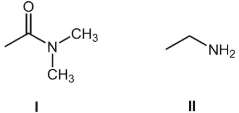
<strong>Which atom is the most basic in each molecule? Which of the molecules is more basic overall?  </strong> A)   B)   C)   D)   E)   <div style=padding-top: 35px>

A) <strong>Which atom is the most basic in each molecule? Which of the molecules is more basic overall?  </strong> A)   B)   C)   D)   E)   <div style=padding-top: 35px>
B) <strong>Which atom is the most basic in each molecule? Which of the molecules is more basic overall?  </strong> A)   B)   C)   D)   E)   <div style=padding-top: 35px>
C) <strong>Which atom is the most basic in each molecule? Which of the molecules is more basic overall?  </strong> A)   B)   C)   D)   E)   <div style=padding-top: 35px>
D) <strong>Which atom is the most basic in each molecule? Which of the molecules is more basic overall?  </strong> A)   B)   C)   D)   E)   <div style=padding-top: 35px>
E) <strong>Which atom is the most basic in each molecule? Which of the molecules is more basic overall?  </strong> A)   B)   C)   D)   E)   <div style=padding-top: 35px>
Question
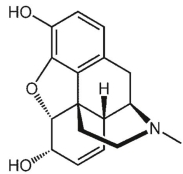
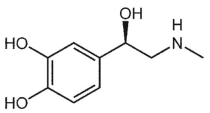
Which of the following compounds is an alkaloid?

A)<strong>Which of the following compounds is an alkaloid?</strong> A)  B)  C)  D)  E)  <div style=padding-top: 35px>
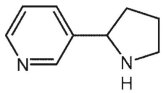
B)<strong>Which of the following compounds is an alkaloid?</strong> A)  B)  C)  D)  E)  <div style=padding-top: 35px>
C)<strong>Which of the following compounds is an alkaloid?</strong> A)  B)  C)  D)  E)  <div style=padding-top: 35px>
D)<strong>Which of the following compounds is an alkaloid?</strong> A)  B)  C)  D)  E)  <div style=padding-top: 35px>
E)<strong>Which of the following compounds is an alkaloid?</strong> A)  B)  C)  D)  E)  <div style=padding-top: 35px>
Question
Arrange the following amines in the order of increasing basicity.
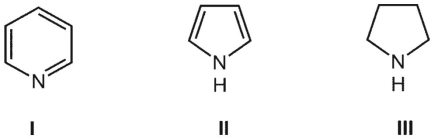
<strong>Arrange the following amines in the order of increasing basicity.  </strong> A)   B)    C)   D)    E)   <div style=padding-top: 35px>

A) <strong>Arrange the following amines in the order of increasing basicity.  </strong> A)   B)    C)   D)    E)   <div style=padding-top: 35px>
B) <strong>Arrange the following amines in the order of increasing basicity.  </strong> A)   B)    C)   D)    E)   <div style=padding-top: 35px>
C) <strong>Arrange the following amines in the order of increasing basicity.  </strong> A)   B)    C)   D)    E)   <div style=padding-top: 35px>
D) <strong>Arrange the following amines in the order of increasing basicity.  </strong> A)   B)    C)   D)    E)   <div style=padding-top: 35px>
E) <strong>Arrange the following amines in the order of increasing basicity.  </strong> A)   B)    C)   D)    E)   <div style=padding-top: 35px>
Question
What is the major cyclic product of the following reaction sequence? <strong>What is the major cyclic product of the following reaction sequence?  </strong> A)   B)   C)   D)   E)   <div style=padding-top: 35px>
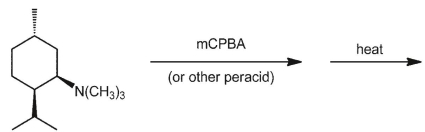
A)
<strong>What is the major cyclic product of the following reaction sequence?  </strong> A)   B)   C)   D)   E)   <div style=padding-top: 35px>
B)
<strong>What is the major cyclic product of the following reaction sequence?  </strong> A)   B)   C)   D)   E)   <div style=padding-top: 35px>
C)
<strong>What is the major cyclic product of the following reaction sequence?  </strong> A)   B)   C)   D)   E)   <div style=padding-top: 35px>
D)
<strong>What is the major cyclic product of the following reaction sequence?  </strong> A)   B)   C)   D)   E)   <div style=padding-top: 35px>
E)
<strong>What is the major cyclic product of the following reaction sequence?  </strong> A)   B)   C)   D)   E)   <div style=padding-top: 35px>
Question
Which class of the enzymes catalyzes the following reaction? <strong>Which class of the enzymes catalyzes the following reaction?  </strong> A) dehydrogenase B) hydrogenase C) peroxidase D) oxidase E) acyl transferase <div style=padding-top: 35px>

A) dehydrogenase
B) hydrogenase
C) peroxidase
D) oxidase
E) acyl transferase
Question
Which compound would not give butylamine as a major product upon reduction with LiAlH4 ?

A) butanamide
B) butanenitrile
C) N-methylpropanamide
D) butyl azide
E) nitrobutane
Question
What is the final organic product of this two-step transformation?
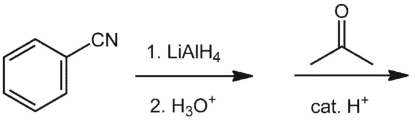
<strong>What is the final organic product of this two-step transformation?  </strong> A)  B)  C)  D)  E)  <div style=padding-top: 35px>

A)<strong>What is the final organic product of this two-step transformation?  </strong> A)  B)  C)  D)  E)  <div style=padding-top: 35px>
B)<strong>What is the final organic product of this two-step transformation?  </strong> A)  B)  C)  D)  E)  <div style=padding-top: 35px>
C)<strong>What is the final organic product of this two-step transformation?  </strong> A)  B)  C)  D)  E)  <div style=padding-top: 35px>
D)<strong>What is the final organic product of this two-step transformation?  </strong> A)  B)  C)  D)  E)  <div style=padding-top: 35px>
E)<strong>What is the final organic product of this two-step transformation?  </strong> A)  B)  C)  D)  E)  <div style=padding-top: 35px>
Question
What is the role of an iron-enzyme complex in the biochemistry of unsaturated fats?

A)Iron binds to the lipids, enhancing the membrane-permeation properties.
B)Iron complex catalyzes biosynthesis of lipids from acetyl-CoA.
C)Iron complex catalyzes oxidation of unsaturated lipids by oxygen.
D)all of the above
E)There are no known interaction between iron complexes and lipids.
Question
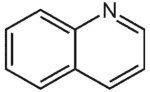
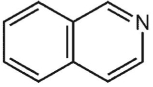
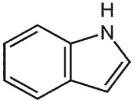
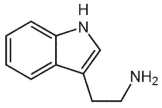
Which heterocycle is indole?

A)<strong>Which heterocycle is indole?</strong> A)  B)  C)  D)  E)  <div style=padding-top: 35px>
B)<strong>Which heterocycle is indole?</strong> A)  B)  C)  D)  E)  <div style=padding-top: 35px>
C)<strong>Which heterocycle is indole?</strong> A)  B)  C)  D)  E)  <div style=padding-top: 35px>
D)<strong>Which heterocycle is indole?</strong> A)  B)  C)  D)  E)  <div style=padding-top: 35px>
E)<strong>Which heterocycle is indole?</strong> A)  B)  C)  D)  E)  <div style=padding-top: 35px>
Question
What is the product of the following reaction? <strong>What is the product of the following reaction?  </strong> A)   B)   C)   D)   E)   <div style=padding-top: 35px>
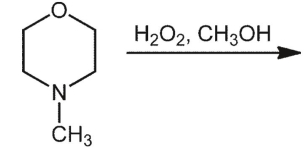
A)
<strong>What is the product of the following reaction?  </strong> A)   B)   C)   D)   E)   <div style=padding-top: 35px>
B)
<strong>What is the product of the following reaction?  </strong> A)   B)   C)   D)   E)   <div style=padding-top: 35px>
C)
<strong>What is the product of the following reaction?  </strong> A)   B)   C)   D)   E)   <div style=padding-top: 35px>
D)
<strong>What is the product of the following reaction?  </strong> A)   B)   C)   D)   E)   <div style=padding-top: 35px>
E)
<strong>What is the product of the following reaction?  </strong> A)   B)   C)   D)   E)   <div style=padding-top: 35px>
Question
What is the major product of this reaction?
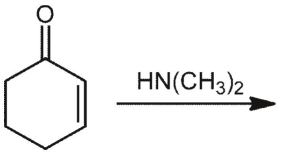
<strong>What is the major product of this reaction?  </strong> A)   B)  C)  D)  E)  <div style=padding-top: 35px>

A) <strong>What is the major product of this reaction?  </strong> A)   B)  C)  D)  E)  <div style=padding-top: 35px>
B)<strong>What is the major product of this reaction?  </strong> A)   B)  C)  D)  E)  <div style=padding-top: 35px>
C)<strong>What is the major product of this reaction?  </strong> A)   B)  C)  D)  E)  <div style=padding-top: 35px>
D)<strong>What is the major product of this reaction?  </strong> A)   B)  C)  D)  E)  <div style=padding-top: 35px>
E)<strong>What is the major product of this reaction?  </strong> A)   B)  C)  D)  E)  <div style=padding-top: 35px>
Question
Which of the following statements about phospholipids is/are true?
I.Phospholipids contain a hydrophobic and a hydrophilic part in the molecule.
II)The polar part of the molecule is a sulfonic acid.
III)Phospholipids constitute an important part of cell membranes.
IV)Phospholipids form bilayers in water.

A)I
B)I, III
C)III, IV
D)I, III, IV
E)All of the above
Question
Which of the following compounds can be formed during catalytic hydrogenation of m-nitrobenzonitrile?
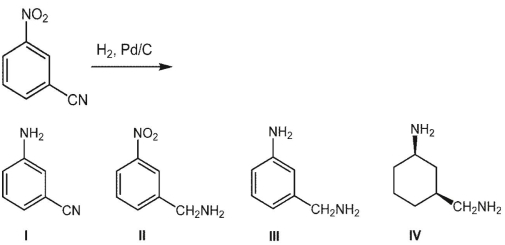
<strong>Which of the following compounds can be formed during catalytic hydrogenation of m-nitrobenzonitrile?  </strong> A) I B) I, II, III C) I, III, IV D) II, III E) I, II, III, IV <div style=padding-top: 35px>

A) I
B) I, II, III
C) I, III, IV
D) II, III
E) I, II, III, IV
Question
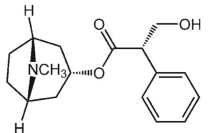
Which alkaloid contains a tropane moiety?

A)<strong>Which alkaloid contains a tropane moiety?</strong> A)  B)  C)  D)  E)  <div style=padding-top: 35px>
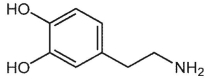
B)<strong>Which alkaloid contains a tropane moiety?</strong> A)  B)  C)  D)  E)  <div style=padding-top: 35px>
C)<strong>Which alkaloid contains a tropane moiety?</strong> A)  B)  C)  D)  E)  <div style=padding-top: 35px>
D)<strong>Which alkaloid contains a tropane moiety?</strong> A)  B)  C)  D)  E)  <div style=padding-top: 35px>
E)<strong>Which alkaloid contains a tropane moiety?</strong> A)  B)  C)  D)  E)  <div style=padding-top: 35px>
Question
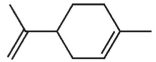
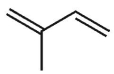
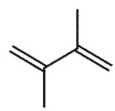
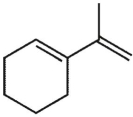
Which of the following strutyres is isporene?

A)<strong>Which of the following strutyres is isporene?</strong> A)   B)   C)   D)   E)  <div style=padding-top: 35px>
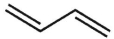
B)<strong>Which of the following strutyres is isporene?</strong> A)   B)   C)   D)   E)  <div style=padding-top: 35px>

C)<strong>Which of the following strutyres is isporene?</strong> A)   B)   C)   D)   E)  <div style=padding-top: 35px>

D)<strong>Which of the following strutyres is isporene?</strong> A)   B)   C)   D)   E)  <div style=padding-top: 35px>

E)<strong>Which of the following strutyres is isporene?</strong> A)   B)   C)   D)   E)  <div style=padding-top: 35px>
Question
Which of these reactions directly leads to the formation of soap?

A)acidic hydrolysis of starch
B)enzymatic hydrolysis of starch
C)basic hydrolysis of fats
D)acidic hydrolysis of fats
E)amide bond formation between two amino acids
Question
What is the product of the following reaction? What is the product of the following reaction?  <div style=padding-top: 35px>
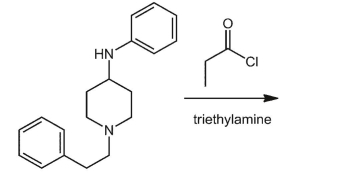
Question
Which important class of bioorganic compounds is biosynthesized from arachidonic acid?
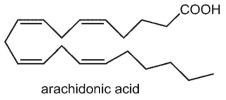
Which important class of bioorganic compounds is biosynthesized from arachidonic acid?  <div style=padding-top: 35px>
Question
Which important class of bioorganic compounds is produced by polycyclization of squalene?
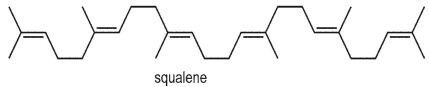
Which important class of bioorganic compounds is produced by polycyclization of squalene?  <div style=padding-top: 35px>
Question
Rank the following compounds in order of increasing basicity. Rank the following compounds in order of increasing basicity.  <div style=padding-top: 35px>
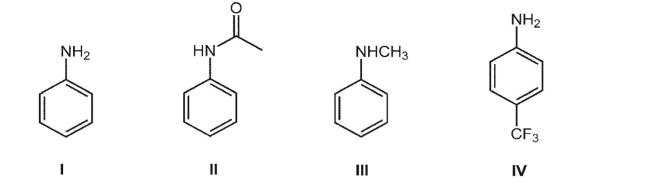
Question
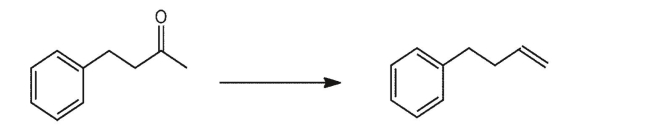
Provide the reagents necessary to achieve the following transformation. Provide the reagents necessary to achieve the following transformation.  <div style=padding-top: 35px>
Question
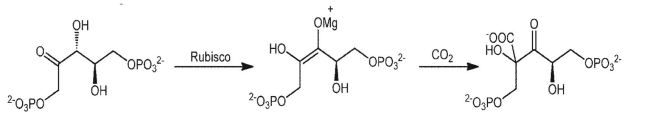
The following reaction sequence is part of a very important biosynthetic process related to the
synthesis of biomass.What is this process? The following reaction sequence is part of a very important biosynthetic process related to the synthesis of biomass.What is this process?  <div style=padding-top: 35px>
Question
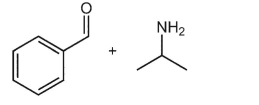
What is the product of the following reaction? What is the product of the following reaction?  <div style=padding-top: 35px>
Question
The following reversible transformation occurs in biological systems.

The following reversible transformation occurs in biological systems.   Draw the imine intermediate.<div style=padding-top: 35px> Draw the imine intermediate.
Question
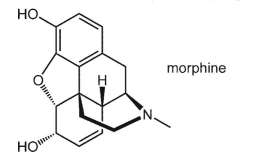
What common heterocycle moiety is present in the structure of alkaloid morphine? What common heterocycle moiety is present in the structure of alkaloid morphine?  <div style=padding-top: 35px>
Question
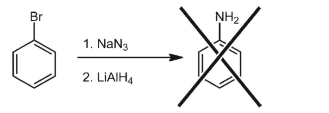
Why the following synthesis of aniline does not work? Why the following synthesis of aniline does not work?  <div style=padding-top: 35px>
Question
Vegetable oil consists mainly of triglycerides of unsaturated fatty acids.Animal fat consists of
glycerol esters of saturated fatty acids.If stored in the presence of air and sunlight (and in the
absence of microorganisms), which type of fat is the most stable? Explain.
Question
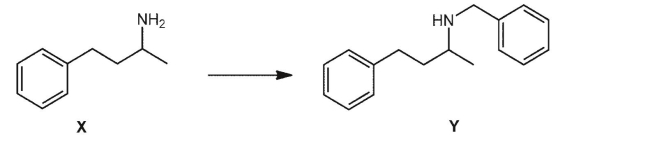
Provide two different synthetic routes from X to Y: Provide two different synthetic routes from X to Y:  <div style=padding-top: 35px>
Question
Dolichodial is synthesized in a biological system from two units of isoprene.
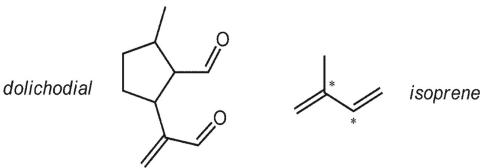
Dolichodial is synthesized in a biological system from two units of isoprene.   Two carbon atoms in isoprene were isotopically labeled with  <sup>13</sup>C  (marked with  *) and this molecule was introduced into the biosynthetic pathway. Which atoms in the resulting molecule of dolichodial will bear the  <sup>13</sup>C  label?<div style=padding-top: 35px>
Two carbon atoms in isoprene were isotopically labeled with 13C (marked with *) and this molecule was introduced into the biosynthetic pathway. Which atoms in the resulting molecule of dolichodial will bear the 13C label?
Question
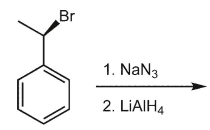
What is the product of the following reaction sequence? What is the product of the following reaction sequence?  <div style=padding-top: 35px>
Question
Typically, extraction of nonpolar organic compounds from biological materials is done with the
help of organic solvents.However, alkaloids, even the nonpolar ones, are often extracted from
plants by acidic aqueous solutions.Explain why this is possible.
Question
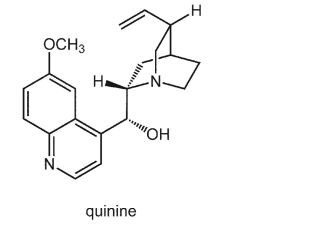
What common heterocycle moiety is present in the structure of alkaloid quinine? What common heterocycle moiety is present in the structure of alkaloid quinine?  <div style=padding-top: 35px>
Question
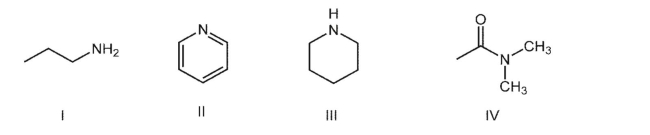
Rank the following compounds in order of increasing basicity. Rank the following compounds in order of increasing basicity.  <div style=padding-top: 35px>
Question
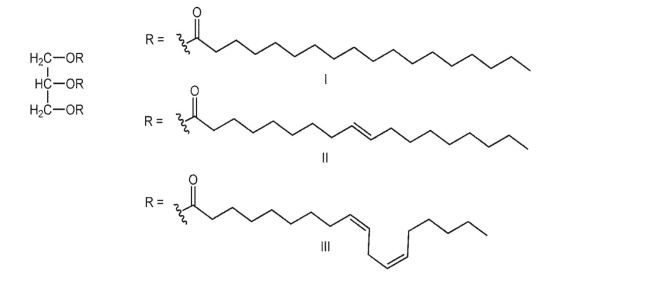
Which of the following lipids has the lowest melting point? Which of the following lipids has the lowest melting point?  <div style=padding-top: 35px>
Question
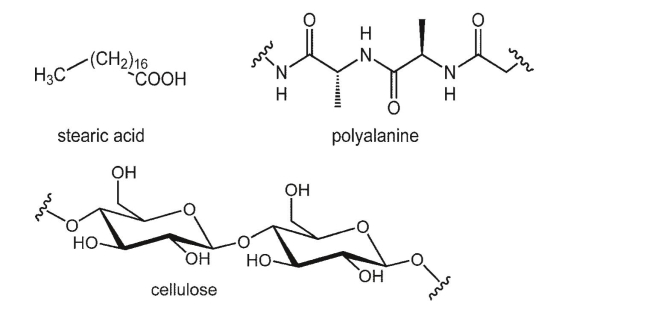
Equal masses of stearic acid, polyalanine, and cellulose were combusted in pure oxygen.Which
compound has the largest heat of combustion? Equal masses of stearic acid, polyalanine, and cellulose were combusted in pure oxygen.Which compound has the largest heat of combustion?  <div style=padding-top: 35px>
Question
A mixture of three alkenes is formed in the following reaction sequence. The ratio of products is 67 (major): 27 (minor): 12 (trace). Identify each alkene and its abundance in the reaction mixture.

A mixture of three alkenes is formed in the following reaction sequence. The ratio of products is 67 (major): 27 (minor): 12 (trace). Identify each alkene and its abundance in the reaction mixture.  <div style=padding-top: 35px>
Unlock Deck
Sign up to unlock the cards in this deck!
Unlock Deck
Unlock Deck
1/40
auto play flashcards
Play
simple tutorial
Full screen (f)
exit full mode
Deck 21: Special Topic: Bio-Organic Chemistry
1
What is the major product of the reaction of n-butyl bromide with excess ammonia?

A)butylamine
B)dibutylamine
C)tributylamine
D)tetrabutylammonium bromide
E)ammonium bromide
butylamine
2
What is the major organic product of two-step transformation?
<strong>What is the major organic product of two-step transformation?  </strong> A)  B)  C)  D)  E)

A)<strong>What is the major organic product of two-step transformation?  </strong> A)  B)  C)  D)  E)
B)<strong>What is the major organic product of two-step transformation?  </strong> A)  B)  C)  D)  E)
C)<strong>What is the major organic product of two-step transformation?  </strong> A)  B)  C)  D)  E)
D)<strong>What is the major organic product of two-step transformation?  </strong> A)  B)  C)  D)  E)
E)<strong>What is the major organic product of two-step transformation?  </strong> A)  B)  C)  D)  E)
3
Which amine is the most basic?

A)
<strong>Which amine is the most basic?</strong> A)   B)   C)   D)   E)
B)
<strong>Which amine is the most basic?</strong> A)   B)   C)   D)   E)
C)
<strong>Which amine is the most basic?</strong> A)   B)   C)   D)   E)
D)
<strong>Which amine is the most basic?</strong> A)   B)   C)   D)   E)
E)<strong>Which amine is the most basic?</strong> A)   B)   C)   D)   E)
4
Which of the following compound i s a lipid?

A)
<strong>Which of the following compound i s a lipid?</strong> A)   B)   C)   D)   E)
B)
<strong>Which of the following compound i s a lipid?</strong> A)   B)   C)   D)   E)
C)
<strong>Which of the following compound i s a lipid?</strong> A)   B)   C)   D)   E)
D)
<strong>Which of the following compound i s a lipid?</strong> A)   B)   C)   D)   E)
E)
<strong>Which of the following compound i s a lipid?</strong> A)   B)   C)   D)   E)
Unlock Deck
Unlock for access to all 40 flashcards in this deck.
Unlock Deck
k this deck
5
Which atom is the most basic in each molecule? Which of the molecules is more basic overall?
<strong>Which atom is the most basic in each molecule? Which of the molecules is more basic overall?  </strong> A)   B)   C)   D)   E)

A) <strong>Which atom is the most basic in each molecule? Which of the molecules is more basic overall?  </strong> A)   B)   C)   D)   E)
B) <strong>Which atom is the most basic in each molecule? Which of the molecules is more basic overall?  </strong> A)   B)   C)   D)   E)
C) <strong>Which atom is the most basic in each molecule? Which of the molecules is more basic overall?  </strong> A)   B)   C)   D)   E)
D) <strong>Which atom is the most basic in each molecule? Which of the molecules is more basic overall?  </strong> A)   B)   C)   D)   E)
E) <strong>Which atom is the most basic in each molecule? Which of the molecules is more basic overall?  </strong> A)   B)   C)   D)   E)
Unlock Deck
Unlock for access to all 40 flashcards in this deck.
Unlock Deck
k this deck
6
Which of the following compounds is an alkaloid?

A)<strong>Which of the following compounds is an alkaloid?</strong> A)  B)  C)  D)  E)
B)<strong>Which of the following compounds is an alkaloid?</strong> A)  B)  C)  D)  E)
C)<strong>Which of the following compounds is an alkaloid?</strong> A)  B)  C)  D)  E)
D)<strong>Which of the following compounds is an alkaloid?</strong> A)  B)  C)  D)  E)
E)<strong>Which of the following compounds is an alkaloid?</strong> A)  B)  C)  D)  E)
Unlock Deck
Unlock for access to all 40 flashcards in this deck.
Unlock Deck
k this deck
7
Arrange the following amines in the order of increasing basicity.
<strong>Arrange the following amines in the order of increasing basicity.  </strong> A)   B)    C)   D)    E)

A) <strong>Arrange the following amines in the order of increasing basicity.  </strong> A)   B)    C)   D)    E)
B) <strong>Arrange the following amines in the order of increasing basicity.  </strong> A)   B)    C)   D)    E)
C) <strong>Arrange the following amines in the order of increasing basicity.  </strong> A)   B)    C)   D)    E)
D) <strong>Arrange the following amines in the order of increasing basicity.  </strong> A)   B)    C)   D)    E)
E) <strong>Arrange the following amines in the order of increasing basicity.  </strong> A)   B)    C)   D)    E)
Unlock Deck
Unlock for access to all 40 flashcards in this deck.

Unlock Deck
k this deck
8
What is the major cyclic product of the following reaction sequence? <strong>What is the major cyclic product of the following reaction sequence?  </strong> A)   B)   C)   D)   E)

A)
<strong>What is the major cyclic product of the following reaction sequence?  </strong> A)   B)   C)   D)   E)
B)
<strong>What is the major cyclic product of the following reaction sequence?  </strong> A)   B)   C)   D)   E)
C)
<strong>What is the major cyclic product of the following reaction sequence?  </strong> A)   B)   C)   D)   E)
D)
<strong>What is the major cyclic product of the following reaction sequence?  </strong> A)   B)   C)   D)   E)
E)
<strong>What is the major cyclic product of the following reaction sequence?  </strong> A)   B)   C)   D)   E)
Unlock Deck
Unlock for access to all 40 flashcards in this deck.

Unlock Deck
k this deck
9
Which class of the enzymes catalyzes the following reaction? <strong>Which class of the enzymes catalyzes the following reaction?  </strong> A) dehydrogenase B) hydrogenase C) peroxidase D) oxidase E) acyl transferase

A) dehydrogenase
B) hydrogenase
C) peroxidase
D) oxidase
E) acyl transferase
Unlock Deck
Unlock for access to all 40 flashcards in this deck.
Unlock Deck
k this deck
10
Which compound would not give butylamine as a major product upon reduction with LiAlH4 ?

A) butanamide
B) butanenitrile
C) N-methylpropanamide
D) butyl azide
E) nitrobutane
Unlock Deck
Unlock for access to all 40 flashcards in this deck.
Unlock Deck
k this deck
11
What is the final organic product of this two-step transformation?
<strong>What is the final organic product of this two-step transformation?  </strong> A)  B)  C)  D)  E)

A)<strong>What is the final organic product of this two-step transformation?  </strong> A)  B)  C)  D)  E)
B)<strong>What is the final organic product of this two-step transformation?  </strong> A)  B)  C)  D)  E)
C)<strong>What is the final organic product of this two-step transformation?  </strong> A)  B)  C)  D)  E)
D)<strong>What is the final organic product of this two-step transformation?  </strong> A)  B)  C)  D)  E)
E)<strong>What is the final organic product of this two-step transformation?  </strong> A)  B)  C)  D)  E)
Unlock Deck
Unlock for access to all 40 flashcards in this deck.
Unlock Deck
k this deck
12
What is the role of an iron-enzyme complex in the biochemistry of unsaturated fats?

A)Iron binds to the lipids, enhancing the membrane-permeation properties.
B)Iron complex catalyzes biosynthesis of lipids from acetyl-CoA.
C)Iron complex catalyzes oxidation of unsaturated lipids by oxygen.
D)all of the above
E)There are no known interaction between iron complexes and lipids.
Unlock Deck
Unlock for access to all 40 flashcards in this deck.
Unlock Deck
k this deck
13
Which heterocycle is indole?

A)<strong>Which heterocycle is indole?</strong> A)  B)  C)  D)  E)
B)<strong>Which heterocycle is indole?</strong> A)  B)  C)  D)  E)
C)<strong>Which heterocycle is indole?</strong> A)  B)  C)  D)  E)
D)<strong>Which heterocycle is indole?</strong> A)  B)  C)  D)  E)
E)<strong>Which heterocycle is indole?</strong> A)  B)  C)  D)  E)
Unlock Deck
Unlock for access to all 40 flashcards in this deck.
Unlock Deck
k this deck
14
What is the product of the following reaction? <strong>What is the product of the following reaction?  </strong> A)   B)   C)   D)   E)

A)
<strong>What is the product of the following reaction?  </strong> A)   B)   C)   D)   E)
B)
<strong>What is the product of the following reaction?  </strong> A)   B)   C)   D)   E)
C)
<strong>What is the product of the following reaction?  </strong> A)   B)   C)   D)   E)
D)
<strong>What is the product of the following reaction?  </strong> A)   B)   C)   D)   E)
E)
<strong>What is the product of the following reaction?  </strong> A)   B)   C)   D)   E)
Unlock Deck
Unlock for access to all 40 flashcards in this deck.
Unlock Deck
k this deck
15
What is the major product of this reaction?
<strong>What is the major product of this reaction?  </strong> A)   B)  C)  D)  E)

A) <strong>What is the major product of this reaction?  </strong> A)   B)  C)  D)  E)
B)<strong>What is the major product of this reaction?  </strong> A)   B)  C)  D)  E)
C)<strong>What is the major product of this reaction?  </strong> A)   B)  C)  D)  E)
D)<strong>What is the major product of this reaction?  </strong> A)   B)  C)  D)  E)
E)<strong>What is the major product of this reaction?  </strong> A)   B)  C)  D)  E)
Unlock Deck
Unlock for access to all 40 flashcards in this deck.
Unlock Deck
k this deck
16
Which of the following statements about phospholipids is/are true?
I.Phospholipids contain a hydrophobic and a hydrophilic part in the molecule.
II)The polar part of the molecule is a sulfonic acid.
III)Phospholipids constitute an important part of cell membranes.
IV)Phospholipids form bilayers in water.

A)I
B)I, III
C)III, IV
D)I, III, IV
E)All of the above
Unlock Deck
Unlock for access to all 40 flashcards in this deck.
Unlock Deck
k this deck
17
Which of the following compounds can be formed during catalytic hydrogenation of m-nitrobenzonitrile?
<strong>Which of the following compounds can be formed during catalytic hydrogenation of m-nitrobenzonitrile?  </strong> A) I B) I, II, III C) I, III, IV D) II, III E) I, II, III, IV

A) I
B) I, II, III
C) I, III, IV
D) II, III
E) I, II, III, IV
Unlock Deck
Unlock for access to all 40 flashcards in this deck.
Unlock Deck
k this deck
18
Which alkaloid contains a tropane moiety?

A)<strong>Which alkaloid contains a tropane moiety?</strong> A)  B)  C)  D)  E)
B)<strong>Which alkaloid contains a tropane moiety?</strong> A)  B)  C)  D)  E)
C)<strong>Which alkaloid contains a tropane moiety?</strong> A)  B)  C)  D)  E)
D)<strong>Which alkaloid contains a tropane moiety?</strong> A)  B)  C)  D)  E)
E)<strong>Which alkaloid contains a tropane moiety?</strong> A)  B)  C)  D)  E)
Unlock Deck
Unlock for access to all 40 flashcards in this deck.
Unlock Deck
k this deck
19
Which of the following strutyres is isporene?

A)<strong>Which of the following strutyres is isporene?</strong> A)   B)   C)   D)   E)

B)<strong>Which of the following strutyres is isporene?</strong> A)   B)   C)   D)   E)

C)<strong>Which of the following strutyres is isporene?</strong> A)   B)   C)   D)   E)

D)<strong>Which of the following strutyres is isporene?</strong> A)   B)   C)   D)   E)

E)<strong>Which of the following strutyres is isporene?</strong> A)   B)   C)   D)   E)
Unlock Deck
Unlock for access to all 40 flashcards in this deck.
Unlock Deck
k this deck
20
Which of these reactions directly leads to the formation of soap?

A)acidic hydrolysis of starch
B)enzymatic hydrolysis of starch
C)basic hydrolysis of fats
D)acidic hydrolysis of fats
E)amide bond formation between two amino acids
Unlock Deck
Unlock for access to all 40 flashcards in this deck.
Unlock Deck
k this deck
21
What is the product of the following reaction? What is the product of the following reaction?
Unlock Deck
Unlock for access to all 40 flashcards in this deck.
Unlock Deck
k this deck
22
Which important class of bioorganic compounds is biosynthesized from arachidonic acid?
Unlock Deck
Unlock for access to all 40 flashcards in this deck.
Unlock Deck
k this deck
23
Which important class of bioorganic compounds is produced by polycyclization of squalene?
Unlock Deck
Unlock for access to all 40 flashcards in this deck.
Unlock Deck
k this deck
24
Rank the following compounds in order of increasing basicity. Rank the following compounds in order of increasing basicity.
Unlock Deck
Unlock for access to all 40 flashcards in this deck.
Unlock Deck
k this deck
25
Provide the reagents necessary to achieve the following transformation. Provide the reagents necessary to achieve the following transformation.
Unlock Deck
Unlock for access to all 40 flashcards in this deck.
Unlock Deck
k this deck
26
The following reaction sequence is part of a very important biosynthetic process related to the
synthesis of biomass.What is this process? The following reaction sequence is part of a very important biosynthetic process related to the synthesis of biomass.What is this process?
Unlock Deck
Unlock for access to all 40 flashcards in this deck.
Unlock Deck
k this deck
27
What is the product of the following reaction? What is the product of the following reaction?
Unlock Deck
Unlock for access to all 40 flashcards in this deck.
Unlock Deck
k this deck
28
The following reversible transformation occurs in biological systems.
The following reversible transformation occurs in biological systems.   Draw the imine intermediate. Draw the imine intermediate.
Unlock Deck
Unlock for access to all 40 flashcards in this deck.
Unlock Deck
k this deck
29
What common heterocycle moiety is present in the structure of alkaloid morphine? What common heterocycle moiety is present in the structure of alkaloid morphine?
Unlock Deck
Unlock for access to all 40 flashcards in this deck.
Unlock Deck
k this deck
30
Why the following synthesis of aniline does not work? Why the following synthesis of aniline does not work?
Unlock Deck
Unlock for access to all 40 flashcards in this deck.
Unlock Deck
k this deck
31
Vegetable oil consists mainly of triglycerides of unsaturated fatty acids.Animal fat consists of
glycerol esters of saturated fatty acids.If stored in the presence of air and sunlight (and in the
absence of microorganisms), which type of fat is the most stable? Explain.
Unlock Deck
Unlock for access to all 40 flashcards in this deck.
Unlock Deck
k this deck
32
Provide two different synthetic routes from X to Y: Provide two different synthetic routes from X to Y:
Unlock Deck
Unlock for access to all 40 flashcards in this deck.
Unlock Deck
k this deck
33
Dolichodial is synthesized in a biological system from two units of isoprene.
Dolichodial is synthesized in a biological system from two units of isoprene.   Two carbon atoms in isoprene were isotopically labeled with  <sup>13</sup>C  (marked with  *) and this molecule was introduced into the biosynthetic pathway. Which atoms in the resulting molecule of dolichodial will bear the  <sup>13</sup>C  label?
Two carbon atoms in isoprene were isotopically labeled with 13C (marked with *) and this molecule was introduced into the biosynthetic pathway. Which atoms in the resulting molecule of dolichodial will bear the 13C label?
Unlock Deck
Unlock for access to all 40 flashcards in this deck.
Unlock Deck
k this deck
34
What is the product of the following reaction sequence? What is the product of the following reaction sequence?
Unlock Deck
Unlock for access to all 40 flashcards in this deck.
Unlock Deck
k this deck
35
Typically, extraction of nonpolar organic compounds from biological materials is done with the
help of organic solvents.However, alkaloids, even the nonpolar ones, are often extracted from
plants by acidic aqueous solutions.Explain why this is possible.
Unlock Deck
Unlock for access to all 40 flashcards in this deck.
Unlock Deck
k this deck
36
What common heterocycle moiety is present in the structure of alkaloid quinine? What common heterocycle moiety is present in the structure of alkaloid quinine?
Unlock Deck
Unlock for access to all 40 flashcards in this deck.
Unlock Deck
k this deck
37
Rank the following compounds in order of increasing basicity. Rank the following compounds in order of increasing basicity.
Unlock Deck
Unlock for access to all 40 flashcards in this deck.
Unlock Deck
k this deck
38
Which of the following lipids has the lowest melting point? Which of the following lipids has the lowest melting point?
Unlock Deck
Unlock for access to all 40 flashcards in this deck.
Unlock Deck
k this deck
39
Equal masses of stearic acid, polyalanine, and cellulose were combusted in pure oxygen.Which
compound has the largest heat of combustion? Equal masses of stearic acid, polyalanine, and cellulose were combusted in pure oxygen.Which compound has the largest heat of combustion?
Unlock Deck
Unlock for access to all 40 flashcards in this deck.
Unlock Deck
k this deck
40
A mixture of three alkenes is formed in the following reaction sequence. The ratio of products is 67 (major): 27 (minor): 12 (trace). Identify each alkene and its abundance in the reaction mixture.
Unlock Deck
Unlock for access to all 40 flashcards in this deck.
Unlock Deck
k this deck
locked card icon
Unlock Deck
Unlock for access to all 40 flashcards in this deck.