







 Chat with AI

Deck 23: Mood Disorders and Schizophrenia
Full screen (f)

Question
What Is a Psychopath?
Jeffrey Dahmer would pick up young gay men, bring them home, drug them, strangle them, have sex with their corpses, and then, in some cases, eat their flesh.
Dennis Rader would break into people's homes, tie them up, strangle them, and eventually murder them. His murder method earned him the name "BTK killer," which stands for Bind, Torture, and Kill.
Dahmer and Rader are superficially charming, unemotional, impulsive, and self-centered. They are pathological liars who constantly manipulate others. Also, both men completely lack remorse, guilt, and empathy. Finally, they have low self-esteem and a lifelong sense of loneliness. However, not all psychopaths are serial killers.
Other types of psychopaths include the corporate psychopath, the con artist, and the chronic offender. A corporate psychopath may swindle investors out of billions of dollars. The con artist may pass himself off as a doctor, attorney, or police officer to deceive and manipulate others. The chronic offender is persistently in trouble with the law and gets rearrested soon after he is released.
What may seem surprising is that psychopaths can love their family members but have great difficulty loving the rest of the world. Rader, for instance, was a loving husband and father. Yet, he seemed completely devoid of humanity as he plainly recounted the details of how he murdered his many victims.
Some of the fascinating characteristics and behaviors of psychopaths may be explained by biological and neurological factors. For example, some psychopaths have abnormalities in their limbic system, which is responsible for motivational behaviors, such as eating and sex, as well as emotional behaviors, such as fear and anger. Also, some psychopaths have a disruption in the communication between the hippocampus and the prefrontal cortex, which is believed to contribute to their inability to regulate aggression and their insensitivity to cues that predict they will get caught and punished. Interestingly, psychopaths also have lower autonomic arousal and consequently experience less distress when exposed to threats.
The life histories of psychopaths often include a chaotic upbringing, lack of parental attention, parental substance abuse, and child abuse. These life experiences may interact with biological or neurological factors linked to psychopathic behaviors. In other words, at least for some children, the consequences of having a stressful childhood can be deadly.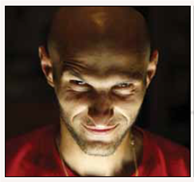
Question
How would a psychopath do on a lie detector test?
Jeffrey Dahmer would pick up young gay men, bring them home, drug them, strangle them, have sex with their corpses, and then, in some cases, eat their flesh.
Dennis Rader would break into people's homes, tie them up, strangle them, and eventually murder them. His murder method earned him the name "BTK killer," which stands for Bind, Torture, and Kill.
Dahmer and Rader are superficially charming, unemotional, impulsive, and self-centered. They are pathological liars who constantly manipulate others. Also, both men completely lack remorse, guilt, and empathy. Finally, they have low self-esteem and a lifelong sense of loneliness. However, not all psychopaths are serial killers.
Other types of psychopaths include the corporate psychopath, the con artist, and the chronic offender. A corporate psychopath may swindle investors out of billions of dollars. The con artist may pass himself off as a doctor, attorney, or police officer to deceive and manipulate others. The chronic offender is persistently in trouble with the law and gets rearrested soon after he is released.
What may seem surprising is that psychopaths can love their family members but have great difficulty loving the rest of the world. Rader, for instance, was a loving husband and father. Yet, he seemed completely devoid of humanity as he plainly recounted the details of how he murdered his many victims.
Some of the fascinating characteristics and behaviors of psychopaths may be explained by biological and neurological factors. For example, some psychopaths have abnormalities in their limbic system, which is responsible for motivational behaviors, such as eating and sex, as well as emotional behaviors, such as fear and anger. Also, some psychopaths have a disruption in the communication between the hippocampus and the prefrontal cortex, which is believed to contribute to their inability to regulate aggression and their insensitivity to cues that predict they will get caught and punished. Interestingly, psychopaths also have lower autonomic arousal and consequently experience less distress when exposed to threats.
The life histories of psychopaths often include a chaotic upbringing, lack of parental attention, parental substance abuse, and child abuse. These life experiences may interact with biological or neurological factors linked to psychopathic behaviors. In other words, at least for some children, the consequences of having a stressful childhood can be deadly.
Question
How would a psychopath do on a lie detector test?

Question
Two kinds of neuroleptic drugs are used to treat schizophrenia symptoms by changing levels of neurotransmitters in the brain. Drugs that act primarily to reduce levels of the neurotransmitter dopamine are called (a) _____ neuroleptics. An example is the phenothiazines. Drugs that lower levels of dopamine but, more important, also reduce levels of other neurotransmitters, especially serotonin, are called (b) _____ neuroleptics. These drugs are generally more effective in reducing schizophrenia symptoms and better at preventing (c) _____. 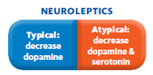
Question
Some drugs increase levels of neurotransmitters (serotonin, norepinephrine, dopamine) called (a) _____. These drugs, which are involved in the regulation of emotions and moods, such as major depression, are called (b) _____ and may take up to 8 weeks before they begin to work. The newer and more popular antidepressants (Prozac) are called (c) _____, or SSRIs, and are not more effective but have fewer unwanted (d) _____ than older antidepressants. 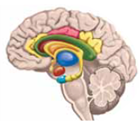
Question
One side effect of the continued use of phenothiazines is the appearance of slow, involuntary, and uncontrollable rhythmic movements and rapid twitching of the mouth and lips, as well as unusual movements of the limbs. This side effect is called _____. 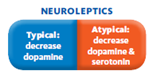
Question
Factors such as dealing with stressors and stressful life events are believed to interact with predisposing biological factors and contribute to the development, onset, and maintenance of mood disorders. These are called _____ factors. 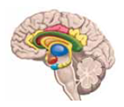
Question
One theory of schizophrenia says that it develops when the (a) _____ neurotransmitter is overactive. Another related theory says that some people have a genetic predisposition, called a (b) _____, that interacts with life stress ors to result in the onset and development of schizophrenia. 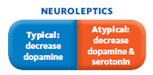
Question
A prolonged emotional state that affects almost all of a person's thoughts and behaviors is called a _____ disorder. 
Question
What Is a Psychopath?
Jeffrey Dahmer would pick up young gay men, bring them home, drug them, strangle them, have sex with their corpses, and then, in some cases, eat their flesh.
Dennis Rader would break into people's homes, tie them up, strangle them, and eventually murder them. His murder method earned him the name "BTK killer," which stands for Bind, Torture, and Kill.
Dahmer and Rader are superficially charming, unemotional, impulsive, and self-centered. They are pathological liars who constantly manipulate others. Also, both men completely lack remorse, guilt, and empathy. Finally, they have low self-esteem and a lifelong sense of loneliness. However, not all psychopaths are serial killers.
Other types of psychopaths include the corporate psychopath, the con artist, and the chronic offender. A corporate psychopath may swindle investors out of billions of dollars. The con artist may pass himself off as a doctor, attorney, or police officer to deceive and manipulate others. The chronic offender is persistently in trouble with the law and gets rearrested soon after he is released.
What may seem surprising is that psychopaths can love their family members but have great difficulty loving the rest of the world. Rader, for instance, was a loving husband and father. Yet, he seemed completely devoid of humanity as he plainly recounted the details of how he murdered his many victims.
Some of the fascinating characteristics and behaviors of psychopaths may be explained by biological and neurological factors. For example, some psychopaths have abnormalities in their limbic system, which is responsible for motivational behaviors, such as eating and sex, as well as emotional behaviors, such as fear and anger. Also, some psychopaths have a disruption in the communication between the hippocampus and the prefrontal cortex, which is believed to contribute to their inability to regulate aggression and their insensitivity to cues that predict they will get caught and punished. Interestingly, psychopaths also have lower autonomic arousal and consequently experience less distress when exposed to threats.
The life histories of psychopaths often include a chaotic upbringing, lack of parental attention, parental substance abuse, and child abuse. These life experiences may interact with biological or neurological factors linked to psychopathic behaviors. In other words, at least for some children, the consequences of having a stressful childhood can be deadly.
Question
What is it called when someone has inherited a gene for psychopathic behaviors but develops those behaviors only if he or she has a stressful childhood?
Jeffrey Dahmer would pick up young gay men, bring them home, drug them, strangle them, have sex with their corpses, and then, in some cases, eat their flesh.
Dennis Rader would break into people's homes, tie them up, strangle them, and eventually murder them. His murder method earned him the name "BTK killer," which stands for Bind, Torture, and Kill.
Dahmer and Rader are superficially charming, unemotional, impulsive, and self-centered. They are pathological liars who constantly manipulate others. Also, both men completely lack remorse, guilt, and empathy. Finally, they have low self-esteem and a lifelong sense of loneliness. However, not all psychopaths are serial killers.
Other types of psychopaths include the corporate psychopath, the con artist, and the chronic offender. A corporate psychopath may swindle investors out of billions of dollars. The con artist may pass himself off as a doctor, attorney, or police officer to deceive and manipulate others. The chronic offender is persistently in trouble with the law and gets rearrested soon after he is released.
What may seem surprising is that psychopaths can love their family members but have great difficulty loving the rest of the world. Rader, for instance, was a loving husband and father. Yet, he seemed completely devoid of humanity as he plainly recounted the details of how he murdered his many victims.
Some of the fascinating characteristics and behaviors of psychopaths may be explained by biological and neurological factors. For example, some psychopaths have abnormalities in their limbic system, which is responsible for motivational behaviors, such as eating and sex, as well as emotional behaviors, such as fear and anger. Also, some psychopaths have a disruption in the communication between the hippocampus and the prefrontal cortex, which is believed to contribute to their inability to regulate aggression and their insensitivity to cues that predict they will get caught and punished. Interestingly, psychopaths also have lower autonomic arousal and consequently experience less distress when exposed to threats.
The life histories of psychopaths often include a chaotic upbringing, lack of parental attention, parental substance abuse, and child abuse. These life experiences may interact with biological or neurological factors linked to psychopathic behaviors. In other words, at least for some children, the consequences of having a stressful childhood can be deadly.
Question
What is it called when someone has inherited a gene for psychopathic behaviors but develops those behaviors only if he or she has a stressful childhood?
Question
A dissociative disorder is characterized by a (a) _____ in a person's normally integrated functions of memory, identity, or perception of the environment. The DSM-IV-TR lists five types of dissociative disorder, which include the following three. If a person is unable to recall important personal information or events, usually in connection with a stressful or traumatic event, and the information forgotten is too important or lengthy to be explained by normal forgetfulness, it is called (b) _____. If a person suddenly and unexpectedly travels away from home or place of work and is unable to recall the past and may assume a new identity, it is called (c) _____. If a person experiences the presence of two or more distinct identities or personality states, each with its own pattern of perceiving, thinking about, and relating to the world, it is called (d) _____ disorder. 
Question
What Is a Psychopath?
Jeffrey Dahmer would pick up young gay men, bring them home, drug them, strangle them, have sex with their corpses, and then, in some cases, eat their flesh.
Dennis Rader would break into people's homes, tie them up, strangle them, and eventually murder them. His murder method earned him the name "BTK killer," which stands for Bind, Torture, and Kill.
Dahmer and Rader are superficially charming, unemotional, impulsive, and self-centered. They are pathological liars who constantly manipulate others. Also, both men completely lack remorse, guilt, and empathy. Finally, they have low self-esteem and a lifelong sense of loneliness. However, not all psychopaths are serial killers.
Other types of psychopaths include the corporate psychopath, the con artist, and the chronic offender. A corporate psychopath may swindle investors out of billions of dollars. The con artist may pass himself off as a doctor, attorney, or police officer to deceive and manipulate others. The chronic offender is persistently in trouble with the law and gets rearrested soon after he is released.
What may seem surprising is that psychopaths can love their family members but have great difficulty loving the rest of the world. Rader, for instance, was a loving husband and father. Yet, he seemed completely devoid of humanity as he plainly recounted the details of how he murdered his many victims.
Some of the fascinating characteristics and behaviors of psychopaths may be explained by biological and neurological factors. For example, some psychopaths have abnormalities in their limbic system, which is responsible for motivational behaviors, such as eating and sex, as well as emotional behaviors, such as fear and anger. Also, some psychopaths have a disruption in the communication between the hippocampus and the prefrontal cortex, which is believed to contribute to their inability to regulate aggression and their insensitivity to cues that predict they will get caught and punished. Interestingly, psychopaths also have lower autonomic arousal and consequently experience less distress when exposed to threats.
The life histories of psychopaths often include a chaotic upbringing, lack of parental attention, parental substance abuse, and child abuse. These life experiences may interact with biological or neurological factors linked to psychopathic behaviors. In other words, at least for some children, the consequences of having a stressful childhood can be deadly.
Question
According to the three definitions of abnormal behavior, are Dahmer and Rader abnormal?
Statistical Frequency
Although Thompson caused no problems to others except to violate a city law against living in a storm drain, his preferred living style could be considered abnormal according to statistical frequency.
The statistical frequency approach says that a behavior may be considered abnormal if it occurs rarely or infrequently in relation to the behaviors of the general population. By this definition, Thompson's living in a storm drain would be considered very abnormal since, out of over 300 million people in the United States, only a very few prefer his kind of home. This illustrates that even though statistical frequency is a relatively precise measure, it is not a very useful measure of abnormality. By this criterion, getting a Ph.D., being president, living in a monastery, and selling a million records are abnormal, although some of these behaviors would be considered very desirable by most people. In fact, Guinness World Records (2012) lists thousands of people who have performed some statistically abnormal behaviors and are very proud of them. We would not consider any of these individuals to necessarily have mental disorders.
As all these examples demonstrate, the statistical frequency definition of abnormality has very limited usefulness.
Deviation from Social Norms
Thompson's behavior-preferring to live in a sewer-could also be considered abnormal based on social norms.
The social norms approach says that a behavior is considered abnormal if it deviates greatly from accepted social standards, values, or norms.
Thompson's decision to live by himself in a storm drain greatly deviates from society's norms about where people should live. However, a definition of abnormality based solely on deviations from social norms runs into problems when social norms change with time. For example, 25 years ago, few males wore earrings, while today many males consider earrings very fashionable. Similarly, 50 years ago, a woman who preferred to be very thin was considered to be ill and in need of medical help. Today, our society pressures women to be thin like the fashion models in the media.
Thus, defining abnormality on the basis of social norms can be risky because social norms may, and do, change over time. The definition of abnormality most used by mental health professionals is the next one.
Maladaptive Behavior
The major problem with the first two definitions of abnormal behavior-statistical frequency and deviation from social norms-is that they don't say whether a particular behavior is psychologically damaging or maladaptive.
The maladaptive behavior approach defines a behavior as psychologically damaging or abnormal if it interferes with the individual's ability to function in his or her personal life or in society.
For example, being terrified of flying, hearing voices that dictate dangerous acts, feeling compelled to wash one's hands for hours on end, starving oneself to the point of death (anorexia nervosa), and Dennis Rader's committing serial murders would all be considered maladaptive and, in that sense, abnormal. However, Thompson's seemingly successful adaptation to living in a sewer may not be maladaptive for him and certainly has no adverse consequences to society.
Most useful. Of the three definitions discussed here, mental health professionals find that the most useful definition of abnormal behaviors is the one based on the maladaptive definition-that is, whether a behavior or behavior pattern interferes with a person's ability to function normally in society (Sue et al., 2010). However, you'll see that deciding whether behavior is truly maladaptive is not always so easy.
Jeffrey Dahmer would pick up young gay men, bring them home, drug them, strangle them, have sex with their corpses, and then, in some cases, eat their flesh.
Dennis Rader would break into people's homes, tie them up, strangle them, and eventually murder them. His murder method earned him the name "BTK killer," which stands for Bind, Torture, and Kill.
Dahmer and Rader are superficially charming, unemotional, impulsive, and self-centered. They are pathological liars who constantly manipulate others. Also, both men completely lack remorse, guilt, and empathy. Finally, they have low self-esteem and a lifelong sense of loneliness. However, not all psychopaths are serial killers.
Other types of psychopaths include the corporate psychopath, the con artist, and the chronic offender. A corporate psychopath may swindle investors out of billions of dollars. The con artist may pass himself off as a doctor, attorney, or police officer to deceive and manipulate others. The chronic offender is persistently in trouble with the law and gets rearrested soon after he is released.
What may seem surprising is that psychopaths can love their family members but have great difficulty loving the rest of the world. Rader, for instance, was a loving husband and father. Yet, he seemed completely devoid of humanity as he plainly recounted the details of how he murdered his many victims.
Some of the fascinating characteristics and behaviors of psychopaths may be explained by biological and neurological factors. For example, some psychopaths have abnormalities in their limbic system, which is responsible for motivational behaviors, such as eating and sex, as well as emotional behaviors, such as fear and anger. Also, some psychopaths have a disruption in the communication between the hippocampus and the prefrontal cortex, which is believed to contribute to their inability to regulate aggression and their insensitivity to cues that predict they will get caught and punished. Interestingly, psychopaths also have lower autonomic arousal and consequently experience less distress when exposed to threats.
The life histories of psychopaths often include a chaotic upbringing, lack of parental attention, parental substance abuse, and child abuse. These life experiences may interact with biological or neurological factors linked to psychopathic behaviors. In other words, at least for some children, the consequences of having a stressful childhood can be deadly.
Question
According to the three definitions of abnormal behavior, are Dahmer and Rader abnormal?
Statistical Frequency
Although Thompson caused no problems to others except to violate a city law against living in a storm drain, his preferred living style could be considered abnormal according to statistical frequency.
The statistical frequency approach says that a behavior may be considered abnormal if it occurs rarely or infrequently in relation to the behaviors of the general population. By this definition, Thompson's living in a storm drain would be considered very abnormal since, out of over 300 million people in the United States, only a very few prefer his kind of home. This illustrates that even though statistical frequency is a relatively precise measure, it is not a very useful measure of abnormality. By this criterion, getting a Ph.D., being president, living in a monastery, and selling a million records are abnormal, although some of these behaviors would be considered very desirable by most people. In fact, Guinness World Records (2012) lists thousands of people who have performed some statistically abnormal behaviors and are very proud of them. We would not consider any of these individuals to necessarily have mental disorders.
As all these examples demonstrate, the statistical frequency definition of abnormality has very limited usefulness.
Deviation from Social Norms
Thompson's behavior-preferring to live in a sewer-could also be considered abnormal based on social norms.
The social norms approach says that a behavior is considered abnormal if it deviates greatly from accepted social standards, values, or norms.
Thompson's decision to live by himself in a storm drain greatly deviates from society's norms about where people should live. However, a definition of abnormality based solely on deviations from social norms runs into problems when social norms change with time. For example, 25 years ago, few males wore earrings, while today many males consider earrings very fashionable. Similarly, 50 years ago, a woman who preferred to be very thin was considered to be ill and in need of medical help. Today, our society pressures women to be thin like the fashion models in the media.
Thus, defining abnormality on the basis of social norms can be risky because social norms may, and do, change over time. The definition of abnormality most used by mental health professionals is the next one.
Maladaptive Behavior
The major problem with the first two definitions of abnormal behavior-statistical frequency and deviation from social norms-is that they don't say whether a particular behavior is psychologically damaging or maladaptive.
The maladaptive behavior approach defines a behavior as psychologically damaging or abnormal if it interferes with the individual's ability to function in his or her personal life or in society.
For example, being terrified of flying, hearing voices that dictate dangerous acts, feeling compelled to wash one's hands for hours on end, starving oneself to the point of death (anorexia nervosa), and Dennis Rader's committing serial murders would all be considered maladaptive and, in that sense, abnormal. However, Thompson's seemingly successful adaptation to living in a sewer may not be maladaptive for him and certainly has no adverse consequences to society.
Most useful. Of the three definitions discussed here, mental health professionals find that the most useful definition of abnormal behaviors is the one based on the maladaptive definition-that is, whether a behavior or behavior pattern interferes with a person's ability to function normally in society (Sue et al., 2010). However, you'll see that deciding whether behavior is truly maladaptive is not always so easy.
Question
A mood stabilizer used to treat bipolar I disorder is called (a) _____, and it's often combined with antidepressants and antipsychotics. This drug is also used to treat euphoric periods without depression; this disorder is called (b) _____. 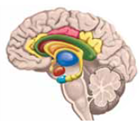
Question
One theory says that dissociative identity disorder (DID) develops as a way to cope with the severe trauma of childhood (a) ____. A second explanation is that DID has become a culturally approved way for people to express their (b) _____ or to control others or gain personal rewards. 
Question
A disturbed emotional state that affects almost all of a person's thoughts and behaviors is called a _____ disorder. 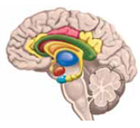
Question
One treatment for major depression involves placing electrodes on the skull and administering a mild electric current that passes through the brain and causes a seizure. Usual treatment consists of a series of 10 to 12 such sessions, at the rate of about three per week. This treatment is called _____. 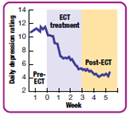
Question
Spirit possession is one example of how cultural factors determine whether symptoms are interpreted as (a) _____ or _____. An example of how cultural factors may increase the risk for development of mood disorders can be traced to the differences in assigned (b) _____ roles: Males are expected to be independent and in control, and females are expected to be dependent and not have control. 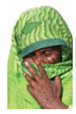
Question
The most common form of mood disorder is marked by at least two weeks of daily being in a bad mood, having no interest in anything, and getting no pleasure from activities and having at least four of these additional symptoms: problems with weight or appetite, insomnia, fatigue, difficulty thinking, and feeling worthless and guilty. This problem is called _____ disorder. 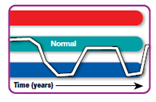
Question
If antidepressant drugs fail to treat major depression, the treatment of last resort involves placing electrodes on the skull and administering a mild electric current that passes through the brain and causes a seizure. This treatment is called (a) _____ therapy. A potentially serious side effect of this treatment is impairment or deficits in (b) _____, which usually affects events experienced during the weeks of treatment as well as events before and after treatment. However, following ECT treatment, there is a gradual improvement in memory functions. 
Question
After three different treatments, including exercise only, researchers found that at least 60% of patients diagnosed with (a) _____ showed significant improvement. Another finding was that when patients were retested 6 months later, those who had received exercise only showed significantly less (b) _____. Researchers suggest that (c) _____ helps patients develop a sense of personal mastery and positive self-regard, which helps prevent relapse. 
Question
What Is a Psychopath?
Jeffrey Dahmer would pick up young gay men, bring them home, drug them, strangle them, have sex with their corpses, and then, in some cases, eat their flesh.
Dennis Rader would break into people's homes, tie them up, strangle them, and eventually murder them. His murder method earned him the name "BTK killer," which stands for Bind, Torture, and Kill.
Dahmer and Rader are superficially charming, unemotional, impulsive, and self-centered. They are pathological liars who constantly manipulate others. Also, both men completely lack remorse, guilt, and empathy. Finally, they have low self-esteem and a lifelong sense of loneliness. However, not all psychopaths are serial killers.
Other types of psychopaths include the corporate psychopath, the con artist, and the chronic offender. A corporate psychopath may swindle investors out of billions of dollars. The con artist may pass himself off as a doctor, attorney, or police officer to deceive and manipulate others. The chronic offender is persistently in trouble with the law and gets rearrested soon after he is released.
What may seem surprising is that psychopaths can love their family members but have great difficulty loving the rest of the world. Rader, for instance, was a loving husband and father. Yet, he seemed completely devoid of humanity as he plainly recounted the details of how he murdered his many victims.
Some of the fascinating characteristics and behaviors of psychopaths may be explained by biological and neurological factors. For example, some psychopaths have abnormalities in their limbic system, which is responsible for motivational behaviors, such as eating and sex, as well as emotional behaviors, such as fear and anger. Also, some psychopaths have a disruption in the communication between the hippocampus and the prefrontal cortex, which is believed to contribute to their inability to regulate aggression and their insensitivity to cues that predict they will get caught and punished. Interestingly, psychopaths also have lower autonomic arousal and consequently experience less distress when exposed to threats.
The life histories of psychopaths often include a chaotic upbringing, lack of parental attention, parental substance abuse, and child abuse. These life experiences may interact with biological or neurological factors linked to psychopathic behaviors. In other words, at least for some children, the consequences of having a stressful childhood can be deadly.
Question
What objective test can be used to best assess for these psychopathic personality traits?
Jeffrey Dahmer would pick up young gay men, bring them home, drug them, strangle them, have sex with their corpses, and then, in some cases, eat their flesh.
Dennis Rader would break into people's homes, tie them up, strangle them, and eventually murder them. His murder method earned him the name "BTK killer," which stands for Bind, Torture, and Kill.
Dahmer and Rader are superficially charming, unemotional, impulsive, and self-centered. They are pathological liars who constantly manipulate others. Also, both men completely lack remorse, guilt, and empathy. Finally, they have low self-esteem and a lifelong sense of loneliness. However, not all psychopaths are serial killers.
Other types of psychopaths include the corporate psychopath, the con artist, and the chronic offender. A corporate psychopath may swindle investors out of billions of dollars. The con artist may pass himself off as a doctor, attorney, or police officer to deceive and manipulate others. The chronic offender is persistently in trouble with the law and gets rearrested soon after he is released.
What may seem surprising is that psychopaths can love their family members but have great difficulty loving the rest of the world. Rader, for instance, was a loving husband and father. Yet, he seemed completely devoid of humanity as he plainly recounted the details of how he murdered his many victims.
Some of the fascinating characteristics and behaviors of psychopaths may be explained by biological and neurological factors. For example, some psychopaths have abnormalities in their limbic system, which is responsible for motivational behaviors, such as eating and sex, as well as emotional behaviors, such as fear and anger. Also, some psychopaths have a disruption in the communication between the hippocampus and the prefrontal cortex, which is believed to contribute to their inability to regulate aggression and their insensitivity to cues that predict they will get caught and punished. Interestingly, psychopaths also have lower autonomic arousal and consequently experience less distress when exposed to threats.
The life histories of psychopaths often include a chaotic upbringing, lack of parental attention, parental substance abuse, and child abuse. These life experiences may interact with biological or neurological factors linked to psychopathic behaviors. In other words, at least for some children, the consequences of having a stressful childhood can be deadly.
Question
What objective test can be used to best assess for these psychopathic personality traits?
Question
Question
Beck's cognitive theory of depression says that when we are depressed, we have automatically occurring (a) _____, which center around being personally inadequate. In turn, these negative thoughts (b) _____ how we perceive and interpret the world and thus influence our behaviors and feelings. There are effective programs for developing better social skills and eliminating negative thoughts. Psychotherapy and antidepressant drugs both reduced depression and both produced similar changes in how the (c) _____ functions. 
Question
One mood disorder is marked by being in a daily bad mood, having no interest in anything, getting no pleasure from activities, and having at least four of the following symptoms: problems with weight, appetite, sleep, fatigue, thinking, or making decisions and having suicidal thoughts. This is called (a) _____ disorder, which is the most common form of mood disorder. Another mood disorder is characterized by being chronically depressed for many but not all days over a long period of time and having two of the following symptoms: problems with appetite and sleep, fatigue, low self-esteem, and feelings of hopelessness. This is called (b) _____ disorder. 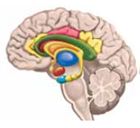
Question
A disorder that involves inflexible, long-standing, maladaptive traits that cause significantly impaired functioning or great distress in one's personal and social life is called a (a) _____ disorder. Five of these disorders are expected to be in the DSM 5, including one that is characterized by social inhibition, feelings of inadequacy, and heightened sensitivity to negative evaluation, which is called (b) _____ disorder, and one that involves a pattern of disregarding or violating the rights of others without feeling guilt or remorse, which is called (c) _____ disorder. There is evidence that personality disorders develop from an interaction of (d) _____ and factors. 
Question
Another depressive disorder is characterized by being chronically depressed for many but not all days over a period of two years and having two of the following symptoms: poor appetite, insomnia, fatigue, low self-esteem, and feelings of hopelessness. This problem is called _____ disorder. 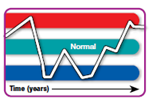
Question
A person who has inflexible, long-standing, maladaptive traits that cause significantly impaired functioning or great distress in his or her personal and social life is said to have a (a) _____ disorder. Examples of this disorder include an acute discomfort in close relationships, distortions in thinking, and eccentric behavior, which is called a (b) _____ personality disorder; a pattern of instability in personal relationships, self-image, and emotions, as well as impulsive behavior, which is called a (c) _____ personality disorder; and a pattern of disregarding or violating the rights of others without feeling guilt or remorse, which is called an (d) _____ personality disorder. 
Question
What Is a Psychopath?
Jeffrey Dahmer would pick up young gay men, bring them home, drug them, strangle them, have sex with their corpses, and then, in some cases, eat their flesh.
Dennis Rader would break into people's homes, tie them up, strangle them, and eventually murder them. His murder method earned him the name "BTK killer," which stands for Bind, Torture, and Kill.
Dahmer and Rader are superficially charming, unemotional, impulsive, and self-centered. They are pathological liars who constantly manipulate others. Also, both men completely lack remorse, guilt, and empathy. Finally, they have low self-esteem and a lifelong sense of loneliness. However, not all psychopaths are serial killers.
Other types of psychopaths include the corporate psychopath, the con artist, and the chronic offender. A corporate psychopath may swindle investors out of billions of dollars. The con artist may pass himself off as a doctor, attorney, or police officer to deceive and manipulate others. The chronic offender is persistently in trouble with the law and gets rearrested soon after he is released.
What may seem surprising is that psychopaths can love their family members but have great difficulty loving the rest of the world. Rader, for instance, was a loving husband and father. Yet, he seemed completely devoid of humanity as he plainly recounted the details of how he murdered his many victims.
Some of the fascinating characteristics and behaviors of psychopaths may be explained by biological and neurological factors. For example, some psychopaths have abnormalities in their limbic system, which is responsible for motivational behaviors, such as eating and sex, as well as emotional behaviors, such as fear and anger. Also, some psychopaths have a disruption in the communication between the hippocampus and the prefrontal cortex, which is believed to contribute to their inability to regulate aggression and their insensitivity to cues that predict they will get caught and punished. Interestingly, psychopaths also have lower autonomic arousal and consequently experience less distress when exposed to threats.
The life histories of psychopaths often include a chaotic upbringing, lack of parental attention, parental substance abuse, and child abuse. These life experiences may interact with biological or neurological factors linked to psychopathic behaviors. In other words, at least for some children, the consequences of having a stressful childhood can be deadly.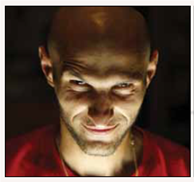
Question
Which trait theory can explain how an individual can display such drastically inconsistent behaviors?
Jeffrey Dahmer would pick up young gay men, bring them home, drug them, strangle them, have sex with their corpses, and then, in some cases, eat their flesh.
Dennis Rader would break into people's homes, tie them up, strangle them, and eventually murder them. His murder method earned him the name "BTK killer," which stands for Bind, Torture, and Kill.
Dahmer and Rader are superficially charming, unemotional, impulsive, and self-centered. They are pathological liars who constantly manipulate others. Also, both men completely lack remorse, guilt, and empathy. Finally, they have low self-esteem and a lifelong sense of loneliness. However, not all psychopaths are serial killers.
Other types of psychopaths include the corporate psychopath, the con artist, and the chronic offender. A corporate psychopath may swindle investors out of billions of dollars. The con artist may pass himself off as a doctor, attorney, or police officer to deceive and manipulate others. The chronic offender is persistently in trouble with the law and gets rearrested soon after he is released.
What may seem surprising is that psychopaths can love their family members but have great difficulty loving the rest of the world. Rader, for instance, was a loving husband and father. Yet, he seemed completely devoid of humanity as he plainly recounted the details of how he murdered his many victims.
Some of the fascinating characteristics and behaviors of psychopaths may be explained by biological and neurological factors. For example, some psychopaths have abnormalities in their limbic system, which is responsible for motivational behaviors, such as eating and sex, as well as emotional behaviors, such as fear and anger. Also, some psychopaths have a disruption in the communication between the hippocampus and the prefrontal cortex, which is believed to contribute to their inability to regulate aggression and their insensitivity to cues that predict they will get caught and punished. Interestingly, psychopaths also have lower autonomic arousal and consequently experience less distress when exposed to threats.
The life histories of psychopaths often include a chaotic upbringing, lack of parental attention, parental substance abuse, and child abuse. These life experiences may interact with biological or neurological factors linked to psychopathic behaviors. In other words, at least for some children, the consequences of having a stressful childhood can be deadly.
Question
Which trait theory can explain how an individual can display such drastically inconsistent behaviors?
Question
Evidence that genetic factors influence personality disorders comes from studies on _____, which show that genetic factors contribute 30-50% to the development of these personality disorders. 
Question
A mood episode that is characterized by a distinct period, lasting at least a week, during which a person is unusually euphoric, cheerful, or high and has at least three of the following symptoms-has great self-esteem, needs little sleep, speaks rapidly and frequently, experiences racing thoughts, is easily distracted-is called a (a) _____ episode. A disorder characterized by periods of fluctuation between episodes of depression and mania is called (b) _____ disorder. A disorder characterized by periods of fluctuation between episodes of depression and hypomania is called (c) _____ disorder. 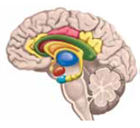
Question
A serious mental disturbance that lasts for at least six months and that includes at least two of the following persistent symptoms-delusions, hallucinations, disorganized speech, grossly disorganized behavior, and decreased emotional expression-is called (a) _____. There are subcategories of this disorder: the one characterized by auditory hallucinations or delusions, such as thoughts of being persecuted by others or thoughts of grandeur, is called (b) _____ schizophrenia. 
Question
Another mood disorder is characterized by a fluctuation between a depressive episode and a manic episode that lasts about a week, during which a person is unusually euphoric, cheerful, or high, speaks rapidly, feels great self-esteem, and needs little sleep. This problem is called _____ disorder. 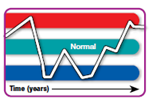
Question
Schizophrenia is a serious mental disturbance that lasts for at least six months and includes at least two of the following persistent symptoms: delusions, hallucinations, disorganized speech, grossly disorganized behavior, and decreased emotional expression. These symptoms interfere with personal or social _____. 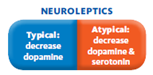
Question
What Is a Psychopath?
Jeffrey Dahmer would pick up young gay men, bring them home, drug them, strangle them, have sex with their corpses, and then, in some cases, eat their flesh.
Dennis Rader would break into people's homes, tie them up, strangle them, and eventually murder them. His murder method earned him the name "BTK killer," which stands for Bind, Torture, and Kill.
Dahmer and Rader are superficially charming, unemotional, impulsive, and self-centered. They are pathological liars who constantly manipulate others. Also, both men completely lack remorse, guilt, and empathy. Finally, they have low self-esteem and a lifelong sense of loneliness. However, not all psychopaths are serial killers.
Other types of psychopaths include the corporate psychopath, the con artist, and the chronic offender. A corporate psychopath may swindle investors out of billions of dollars. The con artist may pass himself off as a doctor, attorney, or police officer to deceive and manipulate others. The chronic offender is persistently in trouble with the law and gets rearrested soon after he is released.
What may seem surprising is that psychopaths can love their family members but have great difficulty loving the rest of the world. Rader, for instance, was a loving husband and father. Yet, he seemed completely devoid of humanity as he plainly recounted the details of how he murdered his many victims.
Some of the fascinating characteristics and behaviors of psychopaths may be explained by biological and neurological factors. For example, some psychopaths have abnormalities in their limbic system, which is responsible for motivational behaviors, such as eating and sex, as well as emotional behaviors, such as fear and anger. Also, some psychopaths have a disruption in the communication between the hippocampus and the prefrontal cortex, which is believed to contribute to their inability to regulate aggression and their insensitivity to cues that predict they will get caught and punished. Interestingly, psychopaths also have lower autonomic arousal and consequently experience less distress when exposed to threats.
The life histories of psychopaths often include a chaotic upbringing, lack of parental attention, parental substance abuse, and child abuse. These life experiences may interact with biological or neurological factors linked to psychopathic behaviors. In other words, at least for some children, the consequences of having a stressful childhood can be deadly.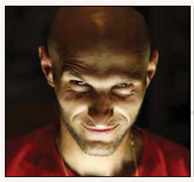
Question
What part of the limbic system explains how psychopaths can be so cold and fearless?
Jeffrey Dahmer would pick up young gay men, bring them home, drug them, strangle them, have sex with their corpses, and then, in some cases, eat their flesh.
Dennis Rader would break into people's homes, tie them up, strangle them, and eventually murder them. His murder method earned him the name "BTK killer," which stands for Bind, Torture, and Kill.
Dahmer and Rader are superficially charming, unemotional, impulsive, and self-centered. They are pathological liars who constantly manipulate others. Also, both men completely lack remorse, guilt, and empathy. Finally, they have low self-esteem and a lifelong sense of loneliness. However, not all psychopaths are serial killers.
Other types of psychopaths include the corporate psychopath, the con artist, and the chronic offender. A corporate psychopath may swindle investors out of billions of dollars. The con artist may pass himself off as a doctor, attorney, or police officer to deceive and manipulate others. The chronic offender is persistently in trouble with the law and gets rearrested soon after he is released.
What may seem surprising is that psychopaths can love their family members but have great difficulty loving the rest of the world. Rader, for instance, was a loving husband and father. Yet, he seemed completely devoid of humanity as he plainly recounted the details of how he murdered his many victims.
Some of the fascinating characteristics and behaviors of psychopaths may be explained by biological and neurological factors. For example, some psychopaths have abnormalities in their limbic system, which is responsible for motivational behaviors, such as eating and sex, as well as emotional behaviors, such as fear and anger. Also, some psychopaths have a disruption in the communication between the hippocampus and the prefrontal cortex, which is believed to contribute to their inability to regulate aggression and their insensitivity to cues that predict they will get caught and punished. Interestingly, psychopaths also have lower autonomic arousal and consequently experience less distress when exposed to threats.
The life histories of psychopaths often include a chaotic upbringing, lack of parental attention, parental substance abuse, and child abuse. These life experiences may interact with biological or neurological factors linked to psychopathic behaviors. In other words, at least for some children, the consequences of having a stressful childhood can be deadly.
Question
What part of the limbic system explains how psychopaths can be so cold and fearless?
Question
Drugs that are used to treat schizophrenia and act primarily to reduce levels of dopamine are called (a) _____ drugs. Drugs that are used to treat schizophrenia and reduce levels of dopamine and levels of serotonin are called (b) _____ drugs, which are generally more effective than (c) _____ drugs. The theory that, in schizophrenia, the dopamine neurotransmitter system is somehow overactive and gives rise to many of the symptoms observed in schizophrenics is called the (d) _____ theory, which is supported by the actions of (e) _____ drugs but not by the actions of (f) _____ drugs. 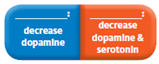
Question
Underlying genetic, neurological, or physiological components may predispose a person to developing a mood disorder. These components are called (a) _____ factors. Factors such as dealing with stressors and stressful life events are believed to interact with predisposing biological influences and contribute to the development, onset, and maintenance of mood disorders. These are called (b) _____ factors. 
Question
The DSM-IV-TR lists five subcategories of schizophrenia, which include the following three. A category characterized by bizarre ideas, confused speech, childish behavior, great emotional swings, and often extreme neglect of personal appearance and hygiene is called (a) _____ schizophrenia. Another form marked by periods of wild excitement or periods of rigid, prolonged immobility is called (b) _____ schizophrenia. A third form characterized by thoughts of being persecuted or thoughts of grandeur is called (c) _____ schizophrenia. 
Question
Underlying genetic, neurological, chemical, or physiological components may predispose a person to developing a mood disorder. Together, these components are called _____ factors. 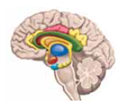
Question
Researchers have searched for an identifiable gene or a specific segment of a chromosome that is directly linked to developing schizophrenia. This genetic link is called a _____. 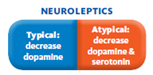

Unlock Deck
Sign up to unlock the cards in this deck!
Unlock Deck
Unlock Deck
1/37

Play

Full screen (f)
Deck 23: Mood Disorders and Schizophrenia
1
What Is a Psychopath?
Jeffrey Dahmer would pick up young gay men, bring them home, drug them, strangle them, have sex with their corpses, and then, in some cases, eat their flesh.
Dennis Rader would break into people's homes, tie them up, strangle them, and eventually murder them. His murder method earned him the name "BTK killer," which stands for Bind, Torture, and Kill.
Dahmer and Rader are superficially charming, unemotional, impulsive, and self-centered. They are pathological liars who constantly manipulate others. Also, both men completely lack remorse, guilt, and empathy. Finally, they have low self-esteem and a lifelong sense of loneliness. However, not all psychopaths are serial killers.
Other types of psychopaths include the corporate psychopath, the con artist, and the chronic offender. A corporate psychopath may swindle investors out of billions of dollars. The con artist may pass himself off as a doctor, attorney, or police officer to deceive and manipulate others. The chronic offender is persistently in trouble with the law and gets rearrested soon after he is released.
What may seem surprising is that psychopaths can love their family members but have great difficulty loving the rest of the world. Rader, for instance, was a loving husband and father. Yet, he seemed completely devoid of humanity as he plainly recounted the details of how he murdered his many victims.
Some of the fascinating characteristics and behaviors of psychopaths may be explained by biological and neurological factors. For example, some psychopaths have abnormalities in their limbic system, which is responsible for motivational behaviors, such as eating and sex, as well as emotional behaviors, such as fear and anger. Also, some psychopaths have a disruption in the communication between the hippocampus and the prefrontal cortex, which is believed to contribute to their inability to regulate aggression and their insensitivity to cues that predict they will get caught and punished. Interestingly, psychopaths also have lower autonomic arousal and consequently experience less distress when exposed to threats.
The life histories of psychopaths often include a chaotic upbringing, lack of parental attention, parental substance abuse, and child abuse. These life experiences may interact with biological or neurological factors linked to psychopathic behaviors. In other words, at least for some children, the consequences of having a stressful childhood can be deadly.
Question
How would a psychopath do on a lie detector test?
Jeffrey Dahmer would pick up young gay men, bring them home, drug them, strangle them, have sex with their corpses, and then, in some cases, eat their flesh.
Dennis Rader would break into people's homes, tie them up, strangle them, and eventually murder them. His murder method earned him the name "BTK killer," which stands for Bind, Torture, and Kill.
Dahmer and Rader are superficially charming, unemotional, impulsive, and self-centered. They are pathological liars who constantly manipulate others. Also, both men completely lack remorse, guilt, and empathy. Finally, they have low self-esteem and a lifelong sense of loneliness. However, not all psychopaths are serial killers.
Other types of psychopaths include the corporate psychopath, the con artist, and the chronic offender. A corporate psychopath may swindle investors out of billions of dollars. The con artist may pass himself off as a doctor, attorney, or police officer to deceive and manipulate others. The chronic offender is persistently in trouble with the law and gets rearrested soon after he is released.
What may seem surprising is that psychopaths can love their family members but have great difficulty loving the rest of the world. Rader, for instance, was a loving husband and father. Yet, he seemed completely devoid of humanity as he plainly recounted the details of how he murdered his many victims.
Some of the fascinating characteristics and behaviors of psychopaths may be explained by biological and neurological factors. For example, some psychopaths have abnormalities in their limbic system, which is responsible for motivational behaviors, such as eating and sex, as well as emotional behaviors, such as fear and anger. Also, some psychopaths have a disruption in the communication between the hippocampus and the prefrontal cortex, which is believed to contribute to their inability to regulate aggression and their insensitivity to cues that predict they will get caught and punished. Interestingly, psychopaths also have lower autonomic arousal and consequently experience less distress when exposed to threats.
The life histories of psychopaths often include a chaotic upbringing, lack of parental attention, parental substance abuse, and child abuse. These life experiences may interact with biological or neurological factors linked to psychopathic behaviors. In other words, at least for some children, the consequences of having a stressful childhood can be deadly.
Question
How would a psychopath do on a lie detector test?
Psychopaths are generally super charming, impulsive, self-centered, unemotional, pathological liars, having low self-esteem and lifelong sense of loneliness, and lack remorse, empathy and guilt.
Psychopaths behave differently with their families and in public. They may be very loving to their family but may not love the rest of the world. Biological and neurological factors are responsible for the fascinating characteristics and behaviors of psychopaths. Apart from these innate factors, the lack of parental attention, chaotic upbringing, parental substance abuse and child abuse also contribute to the psychological ill of the psychopaths. These experiences interact with the innate factors that are responsible for psychopathic behaviors.
The lie detector test relies on the emotional behavior of a person, such as stress that arises from fear, lying, increased heart rate, and skin conductivity. Psychopaths are found not to have strong emotions and show very negligible shame or guilt. Due to these characteristics, psychopaths fail in the lie detector test. However, many a times the psychopaths may easily lie while on the test and may pass the test without much difficulty. Therefore, these tests are not very reliable measures of truthfulness and behavioral features of an individual.
Psychopaths behave differently with their families and in public. They may be very loving to their family but may not love the rest of the world. Biological and neurological factors are responsible for the fascinating characteristics and behaviors of psychopaths. Apart from these innate factors, the lack of parental attention, chaotic upbringing, parental substance abuse and child abuse also contribute to the psychological ill of the psychopaths. These experiences interact with the innate factors that are responsible for psychopathic behaviors.
The lie detector test relies on the emotional behavior of a person, such as stress that arises from fear, lying, increased heart rate, and skin conductivity. Psychopaths are found not to have strong emotions and show very negligible shame or guilt. Due to these characteristics, psychopaths fail in the lie detector test. However, many a times the psychopaths may easily lie while on the test and may pass the test without much difficulty. Therefore, these tests are not very reliable measures of truthfulness and behavioral features of an individual.
2
Two kinds of neuroleptic drugs are used to treat schizophrenia symptoms by changing levels of neurotransmitters in the brain. Drugs that act primarily to reduce levels of the neurotransmitter dopamine are called (a) _____ neuroleptics. An example is the phenothiazines. Drugs that lower levels of dopamine but, more important, also reduce levels of other neurotransmitters, especially serotonin, are called (b) _____ neuroleptics. These drugs are generally more effective in reducing schizophrenia symptoms and better at preventing (c) _____.
Discovery of typical neuroleptics occurred in the 1950s and it was the first successive treatment in medical for schizophrenia. It reduces the level of neurotransmitters like dopamine. These are the drugs which help in reduction of positive symptoms as well as they have very less effect on the negative symptoms.
Atypical neuroleptics drugs are the drugs that decrease the level of dopamine as well as of the neurotransmitters mainly of serotonin. Some of the examples of these drugs are risperidone and clozapine. These are the drugs, which decrease the positive symptoms and may decrease negative symptoms as well as prevent from relapse. The first atypical drug was used for treatment of schizophrenia namely clozapine.
The main complication with the patients having typical neuroleptics is they show the relapse, which may be sixty percent in comparison to the atypical neuroleptics who show relapse rate of thirty four percent.
So, blank (a) can be filled with .Blank (b) can be filled with
  and blank (c) can be filled with
  .
.
Atypical neuroleptics drugs are the drugs that decrease the level of dopamine as well as of the neurotransmitters mainly of serotonin. Some of the examples of these drugs are risperidone and clozapine. These are the drugs, which decrease the positive symptoms and may decrease negative symptoms as well as prevent from relapse. The first atypical drug was used for treatment of schizophrenia namely clozapine.
The main complication with the patients having typical neuroleptics is they show the relapse, which may be sixty percent in comparison to the atypical neuroleptics who show relapse rate of thirty four percent.
So, blank (a) can be filled with
.Blank (b) can be filled with and blank (c) can be filled with . 3
Some drugs increase levels of neurotransmitters (serotonin, norepinephrine, dopamine) called (a) _____. These drugs, which are involved in the regulation of emotions and moods, such as major depression, are called (b) _____ and may take up to 8 weeks before they begin to work. The newer and more popular antidepressants (Prozac) are called (c) _____, or SSRIs, and are not more effective but have fewer unwanted (d) _____ than older antidepressants.
Psychological factors for the cause of mood disorders include cognitive styles, personality traits, and capability to deal with the stressors as well as social supports. It is declared by the researchers that stressful events of life are one of the major reasons for creating mood disorders like depression. Perception of the world in a negative way leads to the depressed felling. Thus, a negative thought as well as cognitive style may lead to the onset of depression. A cluster of neurotransmitter known as monoamines is found to be included in creating disorders of mood. It includes dopamine, serotonin as well as norepinephrine.
Antidepressant drugs are those drugs, which act by increase in the specific group level of neurotransmitters, which includes group of monoamines, norepinephrine, and serotonin, as well as dopamine, which is found to be effective in the stimulation of moods as well as emotions.
It occupies almost the time span of eight weeks to work for the patients of mood disorders. The major challenge faced by the physicians prescribing this antidepressant drugs is that some of these drugs works enough than other drugs of this group but none of them is effective for every patient. Eighty percent of these drugs namely Zoloft and Prozac belong to a group called SSRIs (selective serotonin reuptake inhibitors). Some side effects of drug are sexual consequences, sedation, insomnia and nausea.
So, blank (a) can be filled with . Blank (b) can be filled with
  . Blank (c) can be filled with
  and blank (d) can be filled with
  .
.
Antidepressant drugs are those drugs, which act by increase in the specific group level of neurotransmitters, which includes group of monoamines, norepinephrine, and serotonin, as well as dopamine, which is found to be effective in the stimulation of moods as well as emotions.
It occupies almost the time span of eight weeks to work for the patients of mood disorders. The major challenge faced by the physicians prescribing this antidepressant drugs is that some of these drugs works enough than other drugs of this group but none of them is effective for every patient. Eighty percent of these drugs namely Zoloft and Prozac belong to a group called SSRIs (selective serotonin reuptake inhibitors). Some side effects of drug are sexual consequences, sedation, insomnia and nausea.
So, blank (a) can be filled with
. Blank (b) can be filled with . Blank (c) can be filled with and blank (d) can be filled with . 4
One side effect of the continued use of phenothiazines is the appearance of slow, involuntary, and uncontrollable rhythmic movements and rapid twitching of the mouth and lips, as well as unusual movements of the limbs. This side effect is called _____.
Unlock Deck
Unlock for access to all 37 flashcards in this deck.
Unlock Deck
k this deck
5
Factors such as dealing with stressors and stressful life events are believed to interact with predisposing biological factors and contribute to the development, onset, and maintenance of mood disorders. These are called _____ factors.
Unlock Deck
Unlock for access to all 37 flashcards in this deck.
Unlock Deck
k this deck
6
One theory of schizophrenia says that it develops when the (a) _____ neurotransmitter is overactive. Another related theory says that some people have a genetic predisposition, called a (b) _____, that interacts with life stress ors to result in the onset and development of schizophrenia.
Unlock Deck
Unlock for access to all 37 flashcards in this deck.
Unlock Deck
k this deck
7
A prolonged emotional state that affects almost all of a person's thoughts and behaviors is called a _____ disorder.
Unlock Deck
Unlock for access to all 37 flashcards in this deck.
Unlock Deck
k this deck
8
What Is a Psychopath?
Jeffrey Dahmer would pick up young gay men, bring them home, drug them, strangle them, have sex with their corpses, and then, in some cases, eat their flesh.
Dennis Rader would break into people's homes, tie them up, strangle them, and eventually murder them. His murder method earned him the name "BTK killer," which stands for Bind, Torture, and Kill.
Dahmer and Rader are superficially charming, unemotional, impulsive, and self-centered. They are pathological liars who constantly manipulate others. Also, both men completely lack remorse, guilt, and empathy. Finally, they have low self-esteem and a lifelong sense of loneliness. However, not all psychopaths are serial killers.
Other types of psychopaths include the corporate psychopath, the con artist, and the chronic offender. A corporate psychopath may swindle investors out of billions of dollars. The con artist may pass himself off as a doctor, attorney, or police officer to deceive and manipulate others. The chronic offender is persistently in trouble with the law and gets rearrested soon after he is released.
What may seem surprising is that psychopaths can love their family members but have great difficulty loving the rest of the world. Rader, for instance, was a loving husband and father. Yet, he seemed completely devoid of humanity as he plainly recounted the details of how he murdered his many victims.
Some of the fascinating characteristics and behaviors of psychopaths may be explained by biological and neurological factors. For example, some psychopaths have abnormalities in their limbic system, which is responsible for motivational behaviors, such as eating and sex, as well as emotional behaviors, such as fear and anger. Also, some psychopaths have a disruption in the communication between the hippocampus and the prefrontal cortex, which is believed to contribute to their inability to regulate aggression and their insensitivity to cues that predict they will get caught and punished. Interestingly, psychopaths also have lower autonomic arousal and consequently experience less distress when exposed to threats.
The life histories of psychopaths often include a chaotic upbringing, lack of parental attention, parental substance abuse, and child abuse. These life experiences may interact with biological or neurological factors linked to psychopathic behaviors. In other words, at least for some children, the consequences of having a stressful childhood can be deadly.
Question
What is it called when someone has inherited a gene for psychopathic behaviors but develops those behaviors only if he or she has a stressful childhood?
Jeffrey Dahmer would pick up young gay men, bring them home, drug them, strangle them, have sex with their corpses, and then, in some cases, eat their flesh.
Dennis Rader would break into people's homes, tie them up, strangle them, and eventually murder them. His murder method earned him the name "BTK killer," which stands for Bind, Torture, and Kill.
Dahmer and Rader are superficially charming, unemotional, impulsive, and self-centered. They are pathological liars who constantly manipulate others. Also, both men completely lack remorse, guilt, and empathy. Finally, they have low self-esteem and a lifelong sense of loneliness. However, not all psychopaths are serial killers.
Other types of psychopaths include the corporate psychopath, the con artist, and the chronic offender. A corporate psychopath may swindle investors out of billions of dollars. The con artist may pass himself off as a doctor, attorney, or police officer to deceive and manipulate others. The chronic offender is persistently in trouble with the law and gets rearrested soon after he is released.
What may seem surprising is that psychopaths can love their family members but have great difficulty loving the rest of the world. Rader, for instance, was a loving husband and father. Yet, he seemed completely devoid of humanity as he plainly recounted the details of how he murdered his many victims.
Some of the fascinating characteristics and behaviors of psychopaths may be explained by biological and neurological factors. For example, some psychopaths have abnormalities in their limbic system, which is responsible for motivational behaviors, such as eating and sex, as well as emotional behaviors, such as fear and anger. Also, some psychopaths have a disruption in the communication between the hippocampus and the prefrontal cortex, which is believed to contribute to their inability to regulate aggression and their insensitivity to cues that predict they will get caught and punished. Interestingly, psychopaths also have lower autonomic arousal and consequently experience less distress when exposed to threats.
The life histories of psychopaths often include a chaotic upbringing, lack of parental attention, parental substance abuse, and child abuse. These life experiences may interact with biological or neurological factors linked to psychopathic behaviors. In other words, at least for some children, the consequences of having a stressful childhood can be deadly.
Question
What is it called when someone has inherited a gene for psychopathic behaviors but develops those behaviors only if he or she has a stressful childhood?
Unlock Deck
Unlock for access to all 37 flashcards in this deck.
Unlock Deck
k this deck
9
A dissociative disorder is characterized by a (a) _____ in a person's normally integrated functions of memory, identity, or perception of the environment. The DSM-IV-TR lists five types of dissociative disorder, which include the following three. If a person is unable to recall important personal information or events, usually in connection with a stressful or traumatic event, and the information forgotten is too important or lengthy to be explained by normal forgetfulness, it is called (b) _____. If a person suddenly and unexpectedly travels away from home or place of work and is unable to recall the past and may assume a new identity, it is called (c) _____. If a person experiences the presence of two or more distinct identities or personality states, each with its own pattern of perceiving, thinking about, and relating to the world, it is called (d) _____ disorder.
Unlock Deck
Unlock for access to all 37 flashcards in this deck.
Unlock Deck
k this deck
10
What Is a Psychopath?
Jeffrey Dahmer would pick up young gay men, bring them home, drug them, strangle them, have sex with their corpses, and then, in some cases, eat their flesh.
Dennis Rader would break into people's homes, tie them up, strangle them, and eventually murder them. His murder method earned him the name "BTK killer," which stands for Bind, Torture, and Kill.
Dahmer and Rader are superficially charming, unemotional, impulsive, and self-centered. They are pathological liars who constantly manipulate others. Also, both men completely lack remorse, guilt, and empathy. Finally, they have low self-esteem and a lifelong sense of loneliness. However, not all psychopaths are serial killers.
Other types of psychopaths include the corporate psychopath, the con artist, and the chronic offender. A corporate psychopath may swindle investors out of billions of dollars. The con artist may pass himself off as a doctor, attorney, or police officer to deceive and manipulate others. The chronic offender is persistently in trouble with the law and gets rearrested soon after he is released.
What may seem surprising is that psychopaths can love their family members but have great difficulty loving the rest of the world. Rader, for instance, was a loving husband and father. Yet, he seemed completely devoid of humanity as he plainly recounted the details of how he murdered his many victims.
Some of the fascinating characteristics and behaviors of psychopaths may be explained by biological and neurological factors. For example, some psychopaths have abnormalities in their limbic system, which is responsible for motivational behaviors, such as eating and sex, as well as emotional behaviors, such as fear and anger. Also, some psychopaths have a disruption in the communication between the hippocampus and the prefrontal cortex, which is believed to contribute to their inability to regulate aggression and their insensitivity to cues that predict they will get caught and punished. Interestingly, psychopaths also have lower autonomic arousal and consequently experience less distress when exposed to threats.
The life histories of psychopaths often include a chaotic upbringing, lack of parental attention, parental substance abuse, and child abuse. These life experiences may interact with biological or neurological factors linked to psychopathic behaviors. In other words, at least for some children, the consequences of having a stressful childhood can be deadly.
Question
According to the three definitions of abnormal behavior, are Dahmer and Rader abnormal?
Statistical Frequency
Although Thompson caused no problems to others except to violate a city law against living in a storm drain, his preferred living style could be considered abnormal according to statistical frequency.
The statistical frequency approach says that a behavior may be considered abnormal if it occurs rarely or infrequently in relation to the behaviors of the general population. By this definition, Thompson's living in a storm drain would be considered very abnormal since, out of over 300 million people in the United States, only a very few prefer his kind of home. This illustrates that even though statistical frequency is a relatively precise measure, it is not a very useful measure of abnormality. By this criterion, getting a Ph.D., being president, living in a monastery, and selling a million records are abnormal, although some of these behaviors would be considered very desirable by most people. In fact, Guinness World Records (2012) lists thousands of people who have performed some statistically abnormal behaviors and are very proud of them. We would not consider any of these individuals to necessarily have mental disorders.
As all these examples demonstrate, the statistical frequency definition of abnormality has very limited usefulness.
Deviation from Social Norms
Thompson's behavior-preferring to live in a sewer-could also be considered abnormal based on social norms.
The social norms approach says that a behavior is considered abnormal if it deviates greatly from accepted social standards, values, or norms.
Thompson's decision to live by himself in a storm drain greatly deviates from society's norms about where people should live. However, a definition of abnormality based solely on deviations from social norms runs into problems when social norms change with time. For example, 25 years ago, few males wore earrings, while today many males consider earrings very fashionable. Similarly, 50 years ago, a woman who preferred to be very thin was considered to be ill and in need of medical help. Today, our society pressures women to be thin like the fashion models in the media.
Thus, defining abnormality on the basis of social norms can be risky because social norms may, and do, change over time. The definition of abnormality most used by mental health professionals is the next one.
Maladaptive Behavior
The major problem with the first two definitions of abnormal behavior-statistical frequency and deviation from social norms-is that they don't say whether a particular behavior is psychologically damaging or maladaptive.
The maladaptive behavior approach defines a behavior as psychologically damaging or abnormal if it interferes with the individual's ability to function in his or her personal life or in society.
For example, being terrified of flying, hearing voices that dictate dangerous acts, feeling compelled to wash one's hands for hours on end, starving oneself to the point of death (anorexia nervosa), and Dennis Rader's committing serial murders would all be considered maladaptive and, in that sense, abnormal. However, Thompson's seemingly successful adaptation to living in a sewer may not be maladaptive for him and certainly has no adverse consequences to society.
Most useful. Of the three definitions discussed here, mental health professionals find that the most useful definition of abnormal behaviors is the one based on the maladaptive definition-that is, whether a behavior or behavior pattern interferes with a person's ability to function normally in society (Sue et al., 2010). However, you'll see that deciding whether behavior is truly maladaptive is not always so easy.
Jeffrey Dahmer would pick up young gay men, bring them home, drug them, strangle them, have sex with their corpses, and then, in some cases, eat their flesh.
Dennis Rader would break into people's homes, tie them up, strangle them, and eventually murder them. His murder method earned him the name "BTK killer," which stands for Bind, Torture, and Kill.
Dahmer and Rader are superficially charming, unemotional, impulsive, and self-centered. They are pathological liars who constantly manipulate others. Also, both men completely lack remorse, guilt, and empathy. Finally, they have low self-esteem and a lifelong sense of loneliness. However, not all psychopaths are serial killers.
Other types of psychopaths include the corporate psychopath, the con artist, and the chronic offender. A corporate psychopath may swindle investors out of billions of dollars. The con artist may pass himself off as a doctor, attorney, or police officer to deceive and manipulate others. The chronic offender is persistently in trouble with the law and gets rearrested soon after he is released.
What may seem surprising is that psychopaths can love their family members but have great difficulty loving the rest of the world. Rader, for instance, was a loving husband and father. Yet, he seemed completely devoid of humanity as he plainly recounted the details of how he murdered his many victims.
Some of the fascinating characteristics and behaviors of psychopaths may be explained by biological and neurological factors. For example, some psychopaths have abnormalities in their limbic system, which is responsible for motivational behaviors, such as eating and sex, as well as emotional behaviors, such as fear and anger. Also, some psychopaths have a disruption in the communication between the hippocampus and the prefrontal cortex, which is believed to contribute to their inability to regulate aggression and their insensitivity to cues that predict they will get caught and punished. Interestingly, psychopaths also have lower autonomic arousal and consequently experience less distress when exposed to threats.
The life histories of psychopaths often include a chaotic upbringing, lack of parental attention, parental substance abuse, and child abuse. These life experiences may interact with biological or neurological factors linked to psychopathic behaviors. In other words, at least for some children, the consequences of having a stressful childhood can be deadly.
Question
According to the three definitions of abnormal behavior, are Dahmer and Rader abnormal?
Statistical Frequency
Although Thompson caused no problems to others except to violate a city law against living in a storm drain, his preferred living style could be considered abnormal according to statistical frequency.
The statistical frequency approach says that a behavior may be considered abnormal if it occurs rarely or infrequently in relation to the behaviors of the general population. By this definition, Thompson's living in a storm drain would be considered very abnormal since, out of over 300 million people in the United States, only a very few prefer his kind of home. This illustrates that even though statistical frequency is a relatively precise measure, it is not a very useful measure of abnormality. By this criterion, getting a Ph.D., being president, living in a monastery, and selling a million records are abnormal, although some of these behaviors would be considered very desirable by most people. In fact, Guinness World Records (2012) lists thousands of people who have performed some statistically abnormal behaviors and are very proud of them. We would not consider any of these individuals to necessarily have mental disorders.
As all these examples demonstrate, the statistical frequency definition of abnormality has very limited usefulness.
Deviation from Social Norms
Thompson's behavior-preferring to live in a sewer-could also be considered abnormal based on social norms.
The social norms approach says that a behavior is considered abnormal if it deviates greatly from accepted social standards, values, or norms.
Thompson's decision to live by himself in a storm drain greatly deviates from society's norms about where people should live. However, a definition of abnormality based solely on deviations from social norms runs into problems when social norms change with time. For example, 25 years ago, few males wore earrings, while today many males consider earrings very fashionable. Similarly, 50 years ago, a woman who preferred to be very thin was considered to be ill and in need of medical help. Today, our society pressures women to be thin like the fashion models in the media.
Thus, defining abnormality on the basis of social norms can be risky because social norms may, and do, change over time. The definition of abnormality most used by mental health professionals is the next one.
Maladaptive Behavior
The major problem with the first two definitions of abnormal behavior-statistical frequency and deviation from social norms-is that they don't say whether a particular behavior is psychologically damaging or maladaptive.
The maladaptive behavior approach defines a behavior as psychologically damaging or abnormal if it interferes with the individual's ability to function in his or her personal life or in society.
For example, being terrified of flying, hearing voices that dictate dangerous acts, feeling compelled to wash one's hands for hours on end, starving oneself to the point of death (anorexia nervosa), and Dennis Rader's committing serial murders would all be considered maladaptive and, in that sense, abnormal. However, Thompson's seemingly successful adaptation to living in a sewer may not be maladaptive for him and certainly has no adverse consequences to society.
Most useful. Of the three definitions discussed here, mental health professionals find that the most useful definition of abnormal behaviors is the one based on the maladaptive definition-that is, whether a behavior or behavior pattern interferes with a person's ability to function normally in society (Sue et al., 2010). However, you'll see that deciding whether behavior is truly maladaptive is not always so easy.
Unlock Deck
Unlock for access to all 37 flashcards in this deck.
Unlock Deck
k this deck
11
A mood stabilizer used to treat bipolar I disorder is called (a) _____, and it's often combined with antidepressants and antipsychotics. This drug is also used to treat euphoric periods without depression; this disorder is called (b) _____.
Unlock Deck
Unlock for access to all 37 flashcards in this deck.
Unlock Deck
k this deck
12
One theory says that dissociative identity disorder (DID) develops as a way to cope with the severe trauma of childhood (a) ____. A second explanation is that DID has become a culturally approved way for people to express their (b) _____ or to control others or gain personal rewards.
Unlock Deck
Unlock for access to all 37 flashcards in this deck.
Unlock Deck
k this deck
13
A disturbed emotional state that affects almost all of a person's thoughts and behaviors is called a _____ disorder.
Unlock Deck
Unlock for access to all 37 flashcards in this deck.
Unlock Deck
k this deck
14
One treatment for major depression involves placing electrodes on the skull and administering a mild electric current that passes through the brain and causes a seizure. Usual treatment consists of a series of 10 to 12 such sessions, at the rate of about three per week. This treatment is called _____.
Unlock Deck
Unlock for access to all 37 flashcards in this deck.
Unlock Deck
k this deck
15
Spirit possession is one example of how cultural factors determine whether symptoms are interpreted as (a) _____ or _____. An example of how cultural factors may increase the risk for development of mood disorders can be traced to the differences in assigned (b) _____ roles: Males are expected to be independent and in control, and females are expected to be dependent and not have control.
Unlock Deck
Unlock for access to all 37 flashcards in this deck.
Unlock Deck
k this deck
16
The most common form of mood disorder is marked by at least two weeks of daily being in a bad mood, having no interest in anything, and getting no pleasure from activities and having at least four of these additional symptoms: problems with weight or appetite, insomnia, fatigue, difficulty thinking, and feeling worthless and guilty. This problem is called _____ disorder.
Unlock Deck
Unlock for access to all 37 flashcards in this deck.
Unlock Deck
k this deck
17
If antidepressant drugs fail to treat major depression, the treatment of last resort involves placing electrodes on the skull and administering a mild electric current that passes through the brain and causes a seizure. This treatment is called (a) _____ therapy. A potentially serious side effect of this treatment is impairment or deficits in (b) _____, which usually affects events experienced during the weeks of treatment as well as events before and after treatment. However, following ECT treatment, there is a gradual improvement in memory functions.
Unlock Deck
Unlock for access to all 37 flashcards in this deck.
Unlock Deck
k this deck
18
After three different treatments, including exercise only, researchers found that at least 60% of patients diagnosed with (a) _____ showed significant improvement. Another finding was that when patients were retested 6 months later, those who had received exercise only showed significantly less (b) _____. Researchers suggest that (c) _____ helps patients develop a sense of personal mastery and positive self-regard, which helps prevent relapse.
Unlock Deck
Unlock for access to all 37 flashcards in this deck.
Unlock Deck
k this deck
19
What Is a Psychopath?
Jeffrey Dahmer would pick up young gay men, bring them home, drug them, strangle them, have sex with their corpses, and then, in some cases, eat their flesh.
Dennis Rader would break into people's homes, tie them up, strangle them, and eventually murder them. His murder method earned him the name "BTK killer," which stands for Bind, Torture, and Kill.
Dahmer and Rader are superficially charming, unemotional, impulsive, and self-centered. They are pathological liars who constantly manipulate others. Also, both men completely lack remorse, guilt, and empathy. Finally, they have low self-esteem and a lifelong sense of loneliness. However, not all psychopaths are serial killers.
Other types of psychopaths include the corporate psychopath, the con artist, and the chronic offender. A corporate psychopath may swindle investors out of billions of dollars. The con artist may pass himself off as a doctor, attorney, or police officer to deceive and manipulate others. The chronic offender is persistently in trouble with the law and gets rearrested soon after he is released.
What may seem surprising is that psychopaths can love their family members but have great difficulty loving the rest of the world. Rader, for instance, was a loving husband and father. Yet, he seemed completely devoid of humanity as he plainly recounted the details of how he murdered his many victims.
Some of the fascinating characteristics and behaviors of psychopaths may be explained by biological and neurological factors. For example, some psychopaths have abnormalities in their limbic system, which is responsible for motivational behaviors, such as eating and sex, as well as emotional behaviors, such as fear and anger. Also, some psychopaths have a disruption in the communication between the hippocampus and the prefrontal cortex, which is believed to contribute to their inability to regulate aggression and their insensitivity to cues that predict they will get caught and punished. Interestingly, psychopaths also have lower autonomic arousal and consequently experience less distress when exposed to threats.
The life histories of psychopaths often include a chaotic upbringing, lack of parental attention, parental substance abuse, and child abuse. These life experiences may interact with biological or neurological factors linked to psychopathic behaviors. In other words, at least for some children, the consequences of having a stressful childhood can be deadly.
Question
What objective test can be used to best assess for these psychopathic personality traits?
Jeffrey Dahmer would pick up young gay men, bring them home, drug them, strangle them, have sex with their corpses, and then, in some cases, eat their flesh.
Dennis Rader would break into people's homes, tie them up, strangle them, and eventually murder them. His murder method earned him the name "BTK killer," which stands for Bind, Torture, and Kill.
Dahmer and Rader are superficially charming, unemotional, impulsive, and self-centered. They are pathological liars who constantly manipulate others. Also, both men completely lack remorse, guilt, and empathy. Finally, they have low self-esteem and a lifelong sense of loneliness. However, not all psychopaths are serial killers.
Other types of psychopaths include the corporate psychopath, the con artist, and the chronic offender. A corporate psychopath may swindle investors out of billions of dollars. The con artist may pass himself off as a doctor, attorney, or police officer to deceive and manipulate others. The chronic offender is persistently in trouble with the law and gets rearrested soon after he is released.
What may seem surprising is that psychopaths can love their family members but have great difficulty loving the rest of the world. Rader, for instance, was a loving husband and father. Yet, he seemed completely devoid of humanity as he plainly recounted the details of how he murdered his many victims.
Some of the fascinating characteristics and behaviors of psychopaths may be explained by biological and neurological factors. For example, some psychopaths have abnormalities in their limbic system, which is responsible for motivational behaviors, such as eating and sex, as well as emotional behaviors, such as fear and anger. Also, some psychopaths have a disruption in the communication between the hippocampus and the prefrontal cortex, which is believed to contribute to their inability to regulate aggression and their insensitivity to cues that predict they will get caught and punished. Interestingly, psychopaths also have lower autonomic arousal and consequently experience less distress when exposed to threats.
The life histories of psychopaths often include a chaotic upbringing, lack of parental attention, parental substance abuse, and child abuse. These life experiences may interact with biological or neurological factors linked to psychopathic behaviors. In other words, at least for some children, the consequences of having a stressful childhood can be deadly.
Question
What objective test can be used to best assess for these psychopathic personality traits?
Unlock Deck
Unlock for access to all 37 flashcards in this deck.
Unlock Deck
k this deck
20
Certain psychoactive drugs act by increasing levels of a specific group of neurotransmitters (monoamines, such as serotonin) that are believed to be involved in the regulation of emotions and moods. These are called (a) _____ drugs. A mood stabilizer that is used to treat bipolar I disorder is called (b) _____, and it's often combined with antidepressants and antipsychotics.
Unlock Deck
Unlock for access to all 37 flashcards in this deck.
Unlock Deck
k this deck
21
Beck's cognitive theory of depression says that when we are depressed, we have automatically occurring (a) _____, which center around being personally inadequate. In turn, these negative thoughts (b) _____ how we perceive and interpret the world and thus influence our behaviors and feelings. There are effective programs for developing better social skills and eliminating negative thoughts. Psychotherapy and antidepressant drugs both reduced depression and both produced similar changes in how the (c) _____ functions.
Unlock Deck
Unlock for access to all 37 flashcards in this deck.
Unlock Deck
k this deck
22
One mood disorder is marked by being in a daily bad mood, having no interest in anything, getting no pleasure from activities, and having at least four of the following symptoms: problems with weight, appetite, sleep, fatigue, thinking, or making decisions and having suicidal thoughts. This is called (a) _____ disorder, which is the most common form of mood disorder. Another mood disorder is characterized by being chronically depressed for many but not all days over a long period of time and having two of the following symptoms: problems with appetite and sleep, fatigue, low self-esteem, and feelings of hopelessness. This is called (b) _____ disorder.
Unlock Deck
Unlock for access to all 37 flashcards in this deck.
Unlock Deck
k this deck
23
A disorder that involves inflexible, long-standing, maladaptive traits that cause significantly impaired functioning or great distress in one's personal and social life is called a (a) _____ disorder. Five of these disorders are expected to be in the DSM 5, including one that is characterized by social inhibition, feelings of inadequacy, and heightened sensitivity to negative evaluation, which is called (b) _____ disorder, and one that involves a pattern of disregarding or violating the rights of others without feeling guilt or remorse, which is called (c) _____ disorder. There is evidence that personality disorders develop from an interaction of (d) _____ and factors.
Unlock Deck
Unlock for access to all 37 flashcards in this deck.
Unlock Deck
k this deck
24
Another depressive disorder is characterized by being chronically depressed for many but not all days over a period of two years and having two of the following symptoms: poor appetite, insomnia, fatigue, low self-esteem, and feelings of hopelessness. This problem is called _____ disorder.
Unlock Deck
Unlock for access to all 37 flashcards in this deck.
Unlock Deck
k this deck
25
A person who has inflexible, long-standing, maladaptive traits that cause significantly impaired functioning or great distress in his or her personal and social life is said to have a (a) _____ disorder. Examples of this disorder include an acute discomfort in close relationships, distortions in thinking, and eccentric behavior, which is called a (b) _____ personality disorder; a pattern of instability in personal relationships, self-image, and emotions, as well as impulsive behavior, which is called a (c) _____ personality disorder; and a pattern of disregarding or violating the rights of others without feeling guilt or remorse, which is called an (d) _____ personality disorder.
Unlock Deck
Unlock for access to all 37 flashcards in this deck.
Unlock Deck
k this deck
26
What Is a Psychopath?
Jeffrey Dahmer would pick up young gay men, bring them home, drug them, strangle them, have sex with their corpses, and then, in some cases, eat their flesh.
Dennis Rader would break into people's homes, tie them up, strangle them, and eventually murder them. His murder method earned him the name "BTK killer," which stands for Bind, Torture, and Kill.
Dahmer and Rader are superficially charming, unemotional, impulsive, and self-centered. They are pathological liars who constantly manipulate others. Also, both men completely lack remorse, guilt, and empathy. Finally, they have low self-esteem and a lifelong sense of loneliness. However, not all psychopaths are serial killers.
Other types of psychopaths include the corporate psychopath, the con artist, and the chronic offender. A corporate psychopath may swindle investors out of billions of dollars. The con artist may pass himself off as a doctor, attorney, or police officer to deceive and manipulate others. The chronic offender is persistently in trouble with the law and gets rearrested soon after he is released.
What may seem surprising is that psychopaths can love their family members but have great difficulty loving the rest of the world. Rader, for instance, was a loving husband and father. Yet, he seemed completely devoid of humanity as he plainly recounted the details of how he murdered his many victims.
Some of the fascinating characteristics and behaviors of psychopaths may be explained by biological and neurological factors. For example, some psychopaths have abnormalities in their limbic system, which is responsible for motivational behaviors, such as eating and sex, as well as emotional behaviors, such as fear and anger. Also, some psychopaths have a disruption in the communication between the hippocampus and the prefrontal cortex, which is believed to contribute to their inability to regulate aggression and their insensitivity to cues that predict they will get caught and punished. Interestingly, psychopaths also have lower autonomic arousal and consequently experience less distress when exposed to threats.
The life histories of psychopaths often include a chaotic upbringing, lack of parental attention, parental substance abuse, and child abuse. These life experiences may interact with biological or neurological factors linked to psychopathic behaviors. In other words, at least for some children, the consequences of having a stressful childhood can be deadly.
Question
Which trait theory can explain how an individual can display such drastically inconsistent behaviors?
Jeffrey Dahmer would pick up young gay men, bring them home, drug them, strangle them, have sex with their corpses, and then, in some cases, eat their flesh.
Dennis Rader would break into people's homes, tie them up, strangle them, and eventually murder them. His murder method earned him the name "BTK killer," which stands for Bind, Torture, and Kill.
Dahmer and Rader are superficially charming, unemotional, impulsive, and self-centered. They are pathological liars who constantly manipulate others. Also, both men completely lack remorse, guilt, and empathy. Finally, they have low self-esteem and a lifelong sense of loneliness. However, not all psychopaths are serial killers.
Other types of psychopaths include the corporate psychopath, the con artist, and the chronic offender. A corporate psychopath may swindle investors out of billions of dollars. The con artist may pass himself off as a doctor, attorney, or police officer to deceive and manipulate others. The chronic offender is persistently in trouble with the law and gets rearrested soon after he is released.
What may seem surprising is that psychopaths can love their family members but have great difficulty loving the rest of the world. Rader, for instance, was a loving husband and father. Yet, he seemed completely devoid of humanity as he plainly recounted the details of how he murdered his many victims.
Some of the fascinating characteristics and behaviors of psychopaths may be explained by biological and neurological factors. For example, some psychopaths have abnormalities in their limbic system, which is responsible for motivational behaviors, such as eating and sex, as well as emotional behaviors, such as fear and anger. Also, some psychopaths have a disruption in the communication between the hippocampus and the prefrontal cortex, which is believed to contribute to their inability to regulate aggression and their insensitivity to cues that predict they will get caught and punished. Interestingly, psychopaths also have lower autonomic arousal and consequently experience less distress when exposed to threats.
The life histories of psychopaths often include a chaotic upbringing, lack of parental attention, parental substance abuse, and child abuse. These life experiences may interact with biological or neurological factors linked to psychopathic behaviors. In other words, at least for some children, the consequences of having a stressful childhood can be deadly.
Question
Which trait theory can explain how an individual can display such drastically inconsistent behaviors?
Unlock Deck
Unlock for access to all 37 flashcards in this deck.
Unlock Deck
k this deck
27
Evidence that genetic factors influence personality disorders comes from studies on _____, which show that genetic factors contribute 30-50% to the development of these personality disorders.
Unlock Deck
Unlock for access to all 37 flashcards in this deck.
Unlock Deck
k this deck
28
A mood episode that is characterized by a distinct period, lasting at least a week, during which a person is unusually euphoric, cheerful, or high and has at least three of the following symptoms-has great self-esteem, needs little sleep, speaks rapidly and frequently, experiences racing thoughts, is easily distracted-is called a (a) _____ episode. A disorder characterized by periods of fluctuation between episodes of depression and mania is called (b) _____ disorder. A disorder characterized by periods of fluctuation between episodes of depression and hypomania is called (c) _____ disorder.
Unlock Deck
Unlock for access to all 37 flashcards in this deck.
Unlock Deck
k this deck
29
A serious mental disturbance that lasts for at least six months and that includes at least two of the following persistent symptoms-delusions, hallucinations, disorganized speech, grossly disorganized behavior, and decreased emotional expression-is called (a) _____. There are subcategories of this disorder: the one characterized by auditory hallucinations or delusions, such as thoughts of being persecuted by others or thoughts of grandeur, is called (b) _____ schizophrenia.
Unlock Deck
Unlock for access to all 37 flashcards in this deck.
Unlock Deck
k this deck
30
Another mood disorder is characterized by a fluctuation between a depressive episode and a manic episode that lasts about a week, during which a person is unusually euphoric, cheerful, or high, speaks rapidly, feels great self-esteem, and needs little sleep. This problem is called _____ disorder.
Unlock Deck
Unlock for access to all 37 flashcards in this deck.
Unlock Deck
k this deck
31
Schizophrenia is a serious mental disturbance that lasts for at least six months and includes at least two of the following persistent symptoms: delusions, hallucinations, disorganized speech, grossly disorganized behavior, and decreased emotional expression. These symptoms interfere with personal or social _____.
Unlock Deck
Unlock for access to all 37 flashcards in this deck.
Unlock Deck
k this deck
32
What Is a Psychopath?
Jeffrey Dahmer would pick up young gay men, bring them home, drug them, strangle them, have sex with their corpses, and then, in some cases, eat their flesh.
Dennis Rader would break into people's homes, tie them up, strangle them, and eventually murder them. His murder method earned him the name "BTK killer," which stands for Bind, Torture, and Kill.
Dahmer and Rader are superficially charming, unemotional, impulsive, and self-centered. They are pathological liars who constantly manipulate others. Also, both men completely lack remorse, guilt, and empathy. Finally, they have low self-esteem and a lifelong sense of loneliness. However, not all psychopaths are serial killers.
Other types of psychopaths include the corporate psychopath, the con artist, and the chronic offender. A corporate psychopath may swindle investors out of billions of dollars. The con artist may pass himself off as a doctor, attorney, or police officer to deceive and manipulate others. The chronic offender is persistently in trouble with the law and gets rearrested soon after he is released.
What may seem surprising is that psychopaths can love their family members but have great difficulty loving the rest of the world. Rader, for instance, was a loving husband and father. Yet, he seemed completely devoid of humanity as he plainly recounted the details of how he murdered his many victims.
Some of the fascinating characteristics and behaviors of psychopaths may be explained by biological and neurological factors. For example, some psychopaths have abnormalities in their limbic system, which is responsible for motivational behaviors, such as eating and sex, as well as emotional behaviors, such as fear and anger. Also, some psychopaths have a disruption in the communication between the hippocampus and the prefrontal cortex, which is believed to contribute to their inability to regulate aggression and their insensitivity to cues that predict they will get caught and punished. Interestingly, psychopaths also have lower autonomic arousal and consequently experience less distress when exposed to threats.
The life histories of psychopaths often include a chaotic upbringing, lack of parental attention, parental substance abuse, and child abuse. These life experiences may interact with biological or neurological factors linked to psychopathic behaviors. In other words, at least for some children, the consequences of having a stressful childhood can be deadly.
Question
What part of the limbic system explains how psychopaths can be so cold and fearless?
Jeffrey Dahmer would pick up young gay men, bring them home, drug them, strangle them, have sex with their corpses, and then, in some cases, eat their flesh.
Dennis Rader would break into people's homes, tie them up, strangle them, and eventually murder them. His murder method earned him the name "BTK killer," which stands for Bind, Torture, and Kill.
Dahmer and Rader are superficially charming, unemotional, impulsive, and self-centered. They are pathological liars who constantly manipulate others. Also, both men completely lack remorse, guilt, and empathy. Finally, they have low self-esteem and a lifelong sense of loneliness. However, not all psychopaths are serial killers.
Other types of psychopaths include the corporate psychopath, the con artist, and the chronic offender. A corporate psychopath may swindle investors out of billions of dollars. The con artist may pass himself off as a doctor, attorney, or police officer to deceive and manipulate others. The chronic offender is persistently in trouble with the law and gets rearrested soon after he is released.
What may seem surprising is that psychopaths can love their family members but have great difficulty loving the rest of the world. Rader, for instance, was a loving husband and father. Yet, he seemed completely devoid of humanity as he plainly recounted the details of how he murdered his many victims.
Some of the fascinating characteristics and behaviors of psychopaths may be explained by biological and neurological factors. For example, some psychopaths have abnormalities in their limbic system, which is responsible for motivational behaviors, such as eating and sex, as well as emotional behaviors, such as fear and anger. Also, some psychopaths have a disruption in the communication between the hippocampus and the prefrontal cortex, which is believed to contribute to their inability to regulate aggression and their insensitivity to cues that predict they will get caught and punished. Interestingly, psychopaths also have lower autonomic arousal and consequently experience less distress when exposed to threats.
The life histories of psychopaths often include a chaotic upbringing, lack of parental attention, parental substance abuse, and child abuse. These life experiences may interact with biological or neurological factors linked to psychopathic behaviors. In other words, at least for some children, the consequences of having a stressful childhood can be deadly.
Question
What part of the limbic system explains how psychopaths can be so cold and fearless?
Unlock Deck
Unlock for access to all 37 flashcards in this deck.
Unlock Deck
k this deck
33
Drugs that are used to treat schizophrenia and act primarily to reduce levels of dopamine are called (a) _____ drugs. Drugs that are used to treat schizophrenia and reduce levels of dopamine and levels of serotonin are called (b) _____ drugs, which are generally more effective than (c) _____ drugs. The theory that, in schizophrenia, the dopamine neurotransmitter system is somehow overactive and gives rise to many of the symptoms observed in schizophrenics is called the (d) _____ theory, which is supported by the actions of (e) _____ drugs but not by the actions of (f) _____ drugs.
Unlock Deck
Unlock for access to all 37 flashcards in this deck.
Unlock Deck
k this deck
34
Underlying genetic, neurological, or physiological components may predispose a person to developing a mood disorder. These components are called (a) _____ factors. Factors such as dealing with stressors and stressful life events are believed to interact with predisposing biological influences and contribute to the development, onset, and maintenance of mood disorders. These are called (b) _____ factors.
Unlock Deck
Unlock for access to all 37 flashcards in this deck.
Unlock Deck
k this deck
35
The DSM-IV-TR lists five subcategories of schizophrenia, which include the following three. A category characterized by bizarre ideas, confused speech, childish behavior, great emotional swings, and often extreme neglect of personal appearance and hygiene is called (a) _____ schizophrenia. Another form marked by periods of wild excitement or periods of rigid, prolonged immobility is called (b) _____ schizophrenia. A third form characterized by thoughts of being persecuted or thoughts of grandeur is called (c) _____ schizophrenia.
Unlock Deck
Unlock for access to all 37 flashcards in this deck.
Unlock Deck
k this deck
36
Underlying genetic, neurological, chemical, or physiological components may predispose a person to developing a mood disorder. Together, these components are called _____ factors.
Unlock Deck
Unlock for access to all 37 flashcards in this deck.
Unlock Deck
k this deck
37
Researchers have searched for an identifiable gene or a specific segment of a chromosome that is directly linked to developing schizophrenia. This genetic link is called a _____.
Unlock Deck
Unlock for access to all 37 flashcards in this deck.
Unlock Deck
k this deck
Unlock Deck
Unlock for access to all 37 flashcards in this deck.






