







 Chat with AI

Deck 2: The Chemical Basis of Life
Full screen (f)

Question

Question
Question
Question
Question
Question
Question
Question
Question
Question
Question
Question
Question
A water molecule, as shown here, is polar because of 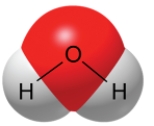
A) the transfer of electrons.
B) unequal sharing of electrons.
C) its ability to freeze.
D) its hydrogen bonds.
E) the negative charge of the molecule.
A) the transfer of electrons.
B) unequal sharing of electrons.
C) its ability to freeze.
D) its hydrogen bonds.
E) the negative charge of the molecule.
Question
Question
Question
The figure below is depicting the interaction of water molecules with one another. The weak attractions between water molecules are known as 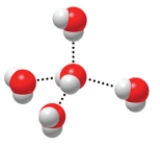
A) covalent bonds.
B) hydrogen bonds.
C) ionic bonds.
D) postive and negative ions.
E) no chemical bonding.
A) covalent bonds.
B) hydrogen bonds.
C) ionic bonds.
D) postive and negative ions.
E) no chemical bonding.
Question
Question
Question
Question
Question
Question
Question
Question
Question
Question
Question
Question
Question
Question
Question
Question
Question
Question
Question
Question
Question
Question
Question
Question
Question
Question
Question
Question
Question
Question
Question
Question
Question
Question
Question
Question
Question
Question
Question

Unlock Deck
Sign up to unlock the cards in this deck!
Unlock Deck
Unlock Deck
1/55

Play

Full screen (f)
Deck 2: The Chemical Basis of Life
1
A covalent bond occurs when
A) protons are transferred from one atom to another.
B) neutrons are shared between two atoms to form an isotope.
C) electrons are shared between two atoms to complete their octets.
D) the hydrogen of one water molecule is attracted to the oxygen of another water molecule.
E) electrons are transferred from one atom to another.
A) protons are transferred from one atom to another.
B) neutrons are shared between two atoms to form an isotope.
C) electrons are shared between two atoms to complete their octets.
D) the hydrogen of one water molecule is attracted to the oxygen of another water molecule.
E) electrons are transferred from one atom to another.
C
2
Which one of the following is the smallest unit of matter that has all the properties of an element?
A) molecule
B) proton
C) atom
D) compound
E) electron
A) molecule
B) proton
C) atom
D) compound
E) electron
C
3
An atom's valence electron shell
A) is filled when it has three electrons.
B) determines its chemical reactivity.
C) determines its atomic mass.
D) is filled with positively charged particles.
E) is filled identically for every element.
A) is filled when it has three electrons.
B) determines its chemical reactivity.
C) determines its atomic mass.
D) is filled with positively charged particles.
E) is filled identically for every element.
B
4
An atom that has an electrical charge is called a(n)
A) ion.
B) molecule.
C) isotope.
D) element.
E) proton.
A) ion.
B) molecule.
C) isotope.
D) element.
E) proton.
Unlock Deck
Unlock for access to all 55 flashcards in this deck.
Unlock Deck
k this deck
5
Isotopes of an element differ in their
A) proton number.
B) electron number.
C) neutron number.
D) type of bonds.
E) atomic number.
A) proton number.
B) electron number.
C) neutron number.
D) type of bonds.
E) atomic number.
Unlock Deck
Unlock for access to all 55 flashcards in this deck.
Unlock Deck
k this deck
6
Which of the following is a property of water?
A) water is a good solvent
B) water is cohesive
C) water has a high heat capacity
D) water can be found as a solid, liquid, or gas
E) All of the above are properties of water.
A) water is a good solvent
B) water is cohesive
C) water has a high heat capacity
D) water can be found as a solid, liquid, or gas
E) All of the above are properties of water.
Unlock Deck
Unlock for access to all 55 flashcards in this deck.
Unlock Deck
k this deck
7
Which of the following would be considered a trace element in living things?
A) oxygen
B) carbon
C) hydrogen
D) nitrogen
E) zinc
A) oxygen
B) carbon
C) hydrogen
D) nitrogen
E) zinc
Unlock Deck
Unlock for access to all 55 flashcards in this deck.
Unlock Deck
k this deck
8
Which of the following properties of water involve hydrogen bonds? Check all that apply
A) cohesion
B) high heat capacity
C) surface tension
D) polarity
E) water expands as it freezes
A) cohesion
B) high heat capacity
C) surface tension
D) polarity
E) water expands as it freezes
Unlock Deck
Unlock for access to all 55 flashcards in this deck.
Unlock Deck
k this deck
9
When a sodium atom transfers an electron to a chlorine atom
A) the sodium atom becomes a positively charged ion.
B) the chlorine atom becomes a negatively charged ion.
C) the positive and negative ions will attract each other, forming a crystal if no water is present.
D) the ions will separate in the presence of water.
E) All of the above statements are correct.
A) the sodium atom becomes a positively charged ion.
B) the chlorine atom becomes a negatively charged ion.
C) the positive and negative ions will attract each other, forming a crystal if no water is present.
D) the ions will separate in the presence of water.
E) All of the above statements are correct.
Unlock Deck
Unlock for access to all 55 flashcards in this deck.
Unlock Deck
k this deck
10
Positron-emission tomography (PET) is an example of how ions are useful in medicine.
Unlock Deck
Unlock for access to all 55 flashcards in this deck.
Unlock Deck
k this deck
11
The type of bond that would form from the transfer of an electron from one atom to another is a(n) ________ bond.
A) covalent
B) ionic
C) hydrogen
D) atomic
E) isotopic
A) covalent
B) ionic
C) hydrogen
D) atomic
E) isotopic
Unlock Deck
Unlock for access to all 55 flashcards in this deck.
Unlock Deck
k this deck
12
Glucose, C 6H 12O 6, is best described as a(n)
A) element.
B) isotope.
C) compound.
D) ion.
E) atom.
A) element.
B) isotope.
C) compound.
D) ion.
E) atom.
Unlock Deck
Unlock for access to all 55 flashcards in this deck.
Unlock Deck
k this deck
13
A water molecule, as shown here, is polar because of
A) the transfer of electrons.
B) unequal sharing of electrons.
C) its ability to freeze.
D) its hydrogen bonds.
E) the negative charge of the molecule.
A) the transfer of electrons.
B) unequal sharing of electrons.
C) its ability to freeze.
D) its hydrogen bonds.
E) the negative charge of the molecule.
Unlock Deck
Unlock for access to all 55 flashcards in this deck.
Unlock Deck
k this deck
14
Which of the following is a molecule?
A) H 2O
B) O 2
C) NaCl
D) CO 2
E) MgCl 2
A) H 2O
B) O 2
C) NaCl
D) CO 2
E) MgCl 2
Unlock Deck
Unlock for access to all 55 flashcards in this deck.
Unlock Deck
k this deck
15
Which of the following is a way that isotopes are useful in medicine? Check all that apply.
A) Radioactive isotopescan be used as tracers to detect molecular changes or to destroy abnormal or infectious cells.
B) Radioactive isotopes can be used to regenerate damaged tissues.
C) Radioactive isotopes can be used to detect Alzheimer's disease.
D) Radioactive isotopes can be used to sterilize medical equipment.
E) Radioactive isotopes can be used to protect against dangerous biological agents.
A) Radioactive isotopescan be used as tracers to detect molecular changes or to destroy abnormal or infectious cells.
B) Radioactive isotopes can be used to regenerate damaged tissues.
C) Radioactive isotopes can be used to detect Alzheimer's disease.
D) Radioactive isotopes can be used to sterilize medical equipment.
E) Radioactive isotopes can be used to protect against dangerous biological agents.
Unlock Deck
Unlock for access to all 55 flashcards in this deck.
Unlock Deck
k this deck
16
The figure below is depicting the interaction of water molecules with one another. The weak attractions between water molecules are known as
A) covalent bonds.
B) hydrogen bonds.
C) ionic bonds.
D) postive and negative ions.
E) no chemical bonding.
A) covalent bonds.
B) hydrogen bonds.
C) ionic bonds.
D) postive and negative ions.
E) no chemical bonding.
Unlock Deck
Unlock for access to all 55 flashcards in this deck.
Unlock Deck
k this deck
17
When a positively charged hydrogen in a water molecule become attracted to thenegatively charged oxygen in a nearby water molecule, this is called a ionic bond.
Unlock Deck
Unlock for access to all 55 flashcards in this deck.
Unlock Deck
k this deck
18
Which of the following statements about atoms is correct?
A) An element may be composed of several types of atoms.
B) The nucleus of an atom contains protons and electrons.
C) The number and arrangement of electrons in an atom governs its chemical activity.
D) The positive charges of an element are carried by the electrons.
E) The neutral charges of an element are carried by the protons.
A) An element may be composed of several types of atoms.
B) The nucleus of an atom contains protons and electrons.
C) The number and arrangement of electrons in an atom governs its chemical activity.
D) The positive charges of an element are carried by the electrons.
E) The neutral charges of an element are carried by the protons.
Unlock Deck
Unlock for access to all 55 flashcards in this deck.
Unlock Deck
k this deck
19
Both radioactive isotopes and stable isotopes contain the same number of electrons and protons.
Unlock Deck
Unlock for access to all 55 flashcards in this deck.
Unlock Deck
k this deck
20
Given the chemical equation: 6 CO 2+ 6 H 2O + light → C 6H 12O 6+ 6 O 2 , identify which of the following statements are correct. Check all that apply.
A) CO 2 is a reactant
B) H 2O is a product
C) C 6H 12O 6 is both a reactant and a product
D) O 2 is a product.
E) There is not enough information to distinguish the reactants from the products.
A) CO 2 is a reactant
B) H 2O is a product
C) C 6H 12O 6 is both a reactant and a product
D) O 2 is a product.
E) There is not enough information to distinguish the reactants from the products.
Unlock Deck
Unlock for access to all 55 flashcards in this deck.
Unlock Deck
k this deck
21
A(n) ________ can be defined as asubstance that keeps pH within established limits by taking up excess H +or OH - in a solution.
A) equalizer
B) solute
C) buffer
D) acid
E) base
A) equalizer
B) solute
C) buffer
D) acid
E) base
Unlock Deck
Unlock for access to all 55 flashcards in this deck.
Unlock Deck
k this deck
22
What do lemons, tomatoes, and coffee all have in common chemically?
A) They all produce OH - ions in solution, making them bases.
B) They all produce H +ions in solution, making them acids.
C) They all are fruits.
D) They are all neutral in pH.
E) They are all slippery to the touch.
A) They all produce OH - ions in solution, making them bases.
B) They all produce H +ions in solution, making them acids.
C) They all are fruits.
D) They are all neutral in pH.
E) They are all slippery to the touch.
Unlock Deck
Unlock for access to all 55 flashcards in this deck.
Unlock Deck
k this deck
23
Which of the following would be an example of the value of water's heat capacity?
A) Water is able to travel up a 100-foot tree.
B) Water expands as it freezes causing ice to float on the surface of a lake.
C) Living organisms are able to maintain their internal body temperatures because the water in their cells resists changes in temperature.
D) Small insects can walk on water.
E) Water molecules stick together.
A) Water is able to travel up a 100-foot tree.
B) Water expands as it freezes causing ice to float on the surface of a lake.
C) Living organisms are able to maintain their internal body temperatures because the water in their cells resists changes in temperature.
D) Small insects can walk on water.
E) Water molecules stick together.
Unlock Deck
Unlock for access to all 55 flashcards in this deck.
Unlock Deck
k this deck
24
Which of the following property of water helps an individual who is exercising vigorously maintain a constant body temperature?
A) Water has high heat capacity.
B) Water is less dense than ice.
C) Water is a good solvent.
D) Water molecules are cohesive.
E) Water moleculesare adhesive.
A) Water has high heat capacity.
B) Water is less dense than ice.
C) Water is a good solvent.
D) Water molecules are cohesive.
E) Water moleculesare adhesive.
Unlock Deck
Unlock for access to all 55 flashcards in this deck.
Unlock Deck
k this deck
25
Although Oregon and South Dakota are at similar latitudes, winters in Oregon arewarmer and summers in Oregon are cooler. Which of the following might explain these differences between the climate of Oregon and the climate of South Dakota?
A) South Dakota has fewer trees.
B) The Pacific Ocean makes Oregon temperatures more moderate.
C) Oregon receives more rainfall.
D) South Dakota has fewer lakes and rivers.
E) South Dakota has more prevailing winds from the west.
A) South Dakota has fewer trees.
B) The Pacific Ocean makes Oregon temperatures more moderate.
C) Oregon receives more rainfall.
D) South Dakota has fewer lakes and rivers.
E) South Dakota has more prevailing winds from the west.
Unlock Deck
Unlock for access to all 55 flashcards in this deck.
Unlock Deck
k this deck
26
The pH scale is a mathematical indicator of the
A) concentration of H + present in a solution.
B) concentration of OH - present in a solution.
C) total amount of all ions in a solution.
D) ability of a solution to buffer.
E) ability to dissolve in water.
A) concentration of H + present in a solution.
B) concentration of OH - present in a solution.
C) total amount of all ions in a solution.
D) ability of a solution to buffer.
E) ability to dissolve in water.
Unlock Deck
Unlock for access to all 55 flashcards in this deck.
Unlock Deck
k this deck
27
Which property of water causes sugar to dissolve in coffee?
A) Water has high heat capacity.
B) Water is less dense than ice.
C) Water is a good solvent.
D) Water is cohesive.
E) Water is able to change from a gas to a solid.
A) Water has high heat capacity.
B) Water is less dense than ice.
C) Water is a good solvent.
D) Water is cohesive.
E) Water is able to change from a gas to a solid.
Unlock Deck
Unlock for access to all 55 flashcards in this deck.
Unlock Deck
k this deck
28
Cola has a pH of 3.5. This means that it has an excess of _______ ions and would be called a(n) ________.
A) H +; acid
B) OH -; acid
C) H +; base
D) OH -; base
E) H +; neutral solution
A) H +; acid
B) OH -; acid
C) H +; base
D) OH -; base
E) H +; neutral solution
Unlock Deck
Unlock for access to all 55 flashcards in this deck.
Unlock Deck
k this deck
29
Of the following examples, which best demonstrates the property of water cohesion?
A) Water can move up a 100-foot pine tree, from the roots to the leaves.
B) A rock skipping across the surface of a lake.
C) Water requires a great deal of heat to reach the point of vaporizing.
D) A can of soda bursts when it is placed in the freezer.
E) A large body of fresh water takes a long time to warm up after the winter season.
A) Water can move up a 100-foot pine tree, from the roots to the leaves.
B) A rock skipping across the surface of a lake.
C) Water requires a great deal of heat to reach the point of vaporizing.
D) A can of soda bursts when it is placed in the freezer.
E) A large body of fresh water takes a long time to warm up after the winter season.
Unlock Deck
Unlock for access to all 55 flashcards in this deck.
Unlock Deck
k this deck
30
In what ways are radioactive isotopes potentially harmful?
A) Unmonitored release into the environment can make changes in a cell's DNA.
B) They are used to trace molecular changes.
C) They are used to destroy abnormal cells.
D) They are used to determine the age of biological specimens.
E) They are used to trace the path of materials throughout the body.
A) Unmonitored release into the environment can make changes in a cell's DNA.
B) They are used to trace molecular changes.
C) They are used to destroy abnormal cells.
D) They are used to determine the age of biological specimens.
E) They are used to trace the path of materials throughout the body.
Unlock Deck
Unlock for access to all 55 flashcards in this deck.
Unlock Deck
k this deck
31
An element has an atomic number of 88. The number of protons and electrons in a neutral atom of the element are
A) 176 protons and 88 electrons.
B) 44 protons and 44 electrons.
C) 0 protons and 88 electrons.
D) 88 protons and 88 electrons.
E) 88 protons and 44 electrons.
A) 176 protons and 88 electrons.
B) 44 protons and 44 electrons.
C) 0 protons and 88 electrons.
D) 88 protons and 88 electrons.
E) 88 protons and 44 electrons.
Unlock Deck
Unlock for access to all 55 flashcards in this deck.
Unlock Deck
k this deck
32
Heartburn occurs when stomach acid escapes the stomach and burns the tissues of the esophagus. Baking soda is sometimes used as an antacid. How does baking soda help relieve symptoms of heartburn?
A) The baking soda is serving as a buffer to take up excess H + ions from stomach acid.
B) The baking soda is able to coat the lining of the esophagus thereby protecting it from the acid.
C) The baking soda increases the acidity of the stomach.
D) The baking soda releases salt which draws more water into the esophagus thereby diluting the acid.
E) The baking soda relaxes the stomach muscles.
A) The baking soda is serving as a buffer to take up excess H + ions from stomach acid.
B) The baking soda is able to coat the lining of the esophagus thereby protecting it from the acid.
C) The baking soda increases the acidity of the stomach.
D) The baking soda releases salt which draws more water into the esophagus thereby diluting the acid.
E) The baking soda relaxes the stomach muscles.
Unlock Deck
Unlock for access to all 55 flashcards in this deck.
Unlock Deck
k this deck
33
All atoms of the same element have the same
A) number of neutrons.
B) atomic number.
C) number of electrons.
D) atomic mass.
E) number of ions.
A) number of neutrons.
B) atomic number.
C) number of electrons.
D) atomic mass.
E) number of ions.
Unlock Deck
Unlock for access to all 55 flashcards in this deck.
Unlock Deck
k this deck
34
How does a strong acid differ from a weak acid?
A) A strong acid contains fewer H + in solution.
B) A weak acid dissociates only partially in water.
C) A strong acid is less likely to remain dissociated.
D) A weak acid dissociates nearly completely in water.
E) A strong acid dissociates only partly in water.
A) A strong acid contains fewer H + in solution.
B) A weak acid dissociates only partially in water.
C) A strong acid is less likely to remain dissociated.
D) A weak acid dissociates nearly completely in water.
E) A strong acid dissociates only partly in water.
Unlock Deck
Unlock for access to all 55 flashcards in this deck.
Unlock Deck
k this deck
35
Which of the following statements about basic solutions is true?
A) Basic solutions have high concentrations of H +.
B) Basic solutions have a pH under 7.
C) Basic solutions release OH -.
D) Basic solutions release both H+ and OH -.
E) Basic solutions have a neutral pH.
A) Basic solutions have high concentrations of H +.
B) Basic solutions have a pH under 7.
C) Basic solutions release OH -.
D) Basic solutions release both H+ and OH -.
E) Basic solutions have a neutral pH.
Unlock Deck
Unlock for access to all 55 flashcards in this deck.
Unlock Deck
k this deck
36
Which of the following is a property of acids?
A) Acids have a sharp or sour taste.
B) Acids feel slippery when touched.
C) Acids taste bitter.
D) Acids release OH - when dissolved in a liquid.
E) Acids have a pH reading above 7.0.
A) Acids have a sharp or sour taste.
B) Acids feel slippery when touched.
C) Acids taste bitter.
D) Acids release OH - when dissolved in a liquid.
E) Acids have a pH reading above 7.0.
Unlock Deck
Unlock for access to all 55 flashcards in this deck.
Unlock Deck
k this deck
37
Isotopes of an atom differ in their
A) atomic number.
B) atomic mass.
C) number of electrons.
D) atomic radius.
E) number of protons.
A) atomic number.
B) atomic mass.
C) number of electrons.
D) atomic radius.
E) number of protons.
Unlock Deck
Unlock for access to all 55 flashcards in this deck.
Unlock Deck
k this deck
38
When water boils
A) hydrogen bonds are broken between neighboring water molecules.
B) covalent bonds are broken between oxygen and hydrogen atoms.
C) ionic bonds are broken when the minerals in water are heated.
D) the bond between one water molecule and another becomes stronger.
E) the hydrogen atoms break away from the oxygen and escape as vapor.
A) hydrogen bonds are broken between neighboring water molecules.
B) covalent bonds are broken between oxygen and hydrogen atoms.
C) ionic bonds are broken when the minerals in water are heated.
D) the bond between one water molecule and another becomes stronger.
E) the hydrogen atoms break away from the oxygen and escape as vapor.
Unlock Deck
Unlock for access to all 55 flashcards in this deck.
Unlock Deck
k this deck
39
After drinking a great deal of coffee (pH 5), a human's blood buffering system would need to ________ as the coffee was digested to lower the level of acid present in the blood stream.
A) release OH -
B) take up H +
C) release H +
D) take up OH -
E) release OH - and take up H +
A) release OH -
B) take up H +
C) release H +
D) take up OH -
E) release OH - and take up H +
Unlock Deck
Unlock for access to all 55 flashcards in this deck.
Unlock Deck
k this deck
40
The number of neutrons present in the nucleus of an average atom of any given element is best estimated by
A) adding the number of electrons and protons together.
B) subtracting the number of electrons from the number of protons.
C) adding the mass number to the number of electrons.
D) subtracting the number of protons from the mass number.
E) adding the atomic number and atomic mass together.
A) adding the number of electrons and protons together.
B) subtracting the number of electrons from the number of protons.
C) adding the mass number to the number of electrons.
D) subtracting the number of protons from the mass number.
E) adding the atomic number and atomic mass together.
Unlock Deck
Unlock for access to all 55 flashcards in this deck.
Unlock Deck
k this deck
41
A covalent bond involves the sharing of
A) neutrons.
B) protons.
C) pairs of protons.
D) at least three electrons.
E) pairs of electrons.
A) neutrons.
B) protons.
C) pairs of protons.
D) at least three electrons.
E) pairs of electrons.
Unlock Deck
Unlock for access to all 55 flashcards in this deck.
Unlock Deck
k this deck
42
The reactivity of an atom depends on the number of
A) protons.
B) neutrons.
C) protons plus neutrons.
D) valence electrons.
E) protons and electrons.
A) protons.
B) neutrons.
C) protons plus neutrons.
D) valence electrons.
E) protons and electrons.
Unlock Deck
Unlock for access to all 55 flashcards in this deck.
Unlock Deck
k this deck
43
In the reaction 6CO 2 + 6H 2O → C 6H 12O 6 + 6O 2 carbon dioxide is one of the
A) reactants.
B) products.
C) enzymes.
D) elements.
E) ions.
A) reactants.
B) products.
C) enzymes.
D) elements.
E) ions.
Unlock Deck
Unlock for access to all 55 flashcards in this deck.
Unlock Deck
k this deck
44
Chemical bonds involve
A) the giving and taking of electrons.
B) the giving and taking of protons.
C) the giving, taking, or sharing of electrons.
D) the giving, taking, or sharing of protons.
E) the sharing of electrons.
A) the giving and taking of electrons.
B) the giving and taking of protons.
C) the giving, taking, or sharing of electrons.
D) the giving, taking, or sharing of protons.
E) the sharing of electrons.
Unlock Deck
Unlock for access to all 55 flashcards in this deck.
Unlock Deck
k this deck
45
Sulfur has an atomic number of 16. How many valence shell electrons does it have?
A) One
B) Two
C) Three
D) Four
E) Six
A) One
B) Two
C) Three
D) Four
E) Six
Unlock Deck
Unlock for access to all 55 flashcards in this deck.
Unlock Deck
k this deck
46
The electron arrangement for argon, which has 18 electrons, is
A) 2 in the inner electron shell, 8 in the second electron shell, and 8 in the outer electron shell.
B) 8 in the inner electron shell, 8 in the second electron shell, and 2 in the outer electron shell.
C) 6 in the inner electron shell, 6 in the second electron shell, and 6 in the outer electron shell.
D) 5 in the inner electron shell, 6 in the second electron shell, and 7 in the outer electron shell.
E) 7 in the inner electron shell, 6 in the second electron shell, and 5 in the outer electron shell.
A) 2 in the inner electron shell, 8 in the second electron shell, and 8 in the outer electron shell.
B) 8 in the inner electron shell, 8 in the second electron shell, and 2 in the outer electron shell.
C) 6 in the inner electron shell, 6 in the second electron shell, and 6 in the outer electron shell.
D) 5 in the inner electron shell, 6 in the second electron shell, and 7 in the outer electron shell.
E) 7 in the inner electron shell, 6 in the second electron shell, and 5 in the outer electron shell.
Unlock Deck
Unlock for access to all 55 flashcards in this deck.
Unlock Deck
k this deck
47
An ionic bond forms when
A) an atom gives away or takes in an electron.
B) an atom gives away or takes in a proton.
C) a negatively charged ion is attracted to one with a positive charge.
D) two atoms come close enough to share one or more electrons.
E) two atoms come close enough to share one or more protons.
A) an atom gives away or takes in an electron.
B) an atom gives away or takes in a proton.
C) a negatively charged ion is attracted to one with a positive charge.
D) two atoms come close enough to share one or more electrons.
E) two atoms come close enough to share one or more protons.
Unlock Deck
Unlock for access to all 55 flashcards in this deck.
Unlock Deck
k this deck
48
The atomic structure of water satisfies the octet rule by having
A) electrons shared between the two oxygen atoms.
B) electrons from hydrogen transferred to the oxygen atom.
C) electrons from oxygen transferred to the hydrogen atoms.
D) oxygen share electrons with two hydrogen atoms.
E) electrons shared between the two hydrogen atoms.
A) electrons shared between the two oxygen atoms.
B) electrons from hydrogen transferred to the oxygen atom.
C) electrons from oxygen transferred to the hydrogen atoms.
D) oxygen share electrons with two hydrogen atoms.
E) electrons shared between the two hydrogen atoms.
Unlock Deck
Unlock for access to all 55 flashcards in this deck.
Unlock Deck
k this deck
49
Some insects can stride on the surface of water because water
A) has a high specific heat.
B) has lower density when frozen.
C) is a good solvent.
D) has surface tension.
E) resists temperature changes.
A) has a high specific heat.
B) has lower density when frozen.
C) is a good solvent.
D) has surface tension.
E) resists temperature changes.
Unlock Deck
Unlock for access to all 55 flashcards in this deck.
Unlock Deck
k this deck
50
An atom with a neutral charge has
A) equal numbers of neutrons and electrons.
B) more neutrons making it more neutral.
C) the same number of protons and neutrons.
D) equal numbers of protons and electrons.
E) more protons than it does electrons.
A) equal numbers of neutrons and electrons.
B) more neutrons making it more neutral.
C) the same number of protons and neutrons.
D) equal numbers of protons and electrons.
E) more protons than it does electrons.
Unlock Deck
Unlock for access to all 55 flashcards in this deck.
Unlock Deck
k this deck
51
Which of the following best describes the structure of how water molecules form?
A) Hydrogen atoms covalently bond with each other to create one stable valence shell of electrons. The hydrogen molecule then forms a hydrogen bond with an oxygen atom to create the water molecule.
B) One oxygen atom transfers an electron to each of two hydrogen atoms, forming an ionic bond.
C) The oxygen atom and hydrogen atoms form a covalent bond with one another to create stable valence shells of electrons. The electrons are shared unequally resulting in a polar molecule.
D) Hydrogen bonds are formed between the two hydrogen atoms and the oxygen atom.
E) Because of its strong electronegativity, oxygenremoves one electron from two different hydrogen atoms. This satisfies the valence shell of oxygen. Then hydrogen bonds form between the two hydrogen atoms which keeps them in the vicinity of the oxygen atom.
A) Hydrogen atoms covalently bond with each other to create one stable valence shell of electrons. The hydrogen molecule then forms a hydrogen bond with an oxygen atom to create the water molecule.
B) One oxygen atom transfers an electron to each of two hydrogen atoms, forming an ionic bond.
C) The oxygen atom and hydrogen atoms form a covalent bond with one another to create stable valence shells of electrons. The electrons are shared unequally resulting in a polar molecule.
D) Hydrogen bonds are formed between the two hydrogen atoms and the oxygen atom.
E) Because of its strong electronegativity, oxygenremoves one electron from two different hydrogen atoms. This satisfies the valence shell of oxygen. Then hydrogen bonds form between the two hydrogen atoms which keeps them in the vicinity of the oxygen atom.
Unlock Deck
Unlock for access to all 55 flashcards in this deck.
Unlock Deck
k this deck
52
Which of the following is a way in which chemical bonds can be formed?
A) sharing electrons
B) losing electrons
C) gaining electrons
D) attracting opposite charges
E) All of the answers describe ways that chemical bonds can be formed.
A) sharing electrons
B) losing electrons
C) gaining electrons
D) attracting opposite charges
E) All of the answers describe ways that chemical bonds can be formed.
Unlock Deck
Unlock for access to all 55 flashcards in this deck.
Unlock Deck
k this deck
53
The pH of pure water is ________ because ________.
A) 7.0; water contains an equal number of H + ions and OH -ions
B) 14.0; water contains more OH - ions than H + ions.
C) 1.0; water contains more H +ions than OH - ions.
D) 7.0; there are no ions formed in pure water
E) 5; because pure water lacks minerals.
A) 7.0; water contains an equal number of H + ions and OH -ions
B) 14.0; water contains more OH - ions than H + ions.
C) 1.0; water contains more H +ions than OH - ions.
D) 7.0; there are no ions formed in pure water
E) 5; because pure water lacks minerals.
Unlock Deck
Unlock for access to all 55 flashcards in this deck.
Unlock Deck
k this deck
54
Cells need buffering agents in order to
A) speed up chemical reactions.
B) carry out life functions in extremely acidic conditions.
C) minimize the changes in pH of their internal environment.
D) help transfer electrons from one atom to another.
E) increase the amount of OH - in their surroundings.
A) speed up chemical reactions.
B) carry out life functions in extremely acidic conditions.
C) minimize the changes in pH of their internal environment.
D) help transfer electrons from one atom to another.
E) increase the amount of OH - in their surroundings.
Unlock Deck
Unlock for access to all 55 flashcards in this deck.
Unlock Deck
k this deck
55
The subatomic particles that are found in the nucleus of an atom are the
A) protons and electrons.
B) neutrons and protons.
C) electrons only.
D) protons only.
E) electrons and neutrons.
A) protons and electrons.
B) neutrons and protons.
C) electrons only.
D) protons only.
E) electrons and neutrons.
Unlock Deck
Unlock for access to all 55 flashcards in this deck.
Unlock Deck
k this deck
Unlock Deck
Unlock for access to all 55 flashcards in this deck.






