







 Chat with AI

Deck 6: The Role of Government
Full screen (f)

Question
In 1997, 35 countries signed the convention of the Organization for Economic Cooperation and Development (OECD) to make it a crime to bribe foreign officials. In May 1999, the OECD issued a series of six principles (updated in 2004) that have since become the basis of the corporate governance position of the World Bank and the International Monetary Fund (IMF). However, in the second half of 2012 alone:
• In February 2012, UK-based medical device manufacturer Smith Nephew PLC agreed to a $22.2 million settlement in reference to FCPA offenses committed by its U.S. and German subsidiaries. "The company admitted bribing government-employed doctors in Greece for more than a decade to win business." To fund the bribes, products were allegedly sold at full retail price to a local distributor, with a monetary refund for an agreed-on "distributor discount" and then transferred to an offshore account in the distributor's name.
• In August 2012, a subsidiary of Pfizer, Inc., admitted to bribing officials in Bulgaria, Croatia, Kazakhstan, and Russia, in an effort to facilitate the approval of drug products. The subsidiary (Pfizer H.C.P. Corp.) will pay a $15 million fine, and the parent company will pay a further $60 million.
• In September 2012, Tyco Valves Controls Middle East Inc.-a wholly owned subsidiary of Tyco International that sold industrial equipment throughout the Middle East-pled guilty to violating the antibribery provisions of the FCPA after paying bribes to officials employed by Saudi Aramco. Tyco International, the parent company, paid a $26 million fine but was also granted a nonprosecution agreement.
• The SEC agreed to a $12.3 million settlement with German-based insurer Allianz SE in December 2012, in reference to the payment of bribes to officials in Indonesia for the placement of insurance contracts. The SEC stated that the payments totaled $650,626, and generated profits of more than $5.3 million for Allianz.
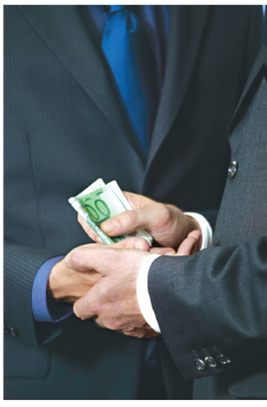
American companies operating under increasing federal and regulatory scrutiny face real consequences from trying to do business in a global business environment in which foreign business seems to function on the basis of "gifts" at every stage of the transaction:
• In December 2012, the SEC charged Eli Lilly and Company with violations of the FCPA for improper payments made by subsidiaries to foreign government officials in Russia, Brazil, China, and Poland; and accepted a settlement in the amount of $29 million for offenses including the following:
• "The SEC alleged that the Indianapolis-based pharmaceutical company's subsidiary in Russia used offshore 'marketing agreements' to pay millions of dollars to third parties chosen by government customers or distributors, despite knowing little or nothing about the third parties beyond their offshore address and bank account information."
• "Employees at Lilly's subsidiary in China falsified expense reports in order to provide spa treatments, jewelry, and other improper gifts and cash payments to government-employed physicians."
• "Lilly's subsidiary in Poland made eight improper payments totaling $39,000 to a small charitable foundation that was founded and administered by the head of one of the regional government health authorities in exchange for the official's support for placing Lilly drugs on the government reimbursement list."
In November 2012, the Department of Justice issued a 120-page "Resource Guide" to the FCPA, including numerous case studies designed to clarify what actions would and would not be considered to be violations of the law. The guide was written as a resource for DOJ attorneys, but attorneys in private practice are encouraging their clients to become familiar with it.
Is it ethical for U.S. regulations to put U.S. companiesat an apparent disadvantage to their foreign competitors? Explain why or why not.
• In February 2012, UK-based medical device manufacturer Smith Nephew PLC agreed to a $22.2 million settlement in reference to FCPA offenses committed by its U.S. and German subsidiaries. "The company admitted bribing government-employed doctors in Greece for more than a decade to win business." To fund the bribes, products were allegedly sold at full retail price to a local distributor, with a monetary refund for an agreed-on "distributor discount" and then transferred to an offshore account in the distributor's name.
• In August 2012, a subsidiary of Pfizer, Inc., admitted to bribing officials in Bulgaria, Croatia, Kazakhstan, and Russia, in an effort to facilitate the approval of drug products. The subsidiary (Pfizer H.C.P. Corp.) will pay a $15 million fine, and the parent company will pay a further $60 million.
• In September 2012, Tyco Valves Controls Middle East Inc.-a wholly owned subsidiary of Tyco International that sold industrial equipment throughout the Middle East-pled guilty to violating the antibribery provisions of the FCPA after paying bribes to officials employed by Saudi Aramco. Tyco International, the parent company, paid a $26 million fine but was also granted a nonprosecution agreement.
• The SEC agreed to a $12.3 million settlement with German-based insurer Allianz SE in December 2012, in reference to the payment of bribes to officials in Indonesia for the placement of insurance contracts. The SEC stated that the payments totaled $650,626, and generated profits of more than $5.3 million for Allianz.
American companies operating under increasing federal and regulatory scrutiny face real consequences from trying to do business in a global business environment in which foreign business seems to function on the basis of "gifts" at every stage of the transaction:
• In December 2012, the SEC charged Eli Lilly and Company with violations of the FCPA for improper payments made by subsidiaries to foreign government officials in Russia, Brazil, China, and Poland; and accepted a settlement in the amount of $29 million for offenses including the following:
• "The SEC alleged that the Indianapolis-based pharmaceutical company's subsidiary in Russia used offshore 'marketing agreements' to pay millions of dollars to third parties chosen by government customers or distributors, despite knowing little or nothing about the third parties beyond their offshore address and bank account information."
• "Employees at Lilly's subsidiary in China falsified expense reports in order to provide spa treatments, jewelry, and other improper gifts and cash payments to government-employed physicians."
• "Lilly's subsidiary in Poland made eight improper payments totaling $39,000 to a small charitable foundation that was founded and administered by the head of one of the regional government health authorities in exchange for the official's support for placing Lilly drugs on the government reimbursement list."
In November 2012, the Department of Justice issued a 120-page "Resource Guide" to the FCPA, including numerous case studies designed to clarify what actions would and would not be considered to be violations of the law. The guide was written as a resource for DOJ attorneys, but attorneys in private practice are encouraging their clients to become familiar with it.
Is it ethical for U.S. regulations to put U.S. companiesat an apparent disadvantage to their foreign competitors? Explain why or why not.

Question
FOXES GUARDING THE HENHOUSE?
The Sarbanes-Oxley Act, which the United States enacted in an atmosphere of extraordinary agitation in 2002, is one of the most influential-and controversial- pieces of corporate legislation ever to have hit a statute book. Its original aim, on the face of it, was modest: to improve the accountability of managers to shareholders, and [then] calm the raging crisis of confidence in American capitalism aroused by scandals at Enron, WorldCom, and other companies. The law's methods, however, were anything but modest, and its implications … are going to be far-reaching.
The cost of all this [new oversight] is steep. A survey by Financial Executives International, an association of top financial executives, found that companies paid an average of $2.4 million more for their audits [in 2004] than they had anticipated (and far more than the statute's designers had envisaged). … This result underlines a notable and unintended consequence of the legislation: it has provided a bonanza for accountants and auditors-a profession thought to be much at fault in the scandals that inspired the law, and which the statute sought to rein in and supervise.
Already reduced in number by consolidation and the demise of Arthur Andersen, the big accounting firms are now known more often as the Final Four than the Big Four, since any further reduction is thought unlikely.
WHO'S LOOKING OUT FOR THE LITTLE GUY?
Smaller companies without access to the internal resources (or funds to pay for external resources) to comply with Sarbanes-Oxley are being particularly hard-hit by the legislation, even though the transgressions that prompted the statute in the first place came from large, publicly traded organizations. This is not to suggest that smaller firms don't face their own ethical problems-it just seems that they are expected to carry an administrative burden that is equal to that of their much larger counterparts.
NOT VERY NEIGHBORLY
Sarbanes-Oxley applies to all companies that issue securities under U.S. federal securities statutes, whether headquartered within the United States or not. Thus, in addition to U.S.-based firms, approximately 1,300 foreign firms from 59 countries fall under the law's jurisdiction.
Reactions to SOX from this quarter were swift. Some foreign companies that had previously contemplated offering securities in the U.S. market reconsidered in light of the conflicts they believe SOX created. For example, in October 2002, Porsche AG announced it would not list its shares on the New York Stock Exchange. A company press release identified the passage of SOX as the "critical factor" for this decision and singled out CEO and CFO certification of financial statements for criticism. After recounting the process Porsche uses to prepare, review, and approve its financial reports, the release concluded that "any special treatment of the Chairman of the Board of Management [i.e., Porsche's CEO] and the Director of Finance would be illogical because of the intricate network within which the decision-making process exists; it would be irreconcilable with German law."
![FOXES GUARDING THE HENHOUSE? The Sarbanes-Oxley Act, which the United States enacted in an atmosphere of extraordinary agitation in 2002, is one of the most influential-and controversial- pieces of corporate legislation ever to have hit a statute book. Its original aim, on the face of it, was modest: to improve the accountability of managers to shareholders, and [then] calm the raging crisis of confidence in American capitalism aroused by scandals at Enron, WorldCom, and other companies. The law's methods, however, were anything but modest, and its implications … are going to be far-reaching. The cost of all this [new oversight] is steep. A survey by Financial Executives International, an association of top financial executives, found that companies paid an average of $2.4 million more for their audits [in 2004] than they had anticipated (and far more than the statute's designers had envisaged). … This result underlines a notable and unintended consequence of the legislation: it has provided a bonanza for accountants and auditors-a profession thought to be much at fault in the scandals that inspired the law, and which the statute sought to rein in and supervise. Already reduced in number by consolidation and the demise of Arthur Andersen, the big accounting firms are now known more often as the Final Four than the Big Four, since any further reduction is thought unlikely. WHO'S LOOKING OUT FOR THE LITTLE GUY? Smaller companies without access to the internal resources (or funds to pay for external resources) to comply with Sarbanes-Oxley are being particularly hard-hit by the legislation, even though the transgressions that prompted the statute in the first place came from large, publicly traded organizations. This is not to suggest that smaller firms don't face their own ethical problems-it just seems that they are expected to carry an administrative burden that is equal to that of their much larger counterparts. NOT VERY NEIGHBORLY Sarbanes-Oxley applies to all companies that issue securities under U.S. federal securities statutes, whether headquartered within the United States or not. Thus, in addition to U.S.-based firms, approximately 1,300 foreign firms from 59 countries fall under the law's jurisdiction. Reactions to SOX from this quarter were swift. Some foreign companies that had previously contemplated offering securities in the U.S. market reconsidered in light of the conflicts they believe SOX created. For example, in October 2002, Porsche AG announced it would not list its shares on the New York Stock Exchange. A company press release identified the passage of SOX as the critical factor for this decision and singled out CEO and CFO certification of financial statements for criticism. After recounting the process Porsche uses to prepare, review, and approve its financial reports, the release concluded that any special treatment of the Chairman of the Board of Management [i.e., Porsche's CEO] and the Director of Finance would be illogical because of the intricate network within which the decision-making process exists; it would be irreconcilable with German law. SOX has introduced sweeping changes in the name of enforcing corporate ethics. Is it really a fair piece of legislation? Explain your answer.<div style=padding-top: 35px>](https://d2lvgg3v3hfg70.cloudfront.net/SM2112/11eb7c32_3082_0b39_ba5d_4743cafb3981_SM2112_00.jpg)
SOX has introduced sweeping changes in the name of enforcing corporate ethics. Is it really a "fair" piece of legislation? Explain your answer.
The Sarbanes-Oxley Act, which the United States enacted in an atmosphere of extraordinary agitation in 2002, is one of the most influential-and controversial- pieces of corporate legislation ever to have hit a statute book. Its original aim, on the face of it, was modest: to improve the accountability of managers to shareholders, and [then] calm the raging crisis of confidence in American capitalism aroused by scandals at Enron, WorldCom, and other companies. The law's methods, however, were anything but modest, and its implications … are going to be far-reaching.
The cost of all this [new oversight] is steep. A survey by Financial Executives International, an association of top financial executives, found that companies paid an average of $2.4 million more for their audits [in 2004] than they had anticipated (and far more than the statute's designers had envisaged). … This result underlines a notable and unintended consequence of the legislation: it has provided a bonanza for accountants and auditors-a profession thought to be much at fault in the scandals that inspired the law, and which the statute sought to rein in and supervise.
Already reduced in number by consolidation and the demise of Arthur Andersen, the big accounting firms are now known more often as the Final Four than the Big Four, since any further reduction is thought unlikely.
WHO'S LOOKING OUT FOR THE LITTLE GUY?
Smaller companies without access to the internal resources (or funds to pay for external resources) to comply with Sarbanes-Oxley are being particularly hard-hit by the legislation, even though the transgressions that prompted the statute in the first place came from large, publicly traded organizations. This is not to suggest that smaller firms don't face their own ethical problems-it just seems that they are expected to carry an administrative burden that is equal to that of their much larger counterparts.
NOT VERY NEIGHBORLY
Sarbanes-Oxley applies to all companies that issue securities under U.S. federal securities statutes, whether headquartered within the United States or not. Thus, in addition to U.S.-based firms, approximately 1,300 foreign firms from 59 countries fall under the law's jurisdiction.
Reactions to SOX from this quarter were swift. Some foreign companies that had previously contemplated offering securities in the U.S. market reconsidered in light of the conflicts they believe SOX created. For example, in October 2002, Porsche AG announced it would not list its shares on the New York Stock Exchange. A company press release identified the passage of SOX as the "critical factor" for this decision and singled out CEO and CFO certification of financial statements for criticism. After recounting the process Porsche uses to prepare, review, and approve its financial reports, the release concluded that "any special treatment of the Chairman of the Board of Management [i.e., Porsche's CEO] and the Director of Finance would be illogical because of the intricate network within which the decision-making process exists; it would be irreconcilable with German law."
SOX has introduced sweeping changes in the name of enforcing corporate ethics. Is it really a "fair" piece of legislation? Explain your answer.
Question
Question
Question
Question
Question
Question
Question
Question
In 1997, 35 countries signed the convention of the Organization for Economic Cooperation and Development (OECD) to make it a crime to bribe foreign officials. In May 1999, the OECD issued a series of six principles (updated in 2004) that have since become the basis of the corporate governance position of the World Bank and the International Monetary Fund (IMF). However, in the second half of 2012 alone:
• In February 2012, UK-based medical device manufacturer Smith Nephew PLC agreed to a $22.2 million settlement in reference to FCPA offenses committed by its U.S. and German subsidiaries. "The company admitted bribing government-employed doctors in Greece for more than a decade to win business." To fund the bribes, products were allegedly sold at full retail price to a local distributor, with a monetary refund for an agreed-on "distributor discount" and then transferred to an offshore account in the distributor's name.
• In August 2012, a subsidiary of Pfizer, Inc., admitted to bribing officials in Bulgaria, Croatia, Kazakhstan, and Russia, in an effort to facilitate the approval of drug products. The subsidiary (Pfizer H.C.P. Corp.) will pay a $15 million fine, and the parent company will pay a further $60 million.
• In September 2012, Tyco Valves Controls Middle East Inc.-a wholly owned subsidiary of Tyco International that sold industrial equipment throughout the Middle East-pled guilty to violating the antibribery provisions of the FCPA after paying bribes to officials employed by Saudi Aramco. Tyco International, the parent company, paid a $26 million fine but was also granted a nonprosecution agreement.
• The SEC agreed to a $12.3 million settlement with German-based insurer Allianz SE in December 2012, in reference to the payment of bribes to officials in Indonesia for the placement of insurance contracts. The SEC stated that the payments totaled $650,626, and generated profits of more than $5.3 million for Allianz.
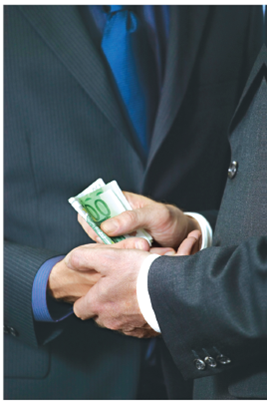
American companies operating under increasing federal and regulatory scrutiny face real consequences from trying to do business in a global business environment in which foreign business seems to function on the basis of "gifts" at every stage of the transaction:
• In December 2012, the SEC charged Eli Lilly and Company with violations of the FCPA for improper payments made by subsidiaries to foreign government officials in Russia, Brazil, China, and Poland; and accepted a settlement in the amount of $29 million for offenses including the following:
• "The SEC alleged that the Indianapolis-based pharmaceutical company's subsidiary in Russia used offshore 'marketing agreements' to pay millions of dollars to third parties chosen by government customers or distributors, despite knowing little or nothing about the third parties beyond their offshore address and bank account information."
• "Employees at Lilly's subsidiary in China falsified expense reports in order to provide spa treatments, jewelry, and other improper gifts and cash payments to government-employed physicians."
• "Lilly's subsidiary in Poland made eight improper payments totaling $39,000 to a small charitable foundation that was founded and administered by the head of one of the regional government health authorities in exchange for the official's support for placing Lilly drugs on the government reimbursement list."
In November 2012, the Department of Justice issued a 120-page "Resource Guide" to the FCPA, including numerous case studies designed to clarify what actions would and would not be considered to be violations of the law. The guide was written as a resource for DOJ attorneys, but attorneys in private practice are encouraging their clients to become familiar with it.
If foreign companies pay bribes, does that make it OK for U.S. companies to do the same? Explain why or why not.
• In February 2012, UK-based medical device manufacturer Smith Nephew PLC agreed to a $22.2 million settlement in reference to FCPA offenses committed by its U.S. and German subsidiaries. "The company admitted bribing government-employed doctors in Greece for more than a decade to win business." To fund the bribes, products were allegedly sold at full retail price to a local distributor, with a monetary refund for an agreed-on "distributor discount" and then transferred to an offshore account in the distributor's name.
• In August 2012, a subsidiary of Pfizer, Inc., admitted to bribing officials in Bulgaria, Croatia, Kazakhstan, and Russia, in an effort to facilitate the approval of drug products. The subsidiary (Pfizer H.C.P. Corp.) will pay a $15 million fine, and the parent company will pay a further $60 million.
• In September 2012, Tyco Valves Controls Middle East Inc.-a wholly owned subsidiary of Tyco International that sold industrial equipment throughout the Middle East-pled guilty to violating the antibribery provisions of the FCPA after paying bribes to officials employed by Saudi Aramco. Tyco International, the parent company, paid a $26 million fine but was also granted a nonprosecution agreement.
• The SEC agreed to a $12.3 million settlement with German-based insurer Allianz SE in December 2012, in reference to the payment of bribes to officials in Indonesia for the placement of insurance contracts. The SEC stated that the payments totaled $650,626, and generated profits of more than $5.3 million for Allianz.
American companies operating under increasing federal and regulatory scrutiny face real consequences from trying to do business in a global business environment in which foreign business seems to function on the basis of "gifts" at every stage of the transaction:
• In December 2012, the SEC charged Eli Lilly and Company with violations of the FCPA for improper payments made by subsidiaries to foreign government officials in Russia, Brazil, China, and Poland; and accepted a settlement in the amount of $29 million for offenses including the following:
• "The SEC alleged that the Indianapolis-based pharmaceutical company's subsidiary in Russia used offshore 'marketing agreements' to pay millions of dollars to third parties chosen by government customers or distributors, despite knowing little or nothing about the third parties beyond their offshore address and bank account information."
• "Employees at Lilly's subsidiary in China falsified expense reports in order to provide spa treatments, jewelry, and other improper gifts and cash payments to government-employed physicians."
• "Lilly's subsidiary in Poland made eight improper payments totaling $39,000 to a small charitable foundation that was founded and administered by the head of one of the regional government health authorities in exchange for the official's support for placing Lilly drugs on the government reimbursement list."
In November 2012, the Department of Justice issued a 120-page "Resource Guide" to the FCPA, including numerous case studies designed to clarify what actions would and would not be considered to be violations of the law. The guide was written as a resource for DOJ attorneys, but attorneys in private practice are encouraging their clients to become familiar with it.
If foreign companies pay bribes, does that make it OK for U.S. companies to do the same? Explain why or why not.
Question
FOXES GUARDING THE HENHOUSE?
The Sarbanes-Oxley Act, which the United States enacted in an atmosphere of extraordinary agitation in 2002, is one of the most influential-and controversial- pieces of corporate legislation ever to have hit a statute book. Its original aim, on the face of it, was modest: to improve the accountability of managers to shareholders, and [then] calm the raging crisis of confidence in American capitalism aroused by scandals at Enron, WorldCom, and other companies. The law's methods, however, were anything but modest, and its implications … are going to be far-reaching.
The cost of all this [new oversight] is steep. A survey by Financial Executives International, an association of top financial executives, found that companies paid an average of $2.4 million more for their audits [in 2004] than they had anticipated (and far more than the statute's designers had envisaged). … This result underlines a notable and unintended consequence of the legislation: it has provided a bonanza for accountants and auditors-a profession thought to be much at fault in the scandals that inspired the law, and which the statute sought to rein in and supervise.
Already reduced in number by consolidation and the demise of Arthur Andersen, the big accounting firms are now known more often as the Final Four than the Big Four, since any further reduction is thought unlikely.
WHO'S LOOKING OUT FOR THE LITTLE GUY?
Smaller companies without access to the internal resources (or funds to pay for external resources) to comply with Sarbanes-Oxley are being particularly hard-hit by the legislation, even though the transgressions that prompted the statute in the first place came from large, publicly traded organizations. This is not to suggest that smaller firms don't face their own ethical problems-it just seems that they are expected to carry an administrative burden that is equal to that of their much larger counterparts.
NOT VERY NEIGHBORLY
Sarbanes-Oxley applies to all companies that issue securities under U.S. federal securities statutes, whether headquartered within the United States or not. Thus, in addition to U.S.-based firms, approximately 1,300 foreign firms from 59 countries fall under the law's jurisdiction.
Reactions to SOX from this quarter were swift. Some foreign companies that had previously contemplated offering securities in the U.S. market reconsidered in light of the conflicts they believe SOX created. For example, in October 2002, Porsche AG announced it would not list its shares on the New York Stock Exchange. A company press release identified the passage of SOX as the "critical factor" for this decision and singled out CEO and CFO certification of financial statements for criticism. After recounting the process Porsche uses to prepare, review, and approve its financial reports, the release concluded that "any special treatment of the Chairman of the Board of Management [i.e., Porsche's CEO] and the Director of Finance would be illogical because of the intricate network within which the decision-making process exists; it would be irreconcilable with German law."
![FOXES GUARDING THE HENHOUSE? The Sarbanes-Oxley Act, which the United States enacted in an atmosphere of extraordinary agitation in 2002, is one of the most influential-and controversial- pieces of corporate legislation ever to have hit a statute book. Its original aim, on the face of it, was modest: to improve the accountability of managers to shareholders, and [then] calm the raging crisis of confidence in American capitalism aroused by scandals at Enron, WorldCom, and other companies. The law's methods, however, were anything but modest, and its implications … are going to be far-reaching. The cost of all this [new oversight] is steep. A survey by Financial Executives International, an association of top financial executives, found that companies paid an average of $2.4 million more for their audits [in 2004] than they had anticipated (and far more than the statute's designers had envisaged). … This result underlines a notable and unintended consequence of the legislation: it has provided a bonanza for accountants and auditors-a profession thought to be much at fault in the scandals that inspired the law, and which the statute sought to rein in and supervise. Already reduced in number by consolidation and the demise of Arthur Andersen, the big accounting firms are now known more often as the Final Four than the Big Four, since any further reduction is thought unlikely. WHO'S LOOKING OUT FOR THE LITTLE GUY? Smaller companies without access to the internal resources (or funds to pay for external resources) to comply with Sarbanes-Oxley are being particularly hard-hit by the legislation, even though the transgressions that prompted the statute in the first place came from large, publicly traded organizations. This is not to suggest that smaller firms don't face their own ethical problems-it just seems that they are expected to carry an administrative burden that is equal to that of their much larger counterparts. NOT VERY NEIGHBORLY Sarbanes-Oxley applies to all companies that issue securities under U.S. federal securities statutes, whether headquartered within the United States or not. Thus, in addition to U.S.-based firms, approximately 1,300 foreign firms from 59 countries fall under the law's jurisdiction. Reactions to SOX from this quarter were swift. Some foreign companies that had previously contemplated offering securities in the U.S. market reconsidered in light of the conflicts they believe SOX created. For example, in October 2002, Porsche AG announced it would not list its shares on the New York Stock Exchange. A company press release identified the passage of SOX as the critical factor for this decision and singled out CEO and CFO certification of financial statements for criticism. After recounting the process Porsche uses to prepare, review, and approve its financial reports, the release concluded that any special treatment of the Chairman of the Board of Management [i.e., Porsche's CEO] and the Director of Finance would be illogical because of the intricate network within which the decision-making process exists; it would be irreconcilable with German law. Do U.S. ethical problems give us the right to demand ethical controls from international companies based outside the United States?<div style=padding-top: 35px>](https://d2lvgg3v3hfg70.cloudfront.net/SM2112/11eb7c32_3086_50fb_ba5d_a10b1f506596_SM2112_00.jpg)
Do U.S. ethical problems give us the right to demand ethical controls from international companies based outside the United States?
The Sarbanes-Oxley Act, which the United States enacted in an atmosphere of extraordinary agitation in 2002, is one of the most influential-and controversial- pieces of corporate legislation ever to have hit a statute book. Its original aim, on the face of it, was modest: to improve the accountability of managers to shareholders, and [then] calm the raging crisis of confidence in American capitalism aroused by scandals at Enron, WorldCom, and other companies. The law's methods, however, were anything but modest, and its implications … are going to be far-reaching.
The cost of all this [new oversight] is steep. A survey by Financial Executives International, an association of top financial executives, found that companies paid an average of $2.4 million more for their audits [in 2004] than they had anticipated (and far more than the statute's designers had envisaged). … This result underlines a notable and unintended consequence of the legislation: it has provided a bonanza for accountants and auditors-a profession thought to be much at fault in the scandals that inspired the law, and which the statute sought to rein in and supervise.
Already reduced in number by consolidation and the demise of Arthur Andersen, the big accounting firms are now known more often as the Final Four than the Big Four, since any further reduction is thought unlikely.
WHO'S LOOKING OUT FOR THE LITTLE GUY?
Smaller companies without access to the internal resources (or funds to pay for external resources) to comply with Sarbanes-Oxley are being particularly hard-hit by the legislation, even though the transgressions that prompted the statute in the first place came from large, publicly traded organizations. This is not to suggest that smaller firms don't face their own ethical problems-it just seems that they are expected to carry an administrative burden that is equal to that of their much larger counterparts.
NOT VERY NEIGHBORLY
Sarbanes-Oxley applies to all companies that issue securities under U.S. federal securities statutes, whether headquartered within the United States or not. Thus, in addition to U.S.-based firms, approximately 1,300 foreign firms from 59 countries fall under the law's jurisdiction.
Reactions to SOX from this quarter were swift. Some foreign companies that had previously contemplated offering securities in the U.S. market reconsidered in light of the conflicts they believe SOX created. For example, in October 2002, Porsche AG announced it would not list its shares on the New York Stock Exchange. A company press release identified the passage of SOX as the "critical factor" for this decision and singled out CEO and CFO certification of financial statements for criticism. After recounting the process Porsche uses to prepare, review, and approve its financial reports, the release concluded that "any special treatment of the Chairman of the Board of Management [i.e., Porsche's CEO] and the Director of Finance would be illogical because of the intricate network within which the decision-making process exists; it would be irreconcilable with German law."
Do U.S. ethical problems give us the right to demand ethical controls from international companies based outside the United States?
Question
Question
Question
Question
Question
Question
Question
Question
In 1997, 35 countries signed the convention of the Organization for Economic Cooperation and Development (OECD) to make it a crime to bribe foreign officials. In May 1999, the OECD issued a series of six principles (updated in 2004) that have since become the basis of the corporate governance position of the World Bank and the International Monetary Fund (IMF). However, in the second half of 2012 alone:
• In February 2012, UK-based medical device manufacturer Smith Nephew PLC agreed to a $22.2 million settlement in reference to FCPA offenses committed by its U.S. and German subsidiaries. "The company admitted bribing government-employed doctors in Greece for more than a decade to win business." To fund the bribes, products were allegedly sold at full retail price to a local distributor, with a monetary refund for an agreed-on "distributor discount" and then transferred to an offshore account in the distributor's name.
• In August 2012, a subsidiary of Pfizer, Inc., admitted to bribing officials in Bulgaria, Croatia, Kazakhstan, and Russia, in an effort to facilitate the approval of drug products. The subsidiary (Pfizer H.C.P. Corp.) will pay a $15 million fine, and the parent company will pay a further $60 million.
• In September 2012, Tyco Valves Controls Middle East Inc.-a wholly owned subsidiary of Tyco International that sold industrial equipment throughout the Middle East-pled guilty to violating the antibribery provisions of the FCPA after paying bribes to officials employed by Saudi Aramco. Tyco International, the parent company, paid a $26 million fine but was also granted a nonprosecution agreement.
• The SEC agreed to a $12.3 million settlement with German-based insurer Allianz SE in December 2012, in reference to the payment of bribes to officials in Indonesia for the placement of insurance contracts. The SEC stated that the payments totaled $650,626, and generated profits of more than $5.3 million for Allianz.
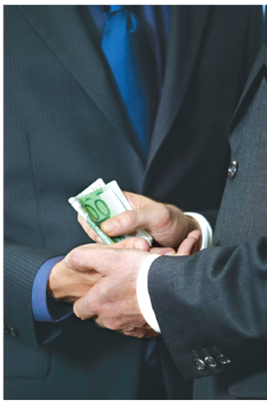
American companies operating under increasing federal and regulatory scrutiny face real consequences from trying to do business in a global business environment in which foreign business seems to function on the basis of "gifts" at every stage of the transaction:
• In December 2012, the SEC charged Eli Lilly and Company with violations of the FCPA for improper payments made by subsidiaries to foreign government officials in Russia, Brazil, China, and Poland; and accepted a settlement in the amount of $29 million for offenses including the following:
• "The SEC alleged that the Indianapolis-based pharmaceutical company's subsidiary in Russia used offshore 'marketing agreements' to pay millions of dollars to third parties chosen by government customers or distributors, despite knowing little or nothing about the third parties beyond their offshore address and bank account information."
• "Employees at Lilly's subsidiary in China falsified expense reports in order to provide spa treatments, jewelry, and other improper gifts and cash payments to government-employed physicians."
• "Lilly's subsidiary in Poland made eight improper payments totaling $39,000 to a small charitable foundation that was founded and administered by the head of one of the regional government health authorities in exchange for the official's support for placing Lilly drugs on the government reimbursement list."
In November 2012, the Department of Justice issued a 120-page "Resource Guide" to the FCPA, including numerous case studies designed to clarify what actions would and would not be considered to be violations of the law. The guide was written as a resource for DOJ attorneys, but attorneys in private practice are encouraging their clients to become familiar with it.
If you could prove that new jobs, new construction, and valuable tax revenue would come to the United States if the bribe were paid, would that change your position? Explain your answer.
• In February 2012, UK-based medical device manufacturer Smith Nephew PLC agreed to a $22.2 million settlement in reference to FCPA offenses committed by its U.S. and German subsidiaries. "The company admitted bribing government-employed doctors in Greece for more than a decade to win business." To fund the bribes, products were allegedly sold at full retail price to a local distributor, with a monetary refund for an agreed-on "distributor discount" and then transferred to an offshore account in the distributor's name.
• In August 2012, a subsidiary of Pfizer, Inc., admitted to bribing officials in Bulgaria, Croatia, Kazakhstan, and Russia, in an effort to facilitate the approval of drug products. The subsidiary (Pfizer H.C.P. Corp.) will pay a $15 million fine, and the parent company will pay a further $60 million.
• In September 2012, Tyco Valves Controls Middle East Inc.-a wholly owned subsidiary of Tyco International that sold industrial equipment throughout the Middle East-pled guilty to violating the antibribery provisions of the FCPA after paying bribes to officials employed by Saudi Aramco. Tyco International, the parent company, paid a $26 million fine but was also granted a nonprosecution agreement.
• The SEC agreed to a $12.3 million settlement with German-based insurer Allianz SE in December 2012, in reference to the payment of bribes to officials in Indonesia for the placement of insurance contracts. The SEC stated that the payments totaled $650,626, and generated profits of more than $5.3 million for Allianz.
American companies operating under increasing federal and regulatory scrutiny face real consequences from trying to do business in a global business environment in which foreign business seems to function on the basis of "gifts" at every stage of the transaction:
• In December 2012, the SEC charged Eli Lilly and Company with violations of the FCPA for improper payments made by subsidiaries to foreign government officials in Russia, Brazil, China, and Poland; and accepted a settlement in the amount of $29 million for offenses including the following:
• "The SEC alleged that the Indianapolis-based pharmaceutical company's subsidiary in Russia used offshore 'marketing agreements' to pay millions of dollars to third parties chosen by government customers or distributors, despite knowing little or nothing about the third parties beyond their offshore address and bank account information."
• "Employees at Lilly's subsidiary in China falsified expense reports in order to provide spa treatments, jewelry, and other improper gifts and cash payments to government-employed physicians."
• "Lilly's subsidiary in Poland made eight improper payments totaling $39,000 to a small charitable foundation that was founded and administered by the head of one of the regional government health authorities in exchange for the official's support for placing Lilly drugs on the government reimbursement list."
In November 2012, the Department of Justice issued a 120-page "Resource Guide" to the FCPA, including numerous case studies designed to clarify what actions would and would not be considered to be violations of the law. The guide was written as a resource for DOJ attorneys, but attorneys in private practice are encouraging their clients to become familiar with it.
If you could prove that new jobs, new construction, and valuable tax revenue would come to the United States if the bribe were paid, would that change your position? Explain your answer.
Question
FOXES GUARDING THE HENHOUSE?
The Sarbanes-Oxley Act, which the United States enacted in an atmosphere of extraordinary agitation in 2002, is one of the most influential-and controversial- pieces of corporate legislation ever to have hit a statute book. Its original aim, on the face of it, was modest: to improve the accountability of managers to shareholders, and [then] calm the raging crisis of confidence in American capitalism aroused by scandals at Enron, WorldCom, and other companies. The law's methods, however, were anything but modest, and its implications … are going to be far-reaching.
The cost of all this [new oversight] is steep. A survey by Financial Executives International, an association of top financial executives, found that companies paid an average of $2.4 million more for their audits [in 2004] than they had anticipated (and far more than the statute's designers had envisaged). … This result underlines a notable and unintended consequence of the legislation: it has provided a bonanza for accountants and auditors-a profession thought to be much at fault in the scandals that inspired the law, and which the statute sought to rein in and supervise.
Already reduced in number by consolidation and the demise of Arthur Andersen, the big accounting firms are now known more often as the Final Four than the Big Four, since any further reduction is thought unlikely.
WHO'S LOOKING OUT FOR THE LITTLE GUY?
Smaller companies without access to the internal resources (or funds to pay for external resources) to comply with Sarbanes-Oxley are being particularly hard-hit by the legislation, even though the transgressions that prompted the statute in the first place came from large, publicly traded organizations. This is not to suggest that smaller firms don't face their own ethical problems-it just seems that they are expected to carry an administrative burden that is equal to that of their much larger counterparts.
NOT VERY NEIGHBORLY
Sarbanes-Oxley applies to all companies that issue securities under U.S. federal securities statutes, whether headquartered within the United States or not. Thus, in addition to U.S.-based firms, approximately 1,300 foreign firms from 59 countries fall under the law's jurisdiction.
Reactions to SOX from this quarter were swift. Some foreign companies that had previously contemplated offering securities in the U.S. market reconsidered in light of the conflicts they believe SOX created. For example, in October 2002, Porsche AG announced it would not list its shares on the New York Stock Exchange. A company press release identified the passage of SOX as the "critical factor" for this decision and singled out CEO and CFO certification of financial statements for criticism. After recounting the process Porsche uses to prepare, review, and approve its financial reports, the release concluded that "any special treatment of the Chairman of the Board of Management [i.e., Porsche's CEO] and the Director of Finance would be illogical because of the intricate network within which the decision-making process exists; it would be irreconcilable with German law."
![FOXES GUARDING THE HENHOUSE? The Sarbanes-Oxley Act, which the United States enacted in an atmosphere of extraordinary agitation in 2002, is one of the most influential-and controversial- pieces of corporate legislation ever to have hit a statute book. Its original aim, on the face of it, was modest: to improve the accountability of managers to shareholders, and [then] calm the raging crisis of confidence in American capitalism aroused by scandals at Enron, WorldCom, and other companies. The law's methods, however, were anything but modest, and its implications … are going to be far-reaching. The cost of all this [new oversight] is steep. A survey by Financial Executives International, an association of top financial executives, found that companies paid an average of $2.4 million more for their audits [in 2004] than they had anticipated (and far more than the statute's designers had envisaged). … This result underlines a notable and unintended consequence of the legislation: it has provided a bonanza for accountants and auditors-a profession thought to be much at fault in the scandals that inspired the law, and which the statute sought to rein in and supervise. Already reduced in number by consolidation and the demise of Arthur Andersen, the big accounting firms are now known more often as the Final Four than the Big Four, since any further reduction is thought unlikely. WHO'S LOOKING OUT FOR THE LITTLE GUY? Smaller companies without access to the internal resources (or funds to pay for external resources) to comply with Sarbanes-Oxley are being particularly hard-hit by the legislation, even though the transgressions that prompted the statute in the first place came from large, publicly traded organizations. This is not to suggest that smaller firms don't face their own ethical problems-it just seems that they are expected to carry an administrative burden that is equal to that of their much larger counterparts. NOT VERY NEIGHBORLY Sarbanes-Oxley applies to all companies that issue securities under U.S. federal securities statutes, whether headquartered within the United States or not. Thus, in addition to U.S.-based firms, approximately 1,300 foreign firms from 59 countries fall under the law's jurisdiction. Reactions to SOX from this quarter were swift. Some foreign companies that had previously contemplated offering securities in the U.S. market reconsidered in light of the conflicts they believe SOX created. For example, in October 2002, Porsche AG announced it would not list its shares on the New York Stock Exchange. A company press release identified the passage of SOX as the critical factor for this decision and singled out CEO and CFO certification of financial statements for criticism. After recounting the process Porsche uses to prepare, review, and approve its financial reports, the release concluded that any special treatment of the Chairman of the Board of Management [i.e., Porsche's CEO] and the Director of Finance would be illogical because of the intricate network within which the decision-making process exists; it would be irreconcilable with German law. Does the decision to increase auditing requirements seem to be an ethical solution to the problem of questionable audits? Explain your requirements.<div style=padding-top: 35px>](https://d2lvgg3v3hfg70.cloudfront.net/SM2112/11eb7c32_308a_218d_ba5d_e3c79f51b54b_SM2112_00.jpg)
Does the decision to increase auditing requirements seem to be an ethical solution to the problem of questionable audits? Explain your requirements.
The Sarbanes-Oxley Act, which the United States enacted in an atmosphere of extraordinary agitation in 2002, is one of the most influential-and controversial- pieces of corporate legislation ever to have hit a statute book. Its original aim, on the face of it, was modest: to improve the accountability of managers to shareholders, and [then] calm the raging crisis of confidence in American capitalism aroused by scandals at Enron, WorldCom, and other companies. The law's methods, however, were anything but modest, and its implications … are going to be far-reaching.
The cost of all this [new oversight] is steep. A survey by Financial Executives International, an association of top financial executives, found that companies paid an average of $2.4 million more for their audits [in 2004] than they had anticipated (and far more than the statute's designers had envisaged). … This result underlines a notable and unintended consequence of the legislation: it has provided a bonanza for accountants and auditors-a profession thought to be much at fault in the scandals that inspired the law, and which the statute sought to rein in and supervise.
Already reduced in number by consolidation and the demise of Arthur Andersen, the big accounting firms are now known more often as the Final Four than the Big Four, since any further reduction is thought unlikely.
WHO'S LOOKING OUT FOR THE LITTLE GUY?
Smaller companies without access to the internal resources (or funds to pay for external resources) to comply with Sarbanes-Oxley are being particularly hard-hit by the legislation, even though the transgressions that prompted the statute in the first place came from large, publicly traded organizations. This is not to suggest that smaller firms don't face their own ethical problems-it just seems that they are expected to carry an administrative burden that is equal to that of their much larger counterparts.
NOT VERY NEIGHBORLY
Sarbanes-Oxley applies to all companies that issue securities under U.S. federal securities statutes, whether headquartered within the United States or not. Thus, in addition to U.S.-based firms, approximately 1,300 foreign firms from 59 countries fall under the law's jurisdiction.
Reactions to SOX from this quarter were swift. Some foreign companies that had previously contemplated offering securities in the U.S. market reconsidered in light of the conflicts they believe SOX created. For example, in October 2002, Porsche AG announced it would not list its shares on the New York Stock Exchange. A company press release identified the passage of SOX as the "critical factor" for this decision and singled out CEO and CFO certification of financial statements for criticism. After recounting the process Porsche uses to prepare, review, and approve its financial reports, the release concluded that "any special treatment of the Chairman of the Board of Management [i.e., Porsche's CEO] and the Director of Finance would be illogical because of the intricate network within which the decision-making process exists; it would be irreconcilable with German law."
Does the decision to increase auditing requirements seem to be an ethical solution to the problem of questionable audits? Explain your requirements.
Question
Question
Question
Question
Question
Question
Question
In 1997, 35 countries signed the convention of the Organization for Economic Cooperation and Development (OECD) to make it a crime to bribe foreign officials. In May 1999, the OECD issued a series of six principles (updated in 2004) that have since become the basis of the corporate governance position of the World Bank and the International Monetary Fund (IMF). However, in the second half of 2012 alone:
• In February 2012, UK-based medical device manufacturer Smith Nephew PLC agreed to a $22.2 million settlement in reference to FCPA offenses committed by its U.S. and German subsidiaries. "The company admitted bribing government-employed doctors in Greece for more than a decade to win business." To fund the bribes, products were allegedly sold at full retail price to a local distributor, with a monetary refund for an agreed-on "distributor discount" and then transferred to an offshore account in the distributor's name.
• In August 2012, a subsidiary of Pfizer, Inc., admitted to bribing officials in Bulgaria, Croatia, Kazakhstan, and Russia, in an effort to facilitate the approval of drug products. The subsidiary (Pfizer H.C.P. Corp.) will pay a $15 million fine, and the parent company will pay a further $60 million.
• In September 2012, Tyco Valves Controls Middle East Inc.-a wholly owned subsidiary of Tyco International that sold industrial equipment throughout the Middle East-pled guilty to violating the antibribery provisions of the FCPA after paying bribes to officials employed by Saudi Aramco. Tyco International, the parent company, paid a $26 million fine but was also granted a nonprosecution agreement.
• The SEC agreed to a $12.3 million settlement with German-based insurer Allianz SE in December 2012, in reference to the payment of bribes to officials in Indonesia for the placement of insurance contracts. The SEC stated that the payments totaled $650,626, and generated profits of more than $5.3 million for Allianz.
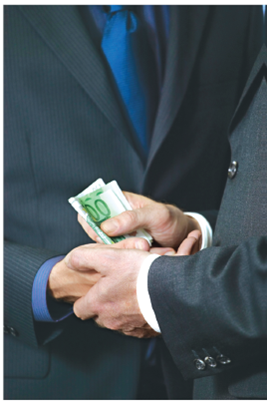
American companies operating under increasing federal and regulatory scrutiny face real consequences from trying to do business in a global business environment in which foreign business seems to function on the basis of "gifts" at every stage of the transaction:
• In December 2012, the SEC charged Eli Lilly and Company with violations of the FCPA for improper payments made by subsidiaries to foreign government officials in Russia, Brazil, China, and Poland; and accepted a settlement in the amount of $29 million for offenses including the following:
• "The SEC alleged that the Indianapolis-based pharmaceutical company's subsidiary in Russia used offshore 'marketing agreements' to pay millions of dollars to third parties chosen by government customers or distributors, despite knowing little or nothing about the third parties beyond their offshore address and bank account information."
• "Employees at Lilly's subsidiary in China falsified expense reports in order to provide spa treatments, jewelry, and other improper gifts and cash payments to government-employed physicians."
• "Lilly's subsidiary in Poland made eight improper payments totaling $39,000 to a small charitable foundation that was founded and administered by the head of one of the regional government health authorities in exchange for the official's support for placing Lilly drugs on the government reimbursement list."
In November 2012, the Department of Justice issued a 120-page "Resource Guide" to the FCPA, including numerous case studies designed to clarify what actions would and would not be considered to be violations of the law. The guide was written as a resource for DOJ attorneys, but attorneys in private practice are encouraging their clients to become familiar with it.
It would seem that the playing field will never be level-someone will always be looking for a bribe, and someone will always be willing to pay it if she or he wants the business badly enough. If that's true, why bother to put legislation in place at all?
Sources: Richard L. Cassin, "Smith Nephew Reaches $22 Million Settlement," The FCPA Blog, February 6, 2012; Erin Fuchs, "Pfizer Admits to Bribing Foreign Officials and Agrees to Fork Over $60 Million," Businessinsider.com , August 7, 2012; U.S. Securities and Exchange Commission, Press Release 2012-273, December 20, 2012; and Charlie Savage, "Justice Department Issues Guidance on Overseas Bribes," The New York Times, November 14, 2012.
• In February 2012, UK-based medical device manufacturer Smith Nephew PLC agreed to a $22.2 million settlement in reference to FCPA offenses committed by its U.S. and German subsidiaries. "The company admitted bribing government-employed doctors in Greece for more than a decade to win business." To fund the bribes, products were allegedly sold at full retail price to a local distributor, with a monetary refund for an agreed-on "distributor discount" and then transferred to an offshore account in the distributor's name.
• In August 2012, a subsidiary of Pfizer, Inc., admitted to bribing officials in Bulgaria, Croatia, Kazakhstan, and Russia, in an effort to facilitate the approval of drug products. The subsidiary (Pfizer H.C.P. Corp.) will pay a $15 million fine, and the parent company will pay a further $60 million.
• In September 2012, Tyco Valves Controls Middle East Inc.-a wholly owned subsidiary of Tyco International that sold industrial equipment throughout the Middle East-pled guilty to violating the antibribery provisions of the FCPA after paying bribes to officials employed by Saudi Aramco. Tyco International, the parent company, paid a $26 million fine but was also granted a nonprosecution agreement.
• The SEC agreed to a $12.3 million settlement with German-based insurer Allianz SE in December 2012, in reference to the payment of bribes to officials in Indonesia for the placement of insurance contracts. The SEC stated that the payments totaled $650,626, and generated profits of more than $5.3 million for Allianz.
American companies operating under increasing federal and regulatory scrutiny face real consequences from trying to do business in a global business environment in which foreign business seems to function on the basis of "gifts" at every stage of the transaction:
• In December 2012, the SEC charged Eli Lilly and Company with violations of the FCPA for improper payments made by subsidiaries to foreign government officials in Russia, Brazil, China, and Poland; and accepted a settlement in the amount of $29 million for offenses including the following:
• "The SEC alleged that the Indianapolis-based pharmaceutical company's subsidiary in Russia used offshore 'marketing agreements' to pay millions of dollars to third parties chosen by government customers or distributors, despite knowing little or nothing about the third parties beyond their offshore address and bank account information."
• "Employees at Lilly's subsidiary in China falsified expense reports in order to provide spa treatments, jewelry, and other improper gifts and cash payments to government-employed physicians."
• "Lilly's subsidiary in Poland made eight improper payments totaling $39,000 to a small charitable foundation that was founded and administered by the head of one of the regional government health authorities in exchange for the official's support for placing Lilly drugs on the government reimbursement list."
In November 2012, the Department of Justice issued a 120-page "Resource Guide" to the FCPA, including numerous case studies designed to clarify what actions would and would not be considered to be violations of the law. The guide was written as a resource for DOJ attorneys, but attorneys in private practice are encouraging their clients to become familiar with it.
It would seem that the playing field will never be level-someone will always be looking for a bribe, and someone will always be willing to pay it if she or he wants the business badly enough. If that's true, why bother to put legislation in place at all?
Sources: Richard L. Cassin, "Smith Nephew Reaches $22 Million Settlement," The FCPA Blog, February 6, 2012; Erin Fuchs, "Pfizer Admits to Bribing Foreign Officials and Agrees to Fork Over $60 Million," Businessinsider.com , August 7, 2012; U.S. Securities and Exchange Commission, Press Release 2012-273, December 20, 2012; and Charlie Savage, "Justice Department Issues Guidance on Overseas Bribes," The New York Times, November 14, 2012.
Question
FOXES GUARDING THE HENHOUSE?
The Sarbanes-Oxley Act, which the United States enacted in an atmosphere of extraordinary agitation in 2002, is one of the most influential-and controversial- pieces of corporate legislation ever to have hit a statute book. Its original aim, on the face of it, was modest: to improve the accountability of managers to shareholders, and [then] calm the raging crisis of confidence in American capitalism aroused by scandals at Enron, WorldCom, and other companies. The law's methods, however, were anything but modest, and its implications … are going to be far-reaching.
The cost of all this [new oversight] is steep. A survey by Financial Executives International, an association of top financial executives, found that companies paid an average of $2.4 million more for their audits [in 2004] than they had anticipated (and far more than the statute's designers had envisaged). … This result underlines a notable and unintended consequence of the legislation: it has provided a bonanza for accountants and auditors-a profession thought to be much at fault in the scandals that inspired the law, and which the statute sought to rein in and supervise.
Already reduced in number by consolidation and the demise of Arthur Andersen, the big accounting firms are now known more often as the Final Four than the Big Four, since any further reduction is thought unlikely.
WHO'S LOOKING OUT FOR THE LITTLE GUY?
Smaller companies without access to the internal resources (or funds to pay for external resources) to comply with Sarbanes-Oxley are being particularly hard-hit by the legislation, even though the transgressions that prompted the statute in the first place came from large, publicly traded organizations. This is not to suggest that smaller firms don't face their own ethical problems-it just seems that they are expected to carry an administrative burden that is equal to that of their much larger counterparts.
NOT VERY NEIGHBORLY
Sarbanes-Oxley applies to all companies that issue securities under U.S. federal securities statutes, whether headquartered within the United States or not. Thus, in addition to U.S.-based firms, approximately 1,300 foreign firms from 59 countries fall under the law's jurisdiction.
Reactions to SOX from this quarter were swift. Some foreign companies that had previously contemplated offering securities in the U.S. market reconsidered in light of the conflicts they believe SOX created. For example, in October 2002, Porsche AG announced it would not list its shares on the New York Stock Exchange. A company press release identified the passage of SOX as the "critical factor" for this decision and singled out CEO and CFO certification of financial statements for criticism. After recounting the process Porsche uses to prepare, review, and approve its financial reports, the release concluded that "any special treatment of the Chairman of the Board of Management [i.e., Porsche's CEO] and the Director of Finance would be illogical because of the intricate network within which the decision-making process exists; it would be irreconcilable with German law."
![FOXES GUARDING THE HENHOUSE? The Sarbanes-Oxley Act, which the United States enacted in an atmosphere of extraordinary agitation in 2002, is one of the most influential-and controversial- pieces of corporate legislation ever to have hit a statute book. Its original aim, on the face of it, was modest: to improve the accountability of managers to shareholders, and [then] calm the raging crisis of confidence in American capitalism aroused by scandals at Enron, WorldCom, and other companies. The law's methods, however, were anything but modest, and its implications … are going to be far-reaching. The cost of all this [new oversight] is steep. A survey by Financial Executives International, an association of top financial executives, found that companies paid an average of $2.4 million more for their audits [in 2004] than they had anticipated (and far more than the statute's designers had envisaged). … This result underlines a notable and unintended consequence of the legislation: it has provided a bonanza for accountants and auditors-a profession thought to be much at fault in the scandals that inspired the law, and which the statute sought to rein in and supervise. Already reduced in number by consolidation and the demise of Arthur Andersen, the big accounting firms are now known more often as the Final Four than the Big Four, since any further reduction is thought unlikely. WHO'S LOOKING OUT FOR THE LITTLE GUY? Smaller companies without access to the internal resources (or funds to pay for external resources) to comply with Sarbanes-Oxley are being particularly hard-hit by the legislation, even though the transgressions that prompted the statute in the first place came from large, publicly traded organizations. This is not to suggest that smaller firms don't face their own ethical problems-it just seems that they are expected to carry an administrative burden that is equal to that of their much larger counterparts. NOT VERY NEIGHBORLY Sarbanes-Oxley applies to all companies that issue securities under U.S. federal securities statutes, whether headquartered within the United States or not. Thus, in addition to U.S.-based firms, approximately 1,300 foreign firms from 59 countries fall under the law's jurisdiction. Reactions to SOX from this quarter were swift. Some foreign companies that had previously contemplated offering securities in the U.S. market reconsidered in light of the conflicts they believe SOX created. For example, in October 2002, Porsche AG announced it would not list its shares on the New York Stock Exchange. A company press release identified the passage of SOX as the critical factor for this decision and singled out CEO and CFO certification of financial statements for criticism. After recounting the process Porsche uses to prepare, review, and approve its financial reports, the release concluded that any special treatment of the Chairman of the Board of Management [i.e., Porsche's CEO] and the Director of Finance would be illogical because of the intricate network within which the decision-making process exists; it would be irreconcilable with German law. If there were more than four large accounting firms in the marketplace, would that make the decision more ethical? Explain your answer. Source: The Economist, A Price Worth Paying? May 19, 2005.<div style=padding-top: 35px>](https://d2lvgg3v3hfg70.cloudfront.net/SM2112/11eb7c32_308e_403f_ba5d_a9af763a8a08_SM2112_00.jpg)
If there were more than four large accounting firms in the marketplace, would that make the decision more ethical? Explain your answer.
Source: The Economist, "A Price Worth Paying?" May 19, 2005.
The Sarbanes-Oxley Act, which the United States enacted in an atmosphere of extraordinary agitation in 2002, is one of the most influential-and controversial- pieces of corporate legislation ever to have hit a statute book. Its original aim, on the face of it, was modest: to improve the accountability of managers to shareholders, and [then] calm the raging crisis of confidence in American capitalism aroused by scandals at Enron, WorldCom, and other companies. The law's methods, however, were anything but modest, and its implications … are going to be far-reaching.
The cost of all this [new oversight] is steep. A survey by Financial Executives International, an association of top financial executives, found that companies paid an average of $2.4 million more for their audits [in 2004] than they had anticipated (and far more than the statute's designers had envisaged). … This result underlines a notable and unintended consequence of the legislation: it has provided a bonanza for accountants and auditors-a profession thought to be much at fault in the scandals that inspired the law, and which the statute sought to rein in and supervise.
Already reduced in number by consolidation and the demise of Arthur Andersen, the big accounting firms are now known more often as the Final Four than the Big Four, since any further reduction is thought unlikely.
WHO'S LOOKING OUT FOR THE LITTLE GUY?
Smaller companies without access to the internal resources (or funds to pay for external resources) to comply with Sarbanes-Oxley are being particularly hard-hit by the legislation, even though the transgressions that prompted the statute in the first place came from large, publicly traded organizations. This is not to suggest that smaller firms don't face their own ethical problems-it just seems that they are expected to carry an administrative burden that is equal to that of their much larger counterparts.
NOT VERY NEIGHBORLY
Sarbanes-Oxley applies to all companies that issue securities under U.S. federal securities statutes, whether headquartered within the United States or not. Thus, in addition to U.S.-based firms, approximately 1,300 foreign firms from 59 countries fall under the law's jurisdiction.
Reactions to SOX from this quarter were swift. Some foreign companies that had previously contemplated offering securities in the U.S. market reconsidered in light of the conflicts they believe SOX created. For example, in October 2002, Porsche AG announced it would not list its shares on the New York Stock Exchange. A company press release identified the passage of SOX as the "critical factor" for this decision and singled out CEO and CFO certification of financial statements for criticism. After recounting the process Porsche uses to prepare, review, and approve its financial reports, the release concluded that "any special treatment of the Chairman of the Board of Management [i.e., Porsche's CEO] and the Director of Finance would be illogical because of the intricate network within which the decision-making process exists; it would be irreconcilable with German law."
If there were more than four large accounting firms in the marketplace, would that make the decision more ethical? Explain your answer.
Source: The Economist, "A Price Worth Paying?" May 19, 2005.
Question
Question
Question
Question
Question
Question
Question
Question
Question
Question
Question
Question
Question
Question
Question
Question
Question
Question
Question
Question
Question
Question
Question
Question
Question
Question
Question
Question
Question
INDIA'S ENRON
In December 2008, one of the largest players in India's outsourcing and information technology sectors, Satyam Computer Services, fell from grace with such force and speed that the reverberations were felt around the globe. Ironically, the name Satyam means "truth" in Sanskrit, but the company, founded by brothers Ramalinga and Ramu Raju, now has a new nickname: India's Enron.
Founded in 1987, Satyam was positioned to take full advantage of the capabilities of satellite-based broadband communications, allowing it to serve clients across the globe from its offices in Hyderabad. The rising demand for computer programmers to fix code in software programs in advance of Y2K (the year 2000 problem) fueled an aggressive growth plan for the company. It was listed on the Bombay Stock Exchange in 1991, and achieved a listing on the New York Stock Exchange in May 2001. By 2006, Satyam had about 23,000 employees and was reporting annual revenues of $1 billion. Growth continued as the company served expanding needs for outsourced services from U.S. companies looking to control and preferably reduce operating costs. By 2008, Satyam was reporting over $2 billion in revenue with 53,000 employees in 63 countries worldwide. This made the company the fourth-largest software services provider alongside such competitors as WiPro Technologies, Infosys, and HCL. It was serving almost 700 clients, including 185 Fortune 500 companies, generating more than half of its revenue from the United States. Satyam's client roster included such names as General Electric, Cisco, Ford Motor Company, Nestlé, and the U.S. government.
Prominence in the software services sector brought with it increased attention and a growing reputation. In 2007, Ramalinga Raju was the recipient of Ernst Young's Entrepreneur of the Year award. In September 2008 the company received the Golden Peacock Award for Corporate Governance from the World Council for Corporate Governance, which endorsed Satyam as a leader in ethical management practices.
Signs that there were problems at Satyam first appeared in October 2008 when it was revealed that the World Bank had banned the company from pursuing any service contracts after evidence was uncovered that Satyam employees had offered "improper benefits to bank staff" and "failed to account for all fees charged" to the World Bank. WiPro Technologies had also been banned by the World Bank in 2007 for "offering shares of its 2000 initial public offering to World Bank employees," so Satyam appeared to have some company in the arena of questionable business practices in the software solutions sector.
However, the situation escalated in December 2008 after Satyam's board voted against a proposed deal for Satyam to buy two construction companies for $1.6 billion. The Raju brothers held ownership stakes in both companies, and they were run by Ramalinga Raju's sons. Four directors resigned in response to the proposed deal, and Satyam stock was punished by investors, forcing the brothers to sell their own stock as the falling share price sparked margin calls on their investment accounts. The dire financial situation prompted Ramalinga Raju to confess in a four-and-a-half-page letter to the board of Satyam Computer Services that the company had been overstating profits for several years and that $1.6 billion in assets simply did not exist. It did not take long for investors to piece the information together that the proposed $1.6 billion purchase of the construction companies would have, conveniently, filled the $1.6 billion hole in Satyam's accounts.
In his confession, Raju attempted to address accusations of a premeditated fraud by stating: "What started as a marginal gap between actual operating profit and the one reflected in the books of accounts continued to grow over the years. It has attained unmanageable proportions as the size of the company operations grew." He wrote, "It was like riding a tiger, not knowing how to get off without being eaten."
The analogy of being eaten by a tiger certainly seems appropriate. The scandal has had repercussions for the software services sector as a whole, casting shadows on Satyam's competitors and also on India's corporate governance framework. As with Enron's collapse, attention immediately turned to the role of the accounting company responsible for auditing Satyam's accounts and, allegedly, failing to notice that $1.6 billion in assets did not exist. For Enron it was Arthur Andersen, and the accounting firm did not survive. For Satyam it was PricewaterhouseCoopers, which had certified that Satyam had $1.1 billion in cash in its accounts, when the company really had only $78 million.
The response of Indian authorities was immediate-jail for the founders of Satyam, and the swift appointment of an interim board of more reputable businesspeople as the country scrambled to restore its reputation and reassure investors and customers alike that Satyam was a regrettable exception rather than a common example of unethical business practices in the face of competitive pressures in a global market.
In January 2009, the Securities and Exchange Board of India made it mandatory for the controlling shareholders of companies to disclose when they were pledging shares as collateral to lenders-a direct response to the Satyam scandal. In April 2009, Tech Mahindra, the technology arm of Indian conglomerate Mahindra group, won an auction to buy the operations of Satyam at a price of less than one-third of the company's stock value before the confession of Ramalinga Raju. The justification for the bargain price lay in the loss of 46 customers, including Nissan, Sony, the United Nations, and State Farm Insurance, in the aftermath of the scandal. Analysts commented in response to the sale that the situation could have been much worse for Satyam were it not for the timing of the global recession. With so many other priorities to address, many customers elected to avoid the headaches of switching IT suppliers (with all the software and hardware changes that might entail) and give Satyam the opportunity to figure things out.
In March 2012, Tech Mahindra and Mahindra Satyam announced plans to merge, creating a new entity worth combined annual revenues of $2.4 billion. With a stated profit of $61 million in the fourth quarter of 2011, analysts appeared willing to accept that Satyam had turned the corner and put the scandal behind them.

Will the response of the Securities and Exchange Board of India be enough to prevent another scandal like Satyam? Explain.
In December 2008, one of the largest players in India's outsourcing and information technology sectors, Satyam Computer Services, fell from grace with such force and speed that the reverberations were felt around the globe. Ironically, the name Satyam means "truth" in Sanskrit, but the company, founded by brothers Ramalinga and Ramu Raju, now has a new nickname: India's Enron.
Founded in 1987, Satyam was positioned to take full advantage of the capabilities of satellite-based broadband communications, allowing it to serve clients across the globe from its offices in Hyderabad. The rising demand for computer programmers to fix code in software programs in advance of Y2K (the year 2000 problem) fueled an aggressive growth plan for the company. It was listed on the Bombay Stock Exchange in 1991, and achieved a listing on the New York Stock Exchange in May 2001. By 2006, Satyam had about 23,000 employees and was reporting annual revenues of $1 billion. Growth continued as the company served expanding needs for outsourced services from U.S. companies looking to control and preferably reduce operating costs. By 2008, Satyam was reporting over $2 billion in revenue with 53,000 employees in 63 countries worldwide. This made the company the fourth-largest software services provider alongside such competitors as WiPro Technologies, Infosys, and HCL. It was serving almost 700 clients, including 185 Fortune 500 companies, generating more than half of its revenue from the United States. Satyam's client roster included such names as General Electric, Cisco, Ford Motor Company, Nestlé, and the U.S. government.
Prominence in the software services sector brought with it increased attention and a growing reputation. In 2007, Ramalinga Raju was the recipient of Ernst Young's Entrepreneur of the Year award. In September 2008 the company received the Golden Peacock Award for Corporate Governance from the World Council for Corporate Governance, which endorsed Satyam as a leader in ethical management practices.
Signs that there were problems at Satyam first appeared in October 2008 when it was revealed that the World Bank had banned the company from pursuing any service contracts after evidence was uncovered that Satyam employees had offered "improper benefits to bank staff" and "failed to account for all fees charged" to the World Bank. WiPro Technologies had also been banned by the World Bank in 2007 for "offering shares of its 2000 initial public offering to World Bank employees," so Satyam appeared to have some company in the arena of questionable business practices in the software solutions sector.
However, the situation escalated in December 2008 after Satyam's board voted against a proposed deal for Satyam to buy two construction companies for $1.6 billion. The Raju brothers held ownership stakes in both companies, and they were run by Ramalinga Raju's sons. Four directors resigned in response to the proposed deal, and Satyam stock was punished by investors, forcing the brothers to sell their own stock as the falling share price sparked margin calls on their investment accounts. The dire financial situation prompted Ramalinga Raju to confess in a four-and-a-half-page letter to the board of Satyam Computer Services that the company had been overstating profits for several years and that $1.6 billion in assets simply did not exist. It did not take long for investors to piece the information together that the proposed $1.6 billion purchase of the construction companies would have, conveniently, filled the $1.6 billion hole in Satyam's accounts.
In his confession, Raju attempted to address accusations of a premeditated fraud by stating: "What started as a marginal gap between actual operating profit and the one reflected in the books of accounts continued to grow over the years. It has attained unmanageable proportions as the size of the company operations grew." He wrote, "It was like riding a tiger, not knowing how to get off without being eaten."
The analogy of being eaten by a tiger certainly seems appropriate. The scandal has had repercussions for the software services sector as a whole, casting shadows on Satyam's competitors and also on India's corporate governance framework. As with Enron's collapse, attention immediately turned to the role of the accounting company responsible for auditing Satyam's accounts and, allegedly, failing to notice that $1.6 billion in assets did not exist. For Enron it was Arthur Andersen, and the accounting firm did not survive. For Satyam it was PricewaterhouseCoopers, which had certified that Satyam had $1.1 billion in cash in its accounts, when the company really had only $78 million.
The response of Indian authorities was immediate-jail for the founders of Satyam, and the swift appointment of an interim board of more reputable businesspeople as the country scrambled to restore its reputation and reassure investors and customers alike that Satyam was a regrettable exception rather than a common example of unethical business practices in the face of competitive pressures in a global market.
In January 2009, the Securities and Exchange Board of India made it mandatory for the controlling shareholders of companies to disclose when they were pledging shares as collateral to lenders-a direct response to the Satyam scandal. In April 2009, Tech Mahindra, the technology arm of Indian conglomerate Mahindra group, won an auction to buy the operations of Satyam at a price of less than one-third of the company's stock value before the confession of Ramalinga Raju. The justification for the bargain price lay in the loss of 46 customers, including Nissan, Sony, the United Nations, and State Farm Insurance, in the aftermath of the scandal. Analysts commented in response to the sale that the situation could have been much worse for Satyam were it not for the timing of the global recession. With so many other priorities to address, many customers elected to avoid the headaches of switching IT suppliers (with all the software and hardware changes that might entail) and give Satyam the opportunity to figure things out.
In March 2012, Tech Mahindra and Mahindra Satyam announced plans to merge, creating a new entity worth combined annual revenues of $2.4 billion. With a stated profit of $61 million in the fourth quarter of 2011, analysts appeared willing to accept that Satyam had turned the corner and put the scandal behind them.
Will the response of the Securities and Exchange Board of India be enough to prevent another scandal like Satyam? Explain.
Question
INDIA'S ENRON
In December 2008, one of the largest players in India's outsourcing and information technology sectors, Satyam Computer Services, fell from grace with such force and speed that the reverberations were felt around the globe. Ironically, the name Satyam means "truth" in Sanskrit, but the company, founded by brothers Ramalinga and Ramu Raju, now has a new nickname: India's Enron.
Founded in 1987, Satyam was positioned to take full advantage of the capabilities of satellite-based broadband communications, allowing it to serve clients across the globe from its offices in Hyderabad. The rising demand for computer programmers to fix code in software programs in advance of Y2K (the year 2000 problem) fueled an aggressive growth plan for the company. It was listed on the Bombay Stock Exchange in 1991, and achieved a listing on the New York Stock Exchange in May 2001. By 2006, Satyam had about 23,000 employees and was reporting annual revenues of $1 billion. Growth continued as the company served expanding needs for outsourced services from U.S. companies looking to control and preferably reduce operating costs. By 2008, Satyam was reporting over $2 billion in revenue with 53,000 employees in 63 countries worldwide. This made the company the fourth-largest software services provider alongside such competitors as WiPro Technologies, Infosys, and HCL. It was serving almost 700 clients, including 185 Fortune 500 companies, generating more than half of its revenue from the United States. Satyam's client roster included such names as General Electric, Cisco, Ford Motor Company, Nestlé, and the U.S. government.
Prominence in the software services sector brought with it increased attention and a growing reputation. In 2007, Ramalinga Raju was the recipient of Ernst Young's Entrepreneur of the Year award. In September 2008 the company received the Golden Peacock Award for Corporate Governance from the World Council for Corporate Governance, which endorsed Satyam as a leader in ethical management practices.
Signs that there were problems at Satyam first appeared in October 2008 when it was revealed that the World Bank had banned the company from pursuing any service contracts after evidence was uncovered that Satyam employees had offered "improper benefits to bank staff" and "failed to account for all fees charged" to the World Bank. WiPro Technologies had also been banned by the World Bank in 2007 for "offering shares of its 2000 initial public offering to World Bank employees," so Satyam appeared to have some company in the arena of questionable business practices in the software solutions sector.
However, the situation escalated in December 2008 after Satyam's board voted against a proposed deal for Satyam to buy two construction companies for $1.6 billion. The Raju brothers held ownership stakes in both companies, and they were run by Ramalinga Raju's sons. Four directors resigned in response to the proposed deal, and Satyam stock was punished by investors, forcing the brothers to sell their own stock as the falling share price sparked margin calls on their investment accounts. The dire financial situation prompted Ramalinga Raju to confess in a four-and-a-half-page letter to the board of Satyam Computer Services that the company had been overstating profits for several years and that $1.6 billion in assets simply did not exist. It did not take long for investors to piece the information together that the proposed $1.6 billion purchase of the construction companies would have, conveniently, filled the $1.6 billion hole in Satyam's accounts.
In his confession, Raju attempted to address accusations of a premeditated fraud by stating: "What started as a marginal gap between actual operating profit and the one reflected in the books of accounts continued to grow over the years. It has attained unmanageable proportions as the size of the company operations grew." He wrote, "It was like riding a tiger, not knowing how to get off without being eaten."
The analogy of being eaten by a tiger certainly seems appropriate. The scandal has had repercussions for the software services sector as a whole, casting shadows on Satyam's competitors and also on India's corporate governance framework. As with Enron's collapse, attention immediately turned to the role of the accounting company responsible for auditing Satyam's accounts and, allegedly, failing to notice that $1.6 billion in assets did not exist. For Enron it was Arthur Andersen, and the accounting firm did not survive. For Satyam it was PricewaterhouseCoopers, which had certified that Satyam had $1.1 billion in cash in its accounts, when the company really had only $78 million.
The response of Indian authorities was immediate-jail for the founders of Satyam, and the swift appointment of an interim board of more reputable businesspeople as the country scrambled to restore its reputation and reassure investors and customers alike that Satyam was a regrettable exception rather than a common example of unethical business practices in the face of competitive pressures in a global market.
In January 2009, the Securities and Exchange Board of India made it mandatory for the controlling shareholders of companies to disclose when they were pledging shares as collateral to lenders-a direct response to the Satyam scandal. In April 2009, Tech Mahindra, the technology arm of Indian conglomerate Mahindra group, won an auction to buy the operations of Satyam at a price of less than one-third of the company's stock value before the confession of Ramalinga Raju. The justification for the bargain price lay in the loss of 46 customers, including Nissan, Sony, the United Nations, and State Farm Insurance, in the aftermath of the scandal. Analysts commented in response to the sale that the situation could have been much worse for Satyam were it not for the timing of the global recession. With so many other priorities to address, many customers elected to avoid the headaches of switching IT suppliers (with all the software and hardware changes that might entail) and give Satyam the opportunity to figure things out.
In March 2012, Tech Mahindra and Mahindra Satyam announced plans to merge, creating a new entity worth combined annual revenues of $2.4 billion. With a stated profit of $61 million in the fourth quarter of 2011, analysts appeared willing to accept that Satyam had turned the corner and put the scandal behind them.

What benefits do Tech Mahindra and Mahindra Satyam hope to achieve with the announced merger? Explain.
Sources: H. Timmons, "Financial Scandal at Outsourcing Company Rattles a Developing Country," The New York Times, January 8, 2009; E. Corcoran, "The Seeds of the Satyam Scandal," Forbes, January 8, 2009; S. V. Balachandran, "The Satyam Scandal," Forbes, January 7, 2009; J. Kahn, H. Timmons, and B. Wassener, "Board Tries to Chart Path for Outsourcer Hit by Scandal," The New York Times, January 13, 2009; "Salvaging the Truth," The Economist, April 16, 2009; and BBC Business News, "Mahindra Satyam and Tech Mahindra Approve Merger Plan," March 21, 2012.
In December 2008, one of the largest players in India's outsourcing and information technology sectors, Satyam Computer Services, fell from grace with such force and speed that the reverberations were felt around the globe. Ironically, the name Satyam means "truth" in Sanskrit, but the company, founded by brothers Ramalinga and Ramu Raju, now has a new nickname: India's Enron.
Founded in 1987, Satyam was positioned to take full advantage of the capabilities of satellite-based broadband communications, allowing it to serve clients across the globe from its offices in Hyderabad. The rising demand for computer programmers to fix code in software programs in advance of Y2K (the year 2000 problem) fueled an aggressive growth plan for the company. It was listed on the Bombay Stock Exchange in 1991, and achieved a listing on the New York Stock Exchange in May 2001. By 2006, Satyam had about 23,000 employees and was reporting annual revenues of $1 billion. Growth continued as the company served expanding needs for outsourced services from U.S. companies looking to control and preferably reduce operating costs. By 2008, Satyam was reporting over $2 billion in revenue with 53,000 employees in 63 countries worldwide. This made the company the fourth-largest software services provider alongside such competitors as WiPro Technologies, Infosys, and HCL. It was serving almost 700 clients, including 185 Fortune 500 companies, generating more than half of its revenue from the United States. Satyam's client roster included such names as General Electric, Cisco, Ford Motor Company, Nestlé, and the U.S. government.
Prominence in the software services sector brought with it increased attention and a growing reputation. In 2007, Ramalinga Raju was the recipient of Ernst Young's Entrepreneur of the Year award. In September 2008 the company received the Golden Peacock Award for Corporate Governance from the World Council for Corporate Governance, which endorsed Satyam as a leader in ethical management practices.
Signs that there were problems at Satyam first appeared in October 2008 when it was revealed that the World Bank had banned the company from pursuing any service contracts after evidence was uncovered that Satyam employees had offered "improper benefits to bank staff" and "failed to account for all fees charged" to the World Bank. WiPro Technologies had also been banned by the World Bank in 2007 for "offering shares of its 2000 initial public offering to World Bank employees," so Satyam appeared to have some company in the arena of questionable business practices in the software solutions sector.
However, the situation escalated in December 2008 after Satyam's board voted against a proposed deal for Satyam to buy two construction companies for $1.6 billion. The Raju brothers held ownership stakes in both companies, and they were run by Ramalinga Raju's sons. Four directors resigned in response to the proposed deal, and Satyam stock was punished by investors, forcing the brothers to sell their own stock as the falling share price sparked margin calls on their investment accounts. The dire financial situation prompted Ramalinga Raju to confess in a four-and-a-half-page letter to the board of Satyam Computer Services that the company had been overstating profits for several years and that $1.6 billion in assets simply did not exist. It did not take long for investors to piece the information together that the proposed $1.6 billion purchase of the construction companies would have, conveniently, filled the $1.6 billion hole in Satyam's accounts.
In his confession, Raju attempted to address accusations of a premeditated fraud by stating: "What started as a marginal gap between actual operating profit and the one reflected in the books of accounts continued to grow over the years. It has attained unmanageable proportions as the size of the company operations grew." He wrote, "It was like riding a tiger, not knowing how to get off without being eaten."
The analogy of being eaten by a tiger certainly seems appropriate. The scandal has had repercussions for the software services sector as a whole, casting shadows on Satyam's competitors and also on India's corporate governance framework. As with Enron's collapse, attention immediately turned to the role of the accounting company responsible for auditing Satyam's accounts and, allegedly, failing to notice that $1.6 billion in assets did not exist. For Enron it was Arthur Andersen, and the accounting firm did not survive. For Satyam it was PricewaterhouseCoopers, which had certified that Satyam had $1.1 billion in cash in its accounts, when the company really had only $78 million.
The response of Indian authorities was immediate-jail for the founders of Satyam, and the swift appointment of an interim board of more reputable businesspeople as the country scrambled to restore its reputation and reassure investors and customers alike that Satyam was a regrettable exception rather than a common example of unethical business practices in the face of competitive pressures in a global market.
In January 2009, the Securities and Exchange Board of India made it mandatory for the controlling shareholders of companies to disclose when they were pledging shares as collateral to lenders-a direct response to the Satyam scandal. In April 2009, Tech Mahindra, the technology arm of Indian conglomerate Mahindra group, won an auction to buy the operations of Satyam at a price of less than one-third of the company's stock value before the confession of Ramalinga Raju. The justification for the bargain price lay in the loss of 46 customers, including Nissan, Sony, the United Nations, and State Farm Insurance, in the aftermath of the scandal. Analysts commented in response to the sale that the situation could have been much worse for Satyam were it not for the timing of the global recession. With so many other priorities to address, many customers elected to avoid the headaches of switching IT suppliers (with all the software and hardware changes that might entail) and give Satyam the opportunity to figure things out.
In March 2012, Tech Mahindra and Mahindra Satyam announced plans to merge, creating a new entity worth combined annual revenues of $2.4 billion. With a stated profit of $61 million in the fourth quarter of 2011, analysts appeared willing to accept that Satyam had turned the corner and put the scandal behind them.
What benefits do Tech Mahindra and Mahindra Satyam hope to achieve with the announced merger? Explain.
Sources: H. Timmons, "Financial Scandal at Outsourcing Company Rattles a Developing Country," The New York Times, January 8, 2009; E. Corcoran, "The Seeds of the Satyam Scandal," Forbes, January 8, 2009; S. V. Balachandran, "The Satyam Scandal," Forbes, January 7, 2009; J. Kahn, H. Timmons, and B. Wassener, "Board Tries to Chart Path for Outsourcer Hit by Scandal," The New York Times, January 13, 2009; "Salvaging the Truth," The Economist, April 16, 2009; and BBC Business News, "Mahindra Satyam and Tech Mahindra Approve Merger Plan," March 21, 2012.
Question
"WALMART DE MEXICO"
By the end of 2011, one of every five Walmart stores resided south of the U.S.-Mexico border. The parent company reported annual sales of U.S.$29 billion in Mexico and opened 365 stores in 2011 alone. Walmart Stores were now Mexico's largest retailer and top privatesector employer, with over 200,000 employees. However, this unprecedented pace of expansion, driven, no doubt, by Wall Street's merciless expectations for growth, has not come without major scandal. Allegations of sophisticated accountancy schemes to avoid the payment of taxes in Mexico; numerous violations of local labor laws; and evidence of extensive bribery to facilitate store construction have undermined any positive press coverage for the economic powerhouse that is "Walmart de Mexico."
In April 2012, a lengthy New York Times (NYT) article by David Barstow outlined comprehensive evidence of violations of the U.S. Foreign Corrupt Practices Act (FCPA) with allegations of bribery dating back to 2005. The article claimed that the evidence had first been made available to a senior Walmart lawyer by a former Walmart de Mexico executive, who was able to document names, dates, and bribe amounts totaling more than $24 million.
Given the spate of FCPA bribery scandals across a wide selection of industries from 2002 onward covered by The New York Times and other business publications, the news about Walmart wasn't a big story. What made the article so powerful was an allegation that after the Walmart attorney notified his U.S. bosses of the scandal, they elected to shut the investigation down.
The 1977 FCPA legislation had never been supported with adequate investigatory resources. The act had always counted on the threat of punitive monetary fines to encourage corporations to self-disclose once evidence was uncovered and to comply promptly with any Department of Justice (DOJ) investigation. The NYT article alleged that Walmart took a different approach: "Neither American nor Mexican law enforcement offi- cials were notified. None of Wal-Mart de Mexico's leaders were disciplined. Indeed, its chief executive, Eduardo Castro-Wright, identified by the former executive as the driving force behind years of bribery, was promoted to vice chairman of Wal-Mart in 2008." Walmart only notified the DOJ after it learned of the NYT investigation, and no public acknowledgment was made until after the article was published in April 2012.
The article offered an explanation for the apparent reticence on the part of Walmart executives-poor stock performance and a desperate need for a "positive" story to counterbalance negative media coverage in the United States. The "official" notification to the DOJ by a designated Walmart spokesman endeavored to minimize the issue as much as possible by identifying "possible problems with how [it] obtained permits," while stressing that the alleged violations were limited to "discrete" cases.
The formal disclosure to the DOJ was supposed to represent the beginning of a period of open and constructive dialogue, during which all supporting evidence and plans for corrective action would be shared in order to facilitate the development of the appropriate fines under the FCPA guidelines. However, in a strongly worded letter to Walmart CEO Mike Duke dated August 14, 2012 (four months after the NYT article was published), Congressmen Elijah Cummings and Henry Waxman, the ranking House members of the Government Reform and Energy, Commerce, and Oversight Committees, respectively, accused the company of failing to provide any information on the bribery allegations: "You have failed to provide the documents we requested, and you continue to deny us access to key witnesses. Your actions are preventing us from assessing the thoroughness of your internal investigation and from identifying potential remedial actions."
In June 2012, Walmart released the results of the annual shareholder vote for its board of directors. In 2011, the board had received an average 98.4 percent support vote, based on decades of consistent financial performance. The 2012 vote, however, revealed a 13 percent vote against the reelection of CEO Mike Duke to the board, a 15.6 percent vote against former CEO Lee Scott, and a nearly 13 percent vote against Chairman Robson Walton, the son of Walmart founder Sam Walton. With nearly 50 percent of the 3.4 billion shares held by descendants of Sam Walton, there was little chance of the board members being voted out, but the dramatic increase in votes against reelection sent a clear message of dissatisfaction with the company's leadership. It remains to be seen whether the message will be heard and what the results of the FCPA investigation will be.
![WALMART DE MEXICO By the end of 2011, one of every five Walmart stores resided south of the U.S.-Mexico border. The parent company reported annual sales of U.S.$29 billion in Mexico and opened 365 stores in 2011 alone. Walmart Stores were now Mexico's largest retailer and top privatesector employer, with over 200,000 employees. However, this unprecedented pace of expansion, driven, no doubt, by Wall Street's merciless expectations for growth, has not come without major scandal. Allegations of sophisticated accountancy schemes to avoid the payment of taxes in Mexico; numerous violations of local labor laws; and evidence of extensive bribery to facilitate store construction have undermined any positive press coverage for the economic powerhouse that is Walmart de Mexico. In April 2012, a lengthy New York Times (NYT) article by David Barstow outlined comprehensive evidence of violations of the U.S. Foreign Corrupt Practices Act (FCPA) with allegations of bribery dating back to 2005. The article claimed that the evidence had first been made available to a senior Walmart lawyer by a former Walmart de Mexico executive, who was able to document names, dates, and bribe amounts totaling more than $24 million. Given the spate of FCPA bribery scandals across a wide selection of industries from 2002 onward covered by The New York Times and other business publications, the news about Walmart wasn't a big story. What made the article so powerful was an allegation that after the Walmart attorney notified his U.S. bosses of the scandal, they elected to shut the investigation down. The 1977 FCPA legislation had never been supported with adequate investigatory resources. The act had always counted on the threat of punitive monetary fines to encourage corporations to self-disclose once evidence was uncovered and to comply promptly with any Department of Justice (DOJ) investigation. The NYT article alleged that Walmart took a different approach: Neither American nor Mexican law enforcement offi- cials were notified. None of Wal-Mart de Mexico's leaders were disciplined. Indeed, its chief executive, Eduardo Castro-Wright, identified by the former executive as the driving force behind years of bribery, was promoted to vice chairman of Wal-Mart in 2008. Walmart only notified the DOJ after it learned of the NYT investigation, and no public acknowledgment was made until after the article was published in April 2012. The article offered an explanation for the apparent reticence on the part of Walmart executives-poor stock performance and a desperate need for a positive story to counterbalance negative media coverage in the United States. The official notification to the DOJ by a designated Walmart spokesman endeavored to minimize the issue as much as possible by identifying possible problems with how [it] obtained permits, while stressing that the alleged violations were limited to discrete cases. The formal disclosure to the DOJ was supposed to represent the beginning of a period of open and constructive dialogue, during which all supporting evidence and plans for corrective action would be shared in order to facilitate the development of the appropriate fines under the FCPA guidelines. However, in a strongly worded letter to Walmart CEO Mike Duke dated August 14, 2012 (four months after the NYT article was published), Congressmen Elijah Cummings and Henry Waxman, the ranking House members of the Government Reform and Energy, Commerce, and Oversight Committees, respectively, accused the company of failing to provide any information on the bribery allegations: You have failed to provide the documents we requested, and you continue to deny us access to key witnesses. Your actions are preventing us from assessing the thoroughness of your internal investigation and from identifying potential remedial actions. In June 2012, Walmart released the results of the annual shareholder vote for its board of directors. In 2011, the board had received an average 98.4 percent support vote, based on decades of consistent financial performance. The 2012 vote, however, revealed a 13 percent vote against the reelection of CEO Mike Duke to the board, a 15.6 percent vote against former CEO Lee Scott, and a nearly 13 percent vote against Chairman Robson Walton, the son of Walmart founder Sam Walton. With nearly 50 percent of the 3.4 billion shares held by descendants of Sam Walton, there was little chance of the board members being voted out, but the dramatic increase in votes against reelection sent a clear message of dissatisfaction with the company's leadership. It remains to be seen whether the message will be heard and what the results of the FCPA investigation will be. Identify the ethical transgressions that took place in this case.<div style=padding-top: 35px>](https://d2lvgg3v3hfg70.cloudfront.net/SM2112/11eb7c32_3099_d902_ba5d_9fdab5f98482_SM2112_00.jpg)
Identify the ethical transgressions that took place in this case.
By the end of 2011, one of every five Walmart stores resided south of the U.S.-Mexico border. The parent company reported annual sales of U.S.$29 billion in Mexico and opened 365 stores in 2011 alone. Walmart Stores were now Mexico's largest retailer and top privatesector employer, with over 200,000 employees. However, this unprecedented pace of expansion, driven, no doubt, by Wall Street's merciless expectations for growth, has not come without major scandal. Allegations of sophisticated accountancy schemes to avoid the payment of taxes in Mexico; numerous violations of local labor laws; and evidence of extensive bribery to facilitate store construction have undermined any positive press coverage for the economic powerhouse that is "Walmart de Mexico."
In April 2012, a lengthy New York Times (NYT) article by David Barstow outlined comprehensive evidence of violations of the U.S. Foreign Corrupt Practices Act (FCPA) with allegations of bribery dating back to 2005. The article claimed that the evidence had first been made available to a senior Walmart lawyer by a former Walmart de Mexico executive, who was able to document names, dates, and bribe amounts totaling more than $24 million.
Given the spate of FCPA bribery scandals across a wide selection of industries from 2002 onward covered by The New York Times and other business publications, the news about Walmart wasn't a big story. What made the article so powerful was an allegation that after the Walmart attorney notified his U.S. bosses of the scandal, they elected to shut the investigation down.
The 1977 FCPA legislation had never been supported with adequate investigatory resources. The act had always counted on the threat of punitive monetary fines to encourage corporations to self-disclose once evidence was uncovered and to comply promptly with any Department of Justice (DOJ) investigation. The NYT article alleged that Walmart took a different approach: "Neither American nor Mexican law enforcement offi- cials were notified. None of Wal-Mart de Mexico's leaders were disciplined. Indeed, its chief executive, Eduardo Castro-Wright, identified by the former executive as the driving force behind years of bribery, was promoted to vice chairman of Wal-Mart in 2008." Walmart only notified the DOJ after it learned of the NYT investigation, and no public acknowledgment was made until after the article was published in April 2012.
The article offered an explanation for the apparent reticence on the part of Walmart executives-poor stock performance and a desperate need for a "positive" story to counterbalance negative media coverage in the United States. The "official" notification to the DOJ by a designated Walmart spokesman endeavored to minimize the issue as much as possible by identifying "possible problems with how [it] obtained permits," while stressing that the alleged violations were limited to "discrete" cases.
The formal disclosure to the DOJ was supposed to represent the beginning of a period of open and constructive dialogue, during which all supporting evidence and plans for corrective action would be shared in order to facilitate the development of the appropriate fines under the FCPA guidelines. However, in a strongly worded letter to Walmart CEO Mike Duke dated August 14, 2012 (four months after the NYT article was published), Congressmen Elijah Cummings and Henry Waxman, the ranking House members of the Government Reform and Energy, Commerce, and Oversight Committees, respectively, accused the company of failing to provide any information on the bribery allegations: "You have failed to provide the documents we requested, and you continue to deny us access to key witnesses. Your actions are preventing us from assessing the thoroughness of your internal investigation and from identifying potential remedial actions."
In June 2012, Walmart released the results of the annual shareholder vote for its board of directors. In 2011, the board had received an average 98.4 percent support vote, based on decades of consistent financial performance. The 2012 vote, however, revealed a 13 percent vote against the reelection of CEO Mike Duke to the board, a 15.6 percent vote against former CEO Lee Scott, and a nearly 13 percent vote against Chairman Robson Walton, the son of Walmart founder Sam Walton. With nearly 50 percent of the 3.4 billion shares held by descendants of Sam Walton, there was little chance of the board members being voted out, but the dramatic increase in votes against reelection sent a clear message of dissatisfaction with the company's leadership. It remains to be seen whether the message will be heard and what the results of the FCPA investigation will be.
Identify the ethical transgressions that took place in this case.
Question
"WALMART DE MEXICO"
By the end of 2011, one of every five Walmart stores resided south of the U.S.-Mexico border. The parent company reported annual sales of U.S.$29 billion in Mexico and opened 365 stores in 2011 alone. Walmart Stores were now Mexico's largest retailer and top privatesector employer, with over 200,000 employees. However, this unprecedented pace of expansion, driven, no doubt, by Wall Street's merciless expectations for growth, has not come without major scandal. Allegations of sophisticated accountancy schemes to avoid the payment of taxes in Mexico; numerous violations of local labor laws; and evidence of extensive bribery to facilitate store construction have undermined any positive press coverage for the economic powerhouse that is "Walmart de Mexico."
In April 2012, a lengthy New York Times (NYT) article by David Barstow outlined comprehensive evidence of violations of the U.S. Foreign Corrupt Practices Act (FCPA) with allegations of bribery dating back to 2005. The article claimed that the evidence had first been made available to a senior Walmart lawyer by a former Walmart de Mexico executive, who was able to document names, dates, and bribe amounts totaling more than $24 million.
Given the spate of FCPA bribery scandals across a wide selection of industries from 2002 onward covered by The New York Times and other business publications, the news about Walmart wasn't a big story. What made the article so powerful was an allegation that after the Walmart attorney notified his U.S. bosses of the scandal, they elected to shut the investigation down.
The 1977 FCPA legislation had never been supported with adequate investigatory resources. The act had always counted on the threat of punitive monetary fines to encourage corporations to self-disclose once evidence was uncovered and to comply promptly with any Department of Justice (DOJ) investigation. The NYT article alleged that Walmart took a different approach: "Neither American nor Mexican law enforcement offi- cials were notified. None of Wal-Mart de Mexico's leaders were disciplined. Indeed, its chief executive, Eduardo Castro-Wright, identified by the former executive as the driving force behind years of bribery, was promoted to vice chairman of Wal-Mart in 2008." Walmart only notified the DOJ after it learned of the NYT investigation, and no public acknowledgment was made until after the article was published in April 2012.
The article offered an explanation for the apparent reticence on the part of Walmart executives-poor stock performance and a desperate need for a "positive" story to counterbalance negative media coverage in the United States. The "official" notification to the DOJ by a designated Walmart spokesman endeavored to minimize the issue as much as possible by identifying "possible problems with how [it] obtained permits," while stressing that the alleged violations were limited to "discrete" cases.
The formal disclosure to the DOJ was supposed to represent the beginning of a period of open and constructive dialogue, during which all supporting evidence and plans for corrective action would be shared in order to facilitate the development of the appropriate fines under the FCPA guidelines. However, in a strongly worded letter to Walmart CEO Mike Duke dated August 14, 2012 (four months after the NYT article was published), Congressmen Elijah Cummings and Henry Waxman, the ranking House members of the Government Reform and Energy, Commerce, and Oversight Committees, respectively, accused the company of failing to provide any information on the bribery allegations: "You have failed to provide the documents we requested, and you continue to deny us access to key witnesses. Your actions are preventing us from assessing the thoroughness of your internal investigation and from identifying potential remedial actions."
In June 2012, Walmart released the results of the annual shareholder vote for its board of directors. In 2011, the board had received an average 98.4 percent support vote, based on decades of consistent financial performance. The 2012 vote, however, revealed a 13 percent vote against the reelection of CEO Mike Duke to the board, a 15.6 percent vote against former CEO Lee Scott, and a nearly 13 percent vote against Chairman Robson Walton, the son of Walmart founder Sam Walton. With nearly 50 percent of the 3.4 billion shares held by descendants of Sam Walton, there was little chance of the board members being voted out, but the dramatic increase in votes against reelection sent a clear message of dissatisfaction with the company's leadership. It remains to be seen whether the message will be heard and what the results of the FCPA investigation will be.
![WALMART DE MEXICO By the end of 2011, one of every five Walmart stores resided south of the U.S.-Mexico border. The parent company reported annual sales of U.S.$29 billion in Mexico and opened 365 stores in 2011 alone. Walmart Stores were now Mexico's largest retailer and top privatesector employer, with over 200,000 employees. However, this unprecedented pace of expansion, driven, no doubt, by Wall Street's merciless expectations for growth, has not come without major scandal. Allegations of sophisticated accountancy schemes to avoid the payment of taxes in Mexico; numerous violations of local labor laws; and evidence of extensive bribery to facilitate store construction have undermined any positive press coverage for the economic powerhouse that is Walmart de Mexico. In April 2012, a lengthy New York Times (NYT) article by David Barstow outlined comprehensive evidence of violations of the U.S. Foreign Corrupt Practices Act (FCPA) with allegations of bribery dating back to 2005. The article claimed that the evidence had first been made available to a senior Walmart lawyer by a former Walmart de Mexico executive, who was able to document names, dates, and bribe amounts totaling more than $24 million. Given the spate of FCPA bribery scandals across a wide selection of industries from 2002 onward covered by The New York Times and other business publications, the news about Walmart wasn't a big story. What made the article so powerful was an allegation that after the Walmart attorney notified his U.S. bosses of the scandal, they elected to shut the investigation down. The 1977 FCPA legislation had never been supported with adequate investigatory resources. The act had always counted on the threat of punitive monetary fines to encourage corporations to self-disclose once evidence was uncovered and to comply promptly with any Department of Justice (DOJ) investigation. The NYT article alleged that Walmart took a different approach: Neither American nor Mexican law enforcement offi- cials were notified. None of Wal-Mart de Mexico's leaders were disciplined. Indeed, its chief executive, Eduardo Castro-Wright, identified by the former executive as the driving force behind years of bribery, was promoted to vice chairman of Wal-Mart in 2008. Walmart only notified the DOJ after it learned of the NYT investigation, and no public acknowledgment was made until after the article was published in April 2012. The article offered an explanation for the apparent reticence on the part of Walmart executives-poor stock performance and a desperate need for a positive story to counterbalance negative media coverage in the United States. The official notification to the DOJ by a designated Walmart spokesman endeavored to minimize the issue as much as possible by identifying possible problems with how [it] obtained permits, while stressing that the alleged violations were limited to discrete cases. The formal disclosure to the DOJ was supposed to represent the beginning of a period of open and constructive dialogue, during which all supporting evidence and plans for corrective action would be shared in order to facilitate the development of the appropriate fines under the FCPA guidelines. However, in a strongly worded letter to Walmart CEO Mike Duke dated August 14, 2012 (four months after the NYT article was published), Congressmen Elijah Cummings and Henry Waxman, the ranking House members of the Government Reform and Energy, Commerce, and Oversight Committees, respectively, accused the company of failing to provide any information on the bribery allegations: You have failed to provide the documents we requested, and you continue to deny us access to key witnesses. Your actions are preventing us from assessing the thoroughness of your internal investigation and from identifying potential remedial actions. In June 2012, Walmart released the results of the annual shareholder vote for its board of directors. In 2011, the board had received an average 98.4 percent support vote, based on decades of consistent financial performance. The 2012 vote, however, revealed a 13 percent vote against the reelection of CEO Mike Duke to the board, a 15.6 percent vote against former CEO Lee Scott, and a nearly 13 percent vote against Chairman Robson Walton, the son of Walmart founder Sam Walton. With nearly 50 percent of the 3.4 billion shares held by descendants of Sam Walton, there was little chance of the board members being voted out, but the dramatic increase in votes against reelection sent a clear message of dissatisfaction with the company's leadership. It remains to be seen whether the message will be heard and what the results of the FCPA investigation will be. Why would Walmart's executive leadership refuse to comply with information requests from U.S. congressional oversight committees? What do you speculate they hope to achieve from this tactic?<div style=padding-top: 35px>](https://d2lvgg3v3hfg70.cloudfront.net/SM2112/11eb7c32_309b_86b3_ba5d_e9d10a1efb68_SM2112_00.jpg)
Why would Walmart's executive leadership refuse to comply with information requests from U.S. congressional oversight committees? What do you speculate they hope to achieve from this tactic?
By the end of 2011, one of every five Walmart stores resided south of the U.S.-Mexico border. The parent company reported annual sales of U.S.$29 billion in Mexico and opened 365 stores in 2011 alone. Walmart Stores were now Mexico's largest retailer and top privatesector employer, with over 200,000 employees. However, this unprecedented pace of expansion, driven, no doubt, by Wall Street's merciless expectations for growth, has not come without major scandal. Allegations of sophisticated accountancy schemes to avoid the payment of taxes in Mexico; numerous violations of local labor laws; and evidence of extensive bribery to facilitate store construction have undermined any positive press coverage for the economic powerhouse that is "Walmart de Mexico."
In April 2012, a lengthy New York Times (NYT) article by David Barstow outlined comprehensive evidence of violations of the U.S. Foreign Corrupt Practices Act (FCPA) with allegations of bribery dating back to 2005. The article claimed that the evidence had first been made available to a senior Walmart lawyer by a former Walmart de Mexico executive, who was able to document names, dates, and bribe amounts totaling more than $24 million.
Given the spate of FCPA bribery scandals across a wide selection of industries from 2002 onward covered by The New York Times and other business publications, the news about Walmart wasn't a big story. What made the article so powerful was an allegation that after the Walmart attorney notified his U.S. bosses of the scandal, they elected to shut the investigation down.
The 1977 FCPA legislation had never been supported with adequate investigatory resources. The act had always counted on the threat of punitive monetary fines to encourage corporations to self-disclose once evidence was uncovered and to comply promptly with any Department of Justice (DOJ) investigation. The NYT article alleged that Walmart took a different approach: "Neither American nor Mexican law enforcement offi- cials were notified. None of Wal-Mart de Mexico's leaders were disciplined. Indeed, its chief executive, Eduardo Castro-Wright, identified by the former executive as the driving force behind years of bribery, was promoted to vice chairman of Wal-Mart in 2008." Walmart only notified the DOJ after it learned of the NYT investigation, and no public acknowledgment was made until after the article was published in April 2012.
The article offered an explanation for the apparent reticence on the part of Walmart executives-poor stock performance and a desperate need for a "positive" story to counterbalance negative media coverage in the United States. The "official" notification to the DOJ by a designated Walmart spokesman endeavored to minimize the issue as much as possible by identifying "possible problems with how [it] obtained permits," while stressing that the alleged violations were limited to "discrete" cases.
The formal disclosure to the DOJ was supposed to represent the beginning of a period of open and constructive dialogue, during which all supporting evidence and plans for corrective action would be shared in order to facilitate the development of the appropriate fines under the FCPA guidelines. However, in a strongly worded letter to Walmart CEO Mike Duke dated August 14, 2012 (four months after the NYT article was published), Congressmen Elijah Cummings and Henry Waxman, the ranking House members of the Government Reform and Energy, Commerce, and Oversight Committees, respectively, accused the company of failing to provide any information on the bribery allegations: "You have failed to provide the documents we requested, and you continue to deny us access to key witnesses. Your actions are preventing us from assessing the thoroughness of your internal investigation and from identifying potential remedial actions."
In June 2012, Walmart released the results of the annual shareholder vote for its board of directors. In 2011, the board had received an average 98.4 percent support vote, based on decades of consistent financial performance. The 2012 vote, however, revealed a 13 percent vote against the reelection of CEO Mike Duke to the board, a 15.6 percent vote against former CEO Lee Scott, and a nearly 13 percent vote against Chairman Robson Walton, the son of Walmart founder Sam Walton. With nearly 50 percent of the 3.4 billion shares held by descendants of Sam Walton, there was little chance of the board members being voted out, but the dramatic increase in votes against reelection sent a clear message of dissatisfaction with the company's leadership. It remains to be seen whether the message will be heard and what the results of the FCPA investigation will be.
Why would Walmart's executive leadership refuse to comply with information requests from U.S. congressional oversight committees? What do you speculate they hope to achieve from this tactic?
Question
"WALMART DE MEXICO"
By the end of 2011, one of every five Walmart stores resided south of the U.S.-Mexico border. The parent company reported annual sales of U.S.$29 billion in Mexico and opened 365 stores in 2011 alone. Walmart Stores were now Mexico's largest retailer and top privatesector employer, with over 200,000 employees. However, this unprecedented pace of expansion, driven, no doubt, by Wall Street's merciless expectations for growth, has not come without major scandal. Allegations of sophisticated accountancy schemes to avoid the payment of taxes in Mexico; numerous violations of local labor laws; and evidence of extensive bribery to facilitate store construction have undermined any positive press coverage for the economic powerhouse that is "Walmart de Mexico."
In April 2012, a lengthy New York Times (NYT) article by David Barstow outlined comprehensive evidence of violations of the U.S. Foreign Corrupt Practices Act (FCPA) with allegations of bribery dating back to 2005. The article claimed that the evidence had first been made available to a senior Walmart lawyer by a former Walmart de Mexico executive, who was able to document names, dates, and bribe amounts totaling more than $24 million.
Given the spate of FCPA bribery scandals across a wide selection of industries from 2002 onward covered by The New York Times and other business publications, the news about Walmart wasn't a big story. What made the article so powerful was an allegation that after the Walmart attorney notified his U.S. bosses of the scandal, they elected to shut the investigation down.
The 1977 FCPA legislation had never been supported with adequate investigatory resources. The act had always counted on the threat of punitive monetary fines to encourage corporations to self-disclose once evidence was uncovered and to comply promptly with any Department of Justice (DOJ) investigation. The NYT article alleged that Walmart took a different approach: "Neither American nor Mexican law enforcement offi- cials were notified. None of Wal-Mart de Mexico's leaders were disciplined. Indeed, its chief executive, Eduardo Castro-Wright, identified by the former executive as the driving force behind years of bribery, was promoted to vice chairman of Wal-Mart in 2008." Walmart only notified the DOJ after it learned of the NYT investigation, and no public acknowledgment was made until after the article was published in April 2012.
The article offered an explanation for the apparent reticence on the part of Walmart executives-poor stock performance and a desperate need for a "positive" story to counterbalance negative media coverage in the United States. The "official" notification to the DOJ by a designated Walmart spokesman endeavored to minimize the issue as much as possible by identifying "possible problems with how [it] obtained permits," while stressing that the alleged violations were limited to "discrete" cases.
The formal disclosure to the DOJ was supposed to represent the beginning of a period of open and constructive dialogue, during which all supporting evidence and plans for corrective action would be shared in order to facilitate the development of the appropriate fines under the FCPA guidelines. However, in a strongly worded letter to Walmart CEO Mike Duke dated August 14, 2012 (four months after the NYT article was published), Congressmen Elijah Cummings and Henry Waxman, the ranking House members of the Government Reform and Energy, Commerce, and Oversight Committees, respectively, accused the company of failing to provide any information on the bribery allegations: "You have failed to provide the documents we requested, and you continue to deny us access to key witnesses. Your actions are preventing us from assessing the thoroughness of your internal investigation and from identifying potential remedial actions."
In June 2012, Walmart released the results of the annual shareholder vote for its board of directors. In 2011, the board had received an average 98.4 percent support vote, based on decades of consistent financial performance. The 2012 vote, however, revealed a 13 percent vote against the reelection of CEO Mike Duke to the board, a 15.6 percent vote against former CEO Lee Scott, and a nearly 13 percent vote against Chairman Robson Walton, the son of Walmart founder Sam Walton. With nearly 50 percent of the 3.4 billion shares held by descendants of Sam Walton, there was little chance of the board members being voted out, but the dramatic increase in votes against reelection sent a clear message of dissatisfaction with the company's leadership. It remains to be seen whether the message will be heard and what the results of the FCPA investigation will be.
![WALMART DE MEXICO By the end of 2011, one of every five Walmart stores resided south of the U.S.-Mexico border. The parent company reported annual sales of U.S.$29 billion in Mexico and opened 365 stores in 2011 alone. Walmart Stores were now Mexico's largest retailer and top privatesector employer, with over 200,000 employees. However, this unprecedented pace of expansion, driven, no doubt, by Wall Street's merciless expectations for growth, has not come without major scandal. Allegations of sophisticated accountancy schemes to avoid the payment of taxes in Mexico; numerous violations of local labor laws; and evidence of extensive bribery to facilitate store construction have undermined any positive press coverage for the economic powerhouse that is Walmart de Mexico. In April 2012, a lengthy New York Times (NYT) article by David Barstow outlined comprehensive evidence of violations of the U.S. Foreign Corrupt Practices Act (FCPA) with allegations of bribery dating back to 2005. The article claimed that the evidence had first been made available to a senior Walmart lawyer by a former Walmart de Mexico executive, who was able to document names, dates, and bribe amounts totaling more than $24 million. Given the spate of FCPA bribery scandals across a wide selection of industries from 2002 onward covered by The New York Times and other business publications, the news about Walmart wasn't a big story. What made the article so powerful was an allegation that after the Walmart attorney notified his U.S. bosses of the scandal, they elected to shut the investigation down. The 1977 FCPA legislation had never been supported with adequate investigatory resources. The act had always counted on the threat of punitive monetary fines to encourage corporations to self-disclose once evidence was uncovered and to comply promptly with any Department of Justice (DOJ) investigation. The NYT article alleged that Walmart took a different approach: Neither American nor Mexican law enforcement offi- cials were notified. None of Wal-Mart de Mexico's leaders were disciplined. Indeed, its chief executive, Eduardo Castro-Wright, identified by the former executive as the driving force behind years of bribery, was promoted to vice chairman of Wal-Mart in 2008. Walmart only notified the DOJ after it learned of the NYT investigation, and no public acknowledgment was made until after the article was published in April 2012. The article offered an explanation for the apparent reticence on the part of Walmart executives-poor stock performance and a desperate need for a positive story to counterbalance negative media coverage in the United States. The official notification to the DOJ by a designated Walmart spokesman endeavored to minimize the issue as much as possible by identifying possible problems with how [it] obtained permits, while stressing that the alleged violations were limited to discrete cases. The formal disclosure to the DOJ was supposed to represent the beginning of a period of open and constructive dialogue, during which all supporting evidence and plans for corrective action would be shared in order to facilitate the development of the appropriate fines under the FCPA guidelines. However, in a strongly worded letter to Walmart CEO Mike Duke dated August 14, 2012 (four months after the NYT article was published), Congressmen Elijah Cummings and Henry Waxman, the ranking House members of the Government Reform and Energy, Commerce, and Oversight Committees, respectively, accused the company of failing to provide any information on the bribery allegations: You have failed to provide the documents we requested, and you continue to deny us access to key witnesses. Your actions are preventing us from assessing the thoroughness of your internal investigation and from identifying potential remedial actions. In June 2012, Walmart released the results of the annual shareholder vote for its board of directors. In 2011, the board had received an average 98.4 percent support vote, based on decades of consistent financial performance. The 2012 vote, however, revealed a 13 percent vote against the reelection of CEO Mike Duke to the board, a 15.6 percent vote against former CEO Lee Scott, and a nearly 13 percent vote against Chairman Robson Walton, the son of Walmart founder Sam Walton. With nearly 50 percent of the 3.4 billion shares held by descendants of Sam Walton, there was little chance of the board members being voted out, but the dramatic increase in votes against reelection sent a clear message of dissatisfaction with the company's leadership. It remains to be seen whether the message will be heard and what the results of the FCPA investigation will be. Is this a Walmart de Mexico problem or a Walmart corporate problem? Why?<div style=padding-top: 35px>](https://d2lvgg3v3hfg70.cloudfront.net/SM2112/11eb7c32_309d_0d54_ba5d_f93ea6668ca5_SM2112_00.jpg)
Is this a "Walmart de Mexico" problem or a "Walmart corporate" problem? Why?
By the end of 2011, one of every five Walmart stores resided south of the U.S.-Mexico border. The parent company reported annual sales of U.S.$29 billion in Mexico and opened 365 stores in 2011 alone. Walmart Stores were now Mexico's largest retailer and top privatesector employer, with over 200,000 employees. However, this unprecedented pace of expansion, driven, no doubt, by Wall Street's merciless expectations for growth, has not come without major scandal. Allegations of sophisticated accountancy schemes to avoid the payment of taxes in Mexico; numerous violations of local labor laws; and evidence of extensive bribery to facilitate store construction have undermined any positive press coverage for the economic powerhouse that is "Walmart de Mexico."
In April 2012, a lengthy New York Times (NYT) article by David Barstow outlined comprehensive evidence of violations of the U.S. Foreign Corrupt Practices Act (FCPA) with allegations of bribery dating back to 2005. The article claimed that the evidence had first been made available to a senior Walmart lawyer by a former Walmart de Mexico executive, who was able to document names, dates, and bribe amounts totaling more than $24 million.
Given the spate of FCPA bribery scandals across a wide selection of industries from 2002 onward covered by The New York Times and other business publications, the news about Walmart wasn't a big story. What made the article so powerful was an allegation that after the Walmart attorney notified his U.S. bosses of the scandal, they elected to shut the investigation down.
The 1977 FCPA legislation had never been supported with adequate investigatory resources. The act had always counted on the threat of punitive monetary fines to encourage corporations to self-disclose once evidence was uncovered and to comply promptly with any Department of Justice (DOJ) investigation. The NYT article alleged that Walmart took a different approach: "Neither American nor Mexican law enforcement offi- cials were notified. None of Wal-Mart de Mexico's leaders were disciplined. Indeed, its chief executive, Eduardo Castro-Wright, identified by the former executive as the driving force behind years of bribery, was promoted to vice chairman of Wal-Mart in 2008." Walmart only notified the DOJ after it learned of the NYT investigation, and no public acknowledgment was made until after the article was published in April 2012.
The article offered an explanation for the apparent reticence on the part of Walmart executives-poor stock performance and a desperate need for a "positive" story to counterbalance negative media coverage in the United States. The "official" notification to the DOJ by a designated Walmart spokesman endeavored to minimize the issue as much as possible by identifying "possible problems with how [it] obtained permits," while stressing that the alleged violations were limited to "discrete" cases.
The formal disclosure to the DOJ was supposed to represent the beginning of a period of open and constructive dialogue, during which all supporting evidence and plans for corrective action would be shared in order to facilitate the development of the appropriate fines under the FCPA guidelines. However, in a strongly worded letter to Walmart CEO Mike Duke dated August 14, 2012 (four months after the NYT article was published), Congressmen Elijah Cummings and Henry Waxman, the ranking House members of the Government Reform and Energy, Commerce, and Oversight Committees, respectively, accused the company of failing to provide any information on the bribery allegations: "You have failed to provide the documents we requested, and you continue to deny us access to key witnesses. Your actions are preventing us from assessing the thoroughness of your internal investigation and from identifying potential remedial actions."
In June 2012, Walmart released the results of the annual shareholder vote for its board of directors. In 2011, the board had received an average 98.4 percent support vote, based on decades of consistent financial performance. The 2012 vote, however, revealed a 13 percent vote against the reelection of CEO Mike Duke to the board, a 15.6 percent vote against former CEO Lee Scott, and a nearly 13 percent vote against Chairman Robson Walton, the son of Walmart founder Sam Walton. With nearly 50 percent of the 3.4 billion shares held by descendants of Sam Walton, there was little chance of the board members being voted out, but the dramatic increase in votes against reelection sent a clear message of dissatisfaction with the company's leadership. It remains to be seen whether the message will be heard and what the results of the FCPA investigation will be.
Is this a "Walmart de Mexico" problem or a "Walmart corporate" problem? Why?
Question
"WALMART DE MEXICO"
By the end of 2011, one of every five Walmart stores resided south of the U.S.-Mexico border. The parent company reported annual sales of U.S.$29 billion in Mexico and opened 365 stores in 2011 alone. Walmart Stores were now Mexico's largest retailer and top privatesector employer, with over 200,000 employees. However, this unprecedented pace of expansion, driven, no doubt, by Wall Street's merciless expectations for growth, has not come without major scandal. Allegations of sophisticated accountancy schemes to avoid the payment of taxes in Mexico; numerous violations of local labor laws; and evidence of extensive bribery to facilitate store construction have undermined any positive press coverage for the economic powerhouse that is "Walmart de Mexico."
In April 2012, a lengthy New York Times (NYT) article by David Barstow outlined comprehensive evidence of violations of the U.S. Foreign Corrupt Practices Act (FCPA) with allegations of bribery dating back to 2005. The article claimed that the evidence had first been made available to a senior Walmart lawyer by a former Walmart de Mexico executive, who was able to document names, dates, and bribe amounts totaling more than $24 million.
Given the spate of FCPA bribery scandals across a wide selection of industries from 2002 onward covered by The New York Times and other business publications, the news about Walmart wasn't a big story. What made the article so powerful was an allegation that after the Walmart attorney notified his U.S. bosses of the scandal, they elected to shut the investigation down.
The 1977 FCPA legislation had never been supported with adequate investigatory resources. The act had always counted on the threat of punitive monetary fines to encourage corporations to self-disclose once evidence was uncovered and to comply promptly with any Department of Justice (DOJ) investigation. The NYT article alleged that Walmart took a different approach: "Neither American nor Mexican law enforcement offi- cials were notified. None of Wal-Mart de Mexico's leaders were disciplined. Indeed, its chief executive, Eduardo Castro-Wright, identified by the former executive as the driving force behind years of bribery, was promoted to vice chairman of Wal-Mart in 2008." Walmart only notified the DOJ after it learned of the NYT investigation, and no public acknowledgment was made until after the article was published in April 2012.
The article offered an explanation for the apparent reticence on the part of Walmart executives-poor stock performance and a desperate need for a "positive" story to counterbalance negative media coverage in the United States. The "official" notification to the DOJ by a designated Walmart spokesman endeavored to minimize the issue as much as possible by identifying "possible problems with how [it] obtained permits," while stressing that the alleged violations were limited to "discrete" cases.
The formal disclosure to the DOJ was supposed to represent the beginning of a period of open and constructive dialogue, during which all supporting evidence and plans for corrective action would be shared in order to facilitate the development of the appropriate fines under the FCPA guidelines. However, in a strongly worded letter to Walmart CEO Mike Duke dated August 14, 2012 (four months after the NYT article was published), Congressmen Elijah Cummings and Henry Waxman, the ranking House members of the Government Reform and Energy, Commerce, and Oversight Committees, respectively, accused the company of failing to provide any information on the bribery allegations: "You have failed to provide the documents we requested, and you continue to deny us access to key witnesses. Your actions are preventing us from assessing the thoroughness of your internal investigation and from identifying potential remedial actions."
In June 2012, Walmart released the results of the annual shareholder vote for its board of directors. In 2011, the board had received an average 98.4 percent support vote, based on decades of consistent financial performance. The 2012 vote, however, revealed a 13 percent vote against the reelection of CEO Mike Duke to the board, a 15.6 percent vote against former CEO Lee Scott, and a nearly 13 percent vote against Chairman Robson Walton, the son of Walmart founder Sam Walton. With nearly 50 percent of the 3.4 billion shares held by descendants of Sam Walton, there was little chance of the board members being voted out, but the dramatic increase in votes against reelection sent a clear message of dissatisfaction with the company's leadership. It remains to be seen whether the message will be heard and what the results of the FCPA investigation will be.
![WALMART DE MEXICO By the end of 2011, one of every five Walmart stores resided south of the U.S.-Mexico border. The parent company reported annual sales of U.S.$29 billion in Mexico and opened 365 stores in 2011 alone. Walmart Stores were now Mexico's largest retailer and top privatesector employer, with over 200,000 employees. However, this unprecedented pace of expansion, driven, no doubt, by Wall Street's merciless expectations for growth, has not come without major scandal. Allegations of sophisticated accountancy schemes to avoid the payment of taxes in Mexico; numerous violations of local labor laws; and evidence of extensive bribery to facilitate store construction have undermined any positive press coverage for the economic powerhouse that is Walmart de Mexico. In April 2012, a lengthy New York Times (NYT) article by David Barstow outlined comprehensive evidence of violations of the U.S. Foreign Corrupt Practices Act (FCPA) with allegations of bribery dating back to 2005. The article claimed that the evidence had first been made available to a senior Walmart lawyer by a former Walmart de Mexico executive, who was able to document names, dates, and bribe amounts totaling more than $24 million. Given the spate of FCPA bribery scandals across a wide selection of industries from 2002 onward covered by The New York Times and other business publications, the news about Walmart wasn't a big story. What made the article so powerful was an allegation that after the Walmart attorney notified his U.S. bosses of the scandal, they elected to shut the investigation down. The 1977 FCPA legislation had never been supported with adequate investigatory resources. The act had always counted on the threat of punitive monetary fines to encourage corporations to self-disclose once evidence was uncovered and to comply promptly with any Department of Justice (DOJ) investigation. The NYT article alleged that Walmart took a different approach: Neither American nor Mexican law enforcement offi- cials were notified. None of Wal-Mart de Mexico's leaders were disciplined. Indeed, its chief executive, Eduardo Castro-Wright, identified by the former executive as the driving force behind years of bribery, was promoted to vice chairman of Wal-Mart in 2008. Walmart only notified the DOJ after it learned of the NYT investigation, and no public acknowledgment was made until after the article was published in April 2012. The article offered an explanation for the apparent reticence on the part of Walmart executives-poor stock performance and a desperate need for a positive story to counterbalance negative media coverage in the United States. The official notification to the DOJ by a designated Walmart spokesman endeavored to minimize the issue as much as possible by identifying possible problems with how [it] obtained permits, while stressing that the alleged violations were limited to discrete cases. The formal disclosure to the DOJ was supposed to represent the beginning of a period of open and constructive dialogue, during which all supporting evidence and plans for corrective action would be shared in order to facilitate the development of the appropriate fines under the FCPA guidelines. However, in a strongly worded letter to Walmart CEO Mike Duke dated August 14, 2012 (four months after the NYT article was published), Congressmen Elijah Cummings and Henry Waxman, the ranking House members of the Government Reform and Energy, Commerce, and Oversight Committees, respectively, accused the company of failing to provide any information on the bribery allegations: You have failed to provide the documents we requested, and you continue to deny us access to key witnesses. Your actions are preventing us from assessing the thoroughness of your internal investigation and from identifying potential remedial actions. In June 2012, Walmart released the results of the annual shareholder vote for its board of directors. In 2011, the board had received an average 98.4 percent support vote, based on decades of consistent financial performance. The 2012 vote, however, revealed a 13 percent vote against the reelection of CEO Mike Duke to the board, a 15.6 percent vote against former CEO Lee Scott, and a nearly 13 percent vote against Chairman Robson Walton, the son of Walmart founder Sam Walton. With nearly 50 percent of the 3.4 billion shares held by descendants of Sam Walton, there was little chance of the board members being voted out, but the dramatic increase in votes against reelection sent a clear message of dissatisfaction with the company's leadership. It remains to be seen whether the message will be heard and what the results of the FCPA investigation will be. Has the FCPA legislation failed in this case? Why or why not? Provide evidence to support your position.<div style=padding-top: 35px>](https://d2lvgg3v3hfg70.cloudfront.net/SM2112/11eb7c32_309e_bb05_ba5d_39b500a953bb_SM2112_00.jpg)
Has the FCPA legislation failed in this case? Why or why not? Provide evidence to support your position.
By the end of 2011, one of every five Walmart stores resided south of the U.S.-Mexico border. The parent company reported annual sales of U.S.$29 billion in Mexico and opened 365 stores in 2011 alone. Walmart Stores were now Mexico's largest retailer and top privatesector employer, with over 200,000 employees. However, this unprecedented pace of expansion, driven, no doubt, by Wall Street's merciless expectations for growth, has not come without major scandal. Allegations of sophisticated accountancy schemes to avoid the payment of taxes in Mexico; numerous violations of local labor laws; and evidence of extensive bribery to facilitate store construction have undermined any positive press coverage for the economic powerhouse that is "Walmart de Mexico."
In April 2012, a lengthy New York Times (NYT) article by David Barstow outlined comprehensive evidence of violations of the U.S. Foreign Corrupt Practices Act (FCPA) with allegations of bribery dating back to 2005. The article claimed that the evidence had first been made available to a senior Walmart lawyer by a former Walmart de Mexico executive, who was able to document names, dates, and bribe amounts totaling more than $24 million.
Given the spate of FCPA bribery scandals across a wide selection of industries from 2002 onward covered by The New York Times and other business publications, the news about Walmart wasn't a big story. What made the article so powerful was an allegation that after the Walmart attorney notified his U.S. bosses of the scandal, they elected to shut the investigation down.
The 1977 FCPA legislation had never been supported with adequate investigatory resources. The act had always counted on the threat of punitive monetary fines to encourage corporations to self-disclose once evidence was uncovered and to comply promptly with any Department of Justice (DOJ) investigation. The NYT article alleged that Walmart took a different approach: "Neither American nor Mexican law enforcement offi- cials were notified. None of Wal-Mart de Mexico's leaders were disciplined. Indeed, its chief executive, Eduardo Castro-Wright, identified by the former executive as the driving force behind years of bribery, was promoted to vice chairman of Wal-Mart in 2008." Walmart only notified the DOJ after it learned of the NYT investigation, and no public acknowledgment was made until after the article was published in April 2012.
The article offered an explanation for the apparent reticence on the part of Walmart executives-poor stock performance and a desperate need for a "positive" story to counterbalance negative media coverage in the United States. The "official" notification to the DOJ by a designated Walmart spokesman endeavored to minimize the issue as much as possible by identifying "possible problems with how [it] obtained permits," while stressing that the alleged violations were limited to "discrete" cases.
The formal disclosure to the DOJ was supposed to represent the beginning of a period of open and constructive dialogue, during which all supporting evidence and plans for corrective action would be shared in order to facilitate the development of the appropriate fines under the FCPA guidelines. However, in a strongly worded letter to Walmart CEO Mike Duke dated August 14, 2012 (four months after the NYT article was published), Congressmen Elijah Cummings and Henry Waxman, the ranking House members of the Government Reform and Energy, Commerce, and Oversight Committees, respectively, accused the company of failing to provide any information on the bribery allegations: "You have failed to provide the documents we requested, and you continue to deny us access to key witnesses. Your actions are preventing us from assessing the thoroughness of your internal investigation and from identifying potential remedial actions."
In June 2012, Walmart released the results of the annual shareholder vote for its board of directors. In 2011, the board had received an average 98.4 percent support vote, based on decades of consistent financial performance. The 2012 vote, however, revealed a 13 percent vote against the reelection of CEO Mike Duke to the board, a 15.6 percent vote against former CEO Lee Scott, and a nearly 13 percent vote against Chairman Robson Walton, the son of Walmart founder Sam Walton. With nearly 50 percent of the 3.4 billion shares held by descendants of Sam Walton, there was little chance of the board members being voted out, but the dramatic increase in votes against reelection sent a clear message of dissatisfaction with the company's leadership. It remains to be seen whether the message will be heard and what the results of the FCPA investigation will be.
Has the FCPA legislation failed in this case? Why or why not? Provide evidence to support your position.
Question
"WALMART DE MEXICO"
By the end of 2011, one of every five Walmart stores resided south of the U.S.-Mexico border. The parent company reported annual sales of U.S.$29 billion in Mexico and opened 365 stores in 2011 alone. Walmart Stores were now Mexico's largest retailer and top privatesector employer, with over 200,000 employees. However, this unprecedented pace of expansion, driven, no doubt, by Wall Street's merciless expectations for growth, has not come without major scandal. Allegations of sophisticated accountancy schemes to avoid the payment of taxes in Mexico; numerous violations of local labor laws; and evidence of extensive bribery to facilitate store construction have undermined any positive press coverage for the economic powerhouse that is "Walmart de Mexico."
In April 2012, a lengthy New York Times (NYT) article by David Barstow outlined comprehensive evidence of violations of the U.S. Foreign Corrupt Practices Act (FCPA) with allegations of bribery dating back to 2005. The article claimed that the evidence had first been made available to a senior Walmart lawyer by a former Walmart de Mexico executive, who was able to document names, dates, and bribe amounts totaling more than $24 million.
Given the spate of FCPA bribery scandals across a wide selection of industries from 2002 onward covered by The New York Times and other business publications, the news about Walmart wasn't a big story. What made the article so powerful was an allegation that after the Walmart attorney notified his U.S. bosses of the scandal, they elected to shut the investigation down.
The 1977 FCPA legislation had never been supported with adequate investigatory resources. The act had always counted on the threat of punitive monetary fines to encourage corporations to self-disclose once evidence was uncovered and to comply promptly with any Department of Justice (DOJ) investigation. The NYT article alleged that Walmart took a different approach: "Neither American nor Mexican law enforcement offi- cials were notified. None of Wal-Mart de Mexico's leaders were disciplined. Indeed, its chief executive, Eduardo Castro-Wright, identified by the former executive as the driving force behind years of bribery, was promoted to vice chairman of Wal-Mart in 2008." Walmart only notified the DOJ after it learned of the NYT investigation, and no public acknowledgment was made until after the article was published in April 2012.
The article offered an explanation for the apparent reticence on the part of Walmart executives-poor stock performance and a desperate need for a "positive" story to counterbalance negative media coverage in the United States. The "official" notification to the DOJ by a designated Walmart spokesman endeavored to minimize the issue as much as possible by identifying "possible problems with how [it] obtained permits," while stressing that the alleged violations were limited to "discrete" cases.
The formal disclosure to the DOJ was supposed to represent the beginning of a period of open and constructive dialogue, during which all supporting evidence and plans for corrective action would be shared in order to facilitate the development of the appropriate fines under the FCPA guidelines. However, in a strongly worded letter to Walmart CEO Mike Duke dated August 14, 2012 (four months after the NYT article was published), Congressmen Elijah Cummings and Henry Waxman, the ranking House members of the Government Reform and Energy, Commerce, and Oversight Committees, respectively, accused the company of failing to provide any information on the bribery allegations: "You have failed to provide the documents we requested, and you continue to deny us access to key witnesses. Your actions are preventing us from assessing the thoroughness of your internal investigation and from identifying potential remedial actions."
In June 2012, Walmart released the results of the annual shareholder vote for its board of directors. In 2011, the board had received an average 98.4 percent support vote, based on decades of consistent financial performance. The 2012 vote, however, revealed a 13 percent vote against the reelection of CEO Mike Duke to the board, a 15.6 percent vote against former CEO Lee Scott, and a nearly 13 percent vote against Chairman Robson Walton, the son of Walmart founder Sam Walton. With nearly 50 percent of the 3.4 billion shares held by descendants of Sam Walton, there was little chance of the board members being voted out, but the dramatic increase in votes against reelection sent a clear message of dissatisfaction with the company's leadership. It remains to be seen whether the message will be heard and what the results of the FCPA investigation will be.
![WALMART DE MEXICO By the end of 2011, one of every five Walmart stores resided south of the U.S.-Mexico border. The parent company reported annual sales of U.S.$29 billion in Mexico and opened 365 stores in 2011 alone. Walmart Stores were now Mexico's largest retailer and top privatesector employer, with over 200,000 employees. However, this unprecedented pace of expansion, driven, no doubt, by Wall Street's merciless expectations for growth, has not come without major scandal. Allegations of sophisticated accountancy schemes to avoid the payment of taxes in Mexico; numerous violations of local labor laws; and evidence of extensive bribery to facilitate store construction have undermined any positive press coverage for the economic powerhouse that is Walmart de Mexico. In April 2012, a lengthy New York Times (NYT) article by David Barstow outlined comprehensive evidence of violations of the U.S. Foreign Corrupt Practices Act (FCPA) with allegations of bribery dating back to 2005. The article claimed that the evidence had first been made available to a senior Walmart lawyer by a former Walmart de Mexico executive, who was able to document names, dates, and bribe amounts totaling more than $24 million. Given the spate of FCPA bribery scandals across a wide selection of industries from 2002 onward covered by The New York Times and other business publications, the news about Walmart wasn't a big story. What made the article so powerful was an allegation that after the Walmart attorney notified his U.S. bosses of the scandal, they elected to shut the investigation down. The 1977 FCPA legislation had never been supported with adequate investigatory resources. The act had always counted on the threat of punitive monetary fines to encourage corporations to self-disclose once evidence was uncovered and to comply promptly with any Department of Justice (DOJ) investigation. The NYT article alleged that Walmart took a different approach: Neither American nor Mexican law enforcement offi- cials were notified. None of Wal-Mart de Mexico's leaders were disciplined. Indeed, its chief executive, Eduardo Castro-Wright, identified by the former executive as the driving force behind years of bribery, was promoted to vice chairman of Wal-Mart in 2008. Walmart only notified the DOJ after it learned of the NYT investigation, and no public acknowledgment was made until after the article was published in April 2012. The article offered an explanation for the apparent reticence on the part of Walmart executives-poor stock performance and a desperate need for a positive story to counterbalance negative media coverage in the United States. The official notification to the DOJ by a designated Walmart spokesman endeavored to minimize the issue as much as possible by identifying possible problems with how [it] obtained permits, while stressing that the alleged violations were limited to discrete cases. The formal disclosure to the DOJ was supposed to represent the beginning of a period of open and constructive dialogue, during which all supporting evidence and plans for corrective action would be shared in order to facilitate the development of the appropriate fines under the FCPA guidelines. However, in a strongly worded letter to Walmart CEO Mike Duke dated August 14, 2012 (four months after the NYT article was published), Congressmen Elijah Cummings and Henry Waxman, the ranking House members of the Government Reform and Energy, Commerce, and Oversight Committees, respectively, accused the company of failing to provide any information on the bribery allegations: You have failed to provide the documents we requested, and you continue to deny us access to key witnesses. Your actions are preventing us from assessing the thoroughness of your internal investigation and from identifying potential remedial actions. In June 2012, Walmart released the results of the annual shareholder vote for its board of directors. In 2011, the board had received an average 98.4 percent support vote, based on decades of consistent financial performance. The 2012 vote, however, revealed a 13 percent vote against the reelection of CEO Mike Duke to the board, a 15.6 percent vote against former CEO Lee Scott, and a nearly 13 percent vote against Chairman Robson Walton, the son of Walmart founder Sam Walton. With nearly 50 percent of the 3.4 billion shares held by descendants of Sam Walton, there was little chance of the board members being voted out, but the dramatic increase in votes against reelection sent a clear message of dissatisfaction with the company's leadership. It remains to be seen whether the message will be heard and what the results of the FCPA investigation will be. With 50 percent of Walmart stock owned by descendants of the company's founder, Sam Walton, is there any hope of improved governance being achieved through shareholder activism? Why or why not?<div style=padding-top: 35px>](https://d2lvgg3v3hfg70.cloudfront.net/SM2112/11eb7c32_30a0_8fc6_ba5d_b564a182aeee_SM2112_00.jpg)
With 50 percent of Walmart stock owned by descendants of the company's founder, Sam Walton, is there any hope of improved governance being achieved through shareholder activism? Why or why not?
By the end of 2011, one of every five Walmart stores resided south of the U.S.-Mexico border. The parent company reported annual sales of U.S.$29 billion in Mexico and opened 365 stores in 2011 alone. Walmart Stores were now Mexico's largest retailer and top privatesector employer, with over 200,000 employees. However, this unprecedented pace of expansion, driven, no doubt, by Wall Street's merciless expectations for growth, has not come without major scandal. Allegations of sophisticated accountancy schemes to avoid the payment of taxes in Mexico; numerous violations of local labor laws; and evidence of extensive bribery to facilitate store construction have undermined any positive press coverage for the economic powerhouse that is "Walmart de Mexico."
In April 2012, a lengthy New York Times (NYT) article by David Barstow outlined comprehensive evidence of violations of the U.S. Foreign Corrupt Practices Act (FCPA) with allegations of bribery dating back to 2005. The article claimed that the evidence had first been made available to a senior Walmart lawyer by a former Walmart de Mexico executive, who was able to document names, dates, and bribe amounts totaling more than $24 million.
Given the spate of FCPA bribery scandals across a wide selection of industries from 2002 onward covered by The New York Times and other business publications, the news about Walmart wasn't a big story. What made the article so powerful was an allegation that after the Walmart attorney notified his U.S. bosses of the scandal, they elected to shut the investigation down.
The 1977 FCPA legislation had never been supported with adequate investigatory resources. The act had always counted on the threat of punitive monetary fines to encourage corporations to self-disclose once evidence was uncovered and to comply promptly with any Department of Justice (DOJ) investigation. The NYT article alleged that Walmart took a different approach: "Neither American nor Mexican law enforcement offi- cials were notified. None of Wal-Mart de Mexico's leaders were disciplined. Indeed, its chief executive, Eduardo Castro-Wright, identified by the former executive as the driving force behind years of bribery, was promoted to vice chairman of Wal-Mart in 2008." Walmart only notified the DOJ after it learned of the NYT investigation, and no public acknowledgment was made until after the article was published in April 2012.
The article offered an explanation for the apparent reticence on the part of Walmart executives-poor stock performance and a desperate need for a "positive" story to counterbalance negative media coverage in the United States. The "official" notification to the DOJ by a designated Walmart spokesman endeavored to minimize the issue as much as possible by identifying "possible problems with how [it] obtained permits," while stressing that the alleged violations were limited to "discrete" cases.
The formal disclosure to the DOJ was supposed to represent the beginning of a period of open and constructive dialogue, during which all supporting evidence and plans for corrective action would be shared in order to facilitate the development of the appropriate fines under the FCPA guidelines. However, in a strongly worded letter to Walmart CEO Mike Duke dated August 14, 2012 (four months after the NYT article was published), Congressmen Elijah Cummings and Henry Waxman, the ranking House members of the Government Reform and Energy, Commerce, and Oversight Committees, respectively, accused the company of failing to provide any information on the bribery allegations: "You have failed to provide the documents we requested, and you continue to deny us access to key witnesses. Your actions are preventing us from assessing the thoroughness of your internal investigation and from identifying potential remedial actions."
In June 2012, Walmart released the results of the annual shareholder vote for its board of directors. In 2011, the board had received an average 98.4 percent support vote, based on decades of consistent financial performance. The 2012 vote, however, revealed a 13 percent vote against the reelection of CEO Mike Duke to the board, a 15.6 percent vote against former CEO Lee Scott, and a nearly 13 percent vote against Chairman Robson Walton, the son of Walmart founder Sam Walton. With nearly 50 percent of the 3.4 billion shares held by descendants of Sam Walton, there was little chance of the board members being voted out, but the dramatic increase in votes against reelection sent a clear message of dissatisfaction with the company's leadership. It remains to be seen whether the message will be heard and what the results of the FCPA investigation will be.
With 50 percent of Walmart stock owned by descendants of the company's founder, Sam Walton, is there any hope of improved governance being achieved through shareholder activism? Why or why not?
Question
"WALMART DE MEXICO"
By the end of 2011, one of every five Walmart stores resided south of the U.S.-Mexico border. The parent company reported annual sales of U.S.$29 billion in Mexico and opened 365 stores in 2011 alone. Walmart Stores were now Mexico's largest retailer and top privatesector employer, with over 200,000 employees. However, this unprecedented pace of expansion, driven, no doubt, by Wall Street's merciless expectations for growth, has not come without major scandal. Allegations of sophisticated accountancy schemes to avoid the payment of taxes in Mexico; numerous violations of local labor laws; and evidence of extensive bribery to facilitate store construction have undermined any positive press coverage for the economic powerhouse that is "Walmart de Mexico."
In April 2012, a lengthy New York Times (NYT) article by David Barstow outlined comprehensive evidence of violations of the U.S. Foreign Corrupt Practices Act (FCPA) with allegations of bribery dating back to 2005. The article claimed that the evidence had first been made available to a senior Walmart lawyer by a former Walmart de Mexico executive, who was able to document names, dates, and bribe amounts totaling more than $24 million.
Given the spate of FCPA bribery scandals across a wide selection of industries from 2002 onward covered by The New York Times and other business publications, the news about Walmart wasn't a big story. What made the article so powerful was an allegation that after the Walmart attorney notified his U.S. bosses of the scandal, they elected to shut the investigation down.
The 1977 FCPA legislation had never been supported with adequate investigatory resources. The act had always counted on the threat of punitive monetary fines to encourage corporations to self-disclose once evidence was uncovered and to comply promptly with any Department of Justice (DOJ) investigation. The NYT article alleged that Walmart took a different approach: "Neither American nor Mexican law enforcement offi- cials were notified. None of Wal-Mart de Mexico's leaders were disciplined. Indeed, its chief executive, Eduardo Castro-Wright, identified by the former executive as the driving force behind years of bribery, was promoted to vice chairman of Wal-Mart in 2008." Walmart only notified the DOJ after it learned of the NYT investigation, and no public acknowledgment was made until after the article was published in April 2012.
The article offered an explanation for the apparent reticence on the part of Walmart executives-poor stock performance and a desperate need for a "positive" story to counterbalance negative media coverage in the United States. The "official" notification to the DOJ by a designated Walmart spokesman endeavored to minimize the issue as much as possible by identifying "possible problems with how [it] obtained permits," while stressing that the alleged violations were limited to "discrete" cases.
The formal disclosure to the DOJ was supposed to represent the beginning of a period of open and constructive dialogue, during which all supporting evidence and plans for corrective action would be shared in order to facilitate the development of the appropriate fines under the FCPA guidelines. However, in a strongly worded letter to Walmart CEO Mike Duke dated August 14, 2012 (four months after the NYT article was published), Congressmen Elijah Cummings and Henry Waxman, the ranking House members of the Government Reform and Energy, Commerce, and Oversight Committees, respectively, accused the company of failing to provide any information on the bribery allegations: "You have failed to provide the documents we requested, and you continue to deny us access to key witnesses. Your actions are preventing us from assessing the thoroughness of your internal investigation and from identifying potential remedial actions."
In June 2012, Walmart released the results of the annual shareholder vote for its board of directors. In 2011, the board had received an average 98.4 percent support vote, based on decades of consistent financial performance. The 2012 vote, however, revealed a 13 percent vote against the reelection of CEO Mike Duke to the board, a 15.6 percent vote against former CEO Lee Scott, and a nearly 13 percent vote against Chairman Robson Walton, the son of Walmart founder Sam Walton. With nearly 50 percent of the 3.4 billion shares held by descendants of Sam Walton, there was little chance of the board members being voted out, but the dramatic increase in votes against reelection sent a clear message of dissatisfaction with the company's leadership. It remains to be seen whether the message will be heard and what the results of the FCPA investigation will be.
![WALMART DE MEXICO By the end of 2011, one of every five Walmart stores resided south of the U.S.-Mexico border. The parent company reported annual sales of U.S.$29 billion in Mexico and opened 365 stores in 2011 alone. Walmart Stores were now Mexico's largest retailer and top privatesector employer, with over 200,000 employees. However, this unprecedented pace of expansion, driven, no doubt, by Wall Street's merciless expectations for growth, has not come without major scandal. Allegations of sophisticated accountancy schemes to avoid the payment of taxes in Mexico; numerous violations of local labor laws; and evidence of extensive bribery to facilitate store construction have undermined any positive press coverage for the economic powerhouse that is Walmart de Mexico. In April 2012, a lengthy New York Times (NYT) article by David Barstow outlined comprehensive evidence of violations of the U.S. Foreign Corrupt Practices Act (FCPA) with allegations of bribery dating back to 2005. The article claimed that the evidence had first been made available to a senior Walmart lawyer by a former Walmart de Mexico executive, who was able to document names, dates, and bribe amounts totaling more than $24 million. Given the spate of FCPA bribery scandals across a wide selection of industries from 2002 onward covered by The New York Times and other business publications, the news about Walmart wasn't a big story. What made the article so powerful was an allegation that after the Walmart attorney notified his U.S. bosses of the scandal, they elected to shut the investigation down. The 1977 FCPA legislation had never been supported with adequate investigatory resources. The act had always counted on the threat of punitive monetary fines to encourage corporations to self-disclose once evidence was uncovered and to comply promptly with any Department of Justice (DOJ) investigation. The NYT article alleged that Walmart took a different approach: Neither American nor Mexican law enforcement offi- cials were notified. None of Wal-Mart de Mexico's leaders were disciplined. Indeed, its chief executive, Eduardo Castro-Wright, identified by the former executive as the driving force behind years of bribery, was promoted to vice chairman of Wal-Mart in 2008. Walmart only notified the DOJ after it learned of the NYT investigation, and no public acknowledgment was made until after the article was published in April 2012. The article offered an explanation for the apparent reticence on the part of Walmart executives-poor stock performance and a desperate need for a positive story to counterbalance negative media coverage in the United States. The official notification to the DOJ by a designated Walmart spokesman endeavored to minimize the issue as much as possible by identifying possible problems with how [it] obtained permits, while stressing that the alleged violations were limited to discrete cases. The formal disclosure to the DOJ was supposed to represent the beginning of a period of open and constructive dialogue, during which all supporting evidence and plans for corrective action would be shared in order to facilitate the development of the appropriate fines under the FCPA guidelines. However, in a strongly worded letter to Walmart CEO Mike Duke dated August 14, 2012 (four months after the NYT article was published), Congressmen Elijah Cummings and Henry Waxman, the ranking House members of the Government Reform and Energy, Commerce, and Oversight Committees, respectively, accused the company of failing to provide any information on the bribery allegations: You have failed to provide the documents we requested, and you continue to deny us access to key witnesses. Your actions are preventing us from assessing the thoroughness of your internal investigation and from identifying potential remedial actions. In June 2012, Walmart released the results of the annual shareholder vote for its board of directors. In 2011, the board had received an average 98.4 percent support vote, based on decades of consistent financial performance. The 2012 vote, however, revealed a 13 percent vote against the reelection of CEO Mike Duke to the board, a 15.6 percent vote against former CEO Lee Scott, and a nearly 13 percent vote against Chairman Robson Walton, the son of Walmart founder Sam Walton. With nearly 50 percent of the 3.4 billion shares held by descendants of Sam Walton, there was little chance of the board members being voted out, but the dramatic increase in votes against reelection sent a clear message of dissatisfaction with the company's leadership. It remains to be seen whether the message will be heard and what the results of the FCPA investigation will be. What steps should the executive leadership of Walmart take to restore investor confidence? Sources: David Barstow, Vast Mexico Bribery Case Hushed Up by Wal-Mart after Top-Level Struggle, The New York Times, April 12, 2012; Miguel Bustillo, Wal-Mart Faces Risk in Mexican Bribe Probe, The Wall Street Journal, April 22, 2012; Al Norman, Wal-Mart Discloses 'Nada' in Mexigate Bribery Case, The Huffington Post Business, August 17, 2012; and The Associated Press, Wal-Mart's Proxy Vote Shows Dissent against Execs, June 4, 2012.<div style=padding-top: 35px>](https://d2lvgg3v3hfg70.cloudfront.net/SM2112/11eb7c32_30a2_b2a7_ba5d_dbf55ba33a33_SM2112_00.jpg)
What steps should the executive leadership of Walmart take to restore investor confidence?
Sources: David Barstow, "Vast Mexico Bribery Case Hushed Up by Wal-Mart after Top-Level Struggle," The New York Times, April 12, 2012; Miguel Bustillo, "Wal-Mart Faces Risk in Mexican Bribe Probe," The Wall Street Journal, April 22, 2012; Al Norman, "Wal-Mart Discloses 'Nada' in Mexigate Bribery Case," The Huffington Post Business, August 17, 2012; and The Associated Press, "Wal-Mart's Proxy Vote Shows Dissent against Execs," June 4, 2012.
By the end of 2011, one of every five Walmart stores resided south of the U.S.-Mexico border. The parent company reported annual sales of U.S.$29 billion in Mexico and opened 365 stores in 2011 alone. Walmart Stores were now Mexico's largest retailer and top privatesector employer, with over 200,000 employees. However, this unprecedented pace of expansion, driven, no doubt, by Wall Street's merciless expectations for growth, has not come without major scandal. Allegations of sophisticated accountancy schemes to avoid the payment of taxes in Mexico; numerous violations of local labor laws; and evidence of extensive bribery to facilitate store construction have undermined any positive press coverage for the economic powerhouse that is "Walmart de Mexico."
In April 2012, a lengthy New York Times (NYT) article by David Barstow outlined comprehensive evidence of violations of the U.S. Foreign Corrupt Practices Act (FCPA) with allegations of bribery dating back to 2005. The article claimed that the evidence had first been made available to a senior Walmart lawyer by a former Walmart de Mexico executive, who was able to document names, dates, and bribe amounts totaling more than $24 million.
Given the spate of FCPA bribery scandals across a wide selection of industries from 2002 onward covered by The New York Times and other business publications, the news about Walmart wasn't a big story. What made the article so powerful was an allegation that after the Walmart attorney notified his U.S. bosses of the scandal, they elected to shut the investigation down.
The 1977 FCPA legislation had never been supported with adequate investigatory resources. The act had always counted on the threat of punitive monetary fines to encourage corporations to self-disclose once evidence was uncovered and to comply promptly with any Department of Justice (DOJ) investigation. The NYT article alleged that Walmart took a different approach: "Neither American nor Mexican law enforcement offi- cials were notified. None of Wal-Mart de Mexico's leaders were disciplined. Indeed, its chief executive, Eduardo Castro-Wright, identified by the former executive as the driving force behind years of bribery, was promoted to vice chairman of Wal-Mart in 2008." Walmart only notified the DOJ after it learned of the NYT investigation, and no public acknowledgment was made until after the article was published in April 2012.
The article offered an explanation for the apparent reticence on the part of Walmart executives-poor stock performance and a desperate need for a "positive" story to counterbalance negative media coverage in the United States. The "official" notification to the DOJ by a designated Walmart spokesman endeavored to minimize the issue as much as possible by identifying "possible problems with how [it] obtained permits," while stressing that the alleged violations were limited to "discrete" cases.
The formal disclosure to the DOJ was supposed to represent the beginning of a period of open and constructive dialogue, during which all supporting evidence and plans for corrective action would be shared in order to facilitate the development of the appropriate fines under the FCPA guidelines. However, in a strongly worded letter to Walmart CEO Mike Duke dated August 14, 2012 (four months after the NYT article was published), Congressmen Elijah Cummings and Henry Waxman, the ranking House members of the Government Reform and Energy, Commerce, and Oversight Committees, respectively, accused the company of failing to provide any information on the bribery allegations: "You have failed to provide the documents we requested, and you continue to deny us access to key witnesses. Your actions are preventing us from assessing the thoroughness of your internal investigation and from identifying potential remedial actions."
In June 2012, Walmart released the results of the annual shareholder vote for its board of directors. In 2011, the board had received an average 98.4 percent support vote, based on decades of consistent financial performance. The 2012 vote, however, revealed a 13 percent vote against the reelection of CEO Mike Duke to the board, a 15.6 percent vote against former CEO Lee Scott, and a nearly 13 percent vote against Chairman Robson Walton, the son of Walmart founder Sam Walton. With nearly 50 percent of the 3.4 billion shares held by descendants of Sam Walton, there was little chance of the board members being voted out, but the dramatic increase in votes against reelection sent a clear message of dissatisfaction with the company's leadership. It remains to be seen whether the message will be heard and what the results of the FCPA investigation will be.
What steps should the executive leadership of Walmart take to restore investor confidence?
Sources: David Barstow, "Vast Mexico Bribery Case Hushed Up by Wal-Mart after Top-Level Struggle," The New York Times, April 12, 2012; Miguel Bustillo, "Wal-Mart Faces Risk in Mexican Bribe Probe," The Wall Street Journal, April 22, 2012; Al Norman, "Wal-Mart Discloses 'Nada' in Mexigate Bribery Case," The Huffington Post Business, August 17, 2012; and The Associated Press, "Wal-Mart's Proxy Vote Shows Dissent against Execs," June 4, 2012.

Unlock Deck
Sign up to unlock the cards in this deck!
Unlock Deck
Unlock Deck
1/64

Play

Full screen (f)
Deck 6: The Role of Government
1
In 1997, 35 countries signed the convention of the Organization for Economic Cooperation and Development (OECD) to make it a crime to bribe foreign officials. In May 1999, the OECD issued a series of six principles (updated in 2004) that have since become the basis of the corporate governance position of the World Bank and the International Monetary Fund (IMF). However, in the second half of 2012 alone:
• In February 2012, UK-based medical device manufacturer Smith Nephew PLC agreed to a $22.2 million settlement in reference to FCPA offenses committed by its U.S. and German subsidiaries. "The company admitted bribing government-employed doctors in Greece for more than a decade to win business." To fund the bribes, products were allegedly sold at full retail price to a local distributor, with a monetary refund for an agreed-on "distributor discount" and then transferred to an offshore account in the distributor's name.
• In August 2012, a subsidiary of Pfizer, Inc., admitted to bribing officials in Bulgaria, Croatia, Kazakhstan, and Russia, in an effort to facilitate the approval of drug products. The subsidiary (Pfizer H.C.P. Corp.) will pay a $15 million fine, and the parent company will pay a further $60 million.
• In September 2012, Tyco Valves Controls Middle East Inc.-a wholly owned subsidiary of Tyco International that sold industrial equipment throughout the Middle East-pled guilty to violating the antibribery provisions of the FCPA after paying bribes to officials employed by Saudi Aramco. Tyco International, the parent company, paid a $26 million fine but was also granted a nonprosecution agreement.
• The SEC agreed to a $12.3 million settlement with German-based insurer Allianz SE in December 2012, in reference to the payment of bribes to officials in Indonesia for the placement of insurance contracts. The SEC stated that the payments totaled $650,626, and generated profits of more than $5.3 million for Allianz.
American companies operating under increasing federal and regulatory scrutiny face real consequences from trying to do business in a global business environment in which foreign business seems to function on the basis of "gifts" at every stage of the transaction:
• In December 2012, the SEC charged Eli Lilly and Company with violations of the FCPA for improper payments made by subsidiaries to foreign government officials in Russia, Brazil, China, and Poland; and accepted a settlement in the amount of $29 million for offenses including the following:
• "The SEC alleged that the Indianapolis-based pharmaceutical company's subsidiary in Russia used offshore 'marketing agreements' to pay millions of dollars to third parties chosen by government customers or distributors, despite knowing little or nothing about the third parties beyond their offshore address and bank account information."
• "Employees at Lilly's subsidiary in China falsified expense reports in order to provide spa treatments, jewelry, and other improper gifts and cash payments to government-employed physicians."
• "Lilly's subsidiary in Poland made eight improper payments totaling $39,000 to a small charitable foundation that was founded and administered by the head of one of the regional government health authorities in exchange for the official's support for placing Lilly drugs on the government reimbursement list."
In November 2012, the Department of Justice issued a 120-page "Resource Guide" to the FCPA, including numerous case studies designed to clarify what actions would and would not be considered to be violations of the law. The guide was written as a resource for DOJ attorneys, but attorneys in private practice are encouraging their clients to become familiar with it.
Is it ethical for U.S. regulations to put U.S. companiesat an apparent disadvantage to their foreign competitors? Explain why or why not.
• In February 2012, UK-based medical device manufacturer Smith Nephew PLC agreed to a $22.2 million settlement in reference to FCPA offenses committed by its U.S. and German subsidiaries. "The company admitted bribing government-employed doctors in Greece for more than a decade to win business." To fund the bribes, products were allegedly sold at full retail price to a local distributor, with a monetary refund for an agreed-on "distributor discount" and then transferred to an offshore account in the distributor's name.
• In August 2012, a subsidiary of Pfizer, Inc., admitted to bribing officials in Bulgaria, Croatia, Kazakhstan, and Russia, in an effort to facilitate the approval of drug products. The subsidiary (Pfizer H.C.P. Corp.) will pay a $15 million fine, and the parent company will pay a further $60 million.
• In September 2012, Tyco Valves Controls Middle East Inc.-a wholly owned subsidiary of Tyco International that sold industrial equipment throughout the Middle East-pled guilty to violating the antibribery provisions of the FCPA after paying bribes to officials employed by Saudi Aramco. Tyco International, the parent company, paid a $26 million fine but was also granted a nonprosecution agreement.
• The SEC agreed to a $12.3 million settlement with German-based insurer Allianz SE in December 2012, in reference to the payment of bribes to officials in Indonesia for the placement of insurance contracts. The SEC stated that the payments totaled $650,626, and generated profits of more than $5.3 million for Allianz.
American companies operating under increasing federal and regulatory scrutiny face real consequences from trying to do business in a global business environment in which foreign business seems to function on the basis of "gifts" at every stage of the transaction:
• In December 2012, the SEC charged Eli Lilly and Company with violations of the FCPA for improper payments made by subsidiaries to foreign government officials in Russia, Brazil, China, and Poland; and accepted a settlement in the amount of $29 million for offenses including the following:
• "The SEC alleged that the Indianapolis-based pharmaceutical company's subsidiary in Russia used offshore 'marketing agreements' to pay millions of dollars to third parties chosen by government customers or distributors, despite knowing little or nothing about the third parties beyond their offshore address and bank account information."
• "Employees at Lilly's subsidiary in China falsified expense reports in order to provide spa treatments, jewelry, and other improper gifts and cash payments to government-employed physicians."
• "Lilly's subsidiary in Poland made eight improper payments totaling $39,000 to a small charitable foundation that was founded and administered by the head of one of the regional government health authorities in exchange for the official's support for placing Lilly drugs on the government reimbursement list."
In November 2012, the Department of Justice issued a 120-page "Resource Guide" to the FCPA, including numerous case studies designed to clarify what actions would and would not be considered to be violations of the law. The guide was written as a resource for DOJ attorneys, but attorneys in private practice are encouraging their clients to become familiar with it.
Is it ethical for U.S. regulations to put U.S. companiesat an apparent disadvantage to their foreign competitors? Explain why or why not.
Ethics are part of a persons' behavior. It includes various human values such as equality, human rights etc. The rules and regulations that govern the actions and deeds of a businessman are termed as business ethics. It is a form of applied ethics. It includes various policies. Some of the policies are corporate social responsibility, corporate governance, insider trading etc.
For dealing with the situations ethically, it is the duty of every person or firm to deal with every situation morally or to follow the universal principles. In the provided case, highlighting the disadvantages of the companies based in the home country to the foreign competitors is found to be ethical. The reason behind the same is that, in a competitive market, there should be fair competition among the firms. Concealing the facts would not lead to a healthy and ethical competition.
For dealing with the situations ethically, it is the duty of every person or firm to deal with every situation morally or to follow the universal principles. In the provided case, highlighting the disadvantages of the companies based in the home country to the foreign competitors is found to be ethical. The reason behind the same is that, in a competitive market, there should be fair competition among the firms. Concealing the facts would not lead to a healthy and ethical competition.
2
FOXES GUARDING THE HENHOUSE?
The Sarbanes-Oxley Act, which the United States enacted in an atmosphere of extraordinary agitation in 2002, is one of the most influential-and controversial- pieces of corporate legislation ever to have hit a statute book. Its original aim, on the face of it, was modest: to improve the accountability of managers to shareholders, and [then] calm the raging crisis of confidence in American capitalism aroused by scandals at Enron, WorldCom, and other companies. The law's methods, however, were anything but modest, and its implications … are going to be far-reaching.
The cost of all this [new oversight] is steep. A survey by Financial Executives International, an association of top financial executives, found that companies paid an average of $2.4 million more for their audits [in 2004] than they had anticipated (and far more than the statute's designers had envisaged). … This result underlines a notable and unintended consequence of the legislation: it has provided a bonanza for accountants and auditors-a profession thought to be much at fault in the scandals that inspired the law, and which the statute sought to rein in and supervise.
Already reduced in number by consolidation and the demise of Arthur Andersen, the big accounting firms are now known more often as the Final Four than the Big Four, since any further reduction is thought unlikely.
WHO'S LOOKING OUT FOR THE LITTLE GUY?
Smaller companies without access to the internal resources (or funds to pay for external resources) to comply with Sarbanes-Oxley are being particularly hard-hit by the legislation, even though the transgressions that prompted the statute in the first place came from large, publicly traded organizations. This is not to suggest that smaller firms don't face their own ethical problems-it just seems that they are expected to carry an administrative burden that is equal to that of their much larger counterparts.
NOT VERY NEIGHBORLY
Sarbanes-Oxley applies to all companies that issue securities under U.S. federal securities statutes, whether headquartered within the United States or not. Thus, in addition to U.S.-based firms, approximately 1,300 foreign firms from 59 countries fall under the law's jurisdiction.
Reactions to SOX from this quarter were swift. Some foreign companies that had previously contemplated offering securities in the U.S. market reconsidered in light of the conflicts they believe SOX created. For example, in October 2002, Porsche AG announced it would not list its shares on the New York Stock Exchange. A company press release identified the passage of SOX as the "critical factor" for this decision and singled out CEO and CFO certification of financial statements for criticism. After recounting the process Porsche uses to prepare, review, and approve its financial reports, the release concluded that "any special treatment of the Chairman of the Board of Management [i.e., Porsche's CEO] and the Director of Finance would be illogical because of the intricate network within which the decision-making process exists; it would be irreconcilable with German law."
SOX has introduced sweeping changes in the name of enforcing corporate ethics. Is it really a "fair" piece of legislation? Explain your answer.
The Sarbanes-Oxley Act, which the United States enacted in an atmosphere of extraordinary agitation in 2002, is one of the most influential-and controversial- pieces of corporate legislation ever to have hit a statute book. Its original aim, on the face of it, was modest: to improve the accountability of managers to shareholders, and [then] calm the raging crisis of confidence in American capitalism aroused by scandals at Enron, WorldCom, and other companies. The law's methods, however, were anything but modest, and its implications … are going to be far-reaching.
The cost of all this [new oversight] is steep. A survey by Financial Executives International, an association of top financial executives, found that companies paid an average of $2.4 million more for their audits [in 2004] than they had anticipated (and far more than the statute's designers had envisaged). … This result underlines a notable and unintended consequence of the legislation: it has provided a bonanza for accountants and auditors-a profession thought to be much at fault in the scandals that inspired the law, and which the statute sought to rein in and supervise.
Already reduced in number by consolidation and the demise of Arthur Andersen, the big accounting firms are now known more often as the Final Four than the Big Four, since any further reduction is thought unlikely.
WHO'S LOOKING OUT FOR THE LITTLE GUY?
Smaller companies without access to the internal resources (or funds to pay for external resources) to comply with Sarbanes-Oxley are being particularly hard-hit by the legislation, even though the transgressions that prompted the statute in the first place came from large, publicly traded organizations. This is not to suggest that smaller firms don't face their own ethical problems-it just seems that they are expected to carry an administrative burden that is equal to that of their much larger counterparts.
NOT VERY NEIGHBORLY
Sarbanes-Oxley applies to all companies that issue securities under U.S. federal securities statutes, whether headquartered within the United States or not. Thus, in addition to U.S.-based firms, approximately 1,300 foreign firms from 59 countries fall under the law's jurisdiction.
Reactions to SOX from this quarter were swift. Some foreign companies that had previously contemplated offering securities in the U.S. market reconsidered in light of the conflicts they believe SOX created. For example, in October 2002, Porsche AG announced it would not list its shares on the New York Stock Exchange. A company press release identified the passage of SOX as the "critical factor" for this decision and singled out CEO and CFO certification of financial statements for criticism. After recounting the process Porsche uses to prepare, review, and approve its financial reports, the release concluded that "any special treatment of the Chairman of the Board of Management [i.e., Porsche's CEO] and the Director of Finance would be illogical because of the intricate network within which the decision-making process exists; it would be irreconcilable with German law."
SOX has introduced sweeping changes in the name of enforcing corporate ethics. Is it really a "fair" piece of legislation? Explain your answer.
Ethics are part of a persons' behavior. It includes various human values such as equality, human rights etc. The rules and regulations that govern the actions and deeds of a businessman are termed as business ethics. It is a form of applied ethics. It includes various policies. Some of the policies are corporate social responsibility, corporate governance, insider trading etc.
The Sarbanes-Oxley Act was enacted in 2002 and it became law in 2003. It was also known as Public Company accounting reform and protection act. This act sets up the new requirements for the Public companies, their board, and management.
In the provided case, it has been found that the changes in the act would help in the maintenance of ethics but it is found to be unfair for small companies. Restricting smaller companies to comply with the act without accessing the internal resources is quite unfair as smaller companies already face numerous problems and comparing them with larger companies would create yet another problem for these companies.
The Sarbanes-Oxley Act was enacted in 2002 and it became law in 2003. It was also known as Public Company accounting reform and protection act. This act sets up the new requirements for the Public companies, their board, and management.
In the provided case, it has been found that the changes in the act would help in the maintenance of ethics but it is found to be unfair for small companies. Restricting smaller companies to comply with the act without accessing the internal resources is quite unfair as smaller companies already face numerous problems and comparing them with larger companies would create yet another problem for these companies.
3
Too Much Trouble
S usan is a junior accounting assistant with one of the largest auditing firms in the Midwest. Since the Enron fraud case and the passing of the Sarbanes-Oxley Act, her company has been very busy-in fact, it has so much business, it is starting to turn clients down.
For Susan, so much business means great opportunities. Each completed audit takes her one step closer to running her own auditing team and finally to leading her own audit. The work is hard and the hours are often long, but Susan loves the attention to detail and the excitement of discovering errors and then getting them corrected. Also, knowing that the clients are releasing financial reports that are clean and accurate makes her feel that she is doing her part to restore the reputation of the financial markets one client at a time.
One morning, her boss, Steven Thompson, comes into her office carrying a thick manila folder. "Hi, Susan, what are you working on right now?" he asks.
"Typical Thompson," Susan thinks. "Straight to the point with no time for small talk."
"We should be finished with the Jones audit by the end of the day. Why?" Susan replied.
"I need a small favor," Thompson continued. "We've had this new small business client show up out of the blue after being dropped by his previous auditor. It really couldn't have happened at a worse time. We've got so many large audits in the pipeline that I can't spare anyone to work on this, but I don't want to start turning business away in case word gets out that we're not keeping up with a growing client base-who knows when the next big fish will come along?" "I'm not sure I follow you, Steven," answered Susan, confused.
"I don't want to turn this guy away, but we don't want his business either-too small to be a real moneymaker. So just take a quick look at his file, and then quote him a price for our services-and here's where I need the favor. Make the quote high enough that he will want to go somewhere else-can you do that?"
The Sarbanes-Oxley Act created an oversight board for all auditing firms. Look at the outline of the act on pages 122-123 for more information on the Public Company Accounting Oversight Board (PCAOB). Would the PCAOB endorse trying to dump a prospective client in this manner?
S usan is a junior accounting assistant with one of the largest auditing firms in the Midwest. Since the Enron fraud case and the passing of the Sarbanes-Oxley Act, her company has been very busy-in fact, it has so much business, it is starting to turn clients down.
For Susan, so much business means great opportunities. Each completed audit takes her one step closer to running her own auditing team and finally to leading her own audit. The work is hard and the hours are often long, but Susan loves the attention to detail and the excitement of discovering errors and then getting them corrected. Also, knowing that the clients are releasing financial reports that are clean and accurate makes her feel that she is doing her part to restore the reputation of the financial markets one client at a time.
One morning, her boss, Steven Thompson, comes into her office carrying a thick manila folder. "Hi, Susan, what are you working on right now?" he asks.
"Typical Thompson," Susan thinks. "Straight to the point with no time for small talk."
"We should be finished with the Jones audit by the end of the day. Why?" Susan replied.
"I need a small favor," Thompson continued. "We've had this new small business client show up out of the blue after being dropped by his previous auditor. It really couldn't have happened at a worse time. We've got so many large audits in the pipeline that I can't spare anyone to work on this, but I don't want to start turning business away in case word gets out that we're not keeping up with a growing client base-who knows when the next big fish will come along?" "I'm not sure I follow you, Steven," answered Susan, confused.
"I don't want to turn this guy away, but we don't want his business either-too small to be a real moneymaker. So just take a quick look at his file, and then quote him a price for our services-and here's where I need the favor. Make the quote high enough that he will want to go somewhere else-can you do that?"
The Sarbanes-Oxley Act created an oversight board for all auditing firms. Look at the outline of the act on pages 122-123 for more information on the Public Company Accounting Oversight Board (PCAOB). Would the PCAOB endorse trying to dump a prospective client in this manner?
Ethics are part of a persons' behavior. It includes various human values such as equality, human rights etc. The rules and regulations that govern the actions and deeds of a businessman are termed as business ethics. It is a form of applied ethics. It includes various policies. Some of the policies are corporate social responsibility, corporate governance, insider trading etc.
The Sarbanes-Oxley Act was enacted in 2002 and it became law in 2003. It was also known as Public Company accounting reform and protection act. This act sets up the new requirements for the Public companies, their board, and management.
Public company accounting oversight board (PCAOB), being an independent body attempted to re-establish the independence of the auditing companies. In the provided case, PCAOB would never suggest taking the work of a client to whom the firm cannot give adequate time, or is unable to audit it properly. However, asking for a high price just to make the client go somewhere else, is unethical.
The Sarbanes-Oxley Act was enacted in 2002 and it became law in 2003. It was also known as Public Company accounting reform and protection act. This act sets up the new requirements for the Public companies, their board, and management.
Public company accounting oversight board (PCAOB), being an independent body attempted to re-establish the independence of the auditing companies. In the provided case, PCAOB would never suggest taking the work of a client to whom the firm cannot give adequate time, or is unable to audit it properly. However, asking for a high price just to make the client go somewhere else, is unethical.
4
Too Much Trouble-Susan Makes a Decision
S usan was beginning to realize that the Sarbanes-Oxley Act was a mixed blessing. Greater scrutiny of corporate financial reports was meant to reassure investors, and it was certainly bringing her firm plenty of business, but now she was faced with this "small favor" to her boss. On the face of it, she couldn't really understand why they just didn't tell this guy that they only worked with clients worth a dollar figure that was higher than his company's valuation and be done with it, but Bartell was so paranoid about their reputation, and he was convinced that the next big client was always just around the corner.
Susan spent a couple of hours reviewing the file. Thompson's assessment had been accurate-this was a simple audit with no real earning potential for the company. If they weren't so busy, they could probably assign a junior team-her team perhaps-and knock this out in a few days, but Thompson had bigger fish to fry.
Susan thought for a moment about asking Thompson to let her put a small team together to do this one, but then she realized that by not delivering on the small favor he had asked, she could be ruining her chances for getting assigned to some of the bigger audits down the road. So she ran the numbers, multiplied them by 4, and submitted the price quotation.
Unfortunately, the quotation was so outrageous that the small business client complained to the PCAOB, which promptly wrote a letter demanding a full explanation of Susan's company's pricing schedule.
What could Susan have done differently here?
S usan was beginning to realize that the Sarbanes-Oxley Act was a mixed blessing. Greater scrutiny of corporate financial reports was meant to reassure investors, and it was certainly bringing her firm plenty of business, but now she was faced with this "small favor" to her boss. On the face of it, she couldn't really understand why they just didn't tell this guy that they only worked with clients worth a dollar figure that was higher than his company's valuation and be done with it, but Bartell was so paranoid about their reputation, and he was convinced that the next big client was always just around the corner.
Susan spent a couple of hours reviewing the file. Thompson's assessment had been accurate-this was a simple audit with no real earning potential for the company. If they weren't so busy, they could probably assign a junior team-her team perhaps-and knock this out in a few days, but Thompson had bigger fish to fry.
Susan thought for a moment about asking Thompson to let her put a small team together to do this one, but then she realized that by not delivering on the small favor he had asked, she could be ruining her chances for getting assigned to some of the bigger audits down the road. So she ran the numbers, multiplied them by 4, and submitted the price quotation.
Unfortunately, the quotation was so outrageous that the small business client complained to the PCAOB, which promptly wrote a letter demanding a full explanation of Susan's company's pricing schedule.
What could Susan have done differently here?
Unlock Deck
Unlock for access to all 64 flashcards in this deck.
Unlock Deck
k this deck
5
Locate the website for Berlin-based Transparency International (TI).
a. What is the stated mission of TI?
b. Explain the Corruptions Perception Index.
c. Which are the least and most corrupt countries on the index?
d. Explain the European National Integrity Systems Project.
a. What is the stated mission of TI?
b. Explain the Corruptions Perception Index.
c. Which are the least and most corrupt countries on the index?
d. Explain the European National Integrity Systems Project.
Unlock Deck
Unlock for access to all 64 flashcards in this deck.
Unlock Deck
k this deck
6
What was the primary purpose of the FCPA?
Unlock Deck
Unlock for access to all 64 flashcards in this deck.
Unlock Deck
k this deck
7
Identify the ethical transgressions in this case.
Unlock Deck
Unlock for access to all 64 flashcards in this deck.
Unlock Deck
k this deck
8
Which is the most effective piece of legislation for enforcing ethical business practices: FCPA, FSGO, SOX, or Dodd-Frank? Explain your answer.
Unlock Deck
Unlock for access to all 64 flashcards in this deck.
Unlock Deck
k this deck
9
Protecting your people at all costs.
Your company is a major fruit processor that maintains long-term contracts with plantation owners in Central America to guarantee supplies of high-quality produce. Many of those plantations are in politically unstable areas and your U.S.-based teams travel to those regions at high personal risk. You have been contacted by a representative from one of the local groups of freedom fighters demanding that you make a "donation" to their cause in return for the guaranteed protection of the plantations with which you do business. The representative makes it very clear that failure to pay the donation could put your team on the ground at risk of being kidnapped and held for ransom. Your company is proud of its compliance with all aspects of the FCPA and the revised FSGO legislation. Divide into two groups, and argue your case for and against paying this donation.
Your company is a major fruit processor that maintains long-term contracts with plantation owners in Central America to guarantee supplies of high-quality produce. Many of those plantations are in politically unstable areas and your U.S.-based teams travel to those regions at high personal risk. You have been contacted by a representative from one of the local groups of freedom fighters demanding that you make a "donation" to their cause in return for the guaranteed protection of the plantations with which you do business. The representative makes it very clear that failure to pay the donation could put your team on the ground at risk of being kidnapped and held for ransom. Your company is proud of its compliance with all aspects of the FCPA and the revised FSGO legislation. Divide into two groups, and argue your case for and against paying this donation.
Unlock Deck
Unlock for access to all 64 flashcards in this deck.
Unlock Deck
k this deck
10
In 1997, 35 countries signed the convention of the Organization for Economic Cooperation and Development (OECD) to make it a crime to bribe foreign officials. In May 1999, the OECD issued a series of six principles (updated in 2004) that have since become the basis of the corporate governance position of the World Bank and the International Monetary Fund (IMF). However, in the second half of 2012 alone:
• In February 2012, UK-based medical device manufacturer Smith Nephew PLC agreed to a $22.2 million settlement in reference to FCPA offenses committed by its U.S. and German subsidiaries. "The company admitted bribing government-employed doctors in Greece for more than a decade to win business." To fund the bribes, products were allegedly sold at full retail price to a local distributor, with a monetary refund for an agreed-on "distributor discount" and then transferred to an offshore account in the distributor's name.
• In August 2012, a subsidiary of Pfizer, Inc., admitted to bribing officials in Bulgaria, Croatia, Kazakhstan, and Russia, in an effort to facilitate the approval of drug products. The subsidiary (Pfizer H.C.P. Corp.) will pay a $15 million fine, and the parent company will pay a further $60 million.
• In September 2012, Tyco Valves Controls Middle East Inc.-a wholly owned subsidiary of Tyco International that sold industrial equipment throughout the Middle East-pled guilty to violating the antibribery provisions of the FCPA after paying bribes to officials employed by Saudi Aramco. Tyco International, the parent company, paid a $26 million fine but was also granted a nonprosecution agreement.
• The SEC agreed to a $12.3 million settlement with German-based insurer Allianz SE in December 2012, in reference to the payment of bribes to officials in Indonesia for the placement of insurance contracts. The SEC stated that the payments totaled $650,626, and generated profits of more than $5.3 million for Allianz.
American companies operating under increasing federal and regulatory scrutiny face real consequences from trying to do business in a global business environment in which foreign business seems to function on the basis of "gifts" at every stage of the transaction:
• In December 2012, the SEC charged Eli Lilly and Company with violations of the FCPA for improper payments made by subsidiaries to foreign government officials in Russia, Brazil, China, and Poland; and accepted a settlement in the amount of $29 million for offenses including the following:
• "The SEC alleged that the Indianapolis-based pharmaceutical company's subsidiary in Russia used offshore 'marketing agreements' to pay millions of dollars to third parties chosen by government customers or distributors, despite knowing little or nothing about the third parties beyond their offshore address and bank account information."
• "Employees at Lilly's subsidiary in China falsified expense reports in order to provide spa treatments, jewelry, and other improper gifts and cash payments to government-employed physicians."
• "Lilly's subsidiary in Poland made eight improper payments totaling $39,000 to a small charitable foundation that was founded and administered by the head of one of the regional government health authorities in exchange for the official's support for placing Lilly drugs on the government reimbursement list."
In November 2012, the Department of Justice issued a 120-page "Resource Guide" to the FCPA, including numerous case studies designed to clarify what actions would and would not be considered to be violations of the law. The guide was written as a resource for DOJ attorneys, but attorneys in private practice are encouraging their clients to become familiar with it.
If foreign companies pay bribes, does that make it OK for U.S. companies to do the same? Explain why or why not.
• In February 2012, UK-based medical device manufacturer Smith Nephew PLC agreed to a $22.2 million settlement in reference to FCPA offenses committed by its U.S. and German subsidiaries. "The company admitted bribing government-employed doctors in Greece for more than a decade to win business." To fund the bribes, products were allegedly sold at full retail price to a local distributor, with a monetary refund for an agreed-on "distributor discount" and then transferred to an offshore account in the distributor's name.
• In August 2012, a subsidiary of Pfizer, Inc., admitted to bribing officials in Bulgaria, Croatia, Kazakhstan, and Russia, in an effort to facilitate the approval of drug products. The subsidiary (Pfizer H.C.P. Corp.) will pay a $15 million fine, and the parent company will pay a further $60 million.
• In September 2012, Tyco Valves Controls Middle East Inc.-a wholly owned subsidiary of Tyco International that sold industrial equipment throughout the Middle East-pled guilty to violating the antibribery provisions of the FCPA after paying bribes to officials employed by Saudi Aramco. Tyco International, the parent company, paid a $26 million fine but was also granted a nonprosecution agreement.
• The SEC agreed to a $12.3 million settlement with German-based insurer Allianz SE in December 2012, in reference to the payment of bribes to officials in Indonesia for the placement of insurance contracts. The SEC stated that the payments totaled $650,626, and generated profits of more than $5.3 million for Allianz.
American companies operating under increasing federal and regulatory scrutiny face real consequences from trying to do business in a global business environment in which foreign business seems to function on the basis of "gifts" at every stage of the transaction:
• In December 2012, the SEC charged Eli Lilly and Company with violations of the FCPA for improper payments made by subsidiaries to foreign government officials in Russia, Brazil, China, and Poland; and accepted a settlement in the amount of $29 million for offenses including the following:
• "The SEC alleged that the Indianapolis-based pharmaceutical company's subsidiary in Russia used offshore 'marketing agreements' to pay millions of dollars to third parties chosen by government customers or distributors, despite knowing little or nothing about the third parties beyond their offshore address and bank account information."
• "Employees at Lilly's subsidiary in China falsified expense reports in order to provide spa treatments, jewelry, and other improper gifts and cash payments to government-employed physicians."
• "Lilly's subsidiary in Poland made eight improper payments totaling $39,000 to a small charitable foundation that was founded and administered by the head of one of the regional government health authorities in exchange for the official's support for placing Lilly drugs on the government reimbursement list."
In November 2012, the Department of Justice issued a 120-page "Resource Guide" to the FCPA, including numerous case studies designed to clarify what actions would and would not be considered to be violations of the law. The guide was written as a resource for DOJ attorneys, but attorneys in private practice are encouraging their clients to become familiar with it.
If foreign companies pay bribes, does that make it OK for U.S. companies to do the same? Explain why or why not.
Unlock Deck
Unlock for access to all 64 flashcards in this deck.
Unlock Deck
k this deck
11
FOXES GUARDING THE HENHOUSE?
The Sarbanes-Oxley Act, which the United States enacted in an atmosphere of extraordinary agitation in 2002, is one of the most influential-and controversial- pieces of corporate legislation ever to have hit a statute book. Its original aim, on the face of it, was modest: to improve the accountability of managers to shareholders, and [then] calm the raging crisis of confidence in American capitalism aroused by scandals at Enron, WorldCom, and other companies. The law's methods, however, were anything but modest, and its implications … are going to be far-reaching.
The cost of all this [new oversight] is steep. A survey by Financial Executives International, an association of top financial executives, found that companies paid an average of $2.4 million more for their audits [in 2004] than they had anticipated (and far more than the statute's designers had envisaged). … This result underlines a notable and unintended consequence of the legislation: it has provided a bonanza for accountants and auditors-a profession thought to be much at fault in the scandals that inspired the law, and which the statute sought to rein in and supervise.
Already reduced in number by consolidation and the demise of Arthur Andersen, the big accounting firms are now known more often as the Final Four than the Big Four, since any further reduction is thought unlikely.
WHO'S LOOKING OUT FOR THE LITTLE GUY?
Smaller companies without access to the internal resources (or funds to pay for external resources) to comply with Sarbanes-Oxley are being particularly hard-hit by the legislation, even though the transgressions that prompted the statute in the first place came from large, publicly traded organizations. This is not to suggest that smaller firms don't face their own ethical problems-it just seems that they are expected to carry an administrative burden that is equal to that of their much larger counterparts.
NOT VERY NEIGHBORLY
Sarbanes-Oxley applies to all companies that issue securities under U.S. federal securities statutes, whether headquartered within the United States or not. Thus, in addition to U.S.-based firms, approximately 1,300 foreign firms from 59 countries fall under the law's jurisdiction.
Reactions to SOX from this quarter were swift. Some foreign companies that had previously contemplated offering securities in the U.S. market reconsidered in light of the conflicts they believe SOX created. For example, in October 2002, Porsche AG announced it would not list its shares on the New York Stock Exchange. A company press release identified the passage of SOX as the "critical factor" for this decision and singled out CEO and CFO certification of financial statements for criticism. After recounting the process Porsche uses to prepare, review, and approve its financial reports, the release concluded that "any special treatment of the Chairman of the Board of Management [i.e., Porsche's CEO] and the Director of Finance would be illogical because of the intricate network within which the decision-making process exists; it would be irreconcilable with German law."
Do U.S. ethical problems give us the right to demand ethical controls from international companies based outside the United States?
The Sarbanes-Oxley Act, which the United States enacted in an atmosphere of extraordinary agitation in 2002, is one of the most influential-and controversial- pieces of corporate legislation ever to have hit a statute book. Its original aim, on the face of it, was modest: to improve the accountability of managers to shareholders, and [then] calm the raging crisis of confidence in American capitalism aroused by scandals at Enron, WorldCom, and other companies. The law's methods, however, were anything but modest, and its implications … are going to be far-reaching.
The cost of all this [new oversight] is steep. A survey by Financial Executives International, an association of top financial executives, found that companies paid an average of $2.4 million more for their audits [in 2004] than they had anticipated (and far more than the statute's designers had envisaged). … This result underlines a notable and unintended consequence of the legislation: it has provided a bonanza for accountants and auditors-a profession thought to be much at fault in the scandals that inspired the law, and which the statute sought to rein in and supervise.
Already reduced in number by consolidation and the demise of Arthur Andersen, the big accounting firms are now known more often as the Final Four than the Big Four, since any further reduction is thought unlikely.
WHO'S LOOKING OUT FOR THE LITTLE GUY?
Smaller companies without access to the internal resources (or funds to pay for external resources) to comply with Sarbanes-Oxley are being particularly hard-hit by the legislation, even though the transgressions that prompted the statute in the first place came from large, publicly traded organizations. This is not to suggest that smaller firms don't face their own ethical problems-it just seems that they are expected to carry an administrative burden that is equal to that of their much larger counterparts.
NOT VERY NEIGHBORLY
Sarbanes-Oxley applies to all companies that issue securities under U.S. federal securities statutes, whether headquartered within the United States or not. Thus, in addition to U.S.-based firms, approximately 1,300 foreign firms from 59 countries fall under the law's jurisdiction.
Reactions to SOX from this quarter were swift. Some foreign companies that had previously contemplated offering securities in the U.S. market reconsidered in light of the conflicts they believe SOX created. For example, in October 2002, Porsche AG announced it would not list its shares on the New York Stock Exchange. A company press release identified the passage of SOX as the "critical factor" for this decision and singled out CEO and CFO certification of financial statements for criticism. After recounting the process Porsche uses to prepare, review, and approve its financial reports, the release concluded that "any special treatment of the Chairman of the Board of Management [i.e., Porsche's CEO] and the Director of Finance would be illogical because of the intricate network within which the decision-making process exists; it would be irreconcilable with German law."
Do U.S. ethical problems give us the right to demand ethical controls from international companies based outside the United States?
Unlock Deck
Unlock for access to all 64 flashcards in this deck.
Unlock Deck
k this deck
12
Too Much Trouble
S usan is a junior accounting assistant with one of the largest auditing firms in the Midwest. Since the Enron fraud case and the passing of the Sarbanes-Oxley Act, her company has been very busy-in fact, it has so much business, it is starting to turn clients down.
For Susan, so much business means great opportunities. Each completed audit takes her one step closer to running her own auditing team and finally to leading her own audit. The work is hard and the hours are often long, but Susan loves the attention to detail and the excitement of discovering errors and then getting them corrected. Also, knowing that the clients are releasing financial reports that are clean and accurate makes her feel that she is doing her part to restore the reputation of the financial markets one client at a time.
One morning, her boss, Steven Thompson, comes into her office carrying a thick manila folder. "Hi, Susan, what are you working on right now?" he asks.
"Typical Thompson," Susan thinks. "Straight to the point with no time for small talk."
"We should be finished with the Jones audit by the end of the day. Why?" Susan replied.
"I need a small favor," Thompson continued. "We've had this new small business client show up out of the blue after being dropped by his previous auditor. It really couldn't have happened at a worse time. We've got so many large audits in the pipeline that I can't spare anyone to work on this, but I don't want to start turning business away in case word gets out that we're not keeping up with a growing client base-who knows when the next big fish will come along?" "I'm not sure I follow you, Steven," answered Susan, confused.
"I don't want to turn this guy away, but we don't want his business either-too small to be a real moneymaker. So just take a quick look at his file, and then quote him a price for our services-and here's where I need the favor. Make the quote high enough that he will want to go somewhere else-can you do that?"
Is being too busy with other clients a justification for deliberately driving this customer away?
S usan is a junior accounting assistant with one of the largest auditing firms in the Midwest. Since the Enron fraud case and the passing of the Sarbanes-Oxley Act, her company has been very busy-in fact, it has so much business, it is starting to turn clients down.
For Susan, so much business means great opportunities. Each completed audit takes her one step closer to running her own auditing team and finally to leading her own audit. The work is hard and the hours are often long, but Susan loves the attention to detail and the excitement of discovering errors and then getting them corrected. Also, knowing that the clients are releasing financial reports that are clean and accurate makes her feel that she is doing her part to restore the reputation of the financial markets one client at a time.
One morning, her boss, Steven Thompson, comes into her office carrying a thick manila folder. "Hi, Susan, what are you working on right now?" he asks.
"Typical Thompson," Susan thinks. "Straight to the point with no time for small talk."
"We should be finished with the Jones audit by the end of the day. Why?" Susan replied.
"I need a small favor," Thompson continued. "We've had this new small business client show up out of the blue after being dropped by his previous auditor. It really couldn't have happened at a worse time. We've got so many large audits in the pipeline that I can't spare anyone to work on this, but I don't want to start turning business away in case word gets out that we're not keeping up with a growing client base-who knows when the next big fish will come along?" "I'm not sure I follow you, Steven," answered Susan, confused.
"I don't want to turn this guy away, but we don't want his business either-too small to be a real moneymaker. So just take a quick look at his file, and then quote him a price for our services-and here's where I need the favor. Make the quote high enough that he will want to go somewhere else-can you do that?"
Is being too busy with other clients a justification for deliberately driving this customer away?
Unlock Deck
Unlock for access to all 64 flashcards in this deck.
Unlock Deck
k this deck
13
Too Much Trouble-Susan Makes a Decision
S usan was beginning to realize that the Sarbanes-Oxley Act was a mixed blessing. Greater scrutiny of corporate financial reports was meant to reassure investors, and it was certainly bringing her firm plenty of business, but now she was faced with this "small favor" to her boss. On the face of it, she couldn't really understand why they just didn't tell this guy that they only worked with clients worth a dollar figure that was higher than his company's valuation and be done with it, but Bartell was so paranoid about their reputation, and he was convinced that the next big client was always just around the corner.
Susan spent a couple of hours reviewing the file. Thompson's assessment had been accurate-this was a simple audit with no real earning potential for the company. If they weren't so busy, they could probably assign a junior team-her team perhaps-and knock this out in a few days, but Thompson had bigger fish to fry.
Susan thought for a moment about asking Thompson to let her put a small team together to do this one, but then she realized that by not delivering on the small favor he had asked, she could be ruining her chances for getting assigned to some of the bigger audits down the road. So she ran the numbers, multiplied them by 4, and submitted the price quotation.
Unfortunately, the quotation was so outrageous that the small business client complained to the PCAOB, which promptly wrote a letter demanding a full explanation of Susan's company's pricing schedule.
What do you think will happen now?
S usan was beginning to realize that the Sarbanes-Oxley Act was a mixed blessing. Greater scrutiny of corporate financial reports was meant to reassure investors, and it was certainly bringing her firm plenty of business, but now she was faced with this "small favor" to her boss. On the face of it, she couldn't really understand why they just didn't tell this guy that they only worked with clients worth a dollar figure that was higher than his company's valuation and be done with it, but Bartell was so paranoid about their reputation, and he was convinced that the next big client was always just around the corner.
Susan spent a couple of hours reviewing the file. Thompson's assessment had been accurate-this was a simple audit with no real earning potential for the company. If they weren't so busy, they could probably assign a junior team-her team perhaps-and knock this out in a few days, but Thompson had bigger fish to fry.
Susan thought for a moment about asking Thompson to let her put a small team together to do this one, but then she realized that by not delivering on the small favor he had asked, she could be ruining her chances for getting assigned to some of the bigger audits down the road. So she ran the numbers, multiplied them by 4, and submitted the price quotation.
Unfortunately, the quotation was so outrageous that the small business client complained to the PCAOB, which promptly wrote a letter demanding a full explanation of Susan's company's pricing schedule.
What do you think will happen now?
Unlock Deck
Unlock for access to all 64 flashcards in this deck.
Unlock Deck
k this deck
14
Using Internet research, review the involvement of former Harvard law professor, and now Massachusetts senator, Elizabeth Warren in the Consumer Financial Protection Bureau (CFPB).
a. What was Warren's involvement in the government response to the collapse of the financial markets?
b. How is she connected to the CFPB?
c. What were the objections to her involvement with the CFPB?
d. What was Warren's declared agenda for the CFPB?
a. What was Warren's involvement in the government response to the collapse of the financial markets?
b. How is she connected to the CFPB?
c. What were the objections to her involvement with the CFPB?
d. What was Warren's declared agenda for the CFPB?
Unlock Deck
Unlock for access to all 64 flashcards in this deck.
Unlock Deck
k this deck
15
What was the maximum fine for a U.S. corporation under the FCPA?
Unlock Deck
Unlock for access to all 64 flashcards in this deck.
Unlock Deck
k this deck
16
Which piece of legislation would apply to each transgression?
Unlock Deck
Unlock for access to all 64 flashcards in this deck.
Unlock Deck
k this deck
17
"The FCPA has too many exceptions to be an effective deterrent to unethical business practices." Do you agree or disagree with this statement? Explain your answer.
Unlock Deck
Unlock for access to all 64 flashcards in this deck.
Unlock Deck
k this deck
18
Budgeting for bribes.
You are a midlevel manager for the government of a small African nation that relies heavily on oil revenues to run the country's budget. The recent increase in the price of oil has improved your country's budget significantly, and, as a result, many new infrastructure projects are being funded with those oil dollars- roads, bridges, schools, and hospitals-which are generating lots of construction projects and very lucrative orders for materials and equipment. However, very little of this new wealth has made its way down to the lower levels of your administration. Historically, your government has always budgeted for very low salaries for government workers in recognition of the fact that their paychecks are often supplemented by payments to expedite the processing of applications and licensing paperwork. Your boss feels strongly that there is no need to raise the salaries of the lower-level government workers since the increase in infrastructure contracts will bring a corresponding increase in payments to those workers and, as he pointed out, "companies that want our business will be happy to make those payments." Divide into two groups, and argue for and against the continuation of this arrangement.
You are a midlevel manager for the government of a small African nation that relies heavily on oil revenues to run the country's budget. The recent increase in the price of oil has improved your country's budget significantly, and, as a result, many new infrastructure projects are being funded with those oil dollars- roads, bridges, schools, and hospitals-which are generating lots of construction projects and very lucrative orders for materials and equipment. However, very little of this new wealth has made its way down to the lower levels of your administration. Historically, your government has always budgeted for very low salaries for government workers in recognition of the fact that their paychecks are often supplemented by payments to expedite the processing of applications and licensing paperwork. Your boss feels strongly that there is no need to raise the salaries of the lower-level government workers since the increase in infrastructure contracts will bring a corresponding increase in payments to those workers and, as he pointed out, "companies that want our business will be happy to make those payments." Divide into two groups, and argue for and against the continuation of this arrangement.
Unlock Deck
Unlock for access to all 64 flashcards in this deck.
Unlock Deck
k this deck
19
In 1997, 35 countries signed the convention of the Organization for Economic Cooperation and Development (OECD) to make it a crime to bribe foreign officials. In May 1999, the OECD issued a series of six principles (updated in 2004) that have since become the basis of the corporate governance position of the World Bank and the International Monetary Fund (IMF). However, in the second half of 2012 alone:
• In February 2012, UK-based medical device manufacturer Smith Nephew PLC agreed to a $22.2 million settlement in reference to FCPA offenses committed by its U.S. and German subsidiaries. "The company admitted bribing government-employed doctors in Greece for more than a decade to win business." To fund the bribes, products were allegedly sold at full retail price to a local distributor, with a monetary refund for an agreed-on "distributor discount" and then transferred to an offshore account in the distributor's name.
• In August 2012, a subsidiary of Pfizer, Inc., admitted to bribing officials in Bulgaria, Croatia, Kazakhstan, and Russia, in an effort to facilitate the approval of drug products. The subsidiary (Pfizer H.C.P. Corp.) will pay a $15 million fine, and the parent company will pay a further $60 million.
• In September 2012, Tyco Valves Controls Middle East Inc.-a wholly owned subsidiary of Tyco International that sold industrial equipment throughout the Middle East-pled guilty to violating the antibribery provisions of the FCPA after paying bribes to officials employed by Saudi Aramco. Tyco International, the parent company, paid a $26 million fine but was also granted a nonprosecution agreement.
• The SEC agreed to a $12.3 million settlement with German-based insurer Allianz SE in December 2012, in reference to the payment of bribes to officials in Indonesia for the placement of insurance contracts. The SEC stated that the payments totaled $650,626, and generated profits of more than $5.3 million for Allianz.
American companies operating under increasing federal and regulatory scrutiny face real consequences from trying to do business in a global business environment in which foreign business seems to function on the basis of "gifts" at every stage of the transaction:
• In December 2012, the SEC charged Eli Lilly and Company with violations of the FCPA for improper payments made by subsidiaries to foreign government officials in Russia, Brazil, China, and Poland; and accepted a settlement in the amount of $29 million for offenses including the following:
• "The SEC alleged that the Indianapolis-based pharmaceutical company's subsidiary in Russia used offshore 'marketing agreements' to pay millions of dollars to third parties chosen by government customers or distributors, despite knowing little or nothing about the third parties beyond their offshore address and bank account information."
• "Employees at Lilly's subsidiary in China falsified expense reports in order to provide spa treatments, jewelry, and other improper gifts and cash payments to government-employed physicians."
• "Lilly's subsidiary in Poland made eight improper payments totaling $39,000 to a small charitable foundation that was founded and administered by the head of one of the regional government health authorities in exchange for the official's support for placing Lilly drugs on the government reimbursement list."
In November 2012, the Department of Justice issued a 120-page "Resource Guide" to the FCPA, including numerous case studies designed to clarify what actions would and would not be considered to be violations of the law. The guide was written as a resource for DOJ attorneys, but attorneys in private practice are encouraging their clients to become familiar with it.
If you could prove that new jobs, new construction, and valuable tax revenue would come to the United States if the bribe were paid, would that change your position? Explain your answer.
• In February 2012, UK-based medical device manufacturer Smith Nephew PLC agreed to a $22.2 million settlement in reference to FCPA offenses committed by its U.S. and German subsidiaries. "The company admitted bribing government-employed doctors in Greece for more than a decade to win business." To fund the bribes, products were allegedly sold at full retail price to a local distributor, with a monetary refund for an agreed-on "distributor discount" and then transferred to an offshore account in the distributor's name.
• In August 2012, a subsidiary of Pfizer, Inc., admitted to bribing officials in Bulgaria, Croatia, Kazakhstan, and Russia, in an effort to facilitate the approval of drug products. The subsidiary (Pfizer H.C.P. Corp.) will pay a $15 million fine, and the parent company will pay a further $60 million.
• In September 2012, Tyco Valves Controls Middle East Inc.-a wholly owned subsidiary of Tyco International that sold industrial equipment throughout the Middle East-pled guilty to violating the antibribery provisions of the FCPA after paying bribes to officials employed by Saudi Aramco. Tyco International, the parent company, paid a $26 million fine but was also granted a nonprosecution agreement.
• The SEC agreed to a $12.3 million settlement with German-based insurer Allianz SE in December 2012, in reference to the payment of bribes to officials in Indonesia for the placement of insurance contracts. The SEC stated that the payments totaled $650,626, and generated profits of more than $5.3 million for Allianz.
American companies operating under increasing federal and regulatory scrutiny face real consequences from trying to do business in a global business environment in which foreign business seems to function on the basis of "gifts" at every stage of the transaction:
• In December 2012, the SEC charged Eli Lilly and Company with violations of the FCPA for improper payments made by subsidiaries to foreign government officials in Russia, Brazil, China, and Poland; and accepted a settlement in the amount of $29 million for offenses including the following:
• "The SEC alleged that the Indianapolis-based pharmaceutical company's subsidiary in Russia used offshore 'marketing agreements' to pay millions of dollars to third parties chosen by government customers or distributors, despite knowing little or nothing about the third parties beyond their offshore address and bank account information."
• "Employees at Lilly's subsidiary in China falsified expense reports in order to provide spa treatments, jewelry, and other improper gifts and cash payments to government-employed physicians."
• "Lilly's subsidiary in Poland made eight improper payments totaling $39,000 to a small charitable foundation that was founded and administered by the head of one of the regional government health authorities in exchange for the official's support for placing Lilly drugs on the government reimbursement list."
In November 2012, the Department of Justice issued a 120-page "Resource Guide" to the FCPA, including numerous case studies designed to clarify what actions would and would not be considered to be violations of the law. The guide was written as a resource for DOJ attorneys, but attorneys in private practice are encouraging their clients to become familiar with it.
If you could prove that new jobs, new construction, and valuable tax revenue would come to the United States if the bribe were paid, would that change your position? Explain your answer.
Unlock Deck
Unlock for access to all 64 flashcards in this deck.
Unlock Deck
k this deck
20
FOXES GUARDING THE HENHOUSE?
The Sarbanes-Oxley Act, which the United States enacted in an atmosphere of extraordinary agitation in 2002, is one of the most influential-and controversial- pieces of corporate legislation ever to have hit a statute book. Its original aim, on the face of it, was modest: to improve the accountability of managers to shareholders, and [then] calm the raging crisis of confidence in American capitalism aroused by scandals at Enron, WorldCom, and other companies. The law's methods, however, were anything but modest, and its implications … are going to be far-reaching.
The cost of all this [new oversight] is steep. A survey by Financial Executives International, an association of top financial executives, found that companies paid an average of $2.4 million more for their audits [in 2004] than they had anticipated (and far more than the statute's designers had envisaged). … This result underlines a notable and unintended consequence of the legislation: it has provided a bonanza for accountants and auditors-a profession thought to be much at fault in the scandals that inspired the law, and which the statute sought to rein in and supervise.
Already reduced in number by consolidation and the demise of Arthur Andersen, the big accounting firms are now known more often as the Final Four than the Big Four, since any further reduction is thought unlikely.
WHO'S LOOKING OUT FOR THE LITTLE GUY?
Smaller companies without access to the internal resources (or funds to pay for external resources) to comply with Sarbanes-Oxley are being particularly hard-hit by the legislation, even though the transgressions that prompted the statute in the first place came from large, publicly traded organizations. This is not to suggest that smaller firms don't face their own ethical problems-it just seems that they are expected to carry an administrative burden that is equal to that of their much larger counterparts.
NOT VERY NEIGHBORLY
Sarbanes-Oxley applies to all companies that issue securities under U.S. federal securities statutes, whether headquartered within the United States or not. Thus, in addition to U.S.-based firms, approximately 1,300 foreign firms from 59 countries fall under the law's jurisdiction.
Reactions to SOX from this quarter were swift. Some foreign companies that had previously contemplated offering securities in the U.S. market reconsidered in light of the conflicts they believe SOX created. For example, in October 2002, Porsche AG announced it would not list its shares on the New York Stock Exchange. A company press release identified the passage of SOX as the "critical factor" for this decision and singled out CEO and CFO certification of financial statements for criticism. After recounting the process Porsche uses to prepare, review, and approve its financial reports, the release concluded that "any special treatment of the Chairman of the Board of Management [i.e., Porsche's CEO] and the Director of Finance would be illogical because of the intricate network within which the decision-making process exists; it would be irreconcilable with German law."
Does the decision to increase auditing requirements seem to be an ethical solution to the problem of questionable audits? Explain your requirements.
The Sarbanes-Oxley Act, which the United States enacted in an atmosphere of extraordinary agitation in 2002, is one of the most influential-and controversial- pieces of corporate legislation ever to have hit a statute book. Its original aim, on the face of it, was modest: to improve the accountability of managers to shareholders, and [then] calm the raging crisis of confidence in American capitalism aroused by scandals at Enron, WorldCom, and other companies. The law's methods, however, were anything but modest, and its implications … are going to be far-reaching.
The cost of all this [new oversight] is steep. A survey by Financial Executives International, an association of top financial executives, found that companies paid an average of $2.4 million more for their audits [in 2004] than they had anticipated (and far more than the statute's designers had envisaged). … This result underlines a notable and unintended consequence of the legislation: it has provided a bonanza for accountants and auditors-a profession thought to be much at fault in the scandals that inspired the law, and which the statute sought to rein in and supervise.
Already reduced in number by consolidation and the demise of Arthur Andersen, the big accounting firms are now known more often as the Final Four than the Big Four, since any further reduction is thought unlikely.
WHO'S LOOKING OUT FOR THE LITTLE GUY?
Smaller companies without access to the internal resources (or funds to pay for external resources) to comply with Sarbanes-Oxley are being particularly hard-hit by the legislation, even though the transgressions that prompted the statute in the first place came from large, publicly traded organizations. This is not to suggest that smaller firms don't face their own ethical problems-it just seems that they are expected to carry an administrative burden that is equal to that of their much larger counterparts.
NOT VERY NEIGHBORLY
Sarbanes-Oxley applies to all companies that issue securities under U.S. federal securities statutes, whether headquartered within the United States or not. Thus, in addition to U.S.-based firms, approximately 1,300 foreign firms from 59 countries fall under the law's jurisdiction.
Reactions to SOX from this quarter were swift. Some foreign companies that had previously contemplated offering securities in the U.S. market reconsidered in light of the conflicts they believe SOX created. For example, in October 2002, Porsche AG announced it would not list its shares on the New York Stock Exchange. A company press release identified the passage of SOX as the "critical factor" for this decision and singled out CEO and CFO certification of financial statements for criticism. After recounting the process Porsche uses to prepare, review, and approve its financial reports, the release concluded that "any special treatment of the Chairman of the Board of Management [i.e., Porsche's CEO] and the Director of Finance would be illogical because of the intricate network within which the decision-making process exists; it would be irreconcilable with German law."
Does the decision to increase auditing requirements seem to be an ethical solution to the problem of questionable audits? Explain your requirements.
Unlock Deck
Unlock for access to all 64 flashcards in this deck.
Unlock Deck
k this deck
21
Too Much Trouble
S usan is a junior accounting assistant with one of the largest auditing firms in the Midwest. Since the Enron fraud case and the passing of the Sarbanes-Oxley Act, her company has been very busy-in fact, it has so much business, it is starting to turn clients down.
For Susan, so much business means great opportunities. Each completed audit takes her one step closer to running her own auditing team and finally to leading her own audit. The work is hard and the hours are often long, but Susan loves the attention to detail and the excitement of discovering errors and then getting them corrected. Also, knowing that the clients are releasing financial reports that are clean and accurate makes her feel that she is doing her part to restore the reputation of the financial markets one client at a time.
One morning, her boss, Steven Thompson, comes into her office carrying a thick manila folder. "Hi, Susan, what are you working on right now?" he asks.
"Typical Thompson," Susan thinks. "Straight to the point with no time for small talk."
"We should be finished with the Jones audit by the end of the day. Why?" Susan replied.
"I need a small favor," Thompson continued. "We've had this new small business client show up out of the blue after being dropped by his previous auditor. It really couldn't have happened at a worse time. We've got so many large audits in the pipeline that I can't spare anyone to work on this, but I don't want to start turning business away in case word gets out that we're not keeping up with a growing client base-who knows when the next big fish will come along?" "I'm not sure I follow you, Steven," answered Susan, confused.
"I don't want to turn this guy away, but we don't want his business either-too small to be a real moneymaker. So just take a quick look at his file, and then quote him a price for our services-and here's where I need the favor. Make the quote high enough that he will want to go somewhere else-can you do that?"
What should Susan do now?
S usan is a junior accounting assistant with one of the largest auditing firms in the Midwest. Since the Enron fraud case and the passing of the Sarbanes-Oxley Act, her company has been very busy-in fact, it has so much business, it is starting to turn clients down.
For Susan, so much business means great opportunities. Each completed audit takes her one step closer to running her own auditing team and finally to leading her own audit. The work is hard and the hours are often long, but Susan loves the attention to detail and the excitement of discovering errors and then getting them corrected. Also, knowing that the clients are releasing financial reports that are clean and accurate makes her feel that she is doing her part to restore the reputation of the financial markets one client at a time.
One morning, her boss, Steven Thompson, comes into her office carrying a thick manila folder. "Hi, Susan, what are you working on right now?" he asks.
"Typical Thompson," Susan thinks. "Straight to the point with no time for small talk."
"We should be finished with the Jones audit by the end of the day. Why?" Susan replied.
"I need a small favor," Thompson continued. "We've had this new small business client show up out of the blue after being dropped by his previous auditor. It really couldn't have happened at a worse time. We've got so many large audits in the pipeline that I can't spare anyone to work on this, but I don't want to start turning business away in case word gets out that we're not keeping up with a growing client base-who knows when the next big fish will come along?" "I'm not sure I follow you, Steven," answered Susan, confused.
"I don't want to turn this guy away, but we don't want his business either-too small to be a real moneymaker. So just take a quick look at his file, and then quote him a price for our services-and here's where I need the favor. Make the quote high enough that he will want to go somewhere else-can you do that?"
What should Susan do now?
Unlock Deck
Unlock for access to all 64 flashcards in this deck.
Unlock Deck
k this deck
22
Too Much Trouble-Susan Makes a Decision
S usan was beginning to realize that the Sarbanes-Oxley Act was a mixed blessing. Greater scrutiny of corporate financial reports was meant to reassure investors, and it was certainly bringing her firm plenty of business, but now she was faced with this "small favor" to her boss. On the face of it, she couldn't really understand why they just didn't tell this guy that they only worked with clients worth a dollar figure that was higher than his company's valuation and be done with it, but Bartell was so paranoid about their reputation, and he was convinced that the next big client was always just around the corner.
Susan spent a couple of hours reviewing the file. Thompson's assessment had been accurate-this was a simple audit with no real earning potential for the company. If they weren't so busy, they could probably assign a junior team-her team perhaps-and knock this out in a few days, but Thompson had bigger fish to fry.
Susan thought for a moment about asking Thompson to let her put a small team together to do this one, but then she realized that by not delivering on the small favor he had asked, she could be ruining her chances for getting assigned to some of the bigger audits down the road. So she ran the numbers, multiplied them by 4, and submitted the price quotation.
Unfortunately, the quotation was so outrageous that the small business client complained to the PCAOB, which promptly wrote a letter demanding a full explanation of Susan's company's pricing schedule.
What will be the consequences for Susan, Steven Thompson, and their auditing firm?
S usan was beginning to realize that the Sarbanes-Oxley Act was a mixed blessing. Greater scrutiny of corporate financial reports was meant to reassure investors, and it was certainly bringing her firm plenty of business, but now she was faced with this "small favor" to her boss. On the face of it, she couldn't really understand why they just didn't tell this guy that they only worked with clients worth a dollar figure that was higher than his company's valuation and be done with it, but Bartell was so paranoid about their reputation, and he was convinced that the next big client was always just around the corner.
Susan spent a couple of hours reviewing the file. Thompson's assessment had been accurate-this was a simple audit with no real earning potential for the company. If they weren't so busy, they could probably assign a junior team-her team perhaps-and knock this out in a few days, but Thompson had bigger fish to fry.
Susan thought for a moment about asking Thompson to let her put a small team together to do this one, but then she realized that by not delivering on the small favor he had asked, she could be ruining her chances for getting assigned to some of the bigger audits down the road. So she ran the numbers, multiplied them by 4, and submitted the price quotation.
Unfortunately, the quotation was so outrageous that the small business client complained to the PCAOB, which promptly wrote a letter demanding a full explanation of Susan's company's pricing schedule.
What will be the consequences for Susan, Steven Thompson, and their auditing firm?
Unlock Deck
Unlock for access to all 64 flashcards in this deck.
Unlock Deck
k this deck
23
Which two distinct areas did the FCPA focus on?
Unlock Deck
Unlock for access to all 64 flashcards in this deck.
Unlock Deck
k this deck
24
What would be the penalties for each transgression?
Unlock Deck
Unlock for access to all 64 flashcards in this deck.
Unlock Deck
k this deck
25
What issues prompted the revision of the Federal Sentencing Guidelines for Organizations in 2004?
Unlock Deck
Unlock for access to all 64 flashcards in this deck.
Unlock Deck
k this deck
26
The pros and cons of SOX.
Divide into two teams. One team must defend the introduction of Sarbanes-Oxley as a federal deterrent to corporate malfeasance. The other team must criticize the legislation as being ineffective and an administrative burden.
Divide into two teams. One team must defend the introduction of Sarbanes-Oxley as a federal deterrent to corporate malfeasance. The other team must criticize the legislation as being ineffective and an administrative burden.
Unlock Deck
Unlock for access to all 64 flashcards in this deck.
Unlock Deck
k this deck
27
In 1997, 35 countries signed the convention of the Organization for Economic Cooperation and Development (OECD) to make it a crime to bribe foreign officials. In May 1999, the OECD issued a series of six principles (updated in 2004) that have since become the basis of the corporate governance position of the World Bank and the International Monetary Fund (IMF). However, in the second half of 2012 alone:
• In February 2012, UK-based medical device manufacturer Smith Nephew PLC agreed to a $22.2 million settlement in reference to FCPA offenses committed by its U.S. and German subsidiaries. "The company admitted bribing government-employed doctors in Greece for more than a decade to win business." To fund the bribes, products were allegedly sold at full retail price to a local distributor, with a monetary refund for an agreed-on "distributor discount" and then transferred to an offshore account in the distributor's name.
• In August 2012, a subsidiary of Pfizer, Inc., admitted to bribing officials in Bulgaria, Croatia, Kazakhstan, and Russia, in an effort to facilitate the approval of drug products. The subsidiary (Pfizer H.C.P. Corp.) will pay a $15 million fine, and the parent company will pay a further $60 million.
• In September 2012, Tyco Valves Controls Middle East Inc.-a wholly owned subsidiary of Tyco International that sold industrial equipment throughout the Middle East-pled guilty to violating the antibribery provisions of the FCPA after paying bribes to officials employed by Saudi Aramco. Tyco International, the parent company, paid a $26 million fine but was also granted a nonprosecution agreement.
• The SEC agreed to a $12.3 million settlement with German-based insurer Allianz SE in December 2012, in reference to the payment of bribes to officials in Indonesia for the placement of insurance contracts. The SEC stated that the payments totaled $650,626, and generated profits of more than $5.3 million for Allianz.
American companies operating under increasing federal and regulatory scrutiny face real consequences from trying to do business in a global business environment in which foreign business seems to function on the basis of "gifts" at every stage of the transaction:
• In December 2012, the SEC charged Eli Lilly and Company with violations of the FCPA for improper payments made by subsidiaries to foreign government officials in Russia, Brazil, China, and Poland; and accepted a settlement in the amount of $29 million for offenses including the following:
• "The SEC alleged that the Indianapolis-based pharmaceutical company's subsidiary in Russia used offshore 'marketing agreements' to pay millions of dollars to third parties chosen by government customers or distributors, despite knowing little or nothing about the third parties beyond their offshore address and bank account information."
• "Employees at Lilly's subsidiary in China falsified expense reports in order to provide spa treatments, jewelry, and other improper gifts and cash payments to government-employed physicians."
• "Lilly's subsidiary in Poland made eight improper payments totaling $39,000 to a small charitable foundation that was founded and administered by the head of one of the regional government health authorities in exchange for the official's support for placing Lilly drugs on the government reimbursement list."
In November 2012, the Department of Justice issued a 120-page "Resource Guide" to the FCPA, including numerous case studies designed to clarify what actions would and would not be considered to be violations of the law. The guide was written as a resource for DOJ attorneys, but attorneys in private practice are encouraging their clients to become familiar with it.
It would seem that the playing field will never be level-someone will always be looking for a bribe, and someone will always be willing to pay it if she or he wants the business badly enough. If that's true, why bother to put legislation in place at all?
Sources: Richard L. Cassin, "Smith Nephew Reaches $22 Million Settlement," The FCPA Blog, February 6, 2012; Erin Fuchs, "Pfizer Admits to Bribing Foreign Officials and Agrees to Fork Over $60 Million," Businessinsider.com , August 7, 2012; U.S. Securities and Exchange Commission, Press Release 2012-273, December 20, 2012; and Charlie Savage, "Justice Department Issues Guidance on Overseas Bribes," The New York Times, November 14, 2012.
• In February 2012, UK-based medical device manufacturer Smith Nephew PLC agreed to a $22.2 million settlement in reference to FCPA offenses committed by its U.S. and German subsidiaries. "The company admitted bribing government-employed doctors in Greece for more than a decade to win business." To fund the bribes, products were allegedly sold at full retail price to a local distributor, with a monetary refund for an agreed-on "distributor discount" and then transferred to an offshore account in the distributor's name.
• In August 2012, a subsidiary of Pfizer, Inc., admitted to bribing officials in Bulgaria, Croatia, Kazakhstan, and Russia, in an effort to facilitate the approval of drug products. The subsidiary (Pfizer H.C.P. Corp.) will pay a $15 million fine, and the parent company will pay a further $60 million.
• In September 2012, Tyco Valves Controls Middle East Inc.-a wholly owned subsidiary of Tyco International that sold industrial equipment throughout the Middle East-pled guilty to violating the antibribery provisions of the FCPA after paying bribes to officials employed by Saudi Aramco. Tyco International, the parent company, paid a $26 million fine but was also granted a nonprosecution agreement.
• The SEC agreed to a $12.3 million settlement with German-based insurer Allianz SE in December 2012, in reference to the payment of bribes to officials in Indonesia for the placement of insurance contracts. The SEC stated that the payments totaled $650,626, and generated profits of more than $5.3 million for Allianz.
American companies operating under increasing federal and regulatory scrutiny face real consequences from trying to do business in a global business environment in which foreign business seems to function on the basis of "gifts" at every stage of the transaction:
• In December 2012, the SEC charged Eli Lilly and Company with violations of the FCPA for improper payments made by subsidiaries to foreign government officials in Russia, Brazil, China, and Poland; and accepted a settlement in the amount of $29 million for offenses including the following:
• "The SEC alleged that the Indianapolis-based pharmaceutical company's subsidiary in Russia used offshore 'marketing agreements' to pay millions of dollars to third parties chosen by government customers or distributors, despite knowing little or nothing about the third parties beyond their offshore address and bank account information."
• "Employees at Lilly's subsidiary in China falsified expense reports in order to provide spa treatments, jewelry, and other improper gifts and cash payments to government-employed physicians."
• "Lilly's subsidiary in Poland made eight improper payments totaling $39,000 to a small charitable foundation that was founded and administered by the head of one of the regional government health authorities in exchange for the official's support for placing Lilly drugs on the government reimbursement list."
In November 2012, the Department of Justice issued a 120-page "Resource Guide" to the FCPA, including numerous case studies designed to clarify what actions would and would not be considered to be violations of the law. The guide was written as a resource for DOJ attorneys, but attorneys in private practice are encouraging their clients to become familiar with it.
It would seem that the playing field will never be level-someone will always be looking for a bribe, and someone will always be willing to pay it if she or he wants the business badly enough. If that's true, why bother to put legislation in place at all?
Sources: Richard L. Cassin, "Smith Nephew Reaches $22 Million Settlement," The FCPA Blog, February 6, 2012; Erin Fuchs, "Pfizer Admits to Bribing Foreign Officials and Agrees to Fork Over $60 Million," Businessinsider.com , August 7, 2012; U.S. Securities and Exchange Commission, Press Release 2012-273, December 20, 2012; and Charlie Savage, "Justice Department Issues Guidance on Overseas Bribes," The New York Times, November 14, 2012.
Unlock Deck
Unlock for access to all 64 flashcards in this deck.
Unlock Deck
k this deck
28
FOXES GUARDING THE HENHOUSE?
The Sarbanes-Oxley Act, which the United States enacted in an atmosphere of extraordinary agitation in 2002, is one of the most influential-and controversial- pieces of corporate legislation ever to have hit a statute book. Its original aim, on the face of it, was modest: to improve the accountability of managers to shareholders, and [then] calm the raging crisis of confidence in American capitalism aroused by scandals at Enron, WorldCom, and other companies. The law's methods, however, were anything but modest, and its implications … are going to be far-reaching.
The cost of all this [new oversight] is steep. A survey by Financial Executives International, an association of top financial executives, found that companies paid an average of $2.4 million more for their audits [in 2004] than they had anticipated (and far more than the statute's designers had envisaged). … This result underlines a notable and unintended consequence of the legislation: it has provided a bonanza for accountants and auditors-a profession thought to be much at fault in the scandals that inspired the law, and which the statute sought to rein in and supervise.
Already reduced in number by consolidation and the demise of Arthur Andersen, the big accounting firms are now known more often as the Final Four than the Big Four, since any further reduction is thought unlikely.
WHO'S LOOKING OUT FOR THE LITTLE GUY?
Smaller companies without access to the internal resources (or funds to pay for external resources) to comply with Sarbanes-Oxley are being particularly hard-hit by the legislation, even though the transgressions that prompted the statute in the first place came from large, publicly traded organizations. This is not to suggest that smaller firms don't face their own ethical problems-it just seems that they are expected to carry an administrative burden that is equal to that of their much larger counterparts.
NOT VERY NEIGHBORLY
Sarbanes-Oxley applies to all companies that issue securities under U.S. federal securities statutes, whether headquartered within the United States or not. Thus, in addition to U.S.-based firms, approximately 1,300 foreign firms from 59 countries fall under the law's jurisdiction.
Reactions to SOX from this quarter were swift. Some foreign companies that had previously contemplated offering securities in the U.S. market reconsidered in light of the conflicts they believe SOX created. For example, in October 2002, Porsche AG announced it would not list its shares on the New York Stock Exchange. A company press release identified the passage of SOX as the "critical factor" for this decision and singled out CEO and CFO certification of financial statements for criticism. After recounting the process Porsche uses to prepare, review, and approve its financial reports, the release concluded that "any special treatment of the Chairman of the Board of Management [i.e., Porsche's CEO] and the Director of Finance would be illogical because of the intricate network within which the decision-making process exists; it would be irreconcilable with German law."
If there were more than four large accounting firms in the marketplace, would that make the decision more ethical? Explain your answer.
Source: The Economist, "A Price Worth Paying?" May 19, 2005.
The Sarbanes-Oxley Act, which the United States enacted in an atmosphere of extraordinary agitation in 2002, is one of the most influential-and controversial- pieces of corporate legislation ever to have hit a statute book. Its original aim, on the face of it, was modest: to improve the accountability of managers to shareholders, and [then] calm the raging crisis of confidence in American capitalism aroused by scandals at Enron, WorldCom, and other companies. The law's methods, however, were anything but modest, and its implications … are going to be far-reaching.
The cost of all this [new oversight] is steep. A survey by Financial Executives International, an association of top financial executives, found that companies paid an average of $2.4 million more for their audits [in 2004] than they had anticipated (and far more than the statute's designers had envisaged). … This result underlines a notable and unintended consequence of the legislation: it has provided a bonanza for accountants and auditors-a profession thought to be much at fault in the scandals that inspired the law, and which the statute sought to rein in and supervise.
Already reduced in number by consolidation and the demise of Arthur Andersen, the big accounting firms are now known more often as the Final Four than the Big Four, since any further reduction is thought unlikely.
WHO'S LOOKING OUT FOR THE LITTLE GUY?
Smaller companies without access to the internal resources (or funds to pay for external resources) to comply with Sarbanes-Oxley are being particularly hard-hit by the legislation, even though the transgressions that prompted the statute in the first place came from large, publicly traded organizations. This is not to suggest that smaller firms don't face their own ethical problems-it just seems that they are expected to carry an administrative burden that is equal to that of their much larger counterparts.
NOT VERY NEIGHBORLY
Sarbanes-Oxley applies to all companies that issue securities under U.S. federal securities statutes, whether headquartered within the United States or not. Thus, in addition to U.S.-based firms, approximately 1,300 foreign firms from 59 countries fall under the law's jurisdiction.
Reactions to SOX from this quarter were swift. Some foreign companies that had previously contemplated offering securities in the U.S. market reconsidered in light of the conflicts they believe SOX created. For example, in October 2002, Porsche AG announced it would not list its shares on the New York Stock Exchange. A company press release identified the passage of SOX as the "critical factor" for this decision and singled out CEO and CFO certification of financial statements for criticism. After recounting the process Porsche uses to prepare, review, and approve its financial reports, the release concluded that "any special treatment of the Chairman of the Board of Management [i.e., Porsche's CEO] and the Director of Finance would be illogical because of the intricate network within which the decision-making process exists; it would be irreconcilable with German law."
If there were more than four large accounting firms in the marketplace, would that make the decision more ethical? Explain your answer.
Source: The Economist, "A Price Worth Paying?" May 19, 2005.
Unlock Deck
Unlock for access to all 64 flashcards in this deck.
Unlock Deck
k this deck
29
List four examples of routine governmental actions.
Unlock Deck
Unlock for access to all 64 flashcards in this deck.
Unlock Deck
k this deck
30
If Universal could prove that it had a compliance program in place, how would that affect the penalties?
Unlock Deck
Unlock for access to all 64 flashcards in this deck.
Unlock Deck
k this deck
31
Do you think the requirement that CEOs and CFOs sign off on their company accounts will increase investor confidence in those accounts? Why or why not?
Unlock Deck
Unlock for access to all 64 flashcards in this deck.
Unlock Deck
k this deck
32
The key components of SOX.
Divide into groups of three or four. Distribute the 11 sections of SOX reviewed in this chapter. Each group must prepare a brief presentation outlining the relative importance of its section to the overall impact of SOX and the prohibition of unethical business practices.
Divide into groups of three or four. Distribute the 11 sections of SOX reviewed in this chapter. Each group must prepare a brief presentation outlining the relative importance of its section to the overall impact of SOX and the prohibition of unethical business practices.
Unlock Deck
Unlock for access to all 64 flashcards in this deck.
Unlock Deck
k this deck
33
What are the three steps in calculating financial penalties under FSGO?
Unlock Deck
Unlock for access to all 64 flashcards in this deck.
Unlock Deck
k this deck
34
Why may Sarbanes-Oxley Act of 2002 be regarded as one of the most controversial pieces of corporate legislation in recent history?
Unlock Deck
Unlock for access to all 64 flashcards in this deck.
Unlock Deck
k this deck
35
What is the maximum fine that can be levied?
Unlock Deck
Unlock for access to all 64 flashcards in this deck.
Unlock Deck
k this deck
36
Based on the information in this chapter, can the Dodd-Frank Act of 2010 prevent "too big to fail"? Explain your answer.
Unlock Deck
Unlock for access to all 64 flashcards in this deck.
Unlock Deck
k this deck
37
What is the maximum term of organizational probation?
Unlock Deck
Unlock for access to all 64 flashcards in this deck.
Unlock Deck
k this deck
38
What is the "death penalty" under FSGO?
Unlock Deck
Unlock for access to all 64 flashcards in this deck.
Unlock Deck
k this deck
39
Explain the seven steps of an effective compliance program.
Unlock Deck
Unlock for access to all 64 flashcards in this deck.
Unlock Deck
k this deck
40
What are aggravating and mitigating factors?
Unlock Deck
Unlock for access to all 64 flashcards in this deck.
Unlock Deck
k this deck
41
Explain the risk assessments required in the 2004 Revised FSGO.
Unlock Deck
Unlock for access to all 64 flashcards in this deck.
Unlock Deck
k this deck
42
What were the three key components of the 2004 Revised FSGO?
Unlock Deck
Unlock for access to all 64 flashcards in this deck.
Unlock Deck
k this deck
43
Explain the role of the PCAOB.
Unlock Deck
Unlock for access to all 64 flashcards in this deck.
Unlock Deck
k this deck
44
Which title requires CEOs and CFOs to certify quarterly and annual reports to the SEC?
Unlock Deck
Unlock for access to all 64 flashcards in this deck.
Unlock Deck
k this deck
45
Which title protects employees of companies who provide evidence of fraud?
Unlock Deck
Unlock for access to all 64 flashcards in this deck.
Unlock Deck
k this deck
46
What are the five key requirements for auditor independence?
Unlock Deck
Unlock for access to all 64 flashcards in this deck.
Unlock Deck
k this deck
47
Charles Ponzi was a working-class Italian immigrant who was eager to find success in America. Bernard Madoff was already a multimillionaire before he started his alleged scheme. Does that make one more unethical than the other? Why or why not?
Unlock Deck
Unlock for access to all 64 flashcards in this deck.
Unlock Deck
k this deck
48
Explain how a Ponzi scheme works.
Unlock Deck
Unlock for access to all 64 flashcards in this deck.
Unlock Deck
k this deck
49
Does the SEC bear any responsibility in the event of the Madoff Scheme? In what way?
Unlock Deck
Unlock for access to all 64 flashcards in this deck.
Unlock Deck
k this deck
50
Does the fact that Madoff offered less outrageous returns (10-18 percent per year) on investments compared to Ponzi's promise of a 50 percent return in only 90 days, make Madoff any less unethical? Why or why not?
Unlock Deck
Unlock for access to all 64 flashcards in this deck.
Unlock Deck
k this deck
51
Can the investors who put their money in Madoff's funds without any due diligence, often on the basis of a tip from a friend or a "friend-of-a-friend," really be considered victims in this case? Why or why not?
Unlock Deck
Unlock for access to all 64 flashcards in this deck.
Unlock Deck
k this deck
52
What should investors with Bernard Madoff have done differently here?
Unlock Deck
Unlock for access to all 64 flashcards in this deck.
Unlock Deck
k this deck
53
Does Ramalinga Raju's assertion that this fraud only "started as a marginal gap" change the ethical question here? Would the situation be different if there was evidence that there had been a deliberate intent to deceive investors from the beginning?
Unlock Deck
Unlock for access to all 64 flashcards in this deck.
Unlock Deck
k this deck
54
Why do you think Satyam's board of directors refused to support the proposed purchase of the construction companies?
Unlock Deck
Unlock for access to all 64 flashcards in this deck.
Unlock Deck
k this deck
55
Outline the similarities between the Enron scandal and Satyam Computer Services' situation.
Unlock Deck
Unlock for access to all 64 flashcards in this deck.
Unlock Deck
k this deck
56
Pricewaterhouse Coopers (PWC) made a public commitment to cooperate with investigators. Did the Satyam situation represent the same threat for PWC as Enron did for Arthur Anderson? Why or why not?
Unlock Deck
Unlock for access to all 64 flashcards in this deck.
Unlock Deck
k this deck
57
INDIA'S ENRON
In December 2008, one of the largest players in India's outsourcing and information technology sectors, Satyam Computer Services, fell from grace with such force and speed that the reverberations were felt around the globe. Ironically, the name Satyam means "truth" in Sanskrit, but the company, founded by brothers Ramalinga and Ramu Raju, now has a new nickname: India's Enron.
Founded in 1987, Satyam was positioned to take full advantage of the capabilities of satellite-based broadband communications, allowing it to serve clients across the globe from its offices in Hyderabad. The rising demand for computer programmers to fix code in software programs in advance of Y2K (the year 2000 problem) fueled an aggressive growth plan for the company. It was listed on the Bombay Stock Exchange in 1991, and achieved a listing on the New York Stock Exchange in May 2001. By 2006, Satyam had about 23,000 employees and was reporting annual revenues of $1 billion. Growth continued as the company served expanding needs for outsourced services from U.S. companies looking to control and preferably reduce operating costs. By 2008, Satyam was reporting over $2 billion in revenue with 53,000 employees in 63 countries worldwide. This made the company the fourth-largest software services provider alongside such competitors as WiPro Technologies, Infosys, and HCL. It was serving almost 700 clients, including 185 Fortune 500 companies, generating more than half of its revenue from the United States. Satyam's client roster included such names as General Electric, Cisco, Ford Motor Company, Nestlé, and the U.S. government.
Prominence in the software services sector brought with it increased attention and a growing reputation. In 2007, Ramalinga Raju was the recipient of Ernst Young's Entrepreneur of the Year award. In September 2008 the company received the Golden Peacock Award for Corporate Governance from the World Council for Corporate Governance, which endorsed Satyam as a leader in ethical management practices.
Signs that there were problems at Satyam first appeared in October 2008 when it was revealed that the World Bank had banned the company from pursuing any service contracts after evidence was uncovered that Satyam employees had offered "improper benefits to bank staff" and "failed to account for all fees charged" to the World Bank. WiPro Technologies had also been banned by the World Bank in 2007 for "offering shares of its 2000 initial public offering to World Bank employees," so Satyam appeared to have some company in the arena of questionable business practices in the software solutions sector.
However, the situation escalated in December 2008 after Satyam's board voted against a proposed deal for Satyam to buy two construction companies for $1.6 billion. The Raju brothers held ownership stakes in both companies, and they were run by Ramalinga Raju's sons. Four directors resigned in response to the proposed deal, and Satyam stock was punished by investors, forcing the brothers to sell their own stock as the falling share price sparked margin calls on their investment accounts. The dire financial situation prompted Ramalinga Raju to confess in a four-and-a-half-page letter to the board of Satyam Computer Services that the company had been overstating profits for several years and that $1.6 billion in assets simply did not exist. It did not take long for investors to piece the information together that the proposed $1.6 billion purchase of the construction companies would have, conveniently, filled the $1.6 billion hole in Satyam's accounts.
In his confession, Raju attempted to address accusations of a premeditated fraud by stating: "What started as a marginal gap between actual operating profit and the one reflected in the books of accounts continued to grow over the years. It has attained unmanageable proportions as the size of the company operations grew." He wrote, "It was like riding a tiger, not knowing how to get off without being eaten."
The analogy of being eaten by a tiger certainly seems appropriate. The scandal has had repercussions for the software services sector as a whole, casting shadows on Satyam's competitors and also on India's corporate governance framework. As with Enron's collapse, attention immediately turned to the role of the accounting company responsible for auditing Satyam's accounts and, allegedly, failing to notice that $1.6 billion in assets did not exist. For Enron it was Arthur Andersen, and the accounting firm did not survive. For Satyam it was PricewaterhouseCoopers, which had certified that Satyam had $1.1 billion in cash in its accounts, when the company really had only $78 million.
The response of Indian authorities was immediate-jail for the founders of Satyam, and the swift appointment of an interim board of more reputable businesspeople as the country scrambled to restore its reputation and reassure investors and customers alike that Satyam was a regrettable exception rather than a common example of unethical business practices in the face of competitive pressures in a global market.
In January 2009, the Securities and Exchange Board of India made it mandatory for the controlling shareholders of companies to disclose when they were pledging shares as collateral to lenders-a direct response to the Satyam scandal. In April 2009, Tech Mahindra, the technology arm of Indian conglomerate Mahindra group, won an auction to buy the operations of Satyam at a price of less than one-third of the company's stock value before the confession of Ramalinga Raju. The justification for the bargain price lay in the loss of 46 customers, including Nissan, Sony, the United Nations, and State Farm Insurance, in the aftermath of the scandal. Analysts commented in response to the sale that the situation could have been much worse for Satyam were it not for the timing of the global recession. With so many other priorities to address, many customers elected to avoid the headaches of switching IT suppliers (with all the software and hardware changes that might entail) and give Satyam the opportunity to figure things out.
In March 2012, Tech Mahindra and Mahindra Satyam announced plans to merge, creating a new entity worth combined annual revenues of $2.4 billion. With a stated profit of $61 million in the fourth quarter of 2011, analysts appeared willing to accept that Satyam had turned the corner and put the scandal behind them.
Will the response of the Securities and Exchange Board of India be enough to prevent another scandal like Satyam? Explain.
In December 2008, one of the largest players in India's outsourcing and information technology sectors, Satyam Computer Services, fell from grace with such force and speed that the reverberations were felt around the globe. Ironically, the name Satyam means "truth" in Sanskrit, but the company, founded by brothers Ramalinga and Ramu Raju, now has a new nickname: India's Enron.
Founded in 1987, Satyam was positioned to take full advantage of the capabilities of satellite-based broadband communications, allowing it to serve clients across the globe from its offices in Hyderabad. The rising demand for computer programmers to fix code in software programs in advance of Y2K (the year 2000 problem) fueled an aggressive growth plan for the company. It was listed on the Bombay Stock Exchange in 1991, and achieved a listing on the New York Stock Exchange in May 2001. By 2006, Satyam had about 23,000 employees and was reporting annual revenues of $1 billion. Growth continued as the company served expanding needs for outsourced services from U.S. companies looking to control and preferably reduce operating costs. By 2008, Satyam was reporting over $2 billion in revenue with 53,000 employees in 63 countries worldwide. This made the company the fourth-largest software services provider alongside such competitors as WiPro Technologies, Infosys, and HCL. It was serving almost 700 clients, including 185 Fortune 500 companies, generating more than half of its revenue from the United States. Satyam's client roster included such names as General Electric, Cisco, Ford Motor Company, Nestlé, and the U.S. government.
Prominence in the software services sector brought with it increased attention and a growing reputation. In 2007, Ramalinga Raju was the recipient of Ernst Young's Entrepreneur of the Year award. In September 2008 the company received the Golden Peacock Award for Corporate Governance from the World Council for Corporate Governance, which endorsed Satyam as a leader in ethical management practices.
Signs that there were problems at Satyam first appeared in October 2008 when it was revealed that the World Bank had banned the company from pursuing any service contracts after evidence was uncovered that Satyam employees had offered "improper benefits to bank staff" and "failed to account for all fees charged" to the World Bank. WiPro Technologies had also been banned by the World Bank in 2007 for "offering shares of its 2000 initial public offering to World Bank employees," so Satyam appeared to have some company in the arena of questionable business practices in the software solutions sector.
However, the situation escalated in December 2008 after Satyam's board voted against a proposed deal for Satyam to buy two construction companies for $1.6 billion. The Raju brothers held ownership stakes in both companies, and they were run by Ramalinga Raju's sons. Four directors resigned in response to the proposed deal, and Satyam stock was punished by investors, forcing the brothers to sell their own stock as the falling share price sparked margin calls on their investment accounts. The dire financial situation prompted Ramalinga Raju to confess in a four-and-a-half-page letter to the board of Satyam Computer Services that the company had been overstating profits for several years and that $1.6 billion in assets simply did not exist. It did not take long for investors to piece the information together that the proposed $1.6 billion purchase of the construction companies would have, conveniently, filled the $1.6 billion hole in Satyam's accounts.
In his confession, Raju attempted to address accusations of a premeditated fraud by stating: "What started as a marginal gap between actual operating profit and the one reflected in the books of accounts continued to grow over the years. It has attained unmanageable proportions as the size of the company operations grew." He wrote, "It was like riding a tiger, not knowing how to get off without being eaten."
The analogy of being eaten by a tiger certainly seems appropriate. The scandal has had repercussions for the software services sector as a whole, casting shadows on Satyam's competitors and also on India's corporate governance framework. As with Enron's collapse, attention immediately turned to the role of the accounting company responsible for auditing Satyam's accounts and, allegedly, failing to notice that $1.6 billion in assets did not exist. For Enron it was Arthur Andersen, and the accounting firm did not survive. For Satyam it was PricewaterhouseCoopers, which had certified that Satyam had $1.1 billion in cash in its accounts, when the company really had only $78 million.
The response of Indian authorities was immediate-jail for the founders of Satyam, and the swift appointment of an interim board of more reputable businesspeople as the country scrambled to restore its reputation and reassure investors and customers alike that Satyam was a regrettable exception rather than a common example of unethical business practices in the face of competitive pressures in a global market.
In January 2009, the Securities and Exchange Board of India made it mandatory for the controlling shareholders of companies to disclose when they were pledging shares as collateral to lenders-a direct response to the Satyam scandal. In April 2009, Tech Mahindra, the technology arm of Indian conglomerate Mahindra group, won an auction to buy the operations of Satyam at a price of less than one-third of the company's stock value before the confession of Ramalinga Raju. The justification for the bargain price lay in the loss of 46 customers, including Nissan, Sony, the United Nations, and State Farm Insurance, in the aftermath of the scandal. Analysts commented in response to the sale that the situation could have been much worse for Satyam were it not for the timing of the global recession. With so many other priorities to address, many customers elected to avoid the headaches of switching IT suppliers (with all the software and hardware changes that might entail) and give Satyam the opportunity to figure things out.
In March 2012, Tech Mahindra and Mahindra Satyam announced plans to merge, creating a new entity worth combined annual revenues of $2.4 billion. With a stated profit of $61 million in the fourth quarter of 2011, analysts appeared willing to accept that Satyam had turned the corner and put the scandal behind them.
Will the response of the Securities and Exchange Board of India be enough to prevent another scandal like Satyam? Explain.
Unlock Deck
Unlock for access to all 64 flashcards in this deck.
Unlock Deck
k this deck
58
INDIA'S ENRON
In December 2008, one of the largest players in India's outsourcing and information technology sectors, Satyam Computer Services, fell from grace with such force and speed that the reverberations were felt around the globe. Ironically, the name Satyam means "truth" in Sanskrit, but the company, founded by brothers Ramalinga and Ramu Raju, now has a new nickname: India's Enron.
Founded in 1987, Satyam was positioned to take full advantage of the capabilities of satellite-based broadband communications, allowing it to serve clients across the globe from its offices in Hyderabad. The rising demand for computer programmers to fix code in software programs in advance of Y2K (the year 2000 problem) fueled an aggressive growth plan for the company. It was listed on the Bombay Stock Exchange in 1991, and achieved a listing on the New York Stock Exchange in May 2001. By 2006, Satyam had about 23,000 employees and was reporting annual revenues of $1 billion. Growth continued as the company served expanding needs for outsourced services from U.S. companies looking to control and preferably reduce operating costs. By 2008, Satyam was reporting over $2 billion in revenue with 53,000 employees in 63 countries worldwide. This made the company the fourth-largest software services provider alongside such competitors as WiPro Technologies, Infosys, and HCL. It was serving almost 700 clients, including 185 Fortune 500 companies, generating more than half of its revenue from the United States. Satyam's client roster included such names as General Electric, Cisco, Ford Motor Company, Nestlé, and the U.S. government.
Prominence in the software services sector brought with it increased attention and a growing reputation. In 2007, Ramalinga Raju was the recipient of Ernst Young's Entrepreneur of the Year award. In September 2008 the company received the Golden Peacock Award for Corporate Governance from the World Council for Corporate Governance, which endorsed Satyam as a leader in ethical management practices.
Signs that there were problems at Satyam first appeared in October 2008 when it was revealed that the World Bank had banned the company from pursuing any service contracts after evidence was uncovered that Satyam employees had offered "improper benefits to bank staff" and "failed to account for all fees charged" to the World Bank. WiPro Technologies had also been banned by the World Bank in 2007 for "offering shares of its 2000 initial public offering to World Bank employees," so Satyam appeared to have some company in the arena of questionable business practices in the software solutions sector.
However, the situation escalated in December 2008 after Satyam's board voted against a proposed deal for Satyam to buy two construction companies for $1.6 billion. The Raju brothers held ownership stakes in both companies, and they were run by Ramalinga Raju's sons. Four directors resigned in response to the proposed deal, and Satyam stock was punished by investors, forcing the brothers to sell their own stock as the falling share price sparked margin calls on their investment accounts. The dire financial situation prompted Ramalinga Raju to confess in a four-and-a-half-page letter to the board of Satyam Computer Services that the company had been overstating profits for several years and that $1.6 billion in assets simply did not exist. It did not take long for investors to piece the information together that the proposed $1.6 billion purchase of the construction companies would have, conveniently, filled the $1.6 billion hole in Satyam's accounts.
In his confession, Raju attempted to address accusations of a premeditated fraud by stating: "What started as a marginal gap between actual operating profit and the one reflected in the books of accounts continued to grow over the years. It has attained unmanageable proportions as the size of the company operations grew." He wrote, "It was like riding a tiger, not knowing how to get off without being eaten."
The analogy of being eaten by a tiger certainly seems appropriate. The scandal has had repercussions for the software services sector as a whole, casting shadows on Satyam's competitors and also on India's corporate governance framework. As with Enron's collapse, attention immediately turned to the role of the accounting company responsible for auditing Satyam's accounts and, allegedly, failing to notice that $1.6 billion in assets did not exist. For Enron it was Arthur Andersen, and the accounting firm did not survive. For Satyam it was PricewaterhouseCoopers, which had certified that Satyam had $1.1 billion in cash in its accounts, when the company really had only $78 million.
The response of Indian authorities was immediate-jail for the founders of Satyam, and the swift appointment of an interim board of more reputable businesspeople as the country scrambled to restore its reputation and reassure investors and customers alike that Satyam was a regrettable exception rather than a common example of unethical business practices in the face of competitive pressures in a global market.
In January 2009, the Securities and Exchange Board of India made it mandatory for the controlling shareholders of companies to disclose when they were pledging shares as collateral to lenders-a direct response to the Satyam scandal. In April 2009, Tech Mahindra, the technology arm of Indian conglomerate Mahindra group, won an auction to buy the operations of Satyam at a price of less than one-third of the company's stock value before the confession of Ramalinga Raju. The justification for the bargain price lay in the loss of 46 customers, including Nissan, Sony, the United Nations, and State Farm Insurance, in the aftermath of the scandal. Analysts commented in response to the sale that the situation could have been much worse for Satyam were it not for the timing of the global recession. With so many other priorities to address, many customers elected to avoid the headaches of switching IT suppliers (with all the software and hardware changes that might entail) and give Satyam the opportunity to figure things out.
In March 2012, Tech Mahindra and Mahindra Satyam announced plans to merge, creating a new entity worth combined annual revenues of $2.4 billion. With a stated profit of $61 million in the fourth quarter of 2011, analysts appeared willing to accept that Satyam had turned the corner and put the scandal behind them.
What benefits do Tech Mahindra and Mahindra Satyam hope to achieve with the announced merger? Explain.
Sources: H. Timmons, "Financial Scandal at Outsourcing Company Rattles a Developing Country," The New York Times, January 8, 2009; E. Corcoran, "The Seeds of the Satyam Scandal," Forbes, January 8, 2009; S. V. Balachandran, "The Satyam Scandal," Forbes, January 7, 2009; J. Kahn, H. Timmons, and B. Wassener, "Board Tries to Chart Path for Outsourcer Hit by Scandal," The New York Times, January 13, 2009; "Salvaging the Truth," The Economist, April 16, 2009; and BBC Business News, "Mahindra Satyam and Tech Mahindra Approve Merger Plan," March 21, 2012.
In December 2008, one of the largest players in India's outsourcing and information technology sectors, Satyam Computer Services, fell from grace with such force and speed that the reverberations were felt around the globe. Ironically, the name Satyam means "truth" in Sanskrit, but the company, founded by brothers Ramalinga and Ramu Raju, now has a new nickname: India's Enron.
Founded in 1987, Satyam was positioned to take full advantage of the capabilities of satellite-based broadband communications, allowing it to serve clients across the globe from its offices in Hyderabad. The rising demand for computer programmers to fix code in software programs in advance of Y2K (the year 2000 problem) fueled an aggressive growth plan for the company. It was listed on the Bombay Stock Exchange in 1991, and achieved a listing on the New York Stock Exchange in May 2001. By 2006, Satyam had about 23,000 employees and was reporting annual revenues of $1 billion. Growth continued as the company served expanding needs for outsourced services from U.S. companies looking to control and preferably reduce operating costs. By 2008, Satyam was reporting over $2 billion in revenue with 53,000 employees in 63 countries worldwide. This made the company the fourth-largest software services provider alongside such competitors as WiPro Technologies, Infosys, and HCL. It was serving almost 700 clients, including 185 Fortune 500 companies, generating more than half of its revenue from the United States. Satyam's client roster included such names as General Electric, Cisco, Ford Motor Company, Nestlé, and the U.S. government.
Prominence in the software services sector brought with it increased attention and a growing reputation. In 2007, Ramalinga Raju was the recipient of Ernst Young's Entrepreneur of the Year award. In September 2008 the company received the Golden Peacock Award for Corporate Governance from the World Council for Corporate Governance, which endorsed Satyam as a leader in ethical management practices.
Signs that there were problems at Satyam first appeared in October 2008 when it was revealed that the World Bank had banned the company from pursuing any service contracts after evidence was uncovered that Satyam employees had offered "improper benefits to bank staff" and "failed to account for all fees charged" to the World Bank. WiPro Technologies had also been banned by the World Bank in 2007 for "offering shares of its 2000 initial public offering to World Bank employees," so Satyam appeared to have some company in the arena of questionable business practices in the software solutions sector.
However, the situation escalated in December 2008 after Satyam's board voted against a proposed deal for Satyam to buy two construction companies for $1.6 billion. The Raju brothers held ownership stakes in both companies, and they were run by Ramalinga Raju's sons. Four directors resigned in response to the proposed deal, and Satyam stock was punished by investors, forcing the brothers to sell their own stock as the falling share price sparked margin calls on their investment accounts. The dire financial situation prompted Ramalinga Raju to confess in a four-and-a-half-page letter to the board of Satyam Computer Services that the company had been overstating profits for several years and that $1.6 billion in assets simply did not exist. It did not take long for investors to piece the information together that the proposed $1.6 billion purchase of the construction companies would have, conveniently, filled the $1.6 billion hole in Satyam's accounts.
In his confession, Raju attempted to address accusations of a premeditated fraud by stating: "What started as a marginal gap between actual operating profit and the one reflected in the books of accounts continued to grow over the years. It has attained unmanageable proportions as the size of the company operations grew." He wrote, "It was like riding a tiger, not knowing how to get off without being eaten."
The analogy of being eaten by a tiger certainly seems appropriate. The scandal has had repercussions for the software services sector as a whole, casting shadows on Satyam's competitors and also on India's corporate governance framework. As with Enron's collapse, attention immediately turned to the role of the accounting company responsible for auditing Satyam's accounts and, allegedly, failing to notice that $1.6 billion in assets did not exist. For Enron it was Arthur Andersen, and the accounting firm did not survive. For Satyam it was PricewaterhouseCoopers, which had certified that Satyam had $1.1 billion in cash in its accounts, when the company really had only $78 million.
The response of Indian authorities was immediate-jail for the founders of Satyam, and the swift appointment of an interim board of more reputable businesspeople as the country scrambled to restore its reputation and reassure investors and customers alike that Satyam was a regrettable exception rather than a common example of unethical business practices in the face of competitive pressures in a global market.
In January 2009, the Securities and Exchange Board of India made it mandatory for the controlling shareholders of companies to disclose when they were pledging shares as collateral to lenders-a direct response to the Satyam scandal. In April 2009, Tech Mahindra, the technology arm of Indian conglomerate Mahindra group, won an auction to buy the operations of Satyam at a price of less than one-third of the company's stock value before the confession of Ramalinga Raju. The justification for the bargain price lay in the loss of 46 customers, including Nissan, Sony, the United Nations, and State Farm Insurance, in the aftermath of the scandal. Analysts commented in response to the sale that the situation could have been much worse for Satyam were it not for the timing of the global recession. With so many other priorities to address, many customers elected to avoid the headaches of switching IT suppliers (with all the software and hardware changes that might entail) and give Satyam the opportunity to figure things out.
In March 2012, Tech Mahindra and Mahindra Satyam announced plans to merge, creating a new entity worth combined annual revenues of $2.4 billion. With a stated profit of $61 million in the fourth quarter of 2011, analysts appeared willing to accept that Satyam had turned the corner and put the scandal behind them.
What benefits do Tech Mahindra and Mahindra Satyam hope to achieve with the announced merger? Explain.
Sources: H. Timmons, "Financial Scandal at Outsourcing Company Rattles a Developing Country," The New York Times, January 8, 2009; E. Corcoran, "The Seeds of the Satyam Scandal," Forbes, January 8, 2009; S. V. Balachandran, "The Satyam Scandal," Forbes, January 7, 2009; J. Kahn, H. Timmons, and B. Wassener, "Board Tries to Chart Path for Outsourcer Hit by Scandal," The New York Times, January 13, 2009; "Salvaging the Truth," The Economist, April 16, 2009; and BBC Business News, "Mahindra Satyam and Tech Mahindra Approve Merger Plan," March 21, 2012.
Unlock Deck
Unlock for access to all 64 flashcards in this deck.
Unlock Deck
k this deck
59
"WALMART DE MEXICO"
By the end of 2011, one of every five Walmart stores resided south of the U.S.-Mexico border. The parent company reported annual sales of U.S.$29 billion in Mexico and opened 365 stores in 2011 alone. Walmart Stores were now Mexico's largest retailer and top privatesector employer, with over 200,000 employees. However, this unprecedented pace of expansion, driven, no doubt, by Wall Street's merciless expectations for growth, has not come without major scandal. Allegations of sophisticated accountancy schemes to avoid the payment of taxes in Mexico; numerous violations of local labor laws; and evidence of extensive bribery to facilitate store construction have undermined any positive press coverage for the economic powerhouse that is "Walmart de Mexico."
In April 2012, a lengthy New York Times (NYT) article by David Barstow outlined comprehensive evidence of violations of the U.S. Foreign Corrupt Practices Act (FCPA) with allegations of bribery dating back to 2005. The article claimed that the evidence had first been made available to a senior Walmart lawyer by a former Walmart de Mexico executive, who was able to document names, dates, and bribe amounts totaling more than $24 million.
Given the spate of FCPA bribery scandals across a wide selection of industries from 2002 onward covered by The New York Times and other business publications, the news about Walmart wasn't a big story. What made the article so powerful was an allegation that after the Walmart attorney notified his U.S. bosses of the scandal, they elected to shut the investigation down.
The 1977 FCPA legislation had never been supported with adequate investigatory resources. The act had always counted on the threat of punitive monetary fines to encourage corporations to self-disclose once evidence was uncovered and to comply promptly with any Department of Justice (DOJ) investigation. The NYT article alleged that Walmart took a different approach: "Neither American nor Mexican law enforcement offi- cials were notified. None of Wal-Mart de Mexico's leaders were disciplined. Indeed, its chief executive, Eduardo Castro-Wright, identified by the former executive as the driving force behind years of bribery, was promoted to vice chairman of Wal-Mart in 2008." Walmart only notified the DOJ after it learned of the NYT investigation, and no public acknowledgment was made until after the article was published in April 2012.
The article offered an explanation for the apparent reticence on the part of Walmart executives-poor stock performance and a desperate need for a "positive" story to counterbalance negative media coverage in the United States. The "official" notification to the DOJ by a designated Walmart spokesman endeavored to minimize the issue as much as possible by identifying "possible problems with how [it] obtained permits," while stressing that the alleged violations were limited to "discrete" cases.
The formal disclosure to the DOJ was supposed to represent the beginning of a period of open and constructive dialogue, during which all supporting evidence and plans for corrective action would be shared in order to facilitate the development of the appropriate fines under the FCPA guidelines. However, in a strongly worded letter to Walmart CEO Mike Duke dated August 14, 2012 (four months after the NYT article was published), Congressmen Elijah Cummings and Henry Waxman, the ranking House members of the Government Reform and Energy, Commerce, and Oversight Committees, respectively, accused the company of failing to provide any information on the bribery allegations: "You have failed to provide the documents we requested, and you continue to deny us access to key witnesses. Your actions are preventing us from assessing the thoroughness of your internal investigation and from identifying potential remedial actions."
In June 2012, Walmart released the results of the annual shareholder vote for its board of directors. In 2011, the board had received an average 98.4 percent support vote, based on decades of consistent financial performance. The 2012 vote, however, revealed a 13 percent vote against the reelection of CEO Mike Duke to the board, a 15.6 percent vote against former CEO Lee Scott, and a nearly 13 percent vote against Chairman Robson Walton, the son of Walmart founder Sam Walton. With nearly 50 percent of the 3.4 billion shares held by descendants of Sam Walton, there was little chance of the board members being voted out, but the dramatic increase in votes against reelection sent a clear message of dissatisfaction with the company's leadership. It remains to be seen whether the message will be heard and what the results of the FCPA investigation will be.
Identify the ethical transgressions that took place in this case.
By the end of 2011, one of every five Walmart stores resided south of the U.S.-Mexico border. The parent company reported annual sales of U.S.$29 billion in Mexico and opened 365 stores in 2011 alone. Walmart Stores were now Mexico's largest retailer and top privatesector employer, with over 200,000 employees. However, this unprecedented pace of expansion, driven, no doubt, by Wall Street's merciless expectations for growth, has not come without major scandal. Allegations of sophisticated accountancy schemes to avoid the payment of taxes in Mexico; numerous violations of local labor laws; and evidence of extensive bribery to facilitate store construction have undermined any positive press coverage for the economic powerhouse that is "Walmart de Mexico."
In April 2012, a lengthy New York Times (NYT) article by David Barstow outlined comprehensive evidence of violations of the U.S. Foreign Corrupt Practices Act (FCPA) with allegations of bribery dating back to 2005. The article claimed that the evidence had first been made available to a senior Walmart lawyer by a former Walmart de Mexico executive, who was able to document names, dates, and bribe amounts totaling more than $24 million.
Given the spate of FCPA bribery scandals across a wide selection of industries from 2002 onward covered by The New York Times and other business publications, the news about Walmart wasn't a big story. What made the article so powerful was an allegation that after the Walmart attorney notified his U.S. bosses of the scandal, they elected to shut the investigation down.
The 1977 FCPA legislation had never been supported with adequate investigatory resources. The act had always counted on the threat of punitive monetary fines to encourage corporations to self-disclose once evidence was uncovered and to comply promptly with any Department of Justice (DOJ) investigation. The NYT article alleged that Walmart took a different approach: "Neither American nor Mexican law enforcement offi- cials were notified. None of Wal-Mart de Mexico's leaders were disciplined. Indeed, its chief executive, Eduardo Castro-Wright, identified by the former executive as the driving force behind years of bribery, was promoted to vice chairman of Wal-Mart in 2008." Walmart only notified the DOJ after it learned of the NYT investigation, and no public acknowledgment was made until after the article was published in April 2012.
The article offered an explanation for the apparent reticence on the part of Walmart executives-poor stock performance and a desperate need for a "positive" story to counterbalance negative media coverage in the United States. The "official" notification to the DOJ by a designated Walmart spokesman endeavored to minimize the issue as much as possible by identifying "possible problems with how [it] obtained permits," while stressing that the alleged violations were limited to "discrete" cases.
The formal disclosure to the DOJ was supposed to represent the beginning of a period of open and constructive dialogue, during which all supporting evidence and plans for corrective action would be shared in order to facilitate the development of the appropriate fines under the FCPA guidelines. However, in a strongly worded letter to Walmart CEO Mike Duke dated August 14, 2012 (four months after the NYT article was published), Congressmen Elijah Cummings and Henry Waxman, the ranking House members of the Government Reform and Energy, Commerce, and Oversight Committees, respectively, accused the company of failing to provide any information on the bribery allegations: "You have failed to provide the documents we requested, and you continue to deny us access to key witnesses. Your actions are preventing us from assessing the thoroughness of your internal investigation and from identifying potential remedial actions."
In June 2012, Walmart released the results of the annual shareholder vote for its board of directors. In 2011, the board had received an average 98.4 percent support vote, based on decades of consistent financial performance. The 2012 vote, however, revealed a 13 percent vote against the reelection of CEO Mike Duke to the board, a 15.6 percent vote against former CEO Lee Scott, and a nearly 13 percent vote against Chairman Robson Walton, the son of Walmart founder Sam Walton. With nearly 50 percent of the 3.4 billion shares held by descendants of Sam Walton, there was little chance of the board members being voted out, but the dramatic increase in votes against reelection sent a clear message of dissatisfaction with the company's leadership. It remains to be seen whether the message will be heard and what the results of the FCPA investigation will be.
Identify the ethical transgressions that took place in this case.
Unlock Deck
Unlock for access to all 64 flashcards in this deck.
Unlock Deck
k this deck
60
"WALMART DE MEXICO"
By the end of 2011, one of every five Walmart stores resided south of the U.S.-Mexico border. The parent company reported annual sales of U.S.$29 billion in Mexico and opened 365 stores in 2011 alone. Walmart Stores were now Mexico's largest retailer and top privatesector employer, with over 200,000 employees. However, this unprecedented pace of expansion, driven, no doubt, by Wall Street's merciless expectations for growth, has not come without major scandal. Allegations of sophisticated accountancy schemes to avoid the payment of taxes in Mexico; numerous violations of local labor laws; and evidence of extensive bribery to facilitate store construction have undermined any positive press coverage for the economic powerhouse that is "Walmart de Mexico."
In April 2012, a lengthy New York Times (NYT) article by David Barstow outlined comprehensive evidence of violations of the U.S. Foreign Corrupt Practices Act (FCPA) with allegations of bribery dating back to 2005. The article claimed that the evidence had first been made available to a senior Walmart lawyer by a former Walmart de Mexico executive, who was able to document names, dates, and bribe amounts totaling more than $24 million.
Given the spate of FCPA bribery scandals across a wide selection of industries from 2002 onward covered by The New York Times and other business publications, the news about Walmart wasn't a big story. What made the article so powerful was an allegation that after the Walmart attorney notified his U.S. bosses of the scandal, they elected to shut the investigation down.
The 1977 FCPA legislation had never been supported with adequate investigatory resources. The act had always counted on the threat of punitive monetary fines to encourage corporations to self-disclose once evidence was uncovered and to comply promptly with any Department of Justice (DOJ) investigation. The NYT article alleged that Walmart took a different approach: "Neither American nor Mexican law enforcement offi- cials were notified. None of Wal-Mart de Mexico's leaders were disciplined. Indeed, its chief executive, Eduardo Castro-Wright, identified by the former executive as the driving force behind years of bribery, was promoted to vice chairman of Wal-Mart in 2008." Walmart only notified the DOJ after it learned of the NYT investigation, and no public acknowledgment was made until after the article was published in April 2012.
The article offered an explanation for the apparent reticence on the part of Walmart executives-poor stock performance and a desperate need for a "positive" story to counterbalance negative media coverage in the United States. The "official" notification to the DOJ by a designated Walmart spokesman endeavored to minimize the issue as much as possible by identifying "possible problems with how [it] obtained permits," while stressing that the alleged violations were limited to "discrete" cases.
The formal disclosure to the DOJ was supposed to represent the beginning of a period of open and constructive dialogue, during which all supporting evidence and plans for corrective action would be shared in order to facilitate the development of the appropriate fines under the FCPA guidelines. However, in a strongly worded letter to Walmart CEO Mike Duke dated August 14, 2012 (four months after the NYT article was published), Congressmen Elijah Cummings and Henry Waxman, the ranking House members of the Government Reform and Energy, Commerce, and Oversight Committees, respectively, accused the company of failing to provide any information on the bribery allegations: "You have failed to provide the documents we requested, and you continue to deny us access to key witnesses. Your actions are preventing us from assessing the thoroughness of your internal investigation and from identifying potential remedial actions."
In June 2012, Walmart released the results of the annual shareholder vote for its board of directors. In 2011, the board had received an average 98.4 percent support vote, based on decades of consistent financial performance. The 2012 vote, however, revealed a 13 percent vote against the reelection of CEO Mike Duke to the board, a 15.6 percent vote against former CEO Lee Scott, and a nearly 13 percent vote against Chairman Robson Walton, the son of Walmart founder Sam Walton. With nearly 50 percent of the 3.4 billion shares held by descendants of Sam Walton, there was little chance of the board members being voted out, but the dramatic increase in votes against reelection sent a clear message of dissatisfaction with the company's leadership. It remains to be seen whether the message will be heard and what the results of the FCPA investigation will be.
Why would Walmart's executive leadership refuse to comply with information requests from U.S. congressional oversight committees? What do you speculate they hope to achieve from this tactic?
By the end of 2011, one of every five Walmart stores resided south of the U.S.-Mexico border. The parent company reported annual sales of U.S.$29 billion in Mexico and opened 365 stores in 2011 alone. Walmart Stores were now Mexico's largest retailer and top privatesector employer, with over 200,000 employees. However, this unprecedented pace of expansion, driven, no doubt, by Wall Street's merciless expectations for growth, has not come without major scandal. Allegations of sophisticated accountancy schemes to avoid the payment of taxes in Mexico; numerous violations of local labor laws; and evidence of extensive bribery to facilitate store construction have undermined any positive press coverage for the economic powerhouse that is "Walmart de Mexico."
In April 2012, a lengthy New York Times (NYT) article by David Barstow outlined comprehensive evidence of violations of the U.S. Foreign Corrupt Practices Act (FCPA) with allegations of bribery dating back to 2005. The article claimed that the evidence had first been made available to a senior Walmart lawyer by a former Walmart de Mexico executive, who was able to document names, dates, and bribe amounts totaling more than $24 million.
Given the spate of FCPA bribery scandals across a wide selection of industries from 2002 onward covered by The New York Times and other business publications, the news about Walmart wasn't a big story. What made the article so powerful was an allegation that after the Walmart attorney notified his U.S. bosses of the scandal, they elected to shut the investigation down.
The 1977 FCPA legislation had never been supported with adequate investigatory resources. The act had always counted on the threat of punitive monetary fines to encourage corporations to self-disclose once evidence was uncovered and to comply promptly with any Department of Justice (DOJ) investigation. The NYT article alleged that Walmart took a different approach: "Neither American nor Mexican law enforcement offi- cials were notified. None of Wal-Mart de Mexico's leaders were disciplined. Indeed, its chief executive, Eduardo Castro-Wright, identified by the former executive as the driving force behind years of bribery, was promoted to vice chairman of Wal-Mart in 2008." Walmart only notified the DOJ after it learned of the NYT investigation, and no public acknowledgment was made until after the article was published in April 2012.
The article offered an explanation for the apparent reticence on the part of Walmart executives-poor stock performance and a desperate need for a "positive" story to counterbalance negative media coverage in the United States. The "official" notification to the DOJ by a designated Walmart spokesman endeavored to minimize the issue as much as possible by identifying "possible problems with how [it] obtained permits," while stressing that the alleged violations were limited to "discrete" cases.
The formal disclosure to the DOJ was supposed to represent the beginning of a period of open and constructive dialogue, during which all supporting evidence and plans for corrective action would be shared in order to facilitate the development of the appropriate fines under the FCPA guidelines. However, in a strongly worded letter to Walmart CEO Mike Duke dated August 14, 2012 (four months after the NYT article was published), Congressmen Elijah Cummings and Henry Waxman, the ranking House members of the Government Reform and Energy, Commerce, and Oversight Committees, respectively, accused the company of failing to provide any information on the bribery allegations: "You have failed to provide the documents we requested, and you continue to deny us access to key witnesses. Your actions are preventing us from assessing the thoroughness of your internal investigation and from identifying potential remedial actions."
In June 2012, Walmart released the results of the annual shareholder vote for its board of directors. In 2011, the board had received an average 98.4 percent support vote, based on decades of consistent financial performance. The 2012 vote, however, revealed a 13 percent vote against the reelection of CEO Mike Duke to the board, a 15.6 percent vote against former CEO Lee Scott, and a nearly 13 percent vote against Chairman Robson Walton, the son of Walmart founder Sam Walton. With nearly 50 percent of the 3.4 billion shares held by descendants of Sam Walton, there was little chance of the board members being voted out, but the dramatic increase in votes against reelection sent a clear message of dissatisfaction with the company's leadership. It remains to be seen whether the message will be heard and what the results of the FCPA investigation will be.
Why would Walmart's executive leadership refuse to comply with information requests from U.S. congressional oversight committees? What do you speculate they hope to achieve from this tactic?
Unlock Deck
Unlock for access to all 64 flashcards in this deck.
Unlock Deck
k this deck
61
"WALMART DE MEXICO"
By the end of 2011, one of every five Walmart stores resided south of the U.S.-Mexico border. The parent company reported annual sales of U.S.$29 billion in Mexico and opened 365 stores in 2011 alone. Walmart Stores were now Mexico's largest retailer and top privatesector employer, with over 200,000 employees. However, this unprecedented pace of expansion, driven, no doubt, by Wall Street's merciless expectations for growth, has not come without major scandal. Allegations of sophisticated accountancy schemes to avoid the payment of taxes in Mexico; numerous violations of local labor laws; and evidence of extensive bribery to facilitate store construction have undermined any positive press coverage for the economic powerhouse that is "Walmart de Mexico."
In April 2012, a lengthy New York Times (NYT) article by David Barstow outlined comprehensive evidence of violations of the U.S. Foreign Corrupt Practices Act (FCPA) with allegations of bribery dating back to 2005. The article claimed that the evidence had first been made available to a senior Walmart lawyer by a former Walmart de Mexico executive, who was able to document names, dates, and bribe amounts totaling more than $24 million.
Given the spate of FCPA bribery scandals across a wide selection of industries from 2002 onward covered by The New York Times and other business publications, the news about Walmart wasn't a big story. What made the article so powerful was an allegation that after the Walmart attorney notified his U.S. bosses of the scandal, they elected to shut the investigation down.
The 1977 FCPA legislation had never been supported with adequate investigatory resources. The act had always counted on the threat of punitive monetary fines to encourage corporations to self-disclose once evidence was uncovered and to comply promptly with any Department of Justice (DOJ) investigation. The NYT article alleged that Walmart took a different approach: "Neither American nor Mexican law enforcement offi- cials were notified. None of Wal-Mart de Mexico's leaders were disciplined. Indeed, its chief executive, Eduardo Castro-Wright, identified by the former executive as the driving force behind years of bribery, was promoted to vice chairman of Wal-Mart in 2008." Walmart only notified the DOJ after it learned of the NYT investigation, and no public acknowledgment was made until after the article was published in April 2012.
The article offered an explanation for the apparent reticence on the part of Walmart executives-poor stock performance and a desperate need for a "positive" story to counterbalance negative media coverage in the United States. The "official" notification to the DOJ by a designated Walmart spokesman endeavored to minimize the issue as much as possible by identifying "possible problems with how [it] obtained permits," while stressing that the alleged violations were limited to "discrete" cases.
The formal disclosure to the DOJ was supposed to represent the beginning of a period of open and constructive dialogue, during which all supporting evidence and plans for corrective action would be shared in order to facilitate the development of the appropriate fines under the FCPA guidelines. However, in a strongly worded letter to Walmart CEO Mike Duke dated August 14, 2012 (four months after the NYT article was published), Congressmen Elijah Cummings and Henry Waxman, the ranking House members of the Government Reform and Energy, Commerce, and Oversight Committees, respectively, accused the company of failing to provide any information on the bribery allegations: "You have failed to provide the documents we requested, and you continue to deny us access to key witnesses. Your actions are preventing us from assessing the thoroughness of your internal investigation and from identifying potential remedial actions."
In June 2012, Walmart released the results of the annual shareholder vote for its board of directors. In 2011, the board had received an average 98.4 percent support vote, based on decades of consistent financial performance. The 2012 vote, however, revealed a 13 percent vote against the reelection of CEO Mike Duke to the board, a 15.6 percent vote against former CEO Lee Scott, and a nearly 13 percent vote against Chairman Robson Walton, the son of Walmart founder Sam Walton. With nearly 50 percent of the 3.4 billion shares held by descendants of Sam Walton, there was little chance of the board members being voted out, but the dramatic increase in votes against reelection sent a clear message of dissatisfaction with the company's leadership. It remains to be seen whether the message will be heard and what the results of the FCPA investigation will be.
Is this a "Walmart de Mexico" problem or a "Walmart corporate" problem? Why?
By the end of 2011, one of every five Walmart stores resided south of the U.S.-Mexico border. The parent company reported annual sales of U.S.$29 billion in Mexico and opened 365 stores in 2011 alone. Walmart Stores were now Mexico's largest retailer and top privatesector employer, with over 200,000 employees. However, this unprecedented pace of expansion, driven, no doubt, by Wall Street's merciless expectations for growth, has not come without major scandal. Allegations of sophisticated accountancy schemes to avoid the payment of taxes in Mexico; numerous violations of local labor laws; and evidence of extensive bribery to facilitate store construction have undermined any positive press coverage for the economic powerhouse that is "Walmart de Mexico."
In April 2012, a lengthy New York Times (NYT) article by David Barstow outlined comprehensive evidence of violations of the U.S. Foreign Corrupt Practices Act (FCPA) with allegations of bribery dating back to 2005. The article claimed that the evidence had first been made available to a senior Walmart lawyer by a former Walmart de Mexico executive, who was able to document names, dates, and bribe amounts totaling more than $24 million.
Given the spate of FCPA bribery scandals across a wide selection of industries from 2002 onward covered by The New York Times and other business publications, the news about Walmart wasn't a big story. What made the article so powerful was an allegation that after the Walmart attorney notified his U.S. bosses of the scandal, they elected to shut the investigation down.
The 1977 FCPA legislation had never been supported with adequate investigatory resources. The act had always counted on the threat of punitive monetary fines to encourage corporations to self-disclose once evidence was uncovered and to comply promptly with any Department of Justice (DOJ) investigation. The NYT article alleged that Walmart took a different approach: "Neither American nor Mexican law enforcement offi- cials were notified. None of Wal-Mart de Mexico's leaders were disciplined. Indeed, its chief executive, Eduardo Castro-Wright, identified by the former executive as the driving force behind years of bribery, was promoted to vice chairman of Wal-Mart in 2008." Walmart only notified the DOJ after it learned of the NYT investigation, and no public acknowledgment was made until after the article was published in April 2012.
The article offered an explanation for the apparent reticence on the part of Walmart executives-poor stock performance and a desperate need for a "positive" story to counterbalance negative media coverage in the United States. The "official" notification to the DOJ by a designated Walmart spokesman endeavored to minimize the issue as much as possible by identifying "possible problems with how [it] obtained permits," while stressing that the alleged violations were limited to "discrete" cases.
The formal disclosure to the DOJ was supposed to represent the beginning of a period of open and constructive dialogue, during which all supporting evidence and plans for corrective action would be shared in order to facilitate the development of the appropriate fines under the FCPA guidelines. However, in a strongly worded letter to Walmart CEO Mike Duke dated August 14, 2012 (four months after the NYT article was published), Congressmen Elijah Cummings and Henry Waxman, the ranking House members of the Government Reform and Energy, Commerce, and Oversight Committees, respectively, accused the company of failing to provide any information on the bribery allegations: "You have failed to provide the documents we requested, and you continue to deny us access to key witnesses. Your actions are preventing us from assessing the thoroughness of your internal investigation and from identifying potential remedial actions."
In June 2012, Walmart released the results of the annual shareholder vote for its board of directors. In 2011, the board had received an average 98.4 percent support vote, based on decades of consistent financial performance. The 2012 vote, however, revealed a 13 percent vote against the reelection of CEO Mike Duke to the board, a 15.6 percent vote against former CEO Lee Scott, and a nearly 13 percent vote against Chairman Robson Walton, the son of Walmart founder Sam Walton. With nearly 50 percent of the 3.4 billion shares held by descendants of Sam Walton, there was little chance of the board members being voted out, but the dramatic increase in votes against reelection sent a clear message of dissatisfaction with the company's leadership. It remains to be seen whether the message will be heard and what the results of the FCPA investigation will be.
Is this a "Walmart de Mexico" problem or a "Walmart corporate" problem? Why?
Unlock Deck
Unlock for access to all 64 flashcards in this deck.
Unlock Deck
k this deck
62
"WALMART DE MEXICO"
By the end of 2011, one of every five Walmart stores resided south of the U.S.-Mexico border. The parent company reported annual sales of U.S.$29 billion in Mexico and opened 365 stores in 2011 alone. Walmart Stores were now Mexico's largest retailer and top privatesector employer, with over 200,000 employees. However, this unprecedented pace of expansion, driven, no doubt, by Wall Street's merciless expectations for growth, has not come without major scandal. Allegations of sophisticated accountancy schemes to avoid the payment of taxes in Mexico; numerous violations of local labor laws; and evidence of extensive bribery to facilitate store construction have undermined any positive press coverage for the economic powerhouse that is "Walmart de Mexico."
In April 2012, a lengthy New York Times (NYT) article by David Barstow outlined comprehensive evidence of violations of the U.S. Foreign Corrupt Practices Act (FCPA) with allegations of bribery dating back to 2005. The article claimed that the evidence had first been made available to a senior Walmart lawyer by a former Walmart de Mexico executive, who was able to document names, dates, and bribe amounts totaling more than $24 million.
Given the spate of FCPA bribery scandals across a wide selection of industries from 2002 onward covered by The New York Times and other business publications, the news about Walmart wasn't a big story. What made the article so powerful was an allegation that after the Walmart attorney notified his U.S. bosses of the scandal, they elected to shut the investigation down.
The 1977 FCPA legislation had never been supported with adequate investigatory resources. The act had always counted on the threat of punitive monetary fines to encourage corporations to self-disclose once evidence was uncovered and to comply promptly with any Department of Justice (DOJ) investigation. The NYT article alleged that Walmart took a different approach: "Neither American nor Mexican law enforcement offi- cials were notified. None of Wal-Mart de Mexico's leaders were disciplined. Indeed, its chief executive, Eduardo Castro-Wright, identified by the former executive as the driving force behind years of bribery, was promoted to vice chairman of Wal-Mart in 2008." Walmart only notified the DOJ after it learned of the NYT investigation, and no public acknowledgment was made until after the article was published in April 2012.
The article offered an explanation for the apparent reticence on the part of Walmart executives-poor stock performance and a desperate need for a "positive" story to counterbalance negative media coverage in the United States. The "official" notification to the DOJ by a designated Walmart spokesman endeavored to minimize the issue as much as possible by identifying "possible problems with how [it] obtained permits," while stressing that the alleged violations were limited to "discrete" cases.
The formal disclosure to the DOJ was supposed to represent the beginning of a period of open and constructive dialogue, during which all supporting evidence and plans for corrective action would be shared in order to facilitate the development of the appropriate fines under the FCPA guidelines. However, in a strongly worded letter to Walmart CEO Mike Duke dated August 14, 2012 (four months after the NYT article was published), Congressmen Elijah Cummings and Henry Waxman, the ranking House members of the Government Reform and Energy, Commerce, and Oversight Committees, respectively, accused the company of failing to provide any information on the bribery allegations: "You have failed to provide the documents we requested, and you continue to deny us access to key witnesses. Your actions are preventing us from assessing the thoroughness of your internal investigation and from identifying potential remedial actions."
In June 2012, Walmart released the results of the annual shareholder vote for its board of directors. In 2011, the board had received an average 98.4 percent support vote, based on decades of consistent financial performance. The 2012 vote, however, revealed a 13 percent vote against the reelection of CEO Mike Duke to the board, a 15.6 percent vote against former CEO Lee Scott, and a nearly 13 percent vote against Chairman Robson Walton, the son of Walmart founder Sam Walton. With nearly 50 percent of the 3.4 billion shares held by descendants of Sam Walton, there was little chance of the board members being voted out, but the dramatic increase in votes against reelection sent a clear message of dissatisfaction with the company's leadership. It remains to be seen whether the message will be heard and what the results of the FCPA investigation will be.
Has the FCPA legislation failed in this case? Why or why not? Provide evidence to support your position.
By the end of 2011, one of every five Walmart stores resided south of the U.S.-Mexico border. The parent company reported annual sales of U.S.$29 billion in Mexico and opened 365 stores in 2011 alone. Walmart Stores were now Mexico's largest retailer and top privatesector employer, with over 200,000 employees. However, this unprecedented pace of expansion, driven, no doubt, by Wall Street's merciless expectations for growth, has not come without major scandal. Allegations of sophisticated accountancy schemes to avoid the payment of taxes in Mexico; numerous violations of local labor laws; and evidence of extensive bribery to facilitate store construction have undermined any positive press coverage for the economic powerhouse that is "Walmart de Mexico."
In April 2012, a lengthy New York Times (NYT) article by David Barstow outlined comprehensive evidence of violations of the U.S. Foreign Corrupt Practices Act (FCPA) with allegations of bribery dating back to 2005. The article claimed that the evidence had first been made available to a senior Walmart lawyer by a former Walmart de Mexico executive, who was able to document names, dates, and bribe amounts totaling more than $24 million.
Given the spate of FCPA bribery scandals across a wide selection of industries from 2002 onward covered by The New York Times and other business publications, the news about Walmart wasn't a big story. What made the article so powerful was an allegation that after the Walmart attorney notified his U.S. bosses of the scandal, they elected to shut the investigation down.
The 1977 FCPA legislation had never been supported with adequate investigatory resources. The act had always counted on the threat of punitive monetary fines to encourage corporations to self-disclose once evidence was uncovered and to comply promptly with any Department of Justice (DOJ) investigation. The NYT article alleged that Walmart took a different approach: "Neither American nor Mexican law enforcement offi- cials were notified. None of Wal-Mart de Mexico's leaders were disciplined. Indeed, its chief executive, Eduardo Castro-Wright, identified by the former executive as the driving force behind years of bribery, was promoted to vice chairman of Wal-Mart in 2008." Walmart only notified the DOJ after it learned of the NYT investigation, and no public acknowledgment was made until after the article was published in April 2012.
The article offered an explanation for the apparent reticence on the part of Walmart executives-poor stock performance and a desperate need for a "positive" story to counterbalance negative media coverage in the United States. The "official" notification to the DOJ by a designated Walmart spokesman endeavored to minimize the issue as much as possible by identifying "possible problems with how [it] obtained permits," while stressing that the alleged violations were limited to "discrete" cases.
The formal disclosure to the DOJ was supposed to represent the beginning of a period of open and constructive dialogue, during which all supporting evidence and plans for corrective action would be shared in order to facilitate the development of the appropriate fines under the FCPA guidelines. However, in a strongly worded letter to Walmart CEO Mike Duke dated August 14, 2012 (four months after the NYT article was published), Congressmen Elijah Cummings and Henry Waxman, the ranking House members of the Government Reform and Energy, Commerce, and Oversight Committees, respectively, accused the company of failing to provide any information on the bribery allegations: "You have failed to provide the documents we requested, and you continue to deny us access to key witnesses. Your actions are preventing us from assessing the thoroughness of your internal investigation and from identifying potential remedial actions."
In June 2012, Walmart released the results of the annual shareholder vote for its board of directors. In 2011, the board had received an average 98.4 percent support vote, based on decades of consistent financial performance. The 2012 vote, however, revealed a 13 percent vote against the reelection of CEO Mike Duke to the board, a 15.6 percent vote against former CEO Lee Scott, and a nearly 13 percent vote against Chairman Robson Walton, the son of Walmart founder Sam Walton. With nearly 50 percent of the 3.4 billion shares held by descendants of Sam Walton, there was little chance of the board members being voted out, but the dramatic increase in votes against reelection sent a clear message of dissatisfaction with the company's leadership. It remains to be seen whether the message will be heard and what the results of the FCPA investigation will be.
Has the FCPA legislation failed in this case? Why or why not? Provide evidence to support your position.
Unlock Deck
Unlock for access to all 64 flashcards in this deck.
Unlock Deck
k this deck
63
"WALMART DE MEXICO"
By the end of 2011, one of every five Walmart stores resided south of the U.S.-Mexico border. The parent company reported annual sales of U.S.$29 billion in Mexico and opened 365 stores in 2011 alone. Walmart Stores were now Mexico's largest retailer and top privatesector employer, with over 200,000 employees. However, this unprecedented pace of expansion, driven, no doubt, by Wall Street's merciless expectations for growth, has not come without major scandal. Allegations of sophisticated accountancy schemes to avoid the payment of taxes in Mexico; numerous violations of local labor laws; and evidence of extensive bribery to facilitate store construction have undermined any positive press coverage for the economic powerhouse that is "Walmart de Mexico."
In April 2012, a lengthy New York Times (NYT) article by David Barstow outlined comprehensive evidence of violations of the U.S. Foreign Corrupt Practices Act (FCPA) with allegations of bribery dating back to 2005. The article claimed that the evidence had first been made available to a senior Walmart lawyer by a former Walmart de Mexico executive, who was able to document names, dates, and bribe amounts totaling more than $24 million.
Given the spate of FCPA bribery scandals across a wide selection of industries from 2002 onward covered by The New York Times and other business publications, the news about Walmart wasn't a big story. What made the article so powerful was an allegation that after the Walmart attorney notified his U.S. bosses of the scandal, they elected to shut the investigation down.
The 1977 FCPA legislation had never been supported with adequate investigatory resources. The act had always counted on the threat of punitive monetary fines to encourage corporations to self-disclose once evidence was uncovered and to comply promptly with any Department of Justice (DOJ) investigation. The NYT article alleged that Walmart took a different approach: "Neither American nor Mexican law enforcement offi- cials were notified. None of Wal-Mart de Mexico's leaders were disciplined. Indeed, its chief executive, Eduardo Castro-Wright, identified by the former executive as the driving force behind years of bribery, was promoted to vice chairman of Wal-Mart in 2008." Walmart only notified the DOJ after it learned of the NYT investigation, and no public acknowledgment was made until after the article was published in April 2012.
The article offered an explanation for the apparent reticence on the part of Walmart executives-poor stock performance and a desperate need for a "positive" story to counterbalance negative media coverage in the United States. The "official" notification to the DOJ by a designated Walmart spokesman endeavored to minimize the issue as much as possible by identifying "possible problems with how [it] obtained permits," while stressing that the alleged violations were limited to "discrete" cases.
The formal disclosure to the DOJ was supposed to represent the beginning of a period of open and constructive dialogue, during which all supporting evidence and plans for corrective action would be shared in order to facilitate the development of the appropriate fines under the FCPA guidelines. However, in a strongly worded letter to Walmart CEO Mike Duke dated August 14, 2012 (four months after the NYT article was published), Congressmen Elijah Cummings and Henry Waxman, the ranking House members of the Government Reform and Energy, Commerce, and Oversight Committees, respectively, accused the company of failing to provide any information on the bribery allegations: "You have failed to provide the documents we requested, and you continue to deny us access to key witnesses. Your actions are preventing us from assessing the thoroughness of your internal investigation and from identifying potential remedial actions."
In June 2012, Walmart released the results of the annual shareholder vote for its board of directors. In 2011, the board had received an average 98.4 percent support vote, based on decades of consistent financial performance. The 2012 vote, however, revealed a 13 percent vote against the reelection of CEO Mike Duke to the board, a 15.6 percent vote against former CEO Lee Scott, and a nearly 13 percent vote against Chairman Robson Walton, the son of Walmart founder Sam Walton. With nearly 50 percent of the 3.4 billion shares held by descendants of Sam Walton, there was little chance of the board members being voted out, but the dramatic increase in votes against reelection sent a clear message of dissatisfaction with the company's leadership. It remains to be seen whether the message will be heard and what the results of the FCPA investigation will be.
With 50 percent of Walmart stock owned by descendants of the company's founder, Sam Walton, is there any hope of improved governance being achieved through shareholder activism? Why or why not?
By the end of 2011, one of every five Walmart stores resided south of the U.S.-Mexico border. The parent company reported annual sales of U.S.$29 billion in Mexico and opened 365 stores in 2011 alone. Walmart Stores were now Mexico's largest retailer and top privatesector employer, with over 200,000 employees. However, this unprecedented pace of expansion, driven, no doubt, by Wall Street's merciless expectations for growth, has not come without major scandal. Allegations of sophisticated accountancy schemes to avoid the payment of taxes in Mexico; numerous violations of local labor laws; and evidence of extensive bribery to facilitate store construction have undermined any positive press coverage for the economic powerhouse that is "Walmart de Mexico."
In April 2012, a lengthy New York Times (NYT) article by David Barstow outlined comprehensive evidence of violations of the U.S. Foreign Corrupt Practices Act (FCPA) with allegations of bribery dating back to 2005. The article claimed that the evidence had first been made available to a senior Walmart lawyer by a former Walmart de Mexico executive, who was able to document names, dates, and bribe amounts totaling more than $24 million.
Given the spate of FCPA bribery scandals across a wide selection of industries from 2002 onward covered by The New York Times and other business publications, the news about Walmart wasn't a big story. What made the article so powerful was an allegation that after the Walmart attorney notified his U.S. bosses of the scandal, they elected to shut the investigation down.
The 1977 FCPA legislation had never been supported with adequate investigatory resources. The act had always counted on the threat of punitive monetary fines to encourage corporations to self-disclose once evidence was uncovered and to comply promptly with any Department of Justice (DOJ) investigation. The NYT article alleged that Walmart took a different approach: "Neither American nor Mexican law enforcement offi- cials were notified. None of Wal-Mart de Mexico's leaders were disciplined. Indeed, its chief executive, Eduardo Castro-Wright, identified by the former executive as the driving force behind years of bribery, was promoted to vice chairman of Wal-Mart in 2008." Walmart only notified the DOJ after it learned of the NYT investigation, and no public acknowledgment was made until after the article was published in April 2012.
The article offered an explanation for the apparent reticence on the part of Walmart executives-poor stock performance and a desperate need for a "positive" story to counterbalance negative media coverage in the United States. The "official" notification to the DOJ by a designated Walmart spokesman endeavored to minimize the issue as much as possible by identifying "possible problems with how [it] obtained permits," while stressing that the alleged violations were limited to "discrete" cases.
The formal disclosure to the DOJ was supposed to represent the beginning of a period of open and constructive dialogue, during which all supporting evidence and plans for corrective action would be shared in order to facilitate the development of the appropriate fines under the FCPA guidelines. However, in a strongly worded letter to Walmart CEO Mike Duke dated August 14, 2012 (four months after the NYT article was published), Congressmen Elijah Cummings and Henry Waxman, the ranking House members of the Government Reform and Energy, Commerce, and Oversight Committees, respectively, accused the company of failing to provide any information on the bribery allegations: "You have failed to provide the documents we requested, and you continue to deny us access to key witnesses. Your actions are preventing us from assessing the thoroughness of your internal investigation and from identifying potential remedial actions."
In June 2012, Walmart released the results of the annual shareholder vote for its board of directors. In 2011, the board had received an average 98.4 percent support vote, based on decades of consistent financial performance. The 2012 vote, however, revealed a 13 percent vote against the reelection of CEO Mike Duke to the board, a 15.6 percent vote against former CEO Lee Scott, and a nearly 13 percent vote against Chairman Robson Walton, the son of Walmart founder Sam Walton. With nearly 50 percent of the 3.4 billion shares held by descendants of Sam Walton, there was little chance of the board members being voted out, but the dramatic increase in votes against reelection sent a clear message of dissatisfaction with the company's leadership. It remains to be seen whether the message will be heard and what the results of the FCPA investigation will be.
With 50 percent of Walmart stock owned by descendants of the company's founder, Sam Walton, is there any hope of improved governance being achieved through shareholder activism? Why or why not?
Unlock Deck
Unlock for access to all 64 flashcards in this deck.
Unlock Deck
k this deck
64
"WALMART DE MEXICO"
By the end of 2011, one of every five Walmart stores resided south of the U.S.-Mexico border. The parent company reported annual sales of U.S.$29 billion in Mexico and opened 365 stores in 2011 alone. Walmart Stores were now Mexico's largest retailer and top privatesector employer, with over 200,000 employees. However, this unprecedented pace of expansion, driven, no doubt, by Wall Street's merciless expectations for growth, has not come without major scandal. Allegations of sophisticated accountancy schemes to avoid the payment of taxes in Mexico; numerous violations of local labor laws; and evidence of extensive bribery to facilitate store construction have undermined any positive press coverage for the economic powerhouse that is "Walmart de Mexico."
In April 2012, a lengthy New York Times (NYT) article by David Barstow outlined comprehensive evidence of violations of the U.S. Foreign Corrupt Practices Act (FCPA) with allegations of bribery dating back to 2005. The article claimed that the evidence had first been made available to a senior Walmart lawyer by a former Walmart de Mexico executive, who was able to document names, dates, and bribe amounts totaling more than $24 million.
Given the spate of FCPA bribery scandals across a wide selection of industries from 2002 onward covered by The New York Times and other business publications, the news about Walmart wasn't a big story. What made the article so powerful was an allegation that after the Walmart attorney notified his U.S. bosses of the scandal, they elected to shut the investigation down.
The 1977 FCPA legislation had never been supported with adequate investigatory resources. The act had always counted on the threat of punitive monetary fines to encourage corporations to self-disclose once evidence was uncovered and to comply promptly with any Department of Justice (DOJ) investigation. The NYT article alleged that Walmart took a different approach: "Neither American nor Mexican law enforcement offi- cials were notified. None of Wal-Mart de Mexico's leaders were disciplined. Indeed, its chief executive, Eduardo Castro-Wright, identified by the former executive as the driving force behind years of bribery, was promoted to vice chairman of Wal-Mart in 2008." Walmart only notified the DOJ after it learned of the NYT investigation, and no public acknowledgment was made until after the article was published in April 2012.
The article offered an explanation for the apparent reticence on the part of Walmart executives-poor stock performance and a desperate need for a "positive" story to counterbalance negative media coverage in the United States. The "official" notification to the DOJ by a designated Walmart spokesman endeavored to minimize the issue as much as possible by identifying "possible problems with how [it] obtained permits," while stressing that the alleged violations were limited to "discrete" cases.
The formal disclosure to the DOJ was supposed to represent the beginning of a period of open and constructive dialogue, during which all supporting evidence and plans for corrective action would be shared in order to facilitate the development of the appropriate fines under the FCPA guidelines. However, in a strongly worded letter to Walmart CEO Mike Duke dated August 14, 2012 (four months after the NYT article was published), Congressmen Elijah Cummings and Henry Waxman, the ranking House members of the Government Reform and Energy, Commerce, and Oversight Committees, respectively, accused the company of failing to provide any information on the bribery allegations: "You have failed to provide the documents we requested, and you continue to deny us access to key witnesses. Your actions are preventing us from assessing the thoroughness of your internal investigation and from identifying potential remedial actions."
In June 2012, Walmart released the results of the annual shareholder vote for its board of directors. In 2011, the board had received an average 98.4 percent support vote, based on decades of consistent financial performance. The 2012 vote, however, revealed a 13 percent vote against the reelection of CEO Mike Duke to the board, a 15.6 percent vote against former CEO Lee Scott, and a nearly 13 percent vote against Chairman Robson Walton, the son of Walmart founder Sam Walton. With nearly 50 percent of the 3.4 billion shares held by descendants of Sam Walton, there was little chance of the board members being voted out, but the dramatic increase in votes against reelection sent a clear message of dissatisfaction with the company's leadership. It remains to be seen whether the message will be heard and what the results of the FCPA investigation will be.
What steps should the executive leadership of Walmart take to restore investor confidence?
Sources: David Barstow, "Vast Mexico Bribery Case Hushed Up by Wal-Mart after Top-Level Struggle," The New York Times, April 12, 2012; Miguel Bustillo, "Wal-Mart Faces Risk in Mexican Bribe Probe," The Wall Street Journal, April 22, 2012; Al Norman, "Wal-Mart Discloses 'Nada' in Mexigate Bribery Case," The Huffington Post Business, August 17, 2012; and The Associated Press, "Wal-Mart's Proxy Vote Shows Dissent against Execs," June 4, 2012.
By the end of 2011, one of every five Walmart stores resided south of the U.S.-Mexico border. The parent company reported annual sales of U.S.$29 billion in Mexico and opened 365 stores in 2011 alone. Walmart Stores were now Mexico's largest retailer and top privatesector employer, with over 200,000 employees. However, this unprecedented pace of expansion, driven, no doubt, by Wall Street's merciless expectations for growth, has not come without major scandal. Allegations of sophisticated accountancy schemes to avoid the payment of taxes in Mexico; numerous violations of local labor laws; and evidence of extensive bribery to facilitate store construction have undermined any positive press coverage for the economic powerhouse that is "Walmart de Mexico."
In April 2012, a lengthy New York Times (NYT) article by David Barstow outlined comprehensive evidence of violations of the U.S. Foreign Corrupt Practices Act (FCPA) with allegations of bribery dating back to 2005. The article claimed that the evidence had first been made available to a senior Walmart lawyer by a former Walmart de Mexico executive, who was able to document names, dates, and bribe amounts totaling more than $24 million.
Given the spate of FCPA bribery scandals across a wide selection of industries from 2002 onward covered by The New York Times and other business publications, the news about Walmart wasn't a big story. What made the article so powerful was an allegation that after the Walmart attorney notified his U.S. bosses of the scandal, they elected to shut the investigation down.
The 1977 FCPA legislation had never been supported with adequate investigatory resources. The act had always counted on the threat of punitive monetary fines to encourage corporations to self-disclose once evidence was uncovered and to comply promptly with any Department of Justice (DOJ) investigation. The NYT article alleged that Walmart took a different approach: "Neither American nor Mexican law enforcement offi- cials were notified. None of Wal-Mart de Mexico's leaders were disciplined. Indeed, its chief executive, Eduardo Castro-Wright, identified by the former executive as the driving force behind years of bribery, was promoted to vice chairman of Wal-Mart in 2008." Walmart only notified the DOJ after it learned of the NYT investigation, and no public acknowledgment was made until after the article was published in April 2012.
The article offered an explanation for the apparent reticence on the part of Walmart executives-poor stock performance and a desperate need for a "positive" story to counterbalance negative media coverage in the United States. The "official" notification to the DOJ by a designated Walmart spokesman endeavored to minimize the issue as much as possible by identifying "possible problems with how [it] obtained permits," while stressing that the alleged violations were limited to "discrete" cases.
The formal disclosure to the DOJ was supposed to represent the beginning of a period of open and constructive dialogue, during which all supporting evidence and plans for corrective action would be shared in order to facilitate the development of the appropriate fines under the FCPA guidelines. However, in a strongly worded letter to Walmart CEO Mike Duke dated August 14, 2012 (four months after the NYT article was published), Congressmen Elijah Cummings and Henry Waxman, the ranking House members of the Government Reform and Energy, Commerce, and Oversight Committees, respectively, accused the company of failing to provide any information on the bribery allegations: "You have failed to provide the documents we requested, and you continue to deny us access to key witnesses. Your actions are preventing us from assessing the thoroughness of your internal investigation and from identifying potential remedial actions."
In June 2012, Walmart released the results of the annual shareholder vote for its board of directors. In 2011, the board had received an average 98.4 percent support vote, based on decades of consistent financial performance. The 2012 vote, however, revealed a 13 percent vote against the reelection of CEO Mike Duke to the board, a 15.6 percent vote against former CEO Lee Scott, and a nearly 13 percent vote against Chairman Robson Walton, the son of Walmart founder Sam Walton. With nearly 50 percent of the 3.4 billion shares held by descendants of Sam Walton, there was little chance of the board members being voted out, but the dramatic increase in votes against reelection sent a clear message of dissatisfaction with the company's leadership. It remains to be seen whether the message will be heard and what the results of the FCPA investigation will be.
What steps should the executive leadership of Walmart take to restore investor confidence?
Sources: David Barstow, "Vast Mexico Bribery Case Hushed Up by Wal-Mart after Top-Level Struggle," The New York Times, April 12, 2012; Miguel Bustillo, "Wal-Mart Faces Risk in Mexican Bribe Probe," The Wall Street Journal, April 22, 2012; Al Norman, "Wal-Mart Discloses 'Nada' in Mexigate Bribery Case," The Huffington Post Business, August 17, 2012; and The Associated Press, "Wal-Mart's Proxy Vote Shows Dissent against Execs," June 4, 2012.
Unlock Deck
Unlock for access to all 64 flashcards in this deck.
Unlock Deck
k this deck
Unlock Deck
Unlock for access to all 64 flashcards in this deck.






