







 Chat with AI

Deck 15: European Expansion: Economic and Social Transformations
Full screen (f)

Question

Question
Question
Question
Question
Question
Question
Question
Question
Question
Question
Question
Question
Question
Question
Question
Question
Question
Question
Question
Question
Question
Question
Question
Question
Question
Question
Question
Question
Question
Question
Question
Question
Question
Question
Question
Question
Question
Question
Question
Question
Question
Question
Question
Question
Question
Question
Question
Question
Question
Question
Question
Question
Question
Question
Question
Question
Question
Question
Question
Question
Question
Question
Question
Question
Question
Question
Question
Instructions: Please use this outline map of the world to answer the question(s). 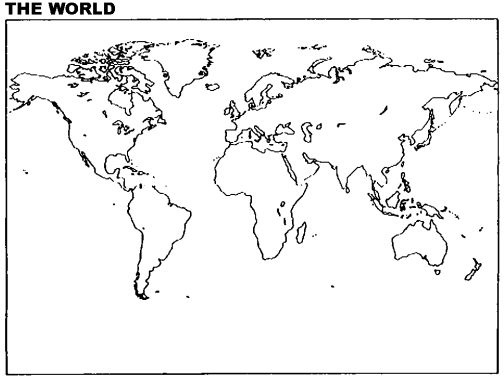
Locate and label: Europe, the Aztec Empire, the Inca Empire, Africa, India, and China.
Locate and label: Europe, the Aztec Empire, the Inca Empire, Africa, India, and China.
Question
Question
Question
Question
Question
Instructions: Please use this outline map of the world to answer the question(s).
Trace the routes of Columbus, Da Gama, and Magellan.
Trace the routes of Columbus, Da Gama, and Magellan.
Question
Instructions: Please use this outline map of the world to answer the question(s).
-Show the slave trade, the trade in spices, the trade in sugar, and the trade in weapons.
-Show the slave trade, the trade in spices, the trade in sugar, and the trade in weapons.
Question
Question
Question
Instructions: Please use this outline map of Europe to answer the question(s). 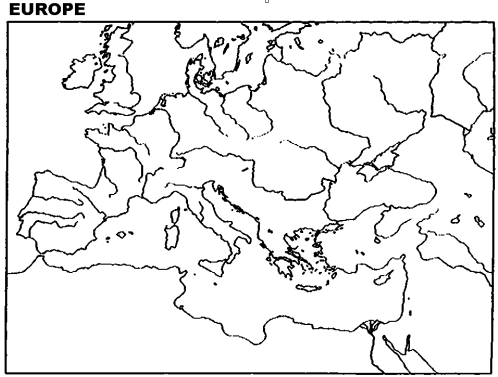
Locate at least three towns that had a population of 30,000 or more and two cities of at least 200,000.
Locate at least three towns that had a population of 30,000 or more and two cities of at least 200,000.
Question
Instructions: Please use this outline map of Europe to answer the question(s).
Show the most urbanized area during the Renaissance and the most urbanized area in the seventeenth century.
Show the most urbanized area during the Renaissance and the most urbanized area in the seventeenth century.
Question
Question

Unlock Deck
Sign up to unlock the cards in this deck!
Unlock Deck
Unlock Deck
1/89

Play

Full screen (f)
Deck 15: European Expansion: Economic and Social Transformations
1
Which of the following is not a match?
A)Leif Erikson and Canada
B)Vasco da Gama and India
C)Cortés and Mexico
D)Balboa and Peru
E)Magellan's crew and circumnavigation of the earth
A)Leif Erikson and Canada
B)Vasco da Gama and India
C)Cortés and Mexico
D)Balboa and Peru
E)Magellan's crew and circumnavigation of the earth
Balboa and Peru
2
Within ten years of Columbus's arrival in the New World, the Portuguese had explored as far as
A)the Cape Verdi Islands.
B)the Gold Coast of Africa.
C)the mouth of the Congo River.
D)the southern tip of Africa.
E)India via the Cape of Good Hope.
A)the Cape Verdi Islands.
B)the Gold Coast of Africa.
C)the mouth of the Congo River.
D)the southern tip of Africa.
E)India via the Cape of Good Hope.
India via the Cape of Good Hope.
3
The age of exploration and commercial expansion
A)created a rudimentary world economy.
B)contributed to an unprecedented dynamism in European civilization.
C)set the stage for European domination of most of the globe by 1900.
D)initially produced an economy largely based on subsistence agriculture, Asian spices, African slaves, and American gold.
E)All of these
A)created a rudimentary world economy.
B)contributed to an unprecedented dynamism in European civilization.
C)set the stage for European domination of most of the globe by 1900.
D)initially produced an economy largely based on subsistence agriculture, Asian spices, African slaves, and American gold.
E)All of these
All of these
4
Early modern Europe was comparable to societies of the underdeveloped world ("Third World") today in that
A)elites were reluctant to invest abroad.
B)the Church still controlled about one-third of the land.
C)there was a wide gap between a small, wealthy elite, and the general population, which was quite poor.
D)nationalism had not yet developed.
E)it was tied to tradition and lack dynamism.
A)elites were reluctant to invest abroad.
B)the Church still controlled about one-third of the land.
C)there was a wide gap between a small, wealthy elite, and the general population, which was quite poor.
D)nationalism had not yet developed.
E)it was tied to tradition and lack dynamism.
Unlock Deck
Unlock for access to all 89 flashcards in this deck.
Unlock Deck
k this deck
5
The use of gunpowder in Europe
A)began as an import from China.
B)was initially concentrated on breaking down fortifications.
C)became more common with the development of handheld firearms.
D)became increasingly sophisticated due to frequent and protracted wars.
E)All of these
A)began as an import from China.
B)was initially concentrated on breaking down fortifications.
C)became more common with the development of handheld firearms.
D)became increasingly sophisticated due to frequent and protracted wars.
E)All of these
Unlock Deck
Unlock for access to all 89 flashcards in this deck.
Unlock Deck
k this deck
6
A key technological development that facilitated Western overseas expansion was the
A)great-gunned sailing ship.
B)galley.
C)trebuchet.
D)the stirrup.
E)armillary sphere.
A)great-gunned sailing ship.
B)galley.
C)trebuchet.
D)the stirrup.
E)armillary sphere.
Unlock Deck
Unlock for access to all 89 flashcards in this deck.
Unlock Deck
k this deck
7
Portuguese expansion was aided particularly by the financial investment and expertise of
A)Venetian shipmakers.
B)Genoese merchants.
C)the royal family.
D)the church's missionary orders.
E)a large merchant class.
A)Venetian shipmakers.
B)Genoese merchants.
C)the royal family.
D)the church's missionary orders.
E)a large merchant class.
Unlock Deck
Unlock for access to all 89 flashcards in this deck.
Unlock Deck
k this deck
8
All the following apply to Columbus except
A)he was Italian from Genoa.
B)he worked for the Portuguese before being employed by Queen Isabella.
C)he reached the Caribbean in 1492.
D)only at the end of his life did he realize that he had discovered a previously unknown continent.
E)he believed the West Indies were in the Far East.
A)he was Italian from Genoa.
B)he worked for the Portuguese before being employed by Queen Isabella.
C)he reached the Caribbean in 1492.
D)only at the end of his life did he realize that he had discovered a previously unknown continent.
E)he believed the West Indies were in the Far East.
Unlock Deck
Unlock for access to all 89 flashcards in this deck.
Unlock Deck
k this deck
9
That a mythical Christian kingdom existed in Africa was
A)a story Cortés brought back from Mexico.
B)probably related to tales of Atlantis.
C)the impetus behind Magellan's voyage.
D)part of the legend of Prester John.
E)dismissed as nonsense by Henry the Navigator.
A)a story Cortés brought back from Mexico.
B)probably related to tales of Atlantis.
C)the impetus behind Magellan's voyage.
D)part of the legend of Prester John.
E)dismissed as nonsense by Henry the Navigator.
Unlock Deck
Unlock for access to all 89 flashcards in this deck.
Unlock Deck
k this deck
10
In addition to a desire to expand abroad, Europe overseas expansion was made possible by
A)the technological advantages Europeans had over Muslim and Far Eastern states.
B)the political unity furnished by the Holy Roman Empire.
C)the religious unity furnished by the Papacy.
D)a sense of desperation caused by the Black Death.
E)All of these
A)the technological advantages Europeans had over Muslim and Far Eastern states.
B)the political unity furnished by the Holy Roman Empire.
C)the religious unity furnished by the Papacy.
D)a sense of desperation caused by the Black Death.
E)All of these
Unlock Deck
Unlock for access to all 89 flashcards in this deck.
Unlock Deck
k this deck
11
The most important factor in the Spanish conquest of Mexico and Peru was
A)the use of gun powder.
B)exploitation of indigenous rivalries.
C)European diseases.
D)the horse.
E)religion.
A)the use of gun powder.
B)exploitation of indigenous rivalries.
C)European diseases.
D)the horse.
E)religion.
Unlock Deck
Unlock for access to all 89 flashcards in this deck.
Unlock Deck
k this deck
12
The conquering ethos of the hidalgos class was evident in
A)its defeat of Granada in 1492.
B)its expulsion of the Jews from Spain in 1492.
C)its conquest of large parts of the Americas.
D)the activities of Cortés and Pizarro.
E)All of these
A)its defeat of Granada in 1492.
B)its expulsion of the Jews from Spain in 1492.
C)its conquest of large parts of the Americas.
D)the activities of Cortés and Pizarro.
E)All of these
Unlock Deck
Unlock for access to all 89 flashcards in this deck.
Unlock Deck
k this deck
13
European naval superiority was first demonstrated by the major Portuguese victor over a Muslim fleet off the coast of
A)Mauritania.
B)India.
C)Ceylon.
D)Java.
E)Arabia.
A)Mauritania.
B)India.
C)Ceylon.
D)Java.
E)Arabia.
Unlock Deck
Unlock for access to all 89 flashcards in this deck.
Unlock Deck
k this deck
14
Portugal was particularly well-suited for overseas expansion for all the following reasons except
A)the country possessed a long coastline and being hemmed in by Castile, it looked outward to sea for new opportunities.
B)its large nobility looked for new lands to conquer.
C)it already was Northern Europe's closest supplier of subtropical products like cork, fruit, wine, and olive oil.
D)a sunny climate encouraged ocean travel.
E)its monarchy sought to continue the Reconquista into a more general war against the Muslims.
A)the country possessed a long coastline and being hemmed in by Castile, it looked outward to sea for new opportunities.
B)its large nobility looked for new lands to conquer.
C)it already was Northern Europe's closest supplier of subtropical products like cork, fruit, wine, and olive oil.
D)a sunny climate encouraged ocean travel.
E)its monarchy sought to continue the Reconquista into a more general war against the Muslims.
Unlock Deck
Unlock for access to all 89 flashcards in this deck.
Unlock Deck
k this deck
15
In the 15th century, the Portuguese created a commercial empire that
A)grew sugar cane on its Atlantic islands for export to Europe.
B)sold cloth and slaves to the Africans in exchange for gold.
C)made great profits selling African gold in Europe.
D)imported African slaves domestically and elsewhere in southern Europe.
E)All of these
A)grew sugar cane on its Atlantic islands for export to Europe.
B)sold cloth and slaves to the Africans in exchange for gold.
C)made great profits selling African gold in Europe.
D)imported African slaves domestically and elsewhere in southern Europe.
E)All of these
Unlock Deck
Unlock for access to all 89 flashcards in this deck.
Unlock Deck
k this deck
16
Encomiendas were
A)land grants.
B)royal grants of authority over Native Americans.
C)estates willed to younger sons of the Spanish nobility.
D)official letters from the Spanish king designating his chosen agents.
E)equivalent to estancias.
A)land grants.
B)royal grants of authority over Native Americans.
C)estates willed to younger sons of the Spanish nobility.
D)official letters from the Spanish king designating his chosen agents.
E)equivalent to estancias.
Unlock Deck
Unlock for access to all 89 flashcards in this deck.
Unlock Deck
k this deck
17
Which of the following was not a major factor in the outward thrust of European power during the age of expansion?
A)The crusading spirit in Christianity
B)Peasant land hunger
C)The search for land and riches by an overpopulated nobility
D)International rivalry among consolidated monarchies
E)The profit motive among merchants
A)The crusading spirit in Christianity
B)Peasant land hunger
C)The search for land and riches by an overpopulated nobility
D)International rivalry among consolidated monarchies
E)The profit motive among merchants
Unlock Deck
Unlock for access to all 89 flashcards in this deck.
Unlock Deck
k this deck
18
The first new areas settled by the Portuguese in the fifteenth century were
A)the Balearic Islands.
B)Tunisia and adjacent North African towns.
C)the Orkneys.
D)Madeira, the Canary Islands, and the Azores.
E)Gibraltar and Algeciras.
A)the Balearic Islands.
B)Tunisia and adjacent North African towns.
C)the Orkneys.
D)Madeira, the Canary Islands, and the Azores.
E)Gibraltar and Algeciras.
Unlock Deck
Unlock for access to all 89 flashcards in this deck.
Unlock Deck
k this deck
19
A major obstacle for increased profit in medieval European trade with the Far East was
A)a fear of China, Japan, and India.
B)religious; Christian merchants were too devout to do business with non-Christians.
C)Venetian and Muslim middlemen.
D)a lack of demand for imported goods.
E)wars in Asia.
A)a fear of China, Japan, and India.
B)religious; Christian merchants were too devout to do business with non-Christians.
C)Venetian and Muslim middlemen.
D)a lack of demand for imported goods.
E)wars in Asia.
Unlock Deck
Unlock for access to all 89 flashcards in this deck.
Unlock Deck
k this deck
20
Between 1450 to 1750, Western Europe entered a period of economic expansion that
A)resumed the growth pattern of the High Middle Ages and transformed it.
B)had little impact on people's values.
C)immediately improved the standard of living for the average person.
D)further contracted the supply of money.
E)restored the old feudal system.
A)resumed the growth pattern of the High Middle Ages and transformed it.
B)had little impact on people's values.
C)immediately improved the standard of living for the average person.
D)further contracted the supply of money.
E)restored the old feudal system.
Unlock Deck
Unlock for access to all 89 flashcards in this deck.
Unlock Deck
k this deck
21
Which of the following incorrectly describes the fate of the 11 or 12 million Africans forcefully moved to the New World?
A)13 to 30 percent died during the trans-Atlantic passage.
B)About one in twenty were sent to British North America; by 1830, though, North American slaves accounted for a third of all slaves in the New World.
C)Upon arrival, they were auctioned off naked and greased to improve their appearance.
D)In Brazil and the West Indies, slaves were worked to death and then replaced.
E)Generally, slaves worked eleven hour days seven days a week.
A)13 to 30 percent died during the trans-Atlantic passage.
B)About one in twenty were sent to British North America; by 1830, though, North American slaves accounted for a third of all slaves in the New World.
C)Upon arrival, they were auctioned off naked and greased to improve their appearance.
D)In Brazil and the West Indies, slaves were worked to death and then replaced.
E)Generally, slaves worked eleven hour days seven days a week.
Unlock Deck
Unlock for access to all 89 flashcards in this deck.
Unlock Deck
k this deck
22
Among the business innovations that contributed to the development of modern capitalism were all of the following except
A)maritime insurance.
B)joint-stock companies.
C)the antecedent to the modern check.
D)the elimination of double-entry bookkeeping.
E)business techniques developed in southern Europe.
A)maritime insurance.
B)joint-stock companies.
C)the antecedent to the modern check.
D)the elimination of double-entry bookkeeping.
E)business techniques developed in southern Europe.
Unlock Deck
Unlock for access to all 89 flashcards in this deck.
Unlock Deck
k this deck
23
Of the following, who were the earliest slave traders in Africa?
A)Muslims of the North Africa and the Near East
B)The Portuguese
C)The Spanish
D)The Dutch
E)The British
A)Muslims of the North Africa and the Near East
B)The Portuguese
C)The Spanish
D)The Dutch
E)The British
Unlock Deck
Unlock for access to all 89 flashcards in this deck.
Unlock Deck
k this deck
24
The main cause of the Price Revolution in sixteenth-century Europe, according to the author, was
A)silver imported from new Spanish conquests in the Americas.
B)the growing population of Europe.
C)discovery of new silver mines in Bohemia.
D)the periodic reappearance of the plague.
E)the import of Montezuma's gold into Spain.
A)silver imported from new Spanish conquests in the Americas.
B)the growing population of Europe.
C)discovery of new silver mines in Bohemia.
D)the periodic reappearance of the plague.
E)the import of Montezuma's gold into Spain.
Unlock Deck
Unlock for access to all 89 flashcards in this deck.
Unlock Deck
k this deck
25
In the seventeenth century, the only region where the majority of the population lived in the cities was
A)northern Italian cities.
B)the Netherlands.
C)France.
D)England.
E)the Rhineland.
A)northern Italian cities.
B)the Netherlands.
C)France.
D)England.
E)the Rhineland.
Unlock Deck
Unlock for access to all 89 flashcards in this deck.
Unlock Deck
k this deck
26
Bartolomé de Las Casas defended the rights of Indians in the America and stated that they often surpassed Europeans in their
A)choice of rulers.
B)military discipline.
C)care for the poor
D)sexual conduct.
E)All of these
A)choice of rulers.
B)military discipline.
C)care for the poor
D)sexual conduct.
E)All of these
Unlock Deck
Unlock for access to all 89 flashcards in this deck.
Unlock Deck
k this deck
27
Between 1500 and 1600, the native population of the New World may have
A)dropped from 20 million to 2 million.
B)may have risen slightly due to European immigration.
C)fluctuated around 15 million.
D)dropped from 20 million to 12 million.
E)None of these
A)dropped from 20 million to 2 million.
B)may have risen slightly due to European immigration.
C)fluctuated around 15 million.
D)dropped from 20 million to 12 million.
E)None of these
Unlock Deck
Unlock for access to all 89 flashcards in this deck.
Unlock Deck
k this deck
28
As agriculture changed in England
A)peasants lost their hereditary rights to land and were forced either to rent, work as day laborer or leave.
B)the principle of primogeniture helped to keep properties intact and profitable.
C)yeoman became crucial as a class of profitable renters and productive farmers.
D)wages in cottage industries fell as labor became cheaper.
E)All of these
A)peasants lost their hereditary rights to land and were forced either to rent, work as day laborer or leave.
B)the principle of primogeniture helped to keep properties intact and profitable.
C)yeoman became crucial as a class of profitable renters and productive farmers.
D)wages in cottage industries fell as labor became cheaper.
E)All of these
Unlock Deck
Unlock for access to all 89 flashcards in this deck.
Unlock Deck
k this deck
29
Factors that contributed to the permanent division of Spanish American societies into a small privileged elite and impoverished masses include
A)depressions that ruined smaller Spanish landowners.
B)the persuasion of newly Christianized Indians to cede much of their land to the Church.
C)increasing control of royal officials and their associates over the native population.
D)decline of the hidalgo class.
E)All of these
A)depressions that ruined smaller Spanish landowners.
B)the persuasion of newly Christianized Indians to cede much of their land to the Church.
C)increasing control of royal officials and their associates over the native population.
D)decline of the hidalgo class.
E)All of these
Unlock Deck
Unlock for access to all 89 flashcards in this deck.
Unlock Deck
k this deck
30
Beginning in the 1540s, the position of the indigenous population in Spanish America improved because
A)the crown established the encomiendas.
B)crown officials assumed authority over the population.
C)Spanish control waned.
D)prices rose in Europe.
E)plantations were introduced.
A)the crown established the encomiendas.
B)crown officials assumed authority over the population.
C)Spanish control waned.
D)prices rose in Europe.
E)plantations were introduced.
Unlock Deck
Unlock for access to all 89 flashcards in this deck.
Unlock Deck
k this deck
31
The Price Revolution affected markets in Europe
A)by eliminating regional specialization.
B)by offering new opportunities for profit and greatly expanding markets.
C)by forcing greater local self-sufficiency in an effort to stave off inflation.
D)in no discernable pattern.
E)stifling the production of non-food items.
A)by eliminating regional specialization.
B)by offering new opportunities for profit and greatly expanding markets.
C)by forcing greater local self-sufficiency in an effort to stave off inflation.
D)in no discernable pattern.
E)stifling the production of non-food items.
Unlock Deck
Unlock for access to all 89 flashcards in this deck.
Unlock Deck
k this deck
32
The primary motive for the nobility to engage in enclosure was
A)the desire to convert their manors into profit making businesses tied to the market.
B)the need to protect environmentally sensitive land from peasant encroachment.
C)the desire to prevent peasants from leaving the land.
D)the need to more precisely define boundaries between manors.
E)to improve record keeping.
A)the desire to convert their manors into profit making businesses tied to the market.
B)the need to protect environmentally sensitive land from peasant encroachment.
C)the desire to prevent peasants from leaving the land.
D)the need to more precisely define boundaries between manors.
E)to improve record keeping.
Unlock Deck
Unlock for access to all 89 flashcards in this deck.
Unlock Deck
k this deck
33
The significant expansion of trade and commerce in the early modern period was fueled by
A)the price revolution.
B)the growth in population.
C)higher incomes for merchants, landlords, and some peasants.
D)the growth of the state.
E)All of these
A)the price revolution.
B)the growth in population.
C)higher incomes for merchants, landlords, and some peasants.
D)the growth of the state.
E)All of these
Unlock Deck
Unlock for access to all 89 flashcards in this deck.
Unlock Deck
k this deck
34
African suppliers of slaves for the Europeans
A)performed the actual enslavement of their fellow Africans.
B)typically sold two males for every female, according to demand.
C)built armies to capture other peoples to sell to the Europeans.
D)increasingly bought guns from Europeans, which caused "a spiral of mounting violence."
E)All of these
A)performed the actual enslavement of their fellow Africans.
B)typically sold two males for every female, according to demand.
C)built armies to capture other peoples to sell to the Europeans.
D)increasingly bought guns from Europeans, which caused "a spiral of mounting violence."
E)All of these
Unlock Deck
Unlock for access to all 89 flashcards in this deck.
Unlock Deck
k this deck
35
The Dutch greatly improved agricultural productivity by
A)following the English example with enclosure.
B)changing the old three-field system of crop rotation to use peas, beans and pasture to replenish the soil.
C)convertible husbandry which converted traditional crops into exportable crops.
D)reclaiming land from the sea.
E)importing new crops from their tropical colonies.
A)following the English example with enclosure.
B)changing the old three-field system of crop rotation to use peas, beans and pasture to replenish the soil.
C)convertible husbandry which converted traditional crops into exportable crops.
D)reclaiming land from the sea.
E)importing new crops from their tropical colonies.
Unlock Deck
Unlock for access to all 89 flashcards in this deck.
Unlock Deck
k this deck
36
Which of the following cannot be associated with the Price Revolution?
A)Expanding trade and industry
B)Wide-ranging changes in agriculture
C)A general optimism and effective action by governments to control inflation
D)Exceptionally rapid inflation of cereal prices
E)The influx of silver from the New World
A)Expanding trade and industry
B)Wide-ranging changes in agriculture
C)A general optimism and effective action by governments to control inflation
D)Exceptionally rapid inflation of cereal prices
E)The influx of silver from the New World
Unlock Deck
Unlock for access to all 89 flashcards in this deck.
Unlock Deck
k this deck
37
Which two countries were in the forefront of European commercial expansion in the sixteenth and seventeenth centuries?
A)The United Provinces and England
B)Spain and Portugal
C)France and Spain
D)Belgium and Italy
E)England and France
A)The United Provinces and England
B)Spain and Portugal
C)France and Spain
D)Belgium and Italy
E)England and France
Unlock Deck
Unlock for access to all 89 flashcards in this deck.
Unlock Deck
k this deck
38
The domestic system of cottage production, as the author called it, did all the following except
A)offer earnings opportunities for peasants who had been forced off the land.
B)help industrial capitalism develop.
C)help to convert the old master-apprentice relationship into an owner-worker relationship.
D)maintain the quality standards, high pay for producers and good working conditions of the guilds.
E)tie local production to a larger market.
A)offer earnings opportunities for peasants who had been forced off the land.
B)help industrial capitalism develop.
C)help to convert the old master-apprentice relationship into an owner-worker relationship.
D)maintain the quality standards, high pay for producers and good working conditions of the guilds.
E)tie local production to a larger market.
Unlock Deck
Unlock for access to all 89 flashcards in this deck.
Unlock Deck
k this deck
39
Traditional agriculture before the Price Revolution typically involved
A)peasants possessing certain hereditary rights to use land in a lord's manor.
B)manors held by the landlords but worked by the peasants.
C)fees paid and services performed by the peasants.
D)peasant access to pasture land, woods, and ponds collectively known as "commons."
E)All of these
A)peasants possessing certain hereditary rights to use land in a lord's manor.
B)manors held by the landlords but worked by the peasants.
C)fees paid and services performed by the peasants.
D)peasant access to pasture land, woods, and ponds collectively known as "commons."
E)All of these
Unlock Deck
Unlock for access to all 89 flashcards in this deck.
Unlock Deck
k this deck
40
Which of the following had, by the eighteenth century, captured at least 50 percent of the slave trade?
A)France
B)Britain
C)Portugal
D)The Netherlands
E)Spain
A)France
B)Britain
C)Portugal
D)The Netherlands
E)Spain
Unlock Deck
Unlock for access to all 89 flashcards in this deck.
Unlock Deck
k this deck
41
According to the author, which country became the first great consumer society by practicing widespread conspicuous consumption of non-essential goods?
A)United Provinces
B)Italy
C)France
D)England
E)Germany
A)United Provinces
B)Italy
C)France
D)England
E)Germany
Unlock Deck
Unlock for access to all 89 flashcards in this deck.
Unlock Deck
k this deck
42
A theme common to the carnival, the Feast of Fools and the charivari was
A)a rare celebration of abundance.
B)a world or situation turned upside down.
C)mockery of novelty.
D)dark supernatural forces.
E)mockery of the Church.
A)a rare celebration of abundance.
B)a world or situation turned upside down.
C)mockery of novelty.
D)dark supernatural forces.
E)mockery of the Church.
Unlock Deck
Unlock for access to all 89 flashcards in this deck.
Unlock Deck
k this deck
43
A modern explanation for why the majority of people accused of witchcraft were women holds that
A)witchcraft comes from women's insatiable carnal lust.
B)the abandonment of the cult of the Virgin Mary by the Protestants fanned misogyny.
C)the pressure of population growth led to a greater consumption of mind-altering substances.
D)the decline in the sense of communal responsibility for its weaker members led to suspicion and hostility.
E)contact with previously undiscovered societies in the New World led to a crisis in faith.
A)witchcraft comes from women's insatiable carnal lust.
B)the abandonment of the cult of the Virgin Mary by the Protestants fanned misogyny.
C)the pressure of population growth led to a greater consumption of mind-altering substances.
D)the decline in the sense of communal responsibility for its weaker members led to suspicion and hostility.
E)contact with previously undiscovered societies in the New World led to a crisis in faith.
Unlock Deck
Unlock for access to all 89 flashcards in this deck.
Unlock Deck
k this deck
44
What was the significant shift in policy in the mid-seventeenth century that enabled the English to eventually take the lead in commerce from the Dutch?
A)The king and Parliament decided that English should concentrate on the lucrative slave trade.
B)The king decided to back policy more favorable to the business class.
C)After its revolution, Parliament adopted pro-business legislation.
D)Parliament imposed Puritanism on England.
E)England decided to directly attack the Spanish Empire in the New World.
A)The king and Parliament decided that English should concentrate on the lucrative slave trade.
B)The king decided to back policy more favorable to the business class.
C)After its revolution, Parliament adopted pro-business legislation.
D)Parliament imposed Puritanism on England.
E)England decided to directly attack the Spanish Empire in the New World.
Unlock Deck
Unlock for access to all 89 flashcards in this deck.
Unlock Deck
k this deck
45
Which of the following statements is inaccurate?
A)Witchcraft had been a part of traditional village life.
B)Traditional witchcraft was divided into two varieties: white and black.
C)In the Middle Ages, the Church began to associate witchcraft with submission to the Devil.
D)As printed material became more available persecution of witches decreased.
E)Witches were thought to sacrifice infants.
A)Witchcraft had been a part of traditional village life.
B)Traditional witchcraft was divided into two varieties: white and black.
C)In the Middle Ages, the Church began to associate witchcraft with submission to the Devil.
D)As printed material became more available persecution of witches decreased.
E)Witches were thought to sacrifice infants.
Unlock Deck
Unlock for access to all 89 flashcards in this deck.
Unlock Deck
k this deck
46
Instructions: Please define the following key terms.Show Who? What? Where? When? Why Important?
royal hegemony
royal hegemony
Unlock Deck
Unlock for access to all 89 flashcards in this deck.
Unlock Deck
k this deck
47
Emerging European global hegemony
A)decimated the population of the New World.
B)moved large numbers of Africans to the New World.
C)brought weapons and a new staple crop, manioc, to Africa.
D)contributed to a major African influence on culture, society, and politics.
E)All of these
A)decimated the population of the New World.
B)moved large numbers of Africans to the New World.
C)brought weapons and a new staple crop, manioc, to Africa.
D)contributed to a major African influence on culture, society, and politics.
E)All of these
Unlock Deck
Unlock for access to all 89 flashcards in this deck.
Unlock Deck
k this deck
48
Capitalism in early modern Europe required all the following except
A)the ability of individuals to make the main economic decisions.
B)democracy.
C)a well-developed market.
D)the freedom to obey the law of supply and demand.
E)favorable conditions for risk-taking, that is, incentives to invest and reinvest.
A)the ability of individuals to make the main economic decisions.
B)democracy.
C)a well-developed market.
D)the freedom to obey the law of supply and demand.
E)favorable conditions for risk-taking, that is, incentives to invest and reinvest.
Unlock Deck
Unlock for access to all 89 flashcards in this deck.
Unlock Deck
k this deck
49
Instructions: Please define the following key terms.Show Who? What? Where? When? Why Important?
hidalgos
hidalgos
Unlock Deck
Unlock for access to all 89 flashcards in this deck.
Unlock Deck
k this deck
50
Which of the following did not have a significant impact on the business climate in the United Provinces?
A)Small land area
B)Weak feudal culture and values
C)Primogeniture
D)High urbanization
E)Appreciation for commercial values
A)Small land area
B)Weak feudal culture and values
C)Primogeniture
D)High urbanization
E)Appreciation for commercial values
Unlock Deck
Unlock for access to all 89 flashcards in this deck.
Unlock Deck
k this deck
51
The two outstanding successes of Dutch commerce in the seventeenth century were
A)domination of the wool trade with England and the spice trade with the East Indies.
B)the spice trade with the East Indies and the trade in sugar from the West Indies.
C)domination of the Baltic grain trade and the spice trade with the East Indies.
D)the spice trade from the East Indies and export products from domestic cottage industries.
E)the trade in sugar from the West Indies and domination of the Baltic grain trade.
A)domination of the wool trade with England and the spice trade with the East Indies.
B)the spice trade with the East Indies and the trade in sugar from the West Indies.
C)domination of the Baltic grain trade and the spice trade with the East Indies.
D)the spice trade from the East Indies and export products from domestic cottage industries.
E)the trade in sugar from the West Indies and domination of the Baltic grain trade.
Unlock Deck
Unlock for access to all 89 flashcards in this deck.
Unlock Deck
k this deck
52
Changes in the distribution of wealth contributed to the growth of capitalism because
A)the accumulation of wealth in the hands of the wealthy invited investment.
B)the widening gap between rich and poor lowered the price of labor.
C)as merchants acquired wealth, they were able to outmaneuver and eventually marginalize the guilds.
D)accumulation of wealth invited further accumulation of wealth.
E)All of these
A)the accumulation of wealth in the hands of the wealthy invited investment.
B)the widening gap between rich and poor lowered the price of labor.
C)as merchants acquired wealth, they were able to outmaneuver and eventually marginalize the guilds.
D)accumulation of wealth invited further accumulation of wealth.
E)All of these
Unlock Deck
Unlock for access to all 89 flashcards in this deck.
Unlock Deck
k this deck
53
Which of the following would not be considered part of popular culture?
A)Carnival
B)Charivari
C)Tournament
D)Puppet shows and cockfights
E)Religious pageants
A)Carnival
B)Charivari
C)Tournament
D)Puppet shows and cockfights
E)Religious pageants
Unlock Deck
Unlock for access to all 89 flashcards in this deck.
Unlock Deck
k this deck
54
The greatest loss of economic potential during this period occurred in
A)northern Italy.
B)Spain.
C)the Netherlands.
D)France.
E)the Baltic region.
A)northern Italy.
B)Spain.
C)the Netherlands.
D)France.
E)the Baltic region.
Unlock Deck
Unlock for access to all 89 flashcards in this deck.
Unlock Deck
k this deck
55
Instructions: Please define the following key terms.Show Who? What? Where? When? Why Important?
Amerindians
Amerindians
Unlock Deck
Unlock for access to all 89 flashcards in this deck.
Unlock Deck
k this deck
56
Mercantilism effectively stimulated economic development except by
A)drawing wealth into a country through a favorable balance of trade.
B)subsidizing new industries.
C)putting the poor to work.
D)growing foreign markets.
E)chartering overseas trading companies.
A)drawing wealth into a country through a favorable balance of trade.
B)subsidizing new industries.
C)putting the poor to work.
D)growing foreign markets.
E)chartering overseas trading companies.
Unlock Deck
Unlock for access to all 89 flashcards in this deck.
Unlock Deck
k this deck
57
France benefitted significantly from commercial and industrial expansion but it fell behind the English mainly because
A)continuous wars sapped its economic resources.
B)guilds remained stronger and the nobility were more contemptuous of commerce.
C)as a land power, France had fewer commercial opportunities.
D)France remained Catholic.
E)France experienced a bloody civil war between king and the parlements.
A)continuous wars sapped its economic resources.
B)guilds remained stronger and the nobility were more contemptuous of commerce.
C)as a land power, France had fewer commercial opportunities.
D)France remained Catholic.
E)France experienced a bloody civil war between king and the parlements.
Unlock Deck
Unlock for access to all 89 flashcards in this deck.
Unlock Deck
k this deck
58
Instructions: Please define the following key terms.Show Who? What? Where? When? Why Important?
encomenderos
encomenderos
Unlock Deck
Unlock for access to all 89 flashcards in this deck.
Unlock Deck
k this deck
59
According to the author, England's commercial development benefitted most from
A)primogeniture.
B)placing profits from trade in the agricultural sector.
C)the weakness of the landed nobility.
D)primogeniture and investing profits from trade in the agricultural sector.
E)the weakness of the landed nobility and the Protestant work ethic.
A)primogeniture.
B)placing profits from trade in the agricultural sector.
C)the weakness of the landed nobility.
D)primogeniture and investing profits from trade in the agricultural sector.
E)the weakness of the landed nobility and the Protestant work ethic.
Unlock Deck
Unlock for access to all 89 flashcards in this deck.
Unlock Deck
k this deck
60
In the sixteenth and seventeenth centuries, the elite
A)generally stopped participating in popular events.
B)became fearful of the masses.
C)believed that it could change popular culture, ridding it of paganism and disorder.
D)recruited the state to impose a new puritanism on popular culture.
E)All of these
A)generally stopped participating in popular events.
B)became fearful of the masses.
C)believed that it could change popular culture, ridding it of paganism and disorder.
D)recruited the state to impose a new puritanism on popular culture.
E)All of these
Unlock Deck
Unlock for access to all 89 flashcards in this deck.
Unlock Deck
k this deck
61
Instructions: Please define the following key terms.Show Who? What? Where? When? Why Important?
"triumph of Lent"
"triumph of Lent"
Unlock Deck
Unlock for access to all 89 flashcards in this deck.
Unlock Deck
k this deck
62
Instructions: Please write a thorough, well-organized essay to answer each question.
The author states that "the transformations considered in this chapter were among the most momentous in the world's history." What were those transformations and why were they momentous?
The author states that "the transformations considered in this chapter were among the most momentous in the world's history." What were those transformations and why were they momentous?
Unlock Deck
Unlock for access to all 89 flashcards in this deck.
Unlock Deck
k this deck
63
Instructions: Please define the following key terms.Show Who? What? Where? When? Why Important?
copyhold
copyhold
Unlock Deck
Unlock for access to all 89 flashcards in this deck.
Unlock Deck
k this deck
64
Instructions: Please define the following key terms.Show Who? What? Where? When? Why Important?
primogeniture
primogeniture
Unlock Deck
Unlock for access to all 89 flashcards in this deck.
Unlock Deck
k this deck
65
Instructions: Please write a thorough, well-organized essay to answer each question.
Explain the changes in the New World resulting from contact with Europe.
Explain the changes in the New World resulting from contact with Europe.
Unlock Deck
Unlock for access to all 89 flashcards in this deck.
Unlock Deck
k this deck
66
Instructions: Please define the following key terms.Show Who? What? Where? When? Why Important?
capitalism
capitalism
Unlock Deck
Unlock for access to all 89 flashcards in this deck.
Unlock Deck
k this deck
67
Instructions: Please define the following key terms.Show Who? What? Where? When? Why Important?
price revolution
price revolution
Unlock Deck
Unlock for access to all 89 flashcards in this deck.
Unlock Deck
k this deck
68
Instructions: Please use this outline map of the world to answer the question(s).
Locate and label: Europe, the Aztec Empire, the Inca Empire, Africa, India, and China.
Locate and label: Europe, the Aztec Empire, the Inca Empire, Africa, India, and China.
Unlock Deck
Unlock for access to all 89 flashcards in this deck.
Unlock Deck
k this deck
69
Instructions: Please define the following key terms.Show Who? What? Where? When? Why Important?
skepticism
skepticism
Unlock Deck
Unlock for access to all 89 flashcards in this deck.
Unlock Deck
k this deck
70
Instructions: Please define the following key terms.Show Who? What? Where? When? Why Important?
open-field system
open-field system
Unlock Deck
Unlock for access to all 89 flashcards in this deck.
Unlock Deck
k this deck
71
Instructions: Please define the following key terms.Show Who? What? Where? When? Why Important?
mercantilism
mercantilism
Unlock Deck
Unlock for access to all 89 flashcards in this deck.
Unlock Deck
k this deck
72
Instructions: Please define the following key terms.Show Who? What? Where? When? Why Important?
consumerism
consumerism
Unlock Deck
Unlock for access to all 89 flashcards in this deck.
Unlock Deck
k this deck
73
Instructions: Please use this outline map of the world to answer the question(s).
Trace the routes of Columbus, Da Gama, and Magellan.
Trace the routes of Columbus, Da Gama, and Magellan.
Unlock Deck
Unlock for access to all 89 flashcards in this deck.
Unlock Deck
k this deck
74
Instructions: Please use this outline map of the world to answer the question(s).
-Show the slave trade, the trade in spices, the trade in sugar, and the trade in weapons.
-Show the slave trade, the trade in spices, the trade in sugar, and the trade in weapons.
Unlock Deck
Unlock for access to all 89 flashcards in this deck.
Unlock Deck
k this deck
75
Instructions: Please define the following key terms.Show Who? What? Where? When? Why Important?
convertible husbandry
convertible husbandry
Unlock Deck
Unlock for access to all 89 flashcards in this deck.
Unlock Deck
k this deck
76
Instructions: Please write a thorough, well-organized essay to answer each question.
Write an essay commenting on the main factors that influenced European expansion.
Write an essay commenting on the main factors that influenced European expansion.
Unlock Deck
Unlock for access to all 89 flashcards in this deck.
Unlock Deck
k this deck
77
Instructions: Please use this outline map of Europe to answer the question(s).
Locate at least three towns that had a population of 30,000 or more and two cities of at least 200,000.
Locate at least three towns that had a population of 30,000 or more and two cities of at least 200,000.
Unlock Deck
Unlock for access to all 89 flashcards in this deck.
Unlock Deck
k this deck
78
Instructions: Please use this outline map of Europe to answer the question(s).
Show the most urbanized area during the Renaissance and the most urbanized area in the seventeenth century.
Show the most urbanized area during the Renaissance and the most urbanized area in the seventeenth century.
Unlock Deck
Unlock for access to all 89 flashcards in this deck.
Unlock Deck
k this deck
79
Instructions: Please define the following key terms.Show Who? What? Where? When? Why Important?
enclosure
enclosure
Unlock Deck
Unlock for access to all 89 flashcards in this deck.
Unlock Deck
k this deck
80
Instructions: Please define the following key terms.Show Who? What? Where? When? Why Important?
charivari
charivari
Unlock Deck
Unlock for access to all 89 flashcards in this deck.
Unlock Deck
k this deck
Unlock Deck
Unlock for access to all 89 flashcards in this deck.






