







 Chat with AI

Deck 15: Integrated Marketing Communications
Full screen (f)

Question

Question
Question
Question
Question
Question
Question
Question
Question
Question
Question
Distribution decisions in the marketing plan entail the movement of your product from the producer until it reaches the final consumer. An understanding of how and where your customer prefers to purchase products is critical to the development of the marketing plan. As you apply the information in this chapter to your plan, focus on the following issues:
If your product will be sold to the ultimate customer, what type of retailing establishment is most suitable to your product Consider the product's characteristics and your target market's buying behavior. Refer to Table 15.1 for retailer types.
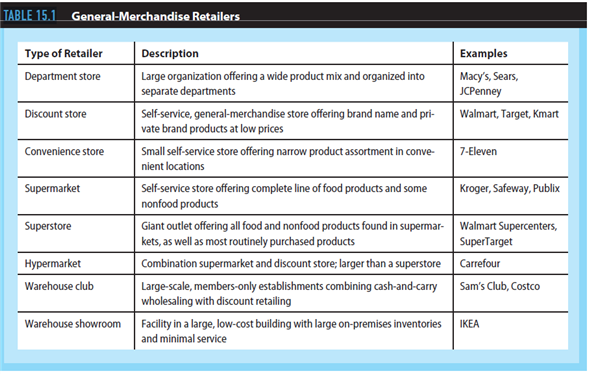
If your product will be sold to the ultimate customer, what type of retailing establishment is most suitable to your product Consider the product's characteristics and your target market's buying behavior. Refer to Table 15.1 for retailer types.
Question
Question
Question
Question
Question
Question
Question
Question
Question
Question
Question
Question
Question
Question

Unlock Deck
Sign up to unlock the cards in this deck!
Unlock Deck
Unlock Deck
1/25

Play

Full screen (f)
Deck 15: Integrated Marketing Communications
1
Contact a local retailer you patronize, and ask the store manager to describe the store's relationship with one of its wholesalers. Using your text as a guide, identify the distribution activities performed by the wholesaler. Are any of these activities shared by both the retailer and the wholesaler How do these activities benefit the retailer How do they benefit you as a consumer
NO ANSWER
2
Distribution decisions in the marketing plan entail the movement of your product from the producer until it reaches the final consumer. An understanding of how and where your customer prefers to purchase products is critical to the development of the marketing plan. As you apply the information in this chapter to your plan, focus on the following issues:
If your product will be sold to another member in the marketing channel, discuss whether a merchant wholesaler, agent, or broker is most suitable as your channel customer.
If your product will be sold to another member in the marketing channel, discuss whether a merchant wholesaler, agent, or broker is most suitable as your channel customer.
NO ANSWER
3
Distribution decisions in the marketing plan entail the movement of your product from the producer until it reaches the final consumer. An understanding of how and where your customer prefers to purchase products is critical to the development of the marketing plan. As you apply the information in this chapter to your plan, focus on the following issues:
Considering your product's attributes and your target market's (or markets') buying behavior, will your product likely be sold to the ultimate customer or to another member of the marketing channel
Considering your product's attributes and your target market's (or markets') buying behavior, will your product likely be sold to the ultimate customer or to another member of the marketing channel
NO ANSWER
4
Describe the three major types of traditional shopping centers. Give an example of each type in your area.
Unlock Deck
Unlock for access to all 25 flashcards in this deck.
Unlock Deck
k this deck
5
What value is added to a product by retailers What value is added by retailers for producers and ultimate consumers
Unlock Deck
Unlock for access to all 25 flashcards in this deck.
Unlock Deck
k this deck
6
Walmart provides a website where customers can shop for products, search for a nearby store, and even preorder new products. The website lets browsers see what is on sale and view company information. Access Walmart's company website at www.walmart.com.
a. How does Walmart attempt to position itself on its website
b. Compare the atmospherics of Walmart's website to the atmospherics of a traditional Walmart store. Are they consistent If not, should they be
a. How does Walmart attempt to position itself on its website
b. Compare the atmospherics of Walmart's website to the atmospherics of a traditional Walmart store. Are they consistent If not, should they be
Unlock Deck
Unlock for access to all 25 flashcards in this deck.
Unlock Deck
k this deck
7
Juanita wants to open a small retail store that specializes in high-quality, high-priced children's clothing. What types of competitors should she be concerned about in this competitive retail environment Why
Unlock Deck
Unlock for access to all 25 flashcards in this deck.
Unlock Deck
k this deck
8
Discuss the major factors that help to determine a retail store's image. How does atmosphere add value to products sold in a store
Unlock Deck
Unlock for access to all 25 flashcards in this deck.
Unlock Deck
k this deck
9
Eastern Mountain Sports Is Poised to Climb Higher
One of the original outdoor specialty retailers, Eastern Mountain Sports (EMS), was founded by two Massachusetts-based rock climbers, Alan McDonough and Roger Furst, in 1967. Their venture emerged out of frustration when trying to purchase suitable ice-climbing axes within the United States. They saw a market need and decided to fill it themselves.
Shortly after opening their retail outlet, McDonough and Furst also opened the first mountain-climbing school in the United States, the Eastern Mountain Sports Rock Climbing School. From that first location, the school grew and now has five locations and eight East Coast satellite schools, making it not only the oldest but also the largest climbing school in the country. Since their foundation, the retail store and the school have worked handin- glove by teaching people how to be expert climbers and then selling them the gear they will need to pursue the sport.
McDonough and Furst were never committed to being businessmen, and after a decade of running EMS, they sold it in 1979. Over the next 15 years, EMS changed owners several times before landing under the ownership of a management team led by Eastern Mountain Sports CEO Will Manzer in 2004.
With dozens of stores in 16 states, the turnover in ownership didn't stunt the company's growth, but it did have an impact on its original vision-equipping the extreme-sport enthusiast-and subsequently resulted in some financial turbulence. Under the various owners succeeding McDonough and Furst, EMS began to transition toward more mainstream gear, including items such as everyday backpacks. By 2003, when Manzer took over, the company had become a "Gap with climbing ropes," as he described it. In his view, EMS had no real distinguishing characteristics and stocked the same equipment offered by numerous other chains.
Manzer was determined to take the company back to its roots of serving climbers, hikers, bikers, and other extreme-lifestyle seekers. Although some people thought this would be risky, the goal was to help EMS regain its focus and earn the loyalty of its original target market. Manzer hoped to differentiate the company from the competition by becoming the go-to place for the best gear.
As a result, EMS has become the company that will stock $1,400 sea kayaks with ergonomic foot contours and waterproof storage areas. It may sell only a few, but hardcore outdoor enthusiasts know that they can go to EMS and always find what they need.
EMS's online retailing operations bring in significant revenue, which is why it has taken steps to ensure that its website and customer service are top-notch. The company also uses business intelligence software to track consumer preferences and get a better idea of what consumers at each location would like and in what quantity. Everyone from the CEO down to a store manager has access to the same data, making it easier to see which products and promotions are successful in order to better create successful promotions, store layouts, and stock decisions.
With high-tech software support and a renewed focus on target market, EMS's success has climbed despite increasingly difficult economic times. In fact, the chain's locations now span the Eastern seaboard, from Maine to Virginia, although the website gives EMS a national presence. New store locations have extended product lines, including a revised design meant to appeal to young consumers and features like custom bike shops with around-the-clock technicians. Highlighting bike offerings is a strategy that is paying off in times when people are searching for cheap means of transportation.
These days, the company is still opening new stores, but it's also moving out of shopping centers as older leases come up for renewal. It now prefers 15,000-square-foot free-standing stores located in lifestyle shopping centers or urban centers, ideally in or near areas where people enjoy outdoor activities. The recession hurt the entire retail industry, and EMS was no exception, so it has been keeping a close eye on expenses as the economy improves. The retailer is also boosting profit margins by stocking more private-branded products. Given EMS's renewed focus on core customers, and its most recent decisions about choosing retail locations, the company is poised to climb even higher in the coming years.
What changes occurred at EMS that caused the company to lose its unique retail position
One of the original outdoor specialty retailers, Eastern Mountain Sports (EMS), was founded by two Massachusetts-based rock climbers, Alan McDonough and Roger Furst, in 1967. Their venture emerged out of frustration when trying to purchase suitable ice-climbing axes within the United States. They saw a market need and decided to fill it themselves.
Shortly after opening their retail outlet, McDonough and Furst also opened the first mountain-climbing school in the United States, the Eastern Mountain Sports Rock Climbing School. From that first location, the school grew and now has five locations and eight East Coast satellite schools, making it not only the oldest but also the largest climbing school in the country. Since their foundation, the retail store and the school have worked handin- glove by teaching people how to be expert climbers and then selling them the gear they will need to pursue the sport.
McDonough and Furst were never committed to being businessmen, and after a decade of running EMS, they sold it in 1979. Over the next 15 years, EMS changed owners several times before landing under the ownership of a management team led by Eastern Mountain Sports CEO Will Manzer in 2004.
With dozens of stores in 16 states, the turnover in ownership didn't stunt the company's growth, but it did have an impact on its original vision-equipping the extreme-sport enthusiast-and subsequently resulted in some financial turbulence. Under the various owners succeeding McDonough and Furst, EMS began to transition toward more mainstream gear, including items such as everyday backpacks. By 2003, when Manzer took over, the company had become a "Gap with climbing ropes," as he described it. In his view, EMS had no real distinguishing characteristics and stocked the same equipment offered by numerous other chains.
Manzer was determined to take the company back to its roots of serving climbers, hikers, bikers, and other extreme-lifestyle seekers. Although some people thought this would be risky, the goal was to help EMS regain its focus and earn the loyalty of its original target market. Manzer hoped to differentiate the company from the competition by becoming the go-to place for the best gear.
As a result, EMS has become the company that will stock $1,400 sea kayaks with ergonomic foot contours and waterproof storage areas. It may sell only a few, but hardcore outdoor enthusiasts know that they can go to EMS and always find what they need.
EMS's online retailing operations bring in significant revenue, which is why it has taken steps to ensure that its website and customer service are top-notch. The company also uses business intelligence software to track consumer preferences and get a better idea of what consumers at each location would like and in what quantity. Everyone from the CEO down to a store manager has access to the same data, making it easier to see which products and promotions are successful in order to better create successful promotions, store layouts, and stock decisions.
With high-tech software support and a renewed focus on target market, EMS's success has climbed despite increasingly difficult economic times. In fact, the chain's locations now span the Eastern seaboard, from Maine to Virginia, although the website gives EMS a national presence. New store locations have extended product lines, including a revised design meant to appeal to young consumers and features like custom bike shops with around-the-clock technicians. Highlighting bike offerings is a strategy that is paying off in times when people are searching for cheap means of transportation.
These days, the company is still opening new stores, but it's also moving out of shopping centers as older leases come up for renewal. It now prefers 15,000-square-foot free-standing stores located in lifestyle shopping centers or urban centers, ideally in or near areas where people enjoy outdoor activities. The recession hurt the entire retail industry, and EMS was no exception, so it has been keeping a close eye on expenses as the economy improves. The retailer is also boosting profit margins by stocking more private-branded products. Given EMS's renewed focus on core customers, and its most recent decisions about choosing retail locations, the company is poised to climb even higher in the coming years.
What changes occurred at EMS that caused the company to lose its unique retail position
Unlock Deck
Unlock for access to all 25 flashcards in this deck.
Unlock Deck
k this deck
10
How is door-to-door selling a form of retailing Some consumers believe that direct-response orders bypass the retailer. Is this true
Unlock Deck
Unlock for access to all 25 flashcards in this deck.
Unlock Deck
k this deck
11
Distribution decisions in the marketing plan entail the movement of your product from the producer until it reaches the final consumer. An understanding of how and where your customer prefers to purchase products is critical to the development of the marketing plan. As you apply the information in this chapter to your plan, focus on the following issues:
If your product will be sold to the ultimate customer, what type of retailing establishment is most suitable to your product Consider the product's characteristics and your target market's buying behavior. Refer to Table 15.1 for retailer types.
If your product will be sold to the ultimate customer, what type of retailing establishment is most suitable to your product Consider the product's characteristics and your target market's buying behavior. Refer to Table 15.1 for retailer types.
Unlock Deck
Unlock for access to all 25 flashcards in this deck.
Unlock Deck
k this deck
12
If you were opening a retail business, would you prefer to open an independent store or own a store under a franchise arrangement Explain your preference.
Unlock Deck
Unlock for access to all 25 flashcards in this deck.
Unlock Deck
k this deck
13
What are the major differences between discount stores and department stores
Unlock Deck
Unlock for access to all 25 flashcards in this deck.
Unlock Deck
k this deck
14
What services do wholesalers provide to producers and retailers
Unlock Deck
Unlock for access to all 25 flashcards in this deck.
Unlock Deck
k this deck
15
Location of retail outlets is an issue in strategic planning. What initial steps would you recommend to Juanita (see Marketing Application 1) when she considers a location for her store
Unlock Deck
Unlock for access to all 25 flashcards in this deck.
Unlock Deck
k this deck
16
What is the difference between a full-service merchant wholesaler and a limited-service merchant wholesaler
Unlock Deck
Unlock for access to all 25 flashcards in this deck.
Unlock Deck
k this deck
17
Eastern Mountain Sports Is Poised to Climb Higher
One of the original outdoor specialty retailers, Eastern Mountain Sports (EMS), was founded by two Massachusetts-based rock climbers, Alan McDonough and Roger Furst, in 1967. Their venture emerged out of frustration when trying to purchase suitable ice-climbing axes within the United States. They saw a market need and decided to fill it themselves.
Shortly after opening their retail outlet, McDonough and Furst also opened the first mountain-climbing school in the United States, the Eastern Mountain Sports Rock Climbing School. From that first location, the school grew and now has five locations and eight East Coast satellite schools, making it not only the oldest but also the largest climbing school in the country. Since their foundation, the retail store and the school have worked handin- glove by teaching people how to be expert climbers and then selling them the gear they will need to pursue the sport.
McDonough and Furst were never committed to being businessmen, and after a decade of running EMS, they sold it in 1979. Over the next 15 years, EMS changed owners several times before landing under the ownership of a management team led by Eastern Mountain Sports CEO Will Manzer in 2004.
With dozens of stores in 16 states, the turnover in ownership didn't stunt the company's growth, but it did have an impact on its original vision-equipping the extreme-sport enthusiast-and subsequently resulted in some financial turbulence. Under the various owners succeeding McDonough and Furst, EMS began to transition toward more mainstream gear, including items such as everyday backpacks. By 2003, when Manzer took over, the company had become a "Gap with climbing ropes," as he described it. In his view, EMS had no real distinguishing characteristics and stocked the same equipment offered by numerous other chains.
Manzer was determined to take the company back to its roots of serving climbers, hikers, bikers, and other extreme-lifestyle seekers. Although some people thought this would be risky, the goal was to help EMS regain its focus and earn the loyalty of its original target market. Manzer hoped to differentiate the company from the competition by becoming the go-to place for the best gear.
As a result, EMS has become the company that will stock $1,400 sea kayaks with ergonomic foot contours and waterproof storage areas. It may sell only a few, but hardcore outdoor enthusiasts know that they can go to EMS and always find what they need.
EMS's online retailing operations bring in significant revenue, which is why it has taken steps to ensure that its website and customer service are top-notch. The company also uses business intelligence software to track consumer preferences and get a better idea of what consumers at each location would like and in what quantity. Everyone from the CEO down to a store manager has access to the same data, making it easier to see which products and promotions are successful in order to better create successful promotions, store layouts, and stock decisions.
With high-tech software support and a renewed focus on target market, EMS's success has climbed despite increasingly difficult economic times. In fact, the chain's locations now span the Eastern seaboard, from Maine to Virginia, although the website gives EMS a national presence. New store locations have extended product lines, including a revised design meant to appeal to young consumers and features like custom bike shops with around-the-clock technicians. Highlighting bike offerings is a strategy that is paying off in times when people are searching for cheap means of transportation.
These days, the company is still opening new stores, but it's also moving out of shopping centers as older leases come up for renewal. It now prefers 15,000-square-foot free-standing stores located in lifestyle shopping centers or urban centers, ideally in or near areas where people enjoy outdoor activities. The recession hurt the entire retail industry, and EMS was no exception, so it has been keeping a close eye on expenses as the economy improves. The retailer is also boosting profit margins by stocking more private-branded products. Given EMS's renewed focus on core customers, and its most recent decisions about choosing retail locations, the company is poised to climb even higher in the coming years.
Evaluate the CEO's decision to take the company back to its roots.
One of the original outdoor specialty retailers, Eastern Mountain Sports (EMS), was founded by two Massachusetts-based rock climbers, Alan McDonough and Roger Furst, in 1967. Their venture emerged out of frustration when trying to purchase suitable ice-climbing axes within the United States. They saw a market need and decided to fill it themselves.
Shortly after opening their retail outlet, McDonough and Furst also opened the first mountain-climbing school in the United States, the Eastern Mountain Sports Rock Climbing School. From that first location, the school grew and now has five locations and eight East Coast satellite schools, making it not only the oldest but also the largest climbing school in the country. Since their foundation, the retail store and the school have worked handin- glove by teaching people how to be expert climbers and then selling them the gear they will need to pursue the sport.
McDonough and Furst were never committed to being businessmen, and after a decade of running EMS, they sold it in 1979. Over the next 15 years, EMS changed owners several times before landing under the ownership of a management team led by Eastern Mountain Sports CEO Will Manzer in 2004.
With dozens of stores in 16 states, the turnover in ownership didn't stunt the company's growth, but it did have an impact on its original vision-equipping the extreme-sport enthusiast-and subsequently resulted in some financial turbulence. Under the various owners succeeding McDonough and Furst, EMS began to transition toward more mainstream gear, including items such as everyday backpacks. By 2003, when Manzer took over, the company had become a "Gap with climbing ropes," as he described it. In his view, EMS had no real distinguishing characteristics and stocked the same equipment offered by numerous other chains.
Manzer was determined to take the company back to its roots of serving climbers, hikers, bikers, and other extreme-lifestyle seekers. Although some people thought this would be risky, the goal was to help EMS regain its focus and earn the loyalty of its original target market. Manzer hoped to differentiate the company from the competition by becoming the go-to place for the best gear.
As a result, EMS has become the company that will stock $1,400 sea kayaks with ergonomic foot contours and waterproof storage areas. It may sell only a few, but hardcore outdoor enthusiasts know that they can go to EMS and always find what they need.
EMS's online retailing operations bring in significant revenue, which is why it has taken steps to ensure that its website and customer service are top-notch. The company also uses business intelligence software to track consumer preferences and get a better idea of what consumers at each location would like and in what quantity. Everyone from the CEO down to a store manager has access to the same data, making it easier to see which products and promotions are successful in order to better create successful promotions, store layouts, and stock decisions.
With high-tech software support and a renewed focus on target market, EMS's success has climbed despite increasingly difficult economic times. In fact, the chain's locations now span the Eastern seaboard, from Maine to Virginia, although the website gives EMS a national presence. New store locations have extended product lines, including a revised design meant to appeal to young consumers and features like custom bike shops with around-the-clock technicians. Highlighting bike offerings is a strategy that is paying off in times when people are searching for cheap means of transportation.
These days, the company is still opening new stores, but it's also moving out of shopping centers as older leases come up for renewal. It now prefers 15,000-square-foot free-standing stores located in lifestyle shopping centers or urban centers, ideally in or near areas where people enjoy outdoor activities. The recession hurt the entire retail industry, and EMS was no exception, so it has been keeping a close eye on expenses as the economy improves. The retailer is also boosting profit margins by stocking more private-branded products. Given EMS's renewed focus on core customers, and its most recent decisions about choosing retail locations, the company is poised to climb even higher in the coming years.
Evaluate the CEO's decision to take the company back to its roots.
Unlock Deck
Unlock for access to all 25 flashcards in this deck.
Unlock Deck
k this deck
18
Drop shippers take title to products but do not accept physical possession of them, whereas commission merchants take physical possession of products but do not accept title. Defend the logic of classifying drop shippers as merchant wholesalers and commission merchants as agents.
Unlock Deck
Unlock for access to all 25 flashcards in this deck.
Unlock Deck
k this deck
19
Distribution decisions in the marketing plan entail the movement of your product from the producer until it reaches the final consumer. An understanding of how and where your customer prefers to purchase products is critical to the development of the marketing plan. As you apply the information in this chapter to your plan, focus on the following issues:
Discuss how the characteristics of the retail establishment, such as location and store image, have an impact on the consumer's perception of your product.
Discuss how the characteristics of the retail establishment, such as location and store image, have an impact on the consumer's perception of your product.
Unlock Deck
Unlock for access to all 25 flashcards in this deck.
Unlock Deck
k this deck
20
Why are manufacturers' sales offices and branches classified as wholesalers Which independent wholesalers are replaced by manufacturers' sales branches By sales offices
Unlock Deck
Unlock for access to all 25 flashcards in this deck.
Unlock Deck
k this deck
21
In what ways are traditional specialty stores and off-price retailers similar How do they differ
Unlock Deck
Unlock for access to all 25 flashcards in this deck.
Unlock Deck
k this deck
22
Visit a retail store you shop in regularly or one in which you would like to shop. Identify the store, and describe its atmospherics. Be specific about both exterior and interior elements, and indicate how the store is being positioned through its use of atmospherics.
Unlock Deck
Unlock for access to all 25 flashcards in this deck.
Unlock Deck
k this deck
23
Eastern Mountain Sports Is Poised to Climb Higher
One of the original outdoor specialty retailers, Eastern Mountain Sports (EMS), was founded by two Massachusetts-based rock climbers, Alan McDonough and Roger Furst, in 1967. Their venture emerged out of frustration when trying to purchase suitable ice-climbing axes within the United States. They saw a market need and decided to fill it themselves.
Shortly after opening their retail outlet, McDonough and Furst also opened the first mountain-climbing school in the United States, the Eastern Mountain Sports Rock Climbing School. From that first location, the school grew and now has five locations and eight East Coast satellite schools, making it not only the oldest but also the largest climbing school in the country. Since their foundation, the retail store and the school have worked handin- glove by teaching people how to be expert climbers and then selling them the gear they will need to pursue the sport.
McDonough and Furst were never committed to being businessmen, and after a decade of running EMS, they sold it in 1979. Over the next 15 years, EMS changed owners several times before landing under the ownership of a management team led by Eastern Mountain Sports CEO Will Manzer in 2004.
With dozens of stores in 16 states, the turnover in ownership didn't stunt the company's growth, but it did have an impact on its original vision-equipping the extreme-sport enthusiast-and subsequently resulted in some financial turbulence. Under the various owners succeeding McDonough and Furst, EMS began to transition toward more mainstream gear, including items such as everyday backpacks. By 2003, when Manzer took over, the company had become a "Gap with climbing ropes," as he described it. In his view, EMS had no real distinguishing characteristics and stocked the same equipment offered by numerous other chains.
Manzer was determined to take the company back to its roots of serving climbers, hikers, bikers, and other extreme-lifestyle seekers. Although some people thought this would be risky, the goal was to help EMS regain its focus and earn the loyalty of its original target market. Manzer hoped to differentiate the company from the competition by becoming the go-to place for the best gear.
As a result, EMS has become the company that will stock $1,400 sea kayaks with ergonomic foot contours and waterproof storage areas. It may sell only a few, but hardcore outdoor enthusiasts know that they can go to EMS and always find what they need.
EMS's online retailing operations bring in significant revenue, which is why it has taken steps to ensure that its website and customer service are top-notch. The company also uses business intelligence software to track consumer preferences and get a better idea of what consumers at each location would like and in what quantity. Everyone from the CEO down to a store manager has access to the same data, making it easier to see which products and promotions are successful in order to better create successful promotions, store layouts, and stock decisions.
With high-tech software support and a renewed focus on target market, EMS's success has climbed despite increasingly difficult economic times. In fact, the chain's locations now span the Eastern seaboard, from Maine to Virginia, although the website gives EMS a national presence. New store locations have extended product lines, including a revised design meant to appeal to young consumers and features like custom bike shops with around-the-clock technicians. Highlighting bike offerings is a strategy that is paying off in times when people are searching for cheap means of transportation.
These days, the company is still opening new stores, but it's also moving out of shopping centers as older leases come up for renewal. It now prefers 15,000-square-foot free-standing stores located in lifestyle shopping centers or urban centers, ideally in or near areas where people enjoy outdoor activities. The recession hurt the entire retail industry, and EMS was no exception, so it has been keeping a close eye on expenses as the economy improves. The retailer is also boosting profit margins by stocking more private-branded products. Given EMS's renewed focus on core customers, and its most recent decisions about choosing retail locations, the company is poised to climb even higher in the coming years.
Why would EMS prefer to open in a lifestyle shopping center rather than a regional shopping center Do you agree with this retail location decision Explain your answer.
One of the original outdoor specialty retailers, Eastern Mountain Sports (EMS), was founded by two Massachusetts-based rock climbers, Alan McDonough and Roger Furst, in 1967. Their venture emerged out of frustration when trying to purchase suitable ice-climbing axes within the United States. They saw a market need and decided to fill it themselves.
Shortly after opening their retail outlet, McDonough and Furst also opened the first mountain-climbing school in the United States, the Eastern Mountain Sports Rock Climbing School. From that first location, the school grew and now has five locations and eight East Coast satellite schools, making it not only the oldest but also the largest climbing school in the country. Since their foundation, the retail store and the school have worked handin- glove by teaching people how to be expert climbers and then selling them the gear they will need to pursue the sport.
McDonough and Furst were never committed to being businessmen, and after a decade of running EMS, they sold it in 1979. Over the next 15 years, EMS changed owners several times before landing under the ownership of a management team led by Eastern Mountain Sports CEO Will Manzer in 2004.
With dozens of stores in 16 states, the turnover in ownership didn't stunt the company's growth, but it did have an impact on its original vision-equipping the extreme-sport enthusiast-and subsequently resulted in some financial turbulence. Under the various owners succeeding McDonough and Furst, EMS began to transition toward more mainstream gear, including items such as everyday backpacks. By 2003, when Manzer took over, the company had become a "Gap with climbing ropes," as he described it. In his view, EMS had no real distinguishing characteristics and stocked the same equipment offered by numerous other chains.
Manzer was determined to take the company back to its roots of serving climbers, hikers, bikers, and other extreme-lifestyle seekers. Although some people thought this would be risky, the goal was to help EMS regain its focus and earn the loyalty of its original target market. Manzer hoped to differentiate the company from the competition by becoming the go-to place for the best gear.
As a result, EMS has become the company that will stock $1,400 sea kayaks with ergonomic foot contours and waterproof storage areas. It may sell only a few, but hardcore outdoor enthusiasts know that they can go to EMS and always find what they need.
EMS's online retailing operations bring in significant revenue, which is why it has taken steps to ensure that its website and customer service are top-notch. The company also uses business intelligence software to track consumer preferences and get a better idea of what consumers at each location would like and in what quantity. Everyone from the CEO down to a store manager has access to the same data, making it easier to see which products and promotions are successful in order to better create successful promotions, store layouts, and stock decisions.
With high-tech software support and a renewed focus on target market, EMS's success has climbed despite increasingly difficult economic times. In fact, the chain's locations now span the Eastern seaboard, from Maine to Virginia, although the website gives EMS a national presence. New store locations have extended product lines, including a revised design meant to appeal to young consumers and features like custom bike shops with around-the-clock technicians. Highlighting bike offerings is a strategy that is paying off in times when people are searching for cheap means of transportation.
These days, the company is still opening new stores, but it's also moving out of shopping centers as older leases come up for renewal. It now prefers 15,000-square-foot free-standing stores located in lifestyle shopping centers or urban centers, ideally in or near areas where people enjoy outdoor activities. The recession hurt the entire retail industry, and EMS was no exception, so it has been keeping a close eye on expenses as the economy improves. The retailer is also boosting profit margins by stocking more private-branded products. Given EMS's renewed focus on core customers, and its most recent decisions about choosing retail locations, the company is poised to climb even higher in the coming years.
Why would EMS prefer to open in a lifestyle shopping center rather than a regional shopping center Do you agree with this retail location decision Explain your answer.
Unlock Deck
Unlock for access to all 25 flashcards in this deck.
Unlock Deck
k this deck
24
Distribution decisions in the marketing plan entail the movement of your product from the producer until it reaches the final consumer. An understanding of how and where your customer prefers to purchase products is critical to the development of the marketing plan. As you apply the information in this chapter to your plan, focus on the following issues:
Are direct marketing or direct selling methods appropriate for your product and target market
Are direct marketing or direct selling methods appropriate for your product and target market
Unlock Deck
Unlock for access to all 25 flashcards in this deck.
Unlock Deck
k this deck
25
What major issues should be considered when determining a retail site location
Unlock Deck
Unlock for access to all 25 flashcards in this deck.
Unlock Deck
k this deck
Unlock Deck
Unlock for access to all 25 flashcards in this deck.






