







 Chat with AI

Deck 14: Plant Reproduction
Full screen (f)

Question

Question
Question
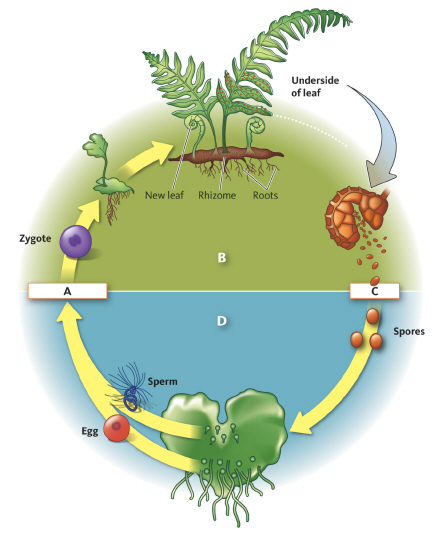 The form of a fern that we are used to seeing is a
A) gametophyte and is haploid.
B) gametophyte and is diploid.
C) sporophyte and is haploid.
D) sporophyte and is diploid.
Question
Question
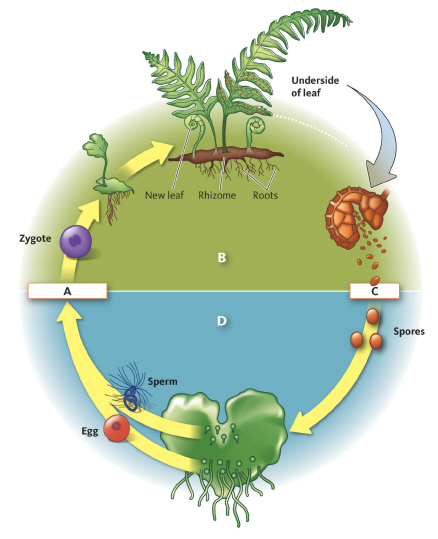 The letter B represents the __________ generation.
A) sporophyte
B) gametophyte
Question
Question
Question
Question
Question
Question
Question
Question
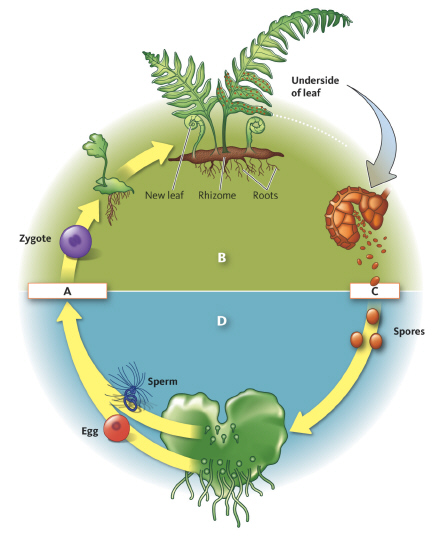 __________ occurs at step C.
A) Fertilization
B) Mitosis
C) Meiosis
D) Zygote formation
Question
Question
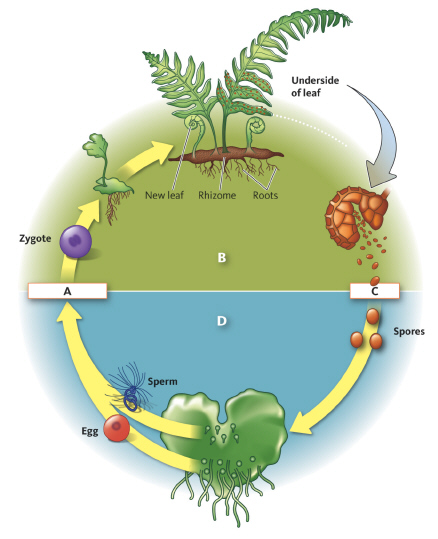 This figure represents the __________ in the life cycle of a fern.
A) sporophyte generation only
B) gametophyte generation only
C) alternation of generations
D) none of these
Question
Question
Question
Question
Question
Question
Question
Question
Question
Question
Question
Question
Question
Question
Question
Question
Question
Question
Question
Question
Question
Question
Question
Question
Question
Question
Question
Question
Question
Question
Question
Question
Question
Question
Question
Question
Question
Question
Question
Question
Question

Unlock Deck
Sign up to unlock the cards in this deck!
Unlock Deck
Unlock Deck
1/56

Play

Full screen (f)
Deck 14: Plant Reproduction
1
The correct sequence of the following events is
A) fertilization, germination, pollination.
B) germination, pollination, fertilization.
C) pollination, fertilization, germination.
D) pollination, germination, fertilization.
A) fertilization, germination, pollination.
B) germination, pollination, fertilization.
C) pollination, fertilization, germination.
D) pollination, germination, fertilization.
C
2
A rhizome is a
A) fruit that is underground.
B) leaf that is underground.
C) root that is above ground.
D) stem that is underground.
A) fruit that is underground.
B) leaf that is underground.
C) root that is above ground.
D) stem that is underground.
D
3
The form of a fern that we are used to seeing is aA) gametophyte and is haploid.
B) gametophyte and is diploid.
C) sporophyte and is haploid.
D) sporophyte and is diploid.
D
4
A(n) __________ produces pollen grains.
A) anther
B) carpel
C) filament
D) style
A) anther
B) carpel
C) filament
D) style
Unlock Deck
Unlock for access to all 56 flashcards in this deck.
Unlock Deck
k this deck
5
The letter B represents the __________ generation.A) sporophyte
B) gametophyte
Unlock Deck
Unlock for access to all 56 flashcards in this deck.
Unlock Deck
k this deck
6
The sex life of the saguaro cactus begins
A) immediately after formation.
B) after 5-10 years.
C) after 35-50 years.
D) after 100 years.
A) immediately after formation.
B) after 5-10 years.
C) after 35-50 years.
D) after 100 years.
Unlock Deck
Unlock for access to all 56 flashcards in this deck.
Unlock Deck
k this deck
7
The function of a central cell is to
A) collect pollen for fertilization.
B) develop into an egg.
C) develop into a pollen grain.
D) store food for the seed.
A) collect pollen for fertilization.
B) develop into an egg.
C) develop into a pollen grain.
D) store food for the seed.
Unlock Deck
Unlock for access to all 56 flashcards in this deck.
Unlock Deck
k this deck
8
In animals, meiosis produces __________, and in plants, meiosis produces __________.
A) gametes; gametes
B) gametes; spores
C) spores; gametes
D) spores; spores
A) gametes; gametes
B) gametes; spores
C) spores; gametes
D) spores; spores
Unlock Deck
Unlock for access to all 56 flashcards in this deck.
Unlock Deck
k this deck
9
In the reproductive cycle of a fern, a zygote develops into
A) sperm and egg.
B) spores.
C) a young gametophyte.
D) a young sporophyte.
A) sperm and egg.
B) spores.
C) a young gametophyte.
D) a young sporophyte.
Unlock Deck
Unlock for access to all 56 flashcards in this deck.
Unlock Deck
k this deck
10
The part of a flower that is sticky to collect pollen is the
A) carpel.
B) sepal.
C) stigma.
D) style.
A) carpel.
B) sepal.
C) stigma.
D) style.
Unlock Deck
Unlock for access to all 56 flashcards in this deck.
Unlock Deck
k this deck
11
Another term for vegetative reproduction is
A) alternation of generations.
B) asexual reproduction.
C) fertilization.
D) sexual reproduction.
A) alternation of generations.
B) asexual reproduction.
C) fertilization.
D) sexual reproduction.
Unlock Deck
Unlock for access to all 56 flashcards in this deck.
Unlock Deck
k this deck
12
Which of the following statements is true of meiosis?
A) It decreases diversity and decreases the amount of chromosomes.
B) It decreases diversity and increases the amount of chromosomes.
C) It increases diversity and decreases the amount of chromosomes.
D) It increases diversity and increases the amount of chromosomes.
A) It decreases diversity and decreases the amount of chromosomes.
B) It decreases diversity and increases the amount of chromosomes.
C) It increases diversity and decreases the amount of chromosomes.
D) It increases diversity and increases the amount of chromosomes.
Unlock Deck
Unlock for access to all 56 flashcards in this deck.
Unlock Deck
k this deck
13
__________ occurs at step C.A) Fertilization
B) Mitosis
C) Meiosis
D) Zygote formation
Unlock Deck
Unlock for access to all 56 flashcards in this deck.
Unlock Deck
k this deck
14
The ovules in a flower are located within a(n)
A) anther.
B) ovary.
C) stamen.
D) style.
A) anther.
B) ovary.
C) stamen.
D) style.
Unlock Deck
Unlock for access to all 56 flashcards in this deck.
Unlock Deck
k this deck
15
This figure represents the __________ in the life cycle of a fern.A) sporophyte generation only
B) gametophyte generation only
C) alternation of generations
D) none of these
Unlock Deck
Unlock for access to all 56 flashcards in this deck.
Unlock Deck
k this deck
16
The saguaro cactus flowers in the
A) dry period, which is April-June.
B) dry period, which is July-August.
C) wet period, which is April-June.
D) wet period, which is July-August.
A) dry period, which is April-June.
B) dry period, which is July-August.
C) wet period, which is April-June.
D) wet period, which is July-August.
Unlock Deck
Unlock for access to all 56 flashcards in this deck.
Unlock Deck
k this deck
17
A clone is the result of
A) asexual reproduction, which involves fertilization.
B) asexual reproduction, which does not involve fertilization.
C) sexual reproduction, which involves fertilization.
D) sexual reproduction, which does not involve fertilization.
A) asexual reproduction, which involves fertilization.
B) asexual reproduction, which does not involve fertilization.
C) sexual reproduction, which involves fertilization.
D) sexual reproduction, which does not involve fertilization.
Unlock Deck
Unlock for access to all 56 flashcards in this deck.
Unlock Deck
k this deck
18
The term haploid refers to having
A) one quarter of the normal amount of chromosomes.
B) half of the normal amount of chromosomes.
C) the normal amount of chromosomes.
D) twice the normal amount of chromosomes.
A) one quarter of the normal amount of chromosomes.
B) half of the normal amount of chromosomes.
C) the normal amount of chromosomes.
D) twice the normal amount of chromosomes.
Unlock Deck
Unlock for access to all 56 flashcards in this deck.
Unlock Deck
k this deck
19
Which of the following is not a female component of a flower?
A) anther
B) carpel
C) stigma
D) style
A) anther
B) carpel
C) stigma
D) style
Unlock Deck
Unlock for access to all 56 flashcards in this deck.
Unlock Deck
k this deck
20
When a plant reaches sexual maturity, the genes that control the production of __________ are inactivated and the genes that control __________ are activated.
A) flowers; leaves
B) flowers; roots
C) leaves; flowers
D) leaves; roots
A) flowers; leaves
B) flowers; roots
C) leaves; flowers
D) leaves; roots
Unlock Deck
Unlock for access to all 56 flashcards in this deck.
Unlock Deck
k this deck
21
An endosperm develops when the
A) pollen grain begins to form.
B) pollen grain sticks to a stigma.
C) sperm fertilizes the central cell.
D) sperm fertilizes an egg.
A) pollen grain begins to form.
B) pollen grain sticks to a stigma.
C) sperm fertilizes the central cell.
D) sperm fertilizes an egg.
Unlock Deck
Unlock for access to all 56 flashcards in this deck.
Unlock Deck
k this deck
22
Bats and moths are attracted to __________ flowers.
A) blue
B) purple
C) red
D) white
A) blue
B) purple
C) red
D) white
Unlock Deck
Unlock for access to all 56 flashcards in this deck.
Unlock Deck
k this deck
23
Cotyledons are the __________ of a plant.
A) developing seeds
B) first developing leaves
C) gametes
D) stored energy
A) developing seeds
B) first developing leaves
C) gametes
D) stored energy
Unlock Deck
Unlock for access to all 56 flashcards in this deck.
Unlock Deck
k this deck
24
Long-day plants typically flower in which season?
A) fall
B) spring
C) summer
D) winter
A) fall
B) spring
C) summer
D) winter
Unlock Deck
Unlock for access to all 56 flashcards in this deck.
Unlock Deck
k this deck
25
A ripened ovary is called a(n)
A) endosperm.
B) fruit.
C) ovule.
D) seed.
A) endosperm.
B) fruit.
C) ovule.
D) seed.
Unlock Deck
Unlock for access to all 56 flashcards in this deck.
Unlock Deck
k this deck
26
Seeds that germinate right next to the parent plant compete for
A) minerals.
B) sunlight.
C) water.
D) all of these
A) minerals.
B) sunlight.
C) water.
D) all of these
Unlock Deck
Unlock for access to all 56 flashcards in this deck.
Unlock Deck
k this deck
27
Put the following events in the proper order:
I.Pollen tube develops
Ii.Pollen grain lands on the stigma
Iii.Sperm fertilizes the egg.
A) i, ii, iii
B) i, iii, ii
C) ii, i, iii
D) iii, ii, i
I.Pollen tube develops
Ii.Pollen grain lands on the stigma
Iii.Sperm fertilizes the egg.
A) i, ii, iii
B) i, iii, ii
C) ii, i, iii
D) iii, ii, i
Unlock Deck
Unlock for access to all 56 flashcards in this deck.
Unlock Deck
k this deck
28
How do scientists propose that coconuts traveled from tropical locales to Hawaii?
A) by air
B) by birds
C) by humans
D) by wind
A) by air
B) by birds
C) by humans
D) by wind
Unlock Deck
Unlock for access to all 56 flashcards in this deck.
Unlock Deck
k this deck
29
Animal pollinators are attracted to plants by
A) a pleasing aroma.
B) the appearance of flowers.
C) nectar.
D) all of these
A) a pleasing aroma.
B) the appearance of flowers.
C) nectar.
D) all of these
Unlock Deck
Unlock for access to all 56 flashcards in this deck.
Unlock Deck
k this deck
30
Mitosis is involved in
A) asexual reproduction and growth.
B) asexual reproduction and genetic diversity.
C) sexual reproduction and growth.
D) sexual reproduction and genetic diversity.
A) asexual reproduction and growth.
B) asexual reproduction and genetic diversity.
C) sexual reproduction and growth.
D) sexual reproduction and genetic diversity.
Unlock Deck
Unlock for access to all 56 flashcards in this deck.
Unlock Deck
k this deck
31
The function of an endosperm is to
A) attract pollinators.
B) develop into an embryo.
C) discourage animals from eating the plant.
D) store starch and oils.
A) attract pollinators.
B) develop into an embryo.
C) discourage animals from eating the plant.
D) store starch and oils.
Unlock Deck
Unlock for access to all 56 flashcards in this deck.
Unlock Deck
k this deck
32
What is ethylene?
A) a food source for the developing embryo
B) a ripening hormone
C) a substance to discourage animals from eating fruit
D) a type of nectar
A) a food source for the developing embryo
B) a ripening hormone
C) a substance to discourage animals from eating fruit
D) a type of nectar
Unlock Deck
Unlock for access to all 56 flashcards in this deck.
Unlock Deck
k this deck
33
Each pollen grain consists of __________ cell(s) covered in an outer coat.
A) one
B) two
C) three
D) four
A) one
B) two
C) three
D) four
Unlock Deck
Unlock for access to all 56 flashcards in this deck.
Unlock Deck
k this deck
34
The term inflorescence refers to the
A) aroma of flowers.
B) arrangement of flowers on a stem.
C) color of the flowers.
D) type of nectar produced by the flowers.
A) aroma of flowers.
B) arrangement of flowers on a stem.
C) color of the flowers.
D) type of nectar produced by the flowers.
Unlock Deck
Unlock for access to all 56 flashcards in this deck.
Unlock Deck
k this deck
35
At the present time, animals are responsible for _____ percent of the pollination of angiosperms.
A) 10
B) 50
C) 75
D) 90
A) 10
B) 50
C) 75
D) 90
Unlock Deck
Unlock for access to all 56 flashcards in this deck.
Unlock Deck
k this deck
36
Coconut seeds are usually dispersed via
A) air.
B) animals.
C) water.
D) More than one of these answers is correct.
A) air.
B) animals.
C) water.
D) More than one of these answers is correct.
Unlock Deck
Unlock for access to all 56 flashcards in this deck.
Unlock Deck
k this deck
37
Plants determine the seasons by measuring
A) the amount of moisture.
B) light.
C) temperature.
D) all of these
A) the amount of moisture.
B) light.
C) temperature.
D) all of these
Unlock Deck
Unlock for access to all 56 flashcards in this deck.
Unlock Deck
k this deck
38
The sterile portions of a flower are the
A) petals and pistils.
B) petals and sepals.
C) petals and carpels.
D) sepals and carpels.
A) petals and pistils.
B) petals and sepals.
C) petals and carpels.
D) sepals and carpels.
Unlock Deck
Unlock for access to all 56 flashcards in this deck.
Unlock Deck
k this deck
39
A seedling no longer needs its stored food sources once it develops
A) an embryo.
B) cotyledons.
C) leaves.
D) roots.
A) an embryo.
B) cotyledons.
C) leaves.
D) roots.
Unlock Deck
Unlock for access to all 56 flashcards in this deck.
Unlock Deck
k this deck
40
If an individual living in a northern climate has allergies in the late summer, it is most likely due to
A) long-day plants.
B) short-day plants.
C) either short-day or long-day plants.
D) There is not enough information given to determine which type of plant is involved.
A) long-day plants.
B) short-day plants.
C) either short-day or long-day plants.
D) There is not enough information given to determine which type of plant is involved.
Unlock Deck
Unlock for access to all 56 flashcards in this deck.
Unlock Deck
k this deck
41
Why do some seeds have to pass through an animal's digestive tract in order to germinate?
A) The animal digests the seed coat.
B) There is a lack of oxygen.
C) There is a lack of sunlight.
D) The temperature is appropriate.
A) The animal digests the seed coat.
B) There is a lack of oxygen.
C) There is a lack of sunlight.
D) The temperature is appropriate.
Unlock Deck
Unlock for access to all 56 flashcards in this deck.
Unlock Deck
k this deck
42
If you want your poinsettia to bloom in the summertime, you will have to change the
A) amount of water.
B) length of day.
C) temperature.
D) type of fertilizer.
A) amount of water.
B) length of day.
C) temperature.
D) type of fertilizer.
Unlock Deck
Unlock for access to all 56 flashcards in this deck.
Unlock Deck
k this deck
43
Why is some pollen self-incompatible?
A) so the pollen will more likely disperse via animals or wind
B) so the plant will need less energy
C) so the plant will need less water
D) so there will be a mixing of genes
A) so the pollen will more likely disperse via animals or wind
B) so the plant will need less energy
C) so the plant will need less water
D) so there will be a mixing of genes
Unlock Deck
Unlock for access to all 56 flashcards in this deck.
Unlock Deck
k this deck
44
True vegetables are not derived from
A) fruits.
B) leaves.
C) roots.
D) stems.
A) fruits.
B) leaves.
C) roots.
D) stems.
Unlock Deck
Unlock for access to all 56 flashcards in this deck.
Unlock Deck
k this deck
45
If you want your population of plants to be genetically diverse, you should utilize the process known as
A) asexual reproduction.
B) cloning.
C) sexual reproduction.
D) vegetative reproduction.
A) asexual reproduction.
B) cloning.
C) sexual reproduction.
D) vegetative reproduction.
Unlock Deck
Unlock for access to all 56 flashcards in this deck.
Unlock Deck
k this deck
46
Scientists have various methods of investigating reproductive methods in plants. One way is to examine pollen to ovule ratios (P/O). This ratio indicates the likelihood of a pollen grain reaching the female component of the same species of plant. Species A plant releases approximately 10,000 pollen grains per 100 ovules, whereas species B plant releases approximately 1,000,000 pollen grains per 100 ovules. What is the pollen to ovule ratio of the species A plant?
A) 10
B) 100
C) 1000
D) 10,000,000
A) 10
B) 100
C) 1000
D) 10,000,000
Unlock Deck
Unlock for access to all 56 flashcards in this deck.
Unlock Deck
k this deck
47
Why is it better for a seed to germinate at a distance from the parent plant?
A) so it will not compete with the parent plant for nutrients from the soil
B) so it will not compete with the parent plant for sunlight
C) so it will not compete with the parent plant for water
D) all of these
A) so it will not compete with the parent plant for nutrients from the soil
B) so it will not compete with the parent plant for sunlight
C) so it will not compete with the parent plant for water
D) all of these
Unlock Deck
Unlock for access to all 56 flashcards in this deck.
Unlock Deck
k this deck
48
Cotyledons develop into
A) leaves.
B) roots.
C) stems.
D) all of these
A) leaves.
B) roots.
C) stems.
D) all of these
Unlock Deck
Unlock for access to all 56 flashcards in this deck.
Unlock Deck
k this deck
49
Scientists have various methods of investigating reproductive methods in plants. One way is to examine pollen to ovule ratios (P/O). This ratio indicates the likelihood of a pollen grain reaching the female component of the same species of plant. Species A plant releases approximately 10,000 pollen grains per 100 ovules, whereas species B plant releases approximately 1,000,000 pollen grains per 100 ovules. What is the pollen to ovule ratio for species B?
A) 100
B) 10,000
C) 100,000
D) 100,000,000
A) 100
B) 10,000
C) 100,000
D) 100,000,000
Unlock Deck
Unlock for access to all 56 flashcards in this deck.
Unlock Deck
k this deck
50
Coconuts in the form that we are used to seeing are actually
A) fruits.
B) leaves.
C) seeds.
D) stems.
A) fruits.
B) leaves.
C) seeds.
D) stems.
Unlock Deck
Unlock for access to all 56 flashcards in this deck.
Unlock Deck
k this deck
51
It would be an advantage to have the absence of petals (or reduced petals) in a plant that distributes pollen via
A) animals.
B) humans.
C) water.
D) wind.
A) animals.
B) humans.
C) water.
D) wind.
Unlock Deck
Unlock for access to all 56 flashcards in this deck.
Unlock Deck
k this deck
52
Why is sexual reproduction sometimes preferable to asexual reproduction?
A) increased genetic diversity
B) fewer raw materials needed
C) less energy required
D) More than one of these answers is correct.
A) increased genetic diversity
B) fewer raw materials needed
C) less energy required
D) More than one of these answers is correct.
Unlock Deck
Unlock for access to all 56 flashcards in this deck.
Unlock Deck
k this deck
53
When planting seeds, why should you plant more seeds than you expect to grow?
A) Animals may eat some seeds.
B) Some seeds may not germinate.
C) The wind may disperse some seeds to an unsuitable environment.
D) all of these
A) Animals may eat some seeds.
B) Some seeds may not germinate.
C) The wind may disperse some seeds to an unsuitable environment.
D) all of these
Unlock Deck
Unlock for access to all 56 flashcards in this deck.
Unlock Deck
k this deck
54
If you had a garden full of a variety of plants, you might notice that the only pollinators of a plant called trumpet vines are hummingbirds. Can you anticipate anything about the appearance of these flowers? What is the advantage of having a single pollinator for your plant species?
Unlock Deck
Unlock for access to all 56 flashcards in this deck.
Unlock Deck
k this deck
55
Scientists have various methods of investigating reproductive methods in plants. One way is to examine pollen to ovule ratios (P/O). This ratio indicates the likelihood of a pollen grain reaching the female component of the same species of plant. Species A plant releases approximately 10,000 pollen grains per 100 ovules, whereas species B plant releases approximately 1,000,000 pollen grains per 100 ovules. Based on the pollen to ovule ratios, which statement appears to be true?
A) Species A probably distributes its pollen via the wind.
B) Species B probably distributes its pollen via the wind.
C) The pollen from species B is probably distributed by animals.
D) Both species probably distribute their pollen via the same method.
A) Species A probably distributes its pollen via the wind.
B) Species B probably distributes its pollen via the wind.
C) The pollen from species B is probably distributed by animals.
D) Both species probably distribute their pollen via the same method.
Unlock Deck
Unlock for access to all 56 flashcards in this deck.
Unlock Deck
k this deck
56
Most seeds are dormant until
A) conditions are favorable.
B) drastic conditions are present.
C) the timing is right.
D) conditions are favorable and the timing is right.
A) conditions are favorable.
B) drastic conditions are present.
C) the timing is right.
D) conditions are favorable and the timing is right.
Unlock Deck
Unlock for access to all 56 flashcards in this deck.
Unlock Deck
k this deck
Unlock Deck
Unlock for access to all 56 flashcards in this deck.






