







 Chat with AI

Deck 7: Ingredients of Plastics
Full screen (f)

Question
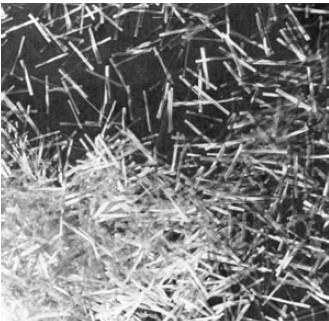
This figure shows ____, a type of glass used for reinforcement.
A) rovings
B) chopped fibers
C) yarns
D) twisted rovings
A) rovings
B) chopped fibers
C) yarns
D) twisted rovings

Question
Question
Question
Question
Question
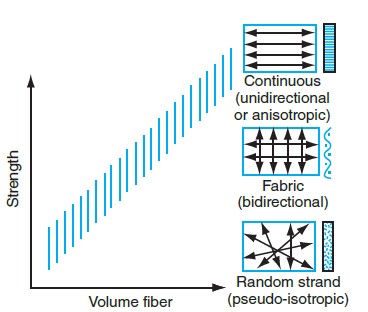
This figure shows that ____ arrangement of fibers provides the highest strength.
A) pseudo-isotropic
B) bidirectional
C) random
D) anisotropic
A) pseudo-isotropic
B) bidirectional
C) random
D) anisotropic
Question
Question
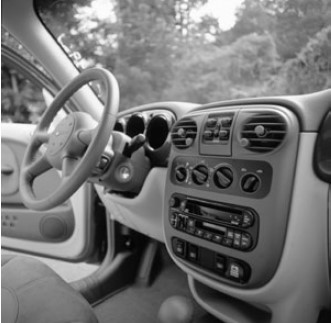
Interior automotive parts require ____ to provide resistance to high temperatures and intense sunlight.
A) flame retardants
B) heat stabilizers
C) antioxidants
D) plasticizers
A) flame retardants
B) heat stabilizers
C) antioxidants
D) plasticizers
Question
Question
Question
Question
Question
Question
Question
Question
Question
Question
Question
Question

Unlock Deck
Sign up to unlock the cards in this deck!
Unlock Deck
Unlock Deck
1/20

Play

Full screen (f)
Deck 7: Ingredients of Plastics
1
This figure shows ____, a type of glass used for reinforcement.
A) rovings
B) chopped fibers
C) yarns
D) twisted rovings
A) rovings
B) chopped fibers
C) yarns
D) twisted rovings
B
2
The breaking of chemical bonds by ____ is the cause for degradation of plastics.
A) pyrolysis
B) oxidation
C) hydrolysis
D) destabilization
A) pyrolysis
B) oxidation
C) hydrolysis
D) destabilization
B
3
An important primary antioxidant is ____.
A) polyethylene
B) thioester
C) phosphite
D) phenolic
A) polyethylene
B) thioester
C) phosphite
D) phenolic
D
4
Which coloring additive provides the most brilliant opaque color?
A) inorganic pigments
B) dyes
C) organic pigments
D) special-effect pigments
A) inorganic pigments
B) dyes
C) organic pigments
D) special-effect pigments
Unlock Deck
Unlock for access to all 20 flashcards in this deck.
Unlock Deck
k this deck
5
Lubricants in plastics production are used for reducing friction and ____.
A) adding tensile strength
B) aiding emulsification
C) reducing heat
D) adding flexibility
A) adding tensile strength
B) aiding emulsification
C) reducing heat
D) adding flexibility
Unlock Deck
Unlock for access to all 20 flashcards in this deck.
Unlock Deck
k this deck
6
This figure shows that ____ arrangement of fibers provides the highest strength.
A) pseudo-isotropic
B) bidirectional
C) random
D) anisotropic
A) pseudo-isotropic
B) bidirectional
C) random
D) anisotropic
Unlock Deck
Unlock for access to all 20 flashcards in this deck.
Unlock Deck
k this deck
7
Plasticizer leaching or loss is an important consideration in terms of ____.
A) increasing opacity
B) resistance to insects
C) contact with food
D) compatibility with resins
A) increasing opacity
B) resistance to insects
C) contact with food
D) compatibility with resins
Unlock Deck
Unlock for access to all 20 flashcards in this deck.
Unlock Deck
k this deck
8
Interior automotive parts require ____ to provide resistance to high temperatures and intense sunlight.
A) flame retardants
B) heat stabilizers
C) antioxidants
D) plasticizers
A) flame retardants
B) heat stabilizers
C) antioxidants
D) plasticizers
Unlock Deck
Unlock for access to all 20 flashcards in this deck.
Unlock Deck
k this deck
9
The best choice for coloring a totally transparent product is a(n) ____.
A) dye
B) organic pigment
C) in organic pigment
D) special-effect pigment
A) dye
B) organic pigment
C) in organic pigment
D) special-effect pigment
Unlock Deck
Unlock for access to all 20 flashcards in this deck.
Unlock Deck
k this deck
10
Ingredients that are added to resins and polymers to improve physical properties of the composite are most accurately known as ____.
A) lubricants
B) plasticizers
C) additives
D) reinforcements
A) lubricants
B) plasticizers
C) additives
D) reinforcements
Unlock Deck
Unlock for access to all 20 flashcards in this deck.
Unlock Deck
k this deck
11
In the past, heat stabilizers were compounds based on ____ and cadmium but these metals posed environmental and health concerns.
A) silver
B) nickel
C) mercury
D) lead
A) silver
B) nickel
C) mercury
D) lead
Unlock Deck
Unlock for access to all 20 flashcards in this deck.
Unlock Deck
k this deck
12
In 1977, tris-BP (tris(2, 3, dibromopropyl) phosphate), which was used as a flame retardant in sleepwear for children, was found to cause mutations and was listed as a probable _____.
A) human reproductive toxicant
B) neurotoxicant
C) carcinogen
D) renal toxicant
A) human reproductive toxicant
B) neurotoxicant
C) carcinogen
D) renal toxicant
Unlock Deck
Unlock for access to all 20 flashcards in this deck.
Unlock Deck
k this deck
13
One of the most important reinforcing materials is _____ which has allowed many parts previously made from metals have been replaced with plastics.
A) carbonaceous materials
B) polymer fibers
C) inorganic fibers
D) fibrous glass
A) carbonaceous materials
B) polymer fibers
C) inorganic fibers
D) fibrous glass
Unlock Deck
Unlock for access to all 20 flashcards in this deck.
Unlock Deck
k this deck
14
Why are nucleating agents added to a polymer?
A) to increase its crystallinity
B) to reduce acidity
C) to improve flexibility
D) to lower its melting point
A) to increase its crystallinity
B) to reduce acidity
C) to improve flexibility
D) to lower its melting point
Unlock Deck
Unlock for access to all 20 flashcards in this deck.
Unlock Deck
k this deck
15
Which plastics product has poor thermal stability and has been the focus of most heat stabilizers ?
A) ABS
B) epoxy
C) PVC
D) polypropylene
A) ABS
B) epoxy
C) PVC
D) polypropylene
Unlock Deck
Unlock for access to all 20 flashcards in this deck.
Unlock Deck
k this deck
16
When a filler is submicron in size, it is termed ____.
A) a nanocomposite
B) isotropic
C) inert
D) anisotropic
A) a nanocomposite
B) isotropic
C) inert
D) anisotropic
Unlock Deck
Unlock for access to all 20 flashcards in this deck.
Unlock Deck
k this deck
17
Reinforcements that consist of unidirectional fibers are called ____.
A) lamina
B) thermoplastic
C) fibrous
D) interfacing
A) lamina
B) thermoplastic
C) fibrous
D) interfacing
Unlock Deck
Unlock for access to all 20 flashcards in this deck.
Unlock Deck
k this deck
18
Foaming agents are used widely in the manufacture of ____.
A) rigid dashboards
B) skylights
C) tool dies
D) seat cushions
A) rigid dashboards
B) skylights
C) tool dies
D) seat cushions
Unlock Deck
Unlock for access to all 20 flashcards in this deck.
Unlock Deck
k this deck
19
W hat are additives that retard the decomposition of a polymer caused by heat, light energy, oxidation, or mechanical shear called?
A) heat stabilizers
B) catalysts
C) blowing agents
D) char barriers
A) heat stabilizers
B) catalysts
C) blowing agents
D) char barriers
Unlock Deck
Unlock for access to all 20 flashcards in this deck.
Unlock Deck
k this deck
20
When chemical, electrical, or light energy excites electrons, the radiation of light is called ____.
A) phosphorescence
B) luminescence
C) iridescence
D) fluorescence
A) phosphorescence
B) luminescence
C) iridescence
D) fluorescence
Unlock Deck
Unlock for access to all 20 flashcards in this deck.
Unlock Deck
k this deck
Unlock Deck
Unlock for access to all 20 flashcards in this deck.






