







 Chat with AI

Deck 33: South and Southeast Asia, 1200 to 1980
Full screen (f)

Question

Question
Question
Question
Question
Question
Question
Question
Question
Question
Question
Question
Question
Question
Question
Question
Question
Question
Question
Question
Question
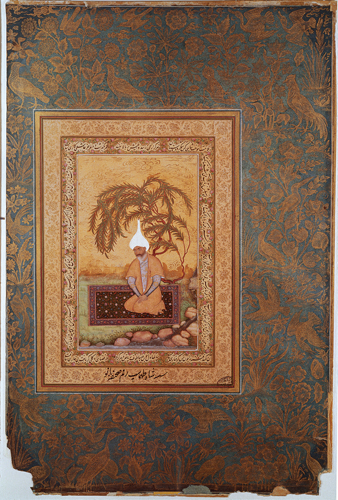
What makes the artist who painted Shah Tamasp unique among the trained Mughal artists of the time?
A) The artist was British.
B) The artist was a woman.
C) The artist was Persian.
D) The artist was elderly.
What makes the artist who painted Shah Tamasp unique among the trained Mughal artists of the time?
A) The artist was British.
B) The artist was a woman.
C) The artist was Persian.
D) The artist was elderly.
Question
Question
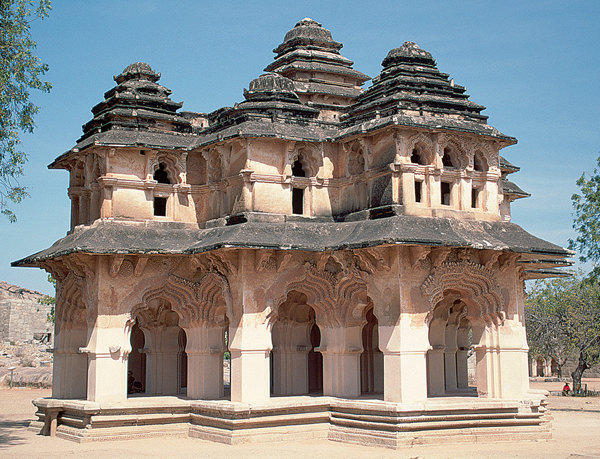
The Lotus Mahal was a sacred center for which group?
A) Mughal
B) Thai
C) Burmese
D) Hindu
The Lotus Mahal was a sacred center for which group?
A) Mughal
B) Thai
C) Burmese
D) Hindu
Question
Question
Question
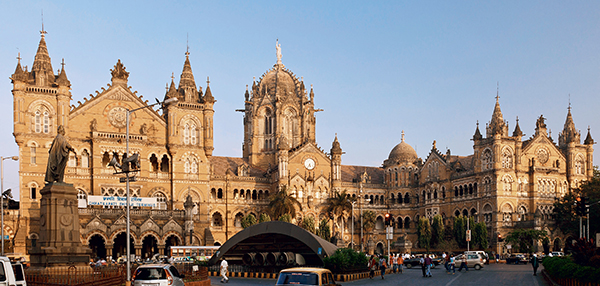
What was the name of this building at the time it was constructed?
A) Taj Mahal
B) Victoria Terminus
C) Emerald Temple
D) Victoria Pagoda
What was the name of this building at the time it was constructed?
A) Taj Mahal
B) Victoria Terminus
C) Emerald Temple
D) Victoria Pagoda
Question
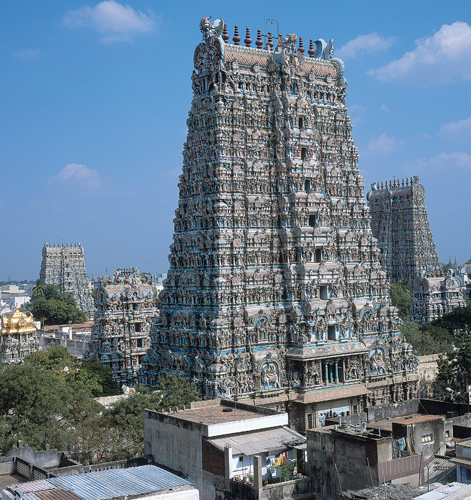
In what century was the Great Temple of Madurai constructed?
A) 19th century
B) 17th century
C) 15th century
D) 20th century
In what century was the Great Temple of Madurai constructed?
A) 19th century
B) 17th century
C) 15th century
D) 20th century
Question
Question
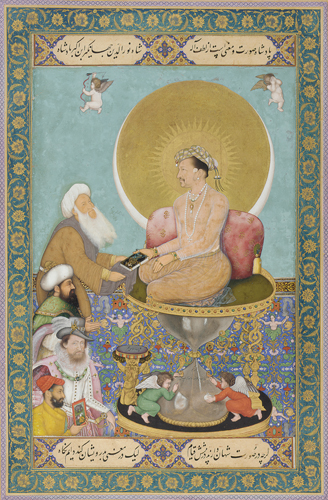
Who is the subject of this painting?
A) Shah Jahan
B) Akbar
C) Jaswant Singh
D) Jahangir
Who is the subject of this painting?
A) Shah Jahan
B) Akbar
C) Jaswant Singh
D) Jahangir
Question
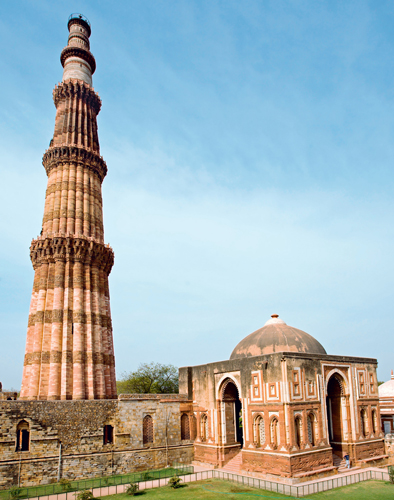
In what modern city is the Qutb Minar located?
A) Agra
B) Madurai
C) Mumbai
D) Delhi
In what modern city is the Qutb Minar located?
A) Agra
B) Madurai
C) Mumbai
D) Delhi
Question
Question
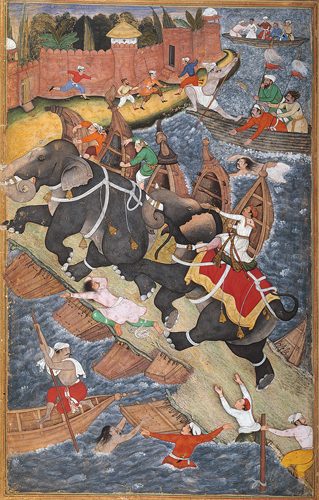
Which leader is portrayed in this miniature?
A) Bichitr
B) Jahangir
C) Akbar
D) Jaswant Singh
Which leader is portrayed in this miniature?
A) Bichitr
B) Jahangir
C) Akbar
D) Jaswant Singh
Question
Question
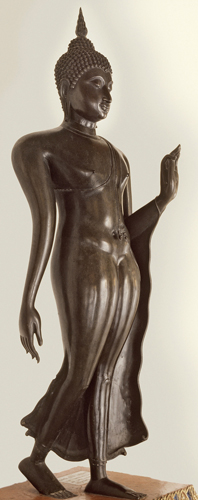
Which modern country developed the walking-Buddha type statue, with its distinctive approach to human anatomy?
A) Vietnam
B) Thailand
C) India
D) Indonesia
Which modern country developed the walking-Buddha type statue, with its distinctive approach to human anatomy?
A) Vietnam
B) Thailand
C) India
D) Indonesia
Question
Question
Question
Question
Question
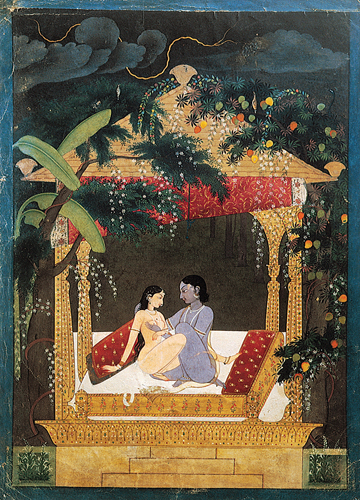
Which Hindu god, shown with blue skin, appears in this miniature from the Punjab Hills?
A) Shiva
B) Ganesha
C) Brahma
D) Krishna
Which Hindu god, shown with blue skin, appears in this miniature from the Punjab Hills?
A) Shiva
B) Ganesha
C) Brahma
D) Krishna
Question
Question
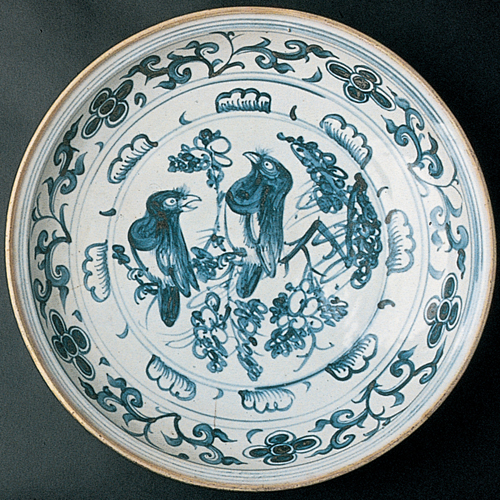
In which modern-day country was this dish produced?
A) Burma
B) Vietnam
C) Thailand
D) Cambodia
In which modern-day country was this dish produced?
A) Burma
B) Vietnam
C) Thailand
D) Cambodia
Question
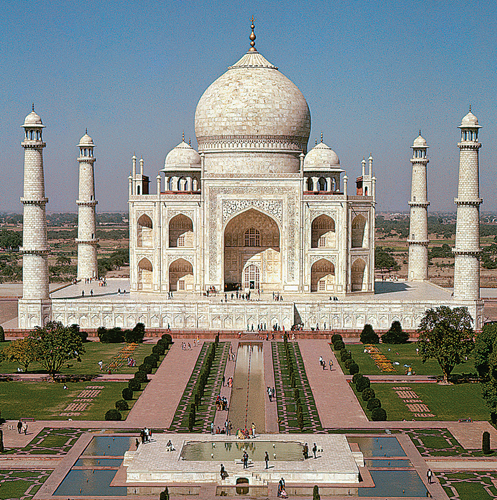
What was the intended function of the Taj Mahal?
A) Shrine
B) Mausoleum
C) Palace
D) Temple
What was the intended function of the Taj Mahal?
A) Shrine
B) Mausoleum
C) Palace
D) Temple
Question
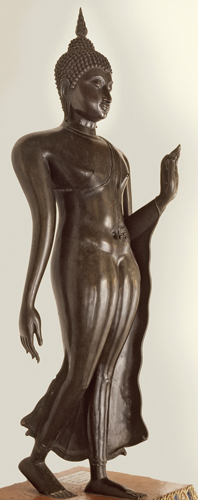
What is the title of this figure?
A) Emerald Buddha
B) Ashoka at Kalinga
C) Akbarnama
D) Walking Buddha
What is the title of this figure?
A) Emerald Buddha
B) Ashoka at Kalinga
C) Akbarnama
D) Walking Buddha
Question
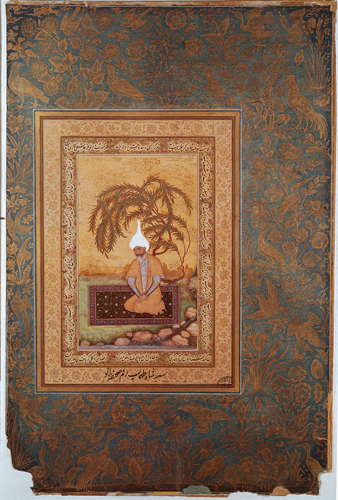
Which artist painted this miniature of Shah Tahmasp?
A) Tagore
B) Hasan and Manohar
C) Anonymous
D) Banu
Which artist painted this miniature of Shah Tahmasp?
A) Tagore
B) Hasan and Manohar
C) Anonymous
D) Banu
Question

What is the name of this structure, which is said to hold several hairs of the Buddha that he gave to two Burmese brothers just after his enlightenment?
A) Emerald Temple
B) Pha That Luang
C) Schwedagon Pagoda
D) Wat Chai Wattanaram
What is the name of this structure, which is said to hold several hairs of the Buddha that he gave to two Burmese brothers just after his enlightenment?
A) Emerald Temple
B) Pha That Luang
C) Schwedagon Pagoda
D) Wat Chai Wattanaram
Question
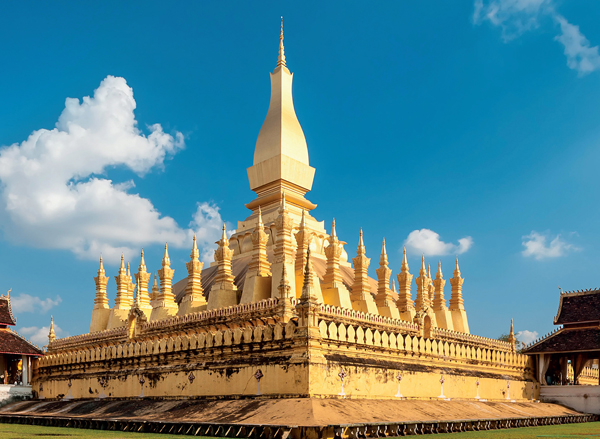
What is the date of the original construction of the Pha That Luang in Laos?
A) 1966
B) 1750
C) 1566
D) 1665
What is the date of the original construction of the Pha That Luang in Laos?
A) 1966
B) 1750
C) 1566
D) 1665
Question
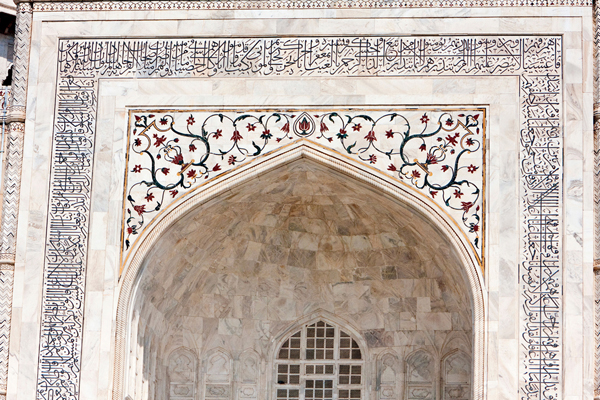
What is the term for the inlaid decorative stonework of the Taj Mahal?
A) Mosaic
B) Intarsia
C) Pietra dura
D) Opus sectile
What is the term for the inlaid decorative stonework of the Taj Mahal?
A) Mosaic
B) Intarsia
C) Pietra dura
D) Opus sectile
Question
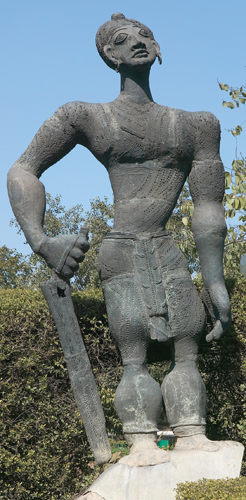
Which artist created Ashoka at Kalinga ?
A) Vivan Sundaram
B) Subhaprasanna Bhattacharjee
C) Meera Mukherjee
D) Surendran Nair
Which artist created Ashoka at Kalinga ?
A) Vivan Sundaram
B) Subhaprasanna Bhattacharjee
C) Meera Mukherjee
D) Surendran Nair
Question
Question
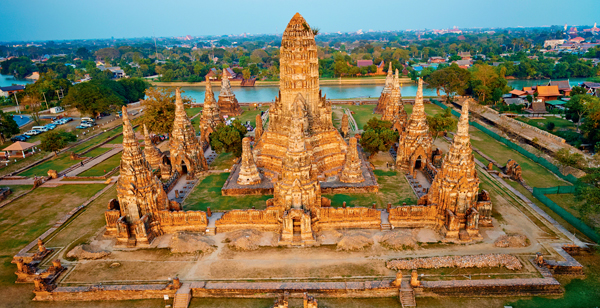
What term do art historian use for the stupa towers of Thai temple complexes such as the one at Wat Chai Wattanaram?
A) Wat
B) Pagoda
C) Pagan
D) Prang
What term do art historian use for the stupa towers of Thai temple complexes such as the one at Wat Chai Wattanaram?
A) Wat
B) Pagoda
C) Pagan
D) Prang

Unlock Deck
Sign up to unlock the cards in this deck!
Unlock Deck
Unlock Deck
1/50

Play

Full screen (f)
Deck 33: South and Southeast Asia, 1200 to 1980
1
A confederacy of Deccan sultanates was responsible for ending the reign of which power in southern India?
A) Babur Empire
B) Delhi Sultanate
C) Vijayanagar Empire
D) Mughal Empire
A) Babur Empire
B) Delhi Sultanate
C) Vijayanagar Empire
D) Mughal Empire
C
2
To which divine being is the Great Temple at Madurai dedicated?
A) Vishnu and his consort
B) Devi and Durga
C) Parvati and her consort
D) Shiva and his consort
A) Vishnu and his consort
B) Devi and Durga
C) Parvati and her consort
D) Shiva and his consort
D
3
Who commissioned the Taj Mahal?
A) Darbar of Jahangir
B) Mumtaz Mahal
C) Shah Jahan
D) Chatar Muni
A) Darbar of Jahangir
B) Mumtaz Mahal
C) Shah Jahan
D) Chatar Muni
C
4
Who established the Delhi sultanate in 1206?
A) Muhammad of Ghor
B) Qutb al-Din Aybak
C) Akbar the Great
D) Shah Tahmasp
A) Muhammad of Ghor
B) Qutb al-Din Aybak
C) Akbar the Great
D) Shah Tahmasp
Unlock Deck
Unlock for access to all 50 flashcards in this deck.
Unlock Deck
k this deck
5
What does the Emerald Buddha represent for Thai kings?
A) Kinship with Buddha
B) Religious authority
C) Both religious and secular authority
D) Secular authority
A) Kinship with Buddha
B) Religious authority
C) Both religious and secular authority
D) Secular authority
Unlock Deck
Unlock for access to all 50 flashcards in this deck.
Unlock Deck
k this deck
6
Where is the Taj Mahal?
A) Bombay
B) Madurai
C) New Delhi
D) Agra
A) Bombay
B) Madurai
C) New Delhi
D) Agra
Unlock Deck
Unlock for access to all 50 flashcards in this deck.
Unlock Deck
k this deck
7
The architect of the Taj Mahal achieved a balance between verticality and horizontality by doing which of the following?
A) Including a reflective pool of water
B) Adhering to a strict system of proportions
C) Surrounding the structure with minarets
D) Arranging gardens along the pool of water
A) Including a reflective pool of water
B) Adhering to a strict system of proportions
C) Surrounding the structure with minarets
D) Arranging gardens along the pool of water
Unlock Deck
Unlock for access to all 50 flashcards in this deck.
Unlock Deck
k this deck
8
Which of the following elements of the Lotus Mahal exemplifies the stylistic crosscurrents that typify Indian architecture in the second millennium?
A) Height of the stupa
B) Distinctive multilobed arches
C) Circular design of the enclosure
D) Buddha in his First Incarnation relief
A) Height of the stupa
B) Distinctive multilobed arches
C) Circular design of the enclosure
D) Buddha in his First Incarnation relief
Unlock Deck
Unlock for access to all 50 flashcards in this deck.
Unlock Deck
k this deck
9
In Krishna and Radha in a Pavilion , which of the following was a setting for the lovers' tryst?
A) A crowded and open marketplace
B) The imperial audience chamber
C) The courtyard of the palace
D) A lush garden at night with lightning
A) A crowded and open marketplace
B) The imperial audience chamber
C) The courtyard of the palace
D) A lush garden at night with lightning
Unlock Deck
Unlock for access to all 50 flashcards in this deck.
Unlock Deck
k this deck
10
When did the British first arrive in India?
A) 17th century
B) 18th century
C) 16th century
D) 19th century
A) 17th century
B) 18th century
C) 16th century
D) 19th century
Unlock Deck
Unlock for access to all 50 flashcards in this deck.
Unlock Deck
k this deck
11
Which of the following artworks most clearly represents the dual nature of the Buddha?
A) Walking Buddha
B) Meditating Buddha
C) Emerald Buddha
D) Ashoka at Kalinga
A) Walking Buddha
B) Meditating Buddha
C) Emerald Buddha
D) Ashoka at Kalinga
Unlock Deck
Unlock for access to all 50 flashcards in this deck.
Unlock Deck
k this deck
12
What architectural component was NOT included in the architectural complex of Vijayanagara's sacred center?
A) Garbha griha
B) Pillared halls
C) Vimana
D) Stupa
A) Garbha griha
B) Pillared halls
C) Vimana
D) Stupa
Unlock Deck
Unlock for access to all 50 flashcards in this deck.
Unlock Deck
k this deck
13
Which of the following was a preferred subject of paintings commissioned by the rulers of Punjab Hills states?
A) Stories of the love of Jahangir and Mumtaz Mahal
B) Stories of the Mughal conquest of India
C) Stories of the loves of Krishna, avatar of Vishnu
D) Stories of the holy and reverent life of Muhammad
A) Stories of the love of Jahangir and Mumtaz Mahal
B) Stories of the Mughal conquest of India
C) Stories of the loves of Krishna, avatar of Vishnu
D) Stories of the holy and reverent life of Muhammad
Unlock Deck
Unlock for access to all 50 flashcards in this deck.
Unlock Deck
k this deck
14
What explains the soaring height of the Qutb Minar (minaret) in Delhi?
A) It is a monument to Arabs in Delhi.
B) It is a monument to the victory of Islam in Delhi.
C) It is a monument to Persians in Delhi.
D) It is a monument to Iltutmish in Delhi.
A) It is a monument to Arabs in Delhi.
B) It is a monument to the victory of Islam in Delhi.
C) It is a monument to Persians in Delhi.
D) It is a monument to Iltutmish in Delhi.
Unlock Deck
Unlock for access to all 50 flashcards in this deck.
Unlock Deck
k this deck
15
Which of the following describes the structural elements referred to as gopuras that are found in temple complexes in the far south of India?
A) Small fountains
B) Gateway towers
C) Enclosure walls
D) Carved pillars
A) Small fountains
B) Gateway towers
C) Enclosure walls
D) Carved pillars
Unlock Deck
Unlock for access to all 50 flashcards in this deck.
Unlock Deck
k this deck
16
Emperor Humayun persuaded two Persian masters to move to his imperial court and teach which of the following?
A) The art of metalwork
B) The art of calligraphy
C) The art of painting
D) The art of weaving
A) The art of metalwork
B) The art of calligraphy
C) The art of painting
D) The art of weaving
Unlock Deck
Unlock for access to all 50 flashcards in this deck.
Unlock Deck
k this deck
17
What is the subject of the rich decorative program of the Great Temple at Madurai?
A) Life and death of the Buddha
B) The path to enlightenment
C) Combined lives of Buddha and Shiva
D) Pantheon of Hindu deities and attendants
A) Life and death of the Buddha
B) The path to enlightenment
C) Combined lives of Buddha and Shiva
D) Pantheon of Hindu deities and attendants
Unlock Deck
Unlock for access to all 50 flashcards in this deck.
Unlock Deck
k this deck
18
Which of the following represents a difference between Rajput painting and Mughal and Persian painting?
A) Rajput artists were trained by Mughal court painters.
B) Rajput artists included a reference to Allah in their paintings.
C) Rajput artists inserted small self-portraits into the painting.
D) Most Rajput artists were satisfied remaining anonymous.
A) Rajput artists were trained by Mughal court painters.
B) Rajput artists included a reference to Allah in their paintings.
C) Rajput artists inserted small self-portraits into the painting.
D) Most Rajput artists were satisfied remaining anonymous.
Unlock Deck
Unlock for access to all 50 flashcards in this deck.
Unlock Deck
k this deck
19
Which of the following describes the architectural design used for early Islamic mausoleums In India?
A) Cruciform design
B) Dome-on-cube design
C) Circular design
D) Basilican design
A) Cruciform design
B) Dome-on-cube design
C) Circular design
D) Basilican design
Unlock Deck
Unlock for access to all 50 flashcards in this deck.
Unlock Deck
k this deck
20
The Emerald Buddha from northern Thailand is probably made of what material?
A) Emerald
B) Green jade
C) Green pumice
D) Green plaster
A) Emerald
B) Green jade
C) Green pumice
D) Green plaster
Unlock Deck
Unlock for access to all 50 flashcards in this deck.
Unlock Deck
k this deck
21
What makes the artist who painted Shah Tamasp unique among the trained Mughal artists of the time?
A) The artist was British.
B) The artist was a woman.
C) The artist was Persian.
D) The artist was elderly.
What makes the artist who painted Shah Tamasp unique among the trained Mughal artists of the time?
A) The artist was British.
B) The artist was a woman.
C) The artist was Persian.
D) The artist was elderly.
Unlock Deck
Unlock for access to all 50 flashcards in this deck.
Unlock Deck
k this deck
22
India gained independence from the British in what year?
A) 1847
B) 1947
C) 1747
D) 1647
A) 1847
B) 1947
C) 1747
D) 1647
Unlock Deck
Unlock for access to all 50 flashcards in this deck.
Unlock Deck
k this deck
23
The Lotus Mahal was a sacred center for which group?
A) Mughal
B) Thai
C) Burmese
D) Hindu
The Lotus Mahal was a sacred center for which group?
A) Mughal
B) Thai
C) Burmese
D) Hindu
Unlock Deck
Unlock for access to all 50 flashcards in this deck.
Unlock Deck
k this deck
24
How were Indian miniatures intended to be viewed?
A) Hung on walls
B) Held in the hands
C) In frames
D) In large groups
A) Hung on walls
B) Held in the hands
C) In frames
D) In large groups
Unlock Deck
Unlock for access to all 50 flashcards in this deck.
Unlock Deck
k this deck
25
The British conceived of the Victoria Terminus as which of the following?
A) The official residence of the British governor
B) A cathedral to modernization
C) A cathedral for Christian worship
D) The home office of the East India Company
A) The official residence of the British governor
B) A cathedral to modernization
C) A cathedral for Christian worship
D) The home office of the East India Company
Unlock Deck
Unlock for access to all 50 flashcards in this deck.
Unlock Deck
k this deck
26
What was the name of this building at the time it was constructed?
A) Taj Mahal
B) Victoria Terminus
C) Emerald Temple
D) Victoria Pagoda
What was the name of this building at the time it was constructed?
A) Taj Mahal
B) Victoria Terminus
C) Emerald Temple
D) Victoria Pagoda
Unlock Deck
Unlock for access to all 50 flashcards in this deck.
Unlock Deck
k this deck
27
In what century was the Great Temple of Madurai constructed?
A) 19th century
B) 17th century
C) 15th century
D) 20th century
In what century was the Great Temple of Madurai constructed?
A) 19th century
B) 17th century
C) 15th century
D) 20th century
Unlock Deck
Unlock for access to all 50 flashcards in this deck.
Unlock Deck
k this deck
28
The portrait of Jaswant Singh was created in which of the following media?
A) Wall mural
B) Oil on canvas
C) Daguerreotype
D) Watercolor on paper
A) Wall mural
B) Oil on canvas
C) Daguerreotype
D) Watercolor on paper
Unlock Deck
Unlock for access to all 50 flashcards in this deck.
Unlock Deck
k this deck
29
Who is the subject of this painting?
A) Shah Jahan
B) Akbar
C) Jaswant Singh
D) Jahangir
Who is the subject of this painting?
A) Shah Jahan
B) Akbar
C) Jaswant Singh
D) Jahangir
Unlock Deck
Unlock for access to all 50 flashcards in this deck.
Unlock Deck
k this deck
30
In what modern city is the Qutb Minar located?
A) Agra
B) Madurai
C) Mumbai
D) Delhi
In what modern city is the Qutb Minar located?
A) Agra
B) Madurai
C) Mumbai
D) Delhi
Unlock Deck
Unlock for access to all 50 flashcards in this deck.
Unlock Deck
k this deck
31
The Portuguese Jesuits presented the Royal Polyglot Bible to which ruler?
A) Bichitr
B) Jahangir
C) Muhammad
D) Akbar
A) Bichitr
B) Jahangir
C) Muhammad
D) Akbar
Unlock Deck
Unlock for access to all 50 flashcards in this deck.
Unlock Deck
k this deck
32
Which leader is portrayed in this miniature?
A) Bichitr
B) Jahangir
C) Akbar
D) Jaswant Singh
Which leader is portrayed in this miniature?
A) Bichitr
B) Jahangir
C) Akbar
D) Jaswant Singh
Unlock Deck
Unlock for access to all 50 flashcards in this deck.
Unlock Deck
k this deck
33
Which of the following areas of 16th-century Indonesia was NOT predominantly Muslim?
A) East Timor
B) Bali
C) Java
D) Sumatra
A) East Timor
B) Bali
C) Java
D) Sumatra
Unlock Deck
Unlock for access to all 50 flashcards in this deck.
Unlock Deck
k this deck
34
Which modern country developed the walking-Buddha type statue, with its distinctive approach to human anatomy?
A) Vietnam
B) Thailand
C) India
D) Indonesia
Which modern country developed the walking-Buddha type statue, with its distinctive approach to human anatomy?
A) Vietnam
B) Thailand
C) India
D) Indonesia
Unlock Deck
Unlock for access to all 50 flashcards in this deck.
Unlock Deck
k this deck
35
Which literary work inspired the production of hundreds of miniature paintings by Rajput artists in the 15th century?
A) Mahabharata
B) Gita Govinda
C) Ramayana
D) Bhagavata Purana
A) Mahabharata
B) Gita Govinda
C) Ramayana
D) Bhagavata Purana
Unlock Deck
Unlock for access to all 50 flashcards in this deck.
Unlock Deck
k this deck
36
Which of the following religions was growing as a political and religious force in 13th-century India?
A) Daoism
B) Buddhism
C) Christianity
D) Islam
A) Daoism
B) Buddhism
C) Christianity
D) Islam
Unlock Deck
Unlock for access to all 50 flashcards in this deck.
Unlock Deck
k this deck
37
Which of the following pairings represents the two worlds of Jaswant Singh as seen in his portrait?
A) Sword and riding boots
B) Curled beard and turban
C) Necklace bib of emeralds and Order of the Star of India
D) Chair and bouquet
A) Sword and riding boots
B) Curled beard and turban
C) Necklace bib of emeralds and Order of the Star of India
D) Chair and bouquet
Unlock Deck
Unlock for access to all 50 flashcards in this deck.
Unlock Deck
k this deck
38
In depicting the tale of Akbar and the wild elephant, which of the following devices did Basawan utilize to detail the chaos and danger?
A) Single ground line
B) Vivid gestures of figures
C) Low horizon line
D) Muted and hazy colors
A) Single ground line
B) Vivid gestures of figures
C) Low horizon line
D) Muted and hazy colors
Unlock Deck
Unlock for access to all 50 flashcards in this deck.
Unlock Deck
k this deck
39
Which Hindu god, shown with blue skin, appears in this miniature from the Punjab Hills?
A) Shiva
B) Ganesha
C) Brahma
D) Krishna
Which Hindu god, shown with blue skin, appears in this miniature from the Punjab Hills?
A) Shiva
B) Ganesha
C) Brahma
D) Krishna
Unlock Deck
Unlock for access to all 50 flashcards in this deck.
Unlock Deck
k this deck
40
Who did the Hindu painter Bichitr include in his portrait of Jahangir?
A) A portrait of Louis XIV of France
B) A portrait of Peter the Great
C) A portrait of James I of England
D) A portrait of George Washington
A) A portrait of Louis XIV of France
B) A portrait of Peter the Great
C) A portrait of James I of England
D) A portrait of George Washington
Unlock Deck
Unlock for access to all 50 flashcards in this deck.
Unlock Deck
k this deck
41
In which modern-day country was this dish produced?
A) Burma
B) Vietnam
C) Thailand
D) Cambodia
In which modern-day country was this dish produced?
A) Burma
B) Vietnam
C) Thailand
D) Cambodia
Unlock Deck
Unlock for access to all 50 flashcards in this deck.
Unlock Deck
k this deck
42
What was the intended function of the Taj Mahal?
A) Shrine
B) Mausoleum
C) Palace
D) Temple
What was the intended function of the Taj Mahal?
A) Shrine
B) Mausoleum
C) Palace
D) Temple
Unlock Deck
Unlock for access to all 50 flashcards in this deck.
Unlock Deck
k this deck
43
What is the title of this figure?
A) Emerald Buddha
B) Ashoka at Kalinga
C) Akbarnama
D) Walking Buddha
What is the title of this figure?
A) Emerald Buddha
B) Ashoka at Kalinga
C) Akbarnama
D) Walking Buddha
Unlock Deck
Unlock for access to all 50 flashcards in this deck.
Unlock Deck
k this deck
44
Which artist painted this miniature of Shah Tahmasp?
A) Tagore
B) Hasan and Manohar
C) Anonymous
D) Banu
Which artist painted this miniature of Shah Tahmasp?
A) Tagore
B) Hasan and Manohar
C) Anonymous
D) Banu
Unlock Deck
Unlock for access to all 50 flashcards in this deck.
Unlock Deck
k this deck
45
What is the name of this structure, which is said to hold several hairs of the Buddha that he gave to two Burmese brothers just after his enlightenment?
A) Emerald Temple
B) Pha That Luang
C) Schwedagon Pagoda
D) Wat Chai Wattanaram
What is the name of this structure, which is said to hold several hairs of the Buddha that he gave to two Burmese brothers just after his enlightenment?
A) Emerald Temple
B) Pha That Luang
C) Schwedagon Pagoda
D) Wat Chai Wattanaram
Unlock Deck
Unlock for access to all 50 flashcards in this deck.
Unlock Deck
k this deck
46
What is the date of the original construction of the Pha That Luang in Laos?
A) 1966
B) 1750
C) 1566
D) 1665
What is the date of the original construction of the Pha That Luang in Laos?
A) 1966
B) 1750
C) 1566
D) 1665
Unlock Deck
Unlock for access to all 50 flashcards in this deck.
Unlock Deck
k this deck
47
What is the term for the inlaid decorative stonework of the Taj Mahal?
A) Mosaic
B) Intarsia
C) Pietra dura
D) Opus sectile
What is the term for the inlaid decorative stonework of the Taj Mahal?
A) Mosaic
B) Intarsia
C) Pietra dura
D) Opus sectile
Unlock Deck
Unlock for access to all 50 flashcards in this deck.
Unlock Deck
k this deck
48
Which artist created Ashoka at Kalinga ?
A) Vivan Sundaram
B) Subhaprasanna Bhattacharjee
C) Meera Mukherjee
D) Surendran Nair
Which artist created Ashoka at Kalinga ?
A) Vivan Sundaram
B) Subhaprasanna Bhattacharjee
C) Meera Mukherjee
D) Surendran Nair
Unlock Deck
Unlock for access to all 50 flashcards in this deck.
Unlock Deck
k this deck
49
What process allowed the manuscript painter to transfer the preliminary sketch onto the paper?
A) Inking
B) Calligraphy
C) Pouncing
D) Cartooning
A) Inking
B) Calligraphy
C) Pouncing
D) Cartooning
Unlock Deck
Unlock for access to all 50 flashcards in this deck.
Unlock Deck
k this deck
50
What term do art historian use for the stupa towers of Thai temple complexes such as the one at Wat Chai Wattanaram?
A) Wat
B) Pagoda
C) Pagan
D) Prang
What term do art historian use for the stupa towers of Thai temple complexes such as the one at Wat Chai Wattanaram?
A) Wat
B) Pagoda
C) Pagan
D) Prang
Unlock Deck
Unlock for access to all 50 flashcards in this deck.
Unlock Deck
k this deck
Unlock Deck
Unlock for access to all 50 flashcards in this deck.






