







 Chat with AI

Deck 2: Origins of the Cold War
Full screen (f)

Question

Question
Question
Question
Question
Question
Question
Question
Question
Question
Question
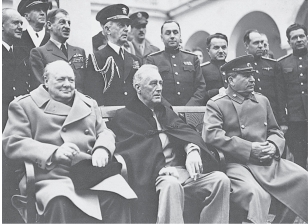
-This image of Churchill, Roosevelt, and Stalin at Yalta represents
A) One of the face-to-face meetings of the three leaders during the war
B) A pre-war negotiation of the alliance between the US, USSR, and UK.
C) A celebration of the end of World War II
D) An attempt at appeasing Hitler's desire for territory through a mutual conference
Question
Question
Question
Question
Question
Question
Question
Question
Question
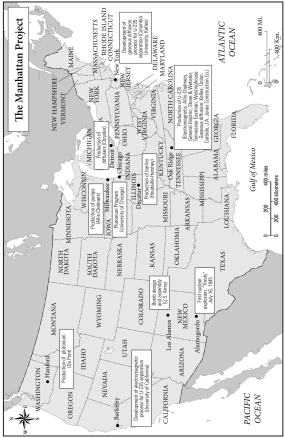
-How does this map reflect a new kind of collaboration between industry and government on the Manhattan Project?
A) It shows that the majority of the atomic bomb was built on military bases
B) It shows industry using government facilities to produce the atomic bomb
C) It shows that military schools played a pivotal role in developing bomb technology
D) It shows the various companies across the country who produced components for the atomic bomb, which was assembled and tested by the military

Unlock Deck
Sign up to unlock the cards in this deck!
Unlock Deck
Unlock Deck
1/20

Play

Full screen (f)
Deck 2: Origins of the Cold War
1
Soviet suspicion of the United States went back to
A) World War I
B) The hostile US reaction to the Bolshevik revolution
C) Disagreements between Roosevelt and Stalin during World War II
D) The Berlin Blockade
A) World War I
B) The hostile US reaction to the Bolshevik revolution
C) Disagreements between Roosevelt and Stalin during World War II
D) The Berlin Blockade
B
2
Unlike the Soviets, the US presented its foreign policy as based in
A) Isolationism
B) National self-interest
C) Morals and idealism
D) Reluctant leadership
A) Isolationism
B) National self-interest
C) Morals and idealism
D) Reluctant leadership
C
3
The Soviet Union's priority during World War II was to gain
A) Security
B) Free trade
C) The free exchange of ideas
D) The victory of the working class
A) Security
B) Free trade
C) The free exchange of ideas
D) The victory of the working class
A
4
Soviet deaths during World War II totaled
A) About 300,000
B) Over 1 million
C) Around 10 million
D) Over 18 million
A) About 300,000
B) Over 1 million
C) Around 10 million
D) Over 18 million
Unlock Deck
Unlock for access to all 20 flashcards in this deck.
Unlock Deck
k this deck
5
Roosevelt focused on the lend-lease program early in the war and personally intervened to rush shipments of supplies to the Soviet Union
A) In order to build trust between the two countries
B) Because he understood how much the USSR was suffering from the Nazi invasion
C) Because American lives were being saved by the damage the Soviets were inflicting on the Nazi armies
D) All of the above
A) In order to build trust between the two countries
B) Because he understood how much the USSR was suffering from the Nazi invasion
C) Because American lives were being saved by the damage the Soviets were inflicting on the Nazi armies
D) All of the above
Unlock Deck
Unlock for access to all 20 flashcards in this deck.
Unlock Deck
k this deck
6
One of the primary problems with the lend-lease program was
A) German submarine assaults that sunk thousands of tons of supplies
B) The slowness of American industrial retooling
C) American reluctance to share resources
D) Lack of raw materials
A) German submarine assaults that sunk thousands of tons of supplies
B) The slowness of American industrial retooling
C) American reluctance to share resources
D) Lack of raw materials
Unlock Deck
Unlock for access to all 20 flashcards in this deck.
Unlock Deck
k this deck
7
The Soviets pushed for the establishment of a second, western front in Europe because
A) They wanted sole credit for defeating the Nazis
B) A second front would draw German divisions into France and out of Russia
C) Stalin thought it would give his allies an idea of what the Soviets had been facing since 1939
D) They hoped it would aid the Soviet goals of territorial acquisition in Europe
A) They wanted sole credit for defeating the Nazis
B) A second front would draw German divisions into France and out of Russia
C) Stalin thought it would give his allies an idea of what the Soviets had been facing since 1939
D) They hoped it would aid the Soviet goals of territorial acquisition in Europe
Unlock Deck
Unlock for access to all 20 flashcards in this deck.
Unlock Deck
k this deck
8
The Americans and British wanted a peace guided by universalism, meaning
A) Each country liberated from Germany would have the opportunity to determine its own political structure
B) Europe would be split into two spheres of influence: American and Soviet
C) One, united European government
D) A requirement for democratic governments throughout Europe
A) Each country liberated from Germany would have the opportunity to determine its own political structure
B) Europe would be split into two spheres of influence: American and Soviet
C) One, united European government
D) A requirement for democratic governments throughout Europe
Unlock Deck
Unlock for access to all 20 flashcards in this deck.
Unlock Deck
k this deck
9
Instead of supporting self-determination by the people, the Allies negotiated with Fascist governments in
A) Germany
B) France
C) The USSR
D) Italy
A) Germany
B) France
C) The USSR
D) Italy
Unlock Deck
Unlock for access to all 20 flashcards in this deck.
Unlock Deck
k this deck
10
The US and British legitimized the Soviet desire to unilaterally create governments in eastern Europe by
A) Refusing to go to war over them
B) Signing a treaty that allocated this sphere of influence to the Soviets
C) Doing the same thing in Italy and North Africa
D) All of the above
A) Refusing to go to war over them
B) Signing a treaty that allocated this sphere of influence to the Soviets
C) Doing the same thing in Italy and North Africa
D) All of the above
Unlock Deck
Unlock for access to all 20 flashcards in this deck.
Unlock Deck
k this deck
11
-This image of Churchill, Roosevelt, and Stalin at Yalta represents
A) One of the face-to-face meetings of the three leaders during the war
B) A pre-war negotiation of the alliance between the US, USSR, and UK.
C) A celebration of the end of World War II
D) An attempt at appeasing Hitler's desire for territory through a mutual conference
Unlock Deck
Unlock for access to all 20 flashcards in this deck.
Unlock Deck
k this deck
12
By the end of the war, most well-informed Americans believed
A) That Soviet suspicion of Western Europe was rational, given repeated invasions of Russian territory
B) That Soviet representatives tended to mean what they said
C) That Stalin was a homicidal maniac bent on world domination
D) That Stalin was far less of a threat than Hitler.
A) That Soviet suspicion of Western Europe was rational, given repeated invasions of Russian territory
B) That Soviet representatives tended to mean what they said
C) That Stalin was a homicidal maniac bent on world domination
D) That Stalin was far less of a threat than Hitler.
Unlock Deck
Unlock for access to all 20 flashcards in this deck.
Unlock Deck
k this deck
13
Roosevelt felt that the best way to deal with the Soviets was to
A) Assume they shared the same ideals and goals as Americans
B) Dictate terms to them in order to prevent them from running rampant throughout Europe
C) Forge a path of mutual accommodation that would sustain a mutual partnership through disagreements
D) Convince the Soviets that American ways were better than theirs
A) Assume they shared the same ideals and goals as Americans
B) Dictate terms to them in order to prevent them from running rampant throughout Europe
C) Forge a path of mutual accommodation that would sustain a mutual partnership through disagreements
D) Convince the Soviets that American ways were better than theirs
Unlock Deck
Unlock for access to all 20 flashcards in this deck.
Unlock Deck
k this deck
14
Roosevelt's belief that he could build trust with the Soviet government and with Stalin rested on
A) His belief in their inherent goodness
B) His belief in their basic pragmatism
C) His belief in the skill and professionalism of US diplomats
D) His belief in his own ability to develop a personal relationship of trust
A) His belief in their inherent goodness
B) His belief in their basic pragmatism
C) His belief in the skill and professionalism of US diplomats
D) His belief in his own ability to develop a personal relationship of trust
Unlock Deck
Unlock for access to all 20 flashcards in this deck.
Unlock Deck
k this deck
15
President Roosevelt died in
A) June of 1944
B) April of 1945
C) August of 1945
D) December of 1946
A) June of 1944
B) April of 1945
C) August of 1945
D) December of 1946
Unlock Deck
Unlock for access to all 20 flashcards in this deck.
Unlock Deck
k this deck
16
Which of the following is not one of the major causes of the Cold War?
A) The future of Germany
B) Colonialism in Africa
C) The economic reconstruction of Europe
D) Poland
A) The future of Germany
B) Colonialism in Africa
C) The economic reconstruction of Europe
D) Poland
Unlock Deck
Unlock for access to all 20 flashcards in this deck.
Unlock Deck
k this deck
17
The Soviets demanded a postwar Polish government friendly to themselves in order to
A) Ensure their border security
B) Serve as a base for invasion of Europe should it ever be necessary
C) Advance communism in Europe
D) Exploit Poland's natural resources
A) Ensure their border security
B) Serve as a base for invasion of Europe should it ever be necessary
C) Advance communism in Europe
D) Exploit Poland's natural resources
Unlock Deck
Unlock for access to all 20 flashcards in this deck.
Unlock Deck
k this deck
18
Many Western diplomats suspected that the Soviet army allowed the Nazis to crush resistance in Warsaw in 1944 because
A) The Warsaw Poles supported a pro-Soviet government
B) Of logistical difficulties
C) The Warsaw Poles wanted a democratically elected government
D) They were predominately Jewish
A) The Warsaw Poles supported a pro-Soviet government
B) Of logistical difficulties
C) The Warsaw Poles wanted a democratically elected government
D) They were predominately Jewish
Unlock Deck
Unlock for access to all 20 flashcards in this deck.
Unlock Deck
k this deck
19
At Yalta, Roosevelt hoped to convince Stalin to
A) Allow immediate free and fair elections throughout eastern Europe
B) Publicly commit to future elections to satisfy American scruples
C) Allow open economies and free trade throughout Europe
D) End colonialism
A) Allow immediate free and fair elections throughout eastern Europe
B) Publicly commit to future elections to satisfy American scruples
C) Allow open economies and free trade throughout Europe
D) End colonialism
Unlock Deck
Unlock for access to all 20 flashcards in this deck.
Unlock Deck
k this deck
20
-How does this map reflect a new kind of collaboration between industry and government on the Manhattan Project?
A) It shows that the majority of the atomic bomb was built on military bases
B) It shows industry using government facilities to produce the atomic bomb
C) It shows that military schools played a pivotal role in developing bomb technology
D) It shows the various companies across the country who produced components for the atomic bomb, which was assembled and tested by the military
Unlock Deck
Unlock for access to all 20 flashcards in this deck.
Unlock Deck
k this deck
Unlock Deck
Unlock for access to all 20 flashcards in this deck.






