







 Chat with AI

Deck 8: Becoming Imperial: Japan to 1895
Full screen (f)

Question

Question
Question
Question
Question
Question
Question
Question
Question
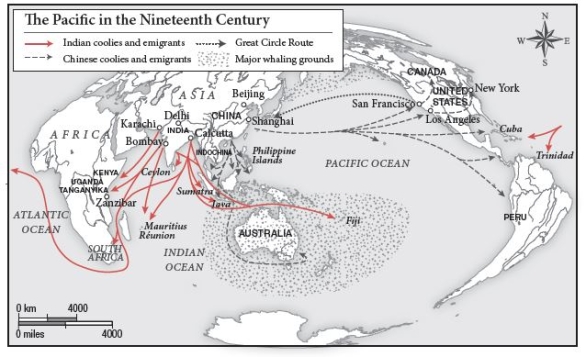
-Looking at Map 8.3, in the nineteenth century Japan had an advantage in trade with ________.
A) San Francisco
B) Australia
C) the Americas' Pacific coasts
D) island Southeast Asia
Question
Question
Question
Question
Question
Question
Question
Question
Question
Question
Question

-The image "The 'Floating World'" reflects this culture's ________ values.
A) practical
B) military
C) spiritual
D) refined

Unlock Deck
Sign up to unlock the cards in this deck!
Unlock Deck
Unlock Deck
1/20

Play

Full screen (f)
Deck 8: Becoming Imperial: Japan to 1895
1
Which of these ruled Japan in the thirteenth century?
A) the Kamakura Shogunate
B) Ashikaga Takauji and his descendants
C) the Emperor Meiji
D) the Mongols
A) the Kamakura Shogunate
B) Ashikaga Takauji and his descendants
C) the Emperor Meiji
D) the Mongols
A
2
Which of these describe Go-Daigo's revolt?
A) an emperor's attempt to reassert imperial authority
B) the bakufu's revolt against the emperor
C) a shogun's usurpation of imperial authority
D) a daimyo uprising against the shogunate
A) an emperor's attempt to reassert imperial authority
B) the bakufu's revolt against the emperor
C) a shogun's usurpation of imperial authority
D) a daimyo uprising against the shogunate
A
3
It is most accurate to say that the bushido ________ the urbane side of Japanese life.
A) opposed
B) appreciated
C) had no idea of
D) actively repressed
A) opposed
B) appreciated
C) had no idea of
D) actively repressed
B
4
Which of these led to Toyotomi Hideyoshi's decision to invade Korea?
A) Korea's development of the turtle ship
B) the Qing rise to power
C) arrival of European missionaries
D) subduing the daimyo
A) Korea's development of the turtle ship
B) the Qing rise to power
C) arrival of European missionaries
D) subduing the daimyo
Unlock Deck
Unlock for access to all 20 flashcards in this deck.
Unlock Deck
k this deck
5
The goal of the sankin kotai was to ________.
A) unify Japan under imperial rule
B) weaken the daimyo
C) confirm samurai authority
D) strengthen the army
A) unify Japan under imperial rule
B) weaken the daimyo
C) confirm samurai authority
D) strengthen the army
Unlock Deck
Unlock for access to all 20 flashcards in this deck.
Unlock Deck
k this deck
6
The place of the military classes in Japan ________ Confucian values.
A) conformed to
B) defied
C) varied from
D) was a slight modification of
A) conformed to
B) defied
C) varied from
D) was a slight modification of
Unlock Deck
Unlock for access to all 20 flashcards in this deck.
Unlock Deck
k this deck
7
Because of shogunate policy Japanese armaments were ________ in the 1850s.
A) on a par with industrialized nations
B) the most advanced in the world
C) totally outdated
D) below average
A) on a par with industrialized nations
B) the most advanced in the world
C) totally outdated
D) below average
Unlock Deck
Unlock for access to all 20 flashcards in this deck.
Unlock Deck
k this deck
8
Which of these was a key component of "Dutch Learning"?
A) military technology
B) Catholicism
C) kana
D) the sciences
A) military technology
B) Catholicism
C) kana
D) the sciences
Unlock Deck
Unlock for access to all 20 flashcards in this deck.
Unlock Deck
k this deck
9
-Looking at Map 8.3, in the nineteenth century Japan had an advantage in trade with ________.
A) San Francisco
B) Australia
C) the Americas' Pacific coasts
D) island Southeast Asia
Unlock Deck
Unlock for access to all 20 flashcards in this deck.
Unlock Deck
k this deck
10
Perry's mission to Japan had the intended effect of ________.
A) finding Japanese markets for American goods
B) a Japanese alliance against China
C) alarming Japan
D) the conquest of Japan
A) finding Japanese markets for American goods
B) a Japanese alliance against China
C) alarming Japan
D) the conquest of Japan
Unlock Deck
Unlock for access to all 20 flashcards in this deck.
Unlock Deck
k this deck
11
The move to Edo (Tokyo) marked the ________.
A) end of daimyo power
B) restoration of imperial authority
C) rise of the Tokugawa Shogunate
D) beginning of imperial Japan
A) end of daimyo power
B) restoration of imperial authority
C) rise of the Tokugawa Shogunate
D) beginning of imperial Japan
Unlock Deck
Unlock for access to all 20 flashcards in this deck.
Unlock Deck
k this deck
12
At the time of the Meiji Restoration the regional influence of the daimyo was ________.
A) still overriding
B) secondary to loyalty to the emperor
C) gone
D) fading fast
A) still overriding
B) secondary to loyalty to the emperor
C) gone
D) fading fast
Unlock Deck
Unlock for access to all 20 flashcards in this deck.
Unlock Deck
k this deck
13
The Meiji Constitution was influenced most by ________ traditions.
A) U.S.
B) Chinese
C) German
D) Buddhist
A) U.S.
B) Chinese
C) German
D) Buddhist
Unlock Deck
Unlock for access to all 20 flashcards in this deck.
Unlock Deck
k this deck
14
Around 1900 Japan's perception of its position in relation to China was a(n) ________ its earlier traditions.
A) change in direction from
B) renewed commitment to
C) extreme form of
D) reversal of
A) change in direction from
B) renewed commitment to
C) extreme form of
D) reversal of
Unlock Deck
Unlock for access to all 20 flashcards in this deck.
Unlock Deck
k this deck
15
Population pressure led Japanese families to limit their size from about ________.
A) 1800
B) 1700
C) 1900
D) 1600
A) 1800
B) 1700
C) 1900
D) 1600
Unlock Deck
Unlock for access to all 20 flashcards in this deck.
Unlock Deck
k this deck
16
Which of these best describes the Meiji approach to economic reforms?
A) hostile
B) committed to rapid change
C) cautiously dynamic
D) indifferent
A) hostile
B) committed to rapid change
C) cautiously dynamic
D) indifferent
Unlock Deck
Unlock for access to all 20 flashcards in this deck.
Unlock Deck
k this deck
17
In what area did Japanese gender roles differ most from contemporary Western models?
A) business ownership
B) political leadership
C) child rearing
D) the military
A) business ownership
B) political leadership
C) child rearing
D) the military
Unlock Deck
Unlock for access to all 20 flashcards in this deck.
Unlock Deck
k this deck
18
Meiji-era Japanese society was ________ compared to Tokugawa-era society.
A) more heavily influenced by Confucianism
B) more democratic
C) much more stratified
D) dominated by the military
A) more heavily influenced by Confucianism
B) more democratic
C) much more stratified
D) dominated by the military
Unlock Deck
Unlock for access to all 20 flashcards in this deck.
Unlock Deck
k this deck
19
Matsuo Basho was renowned for his ________.
A) poetry
B) ceramics
C) music
D) plays
A) poetry
B) ceramics
C) music
D) plays
Unlock Deck
Unlock for access to all 20 flashcards in this deck.
Unlock Deck
k this deck
20
-The image "The 'Floating World'" reflects this culture's ________ values.
A) practical
B) military
C) spiritual
D) refined
Unlock Deck
Unlock for access to all 20 flashcards in this deck.
Unlock Deck
k this deck
Unlock Deck
Unlock for access to all 20 flashcards in this deck.






