







 Chat with AI

Deck 8: Infant Nutrition
Full screen (f)

Question

Question
Question
Question
Question
Question
Question
Question
Question
Question
Question
Question
Question
Question
Question
Question
Question
Question
Question
Question
Question
Question
Question
Question
Question
Use the growth chart to answer questions .
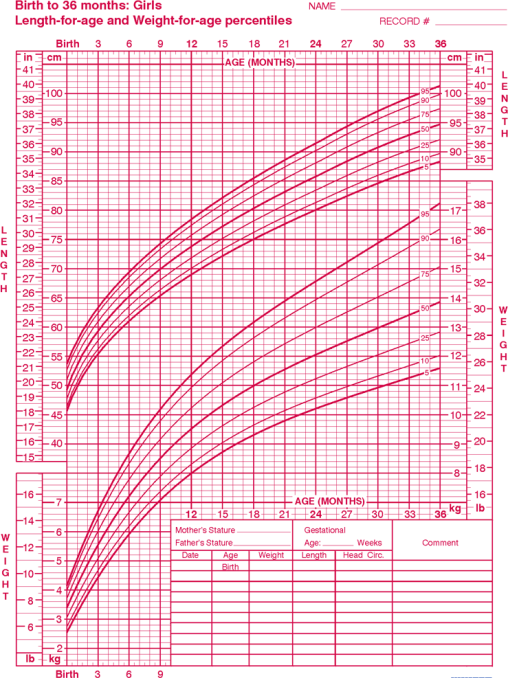
-A newborn girl weighs 8 pounds at birth.Plot her weight on the provided growth chart and indicate which of the following % tiles she falls into.
A)10th
B)25th
C)50th
D)75th
E)90th
-A newborn girl weighs 8 pounds at birth.Plot her weight on the provided growth chart and indicate which of the following % tiles she falls into.
A)10th
B)25th
C)50th
D)75th
E)90th
Question
Question
Question
Use the growth chart to answer questions .
-Based on your answer to #35,this baby is:
A)small for gestational age (SGA).
B)large for gestational age (LGA).
C)appropriate for gestational age (AGA).
D)None of the above
-Based on your answer to #35,this baby is:
A)small for gestational age (SGA).
B)large for gestational age (LGA).
C)appropriate for gestational age (AGA).
D)None of the above
Question
Question
Question
Question
Question
Question
Question
Question
Question
Question
Question
Question
Question
Question
Use the following information to answer questions 43-45.
The mother of a 9-month-old vegetarian infant weighing 19 pounds provided the following diet history for her son.
Breakfast: ¹/₄ cup oatmeal made with water; banana;4 oz.apple juice
Lunch: Rice cake with 1 t.peanut butter; c.applesauce;4 oz.soy formula
Dinner: ¹/₄ cup mashed potatoes made with water;¹/₄ cup lentil beans;¹/₄ c.yam;4 cherry tomatoes cut;4 oz.soy formula
Snacks: 15 goldfish crackers and ¹/₄ c.canned fruit at 10 am;rice cake with ¹/₄ c.canned pears at 3 pm
Total calories = ~750
Protein = 21 grams
Does this diet have an adequate amount of calories for a 9-month-old infant?
A)Yes
B)No
The mother of a 9-month-old vegetarian infant weighing 19 pounds provided the following diet history for her son.
Breakfast: ¹/₄ cup oatmeal made with water;
banana;4 oz.apple juiceLunch: Rice cake with 1 t.peanut butter;
c.applesauce;4 oz.soy formulaDinner: ¹/₄ cup mashed potatoes made with water;¹/₄ cup lentil beans;¹/₄ c.yam;4 cherry tomatoes cut;4 oz.soy formula
Snacks: 15 goldfish crackers and ¹/₄ c.canned fruit at 10 am;rice cake with ¹/₄ c.canned pears at 3 pm
Total calories = ~750
Protein = 21 grams
Does this diet have an adequate amount of calories for a 9-month-old infant?
A)Yes
B)No
Question
Question
Question
Question
Question
Use the following information to answer questions 43-45.
The mother of a 9-month-old vegetarian infant weighing 19 pounds provided the following diet history for her son.
Breakfast: ¹/₄ cup oatmeal made with water; banana;4 oz.apple juice
Lunch: Rice cake with 1 t.peanut butter; c.applesauce;4 oz.soy formula
Dinner: ¹/₄ cup mashed potatoes made with water;¹/₄ cup lentil beans;¹/₄ c.yam;4 cherry tomatoes cut;4 oz.soy formula
Snacks: 15 goldfish crackers and ¹/₄ c.canned fruit at 10 am;rice cake with ¹/₄ c.canned pears at 3 pm
Total calories = ~750
Protein = 21 grams
Nutrients of concern in this diet include:
A)calcium.
B)vitamin B₁₂.
C)vitamin D.
D)iron.
E)All of the above
The mother of a 9-month-old vegetarian infant weighing 19 pounds provided the following diet history for her son.
Breakfast: ¹/₄ cup oatmeal made with water;
banana;4 oz.apple juiceLunch: Rice cake with 1 t.peanut butter;
c.applesauce;4 oz.soy formulaDinner: ¹/₄ cup mashed potatoes made with water;¹/₄ cup lentil beans;¹/₄ c.yam;4 cherry tomatoes cut;4 oz.soy formula
Snacks: 15 goldfish crackers and ¹/₄ c.canned fruit at 10 am;rice cake with ¹/₄ c.canned pears at 3 pm
Total calories = ~750
Protein = 21 grams
Nutrients of concern in this diet include:
A)calcium.
B)vitamin B₁₂.
C)vitamin D.
D)iron.
E)All of the above
Question
Question
Question
Question
Question
Question
Question
Question
Question
Use the following information to answer questions 43-45.
The mother of a 9-month-old vegetarian infant weighing 19 pounds provided the following diet history for her son.
Breakfast: ¹/₄ cup oatmeal made with water; banana;4 oz.apple juice
Lunch: Rice cake with 1 t.peanut butter; c.applesauce;4 oz.soy formula
Dinner: ¹/₄ cup mashed potatoes made with water;¹/₄ cup lentil beans;¹/₄ c.yam;4 cherry tomatoes cut;4 oz.soy formula
Snacks: 15 goldfish crackers and ¹/₄ c.canned fruit at 10 am;rice cake with ¹/₄ c.canned pears at 3 pm
Total calories = ~750
Protein = 21 grams
Does this diet have an adequate amount of protein for a 9-month-old infant?
A)Yes
B)No
The mother of a 9-month-old vegetarian infant weighing 19 pounds provided the following diet history for her son.
Breakfast: ¹/₄ cup oatmeal made with water;
banana;4 oz.apple juiceLunch: Rice cake with 1 t.peanut butter;
c.applesauce;4 oz.soy formulaDinner: ¹/₄ cup mashed potatoes made with water;¹/₄ cup lentil beans;¹/₄ c.yam;4 cherry tomatoes cut;4 oz.soy formula
Snacks: 15 goldfish crackers and ¹/₄ c.canned fruit at 10 am;rice cake with ¹/₄ c.canned pears at 3 pm
Total calories = ~750
Protein = 21 grams
Does this diet have an adequate amount of protein for a 9-month-old infant?
A)Yes
B)No
Question
Match between columns

Unlock Deck
Sign up to unlock the cards in this deck!
Unlock Deck
Unlock Deck
1/57

Play

Full screen (f)
Deck 8: Infant Nutrition
1
Based on your answer to question #11,a 5-month-old infant would require approximately _____ total Calories per day based on a weight of 6 kg.
A)648
B)732
C)924
D)1037
E)1251
A)648
B)732
C)924
D)1037
E)1251
A
2
A male infant can get too much protein when
A)his motor skills are developed.
B)baby cereal is added to his infant formula.
C)he consumes more formula than recommended for age.
D)his mom is breastfeeding.
E)b and c
A)his motor skills are developed.
B)baby cereal is added to his infant formula.
C)he consumes more formula than recommended for age.
D)his mom is breastfeeding.
E)b and c
E
3
An example of sensorimotor development is _____.
A)thumb sucking
B)crying when hungry
C)blinking eyes in response to bright light
D)ability to sleep through the night
E)an increase in head circumference
A)thumb sucking
B)crying when hungry
C)blinking eyes in response to bright light
D)ability to sleep through the night
E)an increase in head circumference
A
4
The DRI for fluoride in infants < 6 months of age is _____.
A)0.01 mcg
B)0.1 mcg
C)0.1 mg
D)1 mg
E)0.5 mg
A)0.01 mcg
B)0.1 mcg
C)0.1 mg
D)1 mg
E)0.5 mg
Unlock Deck
Unlock for access to all 57 flashcards in this deck.
Unlock Deck
k this deck
5
The three leading causes of infant mortality in 2009 included all of the following EXCEPT:
A)sudden infant death syndrome.
B)congenital malformations.
C)respiratory distress syndrome.
D)pre-term birth-related complications.
E)b and d
A)sudden infant death syndrome.
B)congenital malformations.
C)respiratory distress syndrome.
D)pre-term birth-related complications.
E)b and d
Unlock Deck
Unlock for access to all 57 flashcards in this deck.
Unlock Deck
k this deck
6
Small for gestational age (SGA)means:
A)small for dates.
B)birth weight is <10th percentile for gestational age.
C)appropriate for gestational age.
D)a and b
E)a and c
A)small for dates.
B)birth weight is <10th percentile for gestational age.
C)appropriate for gestational age.
D)a and b
E)a and c
Unlock Deck
Unlock for access to all 57 flashcards in this deck.
Unlock Deck
k this deck
7
The AVERAGE caloric need of infants in the first six months of life is _____ per kg of body weight,based on growth in breast-fed infants.
A)57 Calories
B)98 Calories
C)108 Calories
D)122 Calories
E)154 Calories
A)57 Calories
B)98 Calories
C)108 Calories
D)122 Calories
E)154 Calories
Unlock Deck
Unlock for access to all 57 flashcards in this deck.
Unlock Deck
k this deck
8
The development of motor control starts with:
A)lower leg control,then arm control,and then head control.
B)head and trunk control,then lower legs.
C)trunk and arm control,then lower legs,then head and neck.
D)head and leg control that occur simultaneously,then neck control.
E)finger and hand control,then lower legs,then head and neck control.
A)lower leg control,then arm control,and then head control.
B)head and trunk control,then lower legs.
C)trunk and arm control,then lower legs,then head and neck.
D)head and leg control that occur simultaneously,then neck control.
E)finger and hand control,then lower legs,then head and neck control.
Unlock Deck
Unlock for access to all 57 flashcards in this deck.
Unlock Deck
k this deck
9
Which of the following is NOT one of the infant growth charts developed by the National Center for Chronic Disease Prevention and Health Promotion (part of the CDC)?
A)Weight for age
B)Length for age
C)Weight for length
D)Head circumference for weight
E)Head circumference for age
A)Weight for age
B)Length for age
C)Weight for length
D)Head circumference for weight
E)Head circumference for age
Unlock Deck
Unlock for access to all 57 flashcards in this deck.
Unlock Deck
k this deck
10
Recommended protein intake for infants from the ages of 6 to 12 months is:
A)0.8 g/kg body weight.
B)1.0 g/kg body weight.
C)1.2 g/kg body weight.
D)1.4 g/kg body weight.
E)1.6 g/kg body weight.
A)0.8 g/kg body weight.
B)1.0 g/kg body weight.
C)1.2 g/kg body weight.
D)1.4 g/kg body weight.
E)1.6 g/kg body weight.
Unlock Deck
Unlock for access to all 57 flashcards in this deck.
Unlock Deck
k this deck
11
The process of breaking down body protein to generate energy is known as:
A)catabolism.
B)cannibalism.
C)anabolism.
D)annihilation.
E)anaerobic metabolism.
A)catabolism.
B)cannibalism.
C)anabolism.
D)annihilation.
E)anaerobic metabolism.
Unlock Deck
Unlock for access to all 57 flashcards in this deck.
Unlock Deck
k this deck
12
The two essential fatty acids required in an infant's diet are α-linolenic acid and _____ acid.
A)stearic
B)palmytic
C)polymyearic
D)linoleic
A)stearic
B)palmytic
C)polymyearic
D)linoleic
Unlock Deck
Unlock for access to all 57 flashcards in this deck.
Unlock Deck
k this deck
13
Infants who are _____ month(s)and older are better able to let parents know their needs and temperament.
A)1
B)3
C)6
D)9
E)12
A)1
B)3
C)6
D)9
E)12
Unlock Deck
Unlock for access to all 57 flashcards in this deck.
Unlock Deck
k this deck
14
Infants often have conditions that reflect the immaturity of the gastrointestinal tract,which include all of the following EXCEPT:
A)colic.
B)gastroesophageal reflux (GER).
C)unexplained diarrhea.
D)constipation.
E)urinary tract infections.
A)colic.
B)gastroesophageal reflux (GER).
C)unexplained diarrhea.
D)constipation.
E)urinary tract infections.
Unlock Deck
Unlock for access to all 57 flashcards in this deck.
Unlock Deck
k this deck
15
A 7-month-old infant weighing 16 lbs needs approximately _____ Calories/day.
A)600
B)650
C)715
D)880
A)600
B)650
C)715
D)880
Unlock Deck
Unlock for access to all 57 flashcards in this deck.
Unlock Deck
k this deck
16
Infant mortality includes _____.
A)deaths that occur within the first year of life
B)deaths that occur from the day of birth through the first 28 days of life
C)deaths that occur at or after 20 weeks of gestation and through the first 28 days of life
D)deaths that occur in preterm babies
A)deaths that occur within the first year of life
B)deaths that occur from the day of birth through the first 28 days of life
C)deaths that occur at or after 20 weeks of gestation and through the first 28 days of life
D)deaths that occur in preterm babies
Unlock Deck
Unlock for access to all 57 flashcards in this deck.
Unlock Deck
k this deck
17
The average gestation for a full-term infant is _____ weeks,while an infant born at <_____ weeks is considered pre-term.
A)34,32
B)40,34
C)40,37
D)42,38
E)42,40
A)34,32
B)40,34
C)40,37
D)42,38
E)42,40
Unlock Deck
Unlock for access to all 57 flashcards in this deck.
Unlock Deck
k this deck
18
Newborn health status is assessed by a number of indicators of growth and development taken right after birth,which include all of the following EXCEPT:
A)birthweight.
B)length.
C)head circumference.
D)knee to ankle length.
A)birthweight.
B)length.
C)head circumference.
D)knee to ankle length.
Unlock Deck
Unlock for access to all 57 flashcards in this deck.
Unlock Deck
k this deck
19
Which of the following would NOT be one of the factors accounting for the range of calories an infant needs?
A)Weight
B)Length
C)Sleep/wake cycle
D)Growth rate
E)Physical activity
A)Weight
B)Length
C)Sleep/wake cycle
D)Growth rate
E)Physical activity
Unlock Deck
Unlock for access to all 57 flashcards in this deck.
Unlock Deck
k this deck
20
Which of the following statements best describes motor development in infants?
A)Voluntary control of muscles starts from the head and moves down to the legs.
B)Voluntary control of muscles starts from being able to fan toes out at birth to blinking eyes in response to a loud noise or light.
C)Voluntary muscle control develops with central muscles first and then moves out to hand muscles.
D)Voluntary muscle control develops with rooting reflex and then moves out to hand muscles.
E)a and c
A)Voluntary control of muscles starts from the head and moves down to the legs.
B)Voluntary control of muscles starts from being able to fan toes out at birth to blinking eyes in response to a loud noise or light.
C)Voluntary muscle control develops with central muscles first and then moves out to hand muscles.
D)Voluntary muscle control develops with rooting reflex and then moves out to hand muscles.
E)a and c
Unlock Deck
Unlock for access to all 57 flashcards in this deck.
Unlock Deck
k this deck
21
Good feeding practices to limit baby bottle caries and ear infections related to baby bottles include all of the following EXCEPT:
A)letting the baby have juice in a bottle throughout the day as desired.
B)offering juice in a cup.
C)limiting the use of a bottle as part of a bedtime ritual.
D)examining and cleaning emerging baby teeth on a regular basis.
E)offering only water in a bottle to sleep with.
A)letting the baby have juice in a bottle throughout the day as desired.
B)offering juice in a cup.
C)limiting the use of a bottle as part of a bedtime ritual.
D)examining and cleaning emerging baby teeth on a regular basis.
E)offering only water in a bottle to sleep with.
Unlock Deck
Unlock for access to all 57 flashcards in this deck.
Unlock Deck
k this deck
22
_____ is an unsafe food to give to one-year-old infants.
A)Cooked green beans
B)Gummy bears
C)Cooked oatmeal
D)Cooked ground hamburger
E)Sliced peaches
A)Cooked green beans
B)Gummy bears
C)Cooked oatmeal
D)Cooked ground hamburger
E)Sliced peaches
Unlock Deck
Unlock for access to all 57 flashcards in this deck.
Unlock Deck
k this deck
23
The FIRST step in correcting failure to thrive (FTT)is:
A)feeding the baby on a regular schedule.
B)providing a stimulating environment when the baby is eating.
C)increasing calorie and protein intakes.
D)enrolling the child in an early intervention program.
E)obtaining social support for the family.
A)feeding the baby on a regular schedule.
B)providing a stimulating environment when the baby is eating.
C)increasing calorie and protein intakes.
D)enrolling the child in an early intervention program.
E)obtaining social support for the family.
Unlock Deck
Unlock for access to all 57 flashcards in this deck.
Unlock Deck
k this deck
24
A 3-month-old infant was taking 30 ounces/day of a standard formula.How many Calories did the infant consume each day?
A)300
B)450
C)510
D)600
A)300
B)450
C)510
D)600
Unlock Deck
Unlock for access to all 57 flashcards in this deck.
Unlock Deck
k this deck
25
Use the growth chart to answer questions .
-A newborn girl weighs 8 pounds at birth.Plot her weight on the provided growth chart and indicate which of the following % tiles she falls into.
A)10th
B)25th
C)50th
D)75th
E)90th
-A newborn girl weighs 8 pounds at birth.Plot her weight on the provided growth chart and indicate which of the following % tiles she falls into.
A)10th
B)25th
C)50th
D)75th
E)90th
Unlock Deck
Unlock for access to all 57 flashcards in this deck.
Unlock Deck
k this deck
26
Which of the following would NOT be a cue an infant might give when signaling that he/she is hungry and ready to eat?
A)Watching the food be opened
B)Reaching for the spoon
C)Showing irritation if the feeding pace is too slow
D)Spitting out food on the floor
A)Watching the food be opened
B)Reaching for the spoon
C)Showing irritation if the feeding pace is too slow
D)Spitting out food on the floor
Unlock Deck
Unlock for access to all 57 flashcards in this deck.
Unlock Deck
k this deck
27
Lactose intolerance is:
A)a milk protein allergy.
B)characterized by cramps,nausea,and pain.
C)caused by a deficiency of the enzyme lactase.
D)All of the above
E)b and c only
A)a milk protein allergy.
B)characterized by cramps,nausea,and pain.
C)caused by a deficiency of the enzyme lactase.
D)All of the above
E)b and c only
Unlock Deck
Unlock for access to all 57 flashcards in this deck.
Unlock Deck
k this deck
28
Use the growth chart to answer questions .
-Based on your answer to #35,this baby is:
A)small for gestational age (SGA).
B)large for gestational age (LGA).
C)appropriate for gestational age (AGA).
D)None of the above
-Based on your answer to #35,this baby is:
A)small for gestational age (SGA).
B)large for gestational age (LGA).
C)appropriate for gestational age (AGA).
D)None of the above
Unlock Deck
Unlock for access to all 57 flashcards in this deck.
Unlock Deck
k this deck
29
Recommendations for introducing a baby to food on a spoon include all of the following EXCEPT:
A)time the first spoon-feeding experiences for when the baby is not overly tired.
B)offer a large variety of foods for him/her to choose from.
C)give the baby time to open his or her mouth and extend the tongue towards food.
D)place the bowl of the spoon on the tongue with slight downward pressure.
E)keep the spoon level and do not scrape food into the baby's mouth.
A)time the first spoon-feeding experiences for when the baby is not overly tired.
B)offer a large variety of foods for him/her to choose from.
C)give the baby time to open his or her mouth and extend the tongue towards food.
D)place the bowl of the spoon on the tongue with slight downward pressure.
E)keep the spoon level and do not scrape food into the baby's mouth.
Unlock Deck
Unlock for access to all 57 flashcards in this deck.
Unlock Deck
k this deck
30
When measuring growth in infants,you should do all the following EXCEPT _____ to avoid measurement errors.
A)use measurement equipment that has been recently calibrated
B)confirm the scale is on zero before starting
C)make sure the infant has a diaper on to keep surfaces clean
D)make sure that neither hips nor knees are bent
E)measure the heel with the foot flat against a foot board
A)use measurement equipment that has been recently calibrated
B)confirm the scale is on zero before starting
C)make sure the infant has a diaper on to keep surfaces clean
D)make sure that neither hips nor knees are bent
E)measure the heel with the foot flat against a foot board
Unlock Deck
Unlock for access to all 57 flashcards in this deck.
Unlock Deck
k this deck
31
A premature infant has been on a respirator since birth.He is now 6 months old and ready to start solids,although he does not like it when a spoon is placed in his mouth.What might be the cause of this?
A)He dislikes the spoon because he is associating it with discomfort.
B)Premature infants should not start solids until they are at least 8 months,so he is not old enough.
C)A critical period for mouth exploration has been missed due to the respirator.
D)All of the above
E)a and c only
A)He dislikes the spoon because he is associating it with discomfort.
B)Premature infants should not start solids until they are at least 8 months,so he is not old enough.
C)A critical period for mouth exploration has been missed due to the respirator.
D)All of the above
E)a and c only
Unlock Deck
Unlock for access to all 57 flashcards in this deck.
Unlock Deck
k this deck
32
Recommendations to relieve colic include:
A)swaddling the baby.
B)bathing or otherwise calming the infant.
C)evaluating and improving positioning of the baby for eating.
D)ensuring that the baby is burped often.
E)All of the above
A)swaddling the baby.
B)bathing or otherwise calming the infant.
C)evaluating and improving positioning of the baby for eating.
D)ensuring that the baby is burped often.
E)All of the above
Unlock Deck
Unlock for access to all 57 flashcards in this deck.
Unlock Deck
k this deck
33
An infant with a suspected protein intolerance may be:
A)put on a soy formula because plant proteins are well tolerated.
B)put on a hydrolyzed formula because the protein is broken down.
C)breast fed only because breast milk is the gold standard to feed babies with.
D)put on IV fluids with a fat replacement.
A)put on a soy formula because plant proteins are well tolerated.
B)put on a hydrolyzed formula because the protein is broken down.
C)breast fed only because breast milk is the gold standard to feed babies with.
D)put on IV fluids with a fat replacement.
Unlock Deck
Unlock for access to all 57 flashcards in this deck.
Unlock Deck
k this deck
34
To lessen the risk of food allergies in infants,you can:
A)breastfeed your infant.
B)choose a soy-based infant formula.
C)offer cow's milk before they turn 1.
D)All of the above
E)a and b only
A)breastfeed your infant.
B)choose a soy-based infant formula.
C)offer cow's milk before they turn 1.
D)All of the above
E)a and b only
Unlock Deck
Unlock for access to all 57 flashcards in this deck.
Unlock Deck
k this deck
35
A possible cause of failure to thrive in infants is:
A)too much water being added when mixing the infant formula.
B)an ear infection.
C)breastfeeding as the sole source of nutrition.
D)fetal undergrowth during pregnancy.
A)too much water being added when mixing the infant formula.
B)an ear infection.
C)breastfeeding as the sole source of nutrition.
D)fetal undergrowth during pregnancy.
Unlock Deck
Unlock for access to all 57 flashcards in this deck.
Unlock Deck
k this deck
36
If an infant is exclusively breastfed and not exposed to adequate amounts of sunlight,he/she would need a _____ supplement.
A)calcium
B)fluoride
C)iron
D)vitamin D
A)calcium
B)fluoride
C)iron
D)vitamin D
Unlock Deck
Unlock for access to all 57 flashcards in this deck.
Unlock Deck
k this deck
37
The recommended age for weaning an infant from the breast or bottle to a cup is from _____ months.
A)6 to 8
B)8 to 10
C)10 to 12
D)12 to 24
E)24 to 36
A)6 to 8
B)8 to 10
C)10 to 12
D)12 to 24
E)24 to 36
Unlock Deck
Unlock for access to all 57 flashcards in this deck.
Unlock Deck
k this deck
38
If a food allergy is suspected,what information is NOT needed?
A)Whether the infant had been ill prior to problems arising
B)Laboratory tests to confirm specific allergies during infancy
C)Whether any other family members have food allergies
D)Whether wheat,eggs,or peanut butter have been introduced into the infant's diet
A)Whether the infant had been ill prior to problems arising
B)Laboratory tests to confirm specific allergies during infancy
C)Whether any other family members have food allergies
D)Whether wheat,eggs,or peanut butter have been introduced into the infant's diet
Unlock Deck
Unlock for access to all 57 flashcards in this deck.
Unlock Deck
k this deck
39
Which of the following is a warning sign indicating growth problems?
A)Plateau in head circumference gain for more than one month
B)Lack of height gain
C)Plateau in weight gain for more than one month
D)Drop in weight without regain within a few weeks
E)All of the above
A)Plateau in head circumference gain for more than one month
B)Lack of height gain
C)Plateau in weight gain for more than one month
D)Drop in weight without regain within a few weeks
E)All of the above
Unlock Deck
Unlock for access to all 57 flashcards in this deck.
Unlock Deck
k this deck
40
Which of the following conditions CANNOT be screened for shortly after birth?
A)PKU
B)Food allergy
C)Galactosemis
D)Sickle-cell disease
E)Hypothyroidism
A)PKU
B)Food allergy
C)Galactosemis
D)Sickle-cell disease
E)Hypothyroidism
Unlock Deck
Unlock for access to all 57 flashcards in this deck.
Unlock Deck
k this deck
41
Which statement made by a mother indicates a need for education about how to keep her infant safe and promote healthy development?
A)"My husband smokes occasionally,but never around our baby."
B)"I don't let my baby watch educational TV programs yet;I think he's too young for that."
C)"I've started my baby in a structured exercise program to make sure he stays fit."
D)"My husband and I like to talk to him even though he can't talk back yet."
A)"My husband smokes occasionally,but never around our baby."
B)"I don't let my baby watch educational TV programs yet;I think he's too young for that."
C)"I've started my baby in a structured exercise program to make sure he stays fit."
D)"My husband and I like to talk to him even though he can't talk back yet."
Unlock Deck
Unlock for access to all 57 flashcards in this deck.
Unlock Deck
k this deck
42
Use the following information to answer questions 43-45.
The mother of a 9-month-old vegetarian infant weighing 19 pounds provided the following diet history for her son.
Breakfast: ¹/₄ cup oatmeal made with water; banana;4 oz.apple juice
Lunch: Rice cake with 1 t.peanut butter; c.applesauce;4 oz.soy formula
Dinner: ¹/₄ cup mashed potatoes made with water;¹/₄ cup lentil beans;¹/₄ c.yam;4 cherry tomatoes cut;4 oz.soy formula
Snacks: 15 goldfish crackers and ¹/₄ c.canned fruit at 10 am;rice cake with ¹/₄ c.canned pears at 3 pm
Total calories = ~750
Protein = 21 grams
Does this diet have an adequate amount of calories for a 9-month-old infant?
A)Yes
B)No
The mother of a 9-month-old vegetarian infant weighing 19 pounds provided the following diet history for her son.
Breakfast: ¹/₄ cup oatmeal made with water;
banana;4 oz.apple juiceLunch: Rice cake with 1 t.peanut butter;
c.applesauce;4 oz.soy formulaDinner: ¹/₄ cup mashed potatoes made with water;¹/₄ cup lentil beans;¹/₄ c.yam;4 cherry tomatoes cut;4 oz.soy formula
Snacks: 15 goldfish crackers and ¹/₄ c.canned fruit at 10 am;rice cake with ¹/₄ c.canned pears at 3 pm
Total calories = ~750
Protein = 21 grams
Does this diet have an adequate amount of calories for a 9-month-old infant?
A)Yes
B)No
Unlock Deck
Unlock for access to all 57 flashcards in this deck.
Unlock Deck
k this deck
43
Neonatal mortality rate differences between races and ethnicities are primarily related to genetic differences.
Unlock Deck
Unlock for access to all 57 flashcards in this deck.
Unlock Deck
k this deck
44
The dietary guidelines to consume 20-35% of calories from fat and reduce cholesterol intake are recommended for infant growth and development.
Unlock Deck
Unlock for access to all 57 flashcards in this deck.
Unlock Deck
k this deck
45
Dietary fiber recommendations are the same for infants as they are for toddlers and children.
Unlock Deck
Unlock for access to all 57 flashcards in this deck.
Unlock Deck
k this deck
46
A 4-month-old exclusively breast-fed infant who has not begun eating other foods should receive _____ supplements.
A)multivitamin and -mineral
B)vitamin B₁₂
C)calcium
D)iron
A)multivitamin and -mineral
B)vitamin B₁₂
C)calcium
D)iron
Unlock Deck
Unlock for access to all 57 flashcards in this deck.
Unlock Deck
k this deck
47
Use the following information to answer questions 43-45.
The mother of a 9-month-old vegetarian infant weighing 19 pounds provided the following diet history for her son.
Breakfast: ¹/₄ cup oatmeal made with water; banana;4 oz.apple juice
Lunch: Rice cake with 1 t.peanut butter; c.applesauce;4 oz.soy formula
Dinner: ¹/₄ cup mashed potatoes made with water;¹/₄ cup lentil beans;¹/₄ c.yam;4 cherry tomatoes cut;4 oz.soy formula
Snacks: 15 goldfish crackers and ¹/₄ c.canned fruit at 10 am;rice cake with ¹/₄ c.canned pears at 3 pm
Total calories = ~750
Protein = 21 grams
Nutrients of concern in this diet include:
A)calcium.
B)vitamin B₁₂.
C)vitamin D.
D)iron.
E)All of the above
The mother of a 9-month-old vegetarian infant weighing 19 pounds provided the following diet history for her son.
Breakfast: ¹/₄ cup oatmeal made with water;
banana;4 oz.apple juiceLunch: Rice cake with 1 t.peanut butter;
c.applesauce;4 oz.soy formulaDinner: ¹/₄ cup mashed potatoes made with water;¹/₄ cup lentil beans;¹/₄ c.yam;4 cherry tomatoes cut;4 oz.soy formula
Snacks: 15 goldfish crackers and ¹/₄ c.canned fruit at 10 am;rice cake with ¹/₄ c.canned pears at 3 pm
Total calories = ~750
Protein = 21 grams
Nutrients of concern in this diet include:
A)calcium.
B)vitamin B₁₂.
C)vitamin D.
D)iron.
E)All of the above
Unlock Deck
Unlock for access to all 57 flashcards in this deck.
Unlock Deck
k this deck
48
Healthy newborns typically reach the 90th %tile by 6 months.
Unlock Deck
Unlock for access to all 57 flashcards in this deck.
Unlock Deck
k this deck
49
The infant formula that is most commonly given if a woman does NOT breastfeed is:
A)soy formula.
B)cow's milk-based formula.
C)a hypoallergenic formula.
D)an amino acid-based formula.
E)a partially hydrolyzed formula.
A)soy formula.
B)cow's milk-based formula.
C)a hypoallergenic formula.
D)an amino acid-based formula.
E)a partially hydrolyzed formula.
Unlock Deck
Unlock for access to all 57 flashcards in this deck.
Unlock Deck
k this deck
50
Infants who are breastfeeding cannot develop lactose intolerance.
Unlock Deck
Unlock for access to all 57 flashcards in this deck.
Unlock Deck
k this deck
51
Cow's milk formula is an equal alternative to human milk.
Unlock Deck
Unlock for access to all 57 flashcards in this deck.
Unlock Deck
k this deck
52
The American Academy of Pediatrics and the Academy of Nutrition and Dietetics propose that continuation of breastfeeding for the first year of life is optimal nutrition in infancy.
Unlock Deck
Unlock for access to all 57 flashcards in this deck.
Unlock Deck
k this deck
53
Sizes of commercial,jarred baby food are determined by age-appropriate portion sizes.
Unlock Deck
Unlock for access to all 57 flashcards in this deck.
Unlock Deck
k this deck
54
Organs and systems in infants continue to increase in size and complexity after birth.
Unlock Deck
Unlock for access to all 57 flashcards in this deck.
Unlock Deck
k this deck
55
A child with diarrhea and an allergy to lactose would most likely be given:
A)a cow's milk-based formula (Enfamil).
B)a lactose-free formula (Similac Sensitive).
C)a protein hydrolysate formula (Nutramigen).
D)an amino acid-based formula (Neosure).
E)none of the above
A)a cow's milk-based formula (Enfamil).
B)a lactose-free formula (Similac Sensitive).
C)a protein hydrolysate formula (Nutramigen).
D)an amino acid-based formula (Neosure).
E)none of the above
Unlock Deck
Unlock for access to all 57 flashcards in this deck.
Unlock Deck
k this deck
56
Use the following information to answer questions 43-45.
The mother of a 9-month-old vegetarian infant weighing 19 pounds provided the following diet history for her son.
Breakfast: ¹/₄ cup oatmeal made with water; banana;4 oz.apple juice
Lunch: Rice cake with 1 t.peanut butter; c.applesauce;4 oz.soy formula
Dinner: ¹/₄ cup mashed potatoes made with water;¹/₄ cup lentil beans;¹/₄ c.yam;4 cherry tomatoes cut;4 oz.soy formula
Snacks: 15 goldfish crackers and ¹/₄ c.canned fruit at 10 am;rice cake with ¹/₄ c.canned pears at 3 pm
Total calories = ~750
Protein = 21 grams
Does this diet have an adequate amount of protein for a 9-month-old infant?
A)Yes
B)No
The mother of a 9-month-old vegetarian infant weighing 19 pounds provided the following diet history for her son.
Breakfast: ¹/₄ cup oatmeal made with water;
banana;4 oz.apple juiceLunch: Rice cake with 1 t.peanut butter;
c.applesauce;4 oz.soy formulaDinner: ¹/₄ cup mashed potatoes made with water;¹/₄ cup lentil beans;¹/₄ c.yam;4 cherry tomatoes cut;4 oz.soy formula
Snacks: 15 goldfish crackers and ¹/₄ c.canned fruit at 10 am;rice cake with ¹/₄ c.canned pears at 3 pm
Total calories = ~750
Protein = 21 grams
Does this diet have an adequate amount of protein for a 9-month-old infant?
A)Yes
B)No
Unlock Deck
Unlock for access to all 57 flashcards in this deck.
Unlock Deck
k this deck
57
Match between columns
Unlock Deck
Unlock for access to all 57 flashcards in this deck.
Unlock Deck
k this deck
Unlock Deck
Unlock for access to all 57 flashcards in this deck.






