







 Chat with AI

Deck 31: Animal Tissues
Full screen (f)

Question

Question
Figure 31.10A
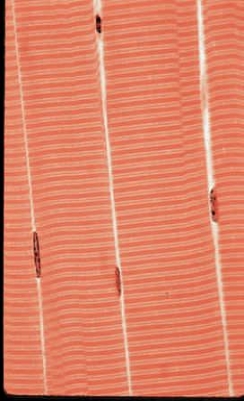
The accompanying figure is a micrograph of what kind of tissue?
A) cardiac muscle
B) skeletal muscle
C) smooth muscle
D) cartilage
E) dense connective
The accompanying figure is a micrograph of what kind of tissue?
A) cardiac muscle
B) skeletal muscle
C) smooth muscle
D) cartilage
E) dense connective
Question
Question
Question
Question
Question
Question
Question
Question
Question
Question
Question
Question
Question
Question
Figure 31.8F
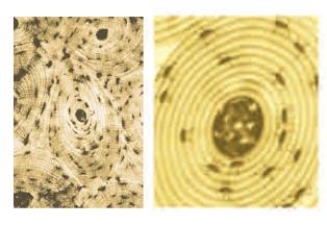
What kind of tissue is shown in the accompanying images?
A) blood
B) adipose
C) bone
D) cartilage
E) dense connective
What kind of tissue is shown in the accompanying images?
A) blood
B) adipose
C) bone
D) cartilage
E) dense connective
Question
Question
Question
Question
Question
Question
Question
Question
Question
Question
Question
Question
Question
Question
Figure 31.16
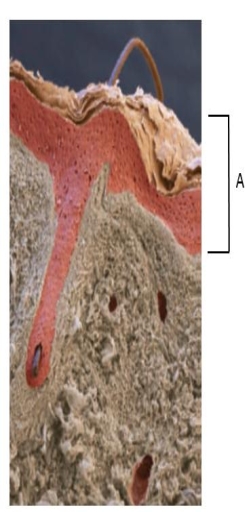
The bracket indicated by the letter "A" in the accompanying figure is ____.
A) the epidermis
B) a sweat gland
C) the dermis
D) the hypodermis
E) a hair follicle
The bracket indicated by the letter "A" in the accompanying figure is ____.
A) the epidermis
B) a sweat gland
C) the dermis
D) the hypodermis
E) a hair follicle
Question
Question
Question
Question
Question
Question
Figure 31.11
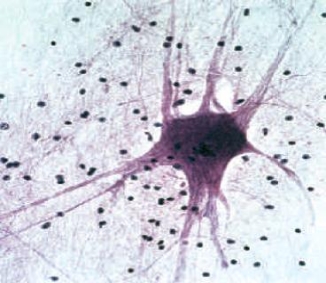
The accompanying figure is a micrograph of what kind of tissue?
A) cardiac muscle
B) skeletal muscle
C) nerve tissue
D) cartilage
E) dense connective
The accompanying figure is a micrograph of what kind of tissue?
A) cardiac muscle
B) skeletal muscle
C) nerve tissue
D) cartilage
E) dense connective
Question
Question
Question
Question
Figure 31.6
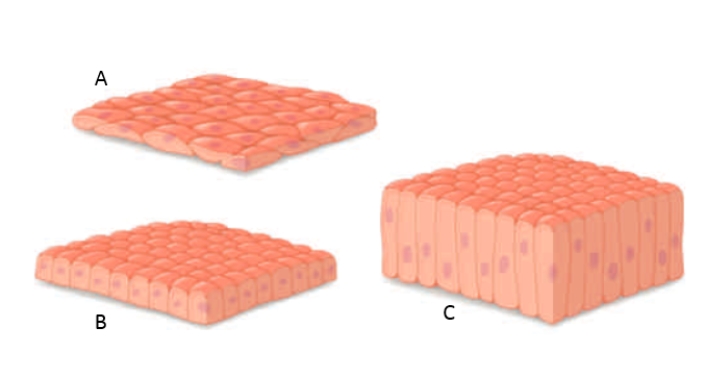
Answer the following three questions with reference to the above figure of epithelial tissues.
Which tissue lines blood and lymph vessels?
A) A
B) B
C) C
Answer the following three questions with reference to the above figure of epithelial tissues.
Which tissue lines blood and lymph vessels?
A) A
B) B
C) C
Question
Question
Question
Question
Question
Question
Question
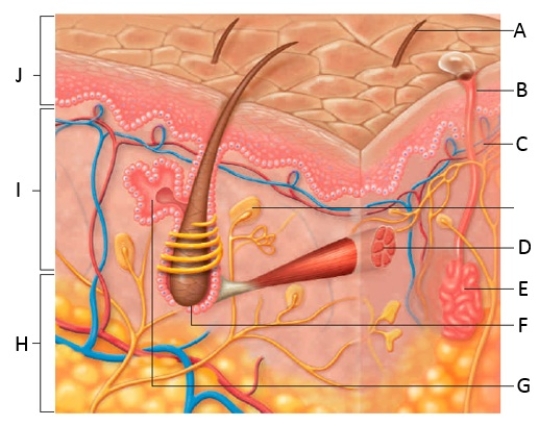
blood vessels
Question
Question
Question
Question
Question
Question
duct of sweat gland
Question
Question
dermis
Question
Question
Question
Question
Question
Question
hypodermis
Question
epidermis
Question
sebaceous gland
Question
Question
Question
Question
hair
Question
smooth muscle
Question
hair follicle
Question
Question
Question
Question
Question
Question
Question
sweat gland
Question
Question

Unlock Deck
Sign up to unlock the cards in this deck!
Unlock Deck
Unlock Deck
1/78

Play

Full screen (f)
Deck 31: Animal Tissues
1
Which type of connective tissue holds bones together?
A) tendons
B) intercellular junctions
C) ligaments
D) cartilage
E) collagen
A) tendons
B) intercellular junctions
C) ligaments
D) cartilage
E) collagen
C
2
Figure 31.10A
The accompanying figure is a micrograph of what kind of tissue?
A) cardiac muscle
B) skeletal muscle
C) smooth muscle
D) cartilage
E) dense connective
The accompanying figure is a micrograph of what kind of tissue?
A) cardiac muscle
B) skeletal muscle
C) smooth muscle
D) cartilage
E) dense connective
B
3
A negative feedback system has four steps. Please choose the answer that lists the steps in the correct order.
A) sensory receptors, stimulus, brain, effectors
B) stimulus, sensory receptors, brain, effectors
C) effectors, brain, sensory receptors, stimulus
D) brain, effectors, sensory receptors, stimulus
E) stimulus, effectors, sensory effectors, brain
A) sensory receptors, stimulus, brain, effectors
B) stimulus, sensory receptors, brain, effectors
C) effectors, brain, sensory receptors, stimulus
D) brain, effectors, sensory receptors, stimulus
E) stimulus, effectors, sensory effectors, brain
B
4
The primary function of a neuroglial cell is to ____.
A) keep neurons positioned correctly
B) act as a sensory device to detect stimuli
C) integrate information
D) transmit signals to muscle cells
E) facilitate cytoplasmic extensions
A) keep neurons positioned correctly
B) act as a sensory device to detect stimuli
C) integrate information
D) transmit signals to muscle cells
E) facilitate cytoplasmic extensions
Unlock Deck
Unlock for access to all 78 flashcards in this deck.
Unlock Deck
k this deck
5
What is the most abundant protein in the human body?
A) polysaccharides
B) elastin
C) collagen
D) amino acid
E) triglycerides
A) polysaccharides
B) elastin
C) collagen
D) amino acid
E) triglycerides
Unlock Deck
Unlock for access to all 78 flashcards in this deck.
Unlock Deck
k this deck
6
The secretion of tears, milk, saliva, and earwax is a function of which tissue?
A) epithelial
B) loose connective
C) lymphoid
D) nervous
E) adipose
A) epithelial
B) loose connective
C) lymphoid
D) nervous
E) adipose
Unlock Deck
Unlock for access to all 78 flashcards in this deck.
Unlock Deck
k this deck
7
Which type of epithelial tissue lines the blood vessels and the heart?
A) simple cuboidal
B) complex cuboidal
C) simple squamous
D) simple columnar
E) stratified cuboidal
A) simple cuboidal
B) complex cuboidal
C) simple squamous
D) simple columnar
E) stratified cuboidal
Unlock Deck
Unlock for access to all 78 flashcards in this deck.
Unlock Deck
k this deck
8
Which tissue lines all internal surfaces and the lining of the gut?
A) epithelial
B) loose connective
C) supportive connective
D) fibrous
E) adipose
A) epithelial
B) loose connective
C) supportive connective
D) fibrous
E) adipose
Unlock Deck
Unlock for access to all 78 flashcards in this deck.
Unlock Deck
k this deck
9
Smooth muscle tissue ____.
A) is found in the heart wall
B) has parallel arrays of long cells
C) is multinucleated
D) contracts reflexively
E) is found in the walls of soft internal organs
A) is found in the heart wall
B) has parallel arrays of long cells
C) is multinucleated
D) contracts reflexively
E) is found in the walls of soft internal organs
Unlock Deck
Unlock for access to all 78 flashcards in this deck.
Unlock Deck
k this deck
10
Which type of stem cell is most able to produce a new individual?
A) unipotent
B) regenerative
C) pluripotent
D) totipotent
E) adult stem cells
A) unipotent
B) regenerative
C) pluripotent
D) totipotent
E) adult stem cells
Unlock Deck
Unlock for access to all 78 flashcards in this deck.
Unlock Deck
k this deck
11
What is the best definition of an organ?
A) asingle type of tissue
B) atype of glandular tissue
C) two or more tissues working together to perform a specific task
D) muscle tissue that has differentiated from stem cells
E) acollection of cells and interstitial fluid
A) asingle type of tissue
B) atype of glandular tissue
C) two or more tissues working together to perform a specific task
D) muscle tissue that has differentiated from stem cells
E) acollection of cells and interstitial fluid
Unlock Deck
Unlock for access to all 78 flashcards in this deck.
Unlock Deck
k this deck
12
What is the term for similar cells that are organized together with a common function?
A) organ
B) interstitial organization
C) tissue
D) organism
E) extracellular matrix
A) organ
B) interstitial organization
C) tissue
D) organism
E) extracellular matrix
Unlock Deck
Unlock for access to all 78 flashcards in this deck.
Unlock Deck
k this deck
13
As of 2014, a new clinical study in the United States is testing whether cells derived from IPSCs can reverse ____.
A) spinal cord injuries
B) Parkinson's disease
C) muscular dystrophy
D) heart attacks
E) blindness
A) spinal cord injuries
B) Parkinson's disease
C) muscular dystrophy
D) heart attacks
E) blindness
Unlock Deck
Unlock for access to all 78 flashcards in this deck.
Unlock Deck
k this deck
14
Which fiber adds strength to connective tissue?
A) cartilage
B) adipose tissue
C) collagen
D) loose connective tissue
E) blood
A) cartilage
B) adipose tissue
C) collagen
D) loose connective tissue
E) blood
Unlock Deck
Unlock for access to all 78 flashcards in this deck.
Unlock Deck
k this deck
15
Which body process most often involves in a negative feedback system?
A) hybridization
B) reproduction
C) pH adjustment
D) homeostasis
E) evaporation
A) hybridization
B) reproduction
C) pH adjustment
D) homeostasis
E) evaporation
Unlock Deck
Unlock for access to all 78 flashcards in this deck.
Unlock Deck
k this deck
16
Figure 31.8F
What kind of tissue is shown in the accompanying images?
A) blood
B) adipose
C) bone
D) cartilage
E) dense connective
What kind of tissue is shown in the accompanying images?
A) blood
B) adipose
C) bone
D) cartilage
E) dense connective
Unlock Deck
Unlock for access to all 78 flashcards in this deck.
Unlock Deck
k this deck
17
Where can a ciliated epithelial cell be found?
A) mouth
B) oviduct
C) blood vessels
D) heart
E) blood
A) mouth
B) oviduct
C) blood vessels
D) heart
E) blood
Unlock Deck
Unlock for access to all 78 flashcards in this deck.
Unlock Deck
k this deck
18
Cardiac muscle cells are ____.
A) involuntary
B) spindle-shaped
C) multinucleated
D) slow contracting
E) found in the walls of blood cells
A) involuntary
B) spindle-shaped
C) multinucleated
D) slow contracting
E) found in the walls of blood cells
Unlock Deck
Unlock for access to all 78 flashcards in this deck.
Unlock Deck
k this deck
19
Exocrine glands secrete all of the following EXCEPT ____.
A) mucus
B) hormones
C) earwax
D) milk
E) digestive enzymes
A) mucus
B) hormones
C) earwax
D) milk
E) digestive enzymes
Unlock Deck
Unlock for access to all 78 flashcards in this deck.
Unlock Deck
k this deck
20
People with a large amount of a certain type of connective tissue are least likely to be sensitive to cold. Which type of tissue is this?
A) cartilage
B) adipose
C) blood
D) dense connective
E) loose connective
A) cartilage
B) adipose
C) blood
D) dense connective
E) loose connective
Unlock Deck
Unlock for access to all 78 flashcards in this deck.
Unlock Deck
k this deck
21
The hypodermis is composed of ____.
Blood vessels → insulation
Oil glands → insulation
A) adipose and nervous tissues
B) connective and adipose tissues
C) blood and lymphatic vessels
D) hair follicles and sweat glands
E) sebaceous and sweat glands
Blood vessels → insulation
Oil glands → insulation
A) adipose and nervous tissues
B) connective and adipose tissues
C) blood and lymphatic vessels
D) hair follicles and sweat glands
E) sebaceous and sweat glands
Unlock Deck
Unlock for access to all 78 flashcards in this deck.
Unlock Deck
k this deck
22
Which system maintains the volume and composition of body fluids?
A) integumentary
B) immune
C) digestive
D) urinary
E) circulatory
A) integumentary
B) immune
C) digestive
D) urinary
E) circulatory
Unlock Deck
Unlock for access to all 78 flashcards in this deck.
Unlock Deck
k this deck
23
What is one function of the muscular system?
A) transmission of electrical signals
B) connection of ligaments to bones
C) heat production
D) exchange of gases with the atmosphere
E) prevention of desiccation
A) transmission of electrical signals
B) connection of ligaments to bones
C) heat production
D) exchange of gases with the atmosphere
E) prevention of desiccation
Unlock Deck
Unlock for access to all 78 flashcards in this deck.
Unlock Deck
k this deck
24
Which organ is part of more than one organ system?
A) stomach
B) liver
C) pancreas
D) intestine
E) brain
A) stomach
B) liver
C) pancreas
D) intestine
E) brain
Unlock Deck
Unlock for access to all 78 flashcards in this deck.
Unlock Deck
k this deck
25
What is the primary function of the endocrine system?
A) conduction
B) contraction
C) hormonal control of the body
D) protection against disease
E) cell production
A) conduction
B) contraction
C) hormonal control of the body
D) protection against disease
E) cell production
Unlock Deck
Unlock for access to all 78 flashcards in this deck.
Unlock Deck
k this deck
26
Which organ in the human body has the largest surface?
A) heart
B) skin
C) lungs
D) liver
E) stomach
A) heart
B) skin
C) lungs
D) liver
E) stomach
Unlock Deck
Unlock for access to all 78 flashcards in this deck.
Unlock Deck
k this deck
27
Choose the one most appropriate response for each.
a.comprises ligaments and tendons
b.contains collagen and elastin; acts as a packing material that supports internal organs
c.receives, conducts, and initiates signals in response to environmental changes
d.stores fat
e.offers resistance to mechanical injury and loss of internal fluids; also a barrier against microorganisms
f.secretes extracellular products such as sweat, mucus, tears, and saliva
g.fluid ground substance plus free cells; involved in transport, pH, and temperature stability
h.extracellular fluid that bathes cells and tissues
adipose tissue
a.comprises ligaments and tendons
b.contains collagen and elastin; acts as a packing material that supports internal organs
c.receives, conducts, and initiates signals in response to environmental changes
d.stores fat
e.offers resistance to mechanical injury and loss of internal fluids; also a barrier against microorganisms
f.secretes extracellular products such as sweat, mucus, tears, and saliva
g.fluid ground substance plus free cells; involved in transport, pH, and temperature stability
h.extracellular fluid that bathes cells and tissues
adipose tissue
Unlock Deck
Unlock for access to all 78 flashcards in this deck.
Unlock Deck
k this deck
28
Which part of a neuron allows it to receive and send electrochemical signals?
A) cytoplasmic extension
B) nucleus
C) neuroglial extension
D) plasma membrane
E) interneuron
A) cytoplasmic extension
B) nucleus
C) neuroglial extension
D) plasma membrane
E) interneuron
Unlock Deck
Unlock for access to all 78 flashcards in this deck.
Unlock Deck
k this deck
29
Which tissue assists in absorption and secretion, and in the movement of materials?
A) A
B) B
C) C
A) A
B) B
C) C
Unlock Deck
Unlock for access to all 78 flashcards in this deck.
Unlock Deck
k this deck
30
Figure 31.16
The bracket indicated by the letter "A" in the accompanying figure is ____.
A) the epidermis
B) a sweat gland
C) the dermis
D) the hypodermis
E) a hair follicle
The bracket indicated by the letter "A" in the accompanying figure is ____.
A) the epidermis
B) a sweat gland
C) the dermis
D) the hypodermis
E) a hair follicle
Unlock Deck
Unlock for access to all 78 flashcards in this deck.
Unlock Deck
k this deck
31
The integumentary system is most involved in ____.
A) exchange of gases
B) support
C) outer body covering
D) muscle contraction
E) resistance
A) exchange of gases
B) support
C) outer body covering
D) muscle contraction
E) resistance
Unlock Deck
Unlock for access to all 78 flashcards in this deck.
Unlock Deck
k this deck
32
Which tissue lines the gut?
A) A
B) B
C) C
A) A
B) B
C) C
Unlock Deck
Unlock for access to all 78 flashcards in this deck.
Unlock Deck
k this deck
33
Melanin is produced in ____.
A) connective tissue
B) muscle tissue
C) the integumentary system
D) epithelial tissue
E) the circulatory system
A) connective tissue
B) muscle tissue
C) the integumentary system
D) epithelial tissue
E) the circulatory system
Unlock Deck
Unlock for access to all 78 flashcards in this deck.
Unlock Deck
k this deck
34
Which system produces red blood cells?
A) endocrine
B) skeletal
C) muscular
D) immune
E) integumentary
A) endocrine
B) skeletal
C) muscular
D) immune
E) integumentary
Unlock Deck
Unlock for access to all 78 flashcards in this deck.
Unlock Deck
k this deck
35
Four of the following might be a response to rising body temperature. Which one is the exception?
A) increased rate of breathing
B) decreased secretion of certain hormones
C) more sweat
D) reduced blood flow to skin
E) increased rate of breathing
A) increased rate of breathing
B) decreased secretion of certain hormones
C) more sweat
D) reduced blood flow to skin
E) increased rate of breathing
Unlock Deck
Unlock for access to all 78 flashcards in this deck.
Unlock Deck
k this deck
36
Figure 31.11
The accompanying figure is a micrograph of what kind of tissue?
A) cardiac muscle
B) skeletal muscle
C) nerve tissue
D) cartilage
E) dense connective
The accompanying figure is a micrograph of what kind of tissue?
A) cardiac muscle
B) skeletal muscle
C) nerve tissue
D) cartilage
E) dense connective
Unlock Deck
Unlock for access to all 78 flashcards in this deck.
Unlock Deck
k this deck
37
What is one function of the integumentary system?
A) blood cell formation
B) immune function
C) synthesis of proteins
D) protection against desiccation
E) exchange of gases
A) blood cell formation
B) immune function
C) synthesis of proteins
D) protection against desiccation
E) exchange of gases
Unlock Deck
Unlock for access to all 78 flashcards in this deck.
Unlock Deck
k this deck
38
Homeostasis is ultimately regulated by the ____.
A) brain
B) endocrine glands
C) oil glands
D) exocrine glands
E) circulatory system
A) brain
B) endocrine glands
C) oil glands
D) exocrine glands
E) circulatory system
Unlock Deck
Unlock for access to all 78 flashcards in this deck.
Unlock Deck
k this deck
39
The integration of body functions is controlled by the ____.
A) respiratory system only
B) nervous system only
C) endocrine system only
D) immune system only
E) nervous system and the endocrine system
A) respiratory system only
B) nervous system only
C) endocrine system only
D) immune system only
E) nervous system and the endocrine system
Unlock Deck
Unlock for access to all 78 flashcards in this deck.
Unlock Deck
k this deck
40
Figure 31.6
Answer the following three questions with reference to the above figure of epithelial tissues.
Which tissue lines blood and lymph vessels?
A) A
B) B
C) C
Answer the following three questions with reference to the above figure of epithelial tissues.
Which tissue lines blood and lymph vessels?
A) A
B) B
C) C
Unlock Deck
Unlock for access to all 78 flashcards in this deck.
Unlock Deck
k this deck
41
Classification. Respond to the following statements with reference to the organ systems listed below.
a.circulatory
b.lymphatic
c.digestive
d.endocrine
e.respiratory
involved in the immune response
a.circulatory
b.lymphatic
c.digestive
d.endocrine
e.respiratory
involved in the immune response
Unlock Deck
Unlock for access to all 78 flashcards in this deck.
Unlock Deck
k this deck
42
Classification. Respond to the following statements with reference to the organ systems listed below.
a.circulatory
b.lymphatic
c.digestive
d.endocrine
e.respiratory
initially encounters airborne pathogens
a.circulatory
b.lymphatic
c.digestive
d.endocrine
e.respiratory
initially encounters airborne pathogens
Unlock Deck
Unlock for access to all 78 flashcards in this deck.
Unlock Deck
k this deck
43
Classification. Respond to the following statements with reference to the types of connective tissue listed below.
a.loose connective tissue
b.dense connective tissue
c.adipose
d.cartilage
e.blood
This tissue plays a particularly important role in the thermoregulation of many marine mammals.
a.loose connective tissue
b.dense connective tissue
c.adipose
d.cartilage
e.blood
This tissue plays a particularly important role in the thermoregulation of many marine mammals.
Unlock Deck
Unlock for access to all 78 flashcards in this deck.
Unlock Deck
k this deck
44
Choose the one most appropriate response for each.
a.comprises ligaments and tendons
b.contains collagen and elastin; acts as a packing material that supports internal organs
c.receives, conducts, and initiates signals in response to environmental changes
d.stores fat
e.offers resistance to mechanical injury and loss of internal fluids; also a barrier against microorganisms
f.secretes extracellular products such as sweat, mucus, tears, and saliva
g.fluid ground substance plus free cells; involved in transport, pH, and temperature stability
h.extracellular fluid that bathes cells and tissues
interstitial fluid
a.comprises ligaments and tendons
b.contains collagen and elastin; acts as a packing material that supports internal organs
c.receives, conducts, and initiates signals in response to environmental changes
d.stores fat
e.offers resistance to mechanical injury and loss of internal fluids; also a barrier against microorganisms
f.secretes extracellular products such as sweat, mucus, tears, and saliva
g.fluid ground substance plus free cells; involved in transport, pH, and temperature stability
h.extracellular fluid that bathes cells and tissues
interstitial fluid
Unlock Deck
Unlock for access to all 78 flashcards in this deck.
Unlock Deck
k this deck
45
Classification. Respond to the following statements with reference to the types of connective tissue listed below.
a.loose connective tissue
b.dense connective tissue
c.adipose
d.cartilage
e.blood
This substance is derived from stem cells in bone.
a.loose connective tissue
b.dense connective tissue
c.adipose
d.cartilage
e.blood
This substance is derived from stem cells in bone.
Unlock Deck
Unlock for access to all 78 flashcards in this deck.
Unlock Deck
k this deck
46
Classification. Respond to the following statements with reference to the types of connective tissue listed below.
a.loose connective tissue
b.dense connective tissue
c.adipose
d.cartilage
e.blood
This tissue provides nourishment to each of the other connective tissues.
a.loose connective tissue
b.dense connective tissue
c.adipose
d.cartilage
e.blood
This tissue provides nourishment to each of the other connective tissues.
Unlock Deck
Unlock for access to all 78 flashcards in this deck.
Unlock Deck
k this deck
47
blood vessels
Unlock Deck
Unlock for access to all 78 flashcards in this deck.
Unlock Deck
k this deck
48
Classification. Respond to the following statements with reference to the organ systems listed below.
a.circulatory
b.lymphatic
c.digestive
d.endocrine
e.respiratory
the first line of defense against infectious bacteria found in food
a.circulatory
b.lymphatic
c.digestive
d.endocrine
e.respiratory
the first line of defense against infectious bacteria found in food
Unlock Deck
Unlock for access to all 78 flashcards in this deck.
Unlock Deck
k this deck
49
Choose the one most appropriate response for each.
a.comprises ligaments and tendons
b.contains collagen and elastin; acts as a packing material that supports internal organs
c.receives, conducts, and initiates signals in response to environmental changes
d.stores fat
e.offers resistance to mechanical injury and loss of internal fluids; also a barrier against microorganisms
f.secretes extracellular products such as sweat, mucus, tears, and saliva
g.fluid ground substance plus free cells; involved in transport, pH, and temperature stability
h.extracellular fluid that bathes cells and tissues
blood
a.comprises ligaments and tendons
b.contains collagen and elastin; acts as a packing material that supports internal organs
c.receives, conducts, and initiates signals in response to environmental changes
d.stores fat
e.offers resistance to mechanical injury and loss of internal fluids; also a barrier against microorganisms
f.secretes extracellular products such as sweat, mucus, tears, and saliva
g.fluid ground substance plus free cells; involved in transport, pH, and temperature stability
h.extracellular fluid that bathes cells and tissues
blood
Unlock Deck
Unlock for access to all 78 flashcards in this deck.
Unlock Deck
k this deck
50
Choose the one most appropriate response for each.
a.comprises ligaments and tendons
b.contains collagen and elastin; acts as a packing material that supports internal organs
c.receives, conducts, and initiates signals in response to environmental changes
d.stores fat
e.offers resistance to mechanical injury and loss of internal fluids; also a barrier against microorganisms
f.secretes extracellular products such as sweat, mucus, tears, and saliva
g.fluid ground substance plus free cells; involved in transport, pH, and temperature stability
h.extracellular fluid that bathes cells and tissues
neuron
a.comprises ligaments and tendons
b.contains collagen and elastin; acts as a packing material that supports internal organs
c.receives, conducts, and initiates signals in response to environmental changes
d.stores fat
e.offers resistance to mechanical injury and loss of internal fluids; also a barrier against microorganisms
f.secretes extracellular products such as sweat, mucus, tears, and saliva
g.fluid ground substance plus free cells; involved in transport, pH, and temperature stability
h.extracellular fluid that bathes cells and tissues
neuron
Unlock Deck
Unlock for access to all 78 flashcards in this deck.
Unlock Deck
k this deck
51
Classification. Respond to the following statements with reference to the organ systems listed below.
a.circulatory
b.lymphatic
c.digestive
d.endocrine
e.respiratory
recovers excess tissue fluid
a.circulatory
b.lymphatic
c.digestive
d.endocrine
e.respiratory
recovers excess tissue fluid
Unlock Deck
Unlock for access to all 78 flashcards in this deck.
Unlock Deck
k this deck
52
Choose the one most appropriate response for each.
a.comprises ligaments and tendons
b.contains collagen and elastin; acts as a packing material that supports internal organs
c.receives, conducts, and initiates signals in response to environmental changes
d.stores fat
e.offers resistance to mechanical injury and loss of internal fluids; also a barrier against microorganisms
f.secretes extracellular products such as sweat, mucus, tears, and saliva
g.fluid ground substance plus free cells; involved in transport, pH, and temperature stability
h.extracellular fluid that bathes cells and tissues
dense connective tissue
a.comprises ligaments and tendons
b.contains collagen and elastin; acts as a packing material that supports internal organs
c.receives, conducts, and initiates signals in response to environmental changes
d.stores fat
e.offers resistance to mechanical injury and loss of internal fluids; also a barrier against microorganisms
f.secretes extracellular products such as sweat, mucus, tears, and saliva
g.fluid ground substance plus free cells; involved in transport, pH, and temperature stability
h.extracellular fluid that bathes cells and tissues
dense connective tissue
Unlock Deck
Unlock for access to all 78 flashcards in this deck.
Unlock Deck
k this deck
53
duct of sweat gland
Unlock Deck
Unlock for access to all 78 flashcards in this deck.
Unlock Deck
k this deck
54
Classification. Respond to the following statements with reference to the organ systems listed below.
a.circulatory
b.lymphatic
c.digestive
d.endocrine
e.respiratory
distributes antibodies throughout the body
a.circulatory
b.lymphatic
c.digestive
d.endocrine
e.respiratory
distributes antibodies throughout the body
Unlock Deck
Unlock for access to all 78 flashcards in this deck.
Unlock Deck
k this deck
55
dermis
Unlock Deck
Unlock for access to all 78 flashcards in this deck.
Unlock Deck
k this deck
56
Classification. Respond to the following statements with reference to the types of connective tissue listed below.
a.loose connective tissue
b.dense connective tissue
c.adipose
d.cartilage
e.blood
Tendons are composed of this.
a.loose connective tissue
b.dense connective tissue
c.adipose
d.cartilage
e.blood
Tendons are composed of this.
Unlock Deck
Unlock for access to all 78 flashcards in this deck.
Unlock Deck
k this deck
57
Choose the one most appropriate response for each.
a.comprises ligaments and tendons
b.contains collagen and elastin; acts as a packing material that supports internal organs
c.receives, conducts, and initiates signals in response to environmental changes
d.stores fat
e.offers resistance to mechanical injury and loss of internal fluids; also a barrier against microorganisms
f.secretes extracellular products such as sweat, mucus, tears, and saliva
g.fluid ground substance plus free cells; involved in transport, pH, and temperature stability
h.extracellular fluid that bathes cells and tissues
glandular epithelium
a.comprises ligaments and tendons
b.contains collagen and elastin; acts as a packing material that supports internal organs
c.receives, conducts, and initiates signals in response to environmental changes
d.stores fat
e.offers resistance to mechanical injury and loss of internal fluids; also a barrier against microorganisms
f.secretes extracellular products such as sweat, mucus, tears, and saliva
g.fluid ground substance plus free cells; involved in transport, pH, and temperature stability
h.extracellular fluid that bathes cells and tissues
glandular epithelium
Unlock Deck
Unlock for access to all 78 flashcards in this deck.
Unlock Deck
k this deck
58
Choose the one most appropriate response for each.
a.comprises ligaments and tendons
b.contains collagen and elastin; acts as a packing material that supports internal organs
c.receives, conducts, and initiates signals in response to environmental changes
d.stores fat
e.offers resistance to mechanical injury and loss of internal fluids; also a barrier against microorganisms
f.secretes extracellular products such as sweat, mucus, tears, and saliva
g.fluid ground substance plus free cells; involved in transport, pH, and temperature stability
h.extracellular fluid that bathes cells and tissues
epidermis
a.comprises ligaments and tendons
b.contains collagen and elastin; acts as a packing material that supports internal organs
c.receives, conducts, and initiates signals in response to environmental changes
d.stores fat
e.offers resistance to mechanical injury and loss of internal fluids; also a barrier against microorganisms
f.secretes extracellular products such as sweat, mucus, tears, and saliva
g.fluid ground substance plus free cells; involved in transport, pH, and temperature stability
h.extracellular fluid that bathes cells and tissues
epidermis
Unlock Deck
Unlock for access to all 78 flashcards in this deck.
Unlock Deck
k this deck
59
Classification. Respond to the following statements with reference to the types of connective tissue listed below.
a.loose connective tissue
b.dense connective tissue
c.adipose
d.cartilage
e.blood
The elasticity of skin is due to the presence of this kind of tissue.
a.loose connective tissue
b.dense connective tissue
c.adipose
d.cartilage
e.blood
The elasticity of skin is due to the presence of this kind of tissue.
Unlock Deck
Unlock for access to all 78 flashcards in this deck.
Unlock Deck
k this deck
60
Choose the one most appropriate response for each.
a.comprises ligaments and tendons
b.contains collagen and elastin; acts as a packing material that supports internal organs
c.receives, conducts, and initiates signals in response to environmental changes
d.stores fat
e.offers resistance to mechanical injury and loss of internal fluids; also a barrier against microorganisms
f.secretes extracellular products such as sweat, mucus, tears, and saliva
g.fluid ground substance plus free cells; involved in transport, pH, and temperature stability
h.extracellular fluid that bathes cells and tissues
loose connective tissue
a.comprises ligaments and tendons
b.contains collagen and elastin; acts as a packing material that supports internal organs
c.receives, conducts, and initiates signals in response to environmental changes
d.stores fat
e.offers resistance to mechanical injury and loss of internal fluids; also a barrier against microorganisms
f.secretes extracellular products such as sweat, mucus, tears, and saliva
g.fluid ground substance plus free cells; involved in transport, pH, and temperature stability
h.extracellular fluid that bathes cells and tissues
loose connective tissue
Unlock Deck
Unlock for access to all 78 flashcards in this deck.
Unlock Deck
k this deck
61
hypodermis
Unlock Deck
Unlock for access to all 78 flashcards in this deck.
Unlock Deck
k this deck
62
epidermis
Unlock Deck
Unlock for access to all 78 flashcards in this deck.
Unlock Deck
k this deck
63
sebaceous gland
Unlock Deck
Unlock for access to all 78 flashcards in this deck.
Unlock Deck
k this deck
64
____________________ secrete products such as sweat or digestive enzymes through ducts.
Unlock Deck
Unlock for access to all 78 flashcards in this deck.
Unlock Deck
k this deck
65
____________________ tissues cover the body's surfaces, and line its internal spaces.
Unlock Deck
Unlock for access to all 78 flashcards in this deck.
Unlock Deck
k this deck
66
How does a pluripotent cell differ from a unipotent or totipotent cell?
Unlock Deck
Unlock for access to all 78 flashcards in this deck.
Unlock Deck
k this deck
67
hair
Unlock Deck
Unlock for access to all 78 flashcards in this deck.
Unlock Deck
k this deck
68
smooth muscle
Unlock Deck
Unlock for access to all 78 flashcards in this deck.
Unlock Deck
k this deck
69
hair follicle
Unlock Deck
Unlock for access to all 78 flashcards in this deck.
Unlock Deck
k this deck
70
Specialized epithelial cells called ____________________ secrete substances that function outside the cell.
Unlock Deck
Unlock for access to all 78 flashcards in this deck.
Unlock Deck
k this deck
71
If you sweat, are you losing extracellular fluid or intracellular fluid?
Unlock Deck
Unlock for access to all 78 flashcards in this deck.
Unlock Deck
k this deck
72
____________________ are open channels that connect the cytoplasm of abutting cells and permit rapid transfer of ions and small molecules between them.
Unlock Deck
Unlock for access to all 78 flashcards in this deck.
Unlock Deck
k this deck
73
The gut is lined with epithelial cells with ____________________ that connect the plasma membranes of adjacent cells.
Unlock Deck
Unlock for access to all 78 flashcards in this deck.
Unlock Deck
k this deck
74
How does bipedalism relate to sweat glands, skin color and hair density?
Unlock Deck
Unlock for access to all 78 flashcards in this deck.
Unlock Deck
k this deck
75
____________________ junctions are like buttons on a shirt to hold cells together.
Unlock Deck
Unlock for access to all 78 flashcards in this deck.
Unlock Deck
k this deck
76
sweat gland
Unlock Deck
Unlock for access to all 78 flashcards in this deck.
Unlock Deck
k this deck
77
____________________ secrete hormones into blood.
Unlock Deck
Unlock for access to all 78 flashcards in this deck.
Unlock Deck
k this deck
78
Rubbery cartilage, calcium-hardened bone tissue, lipid-storing adipose tissue, and blood are examples of specialized ____________________ tissues.
Unlock Deck
Unlock for access to all 78 flashcards in this deck.
Unlock Deck
k this deck
Unlock Deck
Unlock for access to all 78 flashcards in this deck.






