







 Chat with AI

Deck 43: Animal Behavior
Full screen (f)

Question

Question
Question
Question
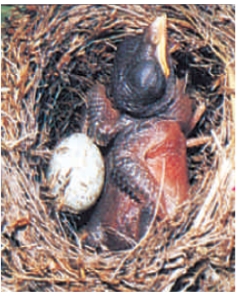
The above figure of a young cuckoo shoving its foster parents' egg out of the nest best demonstrates _____.
A) imprinting behavior
B) instinctive behavior
C) classical conditioning
D) learned behavior
E) operant conditioning
Question
Question
Question
Question
Question
Question
Which of the following communication signals matches the animal?
A) chemical; honeybees
B) tactile; frogs
C) auditory; baboons
D) visual; frogs
E) chemical; fireflies
Question
Question
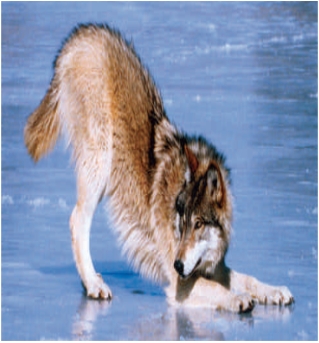
The accompanying figure is of wolf behavior, which tells others _____.
A) to prepare for a fight
B) that the following behavior will be play
C) that the wolf is subordinate to whom he is bowing
D) that the following behavior will be aggressive
E) the wolf is ready to mate
Question
Question
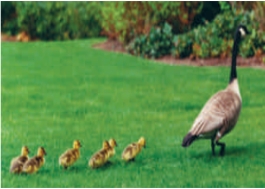
The above figure of goslings (baby geese) following their mother demonstrates ____.
A) imprinting behavior
B) operant conditioning
C) systematic desensitization
D) reactionary behavior
E) voluntary behavior
Question
Question
Classical conditioning and operant conditioning differ in that they apply, respectively, to ____ and ____ behavior.
A) voluntary; involuntary
B) involuntary; voluntary
C) instinctive; learned
D) learned; instinctive
E) active; passive
Question
Question
Question
Question
Question
Question
Question
Question
Question
Question
Question
Question
Question
Question
Question
Question
Question
Question
Question
Question
Question
Question
Question
Question
Question
Question
Question
Question
Question
Question
Question
Question
Question
Question
Question
Question
Question
Question
Question
Question
Question
Question
Question
Question
Question
Question
Question
Question
Question
Question
Question
Question
Question
Question
Question
Question
Question
Question

Unlock Deck
Sign up to unlock the cards in this deck!
Unlock Deck
Unlock Deck
1/74

Play

Full screen (f)
Deck 43: Animal Behavior
1
What is an example of observational learning?
A) A baby garter snake captures and eats a slug.
B) A chick's gaping mouth induces a feeding response in a parent bird.
C) A European cuckoo hatchling pushes the host bird's egg out of the nest.
D) A male fruit fly waves his wings at a female fruit fly during courtship.
E) A marmoset monkey mimicking another marmoset in successfully opening a container.
A) A baby garter snake captures and eats a slug.
B) A chick's gaping mouth induces a feeding response in a parent bird.
C) A European cuckoo hatchling pushes the host bird's egg out of the nest.
D) A male fruit fly waves his wings at a female fruit fly during courtship.
E) A marmoset monkey mimicking another marmoset in successfully opening a container.
E
2
Which of the following implies movement with regard for direction?
A) taxis only
B) kinesis only
C) migration only
D) taxis and migration only
E) taxis, migration, and kinesis
A) taxis only
B) kinesis only
C) migration only
D) taxis and migration only
E) taxis, migration, and kinesis
D
3
According to the above table, what foraging characteristic would benefit an animal most in a stable ecology?
A) A baby garter snake, when it captures and eats a slug
B) A sitter, because it would have more trouble adapting to a changing environment
C) A rover, because it has the ability to adapt quickly
D) Both the sitter and the rover are equally adept in a stable ecosystem.
E) Both the snake and the rover are equally adept in a stable ecosystem.
A) A baby garter snake, when it captures and eats a slug
B) A sitter, because it would have more trouble adapting to a changing environment
C) A rover, because it has the ability to adapt quickly
D) Both the sitter and the rover are equally adept in a stable ecosystem.
E) Both the snake and the rover are equally adept in a stable ecosystem.
B
4
The above figure of a young cuckoo shoving its foster parents' egg out of the nest best demonstrates _____.
A) imprinting behavior
B) instinctive behavior
C) classical conditioning
D) learned behavior
E) operant conditioning
Unlock Deck
Unlock for access to all 74 flashcards in this deck.
Unlock Deck
k this deck
5
Imprinting is a form of ____.
A) innate response
B) static pattern
C) instinctive behavior
D) unlearned behavior
E) passive behavior
A) innate response
B) static pattern
C) instinctive behavior
D) unlearned behavior
E) passive behavior
Unlock Deck
Unlock for access to all 74 flashcards in this deck.
Unlock Deck
k this deck
6
Habituation can best be described as a form of _____.
A) fixed action
B) learned behavior
C) stereotyping
D) instinctual response
E) observational learning
A) fixed action
B) learned behavior
C) stereotyping
D) instinctual response
E) observational learning
Unlock Deck
Unlock for access to all 74 flashcards in this deck.
Unlock Deck
k this deck
7
Parasitized caterpillars eating more alkaloid-rich food in order to poison their parasites is an example of _____.
A) behavioral plasticity
B) social plasticity
C) epigenetics
D) learned behavior
E) mirroring
A) behavioral plasticity
B) social plasticity
C) epigenetics
D) learned behavior
E) mirroring
Unlock Deck
Unlock for access to all 74 flashcards in this deck.
Unlock Deck
k this deck
8
A rat that learns not to approach a certain part of a cage because it has received a shock there exhibiting ____.
A) operant conditioning
B) shock therapy
C) desensitization
D) mirroring
E) observational learning
A) operant conditioning
B) shock therapy
C) desensitization
D) mirroring
E) observational learning
Unlock Deck
Unlock for access to all 74 flashcards in this deck.
Unlock Deck
k this deck
9
The European cuckoo's behavior as a "brood parasite" represents what type of behavior?
A) a response that is not a behavior
B) instinctive behavior
C) imprinting behavior
D) learned behavior
E) a time-dependent form of learning
A) a response that is not a behavior
B) instinctive behavior
C) imprinting behavior
D) learned behavior
E) a time-dependent form of learning
Unlock Deck
Unlock for access to all 74 flashcards in this deck.
Unlock Deck
k this deck
10
Which of the following communication signals matches the animal?
A) chemical; honeybees
B) tactile; frogs
C) auditory; baboons
D) visual; frogs
E) chemical; fireflies
Unlock Deck
Unlock for access to all 74 flashcards in this deck.
Unlock Deck
k this deck
11
In mammals, oxytocin is released during _____.
A) sexual intercoursek only
B) lactation only
C) labor only
D) sexual intercourse, lactation, and labor
E) sexual intercourse and labor
A) sexual intercoursek only
B) lactation only
C) labor only
D) sexual intercourse, lactation, and labor
E) sexual intercourse and labor
Unlock Deck
Unlock for access to all 74 flashcards in this deck.
Unlock Deck
k this deck
12
The accompanying figure is of wolf behavior, which tells others _____.
A) to prepare for a fight
B) that the following behavior will be play
C) that the wolf is subordinate to whom he is bowing
D) that the following behavior will be aggressive
E) the wolf is ready to mate
Unlock Deck
Unlock for access to all 74 flashcards in this deck.
Unlock Deck
k this deck
13
When a European robin orients by the earth's magnetic field, it is described as _____ directional differences.
A) "feeling"
B) "seeing"
C) "sensing"
D) "predicting"
E) "assuming"
A) "feeling"
B) "seeing"
C) "sensing"
D) "predicting"
E) "assuming"
Unlock Deck
Unlock for access to all 74 flashcards in this deck.
Unlock Deck
k this deck
14
The above figure of goslings (baby geese) following their mother demonstrates ____.
A) imprinting behavior
B) operant conditioning
C) systematic desensitization
D) reactionary behavior
E) voluntary behavior
Unlock Deck
Unlock for access to all 74 flashcards in this deck.
Unlock Deck
k this deck
15
The advantage to a species of using a pheromone for communication rather than calling or gesturing is that it _____.
A) conveys more information
B) is more easily understood
C) is more energy efficient
D) is more variable
E) conveys immediate information
A) conveys more information
B) is more easily understood
C) is more energy efficient
D) is more variable
E) conveys immediate information
Unlock Deck
Unlock for access to all 74 flashcards in this deck.
Unlock Deck
k this deck
16
Classical conditioning and operant conditioning differ in that they apply, respectively, to ____ and ____ behavior.
A) voluntary; involuntary
B) involuntary; voluntary
C) instinctive; learned
D) learned; instinctive
E) active; passive
Unlock Deck
Unlock for access to all 74 flashcards in this deck.
Unlock Deck
k this deck
17
Communication signals are usually _____.
A) intraspecific
B) interspecific
C) not helpful to the receiver
D) visual
E) auditory
A) intraspecific
B) interspecific
C) not helpful to the receiver
D) visual
E) auditory
Unlock Deck
Unlock for access to all 74 flashcards in this deck.
Unlock Deck
k this deck
18
Imprinting _____.
A) is governed more by environment than genetics
B) cannot be associated with learning
C) can only occur during a short interval in the life of an animal
D) must occurs over one's entire lifetime
E) is constantly being done and undone
A) is governed more by environment than genetics
B) cannot be associated with learning
C) can only occur during a short interval in the life of an animal
D) must occurs over one's entire lifetime
E) is constantly being done and undone
Unlock Deck
Unlock for access to all 74 flashcards in this deck.
Unlock Deck
k this deck
19
A classic example of imprinting is _____.
A) Pavlov's dog
B) a sparrow singing a song
C) Lorenz and his geese
D) a cuckoo bird being a "brood parasite"
E) watching television
A) Pavlov's dog
B) a sparrow singing a song
C) Lorenz and his geese
D) a cuckoo bird being a "brood parasite"
E) watching television
Unlock Deck
Unlock for access to all 74 flashcards in this deck.
Unlock Deck
k this deck
20
Epigenetic effects cause _____ behavior without altering _____.
A) instinctive; oxytocin level
B) instinctive; the genome
C) conditioned; the genome
D) heritable changes in; DNA sequence
E) temporary changes in; RNA sequence
A) instinctive; oxytocin level
B) instinctive; the genome
C) conditioned; the genome
D) heritable changes in; DNA sequence
E) temporary changes in; RNA sequence
Unlock Deck
Unlock for access to all 74 flashcards in this deck.
Unlock Deck
k this deck
21
The fact that genes associated with altruism are favored by natural selection if they lead to the reproductive success of an altruist's closest relatives is called _____.
A) the theory of inclusive fitness
B) survival of the fittest
C) evolution
D) inbreeding
E) selective mating
A) the theory of inclusive fitness
B) survival of the fittest
C) evolution
D) inbreeding
E) selective mating
Unlock Deck
Unlock for access to all 74 flashcards in this deck.
Unlock Deck
k this deck
22
One study has shown that when more lions join a hunting group, _____.
A) the success rate falls
B) the success rate remains proportional
C) the success rate increases
D) the success rate is the same but there is more food on average
E) more eventually drop out to be in isolation
A) the success rate falls
B) the success rate remains proportional
C) the success rate increases
D) the success rate is the same but there is more food on average
E) more eventually drop out to be in isolation
Unlock Deck
Unlock for access to all 74 flashcards in this deck.
Unlock Deck
k this deck
23
What is the greatest benefit for carnivores who hunt cooperatively?
A) greater diversity
B) division of labor
C) defense of territory
D) more reproductive options
E) efficiency in catching prey
A) greater diversity
B) division of labor
C) defense of territory
D) more reproductive options
E) efficiency in catching prey
Unlock Deck
Unlock for access to all 74 flashcards in this deck.
Unlock Deck
k this deck
24
A eusocial animal ______.
A) lives alone
B) works alone
C) breeds continuously
D) lives within a group with a reproductive division of labor
E) least likely to exhibit altruistic behavior
A) lives alone
B) works alone
C) breeds continuously
D) lives within a group with a reproductive division of labor
E) least likely to exhibit altruistic behavior
Unlock Deck
Unlock for access to all 74 flashcards in this deck.
Unlock Deck
k this deck
25
A dance that recruits other bees into foraging 90 degrees to the right of the sun is indicated by flying ____.
A) straight up the comb
B) straight down the comb
C) to the left of vertical
D) to the right of vertical
E) in circles
A) straight up the comb
B) straight down the comb
C) to the left of vertical
D) to the right of vertical
E) in circles
Unlock Deck
Unlock for access to all 74 flashcards in this deck.
Unlock Deck
k this deck
26
Choose the one most appropriate response for each. Some letters may not be used.
a.studied nest decorating behavior in birds
b.imprinting in goslings
c.capacity of an animal to complete complex, stereotyped responses to first-time encounters with key stimuli
d.problem solving without trial-and-error
e.behavior is modified by experience
f.voluntary behavior is modified in response to consequences of that behavior
g.communal display ground
h.occurs during a sensitive period in which a following response or social attachment becomes fixed on a particular moving object
i.self-sacrificing behavior
imprinting
a.studied nest decorating behavior in birds
b.imprinting in goslings
c.capacity of an animal to complete complex, stereotyped responses to first-time encounters with key stimuli
d.problem solving without trial-and-error
e.behavior is modified by experience
f.voluntary behavior is modified in response to consequences of that behavior
g.communal display ground
h.occurs during a sensitive period in which a following response or social attachment becomes fixed on a particular moving object
i.self-sacrificing behavior
imprinting
Unlock Deck
Unlock for access to all 74 flashcards in this deck.
Unlock Deck
k this deck
27
Choose the one most appropriate response for each. Some letters may not be used.
a.studied nest decorating behavior in birds
b.imprinting in goslings
c.capacity of an animal to complete complex, stereotyped responses to first-time encounters with key stimuli
d.problem solving without trial-and-error
e.behavior is modified by experience
f.voluntary behavior is modified in response to consequences of that behavior
g.communal display ground
h.occurs during a sensitive period in which a following response or social attachment becomes fixed on a particular moving object
i.self-sacrificing behavior
altruism
a.studied nest decorating behavior in birds
b.imprinting in goslings
c.capacity of an animal to complete complex, stereotyped responses to first-time encounters with key stimuli
d.problem solving without trial-and-error
e.behavior is modified by experience
f.voluntary behavior is modified in response to consequences of that behavior
g.communal display ground
h.occurs during a sensitive period in which a following response or social attachment becomes fixed on a particular moving object
i.self-sacrificing behavior
altruism
Unlock Deck
Unlock for access to all 74 flashcards in this deck.
Unlock Deck
k this deck
28
A(n) ____ allows two rival males to assess one another's strengths without engaging in a potentially damaging fight.
A) conditioned stimuli
B) eusocial response
C) instinctive behavior
D) kinetic movement
E) threat display
A) conditioned stimuli
B) eusocial response
C) instinctive behavior
D) kinetic movement
E) threat display
Unlock Deck
Unlock for access to all 74 flashcards in this deck.
Unlock Deck
k this deck
29
Choose the one most appropriate response for each. Some letters may not be used.
a.studied nest decorating behavior in birds
b.imprinting in goslings
c.capacity of an animal to complete complex, stereotyped responses to first-time encounters with key stimuli
d.problem solving without trial-and-error
e.behavior is modified by experience
f.voluntary behavior is modified in response to consequences of that behavior
g.communal display ground
h.occurs during a sensitive period in which a following response or social attachment becomes fixed on a particular moving object
i.self-sacrificing behavior
instinctive behavior
a.studied nest decorating behavior in birds
b.imprinting in goslings
c.capacity of an animal to complete complex, stereotyped responses to first-time encounters with key stimuli
d.problem solving without trial-and-error
e.behavior is modified by experience
f.voluntary behavior is modified in response to consequences of that behavior
g.communal display ground
h.occurs during a sensitive period in which a following response or social attachment becomes fixed on a particular moving object
i.self-sacrificing behavior
instinctive behavior
Unlock Deck
Unlock for access to all 74 flashcards in this deck.
Unlock Deck
k this deck
30
Females of various species shop around for males that _____.
A) are nomadic
B) are highly selective
C) are silent and strong
D) make showy displays
E) have a large family
A) are nomadic
B) are highly selective
C) are silent and strong
D) make showy displays
E) have a large family
Unlock Deck
Unlock for access to all 74 flashcards in this deck.
Unlock Deck
k this deck
31
Vocal signals are used by _____.
A) wolves
B) mice
C) snakes only
D) lizards only
E) snakes and lizards
A) wolves
B) mice
C) snakes only
D) lizards only
E) snakes and lizards
Unlock Deck
Unlock for access to all 74 flashcards in this deck.
Unlock Deck
k this deck
32
In the selfish herd, there is an advantage to _____.
A) being on the outside
B) being near the front
C) being in the middle
D) being isolated
E) being unpredictable
A) being on the outside
B) being near the front
C) being in the middle
D) being isolated
E) being unpredictable
Unlock Deck
Unlock for access to all 74 flashcards in this deck.
Unlock Deck
k this deck
33
In terms of male parental care, the prevalence in animals groups goes in this order: _____ (most prevalent to least).
A) birds - mammals - fishes
B) mammals - birds - fishes
C) mammals - fishes - birds
D) reptiles - mammals - fishes
E) mammals - fishes - birds
A) birds - mammals - fishes
B) mammals - birds - fishes
C) mammals - fishes - birds
D) reptiles - mammals - fishes
E) mammals - fishes - birds
Unlock Deck
Unlock for access to all 74 flashcards in this deck.
Unlock Deck
k this deck
34
Altruistic behavior ____.
A) works in a similar way to selfish herds
B) is sexually directed behavior
C) is self-sacrificing behavior
D) is aggressive behavior
E) is nonreactive, such as freezing at the sign of danger
A) works in a similar way to selfish herds
B) is sexually directed behavior
C) is self-sacrificing behavior
D) is aggressive behavior
E) is nonreactive, such as freezing at the sign of danger
Unlock Deck
Unlock for access to all 74 flashcards in this deck.
Unlock Deck
k this deck
35
Bees use which type of communication method to transmit location of a food source?
A) vocal
B) odors
C) visual
D) tactile
E) pheromones
A) vocal
B) odors
C) visual
D) tactile
E) pheromones
Unlock Deck
Unlock for access to all 74 flashcards in this deck.
Unlock Deck
k this deck
36
Choose the one most appropriate response for each. Some letters may not be used.
a.studied nest decorating behavior in birds
b.imprinting in goslings
c.capacity of an animal to complete complex, stereotyped responses to first-time encounters with key stimuli
d.problem solving without trial-and-error
e.behavior is modified by experience
f.voluntary behavior is modified in response to consequences of that behavior
g.communal display ground
h.occurs during a sensitive period in which a following response or social attachment becomes fixed on a particular moving object
i.self-sacrificing behavior
lek
a.studied nest decorating behavior in birds
b.imprinting in goslings
c.capacity of an animal to complete complex, stereotyped responses to first-time encounters with key stimuli
d.problem solving without trial-and-error
e.behavior is modified by experience
f.voluntary behavior is modified in response to consequences of that behavior
g.communal display ground
h.occurs during a sensitive period in which a following response or social attachment becomes fixed on a particular moving object
i.self-sacrificing behavior
lek
Unlock Deck
Unlock for access to all 74 flashcards in this deck.
Unlock Deck
k this deck
37
The male sage grouse who is "displaying" is likely _____.
A) indicating that he are ready to spar with other males
B) claiming part of the territory as his own
C) attracting a mate in a monogamous union
D) attracting a mate in a polygamous union
E) indicating that he has won a mate
A) indicating that he are ready to spar with other males
B) claiming part of the territory as his own
C) attracting a mate in a monogamous union
D) attracting a mate in a polygamous union
E) indicating that he has won a mate
Unlock Deck
Unlock for access to all 74 flashcards in this deck.
Unlock Deck
k this deck
38
Sexual selection occurs when a female chooses a male that _____.
A) shares all resources
B) is migratory
C) shows superior strength
D) can be a chameleon
E) has never had a mate
A) shares all resources
B) is migratory
C) shows superior strength
D) can be a chameleon
E) has never had a mate
Unlock Deck
Unlock for access to all 74 flashcards in this deck.
Unlock Deck
k this deck
39
Altruism in animals _____.
A) increasesanother individual's reproductive success at its own expense
B) has no selective value
C) is a recent evolutionary development observed only in mammals
D) is attributable to random behavior
E) is commonplace in vertebrates
A) increasesanother individual's reproductive success at its own expense
B) has no selective value
C) is a recent evolutionary development observed only in mammals
D) is attributable to random behavior
E) is commonplace in vertebrates
Unlock Deck
Unlock for access to all 74 flashcards in this deck.
Unlock Deck
k this deck
40
The "confusion effect" occurs ____.
A) when one animal flees a threat and others in the group do the same
B) when animals group and present a solid front to predators
C) when there is a "selfish herd"
D) in a hierarchal living group
E) in the mimicking of another species to escape predation
A) when one animal flees a threat and others in the group do the same
B) when animals group and present a solid front to predators
C) when there is a "selfish herd"
D) in a hierarchal living group
E) in the mimicking of another species to escape predation
Unlock Deck
Unlock for access to all 74 flashcards in this deck.
Unlock Deck
k this deck
41
Classification. Respond to the following statements in reference to the four kinds of social behavior listed below.
a.altruism
b.cooperation
c.selfish herd behavior
d.subordination
Behavior refers to coordinated responses that an animal makes to a(n) __________.
a.altruism
b.cooperation
c.selfish herd behavior
d.subordination
Behavior refers to coordinated responses that an animal makes to a(n) __________.
Unlock Deck
Unlock for access to all 74 flashcards in this deck.
Unlock Deck
k this deck
42
Choose the one most appropriate response for each. Some letters may not be used.
a.studied nest decorating behavior in birds
b.imprinting in goslings
c.capacity of an animal to complete complex, stereotyped responses to first-time encounters with key stimuli
d.problem solving without trial-and-error
e.behavior is modified by experience
f.voluntary behavior is modified in response to consequences of that behavior
g.communal display ground
h.occurs during a sensitive period in which a following response or social attachment becomes fixed on a particular moving object
i.self-sacrificing behavior
Lorenz
a.studied nest decorating behavior in birds
b.imprinting in goslings
c.capacity of an animal to complete complex, stereotyped responses to first-time encounters with key stimuli
d.problem solving without trial-and-error
e.behavior is modified by experience
f.voluntary behavior is modified in response to consequences of that behavior
g.communal display ground
h.occurs during a sensitive period in which a following response or social attachment becomes fixed on a particular moving object
i.self-sacrificing behavior
Lorenz
Unlock Deck
Unlock for access to all 74 flashcards in this deck.
Unlock Deck
k this deck
43
Respond to the following statements in reference to the five kinds of behavior listed below.
a.imprinting
b.sexual selection
c.learned behavior
d.defense behavior
e.altruism
A prairie dog makes a particular bark when it sees an eagle. This is an example of __________.
a.imprinting
b.sexual selection
c.learned behavior
d.defense behavior
e.altruism
A prairie dog makes a particular bark when it sees an eagle. This is an example of __________.
Unlock Deck
Unlock for access to all 74 flashcards in this deck.
Unlock Deck
k this deck
44
Respond to the following statements in reference to the four kinds of reception listed below that are used by social animals.
a.tactile
b.auditory
c.visual
d.chemical
This sensory modality is used by honeybees during the waggle dance.
a.tactile
b.auditory
c.visual
d.chemical
This sensory modality is used by honeybees during the waggle dance.
Unlock Deck
Unlock for access to all 74 flashcards in this deck.
Unlock Deck
k this deck
45
Classification. Respond to the following statements in reference to the four kinds of social behavior listed below.
a.altruism
b.cooperation
c.selfish herd behavior
d.subordination
When a woman raises her brother's children, this is an example of __________.
a.altruism
b.cooperation
c.selfish herd behavior
d.subordination
When a woman raises her brother's children, this is an example of __________.
Unlock Deck
Unlock for access to all 74 flashcards in this deck.
Unlock Deck
k this deck
46
?Choose the one most appropriate response for each. Some letters may not be used.
-operant conditioning
A)?studied nest decorating behavior in birds
B)?imprinting in goslings
C)capacity of an animal to complete complex, stereotyped responses to first-time encounters with key stimuli
D)?problem solving without trial-and-error
E)?behavior is modified by experience
F)?voluntary behavior is modified in response to consequences of that behavior
G)?communal display ground
H)occurs during a sensitive period in which a following response or social attachment becomes fixed on a particular moving object
I)?self-sacrificing behavior
-operant conditioning
A)?studied nest decorating behavior in birds
B)?imprinting in goslings
C)capacity of an animal to complete complex, stereotyped responses to first-time encounters with key stimuli
D)?problem solving without trial-and-error
E)?behavior is modified by experience
F)?voluntary behavior is modified in response to consequences of that behavior
G)?communal display ground
H)occurs during a sensitive period in which a following response or social attachment becomes fixed on a particular moving object
I)?self-sacrificing behavior
Unlock Deck
Unlock for access to all 74 flashcards in this deck.
Unlock Deck
k this deck
47
Classification. Respond to the following statements in reference to the four kinds of social behavior listed below.
a.altruism
b.cooperation
c.selfish herd behavior
d.subordination
When a colony of bluegill sunfishes competes for the safe sites at the center of the group, this is an example of __________.
a.altruism
b.cooperation
c.selfish herd behavior
d.subordination
When a colony of bluegill sunfishes competes for the safe sites at the center of the group, this is an example of __________.
Unlock Deck
Unlock for access to all 74 flashcards in this deck.
Unlock Deck
k this deck
48
Classification. Respond to the following statements in reference to the four kinds of social behavior listed below.
a.altruism
b.cooperation
c.selfish herd behavior
d.subordination
When two or more female lions attack a wildebeest together, this is an example of __________.
a.altruism
b.cooperation
c.selfish herd behavior
d.subordination
When two or more female lions attack a wildebeest together, this is an example of __________.
Unlock Deck
Unlock for access to all 74 flashcards in this deck.
Unlock Deck
k this deck
49
Respond to the following statements in reference to the five kinds of behavior listed below.
a.imprinting
b.sexual selection
c.learned behavior
d.defense behavior
e.altruism
If the young of precocial (young that are relatively mature and mobile when hatched) birds (e.g., chickens or ducks) are continually shown a large moving object during the first few days of their lives, they will follow that object. This is an example of __________.
a.imprinting
b.sexual selection
c.learned behavior
d.defense behavior
e.altruism
If the young of precocial (young that are relatively mature and mobile when hatched) birds (e.g., chickens or ducks) are continually shown a large moving object during the first few days of their lives, they will follow that object. This is an example of __________.
Unlock Deck
Unlock for access to all 74 flashcards in this deck.
Unlock Deck
k this deck
50
Choose the one most appropriate response for each. Some letters may not be used.
a.studied nest decorating behavior in birds
b.imprinting in goslings
c.capacity of an animal to complete complex, stereotyped responses to first-time encounters with key stimuli
d.problem solving without trial-and-error
e.behavior is modified by experience
f.voluntary behavior is modified in response to consequences of that behavior
g.communal display ground
h.occurs during a sensitive period in which a following response or social attachment becomes fixed on a particular moving object
i.self-sacrificing behavior
learning
a.studied nest decorating behavior in birds
b.imprinting in goslings
c.capacity of an animal to complete complex, stereotyped responses to first-time encounters with key stimuli
d.problem solving without trial-and-error
e.behavior is modified by experience
f.voluntary behavior is modified in response to consequences of that behavior
g.communal display ground
h.occurs during a sensitive period in which a following response or social attachment becomes fixed on a particular moving object
i.self-sacrificing behavior
learning
Unlock Deck
Unlock for access to all 74 flashcards in this deck.
Unlock Deck
k this deck
51
Classification. Respond to the following statements in reference to the four kinds of social behavior listed below.
a.altruism
b.cooperation
c.selfish herd behavior
d.subordination
When the offspring of one brood of Florida scrub-jays help their parents in taking care of their siblings in the next brood, this is an example of __________.
a.altruism
b.cooperation
c.selfish herd behavior
d.subordination
When the offspring of one brood of Florida scrub-jays help their parents in taking care of their siblings in the next brood, this is an example of __________.
Unlock Deck
Unlock for access to all 74 flashcards in this deck.
Unlock Deck
k this deck
52
Respond to the following statements in reference to the four kinds of reception listed below that are used by social animals.
a.tactile
b.auditory
c.visual
d.chemical
The primary signal sent out by receptive female primates is likely to be this.
a.tactile
b.auditory
c.visual
d.chemical
The primary signal sent out by receptive female primates is likely to be this.
Unlock Deck
Unlock for access to all 74 flashcards in this deck.
Unlock Deck
k this deck
53
Respond to the following statements in reference to the five kinds of behavior listed below.
a.imprinting
b.sexual selection
c.learned behavior
d.defense behavior
e.altruism
A garter snake learns to avoid dangerous or unpalatable prey. This is an example of __________.
a.imprinting
b.sexual selection
c.learned behavior
d.defense behavior
e.altruism
A garter snake learns to avoid dangerous or unpalatable prey. This is an example of __________.
Unlock Deck
Unlock for access to all 74 flashcards in this deck.
Unlock Deck
k this deck
54
Respond to the following statements in reference to the five kinds of behavior listed below.
a.imprinting
b.sexual selection
c.learned behavior
d.defense behavior
e.altruism
The extreme variation in plumage observed among the males of various species of ducks is thought to be due to __________.
a.imprinting
b.sexual selection
c.learned behavior
d.defense behavior
e.altruism
The extreme variation in plumage observed among the males of various species of ducks is thought to be due to __________.
Unlock Deck
Unlock for access to all 74 flashcards in this deck.
Unlock Deck
k this deck
55
Respond to the following statements in reference to the four kinds of reception listed below that are used by social animals.
a.tactile
b.auditory
c.visual
d.chemical
The elaborate posturing displays of male birds-of-paradise utilize this sense in the female.
a.tactile
b.auditory
c.visual
d.chemical
The elaborate posturing displays of male birds-of-paradise utilize this sense in the female.
Unlock Deck
Unlock for access to all 74 flashcards in this deck.
Unlock Deck
k this deck
56
Respond to the following statements in reference to the four kinds of reception listed below that are used by social animals.
a.tactile
b.auditory
c.visual
d.chemical
The sex pheromone emitted by a female gypsy moth relies upon this sense in the male.
a.tactile
b.auditory
c.visual
d.chemical
The sex pheromone emitted by a female gypsy moth relies upon this sense in the male.
Unlock Deck
Unlock for access to all 74 flashcards in this deck.
Unlock Deck
k this deck
57
Respond to the following statements in reference to the five kinds of behavior listed below.
a.imprinting
b.sexual selection
c.learned behavior
d.defense behavior
e.altruism
The adult male who jumps overboard to save a drowning niece is exhibiting __________.
a.imprinting
b.sexual selection
c.learned behavior
d.defense behavior
e.altruism
The adult male who jumps overboard to save a drowning niece is exhibiting __________.
Unlock Deck
Unlock for access to all 74 flashcards in this deck.
Unlock Deck
k this deck
58
Classification. Respond to the following statements in reference to the four kinds of social behavior listed below.
a.altruism
b.cooperation
c.selfish herd behavior
d.subordination
When a clump of sawfly caterpillars rear up, writhe, and regurgitate toxic fluid after being disturbed, this is an example of __________.
a.altruism
b.cooperation
c.selfish herd behavior
d.subordination
When a clump of sawfly caterpillars rear up, writhe, and regurgitate toxic fluid after being disturbed, this is an example of __________.
Unlock Deck
Unlock for access to all 74 flashcards in this deck.
Unlock Deck
k this deck
59
Genes that affect the __________ system often affect behavior.
Unlock Deck
Unlock for access to all 74 flashcards in this deck.
Unlock Deck
k this deck
60
Respond to the following statements in reference to the four kinds of reception listed below that are used by social animals.
a.tactile
b.auditory
c.visual
d.chemical
The alarm signal one snail sends to another is most likely to be this.
a.tactile
b.auditory
c.visual
d.chemical
The alarm signal one snail sends to another is most likely to be this.
Unlock Deck
Unlock for access to all 74 flashcards in this deck.
Unlock Deck
k this deck
61
__________ behavior can occur without having been learned by experience.
Unlock Deck
Unlock for access to all 74 flashcards in this deck.
Unlock Deck
k this deck
62
Why are human behaviors so difficult to study?
Unlock Deck
Unlock for access to all 74 flashcards in this deck.
Unlock Deck
k this deck
63
__________ allow animals of the same species to share information.
Unlock Deck
Unlock for access to all 74 flashcards in this deck.
Unlock Deck
k this deck
64
With __________, an animal stops responding to an ongoing stimulus.
Unlock Deck
Unlock for access to all 74 flashcards in this deck.
Unlock Deck
k this deck
65
What is the benefit of using the Earth's magnetic field to migrate compared to the sun or stars?
Unlock Deck
Unlock for access to all 74 flashcards in this deck.
Unlock Deck
k this deck
66
Colonies of ants, termites, and some other insects, as well as naked mole rats, are __________ and thus include sterile workers who care for the reproducing members of the group.
Unlock Deck
Unlock for access to all 74 flashcards in this deck.
Unlock Deck
k this deck
67
With __________, an animal modifies a voluntary behavior in response to the behavior's consequences.
Unlock Deck
Unlock for access to all 74 flashcards in this deck.
Unlock Deck
k this deck
68
With __________, an animal learns to associate an involuntary response to one stimulus with another stimulus.
Unlock Deck
Unlock for access to all 74 flashcards in this deck.
Unlock Deck
k this deck
69
What are some benefits for animals to live in groups?
Unlock Deck
Unlock for access to all 74 flashcards in this deck.
Unlock Deck
k this deck
70
__________ is one form of learning that happens only during a sensitive period early in life.
Unlock Deck
Unlock for access to all 74 flashcards in this deck.
Unlock Deck
k this deck
71
Chemical signals such as __________ have roles in social communication.
Unlock Deck
Unlock for access to all 74 flashcards in this deck.
Unlock Deck
k this deck
72
Explain pheromones and theorize why they are not significantly employed by humans.
Unlock Deck
Unlock for access to all 74 flashcards in this deck.
Unlock Deck
k this deck
73
__________ behavior is altered by experience.
Unlock Deck
Unlock for access to all 74 flashcards in this deck.
Unlock Deck
k this deck
74
A behavior that has a genetic basis is subject to evolution by __________.
Unlock Deck
Unlock for access to all 74 flashcards in this deck.
Unlock Deck
k this deck
Unlock Deck
Unlock for access to all 74 flashcards in this deck.






