







 Chat with AI

Deck 5: The Industrial Revolution: the Great Transformation
Full screen (f)

Question

Question
Question
Question
Question
Question
Question
Question
Question
Question
Question
Question
Question
Question
Question
Question
Question
Question
Question
Question
Question
Question
Question
Question
Question
Question
Question
Question
Question
Question
Question
Question
Question
Question
Question
Question
Question
Question
Question
Question
Question
Question
Question
Question
Question
Question
Question
Question
Question
Question
Question
Question
Question
Question
Question
Question
Question
Question
Question
Question
Question
Instructions: Please use this outline map of Europe to answer the question(s).
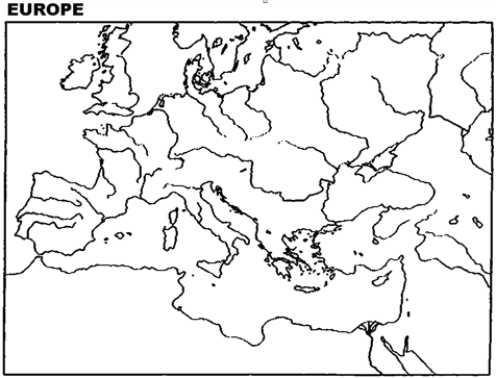
What caused Europe's population explosion,and how did it contribute to the origins of the industrial age?
What caused Europe's population explosion,and how did it contribute to the origins of the industrial age?
Question
Instructions: Please use this outline map of Europe to answer the question(s).
Choose either the textile or the iron industry,and explain the nature of major developments influencing the Industrial Revolution in that field.
Choose either the textile or the iron industry,and explain the nature of major developments influencing the Industrial Revolution in that field.
Question
Instructions: Please use this outline map of Europe to answer the question(s).
What were the major features of the Industrial Revolution? In what ways did it create a new age in the history of the West?
What were the major features of the Industrial Revolution? In what ways did it create a new age in the history of the West?
Question
Instructions: Please use this outline map of Europe to answer the question(s).
What could newcomers to the working class experience as they came to the city? If life was so difficult in the cities,why did workers continue to go there?
What could newcomers to the working class experience as they came to the city? If life was so difficult in the cities,why did workers continue to go there?
Question
Question
Instructions: Please use this outline map of Europe to answer the question(s).
How did the Industrial Revolution change European society and contribute to the modernization of the West?
How did the Industrial Revolution change European society and contribute to the modernization of the West?
Question
Instructions: Please use this outline map of Europe to answer the question(s).
Which elements of society resisted the coming of industry and the new technology on which it relied,and why? How did they respond to the changes they faced?
Which elements of society resisted the coming of industry and the new technology on which it relied,and why? How did they respond to the changes they faced?
Question
Question
Instructions: Please use this outline map of Europe to answer the question(s).
While the Industrial Revolution was a product of European civilization,it developed first in Britain.Why?
While the Industrial Revolution was a product of European civilization,it developed first in Britain.Why?
Question
Question
Instructions: Please use this outline map of Europe to answer the question(s).
Much press is given to the dynamic power of private entrepreneurship in the development of industrial capitalism.However,governments also played a very large role in funding and facilitating industrialization,even in England.Provide some examples of this.
Much press is given to the dynamic power of private entrepreneurship in the development of industrial capitalism.However,governments also played a very large role in funding and facilitating industrialization,even in England.Provide some examples of this.
Question
Instructions: Please use this outline map of Europe to answer the question(s).
Discuss some of the main economic problems facing the new industrial working class.How did governments respond when workers protested?
Discuss some of the main economic problems facing the new industrial working class.How did governments respond when workers protested?
Question
Instructions: Please use this outline map of Europe to answer the question(s).
Why was the agricultural revolution a necessary precursor to industrialization? How did the agricultural revolution change traditional social structures and labor patterns?
Why was the agricultural revolution a necessary precursor to industrialization? How did the agricultural revolution change traditional social structures and labor patterns?
Question
Instructions: Please use this outline map of Europe to answer the question(s).
Locate and label the four areas in Europe to which the Industrial Revolution spread by the 1860s.
Locate and label the four areas in Europe to which the Industrial Revolution spread by the 1860s.
Question
Question
Instructions: Please use this outline map of Europe to answer the question(s).
Locate and labelthe following areas urbanized during the 1800s: the English Midlands,the Scottish Lowlands,the northern plain of France,Belgium,the Rhineland,and northern Italy.
Locate and labelthe following areas urbanized during the 1800s: the English Midlands,the Scottish Lowlands,the northern plain of France,Belgium,the Rhineland,and northern Italy.
Question
Instructions: Please use this outline map of Europe to answer the question(s).
After the 1830s or so,the Industrial Revolution required huge infusions of capital.Why was this so,and how was this capital mobilized?
After the 1830s or so,the Industrial Revolution required huge infusions of capital.Why was this so,and how was this capital mobilized?

Unlock Deck
Sign up to unlock the cards in this deck!
Unlock Deck
Unlock Deck
1/77

Play

Full screen (f)
Deck 5: The Industrial Revolution: the Great Transformation
1
The new steam engines required affordable access to
A) traditionally produced iron and coal.
B) iron and major rivers.
C) wood and traditionally produced iron.
D) coal and improved, stronger iron.
E) improved, stronger iron and major rivers.
A) traditionally produced iron and coal.
B) iron and major rivers.
C) wood and traditionally produced iron.
D) coal and improved, stronger iron.
E) improved, stronger iron and major rivers.
D
2
The machine identified in the text as fostering slavery was the
A) spinning jenny.
B) spinning mule.
C) cotton gin.
D) power loom.
E) McCormick reaper.
A) spinning jenny.
B) spinning mule.
C) cotton gin.
D) power loom.
E) McCormick reaper.
C
3
At the end of the eighteenth century,industrialization in France was delayed by
A) political revolution.
B) attachment to traditional agricultural methods.
C) acquisition of land by the peasantry.
D) attachment to traditional, high quality craft production.
E) all of the above
A) political revolution.
B) attachment to traditional agricultural methods.
C) acquisition of land by the peasantry.
D) attachment to traditional, high quality craft production.
E) all of the above
E
4
Capitalist agriculture first developed in
A) France and England.
B) the Netherlands and England.
C) Germany and France.
D) Denmark and the Netherlands.
E) the New World.
A) France and England.
B) the Netherlands and England.
C) Germany and France.
D) Denmark and the Netherlands.
E) the New World.
Unlock Deck
Unlock for access to all 77 flashcards in this deck.
Unlock Deck
k this deck
5
According to the text,which of the following contributed to the development of the Industrial Revolution in Europe?
A) the loss of substantial wealth to the Ottomans that drove the search for a means of catching up to the East
B) a reduction of trade that resulted from the collapse of rural handicrafts
C) capitalist practices of medieval bankers and merchants
D) a unified world vision and political unity throughout the continent
E) a reduction of competition among European states after the wars of Napoleon
A) the loss of substantial wealth to the Ottomans that drove the search for a means of catching up to the East
B) a reduction of trade that resulted from the collapse of rural handicrafts
C) capitalist practices of medieval bankers and merchants
D) a unified world vision and political unity throughout the continent
E) a reduction of competition among European states after the wars of Napoleon
Unlock Deck
Unlock for access to all 77 flashcards in this deck.
Unlock Deck
k this deck
6
Enclosure
A) contributed to the wealth of a new breed, commercial farming landowners.
B) resulted in year-round work for poorer farmers.
C) was confined to England only.
D) required the locking of gates once work in the factory had begun.
E) was abolished with the manorial system.
A) contributed to the wealth of a new breed, commercial farming landowners.
B) resulted in year-round work for poorer farmers.
C) was confined to England only.
D) required the locking of gates once work in the factory had begun.
E) was abolished with the manorial system.
Unlock Deck
Unlock for access to all 77 flashcards in this deck.
Unlock Deck
k this deck
7
Which of the following statements is NOT accurate?
A) The Industrial Revolution began in Britain.
B) The first country to which the Industrial Revolution spread was the United States.
C) The Industrial Revolution spread to France after the French Revolution.
D) Industrialization began in Germany in the 1840s and became phenomenal in the 1870s.
E) Russia began to industrialize in the 1890s.
A) The Industrial Revolution began in Britain.
B) The first country to which the Industrial Revolution spread was the United States.
C) The Industrial Revolution spread to France after the French Revolution.
D) Industrialization began in Germany in the 1840s and became phenomenal in the 1870s.
E) Russia began to industrialize in the 1890s.
Unlock Deck
Unlock for access to all 77 flashcards in this deck.
Unlock Deck
k this deck
8
Which of the following is a key reason England was able to industrialize first?
A) England was the wealthiest country in Europe.
B) England's people were more willing to change the traditional ways of agriculture and craft production.
C) England's scientific and intellectual life was considerably more advanced than that of its neighbors.
D) England's government was the most responsive in Europe to the need for transportation and communication.
E) England's population was far more industrious than that of other European states.
A) England was the wealthiest country in Europe.
B) England's people were more willing to change the traditional ways of agriculture and craft production.
C) England's scientific and intellectual life was considerably more advanced than that of its neighbors.
D) England's government was the most responsive in Europe to the need for transportation and communication.
E) England's population was far more industrious than that of other European states.
Unlock Deck
Unlock for access to all 77 flashcards in this deck.
Unlock Deck
k this deck
9
The Dutch Republic lacked which of the following preconditions for industrialization?
A) a good transportation system
B) developed capitalist practices
C) natural resources
D) technical know-how
E) highly developed agriculture
A) a good transportation system
B) developed capitalist practices
C) natural resources
D) technical know-how
E) highly developed agriculture
Unlock Deck
Unlock for access to all 77 flashcards in this deck.
Unlock Deck
k this deck
10
The Industrial Revolution
A) led to the transformation of human existence in Western Europe.
B) was complete by the end of the decade after 1800.
C) happened at the same pace throughout Europe.
D) resulted from careful planning by its organizers.
E) all of the above
A) led to the transformation of human existence in Western Europe.
B) was complete by the end of the decade after 1800.
C) happened at the same pace throughout Europe.
D) resulted from careful planning by its organizers.
E) all of the above
Unlock Deck
Unlock for access to all 77 flashcards in this deck.
Unlock Deck
k this deck
11
Why wasn't steam power used extensively in the 1760s?
A) Steam-powered machines were dangerous and could explode.
B) The steam engine still required proximity to running streams.
C) Not many workmen could be trusted to operate the complicated machinery.
D) The expense was too great.
E) Patent laws restricted their use.
A) Steam-powered machines were dangerous and could explode.
B) The steam engine still required proximity to running streams.
C) Not many workmen could be trusted to operate the complicated machinery.
D) The expense was too great.
E) Patent laws restricted their use.
Unlock Deck
Unlock for access to all 77 flashcards in this deck.
Unlock Deck
k this deck
12
Results of the population growth of the eighteenth century included
A) famine, disease, and misery.
B) a reintroduction of serfdom in Western Europe.
C) the breakup of traditional farming.
D) a rejection of market-oriented farming practices.
E) significant advantages for workers in labor-scarce areas.
A) famine, disease, and misery.
B) a reintroduction of serfdom in Western Europe.
C) the breakup of traditional farming.
D) a rejection of market-oriented farming practices.
E) significant advantages for workers in labor-scarce areas.
Unlock Deck
Unlock for access to all 77 flashcards in this deck.
Unlock Deck
k this deck
13
The agricultural revolution in Europe contributed to the Industrial Revolution by
A) expanding the population.
B) contributing to the creation of a mobile labor force.
C) providing more consumers and greater demand for non-agricultural products.
D) nurturing a healthier population.
E) all of the above
A) expanding the population.
B) contributing to the creation of a mobile labor force.
C) providing more consumers and greater demand for non-agricultural products.
D) nurturing a healthier population.
E) all of the above
Unlock Deck
Unlock for access to all 77 flashcards in this deck.
Unlock Deck
k this deck
14
What was the innovation that significantly improved the quality of iron in the eighteenth century?
A) Bessemer's converter
B) the French practice of using a double compartment furnace with one compartment for the coke or coal, the other for the iron
C) the Siemens-Martin open hearth process
D) the application of steam engines to pump water from mines
E) the conversion of cast iron into wrought iron
A) Bessemer's converter
B) the French practice of using a double compartment furnace with one compartment for the coke or coal, the other for the iron
C) the Siemens-Martin open hearth process
D) the application of steam engines to pump water from mines
E) the conversion of cast iron into wrought iron
Unlock Deck
Unlock for access to all 77 flashcards in this deck.
Unlock Deck
k this deck
15
The state in Britain contributed to the Industrial Revolution by
A) passing laws allowing for enclosure of common lands.
B) fostering enterprise that expanded trade routes.
C) revising the electoral system to allow middle-class subjects to vote and thus shape policy.
D) protecting private and intellectual property under the law.
E) all of the above
A) passing laws allowing for enclosure of common lands.
B) fostering enterprise that expanded trade routes.
C) revising the electoral system to allow middle-class subjects to vote and thus shape policy.
D) protecting private and intellectual property under the law.
E) all of the above
Unlock Deck
Unlock for access to all 77 flashcards in this deck.
Unlock Deck
k this deck
16
The text identifies which of the following as distinctive to Britain's industrialization?
A) the degree to which private entrepreneurship was responsible for industrialization
B) the ability of the government to mobilize the country's resources in an economically productive way
C) the health and prosperity of Britain's population (with the exception of Ireland)
D) the humane treatment of industrial workers
E) all of the above
A) the degree to which private entrepreneurship was responsible for industrialization
B) the ability of the government to mobilize the country's resources in an economically productive way
C) the health and prosperity of Britain's population (with the exception of Ireland)
D) the humane treatment of industrial workers
E) all of the above
Unlock Deck
Unlock for access to all 77 flashcards in this deck.
Unlock Deck
k this deck
17
Between 1800 and 1914,the population of Europe changed from
A) 75 million to 200 million.
B) 100 million to 200 million.
C) 100 million to 300 million.
D) 190 million to 460 million.
E) 200 million to 125 million.
A) 75 million to 200 million.
B) 100 million to 200 million.
C) 100 million to 300 million.
D) 190 million to 460 million.
E) 200 million to 125 million.
Unlock Deck
Unlock for access to all 77 flashcards in this deck.
Unlock Deck
k this deck
18
Eighteenth-century technical advances in the textile industry included
A) John Kay's flying shuttle.
B) Richard Arkwright's spinning machine.
C) Samuel Crompton's spinning mule.
D) Edmund Cartwright's power loom.
E) all of the above
A) John Kay's flying shuttle.
B) Richard Arkwright's spinning machine.
C) Samuel Crompton's spinning mule.
D) Edmund Cartwright's power loom.
E) all of the above
Unlock Deck
Unlock for access to all 77 flashcards in this deck.
Unlock Deck
k this deck
19
The dismantling of the old manorial system inherited from the Middle Ages resulted in
A) increased agricultural productivity.
B) increased rural poverty.
C) new opportunities for manufacturing entrepreneurs.
D) substantial migration to the cities.
E) all of the above
A) increased agricultural productivity.
B) increased rural poverty.
C) new opportunities for manufacturing entrepreneurs.
D) substantial migration to the cities.
E) all of the above
Unlock Deck
Unlock for access to all 77 flashcards in this deck.
Unlock Deck
k this deck
20
Improved nutrition in Europe during the nineteenth century
A) was based largely on food imports from the Americas.
B) was associated with a drop in the consumption of meat and dairy products.
C) benefited only the upper classes.
D) meant that the majority of the population was taller, stronger, and even smarter.
E) was tied exclusively to literacy rates.
A) was based largely on food imports from the Americas.
B) was associated with a drop in the consumption of meat and dairy products.
C) benefited only the upper classes.
D) meant that the majority of the population was taller, stronger, and even smarter.
E) was tied exclusively to literacy rates.
Unlock Deck
Unlock for access to all 77 flashcards in this deck.
Unlock Deck
k this deck
21
Generally speaking,the relationship between the wealthy bourgeoisie and the European nobility in the later nineteenth century was characterized by
A) great hostility.
B) bourgeois rejection of noble values.
C) extensive intermarriage and social contact.
D) noble striving to imitate the bourgeoisie.
E) limited contact.
A) great hostility.
B) bourgeois rejection of noble values.
C) extensive intermarriage and social contact.
D) noble striving to imitate the bourgeoisie.
E) limited contact.
Unlock Deck
Unlock for access to all 77 flashcards in this deck.
Unlock Deck
k this deck
22
Which of the following constituted the largest group of city workers until the 1850s?
A) artisans
B) day laborers
C) factory workers
D) servants
E) the unemployed
A) artisans
B) day laborers
C) factory workers
D) servants
E) the unemployed
Unlock Deck
Unlock for access to all 77 flashcards in this deck.
Unlock Deck
k this deck
23
With the development of mass transportation in the later nineteenth century in large European cities
A) workers tended to remain in the city center, while the wealthy moved into the outskirts.
B) new working class neighborhoods began to ring many cities.
C) city centers became strictly business districts as residents left for the suburbs.
D) the possibilities for worker insurrection were improved.
E) the quality of urban life actually deteriorated.
A) workers tended to remain in the city center, while the wealthy moved into the outskirts.
B) new working class neighborhoods began to ring many cities.
C) city centers became strictly business districts as residents left for the suburbs.
D) the possibilities for worker insurrection were improved.
E) the quality of urban life actually deteriorated.
Unlock Deck
Unlock for access to all 77 flashcards in this deck.
Unlock Deck
k this deck
24
The new world created by industrialization led to
A) the increasing importance of the individual.
B) the growing value of the nation over the locality.
C) an idealization by some of the past as a golden age.
D) an enthusiasm by some for progress.
E) all of the above
A) the increasing importance of the individual.
B) the growing value of the nation over the locality.
C) an idealization by some of the past as a golden age.
D) an enthusiasm by some for progress.
E) all of the above
Unlock Deck
Unlock for access to all 77 flashcards in this deck.
Unlock Deck
k this deck
25
The possession of which of the following was the principal source of social and political power during industrialization?
A) mines
B) textile factories
C) landed property
D) intellectual property
E) ships
A) mines
B) textile factories
C) landed property
D) intellectual property
E) ships
Unlock Deck
Unlock for access to all 77 flashcards in this deck.
Unlock Deck
k this deck
26
Which of the following was the most important mid-nineteenth-century innovation that significantly increased funds ready for investment?
A) joint-stock companies
B) limited liability corporations
C) international banks
D) public-private companies
E) insurance companies
A) joint-stock companies
B) limited liability corporations
C) international banks
D) public-private companies
E) insurance companies
Unlock Deck
Unlock for access to all 77 flashcards in this deck.
Unlock Deck
k this deck
27
Urbanization followed all the following patterns EXCEPT
A) the greatest urbanization occurred in the twentieth not the nineteenth century.
B) the growth of haphazard, unhealthy industrial cities was particularly serious in Britain.
C) at the time, many found the phenomenon astonishing.
D) in the first half of the nineteenth century, most workers lived in the suburbs of industrial cities, close to the factories.
E) governments in continental Europe were more willing to regulate urbanization.
A) the greatest urbanization occurred in the twentieth not the nineteenth century.
B) the growth of haphazard, unhealthy industrial cities was particularly serious in Britain.
C) at the time, many found the phenomenon astonishing.
D) in the first half of the nineteenth century, most workers lived in the suburbs of industrial cities, close to the factories.
E) governments in continental Europe were more willing to regulate urbanization.
Unlock Deck
Unlock for access to all 77 flashcards in this deck.
Unlock Deck
k this deck
28
Judging from the text,why did factory workers marry earlier and have more children than artisans or peasants?
A) A wife and children could also work in factories and so were economic assets especially in old age.
B) Migration into the cities broke down traditional peasant values such as thrift and sexual abstinence.
C) Birth control was not available in the cities.
D) They felt the need to relieve the loneliness and anomie of the cities.
E) Factory owners encouraged the practice with incentives.
A) A wife and children could also work in factories and so were economic assets especially in old age.
B) Migration into the cities broke down traditional peasant values such as thrift and sexual abstinence.
C) Birth control was not available in the cities.
D) They felt the need to relieve the loneliness and anomie of the cities.
E) Factory owners encouraged the practice with incentives.
Unlock Deck
Unlock for access to all 77 flashcards in this deck.
Unlock Deck
k this deck
29
According to the text,the middle classes included all of the following EXCEPT
A) factory and mine owners.
B) bankers and managers.
C) merchants and shopkeepers.
D) lawyers and doctors.
E) factory workers.
A) factory and mine owners.
B) bankers and managers.
C) merchants and shopkeepers.
D) lawyers and doctors.
E) factory workers.
Unlock Deck
Unlock for access to all 77 flashcards in this deck.
Unlock Deck
k this deck
30
The Luddites who resisted industrial change engaged in acts of violence in
A) France.
B) Germany.
C) the Netherlands.
D) England.
E) Eastern Europe.
A) France.
B) Germany.
C) the Netherlands.
D) England.
E) Eastern Europe.
Unlock Deck
Unlock for access to all 77 flashcards in this deck.
Unlock Deck
k this deck
31
Which of the following statements is NOT accurate?
A) The French and the British engaged in major road construction in the eighteenth century.
B) A boom in canal construction occurred in Britain and the United States between 1760 and 1820.
C) Steam-powered railroads began to replace horse-powered railroad in the 1820s.
D) The telegraph industry was first developed in the 1840s.
E) Most European railroad construction and administration in the nineteenth century remained in private hands.
A) The French and the British engaged in major road construction in the eighteenth century.
B) A boom in canal construction occurred in Britain and the United States between 1760 and 1820.
C) Steam-powered railroads began to replace horse-powered railroad in the 1820s.
D) The telegraph industry was first developed in the 1840s.
E) Most European railroad construction and administration in the nineteenth century remained in private hands.
Unlock Deck
Unlock for access to all 77 flashcards in this deck.
Unlock Deck
k this deck
32
Factory work became much more oppressive than farm work mainly because
A) the hours were longer.
B) the work was much more regulated and depended on the pace of the machine.
C) the physical environment was less healthy.
D) it paid less than most farm work.
E) it prohibited socialization.
A) the hours were longer.
B) the work was much more regulated and depended on the pace of the machine.
C) the physical environment was less healthy.
D) it paid less than most farm work.
E) it prohibited socialization.
Unlock Deck
Unlock for access to all 77 flashcards in this deck.
Unlock Deck
k this deck
33
The importance of the Darby family and the Severn bridge lies in the fact that
A) they symbolize the ability of large businesses dating from the Middle Ages to create marvels of modern technology.
B) the bridge was the first to be made of cast iron since Roman times.
C) they are indicative of the small family-owned businesses that made Industrial Revolution possible in England.
D) they show how new economic realities connected with the Industrial Revolution destroyed small family companies.
E) they demonstrate that not all technological innovations were economically viable.
A) they symbolize the ability of large businesses dating from the Middle Ages to create marvels of modern technology.
B) the bridge was the first to be made of cast iron since Roman times.
C) they are indicative of the small family-owned businesses that made Industrial Revolution possible in England.
D) they show how new economic realities connected with the Industrial Revolution destroyed small family companies.
E) they demonstrate that not all technological innovations were economically viable.
Unlock Deck
Unlock for access to all 77 flashcards in this deck.
Unlock Deck
k this deck
34
Artisans differed from factory workers in that they
A) belonged to guilds.
B) were highly skilled and usually educated.
C) constituted longstanding community within the town or city.
D) had stable families and passed on their skills to their children.
E) all of the above
A) belonged to guilds.
B) were highly skilled and usually educated.
C) constituted longstanding community within the town or city.
D) had stable families and passed on their skills to their children.
E) all of the above
Unlock Deck
Unlock for access to all 77 flashcards in this deck.
Unlock Deck
k this deck
35
Banks
A) were a safe enterprise that guaranteed profitable returns.
B) provided insurance for deposits.
C) amassed considerable resources that allowed them to reject caution in their approach to investing.
D) proved vulnerable to nineteenth-century financial crises.
E) often concentrated their investments in a single industry to maximize profits.
A) were a safe enterprise that guaranteed profitable returns.
B) provided insurance for deposits.
C) amassed considerable resources that allowed them to reject caution in their approach to investing.
D) proved vulnerable to nineteenth-century financial crises.
E) often concentrated their investments in a single industry to maximize profits.
Unlock Deck
Unlock for access to all 77 flashcards in this deck.
Unlock Deck
k this deck
36
Working class culture in the nineteenth century was centered around the
A) home.
B) church.
C) pub or similar gathering place.
D) factory.
E) outdoors.
A) home.
B) church.
C) pub or similar gathering place.
D) factory.
E) outdoors.
Unlock Deck
Unlock for access to all 77 flashcards in this deck.
Unlock Deck
k this deck
37
The Darby family profiled in the text were
A) cotton textile factory owners.
B) canal builders.
C) agricultural capitalists.
D) railroad investors.
E) iron manufacturers.
A) cotton textile factory owners.
B) canal builders.
C) agricultural capitalists.
D) railroad investors.
E) iron manufacturers.
Unlock Deck
Unlock for access to all 77 flashcards in this deck.
Unlock Deck
k this deck
38
In general,urban servants were
A) young unmarried women.
B) young unmarried men.
C) married couples in service together.
D) older unmarried women.
E) older unmarried men.
A) young unmarried women.
B) young unmarried men.
C) married couples in service together.
D) older unmarried women.
E) older unmarried men.
Unlock Deck
Unlock for access to all 77 flashcards in this deck.
Unlock Deck
k this deck
39
As the impact of the Industrial Revolution grew
A) the middle class of Western Europe gained political power by the early eighteenth century.
B) landed power in Western Europe was quickly displaced.
C) by the end of the nineteenth century, bourgeois politicians shared power with the aristocracy in Western Europe.
D) in Eastern Europe, the aristocracy was very quickly displaced by the emerging bourgeoisie.
E) the industrial working class became the social pacesetter by the end of the nineteenth century.
A) the middle class of Western Europe gained political power by the early eighteenth century.
B) landed power in Western Europe was quickly displaced.
C) by the end of the nineteenth century, bourgeois politicians shared power with the aristocracy in Western Europe.
D) in Eastern Europe, the aristocracy was very quickly displaced by the emerging bourgeoisie.
E) the industrial working class became the social pacesetter by the end of the nineteenth century.
Unlock Deck
Unlock for access to all 77 flashcards in this deck.
Unlock Deck
k this deck
40
The English parliamentary reports on the cities
A) painted a better picture than that which existed.
B) only began in the late nineteenth century.
C) often read like novels describing the grinding poverty, filth, and stench.
D) were dominated by the leaders of business.
E) had little impact.
A) painted a better picture than that which existed.
B) only began in the late nineteenth century.
C) often read like novels describing the grinding poverty, filth, and stench.
D) were dominated by the leaders of business.
E) had little impact.
Unlock Deck
Unlock for access to all 77 flashcards in this deck.
Unlock Deck
k this deck
41
Please define the following key terms. Show Who? What? Where? When? Why Important?
joint-stock company
joint-stock company
Unlock Deck
Unlock for access to all 77 flashcards in this deck.
Unlock Deck
k this deck
42
The debate over working class life during early industrialization includes the observation that
A) rising wages did not guarantee a rising quality of life.
B) industrialization destroyed crafts and displaced craftsmen.
C) the new economic system permitted the starvation of a million Irish in the 1840s.
D) industrialization led to extensive migration from country to city and emigration abroad.
E) all of the above
A) rising wages did not guarantee a rising quality of life.
B) industrialization destroyed crafts and displaced craftsmen.
C) the new economic system permitted the starvation of a million Irish in the 1840s.
D) industrialization led to extensive migration from country to city and emigration abroad.
E) all of the above
Unlock Deck
Unlock for access to all 77 flashcards in this deck.
Unlock Deck
k this deck
43
Please define the following key terms. Show Who? What? Where? When? Why Important?
"holy Monday"
"holy Monday"
Unlock Deck
Unlock for access to all 77 flashcards in this deck.
Unlock Deck
k this deck
44
Please define the following key terms. Show Who? What? Where? When? Why Important?
urbanization
urbanization
Unlock Deck
Unlock for access to all 77 flashcards in this deck.
Unlock Deck
k this deck
45
Conditions for miners
A) improved rapidly through a variety of technological advances.
B) were not the subject of government regulation.
C) resulted in significant health problems.
D) posed few physical dangers to workers, unlike factory conditions.
E) all of the above
A) improved rapidly through a variety of technological advances.
B) were not the subject of government regulation.
C) resulted in significant health problems.
D) posed few physical dangers to workers, unlike factory conditions.
E) all of the above
Unlock Deck
Unlock for access to all 77 flashcards in this deck.
Unlock Deck
k this deck
46
Please define the following key terms. Show Who? What? Where? When? Why Important?
"green revolution"
"green revolution"
Unlock Deck
Unlock for access to all 77 flashcards in this deck.
Unlock Deck
k this deck
47
Please define the following key terms. Show Who? What? Where? When? Why Important?
sabotage
sabotage
Unlock Deck
Unlock for access to all 77 flashcards in this deck.
Unlock Deck
k this deck
48
Please define the following key terms. Show Who? What? Where? When? Why Important?
Luddites
Luddites
Unlock Deck
Unlock for access to all 77 flashcards in this deck.
Unlock Deck
k this deck
49
Please define the following key terms. Show Who? What? Where? When? Why Important?
pig pron
pig pron
Unlock Deck
Unlock for access to all 77 flashcards in this deck.
Unlock Deck
k this deck
50
In nineteenth-century Britain,labor unions
A) made no headway in protecting members from unemployment and dangerous working conditions.
B) organized all of the laboring classes.
C) possessed the same protections as were put in place for corporations.
D) were legalized but forbidden to strike.
E) successfully consolidated in a Grand National Consolidated Trades Union.
A) made no headway in protecting members from unemployment and dangerous working conditions.
B) organized all of the laboring classes.
C) possessed the same protections as were put in place for corporations.
D) were legalized but forbidden to strike.
E) successfully consolidated in a Grand National Consolidated Trades Union.
Unlock Deck
Unlock for access to all 77 flashcards in this deck.
Unlock Deck
k this deck
51
Please define the following key terms. Show Who? What? Where? When? Why Important?
enclosure
enclosure
Unlock Deck
Unlock for access to all 77 flashcards in this deck.
Unlock Deck
k this deck
52
To improve working class conditions in the nineteenth century
A) governments passed legislation that gradually shortened the workday from sixteen to ten hours.
B) French and German governments established and ran state schools.
C) legislation limited the employment of children.
D) poor relief included prison-like workhouses.
E) all of the above
A) governments passed legislation that gradually shortened the workday from sixteen to ten hours.
B) French and German governments established and ran state schools.
C) legislation limited the employment of children.
D) poor relief included prison-like workhouses.
E) all of the above
Unlock Deck
Unlock for access to all 77 flashcards in this deck.
Unlock Deck
k this deck
53
Please define the following key terms. Show Who? What? Where? When? Why Important?
agricultural revolution
agricultural revolution
Unlock Deck
Unlock for access to all 77 flashcards in this deck.
Unlock Deck
k this deck
54
Please define the following key terms. Show Who? What? Where? When? Why Important?
factories
factories
Unlock Deck
Unlock for access to all 77 flashcards in this deck.
Unlock Deck
k this deck
55
The effects of the Industrial Revolution included all the following EXCEPT
A) a decline in aristocratic power and values.
B) minimal impact on the natural environment.
C) a rise in nationalism and secularism.
D) the ascent of bourgeois values and democracy.
E) the projection of Western power into the wider world.
A) a decline in aristocratic power and values.
B) minimal impact on the natural environment.
C) a rise in nationalism and secularism.
D) the ascent of bourgeois values and democracy.
E) the projection of Western power into the wider world.
Unlock Deck
Unlock for access to all 77 flashcards in this deck.
Unlock Deck
k this deck
56
British workhouses had all the following features except
A) separation of families by age and sex.
B) a genuine popularity among the poor.
C) food and shelter for the poor.
D) assumptions that the conditions were severe enough to guarantee that only the "deserving" poor took advantage of them.
E) hiring out of the poor to manufacturers and farmers for very low wages.
A) separation of families by age and sex.
B) a genuine popularity among the poor.
C) food and shelter for the poor.
D) assumptions that the conditions were severe enough to guarantee that only the "deserving" poor took advantage of them.
E) hiring out of the poor to manufacturers and farmers for very low wages.
Unlock Deck
Unlock for access to all 77 flashcards in this deck.
Unlock Deck
k this deck
57
Please define the following key terms. Show Who? What? Where? When? Why Important?
limited liability corporation
limited liability corporation
Unlock Deck
Unlock for access to all 77 flashcards in this deck.
Unlock Deck
k this deck
58
Please define the following key terms. Show Who? What? Where? When? Why Important?
middle classes
middle classes
Unlock Deck
Unlock for access to all 77 flashcards in this deck.
Unlock Deck
k this deck
59
James Phillips Kay described the working classes of Manchester as all of the following EXCEPT
A) densely massed in houses.
B) exhausted from prolonged labor.
C) faced with routine drudgery.
D) intellectually active.
E) absent of religious feeling.
A) densely massed in houses.
B) exhausted from prolonged labor.
C) faced with routine drudgery.
D) intellectually active.
E) absent of religious feeling.
Unlock Deck
Unlock for access to all 77 flashcards in this deck.
Unlock Deck
k this deck
60
The New Poor Law of 1834
A) aimed to distinguish between the "deserving" and "undeserving" poor by forcing paupers into government workhouses.
B) barred children under age ten from working in factories.
C) established a minimum wage for British industry.
D) provided for the forced deportation of the unemployed to Australia.
E) provided unemployment insurance.
A) aimed to distinguish between the "deserving" and "undeserving" poor by forcing paupers into government workhouses.
B) barred children under age ten from working in factories.
C) established a minimum wage for British industry.
D) provided for the forced deportation of the unemployed to Australia.
E) provided unemployment insurance.
Unlock Deck
Unlock for access to all 77 flashcards in this deck.
Unlock Deck
k this deck
61
Instructions: Please use this outline map of Europe to answer the question(s).
What caused Europe's population explosion,and how did it contribute to the origins of the industrial age?
What caused Europe's population explosion,and how did it contribute to the origins of the industrial age?
Unlock Deck
Unlock for access to all 77 flashcards in this deck.
Unlock Deck
k this deck
62
Instructions: Please use this outline map of Europe to answer the question(s).
Choose either the textile or the iron industry,and explain the nature of major developments influencing the Industrial Revolution in that field.
Choose either the textile or the iron industry,and explain the nature of major developments influencing the Industrial Revolution in that field.
Unlock Deck
Unlock for access to all 77 flashcards in this deck.
Unlock Deck
k this deck
63
Instructions: Please use this outline map of Europe to answer the question(s).
What were the major features of the Industrial Revolution? In what ways did it create a new age in the history of the West?
What were the major features of the Industrial Revolution? In what ways did it create a new age in the history of the West?
Unlock Deck
Unlock for access to all 77 flashcards in this deck.
Unlock Deck
k this deck
64
Instructions: Please use this outline map of Europe to answer the question(s).
What could newcomers to the working class experience as they came to the city? If life was so difficult in the cities,why did workers continue to go there?
What could newcomers to the working class experience as they came to the city? If life was so difficult in the cities,why did workers continue to go there?
Unlock Deck
Unlock for access to all 77 flashcards in this deck.
Unlock Deck
k this deck
65
Please define the following key terms. Show Who? What? Where? When? Why Important?
workhouse
workhouse
Unlock Deck
Unlock for access to all 77 flashcards in this deck.
Unlock Deck
k this deck
66
Instructions: Please use this outline map of Europe to answer the question(s).
How did the Industrial Revolution change European society and contribute to the modernization of the West?
How did the Industrial Revolution change European society and contribute to the modernization of the West?
Unlock Deck
Unlock for access to all 77 flashcards in this deck.
Unlock Deck
k this deck
67
Instructions: Please use this outline map of Europe to answer the question(s).
Which elements of society resisted the coming of industry and the new technology on which it relied,and why? How did they respond to the changes they faced?
Which elements of society resisted the coming of industry and the new technology on which it relied,and why? How did they respond to the changes they faced?
Unlock Deck
Unlock for access to all 77 flashcards in this deck.
Unlock Deck
k this deck
68
Please define the following key terms. Show Who? What? Where? When? Why Important?
mutual aid societies
mutual aid societies
Unlock Deck
Unlock for access to all 77 flashcards in this deck.
Unlock Deck
k this deck
69
Instructions: Please use this outline map of Europe to answer the question(s).
While the Industrial Revolution was a product of European civilization,it developed first in Britain.Why?
While the Industrial Revolution was a product of European civilization,it developed first in Britain.Why?
Unlock Deck
Unlock for access to all 77 flashcards in this deck.
Unlock Deck
k this deck
70
Please define the following key terms. Show Who? What? Where? When? Why Important?
blacklisted
blacklisted
Unlock Deck
Unlock for access to all 77 flashcards in this deck.
Unlock Deck
k this deck
71
Instructions: Please use this outline map of Europe to answer the question(s).
Much press is given to the dynamic power of private entrepreneurship in the development of industrial capitalism.However,governments also played a very large role in funding and facilitating industrialization,even in England.Provide some examples of this.
Much press is given to the dynamic power of private entrepreneurship in the development of industrial capitalism.However,governments also played a very large role in funding and facilitating industrialization,even in England.Provide some examples of this.
Unlock Deck
Unlock for access to all 77 flashcards in this deck.
Unlock Deck
k this deck
72
Instructions: Please use this outline map of Europe to answer the question(s).
Discuss some of the main economic problems facing the new industrial working class.How did governments respond when workers protested?
Discuss some of the main economic problems facing the new industrial working class.How did governments respond when workers protested?
Unlock Deck
Unlock for access to all 77 flashcards in this deck.
Unlock Deck
k this deck
73
Instructions: Please use this outline map of Europe to answer the question(s).
Why was the agricultural revolution a necessary precursor to industrialization? How did the agricultural revolution change traditional social structures and labor patterns?
Why was the agricultural revolution a necessary precursor to industrialization? How did the agricultural revolution change traditional social structures and labor patterns?
Unlock Deck
Unlock for access to all 77 flashcards in this deck.
Unlock Deck
k this deck
74
Instructions: Please use this outline map of Europe to answer the question(s).
Locate and label the four areas in Europe to which the Industrial Revolution spread by the 1860s.
Locate and label the four areas in Europe to which the Industrial Revolution spread by the 1860s.
Unlock Deck
Unlock for access to all 77 flashcards in this deck.
Unlock Deck
k this deck
75
Please define the following key terms. Show Who? What? Where? When? Why Important?
"relay system"
"relay system"
Unlock Deck
Unlock for access to all 77 flashcards in this deck.
Unlock Deck
k this deck
76
Instructions: Please use this outline map of Europe to answer the question(s).
Locate and labelthe following areas urbanized during the 1800s: the English Midlands,the Scottish Lowlands,the northern plain of France,Belgium,the Rhineland,and northern Italy.
Locate and labelthe following areas urbanized during the 1800s: the English Midlands,the Scottish Lowlands,the northern plain of France,Belgium,the Rhineland,and northern Italy.
Unlock Deck
Unlock for access to all 77 flashcards in this deck.
Unlock Deck
k this deck
77
Instructions: Please use this outline map of Europe to answer the question(s).
After the 1830s or so,the Industrial Revolution required huge infusions of capital.Why was this so,and how was this capital mobilized?
After the 1830s or so,the Industrial Revolution required huge infusions of capital.Why was this so,and how was this capital mobilized?
Unlock Deck
Unlock for access to all 77 flashcards in this deck.
Unlock Deck
k this deck
Unlock Deck
Unlock for access to all 77 flashcards in this deck.






