Deck 17: Carbonyl-Based Nucleophiles

Full screen (f)
exit full mode
Question
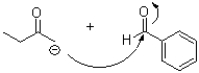
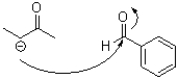
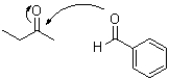
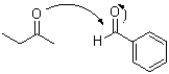
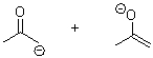
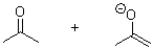
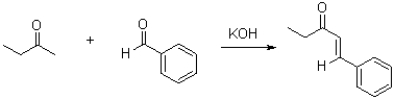
Which of the following represents a mechanistic step in the crossed aldol condensation shown below? <strong>Which of the following represents a mechanistic step in the crossed aldol condensation shown below?  </strong> A)   B)   C)   D)   <div style=padding-top: 35px>
A) <strong>Which of the following represents a mechanistic step in the crossed aldol condensation shown below?  </strong> A)   B)   C)   D)   <div style=padding-top: 35px>
B) <strong>Which of the following represents a mechanistic step in the crossed aldol condensation shown below?  </strong> A)   B)   C)   D)   <div style=padding-top: 35px>
C) <strong>Which of the following represents a mechanistic step in the crossed aldol condensation shown below?  </strong> A)   B)   C)   D)   <div style=padding-top: 35px>
D) <strong>Which of the following represents a mechanistic step in the crossed aldol condensation shown below?  </strong> A)   B)   C)   D)   <div style=padding-top: 35px>
Use Space or
up arrow
down arrow
to flip the card.
Question
Which of the following represents the most stable enolate?

A) <strong>Which of the following represents the most stable enolate?</strong> A)   B)   C)   D)   <div style=padding-top: 35px>
B) <strong>Which of the following represents the most stable enolate?</strong> A)   B)   C)   D)   <div style=padding-top: 35px>
C) <strong>Which of the following represents the most stable enolate?</strong> A)   B)   C)   D)   <div style=padding-top: 35px>
D) <strong>Which of the following represents the most stable enolate?</strong> A)   B)   C)   D)   <div style=padding-top: 35px>
Question
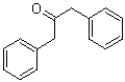
Which of the following bases would result in quantitative deprotonation of the ketone shown below? <strong>Which of the following bases would result in quantitative deprotonation of the ketone shown below?  </strong> A)NaOEt B)NaOH C)KOtBu D)LDA <div style=padding-top: 35px>

A)NaOEt
B)NaOH
C)KOtBu
D)LDA
Question
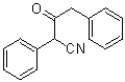
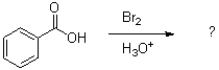
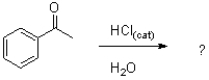
What is the major product of the following reaction? <strong>What is the major product of the following reaction?  </strong> A)   B)   C)   D)   <div style=padding-top: 35px>
A) <strong>What is the major product of the following reaction?  </strong> A)   B)   C)   D)   <div style=padding-top: 35px>
B) <strong>What is the major product of the following reaction?  </strong> A)   B)   C)   D)   <div style=padding-top: 35px>
C) <strong>What is the major product of the following reaction?  </strong> A)   B)   C)   D)   <div style=padding-top: 35px>
D) <strong>What is the major product of the following reaction?  </strong> A)   B)   C)   D)   <div style=padding-top: 35px>
Question
What is the major product of the following reaction? <strong>What is the major product of the following reaction?  </strong> A)   B)   C)   D)   <div style=padding-top: 35px>

A) <strong>What is the major product of the following reaction?  </strong> A)   B)   C)   D)   <div style=padding-top: 35px>
B) <strong>What is the major product of the following reaction?  </strong> A)   B)   C)   D)   <div style=padding-top: 35px>
C) <strong>What is the major product of the following reaction?  </strong> A)   B)   C)   D)   <div style=padding-top: 35px>
D) <strong>What is the major product of the following reaction?  </strong> A)   B)   C)   D)   <div style=padding-top: 35px>
Question
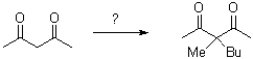
Which order of reagents will best result in the product shown below? <strong>Which order of reagents will best result in the product shown below?  </strong> A)1)KOtBu 2)BuBr 3)KOtMe 4)MeBr B)1)KOtBu 2)MeBr 3)KOMe 4)BuBr C)1)KOMe 2)BuBr 3)KOtBu 4)MeBr D)1)KOMe 2)MeBr 3)KOtBu 4)BuBr <div style=padding-top: 35px>
A)1)KOtBu 2)BuBr 3)KOtMe 4)MeBr
B)1)KOtBu 2)MeBr 3)KOMe 4)BuBr
C)1)KOMe 2)BuBr 3)KOtBu 4)MeBr
D)1)KOMe 2)MeBr 3)KOtBu 4)BuBr
Question
Which of the following represents the most stable enolate structure?

A) <strong>Which of the following represents the most stable enolate structure?</strong> A)   B)   C)   D)   <div style=padding-top: 35px>
B) <strong>Which of the following represents the most stable enolate structure?</strong> A)   B)   C)   D)   <div style=padding-top: 35px>
C) <strong>Which of the following represents the most stable enolate structure?</strong> A)   B)   C)   D)   <div style=padding-top: 35px>
D) <strong>Which of the following represents the most stable enolate structure?</strong> A)   B)   C)   D)   <div style=padding-top: 35px>
Question
What is the expected major product of the reaction shown below? <strong>What is the expected major product of the reaction shown below?  </strong> A)   B)   C)   D)   <div style=padding-top: 35px>
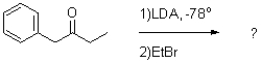
A) <strong>What is the expected major product of the reaction shown below?  </strong> A)   B)   C)   D)   <div style=padding-top: 35px>
B) <strong>What is the expected major product of the reaction shown below?  </strong> A)   B)   C)   D)   <div style=padding-top: 35px>
C) <strong>What is the expected major product of the reaction shown below?  </strong> A)   B)   C)   D)   <div style=padding-top: 35px>
D) <strong>What is the expected major product of the reaction shown below?  </strong> A)   B)   C)   D)   <div style=padding-top: 35px>
Question
Which of the following represents the most reactive enolate?

A) <strong>Which of the following represents the most reactive enolate?</strong> A)   B)   C)   D)   <div style=padding-top: 35px>
B) <strong>Which of the following represents the most reactive enolate?</strong> A)   B)   C)   D)   <div style=padding-top: 35px>
C) <strong>Which of the following represents the most reactive enolate?</strong> A)   B)   C)   D)   <div style=padding-top: 35px>
D) <strong>Which of the following represents the most reactive enolate?</strong> A)   B)   C)   D)   <div style=padding-top: 35px>
Question
What is the following molecule? <strong>What is the following molecule?  </strong> A)ylide B)phosphane C)phosphate D)haloform <div style=padding-top: 35px>

A)ylide
B)phosphane
C)phosphate
D)haloform
Question
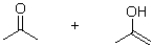
Which of the following best describes the molecules shown in the equilibrium below? <strong>Which of the following best describes the molecules shown in the equilibrium below?  </strong> A)I and IV are tautomers. B)I and IV are tautomers,and II and III are tautomers. C)I and II are tautomers. D)I and IV are tautomers,and III and IV are tautomers. <div style=padding-top: 35px>
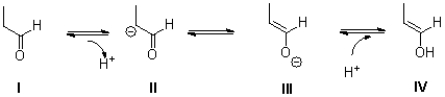
A)I and IV are tautomers.
B)I and IV are tautomers,and II and III are tautomers.
C)I and II are tautomers.
D)I and IV are tautomers,and III and IV are tautomers.
Question
Which of the following is an intermediate of the reaction shown below? <strong>Which of the following is an intermediate of the reaction shown below?  </strong> A)   B)   C)   D)   <div style=padding-top: 35px>
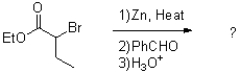
A) <strong>Which of the following is an intermediate of the reaction shown below?  </strong> A)   B)   C)   D)   <div style=padding-top: 35px>
B) <strong>Which of the following is an intermediate of the reaction shown below?  </strong> A)   B)   C)   D)   <div style=padding-top: 35px>
C) <strong>Which of the following is an intermediate of the reaction shown below?  </strong> A)   B)   C)   D)   <div style=padding-top: 35px>
D) <strong>Which of the following is an intermediate of the reaction shown below?  </strong> A)   B)   C)   D)   <div style=padding-top: 35px>
Question
What is the major product of the reaction shown below? <strong>What is the major product of the reaction shown below?  </strong> A)   B)   C)   D)   <div style=padding-top: 35px>

A) <strong>What is the major product of the reaction shown below?  </strong> A)   B)   C)   D)   <div style=padding-top: 35px>
B) <strong>What is the major product of the reaction shown below?  </strong> A)   B)   C)   D)   <div style=padding-top: 35px>
C) <strong>What is the major product of the reaction shown below?  </strong> A)   B)   C)   D)   <div style=padding-top: 35px>
D) <strong>What is the major product of the reaction shown below?  </strong> A)   B)   C)   D)   <div style=padding-top: 35px>
Question
What is the major product of the following reaction? <strong>What is the major product of the following reaction?  </strong> A)   B)   C)   D)   <div style=padding-top: 35px>
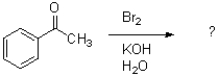
A) <strong>What is the major product of the following reaction?  </strong> A)   B)   C)   D)   <div style=padding-top: 35px>
B) <strong>What is the major product of the following reaction?  </strong> A)   B)   C)   D)   <div style=padding-top: 35px>
C) <strong>What is the major product of the following reaction?  </strong> A)   B)   C)   D)   <div style=padding-top: 35px>
D) <strong>What is the major product of the following reaction?  </strong> A)   B)   C)   D)   <div style=padding-top: 35px>
Question
Which of the following represents the most stable enolate?

A) <strong>Which of the following represents the most stable enolate?</strong> A)   B)   C)   D)   <div style=padding-top: 35px>
B) <strong>Which of the following represents the most stable enolate?</strong> A)   B)   C)   D)   <div style=padding-top: 35px>
C) <strong>Which of the following represents the most stable enolate?</strong> A)   B)   C)   D)   <div style=padding-top: 35px>
D) <strong>Which of the following represents the most stable enolate?</strong> A)   B)   C)   D)   <div style=padding-top: 35px>
Question
What it the major product of the reaction shown below? <strong>What it the major product of the reaction shown below?  </strong> A)   B)   C)   D)   <div style=padding-top: 35px>
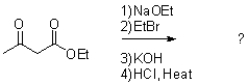
A) <strong>What it the major product of the reaction shown below?  </strong> A)   B)   C)   D)   <div style=padding-top: 35px>
B) <strong>What it the major product of the reaction shown below?  </strong> A)   B)   C)   D)   <div style=padding-top: 35px>
C) <strong>What it the major product of the reaction shown below?  </strong> A)   B)   C)   D)   <div style=padding-top: 35px>
D) <strong>What it the major product of the reaction shown below?  </strong> A)   B)   C)   D)   <div style=padding-top: 35px>
Question
Which of the following best describes the aldol reaction?

A)Carbonyls and enolates act as nucleophiles.
B)Carbonyls and enolates act as electrophiles.
C)Carbonyls act as nucleophiles;enolates act as electrophiles.
D)Carbonyls act as electrophiles;enolates act as nucleophiles.
Question
What is the major product of the following reaction? <strong>What is the major product of the following reaction?  </strong> A)   B)   C)   D)   <div style=padding-top: 35px>
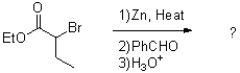
A) <strong>What is the major product of the following reaction?  </strong> A)   B)   C)   D)   <div style=padding-top: 35px>
B) <strong>What is the major product of the following reaction?  </strong> A)   B)   C)   D)   <div style=padding-top: 35px>
C) <strong>What is the major product of the following reaction?  </strong> A)   B)   C)   D)   <div style=padding-top: 35px>
D) <strong>What is the major product of the following reaction?  </strong> A)   B)   C)   D)   <div style=padding-top: 35px>
Question
What is the product of the following reaction? <strong>What is the product of the following reaction?  </strong> A)   B)   C)   D)   <div style=padding-top: 35px>
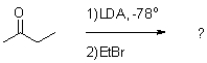
A) <strong>What is the product of the following reaction?  </strong> A)   B)   C)   D)   <div style=padding-top: 35px>
B) <strong>What is the product of the following reaction?  </strong> A)   B)   C)   D)   <div style=padding-top: 35px>
C) <strong>What is the product of the following reaction?  </strong> A)   B)   C)   D)   <div style=padding-top: 35px>
D) <strong>What is the product of the following reaction?  </strong> A)   B)   C)   D)   <div style=padding-top: 35px>
Question
Which of the following compounds is the most acidic?

A) <strong>Which of the following compounds is the most acidic?</strong> A)   B)   C)   D)   <div style=padding-top: 35px>
B) <strong>Which of the following compounds is the most acidic?</strong> A)   B)   C)   D)   <div style=padding-top: 35px>
C) <strong>Which of the following compounds is the most acidic?</strong> A)   B)   C)   D)   <div style=padding-top: 35px>
D) <strong>Which of the following compounds is the most acidic?</strong> A)   B)   C)   D)   <div style=padding-top: 35px>
Question
What are the products of the Wittig reaction?

A)triphenyl phosphate and an alkene with Z stereochemistry
B)triphenyl phosphine and an alkene with Z stereochemistry
C)triphenyl phosphate and an alkene with E stereochemistry
D)triphenyl phosphine and an alkene with E stereochemistry
Question
What is the major product of the following reaction conditions? <strong>What is the major product of the following reaction conditions?  </strong> A)   B)   C)   D)   <div style=padding-top: 35px>
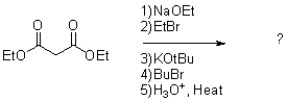
A) <strong>What is the major product of the following reaction conditions?  </strong> A)   B)   C)   D)   <div style=padding-top: 35px>
B) <strong>What is the major product of the following reaction conditions?  </strong> A)   B)   C)   D)   <div style=padding-top: 35px>
C) <strong>What is the major product of the following reaction conditions?  </strong> A)   B)   C)   D)   <div style=padding-top: 35px>
D) <strong>What is the major product of the following reaction conditions?  </strong> A)   B)   C)   D)   <div style=padding-top: 35px>
Question
What phosphite reactant is responsible for formation for the following product when reacted with a ketone? <strong>What phosphite reactant is responsible for formation for the following product when reacted with a ketone?  </strong> A)   B)   C)   D)   <div style=padding-top: 35px>
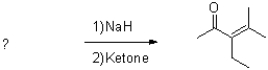
A) <strong>What phosphite reactant is responsible for formation for the following product when reacted with a ketone?  </strong> A)   B)   C)   D)   <div style=padding-top: 35px>
B) <strong>What phosphite reactant is responsible for formation for the following product when reacted with a ketone?  </strong> A)   B)   C)   D)   <div style=padding-top: 35px>
C) <strong>What phosphite reactant is responsible for formation for the following product when reacted with a ketone?  </strong> A)   B)   C)   D)   <div style=padding-top: 35px>
D) <strong>What phosphite reactant is responsible for formation for the following product when reacted with a ketone?  </strong> A)   B)   C)   D)   <div style=padding-top: 35px>
Question
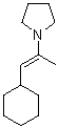
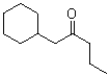
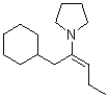
Which of the following is the enamine intermediate of the reaction shown below? <strong>Which of the following is the enamine intermediate of the reaction shown below?  </strong> A)   B)   C)   D)   <div style=padding-top: 35px>
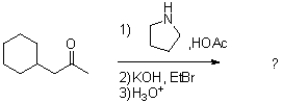
A) <strong>Which of the following is the enamine intermediate of the reaction shown below?  </strong> A)   B)   C)   D)   <div style=padding-top: 35px>
B) <strong>Which of the following is the enamine intermediate of the reaction shown below?  </strong> A)   B)   C)   D)   <div style=padding-top: 35px>
C) <strong>Which of the following is the enamine intermediate of the reaction shown below?  </strong> A)   B)   C)   D)   <div style=padding-top: 35px>
D) <strong>Which of the following is the enamine intermediate of the reaction shown below?  </strong> A)   B)   C)   D)   <div style=padding-top: 35px>
Question
Which phosphane is responsible for the following transformation? <strong>Which phosphane is responsible for the following transformation?  </strong> A)   B)   C)   D)   <div style=padding-top: 35px>
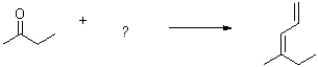
A) <strong>Which phosphane is responsible for the following transformation?  </strong> A)   B)   C)   D)   <div style=padding-top: 35px>
B) <strong>Which phosphane is responsible for the following transformation?  </strong> A)   B)   C)   D)   <div style=padding-top: 35px>
C) <strong>Which phosphane is responsible for the following transformation?  </strong> A)   B)   C)   D)   <div style=padding-top: 35px>
D) <strong>Which phosphane is responsible for the following transformation?  </strong> A)   B)   C)   D)   <div style=padding-top: 35px>
Question
What is the major product of the following reaction conditions? <strong>What is the major product of the following reaction conditions?  </strong> A)   B)   C)   D)   <div style=padding-top: 35px>
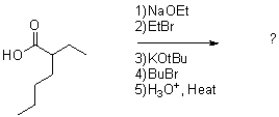
A) <strong>What is the major product of the following reaction conditions?  </strong> A)   B)   C)   D)   <div style=padding-top: 35px>
B) <strong>What is the major product of the following reaction conditions?  </strong> A)   B)   C)   D)   <div style=padding-top: 35px>
C) <strong>What is the major product of the following reaction conditions?  </strong> A)   B)   C)   D)   <div style=padding-top: 35px>
D) <strong>What is the major product of the following reaction conditions?  </strong> A)   B)   C)   D)   <div style=padding-top: 35px>
Question
What functional groups are involved in a Claisen condensation?

A)two ketones
B)a ketone and an ester
C)an aldehyde and an ester
D)two esters
Question
What is the product of the following reaction scheme? <strong>What is the product of the following reaction scheme?  </strong> A)   B)   C)   D)   <div style=padding-top: 35px>
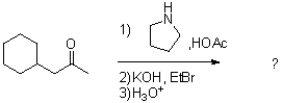
A) <strong>What is the product of the following reaction scheme?  </strong> A)   B)   C)   D)   <div style=padding-top: 35px>
B) <strong>What is the product of the following reaction scheme?  </strong> A)   B)   C)   D)   <div style=padding-top: 35px>
C) <strong>What is the product of the following reaction scheme?  </strong> A)   B)   C)   D)   <div style=padding-top: 35px>
D) <strong>What is the product of the following reaction scheme?  </strong> A)   B)   C)   D)   <div style=padding-top: 35px>
Question
How many aldol products are possible from the following reaction mixture? <strong>How many aldol products are possible from the following reaction mixture?  </strong> A)1 B)2 C)4 D)6 <div style=padding-top: 35px>

A)1
B)2
C)4
D)6
Question
What is the role of n-BuLi in the following reaction? <strong>What is the role of n-BuLi in the following reaction?  </strong> A)to deprotonate the phosponium salt and create a ylide B)to deprotonate the ketone and create an enolate C)to act as a Grignard and nucleophilically attack the carbonyl D)to stabilize the phosphorous-oxygen interaction <div style=padding-top: 35px>
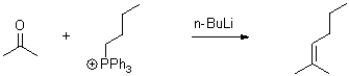
A)to deprotonate the phosponium salt and create a ylide
B)to deprotonate the ketone and create an enolate
C)to act as a Grignard and nucleophilically attack the carbonyl
D)to stabilize the phosphorous-oxygen interaction
Question
Which of the following pairs of molecules represent tautomers?

A) <strong>Which of the following pairs of molecules represent tautomers?</strong> A)   B)   C)   D)   <div style=padding-top: 35px>
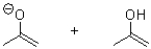
B) <strong>Which of the following pairs of molecules represent tautomers?</strong> A)   B)   C)   D)   <div style=padding-top: 35px>
C) <strong>Which of the following pairs of molecules represent tautomers?</strong> A)   B)   C)   D)   <div style=padding-top: 35px>
D) <strong>Which of the following pairs of molecules represent tautomers?</strong> A)   B)   C)   D)   <div style=padding-top: 35px>
Question
What is the product of the following transformation? <strong>What is the product of the following transformation?  </strong> A)   B)   C)   D)   <div style=padding-top: 35px>
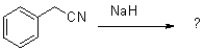
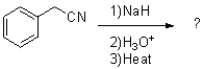
A) <strong>What is the product of the following transformation?  </strong> A)   B)   C)   D)   <div style=padding-top: 35px>
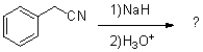
B) <strong>What is the product of the following transformation?  </strong> A)   B)   C)   D)   <div style=padding-top: 35px>
C) <strong>What is the product of the following transformation?  </strong> A)   B)   C)   D)   <div style=padding-top: 35px>
D) <strong>What is the product of the following transformation?  </strong> A)   B)   C)   D)   <div style=padding-top: 35px>
Question
What is the product of the following transformation? <strong>What is the product of the following transformation?  </strong> A)   B)   C)   D)   <div style=padding-top: 35px>

A) <strong>What is the product of the following transformation?  </strong> A)   B)   C)   D)   <div style=padding-top: 35px>
B) <strong>What is the product of the following transformation?  </strong> A)   B)   C)   D)   <div style=padding-top: 35px>
C) <strong>What is the product of the following transformation?  </strong> A)   B)   C)   D)   <div style=padding-top: 35px>
D) <strong>What is the product of the following transformation?  </strong> A)   B)   C)   D)   <div style=padding-top: 35px>
Question
What is the product of the following transformation? <strong>What is the product of the following transformation?  </strong> A)   B)   C)   D)   <div style=padding-top: 35px>

A) <strong>What is the product of the following transformation?  </strong> A)   B)   C)   D)   <div style=padding-top: 35px>
B) <strong>What is the product of the following transformation?  </strong> A)   B)   C)   D)   <div style=padding-top: 35px>
C) <strong>What is the product of the following transformation?  </strong> A)   B)   C)   D)   <div style=padding-top: 35px>
D) <strong>What is the product of the following transformation?  </strong> A)   B)   C)   D)   <div style=padding-top: 35px>
Question
What best describes the product of a Claisen condensation?

A)á,ä-unsaturated ester
B)â-ketoester
C)â-hydroxyester
D)á,ä-unsaturated carbonyl
Question
What reagent or reagents will achieve the following transformation? <strong>What reagent or reagents will achieve the following transformation?  </strong> A)NaOH,heat B)1)MeMgBr 2)H<sub>3</sub>O<sup>+</sup> C)PPh<sub>3</sub>,BuLi D)NaBH<sub>3</sub> <div style=padding-top: 35px>
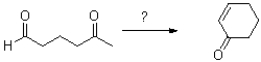
A)NaOH,heat
B)1)MeMgBr 2)H3O+
C)PPh3,BuLi
D)NaBH3
Question
What is the intermediate enamine in the following reaction scheme? <strong>What is the intermediate enamine in the following reaction scheme?  </strong> A)a nucleophile B)an electrophile C)an acid D)a base <div style=padding-top: 35px>
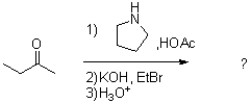
A)a nucleophile
B)an electrophile
C)an acid
D)a base
Question
Which of the following compounds has the highest pKa?

A) <strong>Which of the following compounds has the highest pK<sub>a</sub>?</strong> A)   B)   C)   D)   <div style=padding-top: 35px>
B) <strong>Which of the following compounds has the highest pK<sub>a</sub>?</strong> A)   B)   C)   D)   <div style=padding-top: 35px>
C) <strong>Which of the following compounds has the highest pK<sub>a</sub>?</strong> A)   B)   C)   D)   <div style=padding-top: 35px>
D) <strong>Which of the following compounds has the highest pK<sub>a</sub>?</strong> A)   B)   C)   D)   <div style=padding-top: 35px>
Question
How many aldol products are possible from the following reaction mixture? <strong>How many aldol products are possible from the following reaction mixture?  </strong> A)1 B)2 C)4 D)8 <div style=padding-top: 35px>
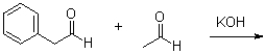
A)1
B)2
C)4
D)8
Question
Which of the following is a synthetic equivalent for the synthon shown below? <strong>Which of the following is a synthetic equivalent for the synthon shown below?  </strong> A)   B)   C)   D)   <div style=padding-top: 35px>

A) <strong>Which of the following is a synthetic equivalent for the synthon shown below?  </strong> A)   B)   C)   D)   <div style=padding-top: 35px>
B) <strong>Which of the following is a synthetic equivalent for the synthon shown below?  </strong> A)   B)   C)   D)   <div style=padding-top: 35px>
C) <strong>Which of the following is a synthetic equivalent for the synthon shown below?  </strong> A)   B)   C)   D)   <div style=padding-top: 35px>
D) <strong>Which of the following is a synthetic equivalent for the synthon shown below?  </strong> A)   B)   C)   D)   <div style=padding-top: 35px>
Question
Imines and enamines are tautomers of each other
Question
Claisen condensation results in a â-ketoester.
Question
The á proton of a ketone is more acidic then the á proton of an ester.
Question
The Mannich reaction involves an amine,an aldehyde,and a ketone.
Question
Use of a strong base in aprotic solvents promotes â elimination in the aldol reaction.
Question
The á proton of an aldehyde is more acidic than the á proton of a ketone
Question
In an intramolecular aldol reaction,the larger the ring,the faster the rate of formation.
Question
Tautomerization is the conversion of one compound to another through the movement of electrons
Question
Enolates act as nucleophiles.
Question
The E isomer is favoured in the Wittig reaction.
Question
Ylides and phosphanes are resonance forms of each other.
Question
Enamines act as electrophiles.
Question
The acid catalyzed aldol reaction promotes enone formation.
Question
Claisen condensation is the aldol reaction of two esters.
Question
A ylide contains a phosphorous carbon double bond.
Question
The rate-determining step of an E1cb elimination is the deprotonation step.
Question
Nitriles act as nucleophiles.
Question
The á proton of a ketone is more acidic then the á proton of an aldehyde.
Question
The Wittig reaction involves transformation of a carbonyl to a ketone.
Question
In the Mannich reaction,the formed imine acts as a nucleophile .
Question
Draw the three possible cyclic products of the following reaction scheme.Which is expected to be the major product and why? Draw the three possible cyclic products of the following reaction scheme.Which is expected to be the major product and why?  <div style=padding-top: 35px>
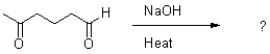
Question
The relationship between a ketone and an enol is referred to as _______________ .
Question
Draw the mechanism of the following transformation. Draw the mechanism of the following transformation.  <div style=padding-top: 35px>
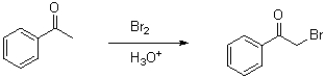
Question
Condensation of a secondary amine with a ketone results in a(n)_______________ .
Question
Identify the reactants of the following crossed aldol reaction.Propose a reaction scheme that would accomplish the following transformation. Identify the reactants of the following crossed aldol reaction.Propose a reaction scheme that would accomplish the following transformation.  <div style=padding-top: 35px>

Question
The final elimination step in the aldol reaction has a(n)_______________ mechanism.
Question
What is the product and mechanism of the self-condensation of ethylproponate under basic conditions (shown below)? What is the product and mechanism of the self-condensation of ethylproponate under basic conditions (shown below)?  <div style=padding-top: 35px>
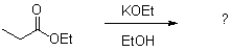
Question
The product of a Claisen self-condensation of an ester is a(n)_______________
Question
Acid acts as a(n)_______________ in the aldol reaction.
Question
The Wittig reaction favours the _______________ isomer.
Question
Compounds containing _______________ groups are capable of decarboxylation.
Question
The final elimination step in the aldol reaction results in a(n)_______________ .
Question
Propose a synthetic scheme for the following transformation and propose a mechanism of the reaction shown below under basic conditions and heat present. Propose a synthetic scheme for the following transformation and propose a mechanism of the reaction shown below under basic conditions and heat present.  <div style=padding-top: 35px>
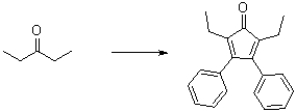
Question
The Mannich reaction results in a(n)_______________ .
Question
Determine the major product of the following mechanism,and draw a mechanism of the transformation. Determine the major product of the following mechanism,and draw a mechanism of the transformation.  <div style=padding-top: 35px>
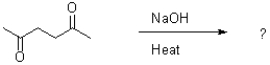
Question
What is the product of the following reaction scheme? What is the product of the following reaction scheme?  <div style=padding-top: 35px>
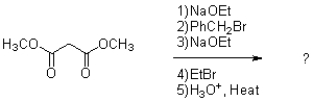
Question
The Wittig reaction involves a zwitterionic phosphorous compound known asa(n)_______________ .
Question
Propose a mechanism for the following transformation. Propose a mechanism for the following transformation.  <div style=padding-top: 35px>

Unlock Deck
Sign up to unlock the cards in this deck!
Unlock Deck
Unlock Deck
1/78
auto play flashcards
Play
simple tutorial
Full screen (f)
exit full mode
Deck 17: Carbonyl-Based Nucleophiles
1
Which of the following represents a mechanistic step in the crossed aldol condensation shown below? <strong>Which of the following represents a mechanistic step in the crossed aldol condensation shown below?  </strong> A)   B)   C)   D)

A) <strong>Which of the following represents a mechanistic step in the crossed aldol condensation shown below?  </strong> A)   B)   C)   D)
B) <strong>Which of the following represents a mechanistic step in the crossed aldol condensation shown below?  </strong> A)   B)   C)   D)
C) <strong>Which of the following represents a mechanistic step in the crossed aldol condensation shown below?  </strong> A)   B)   C)   D)
D) <strong>Which of the following represents a mechanistic step in the crossed aldol condensation shown below?  </strong> A)   B)   C)   D)
2
Which of the following represents the most stable enolate?

A) <strong>Which of the following represents the most stable enolate?</strong> A)   B)   C)   D)
B) <strong>Which of the following represents the most stable enolate?</strong> A)   B)   C)   D)
C) <strong>Which of the following represents the most stable enolate?</strong> A)   B)   C)   D)
D) <strong>Which of the following represents the most stable enolate?</strong> A)   B)   C)   D)
3
Which of the following bases would result in quantitative deprotonation of the ketone shown below? <strong>Which of the following bases would result in quantitative deprotonation of the ketone shown below?  </strong> A)NaOEt B)NaOH C)KOtBu D)LDA

A)NaOEt
B)NaOH
C)KOtBu
D)LDA
LDA
4
What is the major product of the following reaction? <strong>What is the major product of the following reaction?  </strong> A)   B)   C)   D)

A) <strong>What is the major product of the following reaction?  </strong> A)   B)   C)   D)
B) <strong>What is the major product of the following reaction?  </strong> A)   B)   C)   D)
C) <strong>What is the major product of the following reaction?  </strong> A)   B)   C)   D)
D) <strong>What is the major product of the following reaction?  </strong> A)   B)   C)   D)
Unlock Deck
Unlock for access to all 78 flashcards in this deck.
Unlock Deck
k this deck
5
What is the major product of the following reaction? <strong>What is the major product of the following reaction?  </strong> A)   B)   C)   D)

A) <strong>What is the major product of the following reaction?  </strong> A)   B)   C)   D)
B) <strong>What is the major product of the following reaction?  </strong> A)   B)   C)   D)
C) <strong>What is the major product of the following reaction?  </strong> A)   B)   C)   D)
D) <strong>What is the major product of the following reaction?  </strong> A)   B)   C)   D)
Unlock Deck
Unlock for access to all 78 flashcards in this deck.
Unlock Deck
k this deck
6
Which order of reagents will best result in the product shown below? <strong>Which order of reagents will best result in the product shown below?  </strong> A)1)KOtBu 2)BuBr 3)KOtMe 4)MeBr B)1)KOtBu 2)MeBr 3)KOMe 4)BuBr C)1)KOMe 2)BuBr 3)KOtBu 4)MeBr D)1)KOMe 2)MeBr 3)KOtBu 4)BuBr

A)1)KOtBu 2)BuBr 3)KOtMe 4)MeBr
B)1)KOtBu 2)MeBr 3)KOMe 4)BuBr
C)1)KOMe 2)BuBr 3)KOtBu 4)MeBr
D)1)KOMe 2)MeBr 3)KOtBu 4)BuBr
Unlock Deck
Unlock for access to all 78 flashcards in this deck.
Unlock Deck
k this deck
7
Which of the following represents the most stable enolate structure?

A) <strong>Which of the following represents the most stable enolate structure?</strong> A)   B)   C)   D)
B) <strong>Which of the following represents the most stable enolate structure?</strong> A)   B)   C)   D)
C) <strong>Which of the following represents the most stable enolate structure?</strong> A)   B)   C)   D)
D) <strong>Which of the following represents the most stable enolate structure?</strong> A)   B)   C)   D)
Unlock Deck
Unlock for access to all 78 flashcards in this deck.

Unlock Deck
k this deck
8
What is the expected major product of the reaction shown below? <strong>What is the expected major product of the reaction shown below?  </strong> A)   B)   C)   D)

A) <strong>What is the expected major product of the reaction shown below?  </strong> A)   B)   C)   D)
B) <strong>What is the expected major product of the reaction shown below?  </strong> A)   B)   C)   D)
C) <strong>What is the expected major product of the reaction shown below?  </strong> A)   B)   C)   D)
D) <strong>What is the expected major product of the reaction shown below?  </strong> A)   B)   C)   D)
Unlock Deck
Unlock for access to all 78 flashcards in this deck.

Unlock Deck
k this deck
9
Which of the following represents the most reactive enolate?

A) <strong>Which of the following represents the most reactive enolate?</strong> A)   B)   C)   D)
B) <strong>Which of the following represents the most reactive enolate?</strong> A)   B)   C)   D)
C) <strong>Which of the following represents the most reactive enolate?</strong> A)   B)   C)   D)
D) <strong>Which of the following represents the most reactive enolate?</strong> A)   B)   C)   D)
Unlock Deck
Unlock for access to all 78 flashcards in this deck.
Unlock Deck
k this deck
10
What is the following molecule? <strong>What is the following molecule?  </strong> A)ylide B)phosphane C)phosphate D)haloform

A)ylide
B)phosphane
C)phosphate
D)haloform
Unlock Deck
Unlock for access to all 78 flashcards in this deck.
Unlock Deck
k this deck
11
Which of the following best describes the molecules shown in the equilibrium below? <strong>Which of the following best describes the molecules shown in the equilibrium below?  </strong> A)I and IV are tautomers. B)I and IV are tautomers,and II and III are tautomers. C)I and II are tautomers. D)I and IV are tautomers,and III and IV are tautomers.

A)I and IV are tautomers.
B)I and IV are tautomers,and II and III are tautomers.
C)I and II are tautomers.
D)I and IV are tautomers,and III and IV are tautomers.
Unlock Deck
Unlock for access to all 78 flashcards in this deck.
Unlock Deck
k this deck
12
Which of the following is an intermediate of the reaction shown below? <strong>Which of the following is an intermediate of the reaction shown below?  </strong> A)   B)   C)   D)

A) <strong>Which of the following is an intermediate of the reaction shown below?  </strong> A)   B)   C)   D)
B) <strong>Which of the following is an intermediate of the reaction shown below?  </strong> A)   B)   C)   D)
C) <strong>Which of the following is an intermediate of the reaction shown below?  </strong> A)   B)   C)   D)
D) <strong>Which of the following is an intermediate of the reaction shown below?  </strong> A)   B)   C)   D)
Unlock Deck
Unlock for access to all 78 flashcards in this deck.
Unlock Deck
k this deck
13
What is the major product of the reaction shown below? <strong>What is the major product of the reaction shown below?  </strong> A)   B)   C)   D)

A) <strong>What is the major product of the reaction shown below?  </strong> A)   B)   C)   D)
B) <strong>What is the major product of the reaction shown below?  </strong> A)   B)   C)   D)
C) <strong>What is the major product of the reaction shown below?  </strong> A)   B)   C)   D)
D) <strong>What is the major product of the reaction shown below?  </strong> A)   B)   C)   D)
Unlock Deck
Unlock for access to all 78 flashcards in this deck.
Unlock Deck
k this deck
14
What is the major product of the following reaction? <strong>What is the major product of the following reaction?  </strong> A)   B)   C)   D)

A) <strong>What is the major product of the following reaction?  </strong> A)   B)   C)   D)
B) <strong>What is the major product of the following reaction?  </strong> A)   B)   C)   D)
C) <strong>What is the major product of the following reaction?  </strong> A)   B)   C)   D)
D) <strong>What is the major product of the following reaction?  </strong> A)   B)   C)   D)
Unlock Deck
Unlock for access to all 78 flashcards in this deck.
Unlock Deck
k this deck
15
Which of the following represents the most stable enolate?

A) <strong>Which of the following represents the most stable enolate?</strong> A)   B)   C)   D)
B) <strong>Which of the following represents the most stable enolate?</strong> A)   B)   C)   D)
C) <strong>Which of the following represents the most stable enolate?</strong> A)   B)   C)   D)
D) <strong>Which of the following represents the most stable enolate?</strong> A)   B)   C)   D)
Unlock Deck
Unlock for access to all 78 flashcards in this deck.
Unlock Deck
k this deck
16
What it the major product of the reaction shown below? <strong>What it the major product of the reaction shown below?  </strong> A)   B)   C)   D)

A) <strong>What it the major product of the reaction shown below?  </strong> A)   B)   C)   D)
B) <strong>What it the major product of the reaction shown below?  </strong> A)   B)   C)   D)
C) <strong>What it the major product of the reaction shown below?  </strong> A)   B)   C)   D)
D) <strong>What it the major product of the reaction shown below?  </strong> A)   B)   C)   D)
Unlock Deck
Unlock for access to all 78 flashcards in this deck.
Unlock Deck
k this deck
17
Which of the following best describes the aldol reaction?

A)Carbonyls and enolates act as nucleophiles.
B)Carbonyls and enolates act as electrophiles.
C)Carbonyls act as nucleophiles;enolates act as electrophiles.
D)Carbonyls act as electrophiles;enolates act as nucleophiles.
Unlock Deck
Unlock for access to all 78 flashcards in this deck.
Unlock Deck
k this deck
18
What is the major product of the following reaction? <strong>What is the major product of the following reaction?  </strong> A)   B)   C)   D)

A) <strong>What is the major product of the following reaction?  </strong> A)   B)   C)   D)
B) <strong>What is the major product of the following reaction?  </strong> A)   B)   C)   D)
C) <strong>What is the major product of the following reaction?  </strong> A)   B)   C)   D)
D) <strong>What is the major product of the following reaction?  </strong> A)   B)   C)   D)
Unlock Deck
Unlock for access to all 78 flashcards in this deck.
Unlock Deck
k this deck
19
What is the product of the following reaction? <strong>What is the product of the following reaction?  </strong> A)   B)   C)   D)

A) <strong>What is the product of the following reaction?  </strong> A)   B)   C)   D)
B) <strong>What is the product of the following reaction?  </strong> A)   B)   C)   D)
C) <strong>What is the product of the following reaction?  </strong> A)   B)   C)   D)
D) <strong>What is the product of the following reaction?  </strong> A)   B)   C)   D)
Unlock Deck
Unlock for access to all 78 flashcards in this deck.
Unlock Deck
k this deck
20
Which of the following compounds is the most acidic?

A) <strong>Which of the following compounds is the most acidic?</strong> A)   B)   C)   D)
B) <strong>Which of the following compounds is the most acidic?</strong> A)   B)   C)   D)
C) <strong>Which of the following compounds is the most acidic?</strong> A)   B)   C)   D)
D) <strong>Which of the following compounds is the most acidic?</strong> A)   B)   C)   D)
Unlock Deck
Unlock for access to all 78 flashcards in this deck.
Unlock Deck
k this deck
21
What are the products of the Wittig reaction?

A)triphenyl phosphate and an alkene with Z stereochemistry
B)triphenyl phosphine and an alkene with Z stereochemistry
C)triphenyl phosphate and an alkene with E stereochemistry
D)triphenyl phosphine and an alkene with E stereochemistry
Unlock Deck
Unlock for access to all 78 flashcards in this deck.
Unlock Deck
k this deck
22
What is the major product of the following reaction conditions? <strong>What is the major product of the following reaction conditions?  </strong> A)   B)   C)   D)

A) <strong>What is the major product of the following reaction conditions?  </strong> A)   B)   C)   D)
B) <strong>What is the major product of the following reaction conditions?  </strong> A)   B)   C)   D)
C) <strong>What is the major product of the following reaction conditions?  </strong> A)   B)   C)   D)
D) <strong>What is the major product of the following reaction conditions?  </strong> A)   B)   C)   D)
Unlock Deck
Unlock for access to all 78 flashcards in this deck.
Unlock Deck
k this deck
23
What phosphite reactant is responsible for formation for the following product when reacted with a ketone? <strong>What phosphite reactant is responsible for formation for the following product when reacted with a ketone?  </strong> A)   B)   C)   D)

A) <strong>What phosphite reactant is responsible for formation for the following product when reacted with a ketone?  </strong> A)   B)   C)   D)
B) <strong>What phosphite reactant is responsible for formation for the following product when reacted with a ketone?  </strong> A)   B)   C)   D)
C) <strong>What phosphite reactant is responsible for formation for the following product when reacted with a ketone?  </strong> A)   B)   C)   D)
D) <strong>What phosphite reactant is responsible for formation for the following product when reacted with a ketone?  </strong> A)   B)   C)   D)
Unlock Deck
Unlock for access to all 78 flashcards in this deck.
Unlock Deck
k this deck
24
Which of the following is the enamine intermediate of the reaction shown below? <strong>Which of the following is the enamine intermediate of the reaction shown below?  </strong> A)   B)   C)   D)

A) <strong>Which of the following is the enamine intermediate of the reaction shown below?  </strong> A)   B)   C)   D)
B) <strong>Which of the following is the enamine intermediate of the reaction shown below?  </strong> A)   B)   C)   D)
C) <strong>Which of the following is the enamine intermediate of the reaction shown below?  </strong> A)   B)   C)   D)
D) <strong>Which of the following is the enamine intermediate of the reaction shown below?  </strong> A)   B)   C)   D)
Unlock Deck
Unlock for access to all 78 flashcards in this deck.
Unlock Deck
k this deck
25
Which phosphane is responsible for the following transformation? <strong>Which phosphane is responsible for the following transformation?  </strong> A)   B)   C)   D)

A) <strong>Which phosphane is responsible for the following transformation?  </strong> A)   B)   C)   D)
B) <strong>Which phosphane is responsible for the following transformation?  </strong> A)   B)   C)   D)
C) <strong>Which phosphane is responsible for the following transformation?  </strong> A)   B)   C)   D)
D) <strong>Which phosphane is responsible for the following transformation?  </strong> A)   B)   C)   D)
Unlock Deck
Unlock for access to all 78 flashcards in this deck.
Unlock Deck
k this deck
26
What is the major product of the following reaction conditions? <strong>What is the major product of the following reaction conditions?  </strong> A)   B)   C)   D)

A) <strong>What is the major product of the following reaction conditions?  </strong> A)   B)   C)   D)
B) <strong>What is the major product of the following reaction conditions?  </strong> A)   B)   C)   D)
C) <strong>What is the major product of the following reaction conditions?  </strong> A)   B)   C)   D)
D) <strong>What is the major product of the following reaction conditions?  </strong> A)   B)   C)   D)
Unlock Deck
Unlock for access to all 78 flashcards in this deck.
Unlock Deck
k this deck
27
What functional groups are involved in a Claisen condensation?

A)two ketones
B)a ketone and an ester
C)an aldehyde and an ester
D)two esters
Unlock Deck
Unlock for access to all 78 flashcards in this deck.
Unlock Deck
k this deck
28
What is the product of the following reaction scheme? <strong>What is the product of the following reaction scheme?  </strong> A)   B)   C)   D)

A) <strong>What is the product of the following reaction scheme?  </strong> A)   B)   C)   D)
B) <strong>What is the product of the following reaction scheme?  </strong> A)   B)   C)   D)
C) <strong>What is the product of the following reaction scheme?  </strong> A)   B)   C)   D)
D) <strong>What is the product of the following reaction scheme?  </strong> A)   B)   C)   D)
Unlock Deck
Unlock for access to all 78 flashcards in this deck.
Unlock Deck
k this deck
29
How many aldol products are possible from the following reaction mixture? <strong>How many aldol products are possible from the following reaction mixture?  </strong> A)1 B)2 C)4 D)6

A)1
B)2
C)4
D)6
Unlock Deck
Unlock for access to all 78 flashcards in this deck.
Unlock Deck
k this deck
30
What is the role of n-BuLi in the following reaction? <strong>What is the role of n-BuLi in the following reaction?  </strong> A)to deprotonate the phosponium salt and create a ylide B)to deprotonate the ketone and create an enolate C)to act as a Grignard and nucleophilically attack the carbonyl D)to stabilize the phosphorous-oxygen interaction

A)to deprotonate the phosponium salt and create a ylide
B)to deprotonate the ketone and create an enolate
C)to act as a Grignard and nucleophilically attack the carbonyl
D)to stabilize the phosphorous-oxygen interaction
Unlock Deck
Unlock for access to all 78 flashcards in this deck.
Unlock Deck
k this deck
31
Which of the following pairs of molecules represent tautomers?

A) <strong>Which of the following pairs of molecules represent tautomers?</strong> A)   B)   C)   D)
B) <strong>Which of the following pairs of molecules represent tautomers?</strong> A)   B)   C)   D)
C) <strong>Which of the following pairs of molecules represent tautomers?</strong> A)   B)   C)   D)
D) <strong>Which of the following pairs of molecules represent tautomers?</strong> A)   B)   C)   D)
Unlock Deck
Unlock for access to all 78 flashcards in this deck.
Unlock Deck
k this deck
32
What is the product of the following transformation? <strong>What is the product of the following transformation?  </strong> A)   B)   C)   D)

A) <strong>What is the product of the following transformation?  </strong> A)   B)   C)   D)
B) <strong>What is the product of the following transformation?  </strong> A)   B)   C)   D)
C) <strong>What is the product of the following transformation?  </strong> A)   B)   C)   D)
D) <strong>What is the product of the following transformation?  </strong> A)   B)   C)   D)
Unlock Deck
Unlock for access to all 78 flashcards in this deck.
Unlock Deck
k this deck
33
What is the product of the following transformation? <strong>What is the product of the following transformation?  </strong> A)   B)   C)   D)

A) <strong>What is the product of the following transformation?  </strong> A)   B)   C)   D)
B) <strong>What is the product of the following transformation?  </strong> A)   B)   C)   D)
C) <strong>What is the product of the following transformation?  </strong> A)   B)   C)   D)
D) <strong>What is the product of the following transformation?  </strong> A)   B)   C)   D)
Unlock Deck
Unlock for access to all 78 flashcards in this deck.
Unlock Deck
k this deck
34
What is the product of the following transformation? <strong>What is the product of the following transformation?  </strong> A)   B)   C)   D)

A) <strong>What is the product of the following transformation?  </strong> A)   B)   C)   D)
B) <strong>What is the product of the following transformation?  </strong> A)   B)   C)   D)
C) <strong>What is the product of the following transformation?  </strong> A)   B)   C)   D)
D) <strong>What is the product of the following transformation?  </strong> A)   B)   C)   D)
Unlock Deck
Unlock for access to all 78 flashcards in this deck.
Unlock Deck
k this deck
35
What best describes the product of a Claisen condensation?

A)á,ä-unsaturated ester
B)â-ketoester
C)â-hydroxyester
D)á,ä-unsaturated carbonyl
Unlock Deck
Unlock for access to all 78 flashcards in this deck.
Unlock Deck
k this deck
36
What reagent or reagents will achieve the following transformation? <strong>What reagent or reagents will achieve the following transformation?  </strong> A)NaOH,heat B)1)MeMgBr 2)H<sub>3</sub>O<sup>+</sup> C)PPh<sub>3</sub>,BuLi D)NaBH<sub>3</sub>

A)NaOH,heat
B)1)MeMgBr 2)H3O+
C)PPh3,BuLi
D)NaBH3
Unlock Deck
Unlock for access to all 78 flashcards in this deck.
Unlock Deck
k this deck
37
What is the intermediate enamine in the following reaction scheme? <strong>What is the intermediate enamine in the following reaction scheme?  </strong> A)a nucleophile B)an electrophile C)an acid D)a base

A)a nucleophile
B)an electrophile
C)an acid
D)a base
Unlock Deck
Unlock for access to all 78 flashcards in this deck.
Unlock Deck
k this deck
38
Which of the following compounds has the highest pKa?

A) <strong>Which of the following compounds has the highest pK<sub>a</sub>?</strong> A)   B)   C)   D)
B) <strong>Which of the following compounds has the highest pK<sub>a</sub>?</strong> A)   B)   C)   D)
C) <strong>Which of the following compounds has the highest pK<sub>a</sub>?</strong> A)   B)   C)   D)
D) <strong>Which of the following compounds has the highest pK<sub>a</sub>?</strong> A)   B)   C)   D)
Unlock Deck
Unlock for access to all 78 flashcards in this deck.
Unlock Deck
k this deck
39
How many aldol products are possible from the following reaction mixture? <strong>How many aldol products are possible from the following reaction mixture?  </strong> A)1 B)2 C)4 D)8

A)1
B)2
C)4
D)8
Unlock Deck
Unlock for access to all 78 flashcards in this deck.
Unlock Deck
k this deck
40
Which of the following is a synthetic equivalent for the synthon shown below? <strong>Which of the following is a synthetic equivalent for the synthon shown below?  </strong> A)   B)   C)   D)

A) <strong>Which of the following is a synthetic equivalent for the synthon shown below?  </strong> A)   B)   C)   D)
B) <strong>Which of the following is a synthetic equivalent for the synthon shown below?  </strong> A)   B)   C)   D)
C) <strong>Which of the following is a synthetic equivalent for the synthon shown below?  </strong> A)   B)   C)   D)
D) <strong>Which of the following is a synthetic equivalent for the synthon shown below?  </strong> A)   B)   C)   D)
Unlock Deck
Unlock for access to all 78 flashcards in this deck.
Unlock Deck
k this deck
41
Imines and enamines are tautomers of each other
Unlock Deck
Unlock for access to all 78 flashcards in this deck.
Unlock Deck
k this deck
42
Claisen condensation results in a â-ketoester.
Unlock Deck
Unlock for access to all 78 flashcards in this deck.
Unlock Deck
k this deck
43
The á proton of a ketone is more acidic then the á proton of an ester.
Unlock Deck
Unlock for access to all 78 flashcards in this deck.
Unlock Deck
k this deck
44
The Mannich reaction involves an amine,an aldehyde,and a ketone.
Unlock Deck
Unlock for access to all 78 flashcards in this deck.
Unlock Deck
k this deck
45
Use of a strong base in aprotic solvents promotes â elimination in the aldol reaction.
Unlock Deck
Unlock for access to all 78 flashcards in this deck.
Unlock Deck
k this deck
46
The á proton of an aldehyde is more acidic than the á proton of a ketone
Unlock Deck
Unlock for access to all 78 flashcards in this deck.
Unlock Deck
k this deck
47
In an intramolecular aldol reaction,the larger the ring,the faster the rate of formation.
Unlock Deck
Unlock for access to all 78 flashcards in this deck.
Unlock Deck
k this deck
48
Tautomerization is the conversion of one compound to another through the movement of electrons
Unlock Deck
Unlock for access to all 78 flashcards in this deck.
Unlock Deck
k this deck
49
Enolates act as nucleophiles.
Unlock Deck
Unlock for access to all 78 flashcards in this deck.
Unlock Deck
k this deck
50
The E isomer is favoured in the Wittig reaction.
Unlock Deck
Unlock for access to all 78 flashcards in this deck.
Unlock Deck
k this deck
51
Ylides and phosphanes are resonance forms of each other.
Unlock Deck
Unlock for access to all 78 flashcards in this deck.
Unlock Deck
k this deck
52
Enamines act as electrophiles.
Unlock Deck
Unlock for access to all 78 flashcards in this deck.
Unlock Deck
k this deck
53
The acid catalyzed aldol reaction promotes enone formation.
Unlock Deck
Unlock for access to all 78 flashcards in this deck.
Unlock Deck
k this deck
54
Claisen condensation is the aldol reaction of two esters.
Unlock Deck
Unlock for access to all 78 flashcards in this deck.
Unlock Deck
k this deck
55
A ylide contains a phosphorous carbon double bond.
Unlock Deck
Unlock for access to all 78 flashcards in this deck.
Unlock Deck
k this deck
56
The rate-determining step of an E1cb elimination is the deprotonation step.
Unlock Deck
Unlock for access to all 78 flashcards in this deck.
Unlock Deck
k this deck
57
Nitriles act as nucleophiles.
Unlock Deck
Unlock for access to all 78 flashcards in this deck.
Unlock Deck
k this deck
58
The á proton of a ketone is more acidic then the á proton of an aldehyde.
Unlock Deck
Unlock for access to all 78 flashcards in this deck.
Unlock Deck
k this deck
59
The Wittig reaction involves transformation of a carbonyl to a ketone.
Unlock Deck
Unlock for access to all 78 flashcards in this deck.
Unlock Deck
k this deck
60
In the Mannich reaction,the formed imine acts as a nucleophile .
Unlock Deck
Unlock for access to all 78 flashcards in this deck.
Unlock Deck
k this deck
61
Draw the three possible cyclic products of the following reaction scheme.Which is expected to be the major product and why? Draw the three possible cyclic products of the following reaction scheme.Which is expected to be the major product and why?
Unlock Deck
Unlock for access to all 78 flashcards in this deck.
Unlock Deck
k this deck
62
The relationship between a ketone and an enol is referred to as _______________ .
Unlock Deck
Unlock for access to all 78 flashcards in this deck.
Unlock Deck
k this deck
63
Draw the mechanism of the following transformation. Draw the mechanism of the following transformation.
Unlock Deck
Unlock for access to all 78 flashcards in this deck.
Unlock Deck
k this deck
64
Condensation of a secondary amine with a ketone results in a(n)_______________ .
Unlock Deck
Unlock for access to all 78 flashcards in this deck.
Unlock Deck
k this deck
65
Identify the reactants of the following crossed aldol reaction.Propose a reaction scheme that would accomplish the following transformation. Identify the reactants of the following crossed aldol reaction.Propose a reaction scheme that would accomplish the following transformation.
Unlock Deck
Unlock for access to all 78 flashcards in this deck.
Unlock Deck
k this deck
66
The final elimination step in the aldol reaction has a(n)_______________ mechanism.
Unlock Deck
Unlock for access to all 78 flashcards in this deck.
Unlock Deck
k this deck
67
What is the product and mechanism of the self-condensation of ethylproponate under basic conditions (shown below)? What is the product and mechanism of the self-condensation of ethylproponate under basic conditions (shown below)?
Unlock Deck
Unlock for access to all 78 flashcards in this deck.
Unlock Deck
k this deck
68
The product of a Claisen self-condensation of an ester is a(n)_______________
Unlock Deck
Unlock for access to all 78 flashcards in this deck.
Unlock Deck
k this deck
69
Acid acts as a(n)_______________ in the aldol reaction.
Unlock Deck
Unlock for access to all 78 flashcards in this deck.
Unlock Deck
k this deck
70
The Wittig reaction favours the _______________ isomer.
Unlock Deck
Unlock for access to all 78 flashcards in this deck.
Unlock Deck
k this deck
71
Compounds containing _______________ groups are capable of decarboxylation.
Unlock Deck
Unlock for access to all 78 flashcards in this deck.
Unlock Deck
k this deck
72
The final elimination step in the aldol reaction results in a(n)_______________ .
Unlock Deck
Unlock for access to all 78 flashcards in this deck.
Unlock Deck
k this deck
73
Propose a synthetic scheme for the following transformation and propose a mechanism of the reaction shown below under basic conditions and heat present. Propose a synthetic scheme for the following transformation and propose a mechanism of the reaction shown below under basic conditions and heat present.
Unlock Deck
Unlock for access to all 78 flashcards in this deck.
Unlock Deck
k this deck
74
The Mannich reaction results in a(n)_______________ .
Unlock Deck
Unlock for access to all 78 flashcards in this deck.
Unlock Deck
k this deck
75
Determine the major product of the following mechanism,and draw a mechanism of the transformation. Determine the major product of the following mechanism,and draw a mechanism of the transformation.
Unlock Deck
Unlock for access to all 78 flashcards in this deck.
Unlock Deck
k this deck
76
What is the product of the following reaction scheme? What is the product of the following reaction scheme?
Unlock Deck
Unlock for access to all 78 flashcards in this deck.
Unlock Deck
k this deck
77
The Wittig reaction involves a zwitterionic phosphorous compound known asa(n)_______________ .
Unlock Deck
Unlock for access to all 78 flashcards in this deck.
Unlock Deck
k this deck
78
Propose a mechanism for the following transformation. Propose a mechanism for the following transformation.
Unlock Deck
Unlock for access to all 78 flashcards in this deck.
Unlock Deck
k this deck
locked card icon
Unlock Deck
Unlock for access to all 78 flashcards in this deck.