







 Chat with AI

Deck 18: Aromatic Substitution Reactions
Full screen (f)

Question
Predict the product for the following reaction. 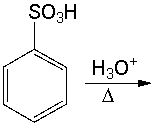

Question
Identify the electrophile in the chlorination of benzene.
A) Cl2
B)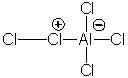
C) AlCl3
D) AlCl2
E)
A) Cl2
B)
C) AlCl3
D) AlCl2
E)
Question
Question
Predict the product for the following reaction. 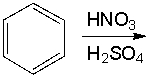
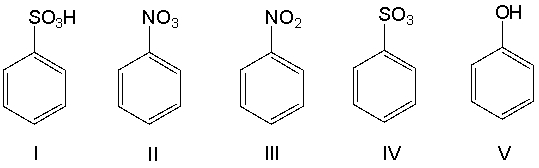
A) I
B) II
C) III
D) IV
E) V
A) I
B) II
C) III
D) IV
E) V
Question
Question
Question
Question
Identify the electrophile in the bromination of benzene.
A) Br2
B)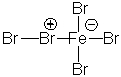
C) FeBr3
D) FeBr2
E)
A) Br2
B)
C) FeBr3
D) FeBr2
E)
Question
Predict the product for the following reaction. 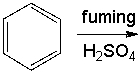
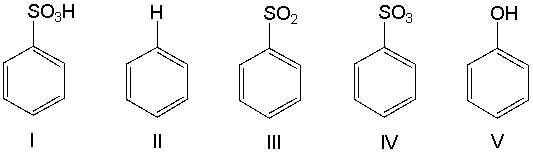
A) I
B) II
C) III
D) IV
E) V
A) I
B) II
C) III
D) IV
E) V
Question
Question
Predict the product for the following reaction. 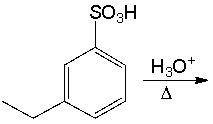
Question
Question
Identify the electrophile in the iodination of benzene.
A) I2
B)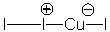
C) CuI3
D) CuI2
E)
A) I2
B)
C) CuI3
D) CuI2
E)
Question
Question
Question
Question
Question
Question
Question
Question
Question
Predict the major product for the following reaction and provide a stepwise, curved arrow mechanism for the formation of the product. 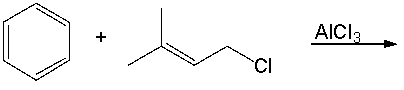
Question
Provide the structures of the intermediate products and final product in the following reaction sequence. 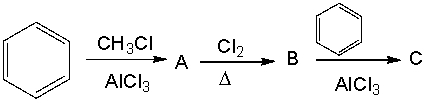
Question
Provide the curved arrow mechanism for the following reaction. 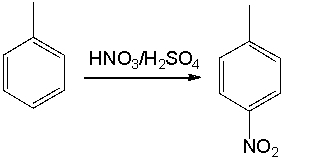
Question
Question
Predict the structure of the major product for the following reaction. 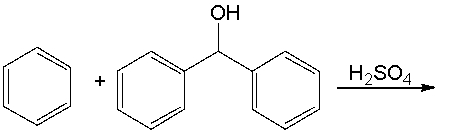
Question
Predict the major product for the following reaction. 
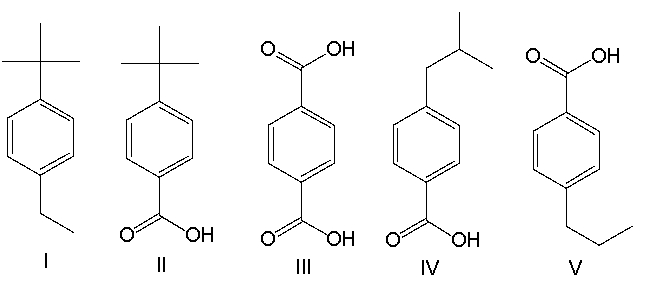
A) I
B) II
C) III
D) IV
E) V
A) I
B) II
C) III
D) IV
E) V
Question
Which of the following reactions would produce isopropylbenzene as the major product? 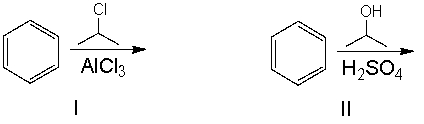
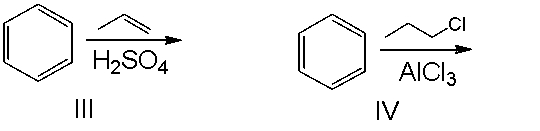
A) I
B) II
C) III
D) IV
E) all of these
A) I
B) II
C) III
D) IV
E) all of these
Question
Predict the major product for the following reaction. 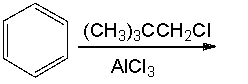
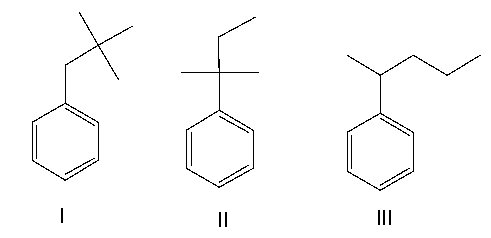
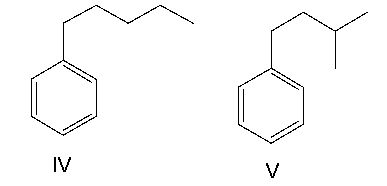
A) I
B) II
C) III
D) IV
E) V
A) I
B) II
C) III
D) IV
E) V
Question
Predict the major product for the following reaction. 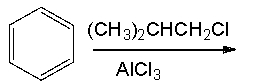
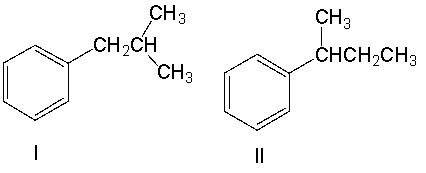
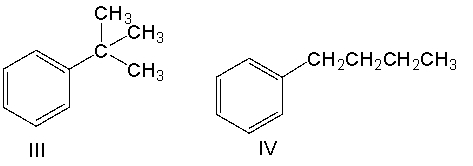
A) I
B) II
C) III
D) IV
E) none of these
A) I
B) II
C) III
D) IV
E) none of these
Question
Which of the following reactions would produce t-butylbenzene as the major product? 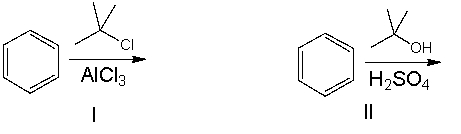
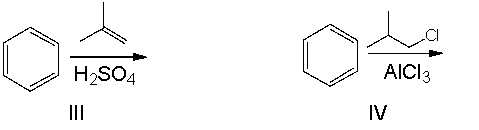
A) I
B) II
C) III
D) IV
E) all of these
A) I
B) II
C) III
D) IV
E) all of these
Question
Predict the major product for the following reaction. 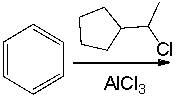
Question
Question
Provide a stepwise, curved arrow mechanism for the following reaction. 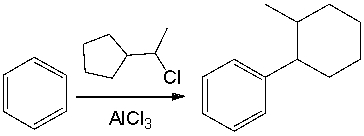
Question
Predict the major product for the following reaction. 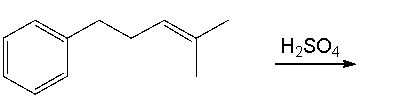
Question
Question
Question
Question
Predict the major product for the following reaction. 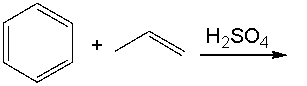
Question
Question
Question
Question
Predict the structure of the major product for the following reaction. 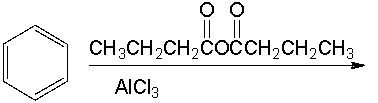
Question
Question
Question
Predict the structure of the product for the following reaction. 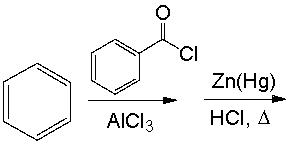
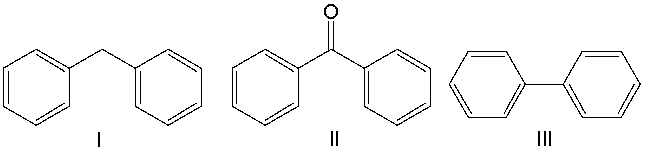
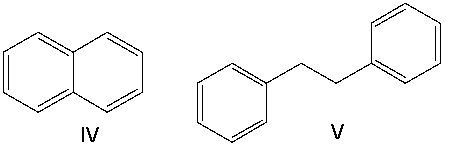
A) I
B) II
C) III
D) IV
E) V
A) I
B) II
C) III
D) IV
E) V
Question
Question
Provide the reagents necessary to carry out the following conversion. 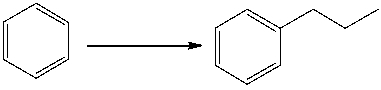
Question
Question
Predict the structure of the major product for the following reaction. 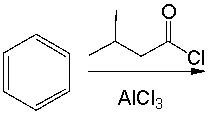

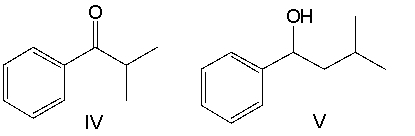
A) I
B) II
C) III
D) IV
E) V
A) I
B) II
C) III
D) IV
E) V
Question
Predict the structure of the product for the following reaction. 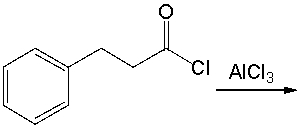
Question
Provide the structure of the major products formed in each step of the following reaction sequence. 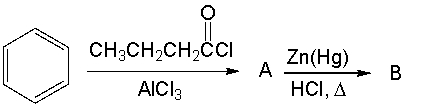
Question
Predict the structure of the product for the following reaction. 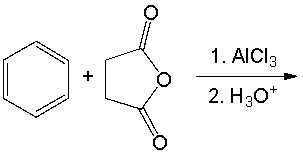
Question
Question
Question
Predict the structure of the major product for the following reaction. 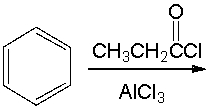
Question
Question
Question
Question
Question
Which one of the following compounds would be least reactive toward electrophilic aromatic substitution? 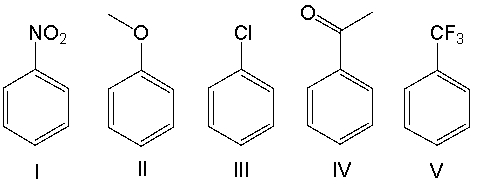
A) I
B) II
C) III
D) IV
E) V
A) I
B) II
C) III
D) IV
E) V
Question
Predict the major product for the following reaction. 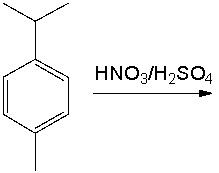
Question
Predict the major product for the following reaction. 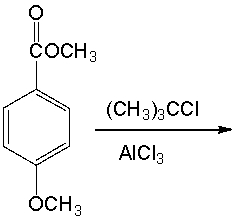
Question
Provide the structures of the major intermediate and products in the following reaction sequence. 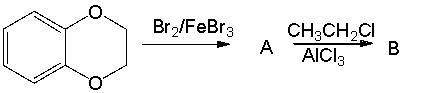
Question
Arrange the following compounds in order of decreasing reactivity towards electrophilic aromatic substitution. 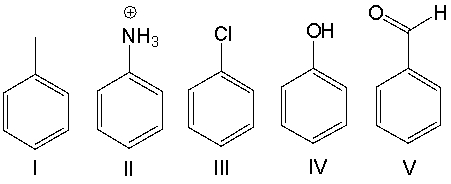
A) V > II > I > III > IV
B) II > V > III > I > IV
C) IV > I > III > V > II
D) III > II > I > IV > V
E) IV > V > II > I > III
A) V > II > I > III > IV
B) II > V > III > I > IV
C) IV > I > III > V > II
D) III > II > I > IV > V
E) IV > V > II > I > III
Question
Predict the major product for the following reaction. 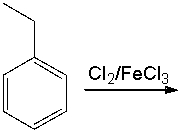
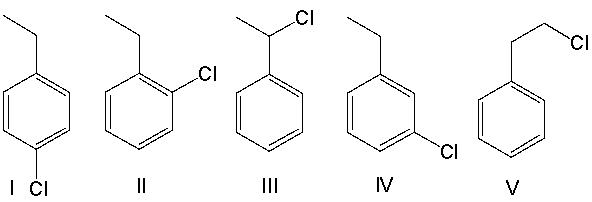
A) I
B) II
C) III
D) IV
E) V
A) I
B) II
C) III
D) IV
E) V
Question
Predict the major product for the following reaction. 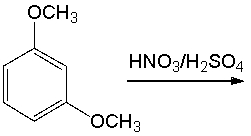
Question
Question
Question
Predict the major product for the following reaction. 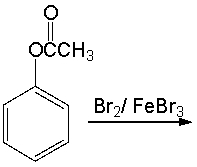
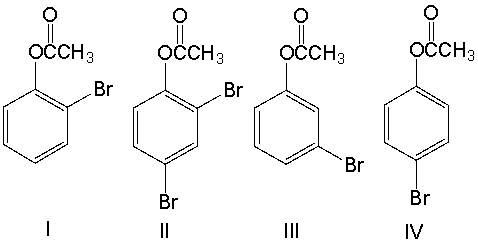
A) I
B) II
C) III
D) IV
E) I & IV
A) I
B) II
C) III
D) IV
E) I & IV
Question
Question
Predict the major product for the following reaction. 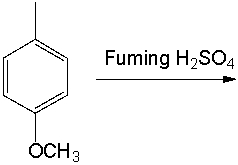
Question
Predict the major product for the following reaction. 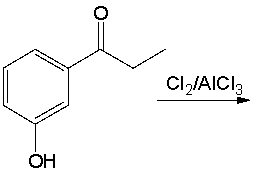
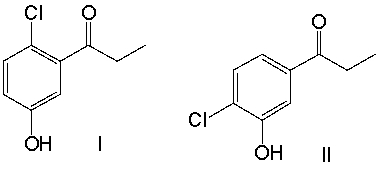
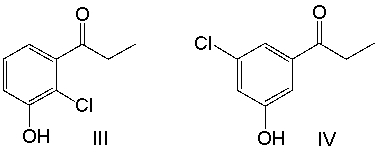
A) I
B) II
C) III
D) IV
E) none of these
A) I
B) II
C) III
D) IV
E) none of these
Question
Question
Predict the major product for the following reaction. 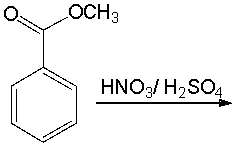
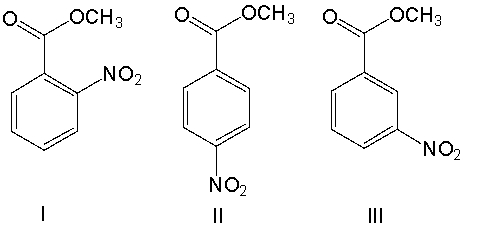
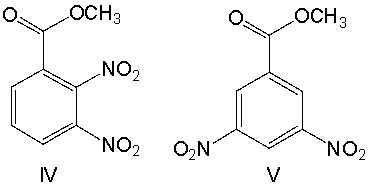
A) I
B) II
C) III
D) IV
E) V
A) I
B) II
C) III
D) IV
E) V
Question
Predict the major product for the following reaction. 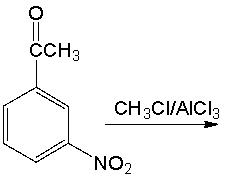
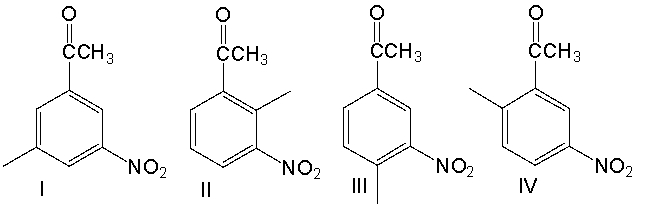
A) I
B) II
C) III
D) IV
E) no reaction
A) I
B) II
C) III
D) IV
E) no reaction
Question
Question
Which one of the following compounds would be most reactive toward electrophilic aromatic substitution? 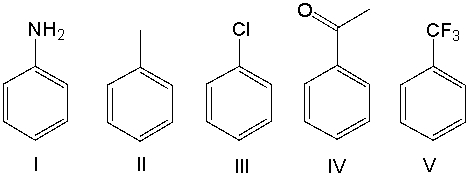
A) I
B) II
C) III
D) IV
E) V
A) I
B) II
C) III
D) IV
E) V
Question
Predict the major product for the following reaction. 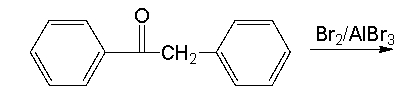

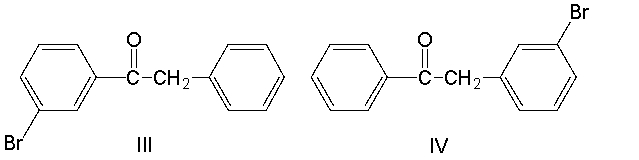
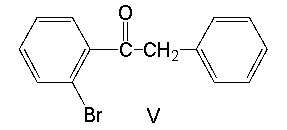
A) I
B) II
C) III
D) IV
E) V
A) I
B) II
C) III
D) IV
E) V
Question
Predict the major product for the following reaction. 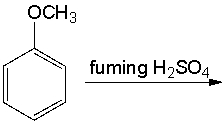
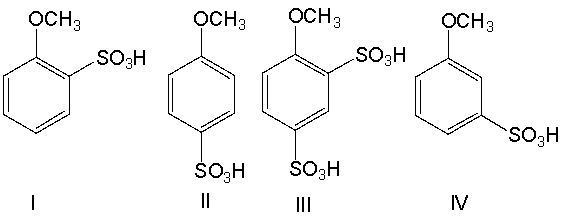
A) I
B) II
C) III
D) IV
E) I & II
A) I
B) II
C) III
D) IV
E) I & II

Unlock Deck
Sign up to unlock the cards in this deck!
Unlock Deck
Unlock Deck
1/122

Play

Full screen (f)
Deck 18: Aromatic Substitution Reactions
1
Predict the product for the following reaction.

2
Identify the electrophile in the chlorination of benzene.
A) Cl2
B)
C) AlCl3
D) AlCl2
E)
A) Cl2
B)
C) AlCl3
D) AlCl2
E)
3
Identify the mechanism by which benzene reacts with bromine.
electrophilic aromatic substitution
4
Predict the product for the following reaction.
A) I
B) II
C) III
D) IV
E) V
A) I
B) II
C) III
D) IV
E) V
Unlock Deck
Unlock for access to all 122 flashcards in this deck.
Unlock Deck
k this deck
5
Identify the reagents used to carry out the chlorination of benzene.
A) Cl2/CCl4
B) Cl2/FeCl3
C) Cl2/AlCl3
D) NaCl/Fe
E) both B and C
A) Cl2/CCl4
B) Cl2/FeCl3
C) Cl2/AlCl3
D) NaCl/Fe
E) both B and C
Unlock Deck
Unlock for access to all 122 flashcards in this deck.
Unlock Deck
k this deck
6
Identify the electrophile in the nitration of benzene.
A) sulfonium ion
B) nitrogen dioxide
C) nitronium ion
D) nitrous oxide
E) Nitrogen dioxide
A) sulfonium ion
B) nitrogen dioxide
C) nitronium ion
D) nitrous oxide
E) Nitrogen dioxide
Unlock Deck
Unlock for access to all 122 flashcards in this deck.
Unlock Deck
k this deck
7
Provide a stepwise curved arrow mechanism for the chlorination of benzene in the presence of FeCl3.
Unlock Deck
Unlock for access to all 122 flashcards in this deck.
Unlock Deck
k this deck
8
Identify the electrophile in the bromination of benzene.
A) Br2
B)
C) FeBr3
D) FeBr2
E)
A) Br2
B)
C) FeBr3
D) FeBr2
E)
Unlock Deck
Unlock for access to all 122 flashcards in this deck.
Unlock Deck
k this deck
9
Predict the product for the following reaction.
A) I
B) II
C) III
D) IV
E) V
A) I
B) II
C) III
D) IV
E) V
Unlock Deck
Unlock for access to all 122 flashcards in this deck.
Unlock Deck
k this deck
10
Cyclohexene undergoes an addition reaction with bromine, but benzene does not. Instead, benzene undergoes a substitution reaction with bromine. Explain why.
Unlock Deck
Unlock for access to all 122 flashcards in this deck.
Unlock Deck
k this deck
11
Predict the product for the following reaction.
Unlock Deck
Unlock for access to all 122 flashcards in this deck.
Unlock Deck
k this deck
12
Which of the following reagents would you use as the basis for a simple chemical test that would distinguish between ethylbenzene and styrene?
A) NaI/acetone
B) Br2/CCl4
C) NaOH/H2O
D) NaBH4/CH3OH
E) HCl/H2O
A) NaI/acetone
B) Br2/CCl4
C) NaOH/H2O
D) NaBH4/CH3OH
E) HCl/H2O
Unlock Deck
Unlock for access to all 122 flashcards in this deck.
Unlock Deck
k this deck
13
Identify the electrophile in the iodination of benzene.
A) I2
B)
C) CuI3
D) CuI2
E)
A) I2
B)
C) CuI3
D) CuI2
E)
Unlock Deck
Unlock for access to all 122 flashcards in this deck.
Unlock Deck
k this deck
14
Draw all of the resonance structures of the sigma complex which is formed when benzene reacts with an electrophile (E+).
Unlock Deck
Unlock for access to all 122 flashcards in this deck.
Unlock Deck
k this deck
15
Identify the reagents used to carry out the iodination of benzene.
A) I2/CCl4
B) I2/FeCl3
C) I2/AlCl3
D) I2/CuCl2
E) NaI/Acetone
A) I2/CCl4
B) I2/FeCl3
C) I2/AlCl3
D) I2/CuCl2
E) NaI/Acetone
Unlock Deck
Unlock for access to all 122 flashcards in this deck.
Unlock Deck
k this deck
16
List the three steps involved in an electrophilic aromatic substitution reaction.
Unlock Deck
Unlock for access to all 122 flashcards in this deck.
Unlock Deck
k this deck
17
Identify the electrophile in the nitration of benzene.
A) NO2+
B) HNO3
C) NO3+
D) H2SO4
E) NO2
A) NO2+
B) HNO3
C) NO3+
D) H2SO4
E) NO2
Unlock Deck
Unlock for access to all 122 flashcards in this deck.
Unlock Deck
k this deck
18
Identify the electrophile in the sulfonation reaction of benzene.
A) SO2+
B) H2SO4
C) SO3+
D) H2SO3
E) SO3
A) SO2+
B) H2SO4
C) SO3+
D) H2SO3
E) SO3
Unlock Deck
Unlock for access to all 122 flashcards in this deck.
Unlock Deck
k this deck
19
The electrophilic bromination or chlorination of benzene requires ______ along with the halogen.
A) UV light
B) a Brønsted base
C) a Lewis base
D) a Lewis acid
E) none of these
A) UV light
B) a Brønsted base
C) a Lewis base
D) a Lewis acid
E) none of these
Unlock Deck
Unlock for access to all 122 flashcards in this deck.
Unlock Deck
k this deck
20
Identify the rate-determining step in the electrophilic aromatic substitution of benzene.
A) Formation of an electrophile
B) Formation of a sigma complex.
C) Loss of a proton from the sigma complex.
D) Addition of an electrophile & loss of a proton
E) None of these
A) Formation of an electrophile
B) Formation of a sigma complex.
C) Loss of a proton from the sigma complex.
D) Addition of an electrophile & loss of a proton
E) None of these
Unlock Deck
Unlock for access to all 122 flashcards in this deck.
Unlock Deck
k this deck
21
Predict the major product for the reaction between benzene and 2-chlorobutane in the presence of AlCl3.
A) chlorobenzene
B) sec-butylbenzene
C) ethylbenzene
D) isopropylbenzene
E) t-butylbenzene
A) chlorobenzene
B) sec-butylbenzene
C) ethylbenzene
D) isopropylbenzene
E) t-butylbenzene
Unlock Deck
Unlock for access to all 122 flashcards in this deck.
Unlock Deck
k this deck
22
Predict the major product for the following reaction and provide a stepwise, curved arrow mechanism for the formation of the product.
Unlock Deck
Unlock for access to all 122 flashcards in this deck.
Unlock Deck
k this deck
23
Provide the structures of the intermediate products and final product in the following reaction sequence.
Unlock Deck
Unlock for access to all 122 flashcards in this deck.
Unlock Deck
k this deck
24
Provide the curved arrow mechanism for the following reaction.
Unlock Deck
Unlock for access to all 122 flashcards in this deck.
Unlock Deck
k this deck
25
Which one of the following reactions is most likely to give a polysubstituted product?
A) Friedel-Crafts alkylation
B) Friedel-Crafts acylation
C) nitration
D) sulfonation
E) halogenation
A) Friedel-Crafts alkylation
B) Friedel-Crafts acylation
C) nitration
D) sulfonation
E) halogenation
Unlock Deck
Unlock for access to all 122 flashcards in this deck.
Unlock Deck
k this deck
26
Predict the structure of the major product for the following reaction.
Unlock Deck
Unlock for access to all 122 flashcards in this deck.
Unlock Deck
k this deck
27
Predict the major product for the following reaction.
A) I
B) II
C) III
D) IV
E) V
A) I
B) II
C) III
D) IV
E) V
Unlock Deck
Unlock for access to all 122 flashcards in this deck.
Unlock Deck
k this deck
28
Which of the following reactions would produce isopropylbenzene as the major product?
A) I
B) II
C) III
D) IV
E) all of these
A) I
B) II
C) III
D) IV
E) all of these
Unlock Deck
Unlock for access to all 122 flashcards in this deck.
Unlock Deck
k this deck
29
Predict the major product for the following reaction.
A) I
B) II
C) III
D) IV
E) V
A) I
B) II
C) III
D) IV
E) V
Unlock Deck
Unlock for access to all 122 flashcards in this deck.
Unlock Deck
k this deck
30
Predict the major product for the following reaction.
A) I
B) II
C) III
D) IV
E) none of these
A) I
B) II
C) III
D) IV
E) none of these
Unlock Deck
Unlock for access to all 122 flashcards in this deck.
Unlock Deck
k this deck
31
Which of the following reactions would produce t-butylbenzene as the major product?
A) I
B) II
C) III
D) IV
E) all of these
A) I
B) II
C) III
D) IV
E) all of these
Unlock Deck
Unlock for access to all 122 flashcards in this deck.
Unlock Deck
k this deck
32
Predict the major product for the following reaction.
Unlock Deck
Unlock for access to all 122 flashcards in this deck.
Unlock Deck
k this deck
33
Which one of the following compounds does not undergo a Friedel-Crafts reaction?
A) benzene
B) chlorobenzene
C) nitrobenzene
D) toluene
E) t-butylbenzene
A) benzene
B) chlorobenzene
C) nitrobenzene
D) toluene
E) t-butylbenzene
Unlock Deck
Unlock for access to all 122 flashcards in this deck.
Unlock Deck
k this deck
34
Provide a stepwise, curved arrow mechanism for the following reaction.
Unlock Deck
Unlock for access to all 122 flashcards in this deck.
Unlock Deck
k this deck
35
Predict the major product for the following reaction.
Unlock Deck
Unlock for access to all 122 flashcards in this deck.
Unlock Deck
k this deck
36
Which of the following halides cannot be used for a Friedel-Crafts alkylation reaction?
A) bromobenzene
B) vinylchloride
C) 2-chloropropane
D) chloroethane
E) both A and B
A) bromobenzene
B) vinylchloride
C) 2-chloropropane
D) chloroethane
E) both A and B
Unlock Deck
Unlock for access to all 122 flashcards in this deck.
Unlock Deck
k this deck
37
Identify the electrophile in a Friedel-Crafts alkylation.
A) aluminum chloride
B) carbocation
C) aluminum tetrachloride ion
D) carbanion
E) radical
A) aluminum chloride
B) carbocation
C) aluminum tetrachloride ion
D) carbanion
E) radical
Unlock Deck
Unlock for access to all 122 flashcards in this deck.
Unlock Deck
k this deck
38
Identify the product from the reaction of nitrobenzene with iron and hydrochloric acid, followed with base.
A) nitrobenzene
B) benzene
C) aniline
D) 1,3-dinitrobenzene
E) 1,4-dinitrobenzene
A) nitrobenzene
B) benzene
C) aniline
D) 1,3-dinitrobenzene
E) 1,4-dinitrobenzene
Unlock Deck
Unlock for access to all 122 flashcards in this deck.
Unlock Deck
k this deck
39
Predict the major product for the following reaction.
Unlock Deck
Unlock for access to all 122 flashcards in this deck.
Unlock Deck
k this deck
40
Aryl and vinyl halides cannot be used in the Friedel-Crafts alkylation reaction, because they do not __________.
Unlock Deck
Unlock for access to all 122 flashcards in this deck.
Unlock Deck
k this deck
41
Which of the following substituents will not direct the incoming group to the ortho/para position during electrophilic aromatic substitution?
A) -CH2CH3
B) -CF3
C) -OCH3
D) -NHCH3
E) -Br
A) -CH2CH3
B) -CF3
C) -OCH3
D) -NHCH3
E) -Br
Unlock Deck
Unlock for access to all 122 flashcards in this deck.
Unlock Deck
k this deck
42
Which of the following substituents will direct the incoming group to the ortho/para position during electrophilic aromatic substitution?
A) -CH2CH3
B) -CF3
C) -OCH3
D) -COOCH3
E) both A and C
A) -CH2CH3
B) -CF3
C) -OCH3
D) -COOCH3
E) both A and C
Unlock Deck
Unlock for access to all 122 flashcards in this deck.
Unlock Deck
k this deck
43
Predict the structure of the major product for the following reaction.
Unlock Deck
Unlock for access to all 122 flashcards in this deck.
Unlock Deck
k this deck
44
Which one of the following compounds will be least reactive towards a Friedel-Crafts reaction?
A) nitrobenzene
B) anisole
C) phenol
D) benzene
E) chlorobenzene
A) nitrobenzene
B) anisole
C) phenol
D) benzene
E) chlorobenzene
Unlock Deck
Unlock for access to all 122 flashcards in this deck.
Unlock Deck
k this deck
45
In a Clemmensen reduction, an aryl ketone is reduced to _____________.
A) an aryl aldehyde
B) an aryl alkane
C) an aryl carboxylic acid
D) an aryl ester
E) an aryl anhydride
A) an aryl aldehyde
B) an aryl alkane
C) an aryl carboxylic acid
D) an aryl ester
E) an aryl anhydride
Unlock Deck
Unlock for access to all 122 flashcards in this deck.
Unlock Deck
k this deck
46
Predict the structure of the product for the following reaction.
A) I
B) II
C) III
D) IV
E) V
A) I
B) II
C) III
D) IV
E) V
Unlock Deck
Unlock for access to all 122 flashcards in this deck.
Unlock Deck
k this deck
47
Provide all resonance structures of the sigma complex when aniline reacts with an electrophile (E+) to yield the para-substituted product.
Unlock Deck
Unlock for access to all 122 flashcards in this deck.
Unlock Deck
k this deck
48
Provide the reagents necessary to carry out the following conversion.
Unlock Deck
Unlock for access to all 122 flashcards in this deck.
Unlock Deck
k this deck
49
An alkyl group ___________ the benzene ring to make it __________ reactive than benzene.
Unlock Deck
Unlock for access to all 122 flashcards in this deck.
Unlock Deck
k this deck
50
Predict the structure of the major product for the following reaction.
A) I
B) II
C) III
D) IV
E) V
A) I
B) II
C) III
D) IV
E) V
Unlock Deck
Unlock for access to all 122 flashcards in this deck.
Unlock Deck
k this deck
51
Predict the structure of the product for the following reaction.
Unlock Deck
Unlock for access to all 122 flashcards in this deck.
Unlock Deck
k this deck
52
Provide the structure of the major products formed in each step of the following reaction sequence.
Unlock Deck
Unlock for access to all 122 flashcards in this deck.
Unlock Deck
k this deck
53
Predict the structure of the product for the following reaction.
Unlock Deck
Unlock for access to all 122 flashcards in this deck.
Unlock Deck
k this deck
54
A nitro group ___________ the benzene ring to make it __________ reactive than benzene.
Unlock Deck
Unlock for access to all 122 flashcards in this deck.
Unlock Deck
k this deck
55
Which one of the following compounds will be most reactive towards an electrophilic aromatic bromination reaction?
A) nitrobenzene
B) anisole
C) acetanilide
D) benzene
E) benzaldehyde
A) nitrobenzene
B) anisole
C) acetanilide
D) benzene
E) benzaldehyde
Unlock Deck
Unlock for access to all 122 flashcards in this deck.
Unlock Deck
k this deck
56
Predict the structure of the major product for the following reaction.
Unlock Deck
Unlock for access to all 122 flashcards in this deck.
Unlock Deck
k this deck
57
Which of the following compounds will yield the ortho substituted compound as the major product for a nitration reaction?
A) toluene
B) ethylbenzene
C) cumene
D) t-butylbenzene
E) none of these
A) toluene
B) ethylbenzene
C) cumene
D) t-butylbenzene
E) none of these
Unlock Deck
Unlock for access to all 122 flashcards in this deck.
Unlock Deck
k this deck
58
Which one of the following substituents will direct the incoming group to the meta position during electrophilic aromatic substitution?
A) -NO2
B) -C N
C) -CCl3
D) -COOH
E) all of these
A) -NO2
B) -C N
C) -CCl3
D) -COOH
E) all of these
Unlock Deck
Unlock for access to all 122 flashcards in this deck.
Unlock Deck
k this deck
59
Which one of the following substituents will not direct the incoming group to the meta position during electrophilic aromatic substitution?
A) -NO2
B) -C N
C) -OCH3
D) -COOH
E) all of these
A) -NO2
B) -C N
C) -OCH3
D) -COOH
E) all of these
Unlock Deck
Unlock for access to all 122 flashcards in this deck.
Unlock Deck
k this deck
60
Identify the electrophile for the Friedel-Crafts acylation of benzene.
A) aluminum tetrachloride anion
B) aluminum chloride
C) acylium ion
D) carbocation
E) carbanion
A) aluminum tetrachloride anion
B) aluminum chloride
C) acylium ion
D) carbocation
E) carbanion
Unlock Deck
Unlock for access to all 122 flashcards in this deck.
Unlock Deck
k this deck
61
Which one of the following compounds would be least reactive toward electrophilic aromatic substitution?
A) I
B) II
C) III
D) IV
E) V
A) I
B) II
C) III
D) IV
E) V
Unlock Deck
Unlock for access to all 122 flashcards in this deck.
Unlock Deck
k this deck
62
Predict the major product for the following reaction.
Unlock Deck
Unlock for access to all 122 flashcards in this deck.
Unlock Deck
k this deck
63
Predict the major product for the following reaction.
Unlock Deck
Unlock for access to all 122 flashcards in this deck.
Unlock Deck
k this deck
64
Provide the structures of the major intermediate and products in the following reaction sequence.
Unlock Deck
Unlock for access to all 122 flashcards in this deck.
Unlock Deck
k this deck
65
Arrange the following compounds in order of decreasing reactivity towards electrophilic aromatic substitution.
A) V > II > I > III > IV
B) II > V > III > I > IV
C) IV > I > III > V > II
D) III > II > I > IV > V
E) IV > V > II > I > III
A) V > II > I > III > IV
B) II > V > III > I > IV
C) IV > I > III > V > II
D) III > II > I > IV > V
E) IV > V > II > I > III
Unlock Deck
Unlock for access to all 122 flashcards in this deck.
Unlock Deck
k this deck
66
Predict the major product for the following reaction.
A) I
B) II
C) III
D) IV
E) V
A) I
B) II
C) III
D) IV
E) V
Unlock Deck
Unlock for access to all 122 flashcards in this deck.
Unlock Deck
k this deck
67
Predict the major product for the following reaction.
Unlock Deck
Unlock for access to all 122 flashcards in this deck.
Unlock Deck
k this deck
68
A halogen ___________ the benzene ring; the ring is __________ reactive than benzene.
Unlock Deck
Unlock for access to all 122 flashcards in this deck.
Unlock Deck
k this deck
69
Provide the structures of the major resonance contributors when nitrobenzene reacts with an electrophile in electrophilic aromatic substitution at the meta position.
Unlock Deck
Unlock for access to all 122 flashcards in this deck.
Unlock Deck
k this deck
70
Predict the major product for the following reaction.
A) I
B) II
C) III
D) IV
E) I & IV
A) I
B) II
C) III
D) IV
E) I & IV
Unlock Deck
Unlock for access to all 122 flashcards in this deck.
Unlock Deck
k this deck
71
Which of the following substituents will direct the incoming group to the ortho/para position during electrophilic aromatic substitution?
A) -NO2
B) -CF3
C) -Br
D) -COOCH3
E) none of these
A) -NO2
B) -CF3
C) -Br
D) -COOCH3
E) none of these
Unlock Deck
Unlock for access to all 122 flashcards in this deck.
Unlock Deck
k this deck
72
Predict the major product for the following reaction.
Unlock Deck
Unlock for access to all 122 flashcards in this deck.
Unlock Deck
k this deck
73
Predict the major product for the following reaction.
A) I
B) II
C) III
D) IV
E) none of these
A) I
B) II
C) III
D) IV
E) none of these
Unlock Deck
Unlock for access to all 122 flashcards in this deck.
Unlock Deck
k this deck
74
Provide the reagent(s) that are necessary to carry out the following conversion. t-butylbenzene 1-t-butyl-4-chlorobenzene
A) Cl2, heat
B) Cl2, FeCl3
C) SOCl2, pyridine
D) HCl
E) PCl3
A) Cl2, heat
B) Cl2, FeCl3
C) SOCl2, pyridine
D) HCl
E) PCl3
Unlock Deck
Unlock for access to all 122 flashcards in this deck.
Unlock Deck
k this deck
75
Predict the major product for the following reaction.
A) I
B) II
C) III
D) IV
E) V
A) I
B) II
C) III
D) IV
E) V
Unlock Deck
Unlock for access to all 122 flashcards in this deck.
Unlock Deck
k this deck
76
Predict the major product for the following reaction.
A) I
B) II
C) III
D) IV
E) no reaction
A) I
B) II
C) III
D) IV
E) no reaction
Unlock Deck
Unlock for access to all 122 flashcards in this deck.
Unlock Deck
k this deck
77
Give the preferred products from the nitration of bromobenzene.
Unlock Deck
Unlock for access to all 122 flashcards in this deck.
Unlock Deck
k this deck
78
Which one of the following compounds would be most reactive toward electrophilic aromatic substitution?
A) I
B) II
C) III
D) IV
E) V
A) I
B) II
C) III
D) IV
E) V
Unlock Deck
Unlock for access to all 122 flashcards in this deck.
Unlock Deck
k this deck
79
Predict the major product for the following reaction.
A) I
B) II
C) III
D) IV
E) V
A) I
B) II
C) III
D) IV
E) V
Unlock Deck
Unlock for access to all 122 flashcards in this deck.
Unlock Deck
k this deck
80
Predict the major product for the following reaction.
A) I
B) II
C) III
D) IV
E) I & II
A) I
B) II
C) III
D) IV
E) I & II
Unlock Deck
Unlock for access to all 122 flashcards in this deck.
Unlock Deck
k this deck
Unlock Deck
Unlock for access to all 122 flashcards in this deck.






