







 Chat with AI

Deck 26: Accounting for Manufacturing Activities
Full screen (f)

Question

Question
Question
Question
Question
Question
Question
Question
Question
Question
Question
Question
Question
Question
Question
Question
Question
Question
Question
Question
Question
Question
Question
Question
Question
Question
Question
Question
Question
Question
Question
Question
Question
Question
Question
Question
Question
Question
Question
Question
Question
Question
Question
Which of the following is NOT an adjusting entry?
A)
B)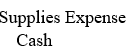
C)
D)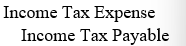
A)
B)
C)
D)
Question
Question
Question
Question
Question
Question
Question
Question
Question
Question
Question
Question
Question
Question
Question
Question
Question
Question
Question
Question
Question
Question
Question
Question
Question
Question
Question
Calculate the total manufacturing cost from the information given:

A)$37,500.
B)$30,300.
C)$23,100.
D)$57,150.
A)$37,500.
B)$30,300.
C)$23,100.
D)$57,150.
Question
The following information appears on the Statement of Cost of Goods Manufactured for the Coleman Company at the end of the year.

The cost for Direct Labor is:
A)$49,000.
B)$15,000.
C)$34,000.
D)$59,000.
The cost for Direct Labor is:
A)$49,000.
B)$15,000.
C)$34,000.
D)$59,000.
Question
Calculate the cost of goods manufactured from the information given:

A)$21,200.
B)$19,800.
C)$13,800.
D)$15,200.
A)$21,200.
B)$19,800.
C)$13,800.
D)$15,200.
Question
Question
Question
Question
Question
Question
Question
Question

Unlock Deck
Sign up to unlock the cards in this deck!
Unlock Deck
Unlock Deck
1/113

Play

Full screen (f)
Deck 26: Accounting for Manufacturing Activities
1
A statement of cost of goods manufactured supports the income statement.
True
2
Raw materials and work in process are costs incurred while manufacturing a product and are considered period expenses and thus appear on the income statement.
False
3
Total manufacturing cost is the sum of beginning work in process, direct materials used, direct labor incurred and manufacturing overhead.
False
4
Amounts paid to factory repair and maintenance employees are considered direct labor.
Unlock Deck
Unlock for access to all 113 flashcards in this deck.
Unlock Deck
k this deck
5
The Cost of Goods Manufactured represents the cost of completed units that are transferred into Finished Goods and made available for sale.
Unlock Deck
Unlock for access to all 113 flashcards in this deck.
Unlock Deck
k this deck
6
The raw materials inventory, the work in process inventory, and the finished goods inventory are all shown in the Current Assets section of the balance sheet.
Unlock Deck
Unlock for access to all 113 flashcards in this deck.
Unlock Deck
k this deck
7
Total manufacturing cost is the sum of direct materials used, direct labor incurred and manufacturing overhead applied.
Unlock Deck
Unlock for access to all 113 flashcards in this deck.
Unlock Deck
k this deck
8
Raw Materials Used is not a component of manufacturing overhead.
Unlock Deck
Unlock for access to all 113 flashcards in this deck.
Unlock Deck
k this deck
9
Manufacturing-related costs that cannot be cost-effectively traced to a product are considered manufacturing overhead.
Unlock Deck
Unlock for access to all 113 flashcards in this deck.
Unlock Deck
k this deck
10
The beginning inventory of raw materials is shown in the Income Statement Credit column and the Balance Sheet Debit column of a worksheet for a manufacturing business.
Unlock Deck
Unlock for access to all 113 flashcards in this deck.
Unlock Deck
k this deck
11
The adjusting entry to close out the beginning work in process inventory includes a debit to Income Summary and a credit to Work in Process Inventory.
Unlock Deck
Unlock for access to all 113 flashcards in this deck.
Unlock Deck
k this deck
12
Raw materials purchased during the month were $66,000. During that same period, $95,000 was used and ending inventory was $35,000. The beginning raw material inventory balance must have been $60,000.
Unlock Deck
Unlock for access to all 113 flashcards in this deck.
Unlock Deck
k this deck
13
The beginning and ending balances of the finished goods inventory are not used in the computation of cost of goods manufactured.
Unlock Deck
Unlock for access to all 113 flashcards in this deck.
Unlock Deck
k this deck
14
Cleaning materials and lubricants used in factory operations and maintenance are considered manufacturing overhead.
Unlock Deck
Unlock for access to all 113 flashcards in this deck.
Unlock Deck
k this deck
15
Gross profit for a manufacturing business is calculated by deducting cost of goods manufactured from net sales.
Unlock Deck
Unlock for access to all 113 flashcards in this deck.
Unlock Deck
k this deck
16
The Cost of Goods Sold section of the income statement for a manufacturing business shows the balance of the work in process inventory.
Unlock Deck
Unlock for access to all 113 flashcards in this deck.
Unlock Deck
k this deck
17
If the ending finished goods inventory is greater than the beginning finished goods inventory, the cost of goods sold will be higher than the cost of goods manufactured.
Unlock Deck
Unlock for access to all 113 flashcards in this deck.
Unlock Deck
k this deck
18
The total cost of a manufactured item includes direct materials, direct labor and manufacturing overhead.
Unlock Deck
Unlock for access to all 113 flashcards in this deck.
Unlock Deck
k this deck
19
Products that are partially completed are considered work in process.
Unlock Deck
Unlock for access to all 113 flashcards in this deck.
Unlock Deck
k this deck
20
The balance sheet of a manufacturing firm will include Raw Materials, Work in Process, Manufacturing Overhead and Finished Goods inventory accounts.
Unlock Deck
Unlock for access to all 113 flashcards in this deck.
Unlock Deck
k this deck
21
As part of the adjusting entries, the beginning inventory of work in process is closed into the
account.
account.
Unlock Deck
Unlock for access to all 113 flashcards in this deck.
Unlock Deck
k this deck
22
All manufacturing costs, except those for direct labor and direct materials, are included in
.
.
Unlock Deck
Unlock for access to all 113 flashcards in this deck.
Unlock Deck
k this deck
23
Information about depreciation, insurance, and property taxes for the factory building of a manufacturing business would be shown in the Operating Expenses section of the income statement.
Unlock Deck
Unlock for access to all 113 flashcards in this deck.
Unlock Deck
k this deck
24
If there are no errors, the amount needed to balance the Cost of Goods Manufactured columns of a worksheet will also be the amount required to balance the Balance Sheet columns.
Unlock Deck
Unlock for access to all 113 flashcards in this deck.
Unlock Deck
k this deck
25
The cost of goods sold will often differ from the cost of goods manufactured because of changes in the quantity of finished goods.
Unlock Deck
Unlock for access to all 113 flashcards in this deck.
Unlock Deck
k this deck
26
The balance of the Manufacturing Summary account is closed into the Income Summary account.
Unlock Deck
Unlock for access to all 113 flashcards in this deck.
Unlock Deck
k this deck
27
All of the items that are purchased for manufacturing operations that go into a product and become part of the finished product are called .
Unlock Deck
Unlock for access to all 113 flashcards in this deck.
Unlock Deck
k this deck
28
Six adjusting entries are made at the end of the fiscal year for inventory accounts in a manufacturing operation.
Unlock Deck
Unlock for access to all 113 flashcards in this deck.
Unlock Deck
k this deck
29
The amounts of the raw materials used, direct labor incurred, and manufacturing overhead applied during a fiscal period are reported on the statement of cost of goods manufactured.
Unlock Deck
Unlock for access to all 113 flashcards in this deck.
Unlock Deck
k this deck
30
The salary paid to a factory supervisor is classified as .
Unlock Deck
Unlock for access to all 113 flashcards in this deck.
Unlock Deck
k this deck
31
Immediately before it is closed, the balance of the Manufacturing Summary account represents the cost of goods manufactured.
Unlock Deck
Unlock for access to all 113 flashcards in this deck.
Unlock Deck
k this deck
32
To compute the , it is necessary to subtract the ending work in process inventory from the sum of the beginning work in process inventory and the total manufacturing cost.
Unlock Deck
Unlock for access to all 113 flashcards in this deck.
Unlock Deck
k this deck
33
For a manufacturing business, net sales minus equals gross profit on sales.
Unlock Deck
Unlock for access to all 113 flashcards in this deck.
Unlock Deck
k this deck
34
The cost of indirect materials and supplies used in manufacturing operations are part of
and are included in the calculation of total manufacturing costs.
and are included in the calculation of total manufacturing costs.
Unlock Deck
Unlock for access to all 113 flashcards in this deck.
Unlock Deck
k this deck
35
The balance of the manufacturing summary account is closed to Income Summary.
Unlock Deck
Unlock for access to all 113 flashcards in this deck.
Unlock Deck
k this deck
36
Beginning and ending finished goods inventory are used in the calculation of cost of goods
.
.
Unlock Deck
Unlock for access to all 113 flashcards in this deck.
Unlock Deck
k this deck
37
Reversing entries help save time and prevent errors in the period being closed.
Unlock Deck
Unlock for access to all 113 flashcards in this deck.
Unlock Deck
k this deck
38
The manufacturing summary account is a temporary account used to close out manufacturing costs before transferring the balance to Finished Goods.
Unlock Deck
Unlock for access to all 113 flashcards in this deck.
Unlock Deck
k this deck
39
An adjusting entry to accrue salaries and wage expenses incurred, but not yet recorded is required prior to closing out a reporting period.
Unlock Deck
Unlock for access to all 113 flashcards in this deck.
Unlock Deck
k this deck
40
In a manufacturing company, it is not necessary to take a physical inventory of the finished goods.
Unlock Deck
Unlock for access to all 113 flashcards in this deck.
Unlock Deck
k this deck
41
The beginning and ending inventories appear in the Cost of Goods Sold section of the income statement of a manufacturing business.
Unlock Deck
Unlock for access to all 113 flashcards in this deck.
Unlock Deck
k this deck
42
The entry to close the Manufacturing Summary account includes a(n)to Manufacturing Summary.
Unlock Deck
Unlock for access to all 113 flashcards in this deck.
Unlock Deck
k this deck
43
Which of the following is NOT an adjusting entry?
A)
B)
C)
D)
A)
B)
C)
D)
Unlock Deck
Unlock for access to all 113 flashcards in this deck.
Unlock Deck
k this deck
44
As part of the adjusting entries, the beginning inventory of finished goods is closed into the
account.
account.
Unlock Deck
Unlock for access to all 113 flashcards in this deck.
Unlock Deck
k this deck
45
The ending inventory of raw materials is shown on the worksheet of a manufacturing business in the Cost of Goods Manufactured column.
Unlock Deck
Unlock for access to all 113 flashcards in this deck.
Unlock Deck
k this deck
46
Under the perpetual inventory method, additions and deletions of inventory items are recorded as they occur to which of the following?
A)Finished Goods
B)Work in Process
C)Materials
D)All of these
A)Finished Goods
B)Work in Process
C)Materials
D)All of these
Unlock Deck
Unlock for access to all 113 flashcards in this deck.
Unlock Deck
k this deck
47
The manufacturing costs incurred during the year are:
A)shown as expense accounts, such as Wages Expense and Utilities Expense, that are listed in the Operating Expenses section of the income statement.
B)shown as Direct Labor, Raw Materials, and Manufacturing Overhead in the Operating Expenses section of the income statement.
C)shown in the Cost of Goods Sold section of the income statement.
D)used in the calculation of cost of goods manufactured.
A)shown as expense accounts, such as Wages Expense and Utilities Expense, that are listed in the Operating Expenses section of the income statement.
B)shown as Direct Labor, Raw Materials, and Manufacturing Overhead in the Operating Expenses section of the income statement.
C)shown in the Cost of Goods Sold section of the income statement.
D)used in the calculation of cost of goods manufactured.
Unlock Deck
Unlock for access to all 113 flashcards in this deck.
Unlock Deck
k this deck
48
The Balance Sheet of a manufacturing firm includes which account that will not be included in the Balance Sheet of a merchandising or service firm?
A)Prepaid Insurance
B)Work in Process Inventory
C)Prepaid Wages
D)Accounts Payable
A)Prepaid Insurance
B)Work in Process Inventory
C)Prepaid Wages
D)Accounts Payable
Unlock Deck
Unlock for access to all 113 flashcards in this deck.
Unlock Deck
k this deck
49
The cost of goods manufactured is calculated by:
A)adding raw materials used and direct labor to manufacturing overhead.
B)deducting the ending work in process inventory from the sum of the total manufacturing cost and the beginning work in process inventory.
C)deducting the ending finished goods inventory from the beginning finished goods inventory.
D)adding operating expenses to direct labor costs.
A)adding raw materials used and direct labor to manufacturing overhead.
B)deducting the ending work in process inventory from the sum of the total manufacturing cost and the beginning work in process inventory.
C)deducting the ending finished goods inventory from the beginning finished goods inventory.
D)adding operating expenses to direct labor costs.
Unlock Deck
Unlock for access to all 113 flashcards in this deck.
Unlock Deck
k this deck
50
Benefits of maintaining inventory records on a perpetual basis include all of the following except:
A)provides improved cost control.
B)avoid annual physical counts.
C)easier to identify potential shortages.
D)improved customer experiences.
A)provides improved cost control.
B)avoid annual physical counts.
C)easier to identify potential shortages.
D)improved customer experiences.
Unlock Deck
Unlock for access to all 113 flashcards in this deck.
Unlock Deck
k this deck
51
The Manufacturing Summary account is closed into the account.
Unlock Deck
Unlock for access to all 113 flashcards in this deck.
Unlock Deck
k this deck
52
Indirect labor for a manufacturing business includes the wages of:
A)employees who sell the product.
B)employees who assemble the product.
C)factory repair and maintenance employees.
D)office employees.
A)employees who sell the product.
B)employees who assemble the product.
C)factory repair and maintenance employees.
D)office employees.
Unlock Deck
Unlock for access to all 113 flashcards in this deck.
Unlock Deck
k this deck
53
Wages paid to the factory maintenance and repair personnel of a manufacturing business are shown:
A)as part of Manufacturing Overhead on the statement cost of goods manufactured.
B)as Direct Labor on the statement of cost goods manufactured.
C)in the Operating Expenses section of the income statement.
D)as a part of the Cost of Goods Sold section of the income statement.
A)as part of Manufacturing Overhead on the statement cost of goods manufactured.
B)as Direct Labor on the statement of cost goods manufactured.
C)in the Operating Expenses section of the income statement.
D)as a part of the Cost of Goods Sold section of the income statement.
Unlock Deck
Unlock for access to all 113 flashcards in this deck.
Unlock Deck
k this deck
54
Gross profit for a manufacturing business is calculated by:
A)deducting cost of goods manufactured from net sales.
B)deducting cost of goods sold from net sales.
C)deducting the ending finished goods inventory from the total goods available for sale.
D)deducting operating expenses from the costs of goods sold.
A)deducting cost of goods manufactured from net sales.
B)deducting cost of goods sold from net sales.
C)deducting the ending finished goods inventory from the total goods available for sale.
D)deducting operating expenses from the costs of goods sold.
Unlock Deck
Unlock for access to all 113 flashcards in this deck.
Unlock Deck
k this deck
55
Organizations that utilize the perpetual inventory method record additions and deletions of inventory items:
A)yearly.
B)quarterly.
C)monthly.
D)daily.
A)yearly.
B)quarterly.
C)monthly.
D)daily.
Unlock Deck
Unlock for access to all 113 flashcards in this deck.
Unlock Deck
k this deck
56
On a worksheet for a manufacturing business, the beginning inventory of finished goods is extended to the Debit column.
Unlock Deck
Unlock for access to all 113 flashcards in this deck.
Unlock Deck
k this deck
57
Once the financial statements have been prepared, the steps in the accounting cycle are complete. Which of the following is NOT one of the steps in the accounting cycle?
A)Adjusting entries
B)Post Closing Trial Balance
C)Closing Trial Balance
D)Closing entries
A)Adjusting entries
B)Post Closing Trial Balance
C)Closing Trial Balance
D)Closing entries
Unlock Deck
Unlock for access to all 113 flashcards in this deck.
Unlock Deck
k this deck
58
The end-of-period adjusting entries are:
A)recorded in the journal and posted in the ledger.
B)recorded and posted in the ledger.
C)recorded in the ledger and posted in the journal.
D)recorded and posted in the journal.
A)recorded in the journal and posted in the ledger.
B)recorded and posted in the ledger.
C)recorded in the ledger and posted in the journal.
D)recorded and posted in the journal.
Unlock Deck
Unlock for access to all 113 flashcards in this deck.
Unlock Deck
k this deck
59
The raw materials inventory is shown in the section of the balance sheet of a manufacturing business.
Unlock Deck
Unlock for access to all 113 flashcards in this deck.
Unlock Deck
k this deck
60
Closing entries for a manufacturing firm include all of the following except:
A)transferring all manufacturing cost accounts to Manufacturing Summary.
B)closing Income Summary to Net Income.
C)closing Manufacturing Summary to Income Summary.
D)transferring all Revenue and Expense account balances to Income Summary.
A)transferring all manufacturing cost accounts to Manufacturing Summary.
B)closing Income Summary to Net Income.
C)closing Manufacturing Summary to Income Summary.
D)transferring all Revenue and Expense account balances to Income Summary.
Unlock Deck
Unlock for access to all 113 flashcards in this deck.
Unlock Deck
k this deck
61
The balance sheet of a manufacturing business shows:
A)the finished goods inventory and the cost of goods manufactured.
B)the cost of goods manufactured rather than inventory figures.
C)a single inventory figure-the amount of the finished goods inventory.
D)the raw materials inventory, the work in process inventory, and the finished goods inventory.
A)the finished goods inventory and the cost of goods manufactured.
B)the cost of goods manufactured rather than inventory figures.
C)a single inventory figure-the amount of the finished goods inventory.
D)the raw materials inventory, the work in process inventory, and the finished goods inventory.
Unlock Deck
Unlock for access to all 113 flashcards in this deck.
Unlock Deck
k this deck
62
Reversing entries for a manufacturing business are:
A)made prior to preparing the post-closing trial balance.
B)made for the inventory accounts only.
C)closed into the Manufacturing Summary account.
D)made for accrual adjustments.
A)made prior to preparing the post-closing trial balance.
B)made for the inventory accounts only.
C)closed into the Manufacturing Summary account.
D)made for accrual adjustments.
Unlock Deck
Unlock for access to all 113 flashcards in this deck.
Unlock Deck
k this deck
63
All manufacturing costs that are NOT classified as direct materials or direct labor are:
A)indirect materials.
A)semidirect costs.
B)indirect labor.
D)manufacturing overhead.
A)indirect materials.
A)semidirect costs.
B)indirect labor.
D)manufacturing overhead.
Unlock Deck
Unlock for access to all 113 flashcards in this deck.
Unlock Deck
k this deck
64
The cost of goods manufactured for a fiscal period is reported on:
A)both the income statement and the balance sheet.
B)both the statement of the cost of goods manufactured and the balance sheet.
C)both the statement of cost of goods manufactured and the income statement.
D)the statement of cost of goods manufactured only.
A)both the income statement and the balance sheet.
B)both the statement of the cost of goods manufactured and the balance sheet.
C)both the statement of cost of goods manufactured and the income statement.
D)the statement of cost of goods manufactured only.
Unlock Deck
Unlock for access to all 113 flashcards in this deck.
Unlock Deck
k this deck
65
The statement of cost of goods manufactured:
A)supports the balance sheet.
B)supports the income statement.
C)replaces the income statement.
D)is not related to the income statement.
A)supports the balance sheet.
B)supports the income statement.
C)replaces the income statement.
D)is not related to the income statement.
Unlock Deck
Unlock for access to all 113 flashcards in this deck.
Unlock Deck
k this deck
66
The ending balance of the work in process inventory is recorded by debiting Work in Process Inventory and crediting:
A)Income Summary.
B)Manufacturing Summary.
C)Cost of Goods Sold.
D)Merchandise Inventory.
A)Income Summary.
B)Manufacturing Summary.
C)Cost of Goods Sold.
D)Merchandise Inventory.
Unlock Deck
Unlock for access to all 113 flashcards in this deck.
Unlock Deck
k this deck
67
On the completed worksheet of a manufacturing business, the accounts related to materials purchases, direct labor, and factory overhead:
A)appear in the Income Statement section.
B)do not appear.
C)appear in the Cost of Goods Manufactured section.
D)appear in the Balance Sheet section.
A)appear in the Income Statement section.
B)do not appear.
C)appear in the Cost of Goods Manufactured section.
D)appear in the Balance Sheet section.
Unlock Deck
Unlock for access to all 113 flashcards in this deck.
Unlock Deck
k this deck
68
On a worksheet for a manufacturing firm, the beginning balance of the Finished Goods Inventory account is:
A)extended to the Cost of Goods Manufactured Debit column.
B)extended to the Balance Sheet Debit column.
C)extended to the Income Statement Debit column.
D)not listed.
A)extended to the Cost of Goods Manufactured Debit column.
B)extended to the Balance Sheet Debit column.
C)extended to the Income Statement Debit column.
D)not listed.
Unlock Deck
Unlock for access to all 113 flashcards in this deck.
Unlock Deck
k this deck
69
The Indirect Labor account is closed by crediting Indirect Labor and debiting:
A)Wages Payable.
B)Income Summary.
C)Wages Expense.
D)Manufacturing Summary.
A)Wages Payable.
B)Income Summary.
C)Wages Expense.
D)Manufacturing Summary.
Unlock Deck
Unlock for access to all 113 flashcards in this deck.
Unlock Deck
k this deck
70
Calculate the total manufacturing cost from the information given:
A)$37,500.
B)$30,300.
C)$23,100.
D)$57,150.
A)$37,500.
B)$30,300.
C)$23,100.
D)$57,150.
Unlock Deck
Unlock for access to all 113 flashcards in this deck.
Unlock Deck
k this deck
71
The following information appears on the Statement of Cost of Goods Manufactured for the Coleman Company at the end of the year.
The cost for Direct Labor is:
A)$49,000.
B)$15,000.
C)$34,000.
D)$59,000.
The cost for Direct Labor is:
A)$49,000.
B)$15,000.
C)$34,000.
D)$59,000.
Unlock Deck
Unlock for access to all 113 flashcards in this deck.
Unlock Deck
k this deck
72
Calculate the cost of goods manufactured from the information given:
A)$21,200.
B)$19,800.
C)$13,800.
D)$15,200.
A)$21,200.
B)$19,800.
C)$13,800.
D)$15,200.
Unlock Deck
Unlock for access to all 113 flashcards in this deck.
Unlock Deck
k this deck
73
The following information appears on the income statement of the Davis Company at the end of the year.
Ending finished goods inventory is:
A)$239,000.
B)$105,000.
C)$307,000.
D)$131,000.
Ending finished goods inventory is:
A)$239,000.
B)$105,000.
C)$307,000.
D)$131,000.
Unlock Deck
Unlock for access to all 113 flashcards in this deck.
Unlock Deck
k this deck
74
In adjusting entries for a manufacturing business, the beginning balance of the work in process inventory is eliminated by crediting Work in Process Inventory and debiting:
A)Finished Goods Inventory.
B)Income Summary.
C)Manufacturing Summary.
D)Merchandise Inventory.
A)Finished Goods Inventory.
B)Income Summary.
C)Manufacturing Summary.
D)Merchandise Inventory.
Unlock Deck
Unlock for access to all 113 flashcards in this deck.
Unlock Deck
k this deck
75
The balance of the Manufacturing Summary account is closed into:
A)Retained Earnings.
B)Cost of Goods Manufactured.
C)Income Summary.
D)Manufacturing Overhead.
A)Retained Earnings.
B)Cost of Goods Manufactured.
C)Income Summary.
D)Manufacturing Overhead.
Unlock Deck
Unlock for access to all 113 flashcards in this deck.
Unlock Deck
k this deck
76
The following information appears on the income statement of the Richer Company at the end of th year:
A)$318,000.
B)$127,000.
C)$157,000.
D)$348,000.
A)$318,000.
B)$127,000.
C)$157,000.
D)$348,000.
Unlock Deck
Unlock for access to all 113 flashcards in this deck.
Unlock Deck
k this deck
77
The following information appears on the income statement of the Richer Company at the end of th year.
Gross Profit on Sales is:
A)$217,000.
B)$231,000.
C)$143,000.
D)$129,000.
Gross Profit on Sales is:
A)$217,000.
B)$231,000.
C)$143,000.
D)$129,000.
Unlock Deck
Unlock for access to all 113 flashcards in this deck.
Unlock Deck
k this deck
78
Calculate the cost of goods manufactured from the information given:
A)$24,500.
B)$27,300.
C)$30,100.
D)$47,100.
A)$24,500.
B)$27,300.
C)$30,100.
D)$47,100.
Unlock Deck
Unlock for access to all 113 flashcards in this deck.
Unlock Deck
k this deck
79
The three components of total manufacturing cost are:
A)cost of goods manufactured, cost of goods sold, and work in process.
B)raw materials, direct labor, and cost of goods sold.
C)selling expenses, administrative expenses, and manufacturing overhead.
D)raw materials, direct labor, and manufacturing overhead.
A)cost of goods manufactured, cost of goods sold, and work in process.
B)raw materials, direct labor, and cost of goods sold.
C)selling expenses, administrative expenses, and manufacturing overhead.
D)raw materials, direct labor, and manufacturing overhead.
Unlock Deck
Unlock for access to all 113 flashcards in this deck.
Unlock Deck
k this deck
80
Reversing entries are required by:
A)the Internal Revenue Service.
B)Generally Accepted Accounting Principles.
C)the International Accounting Standards Board.
D)none of these.
A)the Internal Revenue Service.
B)Generally Accepted Accounting Principles.
C)the International Accounting Standards Board.
D)none of these.
Unlock Deck
Unlock for access to all 113 flashcards in this deck.
Unlock Deck
k this deck
Unlock Deck
Unlock for access to all 113 flashcards in this deck.






