







 Chat with AI

Deck 37: Nursing Care of Patient with Gas Exchange Disorders
Full screen (f)

Question

Question
Question
Question
Question
Question
Question
Question
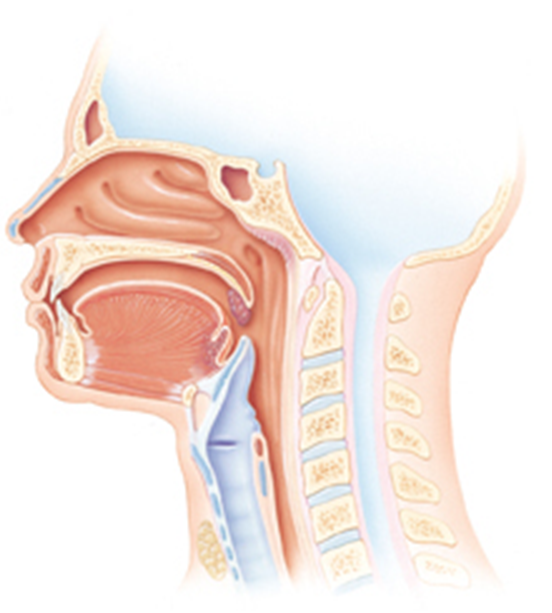
The patient developed respiratory failure and required endotracheal intubation and mechanical ventilation. After weaning the patient from the ventilator, the nurse is careful to monitor for specific problems that may necessitate reintubation. Draw an arrow pointing to the area that the nurse must monitor for the development of common complications.
Question
Question
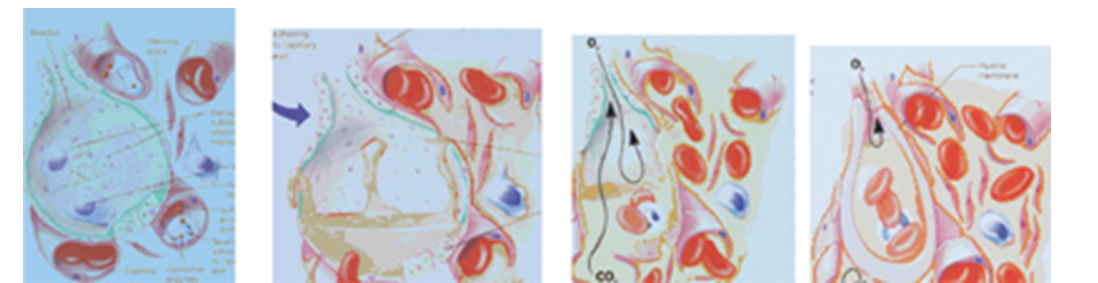
A patient has acute respiratory distress syndrome (ARDS). Indicate with an "X" the stage where the lung has decreased alveolar compliance, atelectasis, and fluid-filled alveoli.
Question
Question
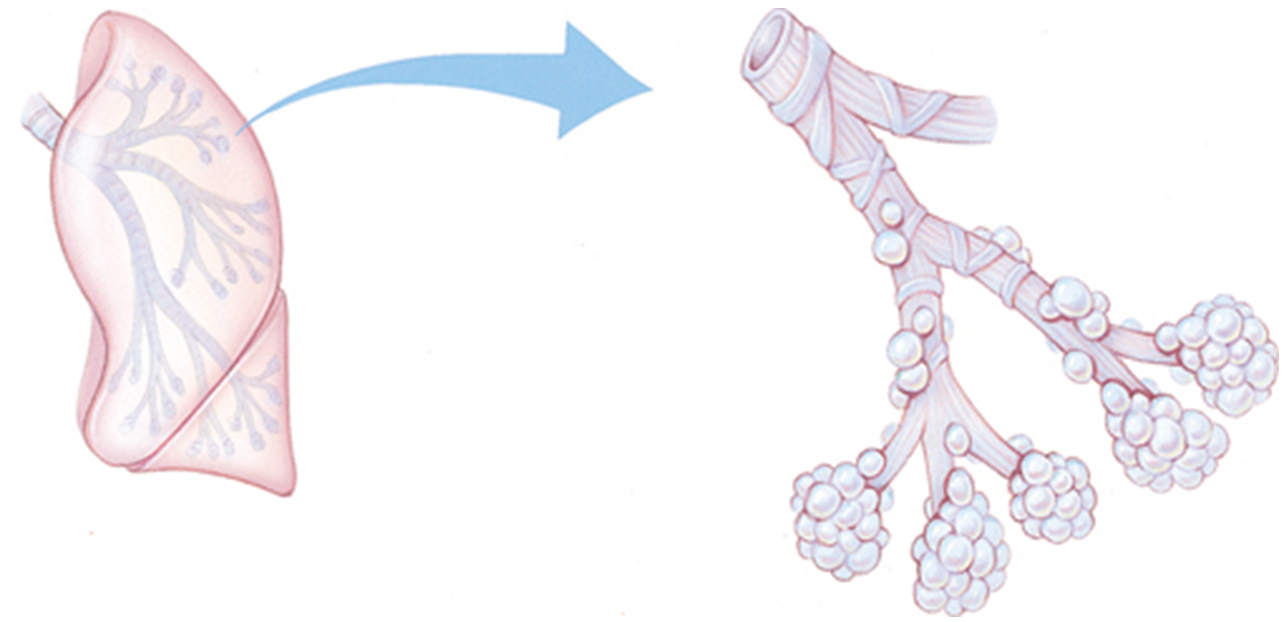
The patient has been diagnosed with emphysema. The nurse educates the patient about the structures within the respiratory system. Draw an arrow pointing towards the structure that is most affected by emphysema.
Question
Question
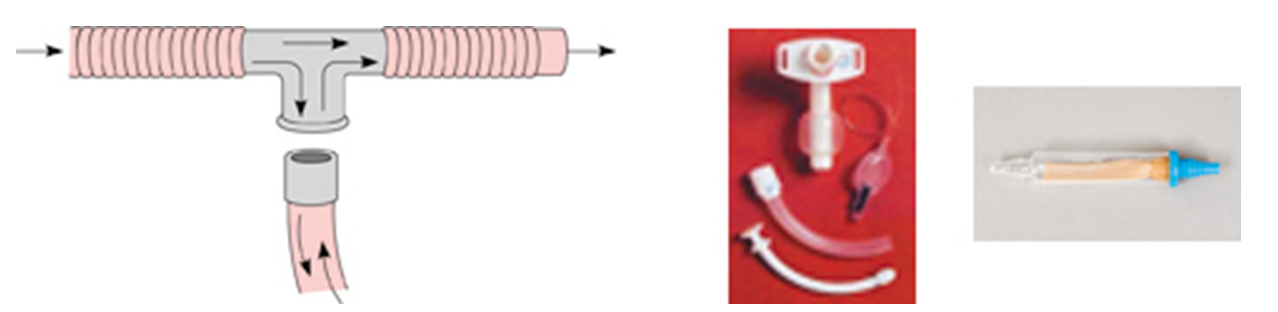
Indicate with an "X" the equipment used to wean a patient from a ventilator.
Question
Question
Question
Question
Question
Question
Question
Question
Question
Question
Question
Question
Question
Question
Question
Question
Question
Question
Question
Question

Unlock Deck
Sign up to unlock the cards in this deck!
Unlock Deck
Unlock Deck
1/34

Play

Full screen (f)
Deck 37: Nursing Care of Patient with Gas Exchange Disorders
1
A patient is admitted with pulmonary edema. It is important for the nurse to assess which of the following first when completing the patient's history? Select all that apply.
A)cardiac history
B)pulmonary history
C)renal and cardiac history
D)pulmonary and renal history
E)recent drug use and past vaccination record
A)cardiac history
B)pulmonary history
C)renal and cardiac history
D)pulmonary and renal history
E)recent drug use and past vaccination record
cardiac history
pulmonary history
pulmonary history
2
The nurse is reviewing the information from the patient's recent admission. The patient is 22 weeks pregnant. Which of the following physician orders would the nurse request clarification about because it would be unexpected?
A)Administer oxygen at 3 liters per minute, keep oxygen saturation level above 95%.
B)Assess arterial blood gases.
C)Administer heparin-initial dose 10,000 units then set at 1200 units per hour via intravenous line.
D)Administer urokinase.
A)Administer oxygen at 3 liters per minute, keep oxygen saturation level above 95%.
B)Assess arterial blood gases.
C)Administer heparin-initial dose 10,000 units then set at 1200 units per hour via intravenous line.
D)Administer urokinase.
Administer urokinase.
3
The patient has been admitted to the hospital with weight loss, fatigue, and an enlarged liver. The patient has had several diagnostic tests performed while in the hospital. After reviewing the above chart, the nurse educates the patient about his condition. Which of the following statements indicate that further education is required?
A)"It sounds like my risk of dying from this is really high."
B)"This could disease could just disappear all by itself."
C)"Okay, I am finally going to stop smoking."
D)"I should take my steroids with a meal."
A)"It sounds like my risk of dying from this is really high."
B)"This could disease could just disappear all by itself."
C)"Okay, I am finally going to stop smoking."
D)"I should take my steroids with a meal."
"It sounds like my risk of dying from this is really high."
4
Corticosteroid inhalers are used
A)after bronchodilators.
B)for acute asthma attacks.
C)often with methylxanthines.
D)to activate muscarinic receptors.
A)after bronchodilators.
B)for acute asthma attacks.
C)often with methylxanthines.
D)to activate muscarinic receptors.
Unlock Deck
Unlock for access to all 34 flashcards in this deck.
Unlock Deck
k this deck
5
A patient has the laboratory values above. Based on these results, the nurse suspects which of the following?
A)chronic obstructive pulmonary disease, hypercapnia
B)an alkalytic response from sympathomimetics
C)hypercapnia with respiratory acidosis
D)hypoxemic respiratory failure, metabolic acidosis
A)chronic obstructive pulmonary disease, hypercapnia
B)an alkalytic response from sympathomimetics
C)hypercapnia with respiratory acidosis
D)hypoxemic respiratory failure, metabolic acidosis
Unlock Deck
Unlock for access to all 34 flashcards in this deck.
Unlock Deck
k this deck
6
The patient has been admitted to the hospital with an acute exacerbation of emphysema. The physician orders that the patient receive 60 mg of methylprednisolone per intravenous push. The medication is available from the pharmacy as 40 mg per 1 mL. Calculate the patient's dose. ____
Unlock Deck
Unlock for access to all 34 flashcards in this deck.
Unlock Deck
k this deck
7
A patient diagnosed with sepsis suddenly develops dyspnea, crackles, hypertension, bounding pulses, agitation, and confusion. The nurse recognizes these are symptoms of which of the following?
A)noncardiogenic pulmonary edema
B)right-sided heart failure
C)left-sided heart failure
D)constrictive pericarditis
A)noncardiogenic pulmonary edema
B)right-sided heart failure
C)left-sided heart failure
D)constrictive pericarditis
Unlock Deck
Unlock for access to all 34 flashcards in this deck.
Unlock Deck
k this deck
8
The patient developed respiratory failure and required endotracheal intubation and mechanical ventilation. After weaning the patient from the ventilator, the nurse is careful to monitor for specific problems that may necessitate reintubation. Draw an arrow pointing to the area that the nurse must monitor for the development of common complications.
Unlock Deck
Unlock for access to all 34 flashcards in this deck.
Unlock Deck
k this deck
9
Which of the following instructions should be included when providing discharge teaching to a patient recovering from acute respiratory distress syndrome (ARDS)? Select all that apply.
A)Avoid smoking and air pollution.
B)Include examples of lifestyle modifications to decrease oxygen demands.
C)Restriction of fluids to prevent congestive heart failure (CHF)
D)Encourage the patient and family to get the influenza immunization annually.
E)Encourage patient to avoid large crowds.
A)Avoid smoking and air pollution.
B)Include examples of lifestyle modifications to decrease oxygen demands.
C)Restriction of fluids to prevent congestive heart failure (CHF)
D)Encourage the patient and family to get the influenza immunization annually.
E)Encourage patient to avoid large crowds.
Unlock Deck
Unlock for access to all 34 flashcards in this deck.
Unlock Deck
k this deck
10
A patient has acute respiratory distress syndrome (ARDS). Indicate with an "X" the stage where the lung has decreased alveolar compliance, atelectasis, and fluid-filled alveoli.
Unlock Deck
Unlock for access to all 34 flashcards in this deck.
Unlock Deck
k this deck
11
A patient being ventilated mechanically develops respiratory alkalosis. The high-pressure alarm has sounded frequently for this patient. The nurse suspects which of the following is occurring with this patient?
A)The patient is on assist control mode.
B)The patient is on SIMV mode and the set rate is too low.
C)The patient is on pressure support mode.
D)The patient is on pressure-controlled setting.
A)The patient is on assist control mode.
B)The patient is on SIMV mode and the set rate is too low.
C)The patient is on pressure support mode.
D)The patient is on pressure-controlled setting.
Unlock Deck
Unlock for access to all 34 flashcards in this deck.
Unlock Deck
k this deck
12
The patient has been diagnosed with emphysema. The nurse educates the patient about the structures within the respiratory system. Draw an arrow pointing towards the structure that is most affected by emphysema.
Unlock Deck
Unlock for access to all 34 flashcards in this deck.
Unlock Deck
k this deck
13
Ventilator alarms are not bypassed or turned off as the patient with neuromuscular blockers
A)cannot breathe.
B)will experience oxygen toxicity.
C)might have arrhythmias.
D)may have decreased intrapleural pressure.
A)cannot breathe.
B)will experience oxygen toxicity.
C)might have arrhythmias.
D)may have decreased intrapleural pressure.
Unlock Deck
Unlock for access to all 34 flashcards in this deck.
Unlock Deck
k this deck
14
Indicate with an "X" the equipment used to wean a patient from a ventilator.
Unlock Deck
Unlock for access to all 34 flashcards in this deck.
Unlock Deck
k this deck
15
The patient has been feeling more anxious since the recent and unexpected death of his wife. The patient has a history of acute asthma attacks. Rank the following in the most likely order of occurrence. Click and drag the
A)The patient states, "I feel like my throat is closing off and I just can't breathe very well."
B)The patient is allergic to aspirin but unknowlingly ingested a product with aspirin included in its ingredients.
C)The patient's respiratory rate is 32 breaths per minute and his oxygen saturation level falls from 94% to 89%.
D)Inflammatory mediators are released and inflammatory cells are activated.
E)The patient is taken to the hospital via an ambulance and treated with medication.
A)The patient states, "I feel like my throat is closing off and I just can't breathe very well."
B)The patient is allergic to aspirin but unknowlingly ingested a product with aspirin included in its ingredients.
C)The patient's respiratory rate is 32 breaths per minute and his oxygen saturation level falls from 94% to 89%.
D)Inflammatory mediators are released and inflammatory cells are activated.
E)The patient is taken to the hospital via an ambulance and treated with medication.
Unlock Deck
Unlock for access to all 34 flashcards in this deck.
Unlock Deck
k this deck
16
-A patient with dyspnea and chest pain has the above diagnostic study results. The nurse suspects the patient has which of the following?
A)coronary artery disease and metabolic acidosis
B)chronic obstructive pulmonary disease with respiratory acidosis
C)pulmonary embolism and respiratory alkalosis
D)acute asthma attack with metabolic alkalosis
Unlock Deck
Unlock for access to all 34 flashcards in this deck.
Unlock Deck
k this deck
17
The family of an elderly patient, diagnosed with pulmonary edema, asks the nurse what the diagnosis means. With which of the following should the nurse respond?
A)"It is too much fluid in the lungs."
B)"It is a narrowing of the coronary vessels that causes the heart to stop working correctly."
C)"It rarely affects individuals older than 60."
D)"It is caused by a person's excessive working when they were younger."
A)"It is too much fluid in the lungs."
B)"It is a narrowing of the coronary vessels that causes the heart to stop working correctly."
C)"It rarely affects individuals older than 60."
D)"It is caused by a person's excessive working when they were younger."
Unlock Deck
Unlock for access to all 34 flashcards in this deck.
Unlock Deck
k this deck
18
The patient has an in-line catheter for suctioning. The patient indicates that she needs to be suctioned and the nurse is able to hear loud crackles throughout all of her lung fields. Rank the following steps in order. Click and drag the options below to move them up or down.
A)The nurse slowly withdraws the suction catheter for 5-10 seconds with a twirling motion.
B)The nurse removes the suction tubing, clears the tubing, turns off the suction, and discards the gloves.
C)The nurse applies clean exam gloves and attaches the catheter to the suction tubing.
D)The nurse increases the patient's oxygen to 100% and inserts the catheter until resistance is met.
E)The nurse allows the patient to rest and repeats the procedure.
A)The nurse slowly withdraws the suction catheter for 5-10 seconds with a twirling motion.
B)The nurse removes the suction tubing, clears the tubing, turns off the suction, and discards the gloves.
C)The nurse applies clean exam gloves and attaches the catheter to the suction tubing.
D)The nurse increases the patient's oxygen to 100% and inserts the catheter until resistance is met.
E)The nurse allows the patient to rest and repeats the procedure.
Unlock Deck
Unlock for access to all 34 flashcards in this deck.
Unlock Deck
k this deck
19
A patient has a nasal endotracheal tube. The nurse will assess for the complications of which of the following? Select all that apply.
A)tracheoesophageal fistula
B)wound infection
C)pressure necrosis of nares
D)sinusitis
E)obstruction of the tube
A)tracheoesophageal fistula
B)wound infection
C)pressure necrosis of nares
D)sinusitis
E)obstruction of the tube
Unlock Deck
Unlock for access to all 34 flashcards in this deck.
Unlock Deck
k this deck
20
The patient was unable to swim and fell in the swimming pool. The patient was brought by ambulance to the hospital. The physician ordered furosemide 40 mg administered slow intravenous push because the patient was experiencing clinical manifestations associated with pulmonary edema. The medication is available from the pharmacy as 100 mg of furosemide in 10 mL. Calculate the patient's dose. ____
Unlock Deck
Unlock for access to all 34 flashcards in this deck.
Unlock Deck
k this deck
21
A patient is receiving a tracheostomy. The nurse has which of the following ready in case of a potential complication?
A)chest tube set up
B)surgical team on stand by
C)sedation
D)aerosol treatment
A)chest tube set up
B)surgical team on stand by
C)sedation
D)aerosol treatment
Unlock Deck
Unlock for access to all 34 flashcards in this deck.
Unlock Deck
k this deck
22
A patient being mechanically ventilated is receiving PEEP of 10 cm of H2O. The nurse ensures that which of the following is utilized for this patient?
A)closed system suctioning
B)oral care daily
C)open system suctioning
D)vital signs every shift
A)closed system suctioning
B)oral care daily
C)open system suctioning
D)vital signs every shift
Unlock Deck
Unlock for access to all 34 flashcards in this deck.
Unlock Deck
k this deck
23
Which of the following items in order will the physician require to successfully intubate a patient demonstrating respiratory failure?
A)nonsterile gloves, stylet, an endotracheal tube, lubricant, laryngoscope handle and blade, resuscitation bag with a swivel adapter, and a syringe
B)gloves, lubricant, laryngoscope handle and blade, resuscitation bag with a swivel adapter, and a ventilator
C)sterile gloves, an endotracheal tube, lubricant, laryngoscope handle and blade, resuscitation bag with a swivel adapter, and a syringe
D)gloves, a stylet, lubricant, laryngoscope handle and blade
A)nonsterile gloves, stylet, an endotracheal tube, lubricant, laryngoscope handle and blade, resuscitation bag with a swivel adapter, and a syringe
B)gloves, lubricant, laryngoscope handle and blade, resuscitation bag with a swivel adapter, and a ventilator
C)sterile gloves, an endotracheal tube, lubricant, laryngoscope handle and blade, resuscitation bag with a swivel adapter, and a syringe
D)gloves, a stylet, lubricant, laryngoscope handle and blade
Unlock Deck
Unlock for access to all 34 flashcards in this deck.
Unlock Deck
k this deck
24
A patient being mechanically ventilated is demonstrating hypoxia, with a pulse oximeter reading of 88%. After ensuring the integrity of the ventilator tubing and assessing the patient, the nurse auscultates adventitious lung sounds. Which action should the nurse take next?
A)Suction the patient.
B)Contact the physician.
C)Turn the patient on his side.
D)Silence the alarm.
A)Suction the patient.
B)Contact the physician.
C)Turn the patient on his side.
D)Silence the alarm.
Unlock Deck
Unlock for access to all 34 flashcards in this deck.
Unlock Deck
k this deck
25
A patient being mechanically ventilated and suddenly develops cardiac arrhythmias from increasingly higher PEEP most likely has an underlying issue from which of the following?
A)decreased cardiac output and acidosis
B)increased cardiac output and alkalosis
C)decreased cardiac output and renal failure
D)increased cardiac output and electrolyte disturbance
A)decreased cardiac output and acidosis
B)increased cardiac output and alkalosis
C)decreased cardiac output and renal failure
D)increased cardiac output and electrolyte disturbance
Unlock Deck
Unlock for access to all 34 flashcards in this deck.
Unlock Deck
k this deck
26
A patient being mechanically ventilated has the following ventilator settings: SIMV 16, PEEP 20 cm of H2O, FiO2 45%, tidal volume .450 liters. What concerns will the nurse have for this patient?
A)barotrauma
B)volutrauma
C)sinusitis
D)oxygen toxicity
A)barotrauma
B)volutrauma
C)sinusitis
D)oxygen toxicity
Unlock Deck
Unlock for access to all 34 flashcards in this deck.
Unlock Deck
k this deck
27
A patient being mechanically ventilated requires increasing PEEP for worsening ARDS. The order for PEEP is now at 20 cm of H2O. The nurse will need to contact the physician immediately if the patient develops which of the following?
A)lung sounds greater on one side than the other
B)lung sounds with crackles
C)diminished peripheral pulses
D)high-pressure alarm
A)lung sounds greater on one side than the other
B)lung sounds with crackles
C)diminished peripheral pulses
D)high-pressure alarm
Unlock Deck
Unlock for access to all 34 flashcards in this deck.
Unlock Deck
k this deck
28
The chest x-ray of a patient who was recently intubated shows the endotracheal tube located in the right bronchus. The nurse recognizes that the correct intervention for this problem is which of the following?
A)The tube needs to be withdrawn slightly.
B)The tube needs to be inserted further.
C)The tube is correctly placed.
D)The tube is incorrectly attached to the ventilator.
A)The tube needs to be withdrawn slightly.
B)The tube needs to be inserted further.
C)The tube is correctly placed.
D)The tube is incorrectly attached to the ventilator.
Unlock Deck
Unlock for access to all 34 flashcards in this deck.
Unlock Deck
k this deck
29
A patient is being mechanically ventilated with SIMV at a rate of 2
A)the rate could be too high for this mode.
B)the patient will be more comfortable with a different mode.
C)the patient is not receiving enough sedation.
D)SIMV is always used in combination with PEEP.
E)The nurse may question this order since
A)the rate could be too high for this mode.
B)the patient will be more comfortable with a different mode.
C)the patient is not receiving enough sedation.
D)SIMV is always used in combination with PEEP.
E)The nurse may question this order since
Unlock Deck
Unlock for access to all 34 flashcards in this deck.
Unlock Deck
k this deck
30
The family of a mechanically ventilated patient receiving a chest tube asks why the tube is necessary. The nurse responds with which of the following?
A)"The chest tube helps to decompress the lung and prevents further complications."
B)"The chest tube helps the patient breathe more easily when on a ventilator."
C)"The chest tube is an elective procedure that many physicians like to perform."
D)"The chest tube requires the patient to go to surgery for placement."
A)"The chest tube helps to decompress the lung and prevents further complications."
B)"The chest tube helps the patient breathe more easily when on a ventilator."
C)"The chest tube is an elective procedure that many physicians like to perform."
D)"The chest tube requires the patient to go to surgery for placement."
Unlock Deck
Unlock for access to all 34 flashcards in this deck.
Unlock Deck
k this deck
31
Which of the following physician's orders should the nurse question for a patient who is intubated and being mechanically ventilated?
A)endotracheal suctioning every hour
B)endotracheal suctioning as needed
C)maintain NPO status while patient is ventilated
D)intake and output every four hours
A)endotracheal suctioning every hour
B)endotracheal suctioning as needed
C)maintain NPO status while patient is ventilated
D)intake and output every four hours
Unlock Deck
Unlock for access to all 34 flashcards in this deck.
Unlock Deck
k this deck
32
A patient being mechanically ventilated develops hypotension after the respiratory therapist implements the most recent physician orders. The nurse suspects which ventilator mode might be the cause?
A)PEEP
B)SIMV mode
C)assist control mode
D)pressure-controlled setting
A)PEEP
B)SIMV mode
C)assist control mode
D)pressure-controlled setting
Unlock Deck
Unlock for access to all 34 flashcards in this deck.
Unlock Deck
k this deck
33
Which of the following patients should the nurse assess first?
A)patient with a chest tube complaining of difficulty breathing
B)patient with a tracheostomy who is on oxygen via trach mask
C)patient preparing for discharge following a lengthy hospital stay for ARDS
D)patient complaining of incisional pain
A)patient with a chest tube complaining of difficulty breathing
B)patient with a tracheostomy who is on oxygen via trach mask
C)patient preparing for discharge following a lengthy hospital stay for ARDS
D)patient complaining of incisional pain
Unlock Deck
Unlock for access to all 34 flashcards in this deck.
Unlock Deck
k this deck
34
A patient that is intubated is demonstrating rhonchi, has a pulse oximeter of 92%, soft abdomen, heart rate 88 bpm, and blood pressure 98/54 mmHg. Which of the following is the nurse's first priority?
A)Suction the patient.
B)Contact the physician.
C)Increase the oxygen.
D)Start dopamine.
A)Suction the patient.
B)Contact the physician.
C)Increase the oxygen.
D)Start dopamine.
Unlock Deck
Unlock for access to all 34 flashcards in this deck.
Unlock Deck
k this deck
Unlock Deck
Unlock for access to all 34 flashcards in this deck.






