







 Chat with AI

Deck 35: Nursing Care of Patients with Upper Respiratory Disorders
Full screen (f)

Question

Question
Question
Question
Question
Question
Question
Question
Question
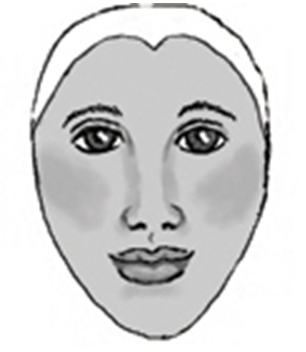
The nurse is assessing the incision of the patient after an external sphenoethmoidectomy. Place an "X" on the area of the diagram (see below) where this incision would be located.
Question
Question
Question
Question
Question
Question
Question
Question
Question
Question
Question
Question
Question
Question
Question
Question
Question
Question
Question
Question
Question
Question
Question
Question
Question
Question
Question
Question
Question
Question
Question
Question
Question
Question
Question
Question
Question
Question
Question
Question
Question
Question
Question

Unlock Deck
Sign up to unlock the cards in this deck!
Unlock Deck
Unlock Deck
1/52

Play

Full screen (f)
Deck 35: Nursing Care of Patients with Upper Respiratory Disorders
1
During an assessment, the nurse learns that the only thing that helps a patient with a daily morning headache is "taking a mentholated cough drop" before eating breakfast. The nurse realizes that this patient is experiencing which of the following?
A)acute rhinitis
B)allergic rhinitis
C)symptoms of sinusitis
D)after effects from the flu
A)acute rhinitis
B)allergic rhinitis
C)symptoms of sinusitis
D)after effects from the flu
symptoms of sinusitis
2
A patient who is scheduled for a partial laryngectomy asks if he will still be able to talk after the surgery. An appropriate nursing response to this patient is which of the following? Select al that apply. Select all that apply.
A)"No."
B)"You will have to ask your physician."
C)"Yes, but it might sound a little different."
D)"You will, but with an electronic device."
E)"Normal speaking, breathing, and swallowing will return as you recover."
A)"No."
B)"You will have to ask your physician."
C)"Yes, but it might sound a little different."
D)"You will, but with an electronic device."
E)"Normal speaking, breathing, and swallowing will return as you recover."
"Yes, but it might sound a little different."
"Normal speaking, breathing, and swallowing will return as you recover."
"Normal speaking, breathing, and swallowing will return as you recover."
3
The nurse reviews the patient's clinic record and recognizes that priority teaching for this patient would include which of the following?
A)Antibiotics should be taken as directed for 10 days.
B)Warm oral liquids should be encouraged.
C)The diet could include toast, citrus juices, and pizza as preferred.
D)Return to the clinic tomorrow for a flu immunization.
A)Antibiotics should be taken as directed for 10 days.
B)Warm oral liquids should be encouraged.
C)The diet could include toast, citrus juices, and pizza as preferred.
D)Return to the clinic tomorrow for a flu immunization.
Antibiotics should be taken as directed for 10 days.
4
While engaging in a high school sports activity, an adolescent sustains an injury to the nose. Which of the following indicates that the patient has a nasal fracture?
A)shortness of breath
B)diaphoresis
C)drop in blood pressures
D)periorbital ecchymosis
E)nasal bridge instability
A)shortness of breath
B)diaphoresis
C)drop in blood pressures
D)periorbital ecchymosis
E)nasal bridge instability
Unlock Deck
Unlock for access to all 52 flashcards in this deck.
Unlock Deck
k this deck
5
A middle-aged adult patient who is diagnosed with pertussis is complaining of right-sided thoracic pain. The nurse realizes that this patient should be assessed for which of the following? Select all that apply.
A)pleural effusion
B)pneumothorax
C)pulmonary emboli
D)rib fractures
E)pleurisy
A)pleural effusion
B)pneumothorax
C)pulmonary emboli
D)rib fractures
E)pleurisy
Unlock Deck
Unlock for access to all 52 flashcards in this deck.
Unlock Deck
k this deck
6
A middle-aged patient is seen in the clinic for a continuing cough after recovering from the flu a "few weeks ago."." The nurse realizes that this patient might be demonstrating which of the following?
A)viral pneumonia
B)sinus infection
C)otitis media
D)tracheobronchitis
A)viral pneumonia
B)sinus infection
C)otitis media
D)tracheobronchitis
Unlock Deck
Unlock for access to all 52 flashcards in this deck.
Unlock Deck
k this deck
7
A patient with multiple facial and nasal injuries needs a nasogastric tube placed. Which of the following is the appropriate method to place this tube?
A)Place the tube through the patient's mouth.
B)Place the tube through the patient's unobstructed nare.
C)Place the tube through the obstructed nare.
D)Place the tube after the edema in the nares subsides.
A)Place the tube through the patient's mouth.
B)Place the tube through the patient's unobstructed nare.
C)Place the tube through the obstructed nare.
D)Place the tube after the edema in the nares subsides.
Unlock Deck
Unlock for access to all 52 flashcards in this deck.
Unlock Deck
k this deck
8
The nurse is providing care to a patient with a new tracheostomy. Which of the following is appropriate to include in this patient's care? Select all that apply.
A)Remove the dressing with sterile gloves.
B)Suction the patient prior to care using sterile technique.
C)Clean the inner cannula with sterile normal saline.
D)Remove crusted secretions with hydrogen peroxide and flush with normal saline.
E)Apply new dressing in a V shape.
A)Remove the dressing with sterile gloves.
B)Suction the patient prior to care using sterile technique.
C)Clean the inner cannula with sterile normal saline.
D)Remove crusted secretions with hydrogen peroxide and flush with normal saline.
E)Apply new dressing in a V shape.
Unlock Deck
Unlock for access to all 52 flashcards in this deck.
Unlock Deck
k this deck
9
The nurse is assessing the incision of the patient after an external sphenoethmoidectomy. Place an "X" on the area of the diagram (see below) where this incision would be located.
Unlock Deck
Unlock for access to all 52 flashcards in this deck.
Unlock Deck
k this deck
10
A patient is receiving anterior nasal packing for a nose bleed. Which of the following should be included in the instructions for this patient?
A)Remove the packing in the morning.
B)The packing will stay in place for at least five days.
C)The packing will be in place for at least 24 hours and up to 3 days.
D)The packing will be needed for at least one week.
A)Remove the packing in the morning.
B)The packing will stay in place for at least five days.
C)The packing will be in place for at least 24 hours and up to 3 days.
D)The packing will be needed for at least one week.
Unlock Deck
Unlock for access to all 52 flashcards in this deck.
Unlock Deck
k this deck
11
While eating a meal in the hospital, a patient begins to demonstrate difficulty breathing and signs of choking. The nurse realizes that the patient is experiencing which of the following?
A)laryngeal obstruction
B)pulmonary emboli
C)epiglottitis
D)an acute myocardial infarction
A)laryngeal obstruction
B)pulmonary emboli
C)epiglottitis
D)an acute myocardial infarction
Unlock Deck
Unlock for access to all 52 flashcards in this deck.
Unlock Deck
k this deck
12
A female patient is seen for "increased hoarseness" and a change in "voice quality." What is an appropriate assessment question for the nurse to ask this patient?
A)"What medications are you currently taking?"
B)"Have you recently experienced a cold?"
C)"Have you recently visited another country?"
D)"What is your occupation?"
A)"What medications are you currently taking?"
B)"Have you recently experienced a cold?"
C)"Have you recently visited another country?"
D)"What is your occupation?"
Unlock Deck
Unlock for access to all 52 flashcards in this deck.
Unlock Deck
k this deck
13
While recovering at home from a total laryngectomy, a patient notices an increase in left shoulder weakness. This symptom is consistent with which of the following?
A)normal recovery
B)damage to the spinal accessory nerve
C)side effect of neck radiation therapy
D)medication complication
A)normal recovery
B)damage to the spinal accessory nerve
C)side effect of neck radiation therapy
D)medication complication
Unlock Deck
Unlock for access to all 52 flashcards in this deck.
Unlock Deck
k this deck
14
A patient with laryngeal cancer is found to have carcinoma in situ. The nurse realizes that the staging of this cancer is in which of the following?
A)stage 0
B)stage I
C)stage II
D)stage III
A)stage 0
B)stage I
C)stage II
D)stage III
Unlock Deck
Unlock for access to all 52 flashcards in this deck.
Unlock Deck
k this deck
15
The nurse suspects that a patient is demonstrating signs of tonsillitis. Which of the following would be indications of this disorder? Select all that apply.
A)hoarse voice
B)thirst
C)nucal rigidity
D)pain around the ears
E)low grade fever
A)hoarse voice
B)thirst
C)nucal rigidity
D)pain around the ears
E)low grade fever
Unlock Deck
Unlock for access to all 52 flashcards in this deck.
Unlock Deck
k this deck
16
A patient tells the nurse he has a "cold" every spring that lasts for a few weeks. The nurse suspects that the patient is experiencing which of the following?
A)acute viral rhinitis
B)allergic rhinitis
C)vasomotor rhinitis
D)atrophic rhinitis
A)acute viral rhinitis
B)allergic rhinitis
C)vasomotor rhinitis
D)atrophic rhinitis
Unlock Deck
Unlock for access to all 52 flashcards in this deck.
Unlock Deck
k this deck
17
A patient says, "My nose is always congested and it just seems to get worse with the nasal spray I've been using." The nurse realizes that this patient is describing which of the following?
A)an incorrect use of the nasal spray
B)an acute sinus infection that needs to be treated with antibiotics
C)a side effect of the nasal spray
D)rebound nasal congestion
A)an incorrect use of the nasal spray
B)an acute sinus infection that needs to be treated with antibiotics
C)a side effect of the nasal spray
D)rebound nasal congestion
Unlock Deck
Unlock for access to all 52 flashcards in this deck.
Unlock Deck
k this deck
18
The nurse observes a patient's respirations during sleep and notes the absence of respirations that lasts from 15 to 45 seconds. This finding is consistent with which of the following?
A)laryngeal spasm
B)sleep apnea
C)respiratory acidosis
D)renal failure
A)laryngeal spasm
B)sleep apnea
C)respiratory acidosis
D)renal failure
Unlock Deck
Unlock for access to all 52 flashcards in this deck.
Unlock Deck
k this deck
19
A patient who was diagnosed with the flu is demonstrating rapid, shallow respirations. Which of the following is this patient most at risk for developing?
A)atelectasis
B)pneumonia
C)dehydration
D)increased tidal volume
A)atelectasis
B)pneumonia
C)dehydration
D)increased tidal volume
Unlock Deck
Unlock for access to all 52 flashcards in this deck.
Unlock Deck
k this deck
20
A patient tells the nurse, "After I leave here, I need to get to the dentist. My upper teeth are hurting and I don't know why." Which of the following should the nurse do?
A)End the visit so the patient can get to the dentist.
B)Assess the patient for a sinus infection.
C)Reschedule the appointment at another time.
D)Tell the patient there is nothing wrong with his teeth.
A)End the visit so the patient can get to the dentist.
B)Assess the patient for a sinus infection.
C)Reschedule the appointment at another time.
D)Tell the patient there is nothing wrong with his teeth.
Unlock Deck
Unlock for access to all 52 flashcards in this deck.
Unlock Deck
k this deck
21
The nurse, caring for patient diagnosed with acute respiratory distress syndrome (ARDS), is aware that both acute lung injury (ALI) and ARDS patients will often require which of the following?
A)mechanical ventilation
B)frequent suctioning
C)frequent ice chips
D)a living will
A)mechanical ventilation
B)frequent suctioning
C)frequent ice chips
D)a living will
Unlock Deck
Unlock for access to all 52 flashcards in this deck.
Unlock Deck
k this deck
22
A patient diagnosed with a femur fracture is experiencing sudden dyspnea, pleuritic chest pain, syncope with movement, cyanosis, tachycardia, and tachypnea. Which of the following would be the nurse's first action?
A)Raise the head of the bed (HOB).
B)Administer oxygen per nasal cannula for the cyanosis and dyspnea.
C)Provide reassurance and keep the patient calm by staying with the patient.
D)Evaluate urinary output to assess cardiac output.
A)Raise the head of the bed (HOB).
B)Administer oxygen per nasal cannula for the cyanosis and dyspnea.
C)Provide reassurance and keep the patient calm by staying with the patient.
D)Evaluate urinary output to assess cardiac output.
Unlock Deck
Unlock for access to all 52 flashcards in this deck.
Unlock Deck
k this deck
23
A patient being mechanically ventilated develops hypotension after the respiratory therapist implements the most recent physician orders. The nurse suspects which ventilator mode might be the cause?
A)PEEP
B)SIMV mode
C)assist control mode
D)pressure-controlled setting
A)PEEP
B)SIMV mode
C)assist control mode
D)pressure-controlled setting
Unlock Deck
Unlock for access to all 52 flashcards in this deck.
Unlock Deck
k this deck
24
A patient diagnosed with chronic obstructive pulmonary disease (COPD) has a pulse oximetry reading of 93%, polycythemia, increase in WBC bands count, temperature of 101° F, pulse 100, respirations 35, and a chest x-ray showing evidence of a flattened diaphragm with infiltrates. Which physician order would the nurse question for this patient?
A)antibiotic therapy
B)initiation of oxygen by nasal cannula at 3-4 L/minute
C)bronchodilators (adrenergic stimulating drugs such as methlyxanthines or anticholinergic agents)
D)nonsteroidal anti-inflammatory agents
A)antibiotic therapy
B)initiation of oxygen by nasal cannula at 3-4 L/minute
C)bronchodilators (adrenergic stimulating drugs such as methlyxanthines or anticholinergic agents)
D)nonsteroidal anti-inflammatory agents
Unlock Deck
Unlock for access to all 52 flashcards in this deck.
Unlock Deck
k this deck
25
A patient, diagnosed with Guillain-Barré, has a respiratory rate of 8 per minute and a blood pressure of 86/48 mmHg. The patient is being prepared for intubation. What would the nurse anticipate the blood gases to be?
A)high PaCO2
B)low PaCO2
C)high HCO3
D)high pH
A)high PaCO2
B)low PaCO2
C)high HCO3
D)high pH
Unlock Deck
Unlock for access to all 52 flashcards in this deck.
Unlock Deck
k this deck
26
The nurse would determine that a patient diagnosed with asthma would need additional teaching regarding home management when which of the following statements is made by the patient?
A)"I should hold my breath while compressing the multi-dose metered inhaler when using a spacer, after which I can exhale fully."
B)"I should wait 20-30 seconds between the first and second puff of the same medication."
C)"Dry powder inhalers (DPIs) should not be refrigerated or placed in a humid environment, such as a bathroom."
D)"I should rinse my mouth and brush my teeth after each dosage to prevent yeast infections in my mouth from the corticosteroid inhalers."
A)"I should hold my breath while compressing the multi-dose metered inhaler when using a spacer, after which I can exhale fully."
B)"I should wait 20-30 seconds between the first and second puff of the same medication."
C)"Dry powder inhalers (DPIs) should not be refrigerated or placed in a humid environment, such as a bathroom."
D)"I should rinse my mouth and brush my teeth after each dosage to prevent yeast infections in my mouth from the corticosteroid inhalers."
Unlock Deck
Unlock for access to all 52 flashcards in this deck.
Unlock Deck
k this deck
27
A patient, diagnosed with sepsis, suddenly develops dyspnea, crackles, hypertension, bounding pulses, agitation, and confusion. The nurse recognizes these are symptoms of which of the following?
A)noncardiogenic pulmonary edema
B)right-sided heart failure
C)left-sided heart failure
D)constrictive pericarditis
A)noncardiogenic pulmonary edema
B)right-sided heart failure
C)left-sided heart failure
D)constrictive pericarditis
Unlock Deck
Unlock for access to all 52 flashcards in this deck.
Unlock Deck
k this deck
28
A patient is demonstrating hypoxia and has arterial blood gases that indicate alkalosis. The chest x-ray shows bilateral patchy infiltrates. What other assessment findings might the nurse anticipate if the patient's condition continues to worsen?
A)hypotension
B)hypertension
C)decreasing HCO3
D)hyperventilation
A)hypotension
B)hypertension
C)decreasing HCO3
D)hyperventilation
Unlock Deck
Unlock for access to all 52 flashcards in this deck.
Unlock Deck
k this deck
29
The nurse would identify which of the following nursing diagnoses as being appropriate for a patient diagnosed with cystic fibrosis? Select all that apply.
A)Ineffective Airway Clearance
B)Anticipatory Grieving
C)Imbalanced Nutrition: Less than Body Requirements
D)Noncompliance
E)Caregiver Role Strain
A)Ineffective Airway Clearance
B)Anticipatory Grieving
C)Imbalanced Nutrition: Less than Body Requirements
D)Noncompliance
E)Caregiver Role Strain
Unlock Deck
Unlock for access to all 52 flashcards in this deck.
Unlock Deck
k this deck
30
The patient with nasal trauma has clear, watery fluid dripping from the nose. The nurse tests this fluid for the presence of glucose which indicates which of the following?
A)There is a fracture of the ethmoid or sphenoid sinus.
B)The need to suction this patient.
C)The presence of cerebrospinal fluid.
D)The patient has coryza.
A)There is a fracture of the ethmoid or sphenoid sinus.
B)The need to suction this patient.
C)The presence of cerebrospinal fluid.
D)The patient has coryza.
Unlock Deck
Unlock for access to all 52 flashcards in this deck.
Unlock Deck
k this deck
31
The nurse, preparing a health promotion presentation for patients with respiratory diseases, would include which of the following topics? Select all that apply.
A)Smoking and exposure to tobacco smoke are the greatest risks for causing chronic obstructive lung disease (COPD).
B)Stopping smoking will reverse the damage that is already present in COPD patients.
C)Increased fluids and calories are needed for most respiratory patients due to increased respiratory efforts and increased basal metabolic rates (BMR).
D)Pulmonary hypertension will lead to right-sided failure, and patients should be assessing their blood pressures to watch for changes.
E)Immunizations for influenza and pneumonia are needed only by patients who are out and about in the community when people are sick.
A)Smoking and exposure to tobacco smoke are the greatest risks for causing chronic obstructive lung disease (COPD).
B)Stopping smoking will reverse the damage that is already present in COPD patients.
C)Increased fluids and calories are needed for most respiratory patients due to increased respiratory efforts and increased basal metabolic rates (BMR).
D)Pulmonary hypertension will lead to right-sided failure, and patients should be assessing their blood pressures to watch for changes.
E)Immunizations for influenza and pneumonia are needed only by patients who are out and about in the community when people are sick.
Unlock Deck
Unlock for access to all 52 flashcards in this deck.
Unlock Deck
k this deck
32
The nurse is reviewing the procedure for tracheostomy care. Which of these nursing interventions is incorrect?
A)Open sterile supplies and pour alcohol and soap solution into the containers.
B)Using moistened sterile applicators or gauze dressings, clean around the incision, using the applicator or gauze only once.
C)If the tracheostomy has a removable inner cannula, remove the tube and set it aside or place it in the appropriate cleaning solution.
D)Replace the dressing, using a commercially prepared tracheostomy dressing or an open folded gauze 4 ×
A)Open sterile supplies and pour alcohol and soap solution into the containers.
B)Using moistened sterile applicators or gauze dressings, clean around the incision, using the applicator or gauze only once.
C)If the tracheostomy has a removable inner cannula, remove the tube and set it aside or place it in the appropriate cleaning solution.
D)Replace the dressing, using a commercially prepared tracheostomy dressing or an open folded gauze 4 ×
Unlock Deck
Unlock for access to all 52 flashcards in this deck.
Unlock Deck
k this deck
33
A patient diagnosed with a myocardial infarction has developed pulmonary edema. The family asks the nurse about the cause of this disorder. With which of the following should the nurse respond?
A)The cardiac muscle has been injured and is not able to efficiently pump the blood through the patient's system, resulting in an increased pressure in the pulmonary system.
B)The pulmonary system was injured first due to hypoxia, which caused the heart attack.
C)The cardiac muscle is working too hard to push fluids through the pulmonary system and there is fluid excess as a result.
D)The pulmonary system has an excessive amount of fluid that has been building over the last several days and now the heart is no longer able to keep up with the demands.
A)The cardiac muscle has been injured and is not able to efficiently pump the blood through the patient's system, resulting in an increased pressure in the pulmonary system.
B)The pulmonary system was injured first due to hypoxia, which caused the heart attack.
C)The cardiac muscle is working too hard to push fluids through the pulmonary system and there is fluid excess as a result.
D)The pulmonary system has an excessive amount of fluid that has been building over the last several days and now the heart is no longer able to keep up with the demands.
Unlock Deck
Unlock for access to all 52 flashcards in this deck.
Unlock Deck
k this deck
34
The nurse observes a patient using this gesture (see diagram below). What is the nurse's response?
A)Assume the patient is having throat pain and administer pain medication.
B)Prepare to perform the Heimlich maneuver.
C)Assess the client for cyanosis, difficulty breathing, and stridor and wait until normal breathing resumes.
D)Sit with the patient until the laryngospasm passes and encourage deep breathing.
A)Assume the patient is having throat pain and administer pain medication.
B)Prepare to perform the Heimlich maneuver.
C)Assess the client for cyanosis, difficulty breathing, and stridor and wait until normal breathing resumes.
D)Sit with the patient until the laryngospasm passes and encourage deep breathing.
Unlock Deck
Unlock for access to all 52 flashcards in this deck.
Unlock Deck
k this deck
35
A patient diagnosed with pulmonary edema has an elevated JVD and an S3. Based upon these assessment findings, the nurse suspects this patient is experiencing which type of pulmonary edema?
A)cardiogenic
B)neurogenic
C)high altitude
D)excessive IV fluid administration
A)cardiogenic
B)neurogenic
C)high altitude
D)excessive IV fluid administration
Unlock Deck
Unlock for access to all 52 flashcards in this deck.
Unlock Deck
k this deck
36
Which of the following topics would be appropriate to instruct a patient diagnosed with occupational lung disease? Select all that apply.
A)teaching the patient methods to conserve energy expenditure and increase rest
B)restricting fluids due to increased edema
C)counseling for caregiver role strain from chronic disease management
D)teaching to avoid air pollutants and cigarette smoke
E)teaching patients the importance of wearing personal protective equipment
A)teaching the patient methods to conserve energy expenditure and increase rest
B)restricting fluids due to increased edema
C)counseling for caregiver role strain from chronic disease management
D)teaching to avoid air pollutants and cigarette smoke
E)teaching patients the importance of wearing personal protective equipment
Unlock Deck
Unlock for access to all 52 flashcards in this deck.
Unlock Deck
k this deck
37
A patient is admitted with a PaO2 of 54 mmHg and an arterial oxygen saturation of 80%. The nurse recognizes that which of the following is the most likely cause for this type of acute respiratory failure?
A)pneumothorax
B)oversedation
C)cervical spinal cord injury
D)obesity
A)pneumothorax
B)oversedation
C)cervical spinal cord injury
D)obesity
Unlock Deck
Unlock for access to all 52 flashcards in this deck.
Unlock Deck
k this deck
38
A patient being ventilated mechanically develops respiratory alkalosis. The high-pressure alarm has sounded frequently for this patient. The nurse suspects which of the following is occurring with this patient?
A)The patient is on assist control mode.
B)The patient is on SIMV mode and the set rate is too low.
C)The patient is on pressure support mode.
D)The patient is on pressure-controlled setting.
A)The patient is on assist control mode.
B)The patient is on SIMV mode and the set rate is too low.
C)The patient is on pressure support mode.
D)The patient is on pressure-controlled setting.
Unlock Deck
Unlock for access to all 52 flashcards in this deck.
Unlock Deck
k this deck
39
Which of the following assessment findings would indicate immediate action by the nurse for a patient with asthma? Select all that apply.
A)tachycardia, tachypnea, prolonged expirations
B)diffuse wheezing and the use of accessory muscles when inhaling
C)retractions, fatigue, anxiety
D)inaudible breath sounds, reduced wheezing
E)an ineffective cough
A)tachycardia, tachypnea, prolonged expirations
B)diffuse wheezing and the use of accessory muscles when inhaling
C)retractions, fatigue, anxiety
D)inaudible breath sounds, reduced wheezing
E)an ineffective cough
Unlock Deck
Unlock for access to all 52 flashcards in this deck.
Unlock Deck
k this deck
40
A patient, admitted with lung contusions from a motor vehicle accident, is developing respiratory distress. The nurse recognizes the only difference between acute lung injury (ALI) and acute respiratory distress syndrome (ARDS) is which of the following?
A)ARDS and ALI differ only in the amount of hypoxemia.
B)ARDS patients will have a lower respiratory rate than ALI.
C)ALI patients have fewer injuries than ARDS patients.
D)ALI patients have more inflammation than ARDS patients.
A)ARDS and ALI differ only in the amount of hypoxemia.
B)ARDS patients will have a lower respiratory rate than ALI.
C)ALI patients have fewer injuries than ARDS patients.
D)ALI patients have more inflammation than ARDS patients.
Unlock Deck
Unlock for access to all 52 flashcards in this deck.
Unlock Deck
k this deck
41
The chest x-ray of a patient who was recently intubated shows the endotracheal tube located in the right bronchus. The nurse recognizes that the correct intervention for this problem is which of the following?
A)The tube needs to be withdrawn slightly.
B)The tube needs to be inserted further.
C)The tube is correctly placed.
D)The tube is incorrectly attached to the ventilator.
A)The tube needs to be withdrawn slightly.
B)The tube needs to be inserted further.
C)The tube is correctly placed.
D)The tube is incorrectly attached to the ventilator.
Unlock Deck
Unlock for access to all 52 flashcards in this deck.
Unlock Deck
k this deck
42
A patient that is intubated is demonstrating rhonchi, has a pulse oximeter of 92%, soft abdomen, heart rate 88 bpm, and blood pressure 98/54 mmHg. Which of the following is the nurse's first priority?
A)Suction the patient.
B)Contact the physician.
C)Increase the oxygen.
D)Start dopamine.
A)Suction the patient.
B)Contact the physician.
C)Increase the oxygen.
D)Start dopamine.
Unlock Deck
Unlock for access to all 52 flashcards in this deck.
Unlock Deck
k this deck
43
A patient is receiving a tracheostomy. The nurse has which of the following ready in case of a potential complication?
A)chest tube set up
B)surgical team on stand by
C)sedation
D)aerosol treatment
A)chest tube set up
B)surgical team on stand by
C)sedation
D)aerosol treatment
Unlock Deck
Unlock for access to all 52 flashcards in this deck.
Unlock Deck
k this deck
44
Which of the following physician's orders should the nurse question for a patient who is intubated and being mechanically ventilated?
A)endotracheal suctioning every hour
B)endotracheal suctioning as needed
C)maintain NPO status while patient is ventilated
D)intake and output every four hours
A)endotracheal suctioning every hour
B)endotracheal suctioning as needed
C)maintain NPO status while patient is ventilated
D)intake and output every four hours
Unlock Deck
Unlock for access to all 52 flashcards in this deck.
Unlock Deck
k this deck
45
A patient being mechanically ventilated is demonstrating hypoxia, with a pulse oximeter reading of 88%. After ensuring the integrity of the ventilator tubing and assessing the patient, the nurse auscultates adventitious lung sounds. Which action should the nurse take next?
A)Suction the patient.
B)Contact the physician.
C)Turn the patient on his side.
D)Silence the alarm.
A)Suction the patient.
B)Contact the physician.
C)Turn the patient on his side.
D)Silence the alarm.
Unlock Deck
Unlock for access to all 52 flashcards in this deck.
Unlock Deck
k this deck
46
A patient being mechanically ventilated and suddenly develops cardiac arrhythmias from increasingly higher PEEP most likely has an underlying issue from which of the following?
A)decreased cardiac output and acidosis
B)increased cardiac output and alkalosis
C)decreased cardiac output and renal failure
D)increased cardiac output and electrolyte disturbance
A)decreased cardiac output and acidosis
B)increased cardiac output and alkalosis
C)decreased cardiac output and renal failure
D)increased cardiac output and electrolyte disturbance
Unlock Deck
Unlock for access to all 52 flashcards in this deck.
Unlock Deck
k this deck
47
A patient is being mechanically ventilated with SIMV at a rate of 24. The nurse may question this order since
A)the rate could be too high for this mode.
B)the patient will be more comfortable with a different mode.
C)the patient is not receiving enough sedation.
D)SIMV is always used in combination with PEEP.
A)the rate could be too high for this mode.
B)the patient will be more comfortable with a different mode.
C)the patient is not receiving enough sedation.
D)SIMV is always used in combination with PEEP.
Unlock Deck
Unlock for access to all 52 flashcards in this deck.
Unlock Deck
k this deck
48
A patient being mechanically ventilated requires increasing PEEP for worsening ARDS. The order for PEEP is now at 20 cm of H2O. The nurse will need to contact the physician immediately if the patient develops which of the following?
A)lung sounds greater on one side than the other
B)lung sounds with crackles
C)diminished peripheral pulses
D)high-pressure alarm
A)lung sounds greater on one side than the other
B)lung sounds with crackles
C)diminished peripheral pulses
D)high-pressure alarm
Unlock Deck
Unlock for access to all 52 flashcards in this deck.
Unlock Deck
k this deck
49
A patient being mechanically ventilated is receiving PEEP of 10 cm of H2O. The nurse ensures that which of the following is utilized for this patient?
A)closed-system suctioning
B)oral care daily
C)open-system suctioning
D)vital signs every shift
A)closed-system suctioning
B)oral care daily
C)open-system suctioning
D)vital signs every shift
Unlock Deck
Unlock for access to all 52 flashcards in this deck.
Unlock Deck
k this deck
50
The family of a mechanically ventilated patient receiving a chest tube asks why the tube is necessary. The nurse responds with which of the following?
A)"The chest tube helps to decompress the lung and prevents further complications."
B)"The chest tube helps the patient breathe more easily when on a ventilator."
C)"The chest tube is an elective procedure that many physicians like to perform."
D)"The chest tube requires the patient to go to surgery for placement."
A)"The chest tube helps to decompress the lung and prevents further complications."
B)"The chest tube helps the patient breathe more easily when on a ventilator."
C)"The chest tube is an elective procedure that many physicians like to perform."
D)"The chest tube requires the patient to go to surgery for placement."
Unlock Deck
Unlock for access to all 52 flashcards in this deck.
Unlock Deck
k this deck
51
Which of the following items, in order, will the physician require to successfully intubate a patient demonstrating respiratory failure?
A)nonsterile gloves, stylet, an endotracheal tube, lubricant, laryngoscope handle and blade, resuscitation bag with a swivel adapter, and a syringe
B)gloves, lubricant, laryngoscope handle and blade, resuscitation bag with a swivel adapter, and a ventilator
C)sterile gloves, an endotracheal tube, lubricant, laryngoscope handle and blade, resuscitation bag with a swivel adapter, and a syringe
D)gloves, a stylet, lubricant, laryngoscope handle and blade
A)nonsterile gloves, stylet, an endotracheal tube, lubricant, laryngoscope handle and blade, resuscitation bag with a swivel adapter, and a syringe
B)gloves, lubricant, laryngoscope handle and blade, resuscitation bag with a swivel adapter, and a ventilator
C)sterile gloves, an endotracheal tube, lubricant, laryngoscope handle and blade, resuscitation bag with a swivel adapter, and a syringe
D)gloves, a stylet, lubricant, laryngoscope handle and blade
Unlock Deck
Unlock for access to all 52 flashcards in this deck.
Unlock Deck
k this deck
52
A patient being mechanically ventilated has the following ventilator settings: SIMV 16, PEEP 20 cm of H2O, FiO2 45%, tidal Volume .450 liters. What concerns will the nurse have for this patient?
A)barotrauma
B)volutrauma
C)sinusitis
D)oxygen toxicity
A)barotrauma
B)volutrauma
C)sinusitis
D)oxygen toxicity
Unlock Deck
Unlock for access to all 52 flashcards in this deck.
Unlock Deck
k this deck
Unlock Deck
Unlock for access to all 52 flashcards in this deck.






