







 Chat with AI

Deck 1: Carbon Compounds and Chemical Bonds
Full screen (f)

Question

Question
Which compound is not a constitutional isomer of the others? 
A) I
B) II
C) III
D) IV
E) All of the above are isomers of each other.
A) I
B) II
C) III
D) IV
E) All of the above are isomers of each other.
Question
Question
Question
Question
Which of the following structures represent compounds that are constitutional isomers of each other? 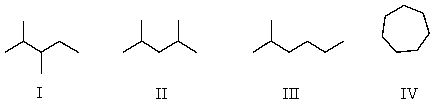
A) I and II
B) I and III
C) I,II,and III
D) I,II,III,and IV
E) II and III
A) I and II
B) I and III
C) I,II,and III
D) I,II,III,and IV
E) II and III
Question
Which of the following represent pairs of constitutional isomers?
A)
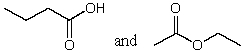
B)
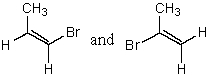
C)
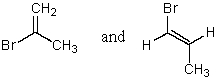
D) None of these pairs
E) All of these pairs
A)
B)
C)
D) None of these pairs
E) All of these pairs
Question
Question
Which of the following is the Lewis structure for CH3CO2H?
A)
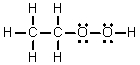
B)
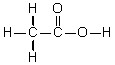
C)
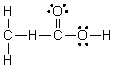
D)
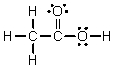
E)
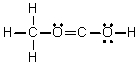
A)
B)
C)
D)
E)
Question
Question
Which of the following is a set of constitutional isomers? 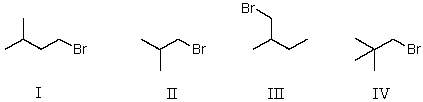
A) I and II
B) II and III
C) I,II,and III
D) II,III,and IV
E) I,III,and IV
A) I and II
B) II and III
C) I,II,and III
D) II,III,and IV
E) I,III,and IV
Question
Which compound is not a constitutional isomer of the others? 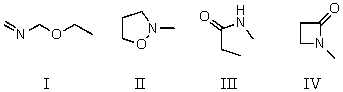
A) I
B) II
C) III
D) IV
E) All of the above are isomers of each other.
A) I
B) II
C) III
D) IV
E) All of the above are isomers of each other.
Question
Question
Which of the following is the Lewis structure for CH3CH2O2H?
A)
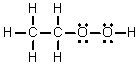
B)
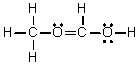
C)
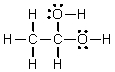
D)
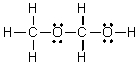
E)
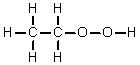
A)
B)
C)
D)
E)
Question
Question
Which of these is a correct electron-dot representation of the nitrite ion,NO2-? 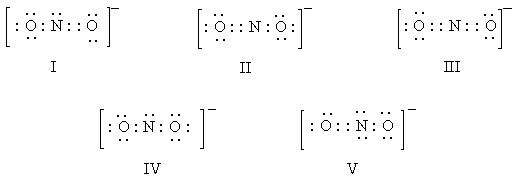
A) I
B) II
C) III
D) IV
E) V
A) I
B) II
C) III
D) IV
E) V
Question
Which is NOT a correct Lewis structure?
A)

B)

C)
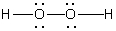
D)
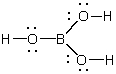
E) None of these
A)
B)
C)
D)
E) None of these
Question
Question
Which compound is not a constitutional isomer of the others? 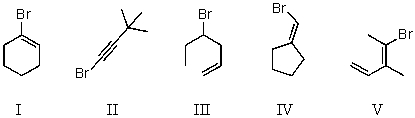
A) I and II
B) II
C) III
D) IV and V
E) All of the above are isomers of each other.
A) I and II
B) II
C) III
D) IV and V
E) All of the above are isomers of each other.
Question
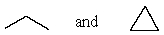
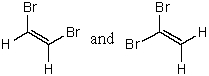
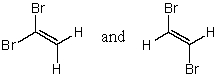
Which of the following represent a pair of constitutional isomers?
A)
B) CH3CH=CH2 and CH2=CHCH3
C)
D)
E) More than one of these
A)
B) CH3CH=CH2 and CH2=CHCH3
C)
D)
E) More than one of these
Question
Which of the following species is/are a resonance form(s)of the species in the box? 
A) I and II
B) I and III
C) III and IV
D) III
E) More than two of them are correct resonance forms.
A) I and II
B) I and III
C) III and IV
D) III
E) More than two of them are correct resonance forms.
Question
In which structure(s)below does the oxygen have a formal charge of +1?  s
s
A) I only
B) II only
C) I and III
D) I and IV
E) I,III,and IV
sA) I only
B) II only
C) I and III
D) I and IV
E) I,III,and IV
Question
What is the formal charge on carbon in the following structure? 
A) +2
B) +1
C) 0
D) -1
E) -2
A) +2
B) +1
C) 0
D) -1
E) -2
Question
Which of the following species is/are not a resonance form(s)of the anionic species in the box? 
A) I
B) II and III
C) III and IV
D) I and IV
E) I and III
A) I
B) II and III
C) III and IV
D) I and IV
E) I and III
Question
Which compound contains a nitrogen atom with a formal positive charge? 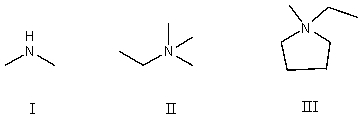
A) I
B) II
C) III
D) More than one of the above
E) None of the above
A) I
B) II
C) III
D) More than one of the above
E) None of the above
Question
What is the formal charge on oxygen in the following structure? 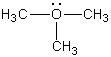
A) +2
B) +1
C) 0
D) -1
E) -2
A) +2
B) +1
C) 0
D) -1
E) -2
Question
Question
In which structure(s)below does nitrogen have a formal charge of +1? 
A) I
B) II and IV
C) III and V
D) I and V
E) V
A) I
B) II and IV
C) III and V
D) I and V
E) V
Question
Which of the following molecules or ions has a nitrogen with a formal charge of -1? (Charges on ions have been omitted. )
A)

B)

C)

D)
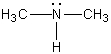
E)

A)
B)
C)
D)
E)
Question
Listed below are electron dot formulas for several simple molecules and ions.All valence electrons are shown;however,electrical charges have been omitted deliberately. 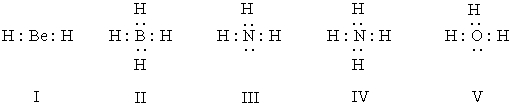 Which of the structures actually bear(s)a positive charge?
A) I
B) II
C) III
D) III & V
E) IV & V
Which of the structures actually bear(s)a positive charge?A) I
B) II
C) III
D) III & V
E) IV & V
Question
The formal charge on sulfur in sulfuric acid is: 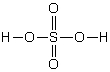
A) 0
B) -1
C) +1
D) -2
E) +2
A) 0
B) -1
C) +1
D) -2
E) +2
Question
Listed below are electron dot formulas for several simple molecules and ions.All valence electrons are shown;however,electrical charges have been omitted deliberately. 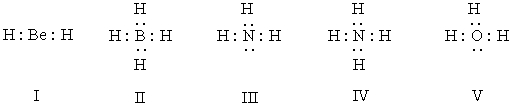 Which of the structures is negatively charged?
A) I
B) II
C) III
D) IV
E) V
Which of the structures is negatively charged?A) I
B) II
C) III
D) IV
E) V
Question
What is the formal charge on oxygen in the following structure? 
A) +2
B) +1
C) 0
D) -1
E) -2
A) +2
B) +1
C) 0
D) -1
E) -2
Question
Which of the following is an ion with a single negative charge?
A)

B)

C)

D) All of these
E) None of these
A)
B)
C)
D) All of these
E) None of these
Question
Which of the following pairs are NOT resonance structures?
A)

B)

C)
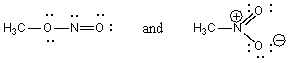
D) Each of these pairs represents resonance structures.
E) None of these pairs represents resonance structures.
A)
B)
C)
D) Each of these pairs represents resonance structures.
E) None of these pairs represents resonance structures.
Question
Which of the following species is a resonance form of the species in the box? 
A) I
B) II
C) III
D) IV
E) None of the above are correct resonance forms.
A) I
B) II
C) III
D) IV
E) None of the above are correct resonance forms.
Question
In which of these cases does the central atom have a zero formal charge?
A) HFH
B)

C)

D)

E)

A) HFH
B)
C)
D)
E)
Question
Which structure(s)contain(s)an oxygen that bears a formal charge of +1? 
A) I and II
B) III and IV
C) V
D) II
E) I and V
A) I and II
B) III and IV
C) V
D) II
E) I and V
Question
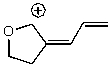
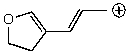
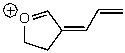
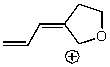
Which of the following species is not a resonance form of the following species? 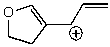
A)
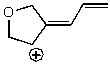
B)
C)
D)
E)
A)
B)
C)
D)
E)
Question
Which of the following species is/are a resonance form(s)of the species in the box? 
A) I and II
B) II and III
C) III
D) II
E) More than two of them are correct resonance forms.
A) I and II
B) II and III
C) III
D) II
E) More than two of them are correct resonance forms.
Question
Which of the structures below is not expected to contribute to the CO2 resonance hybrid?
A)

B)

C)

D)

E)

A)
B)
C)
D)
E)
Question
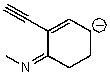
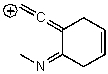
Which of the following structures is/are not a resonance form of the following species? 
A)
B)

C)
D)

E) None of the above are correct resonance forms.
A)
B)
C)
D)
E) None of the above are correct resonance forms.
Question
Question
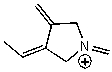
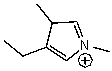
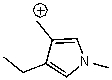
Which of the following species is a resonance form of the following species? 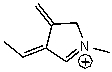
A)
B)
C)
D)
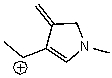
E) All the above are correct resonance forms.
A)
B)
C)
D)
E) All the above are correct resonance forms.
Question
Question
Question
Which of the following species is/are not a resonance form(s)of the species in the box? 
A) I
B) II
C) III
D) IV
E) More than two of them are incorrect resonance forms.
A) I
B) II
C) III
D) IV
E) More than two of them are incorrect resonance forms.
Question
Which of the following could not be a resonance structure of CH3NO2?
A)

B)

C)

D)

E) Both C and D
A)
B)
C)
D)
E) Both C and D
Question
Question
Which of the following species contributes more to the overall hybrid for the species in the box? 
A) I
B) II
C) III
D) IV
E) The one in the box.
A) I
B) II
C) III
D) IV
E) The one in the box.
Question
Which of the following species contributes more to the overall hybrid for the species in the box? 
A) I
B) II
C) III
D) IV
E) The one in the box.
A) I
B) II
C) III
D) IV
E) The one in the box.
Question
Which of the following species contributes more to the overall hybrid for the species in the box? 
A) I
B) II
C) III
D) IV
E) The one in the box.
A) I
B) II
C) III
D) IV
E) The one in the box.
Question
Question
Which of the following species is/are not a resonance form(s)of the species in the box? 
A) I and II
B) II and III
C) III and IV
D) I and IV
E) II and IV
A) I and II
B) II and III
C) III and IV
D) I and IV
E) II and IV
Question
Which of the following species are resonance forms of the species in the box? 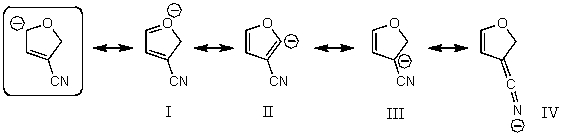
A) I and III
B) I and II
C) III and IV
D) II and IV
E) All of the above are correct resonance forms.
A) I and III
B) I and II
C) III and IV
D) II and IV
E) All of the above are correct resonance forms.
Question
Which of the following species contributes more to the overall hybrid for the species in the box? 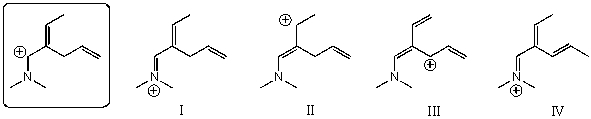
A) I
B) II
C) III
D) IV
E) The one in the box.
A) I
B) II
C) III
D) IV
E) The one in the box.
Question
Which of the following species contributes more to the overall hybrid for the species in the box? 
A) I
B) II
C) III
D) IV
E) The one in the box.
A) I
B) II
C) III
D) IV
E) The one in the box.
Question
Which of the following species contributes more to the overall hybrid for the species in the box? 
A) I
B) II
C) III
D) IV
E) The one in the box.
A) I
B) II
C) III
D) IV
E) The one in the box.
Question
Which of the following species is/are not a resonance form(s)of the species in the box? 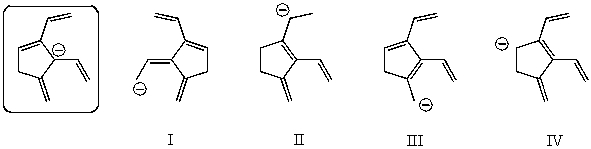
A) I
B) II
C) III
D) IV
E) More than two of them are incorrect resonance forms.
A) I
B) II
C) III
D) IV
E) More than two of them are incorrect resonance forms.
Question
Question
Question
Select the hybridized atomic orbital. 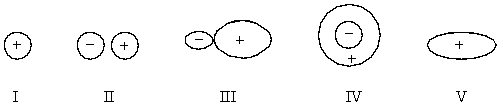
A) I
B) II
C) III
D) IV
E) V
A) I
B) II
C) III
D) IV
E) V
Question
Question
Which molecule has the shortest carbon-carbon single bond? 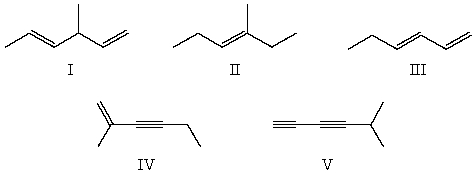
A) I
B) II
C) III
D) IV
E) V
A) I
B) II
C) III
D) IV
E) V
Question
How many s-sp3 bonds are there in the following substance? 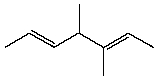
A) 3
B) 8
C) 12
D) 13
E) 16
A) 3
B) 8
C) 12
D) 13
E) 16
Question
What point on the potential energy diagram below represents the most stable state for the hydrogen molecule? 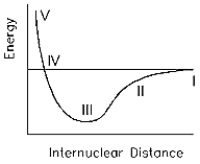
A) I
B) II
C) III
D) IV
E) V
A) I
B) II
C) III
D) IV
E) V
Question
Question
Question
Question
What is the hybridization of the C indicated with the arrow? 
A) sp3
B) sp2
C) sp
D) s
E) p
A) sp3
B) sp2
C) sp
D) s
E) p
Question
Question
Question
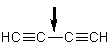
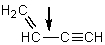
Which is the shortest of the carbon-carbon single bonds indicated by arrows in the following compounds?
A)

B)

C)

D)
E)
A)
B)
C)
D)
E)
Question
Which of the following species contributes more to the overall hybrid for the species in the box? 
A) I
B) II
C) III
D) IV
E) The one in the box.
A) I
B) II
C) III
D) IV
E) The one in the box.
Question
Identify the atomic orbital.The lone pair electrons on the B atom are contained in: 
A) 2sp2
B) 2sp3
C) 2p
D) 2s
E) There are no lone pair electrons on B
A) 2sp2
B) 2sp3
C) 2p
D) 2s
E) There are no lone pair electrons on B
Question
What is the geometry of the C indicated with the arrow? 
A) tetrahedral
B) trigonal pyramidal
C) linear
D) bent
E) trigonal planar
A) tetrahedral
B) trigonal pyramidal
C) linear
D) bent
E) trigonal planar
Question
The C4-C5 carbon-carbon bond in the following molecule results from the overlap of which orbitals ( in the order C4-C5)? 
A) sp-sp2
B) sp-sp3
C) sp2-sp2
D) sp2-sp3
E) sp3-sp2
A) sp-sp2
B) sp-sp3
C) sp2-sp2
D) sp2-sp3
E) sp3-sp2
Question
Question
Consider the following: 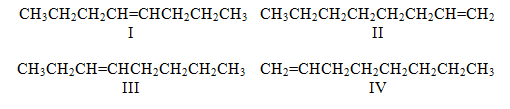
Which structures can exist as cis-trans : isomers?
A) I and II
B) I and III
C) I and IV
D) II and III
E) I alone
Which structures can exist as cis-trans : isomers?
A) I and II
B) I and III
C) I and IV
D) II and III
E) I alone
Question

Unlock Deck
Sign up to unlock the cards in this deck!
Unlock Deck
Unlock Deck
1/134

Play

Full screen (f)
Deck 1: Carbon Compounds and Chemical Bonds
1
In which of the following does the central atom have 2 pairs of non-bonding electrons?
A) O3
B) CO2
C) CO3 2-
D) NH4 +
E) H2S
A) O3
B) CO2
C) CO3 2-
D) NH4 +
E) H2S
H2S
2
Which compound is not a constitutional isomer of the others?
A) I
B) II
C) III
D) IV
E) All of the above are isomers of each other.
A) I
B) II
C) III
D) IV
E) All of the above are isomers of each other.
I
3
Select the least electronegative element from the list below:
A) P
B) N
C) Mg
D) Si
E) K
A) P
B) N
C) Mg
D) Si
E) K
K
4
Select the most electronegative element from the list below:
A) H
B) O
C) N
D) B
E) C
A) H
B) O
C) N
D) B
E) C
Unlock Deck
Unlock for access to all 134 flashcards in this deck.
Unlock Deck
k this deck
5
How many sigma 1s-2sp3 bonds are there in ethane?
A) 7
B) 6
C) 5
D) 3
E) 1
A) 7
B) 6
C) 5
D) 3
E) 1
Unlock Deck
Unlock for access to all 134 flashcards in this deck.
Unlock Deck
k this deck
6
Which of the following structures represent compounds that are constitutional isomers of each other?
A) I and II
B) I and III
C) I,II,and III
D) I,II,III,and IV
E) II and III
A) I and II
B) I and III
C) I,II,and III
D) I,II,III,and IV
E) II and III
Unlock Deck
Unlock for access to all 134 flashcards in this deck.
Unlock Deck
k this deck
7
Which of the following represent pairs of constitutional isomers?
A)
B)
C)
D) None of these pairs
E) All of these pairs
A)
B)
C)
D) None of these pairs
E) All of these pairs
Unlock Deck
Unlock for access to all 134 flashcards in this deck.
Unlock Deck
k this deck
8
Credit for the first synthesis of an organic compound from an inorganic precursor is usually given to:
A) Berzelius
B) Arrhenius
C) Kekule
D) Wohler
E) Lewis
A) Berzelius
B) Arrhenius
C) Kekule
D) Wohler
E) Lewis
Unlock Deck
Unlock for access to all 134 flashcards in this deck.
Unlock Deck
k this deck
9
Which of the following is the Lewis structure for CH3CO2H?
A)
B)
C)
D)
E)
A)
B)
C)
D)
E)
Unlock Deck
Unlock for access to all 134 flashcards in this deck.
Unlock Deck
k this deck
10
Consider the following: CH3CH2CH=CHCH2CH3
CH3CH2CH2CH2CH=CH2
I
II
CH3CH=CHCH2CH2CH3
CH2=CHCH2CH2CH2CH3
III
IV
Which two structures represent the same compound?
A) I and II
B) II and III
C) I and III
D) II and IV
E) None of these
CH3CH2CH2CH2CH=CH2
I
II
CH3CH=CHCH2CH2CH3
CH2=CHCH2CH2CH2CH3
III
IV
Which two structures represent the same compound?
A) I and II
B) II and III
C) I and III
D) II and IV
E) None of these
Unlock Deck
Unlock for access to all 134 flashcards in this deck.
Unlock Deck
k this deck
11
Which of the following is a set of constitutional isomers?
A) I and II
B) II and III
C) I,II,and III
D) II,III,and IV
E) I,III,and IV
A) I and II
B) II and III
C) I,II,and III
D) II,III,and IV
E) I,III,and IV
Unlock Deck
Unlock for access to all 134 flashcards in this deck.
Unlock Deck
k this deck
12
Which compound is not a constitutional isomer of the others?
A) I
B) II
C) III
D) IV
E) All of the above are isomers of each other.
A) I
B) II
C) III
D) IV
E) All of the above are isomers of each other.
Unlock Deck
Unlock for access to all 134 flashcards in this deck.
Unlock Deck
k this deck
13
CH3CH2OCH2CH3 and CH3CH2CH2CH2OH are examples of what are now termed:
A) Structural isomers
B) Resonance structures
C) Functional isomers
D) Empirical isomers
E) Constitutional isomers
A) Structural isomers
B) Resonance structures
C) Functional isomers
D) Empirical isomers
E) Constitutional isomers
Unlock Deck
Unlock for access to all 134 flashcards in this deck.
Unlock Deck
k this deck
14
Which of the following is the Lewis structure for CH3CH2O2H?
A)
B)
C)
D)
E)
A)
B)
C)
D)
E)
Unlock Deck
Unlock for access to all 134 flashcards in this deck.
Unlock Deck
k this deck
15
Considering Lewis structures,which of these compounds possesses a single unpaired electron?
A) N2
B) N2O
C) NO
D) N2O4
E) O2
A) N2
B) N2O
C) NO
D) N2O4
E) O2
Unlock Deck
Unlock for access to all 134 flashcards in this deck.
Unlock Deck
k this deck
16
Which of these is a correct electron-dot representation of the nitrite ion,NO2-?
A) I
B) II
C) III
D) IV
E) V
A) I
B) II
C) III
D) IV
E) V
Unlock Deck
Unlock for access to all 134 flashcards in this deck.
Unlock Deck
k this deck
17
Which is NOT a correct Lewis structure?
A)
B)
C)
D)
E) None of these
A)
B)
C)
D)
E) None of these
Unlock Deck
Unlock for access to all 134 flashcards in this deck.
Unlock Deck
k this deck
18
The greatest degree of ionic character is anticipated for the bond between:
A) H and C
B) H and Cl
C) C and Cl
D) H and Br
E) Br and Cl
A) H and C
B) H and Cl
C) C and Cl
D) H and Br
E) Br and Cl
Unlock Deck
Unlock for access to all 134 flashcards in this deck.
Unlock Deck
k this deck
19
Which compound is not a constitutional isomer of the others?
A) I and II
B) II
C) III
D) IV and V
E) All of the above are isomers of each other.
A) I and II
B) II
C) III
D) IV and V
E) All of the above are isomers of each other.
Unlock Deck
Unlock for access to all 134 flashcards in this deck.
Unlock Deck
k this deck
20
Which of the following represent a pair of constitutional isomers?
A)
B) CH3CH=CH2 and CH2=CHCH3
C)
D)
E) More than one of these
A)
B) CH3CH=CH2 and CH2=CHCH3
C)
D)
E) More than one of these
Unlock Deck
Unlock for access to all 134 flashcards in this deck.
Unlock Deck
k this deck
21
Which of the following species is/are a resonance form(s)of the species in the box?
A) I and II
B) I and III
C) III and IV
D) III
E) More than two of them are correct resonance forms.
A) I and II
B) I and III
C) III and IV
D) III
E) More than two of them are correct resonance forms.
Unlock Deck
Unlock for access to all 134 flashcards in this deck.
Unlock Deck
k this deck
22
In which structure(s)below does the oxygen have a formal charge of +1? s
A) I only
B) II only
C) I and III
D) I and IV
E) I,III,and IV
sA) I only
B) II only
C) I and III
D) I and IV
E) I,III,and IV
Unlock Deck
Unlock for access to all 134 flashcards in this deck.
Unlock Deck
k this deck
23
What is the formal charge on carbon in the following structure?
A) +2
B) +1
C) 0
D) -1
E) -2
A) +2
B) +1
C) 0
D) -1
E) -2
Unlock Deck
Unlock for access to all 134 flashcards in this deck.
Unlock Deck
k this deck
24
Which of the following species is/are not a resonance form(s)of the anionic species in the box?
A) I
B) II and III
C) III and IV
D) I and IV
E) I and III
A) I
B) II and III
C) III and IV
D) I and IV
E) I and III
Unlock Deck
Unlock for access to all 134 flashcards in this deck.
Unlock Deck
k this deck
25
Which compound contains a nitrogen atom with a formal positive charge?
A) I
B) II
C) III
D) More than one of the above
E) None of the above
A) I
B) II
C) III
D) More than one of the above
E) None of the above
Unlock Deck
Unlock for access to all 134 flashcards in this deck.
Unlock Deck
k this deck
26
What is the formal charge on oxygen in the following structure?
A) +2
B) +1
C) 0
D) -1
E) -2
A) +2
B) +1
C) 0
D) -1
E) -2
Unlock Deck
Unlock for access to all 134 flashcards in this deck.
Unlock Deck
k this deck
27
Expansion of the valence shell to accommodate more than eight electrons is possible with:
A) Fluorine
B) Nitrogen
C) Carbon
D) Sulfur
E) Beryllium
A) Fluorine
B) Nitrogen
C) Carbon
D) Sulfur
E) Beryllium
Unlock Deck
Unlock for access to all 134 flashcards in this deck.
Unlock Deck
k this deck
28
In which structure(s)below does nitrogen have a formal charge of +1?
A) I
B) II and IV
C) III and V
D) I and V
E) V
A) I
B) II and IV
C) III and V
D) I and V
E) V
Unlock Deck
Unlock for access to all 134 flashcards in this deck.
Unlock Deck
k this deck
29
Which of the following molecules or ions has a nitrogen with a formal charge of -1? (Charges on ions have been omitted. )
A)
B)
C)
D)
E)
A)
B)
C)
D)
E)
Unlock Deck
Unlock for access to all 134 flashcards in this deck.
Unlock Deck
k this deck
30
Listed below are electron dot formulas for several simple molecules and ions.All valence electrons are shown;however,electrical charges have been omitted deliberately. Which of the structures actually bear(s)a positive charge?
A) I
B) II
C) III
D) III & V
E) IV & V
Which of the structures actually bear(s)a positive charge?A) I
B) II
C) III
D) III & V
E) IV & V
Unlock Deck
Unlock for access to all 134 flashcards in this deck.
Unlock Deck
k this deck
31
The formal charge on sulfur in sulfuric acid is:
A) 0
B) -1
C) +1
D) -2
E) +2
A) 0
B) -1
C) +1
D) -2
E) +2
Unlock Deck
Unlock for access to all 134 flashcards in this deck.
Unlock Deck
k this deck
32
Listed below are electron dot formulas for several simple molecules and ions.All valence electrons are shown;however,electrical charges have been omitted deliberately. Which of the structures is negatively charged?
A) I
B) II
C) III
D) IV
E) V
Which of the structures is negatively charged?A) I
B) II
C) III
D) IV
E) V
Unlock Deck
Unlock for access to all 134 flashcards in this deck.
Unlock Deck
k this deck
33
What is the formal charge on oxygen in the following structure?
A) +2
B) +1
C) 0
D) -1
E) -2
A) +2
B) +1
C) 0
D) -1
E) -2
Unlock Deck
Unlock for access to all 134 flashcards in this deck.
Unlock Deck
k this deck
34
Which of the following is an ion with a single negative charge?
A)
B)
C)
D) All of these
E) None of these
A)
B)
C)
D) All of these
E) None of these
Unlock Deck
Unlock for access to all 134 flashcards in this deck.
Unlock Deck
k this deck
35
Which of the following pairs are NOT resonance structures?
A)
B)
C)
D) Each of these pairs represents resonance structures.
E) None of these pairs represents resonance structures.
A)
B)
C)
D) Each of these pairs represents resonance structures.
E) None of these pairs represents resonance structures.
Unlock Deck
Unlock for access to all 134 flashcards in this deck.
Unlock Deck
k this deck
36
Which of the following species is a resonance form of the species in the box?
A) I
B) II
C) III
D) IV
E) None of the above are correct resonance forms.
A) I
B) II
C) III
D) IV
E) None of the above are correct resonance forms.
Unlock Deck
Unlock for access to all 134 flashcards in this deck.
Unlock Deck
k this deck
37
In which of these cases does the central atom have a zero formal charge?
A) HFH
B)
C)
D)
E)
A) HFH
B)
C)
D)
E)
Unlock Deck
Unlock for access to all 134 flashcards in this deck.
Unlock Deck
k this deck
38
Which structure(s)contain(s)an oxygen that bears a formal charge of +1?
A) I and II
B) III and IV
C) V
D) II
E) I and V
A) I and II
B) III and IV
C) V
D) II
E) I and V
Unlock Deck
Unlock for access to all 134 flashcards in this deck.
Unlock Deck
k this deck
39
Which of the following species is not a resonance form of the following species?
A)
B)
C)
D)
E)
A)
B)
C)
D)
E)
Unlock Deck
Unlock for access to all 134 flashcards in this deck.
Unlock Deck
k this deck
40
Which of the following species is/are a resonance form(s)of the species in the box?
A) I and II
B) II and III
C) III
D) II
E) More than two of them are correct resonance forms.
A) I and II
B) II and III
C) III
D) II
E) More than two of them are correct resonance forms.
Unlock Deck
Unlock for access to all 134 flashcards in this deck.
Unlock Deck
k this deck
41
Which of the structures below is not expected to contribute to the CO2 resonance hybrid?
A)
B)
C)
D)
E)
A)
B)
C)
D)
E)
Unlock Deck
Unlock for access to all 134 flashcards in this deck.
Unlock Deck
k this deck
42
Which of the following structures is/are not a resonance form of the following species?
A)
B)
C)
D)
E) None of the above are correct resonance forms.
A)
B)
C)
D)
E) None of the above are correct resonance forms.
Unlock Deck
Unlock for access to all 134 flashcards in this deck.
Unlock Deck
k this deck
43
How many resonance structures can be written for the NO3- ion in which the nitrogen atom bears a formal charge of +1?
A) 1
B) 2
C) 3
D) 4
E) 5
A) 1
B) 2
C) 3
D) 4
E) 5
Unlock Deck
Unlock for access to all 134 flashcards in this deck.
Unlock Deck
k this deck
44
Which of the following species is a resonance form of the following species?
A)
B)
C)
D)
E) All the above are correct resonance forms.
A)
B)
C)
D)
E) All the above are correct resonance forms.
Unlock Deck
Unlock for access to all 134 flashcards in this deck.
Unlock Deck
k this deck
45
When the ls orbitals of two hydrogen atoms combine to form a hydrogen molecule,which molecular orbitals are formed?
A) One bonding molecular orbital only
B) Two bonding molecular orbitals
C) One bonding molecular orbital and one antibonding molecular orbital
D) Two antibonding molecular orbitals
E) Three bonding molecular orbitals
A) One bonding molecular orbital only
B) Two bonding molecular orbitals
C) One bonding molecular orbital and one antibonding molecular orbital
D) Two antibonding molecular orbitals
E) Three bonding molecular orbitals
Unlock Deck
Unlock for access to all 134 flashcards in this deck.
Unlock Deck
k this deck
46
In quantum mechanics a node (nodal surface or plane)is:
A) a place where is negative.
B) a place where is positive.
C) a place where = 0.
D) a place where 2 is large.
E) a place where 2 is negative.
A) a place where is negative.
B) a place where is positive.
C) a place where = 0.
D) a place where 2 is large.
E) a place where 2 is negative.
Unlock Deck
Unlock for access to all 134 flashcards in this deck.
Unlock Deck
k this deck
47
Which of the following species is/are not a resonance form(s)of the species in the box?
A) I
B) II
C) III
D) IV
E) More than two of them are incorrect resonance forms.
A) I
B) II
C) III
D) IV
E) More than two of them are incorrect resonance forms.
Unlock Deck
Unlock for access to all 134 flashcards in this deck.
Unlock Deck
k this deck
48
Which of the following could not be a resonance structure of CH3NO2?
A)
B)
C)
D)
E) Both C and D
A)
B)
C)
D)
E) Both C and D
Unlock Deck
Unlock for access to all 134 flashcards in this deck.
Unlock Deck
k this deck
49
Which of the following species exhibits resonance stabilization?
A) H2SO4
B) O3
C) CO2
D) CCl4
E) None of the species above exhibit resonance.
A) H2SO4
B) O3
C) CO2
D) CCl4
E) None of the species above exhibit resonance.
Unlock Deck
Unlock for access to all 134 flashcards in this deck.
Unlock Deck
k this deck
50
Which of the following species contributes more to the overall hybrid for the species in the box?
A) I
B) II
C) III
D) IV
E) The one in the box.
A) I
B) II
C) III
D) IV
E) The one in the box.
Unlock Deck
Unlock for access to all 134 flashcards in this deck.
Unlock Deck
k this deck
51
Which of the following species contributes more to the overall hybrid for the species in the box?
A) I
B) II
C) III
D) IV
E) The one in the box.
A) I
B) II
C) III
D) IV
E) The one in the box.
Unlock Deck
Unlock for access to all 134 flashcards in this deck.
Unlock Deck
k this deck
52
Which of the following species contributes more to the overall hybrid for the species in the box?
A) I
B) II
C) III
D) IV
E) The one in the box.
A) I
B) II
C) III
D) IV
E) The one in the box.
Unlock Deck
Unlock for access to all 134 flashcards in this deck.
Unlock Deck
k this deck
53
When the 1s orbitals of two hydrogen atoms combine to form a hydrogen molecule,how many molecular orbitals are formed?
A) 1
B) 2
C) 3
D) 4
E) 5
A) 1
B) 2
C) 3
D) 4
E) 5
Unlock Deck
Unlock for access to all 134 flashcards in this deck.
Unlock Deck
k this deck
54
Which of the following species is/are not a resonance form(s)of the species in the box?
A) I and II
B) II and III
C) III and IV
D) I and IV
E) II and IV
A) I and II
B) II and III
C) III and IV
D) I and IV
E) II and IV
Unlock Deck
Unlock for access to all 134 flashcards in this deck.
Unlock Deck
k this deck
55
Which of the following species are resonance forms of the species in the box?
A) I and III
B) I and II
C) III and IV
D) II and IV
E) All of the above are correct resonance forms.
A) I and III
B) I and II
C) III and IV
D) II and IV
E) All of the above are correct resonance forms.
Unlock Deck
Unlock for access to all 134 flashcards in this deck.
Unlock Deck
k this deck
56
Which of the following species contributes more to the overall hybrid for the species in the box?
A) I
B) II
C) III
D) IV
E) The one in the box.
A) I
B) II
C) III
D) IV
E) The one in the box.
Unlock Deck
Unlock for access to all 134 flashcards in this deck.
Unlock Deck
k this deck
57
Which of the following species contributes more to the overall hybrid for the species in the box?
A) I
B) II
C) III
D) IV
E) The one in the box.
A) I
B) II
C) III
D) IV
E) The one in the box.
Unlock Deck
Unlock for access to all 134 flashcards in this deck.
Unlock Deck
k this deck
58
Which of the following species contributes more to the overall hybrid for the species in the box?
A) I
B) II
C) III
D) IV
E) The one in the box.
A) I
B) II
C) III
D) IV
E) The one in the box.
Unlock Deck
Unlock for access to all 134 flashcards in this deck.
Unlock Deck
k this deck
59
Which of the following species is/are not a resonance form(s)of the species in the box?
A) I
B) II
C) III
D) IV
E) More than two of them are incorrect resonance forms.
A) I
B) II
C) III
D) IV
E) More than two of them are incorrect resonance forms.
Unlock Deck
Unlock for access to all 134 flashcards in this deck.
Unlock Deck
k this deck
60
Which principle(s)or rule(s)must be used to determine the correct electronic configuration for carbon in its ground state?
A) Aufbau Principle
B) Hund's Rule
C) Pauli Exclusion Principle
D) (A)and (B)only
E) All three
A) Aufbau Principle
B) Hund's Rule
C) Pauli Exclusion Principle
D) (A)and (B)only
E) All three
Unlock Deck
Unlock for access to all 134 flashcards in this deck.
Unlock Deck
k this deck
61
Which of the following contains an sp2-hybridized carbon?
A) CH4
B) CH3: -
C) CH3CH3
D) CH3+
E) HC CH
A) CH4
B) CH3: -
C) CH3CH3
D) CH3+
E) HC CH
Unlock Deck
Unlock for access to all 134 flashcards in this deck.
Unlock Deck
k this deck
62
Select the hybridized atomic orbital.
A) I
B) II
C) III
D) IV
E) V
A) I
B) II
C) III
D) IV
E) V
Unlock Deck
Unlock for access to all 134 flashcards in this deck.
Unlock Deck
k this deck
63
Identify the atomic orbitals in the C-C sigma bond in ethyne.
A) (2sp2,2sp2)
B) (2sp3,2sp3)
C) (2sp,2sp)
D) (2p,2p)
E) (2sp,1s)
A) (2sp2,2sp2)
B) (2sp3,2sp3)
C) (2sp,2sp)
D) (2p,2p)
E) (2sp,1s)
Unlock Deck
Unlock for access to all 134 flashcards in this deck.
Unlock Deck
k this deck
64
Which molecule has the shortest carbon-carbon single bond?
A) I
B) II
C) III
D) IV
E) V
A) I
B) II
C) III
D) IV
E) V
Unlock Deck
Unlock for access to all 134 flashcards in this deck.
Unlock Deck
k this deck
65
How many s-sp3 bonds are there in the following substance?
A) 3
B) 8
C) 12
D) 13
E) 16
A) 3
B) 8
C) 12
D) 13
E) 16
Unlock Deck
Unlock for access to all 134 flashcards in this deck.
Unlock Deck
k this deck
66
What point on the potential energy diagram below represents the most stable state for the hydrogen molecule?
A) I
B) II
C) III
D) IV
E) V
A) I
B) II
C) III
D) IV
E) V
Unlock Deck
Unlock for access to all 134 flashcards in this deck.
Unlock Deck
k this deck
67
cis-trans : isomerism is possible only in the case of:
A) CH2=CBr2
B) CH2=CHBr
C) BrCH=CHBr
D) Br2C=CHBr
E) Br2C=CBr2
A) CH2=CBr2
B) CH2=CHBr
C) BrCH=CHBr
D) Br2C=CHBr
E) Br2C=CBr2
Unlock Deck
Unlock for access to all 134 flashcards in this deck.
Unlock Deck
k this deck
68
According to molecular orbital theory,which molecule could not exist?
A) H2
B) He2
C) Li2
D) F2
E) N2
A) H2
B) He2
C) Li2
D) F2
E) N2
Unlock Deck
Unlock for access to all 134 flashcards in this deck.
Unlock Deck
k this deck
69
When the 1s orbitals of two hydrogen atoms combine to form a hydrogen molecule,how are the electrons distributed in the resulting molecular orbitals?
A) 2 electrons in the bonding molecular orbital
B) 1 electron in the bonding molecular orbital,1 electron in the non-bonding molecular orbital
C) 1 electron in the bonding molecular orbital,1 electron in the antibonding molecular orbital
D) 2 electrons in the non-bonding molecular orbital
E) 2 electrons in the antibonding molecular orbital
A) 2 electrons in the bonding molecular orbital
B) 1 electron in the bonding molecular orbital,1 electron in the non-bonding molecular orbital
C) 1 electron in the bonding molecular orbital,1 electron in the antibonding molecular orbital
D) 2 electrons in the non-bonding molecular orbital
E) 2 electrons in the antibonding molecular orbital
Unlock Deck
Unlock for access to all 134 flashcards in this deck.
Unlock Deck
k this deck
70
What is the hybridization of the C indicated with the arrow?
A) sp3
B) sp2
C) sp
D) s
E) p
A) sp3
B) sp2
C) sp
D) s
E) p
Unlock Deck
Unlock for access to all 134 flashcards in this deck.
Unlock Deck
k this deck
71
How many 2p atomic orbitals from boron must be mixed with a 2s atomic orbital to yield the bonding hybrid atomic orbitals in BF3?
A) 1
B) 2
C) 3
D) 4
E) 5
A) 1
B) 2
C) 3
D) 4
E) 5
Unlock Deck
Unlock for access to all 134 flashcards in this deck.
Unlock Deck
k this deck
72
Which compound has the shortest carbon-carbon bond(s)?
A) CH3CH3
B) CH2=CH2
C) HC CH
D) CH3CH2CH3
E) All carbon-carbon bonds are the same length.
A) CH3CH3
B) CH2=CH2
C) HC CH
D) CH3CH2CH3
E) All carbon-carbon bonds are the same length.
Unlock Deck
Unlock for access to all 134 flashcards in this deck.
Unlock Deck
k this deck
73
Which is the shortest of the carbon-carbon single bonds indicated by arrows in the following compounds?
A)
B)
C)
D)
E)
A)
B)
C)
D)
E)
Unlock Deck
Unlock for access to all 134 flashcards in this deck.
Unlock Deck
k this deck
74
Which of the following species contributes more to the overall hybrid for the species in the box?
A) I
B) II
C) III
D) IV
E) The one in the box.
A) I
B) II
C) III
D) IV
E) The one in the box.
Unlock Deck
Unlock for access to all 134 flashcards in this deck.
Unlock Deck
k this deck
75
Identify the atomic orbital.The lone pair electrons on the B atom are contained in:
A) 2sp2
B) 2sp3
C) 2p
D) 2s
E) There are no lone pair electrons on B
A) 2sp2
B) 2sp3
C) 2p
D) 2s
E) There are no lone pair electrons on B
Unlock Deck
Unlock for access to all 134 flashcards in this deck.
Unlock Deck
k this deck
76
What is the geometry of the C indicated with the arrow?
A) tetrahedral
B) trigonal pyramidal
C) linear
D) bent
E) trigonal planar
A) tetrahedral
B) trigonal pyramidal
C) linear
D) bent
E) trigonal planar
Unlock Deck
Unlock for access to all 134 flashcards in this deck.
Unlock Deck
k this deck
77
The C4-C5 carbon-carbon bond in the following molecule results from the overlap of which orbitals ( in the order C4-C5)?
A) sp-sp2
B) sp-sp3
C) sp2-sp2
D) sp2-sp3
E) sp3-sp2
A) sp-sp2
B) sp-sp3
C) sp2-sp2
D) sp2-sp3
E) sp3-sp2
Unlock Deck
Unlock for access to all 134 flashcards in this deck.
Unlock Deck
k this deck
78
According to molecular orbital theory,in the case of a carbon-carbon double bond,the carbon-carbon bonding electrons of higher energy occupy this molecular orbital:
A) " bonding MO"
B) " bonding MO"
C) " * antibonding MO"
D) " * antibonding MO"
E) " * bonding MO"
A) " bonding MO"
B) " bonding MO"
C) " * antibonding MO"
D) " * antibonding MO"
E) " * bonding MO"
Unlock Deck
Unlock for access to all 134 flashcards in this deck.
Unlock Deck
k this deck
79
Consider the following:
Which structures can exist as cis-trans : isomers?
A) I and II
B) I and III
C) I and IV
D) II and III
E) I alone
Which structures can exist as cis-trans : isomers?
A) I and II
B) I and III
C) I and IV
D) II and III
E) I alone
Unlock Deck
Unlock for access to all 134 flashcards in this deck.
Unlock Deck
k this deck
80
Identify the atomic orbitals in the C-H sigma bond in acetylene.
A) (2sp2,1s)
B) (2sp3,2sp3)
C) (2sp,2sp)
D) (2p,2p)
E) (2sp,1s)
A) (2sp2,1s)
B) (2sp3,2sp3)
C) (2sp,2sp)
D) (2p,2p)
E) (2sp,1s)
Unlock Deck
Unlock for access to all 134 flashcards in this deck.
Unlock Deck
k this deck
Unlock Deck
Unlock for access to all 134 flashcards in this deck.






