







 Chat with AI

Deck 8: Alkenes and Alkynes Ii: Addition Reactions
Full screen (f)

Question

Question
What is the major product of the following reaction sequence? 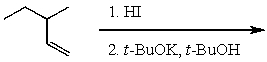
A)

B)

C)

D)

E) More than one of the above
A)
B)
C)
D)
E) More than one of the above
Question
What is the major product for the following reaction? 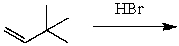
A)

B)

C)
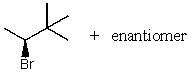
D)

E) More than one of the above
A)
B)
C)
D)
E) More than one of the above
Question
What is the major product for the following reaction? 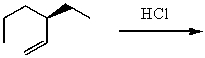
A)

B)

C)

D)

E)

A)
B)
C)
D)
E)
Question
Question
Addition of hydrogen chloride to the following molecule would produce: 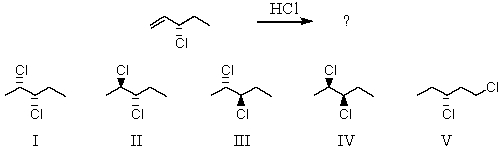
A) I and II
B) II and III
C) I and IV
D) V
E) All of the above are equally likely to be formed
A) I and II
B) II and III
C) I and IV
D) V
E) All of the above are equally likely to be formed
Question
What is the major product for the following reaction? 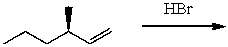
A)
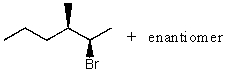
B)
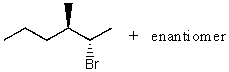
C)

D)

E) More than one of the above
A)
B)
C)
D)
E) More than one of the above
Question
Treating 1-methylcyclohexene with HCl would yield primarily which of these? 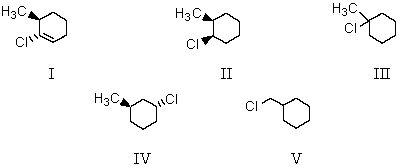
A) I
B) II
C) III
D) IV
E) V
A) I
B) II
C) III
D) IV
E) V
Question
What is the major product of the following reaction sequence? 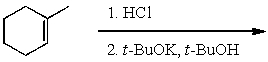
A)

B)

C)

D)

E)
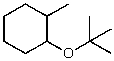
A)
B)
C)
D)
E)
Question
Question
What product would you expect from addition of deuterium chloride to 2-cyclohexyl-4-methyl-2-pentene? 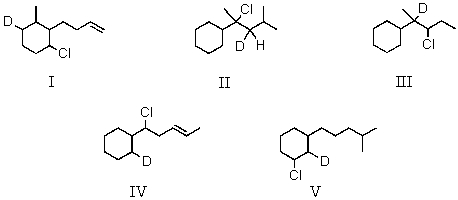
A) I
B) II
C) III
D) IV
E) V
A) I
B) II
C) III
D) IV
E) V
Question
The thermodynamic parameters at 298 K for the following reaction are given below.  Hº = -64.9 kJ mol-1
Sº = -131 J K-1 mol-1
Gº = -25.8 kJ mol-1
Which of the following statements is true of the reaction?
A) Both Hº and Sº favor product formation.
B) Neither Hº nor Sº favors product formation.
C) The entropy term is unfavorable but the formation of ethyl chloride is favored.
D) The entropy term is favorable but the formation of ethyl chloride is not favored.
E) The sign of Gº indicates that the reaction cannot occur as written.
Hº = -64.9 kJ mol-1 Sº = -131 J K-1 mol-1
Gº = -25.8 kJ mol-1
Which of the following statements is true of the reaction?
A) Both Hº and Sº favor product formation.
B) Neither Hº nor Sº favors product formation.
C) The entropy term is unfavorable but the formation of ethyl chloride is favored.
D) The entropy term is favorable but the formation of ethyl chloride is not favored.
E) The sign of Gº indicates that the reaction cannot occur as written.
Question
Question
What would be the major product of the following reaction? 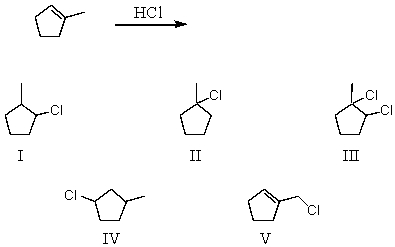
A) I
B) II
C) III
D) IV
E) V
A) I
B) II
C) III
D) IV
E) V
Question
What is the major product for the following reaction? 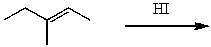
A)

B)
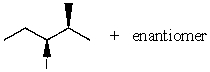
C)
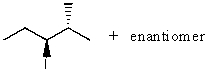
D)
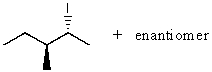
E)
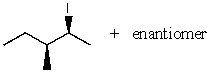
A)
B)
C)
D)
E)
Question
What is the major product of the following reaction sequence? 
A)
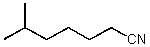
B)
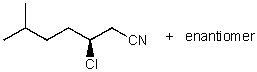
C)
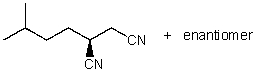
D)
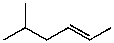
E) None of the above
A)
B)
C)
D)
E) None of the above
Question
Question
What is the major product of the following reaction sequence? 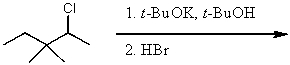
A)

B)
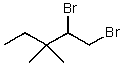
C)

D)
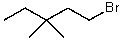
E) None of the above
A)
B)
C)
D)
E) None of the above
Question
Question
Question
Which product would you expect from the following reaction? 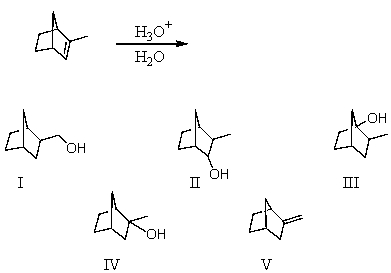
A) I
B) II
C) III
D) IV
E) V
A) I
B) II
C) III
D) IV
E) V
Question
What is the major product for the following reaction? 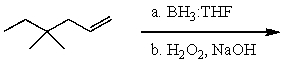
A)
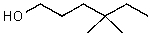
B)
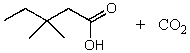
C)
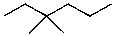
D)
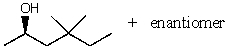
E)

A)
B)
C)
D)
E)
Question
What is the major product of the following reaction sequence? 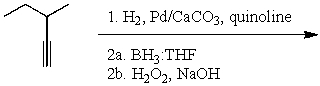
A)

B)

C)

D)

E)
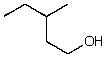
A)
B)
C)
D)
E)
Question
Treating 1-methylcyclohexene with H3O+ would yield primarily which of these? 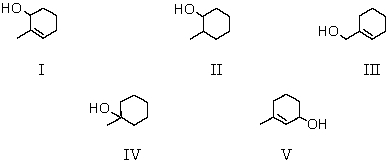
A) I and V
B) II
C) III and V
D) IV
E) I,III and V
A) I and V
B) II
C) III and V
D) IV
E) I,III and V
Question
What is the major product of the following reaction sequence? 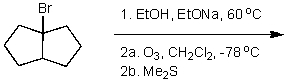
A)
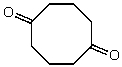
B)
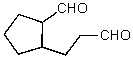
C)
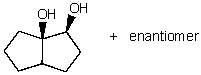
D)

E) More than one of the above
A)
B)
C)
D)
E) More than one of the above
Question
What is the major product for the following reaction? 
A)
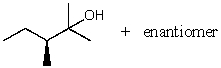
B)
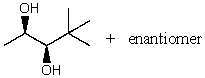
C)
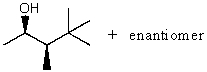
D)
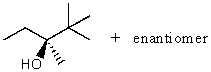
E)
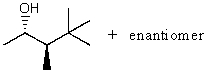
A)
B)
C)
D)
E)
Question
Question
What is the major product for the following reaction? 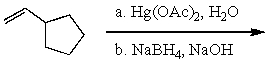
A)

B)
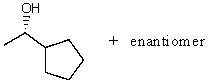
C)

D)

E) More than one of the above
A)
B)
C)
D)
E) More than one of the above
Question
What is the major product of the following reaction sequence? 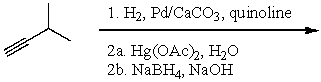
A)

B)

C)

D)
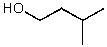
E)
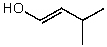
A)
B)
C)
D)
E)
Question
What is the major product of the following reaction sequence? 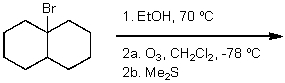
A)
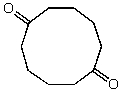
B)

C)
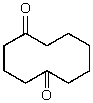
D)

E) None of the above
A)
B)
C)
D)
E) None of the above
Question
Question
What is the major product for the following reaction? 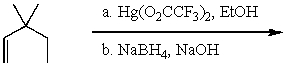
A)
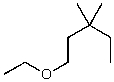
B)
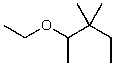
C)
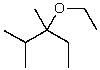
D)
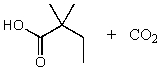
E)

A)
B)
C)
D)
E)
Question
What is the major product for the following reaction? 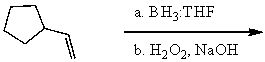
A)
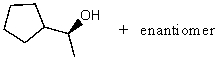
B)

C)

D)
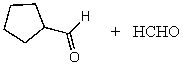
E)
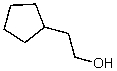
A)
B)
C)
D)
E)
Question
What is the major product for the following reaction? 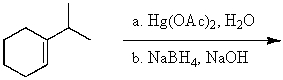
A)
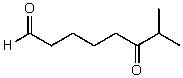
B)
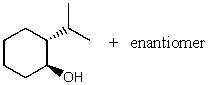
C)

D)
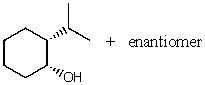
E) None of the above
A)
B)
C)
D)
E) None of the above
Question
What is the major product of the following reaction sequence? 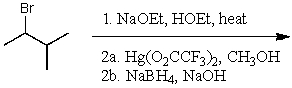
A)
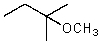
B)

C)

D)

E) More than one of the above
A)
B)
C)
D)
E) More than one of the above
Question
Question
What is the major product for the following reaction? 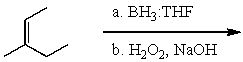
A)

B)
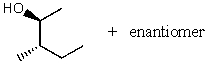
C)
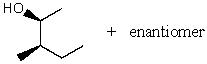
D)
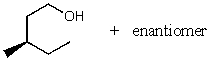
E) More than one of the above
A)
B)
C)
D)
E) More than one of the above
Question
What is the major product for the following reaction? 
A)
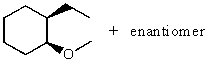
B)
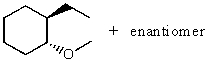
C)

D)

E) None of the above
A)
B)
C)
D)
E) None of the above
Question
What is the major product for the following reaction? 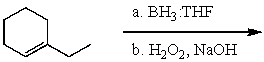
A)
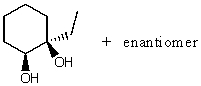
B)
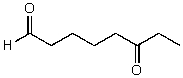
C)
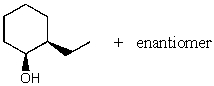
D)

E)
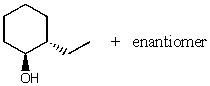
A)
B)
C)
D)
E)
Question
Question
Reaction of trans-2-hexene with a solution of Br2 in CCl4 produces: 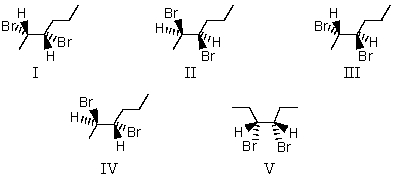
A) I and II
B) II and V
C) III and IV
D) IV and V
E) V
A) I and II
B) II and V
C) III and IV
D) IV and V
E) V
Question
What is the major product of the following reaction sequence? 
A)

B)

C)

D)
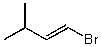
E) More than one of the above
A)
B)
C)
D)
E) More than one of the above
Question
Question
Which reaction is NOT stereospecific? 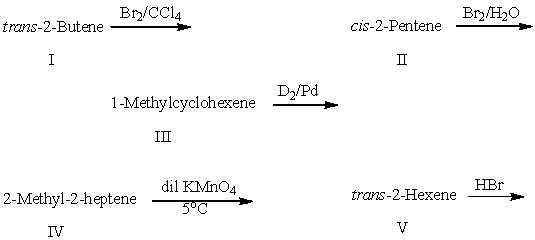
A) I
B) II
C) III
D) IV
E) V
A) I
B) II
C) III
D) IV
E) V
Question
What would be the major product of the following reaction? 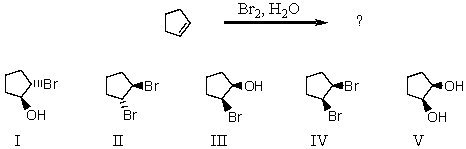
A) I
B) II
C) III
D) IV
E) V
A) I
B) II
C) III
D) IV
E) V
Question
What is the major product of the following reaction sequence? 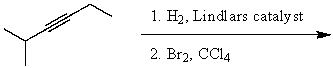
A)
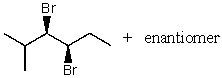
B)
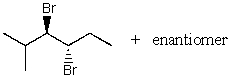
C)
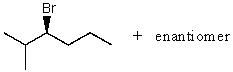
D)
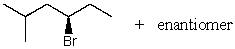
E)
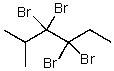
A)
B)
C)
D)
E)
Question
Question
What is the major product for the following reaction? 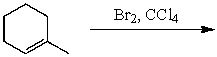
A)

B)
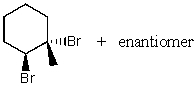
C)
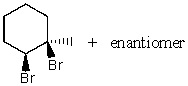
D)

E) More than one of the above
A)
B)
C)
D)
E) More than one of the above
Question
What would be the major product of the following reaction? 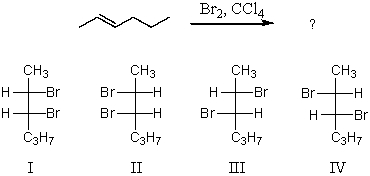
A) Equal amounts of I and II
B) Equal amounts of II and III
C) Equal amounts of III and IV
D) I and II as major products,III and IV as minor products
E) All of the above in equal amounts
A) Equal amounts of I and II
B) Equal amounts of II and III
C) Equal amounts of III and IV
D) I and II as major products,III and IV as minor products
E) All of the above in equal amounts
Question
Question
Compound X has the molecular formula C6H10.X decolorizes bromine in carbon tetrachloride.X also shows IR absorption at about 3300 cm-1.When treated with excess hydrogen and a nickel catalyst,X yields 2-methylpentane.The most likely structure for X is:
A)

B)

C)

D)

E)

A)
B)
C)
D)
E)
Question
What is the major product of the following reaction sequence? 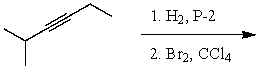
A)
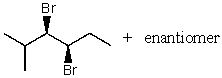
B)
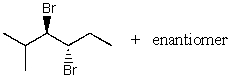
C)
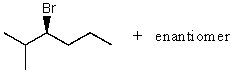
D)
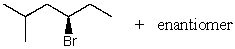
E)
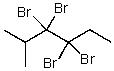
A)
B)
C)
D)
E)
Question
What is the major product for the following reaction? 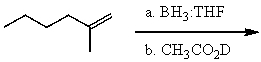
A)

B)

C)

D)

E) None of the above
A)
B)
C)
D)
E) None of the above
Question
The reaction of BrCl (bromine monochloride)with 1-methylcyclopentene will produce as the predominant product: 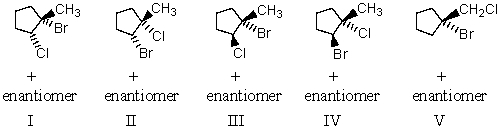
A) I
B) II
C) III
D) IV
E) V
A) I
B) II
C) III
D) IV
E) V
Question
What would be the major product of the following reaction? 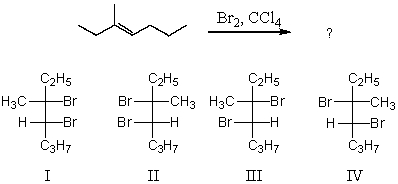
A) Equal amounts of I and II
B) Equal amounts of II and III
C) Equal amounts of III and IV
D) I and II as major products,III and IV as minor products
E) All of the above in equal amounts
A) Equal amounts of I and II
B) Equal amounts of II and III
C) Equal amounts of III and IV
D) I and II as major products,III and IV as minor products
E) All of the above in equal amounts
Question
Question
The reaction of Br2/CCl4 to cyclohexene would produce the compound(s)represented by structure(s): 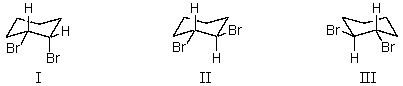
A) I alone
B) II alone
C) II and III
D) III alone
E) I ,II and II
A) I alone
B) II alone
C) II and III
D) III alone
E) I ,II and II
Question
Which of these is not a possible product when cyclopentene reacts with an aqueous solution of bromine? 
A) I
B) II
C) III
D) IV
E) V
A) I
B) II
C) III
D) IV
E) V
Question
What is the major product for the following reaction? 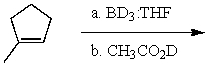
A)
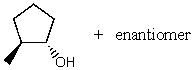
B)
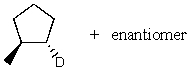
C)
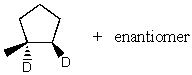
D)
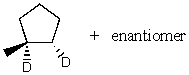
E)

A)
B)
C)
D)
E)
Question
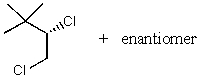
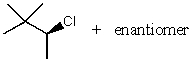
What is the major product for the following reaction? 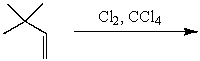
A)

B)
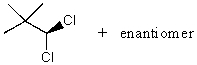
C)
D)
E) More than one of the above
A)
B)
C)
D)
E) More than one of the above
Question
Question
Question
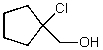
What is the major product for the following reaction? 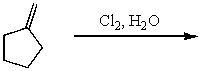
A)
B)
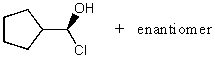
C)
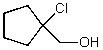
D)

E) More than one of the above
A)
B)
C)
D)
E) More than one of the above
Question
What is the major product of the following reaction sequence? 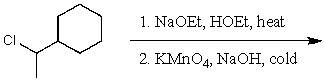
A)
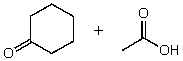
B)
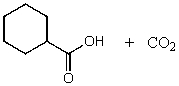
C)
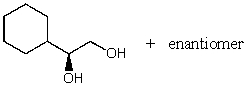
D)
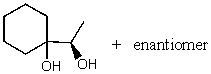
E) More than one of the above
A)
B)
C)
D)
E) More than one of the above
Question
What is the final product of the following synthesis? 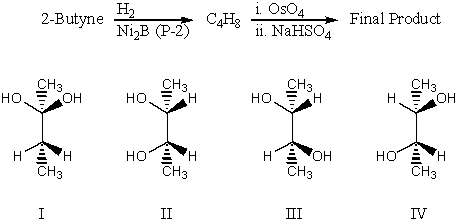
A) I
B) II
C) III
D) IV
E) An equimolar mixture of III and IV
A) I
B) II
C) III
D) IV
E) An equimolar mixture of III and IV
Question
Which alkene would react with cold dilute alkaline permanganate solution to form an optically inactive and irresolvable product?
A)

B)

C)

D)

E)

A)
B)
C)
D)
E)
Question
What is the major product for the following reaction? 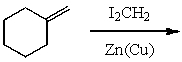
A)

B)
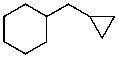
C)

D)

E) More than one of the above
A)
B)
C)
D)
E) More than one of the above
Question
Question
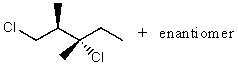
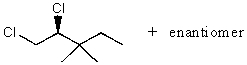
What is the major product for the following reaction? 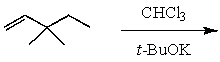
A)
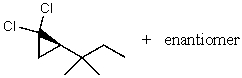
B)

C)
D)
E) More than one of the above
A)
B)
C)
D)
E) More than one of the above
Question
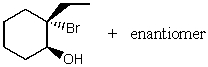
What is the major product of the following reaction sequence? 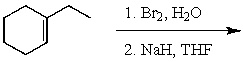
A)
B)
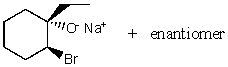
C)
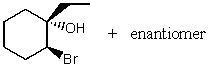
D)
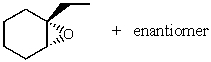
E) None of the above
A)
B)
C)
D)
E) None of the above
Question
Question
Hydroxylation of cis-2-pentene with cold alkaline KMnO4 yields 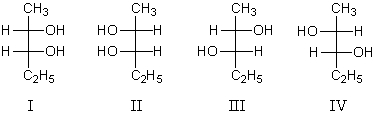
A) Equal amounts of I and II
B) Equal amounts of II and III
C) Equal amounts of III and IV
D) I and II as major products,III and IV as minor products
E) All of the above in equal amounts
A) Equal amounts of I and II
B) Equal amounts of II and III
C) Equal amounts of III and IV
D) I and II as major products,III and IV as minor products
E) All of the above in equal amounts
Question
What product would result from the following reaction? 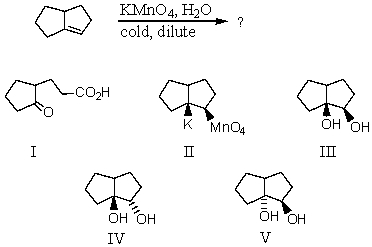
A) I
B) II
C) III
D) IV
E) V
A) I
B) II
C) III
D) IV
E) V
Question
Question
What is the major product of the following reaction sequence? 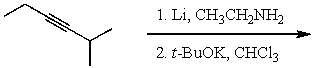
A)
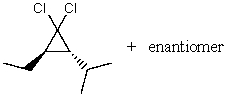
B)
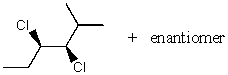
C)
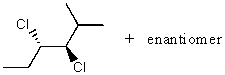
D)
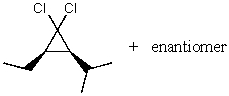
E) More than one of the above
A)
B)
C)
D)
E) More than one of the above
Question
An optically active compound,A,with the molecular formula C7H12 reacts with cold dilute KMnO4 and gives IR absorption at about 3300 cm-1.On catalytic hydrogenation,A is converted to B (C7H16)and B is also optically active.Which is a possible structure for A? 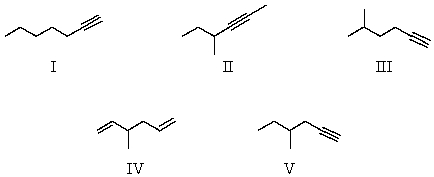
A) I
B) II
C) III
D) IV
E) V
A) I
B) II
C) III
D) IV
E) V
Question
Which reaction would yield a meso compound?
A)

B)

C)
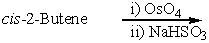
D)

E) None of these
A)
B)
C)
D)
E) None of these
Question
Question
What is the major product for the following reaction? 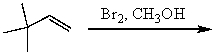
A)
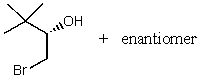
B)
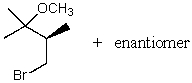
C)
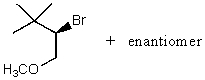
D)
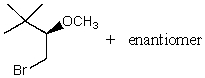
E) More than one of the above
A)
B)
C)
D)
E) More than one of the above
Question
What is the major product for the following reaction? 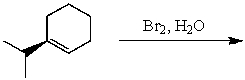
A)
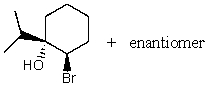
B)
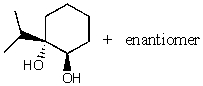
C)
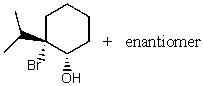
D)
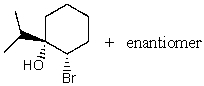
E)
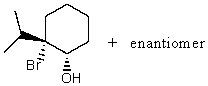
A)
B)
C)
D)
E)

Unlock Deck
Sign up to unlock the cards in this deck!
Unlock Deck
Unlock Deck
1/140

Play

Full screen (f)
Deck 8: Alkenes and Alkynes Ii: Addition Reactions
1
How many compounds are possible from the addition of bromine to CH2=CHCH2CH3 (counting stereoisomers separately)?
A) One
B) Two
C) Three
D) Four
E) Five
A) One
B) Two
C) Three
D) Four
E) Five
Two
2
What is the major product of the following reaction sequence?
A)
B)
C)
D)
E) More than one of the above
A)
B)
C)
D)
E) More than one of the above
3
What is the major product for the following reaction?
A)
B)
C)
D)
E) More than one of the above
A)
B)
C)
D)
E) More than one of the above
4
What is the major product for the following reaction?
A)
B)
C)
D)
E)
A)
B)
C)
D)
E)
Unlock Deck
Unlock for access to all 140 flashcards in this deck.
Unlock Deck
k this deck
5
In general,when the addition of an unsymmetrical electrophilic reagent to an unsymmetrical alkene forms the product predicted by Markovnikov's rule,that occurs because:
A) the product is statistically favored.
B) steric hindrance favors its formation.
C) it is formed via the more/most stable carbocation.
D) it is the more/most stable product.
E) All of the above are reasons.
A) the product is statistically favored.
B) steric hindrance favors its formation.
C) it is formed via the more/most stable carbocation.
D) it is the more/most stable product.
E) All of the above are reasons.
Unlock Deck
Unlock for access to all 140 flashcards in this deck.
Unlock Deck
k this deck
6
Addition of hydrogen chloride to the following molecule would produce:
A) I and II
B) II and III
C) I and IV
D) V
E) All of the above are equally likely to be formed
A) I and II
B) II and III
C) I and IV
D) V
E) All of the above are equally likely to be formed
Unlock Deck
Unlock for access to all 140 flashcards in this deck.
Unlock Deck
k this deck
7
What is the major product for the following reaction?
A)
B)
C)
D)
E) More than one of the above
A)
B)
C)
D)
E) More than one of the above
Unlock Deck
Unlock for access to all 140 flashcards in this deck.
Unlock Deck
k this deck
8
Treating 1-methylcyclohexene with HCl would yield primarily which of these?
A) I
B) II
C) III
D) IV
E) V
A) I
B) II
C) III
D) IV
E) V
Unlock Deck
Unlock for access to all 140 flashcards in this deck.
Unlock Deck
k this deck
9
What is the major product of the following reaction sequence?
A)
B)
C)
D)
E)
A)
B)
C)
D)
E)
Unlock Deck
Unlock for access to all 140 flashcards in this deck.
Unlock Deck
k this deck
10
(R)-3-Chloro-1-butene reacts with HCl by Markovnikov addition,and the products are separated by gas chromatography.How many total fractions would be obtained and how many would be optically active?
A) One optically active fraction only
B) One optically active fraction and one optically inactive
C) Two optically active fractions
D) One optically active fraction and two optically inactive
E) Two optically active fractions and one optically inactive
A) One optically active fraction only
B) One optically active fraction and one optically inactive
C) Two optically active fractions
D) One optically active fraction and two optically inactive
E) Two optically active fractions and one optically inactive
Unlock Deck
Unlock for access to all 140 flashcards in this deck.
Unlock Deck
k this deck
11
What product would you expect from addition of deuterium chloride to 2-cyclohexyl-4-methyl-2-pentene?
A) I
B) II
C) III
D) IV
E) V
A) I
B) II
C) III
D) IV
E) V
Unlock Deck
Unlock for access to all 140 flashcards in this deck.
Unlock Deck
k this deck
12
The thermodynamic parameters at 298 K for the following reaction are given below. Hº = -64.9 kJ mol-1
Sº = -131 J K-1 mol-1
Gº = -25.8 kJ mol-1
Which of the following statements is true of the reaction?
A) Both Hº and Sº favor product formation.
B) Neither Hº nor Sº favors product formation.
C) The entropy term is unfavorable but the formation of ethyl chloride is favored.
D) The entropy term is favorable but the formation of ethyl chloride is not favored.
E) The sign of Gº indicates that the reaction cannot occur as written.
Hº = -64.9 kJ mol-1 Sº = -131 J K-1 mol-1
Gº = -25.8 kJ mol-1
Which of the following statements is true of the reaction?
A) Both Hº and Sº favor product formation.
B) Neither Hº nor Sº favors product formation.
C) The entropy term is unfavorable but the formation of ethyl chloride is favored.
D) The entropy term is favorable but the formation of ethyl chloride is not favored.
E) The sign of Gº indicates that the reaction cannot occur as written.
Unlock Deck
Unlock for access to all 140 flashcards in this deck.
Unlock Deck
k this deck
13
Consider the addition of HCl to 3-methyl-1-butene.The major product of the reaction would be:
A) 1-Chloro-2-methylbutane
B) 1-Chloro-3-methylbutane
C) 2-Chloro-2-methylbutane
D) 2-Chloro-3-methylbutane
E) 1-Chloropentane
A) 1-Chloro-2-methylbutane
B) 1-Chloro-3-methylbutane
C) 2-Chloro-2-methylbutane
D) 2-Chloro-3-methylbutane
E) 1-Chloropentane
Unlock Deck
Unlock for access to all 140 flashcards in this deck.
Unlock Deck
k this deck
14
What would be the major product of the following reaction?
A) I
B) II
C) III
D) IV
E) V
A) I
B) II
C) III
D) IV
E) V
Unlock Deck
Unlock for access to all 140 flashcards in this deck.
Unlock Deck
k this deck
15
What is the major product for the following reaction?
A)
B)
C)
D)
E)
A)
B)
C)
D)
E)
Unlock Deck
Unlock for access to all 140 flashcards in this deck.
Unlock Deck
k this deck
16
What is the major product of the following reaction sequence?
A)
B)
C)
D)
E) None of the above
A)
B)
C)
D)
E) None of the above
Unlock Deck
Unlock for access to all 140 flashcards in this deck.
Unlock Deck
k this deck
17
What is the chief product of the reaction of IBr with 2-methyl-2-pentene?
A) 2-bromo-3-iodo-2-methylpentane
B) 3-bromo-2-iodo-2-methylpentane
C) 1-bromo-2-iodo-2-methylpentane
D) 2-bromo-1-iodo-2-methylpentane
E) All of the above
A) 2-bromo-3-iodo-2-methylpentane
B) 3-bromo-2-iodo-2-methylpentane
C) 1-bromo-2-iodo-2-methylpentane
D) 2-bromo-1-iodo-2-methylpentane
E) All of the above
Unlock Deck
Unlock for access to all 140 flashcards in this deck.
Unlock Deck
k this deck
18
What is the major product of the following reaction sequence?
A)
B)
C)
D)
E) None of the above
A)
B)
C)
D)
E) None of the above
Unlock Deck
Unlock for access to all 140 flashcards in this deck.
Unlock Deck
k this deck
19
The interaction of the bond of an alkene with an electrophile can initially result in the formation of a species termed a complex.Which of these cannot combine with an alkene to form a complex?
A) H+
B) NH3
C) Ag+
D) Hg2+
E) BF3
A) H+
B) NH3
C) Ag+
D) Hg2+
E) BF3
Unlock Deck
Unlock for access to all 140 flashcards in this deck.
Unlock Deck
k this deck
20
Markovnikov addition of HI to 2-methyl-2-butene involves:
A) initial attack by an iodide ion.
B) initial attack by an iodine atom.
C) isomerization of 2-iodo-2-methylbutene.
D) formation of a carbocation at C-2.
E) formation of carbocation at C-3.
A) initial attack by an iodide ion.
B) initial attack by an iodine atom.
C) isomerization of 2-iodo-2-methylbutene.
D) formation of a carbocation at C-2.
E) formation of carbocation at C-3.
Unlock Deck
Unlock for access to all 140 flashcards in this deck.
Unlock Deck
k this deck
21
Which product would you expect from the following reaction?
A) I
B) II
C) III
D) IV
E) V
A) I
B) II
C) III
D) IV
E) V
Unlock Deck
Unlock for access to all 140 flashcards in this deck.
Unlock Deck
k this deck
22
What is the major product for the following reaction?
A)
B)
C)
D)
E)
A)
B)
C)
D)
E)
Unlock Deck
Unlock for access to all 140 flashcards in this deck.
Unlock Deck
k this deck
23
What is the major product of the following reaction sequence?
A)
B)
C)
D)
E)
A)
B)
C)
D)
E)
Unlock Deck
Unlock for access to all 140 flashcards in this deck.
Unlock Deck
k this deck
24
Treating 1-methylcyclohexene with H3O+ would yield primarily which of these?
A) I and V
B) II
C) III and V
D) IV
E) I,III and V
A) I and V
B) II
C) III and V
D) IV
E) I,III and V
Unlock Deck
Unlock for access to all 140 flashcards in this deck.
Unlock Deck
k this deck
25
What is the major product of the following reaction sequence?
A)
B)
C)
D)
E) More than one of the above
A)
B)
C)
D)
E) More than one of the above
Unlock Deck
Unlock for access to all 140 flashcards in this deck.
Unlock Deck
k this deck
26
What is the major product for the following reaction?
A)
B)
C)
D)
E)
A)
B)
C)
D)
E)
Unlock Deck
Unlock for access to all 140 flashcards in this deck.
Unlock Deck
k this deck
27
Which alkene would you expect to be most reactive toward acid-catalyzed hydration?
A) 1 pentene
B) trans-2-pentene
C) cis-2-pentene
D) 2-methyl-1butene
E) All of these would be equally reactive.
A) 1 pentene
B) trans-2-pentene
C) cis-2-pentene
D) 2-methyl-1butene
E) All of these would be equally reactive.
Unlock Deck
Unlock for access to all 140 flashcards in this deck.
Unlock Deck
k this deck
28
What is the major product for the following reaction?
A)
B)
C)
D)
E) More than one of the above
A)
B)
C)
D)
E) More than one of the above
Unlock Deck
Unlock for access to all 140 flashcards in this deck.
Unlock Deck
k this deck
29
What is the major product of the following reaction sequence?
A)
B)
C)
D)
E)
A)
B)
C)
D)
E)
Unlock Deck
Unlock for access to all 140 flashcards in this deck.
Unlock Deck
k this deck
30
What is the major product of the following reaction sequence?
A)
B)
C)
D)
E) None of the above
A)
B)
C)
D)
E) None of the above
Unlock Deck
Unlock for access to all 140 flashcards in this deck.
Unlock Deck
k this deck
31
When either cis- or trans-2-butene is treated with hydrogen chloride in ethanol,the product mixture that results includes:
A) CH3CH2CH2CH2Cl
B) CH3CH2CH2CH2OCH2CH3
C) CH3CH2CH(CH3)OCH2CH3
D) (CH3)3CCl
E) (CH3)2CHCH2OCH2CH3
A) CH3CH2CH2CH2Cl
B) CH3CH2CH2CH2OCH2CH3
C) CH3CH2CH(CH3)OCH2CH3
D) (CH3)3CCl
E) (CH3)2CHCH2OCH2CH3
Unlock Deck
Unlock for access to all 140 flashcards in this deck.
Unlock Deck
k this deck
32
What is the major product for the following reaction?
A)
B)
C)
D)
E)
A)
B)
C)
D)
E)
Unlock Deck
Unlock for access to all 140 flashcards in this deck.
Unlock Deck
k this deck
33
What is the major product for the following reaction?
A)
B)
C)
D)
E)
A)
B)
C)
D)
E)
Unlock Deck
Unlock for access to all 140 flashcards in this deck.
Unlock Deck
k this deck
34
What is the major product for the following reaction?
A)
B)
C)
D)
E) None of the above
A)
B)
C)
D)
E) None of the above
Unlock Deck
Unlock for access to all 140 flashcards in this deck.
Unlock Deck
k this deck
35
What is the major product of the following reaction sequence?
A)
B)
C)
D)
E) More than one of the above
A)
B)
C)
D)
E) More than one of the above
Unlock Deck
Unlock for access to all 140 flashcards in this deck.
Unlock Deck
k this deck
36
What is the chief product of the acid-catalyzed hydration of 2,5-dimethyl-2-hexene?
A) 2,5-dimethyl-1-hexanol
B) 2,5-dimethyl-2-hexanol
C) 2,5-dimethyl-3-hexanol
D) 2,5-dimethyl-2,3-hexanediol
E) 2,5-dimethyl-3,4-hexanediol
A) 2,5-dimethyl-1-hexanol
B) 2,5-dimethyl-2-hexanol
C) 2,5-dimethyl-3-hexanol
D) 2,5-dimethyl-2,3-hexanediol
E) 2,5-dimethyl-3,4-hexanediol
Unlock Deck
Unlock for access to all 140 flashcards in this deck.
Unlock Deck
k this deck
37
What is the major product for the following reaction?
A)
B)
C)
D)
E) More than one of the above
A)
B)
C)
D)
E) More than one of the above
Unlock Deck
Unlock for access to all 140 flashcards in this deck.
Unlock Deck
k this deck
38
What is the major product for the following reaction?
A)
B)
C)
D)
E) None of the above
A)
B)
C)
D)
E) None of the above
Unlock Deck
Unlock for access to all 140 flashcards in this deck.
Unlock Deck
k this deck
39
What is the major product for the following reaction?
A)
B)
C)
D)
E)
A)
B)
C)
D)
E)
Unlock Deck
Unlock for access to all 140 flashcards in this deck.
Unlock Deck
k this deck
40
Acid-catalyzed hydration of 2-methyl-1-butene would yield which of the following?
A) (CH3)2C(OH)CH2CH3
B) CH2OHCH(CH3)CH2CH3
C) (CH3)2CHCHOHCH3
D) (CH3)2CHCH2CH2OH
E) CH3CH2CH(CH3)CH2OH
A) (CH3)2C(OH)CH2CH3
B) CH2OHCH(CH3)CH2CH3
C) (CH3)2CHCHOHCH3
D) (CH3)2CHCH2CH2OH
E) CH3CH2CH(CH3)CH2OH
Unlock Deck
Unlock for access to all 140 flashcards in this deck.
Unlock Deck
k this deck
41
Reaction of trans-2-hexene with a solution of Br2 in CCl4 produces:
A) I and II
B) II and V
C) III and IV
D) IV and V
E) V
A) I and II
B) II and V
C) III and IV
D) IV and V
E) V
Unlock Deck
Unlock for access to all 140 flashcards in this deck.
Unlock Deck
k this deck
42
What is the major product of the following reaction sequence?
A)
B)
C)
D)
E) More than one of the above
A)
B)
C)
D)
E) More than one of the above
Unlock Deck
Unlock for access to all 140 flashcards in this deck.
Unlock Deck
k this deck
43
Cyclohexene reacts with bromine to yield 1,2-dibromocyclohexane.Molecules of the product would:
A) be a racemic form and,in their most stable conformation,they would have both bromine atoms equatorial.
B) be a racemic form and,in their most stable conformation,they would have one bromine atom equatorial and one axial.
C) be a meso compound and,in its most stable conformation,it would have both bromine atoms equatorial.
D) be a meso compound and,in its most stable conformation,it would have one bromine atom equatorial and one axial.
E) be a pair of diastereomers and,in their most stable conformation,one would have the bromines equatorial and axial,and the other would have the bromines equatorial and equatorial.
A) be a racemic form and,in their most stable conformation,they would have both bromine atoms equatorial.
B) be a racemic form and,in their most stable conformation,they would have one bromine atom equatorial and one axial.
C) be a meso compound and,in its most stable conformation,it would have both bromine atoms equatorial.
D) be a meso compound and,in its most stable conformation,it would have one bromine atom equatorial and one axial.
E) be a pair of diastereomers and,in their most stable conformation,one would have the bromines equatorial and axial,and the other would have the bromines equatorial and equatorial.
Unlock Deck
Unlock for access to all 140 flashcards in this deck.
Unlock Deck
k this deck
44
Which reaction is NOT stereospecific?
A) I
B) II
C) III
D) IV
E) V
A) I
B) II
C) III
D) IV
E) V
Unlock Deck
Unlock for access to all 140 flashcards in this deck.
Unlock Deck
k this deck
45
What would be the major product of the following reaction?
A) I
B) II
C) III
D) IV
E) V
A) I
B) II
C) III
D) IV
E) V
Unlock Deck
Unlock for access to all 140 flashcards in this deck.
Unlock Deck
k this deck
46
What is the major product of the following reaction sequence?
A)
B)
C)
D)
E)
A)
B)
C)
D)
E)
Unlock Deck
Unlock for access to all 140 flashcards in this deck.
Unlock Deck
k this deck
47
Which reaction sequence would convert cis-2-butene to trans-2-butene?
A) Br2/CCl4;then 2 NaNH2;then H2/Ni2B(P-2)
B) Br2/CCl4;then 2 NaNH2;then Li/liq.NH3
C) H3O+,heat;then cold dilute KMnO4
D) HBr;then NaNH2;then H2,Pt
E) None of these
A) Br2/CCl4;then 2 NaNH2;then H2/Ni2B(P-2)
B) Br2/CCl4;then 2 NaNH2;then Li/liq.NH3
C) H3O+,heat;then cold dilute KMnO4
D) HBr;then NaNH2;then H2,Pt
E) None of these
Unlock Deck
Unlock for access to all 140 flashcards in this deck.
Unlock Deck
k this deck
48
What is the major product for the following reaction?
A)
B)
C)
D)
E) More than one of the above
A)
B)
C)
D)
E) More than one of the above
Unlock Deck
Unlock for access to all 140 flashcards in this deck.
Unlock Deck
k this deck
49
What would be the major product of the following reaction?
A) Equal amounts of I and II
B) Equal amounts of II and III
C) Equal amounts of III and IV
D) I and II as major products,III and IV as minor products
E) All of the above in equal amounts
A) Equal amounts of I and II
B) Equal amounts of II and III
C) Equal amounts of III and IV
D) I and II as major products,III and IV as minor products
E) All of the above in equal amounts
Unlock Deck
Unlock for access to all 140 flashcards in this deck.
Unlock Deck
k this deck
50
Which of these compounds will react with cold concd.H2SO4,as well as Br2 in CCl4 ?
A) CH3CH2CH=CHCH3
B) CH3CH2CH2CH=CH2
C) CH3CH2C CCH3
D) (CH3)2CHC CH
E) All of these
A) CH3CH2CH=CHCH3
B) CH3CH2CH2CH=CH2
C) CH3CH2C CCH3
D) (CH3)2CHC CH
E) All of these
Unlock Deck
Unlock for access to all 140 flashcards in this deck.
Unlock Deck
k this deck
51
Compound X has the molecular formula C6H10.X decolorizes bromine in carbon tetrachloride.X also shows IR absorption at about 3300 cm-1.When treated with excess hydrogen and a nickel catalyst,X yields 2-methylpentane.The most likely structure for X is:
A)
B)
C)
D)
E)
A)
B)
C)
D)
E)
Unlock Deck
Unlock for access to all 140 flashcards in this deck.
Unlock Deck
k this deck
52
What is the major product of the following reaction sequence?
A)
B)
C)
D)
E)
A)
B)
C)
D)
E)
Unlock Deck
Unlock for access to all 140 flashcards in this deck.
Unlock Deck
k this deck
53
What is the major product for the following reaction?
A)
B)
C)
D)
E) None of the above
A)
B)
C)
D)
E) None of the above
Unlock Deck
Unlock for access to all 140 flashcards in this deck.
Unlock Deck
k this deck
54
The reaction of BrCl (bromine monochloride)with 1-methylcyclopentene will produce as the predominant product:
A) I
B) II
C) III
D) IV
E) V
A) I
B) II
C) III
D) IV
E) V
Unlock Deck
Unlock for access to all 140 flashcards in this deck.
Unlock Deck
k this deck
55
What would be the major product of the following reaction?
A) Equal amounts of I and II
B) Equal amounts of II and III
C) Equal amounts of III and IV
D) I and II as major products,III and IV as minor products
E) All of the above in equal amounts
A) Equal amounts of I and II
B) Equal amounts of II and III
C) Equal amounts of III and IV
D) I and II as major products,III and IV as minor products
E) All of the above in equal amounts
Unlock Deck
Unlock for access to all 140 flashcards in this deck.
Unlock Deck
k this deck
56
A synthetic strategy for converting trans-2-butene into pure cis-2-butene would consist of which of the following?
A) Reaction with H2,Ni2B (P-2)
B) Reaction with i)Br2,CCl4;ii)2 NaNH2,NH3(l);iii)Na,NH3 (l)
C) Reaction with H3O+,heat
D) Reaction with i)Br2,CCl4;ii)2 NaNH2,NH3(l);iii)H2,Ni2B (P-2)
E) None of these will successfully effect the desired transformation.
A) Reaction with H2,Ni2B (P-2)
B) Reaction with i)Br2,CCl4;ii)2 NaNH2,NH3(l);iii)Na,NH3 (l)
C) Reaction with H3O+,heat
D) Reaction with i)Br2,CCl4;ii)2 NaNH2,NH3(l);iii)H2,Ni2B (P-2)
E) None of these will successfully effect the desired transformation.
Unlock Deck
Unlock for access to all 140 flashcards in this deck.
Unlock Deck
k this deck
57
The reaction of Br2/CCl4 to cyclohexene would produce the compound(s)represented by structure(s):
A) I alone
B) II alone
C) II and III
D) III alone
E) I ,II and II
A) I alone
B) II alone
C) II and III
D) III alone
E) I ,II and II
Unlock Deck
Unlock for access to all 140 flashcards in this deck.
Unlock Deck
k this deck
58
Which of these is not a possible product when cyclopentene reacts with an aqueous solution of bromine?
A) I
B) II
C) III
D) IV
E) V
A) I
B) II
C) III
D) IV
E) V
Unlock Deck
Unlock for access to all 140 flashcards in this deck.
Unlock Deck
k this deck
59
What is the major product for the following reaction?
A)
B)
C)
D)
E)
A)
B)
C)
D)
E)
Unlock Deck
Unlock for access to all 140 flashcards in this deck.
Unlock Deck
k this deck
60
What is the major product for the following reaction?
A)
B)
C)
D)
E) More than one of the above
A)
B)
C)
D)
E) More than one of the above
Unlock Deck
Unlock for access to all 140 flashcards in this deck.
Unlock Deck
k this deck
61
Which reagent(s)given below could be used to synthesize cis-1,2-cycloheptanediol from cycloheptene?
A) KMnO4,OH - ,5oC
B) KMnO4,H3O+,75oC
C) H2SO4,heat
D) All of these
E) None of these
A) KMnO4,OH - ,5oC
B) KMnO4,H3O+,75oC
C) H2SO4,heat
D) All of these
E) None of these
Unlock Deck
Unlock for access to all 140 flashcards in this deck.
Unlock Deck
k this deck
62
Which of these compounds belongs to the class of substances commonly known as "halohydrins"?
A) BrCH2CH2Cl
B) ClCH2CO2H
C) ICH2CH2OH
D) FCH2CH2NH2
E) HOCH2 COCl
A) BrCH2CH2Cl
B) ClCH2CO2H
C) ICH2CH2OH
D) FCH2CH2NH2
E) HOCH2 COCl
Unlock Deck
Unlock for access to all 140 flashcards in this deck.
Unlock Deck
k this deck
63
What is the major product for the following reaction?
A)
B)
C)
D)
E) More than one of the above
A)
B)
C)
D)
E) More than one of the above
Unlock Deck
Unlock for access to all 140 flashcards in this deck.
Unlock Deck
k this deck
64
What is the major product of the following reaction sequence?
A)
B)
C)
D)
E) More than one of the above
A)
B)
C)
D)
E) More than one of the above
Unlock Deck
Unlock for access to all 140 flashcards in this deck.
Unlock Deck
k this deck
65
What is the final product of the following synthesis?
A) I
B) II
C) III
D) IV
E) An equimolar mixture of III and IV
A) I
B) II
C) III
D) IV
E) An equimolar mixture of III and IV
Unlock Deck
Unlock for access to all 140 flashcards in this deck.
Unlock Deck
k this deck
66
Which alkene would react with cold dilute alkaline permanganate solution to form an optically inactive and irresolvable product?
A)
B)
C)
D)
E)
A)
B)
C)
D)
E)
Unlock Deck
Unlock for access to all 140 flashcards in this deck.
Unlock Deck
k this deck
67
What is the major product for the following reaction?
A)
B)
C)
D)
E) More than one of the above
A)
B)
C)
D)
E) More than one of the above
Unlock Deck
Unlock for access to all 140 flashcards in this deck.
Unlock Deck
k this deck
68
Which of these compounds is not formed when gaseous ethene is bubbled into an aqueous solution of bromine,sodium chloride and sodium nitrate?
A) BrCH2CH2Br
B) BrCH2CH2Cl
C) BrCH2CH2OH
D) ClCH2CH2OH
E) BrCH2CH2ONO2
A) BrCH2CH2Br
B) BrCH2CH2Cl
C) BrCH2CH2OH
D) ClCH2CH2OH
E) BrCH2CH2ONO2
Unlock Deck
Unlock for access to all 140 flashcards in this deck.
Unlock Deck
k this deck
69
What is the major product for the following reaction?
A)
B)
C)
D)
E) More than one of the above
A)
B)
C)
D)
E) More than one of the above
Unlock Deck
Unlock for access to all 140 flashcards in this deck.
Unlock Deck
k this deck
70
What is the major product of the following reaction sequence?
A)
B)
C)
D)
E) None of the above
A)
B)
C)
D)
E) None of the above
Unlock Deck
Unlock for access to all 140 flashcards in this deck.
Unlock Deck
k this deck
71
An optically active compound,Y,with the molecular formula C7H12 gives a positive test with cold dilute KMnO4 and shows IR absorption at about 3300 cm-1.On catalytic hydrogenation,Y yields Z(C7H16)and Z is also optically active.Which is a possible structure for Y?
A) CH3CH2CH2CH2CH2C CH
B) (CH3)2CHCH2CH2C CH
C) CH3CH2CH(CH3)CH2C CH
D) CH3CH2CH(CH3)C CCH3
E) CH2=CHCH(CH3)CH2CH=CH2
A) CH3CH2CH2CH2CH2C CH
B) (CH3)2CHCH2CH2C CH
C) CH3CH2CH(CH3)CH2C CH
D) CH3CH2CH(CH3)C CCH3
E) CH2=CHCH(CH3)CH2CH=CH2
Unlock Deck
Unlock for access to all 140 flashcards in this deck.
Unlock Deck
k this deck
72
Hydroxylation of cis-2-pentene with cold alkaline KMnO4 yields
A) Equal amounts of I and II
B) Equal amounts of II and III
C) Equal amounts of III and IV
D) I and II as major products,III and IV as minor products
E) All of the above in equal amounts
A) Equal amounts of I and II
B) Equal amounts of II and III
C) Equal amounts of III and IV
D) I and II as major products,III and IV as minor products
E) All of the above in equal amounts
Unlock Deck
Unlock for access to all 140 flashcards in this deck.
Unlock Deck
k this deck
73
What product would result from the following reaction?
A) I
B) II
C) III
D) IV
E) V
A) I
B) II
C) III
D) IV
E) V
Unlock Deck
Unlock for access to all 140 flashcards in this deck.
Unlock Deck
k this deck
74
Which reagent or test could be used to distinguish between 2-methyl-2-pentene and 2-methylpentane?
A) Br2/CCl4
B) KMnO4,OH -
C) Concd.H2SO4
D) Two of the above
E) All of the above
A) Br2/CCl4
B) KMnO4,OH -
C) Concd.H2SO4
D) Two of the above
E) All of the above
Unlock Deck
Unlock for access to all 140 flashcards in this deck.
Unlock Deck
k this deck
75
What is the major product of the following reaction sequence?
A)
B)
C)
D)
E) More than one of the above
A)
B)
C)
D)
E) More than one of the above
Unlock Deck
Unlock for access to all 140 flashcards in this deck.
Unlock Deck
k this deck
76
An optically active compound,A,with the molecular formula C7H12 reacts with cold dilute KMnO4 and gives IR absorption at about 3300 cm-1.On catalytic hydrogenation,A is converted to B (C7H16)and B is also optically active.Which is a possible structure for A?
A) I
B) II
C) III
D) IV
E) V
A) I
B) II
C) III
D) IV
E) V
Unlock Deck
Unlock for access to all 140 flashcards in this deck.
Unlock Deck
k this deck
77
Which reaction would yield a meso compound?
A)
B)
C)
D)
E) None of these
A)
B)
C)
D)
E) None of these
Unlock Deck
Unlock for access to all 140 flashcards in this deck.
Unlock Deck
k this deck
78
Cyclohexene is treated with cold dilute alkaline KMnO4.Assuming syn addition,the spatial arrangement of the two hydroxyl groups in the product would be:
A) equatorial-axial
B) axial-axial
C) equatorial-equatorial
D) coplanar
E) trans
A) equatorial-axial
B) axial-axial
C) equatorial-equatorial
D) coplanar
E) trans
Unlock Deck
Unlock for access to all 140 flashcards in this deck.
Unlock Deck
k this deck
79
What is the major product for the following reaction?
A)
B)
C)
D)
E) More than one of the above
A)
B)
C)
D)
E) More than one of the above
Unlock Deck
Unlock for access to all 140 flashcards in this deck.
Unlock Deck
k this deck
80
What is the major product for the following reaction?
A)
B)
C)
D)
E)
A)
B)
C)
D)
E)
Unlock Deck
Unlock for access to all 140 flashcards in this deck.
Unlock Deck
k this deck
Unlock Deck
Unlock for access to all 140 flashcards in this deck.






