







 Chat with AI

Deck 23: Nursing Care of Patients With Upper Gastrointestinal Disorders
Full screen (f)

Question

Question
Question
Question
Question
Question
Question
Question
The nurse is caring for a patient with the health problem illustrated in the diagram. For which health problem should the nurse plan care? 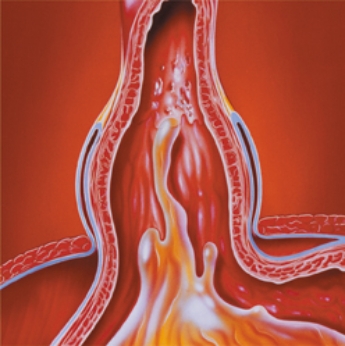
A) hiatal hernia
B) diaphragmatic hernia
C) esophageal ulcer
D) stomach ulcer
A) hiatal hernia
B) diaphragmatic hernia
C) esophageal ulcer
D) stomach ulcer
Question
Question
Question
Question
Question
Question
Question
Question
Question
Question
Question
Question
Question
Question
Question
Question
Question
Question
Question
Question
Question
Question
Question
Question
Question
Question
Question
Question
Question
Question
Question
Question
Question
Question
Question

Unlock Deck
Sign up to unlock the cards in this deck!
Unlock Deck
Unlock Deck
1/43

Play

Full screen (f)
Deck 23: Nursing Care of Patients With Upper Gastrointestinal Disorders
1
A patient is being prepared for chemotherapy, and the doctor has ordered Zofran 0.15 mg/kg IV to be given 30 minutes prior to starting the chemotherapy. The patient weighs 80 kg. How many mg of Zofran will the patient receive? ___________
12
2
The nurse is teaching a patient with stomatitis about mouth care. What should the nurse include in this teaching?
A) Avoid tobacco and alcohol.
B) Use a saline or sodium bicarbonate rinse after every meal.
C) Consume 8 oz of yogurt or buttermilk daily.
D) Avoid cold beverages.
E) Use lemon-glycerin swabs between meals.
A) Avoid tobacco and alcohol.
B) Use a saline or sodium bicarbonate rinse after every meal.
C) Consume 8 oz of yogurt or buttermilk daily.
D) Avoid cold beverages.
E) Use lemon-glycerin swabs between meals.
Avoid tobacco and alcohol.
Use a saline or sodium bicarbonate rinse after every meal.
Consume 8 oz of yogurt or buttermilk daily.
Use a saline or sodium bicarbonate rinse after every meal.
Consume 8 oz of yogurt or buttermilk daily.
3
The nurse is caring for a patient who is experiencing a new onset of gastrointestinal bleeding. In which order should the nurse assess this patient?
A) Identify possible contributing factors, including medications.
B) Obtain vital signs, including orthostatic changes.
C) Place the acutely ill patient on a cardiac monitor and obtain a rhythm strip.
D) Evaluate mental status.
E) Assess peripheral pulse strength, color, temperature, and cap refill of extremities.
F) Obtain oxygen saturation level.
A) Identify possible contributing factors, including medications.
B) Obtain vital signs, including orthostatic changes.
C) Place the acutely ill patient on a cardiac monitor and obtain a rhythm strip.
D) Evaluate mental status.
E) Assess peripheral pulse strength, color, temperature, and cap refill of extremities.
F) Obtain oxygen saturation level.
A,B,C,F,E,D
4
The nurse expects that a dopamine antagonist will be prescribed for a patient who is experiencing nausea and vomiting. Which medications should the nurse anticipate being prescribed for this patient?
A) prochlorperazine (Compazine)
B) thiethylperazine (Torecan)
C) metoclopramide (Reglan)
D) ondansetron (Zofran)
E) hydroxyzine (Vistaril)
A) prochlorperazine (Compazine)
B) thiethylperazine (Torecan)
C) metoclopramide (Reglan)
D) ondansetron (Zofran)
E) hydroxyzine (Vistaril)
Unlock Deck
Unlock for access to all 43 flashcards in this deck.
Unlock Deck
k this deck
5
A patient complains of heartburn, reflux, and belching. Which diagnostic test should the nurse anticipate being prescribed for this patient?
A) barium swallow
B) colonoscopy
C) barium enema
D) chest x-ray
A) barium swallow
B) colonoscopy
C) barium enema
D) chest x-ray
Unlock Deck
Unlock for access to all 43 flashcards in this deck.
Unlock Deck
k this deck
6
A patient who has been experiencing nausea expresses an interest in aromatherapy to manage the condition. What response by the nurse would be most therapeutic?
A) "Ginger has been used with some success to manage nausea."
B) "Aromatherapy has shown very limited effectiveness with nausea."
C) "Aromatherapy helps to exert conscious control over physiologic processes."
D) "Why are you considering this method?"
A) "Ginger has been used with some success to manage nausea."
B) "Aromatherapy has shown very limited effectiveness with nausea."
C) "Aromatherapy helps to exert conscious control over physiologic processes."
D) "Why are you considering this method?"
Unlock Deck
Unlock for access to all 43 flashcards in this deck.
Unlock Deck
k this deck
7
The nurse is caring for a patient with gastroesophageal reflux disease (GERD). What should the nurse include when teaching the patient about this health problem?
A) Limit last food intake to 3 hours before bedtime.
B) Eat the largest meal of the day at midday.
C) Sleep in a bed with the head elevated 6 to 8 inches.
D) Follow a daily exercise routine.
E) Drink coffee with meals.
A) Limit last food intake to 3 hours before bedtime.
B) Eat the largest meal of the day at midday.
C) Sleep in a bed with the head elevated 6 to 8 inches.
D) Follow a daily exercise routine.
E) Drink coffee with meals.
Unlock Deck
Unlock for access to all 43 flashcards in this deck.
Unlock Deck
k this deck
8
The nurse is caring for a patient with the health problem illustrated in the diagram. For which health problem should the nurse plan care?
A) hiatal hernia
B) diaphragmatic hernia
C) esophageal ulcer
D) stomach ulcer
A) hiatal hernia
B) diaphragmatic hernia
C) esophageal ulcer
D) stomach ulcer
Unlock Deck
Unlock for access to all 43 flashcards in this deck.
Unlock Deck
k this deck
9
A patient recovering from gastric surgery has red fluid in the nasogastric tube. Vital signs are temperature 98°F; heart rate 104; respirations 23; blood pressure 105/69. Which action by the nurse is indicated?
A) Document the findings and notify the healthcare provider.
B) Document the findings and reassess the patient in 4 hours.
C) Review the patient's most recent laboratory results.
D) Document the findings and review the nasogastric suction settings.
A) Document the findings and notify the healthcare provider.
B) Document the findings and reassess the patient in 4 hours.
C) Review the patient's most recent laboratory results.
D) Document the findings and review the nasogastric suction settings.
Unlock Deck
Unlock for access to all 43 flashcards in this deck.
Unlock Deck
k this deck
10
Four weeks post gastric resection surgery, a patient is experiencing cramping, nausea, and diarrhea within 10 minutes after eating. Suspecting that the patient may have dumping syndrome, what should the nurse suggest?
A) Increase protein in the diet.
B) Lie down for 30 minutes immediately after eating.
C) Eat frequent, small meals.
D) Reduce the amount of carbohydrates eaten daily.
E) Drink a glass of water prior to each meal.
A) Increase protein in the diet.
B) Lie down for 30 minutes immediately after eating.
C) Eat frequent, small meals.
D) Reduce the amount of carbohydrates eaten daily.
E) Drink a glass of water prior to each meal.
Unlock Deck
Unlock for access to all 43 flashcards in this deck.
Unlock Deck
k this deck
11
The nurse is developing the postoperative plan of care for a patient recovering from surgery for oral cancer. Which potential problem should the nurse identify as the priority for this patient?
A) airway maintenance
B) communication
C) body image change
D) insufficient oral intake
A) airway maintenance
B) communication
C) body image change
D) insufficient oral intake
Unlock Deck
Unlock for access to all 43 flashcards in this deck.
Unlock Deck
k this deck
12
A patient receiving an antacid is experiencing muscle cramps. What should the nurse do to assist this patient?
A) Notify the healthcare provider.
B) Review the patient's diet history.
C) Review the patient's elimination patterns.
D) Provide reassurance to the patient.
A) Notify the healthcare provider.
B) Review the patient's diet history.
C) Review the patient's elimination patterns.
D) Provide reassurance to the patient.
Unlock Deck
Unlock for access to all 43 flashcards in this deck.
Unlock Deck
k this deck
13
The nurse is assessing a patient diagnosed with gastrointestinal bleeding. Which finding should alert the nurse that the patient's condition is deteriorating?
A) The patient reports feeling very tired.
B) Urinary output has increased over the previous hour to 50 mL.
C) The patient's skin is warm and dry.
D) Capillary refill time has increased.
A) The patient reports feeling very tired.
B) Urinary output has increased over the previous hour to 50 mL.
C) The patient's skin is warm and dry.
D) Capillary refill time has increased.
Unlock Deck
Unlock for access to all 43 flashcards in this deck.
Unlock Deck
k this deck
14
Acyclovir (Zovirax) ointment has been prescribed for a patient with oral herpes lesions. What should the nurse include when providing information to the patient regarding this medication?
A) Take the medication with food.
B) It can reduce the length of the herpes outbreak.
C) It is an antibiotic medication.
D) Repeated usage of the drug usually leads to permanent remission.
E) It is most effective when administered intravenously.
A) Take the medication with food.
B) It can reduce the length of the herpes outbreak.
C) It is an antibiotic medication.
D) Repeated usage of the drug usually leads to permanent remission.
E) It is most effective when administered intravenously.
Unlock Deck
Unlock for access to all 43 flashcards in this deck.
Unlock Deck
k this deck
15
The nurse is providing emotional support to the spouse of a patient recently diagnosed with terminal esophageal cancer. The spouse expresses anger and confusion and questions why the patient did not seek help sooner. Which response by the nurse would be the most appropriate at this time?
A) "Unfortunately, the early symptoms are often vague and often not recognized as something serious."
B) "Your spouse was probably afraid of getting bad news."
C) "You will never know."
D) "It is not important to know that right now."
A) "Unfortunately, the early symptoms are often vague and often not recognized as something serious."
B) "Your spouse was probably afraid of getting bad news."
C) "You will never know."
D) "It is not important to know that right now."
Unlock Deck
Unlock for access to all 43 flashcards in this deck.
Unlock Deck
k this deck
16
A patient has been diagnosed with type 1 herpes simplex lesions on the mouth and face. Which statement indicates that the patient understands teaching provided by the nurse?
A) "I will have this condition for life."
B) "This was caused by a bacterial infection."
C) "This is a type of fungal infection."
D) "An antibiotic will help heal these sores in about 3 days."
A) "I will have this condition for life."
B) "This was caused by a bacterial infection."
C) "This is a type of fungal infection."
D) "An antibiotic will help heal these sores in about 3 days."
Unlock Deck
Unlock for access to all 43 flashcards in this deck.
Unlock Deck
k this deck
17
The nurse is identifying interventions to assist a patient experiencing nausea and vomiting. Which complementary and alternative approaches should the nurse consider to help this patient?
A) adding ginger to the diet
B) biofeedback
C) music therapy
D) acupuncture
E) taking St. John's wort
A) adding ginger to the diet
B) biofeedback
C) music therapy
D) acupuncture
E) taking St. John's wort
Unlock Deck
Unlock for access to all 43 flashcards in this deck.
Unlock Deck
k this deck
18
The nurse is caring for a patient who has been vomiting for 3 days. On which potential acid-base and electrolyte complications should the nurse focus when caring for this patient?
A) hypokalemia
B) metabolic alkalosis
C) metabolic acidosis
D) hypocalemia
E) hyponatremia
A) hypokalemia
B) metabolic alkalosis
C) metabolic acidosis
D) hypocalemia
E) hyponatremia
Unlock Deck
Unlock for access to all 43 flashcards in this deck.
Unlock Deck
k this deck
19
A patient is diagnosed with an oral fungal infection. What should the nurse anticipate being prescribed to manage this condition initially?
A) nystatin
B) fluconazole
C) ampicillin
D) Anbesol
A) nystatin
B) fluconazole
C) ampicillin
D) Anbesol
Unlock Deck
Unlock for access to all 43 flashcards in this deck.
Unlock Deck
k this deck
20
A patient diagnosed with peptic ulcer disease (PUD) asks if surgery will be necessary. How should the nurse respond?
A) "Taking the appropriate medications makes surgery rarely necessary."
B) "Surgery is required in about 50% of cases."
C) "Surgery has a higher success rate than medication therapy alone."
D) "If you take your medications and follow the prescribed diet, you will likely not need surgery."
A) "Taking the appropriate medications makes surgery rarely necessary."
B) "Surgery is required in about 50% of cases."
C) "Surgery has a higher success rate than medication therapy alone."
D) "If you take your medications and follow the prescribed diet, you will likely not need surgery."
Unlock Deck
Unlock for access to all 43 flashcards in this deck.
Unlock Deck
k this deck
21
An older patient is experiencing significant weight loss and has poorly fitting dentures that cause severe oral sores. When preparing the plan of care, which intervention will be most beneficial to the patient?
A) providing analgesics as needed
B) evaluating the need for assistive devices
C) serving meals in an attractive environment
D) offering assistance to eat
A) providing analgesics as needed
B) evaluating the need for assistive devices
C) serving meals in an attractive environment
D) offering assistance to eat
Unlock Deck
Unlock for access to all 43 flashcards in this deck.
Unlock Deck
k this deck
22
The nurse is preparing the morning medications for a patient with gastroesophageal reflux disease (GERD). Which nursing intervention would be appropriate for this patient's medications?
A) Hold the antacids for at least 2 hours after oral medications are taken.
B) Provide all prescribed medications at 1000.
C) Provide the antacids first, then follow with the oral medications.
D) Provide the antacids only at the hour of sleep.
A) Hold the antacids for at least 2 hours after oral medications are taken.
B) Provide all prescribed medications at 1000.
C) Provide the antacids first, then follow with the oral medications.
D) Provide the antacids only at the hour of sleep.
Unlock Deck
Unlock for access to all 43 flashcards in this deck.
Unlock Deck
k this deck
23
The physician has ordered metoclopramide (Reglan) 2 mg/kg IVP to be given 30 minutes before the start of chemotherapy. The patient weighs 54 kg. The Reglan is dispensed in a 10 mg/10 mL vial. How many milliliters of the medication should the nurse administer?
Unlock Deck
Unlock for access to all 43 flashcards in this deck.
Unlock Deck
k this deck
24
A patient with gastrointestinal dysfunction says, "I was having chest pain so bad last week I thought I was having a heart attack!" What should the nurse suspect the patient was experiencing?
A) hiatal hernia
B) diverticulitis
C) constipation
D) bowel obstruction
A) hiatal hernia
B) diverticulitis
C) constipation
D) bowel obstruction
Unlock Deck
Unlock for access to all 43 flashcards in this deck.
Unlock Deck
k this deck
25
The nurse learns that a patient who is being treated for peptic ulcer disease is "still having problems." What should the nurse instruct this patient to do?
A) try smoking cessation techniques
B) eat a bland diet
C) avoid eating breakfast
D) have the largest meal of the day at lunchtime
A) try smoking cessation techniques
B) eat a bland diet
C) avoid eating breakfast
D) have the largest meal of the day at lunchtime
Unlock Deck
Unlock for access to all 43 flashcards in this deck.
Unlock Deck
k this deck
26
A patient with a long history of using chewing tobacco says, "I've been chewing for years. I'm not going to get cancer." How should the nurse respond?
A) "The use of smokeless tobacco has been linked to oral cancer."
B) "You are probably one of the lucky ones."
C) "I guess you're right."
D) "It's not my body."
A) "The use of smokeless tobacco has been linked to oral cancer."
B) "You are probably one of the lucky ones."
C) "I guess you're right."
D) "It's not my body."
Unlock Deck
Unlock for access to all 43 flashcards in this deck.
Unlock Deck
k this deck
27
A patient who is recovering from surgery for stomach cancer a month ago continues to experience dumping syndrome. What should the nurse instruct this patient?
A) "It's usually self-limiting and will resolve within 6 to 12 months."
B) "It will be a problem for the rest of your life."
C) "There's no treatment."
D) "Eat only a clear-liquid diet."
A) "It's usually self-limiting and will resolve within 6 to 12 months."
B) "It will be a problem for the rest of your life."
C) "There's no treatment."
D) "Eat only a clear-liquid diet."
Unlock Deck
Unlock for access to all 43 flashcards in this deck.
Unlock Deck
k this deck
28
A patient who is experiencing difficulty swallowing is diagnosed with esophageal cancer after having a barium swallow. The nurse recognizes that the diagnostic test must have displayed which finding?
A) narrow esophageal lumen
B) tumor
C) metastasis
D) blood
A) narrow esophageal lumen
B) tumor
C) metastasis
D) blood
Unlock Deck
Unlock for access to all 43 flashcards in this deck.
Unlock Deck
k this deck
29
A patient who had stomach cancer surgery 2 years ago comes to the clinic fearful that "the cancer must be back because I'm so tired all the time." The nurse realizes that this patient is likely experiencing which health problem?
A) vitamin deficiency
B) a return of the stomach cancer
C) metastasis
D) ineffective coping
A) vitamin deficiency
B) a return of the stomach cancer
C) metastasis
D) ineffective coping
Unlock Deck
Unlock for access to all 43 flashcards in this deck.
Unlock Deck
k this deck
30
A patient tells the nurse, "I get these tremendous stomach pains in the middle of the night, but they disappear after I eat something. No wonder I can't lose any weight!" The nurse suspects that the patient is experiencing which health problem?
A) peptic ulcer disease
B) gastroesophageal reflux disease (GERD)
C) acute gastritis
D) chronic gastritis
A) peptic ulcer disease
B) gastroesophageal reflux disease (GERD)
C) acute gastritis
D) chronic gastritis
Unlock Deck
Unlock for access to all 43 flashcards in this deck.
Unlock Deck
k this deck
31
A patient is being evaluated for gastroesophageal reflux disease (GERD). Which diagnostic tests should the nurse expect to be prescribed for this patient?
A) barium swallow
B) upper endoscopy
C) CT scan
D) complete blood count
E) colonoscopy
A) barium swallow
B) upper endoscopy
C) CT scan
D) complete blood count
E) colonoscopy
Unlock Deck
Unlock for access to all 43 flashcards in this deck.
Unlock Deck
k this deck
32
A patient with nausea says, "I'm tired of taking this medication. It makes me nauseated." What can the nurse suggest to the patient?
A) Eat a dry cracker to help with the nausea.
B) Stop taking the medication.
C) Nothing.
D) Take the medication with a heavy meal.
A) Eat a dry cracker to help with the nausea.
B) Stop taking the medication.
C) Nothing.
D) Take the medication with a heavy meal.
Unlock Deck
Unlock for access to all 43 flashcards in this deck.
Unlock Deck
k this deck
33
The nurse suspects that a patient receiving dronabinol (Marinol) to treat nausea and vomiting caused by chemotherapy is experiencing adverse effects of the medication. What did the nurse assess to come to this conclusion?
A) urine output 50 mL/hr
B) blood pressure 88/62 mmHg
C) complaints of extreme hunger
D) heart rate 112 beats per minute
E) oxygen saturation 96% on room air
A) urine output 50 mL/hr
B) blood pressure 88/62 mmHg
C) complaints of extreme hunger
D) heart rate 112 beats per minute
E) oxygen saturation 96% on room air
Unlock Deck
Unlock for access to all 43 flashcards in this deck.
Unlock Deck
k this deck
34
The nurse is teaching a patient about the major risk factors for peptic ulcer disease (PUD). Which risk factors should the nurse discuss?
A) chronic H. pylori infection
B) use of aspirin and NSAIDs
C) use of alcohol
D) dietary intake
E) stress
A) chronic H. pylori infection
B) use of aspirin and NSAIDs
C) use of alcohol
D) dietary intake
E) stress
Unlock Deck
Unlock for access to all 43 flashcards in this deck.
Unlock Deck
k this deck
35
A patient with peptic ulcer disease (PUD) says, "I feel so much better now that I've stopped eating." The nurse realizes that this patient is at risk for which health problem?
A) insufficient nutritional intake
B) insomnia
C) ongoing pain
D) overhydration
A) insufficient nutritional intake
B) insomnia
C) ongoing pain
D) overhydration
Unlock Deck
Unlock for access to all 43 flashcards in this deck.
Unlock Deck
k this deck
36
A patient who needs a radical neck dissection for oral cancer continues to delay the surgery. The nurse should consider that which issue may be influencing the patient's decision-making process?
A) potential for change in body image
B) future problem with communication
C) fear about not being able to eat
D) fear about being able to breathe
A) potential for change in body image
B) future problem with communication
C) fear about not being able to eat
D) fear about being able to breathe
Unlock Deck
Unlock for access to all 43 flashcards in this deck.
Unlock Deck
k this deck
37
A patient who has had gastric surgery for cancer is denying the diagnosis of cancer. What should the nurse do?
A) The nurse should not argue with the patient but continue to provide emotional support as needed.
B) The nurse should remind the patient of the diagnosis.
C) The nurse should ask a clinical psychologist to talk with the patient.
D) The nurse should explain how many people with cancer live long, productive lives.
A) The nurse should not argue with the patient but continue to provide emotional support as needed.
B) The nurse should remind the patient of the diagnosis.
C) The nurse should ask a clinical psychologist to talk with the patient.
D) The nurse should explain how many people with cancer live long, productive lives.
Unlock Deck
Unlock for access to all 43 flashcards in this deck.
Unlock Deck
k this deck
38
The nurse learns that an older patient with ill-fitting dentures has been using an over-the-counter (OTC) preparation for a gum sore over the last month. What should the nurse instruct this patient to do?
A) make an appointment to see the physician
B) continue to use the preparation
C) change the preparation
D) stop wearing the dentures
A) make an appointment to see the physician
B) continue to use the preparation
C) change the preparation
D) stop wearing the dentures
Unlock Deck
Unlock for access to all 43 flashcards in this deck.
Unlock Deck
k this deck
39
A patient with chronic gastritis says, "I've stopped taking the medication because I feel so much better now that I drink ginger tea." The nurse realizes that this patient:
A) is using a complementary therapy for the symptoms.
B) is in denial of the disease.
C) cannot afford the medication.
D) needs to see the doctor immediately.
A) is using a complementary therapy for the symptoms.
B) is in denial of the disease.
C) cannot afford the medication.
D) needs to see the doctor immediately.
Unlock Deck
Unlock for access to all 43 flashcards in this deck.
Unlock Deck
k this deck
40
The nurse is preparing to instruct a patient newly diagnosed with gastroesophageal reflux disease (GERD) about dietary considerations. What should the nurse include in these instructions?
A) "Avoid peppermint."
B) "Meals should be small and more frequent."
C) "Have a bedtime snack."
D) "Be sure to eat at least one citrus fruit per day."
E) "Alcohol should be limited to two drinks per day."
A) "Avoid peppermint."
B) "Meals should be small and more frequent."
C) "Have a bedtime snack."
D) "Be sure to eat at least one citrus fruit per day."
E) "Alcohol should be limited to two drinks per day."
Unlock Deck
Unlock for access to all 43 flashcards in this deck.
Unlock Deck
k this deck
41
The nurse suspects that a patient is exhibiting manifestations of Zollinger-Ellison syndrome. What did the nurse assess to make this clinical judgment?
A) nausea
B) diarrhea
C) belching
D) steatorrhea
E) abdominal pain
A) nausea
B) diarrhea
C) belching
D) steatorrhea
E) abdominal pain
Unlock Deck
Unlock for access to all 43 flashcards in this deck.
Unlock Deck
k this deck
42
A 32-year-old patient receiving chemotherapy for breast cancer is prescribed aprepitant (Emend). What should the nurse emphasize when teaching the patient about this medication?
A) Take this medication for 10 days.
B) Take the medication either with food or on an empty stomach.
C) Use a barrier contraceptive while taking this medication.
D) A skin rash is an expected effect of this medication.
E) Contact the healthcare provider about any onset of confusion.
A) Take this medication for 10 days.
B) Take the medication either with food or on an empty stomach.
C) Use a barrier contraceptive while taking this medication.
D) A skin rash is an expected effect of this medication.
E) Contact the healthcare provider about any onset of confusion.
Unlock Deck
Unlock for access to all 43 flashcards in this deck.
Unlock Deck
k this deck
43
A patient with severe esophageal spasms is diagnosed with achalasia. For which surgical procedures should the nurse prepare teaching for this patient?
A) esophagectomy
B) gastric resection
C) laparoscopic myotomy
D) balloon dilation of the lower esophageal sphincter
E) endoscopically guided injection of botulinum toxin
A) esophagectomy
B) gastric resection
C) laparoscopic myotomy
D) balloon dilation of the lower esophageal sphincter
E) endoscopically guided injection of botulinum toxin
Unlock Deck
Unlock for access to all 43 flashcards in this deck.
Unlock Deck
k this deck
Unlock Deck
Unlock for access to all 43 flashcards in this deck.






