







 Chat with AI

Deck 14: Nursing Care of Patients With Cancer
Full screen (f)

Question

Question
Question
Question
Question
Question
Question
Question
Question
Question
Question
Question
Question
Question
Question
Question
Question
Question
Question
Question
Question
Question
Question
Question
Question
Question
Question
Question
Question
Question
Question
Question
Question
Question
Question
Question
Question
Question
Question
Question
Question
Question
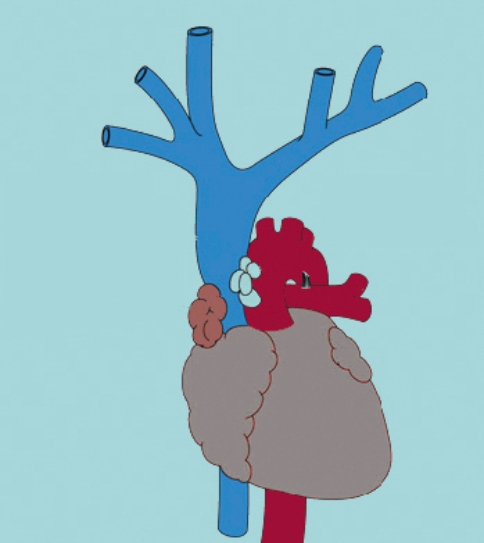
Place an "X" at the site where a mediastinal or thoracic tumor causing superior vena cava syndrome is located.
Question
Question
Question
Question
Question
Question
Question
Question
Question
Question

Unlock Deck
Sign up to unlock the cards in this deck!
Unlock Deck
Unlock Deck
1/52

Play

Full screen (f)
Deck 14: Nursing Care of Patients With Cancer
1
A patient is diagnosed with hyperplasia of lung tissue. The nurse realizes that this patient's first course of treatment will most likely include:
A) identification and removal of the irritant causing the hyperplasia.
B) antibiotic therapy.
C) chemotherapy.
D) radiation therapy.
A) identification and removal of the irritant causing the hyperplasia.
B) antibiotic therapy.
C) chemotherapy.
D) radiation therapy.
identification and removal of the irritant causing the hyperplasia.
2
The nurse is preparing to provide care to a group of assigned patients. Which patient should the nurse realize is at the highest risk for developing cancer?
A) an African American man
B) a Native American woman
C) an Hispanic man
D) an Hispanic woman
A) an African American man
B) a Native American woman
C) an Hispanic man
D) an Hispanic woman
an African American man
3
A female patient asks the nurse why she needs a procedure to remove part of her cervix that was infected with a virus. What should the nurse explain to this patient?
A) Human papillomavirus can cause cervical cancer.
B) The medication to treat this virus is toxic to the body.
C) If left untreated, it could spread to the liver.
D) If left untreated, it could spread to the breast.
A) Human papillomavirus can cause cervical cancer.
B) The medication to treat this virus is toxic to the body.
C) If left untreated, it could spread to the liver.
D) If left untreated, it could spread to the breast.
Human papillomavirus can cause cervical cancer.
4
A patient with a history of smoking is diagnosed with cancer. If applying the cellular mutation theory of cancer to this patient's diagnosis, the nurse realizes that smoking impacted which stage?
A) promotion
B) initiation
C) progression
D) replication
A) promotion
B) initiation
C) progression
D) replication
Unlock Deck
Unlock for access to all 52 flashcards in this deck.
Unlock Deck
k this deck
5
A female patient tells the nurse that she does not want to have annual mammograms because the x-rays can cause cancer. How should the nurse respond to this patient?
A) "Breast cancer is the number one type of cancer in females. The risk of developing cancer from the x-rays is considerably lower than the risk of having undiagnosed breast cancer."
B) "I don't blame you. X-rays do cause cancer."
C) "Be sure to do monthly breast exams."
D) "Contact your doctor if you notice any breast changes, feel any lumps, or develop breast pain since these are all symptoms of active breast cancer."
A) "Breast cancer is the number one type of cancer in females. The risk of developing cancer from the x-rays is considerably lower than the risk of having undiagnosed breast cancer."
B) "I don't blame you. X-rays do cause cancer."
C) "Be sure to do monthly breast exams."
D) "Contact your doctor if you notice any breast changes, feel any lumps, or develop breast pain since these are all symptoms of active breast cancer."
Unlock Deck
Unlock for access to all 52 flashcards in this deck.
Unlock Deck
k this deck
6
A patient shows the nurse a new sore on the forearm that has been increasing in size and will not heal. The nurse knows that which sign could also point to a diagnosis of a malignant neoplasm?
A) noncohesive, invasive, and invades and destroys surrounding tissues
B) rapid growth, well-defined borders, and cohesiveness
C) invasive, local, and does not stop at tissue border
D) slow growth, well-defined borders, and encapsulated
A) noncohesive, invasive, and invades and destroys surrounding tissues
B) rapid growth, well-defined borders, and cohesiveness
C) invasive, local, and does not stop at tissue border
D) slow growth, well-defined borders, and encapsulated
Unlock Deck
Unlock for access to all 52 flashcards in this deck.
Unlock Deck
k this deck
7
The nurse is explaining the characteristics of malignant cells to a group of patients. Which patient statement indicates a good understanding of the information?
A) "The work of malignant cells is simpler than that of normal cells."
B) "Malignant cells continue to perform cellular functions."
C) "Malignant cells can reverse into benign cells if treated promptly."
D) "Malignant cells rarely break away from the primary tissue site and travel to other locations."
A) "The work of malignant cells is simpler than that of normal cells."
B) "Malignant cells continue to perform cellular functions."
C) "Malignant cells can reverse into benign cells if treated promptly."
D) "Malignant cells rarely break away from the primary tissue site and travel to other locations."
Unlock Deck
Unlock for access to all 52 flashcards in this deck.
Unlock Deck
k this deck
8
After learning that he has a benign tumor in his abdomen, the patient is overheard telling his wife that he has cancer. What should the nurse say to the patient and spouse?
A) "There is a growth in the abdomen but it is encapsulated and after being removed, will not recur."
B) "This type of cancer is easily treated."
C) "This type of cancer will not spread to other tissues."
D) "Even though this growth has invaded other tissues, it can be contained."
A) "There is a growth in the abdomen but it is encapsulated and after being removed, will not recur."
B) "This type of cancer is easily treated."
C) "This type of cancer will not spread to other tissues."
D) "Even though this growth has invaded other tissues, it can be contained."
Unlock Deck
Unlock for access to all 52 flashcards in this deck.
Unlock Deck
k this deck
9
A patient with a history of using recreational cocaine tells the nurse that he would rather be addicted to cocaine than be diagnosed with cancer. What should the nurse respond with to this patient?
A) "Cocaine has been linked to the development of cancer."
B) "I guess if that's what you would prefer."
C) "People who use cocaine do have a lower risk of developing cancer."
D) "As long as the cocaine is pure and not mixed with toxic chemicals."
A) "Cocaine has been linked to the development of cancer."
B) "I guess if that's what you would prefer."
C) "People who use cocaine do have a lower risk of developing cancer."
D) "As long as the cocaine is pure and not mixed with toxic chemicals."
Unlock Deck
Unlock for access to all 52 flashcards in this deck.
Unlock Deck
k this deck
10
A patient diagnosed with cancer tells the nurse that he does not want to experience anymore pain. What should the nurse do to help this patient?
A) Discuss pain control options.
B) Explain that every patient with cancer has pain.
C) Review ways to reduce pain without the use of medication.
D) Instruct on why pain will continue throughout treatment.
A) Discuss pain control options.
B) Explain that every patient with cancer has pain.
C) Review ways to reduce pain without the use of medication.
D) Instruct on why pain will continue throughout treatment.
Unlock Deck
Unlock for access to all 52 flashcards in this deck.
Unlock Deck
k this deck
11
After a liver biopsy, a patient is diagnosed with anaplasia of liver cells. What would be indicated for this patient's care?
A) monitoring for the development of cancer
B) chemotherapy for liver cancer
C) monitoring for the onset of diabetes mellitus
D) medication to reverse the anaplastic cells
A) monitoring for the development of cancer
B) chemotherapy for liver cancer
C) monitoring for the onset of diabetes mellitus
D) medication to reverse the anaplastic cells
Unlock Deck
Unlock for access to all 52 flashcards in this deck.
Unlock Deck
k this deck
12
The nurse is preparing to assess a patient who is newly diagnosed with cancer. What should the nurse include in this assessment?
A) body image concerns
B) increased leukocytes
C) bone pain
D) increased hunger
A) body image concerns
B) increased leukocytes
C) bone pain
D) increased hunger
Unlock Deck
Unlock for access to all 52 flashcards in this deck.
Unlock Deck
k this deck
13
A college student is diagnosed with Epstein-Barr virus. The student has a history of smoking and recreational cocaine use and works for a floor refinishing company part-time. Which factors increase this student's risk for developing cancer?
A) drug use
B) occupation
C) smoking
D) viral infection
E) age
A) drug use
B) occupation
C) smoking
D) viral infection
E) age
Unlock Deck
Unlock for access to all 52 flashcards in this deck.
Unlock Deck
k this deck
14
A patient asks the nurse how his cancer developed. Which statement should the nurse avoid in responding to this patient?
A) "The theory of cellular mutation suggests that carcinogens cause mutations in cellular RNA."
B) "Oncogenes are genes that promote cell proliferation and are capable of triggering cancerous characteristics."
C) "The majority of people do not have an inherited form of cancer."
D) "Known carcinogens include viruses, drugs, hormones, and chemical and physical agents."
A) "The theory of cellular mutation suggests that carcinogens cause mutations in cellular RNA."
B) "Oncogenes are genes that promote cell proliferation and are capable of triggering cancerous characteristics."
C) "The majority of people do not have an inherited form of cancer."
D) "Known carcinogens include viruses, drugs, hormones, and chemical and physical agents."
Unlock Deck
Unlock for access to all 52 flashcards in this deck.
Unlock Deck
k this deck
15
The nurse is concerned that a patient is at increased risk for developing cancer. What did the nurse assess to come to this conclusion?
A) age 51, spouse deceased, downsized from employment, history of back and leg pain
B) age 52, plays tennis twice a week, no alcohol intake, occasionally smokes a cigarette
C) age 45, premenopausal, not planning to use hormone replacement therapy
D) age 50, employed as a computer technician, uses the fitness center five times a week
A) age 51, spouse deceased, downsized from employment, history of back and leg pain
B) age 52, plays tennis twice a week, no alcohol intake, occasionally smokes a cigarette
C) age 45, premenopausal, not planning to use hormone replacement therapy
D) age 50, employed as a computer technician, uses the fitness center five times a week
Unlock Deck
Unlock for access to all 52 flashcards in this deck.
Unlock Deck
k this deck
16
A patient with a history of cancer is surprised to learn that new cancer has been diagnosed in another body part. What should the nurse realize this patient is experiencing?
A) metastasis
B) contact inhibition
C) destructive force from a benign neoplasm
D) a solid mass
A) metastasis
B) contact inhibition
C) destructive force from a benign neoplasm
D) a solid mass
Unlock Deck
Unlock for access to all 52 flashcards in this deck.
Unlock Deck
k this deck
17
A patient, diagnosed with cancer, has been receiving radiation treatments to shrink the tumor. After several weeks, the patient tells the nurse that he does not need as much pain medication as before. What would explain the reduction of pain for this patient?
A) The radiation treatments reduced the size of the tumor and pressure on adjacent tissues.
B) The tumor is secreting pain-control chemicals initiated by the radiation.
C) The patient is getting used to having pain.
D) The patient's pain receptors have been affected by the cancer.
A) The radiation treatments reduced the size of the tumor and pressure on adjacent tissues.
B) The tumor is secreting pain-control chemicals initiated by the radiation.
C) The patient is getting used to having pain.
D) The patient's pain receptors have been affected by the cancer.
Unlock Deck
Unlock for access to all 52 flashcards in this deck.
Unlock Deck
k this deck
18
A patient with cancer is admitted with a weight loss of 25 lbs. over the last month with progressive anorexia. The nurse suspects this patient is experiencing what physiological effect of cancer?
A) anorexia-cachexia syndrome
B) paraneoplastic syndrome
C) infection
D) esophageal obstruction
A) anorexia-cachexia syndrome
B) paraneoplastic syndrome
C) infection
D) esophageal obstruction
Unlock Deck
Unlock for access to all 52 flashcards in this deck.
Unlock Deck
k this deck
19
A patient tells the nurse that he has a benign tumor that has spread into his lymph glands. How should the nurse respond to this patient?
A) "What did your doctor tell you about the tumor?"
B) "Benign tumors do not spread."
C) "That's a good thing that the tumor is benign."
D) "Since it is benign, are you going to have surgery to remove it?"
A) "What did your doctor tell you about the tumor?"
B) "Benign tumors do not spread."
C) "That's a good thing that the tumor is benign."
D) "Since it is benign, are you going to have surgery to remove it?"
Unlock Deck
Unlock for access to all 52 flashcards in this deck.
Unlock Deck
k this deck
20
A patient diagnosed with an 8 cm tumor in the ascending colon asks the nurse how the tumor grew so large without any major symptoms. How should the nurse respond to this patient?
A) "The pressure of the growing tumor caused the other tissue to reduce in size so the tumor could take over the space."
B) "The tumor cells bound to the tissue within the colon."
C) "The tumor cells are loosely held together so they can move about freely."
D) "The tumor cells secreted chemicals that stopped the body's normal mechanism to remove foreign tissue."
A) "The pressure of the growing tumor caused the other tissue to reduce in size so the tumor could take over the space."
B) "The tumor cells bound to the tissue within the colon."
C) "The tumor cells are loosely held together so they can move about freely."
D) "The tumor cells secreted chemicals that stopped the body's normal mechanism to remove foreign tissue."
Unlock Deck
Unlock for access to all 52 flashcards in this deck.
Unlock Deck
k this deck
21
A patient is scheduled to receive a course of external radiation therapy for cancer treatment. What should the nurse instruct the patient about this therapy?
A) Wash the radiation site with plain water and no soap.
B) Shave the treated area with a straight razor.
C) Apply ice packs to the treatment site to help reduce pain.
D) Use a sunscreen for three months after the conclusion of the treatments.
A) Wash the radiation site with plain water and no soap.
B) Shave the treated area with a straight razor.
C) Apply ice packs to the treatment site to help reduce pain.
D) Use a sunscreen for three months after the conclusion of the treatments.
Unlock Deck
Unlock for access to all 52 flashcards in this deck.
Unlock Deck
k this deck
22
The family of a patient with terminal metastatic cancer asks the nurse for guidelines regarding when to call for help when the patient is discharged to home. What guidelines should the nurse instruct this family that indicates the patient needs medical intervention?
A) oral temperature greater than 100° F
B) difficulty breathing
C) onset of bleeding
D) resting comfortably, and reading
E) extreme hunger
A) oral temperature greater than 100° F
B) difficulty breathing
C) onset of bleeding
D) resting comfortably, and reading
E) extreme hunger
Unlock Deck
Unlock for access to all 52 flashcards in this deck.
Unlock Deck
k this deck
23
The nurse is providing instructions to a patient diagnosed with renal cancer regarding when to call for help after discharge. Which statement by the patient indicates that teaching has been successful?
A) "I should call my physician if I experience new bleeding from any site."
B) "I should call my physician if I have an oral temperature higher than 100.5° F."
C) "I should call my physician if I have an episode of diarrhea."
D) "I should call my physician if I experience an occasional headache."
A) "I should call my physician if I experience new bleeding from any site."
B) "I should call my physician if I have an oral temperature higher than 100.5° F."
C) "I should call my physician if I have an episode of diarrhea."
D) "I should call my physician if I experience an occasional headache."
Unlock Deck
Unlock for access to all 52 flashcards in this deck.
Unlock Deck
k this deck
24
The nurse is explaining the different types of chemotherapy to a patient recently diagnosed with cancer. Which statement would be incorrect for the nurse to tell the patient?
A) "Antitumor antibiotics disrupt RNA replication and DNA transcription."
B) "The main hormones used in cancer therapy are the corticosteroids, which are phase-specific."
C) "Mitotic inhibitors are drugs that act to prevent cell division during the M phase."
D) "Alkylating agents basically act on preformed nucleic acids by creating defects in tumor DNA."
A) "Antitumor antibiotics disrupt RNA replication and DNA transcription."
B) "The main hormones used in cancer therapy are the corticosteroids, which are phase-specific."
C) "Mitotic inhibitors are drugs that act to prevent cell division during the M phase."
D) "Alkylating agents basically act on preformed nucleic acids by creating defects in tumor DNA."
Unlock Deck
Unlock for access to all 52 flashcards in this deck.
Unlock Deck
k this deck
25
A patient is having a procedure that involves cutting through the skin to diagnose a mass located in the left breast. For which type of biopsy should the nurse plan care for this patient?
A) incisional
B) fine-needle
C) needle core
D) excisional
A) incisional
B) fine-needle
C) needle core
D) excisional
Unlock Deck
Unlock for access to all 52 flashcards in this deck.
Unlock Deck
k this deck
26
A patient is scheduled for a nephrectomy for renal cancer. What should the nurse recognize is the goal for this surgery?
A) removal of the kidney
B) removal of the organ
C) bypass an obstruction
D) decrease in tumor size
A) removal of the kidney
B) removal of the organ
C) bypass an obstruction
D) decrease in tumor size
Unlock Deck
Unlock for access to all 52 flashcards in this deck.
Unlock Deck
k this deck
27
A patient with a history of squamous cell lung cancer is admitted to the hospital with arm and periorbital edema. After a few hours, the patient exhibits dyspnea, cyanosis, tachypnea, and an altered level of consciousness. Which action should the nurse take first?
A) Administer oxygen.
B) Call the physician.
C) Monitor vital signs.
D) Initiate seizure precautions.
A) Administer oxygen.
B) Call the physician.
C) Monitor vital signs.
D) Initiate seizure precautions.
Unlock Deck
Unlock for access to all 52 flashcards in this deck.
Unlock Deck
k this deck
28
A patient's carcinoembryonic antigen level was initially 16 ng/mL. The level is currently 6 ng/mL. What does the nurse realize this decreased level indicates for the patient?
A) The patient's treatment for cancer is effective.
B) The patient's treatment for cancer is not effective.
C) The patient has a new site of cancer.
D) The patient's cancer has metastasized.
A) The patient's treatment for cancer is effective.
B) The patient's treatment for cancer is not effective.
C) The patient has a new site of cancer.
D) The patient's cancer has metastasized.
Unlock Deck
Unlock for access to all 52 flashcards in this deck.
Unlock Deck
k this deck
29
The nurse is concerned that a patient receiving chemotherapy for cancer is at increased risk for developing an infection. What should the nurse include in this patient's plan of care?
A) Teach the patient to avoid crowds.
B) Encourage socialization with small children.
C) Contact physician with a temperature elevation.
D) Limit intake of protein and vitamin C.
A) Teach the patient to avoid crowds.
B) Encourage socialization with small children.
C) Contact physician with a temperature elevation.
D) Limit intake of protein and vitamin C.
Unlock Deck
Unlock for access to all 52 flashcards in this deck.
Unlock Deck
k this deck
30
A male patient's prostate-specific antigen level was 2 ng/mL. However, the patient was diagnosed with prostate cancer. What additional laboratory test was done to determine this diagnosis?
A) acid phosphatase
B) albumin
C) bilirubin
D) calcium
A) acid phosphatase
B) albumin
C) bilirubin
D) calcium
Unlock Deck
Unlock for access to all 52 flashcards in this deck.
Unlock Deck
k this deck
31
A patient is receiving vincristine (Oncovin) for cancer treatment. Which assessment finding should indicate to the nurse that the patient is experiencing a toxic reaction?
A) pain and motor weakness
B) hypotension
C) cardiac dysrhythmias
D) stomatitis and alopecia
A) pain and motor weakness
B) hypotension
C) cardiac dysrhythmias
D) stomatitis and alopecia
Unlock Deck
Unlock for access to all 52 flashcards in this deck.
Unlock Deck
k this deck
32
The nurse is caring for a patient undergoing brachytherapy. What personal precautions should the nurse take when caring for this patient?
A) Wear a monitoring device to measure whole-body exposure.
B) Care for this patient regardless of pregnancy status.
C) Maintain the least possible distance from the patient.
D) Avoid indirect exposure with radioisotopes containers.
A) Wear a monitoring device to measure whole-body exposure.
B) Care for this patient regardless of pregnancy status.
C) Maintain the least possible distance from the patient.
D) Avoid indirect exposure with radioisotopes containers.
Unlock Deck
Unlock for access to all 52 flashcards in this deck.
Unlock Deck
k this deck
33
A patient diagnosed with breast cancer is receiving 5-Fluorouracil (5-FU). Based on the knowledge of this medication, and anticipated adverse effects or side effects, what action should the nurse perform?
A) Test stool for occult blood.
B) Monitor ECG.
C) Assess lung sounds.
D) Encourage daily fluid intake of 2‒3 liters.
A) Test stool for occult blood.
B) Monitor ECG.
C) Assess lung sounds.
D) Encourage daily fluid intake of 2‒3 liters.
Unlock Deck
Unlock for access to all 52 flashcards in this deck.
Unlock Deck
k this deck
34
A patient diagnosed with prostate cancer is demonstrating signs of renal failure. What should this assessment finding suggest to the nurse?
A) obstructive uropathy
B) spinal cord compression
C) urethral strictures from radiation
D) bladder irritation from chemotherapy
A) obstructive uropathy
B) spinal cord compression
C) urethral strictures from radiation
D) bladder irritation from chemotherapy
Unlock Deck
Unlock for access to all 52 flashcards in this deck.
Unlock Deck
k this deck
35
A patient will be receiving busulfan (Myleran) as treatment for leukemia. Which intervention should the nurse include in the plan of care for this patient?
A) Assess for infection.
B) Administer anti-emetic prior to chemotherapy.
C) Assess oral mucous membranes.
D) Check stool for occult blood.
A) Assess for infection.
B) Administer anti-emetic prior to chemotherapy.
C) Assess oral mucous membranes.
D) Check stool for occult blood.
Unlock Deck
Unlock for access to all 52 flashcards in this deck.
Unlock Deck
k this deck
36
A patient with neck cancer is scheduled for a diagnostic test to determine the success of treatment. For what test should the nurse expect to prepare this patient?
A) magnetic resonance imaging (MRI)
B) computed tomography
C) x-ray imaging
D) ultrasonography
A) magnetic resonance imaging (MRI)
B) computed tomography
C) x-ray imaging
D) ultrasonography
Unlock Deck
Unlock for access to all 52 flashcards in this deck.
Unlock Deck
k this deck
37
A patient diagnosed with cancer and scheduled to begin biotherapy asks the nurse how the therapy will treat the cancer. How should the nurse respond to this patient?
A) "It changes the body processes that caused the cancer by enhancing your own immunity."
B) "It uses radiation implanted into the organ with the cancer."
C) "It uses laser therapy to remove the cancer."
D) "It uses stem cells to treat the cancer."
A) "It changes the body processes that caused the cancer by enhancing your own immunity."
B) "It uses radiation implanted into the organ with the cancer."
C) "It uses laser therapy to remove the cancer."
D) "It uses stem cells to treat the cancer."
Unlock Deck
Unlock for access to all 52 flashcards in this deck.
Unlock Deck
k this deck
38
A patient with cancer is experiencing lower extremity numbness and loss of motor function. What should be done to assist this patient?
A) Assess for spinal cord compression.
B) Provide intravenous fluids.
C) Administer oxygen.
D) Turn and reposition every two hours.
A) Assess for spinal cord compression.
B) Provide intravenous fluids.
C) Administer oxygen.
D) Turn and reposition every two hours.
Unlock Deck
Unlock for access to all 52 flashcards in this deck.
Unlock Deck
k this deck
39
The nurse suspects that a patient being treated for cancer is developing septic shock. What did the nurse assess to come to this conclusion?
A) high fever, peripheral edema, hypotension
B) cardiac dysrhythmia, increased urine output, and confusion
C) hypertension, increased urine output, and confusion
D) subnormal temperature, cardiac dysrhythmia, and thirst
A) high fever, peripheral edema, hypotension
B) cardiac dysrhythmia, increased urine output, and confusion
C) hypertension, increased urine output, and confusion
D) subnormal temperature, cardiac dysrhythmia, and thirst
Unlock Deck
Unlock for access to all 52 flashcards in this deck.
Unlock Deck
k this deck
40
A patient diagnosed with cancer contacted an attorney about a will and a church to arrange funeral and cemetery arrangements. What do this patient's activities suggest to the nurse?
A) The patient is participating in anticipatory grieving.
B) The patient feels he is going to die within the month.
C) The patient's family will not be willing to make funeral arrangements.
D) The patient wants something to do while waiting for chemotherapy treatments.
A) The patient is participating in anticipatory grieving.
B) The patient feels he is going to die within the month.
C) The patient's family will not be willing to make funeral arrangements.
D) The patient wants something to do while waiting for chemotherapy treatments.
Unlock Deck
Unlock for access to all 52 flashcards in this deck.
Unlock Deck
k this deck
41
The nurse is caring for a patient diagnosed with a malignant neoplasm. What does the nurse recognize are characteristics of this neoplasm?
A) localized encapsulated growths
B) growths demonstrating contact inhibition
C) irregularly shaped growths
D) neoplasms that cause bleeding and inflammation
E) growths that remain stable in size
A) localized encapsulated growths
B) growths demonstrating contact inhibition
C) irregularly shaped growths
D) neoplasms that cause bleeding and inflammation
E) growths that remain stable in size
Unlock Deck
Unlock for access to all 52 flashcards in this deck.
Unlock Deck
k this deck
42
Place an "X" at the site where a mediastinal or thoracic tumor causing superior vena cava syndrome is located.
Unlock Deck
Unlock for access to all 52 flashcards in this deck.
Unlock Deck
k this deck
43
After cytologic examination a patient is diagnosed with a tumor that is staged as TIS, N1a, M0. What does this staging classification indicate to the nurse about the patient's tumor?
A) TIS means the tumor is in situ.
B) M0 means that it has metastasized.
C) M0 means that it has not metastasized.
D) N1a means one lymph node is involved.
E) N1a means that no lymph nodes are involved.
A) TIS means the tumor is in situ.
B) M0 means that it has metastasized.
C) M0 means that it has not metastasized.
D) N1a means one lymph node is involved.
E) N1a means that no lymph nodes are involved.
Unlock Deck
Unlock for access to all 52 flashcards in this deck.
Unlock Deck
k this deck
44
A patient is prescribed cyclophosphamide (Cytoxan) for treatment of lymphoma. What should the nurse instruct to maximize the health status of the patient while receiving this medication?
A) Avoid eating spicy foods.
B) Discuss approaches to manage hair loss.
C) Identify approaches to reduce bone pain.
D) Brainstorm ways to manage constipation.
E) Ingest 2 to 3 liters of fluid during treatment.
A) Avoid eating spicy foods.
B) Discuss approaches to manage hair loss.
C) Identify approaches to reduce bone pain.
D) Brainstorm ways to manage constipation.
E) Ingest 2 to 3 liters of fluid during treatment.
Unlock Deck
Unlock for access to all 52 flashcards in this deck.
Unlock Deck
k this deck
45
The nurse is reviewing data collected on a group of patients being treated for cancer. Which patient or patients' cancer type, pathophysiology, and symptoms should the nurse identify as being consistent with the oncological emergency of superior vena cava syndrome?
A) Patient C
B) Patient D
C) Patient A only
D) Patients A and B
A) Patient C
B) Patient D
C) Patient A only
D) Patients A and B
Unlock Deck
Unlock for access to all 52 flashcards in this deck.
Unlock Deck
k this deck
46
The nurse is reviewing the results of diagnostic testing on a patient suspected of having cancer. Which diagnostic findings should the nurse identify as being consistent with the presence of a malignancy?
A) high levels of tumor markers
B) positive biopsy results
C) low levels of tumor markers
D) decreased white blood cell count
E) increased hemoglobin and hematocrit
A) high levels of tumor markers
B) positive biopsy results
C) low levels of tumor markers
D) decreased white blood cell count
E) increased hemoglobin and hematocrit
Unlock Deck
Unlock for access to all 52 flashcards in this deck.
Unlock Deck
k this deck
47
A patient with cancer is diagnosed with malnutrition. What does the nurse realize are causes of malnutrition in this patient?
A) decreases in metabolism resulting from increased cancer cell production
B) decreased available nutrients due to the cancers parasitic activity
C) loss of appetite due to side effects of chemotherapy
D) decreased absorption in the gastrointestinal tract
E) parenteral nutrition supplements administered via venous access devices
A) decreases in metabolism resulting from increased cancer cell production
B) decreased available nutrients due to the cancers parasitic activity
C) loss of appetite due to side effects of chemotherapy
D) decreased absorption in the gastrointestinal tract
E) parenteral nutrition supplements administered via venous access devices
Unlock Deck
Unlock for access to all 52 flashcards in this deck.
Unlock Deck
k this deck
48
A patient is beginning radiation therapy as part of cancer treatment. What should the nurse teach the patient about the care of the radiation site?
A) Clean radiation site with soap and water.
B) Apply lotion daily to prevent scaling.
C) Apply ice pack to radiation site if pain or itching occurs.
D) If needed use an electric razor for shaving.
E) Wear tight fighting clothing over the area to protect it.
A) Clean radiation site with soap and water.
B) Apply lotion daily to prevent scaling.
C) Apply ice pack to radiation site if pain or itching occurs.
D) If needed use an electric razor for shaving.
E) Wear tight fighting clothing over the area to protect it.
Unlock Deck
Unlock for access to all 52 flashcards in this deck.
Unlock Deck
k this deck
49
The nurse realizes that a patient receiving chemotherapy for cancer is at risk for developing an infection. What actions should the nurse take when caring for this patient?
A) Monitoring red blood cell counts monthly.
B) Teaching the patient to avoid small children.
C) Teaching the patient to apply lotion daily to clean skin to prevent drying.
D) Encouraging the patient to consume a diet high in protein and vitamin C
E) Teaching the patient to report an oral temperature above 98° F
A) Monitoring red blood cell counts monthly.
B) Teaching the patient to avoid small children.
C) Teaching the patient to apply lotion daily to clean skin to prevent drying.
D) Encouraging the patient to consume a diet high in protein and vitamin C
E) Teaching the patient to report an oral temperature above 98° F
Unlock Deck
Unlock for access to all 52 flashcards in this deck.
Unlock Deck
k this deck
50
A patient with a known drug allergy to Tetracycline is experiencing stomatitis from chemotherapy used to treat colon cancer. What combination mouthwashes for oropharyngeal pain control should the nurse suggest the healthcare provider prescribe for this patient?
A) Kaiser
B) Stanford
C) Xyloxylin suspension
D) Stomafate suspension
E) Listerine antibacterial
A) Kaiser
B) Stanford
C) Xyloxylin suspension
D) Stomafate suspension
E) Listerine antibacterial
Unlock Deck
Unlock for access to all 52 flashcards in this deck.
Unlock Deck
k this deck
51
At the completion of a dietary history the nurse is concerned that a patient is at risk for developing cancer. Which food habit does the patient have that causes the nurse to have this concern?
A) eats red meat 5 times a week
B) drinks 6 cups of coffee every day
C) has a salad every evening with dinner
D) prefers fried fish and chicken over baked
E) orders a deli sandwich for lunch every day
A) eats red meat 5 times a week
B) drinks 6 cups of coffee every day
C) has a salad every evening with dinner
D) prefers fried fish and chicken over baked
E) orders a deli sandwich for lunch every day
Unlock Deck
Unlock for access to all 52 flashcards in this deck.
Unlock Deck
k this deck
52
A patient is to have chemotherapy provided to target the G1 phase of the cell cycle. Which medications should the nurse expect to be prescribed for this patient?
A) Cisplatin
B) Prednisone
C) Methotrexate
D) Mercaptopurine
E) Nitrogen mustard
A) Cisplatin
B) Prednisone
C) Methotrexate
D) Mercaptopurine
E) Nitrogen mustard
Unlock Deck
Unlock for access to all 52 flashcards in this deck.
Unlock Deck
k this deck
Unlock Deck
Unlock for access to all 52 flashcards in this deck.






