







 Chat with AI

Deck 11: Nursing Care of Patients Experiencing Trauma and Shock
Full screen (f)

Question

Question
Question
Question
Question
Question
Question
Question
Question
Question
Question
Question
Question
Question
Question
Question
Question
Question
Question
Question
Question
Question
Question
Question
Question
Question
Question
Question
Question
Question
Question
Question
Question
Question
Question
Question
Question
Question
Question
Question
Question
Question
Question
Question
Question
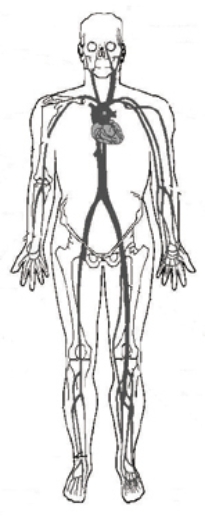
A patient comes to the emergency department with bright red blood flowing from the lower right arm. Place an "X" over the artery over which pressure would be applied to control the bleeding.
Question
Question
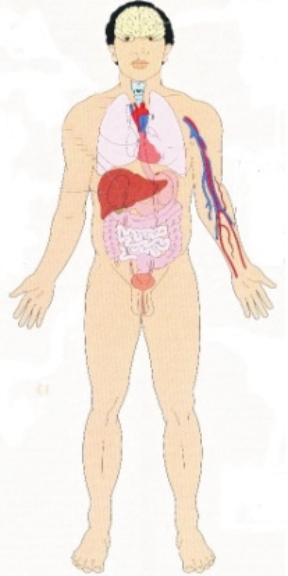
During shock, the reticuloendothelial Kupffer cells can be destroyed. In which organ should the nurse identify the location of these cells? Place an "X" on the location of these cells.
Question
Question
Question
Question
Question
Question
Question
Question

Unlock Deck
Sign up to unlock the cards in this deck!
Unlock Deck
Unlock Deck
1/55

Play

Full screen (f)
Deck 11: Nursing Care of Patients Experiencing Trauma and Shock
1
A patient is brought to the emergency department with injuries sustained when a wall collapsed in the home. The nurse recognizes that this patient's injuries were most likely caused by which mechanism of injury?
A) crushing
B) shearing
C) deceleration
D) blast
A) crushing
B) shearing
C) deceleration
D) blast
crushing
2
A patient was admitted with a head injury caused by rapid acceleration and deceleration. How should the nurse expect this patient's injuries to be classified?
A) blunt
B) shearing
C) blast
D) minor
A) blunt
B) shearing
C) blast
D) minor
blunt
3
A patient is brought to the emergency department with a penetrating wound to the neck. The patient is dyspneic and cyanotic and has evidence of subcutaneous emphysema. What does the nurse expect the physician to do initially?
A) intubate the patient because of the severe wound
B) notify the next of kin regarding the patient's condition
C) order x-rays of the lumbar area to assess for fractures
D) administer a beta blocker to alleviate the sympathetic response
A) intubate the patient because of the severe wound
B) notify the next of kin regarding the patient's condition
C) order x-rays of the lumbar area to assess for fractures
D) administer a beta blocker to alleviate the sympathetic response
intubate the patient because of the severe wound
4
A patient with multiple traumatic injuries has experienced severe blood loss and is prescribed to receive blood immediately. The nurse realizes that because there is not enough time for type and crossmatch, the patient will most likely receive which type of blood?
A) O
B) A
C) B
D) AB
A) O
B) A
C) B
D) AB
Unlock Deck
Unlock for access to all 55 flashcards in this deck.
Unlock Deck
k this deck
5
A patient is brought to the emergency department with injuries sustained in a motor vehicle crash. What should the nurse consider as the cause of this patient's injuries?
A) trauma
B) not wearing a seat restraint
C) a drunk driver
D) not paying attention while driving
A) trauma
B) not wearing a seat restraint
C) a drunk driver
D) not paying attention while driving
Unlock Deck
Unlock for access to all 55 flashcards in this deck.
Unlock Deck
k this deck
6
A patient is brought to the emergency department with physical injuries sustained in a gang fight. The patient's blood pressure is 80/50 mmHg, with a pulse of 120 and thready. Which diagnostic test should the nurse expect to be performed to provide the fastest information?
A) sonogram
B) complete blood count
C) urinalysis
D) serum electrolyte levels
A) sonogram
B) complete blood count
C) urinalysis
D) serum electrolyte levels
Unlock Deck
Unlock for access to all 55 flashcards in this deck.
Unlock Deck
k this deck
7
A patient is admitted to the hospital with injuries from a motor vehicle crash. During the nurse's initial assessment, the patient develops hypotension and severe jugular distension with a tracheal deviation. What should the nurse suspect is occurring in this patient?
A) tension pneumothorax
B) hemorrhage
C) compensatory shock
D) hypovolemic shock
A) tension pneumothorax
B) hemorrhage
C) compensatory shock
D) hypovolemic shock
Unlock Deck
Unlock for access to all 55 flashcards in this deck.
Unlock Deck
k this deck
8
A patient recovering from a motor vehicle accident tells the nurse that the other car "barely" hit him and asks why he has so many injuries. How should the nurse respond?
A) "The car that hit you transferred a large amount of energy to your body, causing these injuries."
B) "You have other health problems that make the injuries worse."
C) "The driver of the other car intended to hit you."
D) "Because you are older, your injuries will be worse."
A) "The car that hit you transferred a large amount of energy to your body, causing these injuries."
B) "You have other health problems that make the injuries worse."
C) "The driver of the other car intended to hit you."
D) "Because you are older, your injuries will be worse."
Unlock Deck
Unlock for access to all 55 flashcards in this deck.
Unlock Deck
k this deck
9
A construction worker was admitted after falling from the roof of a building. The nurse should plan care for this patient's injuries based on which energy source?
A) gravitational
B) mechanical
C) physical
D) electrical
A) gravitational
B) mechanical
C) physical
D) electrical
Unlock Deck
Unlock for access to all 55 flashcards in this deck.
Unlock Deck
k this deck
10
The nurse suspects that a patient who was in a motor vehicle crash does not have a cervical spine injury. What did the nurse assess to come to this conclusion?
A) alert without midline cervical tenderness
B) lacking motor response in lower extremities
C) lacking deep tendon reflexes
D) lethargic and confused
A) alert without midline cervical tenderness
B) lacking motor response in lower extremities
C) lacking deep tendon reflexes
D) lethargic and confused
Unlock Deck
Unlock for access to all 55 flashcards in this deck.
Unlock Deck
k this deck
11
The nurse determines that a patient is experiencing ongoing progression of a shock state. What finding led the nurse to come to this conclusion?
A) decrease in serum glucose level
B) drop in blood urea nitrogen level
C) increased eosinophil level
D) low serum cardiac enzyme level
A) decrease in serum glucose level
B) drop in blood urea nitrogen level
C) increased eosinophil level
D) low serum cardiac enzyme level
Unlock Deck
Unlock for access to all 55 flashcards in this deck.
Unlock Deck
k this deck
12
A pediatric patient is admitted after ingesting a household cleaning solution. The nurse should plan care for this patient's injuries based on which energy source?
A) chemical
B) physical
C) thermal
D) mechanical
A) chemical
B) physical
C) thermal
D) mechanical
Unlock Deck
Unlock for access to all 55 flashcards in this deck.
Unlock Deck
k this deck
13
A patient comes into the emergency department with leg pain after falling on ice. For which classification of injuries should the nurse expect to plan care for this patient?
A) Class 3 minor
B) Class 1 minor
C) Class 1 penetrating
D) Class 3 penetrating
A) Class 3 minor
B) Class 1 minor
C) Class 1 penetrating
D) Class 3 penetrating
Unlock Deck
Unlock for access to all 55 flashcards in this deck.
Unlock Deck
k this deck
14
A patient is admitted with possible head and spinal cord injuries sustained after falling from a ladder. Which diagnostic test should the nurse expect to be prescribed that will identify the type and extent of this patient's injuries?
A) magnetic resonance imaging
B) cervical spine x-rays
C) spinal cord x-rays
D) cerebral angiogram
A) magnetic resonance imaging
B) cervical spine x-rays
C) spinal cord x-rays
D) cerebral angiogram
Unlock Deck
Unlock for access to all 55 flashcards in this deck.
Unlock Deck
k this deck
15
A patient is admitted with a diagnosis of blunt trauma to the abdomen after a motor vehicle crash. What should the nurse assess first when the patient arrives in the emergency department?
A) airway for patency
B) abdomen for any abnormalities
C) cervical spine for tenderness
D) signs of neurological deficits
A) airway for patency
B) abdomen for any abnormalities
C) cervical spine for tenderness
D) signs of neurological deficits
Unlock Deck
Unlock for access to all 55 flashcards in this deck.
Unlock Deck
k this deck
16
A patient with multiple gunshot wounds to the abdomen has received 8 units of blood. The blood bank notifies the nurse that they have run out of blood for the patient. The nurse knows the patient can receive any type of blood if the patient has which blood type?
A) AB
B) A
C) B
D) O
A) AB
B) A
C) B
D) O
Unlock Deck
Unlock for access to all 55 flashcards in this deck.
Unlock Deck
k this deck
17
An older patient is admitted after falling on the steps at home. Which components of trauma should the nurse consider when planning care for the patient?
A) host
B) environment
C) intention
D) source
E) transmission
A) host
B) environment
C) intention
D) source
E) transmission
Unlock Deck
Unlock for access to all 55 flashcards in this deck.
Unlock Deck
k this deck
18
The spouse of a patient admitted with a gunshot wound asks the nurse when her husband will be discharged so that they can resume their life together. How should the nurse respond?
A) "Right now there is no way of knowing how soon your husband can return to his previous life."
B) "I would say in a few weeks."
C) "Probably never."
D) "As soon as the wound heals, your husband can return to work."
A) "Right now there is no way of knowing how soon your husband can return to his previous life."
B) "I would say in a few weeks."
C) "Probably never."
D) "As soon as the wound heals, your husband can return to work."
Unlock Deck
Unlock for access to all 55 flashcards in this deck.
Unlock Deck
k this deck
19
A victim of a multivehicle automobile crash is brought into the emergency department. The patient has slurred speech and is lethargic. The nurse anticipates that which diagnostic tests would be indicated for this patient?
A) blood alcohol level
B) urine drug screen
C) skull x-rays
D) chest x-ray
E) urinalysis
A) blood alcohol level
B) urine drug screen
C) skull x-rays
D) chest x-ray
E) urinalysis
Unlock Deck
Unlock for access to all 55 flashcards in this deck.
Unlock Deck
k this deck
20
A patient is admitted with a thermal injury. Which mechanism of injury should the nurse consider as the most likely cause of this patient's injuries?
A) fire
B) lightning
C) ultraviolet radiation
D) gunshot
A) fire
B) lightning
C) ultraviolet radiation
D) gunshot
Unlock Deck
Unlock for access to all 55 flashcards in this deck.
Unlock Deck
k this deck
21
A patient is brought to the emergency department with gunshot wounds to the abdomen and lower extremities. To protect the chain of evidence for these injuries, what should the nurse do?
A) Remove the patient's clothing and place in a breathable bag.
B) Cover the patient's hands with plastic bags.
C) Cut off the patient's clothing and bathe the skin and wounds as soon as possible.
D) Place clothing and other patient items on a bedside table and have a nursing assistant remove them when possible.
A) Remove the patient's clothing and place in a breathable bag.
B) Cover the patient's hands with plastic bags.
C) Cut off the patient's clothing and bathe the skin and wounds as soon as possible.
D) Place clothing and other patient items on a bedside table and have a nursing assistant remove them when possible.
Unlock Deck
Unlock for access to all 55 flashcards in this deck.
Unlock Deck
k this deck
22
A patient has an estimated blood loss of 2 liters and a mean arterial pressure ranging between 30 and 40 mmHg. If this patient's hemodynamic status is not corrected, what should the nurse realize can occur?
A) failure of sodium-potassium pump
B) cells shrinking
C) full and bounding peripheral pulses
D) metabolic alkalosis
A) failure of sodium-potassium pump
B) cells shrinking
C) full and bounding peripheral pulses
D) metabolic alkalosis
Unlock Deck
Unlock for access to all 55 flashcards in this deck.
Unlock Deck
k this deck
23
The nurse suspects that a patient diagnosed with a myocardial infarction is developing cardiogenic shock. What manifestation did the nurse assess to come to this conclusion?
A) jugular vein distention
B) warm extremities
C) laryngospasm
D) urticaria
A) jugular vein distention
B) warm extremities
C) laryngospasm
D) urticaria
Unlock Deck
Unlock for access to all 55 flashcards in this deck.
Unlock Deck
k this deck
24
A patient diagnosed with hypovolemic shock is prescribed intravenous fluids while awaiting blood transfusions. Which solution does the nurse recognize would be best for this patient?
A) Ringer's lactate
B) Dextrose 5% and water
C) Dextrose 5% and 0.45% normal saline
D) Dextrose 5% and 0.9% normal saline
A) Ringer's lactate
B) Dextrose 5% and water
C) Dextrose 5% and 0.45% normal saline
D) Dextrose 5% and 0.9% normal saline
Unlock Deck
Unlock for access to all 55 flashcards in this deck.
Unlock Deck
k this deck
25
The nurse is providing medications to increase a patient's systemic vascular resistance. At which point will the nurse know that the patient has adequate tissue perfusion?
A) Mean arterial pressure reaches 60.
B) Mean arterial pressure reaches 90.
C) Blood pressure reaches 120/80 mmHg.
D) Urine output is 10 mL per hour.
A) Mean arterial pressure reaches 60.
B) Mean arterial pressure reaches 90.
C) Blood pressure reaches 120/80 mmHg.
D) Urine output is 10 mL per hour.
Unlock Deck
Unlock for access to all 55 flashcards in this deck.
Unlock Deck
k this deck
26
A female who was a victim of rape 6 months ago comes to an outpatient clinic for the treatment of posttraumatic stress disorder. Which data collected during the patient's assessment indicates a manifestation associated with this disorder?
A) The patient described severe nightmares related to the event.
B) The patient denied anger or shock.
C) The patient denied the need for drug or alcohol counseling.
D) The patient stated that her family is very supportive.
A) The patient described severe nightmares related to the event.
B) The patient denied anger or shock.
C) The patient denied the need for drug or alcohol counseling.
D) The patient stated that her family is very supportive.
Unlock Deck
Unlock for access to all 55 flashcards in this deck.
Unlock Deck
k this deck
27
An adult patient who has died from traumatic injuries is an organ donor. What should the nurse do when caring for this patient?
A) Maintain systolic blood pressure of 90 mmHg.
B) Keep oxygen saturation level at 75%.
C) Administer intravenous fluids to maintain a urine output of 25 mL per hour.
D) Perform external cardiac compressions to achieve a heart rate of 60 beats per minute.
A) Maintain systolic blood pressure of 90 mmHg.
B) Keep oxygen saturation level at 75%.
C) Administer intravenous fluids to maintain a urine output of 25 mL per hour.
D) Perform external cardiac compressions to achieve a heart rate of 60 beats per minute.
Unlock Deck
Unlock for access to all 55 flashcards in this deck.
Unlock Deck
k this deck
28
A patient with a traumatic brain injury is being evaluated for brain death. Which findings should the nurse expect in this patient?
A) absence of gag or corneal reflex
B) absence of oculovestibular reflex
C) apnea with PaCO2 of 66 mmHg
D) toxic metabolic disorders
E) response to deep stimuli
A) absence of gag or corneal reflex
B) absence of oculovestibular reflex
C) apnea with PaCO2 of 66 mmHg
D) toxic metabolic disorders
E) response to deep stimuli
Unlock Deck
Unlock for access to all 55 flashcards in this deck.
Unlock Deck
k this deck
29
The nurse identifies the problem of impaired physical mobility in a patient hospitalized with traumatic injuries. Which intervention should the nurse identify as appropriate for this patient?
A) Provide active range-of-motion exercises to affected extremities every 8 hours.
B) Turn and reposition every hour.
C) Remove anti-embolic stockings for 3 hours every shift.
D) Administer tetanus toxoid.
A) Provide active range-of-motion exercises to affected extremities every 8 hours.
B) Turn and reposition every hour.
C) Remove anti-embolic stockings for 3 hours every shift.
D) Administer tetanus toxoid.
Unlock Deck
Unlock for access to all 55 flashcards in this deck.
Unlock Deck
k this deck
30
A patient is admitted with severe facial injuries from a motor vehicle crash. For what should the nurse first assess this patient?
A) signs of stridor, cough, or respiratory distress
B) blood pressure
C) need for suctioning
D) loose teeth or obvious problems with the mouth
A) signs of stridor, cough, or respiratory distress
B) blood pressure
C) need for suctioning
D) loose teeth or obvious problems with the mouth
Unlock Deck
Unlock for access to all 55 flashcards in this deck.
Unlock Deck
k this deck
31
The spouse of a patient admitted with severe head injury tells the nurse that she believes her husband is going to recover because he is continuing to make movements without stimulation. What should the nurse explain to the spouse?
A) "With head injuries, the patient can continue to make movements, but these are reflexes that do not reflect brain function."
B) "Your husband will likely recover in time."
C) "As long as he has oxygen to the brain, he will recover."
D) "His movements indicate that his brain is dead."
A) "With head injuries, the patient can continue to make movements, but these are reflexes that do not reflect brain function."
B) "Your husband will likely recover in time."
C) "As long as he has oxygen to the brain, he will recover."
D) "His movements indicate that his brain is dead."
Unlock Deck
Unlock for access to all 55 flashcards in this deck.
Unlock Deck
k this deck
32
A patient admitted with multiple injuries is prescribed an intravenous colloid solution. Which solution would be appropriate for the nurse to infuse?
A) 25% albumin
B) 0.9% normal saline
C) dextrose 5% and 0.45 % normal saline
D) dextrose 5% and water
A) 25% albumin
B) 0.9% normal saline
C) dextrose 5% and 0.45 % normal saline
D) dextrose 5% and water
Unlock Deck
Unlock for access to all 55 flashcards in this deck.
Unlock Deck
k this deck
33
The nurse is preparing to administer intravenous nitroglycerin to a patient diagnosed with cardiogenic shock. What should the nurse do when administering this medication?
A) Use an infusion pump.
B) Administer with PVC tubing.
C) Use within 8 hours of reconstitution.
D) Allow the patient to get out of bed only with assistance.
A) Use an infusion pump.
B) Administer with PVC tubing.
C) Use within 8 hours of reconstitution.
D) Allow the patient to get out of bed only with assistance.
Unlock Deck
Unlock for access to all 55 flashcards in this deck.
Unlock Deck
k this deck
34
An older patient is diagnosed with E. coli in the bloodstream. If not treated, the nurse realizes this patient is at risk for developing which types of shock?
A) distributive
B) obstructive
C) hypovolemic
D) anaphylactic
A) distributive
B) obstructive
C) hypovolemic
D) anaphylactic
Unlock Deck
Unlock for access to all 55 flashcards in this deck.
Unlock Deck
k this deck
35
A patient with traumatic injuries has lost approximately 300 mL of blood. What should the nurse expect to assess in this patient?
A) slight increase in heart rate
B) nonpalpable peripheral pulses
C) narrowing pulse pressure
D) increase in blood glucose level
A) slight increase in heart rate
B) nonpalpable peripheral pulses
C) narrowing pulse pressure
D) increase in blood glucose level
Unlock Deck
Unlock for access to all 55 flashcards in this deck.
Unlock Deck
k this deck
36
A patient is diagnosed with a pneumothorax. The nurse realizes that unless this is treated, the patient is at risk for developing which type of shock?
A) obstructive
B) hypovolemic
C) cardiogenic
D) neurogenic
A) obstructive
B) hypovolemic
C) cardiogenic
D) neurogenic
Unlock Deck
Unlock for access to all 55 flashcards in this deck.
Unlock Deck
k this deck
37
The nurse wants to calculate a patient's mean arterial pressure. Which vital sign measurement should the nurse use to make this calculation?
A) blood pressure
B) temperature
C) respirations
D) heart rate
A) blood pressure
B) temperature
C) respirations
D) heart rate
Unlock Deck
Unlock for access to all 55 flashcards in this deck.
Unlock Deck
k this deck
38
A patient diagnosed with shock is prescribed dobutamine (Dobutrex). Which finding indicates this medication has been effective?
A) increased heart rate
B) reduced heart rate
C) decreased respiratory rate
D) decreased blood pressure
A) increased heart rate
B) reduced heart rate
C) decreased respiratory rate
D) decreased blood pressure
Unlock Deck
Unlock for access to all 55 flashcards in this deck.
Unlock Deck
k this deck
39
The nurse, caring for a patient who sustained a traumatic injury several days ago, notes that the patient is hypotensive, oliguric, and has cool, pale skin and acidosis. The nurse understands that these are manifestations of which type of shock?
A) hypovolemic
B) cardiogenic
C) septic
D) anaphylactic
A) hypovolemic
B) cardiogenic
C) septic
D) anaphylactic
Unlock Deck
Unlock for access to all 55 flashcards in this deck.
Unlock Deck
k this deck
40
The nurse is planning care for a patient diagnosed with shock. Which intervention should the nurse include to address this patient's problem of anxiety?
A) reducing stimuli and medicating for pain
B) assessing blood pressure and heart rate
C) monitoring central venous pressure
D) assessing bowel sounds
A) reducing stimuli and medicating for pain
B) assessing blood pressure and heart rate
C) monitoring central venous pressure
D) assessing bowel sounds
Unlock Deck
Unlock for access to all 55 flashcards in this deck.
Unlock Deck
k this deck
41
A trauma patient is being assessed with the Champion Revised Scoring System. What assessment data should the nurse use with this scoring system?
A) diastolic blood pressure
B) heart rate
C) Glasgow coma scale
D) systolic blood pressure
E) respiratory rate
A) diastolic blood pressure
B) heart rate
C) Glasgow coma scale
D) systolic blood pressure
E) respiratory rate
Unlock Deck
Unlock for access to all 55 flashcards in this deck.
Unlock Deck
k this deck
42
The nurse is concerned that a patient with traumatic chest injures is developing respiratory distress. What assessment findings led the nurse to come to this conclusion?
A) combative behavior
B) absent breath sounds in left lower lobe
C) pedal and popliteal pulses weak and irregular
D) temperature raised 2 degrees over the last 4 hours
E) oxygen saturation 86% on 40% oxygen face mask
A) combative behavior
B) absent breath sounds in left lower lobe
C) pedal and popliteal pulses weak and irregular
D) temperature raised 2 degrees over the last 4 hours
E) oxygen saturation 86% on 40% oxygen face mask
Unlock Deck
Unlock for access to all 55 flashcards in this deck.
Unlock Deck
k this deck
43
An adolescent is experiencing anaphylactic shock after being stung by a swarm of bees. Which medications should the nurse anticipate being provided to this patient?
A) diuretics
B) antibiotics
C) epinephrine
D) beta2-agonist
E) antihistamine
A) diuretics
B) antibiotics
C) epinephrine
D) beta2-agonist
E) antihistamine
Unlock Deck
Unlock for access to all 55 flashcards in this deck.
Unlock Deck
k this deck
44
The nurse is reviewing data for a patient experiencing shock. Based on these data, the nurse recognizes that the patient is in which stage of shock?
A) compensatory
B) early, reversible
C) progressive
D) refractory
A) compensatory
B) early, reversible
C) progressive
D) refractory
Unlock Deck
Unlock for access to all 55 flashcards in this deck.
Unlock Deck
k this deck
45
A patient comes to the emergency department with bright red blood flowing from the lower right arm. Place an "X" over the artery over which pressure would be applied to control the bleeding.
Unlock Deck
Unlock for access to all 55 flashcards in this deck.
Unlock Deck
k this deck
46
The nurse is reviewing the laboratory results for a patient with trauma. Based on this information, what care should the nurse plan for this patient?
A) fluids for distributive shock
B) nothing, because the results are normal
C) contact precautions
D) central venous catheter insertion
A) fluids for distributive shock
B) nothing, because the results are normal
C) contact precautions
D) central venous catheter insertion
Unlock Deck
Unlock for access to all 55 flashcards in this deck.
Unlock Deck
k this deck
47
During shock, the reticuloendothelial Kupffer cells can be destroyed. In which organ should the nurse identify the location of these cells? Place an "X" on the location of these cells.
Unlock Deck
Unlock for access to all 55 flashcards in this deck.
Unlock Deck
k this deck
48
A patient is admitted with trauma to the integumentary system. Which type of skin trauma should the nurse prepare to assess?
A) cutaneous
B) abrasion
C) laceration
D) contusion
E) keloid
A) cutaneous
B) abrasion
C) laceration
D) contusion
E) keloid
Unlock Deck
Unlock for access to all 55 flashcards in this deck.
Unlock Deck
k this deck
49
Emergency personnel are preparing to complete an on-the-scene rapid assessment of a victim of a motor vehicle crash. In which order should the victim's assessment be completed? Place the assessments in order of importance.
A) assessment for obvious injuries
B) Champion Revised Trauma Scoring System
C) airway and breathing assessment
D) circulation assessment
E) level of consciousness and pupillary function
F) non of the above.
A) assessment for obvious injuries
B) Champion Revised Trauma Scoring System
C) airway and breathing assessment
D) circulation assessment
E) level of consciousness and pupillary function
F) non of the above.
Unlock Deck
Unlock for access to all 55 flashcards in this deck.
Unlock Deck
k this deck
50
A patient is to receive nitroglycerin (Tridil) 10 mcg/min. The medication strength is 50 mg/250 mL. The IV rate should be ________________ mL/min.
Unlock Deck
Unlock for access to all 55 flashcards in this deck.
Unlock Deck
k this deck
51
A patient has received 145 mL of blood and complains of chills. For what should the nurse assess this patient?
A) bradypnea
B) urticaria
C) fever
D) hypertension
E) lumbar pain
A) bradypnea
B) urticaria
C) fever
D) hypertension
E) lumbar pain
Unlock Deck
Unlock for access to all 55 flashcards in this deck.
Unlock Deck
k this deck
52
A patient in hypovolemic shock is receiving an intravenous colloid solution (plasma expander). Which assessment findings indicate to the nurse that the infusion rate should be reduced?
A) prothrombin time of 13.5 seconds
B) jugular vein distention
C) tenting of the skin
D) increased central venous pressure
E) auscultation of crackles and wheezes
A) prothrombin time of 13.5 seconds
B) jugular vein distention
C) tenting of the skin
D) increased central venous pressure
E) auscultation of crackles and wheezes
Unlock Deck
Unlock for access to all 55 flashcards in this deck.
Unlock Deck
k this deck
53
A patient receiving a unit of packed red blood cells for hypovolemic shock is demonstrating signs of a transfusion reaction. In which order should the nurse provide care to this patient?
A) Stop the transfusion and notify the physician
B) Compare the blood slip with the unit of blood
C) Assess vital signs and associated manifestations
D) Save the blood bag and tubing for laboratory analysis
E) Collect urine and venous blood samples according to policy
F) non of the above.
A) Stop the transfusion and notify the physician
B) Compare the blood slip with the unit of blood
C) Assess vital signs and associated manifestations
D) Save the blood bag and tubing for laboratory analysis
E) Collect urine and venous blood samples according to policy
F) non of the above.
Unlock Deck
Unlock for access to all 55 flashcards in this deck.
Unlock Deck
k this deck
54
A patient with thoracic injuries sustained in a multivehicle crash is demonstrating an alteration in perfusion. What should the nurse do to help this patient?
A) Auscultate lung sounds.
B) Measure blood pressure.
C) Measure central venous pressure.
D) Reduce rate of intravenous fluids.
E) Assess for jugular vein distention.
A) Auscultate lung sounds.
B) Measure blood pressure.
C) Measure central venous pressure.
D) Reduce rate of intravenous fluids.
E) Assess for jugular vein distention.
Unlock Deck
Unlock for access to all 55 flashcards in this deck.
Unlock Deck
k this deck
55
An older patient with an infected stage IV pressure ulcer is lethargic. What additional findings should the nurse expect to assess in this stage of septic shock?
A) warm, flushed skin
B) urine output 10 mL/hr
C) blood pressure 88/54 mmHg
D) heart rate 118 beats per minute
E) respiratory rate 28 per minute and shallow
A) warm, flushed skin
B) urine output 10 mL/hr
C) blood pressure 88/54 mmHg
D) heart rate 118 beats per minute
E) respiratory rate 28 per minute and shallow
Unlock Deck
Unlock for access to all 55 flashcards in this deck.
Unlock Deck
k this deck
Unlock Deck
Unlock for access to all 55 flashcards in this deck.






