







 Chat with AI

Deck 9: Nursing Care of Patients in Pain
Full screen (f)

Question

Question
Question
Question
Question
Question
Question
Question
Question
Question
Question
Question
Question
Question
Question
Question
Question
Question
Question
Question
Question
Question
Question
Question
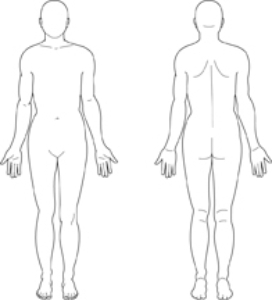
A patient is hospitalized with suspected gallstones and inflammatory gallbladder disease. Place an "X" over the area of the body where the nurse would expect the patient to locate the pain.
Question
Question
Question
Question
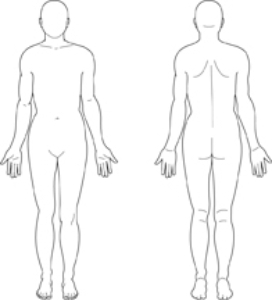
A patient with a history of high blood pressure and cardiac arrhythmias is admitted after having EKG changes consistent with a myocardial infarction. Place an "X" over the area of the body where the nurse would expect the patient to locate the pain.
Question
Question
Question
Question
Question
Question
Question
Question
Question
Question
Question
Question
Question
Question
Question
Question
Question
Question
Question
Question
Question
Question
Question

Unlock Deck
Sign up to unlock the cards in this deck!
Unlock Deck
Unlock Deck
1/51

Play

Full screen (f)
Deck 9: Nursing Care of Patients in Pain
1
The nurse is using the neuromatrix theory when determining a patient's pain. What should the nurse consider when assessing a patient's pain?
A) cultural and genetic factors
B) specificity
C) pattern
D) previous sensitization
A) cultural and genetic factors
B) specificity
C) pattern
D) previous sensitization
cultural and genetic factors
2
A female patient tells the nurse that at times the pain she has is so severe that she cannot move or get out of bed at home. What should the nurse realize is contributing to this patient's pain?
A) gender
B) overuse of alcohol
C) overuse of pain medication
D) too much sleep and rest
A) gender
B) overuse of alcohol
C) overuse of pain medication
D) too much sleep and rest
gender
3
A patient asks the nurse why he felt pain prior to a myocardial infarction primarily in his left arm. How should the nurse respond?
A) "Pain in the arm related to cardiac tissue damage is a type of referred pain."
B) "Cardiac pain is generally unexplainable."
C) "Were you doing some physical activity with your arm just prior to the event?"
D) "What you are describing relates to psychogenic pain."
A) "Pain in the arm related to cardiac tissue damage is a type of referred pain."
B) "Cardiac pain is generally unexplainable."
C) "Were you doing some physical activity with your arm just prior to the event?"
D) "What you are describing relates to psychogenic pain."
"Pain in the arm related to cardiac tissue damage is a type of referred pain."
4
A patient diagnosed with depression tells the nurse that his pain has been "unrelenting" over the last several weeks. What should the nurse consider as contributing to this patient's amount of pain?
A) Depression can cause an increase in pain sensations.
B) The pain medication has not been working.
C) Medication to treat the depression is interfering with the control of pain.
D) The patient is exaggerating the amount of pain.
A) Depression can cause an increase in pain sensations.
B) The pain medication has not been working.
C) Medication to treat the depression is interfering with the control of pain.
D) The patient is exaggerating the amount of pain.
Unlock Deck
Unlock for access to all 51 flashcards in this deck.
Unlock Deck
k this deck
5
A patient is refusing to take pain medication for chronic back pain. The nurse asks the patient to rate the pain on a scale from 0 to 10. What is the nurse attempting to do with this patient?
A) Assess the patient's level of pain
B) Determine if the patient should remain in the hospital
C) Decide if the patient is being argumentative
D) Figure out if the patient should leave the hospital against medical advice
A) Assess the patient's level of pain
B) Determine if the patient should remain in the hospital
C) Decide if the patient is being argumentative
D) Figure out if the patient should leave the hospital against medical advice
Unlock Deck
Unlock for access to all 51 flashcards in this deck.
Unlock Deck
k this deck
6
The nurse is assessing a patient's response to pain. Why should the nurse do this for every patient situation?
A) Everyone has a unique tolerance to pain.
B) Everyone has the same pain threshold.
C) Everyone perceives painful stimuli at the same intensity.
D) Most people have the same the pain response to surgery.
A) Everyone has a unique tolerance to pain.
B) Everyone has the same pain threshold.
C) Everyone perceives painful stimuli at the same intensity.
D) Most people have the same the pain response to surgery.
Unlock Deck
Unlock for access to all 51 flashcards in this deck.
Unlock Deck
k this deck
7
The nurse is managing care for a group of patients with pain. For which health problem should the nurse expect the patient to experience acute pain?
A) cholecystectomy
B) phantom limb pain
C) complex regional pain syndrome
D) degenerative joint disease
A) cholecystectomy
B) phantom limb pain
C) complex regional pain syndrome
D) degenerative joint disease
Unlock Deck
Unlock for access to all 51 flashcards in this deck.
Unlock Deck
k this deck
8
A patient tells the nurse that she is unable to sleep through the night because of leg pain. What will the nurse most likely assess in this patient?
A) an increase in pain
B) a decrease in pain
C) a decrease in anxiety
D) an increase in concentration
A) an increase in pain
B) a decrease in pain
C) a decrease in anxiety
D) an increase in concentration
Unlock Deck
Unlock for access to all 51 flashcards in this deck.
Unlock Deck
k this deck
9
The nurse is planning to administer a pain medication to a patient who is 2 hours postoperative following bowel resection surgery. The patient has four standing orders for pain medication. Which medication should the nurse consider providing to the patient at this time?
A) The one that is to be administered intravenously by the patient and is under patient control
B) The one that will be given intramuscularly to work quickly
C) The one that is ordered on a prn basis
D) The one to be administered orally
A) The one that is to be administered intravenously by the patient and is under patient control
B) The one that will be given intramuscularly to work quickly
C) The one that is ordered on a prn basis
D) The one to be administered orally
Unlock Deck
Unlock for access to all 51 flashcards in this deck.
Unlock Deck
k this deck
10
After assessing a patient for pain, the nurse concludes that the pain is caused by a mechanical stimulus. What should the nurse consider as a possible cause of this patient's pain?
A) muscle tear
B) burn
C) frostbite
D) myocardial infarction
A) muscle tear
B) burn
C) frostbite
D) myocardial infarction
Unlock Deck
Unlock for access to all 51 flashcards in this deck.
Unlock Deck
k this deck
11
A patient with severe nerve pain from spinal cord compression is considering surgery to sever the nerves and relieve the pain. What should the nurse encourage the patient to consider prior to having this surgery?
A) There may be loss of motor function associated with the nerves that will be severed.
B) The surgery will need to be repeated when the nerves regenerate.
C) Pain medication will still be needed after the surgery.
D) The patient will be a paraplegic after the surgery.
A) There may be loss of motor function associated with the nerves that will be severed.
B) The surgery will need to be repeated when the nerves regenerate.
C) Pain medication will still be needed after the surgery.
D) The patient will be a paraplegic after the surgery.
Unlock Deck
Unlock for access to all 51 flashcards in this deck.
Unlock Deck
k this deck
12
The nurse is caring for a patient recovering from surgery. Which intervention will provide the most pain relief for the patient?
A) Offer pain relief before the patient complains of pain.
B) Wait until the patient can describe the pain specifically.
C) Assess the pain level every 4 hours around the clock.
D) Allow the patient to "sleep off" the anesthesia, then offer pain medication.
A) Offer pain relief before the patient complains of pain.
B) Wait until the patient can describe the pain specifically.
C) Assess the pain level every 4 hours around the clock.
D) Allow the patient to "sleep off" the anesthesia, then offer pain medication.
Unlock Deck
Unlock for access to all 51 flashcards in this deck.
Unlock Deck
k this deck
13
A patient scheduled for knee surgery tells the nurse, "I know I won't feel as much pain with this knee surgery as I did with the other one when I was 20 years younger." What should the nurse respond to this patient?
A) "There might be more pain, because the pain response can get worse with aging."
B) "You are most likely correct."
C) "It should not be quite as bad with the newer technology."
D) "Pain responses diminish with age."
A) "There might be more pain, because the pain response can get worse with aging."
B) "You are most likely correct."
C) "It should not be quite as bad with the newer technology."
D) "Pain responses diminish with age."
Unlock Deck
Unlock for access to all 51 flashcards in this deck.
Unlock Deck
k this deck
14
A patient recovering from abdominal surgery is refusing hydromorphone (Dilaudid) because she has heard that it may be addictive. She is crying and rates her pain at 10 out of 10. What statements should the nurse include as part of the patient's education?
A) There is little to no risk of addiction when taking narcotics for pain.
B) Untreated pain can result in poor wound healing.
C) Patients with uncontrolled pain have an increased risk of blood clots.
D) Dehydration can result from poorly managed pain.
E) Family members will not want to visit patients showing visible signs of pain.
A) There is little to no risk of addiction when taking narcotics for pain.
B) Untreated pain can result in poor wound healing.
C) Patients with uncontrolled pain have an increased risk of blood clots.
D) Dehydration can result from poorly managed pain.
E) Family members will not want to visit patients showing visible signs of pain.
Unlock Deck
Unlock for access to all 51 flashcards in this deck.
Unlock Deck
k this deck
15
A patient is watching a comedy on the television and has not requested pain medication for over 6 hours. The nurse realizes that the patient is utilizing what as a form of pain control?
A) distraction
B) meditation
C) guided imagery
D) biofeedback
A) distraction
B) meditation
C) guided imagery
D) biofeedback
Unlock Deck
Unlock for access to all 51 flashcards in this deck.
Unlock Deck
k this deck
16
A patient is being treated for chronic pain. What should the nurse keep in mind when assessing this patient's level of pain?
A) The pain rating may be inconsistent with the underlying pathology.
B) There is usually a clear, physiologic cause.
C) Pain typically lasts 2 months or less.
D) The pain reported is usually less severe than acute pain.
A) The pain rating may be inconsistent with the underlying pathology.
B) There is usually a clear, physiologic cause.
C) Pain typically lasts 2 months or less.
D) The pain reported is usually less severe than acute pain.
Unlock Deck
Unlock for access to all 51 flashcards in this deck.
Unlock Deck
k this deck
17
A patient is receiving a narcotic for severe acute pain. What should the nurse encourage the patient to consume in greater quantities due to the pain medication?
A) fiber
B) vitamin D
C) protein
D) carbohydrates
A) fiber
B) vitamin D
C) protein
D) carbohydrates
Unlock Deck
Unlock for access to all 51 flashcards in this deck.
Unlock Deck
k this deck
18
A patient with chronic orthopedic pain is considering the use of a transcutaneous electrical nerve stimulator to reduce the pain. What advantages of using this device should the nurse review with the patient?
A) avoiding the adverse effects of pain medication
B) low cost
C) can be used by all patients
D) can relieve all types of pain
A) avoiding the adverse effects of pain medication
B) low cost
C) can be used by all patients
D) can relieve all types of pain
Unlock Deck
Unlock for access to all 51 flashcards in this deck.
Unlock Deck
k this deck
19
The nurse is planning care for a patient with chronic pain. Which pain control goal would be most appropriate for this patient?
A) Reduce the focus on pain.
B) Reduce the sympathetic stress response.
C) Be completely pain free.
D) Improve patient outcomes.
A) Reduce the focus on pain.
B) Reduce the sympathetic stress response.
C) Be completely pain free.
D) Improve patient outcomes.
Unlock Deck
Unlock for access to all 51 flashcards in this deck.
Unlock Deck
k this deck
20
A patient tells the nurse that he has had deep, burning muscle pain for most of his adult life. What does this information tell the nurse about how the patient's pain is being transmitted in the body?
A) C fibers
B) A-delta fibers
C) endorphins
D) dynorphins
A) C fibers
B) A-delta fibers
C) endorphins
D) dynorphins
Unlock Deck
Unlock for access to all 51 flashcards in this deck.
Unlock Deck
k this deck
21
A patient with chronic pain is being started on a "patch." What should the nurse instruct the patient about this pain-relieving delivery system?
A) It will not work as well as oral pain medications.
B) The dosage will be lower in the beginning.
C) The patient will never experience breakthrough pain.
D) The patient will never overdose with this delivery method.
A) It will not work as well as oral pain medications.
B) The dosage will be lower in the beginning.
C) The patient will never experience breakthrough pain.
D) The patient will never overdose with this delivery method.
Unlock Deck
Unlock for access to all 51 flashcards in this deck.
Unlock Deck
k this deck
22
A patient has been receiving morphine sulfate 10 mg intramuscularly every 4 hours for the past few days. The nurse is anticipating discharge and wants to calculate the oral dose necessary for this patient. Calculate the oral dosage range using the equianalgesic dosing formula: __________ mg. Record your answer rounding to the nearest whole number, using a dash ("-") to indicate the range.
Unlock Deck
Unlock for access to all 51 flashcards in this deck.
Unlock Deck
k this deck
23
The patient complaining of pain has been waiting for medication to relieve the pain. What should the nurse understand about this patient?
A) The patient's pain is real.
B) The patient just wants medication.
C) The patient wants attention.
D) The patient is demanding.
A) The patient's pain is real.
B) The patient just wants medication.
C) The patient wants attention.
D) The patient is demanding.
Unlock Deck
Unlock for access to all 51 flashcards in this deck.
Unlock Deck
k this deck
24
A patient is hospitalized with suspected gallstones and inflammatory gallbladder disease. Place an "X" over the area of the body where the nurse would expect the patient to locate the pain.
Unlock Deck
Unlock for access to all 51 flashcards in this deck.
Unlock Deck
k this deck
25
A patient is seen talking and laughing in the clinic's waiting room yet complains of excruciating pain. What should the nurse realize this patient is demonstrating?
A) the desire for narcotics
B) denial
C) fake pain
D) inconsistent behavioral response to pain
A) the desire for narcotics
B) denial
C) fake pain
D) inconsistent behavioral response to pain
Unlock Deck
Unlock for access to all 51 flashcards in this deck.
Unlock Deck
k this deck
26
A patient with chronic pain is desperately searching for something to relieve the pain. What should the nurse recommend for this patient?
A) A thorough analysis of the pain to determine if it is truly pain
B) Avoiding the use of narcotics
C) Evaluation by a psychiatrist to determine if the patient is depressed
D) A pain medication schedule to help avoid the onset of pain
A) A thorough analysis of the pain to determine if it is truly pain
B) Avoiding the use of narcotics
C) Evaluation by a psychiatrist to determine if the patient is depressed
D) A pain medication schedule to help avoid the onset of pain
Unlock Deck
Unlock for access to all 51 flashcards in this deck.
Unlock Deck
k this deck
27
The nurse is reviewing the care provided to a group of patients. Which patient's/patients' symptoms are most likely side effects of an opioid pain medication treatment regimen?
A) Patients A and C
B) Patient C only
C) Patients B and D
D) Patient D only
A) Patients A and C
B) Patient C only
C) Patients B and D
D) Patient D only
Unlock Deck
Unlock for access to all 51 flashcards in this deck.
Unlock Deck
k this deck
28
A patient with a history of high blood pressure and cardiac arrhythmias is admitted after having EKG changes consistent with a myocardial infarction. Place an "X" over the area of the body where the nurse would expect the patient to locate the pain.
Unlock Deck
Unlock for access to all 51 flashcards in this deck.
Unlock Deck
k this deck
29
A 47-year-old female patient has a history of scoliosis and back pain. Which type of pain should the nurse realize this patient most likely is experiencing?
A) recurrent acute pain
B) ongoing time-limited pain
C) chronic malignant pain
D) chronic nonmalignant pain
A) recurrent acute pain
B) ongoing time-limited pain
C) chronic malignant pain
D) chronic nonmalignant pain
Unlock Deck
Unlock for access to all 51 flashcards in this deck.
Unlock Deck
k this deck
30
A patient with a long history of pain rarely appears to be in pain and often forgoes the use of pain medication. What does the nurse realize about this patient?
A) The patient has a high pain tolerance.
B) The patient has a low pain tolerance.
C) The patient is addicted to pain medication.
D) The patient does not really have pain.
A) The patient has a high pain tolerance.
B) The patient has a low pain tolerance.
C) The patient is addicted to pain medication.
D) The patient does not really have pain.
Unlock Deck
Unlock for access to all 51 flashcards in this deck.
Unlock Deck
k this deck
31
The nurse is assessing a patient's pain perception. What should the nurse use to make this assessment?
A) FACES scale
B) psychological evaluation tool
C) PQRST guide
D) biofeedback rating
A) FACES scale
B) psychological evaluation tool
C) PQRST guide
D) biofeedback rating
Unlock Deck
Unlock for access to all 51 flashcards in this deck.
Unlock Deck
k this deck
32
The nurse is assessing a patient's vital signs. What should the nurse include in this assessment?
A) peripheral pulses
B) pain level
C) ability to ambulate
D) urine output
A) peripheral pulses
B) pain level
C) ability to ambulate
D) urine output
Unlock Deck
Unlock for access to all 51 flashcards in this deck.
Unlock Deck
k this deck
33
A patient has periodic severe nerve pain that is not well controlled with pain medication. The nurse thinks that this patient might benefit from which pain management approach?
A) a nonsteroidal anti-inflammatory drug (NSAID)
B) a narcotic
C) an antidepressant
D) a local anesthetic
A) a nonsteroidal anti-inflammatory drug (NSAID)
B) a narcotic
C) an antidepressant
D) a local anesthetic
Unlock Deck
Unlock for access to all 51 flashcards in this deck.
Unlock Deck
k this deck
34
A patient with chronic pain tells the nurse that she "rarely sleeps more than 3 hours a night." The nurse recognizes that this patient is at risk for developing which health problem?
A) chronic insomnia
B) depression
C) high pain tolerance
D) adult attention deficit disorder
A) chronic insomnia
B) depression
C) high pain tolerance
D) adult attention deficit disorder
Unlock Deck
Unlock for access to all 51 flashcards in this deck.
Unlock Deck
k this deck
35
The nurse is reviewing data for several patients. Which physiologic assessment findings should the nurse recognize are consistent with those of an adult experiencing acute pain? I
A) Patients A and C
B) Patient A only
C) Patients B and D
D) Patient C only
A) Patients A and C
B) Patient A only
C) Patients B and D
D) Patient C only
Unlock Deck
Unlock for access to all 51 flashcards in this deck.
Unlock Deck
k this deck
36
A patient who is receiving around-the-clock pain medication complains of an acute exacerbation of pain. What should the nurse do to help this patient?
A) Provide the medication ordered for breakthrough pain.
B) Talk the patient through the pain.
C) Encourage the patient to ignore the pain.
D) Give the patient a nonsteroidal anti-inflammatory drug (NSAID).
A) Provide the medication ordered for breakthrough pain.
B) Talk the patient through the pain.
C) Encourage the patient to ignore the pain.
D) Give the patient a nonsteroidal anti-inflammatory drug (NSAID).
Unlock Deck
Unlock for access to all 51 flashcards in this deck.
Unlock Deck
k this deck
37
The nurse is helping a patient in pain by gently massaging the painful area. The nurse is utilizing which form of pain control with the patient?
A) acupuncture
B) biofeedback
C) guided imagery
D) cutaneous stimulation
A) acupuncture
B) biofeedback
C) guided imagery
D) cutaneous stimulation
Unlock Deck
Unlock for access to all 51 flashcards in this deck.
Unlock Deck
k this deck
38
A patient with a history of chronic pain tells the nurse, "I do a variety of things to make my body produce its own pain reliever." What should the nurse realize this patient is describing?
A) a theory of denial
B) a belief in alternative methods
C) a reason to reduce the amount of pain medication prescribed
D) the body's ability to make endorphins
A) a theory of denial
B) a belief in alternative methods
C) a reason to reduce the amount of pain medication prescribed
D) the body's ability to make endorphins
Unlock Deck
Unlock for access to all 51 flashcards in this deck.
Unlock Deck
k this deck
39
A patient with a history of lumbar spinal cord nerve compression continues to complain of burning pain. Which type of pain should the nurse realize this patient is experiencing?
A) complex regional pain syndrome
B) myofascial pain syndrome
C) chronic postoperative pain
D) phantom limb pain
A) complex regional pain syndrome
B) myofascial pain syndrome
C) chronic postoperative pain
D) phantom limb pain
Unlock Deck
Unlock for access to all 51 flashcards in this deck.
Unlock Deck
k this deck
40
The nurse is evaluating the pain descriptions of a group of patients. Which patient's/patients' description is consistent with that of phantom pain?
A) Patients A and D
B) Patient A only
C) Patients B and D
D) Patient C only
A) Patients A and D
B) Patient A only
C) Patients B and D
D) Patient C only
Unlock Deck
Unlock for access to all 51 flashcards in this deck.
Unlock Deck
k this deck
41
A nurse is teaching pain management to a homebound hospice patient, already being treated with opioids. This patient has been diagnosed with metastatic breast cancer and expresses anxiety about keeping her pain under control. In which nonpharmacologic complementary methods might the nurse instruct the patient?
A) guided imagery
B) progressive muscle relaxation
C) distraction
D) acupuncture
E) regional pain management
A) guided imagery
B) progressive muscle relaxation
C) distraction
D) acupuncture
E) regional pain management
Unlock Deck
Unlock for access to all 51 flashcards in this deck.
Unlock Deck
k this deck
42
After completing an assessment, the nurse determines that a patient experiencing pain should avoid taking NSAIDs. What information caused the nurse to make this determination?
A) The patient takes medication for peptic ulcer disease.
B) The patient has a pacemaker inserted for atrial fibrillation.
C) The patient had a total hip and total knee replacement a year ago.
D) The patient takes medication and vitamin K for a clotting disorder.
E) The patient performs peritoneal self-dialysis for chronic kidney failure.
A) The patient takes medication for peptic ulcer disease.
B) The patient has a pacemaker inserted for atrial fibrillation.
C) The patient had a total hip and total knee replacement a year ago.
D) The patient takes medication and vitamin K for a clotting disorder.
E) The patient performs peritoneal self-dialysis for chronic kidney failure.
Unlock Deck
Unlock for access to all 51 flashcards in this deck.
Unlock Deck
k this deck
43
A patient is prescribed a fentanyl patch to administer 100 mcg/hour. The patient uses one patch for 72 hours and then is changed to an intravenous infusion of morphine 8 hours into the second patch. If the patient had been receiving the morphine intravenously, how many mg of the medication would the patient have received from wearing the patch?
Unlock Deck
Unlock for access to all 51 flashcards in this deck.
Unlock Deck
k this deck
44
The nurse is preparing to apply a transdermal analgesic patch to a patient. In what order should the nurse administer this medication?
A) Choose a new site and cleanse and dry an upper torso location.
B) Clip chest hair and open the medication package.
C) Keep the patch intact for 72 hours.
D) Place the patch, making sure all edges are in contact with the skin.
E) non of the above.
A) Choose a new site and cleanse and dry an upper torso location.
B) Clip chest hair and open the medication package.
C) Keep the patch intact for 72 hours.
D) Place the patch, making sure all edges are in contact with the skin.
E) non of the above.
Unlock Deck
Unlock for access to all 51 flashcards in this deck.
Unlock Deck
k this deck
45
A patient is prescribed hydrocodone (Vicodin) for severe tooth pain. What should the nurse instruct the patient about taking this mediation?
A) Avoid all alcohol.
B) Do not operate machinery.
C) Expect some respiratory depression.
D) Increase the intake of fluids and fiber.
E) Do not take with over-the-counter medications.
A) Avoid all alcohol.
B) Do not operate machinery.
C) Expect some respiratory depression.
D) Increase the intake of fluids and fiber.
E) Do not take with over-the-counter medications.
Unlock Deck
Unlock for access to all 51 flashcards in this deck.
Unlock Deck
k this deck
46
The nurse is ranking a patient's prescribed pain medications according to their strengths. Using the WHO analgesic ladder, in what order, from weakest to strongest, should the nurse rank the medications?
A) Morphine sulfate 5 mg IV
B) Ibuprofen 400 mg PO with the anticonvulsant gabapentin (Neurontin) 300 mg PO
C) Propoxyphene HCL (Darvon) 250 mg. PO
D) Acetaminophen (Tylenol) 325 mg PO
E) non of the above.
A) Morphine sulfate 5 mg IV
B) Ibuprofen 400 mg PO with the anticonvulsant gabapentin (Neurontin) 300 mg PO
C) Propoxyphene HCL (Darvon) 250 mg. PO
D) Acetaminophen (Tylenol) 325 mg PO
E) non of the above.
Unlock Deck
Unlock for access to all 51 flashcards in this deck.
Unlock Deck
k this deck
47
A patient recovering from a broken leg asks why the pain is so sharp. What should the nurse explain about acute pain?
A) The pain signal releases catecholamines.
B) The pain signal reduces blood flow to the gut.
C) The pain signal travels along nerve fibers to the spinal cord.
D) The pain signal travels up to the brain portion called the thalamus.
E) The pain signal spreads throughout the cortex, limbic system, and brainstem.
A) The pain signal releases catecholamines.
B) The pain signal reduces blood flow to the gut.
C) The pain signal travels along nerve fibers to the spinal cord.
D) The pain signal travels up to the brain portion called the thalamus.
E) The pain signal spreads throughout the cortex, limbic system, and brainstem.
Unlock Deck
Unlock for access to all 51 flashcards in this deck.
Unlock Deck
k this deck
48
The nurse is caring for older patients in a long-term-care facility. The nurse understands that which factors influence pain management in these patients?
A) Increased A fiber transmission increases the potential for addiction in older adults.
B) An increased risk of depression in older adults is related to chronic pain.
C) Less reporting of referred pain may mask myocardial infarction in older adults.
D) Assessment of pain in the cognitively impaired older adult is not possible.
E) Delirium should be evaluated as pain.
A) Increased A fiber transmission increases the potential for addiction in older adults.
B) An increased risk of depression in older adults is related to chronic pain.
C) Less reporting of referred pain may mask myocardial infarction in older adults.
D) Assessment of pain in the cognitively impaired older adult is not possible.
E) Delirium should be evaluated as pain.
Unlock Deck
Unlock for access to all 51 flashcards in this deck.
Unlock Deck
k this deck
49
The nurse is explaining the pain response process to a patient experiencing chronic pain. In which order should the nurse identify the steps in the neural pain pathway?
A) In the thalamus and cerebral cortex, the pain impulse becomes pain when the sensation reaches conscious levels and is perceived and evaluated by the person experiencing the sensation. Choice
B) Dorsal horn synapses relay impulses up the spinal cord. Spinal neurons transmit the impulses via axons that cross over to the spinothalamic tract. Choice
C) The impulses ascend the spinothalamic tracts and pass through the medulla and midbrain to the thalamus. Choice
D) A noxious stimulus is perceived by cutaneous nociceptors and then transmitted through A-delta (AΔ) and even smaller C nerve fibers to the spinal cord dorsal horn.
E) non of the above.
A) In the thalamus and cerebral cortex, the pain impulse becomes pain when the sensation reaches conscious levels and is perceived and evaluated by the person experiencing the sensation. Choice
B) Dorsal horn synapses relay impulses up the spinal cord. Spinal neurons transmit the impulses via axons that cross over to the spinothalamic tract. Choice
C) The impulses ascend the spinothalamic tracts and pass through the medulla and midbrain to the thalamus. Choice
D) A noxious stimulus is perceived by cutaneous nociceptors and then transmitted through A-delta (AΔ) and even smaller C nerve fibers to the spinal cord dorsal horn.
E) non of the above.
Unlock Deck
Unlock for access to all 51 flashcards in this deck.
Unlock Deck
k this deck
50
A patient with bone pain complains that the pain is more intense when the patient is being repositioned in bed. For which type of pain should the nurse plan care?
A) Central
B) Incident
C) Nociceptive
D) Neuropathic
A) Central
B) Incident
C) Nociceptive
D) Neuropathic
Unlock Deck
Unlock for access to all 51 flashcards in this deck.
Unlock Deck
k this deck
51
A patient with chronic pain is prescribed an anticonvulsant medication. What should the nurse instruct the patient to expect when taking this medication?
A) Less nausea
B) Reduced pain
C) Improved sleep
D) Improved mobility
E) Reduced urine output
A) Less nausea
B) Reduced pain
C) Improved sleep
D) Improved mobility
E) Reduced urine output
Unlock Deck
Unlock for access to all 51 flashcards in this deck.
Unlock Deck
k this deck
Unlock Deck
Unlock for access to all 51 flashcards in this deck.






