







 Chat with AI

Deck 13: Reformations and Religious Wars 1500-1600
Full screen (f)

Question

Question
Question
Question
Question
Question
Question
Question
Question
Question
Question
Question
Question
Question
Question
Question
Question
Question
Question
Question
Question
Question
Question
Question
Question
Question
Question
Question
Question
Question
Question
Question
Question
Question
Question
According to Map 13.2: Religious Divisions in Europe, ca. 1555, where did the French Calvinists (called Huguenots) live? 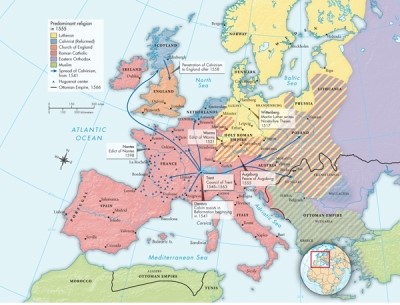
A)Major cities
B)Rural areas
C)Northern France
D)Southern France
A)Major cities
B)Rural areas
C)Northern France
D)Southern France
Question
Question
Question
Based on Map 13.1: The Global Empire of Charles V, ca. 1556, what was the only Christian kingdom that opposed Charles V? 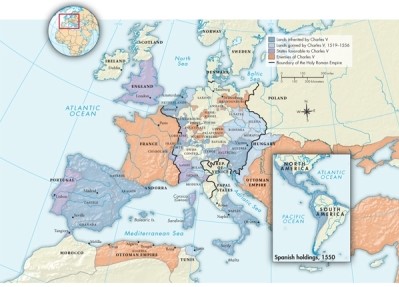
A)Scotland
B)Denmark
C)France
D)Ireland
A)Scotland
B)Denmark
C)France
D)Ireland
Question
Question
Question
Question
Question
Question
Question
Question
Question
Question
According to Map 13.2: Religious Divisions in Europe, ca. 1555, what region of Europe shown in the map experienced the most diversity in religious faith around 1555? 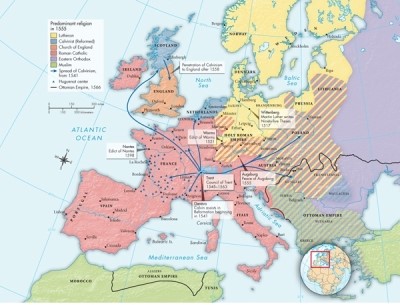
A)Southern Europe
B)Scandinavia
C)The British Isles
D)Eastern-Central Europe
A)Southern Europe
B)Scandinavia
C)The British Isles
D)Eastern-Central Europe
Question
Question
Question
Question
Question
Question
Question
Question
Question
Question
Question
Question
Question
Question
Question
Question
Question
Question
Question
Question
Question
Question
Question
Question
Question
Question
Question
Question
Question
Question

Unlock Deck
Sign up to unlock the cards in this deck!
Unlock Deck
Unlock Deck
1/78

Play

Full screen (f)
Deck 13: Reformations and Religious Wars 1500-1600
1
Why did Protestants allow the dissolution of marriages in divorce?
A)They believed that individuals were responsible for their own salvation and therefore should be allowed the choice to stay in a marriage or not.
B)They viewed marriage as a contract for mutual support, and married partners who failed to provide support endangered their souls and the entire community.
C)They believed that the "priesthood of all believers" required that all be treated equally before the law to make decisions about their marriages.
D)They viewed marriage as a temporary arrangement in this world that had no significance for the afterlife.
A)They believed that individuals were responsible for their own salvation and therefore should be allowed the choice to stay in a marriage or not.
B)They viewed marriage as a contract for mutual support, and married partners who failed to provide support endangered their souls and the entire community.
C)They believed that the "priesthood of all believers" required that all be treated equally before the law to make decisions about their marriages.
D)They viewed marriage as a temporary arrangement in this world that had no significance for the afterlife.
They viewed marriage as a contract for mutual support, and married partners who failed to provide support endangered their souls and the entire community.
2
How was the choice to embrace or reject the Protestant reform movement made in each territory or region of the Holy Roman Empire?
A)Individual parishes selected their leaders, who would decide whether to reform the parish.
B)Local religious councils determined whether or not to embrace reform.
C)Individual priests decided whether or not to embrace the reform movement and introduce new doctrines and practices.
D)The political leader(s)of the territory or region determined whether to introduce reforms.
A)Individual parishes selected their leaders, who would decide whether to reform the parish.
B)Local religious councils determined whether or not to embrace reform.
C)Individual priests decided whether or not to embrace the reform movement and introduce new doctrines and practices.
D)The political leader(s)of the territory or region determined whether to introduce reforms.
The political leader(s)of the territory or region determined whether to introduce reforms.
3
The Calvinist doctrine of predestination led to a
A)mood of fatalism among Calvin's followers.
B)withdrawal of Calvinists from the world of business and politics.
C)mass exodus from the city of Geneva.
D)confidence among Calvinists in their own salvation.
A)mood of fatalism among Calvin's followers.
B)withdrawal of Calvinists from the world of business and politics.
C)mass exodus from the city of Geneva.
D)confidence among Calvinists in their own salvation.
confidence among Calvinists in their own salvation.
4
Why did Elizabeth I have her cousin and heir Mary, Queen of Scots, executed?
A)Mary was implicated in a plot to assassinate Elizabeth.
B)Elizabeth wanted to demonstrate the consequences of supporting Catholicism.
C)Mary had married Philip II of Spain against Elizabeth's wishes.
D)Elizabeth resented Mary's beauty and ability to dominate men.
A)Mary was implicated in a plot to assassinate Elizabeth.
B)Elizabeth wanted to demonstrate the consequences of supporting Catholicism.
C)Mary had married Philip II of Spain against Elizabeth's wishes.
D)Elizabeth resented Mary's beauty and ability to dominate men.
Unlock Deck
Unlock for access to all 78 flashcards in this deck.
Unlock Deck
k this deck
5
Why did most ordinary Poles oppose the Lutheran reform movement?
A)They were exempt from most church taxes.
B)They saw the Catholic Church as a counterweight to the power of the Polish monarchy.
C)They believed themselves specially selected by God to preserve the Catholic faith.
D)They held strong anti-German feelings.
A)They were exempt from most church taxes.
B)They saw the Catholic Church as a counterweight to the power of the Polish monarchy.
C)They believed themselves specially selected by God to preserve the Catholic faith.
D)They held strong anti-German feelings.
Unlock Deck
Unlock for access to all 78 flashcards in this deck.
Unlock Deck
k this deck
6
The Treaty of Cateau-Cambrésis ended the conflict known as the
A)Wars of the Roses.
B)Hundred Years' War.
C)Habsburg-Valois wars.
D)Thirty Years' War.
A)Wars of the Roses.
B)Hundred Years' War.
C)Habsburg-Valois wars.
D)Thirty Years' War.
Unlock Deck
Unlock for access to all 78 flashcards in this deck.
Unlock Deck
k this deck
7
Luther believed that the church consisted of
A)the entire body of clergy.
B)the elect.
C)all those who supported his views.
D)a spiritual priesthood of all Christian believers.
A)the entire body of clergy.
B)the elect.
C)all those who supported his views.
D)a spiritual priesthood of all Christian believers.
Unlock Deck
Unlock for access to all 78 flashcards in this deck.
Unlock Deck
k this deck
8
Luther's claim that the papacy was exploiting Germany
A)appealed to the national sentiment of German princes.
B)was met with dismay by the ruling elite.
C)led to administrative reform in the empire.
D)found an audience only among the peasantry.
A)appealed to the national sentiment of German princes.
B)was met with dismay by the ruling elite.
C)led to administrative reform in the empire.
D)found an audience only among the peasantry.
Unlock Deck
Unlock for access to all 78 flashcards in this deck.
Unlock Deck
k this deck
9
Luther viewed celibacy as
A)opposed to human nature and God's commandments.
B)the ideal act of spiritual devotion.
C)required for all Lutheran pastors.
D)a gift only the spiritually mature could enjoy.
A)opposed to human nature and God's commandments.
B)the ideal act of spiritual devotion.
C)required for all Lutheran pastors.
D)a gift only the spiritually mature could enjoy.
Unlock Deck
Unlock for access to all 78 flashcards in this deck.
Unlock Deck
k this deck
10
Which of the following was a consequence of the Saint Bartholomew's Day Massacre?
A)The end of Protestant power in France
B)New efforts to bring civil order to France
C)A lengthy civil war
D)An international peace conference
A)The end of Protestant power in France
B)New efforts to bring civil order to France
C)A lengthy civil war
D)An international peace conference
Unlock Deck
Unlock for access to all 78 flashcards in this deck.
Unlock Deck
k this deck
11
John Calvin rejected the idea of free will because he believed it would
A)undermine the idea of human sinfulness.
B)eliminate the idea of the divine right of kings.
C)detract from the sovereignty of God.
D)undermine the need for the crucifixion of Christ.
A)undermine the idea of human sinfulness.
B)eliminate the idea of the divine right of kings.
C)detract from the sovereignty of God.
D)undermine the need for the crucifixion of Christ.
Unlock Deck
Unlock for access to all 78 flashcards in this deck.
Unlock Deck
k this deck
12
How did the closing of the monasteries and convents affect upper-class women?
A)Upper-class women were freed from the numerous restraints of convent life.
B)Marriage became virtually the only occupation for upper-class women.
C)Upper-class women were able to participate in art and literature, which were denied to them in the convent.
D)Families were forced to take over the care and support of women who had no productive role.
A)Upper-class women were freed from the numerous restraints of convent life.
B)Marriage became virtually the only occupation for upper-class women.
C)Upper-class women were able to participate in art and literature, which were denied to them in the convent.
D)Families were forced to take over the care and support of women who had no productive role.
Unlock Deck
Unlock for access to all 78 flashcards in this deck.
Unlock Deck
k this deck
13
How did the Calvinists understand the idea of work or labor?
A)Work was the consequence of sin entering the world; it marked the shame of humankind.
B)Hard work, well done, was pleasing to God, and all work with a religious aspect was dignified.
C)Work marked the duty to which God called the unlearned, freeing the superior minds to contemplation.
D)Hard work was the duty of criminals and non-Christians so that Christians could pursue holiness.
A)Work was the consequence of sin entering the world; it marked the shame of humankind.
B)Hard work, well done, was pleasing to God, and all work with a religious aspect was dignified.
C)Work marked the duty to which God called the unlearned, freeing the superior minds to contemplation.
D)Hard work was the duty of criminals and non-Christians so that Christians could pursue holiness.
Unlock Deck
Unlock for access to all 78 flashcards in this deck.
Unlock Deck
k this deck
14
In the early sixteenth century, anticlericalism focused primarily on which of the following issues?
A)The immorality of priests who were drunkards and neglected the rule of celibacy
B)Priests who were literate
C)Clerics who dispersed any collected revenues to their parishioners
D)The heresy of priests who preached messages contrary to church doctrine
A)The immorality of priests who were drunkards and neglected the rule of celibacy
B)Priests who were literate
C)Clerics who dispersed any collected revenues to their parishioners
D)The heresy of priests who preached messages contrary to church doctrine
Unlock Deck
Unlock for access to all 78 flashcards in this deck.
Unlock Deck
k this deck
15
The Colloquy of Marburg
A)failed to resolve the differences among Protestants on the issue of the Eucharist.
B)established the basic tenants of Catholic reform in opposition to the Protestant reform movement.
C)created the basic tenants of Calvinism that could then be adapted to specific national contexts.
D)required all Protestants to adopt a common reformed liturgy and standards for clerical behavior.
A)failed to resolve the differences among Protestants on the issue of the Eucharist.
B)established the basic tenants of Catholic reform in opposition to the Protestant reform movement.
C)created the basic tenants of Calvinism that could then be adapted to specific national contexts.
D)required all Protestants to adopt a common reformed liturgy and standards for clerical behavior.
Unlock Deck
Unlock for access to all 78 flashcards in this deck.
Unlock Deck
k this deck
16
How did Luther benefit from his appearance before the Holy Roman Emperor Charles V at the Diet of Worms?
A)Luther obtained permission to continue to call for reform as long as he remained loyal to papal authority.
B)Luther gained a larger audience for his reform ideas, and others began to challenge the church's teachings and practices.
C)Luther guaranteed the personal protection of the emperor for the rest of his life as long as he remained within imperial lands.
D)Luther was granted permission to call for church reform of institutional corruption as long as he accepted official papal doctrine.
A)Luther obtained permission to continue to call for reform as long as he remained loyal to papal authority.
B)Luther gained a larger audience for his reform ideas, and others began to challenge the church's teachings and practices.
C)Luther guaranteed the personal protection of the emperor for the rest of his life as long as he remained within imperial lands.
D)Luther was granted permission to call for church reform of institutional corruption as long as he accepted official papal doctrine.
Unlock Deck
Unlock for access to all 78 flashcards in this deck.
Unlock Deck
k this deck
17
Which of the following contributed to the success of Martin Luther's reform efforts?
A)Luther did not need political support and, therefore, was able to develop his ideas without political interference.
B)Luther understood the power of the new printing press and authorized the publication of his works.
C)Luther led a unified reform movement that was able to coordinate its actions in several different territories and kingdoms.
D)Luther's status as a nobleman brought him respect and legitimacy that he could use to defend his ideas.
A)Luther did not need political support and, therefore, was able to develop his ideas without political interference.
B)Luther understood the power of the new printing press and authorized the publication of his works.
C)Luther led a unified reform movement that was able to coordinate its actions in several different territories and kingdoms.
D)Luther's status as a nobleman brought him respect and legitimacy that he could use to defend his ideas.
Unlock Deck
Unlock for access to all 78 flashcards in this deck.
Unlock Deck
k this deck
18
Which of the following best describes Martin Luther's doctrine of salvation?
A)Salvation came through faith in God and works that demonstrated that faith.
B)Salvation came through the performance of the Holy Sacraments.
C)Salvation came through God's predestined selection of those he chose to save.
D)Salvation came through faith alone as a free gift of God's grace.
A)Salvation came through faith in God and works that demonstrated that faith.
B)Salvation came through the performance of the Holy Sacraments.
C)Salvation came through God's predestined selection of those he chose to save.
D)Salvation came through faith alone as a free gift of God's grace.
Unlock Deck
Unlock for access to all 78 flashcards in this deck.
Unlock Deck
k this deck
19
Martin Luther's first response to the Peasants' War was
A)a call to the nobles to crush the peasants.
B)to undertake penance for the peasants' sins.
C)a call for peasants and nobles to unite in a crusade against the Turks.
D)to side with the peasants.
A)a call to the nobles to crush the peasants.
B)to undertake penance for the peasants' sins.
C)a call for peasants and nobles to unite in a crusade against the Turks.
D)to side with the peasants.
Unlock Deck
Unlock for access to all 78 flashcards in this deck.
Unlock Deck
k this deck
20
As a result of the Peace of Augsburg, the people of Germany
A)remained Catholics.
B)were able to practice the religion of their choice.
C)converted to Lutheranism.
D)became either Lutheran or Catholic, depending on the preference of their prince.
A)remained Catholics.
B)were able to practice the religion of their choice.
C)converted to Lutheranism.
D)became either Lutheran or Catholic, depending on the preference of their prince.
Unlock Deck
Unlock for access to all 78 flashcards in this deck.
Unlock Deck
k this deck
21
France supported the Protestant princes of Germany in order to
A)spread Protestantism.
B)prevent English influence from increasing in Germany.
C)contain Protestantism east of the Rhine.
D)prevent Holy Roman Emperor Charles V from increasing his power.
A)spread Protestantism.
B)prevent English influence from increasing in Germany.
C)contain Protestantism east of the Rhine.
D)prevent Holy Roman Emperor Charles V from increasing his power.
Unlock Deck
Unlock for access to all 78 flashcards in this deck.
Unlock Deck
k this deck
22
What was the fate of most people brought before the Inquisition and accused of witchcraft?
A)They were found guilty and executed.
B)They were found innocent and exonerated of any wrongdoing.
C)They were found guilty and their property seized.
D)They were sent home with a warning and ordered to do penance.
A)They were found guilty and executed.
B)They were found innocent and exonerated of any wrongdoing.
C)They were found guilty and their property seized.
D)They were sent home with a warning and ordered to do penance.
Unlock Deck
Unlock for access to all 78 flashcards in this deck.
Unlock Deck
k this deck
23
The Edict of Nantes
A)permitted French Huguenots to worship wherever they wished as long as they continued to pay taxes to the Catholic Church.
B)ordered all French Huguenots to convert to Catholicism or leave France.
C)required all Catholic priests in France to swear an oath of loyalty to the king.
D)granted French Huguenots the right to worship in 150 towns.
A)permitted French Huguenots to worship wherever they wished as long as they continued to pay taxes to the Catholic Church.
B)ordered all French Huguenots to convert to Catholicism or leave France.
C)required all Catholic priests in France to swear an oath of loyalty to the king.
D)granted French Huguenots the right to worship in 150 towns.
Unlock Deck
Unlock for access to all 78 flashcards in this deck.
Unlock Deck
k this deck
24
What new religious order for women emerged in the sixteenth century?
A)Ursuline order
B)Society of Jesus
C)Sacred Congregation of the Holy Office
D)Colloquy of Marburg
A)Ursuline order
B)Society of Jesus
C)Sacred Congregation of the Holy Office
D)Colloquy of Marburg
Unlock Deck
Unlock for access to all 78 flashcards in this deck.
Unlock Deck
k this deck
25
"To those whom he devotes to condemnation, the gate of life is closed by a just and irreprehensible, but incomprehensible, judgment. How exceedingly presumptuous it is only to inquire into the causes of the Divine will; which is in fact, and is justly entitled to be, the cause of everything that exists." This quote from the writings of John Calvin explains what concept?
A)Self-sufficiency
B)Predestination
C)Self-determination
D)Autonomy
A)Self-sufficiency
B)Predestination
C)Self-determination
D)Autonomy
Unlock Deck
Unlock for access to all 78 flashcards in this deck.
Unlock Deck
k this deck
26
In Hungary, Lutheranism was
A)embraced by the high nobility as attacking their clerical rivals.
B)destroyed by Turks when they seized control of the realm.
C)rejected by nearly all people as a heresy of the hated Germans.
D)spread by Hungarian students who had studied at the University of Wittenberg.
A)embraced by the high nobility as attacking their clerical rivals.
B)destroyed by Turks when they seized control of the realm.
C)rejected by nearly all people as a heresy of the hated Germans.
D)spread by Hungarian students who had studied at the University of Wittenberg.
Unlock Deck
Unlock for access to all 78 flashcards in this deck.
Unlock Deck
k this deck
27
The Pilgrimage of Grace attested to
A)the continued strength of Catholicism in southern Europe.
B)the popularity of John Calvin.
C)popular opposition, in northern England, to Henry VIII's reformation.
D)popular support of Luther in his conflict with the pope.
A)the continued strength of Catholicism in southern Europe.
B)the popularity of John Calvin.
C)popular opposition, in northern England, to Henry VIII's reformation.
D)popular support of Luther in his conflict with the pope.
Unlock Deck
Unlock for access to all 78 flashcards in this deck.
Unlock Deck
k this deck
28
"[S]o we call Spiritual Exercises every way of preparing and disposing the soul to rid itself of all inordinate attachments, and, after their removal, of seeking and finding the will of God in the disposition of our life for the salvation of our soul." What is Ignatius Loyola discussing in this quote?
A)Methods of supporting the Catholic faith
B)A method to combat the spread of Protestant teachings
C)A training program using structured meditation to develop spiritual discipline
D)Methods used by the Inquisition for trials
A)Methods of supporting the Catholic faith
B)A method to combat the spread of Protestant teachings
C)A training program using structured meditation to develop spiritual discipline
D)Methods used by the Inquisition for trials
Unlock Deck
Unlock for access to all 78 flashcards in this deck.
Unlock Deck
k this deck
29
In religious affairs, Elizabeth I of England followed a policy that
A)supported the efforts of the Puritans.
B)emphasized personal and public religious conformity.
C)was a middle course between Catholic and Protestant extremes.
D)favored Catholics over Protestants.
A)supported the efforts of the Puritans.
B)emphasized personal and public religious conformity.
C)was a middle course between Catholic and Protestant extremes.
D)favored Catholics over Protestants.
Unlock Deck
Unlock for access to all 78 flashcards in this deck.
Unlock Deck
k this deck
30
In addition to reforming the church, what was the other goal of the Council of Trent?
A)Eliminating the Bohemian church
B)Reinforcing the power of monarchs
C)Recognizing bishops as completely independent of secular rulers
D)Securing reconciliation with the Protestants
A)Eliminating the Bohemian church
B)Reinforcing the power of monarchs
C)Recognizing bishops as completely independent of secular rulers
D)Securing reconciliation with the Protestants
Unlock Deck
Unlock for access to all 78 flashcards in this deck.
Unlock Deck
k this deck
31
The overriding goal of the Catholic religious orders established in the sixteenth century was
A)institutional reform.
B)reconciliation with Protestantism.
C)to combat heresy and Protestantism.
D)to uplift the moral condition of both clergy and laity.
A)institutional reform.
B)reconciliation with Protestantism.
C)to combat heresy and Protestantism.
D)to uplift the moral condition of both clergy and laity.
Unlock Deck
Unlock for access to all 78 flashcards in this deck.
Unlock Deck
k this deck
32
What was the name given to the Catholic and Huguenot moderates in France?
A)Hussites
B)Anticlerics
C)Flagellants
D)Politiques
A)Hussites
B)Anticlerics
C)Flagellants
D)Politiques
Unlock Deck
Unlock for access to all 78 flashcards in this deck.
Unlock Deck
k this deck
33
How effective was the Universal Inquisition established by the papacy in 1542?
A)The Inquisition was filled with internal rivalries and conflicts that prevented it from effectively working outside of a few famous cases.
B)The Inquisition effectively destroyed heresy within the Papal States but had little influence elsewhere.
C)The Inquisition had considerable success in all Catholic lands where political leaders supported it.
D)The Inquisition's success at rooting out heresy was so effective that many Protestant leaders invited it to work in Protestant lands.
A)The Inquisition was filled with internal rivalries and conflicts that prevented it from effectively working outside of a few famous cases.
B)The Inquisition effectively destroyed heresy within the Papal States but had little influence elsewhere.
C)The Inquisition had considerable success in all Catholic lands where political leaders supported it.
D)The Inquisition's success at rooting out heresy was so effective that many Protestant leaders invited it to work in Protestant lands.
Unlock Deck
Unlock for access to all 78 flashcards in this deck.
Unlock Deck
k this deck
34
The Reformation in England was primarily the result of
A)the dynastic and romantic concerns of Henry VIII.
B)the missionary activity of the Lollards.
C)the terrible conditions then existing in the English churches.
D)efforts by Luther and his followers.
A)the dynastic and romantic concerns of Henry VIII.
B)the missionary activity of the Lollards.
C)the terrible conditions then existing in the English churches.
D)efforts by Luther and his followers.
Unlock Deck
Unlock for access to all 78 flashcards in this deck.
Unlock Deck
k this deck
35
According to Map 13.2: Religious Divisions in Europe, ca. 1555, where did the French Calvinists (called Huguenots) live?
A)Major cities
B)Rural areas
C)Northern France
D)Southern France
A)Major cities
B)Rural areas
C)Northern France
D)Southern France
Unlock Deck
Unlock for access to all 78 flashcards in this deck.
Unlock Deck
k this deck
36
What were Lutheran and Calvinist attitudes toward secular rulers?
A)Lutherans and Calvinists believed that secular rulers must be obeyed and respected no matter what their religious beliefs.
B)Lutherans taught respect for authority, while Calvinists encouraged opposition to political authorities who were considered ungodly.
C)Lutherans taught opposition to ungodly leaders, while Calvinists taught obedience to all secular authorities.
D)Lutherans and Calvinists believed that secular leaders who violated the laws of nature must be opposed, while all others must be obeyed.
A)Lutherans and Calvinists believed that secular rulers must be obeyed and respected no matter what their religious beliefs.
B)Lutherans taught respect for authority, while Calvinists encouraged opposition to political authorities who were considered ungodly.
C)Lutherans taught opposition to ungodly leaders, while Calvinists taught obedience to all secular authorities.
D)Lutherans and Calvinists believed that secular leaders who violated the laws of nature must be opposed, while all others must be obeyed.
Unlock Deck
Unlock for access to all 78 flashcards in this deck.
Unlock Deck
k this deck
37
The Ursuline order of nuns focused on
A)the promotion of female mystics.
B)the education of women.
C)helping the poorest of the poor.
D)rooting out heretical parishioners.
A)the promotion of female mystics.
B)the education of women.
C)helping the poorest of the poor.
D)rooting out heretical parishioners.
Unlock Deck
Unlock for access to all 78 flashcards in this deck.
Unlock Deck
k this deck
38
Based on Map 13.1: The Global Empire of Charles V, ca. 1556, what was the only Christian kingdom that opposed Charles V?
A)Scotland
B)Denmark
C)France
D)Ireland
A)Scotland
B)Denmark
C)France
D)Ireland
Unlock Deck
Unlock for access to all 78 flashcards in this deck.
Unlock Deck
k this deck
39
The dissolution of the English monasteries
A)resulted from Henry VIII's desire to confiscate their wealth.
B)resulted in a more equitable distribution of land.
C)deeply disturbed the English upper classes.
D)was the result of rebellious activities by the monks.
A)resulted from Henry VIII's desire to confiscate their wealth.
B)resulted in a more equitable distribution of land.
C)deeply disturbed the English upper classes.
D)was the result of rebellious activities by the monks.
Unlock Deck
Unlock for access to all 78 flashcards in this deck.
Unlock Deck
k this deck
40
What was the name given to French Calvinists?
A)Augustinians
B)Huguenots
C)Jesuits
D)Carmelites
A)Augustinians
B)Huguenots
C)Jesuits
D)Carmelites
Unlock Deck
Unlock for access to all 78 flashcards in this deck.
Unlock Deck
k this deck
41
The following is an excerpt from the School ordinance of the duchy of Württemberg, a Lutheran territory in the Holy Roman Empire (Thinking Like a Historian): "In addition, all parents are obliged on the danger of losing their souls to teach the catechism to their children and domestic servants. Ask them also what they remember from last Sunday's sermon, and, if they remember nothing, admonish them to pay closer attention. And if kind words don't help, take the stick to them or give them nothing to eat and drink for supper until they have repeated something from the sermon."
Based on the evidence provided by this passage, one can conclude that Lutherans believed that
A)parents were at least partly responsible for the spiritual education of their children.
B)some children were simply born wicked and could not be changed.
C)corporal punishment of children was never acceptable.
D)parents should leave the education of their children to trained professionals.
Based on the evidence provided by this passage, one can conclude that Lutherans believed that
A)parents were at least partly responsible for the spiritual education of their children.
B)some children were simply born wicked and could not be changed.
C)corporal punishment of children was never acceptable.
D)parents should leave the education of their children to trained professionals.
Unlock Deck
Unlock for access to all 78 flashcards in this deck.
Unlock Deck
k this deck
42
Describe the process that led Denmark-Norway to become a Lutheran kingdom.
Unlock Deck
Unlock for access to all 78 flashcards in this deck.
Unlock Deck
k this deck
43
According to Martin Luther, how did one achieve salvation?
Unlock Deck
Unlock for access to all 78 flashcards in this deck.
Unlock Deck
k this deck
44
Why did Luther's ideas appeal to many German rulers?
Unlock Deck
Unlock for access to all 78 flashcards in this deck.
Unlock Deck
k this deck
45
Why did Henry VIII want to annul his marriage with Catherine of Aragon?
Unlock Deck
Unlock for access to all 78 flashcards in this deck.
Unlock Deck
k this deck
46
Luther's reforms spread rapidly, in part because the Holy Roman Empire was
A)ethnically and socially homogenous.
B)made up of numerous republics.
C)ruled by a powerful central government.
D)made up of hundreds of independent states.
A)ethnically and socially homogenous.
B)made up of numerous republics.
C)ruled by a powerful central government.
D)made up of hundreds of independent states.
Unlock Deck
Unlock for access to all 78 flashcards in this deck.
Unlock Deck
k this deck
47
How did Martin Luther's position as a university professor affect the spread of the Reformation?
Unlock Deck
Unlock for access to all 78 flashcards in this deck.
Unlock Deck
k this deck
48
According to Map 13.2: Religious Divisions in Europe, ca. 1555, what region of Europe shown in the map experienced the most diversity in religious faith around 1555?
A)Southern Europe
B)Scandinavia
C)The British Isles
D)Eastern-Central Europe
A)Southern Europe
B)Scandinavia
C)The British Isles
D)Eastern-Central Europe
Unlock Deck
Unlock for access to all 78 flashcards in this deck.
Unlock Deck
k this deck
49
The following excerpt is from a 1587 German account of the testimony at the trial of an accused witch: "Walpurga Hausmännin . . . upon kindly questioning and also torture . . . confessed . . . that the Evil One indulged in fornication with her . . . and made her many promises to help her in her poverty and need. . . . She promised herself body and soul to him and disowned God in heaven. . . . With her devil-paramour and other playfellows she has eaten these [animals and children] and used their hair and their little bones for witchcraft."
The passage provides evidence of which of the following?
A)The belief that witches were indirectly carrying out God's will
B)The belief that only women could be witches
C)The belief that the essence of witchcraft was a pact with the Devil
D)The belief that all witches would eventually betray themselves
The passage provides evidence of which of the following?
A)The belief that witches were indirectly carrying out God's will
B)The belief that only women could be witches
C)The belief that the essence of witchcraft was a pact with the Devil
D)The belief that all witches would eventually betray themselves
Unlock Deck
Unlock for access to all 78 flashcards in this deck.
Unlock Deck
k this deck
50
How did the Council of Trent deal with the problem of clerical ignorance?
Unlock Deck
Unlock for access to all 78 flashcards in this deck.
Unlock Deck
k this deck
51
The Holy Roman Emperor Charles V was
A)uninterested in matters of religion.
B)a disciple of John Calvin.
C)a vigorous defender of Catholicism.
D)a committed Lutheran.
A)uninterested in matters of religion.
B)a disciple of John Calvin.
C)a vigorous defender of Catholicism.
D)a committed Lutheran.
Unlock Deck
Unlock for access to all 78 flashcards in this deck.
Unlock Deck
k this deck
52
How did Martin Luther and Ulrich Zwingli understand the ritual of the Eucharist?
Unlock Deck
Unlock for access to all 78 flashcards in this deck.
Unlock Deck
k this deck
53
The most important second-generation Protestant reformer was
A)Ulrich Zwingli.
B)Erasmus of Rotterdam.
C)John Calvin.
D)Ignatius Loyola.
A)Ulrich Zwingli.
B)Erasmus of Rotterdam.
C)John Calvin.
D)Ignatius Loyola.
Unlock Deck
Unlock for access to all 78 flashcards in this deck.
Unlock Deck
k this deck
54
Why was the pope unable to grant Henry VIII of England the annulment he desired?
A)The pope was on his death bed.
B)Church teachings clearly banned such annulments.
C)The pope was essentially the prisoner of Emperor Charles V.
D)The College of Cardinals opposed the annulment.
A)The pope was on his death bed.
B)Church teachings clearly banned such annulments.
C)The pope was essentially the prisoner of Emperor Charles V.
D)The College of Cardinals opposed the annulment.
Unlock Deck
Unlock for access to all 78 flashcards in this deck.
Unlock Deck
k this deck
55
Early-sixteenth-century critics of the clergy concentrated on three problems: clerical immorality, clerical ignorance, and clerical
A)pluralism.
B)malfeasance.
C)celibacy.
D)errors.
A)pluralism.
B)malfeasance.
C)celibacy.
D)errors.
Unlock Deck
Unlock for access to all 78 flashcards in this deck.
Unlock Deck
k this deck
56
The following is an excerpt from the 1563 Decrees of the Council of Trent: "That the faithful may approach the sacraments with greater reverence and devotion of mind, the holy Council commands all bishops that not only when they themselves are about to administer them to the people, they shall first, in a manner adapted to the mental ability of those who receive them, explain their efficacy and use, but also that they shall see to it that the same is done piously and prudently by every parish priest, and in the vernacular tongue."
What important change in Catholic religious practice is described in this passage?
A)The decision to end the participation of monks and nuns in public religious services
B)The shift away from the exclusive use of Latin in Catholic religious services
C)The new emphasis on the authority of Scripture
D)The decision to include lay people in the Catholic religious hierarchy
What important change in Catholic religious practice is described in this passage?
A)The decision to end the participation of monks and nuns in public religious services
B)The shift away from the exclusive use of Latin in Catholic religious services
C)The new emphasis on the authority of Scripture
D)The decision to include lay people in the Catholic religious hierarchy
Unlock Deck
Unlock for access to all 78 flashcards in this deck.
Unlock Deck
k this deck
57
Who were the politiques, and what role did they play in France?
Unlock Deck
Unlock for access to all 78 flashcards in this deck.
Unlock Deck
k this deck
58
Early-sixteenth-century Europeans were, for the most part,
A)deeply skeptical of Christian teachings.
B)deeply pious.
C)reluctant to criticize the Roman Catholic Church.
D)uninterested in religion.
A)deeply skeptical of Christian teachings.
B)deeply pious.
C)reluctant to criticize the Roman Catholic Church.
D)uninterested in religion.
Unlock Deck
Unlock for access to all 78 flashcards in this deck.
Unlock Deck
k this deck
59
How did the Council of Trent reform the priesthood?
Unlock Deck
Unlock for access to all 78 flashcards in this deck.
Unlock Deck
k this deck
60
What was an indulgence, and how did Luther's theology of salvation reject indulgences?
Unlock Deck
Unlock for access to all 78 flashcards in this deck.
Unlock Deck
k this deck
61
Answer the following questions:
Union of Utrecht
A)John Calvin's formulation of Christian doctrine, which became a systematic theology for Protestantism.
B)The name originally given to Lutherans, which came to mean all non-Catholic Western Christian groups.
C)A document issued by Henry IV of France in 1598, granting liberty of conscience and of public worship to Calvinists, which helped restore peace in France.
D)Sent by Spain's Philip II in 1588, this fleet constituted a religious crusade against English Protestantism; the English fleet and bad weather defeated it.
E)The official Roman Catholic agency founded in 1542 to combat international doctrinal heresy.
F)The alliance of seven northern provinces (led by Holland) that declared its independence from Spain and formed the United Provinces of the Netherlands.
G)A document issued by the Catholic Church lessening penance or time in purgatory, widely believed to bring forgiveness of all sins.
H)Opposition to the clergy.
I)Members of the Society of Jesus, founded by Ignatius Loyola, whose goal was the spread of the Roman Catholic faith.
J)The teaching that God has determined the salvation or damnation of individuals based on his will and purpose, not on their merit or works.
K)French Calvinists.
L)Catholic and Protestant moderates who held that only a strong monarchy could save France from total collapse.
Union of Utrecht
A)John Calvin's formulation of Christian doctrine, which became a systematic theology for Protestantism.
B)The name originally given to Lutherans, which came to mean all non-Catholic Western Christian groups.
C)A document issued by Henry IV of France in 1598, granting liberty of conscience and of public worship to Calvinists, which helped restore peace in France.
D)Sent by Spain's Philip II in 1588, this fleet constituted a religious crusade against English Protestantism; the English fleet and bad weather defeated it.
E)The official Roman Catholic agency founded in 1542 to combat international doctrinal heresy.
F)The alliance of seven northern provinces (led by Holland) that declared its independence from Spain and formed the United Provinces of the Netherlands.
G)A document issued by the Catholic Church lessening penance or time in purgatory, widely believed to bring forgiveness of all sins.
H)Opposition to the clergy.
I)Members of the Society of Jesus, founded by Ignatius Loyola, whose goal was the spread of the Roman Catholic faith.
J)The teaching that God has determined the salvation or damnation of individuals based on his will and purpose, not on their merit or works.
K)French Calvinists.
L)Catholic and Protestant moderates who held that only a strong monarchy could save France from total collapse.
Unlock Deck
Unlock for access to all 78 flashcards in this deck.
Unlock Deck
k this deck
62
Answer the following questions:
politiques
A)John Calvin's formulation of Christian doctrine, which became a systematic theology for Protestantism.
B)The name originally given to Lutherans, which came to mean all non-Catholic Western Christian groups.
C)A document issued by Henry IV of France in 1598, granting liberty of conscience and of public worship to Calvinists, which helped restore peace in France.
D)Sent by Spain's Philip II in 1588, this fleet constituted a religious crusade against English Protestantism; the English fleet and bad weather defeated it.
E)The official Roman Catholic agency founded in 1542 to combat international doctrinal heresy.
F)The alliance of seven northern provinces (led by Holland) that declared its independence from Spain and formed the United Provinces of the Netherlands.
G)A document issued by the Catholic Church lessening penance or time in purgatory, widely believed to bring forgiveness of all sins.
H)Opposition to the clergy.
I)Members of the Society of Jesus, founded by Ignatius Loyola, whose goal was the spread of the Roman Catholic faith.
J)The teaching that God has determined the salvation or damnation of individuals based on his will and purpose, not on their merit or works.
K)French Calvinists.
L)Catholic and Protestant moderates who held that only a strong monarchy could save France from total collapse.
politiques
A)John Calvin's formulation of Christian doctrine, which became a systematic theology for Protestantism.
B)The name originally given to Lutherans, which came to mean all non-Catholic Western Christian groups.
C)A document issued by Henry IV of France in 1598, granting liberty of conscience and of public worship to Calvinists, which helped restore peace in France.
D)Sent by Spain's Philip II in 1588, this fleet constituted a religious crusade against English Protestantism; the English fleet and bad weather defeated it.
E)The official Roman Catholic agency founded in 1542 to combat international doctrinal heresy.
F)The alliance of seven northern provinces (led by Holland) that declared its independence from Spain and formed the United Provinces of the Netherlands.
G)A document issued by the Catholic Church lessening penance or time in purgatory, widely believed to bring forgiveness of all sins.
H)Opposition to the clergy.
I)Members of the Society of Jesus, founded by Ignatius Loyola, whose goal was the spread of the Roman Catholic faith.
J)The teaching that God has determined the salvation or damnation of individuals based on his will and purpose, not on their merit or works.
K)French Calvinists.
L)Catholic and Protestant moderates who held that only a strong monarchy could save France from total collapse.
Unlock Deck
Unlock for access to all 78 flashcards in this deck.
Unlock Deck
k this deck
63
What were the political motivations for European rulers to join the Protestant Reformation? Give specific examples of the links between politics and the reform movement.
Unlock Deck
Unlock for access to all 78 flashcards in this deck.
Unlock Deck
k this deck
64
How did the established Catholic Church, headquartered in Rome, respond to the challenge presented by Luther and subsequent Protestant reformers? How successful was this response?
Unlock Deck
Unlock for access to all 78 flashcards in this deck.
Unlock Deck
k this deck
65
According to some historians, Luther did not ask new questions but offered new answers to old questions. What were these questions, and what were Luther's answers?
Unlock Deck
Unlock for access to all 78 flashcards in this deck.
Unlock Deck
k this deck
66
Answer the following questions:
predestination
A)John Calvin's formulation of Christian doctrine, which became a systematic theology for Protestantism.
B)The name originally given to Lutherans, which came to mean all non-Catholic Western Christian groups.
C)A document issued by Henry IV of France in 1598, granting liberty of conscience and of public worship to Calvinists, which helped restore peace in France.
D)Sent by Spain's Philip II in 1588, this fleet constituted a religious crusade against English Protestantism; the English fleet and bad weather defeated it.
E)The official Roman Catholic agency founded in 1542 to combat international doctrinal heresy.
F)The alliance of seven northern provinces (led by Holland) that declared its independence from Spain and formed the United Provinces of the Netherlands.
G)A document issued by the Catholic Church lessening penance or time in purgatory, widely believed to bring forgiveness of all sins.
H)Opposition to the clergy.
I)Members of the Society of Jesus, founded by Ignatius Loyola, whose goal was the spread of the Roman Catholic faith.
J)The teaching that God has determined the salvation or damnation of individuals based on his will and purpose, not on their merit or works.
K)French Calvinists.
L)Catholic and Protestant moderates who held that only a strong monarchy could save France from total collapse.
predestination
A)John Calvin's formulation of Christian doctrine, which became a systematic theology for Protestantism.
B)The name originally given to Lutherans, which came to mean all non-Catholic Western Christian groups.
C)A document issued by Henry IV of France in 1598, granting liberty of conscience and of public worship to Calvinists, which helped restore peace in France.
D)Sent by Spain's Philip II in 1588, this fleet constituted a religious crusade against English Protestantism; the English fleet and bad weather defeated it.
E)The official Roman Catholic agency founded in 1542 to combat international doctrinal heresy.
F)The alliance of seven northern provinces (led by Holland) that declared its independence from Spain and formed the United Provinces of the Netherlands.
G)A document issued by the Catholic Church lessening penance or time in purgatory, widely believed to bring forgiveness of all sins.
H)Opposition to the clergy.
I)Members of the Society of Jesus, founded by Ignatius Loyola, whose goal was the spread of the Roman Catholic faith.
J)The teaching that God has determined the salvation or damnation of individuals based on his will and purpose, not on their merit or works.
K)French Calvinists.
L)Catholic and Protestant moderates who held that only a strong monarchy could save France from total collapse.
Unlock Deck
Unlock for access to all 78 flashcards in this deck.
Unlock Deck
k this deck
67
Answer the following questions:
indulgence
A)John Calvin's formulation of Christian doctrine, which became a systematic theology for Protestantism.
B)The name originally given to Lutherans, which came to mean all non-Catholic Western Christian groups.
C)A document issued by Henry IV of France in 1598, granting liberty of conscience and of public worship to Calvinists, which helped restore peace in France.
D)Sent by Spain's Philip II in 1588, this fleet constituted a religious crusade against English Protestantism; the English fleet and bad weather defeated it.
E)The official Roman Catholic agency founded in 1542 to combat international doctrinal heresy.
F)The alliance of seven northern provinces (led by Holland) that declared its independence from Spain and formed the United Provinces of the Netherlands.
G)A document issued by the Catholic Church lessening penance or time in purgatory, widely believed to bring forgiveness of all sins.
H)Opposition to the clergy.
I)Members of the Society of Jesus, founded by Ignatius Loyola, whose goal was the spread of the Roman Catholic faith.
J)The teaching that God has determined the salvation or damnation of individuals based on his will and purpose, not on their merit or works.
K)French Calvinists.
L)Catholic and Protestant moderates who held that only a strong monarchy could save France from total collapse.
indulgence
A)John Calvin's formulation of Christian doctrine, which became a systematic theology for Protestantism.
B)The name originally given to Lutherans, which came to mean all non-Catholic Western Christian groups.
C)A document issued by Henry IV of France in 1598, granting liberty of conscience and of public worship to Calvinists, which helped restore peace in France.
D)Sent by Spain's Philip II in 1588, this fleet constituted a religious crusade against English Protestantism; the English fleet and bad weather defeated it.
E)The official Roman Catholic agency founded in 1542 to combat international doctrinal heresy.
F)The alliance of seven northern provinces (led by Holland) that declared its independence from Spain and formed the United Provinces of the Netherlands.
G)A document issued by the Catholic Church lessening penance or time in purgatory, widely believed to bring forgiveness of all sins.
H)Opposition to the clergy.
I)Members of the Society of Jesus, founded by Ignatius Loyola, whose goal was the spread of the Roman Catholic faith.
J)The teaching that God has determined the salvation or damnation of individuals based on his will and purpose, not on their merit or works.
K)French Calvinists.
L)Catholic and Protestant moderates who held that only a strong monarchy could save France from total collapse.
Unlock Deck
Unlock for access to all 78 flashcards in this deck.
Unlock Deck
k this deck
68
Answer the following questions:
The Institutes of the Christian Religion
A)John Calvin's formulation of Christian doctrine, which became a systematic theology for Protestantism.
B)The name originally given to Lutherans, which came to mean all non-Catholic Western Christian groups.
C)A document issued by Henry IV of France in 1598, granting liberty of conscience and of public worship to Calvinists, which helped restore peace in France.
D)Sent by Spain's Philip II in 1588, this fleet constituted a religious crusade against English Protestantism; the English fleet and bad weather defeated it.
E)The official Roman Catholic agency founded in 1542 to combat international doctrinal heresy.
F)The alliance of seven northern provinces (led by Holland) that declared its independence from Spain and formed the United Provinces of the Netherlands.
G)A document issued by the Catholic Church lessening penance or time in purgatory, widely believed to bring forgiveness of all sins.
H)Opposition to the clergy.
I)Members of the Society of Jesus, founded by Ignatius Loyola, whose goal was the spread of the Roman Catholic faith.
J)The teaching that God has determined the salvation or damnation of individuals based on his will and purpose, not on their merit or works.
K)French Calvinists.
L)Catholic and Protestant moderates who held that only a strong monarchy could save France from total collapse.
The Institutes of the Christian Religion
A)John Calvin's formulation of Christian doctrine, which became a systematic theology for Protestantism.
B)The name originally given to Lutherans, which came to mean all non-Catholic Western Christian groups.
C)A document issued by Henry IV of France in 1598, granting liberty of conscience and of public worship to Calvinists, which helped restore peace in France.
D)Sent by Spain's Philip II in 1588, this fleet constituted a religious crusade against English Protestantism; the English fleet and bad weather defeated it.
E)The official Roman Catholic agency founded in 1542 to combat international doctrinal heresy.
F)The alliance of seven northern provinces (led by Holland) that declared its independence from Spain and formed the United Provinces of the Netherlands.
G)A document issued by the Catholic Church lessening penance or time in purgatory, widely believed to bring forgiveness of all sins.
H)Opposition to the clergy.
I)Members of the Society of Jesus, founded by Ignatius Loyola, whose goal was the spread of the Roman Catholic faith.
J)The teaching that God has determined the salvation or damnation of individuals based on his will and purpose, not on their merit or works.
K)French Calvinists.
L)Catholic and Protestant moderates who held that only a strong monarchy could save France from total collapse.
Unlock Deck
Unlock for access to all 78 flashcards in this deck.
Unlock Deck
k this deck
69
Answer the following questions:
anticlericalism
A)John Calvin's formulation of Christian doctrine, which became a systematic theology for Protestantism.
B)The name originally given to Lutherans, which came to mean all non-Catholic Western Christian groups.
C)A document issued by Henry IV of France in 1598, granting liberty of conscience and of public worship to Calvinists, which helped restore peace in France.
D)Sent by Spain's Philip II in 1588, this fleet constituted a religious crusade against English Protestantism; the English fleet and bad weather defeated it.
E)The official Roman Catholic agency founded in 1542 to combat international doctrinal heresy.
F)The alliance of seven northern provinces (led by Holland) that declared its independence from Spain and formed the United Provinces of the Netherlands.
G)A document issued by the Catholic Church lessening penance or time in purgatory, widely believed to bring forgiveness of all sins.
H)Opposition to the clergy.
I)Members of the Society of Jesus, founded by Ignatius Loyola, whose goal was the spread of the Roman Catholic faith.
J)The teaching that God has determined the salvation or damnation of individuals based on his will and purpose, not on their merit or works.
K)French Calvinists.
L)Catholic and Protestant moderates who held that only a strong monarchy could save France from total collapse.
anticlericalism
A)John Calvin's formulation of Christian doctrine, which became a systematic theology for Protestantism.
B)The name originally given to Lutherans, which came to mean all non-Catholic Western Christian groups.
C)A document issued by Henry IV of France in 1598, granting liberty of conscience and of public worship to Calvinists, which helped restore peace in France.
D)Sent by Spain's Philip II in 1588, this fleet constituted a religious crusade against English Protestantism; the English fleet and bad weather defeated it.
E)The official Roman Catholic agency founded in 1542 to combat international doctrinal heresy.
F)The alliance of seven northern provinces (led by Holland) that declared its independence from Spain and formed the United Provinces of the Netherlands.
G)A document issued by the Catholic Church lessening penance or time in purgatory, widely believed to bring forgiveness of all sins.
H)Opposition to the clergy.
I)Members of the Society of Jesus, founded by Ignatius Loyola, whose goal was the spread of the Roman Catholic faith.
J)The teaching that God has determined the salvation or damnation of individuals based on his will and purpose, not on their merit or works.
K)French Calvinists.
L)Catholic and Protestant moderates who held that only a strong monarchy could save France from total collapse.
Unlock Deck
Unlock for access to all 78 flashcards in this deck.
Unlock Deck
k this deck
70
Answer the following questions:
Spanish Armada
A)John Calvin's formulation of Christian doctrine, which became a systematic theology for Protestantism.
B)The name originally given to Lutherans, which came to mean all non-Catholic Western Christian groups.
C)A document issued by Henry IV of France in 1598, granting liberty of conscience and of public worship to Calvinists, which helped restore peace in France.
D)Sent by Spain's Philip II in 1588, this fleet constituted a religious crusade against English Protestantism; the English fleet and bad weather defeated it.
E)The official Roman Catholic agency founded in 1542 to combat international doctrinal heresy.
F)The alliance of seven northern provinces (led by Holland) that declared its independence from Spain and formed the United Provinces of the Netherlands.
G)A document issued by the Catholic Church lessening penance or time in purgatory, widely believed to bring forgiveness of all sins.
H)Opposition to the clergy.
I)Members of the Society of Jesus, founded by Ignatius Loyola, whose goal was the spread of the Roman Catholic faith.
J)The teaching that God has determined the salvation or damnation of individuals based on his will and purpose, not on their merit or works.
K)French Calvinists.
L)Catholic and Protestant moderates who held that only a strong monarchy could save France from total collapse.
Spanish Armada
A)John Calvin's formulation of Christian doctrine, which became a systematic theology for Protestantism.
B)The name originally given to Lutherans, which came to mean all non-Catholic Western Christian groups.
C)A document issued by Henry IV of France in 1598, granting liberty of conscience and of public worship to Calvinists, which helped restore peace in France.
D)Sent by Spain's Philip II in 1588, this fleet constituted a religious crusade against English Protestantism; the English fleet and bad weather defeated it.
E)The official Roman Catholic agency founded in 1542 to combat international doctrinal heresy.
F)The alliance of seven northern provinces (led by Holland) that declared its independence from Spain and formed the United Provinces of the Netherlands.
G)A document issued by the Catholic Church lessening penance or time in purgatory, widely believed to bring forgiveness of all sins.
H)Opposition to the clergy.
I)Members of the Society of Jesus, founded by Ignatius Loyola, whose goal was the spread of the Roman Catholic faith.
J)The teaching that God has determined the salvation or damnation of individuals based on his will and purpose, not on their merit or works.
K)French Calvinists.
L)Catholic and Protestant moderates who held that only a strong monarchy could save France from total collapse.
Unlock Deck
Unlock for access to all 78 flashcards in this deck.
Unlock Deck
k this deck
71
Answer the following questions:
Holy Office
A)John Calvin's formulation of Christian doctrine, which became a systematic theology for Protestantism.
B)The name originally given to Lutherans, which came to mean all non-Catholic Western Christian groups.
C)A document issued by Henry IV of France in 1598, granting liberty of conscience and of public worship to Calvinists, which helped restore peace in France.
D)Sent by Spain's Philip II in 1588, this fleet constituted a religious crusade against English Protestantism; the English fleet and bad weather defeated it.
E)The official Roman Catholic agency founded in 1542 to combat international doctrinal heresy.
F)The alliance of seven northern provinces (led by Holland) that declared its independence from Spain and formed the United Provinces of the Netherlands.
G)A document issued by the Catholic Church lessening penance or time in purgatory, widely believed to bring forgiveness of all sins.
H)Opposition to the clergy.
I)Members of the Society of Jesus, founded by Ignatius Loyola, whose goal was the spread of the Roman Catholic faith.
J)The teaching that God has determined the salvation or damnation of individuals based on his will and purpose, not on their merit or works.
K)French Calvinists.
L)Catholic and Protestant moderates who held that only a strong monarchy could save France from total collapse.
Holy Office
A)John Calvin's formulation of Christian doctrine, which became a systematic theology for Protestantism.
B)The name originally given to Lutherans, which came to mean all non-Catholic Western Christian groups.
C)A document issued by Henry IV of France in 1598, granting liberty of conscience and of public worship to Calvinists, which helped restore peace in France.
D)Sent by Spain's Philip II in 1588, this fleet constituted a religious crusade against English Protestantism; the English fleet and bad weather defeated it.
E)The official Roman Catholic agency founded in 1542 to combat international doctrinal heresy.
F)The alliance of seven northern provinces (led by Holland) that declared its independence from Spain and formed the United Provinces of the Netherlands.
G)A document issued by the Catholic Church lessening penance or time in purgatory, widely believed to bring forgiveness of all sins.
H)Opposition to the clergy.
I)Members of the Society of Jesus, founded by Ignatius Loyola, whose goal was the spread of the Roman Catholic faith.
J)The teaching that God has determined the salvation or damnation of individuals based on his will and purpose, not on their merit or works.
K)French Calvinists.
L)Catholic and Protestant moderates who held that only a strong monarchy could save France from total collapse.
Unlock Deck
Unlock for access to all 78 flashcards in this deck.
Unlock Deck
k this deck
72
The Christian Church had experienced periodic calls for reform prior to Martin Luther's rebellion. Why did Luther's challenge to the sale of indulgences spark such a startling revolution in European history?
Unlock Deck
Unlock for access to all 78 flashcards in this deck.
Unlock Deck
k this deck
73
Although the Protestant Reformation is usually interpreted as a religious movement, it had a profound impact on European civilization in general. Discuss the political, social, and economic consequences of the Reformation. How did the Reformation affect women?
Unlock Deck
Unlock for access to all 78 flashcards in this deck.
Unlock Deck
k this deck
74
Answer the following questions:
Jesuits
A)John Calvin's formulation of Christian doctrine, which became a systematic theology for Protestantism.
B)The name originally given to Lutherans, which came to mean all non-Catholic Western Christian groups.
C)A document issued by Henry IV of France in 1598, granting liberty of conscience and of public worship to Calvinists, which helped restore peace in France.
D)Sent by Spain's Philip II in 1588, this fleet constituted a religious crusade against English Protestantism; the English fleet and bad weather defeated it.
E)The official Roman Catholic agency founded in 1542 to combat international doctrinal heresy.
F)The alliance of seven northern provinces (led by Holland) that declared its independence from Spain and formed the United Provinces of the Netherlands.
G)A document issued by the Catholic Church lessening penance or time in purgatory, widely believed to bring forgiveness of all sins.
H)Opposition to the clergy.
I)Members of the Society of Jesus, founded by Ignatius Loyola, whose goal was the spread of the Roman Catholic faith.
J)The teaching that God has determined the salvation or damnation of individuals based on his will and purpose, not on their merit or works.
K)French Calvinists.
L)Catholic and Protestant moderates who held that only a strong monarchy could save France from total collapse.
Jesuits
A)John Calvin's formulation of Christian doctrine, which became a systematic theology for Protestantism.
B)The name originally given to Lutherans, which came to mean all non-Catholic Western Christian groups.
C)A document issued by Henry IV of France in 1598, granting liberty of conscience and of public worship to Calvinists, which helped restore peace in France.
D)Sent by Spain's Philip II in 1588, this fleet constituted a religious crusade against English Protestantism; the English fleet and bad weather defeated it.
E)The official Roman Catholic agency founded in 1542 to combat international doctrinal heresy.
F)The alliance of seven northern provinces (led by Holland) that declared its independence from Spain and formed the United Provinces of the Netherlands.
G)A document issued by the Catholic Church lessening penance or time in purgatory, widely believed to bring forgiveness of all sins.
H)Opposition to the clergy.
I)Members of the Society of Jesus, founded by Ignatius Loyola, whose goal was the spread of the Roman Catholic faith.
J)The teaching that God has determined the salvation or damnation of individuals based on his will and purpose, not on their merit or works.
K)French Calvinists.
L)Catholic and Protestant moderates who held that only a strong monarchy could save France from total collapse.
Unlock Deck
Unlock for access to all 78 flashcards in this deck.
Unlock Deck
k this deck
75
Answer the following questions:
Protestant
A)John Calvin's formulation of Christian doctrine, which became a systematic theology for Protestantism.
B)The name originally given to Lutherans, which came to mean all non-Catholic Western Christian groups.
C)A document issued by Henry IV of France in 1598, granting liberty of conscience and of public worship to Calvinists, which helped restore peace in France.
D)Sent by Spain's Philip II in 1588, this fleet constituted a religious crusade against English Protestantism; the English fleet and bad weather defeated it.
E)The official Roman Catholic agency founded in 1542 to combat international doctrinal heresy.
F)The alliance of seven northern provinces (led by Holland) that declared its independence from Spain and formed the United Provinces of the Netherlands.
G)A document issued by the Catholic Church lessening penance or time in purgatory, widely believed to bring forgiveness of all sins.
H)Opposition to the clergy.
I)Members of the Society of Jesus, founded by Ignatius Loyola, whose goal was the spread of the Roman Catholic faith.
J)The teaching that God has determined the salvation or damnation of individuals based on his will and purpose, not on their merit or works.
K)French Calvinists.
L)Catholic and Protestant moderates who held that only a strong monarchy could save France from total collapse.
Protestant
A)John Calvin's formulation of Christian doctrine, which became a systematic theology for Protestantism.
B)The name originally given to Lutherans, which came to mean all non-Catholic Western Christian groups.
C)A document issued by Henry IV of France in 1598, granting liberty of conscience and of public worship to Calvinists, which helped restore peace in France.
D)Sent by Spain's Philip II in 1588, this fleet constituted a religious crusade against English Protestantism; the English fleet and bad weather defeated it.
E)The official Roman Catholic agency founded in 1542 to combat international doctrinal heresy.
F)The alliance of seven northern provinces (led by Holland) that declared its independence from Spain and formed the United Provinces of the Netherlands.
G)A document issued by the Catholic Church lessening penance or time in purgatory, widely believed to bring forgiveness of all sins.
H)Opposition to the clergy.
I)Members of the Society of Jesus, founded by Ignatius Loyola, whose goal was the spread of the Roman Catholic faith.
J)The teaching that God has determined the salvation or damnation of individuals based on his will and purpose, not on their merit or works.
K)French Calvinists.
L)Catholic and Protestant moderates who held that only a strong monarchy could save France from total collapse.
Unlock Deck
Unlock for access to all 78 flashcards in this deck.
Unlock Deck
k this deck
76
How do the actions of both Protestant and Catholic leaders exemplify the basic political creed of uniformity prevalent in Europe in the sixteenth century?
Unlock Deck
Unlock for access to all 78 flashcards in this deck.
Unlock Deck
k this deck
77
Answer the following questions:
Huguenots
A)John Calvin's formulation of Christian doctrine, which became a systematic theology for Protestantism.
B)The name originally given to Lutherans, which came to mean all non-Catholic Western Christian groups.
C)A document issued by Henry IV of France in 1598, granting liberty of conscience and of public worship to Calvinists, which helped restore peace in France.
D)Sent by Spain's Philip II in 1588, this fleet constituted a religious crusade against English Protestantism; the English fleet and bad weather defeated it.
E)The official Roman Catholic agency founded in 1542 to combat international doctrinal heresy.
F)The alliance of seven northern provinces (led by Holland) that declared its independence from Spain and formed the United Provinces of the Netherlands.
G)A document issued by the Catholic Church lessening penance or time in purgatory, widely believed to bring forgiveness of all sins.
H)Opposition to the clergy.
I)Members of the Society of Jesus, founded by Ignatius Loyola, whose goal was the spread of the Roman Catholic faith.
J)The teaching that God has determined the salvation or damnation of individuals based on his will and purpose, not on their merit or works.
K)French Calvinists.
L)Catholic and Protestant moderates who held that only a strong monarchy could save France from total collapse.
Huguenots
A)John Calvin's formulation of Christian doctrine, which became a systematic theology for Protestantism.
B)The name originally given to Lutherans, which came to mean all non-Catholic Western Christian groups.
C)A document issued by Henry IV of France in 1598, granting liberty of conscience and of public worship to Calvinists, which helped restore peace in France.
D)Sent by Spain's Philip II in 1588, this fleet constituted a religious crusade against English Protestantism; the English fleet and bad weather defeated it.
E)The official Roman Catholic agency founded in 1542 to combat international doctrinal heresy.
F)The alliance of seven northern provinces (led by Holland) that declared its independence from Spain and formed the United Provinces of the Netherlands.
G)A document issued by the Catholic Church lessening penance or time in purgatory, widely believed to bring forgiveness of all sins.
H)Opposition to the clergy.
I)Members of the Society of Jesus, founded by Ignatius Loyola, whose goal was the spread of the Roman Catholic faith.
J)The teaching that God has determined the salvation or damnation of individuals based on his will and purpose, not on their merit or works.
K)French Calvinists.
L)Catholic and Protestant moderates who held that only a strong monarchy could save France from total collapse.
Unlock Deck
Unlock for access to all 78 flashcards in this deck.
Unlock Deck
k this deck
78
Answer the following questions:
Edict of Nantes
A)John Calvin's formulation of Christian doctrine, which became a systematic theology for Protestantism.
B)The name originally given to Lutherans, which came to mean all non-Catholic Western Christian groups.
C)A document issued by Henry IV of France in 1598, granting liberty of conscience and of public worship to Calvinists, which helped restore peace in France.
D)Sent by Spain's Philip II in 1588, this fleet constituted a religious crusade against English Protestantism; the English fleet and bad weather defeated it.
E)The official Roman Catholic agency founded in 1542 to combat international doctrinal heresy.
F)The alliance of seven northern provinces (led by Holland) that declared its independence from Spain and formed the United Provinces of the Netherlands.
G)A document issued by the Catholic Church lessening penance or time in purgatory, widely believed to bring forgiveness of all sins.
H)Opposition to the clergy.
I)Members of the Society of Jesus, founded by Ignatius Loyola, whose goal was the spread of the Roman Catholic faith.
J)The teaching that God has determined the salvation or damnation of individuals based on his will and purpose, not on their merit or works.
K)French Calvinists.
L)Catholic and Protestant moderates who held that only a strong monarchy could save France from total collapse.
Edict of Nantes
A)John Calvin's formulation of Christian doctrine, which became a systematic theology for Protestantism.
B)The name originally given to Lutherans, which came to mean all non-Catholic Western Christian groups.
C)A document issued by Henry IV of France in 1598, granting liberty of conscience and of public worship to Calvinists, which helped restore peace in France.
D)Sent by Spain's Philip II in 1588, this fleet constituted a religious crusade against English Protestantism; the English fleet and bad weather defeated it.
E)The official Roman Catholic agency founded in 1542 to combat international doctrinal heresy.
F)The alliance of seven northern provinces (led by Holland) that declared its independence from Spain and formed the United Provinces of the Netherlands.
G)A document issued by the Catholic Church lessening penance or time in purgatory, widely believed to bring forgiveness of all sins.
H)Opposition to the clergy.
I)Members of the Society of Jesus, founded by Ignatius Loyola, whose goal was the spread of the Roman Catholic faith.
J)The teaching that God has determined the salvation or damnation of individuals based on his will and purpose, not on their merit or works.
K)French Calvinists.
L)Catholic and Protestant moderates who held that only a strong monarchy could save France from total collapse.
Unlock Deck
Unlock for access to all 78 flashcards in this deck.
Unlock Deck
k this deck
Unlock Deck
Unlock for access to all 78 flashcards in this deck.






