







 Chat with AI

Deck 23: The World at War, 1937-1945
Full screen (f)

Question

Question
Question
Question
Question
Question
Question
Question
Question
Question
Question
Question
Question
Question
Question
Question
Question
Question
Question
Question
Question
Question
Question
Question
The photograph below best serves as evidence of 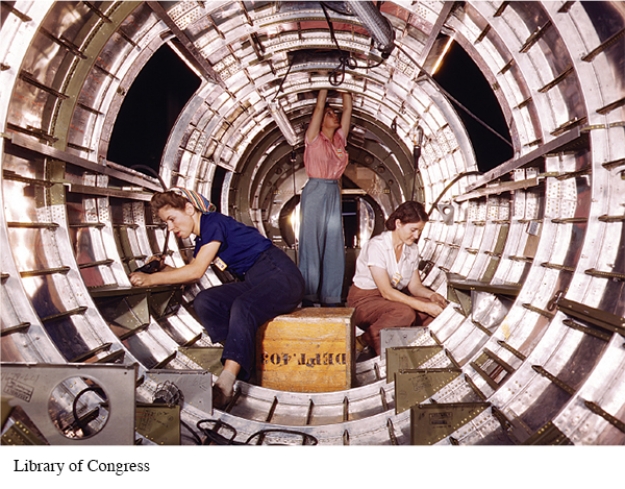
A) the dominant American role in the Allied victory.
B) a popular commitment to advancing democratic ideals.
C) the mass mobilization of American society in World War II.
D) economic growth spurred by the war,leading to a greater degree of migration within the United States.
A) the dominant American role in the Allied victory.
B) a popular commitment to advancing democratic ideals.
C) the mass mobilization of American society in World War II.
D) economic growth spurred by the war,leading to a greater degree of migration within the United States.
Question
Question
Question
Question
Question
Question
Which of the following events in the late twentieth century represents a continuation of the process depicted in the photograph below? 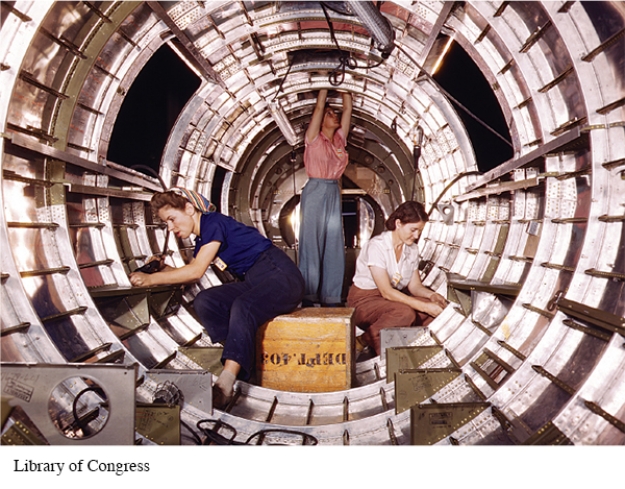
A) The internment of Japanese Americans during World War II,which raised questions about American values
B) The image of the nuclear family dominating perceptions in the post-World War II era
C) Activists of the 1960s and 1970s questioning society's assumptions about gender and social equality
D) The development and expansion of the military-industrial complex
A) The internment of Japanese Americans during World War II,which raised questions about American values
B) The image of the nuclear family dominating perceptions in the post-World War II era
C) Activists of the 1960s and 1970s questioning society's assumptions about gender and social equality
D) The development and expansion of the military-industrial complex
Question
Question
Question
Question
Question
Question
Question
Question
Question
Question
Question
Question
Question
Question
Question
Question
Question
Question
Question
Question
Question
Question
Question
Question
Question
Question
The events depicted in the photograph below were the result most directly of 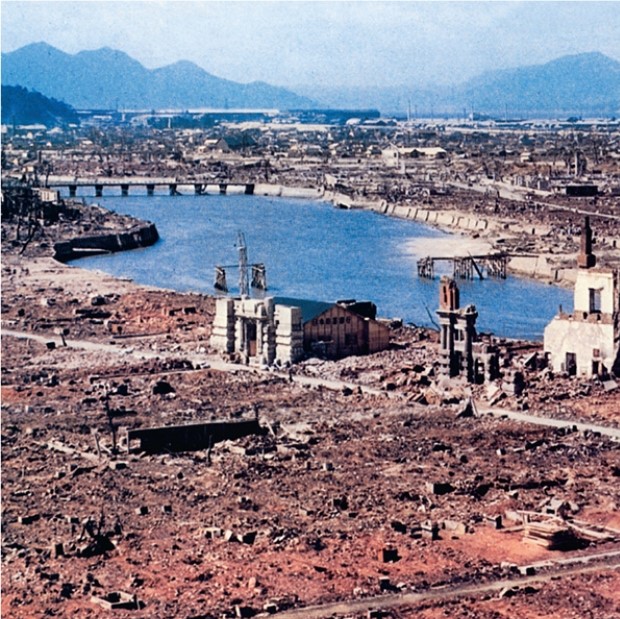
A) a popular commitment to advancing democratic ideals.
B) the transformation of the relationship between the United States and the rest of the world.
C) wartime debates over race,segregation,and the internment of Japanese Americans.
D) American industrial production and scientific advances.
A) a popular commitment to advancing democratic ideals.
B) the transformation of the relationship between the United States and the rest of the world.
C) wartime debates over race,segregation,and the internment of Japanese Americans.
D) American industrial production and scientific advances.
Question
Question
Question
The photograph below is best understood in the context of 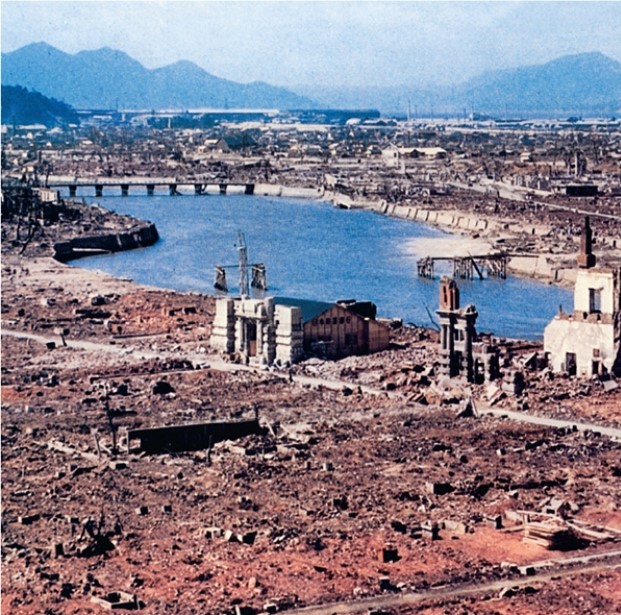
A) U.S.efforts to contain Soviet-dominated communism through a variety of measures.
B) the pursuit of a unilateral foreign policy by the United States.
C) debates between interventionists and isolationists.
D) the vaulting of the United States into global military and political prominence.
A) U.S.efforts to contain Soviet-dominated communism through a variety of measures.
B) the pursuit of a unilateral foreign policy by the United States.
C) debates between interventionists and isolationists.
D) the vaulting of the United States into global military and political prominence.
Question
Question
Question
Question
Question
Question
Question
Question
Question
Question
Question
Question
Question
Question
Question
Question
Question
Question
Question
Question
Question

Unlock Deck
Sign up to unlock the cards in this deck!
Unlock Deck
Unlock Deck
1/88

Play

Full screen (f)
Deck 23: The World at War, 1937-1945
1
When Japanese troops occupied the northern part of French Indochina in 1940,
A) Roosevelt signed the Tri-Partite Pact with Great Britain and the Soviet Union.
B) the United States restricted trade with Japan,including fuel and scrap metal vital to Japan's war effort.
C) the United States reinforced its troops in the Philippines and prepared to occupy southern Indochina.
D) the United States protested verbally but otherwise did nothing.
A) Roosevelt signed the Tri-Partite Pact with Great Britain and the Soviet Union.
B) the United States restricted trade with Japan,including fuel and scrap metal vital to Japan's war effort.
C) the United States reinforced its troops in the Philippines and prepared to occupy southern Indochina.
D) the United States protested verbally but otherwise did nothing.
the United States restricted trade with Japan,including fuel and scrap metal vital to Japan's war effort.
2
World War II officially began in Europe after Germany invaded
A) Czechoslovakia.
B) Poland.
C) France.
D) Austria.
A) Czechoslovakia.
B) Poland.
C) France.
D) Austria.
Poland.
3
What form of government did the war-making nations of the late 1930s have in common?
A) Communism
B) Capitalism
C) Fascism
D) Republicanism
A) Communism
B) Capitalism
C) Fascism
D) Republicanism
Fascism
4
The cash-and-carry provision of the 1937 Neutrality Act stated that
A) the United States would give "all aid short of war" to the Allies.
B) the United States would only purchase goods using cash and American transportation.
C) the United States would sell arms to Spain if it paid for them in cash and picked them up.
D) belligerents could buy nonmilitary goods from the United States under certain conditions.
A) the United States would give "all aid short of war" to the Allies.
B) the United States would only purchase goods using cash and American transportation.
C) the United States would sell arms to Spain if it paid for them in cash and picked them up.
D) belligerents could buy nonmilitary goods from the United States under certain conditions.
Unlock Deck
Unlock for access to all 88 flashcards in this deck.
Unlock Deck
k this deck
5
Which of the following was the United States's initial response to world problems in the 1930s?
A) Appeasement
B) Neutrality
C) Quarantine of belligerents
D) Preparation for war
A) Appeasement
B) Neutrality
C) Quarantine of belligerents
D) Preparation for war
Unlock Deck
Unlock for access to all 88 flashcards in this deck.
Unlock Deck
k this deck
6
In 1934,the Nye committee's report concluded that
A) "merchants of death" were leading the nation into World War II.
B) the New Deal had led to the recession of 1937.
C) war profiteers had maneuvered the nation into World War I for financial gain.
D) new immigrants were undermining American society.
A) "merchants of death" were leading the nation into World War II.
B) the New Deal had led to the recession of 1937.
C) war profiteers had maneuvered the nation into World War I for financial gain.
D) new immigrants were undermining American society.
Unlock Deck
Unlock for access to all 88 flashcards in this deck.
Unlock Deck
k this deck
7
In a famous 1941 speech,Franklin Roosevelt excluded which of the following from his definition of the "four essential freedoms"?
A) Freedom from want
B) Freedom from fear
C) Freedom from discrimination
D) Freedom of religion
A) Freedom from want
B) Freedom from fear
C) Freedom from discrimination
D) Freedom of religion
Unlock Deck
Unlock for access to all 88 flashcards in this deck.
Unlock Deck
k this deck
8
Which of the following nations was not overrun by Germany in June 1940?
A) France
B) Denmark
C) Britain
D) Belgium
A) France
B) Denmark
C) Britain
D) Belgium
Unlock Deck
Unlock for access to all 88 flashcards in this deck.
Unlock Deck
k this deck
9
What did President Roosevelt call "a date that will live in infamy"?
A) Germany's invasion of Poland
B) Japan's invasion of Manchuria
C) England's declaration of war on Germany
D) Japan's attack on Pearl Harbor
A) Germany's invasion of Poland
B) Japan's invasion of Manchuria
C) England's declaration of war on Germany
D) Japan's attack on Pearl Harbor
Unlock Deck
Unlock for access to all 88 flashcards in this deck.
Unlock Deck
k this deck
10
During the 1930s,Adolf Hitler's goal was
A) the annexation of the United States.
B) the repatriation of German citizens in Russia.
C) European domination and world power.
D) the formalization of an alliance with Japan.
A) the annexation of the United States.
B) the repatriation of German citizens in Russia.
C) European domination and world power.
D) the formalization of an alliance with Japan.
Unlock Deck
Unlock for access to all 88 flashcards in this deck.
Unlock Deck
k this deck
11
By the late 1930s,fascism had not yet spread to
A) Spain.
B) Japan.
C) Germany.
D) Russia.
A) Spain.
B) Japan.
C) Germany.
D) Russia.
Unlock Deck
Unlock for access to all 88 flashcards in this deck.
Unlock Deck
k this deck
12
Which of the following combinations is correctly paired?
A) National War Labor Board-gave the president unprecedented authority to run the war
B) War Powers Act-established wages,hours,and working conditions
C) Office of Price Administration-worked to get the country and economy into defense production
D) War Production Board-oversaw the conversion of industry to military manufacturing
A) National War Labor Board-gave the president unprecedented authority to run the war
B) War Powers Act-established wages,hours,and working conditions
C) Office of Price Administration-worked to get the country and economy into defense production
D) War Production Board-oversaw the conversion of industry to military manufacturing
Unlock Deck
Unlock for access to all 88 flashcards in this deck.
Unlock Deck
k this deck
13
The Neutrality Act of 1935 and its 1936 and 1937 amendments
A) prohibited Americans from selling nonmilitary goods to nations at war.
B) instituted a cash-and-carry policy for belligerent nations' purchases from the United States.
C) prohibited Americans from sailing on the ships of nations at war.
D) reflected the internationalist sentiments of the congressional majority.
A) prohibited Americans from selling nonmilitary goods to nations at war.
B) instituted a cash-and-carry policy for belligerent nations' purchases from the United States.
C) prohibited Americans from sailing on the ships of nations at war.
D) reflected the internationalist sentiments of the congressional majority.
Unlock Deck
Unlock for access to all 88 flashcards in this deck.
Unlock Deck
k this deck
14
Which of the following was characteristic of fascist governments in the 1930s and 1940s,especially Nazi Germany?
A) Internationalism
B) Parliamentary government
C) Nationalism
D) Collectivism
A) Internationalism
B) Parliamentary government
C) Nationalism
D) Collectivism
Unlock Deck
Unlock for access to all 88 flashcards in this deck.
Unlock Deck
k this deck
15
Which of the following factors contributed to the rise of the Nazi Party in Germany?
A) World War I reparation payments
B) A leadership vacuum
C) A collective security system
D) U.S.support for Adolf Hitler
A) World War I reparation payments
B) A leadership vacuum
C) A collective security system
D) U.S.support for Adolf Hitler
Unlock Deck
Unlock for access to all 88 flashcards in this deck.
Unlock Deck
k this deck
16
Which of these statements describes the America First Committee?
A) It believed the United States should be interventionist.
B) Its intent was to keep the nation out of war.
C) The group advocated an American attack on Japan in 1940.
D) It had very few influential followers.
A) It believed the United States should be interventionist.
B) Its intent was to keep the nation out of war.
C) The group advocated an American attack on Japan in 1940.
D) It had very few influential followers.
Unlock Deck
Unlock for access to all 88 flashcards in this deck.
Unlock Deck
k this deck
17
Some Americans associated with which of the following groups,which advocated U.S.intervention in Europe?
A) The Popular Front
B) National Legion of Mothers of America
C) The Nye Committee
D) America First Committee
A) The Popular Front
B) National Legion of Mothers of America
C) The Nye Committee
D) America First Committee
Unlock Deck
Unlock for access to all 88 flashcards in this deck.
Unlock Deck
k this deck
18
Which of the following pairs is properly matched?
A) Office of War Information-helped save Jews from the Holocaust
B) Lend-Lease-allowed the distribution of arms and equipment to Britain
C) War Refugee Board-promoted patriotism
D) Congress of Racial Equality-enforced nondiscrimination policies in defense industries
A) Office of War Information-helped save Jews from the Holocaust
B) Lend-Lease-allowed the distribution of arms and equipment to Britain
C) War Refugee Board-promoted patriotism
D) Congress of Racial Equality-enforced nondiscrimination policies in defense industries
Unlock Deck
Unlock for access to all 88 flashcards in this deck.
Unlock Deck
k this deck
19
The principles of freedom of the seas,national self-determination,and collective security were reiterated in the
A) Atlantic Charter.
B) Munich Pact.
C) Potsdam Conference.
D) Yalta Conference.
A) Atlantic Charter.
B) Munich Pact.
C) Potsdam Conference.
D) Yalta Conference.
Unlock Deck
Unlock for access to all 88 flashcards in this deck.
Unlock Deck
k this deck
20
After the Japanese invaded China in 1937,President Roosevelt
A) called for a League of Nations military force to free China.
B) urged peace-loving nations to "quarantine" Japan and other aggressors.
C) ordered the United States to retaliate for the sinking of American boats in the Yangtze River.
D) broke diplomatic relations with Japan.
A) called for a League of Nations military force to free China.
B) urged peace-loving nations to "quarantine" Japan and other aggressors.
C) ordered the United States to retaliate for the sinking of American boats in the Yangtze River.
D) broke diplomatic relations with Japan.
Unlock Deck
Unlock for access to all 88 flashcards in this deck.
Unlock Deck
k this deck
21
Who was Gordon Hirabayashi?
A) The leader of the Japanese military during World War II
B) A Japanese American caught spying for Japan during World War II
C) The plaintiff's lawyer in the 1944 case Korematsu v.United States
D) A pacifist who was convicted for resisting the Japanese internment policy
A) The leader of the Japanese military during World War II
B) A Japanese American caught spying for Japan during World War II
C) The plaintiff's lawyer in the 1944 case Korematsu v.United States
D) A pacifist who was convicted for resisting the Japanese internment policy
Unlock Deck
Unlock for access to all 88 flashcards in this deck.
Unlock Deck
k this deck
22
Which of the following describes discrimination in the armed services during World War II?
A) Native Americans served in segregated units.
B) The military segregated African Americans and assigned them menial duties.
C) Japanese Americans were banned from military service.
D) Having learned from World War I,the army did not segregate black soldiers.
A) Native Americans served in segregated units.
B) The military segregated African Americans and assigned them menial duties.
C) Japanese Americans were banned from military service.
D) Having learned from World War I,the army did not segregate black soldiers.
Unlock Deck
Unlock for access to all 88 flashcards in this deck.
Unlock Deck
k this deck
23
What were the terms of the "cost-plus" contracts offered by the U.S.government to corporations during World War II?
A) The corporations were guaranteed a profit from the sale of war materials to the U.S.government.
B) Corporations were allowed to profit from sales to the U.S.government,but they could not keep factories built for the war effort.
C) The U.S.government would provide no reimbursement to corporations for the sale of war materials.
D) The U.S.government would pay corporations only for the cost of producing the materials.
A) The corporations were guaranteed a profit from the sale of war materials to the U.S.government.
B) Corporations were allowed to profit from sales to the U.S.government,but they could not keep factories built for the war effort.
C) The U.S.government would provide no reimbursement to corporations for the sale of war materials.
D) The U.S.government would pay corporations only for the cost of producing the materials.
Unlock Deck
Unlock for access to all 88 flashcards in this deck.
Unlock Deck
k this deck
24
The photograph below best serves as evidence of
A) the dominant American role in the Allied victory.
B) a popular commitment to advancing democratic ideals.
C) the mass mobilization of American society in World War II.
D) economic growth spurred by the war,leading to a greater degree of migration within the United States.
A) the dominant American role in the Allied victory.
B) a popular commitment to advancing democratic ideals.
C) the mass mobilization of American society in World War II.
D) economic growth spurred by the war,leading to a greater degree of migration within the United States.
Unlock Deck
Unlock for access to all 88 flashcards in this deck.
Unlock Deck
k this deck
25
Which of the following caused increased racial tensions and an outbreak of race riots in more than a hundred cities in 1943?
A) Competition for housing and jobs between whites and black migrants
B) Episodes of police brutality against peaceful black residents
C) The massive influx of southern whites into the urban North
D) Whites' resistance to African Americans' attempt to integrate their neighborhoods
A) Competition for housing and jobs between whites and black migrants
B) Episodes of police brutality against peaceful black residents
C) The massive influx of southern whites into the urban North
D) Whites' resistance to African Americans' attempt to integrate their neighborhoods
Unlock Deck
Unlock for access to all 88 flashcards in this deck.
Unlock Deck
k this deck
26
Which of the following statements describes rationing during World War II?
A) Most Americans complied with rationing.
B) The food items in shortest supply were chewing gum and soft drinks.
C) Due to unfair distribution of goods,only poor Americans had to cope with shortages.
D) Families of servicemen and servicewomen were not required to comply with rationing.
A) Most Americans complied with rationing.
B) The food items in shortest supply were chewing gum and soft drinks.
C) Due to unfair distribution of goods,only poor Americans had to cope with shortages.
D) Families of servicemen and servicewomen were not required to comply with rationing.
Unlock Deck
Unlock for access to all 88 flashcards in this deck.
Unlock Deck
k this deck
27
Which of the following statements accurately describes women's roles in the American workforce during World War II?
A) Most held the same sorts of jobs they held before the war.
B) Government propaganda was directed mainly at single women.
C) By 1945,women made up 68 percent of the labor force.
D) Men earned higher wages than women for comparable work.
A) Most held the same sorts of jobs they held before the war.
B) Government propaganda was directed mainly at single women.
C) By 1945,women made up 68 percent of the labor force.
D) Men earned higher wages than women for comparable work.
Unlock Deck
Unlock for access to all 88 flashcards in this deck.
Unlock Deck
k this deck
28
The GI Bill of Rights provided
A) education,medical care,pensions,and mortgage loans to veterans.
B) entertainment to boost the morale of troops in Europe and the Pacific.
C) higher pay for soldiers who were exposed to life-threatening conditions.
D) free transportation home for soldiers who were wounded in battle.
A) education,medical care,pensions,and mortgage loans to veterans.
B) entertainment to boost the morale of troops in Europe and the Pacific.
C) higher pay for soldiers who were exposed to life-threatening conditions.
D) free transportation home for soldiers who were wounded in battle.
Unlock Deck
Unlock for access to all 88 flashcards in this deck.
Unlock Deck
k this deck
29
Which of the following facilitated the emergence of gay and lesbian communities in cities like New York,San Francisco,Chicago,and Buffalo during the World War II years?
A) Wartime migration
B) Changing religious morality
C) Decriminalization of homosexuality
D) The U.S.military's rejection of gays and lesbians
A) Wartime migration
B) Changing religious morality
C) Decriminalization of homosexuality
D) The U.S.military's rejection of gays and lesbians
Unlock Deck
Unlock for access to all 88 flashcards in this deck.
Unlock Deck
k this deck
30
Which of the following events in the late twentieth century represents a continuation of the process depicted in the photograph below?
A) The internment of Japanese Americans during World War II,which raised questions about American values
B) The image of the nuclear family dominating perceptions in the post-World War II era
C) Activists of the 1960s and 1970s questioning society's assumptions about gender and social equality
D) The development and expansion of the military-industrial complex
A) The internment of Japanese Americans during World War II,which raised questions about American values
B) The image of the nuclear family dominating perceptions in the post-World War II era
C) Activists of the 1960s and 1970s questioning society's assumptions about gender and social equality
D) The development and expansion of the military-industrial complex
Unlock Deck
Unlock for access to all 88 flashcards in this deck.
Unlock Deck
k this deck
31
Franklin Roosevelt's Executive Order 9066
A) banned gays and lesbians from serving in the military.
B) permitted the arrest and detainment of Americans suspected of disloyalty.
C) created the Manhattan Project to develop an atomic bomb.
D) allowed for the forced internment of Japanese Americans.
A) banned gays and lesbians from serving in the military.
B) permitted the arrest and detainment of Americans suspected of disloyalty.
C) created the Manhattan Project to develop an atomic bomb.
D) allowed for the forced internment of Japanese Americans.
Unlock Deck
Unlock for access to all 88 flashcards in this deck.
Unlock Deck
k this deck
32
Which of the following statements describes the forced relocation and incarceration of Japanese Americans during World War II?
A) The government interned only those Japanese Americans who were not native-born citizens.
B) The Supreme Court ruled the policy unconstitutional in 1943 and the internees returned home.
C) The internment policy was not applied to the many Japanese Americans who lived in Hawaii.
D) There was widespread American protest against the internment program as it took effect.
A) The government interned only those Japanese Americans who were not native-born citizens.
B) The Supreme Court ruled the policy unconstitutional in 1943 and the internees returned home.
C) The internment policy was not applied to the many Japanese Americans who lived in Hawaii.
D) There was widespread American protest against the internment program as it took effect.
Unlock Deck
Unlock for access to all 88 flashcards in this deck.
Unlock Deck
k this deck
33
Which of the following describes the federal income tax during World War II?
A) The war required that wealthy citizens pay the tax for the very first time.
B) Roosevelt suspended it and implemented a national sales tax in its place.
C) The number of Americans paying federal income tax increased tenfold.
D) Roosevelt cut tax rates in half for the duration of the war.
A) The war required that wealthy citizens pay the tax for the very first time.
B) Roosevelt suspended it and implemented a national sales tax in its place.
C) The number of Americans paying federal income tax increased tenfold.
D) Roosevelt cut tax rates in half for the duration of the war.
Unlock Deck
Unlock for access to all 88 flashcards in this deck.
Unlock Deck
k this deck
34
Who was Henry J.Kaiser?
A) The "miracle man" who revolutionized the production of naval vessels during the war
B) A trusted Roosevelt advisor and the architect of both New Deal and World War II policies
C) An infamous German spy who was executed for sending secrets to the German military
D) The German military commander who Americans defeated in the North Africa campaign
A) The "miracle man" who revolutionized the production of naval vessels during the war
B) A trusted Roosevelt advisor and the architect of both New Deal and World War II policies
C) An infamous German spy who was executed for sending secrets to the German military
D) The German military commander who Americans defeated in the North Africa campaign
Unlock Deck
Unlock for access to all 88 flashcards in this deck.
Unlock Deck
k this deck
35
Which of the following states experienced the largest share of wartime migration in the 1940s?
A) Texas
B) California
C) New York
D) Florida
A) Texas
B) California
C) New York
D) Florida
Unlock Deck
Unlock for access to all 88 flashcards in this deck.
Unlock Deck
k this deck
36
Franklin Roosevelt responded to A.Philip Randolph's plan for a March on Washington by
A) issuing Executive Order 8802.
B) empowering the Congress of Racial Equality.
C) implementing the GI Bill of Rights.
D) passing the Smith-Connally Labor Act.
A) issuing Executive Order 8802.
B) empowering the Congress of Racial Equality.
C) implementing the GI Bill of Rights.
D) passing the Smith-Connally Labor Act.
Unlock Deck
Unlock for access to all 88 flashcards in this deck.
Unlock Deck
k this deck
37
In June 1943,thirty-four people died during a major race riot in
A) Washington,D.C.
B) Cleveland.
C) Detroit.
D) Oakland.
A) Washington,D.C.
B) Cleveland.
C) Detroit.
D) Oakland.
Unlock Deck
Unlock for access to all 88 flashcards in this deck.
Unlock Deck
k this deck
38
What was the outcome of the United Mine Workers' strike in 1943?
A) The striking workers won recognition of their union and better working conditions in all of the country's coal mines.
B) Striking miners won their demand that their wartime pay would keep pace with inflation.
C) President Roosevelt intervened and mediated a settlement that did not please either side.
D) Congress passed legislation prohibiting strikes during the war and forbidding political contributions by unions.
A) The striking workers won recognition of their union and better working conditions in all of the country's coal mines.
B) Striking miners won their demand that their wartime pay would keep pace with inflation.
C) President Roosevelt intervened and mediated a settlement that did not please either side.
D) Congress passed legislation prohibiting strikes during the war and forbidding political contributions by unions.
Unlock Deck
Unlock for access to all 88 flashcards in this deck.
Unlock Deck
k this deck
39
Which of the following was the most decisive American factor in determining the outcome of World War II?
A) The willingness of all Americans to invest in war bonds
B) The sheer number of troops provided by the United States
C) The immense production of war material and other needed supplies
D) The contribution of women workers in America's factories
A) The willingness of all Americans to invest in war bonds
B) The sheer number of troops provided by the United States
C) The immense production of war material and other needed supplies
D) The contribution of women workers in America's factories
Unlock Deck
Unlock for access to all 88 flashcards in this deck.
Unlock Deck
k this deck
40
Why did the Democratic Party nominate Harry S.Truman as Roosevelt's vice presidential running mate in 1944?
A) Many party leaders found Vice President Wallace too liberal.
B) He was widely considered the best qualified to be president if Roosevelt died.
C) He was regarded as having more expertise in foreign affairs than Vice President Wallace.
D) Vice President Wallace was seen as too close to the southern wing of the Democratic Party.
A) Many party leaders found Vice President Wallace too liberal.
B) He was widely considered the best qualified to be president if Roosevelt died.
C) He was regarded as having more expertise in foreign affairs than Vice President Wallace.
D) Vice President Wallace was seen as too close to the southern wing of the Democratic Party.
Unlock Deck
Unlock for access to all 88 flashcards in this deck.
Unlock Deck
k this deck
41
Answer the following questions :
Popular Front
A)Identified by President Franklin D.Roosevelt as the most basic human rights.The president used these ideas to justify support for England during World War II,which in turn pulled the United States into the war.
B)German political party led by Adolf Hitler,who became chancellor of Germany in 1933.Its ascent was fueled by huge World War I reparation payments,economic depression,fear of communism,labor unrest,and rising unemployment.
C)Legislation that sought to avoid entanglement in foreign wars while protecting trade.It imposed an embargo on selling arms to warring countries and declared that Americans traveling on the ships of belligerent nations did so at their own risk.
D)A naval base in Hawaii that was attacked by Japanese bombers on December 7,1941;more than 2,400 Americans were killed.The following day,President Roosevelt asked Congress for a declaration of war against Japan.
E)Oversized clothing in fashion in the 1940s,particularly among young male African Americans and Mexican Americans.In June 1943,a group of white sailors and soldiers in Los Angeles,seeking revenge for an earlier skirmish with Mexican American youths,attacked anyone they found wearing this type of clothing,causing riots.
F)A committee organized by isolationists in 1940 to oppose the entrance of the United States into World War II.The membership of the committee included senators,journalists,publishers,and well-respected figures such as the aviator Charles Lindbergh.
G)Germany's campaign during World War II to exterminate all Jews living in German-controlled lands,along with other groups the Nazis deemed "undesirable." In all,some eleven million people were killed,most of them Jews.
H)A small but vocal group of Americans who pushed for greater U.S.involvement in Europe.American Communist Party members,African American civil rights activists,and trade unionists,among other members of the coalition,encouraged Roosevelt to take a stronger stand against European fascism.
I)An authoritarian system of government characterized by dictatorial rule,extreme nationalism,disdain for civil society,and a conviction that imperialism and warfare are principal means by which a nation attains greatness.The United States went to war against this system when it faced Nazi Germany under Adolf Hitler and Italy under Benito Mussolini during World War II.
J)Native American soldiers trained to use Native languages to send messages in battle during World War II.Neither the Japanese nor the Germans could decipher the codes used by these Navajo,Comanche,Choctaw,and Cherokee speakers,and the messages they sent gave the Allies great advantage in the battle of Iwo Jima,among many others.
K)An act that expanded the number of people paying income taxes from 3.9 million to 42.6 million.These taxes on personal incomes and business profits paid half the cost of World War II.
L)Top-secret project authorized by Franklin Roosevelt in 1942 to develop an atomic bomb ahead of the Germans.The Americans who worked on the project at Los Alamos,New Mexico,among other highly secretive sites around the country,succeeded in producing a successful atomic bomb by July 1945.
M)A group of interventionists who believed in engaging with,rather than withdrawing from,international developments.Interventionists became increasingly vocal in 1940 as war escalated in Europe.
N)A political and military alliance formed in 1936 between German dictator Adolf Hitler and Italian dictator Benito Mussolini.
O)An order signed by President Roosevelt in 1941 that authorized the War Department to force Japanese Americans from their West Coast homes and hold them in relocation camps for the rest of the war.
P)An order signed by President Roosevelt in 1941 that prohibited "discrimination in the employment of workers in defense industries or government because of race,creed,color,or national origin" and established the Fair Employment Practice Committee (FEPC).
Q)A meeting held in September 1938 during which Britain and France agreed to allow Germany to annex the Sudetenland-a German-speaking border area of Czechoslovakia-in return for Hitler's pledge to seek no more territory.
R)The name given to the Allied invasion of northern France on June 6,1944.It was the largest amphibious assault in world history.The invasion opened a second front against the Germans and moved the Allies closer to victory in Europe.
S)A press release by President Roosevelt and British prime minister Winston Churchill in August 1941 calling for economic cooperation,national self-determination,and guarantees of political stability after the war.
T)Legislation in 1941 that enabled Britain to obtain arms from the United States without cash but with the promise to reimburse the United States when the war ended.The act reflected Roosevelt's desire to assist the British in any way possible,short of war.
U)Popularly known as the GI Bill,legislation authorizing the U.S.government to provide World War II veterans with funds for education,housing,and health care,as well as loans to start businesses and buy homes.
V)The law that gave President Roosevelt unprecedented control over all aspects of the war effort during World War II.
W)Officially the Mexican Farm Labor Agreement (signed with Mexico),a federal program that brought hundreds of thousands of Mexican agricultural workers to the U.S.during and after World War II.The program continued until 1964 and was a major spur of Mexican immigration to the United States.
Popular Front
A)Identified by President Franklin D.Roosevelt as the most basic human rights.The president used these ideas to justify support for England during World War II,which in turn pulled the United States into the war.
B)German political party led by Adolf Hitler,who became chancellor of Germany in 1933.Its ascent was fueled by huge World War I reparation payments,economic depression,fear of communism,labor unrest,and rising unemployment.
C)Legislation that sought to avoid entanglement in foreign wars while protecting trade.It imposed an embargo on selling arms to warring countries and declared that Americans traveling on the ships of belligerent nations did so at their own risk.
D)A naval base in Hawaii that was attacked by Japanese bombers on December 7,1941;more than 2,400 Americans were killed.The following day,President Roosevelt asked Congress for a declaration of war against Japan.
E)Oversized clothing in fashion in the 1940s,particularly among young male African Americans and Mexican Americans.In June 1943,a group of white sailors and soldiers in Los Angeles,seeking revenge for an earlier skirmish with Mexican American youths,attacked anyone they found wearing this type of clothing,causing riots.
F)A committee organized by isolationists in 1940 to oppose the entrance of the United States into World War II.The membership of the committee included senators,journalists,publishers,and well-respected figures such as the aviator Charles Lindbergh.
G)Germany's campaign during World War II to exterminate all Jews living in German-controlled lands,along with other groups the Nazis deemed "undesirable." In all,some eleven million people were killed,most of them Jews.
H)A small but vocal group of Americans who pushed for greater U.S.involvement in Europe.American Communist Party members,African American civil rights activists,and trade unionists,among other members of the coalition,encouraged Roosevelt to take a stronger stand against European fascism.
I)An authoritarian system of government characterized by dictatorial rule,extreme nationalism,disdain for civil society,and a conviction that imperialism and warfare are principal means by which a nation attains greatness.The United States went to war against this system when it faced Nazi Germany under Adolf Hitler and Italy under Benito Mussolini during World War II.
J)Native American soldiers trained to use Native languages to send messages in battle during World War II.Neither the Japanese nor the Germans could decipher the codes used by these Navajo,Comanche,Choctaw,and Cherokee speakers,and the messages they sent gave the Allies great advantage in the battle of Iwo Jima,among many others.
K)An act that expanded the number of people paying income taxes from 3.9 million to 42.6 million.These taxes on personal incomes and business profits paid half the cost of World War II.
L)Top-secret project authorized by Franklin Roosevelt in 1942 to develop an atomic bomb ahead of the Germans.The Americans who worked on the project at Los Alamos,New Mexico,among other highly secretive sites around the country,succeeded in producing a successful atomic bomb by July 1945.
M)A group of interventionists who believed in engaging with,rather than withdrawing from,international developments.Interventionists became increasingly vocal in 1940 as war escalated in Europe.
N)A political and military alliance formed in 1936 between German dictator Adolf Hitler and Italian dictator Benito Mussolini.
O)An order signed by President Roosevelt in 1941 that authorized the War Department to force Japanese Americans from their West Coast homes and hold them in relocation camps for the rest of the war.
P)An order signed by President Roosevelt in 1941 that prohibited "discrimination in the employment of workers in defense industries or government because of race,creed,color,or national origin" and established the Fair Employment Practice Committee (FEPC).
Q)A meeting held in September 1938 during which Britain and France agreed to allow Germany to annex the Sudetenland-a German-speaking border area of Czechoslovakia-in return for Hitler's pledge to seek no more territory.
R)The name given to the Allied invasion of northern France on June 6,1944.It was the largest amphibious assault in world history.The invasion opened a second front against the Germans and moved the Allies closer to victory in Europe.
S)A press release by President Roosevelt and British prime minister Winston Churchill in August 1941 calling for economic cooperation,national self-determination,and guarantees of political stability after the war.
T)Legislation in 1941 that enabled Britain to obtain arms from the United States without cash but with the promise to reimburse the United States when the war ended.The act reflected Roosevelt's desire to assist the British in any way possible,short of war.
U)Popularly known as the GI Bill,legislation authorizing the U.S.government to provide World War II veterans with funds for education,housing,and health care,as well as loans to start businesses and buy homes.
V)The law that gave President Roosevelt unprecedented control over all aspects of the war effort during World War II.
W)Officially the Mexican Farm Labor Agreement (signed with Mexico),a federal program that brought hundreds of thousands of Mexican agricultural workers to the U.S.during and after World War II.The program continued until 1964 and was a major spur of Mexican immigration to the United States.
Unlock Deck
Unlock for access to all 88 flashcards in this deck.
Unlock Deck
k this deck
42
Answer the following questions :
America First Committee
A)Identified by President Franklin D.Roosevelt as the most basic human rights.The president used these ideas to justify support for England during World War II,which in turn pulled the United States into the war.
B)German political party led by Adolf Hitler,who became chancellor of Germany in 1933.Its ascent was fueled by huge World War I reparation payments,economic depression,fear of communism,labor unrest,and rising unemployment.
C)Legislation that sought to avoid entanglement in foreign wars while protecting trade.It imposed an embargo on selling arms to warring countries and declared that Americans traveling on the ships of belligerent nations did so at their own risk.
D)A naval base in Hawaii that was attacked by Japanese bombers on December 7,1941;more than 2,400 Americans were killed.The following day,President Roosevelt asked Congress for a declaration of war against Japan.
E)Oversized clothing in fashion in the 1940s,particularly among young male African Americans and Mexican Americans.In June 1943,a group of white sailors and soldiers in Los Angeles,seeking revenge for an earlier skirmish with Mexican American youths,attacked anyone they found wearing this type of clothing,causing riots.
F)A committee organized by isolationists in 1940 to oppose the entrance of the United States into World War II.The membership of the committee included senators,journalists,publishers,and well-respected figures such as the aviator Charles Lindbergh.
G)Germany's campaign during World War II to exterminate all Jews living in German-controlled lands,along with other groups the Nazis deemed "undesirable." In all,some eleven million people were killed,most of them Jews.
H)A small but vocal group of Americans who pushed for greater U.S.involvement in Europe.American Communist Party members,African American civil rights activists,and trade unionists,among other members of the coalition,encouraged Roosevelt to take a stronger stand against European fascism.
I)An authoritarian system of government characterized by dictatorial rule,extreme nationalism,disdain for civil society,and a conviction that imperialism and warfare are principal means by which a nation attains greatness.The United States went to war against this system when it faced Nazi Germany under Adolf Hitler and Italy under Benito Mussolini during World War II.
J)Native American soldiers trained to use Native languages to send messages in battle during World War II.Neither the Japanese nor the Germans could decipher the codes used by these Navajo,Comanche,Choctaw,and Cherokee speakers,and the messages they sent gave the Allies great advantage in the battle of Iwo Jima,among many others.
K)An act that expanded the number of people paying income taxes from 3.9 million to 42.6 million.These taxes on personal incomes and business profits paid half the cost of World War II.
L)Top-secret project authorized by Franklin Roosevelt in 1942 to develop an atomic bomb ahead of the Germans.The Americans who worked on the project at Los Alamos,New Mexico,among other highly secretive sites around the country,succeeded in producing a successful atomic bomb by July 1945.
M)A group of interventionists who believed in engaging with,rather than withdrawing from,international developments.Interventionists became increasingly vocal in 1940 as war escalated in Europe.
N)A political and military alliance formed in 1936 between German dictator Adolf Hitler and Italian dictator Benito Mussolini.
O)An order signed by President Roosevelt in 1941 that authorized the War Department to force Japanese Americans from their West Coast homes and hold them in relocation camps for the rest of the war.
P)An order signed by President Roosevelt in 1941 that prohibited "discrimination in the employment of workers in defense industries or government because of race,creed,color,or national origin" and established the Fair Employment Practice Committee (FEPC).
Q)A meeting held in September 1938 during which Britain and France agreed to allow Germany to annex the Sudetenland-a German-speaking border area of Czechoslovakia-in return for Hitler's pledge to seek no more territory.
R)The name given to the Allied invasion of northern France on June 6,1944.It was the largest amphibious assault in world history.The invasion opened a second front against the Germans and moved the Allies closer to victory in Europe.
S)A press release by President Roosevelt and British prime minister Winston Churchill in August 1941 calling for economic cooperation,national self-determination,and guarantees of political stability after the war.
T)Legislation in 1941 that enabled Britain to obtain arms from the United States without cash but with the promise to reimburse the United States when the war ended.The act reflected Roosevelt's desire to assist the British in any way possible,short of war.
U)Popularly known as the GI Bill,legislation authorizing the U.S.government to provide World War II veterans with funds for education,housing,and health care,as well as loans to start businesses and buy homes.
V)The law that gave President Roosevelt unprecedented control over all aspects of the war effort during World War II.
W)Officially the Mexican Farm Labor Agreement (signed with Mexico),a federal program that brought hundreds of thousands of Mexican agricultural workers to the U.S.during and after World War II.The program continued until 1964 and was a major spur of Mexican immigration to the United States.
America First Committee
A)Identified by President Franklin D.Roosevelt as the most basic human rights.The president used these ideas to justify support for England during World War II,which in turn pulled the United States into the war.
B)German political party led by Adolf Hitler,who became chancellor of Germany in 1933.Its ascent was fueled by huge World War I reparation payments,economic depression,fear of communism,labor unrest,and rising unemployment.
C)Legislation that sought to avoid entanglement in foreign wars while protecting trade.It imposed an embargo on selling arms to warring countries and declared that Americans traveling on the ships of belligerent nations did so at their own risk.
D)A naval base in Hawaii that was attacked by Japanese bombers on December 7,1941;more than 2,400 Americans were killed.The following day,President Roosevelt asked Congress for a declaration of war against Japan.
E)Oversized clothing in fashion in the 1940s,particularly among young male African Americans and Mexican Americans.In June 1943,a group of white sailors and soldiers in Los Angeles,seeking revenge for an earlier skirmish with Mexican American youths,attacked anyone they found wearing this type of clothing,causing riots.
F)A committee organized by isolationists in 1940 to oppose the entrance of the United States into World War II.The membership of the committee included senators,journalists,publishers,and well-respected figures such as the aviator Charles Lindbergh.
G)Germany's campaign during World War II to exterminate all Jews living in German-controlled lands,along with other groups the Nazis deemed "undesirable." In all,some eleven million people were killed,most of them Jews.
H)A small but vocal group of Americans who pushed for greater U.S.involvement in Europe.American Communist Party members,African American civil rights activists,and trade unionists,among other members of the coalition,encouraged Roosevelt to take a stronger stand against European fascism.
I)An authoritarian system of government characterized by dictatorial rule,extreme nationalism,disdain for civil society,and a conviction that imperialism and warfare are principal means by which a nation attains greatness.The United States went to war against this system when it faced Nazi Germany under Adolf Hitler and Italy under Benito Mussolini during World War II.
J)Native American soldiers trained to use Native languages to send messages in battle during World War II.Neither the Japanese nor the Germans could decipher the codes used by these Navajo,Comanche,Choctaw,and Cherokee speakers,and the messages they sent gave the Allies great advantage in the battle of Iwo Jima,among many others.
K)An act that expanded the number of people paying income taxes from 3.9 million to 42.6 million.These taxes on personal incomes and business profits paid half the cost of World War II.
L)Top-secret project authorized by Franklin Roosevelt in 1942 to develop an atomic bomb ahead of the Germans.The Americans who worked on the project at Los Alamos,New Mexico,among other highly secretive sites around the country,succeeded in producing a successful atomic bomb by July 1945.
M)A group of interventionists who believed in engaging with,rather than withdrawing from,international developments.Interventionists became increasingly vocal in 1940 as war escalated in Europe.
N)A political and military alliance formed in 1936 between German dictator Adolf Hitler and Italian dictator Benito Mussolini.
O)An order signed by President Roosevelt in 1941 that authorized the War Department to force Japanese Americans from their West Coast homes and hold them in relocation camps for the rest of the war.
P)An order signed by President Roosevelt in 1941 that prohibited "discrimination in the employment of workers in defense industries or government because of race,creed,color,or national origin" and established the Fair Employment Practice Committee (FEPC).
Q)A meeting held in September 1938 during which Britain and France agreed to allow Germany to annex the Sudetenland-a German-speaking border area of Czechoslovakia-in return for Hitler's pledge to seek no more territory.
R)The name given to the Allied invasion of northern France on June 6,1944.It was the largest amphibious assault in world history.The invasion opened a second front against the Germans and moved the Allies closer to victory in Europe.
S)A press release by President Roosevelt and British prime minister Winston Churchill in August 1941 calling for economic cooperation,national self-determination,and guarantees of political stability after the war.
T)Legislation in 1941 that enabled Britain to obtain arms from the United States without cash but with the promise to reimburse the United States when the war ended.The act reflected Roosevelt's desire to assist the British in any way possible,short of war.
U)Popularly known as the GI Bill,legislation authorizing the U.S.government to provide World War II veterans with funds for education,housing,and health care,as well as loans to start businesses and buy homes.
V)The law that gave President Roosevelt unprecedented control over all aspects of the war effort during World War II.
W)Officially the Mexican Farm Labor Agreement (signed with Mexico),a federal program that brought hundreds of thousands of Mexican agricultural workers to the U.S.during and after World War II.The program continued until 1964 and was a major spur of Mexican immigration to the United States.
Unlock Deck
Unlock for access to all 88 flashcards in this deck.
Unlock Deck
k this deck
43
From 1941 to 1943,Stalin was most interested in securing a guarantee that Britain and the United States would
A) allow the Soviet Union's annexation of much of northeast China after the war.
B) open a second front in France to force Germany to withdraw troops from Russia.
C) permit the Soviet Union to establish satellite states in Eastern Europe after the war.
D) send reinforcements to fight against the Nazis on the Eastern Front.
A) allow the Soviet Union's annexation of much of northeast China after the war.
B) open a second front in France to force Germany to withdraw troops from Russia.
C) permit the Soviet Union to establish satellite states in Eastern Europe after the war.
D) send reinforcements to fight against the Nazis on the Eastern Front.
Unlock Deck
Unlock for access to all 88 flashcards in this deck.
Unlock Deck
k this deck
44
Answer the following questions :
Neutrality Act of 1935
A)Identified by President Franklin D.Roosevelt as the most basic human rights.The president used these ideas to justify support for England during World War II,which in turn pulled the United States into the war.
B)German political party led by Adolf Hitler,who became chancellor of Germany in 1933.Its ascent was fueled by huge World War I reparation payments,economic depression,fear of communism,labor unrest,and rising unemployment.
C)Legislation that sought to avoid entanglement in foreign wars while protecting trade.It imposed an embargo on selling arms to warring countries and declared that Americans traveling on the ships of belligerent nations did so at their own risk.
D)A naval base in Hawaii that was attacked by Japanese bombers on December 7,1941;more than 2,400 Americans were killed.The following day,President Roosevelt asked Congress for a declaration of war against Japan.
E)Oversized clothing in fashion in the 1940s,particularly among young male African Americans and Mexican Americans.In June 1943,a group of white sailors and soldiers in Los Angeles,seeking revenge for an earlier skirmish with Mexican American youths,attacked anyone they found wearing this type of clothing,causing riots.
F)A committee organized by isolationists in 1940 to oppose the entrance of the United States into World War II.The membership of the committee included senators,journalists,publishers,and well-respected figures such as the aviator Charles Lindbergh.
G)Germany's campaign during World War II to exterminate all Jews living in German-controlled lands,along with other groups the Nazis deemed "undesirable." In all,some eleven million people were killed,most of them Jews.
H)A small but vocal group of Americans who pushed for greater U.S.involvement in Europe.American Communist Party members,African American civil rights activists,and trade unionists,among other members of the coalition,encouraged Roosevelt to take a stronger stand against European fascism.
I)An authoritarian system of government characterized by dictatorial rule,extreme nationalism,disdain for civil society,and a conviction that imperialism and warfare are principal means by which a nation attains greatness.The United States went to war against this system when it faced Nazi Germany under Adolf Hitler and Italy under Benito Mussolini during World War II.
J)Native American soldiers trained to use Native languages to send messages in battle during World War II.Neither the Japanese nor the Germans could decipher the codes used by these Navajo,Comanche,Choctaw,and Cherokee speakers,and the messages they sent gave the Allies great advantage in the battle of Iwo Jima,among many others.
K)An act that expanded the number of people paying income taxes from 3.9 million to 42.6 million.These taxes on personal incomes and business profits paid half the cost of World War II.
L)Top-secret project authorized by Franklin Roosevelt in 1942 to develop an atomic bomb ahead of the Germans.The Americans who worked on the project at Los Alamos,New Mexico,among other highly secretive sites around the country,succeeded in producing a successful atomic bomb by July 1945.
M)A group of interventionists who believed in engaging with,rather than withdrawing from,international developments.Interventionists became increasingly vocal in 1940 as war escalated in Europe.
N)A political and military alliance formed in 1936 between German dictator Adolf Hitler and Italian dictator Benito Mussolini.
O)An order signed by President Roosevelt in 1941 that authorized the War Department to force Japanese Americans from their West Coast homes and hold them in relocation camps for the rest of the war.
P)An order signed by President Roosevelt in 1941 that prohibited "discrimination in the employment of workers in defense industries or government because of race,creed,color,or national origin" and established the Fair Employment Practice Committee (FEPC).
Q)A meeting held in September 1938 during which Britain and France agreed to allow Germany to annex the Sudetenland-a German-speaking border area of Czechoslovakia-in return for Hitler's pledge to seek no more territory.
R)The name given to the Allied invasion of northern France on June 6,1944.It was the largest amphibious assault in world history.The invasion opened a second front against the Germans and moved the Allies closer to victory in Europe.
S)A press release by President Roosevelt and British prime minister Winston Churchill in August 1941 calling for economic cooperation,national self-determination,and guarantees of political stability after the war.
T)Legislation in 1941 that enabled Britain to obtain arms from the United States without cash but with the promise to reimburse the United States when the war ended.The act reflected Roosevelt's desire to assist the British in any way possible,short of war.
U)Popularly known as the GI Bill,legislation authorizing the U.S.government to provide World War II veterans with funds for education,housing,and health care,as well as loans to start businesses and buy homes.
V)The law that gave President Roosevelt unprecedented control over all aspects of the war effort during World War II.
W)Officially the Mexican Farm Labor Agreement (signed with Mexico),a federal program that brought hundreds of thousands of Mexican agricultural workers to the U.S.during and after World War II.The program continued until 1964 and was a major spur of Mexican immigration to the United States.
Neutrality Act of 1935
A)Identified by President Franklin D.Roosevelt as the most basic human rights.The president used these ideas to justify support for England during World War II,which in turn pulled the United States into the war.
B)German political party led by Adolf Hitler,who became chancellor of Germany in 1933.Its ascent was fueled by huge World War I reparation payments,economic depression,fear of communism,labor unrest,and rising unemployment.
C)Legislation that sought to avoid entanglement in foreign wars while protecting trade.It imposed an embargo on selling arms to warring countries and declared that Americans traveling on the ships of belligerent nations did so at their own risk.
D)A naval base in Hawaii that was attacked by Japanese bombers on December 7,1941;more than 2,400 Americans were killed.The following day,President Roosevelt asked Congress for a declaration of war against Japan.
E)Oversized clothing in fashion in the 1940s,particularly among young male African Americans and Mexican Americans.In June 1943,a group of white sailors and soldiers in Los Angeles,seeking revenge for an earlier skirmish with Mexican American youths,attacked anyone they found wearing this type of clothing,causing riots.
F)A committee organized by isolationists in 1940 to oppose the entrance of the United States into World War II.The membership of the committee included senators,journalists,publishers,and well-respected figures such as the aviator Charles Lindbergh.
G)Germany's campaign during World War II to exterminate all Jews living in German-controlled lands,along with other groups the Nazis deemed "undesirable." In all,some eleven million people were killed,most of them Jews.
H)A small but vocal group of Americans who pushed for greater U.S.involvement in Europe.American Communist Party members,African American civil rights activists,and trade unionists,among other members of the coalition,encouraged Roosevelt to take a stronger stand against European fascism.
I)An authoritarian system of government characterized by dictatorial rule,extreme nationalism,disdain for civil society,and a conviction that imperialism and warfare are principal means by which a nation attains greatness.The United States went to war against this system when it faced Nazi Germany under Adolf Hitler and Italy under Benito Mussolini during World War II.
J)Native American soldiers trained to use Native languages to send messages in battle during World War II.Neither the Japanese nor the Germans could decipher the codes used by these Navajo,Comanche,Choctaw,and Cherokee speakers,and the messages they sent gave the Allies great advantage in the battle of Iwo Jima,among many others.
K)An act that expanded the number of people paying income taxes from 3.9 million to 42.6 million.These taxes on personal incomes and business profits paid half the cost of World War II.
L)Top-secret project authorized by Franklin Roosevelt in 1942 to develop an atomic bomb ahead of the Germans.The Americans who worked on the project at Los Alamos,New Mexico,among other highly secretive sites around the country,succeeded in producing a successful atomic bomb by July 1945.
M)A group of interventionists who believed in engaging with,rather than withdrawing from,international developments.Interventionists became increasingly vocal in 1940 as war escalated in Europe.
N)A political and military alliance formed in 1936 between German dictator Adolf Hitler and Italian dictator Benito Mussolini.
O)An order signed by President Roosevelt in 1941 that authorized the War Department to force Japanese Americans from their West Coast homes and hold them in relocation camps for the rest of the war.
P)An order signed by President Roosevelt in 1941 that prohibited "discrimination in the employment of workers in defense industries or government because of race,creed,color,or national origin" and established the Fair Employment Practice Committee (FEPC).
Q)A meeting held in September 1938 during which Britain and France agreed to allow Germany to annex the Sudetenland-a German-speaking border area of Czechoslovakia-in return for Hitler's pledge to seek no more territory.
R)The name given to the Allied invasion of northern France on June 6,1944.It was the largest amphibious assault in world history.The invasion opened a second front against the Germans and moved the Allies closer to victory in Europe.
S)A press release by President Roosevelt and British prime minister Winston Churchill in August 1941 calling for economic cooperation,national self-determination,and guarantees of political stability after the war.
T)Legislation in 1941 that enabled Britain to obtain arms from the United States without cash but with the promise to reimburse the United States when the war ended.The act reflected Roosevelt's desire to assist the British in any way possible,short of war.
U)Popularly known as the GI Bill,legislation authorizing the U.S.government to provide World War II veterans with funds for education,housing,and health care,as well as loans to start businesses and buy homes.
V)The law that gave President Roosevelt unprecedented control over all aspects of the war effort during World War II.
W)Officially the Mexican Farm Labor Agreement (signed with Mexico),a federal program that brought hundreds of thousands of Mexican agricultural workers to the U.S.during and after World War II.The program continued until 1964 and was a major spur of Mexican immigration to the United States.
Unlock Deck
Unlock for access to all 88 flashcards in this deck.
Unlock Deck
k this deck
45
Answer the following questions :
National Socialist (Nazi)Party
A)Identified by President Franklin D.Roosevelt as the most basic human rights.The president used these ideas to justify support for England during World War II,which in turn pulled the United States into the war.
B)German political party led by Adolf Hitler,who became chancellor of Germany in 1933.Its ascent was fueled by huge World War I reparation payments,economic depression,fear of communism,labor unrest,and rising unemployment.
C)Legislation that sought to avoid entanglement in foreign wars while protecting trade.It imposed an embargo on selling arms to warring countries and declared that Americans traveling on the ships of belligerent nations did so at their own risk.
D)A naval base in Hawaii that was attacked by Japanese bombers on December 7,1941;more than 2,400 Americans were killed.The following day,President Roosevelt asked Congress for a declaration of war against Japan.
E)Oversized clothing in fashion in the 1940s,particularly among young male African Americans and Mexican Americans.In June 1943,a group of white sailors and soldiers in Los Angeles,seeking revenge for an earlier skirmish with Mexican American youths,attacked anyone they found wearing this type of clothing,causing riots.
F)A committee organized by isolationists in 1940 to oppose the entrance of the United States into World War II.The membership of the committee included senators,journalists,publishers,and well-respected figures such as the aviator Charles Lindbergh.
G)Germany's campaign during World War II to exterminate all Jews living in German-controlled lands,along with other groups the Nazis deemed "undesirable." In all,some eleven million people were killed,most of them Jews.
H)A small but vocal group of Americans who pushed for greater U.S.involvement in Europe.American Communist Party members,African American civil rights activists,and trade unionists,among other members of the coalition,encouraged Roosevelt to take a stronger stand against European fascism.
I)An authoritarian system of government characterized by dictatorial rule,extreme nationalism,disdain for civil society,and a conviction that imperialism and warfare are principal means by which a nation attains greatness.The United States went to war against this system when it faced Nazi Germany under Adolf Hitler and Italy under Benito Mussolini during World War II.
J)Native American soldiers trained to use Native languages to send messages in battle during World War II.Neither the Japanese nor the Germans could decipher the codes used by these Navajo,Comanche,Choctaw,and Cherokee speakers,and the messages they sent gave the Allies great advantage in the battle of Iwo Jima,among many others.
K)An act that expanded the number of people paying income taxes from 3.9 million to 42.6 million.These taxes on personal incomes and business profits paid half the cost of World War II.
L)Top-secret project authorized by Franklin Roosevelt in 1942 to develop an atomic bomb ahead of the Germans.The Americans who worked on the project at Los Alamos,New Mexico,among other highly secretive sites around the country,succeeded in producing a successful atomic bomb by July 1945.
M)A group of interventionists who believed in engaging with,rather than withdrawing from,international developments.Interventionists became increasingly vocal in 1940 as war escalated in Europe.
N)A political and military alliance formed in 1936 between German dictator Adolf Hitler and Italian dictator Benito Mussolini.
O)An order signed by President Roosevelt in 1941 that authorized the War Department to force Japanese Americans from their West Coast homes and hold them in relocation camps for the rest of the war.
P)An order signed by President Roosevelt in 1941 that prohibited "discrimination in the employment of workers in defense industries or government because of race,creed,color,or national origin" and established the Fair Employment Practice Committee (FEPC).
Q)A meeting held in September 1938 during which Britain and France agreed to allow Germany to annex the Sudetenland-a German-speaking border area of Czechoslovakia-in return for Hitler's pledge to seek no more territory.
R)The name given to the Allied invasion of northern France on June 6,1944.It was the largest amphibious assault in world history.The invasion opened a second front against the Germans and moved the Allies closer to victory in Europe.
S)A press release by President Roosevelt and British prime minister Winston Churchill in August 1941 calling for economic cooperation,national self-determination,and guarantees of political stability after the war.
T)Legislation in 1941 that enabled Britain to obtain arms from the United States without cash but with the promise to reimburse the United States when the war ended.The act reflected Roosevelt's desire to assist the British in any way possible,short of war.
U)Popularly known as the GI Bill,legislation authorizing the U.S.government to provide World War II veterans with funds for education,housing,and health care,as well as loans to start businesses and buy homes.
V)The law that gave President Roosevelt unprecedented control over all aspects of the war effort during World War II.
W)Officially the Mexican Farm Labor Agreement (signed with Mexico),a federal program that brought hundreds of thousands of Mexican agricultural workers to the U.S.during and after World War II.The program continued until 1964 and was a major spur of Mexican immigration to the United States.
National Socialist (Nazi)Party
A)Identified by President Franklin D.Roosevelt as the most basic human rights.The president used these ideas to justify support for England during World War II,which in turn pulled the United States into the war.
B)German political party led by Adolf Hitler,who became chancellor of Germany in 1933.Its ascent was fueled by huge World War I reparation payments,economic depression,fear of communism,labor unrest,and rising unemployment.
C)Legislation that sought to avoid entanglement in foreign wars while protecting trade.It imposed an embargo on selling arms to warring countries and declared that Americans traveling on the ships of belligerent nations did so at their own risk.
D)A naval base in Hawaii that was attacked by Japanese bombers on December 7,1941;more than 2,400 Americans were killed.The following day,President Roosevelt asked Congress for a declaration of war against Japan.
E)Oversized clothing in fashion in the 1940s,particularly among young male African Americans and Mexican Americans.In June 1943,a group of white sailors and soldiers in Los Angeles,seeking revenge for an earlier skirmish with Mexican American youths,attacked anyone they found wearing this type of clothing,causing riots.
F)A committee organized by isolationists in 1940 to oppose the entrance of the United States into World War II.The membership of the committee included senators,journalists,publishers,and well-respected figures such as the aviator Charles Lindbergh.
G)Germany's campaign during World War II to exterminate all Jews living in German-controlled lands,along with other groups the Nazis deemed "undesirable." In all,some eleven million people were killed,most of them Jews.
H)A small but vocal group of Americans who pushed for greater U.S.involvement in Europe.American Communist Party members,African American civil rights activists,and trade unionists,among other members of the coalition,encouraged Roosevelt to take a stronger stand against European fascism.
I)An authoritarian system of government characterized by dictatorial rule,extreme nationalism,disdain for civil society,and a conviction that imperialism and warfare are principal means by which a nation attains greatness.The United States went to war against this system when it faced Nazi Germany under Adolf Hitler and Italy under Benito Mussolini during World War II.
J)Native American soldiers trained to use Native languages to send messages in battle during World War II.Neither the Japanese nor the Germans could decipher the codes used by these Navajo,Comanche,Choctaw,and Cherokee speakers,and the messages they sent gave the Allies great advantage in the battle of Iwo Jima,among many others.
K)An act that expanded the number of people paying income taxes from 3.9 million to 42.6 million.These taxes on personal incomes and business profits paid half the cost of World War II.
L)Top-secret project authorized by Franklin Roosevelt in 1942 to develop an atomic bomb ahead of the Germans.The Americans who worked on the project at Los Alamos,New Mexico,among other highly secretive sites around the country,succeeded in producing a successful atomic bomb by July 1945.
M)A group of interventionists who believed in engaging with,rather than withdrawing from,international developments.Interventionists became increasingly vocal in 1940 as war escalated in Europe.
N)A political and military alliance formed in 1936 between German dictator Adolf Hitler and Italian dictator Benito Mussolini.
O)An order signed by President Roosevelt in 1941 that authorized the War Department to force Japanese Americans from their West Coast homes and hold them in relocation camps for the rest of the war.
P)An order signed by President Roosevelt in 1941 that prohibited "discrimination in the employment of workers in defense industries or government because of race,creed,color,or national origin" and established the Fair Employment Practice Committee (FEPC).
Q)A meeting held in September 1938 during which Britain and France agreed to allow Germany to annex the Sudetenland-a German-speaking border area of Czechoslovakia-in return for Hitler's pledge to seek no more territory.
R)The name given to the Allied invasion of northern France on June 6,1944.It was the largest amphibious assault in world history.The invasion opened a second front against the Germans and moved the Allies closer to victory in Europe.
S)A press release by President Roosevelt and British prime minister Winston Churchill in August 1941 calling for economic cooperation,national self-determination,and guarantees of political stability after the war.
T)Legislation in 1941 that enabled Britain to obtain arms from the United States without cash but with the promise to reimburse the United States when the war ended.The act reflected Roosevelt's desire to assist the British in any way possible,short of war.
U)Popularly known as the GI Bill,legislation authorizing the U.S.government to provide World War II veterans with funds for education,housing,and health care,as well as loans to start businesses and buy homes.
V)The law that gave President Roosevelt unprecedented control over all aspects of the war effort during World War II.
W)Officially the Mexican Farm Labor Agreement (signed with Mexico),a federal program that brought hundreds of thousands of Mexican agricultural workers to the U.S.during and after World War II.The program continued until 1964 and was a major spur of Mexican immigration to the United States.
Unlock Deck
Unlock for access to all 88 flashcards in this deck.
Unlock Deck
k this deck
46
Why was Churchill's strategy of invading Europe through its "soft underbelly" in Sicily and Italy a costly mistake?
A) Mussolini's fascists proved to be a much more powerful foe than Churchill expected.
B) Italy's king allied with Mussolini and strengthened the Italian fascist forces considerably.
C) German troops took control of Italy after Mussolini's fall and outmatched the Allies.
D) German military leaders foresaw the invasion and repelled it,killing tens of thousands of troops.
A) Mussolini's fascists proved to be a much more powerful foe than Churchill expected.
B) Italy's king allied with Mussolini and strengthened the Italian fascist forces considerably.
C) German troops took control of Italy after Mussolini's fall and outmatched the Allies.
D) German military leaders foresaw the invasion and repelled it,killing tens of thousands of troops.
Unlock Deck
Unlock for access to all 88 flashcards in this deck.
Unlock Deck
k this deck
47
Answer the following questions :
Rome-Berlin Axis
A)Identified by President Franklin D.Roosevelt as the most basic human rights.The president used these ideas to justify support for England during World War II,which in turn pulled the United States into the war.
B)German political party led by Adolf Hitler,who became chancellor of Germany in 1933.Its ascent was fueled by huge World War I reparation payments,economic depression,fear of communism,labor unrest,and rising unemployment.
C)Legislation that sought to avoid entanglement in foreign wars while protecting trade.It imposed an embargo on selling arms to warring countries and declared that Americans traveling on the ships of belligerent nations did so at their own risk.
D)A naval base in Hawaii that was attacked by Japanese bombers on December 7,1941;more than 2,400 Americans were killed.The following day,President Roosevelt asked Congress for a declaration of war against Japan.
E)Oversized clothing in fashion in the 1940s,particularly among young male African Americans and Mexican Americans.In June 1943,a group of white sailors and soldiers in Los Angeles,seeking revenge for an earlier skirmish with Mexican American youths,attacked anyone they found wearing this type of clothing,causing riots.
F)A committee organized by isolationists in 1940 to oppose the entrance of the United States into World War II.The membership of the committee included senators,journalists,publishers,and well-respected figures such as the aviator Charles Lindbergh.
G)Germany's campaign during World War II to exterminate all Jews living in German-controlled lands,along with other groups the Nazis deemed "undesirable." In all,some eleven million people were killed,most of them Jews.
H)A small but vocal group of Americans who pushed for greater U.S.involvement in Europe.American Communist Party members,African American civil rights activists,and trade unionists,among other members of the coalition,encouraged Roosevelt to take a stronger stand against European fascism.
I)An authoritarian system of government characterized by dictatorial rule,extreme nationalism,disdain for civil society,and a conviction that imperialism and warfare are principal means by which a nation attains greatness.The United States went to war against this system when it faced Nazi Germany under Adolf Hitler and Italy under Benito Mussolini during World War II.
J)Native American soldiers trained to use Native languages to send messages in battle during World War II.Neither the Japanese nor the Germans could decipher the codes used by these Navajo,Comanche,Choctaw,and Cherokee speakers,and the messages they sent gave the Allies great advantage in the battle of Iwo Jima,among many others.
K)An act that expanded the number of people paying income taxes from 3.9 million to 42.6 million.These taxes on personal incomes and business profits paid half the cost of World War II.
L)Top-secret project authorized by Franklin Roosevelt in 1942 to develop an atomic bomb ahead of the Germans.The Americans who worked on the project at Los Alamos,New Mexico,among other highly secretive sites around the country,succeeded in producing a successful atomic bomb by July 1945.
M)A group of interventionists who believed in engaging with,rather than withdrawing from,international developments.Interventionists became increasingly vocal in 1940 as war escalated in Europe.
N)A political and military alliance formed in 1936 between German dictator Adolf Hitler and Italian dictator Benito Mussolini.
O)An order signed by President Roosevelt in 1941 that authorized the War Department to force Japanese Americans from their West Coast homes and hold them in relocation camps for the rest of the war.
P)An order signed by President Roosevelt in 1941 that prohibited "discrimination in the employment of workers in defense industries or government because of race,creed,color,or national origin" and established the Fair Employment Practice Committee (FEPC).
Q)A meeting held in September 1938 during which Britain and France agreed to allow Germany to annex the Sudetenland-a German-speaking border area of Czechoslovakia-in return for Hitler's pledge to seek no more territory.
R)The name given to the Allied invasion of northern France on June 6,1944.It was the largest amphibious assault in world history.The invasion opened a second front against the Germans and moved the Allies closer to victory in Europe.
S)A press release by President Roosevelt and British prime minister Winston Churchill in August 1941 calling for economic cooperation,national self-determination,and guarantees of political stability after the war.
T)Legislation in 1941 that enabled Britain to obtain arms from the United States without cash but with the promise to reimburse the United States when the war ended.The act reflected Roosevelt's desire to assist the British in any way possible,short of war.
U)Popularly known as the GI Bill,legislation authorizing the U.S.government to provide World War II veterans with funds for education,housing,and health care,as well as loans to start businesses and buy homes.
V)The law that gave President Roosevelt unprecedented control over all aspects of the war effort during World War II.
W)Officially the Mexican Farm Labor Agreement (signed with Mexico),a federal program that brought hundreds of thousands of Mexican agricultural workers to the U.S.during and after World War II.The program continued until 1964 and was a major spur of Mexican immigration to the United States.
Rome-Berlin Axis
A)Identified by President Franklin D.Roosevelt as the most basic human rights.The president used these ideas to justify support for England during World War II,which in turn pulled the United States into the war.
B)German political party led by Adolf Hitler,who became chancellor of Germany in 1933.Its ascent was fueled by huge World War I reparation payments,economic depression,fear of communism,labor unrest,and rising unemployment.
C)Legislation that sought to avoid entanglement in foreign wars while protecting trade.It imposed an embargo on selling arms to warring countries and declared that Americans traveling on the ships of belligerent nations did so at their own risk.
D)A naval base in Hawaii that was attacked by Japanese bombers on December 7,1941;more than 2,400 Americans were killed.The following day,President Roosevelt asked Congress for a declaration of war against Japan.
E)Oversized clothing in fashion in the 1940s,particularly among young male African Americans and Mexican Americans.In June 1943,a group of white sailors and soldiers in Los Angeles,seeking revenge for an earlier skirmish with Mexican American youths,attacked anyone they found wearing this type of clothing,causing riots.
F)A committee organized by isolationists in 1940 to oppose the entrance of the United States into World War II.The membership of the committee included senators,journalists,publishers,and well-respected figures such as the aviator Charles Lindbergh.
G)Germany's campaign during World War II to exterminate all Jews living in German-controlled lands,along with other groups the Nazis deemed "undesirable." In all,some eleven million people were killed,most of them Jews.
H)A small but vocal group of Americans who pushed for greater U.S.involvement in Europe.American Communist Party members,African American civil rights activists,and trade unionists,among other members of the coalition,encouraged Roosevelt to take a stronger stand against European fascism.
I)An authoritarian system of government characterized by dictatorial rule,extreme nationalism,disdain for civil society,and a conviction that imperialism and warfare are principal means by which a nation attains greatness.The United States went to war against this system when it faced Nazi Germany under Adolf Hitler and Italy under Benito Mussolini during World War II.
J)Native American soldiers trained to use Native languages to send messages in battle during World War II.Neither the Japanese nor the Germans could decipher the codes used by these Navajo,Comanche,Choctaw,and Cherokee speakers,and the messages they sent gave the Allies great advantage in the battle of Iwo Jima,among many others.
K)An act that expanded the number of people paying income taxes from 3.9 million to 42.6 million.These taxes on personal incomes and business profits paid half the cost of World War II.
L)Top-secret project authorized by Franklin Roosevelt in 1942 to develop an atomic bomb ahead of the Germans.The Americans who worked on the project at Los Alamos,New Mexico,among other highly secretive sites around the country,succeeded in producing a successful atomic bomb by July 1945.
M)A group of interventionists who believed in engaging with,rather than withdrawing from,international developments.Interventionists became increasingly vocal in 1940 as war escalated in Europe.
N)A political and military alliance formed in 1936 between German dictator Adolf Hitler and Italian dictator Benito Mussolini.
O)An order signed by President Roosevelt in 1941 that authorized the War Department to force Japanese Americans from their West Coast homes and hold them in relocation camps for the rest of the war.
P)An order signed by President Roosevelt in 1941 that prohibited "discrimination in the employment of workers in defense industries or government because of race,creed,color,or national origin" and established the Fair Employment Practice Committee (FEPC).
Q)A meeting held in September 1938 during which Britain and France agreed to allow Germany to annex the Sudetenland-a German-speaking border area of Czechoslovakia-in return for Hitler's pledge to seek no more territory.
R)The name given to the Allied invasion of northern France on June 6,1944.It was the largest amphibious assault in world history.The invasion opened a second front against the Germans and moved the Allies closer to victory in Europe.
S)A press release by President Roosevelt and British prime minister Winston Churchill in August 1941 calling for economic cooperation,national self-determination,and guarantees of political stability after the war.
T)Legislation in 1941 that enabled Britain to obtain arms from the United States without cash but with the promise to reimburse the United States when the war ended.The act reflected Roosevelt's desire to assist the British in any way possible,short of war.
U)Popularly known as the GI Bill,legislation authorizing the U.S.government to provide World War II veterans with funds for education,housing,and health care,as well as loans to start businesses and buy homes.
V)The law that gave President Roosevelt unprecedented control over all aspects of the war effort during World War II.
W)Officially the Mexican Farm Labor Agreement (signed with Mexico),a federal program that brought hundreds of thousands of Mexican agricultural workers to the U.S.during and after World War II.The program continued until 1964 and was a major spur of Mexican immigration to the United States.
Unlock Deck
Unlock for access to all 88 flashcards in this deck.
Unlock Deck
k this deck
48
Answer the following questions :
Munich Conference
A)Identified by President Franklin D.Roosevelt as the most basic human rights.The president used these ideas to justify support for England during World War II,which in turn pulled the United States into the war.
B)German political party led by Adolf Hitler,who became chancellor of Germany in 1933.Its ascent was fueled by huge World War I reparation payments,economic depression,fear of communism,labor unrest,and rising unemployment.
C)Legislation that sought to avoid entanglement in foreign wars while protecting trade.It imposed an embargo on selling arms to warring countries and declared that Americans traveling on the ships of belligerent nations did so at their own risk.
D)A naval base in Hawaii that was attacked by Japanese bombers on December 7,1941;more than 2,400 Americans were killed.The following day,President Roosevelt asked Congress for a declaration of war against Japan.
E)Oversized clothing in fashion in the 1940s,particularly among young male African Americans and Mexican Americans.In June 1943,a group of white sailors and soldiers in Los Angeles,seeking revenge for an earlier skirmish with Mexican American youths,attacked anyone they found wearing this type of clothing,causing riots.
F)A committee organized by isolationists in 1940 to oppose the entrance of the United States into World War II.The membership of the committee included senators,journalists,publishers,and well-respected figures such as the aviator Charles Lindbergh.
G)Germany's campaign during World War II to exterminate all Jews living in German-controlled lands,along with other groups the Nazis deemed "undesirable." In all,some eleven million people were killed,most of them Jews.
H)A small but vocal group of Americans who pushed for greater U.S.involvement in Europe.American Communist Party members,African American civil rights activists,and trade unionists,among other members of the coalition,encouraged Roosevelt to take a stronger stand against European fascism.
I)An authoritarian system of government characterized by dictatorial rule,extreme nationalism,disdain for civil society,and a conviction that imperialism and warfare are principal means by which a nation attains greatness.The United States went to war against this system when it faced Nazi Germany under Adolf Hitler and Italy under Benito Mussolini during World War II.
J)Native American soldiers trained to use Native languages to send messages in battle during World War II.Neither the Japanese nor the Germans could decipher the codes used by these Navajo,Comanche,Choctaw,and Cherokee speakers,and the messages they sent gave the Allies great advantage in the battle of Iwo Jima,among many others.
K)An act that expanded the number of people paying income taxes from 3.9 million to 42.6 million.These taxes on personal incomes and business profits paid half the cost of World War II.
L)Top-secret project authorized by Franklin Roosevelt in 1942 to develop an atomic bomb ahead of the Germans.The Americans who worked on the project at Los Alamos,New Mexico,among other highly secretive sites around the country,succeeded in producing a successful atomic bomb by July 1945.
M)A group of interventionists who believed in engaging with,rather than withdrawing from,international developments.Interventionists became increasingly vocal in 1940 as war escalated in Europe.
N)A political and military alliance formed in 1936 between German dictator Adolf Hitler and Italian dictator Benito Mussolini.
O)An order signed by President Roosevelt in 1941 that authorized the War Department to force Japanese Americans from their West Coast homes and hold them in relocation camps for the rest of the war.
P)An order signed by President Roosevelt in 1941 that prohibited "discrimination in the employment of workers in defense industries or government because of race,creed,color,or national origin" and established the Fair Employment Practice Committee (FEPC).
Q)A meeting held in September 1938 during which Britain and France agreed to allow Germany to annex the Sudetenland-a German-speaking border area of Czechoslovakia-in return for Hitler's pledge to seek no more territory.
R)The name given to the Allied invasion of northern France on June 6,1944.It was the largest amphibious assault in world history.The invasion opened a second front against the Germans and moved the Allies closer to victory in Europe.
S)A press release by President Roosevelt and British prime minister Winston Churchill in August 1941 calling for economic cooperation,national self-determination,and guarantees of political stability after the war.
T)Legislation in 1941 that enabled Britain to obtain arms from the United States without cash but with the promise to reimburse the United States when the war ended.The act reflected Roosevelt's desire to assist the British in any way possible,short of war.
U)Popularly known as the GI Bill,legislation authorizing the U.S.government to provide World War II veterans with funds for education,housing,and health care,as well as loans to start businesses and buy homes.
V)The law that gave President Roosevelt unprecedented control over all aspects of the war effort during World War II.
W)Officially the Mexican Farm Labor Agreement (signed with Mexico),a federal program that brought hundreds of thousands of Mexican agricultural workers to the U.S.during and after World War II.The program continued until 1964 and was a major spur of Mexican immigration to the United States.
Munich Conference
A)Identified by President Franklin D.Roosevelt as the most basic human rights.The president used these ideas to justify support for England during World War II,which in turn pulled the United States into the war.
B)German political party led by Adolf Hitler,who became chancellor of Germany in 1933.Its ascent was fueled by huge World War I reparation payments,economic depression,fear of communism,labor unrest,and rising unemployment.
C)Legislation that sought to avoid entanglement in foreign wars while protecting trade.It imposed an embargo on selling arms to warring countries and declared that Americans traveling on the ships of belligerent nations did so at their own risk.
D)A naval base in Hawaii that was attacked by Japanese bombers on December 7,1941;more than 2,400 Americans were killed.The following day,President Roosevelt asked Congress for a declaration of war against Japan.
E)Oversized clothing in fashion in the 1940s,particularly among young male African Americans and Mexican Americans.In June 1943,a group of white sailors and soldiers in Los Angeles,seeking revenge for an earlier skirmish with Mexican American youths,attacked anyone they found wearing this type of clothing,causing riots.
F)A committee organized by isolationists in 1940 to oppose the entrance of the United States into World War II.The membership of the committee included senators,journalists,publishers,and well-respected figures such as the aviator Charles Lindbergh.
G)Germany's campaign during World War II to exterminate all Jews living in German-controlled lands,along with other groups the Nazis deemed "undesirable." In all,some eleven million people were killed,most of them Jews.
H)A small but vocal group of Americans who pushed for greater U.S.involvement in Europe.American Communist Party members,African American civil rights activists,and trade unionists,among other members of the coalition,encouraged Roosevelt to take a stronger stand against European fascism.
I)An authoritarian system of government characterized by dictatorial rule,extreme nationalism,disdain for civil society,and a conviction that imperialism and warfare are principal means by which a nation attains greatness.The United States went to war against this system when it faced Nazi Germany under Adolf Hitler and Italy under Benito Mussolini during World War II.
J)Native American soldiers trained to use Native languages to send messages in battle during World War II.Neither the Japanese nor the Germans could decipher the codes used by these Navajo,Comanche,Choctaw,and Cherokee speakers,and the messages they sent gave the Allies great advantage in the battle of Iwo Jima,among many others.
K)An act that expanded the number of people paying income taxes from 3.9 million to 42.6 million.These taxes on personal incomes and business profits paid half the cost of World War II.
L)Top-secret project authorized by Franklin Roosevelt in 1942 to develop an atomic bomb ahead of the Germans.The Americans who worked on the project at Los Alamos,New Mexico,among other highly secretive sites around the country,succeeded in producing a successful atomic bomb by July 1945.
M)A group of interventionists who believed in engaging with,rather than withdrawing from,international developments.Interventionists became increasingly vocal in 1940 as war escalated in Europe.
N)A political and military alliance formed in 1936 between German dictator Adolf Hitler and Italian dictator Benito Mussolini.
O)An order signed by President Roosevelt in 1941 that authorized the War Department to force Japanese Americans from their West Coast homes and hold them in relocation camps for the rest of the war.
P)An order signed by President Roosevelt in 1941 that prohibited "discrimination in the employment of workers in defense industries or government because of race,creed,color,or national origin" and established the Fair Employment Practice Committee (FEPC).
Q)A meeting held in September 1938 during which Britain and France agreed to allow Germany to annex the Sudetenland-a German-speaking border area of Czechoslovakia-in return for Hitler's pledge to seek no more territory.
R)The name given to the Allied invasion of northern France on June 6,1944.It was the largest amphibious assault in world history.The invasion opened a second front against the Germans and moved the Allies closer to victory in Europe.
S)A press release by President Roosevelt and British prime minister Winston Churchill in August 1941 calling for economic cooperation,national self-determination,and guarantees of political stability after the war.
T)Legislation in 1941 that enabled Britain to obtain arms from the United States without cash but with the promise to reimburse the United States when the war ended.The act reflected Roosevelt's desire to assist the British in any way possible,short of war.
U)Popularly known as the GI Bill,legislation authorizing the U.S.government to provide World War II veterans with funds for education,housing,and health care,as well as loans to start businesses and buy homes.
V)The law that gave President Roosevelt unprecedented control over all aspects of the war effort during World War II.
W)Officially the Mexican Farm Labor Agreement (signed with Mexico),a federal program that brought hundreds of thousands of Mexican agricultural workers to the U.S.during and after World War II.The program continued until 1964 and was a major spur of Mexican immigration to the United States.
Unlock Deck
Unlock for access to all 88 flashcards in this deck.
Unlock Deck
k this deck
49
What was the principal reason that Harry Truman and his American advisors decided to use the atomic bomb against Japan in the summer of 1945?
A) They demanded unconditional surrender and were not willing to invade Japan.
B) The U.S.military forces and defense industries were close to exhaustion.
C) The Soviet Union reneged on its promise to assist in the war against Japan.
D) Congress,which distrusted Truman,threatened to revoke the War Powers Act.
A) They demanded unconditional surrender and were not willing to invade Japan.
B) The U.S.military forces and defense industries were close to exhaustion.
C) The Soviet Union reneged on its promise to assist in the war against Japan.
D) Congress,which distrusted Truman,threatened to revoke the War Powers Act.
Unlock Deck
Unlock for access to all 88 flashcards in this deck.
Unlock Deck
k this deck
50
The turning point of World War II in Europe came as a result of the
A) U.S.Navy's successful driving of German submarines out of the Atlantic in spring 1942.
B) Soviets' halt of the German advance at Stalingrad in the winter of 1942-1943.
C) Allies' successes in North Africa and their invasion of Italy in 1943.
D) Allies' invasion of France on D-Day in June 1944.
A) U.S.Navy's successful driving of German submarines out of the Atlantic in spring 1942.
B) Soviets' halt of the German advance at Stalingrad in the winter of 1942-1943.
C) Allies' successes in North Africa and their invasion of Italy in 1943.
D) Allies' invasion of France on D-Day in June 1944.
Unlock Deck
Unlock for access to all 88 flashcards in this deck.
Unlock Deck
k this deck
51
What prevented the United States from relaxing its immigration standards in order to grant asylum to a larger number of Jewish refugees in the late 1930s and early 1940s?
A) The Great Depression
B) Anti-Semitic attitudes
C) An attitude of denial about Jewish persecution
D) Hitler's threat to invade the United States
A) The Great Depression
B) Anti-Semitic attitudes
C) An attitude of denial about Jewish persecution
D) Hitler's threat to invade the United States
Unlock Deck
Unlock for access to all 88 flashcards in this deck.
Unlock Deck
k this deck
52
Answer the following questions :
fascism
A)Identified by President Franklin D.Roosevelt as the most basic human rights.The president used these ideas to justify support for England during World War II,which in turn pulled the United States into the war.
B)German political party led by Adolf Hitler,who became chancellor of Germany in 1933.Its ascent was fueled by huge World War I reparation payments,economic depression,fear of communism,labor unrest,and rising unemployment.
C)Legislation that sought to avoid entanglement in foreign wars while protecting trade.It imposed an embargo on selling arms to warring countries and declared that Americans traveling on the ships of belligerent nations did so at their own risk.
D)A naval base in Hawaii that was attacked by Japanese bombers on December 7,1941;more than 2,400 Americans were killed.The following day,President Roosevelt asked Congress for a declaration of war against Japan.
E)Oversized clothing in fashion in the 1940s,particularly among young male African Americans and Mexican Americans.In June 1943,a group of white sailors and soldiers in Los Angeles,seeking revenge for an earlier skirmish with Mexican American youths,attacked anyone they found wearing this type of clothing,causing riots.
F)A committee organized by isolationists in 1940 to oppose the entrance of the United States into World War II.The membership of the committee included senators,journalists,publishers,and well-respected figures such as the aviator Charles Lindbergh.
G)Germany's campaign during World War II to exterminate all Jews living in German-controlled lands,along with other groups the Nazis deemed "undesirable." In all,some eleven million people were killed,most of them Jews.
H)A small but vocal group of Americans who pushed for greater U.S.involvement in Europe.American Communist Party members,African American civil rights activists,and trade unionists,among other members of the coalition,encouraged Roosevelt to take a stronger stand against European fascism.
I)An authoritarian system of government characterized by dictatorial rule,extreme nationalism,disdain for civil society,and a conviction that imperialism and warfare are principal means by which a nation attains greatness.The United States went to war against this system when it faced Nazi Germany under Adolf Hitler and Italy under Benito Mussolini during World War II.
J)Native American soldiers trained to use Native languages to send messages in battle during World War II.Neither the Japanese nor the Germans could decipher the codes used by these Navajo,Comanche,Choctaw,and Cherokee speakers,and the messages they sent gave the Allies great advantage in the battle of Iwo Jima,among many others.
K)An act that expanded the number of people paying income taxes from 3.9 million to 42.6 million.These taxes on personal incomes and business profits paid half the cost of World War II.
L)Top-secret project authorized by Franklin Roosevelt in 1942 to develop an atomic bomb ahead of the Germans.The Americans who worked on the project at Los Alamos,New Mexico,among other highly secretive sites around the country,succeeded in producing a successful atomic bomb by July 1945.
M)A group of interventionists who believed in engaging with,rather than withdrawing from,international developments.Interventionists became increasingly vocal in 1940 as war escalated in Europe.
N)A political and military alliance formed in 1936 between German dictator Adolf Hitler and Italian dictator Benito Mussolini.
O)An order signed by President Roosevelt in 1941 that authorized the War Department to force Japanese Americans from their West Coast homes and hold them in relocation camps for the rest of the war.
P)An order signed by President Roosevelt in 1941 that prohibited "discrimination in the employment of workers in defense industries or government because of race,creed,color,or national origin" and established the Fair Employment Practice Committee (FEPC).
Q)A meeting held in September 1938 during which Britain and France agreed to allow Germany to annex the Sudetenland-a German-speaking border area of Czechoslovakia-in return for Hitler's pledge to seek no more territory.
R)The name given to the Allied invasion of northern France on June 6,1944.It was the largest amphibious assault in world history.The invasion opened a second front against the Germans and moved the Allies closer to victory in Europe.
S)A press release by President Roosevelt and British prime minister Winston Churchill in August 1941 calling for economic cooperation,national self-determination,and guarantees of political stability after the war.
T)Legislation in 1941 that enabled Britain to obtain arms from the United States without cash but with the promise to reimburse the United States when the war ended.The act reflected Roosevelt's desire to assist the British in any way possible,short of war.
U)Popularly known as the GI Bill,legislation authorizing the U.S.government to provide World War II veterans with funds for education,housing,and health care,as well as loans to start businesses and buy homes.
V)The law that gave President Roosevelt unprecedented control over all aspects of the war effort during World War II.
W)Officially the Mexican Farm Labor Agreement (signed with Mexico),a federal program that brought hundreds of thousands of Mexican agricultural workers to the U.S.during and after World War II.The program continued until 1964 and was a major spur of Mexican immigration to the United States.
fascism
A)Identified by President Franklin D.Roosevelt as the most basic human rights.The president used these ideas to justify support for England during World War II,which in turn pulled the United States into the war.
B)German political party led by Adolf Hitler,who became chancellor of Germany in 1933.Its ascent was fueled by huge World War I reparation payments,economic depression,fear of communism,labor unrest,and rising unemployment.
C)Legislation that sought to avoid entanglement in foreign wars while protecting trade.It imposed an embargo on selling arms to warring countries and declared that Americans traveling on the ships of belligerent nations did so at their own risk.
D)A naval base in Hawaii that was attacked by Japanese bombers on December 7,1941;more than 2,400 Americans were killed.The following day,President Roosevelt asked Congress for a declaration of war against Japan.
E)Oversized clothing in fashion in the 1940s,particularly among young male African Americans and Mexican Americans.In June 1943,a group of white sailors and soldiers in Los Angeles,seeking revenge for an earlier skirmish with Mexican American youths,attacked anyone they found wearing this type of clothing,causing riots.
F)A committee organized by isolationists in 1940 to oppose the entrance of the United States into World War II.The membership of the committee included senators,journalists,publishers,and well-respected figures such as the aviator Charles Lindbergh.
G)Germany's campaign during World War II to exterminate all Jews living in German-controlled lands,along with other groups the Nazis deemed "undesirable." In all,some eleven million people were killed,most of them Jews.
H)A small but vocal group of Americans who pushed for greater U.S.involvement in Europe.American Communist Party members,African American civil rights activists,and trade unionists,among other members of the coalition,encouraged Roosevelt to take a stronger stand against European fascism.
I)An authoritarian system of government characterized by dictatorial rule,extreme nationalism,disdain for civil society,and a conviction that imperialism and warfare are principal means by which a nation attains greatness.The United States went to war against this system when it faced Nazi Germany under Adolf Hitler and Italy under Benito Mussolini during World War II.
J)Native American soldiers trained to use Native languages to send messages in battle during World War II.Neither the Japanese nor the Germans could decipher the codes used by these Navajo,Comanche,Choctaw,and Cherokee speakers,and the messages they sent gave the Allies great advantage in the battle of Iwo Jima,among many others.
K)An act that expanded the number of people paying income taxes from 3.9 million to 42.6 million.These taxes on personal incomes and business profits paid half the cost of World War II.
L)Top-secret project authorized by Franklin Roosevelt in 1942 to develop an atomic bomb ahead of the Germans.The Americans who worked on the project at Los Alamos,New Mexico,among other highly secretive sites around the country,succeeded in producing a successful atomic bomb by July 1945.
M)A group of interventionists who believed in engaging with,rather than withdrawing from,international developments.Interventionists became increasingly vocal in 1940 as war escalated in Europe.
N)A political and military alliance formed in 1936 between German dictator Adolf Hitler and Italian dictator Benito Mussolini.
O)An order signed by President Roosevelt in 1941 that authorized the War Department to force Japanese Americans from their West Coast homes and hold them in relocation camps for the rest of the war.
P)An order signed by President Roosevelt in 1941 that prohibited "discrimination in the employment of workers in defense industries or government because of race,creed,color,or national origin" and established the Fair Employment Practice Committee (FEPC).
Q)A meeting held in September 1938 during which Britain and France agreed to allow Germany to annex the Sudetenland-a German-speaking border area of Czechoslovakia-in return for Hitler's pledge to seek no more territory.
R)The name given to the Allied invasion of northern France on June 6,1944.It was the largest amphibious assault in world history.The invasion opened a second front against the Germans and moved the Allies closer to victory in Europe.
S)A press release by President Roosevelt and British prime minister Winston Churchill in August 1941 calling for economic cooperation,national self-determination,and guarantees of political stability after the war.
T)Legislation in 1941 that enabled Britain to obtain arms from the United States without cash but with the promise to reimburse the United States when the war ended.The act reflected Roosevelt's desire to assist the British in any way possible,short of war.
U)Popularly known as the GI Bill,legislation authorizing the U.S.government to provide World War II veterans with funds for education,housing,and health care,as well as loans to start businesses and buy homes.
V)The law that gave President Roosevelt unprecedented control over all aspects of the war effort during World War II.
W)Officially the Mexican Farm Labor Agreement (signed with Mexico),a federal program that brought hundreds of thousands of Mexican agricultural workers to the U.S.during and after World War II.The program continued until 1964 and was a major spur of Mexican immigration to the United States.
Unlock Deck
Unlock for access to all 88 flashcards in this deck.
Unlock Deck
k this deck
53
Which of the following men led the American military command in the Pacific theater during World War II?
A) Douglas MacArthur and Ernest King
B) George Marshall and Douglas MacArthur
C) Dwight D.Eisenhower and William D.Leahy
D) Douglas MacArthur and Chester W.Nimitz
A) Douglas MacArthur and Ernest King
B) George Marshall and Douglas MacArthur
C) Dwight D.Eisenhower and William D.Leahy
D) Douglas MacArthur and Chester W.Nimitz
Unlock Deck
Unlock for access to all 88 flashcards in this deck.
Unlock Deck
k this deck
54
Answer the following questions :
Lend-Lease Act
A)Identified by President Franklin D.Roosevelt as the most basic human rights.The president used these ideas to justify support for England during World War II,which in turn pulled the United States into the war.
B)German political party led by Adolf Hitler,who became chancellor of Germany in 1933.Its ascent was fueled by huge World War I reparation payments,economic depression,fear of communism,labor unrest,and rising unemployment.
C)Legislation that sought to avoid entanglement in foreign wars while protecting trade.It imposed an embargo on selling arms to warring countries and declared that Americans traveling on the ships of belligerent nations did so at their own risk.
D)A naval base in Hawaii that was attacked by Japanese bombers on December 7,1941;more than 2,400 Americans were killed.The following day,President Roosevelt asked Congress for a declaration of war against Japan.
E)Oversized clothing in fashion in the 1940s,particularly among young male African Americans and Mexican Americans.In June 1943,a group of white sailors and soldiers in Los Angeles,seeking revenge for an earlier skirmish with Mexican American youths,attacked anyone they found wearing this type of clothing,causing riots.
F)A committee organized by isolationists in 1940 to oppose the entrance of the United States into World War II.The membership of the committee included senators,journalists,publishers,and well-respected figures such as the aviator Charles Lindbergh.
G)Germany's campaign during World War II to exterminate all Jews living in German-controlled lands,along with other groups the Nazis deemed "undesirable." In all,some eleven million people were killed,most of them Jews.
H)A small but vocal group of Americans who pushed for greater U.S.involvement in Europe.American Communist Party members,African American civil rights activists,and trade unionists,among other members of the coalition,encouraged Roosevelt to take a stronger stand against European fascism.
I)An authoritarian system of government characterized by dictatorial rule,extreme nationalism,disdain for civil society,and a conviction that imperialism and warfare are principal means by which a nation attains greatness.The United States went to war against this system when it faced Nazi Germany under Adolf Hitler and Italy under Benito Mussolini during World War II.
J)Native American soldiers trained to use Native languages to send messages in battle during World War II.Neither the Japanese nor the Germans could decipher the codes used by these Navajo,Comanche,Choctaw,and Cherokee speakers,and the messages they sent gave the Allies great advantage in the battle of Iwo Jima,among many others.
K)An act that expanded the number of people paying income taxes from 3.9 million to 42.6 million.These taxes on personal incomes and business profits paid half the cost of World War II.
L)Top-secret project authorized by Franklin Roosevelt in 1942 to develop an atomic bomb ahead of the Germans.The Americans who worked on the project at Los Alamos,New Mexico,among other highly secretive sites around the country,succeeded in producing a successful atomic bomb by July 1945.
M)A group of interventionists who believed in engaging with,rather than withdrawing from,international developments.Interventionists became increasingly vocal in 1940 as war escalated in Europe.
N)A political and military alliance formed in 1936 between German dictator Adolf Hitler and Italian dictator Benito Mussolini.
O)An order signed by President Roosevelt in 1941 that authorized the War Department to force Japanese Americans from their West Coast homes and hold them in relocation camps for the rest of the war.
P)An order signed by President Roosevelt in 1941 that prohibited "discrimination in the employment of workers in defense industries or government because of race,creed,color,or national origin" and established the Fair Employment Practice Committee (FEPC).
Q)A meeting held in September 1938 during which Britain and France agreed to allow Germany to annex the Sudetenland-a German-speaking border area of Czechoslovakia-in return for Hitler's pledge to seek no more territory.
R)The name given to the Allied invasion of northern France on June 6,1944.It was the largest amphibious assault in world history.The invasion opened a second front against the Germans and moved the Allies closer to victory in Europe.
S)A press release by President Roosevelt and British prime minister Winston Churchill in August 1941 calling for economic cooperation,national self-determination,and guarantees of political stability after the war.
T)Legislation in 1941 that enabled Britain to obtain arms from the United States without cash but with the promise to reimburse the United States when the war ended.The act reflected Roosevelt's desire to assist the British in any way possible,short of war.
U)Popularly known as the GI Bill,legislation authorizing the U.S.government to provide World War II veterans with funds for education,housing,and health care,as well as loans to start businesses and buy homes.
V)The law that gave President Roosevelt unprecedented control over all aspects of the war effort during World War II.
W)Officially the Mexican Farm Labor Agreement (signed with Mexico),a federal program that brought hundreds of thousands of Mexican agricultural workers to the U.S.during and after World War II.The program continued until 1964 and was a major spur of Mexican immigration to the United States.
Lend-Lease Act
A)Identified by President Franklin D.Roosevelt as the most basic human rights.The president used these ideas to justify support for England during World War II,which in turn pulled the United States into the war.
B)German political party led by Adolf Hitler,who became chancellor of Germany in 1933.Its ascent was fueled by huge World War I reparation payments,economic depression,fear of communism,labor unrest,and rising unemployment.
C)Legislation that sought to avoid entanglement in foreign wars while protecting trade.It imposed an embargo on selling arms to warring countries and declared that Americans traveling on the ships of belligerent nations did so at their own risk.
D)A naval base in Hawaii that was attacked by Japanese bombers on December 7,1941;more than 2,400 Americans were killed.The following day,President Roosevelt asked Congress for a declaration of war against Japan.
E)Oversized clothing in fashion in the 1940s,particularly among young male African Americans and Mexican Americans.In June 1943,a group of white sailors and soldiers in Los Angeles,seeking revenge for an earlier skirmish with Mexican American youths,attacked anyone they found wearing this type of clothing,causing riots.
F)A committee organized by isolationists in 1940 to oppose the entrance of the United States into World War II.The membership of the committee included senators,journalists,publishers,and well-respected figures such as the aviator Charles Lindbergh.
G)Germany's campaign during World War II to exterminate all Jews living in German-controlled lands,along with other groups the Nazis deemed "undesirable." In all,some eleven million people were killed,most of them Jews.
H)A small but vocal group of Americans who pushed for greater U.S.involvement in Europe.American Communist Party members,African American civil rights activists,and trade unionists,among other members of the coalition,encouraged Roosevelt to take a stronger stand against European fascism.
I)An authoritarian system of government characterized by dictatorial rule,extreme nationalism,disdain for civil society,and a conviction that imperialism and warfare are principal means by which a nation attains greatness.The United States went to war against this system when it faced Nazi Germany under Adolf Hitler and Italy under Benito Mussolini during World War II.
J)Native American soldiers trained to use Native languages to send messages in battle during World War II.Neither the Japanese nor the Germans could decipher the codes used by these Navajo,Comanche,Choctaw,and Cherokee speakers,and the messages they sent gave the Allies great advantage in the battle of Iwo Jima,among many others.
K)An act that expanded the number of people paying income taxes from 3.9 million to 42.6 million.These taxes on personal incomes and business profits paid half the cost of World War II.
L)Top-secret project authorized by Franklin Roosevelt in 1942 to develop an atomic bomb ahead of the Germans.The Americans who worked on the project at Los Alamos,New Mexico,among other highly secretive sites around the country,succeeded in producing a successful atomic bomb by July 1945.
M)A group of interventionists who believed in engaging with,rather than withdrawing from,international developments.Interventionists became increasingly vocal in 1940 as war escalated in Europe.
N)A political and military alliance formed in 1936 between German dictator Adolf Hitler and Italian dictator Benito Mussolini.
O)An order signed by President Roosevelt in 1941 that authorized the War Department to force Japanese Americans from their West Coast homes and hold them in relocation camps for the rest of the war.
P)An order signed by President Roosevelt in 1941 that prohibited "discrimination in the employment of workers in defense industries or government because of race,creed,color,or national origin" and established the Fair Employment Practice Committee (FEPC).
Q)A meeting held in September 1938 during which Britain and France agreed to allow Germany to annex the Sudetenland-a German-speaking border area of Czechoslovakia-in return for Hitler's pledge to seek no more territory.
R)The name given to the Allied invasion of northern France on June 6,1944.It was the largest amphibious assault in world history.The invasion opened a second front against the Germans and moved the Allies closer to victory in Europe.
S)A press release by President Roosevelt and British prime minister Winston Churchill in August 1941 calling for economic cooperation,national self-determination,and guarantees of political stability after the war.
T)Legislation in 1941 that enabled Britain to obtain arms from the United States without cash but with the promise to reimburse the United States when the war ended.The act reflected Roosevelt's desire to assist the British in any way possible,short of war.
U)Popularly known as the GI Bill,legislation authorizing the U.S.government to provide World War II veterans with funds for education,housing,and health care,as well as loans to start businesses and buy homes.
V)The law that gave President Roosevelt unprecedented control over all aspects of the war effort during World War II.
W)Officially the Mexican Farm Labor Agreement (signed with Mexico),a federal program that brought hundreds of thousands of Mexican agricultural workers to the U.S.during and after World War II.The program continued until 1964 and was a major spur of Mexican immigration to the United States.
Unlock Deck
Unlock for access to all 88 flashcards in this deck.
Unlock Deck
k this deck
55
Why did the United States participate in World War II?
A) To become a global world power and expand its empire
B) To protect the European colonial system
C) To protect European democracy and preserve American international power
D) To end the Great Depression
A) To become a global world power and expand its empire
B) To protect the European colonial system
C) To protect European democracy and preserve American international power
D) To end the Great Depression
Unlock Deck
Unlock for access to all 88 flashcards in this deck.
Unlock Deck
k this deck
56
The events depicted in the photograph below were the result most directly of
A) a popular commitment to advancing democratic ideals.
B) the transformation of the relationship between the United States and the rest of the world.
C) wartime debates over race,segregation,and the internment of Japanese Americans.
D) American industrial production and scientific advances.
A) a popular commitment to advancing democratic ideals.
B) the transformation of the relationship between the United States and the rest of the world.
C) wartime debates over race,segregation,and the internment of Japanese Americans.
D) American industrial production and scientific advances.
Unlock Deck
Unlock for access to all 88 flashcards in this deck.
Unlock Deck
k this deck
57
Answer the following questions :
Committee to Defend America by Aiding the Allies
A)Identified by President Franklin D.Roosevelt as the most basic human rights.The president used these ideas to justify support for England during World War II,which in turn pulled the United States into the war.
B)German political party led by Adolf Hitler,who became chancellor of Germany in 1933.Its ascent was fueled by huge World War I reparation payments,economic depression,fear of communism,labor unrest,and rising unemployment.
C)Legislation that sought to avoid entanglement in foreign wars while protecting trade.It imposed an embargo on selling arms to warring countries and declared that Americans traveling on the ships of belligerent nations did so at their own risk.
D)A naval base in Hawaii that was attacked by Japanese bombers on December 7,1941;more than 2,400 Americans were killed.The following day,President Roosevelt asked Congress for a declaration of war against Japan.
E)Oversized clothing in fashion in the 1940s,particularly among young male African Americans and Mexican Americans.In June 1943,a group of white sailors and soldiers in Los Angeles,seeking revenge for an earlier skirmish with Mexican American youths,attacked anyone they found wearing this type of clothing,causing riots.
F)A committee organized by isolationists in 1940 to oppose the entrance of the United States into World War II.The membership of the committee included senators,journalists,publishers,and well-respected figures such as the aviator Charles Lindbergh.
G)Germany's campaign during World War II to exterminate all Jews living in German-controlled lands,along with other groups the Nazis deemed "undesirable." In all,some eleven million people were killed,most of them Jews.
H)A small but vocal group of Americans who pushed for greater U.S.involvement in Europe.American Communist Party members,African American civil rights activists,and trade unionists,among other members of the coalition,encouraged Roosevelt to take a stronger stand against European fascism.
I)An authoritarian system of government characterized by dictatorial rule,extreme nationalism,disdain for civil society,and a conviction that imperialism and warfare are principal means by which a nation attains greatness.The United States went to war against this system when it faced Nazi Germany under Adolf Hitler and Italy under Benito Mussolini during World War II.
J)Native American soldiers trained to use Native languages to send messages in battle during World War II.Neither the Japanese nor the Germans could decipher the codes used by these Navajo,Comanche,Choctaw,and Cherokee speakers,and the messages they sent gave the Allies great advantage in the battle of Iwo Jima,among many others.
K)An act that expanded the number of people paying income taxes from 3.9 million to 42.6 million.These taxes on personal incomes and business profits paid half the cost of World War II.
L)Top-secret project authorized by Franklin Roosevelt in 1942 to develop an atomic bomb ahead of the Germans.The Americans who worked on the project at Los Alamos,New Mexico,among other highly secretive sites around the country,succeeded in producing a successful atomic bomb by July 1945.
M)A group of interventionists who believed in engaging with,rather than withdrawing from,international developments.Interventionists became increasingly vocal in 1940 as war escalated in Europe.
N)A political and military alliance formed in 1936 between German dictator Adolf Hitler and Italian dictator Benito Mussolini.
O)An order signed by President Roosevelt in 1941 that authorized the War Department to force Japanese Americans from their West Coast homes and hold them in relocation camps for the rest of the war.
P)An order signed by President Roosevelt in 1941 that prohibited "discrimination in the employment of workers in defense industries or government because of race,creed,color,or national origin" and established the Fair Employment Practice Committee (FEPC).
Q)A meeting held in September 1938 during which Britain and France agreed to allow Germany to annex the Sudetenland-a German-speaking border area of Czechoslovakia-in return for Hitler's pledge to seek no more territory.
R)The name given to the Allied invasion of northern France on June 6,1944.It was the largest amphibious assault in world history.The invasion opened a second front against the Germans and moved the Allies closer to victory in Europe.
S)A press release by President Roosevelt and British prime minister Winston Churchill in August 1941 calling for economic cooperation,national self-determination,and guarantees of political stability after the war.
T)Legislation in 1941 that enabled Britain to obtain arms from the United States without cash but with the promise to reimburse the United States when the war ended.The act reflected Roosevelt's desire to assist the British in any way possible,short of war.
U)Popularly known as the GI Bill,legislation authorizing the U.S.government to provide World War II veterans with funds for education,housing,and health care,as well as loans to start businesses and buy homes.
V)The law that gave President Roosevelt unprecedented control over all aspects of the war effort during World War II.
W)Officially the Mexican Farm Labor Agreement (signed with Mexico),a federal program that brought hundreds of thousands of Mexican agricultural workers to the U.S.during and after World War II.The program continued until 1964 and was a major spur of Mexican immigration to the United States.
Committee to Defend America by Aiding the Allies
A)Identified by President Franklin D.Roosevelt as the most basic human rights.The president used these ideas to justify support for England during World War II,which in turn pulled the United States into the war.
B)German political party led by Adolf Hitler,who became chancellor of Germany in 1933.Its ascent was fueled by huge World War I reparation payments,economic depression,fear of communism,labor unrest,and rising unemployment.
C)Legislation that sought to avoid entanglement in foreign wars while protecting trade.It imposed an embargo on selling arms to warring countries and declared that Americans traveling on the ships of belligerent nations did so at their own risk.
D)A naval base in Hawaii that was attacked by Japanese bombers on December 7,1941;more than 2,400 Americans were killed.The following day,President Roosevelt asked Congress for a declaration of war against Japan.
E)Oversized clothing in fashion in the 1940s,particularly among young male African Americans and Mexican Americans.In June 1943,a group of white sailors and soldiers in Los Angeles,seeking revenge for an earlier skirmish with Mexican American youths,attacked anyone they found wearing this type of clothing,causing riots.
F)A committee organized by isolationists in 1940 to oppose the entrance of the United States into World War II.The membership of the committee included senators,journalists,publishers,and well-respected figures such as the aviator Charles Lindbergh.
G)Germany's campaign during World War II to exterminate all Jews living in German-controlled lands,along with other groups the Nazis deemed "undesirable." In all,some eleven million people were killed,most of them Jews.
H)A small but vocal group of Americans who pushed for greater U.S.involvement in Europe.American Communist Party members,African American civil rights activists,and trade unionists,among other members of the coalition,encouraged Roosevelt to take a stronger stand against European fascism.
I)An authoritarian system of government characterized by dictatorial rule,extreme nationalism,disdain for civil society,and a conviction that imperialism and warfare are principal means by which a nation attains greatness.The United States went to war against this system when it faced Nazi Germany under Adolf Hitler and Italy under Benito Mussolini during World War II.
J)Native American soldiers trained to use Native languages to send messages in battle during World War II.Neither the Japanese nor the Germans could decipher the codes used by these Navajo,Comanche,Choctaw,and Cherokee speakers,and the messages they sent gave the Allies great advantage in the battle of Iwo Jima,among many others.
K)An act that expanded the number of people paying income taxes from 3.9 million to 42.6 million.These taxes on personal incomes and business profits paid half the cost of World War II.
L)Top-secret project authorized by Franklin Roosevelt in 1942 to develop an atomic bomb ahead of the Germans.The Americans who worked on the project at Los Alamos,New Mexico,among other highly secretive sites around the country,succeeded in producing a successful atomic bomb by July 1945.
M)A group of interventionists who believed in engaging with,rather than withdrawing from,international developments.Interventionists became increasingly vocal in 1940 as war escalated in Europe.
N)A political and military alliance formed in 1936 between German dictator Adolf Hitler and Italian dictator Benito Mussolini.
O)An order signed by President Roosevelt in 1941 that authorized the War Department to force Japanese Americans from their West Coast homes and hold them in relocation camps for the rest of the war.
P)An order signed by President Roosevelt in 1941 that prohibited "discrimination in the employment of workers in defense industries or government because of race,creed,color,or national origin" and established the Fair Employment Practice Committee (FEPC).
Q)A meeting held in September 1938 during which Britain and France agreed to allow Germany to annex the Sudetenland-a German-speaking border area of Czechoslovakia-in return for Hitler's pledge to seek no more territory.
R)The name given to the Allied invasion of northern France on June 6,1944.It was the largest amphibious assault in world history.The invasion opened a second front against the Germans and moved the Allies closer to victory in Europe.
S)A press release by President Roosevelt and British prime minister Winston Churchill in August 1941 calling for economic cooperation,national self-determination,and guarantees of political stability after the war.
T)Legislation in 1941 that enabled Britain to obtain arms from the United States without cash but with the promise to reimburse the United States when the war ended.The act reflected Roosevelt's desire to assist the British in any way possible,short of war.
U)Popularly known as the GI Bill,legislation authorizing the U.S.government to provide World War II veterans with funds for education,housing,and health care,as well as loans to start businesses and buy homes.
V)The law that gave President Roosevelt unprecedented control over all aspects of the war effort during World War II.
W)Officially the Mexican Farm Labor Agreement (signed with Mexico),a federal program that brought hundreds of thousands of Mexican agricultural workers to the U.S.during and after World War II.The program continued until 1964 and was a major spur of Mexican immigration to the United States.
Unlock Deck
Unlock for access to all 88 flashcards in this deck.
Unlock Deck
k this deck
58
Korematsu v.United States legitimized
A) the renewal of the Root-Takahira agreement.
B) discrimination against Japanese men in the U.S.military.
C) the forced internment of Japanese Americans into relocation camps.
D) the use of Japanese Americans in the armed forces.
A) the renewal of the Root-Takahira agreement.
B) discrimination against Japanese men in the U.S.military.
C) the forced internment of Japanese Americans into relocation camps.
D) the use of Japanese Americans in the armed forces.
Unlock Deck
Unlock for access to all 88 flashcards in this deck.
Unlock Deck
k this deck
59
The photograph below is best understood in the context of
A) U.S.efforts to contain Soviet-dominated communism through a variety of measures.
B) the pursuit of a unilateral foreign policy by the United States.
C) debates between interventionists and isolationists.
D) the vaulting of the United States into global military and political prominence.
A) U.S.efforts to contain Soviet-dominated communism through a variety of measures.
B) the pursuit of a unilateral foreign policy by the United States.
C) debates between interventionists and isolationists.
D) the vaulting of the United States into global military and political prominence.
Unlock Deck
Unlock for access to all 88 flashcards in this deck.
Unlock Deck
k this deck
60
Answer the following questions :
Four Freedoms
A)Identified by President Franklin D.Roosevelt as the most basic human rights.The president used these ideas to justify support for England during World War II,which in turn pulled the United States into the war.
B)German political party led by Adolf Hitler,who became chancellor of Germany in 1933.Its ascent was fueled by huge World War I reparation payments,economic depression,fear of communism,labor unrest,and rising unemployment.
C)Legislation that sought to avoid entanglement in foreign wars while protecting trade.It imposed an embargo on selling arms to warring countries and declared that Americans traveling on the ships of belligerent nations did so at their own risk.
D)A naval base in Hawaii that was attacked by Japanese bombers on December 7,1941;more than 2,400 Americans were killed.The following day,President Roosevelt asked Congress for a declaration of war against Japan.
E)Oversized clothing in fashion in the 1940s,particularly among young male African Americans and Mexican Americans.In June 1943,a group of white sailors and soldiers in Los Angeles,seeking revenge for an earlier skirmish with Mexican American youths,attacked anyone they found wearing this type of clothing,causing riots.
F)A committee organized by isolationists in 1940 to oppose the entrance of the United States into World War II.The membership of the committee included senators,journalists,publishers,and well-respected figures such as the aviator Charles Lindbergh.
G)Germany's campaign during World War II to exterminate all Jews living in German-controlled lands,along with other groups the Nazis deemed "undesirable." In all,some eleven million people were killed,most of them Jews.
H)A small but vocal group of Americans who pushed for greater U.S.involvement in Europe.American Communist Party members,African American civil rights activists,and trade unionists,among other members of the coalition,encouraged Roosevelt to take a stronger stand against European fascism.
I)An authoritarian system of government characterized by dictatorial rule,extreme nationalism,disdain for civil society,and a conviction that imperialism and warfare are principal means by which a nation attains greatness.The United States went to war against this system when it faced Nazi Germany under Adolf Hitler and Italy under Benito Mussolini during World War II.
J)Native American soldiers trained to use Native languages to send messages in battle during World War II.Neither the Japanese nor the Germans could decipher the codes used by these Navajo,Comanche,Choctaw,and Cherokee speakers,and the messages they sent gave the Allies great advantage in the battle of Iwo Jima,among many others.
K)An act that expanded the number of people paying income taxes from 3.9 million to 42.6 million.These taxes on personal incomes and business profits paid half the cost of World War II.
L)Top-secret project authorized by Franklin Roosevelt in 1942 to develop an atomic bomb ahead of the Germans.The Americans who worked on the project at Los Alamos,New Mexico,among other highly secretive sites around the country,succeeded in producing a successful atomic bomb by July 1945.
M)A group of interventionists who believed in engaging with,rather than withdrawing from,international developments.Interventionists became increasingly vocal in 1940 as war escalated in Europe.
N)A political and military alliance formed in 1936 between German dictator Adolf Hitler and Italian dictator Benito Mussolini.
O)An order signed by President Roosevelt in 1941 that authorized the War Department to force Japanese Americans from their West Coast homes and hold them in relocation camps for the rest of the war.
P)An order signed by President Roosevelt in 1941 that prohibited "discrimination in the employment of workers in defense industries or government because of race,creed,color,or national origin" and established the Fair Employment Practice Committee (FEPC).
Q)A meeting held in September 1938 during which Britain and France agreed to allow Germany to annex the Sudetenland-a German-speaking border area of Czechoslovakia-in return for Hitler's pledge to seek no more territory.
R)The name given to the Allied invasion of northern France on June 6,1944.It was the largest amphibious assault in world history.The invasion opened a second front against the Germans and moved the Allies closer to victory in Europe.
S)A press release by President Roosevelt and British prime minister Winston Churchill in August 1941 calling for economic cooperation,national self-determination,and guarantees of political stability after the war.
T)Legislation in 1941 that enabled Britain to obtain arms from the United States without cash but with the promise to reimburse the United States when the war ended.The act reflected Roosevelt's desire to assist the British in any way possible,short of war.
U)Popularly known as the GI Bill,legislation authorizing the U.S.government to provide World War II veterans with funds for education,housing,and health care,as well as loans to start businesses and buy homes.
V)The law that gave President Roosevelt unprecedented control over all aspects of the war effort during World War II.
W)Officially the Mexican Farm Labor Agreement (signed with Mexico),a federal program that brought hundreds of thousands of Mexican agricultural workers to the U.S.during and after World War II.The program continued until 1964 and was a major spur of Mexican immigration to the United States.
Four Freedoms
A)Identified by President Franklin D.Roosevelt as the most basic human rights.The president used these ideas to justify support for England during World War II,which in turn pulled the United States into the war.
B)German political party led by Adolf Hitler,who became chancellor of Germany in 1933.Its ascent was fueled by huge World War I reparation payments,economic depression,fear of communism,labor unrest,and rising unemployment.
C)Legislation that sought to avoid entanglement in foreign wars while protecting trade.It imposed an embargo on selling arms to warring countries and declared that Americans traveling on the ships of belligerent nations did so at their own risk.
D)A naval base in Hawaii that was attacked by Japanese bombers on December 7,1941;more than 2,400 Americans were killed.The following day,President Roosevelt asked Congress for a declaration of war against Japan.
E)Oversized clothing in fashion in the 1940s,particularly among young male African Americans and Mexican Americans.In June 1943,a group of white sailors and soldiers in Los Angeles,seeking revenge for an earlier skirmish with Mexican American youths,attacked anyone they found wearing this type of clothing,causing riots.
F)A committee organized by isolationists in 1940 to oppose the entrance of the United States into World War II.The membership of the committee included senators,journalists,publishers,and well-respected figures such as the aviator Charles Lindbergh.
G)Germany's campaign during World War II to exterminate all Jews living in German-controlled lands,along with other groups the Nazis deemed "undesirable." In all,some eleven million people were killed,most of them Jews.
H)A small but vocal group of Americans who pushed for greater U.S.involvement in Europe.American Communist Party members,African American civil rights activists,and trade unionists,among other members of the coalition,encouraged Roosevelt to take a stronger stand against European fascism.
I)An authoritarian system of government characterized by dictatorial rule,extreme nationalism,disdain for civil society,and a conviction that imperialism and warfare are principal means by which a nation attains greatness.The United States went to war against this system when it faced Nazi Germany under Adolf Hitler and Italy under Benito Mussolini during World War II.
J)Native American soldiers trained to use Native languages to send messages in battle during World War II.Neither the Japanese nor the Germans could decipher the codes used by these Navajo,Comanche,Choctaw,and Cherokee speakers,and the messages they sent gave the Allies great advantage in the battle of Iwo Jima,among many others.
K)An act that expanded the number of people paying income taxes from 3.9 million to 42.6 million.These taxes on personal incomes and business profits paid half the cost of World War II.
L)Top-secret project authorized by Franklin Roosevelt in 1942 to develop an atomic bomb ahead of the Germans.The Americans who worked on the project at Los Alamos,New Mexico,among other highly secretive sites around the country,succeeded in producing a successful atomic bomb by July 1945.
M)A group of interventionists who believed in engaging with,rather than withdrawing from,international developments.Interventionists became increasingly vocal in 1940 as war escalated in Europe.
N)A political and military alliance formed in 1936 between German dictator Adolf Hitler and Italian dictator Benito Mussolini.
O)An order signed by President Roosevelt in 1941 that authorized the War Department to force Japanese Americans from their West Coast homes and hold them in relocation camps for the rest of the war.
P)An order signed by President Roosevelt in 1941 that prohibited "discrimination in the employment of workers in defense industries or government because of race,creed,color,or national origin" and established the Fair Employment Practice Committee (FEPC).
Q)A meeting held in September 1938 during which Britain and France agreed to allow Germany to annex the Sudetenland-a German-speaking border area of Czechoslovakia-in return for Hitler's pledge to seek no more territory.
R)The name given to the Allied invasion of northern France on June 6,1944.It was the largest amphibious assault in world history.The invasion opened a second front against the Germans and moved the Allies closer to victory in Europe.
S)A press release by President Roosevelt and British prime minister Winston Churchill in August 1941 calling for economic cooperation,national self-determination,and guarantees of political stability after the war.
T)Legislation in 1941 that enabled Britain to obtain arms from the United States without cash but with the promise to reimburse the United States when the war ended.The act reflected Roosevelt's desire to assist the British in any way possible,short of war.
U)Popularly known as the GI Bill,legislation authorizing the U.S.government to provide World War II veterans with funds for education,housing,and health care,as well as loans to start businesses and buy homes.
V)The law that gave President Roosevelt unprecedented control over all aspects of the war effort during World War II.
W)Officially the Mexican Farm Labor Agreement (signed with Mexico),a federal program that brought hundreds of thousands of Mexican agricultural workers to the U.S.during and after World War II.The program continued until 1964 and was a major spur of Mexican immigration to the United States.
Unlock Deck
Unlock for access to all 88 flashcards in this deck.
Unlock Deck
k this deck
61
How did World War II contribute to ending the Great Depression?
Unlock Deck
Unlock for access to all 88 flashcards in this deck.
Unlock Deck
k this deck
62
Answer the following questions :
Revenue Act (1942)
A)Identified by President Franklin D.Roosevelt as the most basic human rights.The president used these ideas to justify support for England during World War II,which in turn pulled the United States into the war.
B)German political party led by Adolf Hitler,who became chancellor of Germany in 1933.Its ascent was fueled by huge World War I reparation payments,economic depression,fear of communism,labor unrest,and rising unemployment.
C)Legislation that sought to avoid entanglement in foreign wars while protecting trade.It imposed an embargo on selling arms to warring countries and declared that Americans traveling on the ships of belligerent nations did so at their own risk.
D)A naval base in Hawaii that was attacked by Japanese bombers on December 7,1941;more than 2,400 Americans were killed.The following day,President Roosevelt asked Congress for a declaration of war against Japan.
E)Oversized clothing in fashion in the 1940s,particularly among young male African Americans and Mexican Americans.In June 1943,a group of white sailors and soldiers in Los Angeles,seeking revenge for an earlier skirmish with Mexican American youths,attacked anyone they found wearing this type of clothing,causing riots.
F)A committee organized by isolationists in 1940 to oppose the entrance of the United States into World War II.The membership of the committee included senators,journalists,publishers,and well-respected figures such as the aviator Charles Lindbergh.
G)Germany's campaign during World War II to exterminate all Jews living in German-controlled lands,along with other groups the Nazis deemed "undesirable." In all,some eleven million people were killed,most of them Jews.
H)A small but vocal group of Americans who pushed for greater U.S.involvement in Europe.American Communist Party members,African American civil rights activists,and trade unionists,among other members of the coalition,encouraged Roosevelt to take a stronger stand against European fascism.
I)An authoritarian system of government characterized by dictatorial rule,extreme nationalism,disdain for civil society,and a conviction that imperialism and warfare are principal means by which a nation attains greatness.The United States went to war against this system when it faced Nazi Germany under Adolf Hitler and Italy under Benito Mussolini during World War II.
J)Native American soldiers trained to use Native languages to send messages in battle during World War II.Neither the Japanese nor the Germans could decipher the codes used by these Navajo,Comanche,Choctaw,and Cherokee speakers,and the messages they sent gave the Allies great advantage in the battle of Iwo Jima,among many others.
K)An act that expanded the number of people paying income taxes from 3.9 million to 42.6 million.These taxes on personal incomes and business profits paid half the cost of World War II.
L)Top-secret project authorized by Franklin Roosevelt in 1942 to develop an atomic bomb ahead of the Germans.The Americans who worked on the project at Los Alamos,New Mexico,among other highly secretive sites around the country,succeeded in producing a successful atomic bomb by July 1945.
M)A group of interventionists who believed in engaging with,rather than withdrawing from,international developments.Interventionists became increasingly vocal in 1940 as war escalated in Europe.
N)A political and military alliance formed in 1936 between German dictator Adolf Hitler and Italian dictator Benito Mussolini.
O)An order signed by President Roosevelt in 1941 that authorized the War Department to force Japanese Americans from their West Coast homes and hold them in relocation camps for the rest of the war.
P)An order signed by President Roosevelt in 1941 that prohibited "discrimination in the employment of workers in defense industries or government because of race,creed,color,or national origin" and established the Fair Employment Practice Committee (FEPC).
Q)A meeting held in September 1938 during which Britain and France agreed to allow Germany to annex the Sudetenland-a German-speaking border area of Czechoslovakia-in return for Hitler's pledge to seek no more territory.
R)The name given to the Allied invasion of northern France on June 6,1944.It was the largest amphibious assault in world history.The invasion opened a second front against the Germans and moved the Allies closer to victory in Europe.
S)A press release by President Roosevelt and British prime minister Winston Churchill in August 1941 calling for economic cooperation,national self-determination,and guarantees of political stability after the war.
T)Legislation in 1941 that enabled Britain to obtain arms from the United States without cash but with the promise to reimburse the United States when the war ended.The act reflected Roosevelt's desire to assist the British in any way possible,short of war.
U)Popularly known as the GI Bill,legislation authorizing the U.S.government to provide World War II veterans with funds for education,housing,and health care,as well as loans to start businesses and buy homes.
V)The law that gave President Roosevelt unprecedented control over all aspects of the war effort during World War II.
W)Officially the Mexican Farm Labor Agreement (signed with Mexico),a federal program that brought hundreds of thousands of Mexican agricultural workers to the U.S.during and after World War II.The program continued until 1964 and was a major spur of Mexican immigration to the United States.
Revenue Act (1942)
A)Identified by President Franklin D.Roosevelt as the most basic human rights.The president used these ideas to justify support for England during World War II,which in turn pulled the United States into the war.
B)German political party led by Adolf Hitler,who became chancellor of Germany in 1933.Its ascent was fueled by huge World War I reparation payments,economic depression,fear of communism,labor unrest,and rising unemployment.
C)Legislation that sought to avoid entanglement in foreign wars while protecting trade.It imposed an embargo on selling arms to warring countries and declared that Americans traveling on the ships of belligerent nations did so at their own risk.
D)A naval base in Hawaii that was attacked by Japanese bombers on December 7,1941;more than 2,400 Americans were killed.The following day,President Roosevelt asked Congress for a declaration of war against Japan.
E)Oversized clothing in fashion in the 1940s,particularly among young male African Americans and Mexican Americans.In June 1943,a group of white sailors and soldiers in Los Angeles,seeking revenge for an earlier skirmish with Mexican American youths,attacked anyone they found wearing this type of clothing,causing riots.
F)A committee organized by isolationists in 1940 to oppose the entrance of the United States into World War II.The membership of the committee included senators,journalists,publishers,and well-respected figures such as the aviator Charles Lindbergh.
G)Germany's campaign during World War II to exterminate all Jews living in German-controlled lands,along with other groups the Nazis deemed "undesirable." In all,some eleven million people were killed,most of them Jews.
H)A small but vocal group of Americans who pushed for greater U.S.involvement in Europe.American Communist Party members,African American civil rights activists,and trade unionists,among other members of the coalition,encouraged Roosevelt to take a stronger stand against European fascism.
I)An authoritarian system of government characterized by dictatorial rule,extreme nationalism,disdain for civil society,and a conviction that imperialism and warfare are principal means by which a nation attains greatness.The United States went to war against this system when it faced Nazi Germany under Adolf Hitler and Italy under Benito Mussolini during World War II.
J)Native American soldiers trained to use Native languages to send messages in battle during World War II.Neither the Japanese nor the Germans could decipher the codes used by these Navajo,Comanche,Choctaw,and Cherokee speakers,and the messages they sent gave the Allies great advantage in the battle of Iwo Jima,among many others.
K)An act that expanded the number of people paying income taxes from 3.9 million to 42.6 million.These taxes on personal incomes and business profits paid half the cost of World War II.
L)Top-secret project authorized by Franklin Roosevelt in 1942 to develop an atomic bomb ahead of the Germans.The Americans who worked on the project at Los Alamos,New Mexico,among other highly secretive sites around the country,succeeded in producing a successful atomic bomb by July 1945.
M)A group of interventionists who believed in engaging with,rather than withdrawing from,international developments.Interventionists became increasingly vocal in 1940 as war escalated in Europe.
N)A political and military alliance formed in 1936 between German dictator Adolf Hitler and Italian dictator Benito Mussolini.
O)An order signed by President Roosevelt in 1941 that authorized the War Department to force Japanese Americans from their West Coast homes and hold them in relocation camps for the rest of the war.
P)An order signed by President Roosevelt in 1941 that prohibited "discrimination in the employment of workers in defense industries or government because of race,creed,color,or national origin" and established the Fair Employment Practice Committee (FEPC).
Q)A meeting held in September 1938 during which Britain and France agreed to allow Germany to annex the Sudetenland-a German-speaking border area of Czechoslovakia-in return for Hitler's pledge to seek no more territory.
R)The name given to the Allied invasion of northern France on June 6,1944.It was the largest amphibious assault in world history.The invasion opened a second front against the Germans and moved the Allies closer to victory in Europe.
S)A press release by President Roosevelt and British prime minister Winston Churchill in August 1941 calling for economic cooperation,national self-determination,and guarantees of political stability after the war.
T)Legislation in 1941 that enabled Britain to obtain arms from the United States without cash but with the promise to reimburse the United States when the war ended.The act reflected Roosevelt's desire to assist the British in any way possible,short of war.
U)Popularly known as the GI Bill,legislation authorizing the U.S.government to provide World War II veterans with funds for education,housing,and health care,as well as loans to start businesses and buy homes.
V)The law that gave President Roosevelt unprecedented control over all aspects of the war effort during World War II.
W)Officially the Mexican Farm Labor Agreement (signed with Mexico),a federal program that brought hundreds of thousands of Mexican agricultural workers to the U.S.during and after World War II.The program continued until 1964 and was a major spur of Mexican immigration to the United States.
Unlock Deck
Unlock for access to all 88 flashcards in this deck.
Unlock Deck
k this deck
63
Answer the following questions :
Manhattan Project
A)Identified by President Franklin D.Roosevelt as the most basic human rights.The president used these ideas to justify support for England during World War II,which in turn pulled the United States into the war.
B)German political party led by Adolf Hitler,who became chancellor of Germany in 1933.Its ascent was fueled by huge World War I reparation payments,economic depression,fear of communism,labor unrest,and rising unemployment.
C)Legislation that sought to avoid entanglement in foreign wars while protecting trade.It imposed an embargo on selling arms to warring countries and declared that Americans traveling on the ships of belligerent nations did so at their own risk.
D)A naval base in Hawaii that was attacked by Japanese bombers on December 7,1941;more than 2,400 Americans were killed.The following day,President Roosevelt asked Congress for a declaration of war against Japan.
E)Oversized clothing in fashion in the 1940s,particularly among young male African Americans and Mexican Americans.In June 1943,a group of white sailors and soldiers in Los Angeles,seeking revenge for an earlier skirmish with Mexican American youths,attacked anyone they found wearing this type of clothing,causing riots.
F)A committee organized by isolationists in 1940 to oppose the entrance of the United States into World War II.The membership of the committee included senators,journalists,publishers,and well-respected figures such as the aviator Charles Lindbergh.
G)Germany's campaign during World War II to exterminate all Jews living in German-controlled lands,along with other groups the Nazis deemed "undesirable." In all,some eleven million people were killed,most of them Jews.
H)A small but vocal group of Americans who pushed for greater U.S.involvement in Europe.American Communist Party members,African American civil rights activists,and trade unionists,among other members of the coalition,encouraged Roosevelt to take a stronger stand against European fascism.
I)An authoritarian system of government characterized by dictatorial rule,extreme nationalism,disdain for civil society,and a conviction that imperialism and warfare are principal means by which a nation attains greatness.The United States went to war against this system when it faced Nazi Germany under Adolf Hitler and Italy under Benito Mussolini during World War II.
J)Native American soldiers trained to use Native languages to send messages in battle during World War II.Neither the Japanese nor the Germans could decipher the codes used by these Navajo,Comanche,Choctaw,and Cherokee speakers,and the messages they sent gave the Allies great advantage in the battle of Iwo Jima,among many others.
K)An act that expanded the number of people paying income taxes from 3.9 million to 42.6 million.These taxes on personal incomes and business profits paid half the cost of World War II.
L)Top-secret project authorized by Franklin Roosevelt in 1942 to develop an atomic bomb ahead of the Germans.The Americans who worked on the project at Los Alamos,New Mexico,among other highly secretive sites around the country,succeeded in producing a successful atomic bomb by July 1945.
M)A group of interventionists who believed in engaging with,rather than withdrawing from,international developments.Interventionists became increasingly vocal in 1940 as war escalated in Europe.
N)A political and military alliance formed in 1936 between German dictator Adolf Hitler and Italian dictator Benito Mussolini.
O)An order signed by President Roosevelt in 1941 that authorized the War Department to force Japanese Americans from their West Coast homes and hold them in relocation camps for the rest of the war.
P)An order signed by President Roosevelt in 1941 that prohibited "discrimination in the employment of workers in defense industries or government because of race,creed,color,or national origin" and established the Fair Employment Practice Committee (FEPC).
Q)A meeting held in September 1938 during which Britain and France agreed to allow Germany to annex the Sudetenland-a German-speaking border area of Czechoslovakia-in return for Hitler's pledge to seek no more territory.
R)The name given to the Allied invasion of northern France on June 6,1944.It was the largest amphibious assault in world history.The invasion opened a second front against the Germans and moved the Allies closer to victory in Europe.
S)A press release by President Roosevelt and British prime minister Winston Churchill in August 1941 calling for economic cooperation,national self-determination,and guarantees of political stability after the war.
T)Legislation in 1941 that enabled Britain to obtain arms from the United States without cash but with the promise to reimburse the United States when the war ended.The act reflected Roosevelt's desire to assist the British in any way possible,short of war.
U)Popularly known as the GI Bill,legislation authorizing the U.S.government to provide World War II veterans with funds for education,housing,and health care,as well as loans to start businesses and buy homes.
V)The law that gave President Roosevelt unprecedented control over all aspects of the war effort during World War II.
W)Officially the Mexican Farm Labor Agreement (signed with Mexico),a federal program that brought hundreds of thousands of Mexican agricultural workers to the U.S.during and after World War II.The program continued until 1964 and was a major spur of Mexican immigration to the United States.
Manhattan Project
A)Identified by President Franklin D.Roosevelt as the most basic human rights.The president used these ideas to justify support for England during World War II,which in turn pulled the United States into the war.
B)German political party led by Adolf Hitler,who became chancellor of Germany in 1933.Its ascent was fueled by huge World War I reparation payments,economic depression,fear of communism,labor unrest,and rising unemployment.
C)Legislation that sought to avoid entanglement in foreign wars while protecting trade.It imposed an embargo on selling arms to warring countries and declared that Americans traveling on the ships of belligerent nations did so at their own risk.
D)A naval base in Hawaii that was attacked by Japanese bombers on December 7,1941;more than 2,400 Americans were killed.The following day,President Roosevelt asked Congress for a declaration of war against Japan.
E)Oversized clothing in fashion in the 1940s,particularly among young male African Americans and Mexican Americans.In June 1943,a group of white sailors and soldiers in Los Angeles,seeking revenge for an earlier skirmish with Mexican American youths,attacked anyone they found wearing this type of clothing,causing riots.
F)A committee organized by isolationists in 1940 to oppose the entrance of the United States into World War II.The membership of the committee included senators,journalists,publishers,and well-respected figures such as the aviator Charles Lindbergh.
G)Germany's campaign during World War II to exterminate all Jews living in German-controlled lands,along with other groups the Nazis deemed "undesirable." In all,some eleven million people were killed,most of them Jews.
H)A small but vocal group of Americans who pushed for greater U.S.involvement in Europe.American Communist Party members,African American civil rights activists,and trade unionists,among other members of the coalition,encouraged Roosevelt to take a stronger stand against European fascism.
I)An authoritarian system of government characterized by dictatorial rule,extreme nationalism,disdain for civil society,and a conviction that imperialism and warfare are principal means by which a nation attains greatness.The United States went to war against this system when it faced Nazi Germany under Adolf Hitler and Italy under Benito Mussolini during World War II.
J)Native American soldiers trained to use Native languages to send messages in battle during World War II.Neither the Japanese nor the Germans could decipher the codes used by these Navajo,Comanche,Choctaw,and Cherokee speakers,and the messages they sent gave the Allies great advantage in the battle of Iwo Jima,among many others.
K)An act that expanded the number of people paying income taxes from 3.9 million to 42.6 million.These taxes on personal incomes and business profits paid half the cost of World War II.
L)Top-secret project authorized by Franklin Roosevelt in 1942 to develop an atomic bomb ahead of the Germans.The Americans who worked on the project at Los Alamos,New Mexico,among other highly secretive sites around the country,succeeded in producing a successful atomic bomb by July 1945.
M)A group of interventionists who believed in engaging with,rather than withdrawing from,international developments.Interventionists became increasingly vocal in 1940 as war escalated in Europe.
N)A political and military alliance formed in 1936 between German dictator Adolf Hitler and Italian dictator Benito Mussolini.
O)An order signed by President Roosevelt in 1941 that authorized the War Department to force Japanese Americans from their West Coast homes and hold them in relocation camps for the rest of the war.
P)An order signed by President Roosevelt in 1941 that prohibited "discrimination in the employment of workers in defense industries or government because of race,creed,color,or national origin" and established the Fair Employment Practice Committee (FEPC).
Q)A meeting held in September 1938 during which Britain and France agreed to allow Germany to annex the Sudetenland-a German-speaking border area of Czechoslovakia-in return for Hitler's pledge to seek no more territory.
R)The name given to the Allied invasion of northern France on June 6,1944.It was the largest amphibious assault in world history.The invasion opened a second front against the Germans and moved the Allies closer to victory in Europe.
S)A press release by President Roosevelt and British prime minister Winston Churchill in August 1941 calling for economic cooperation,national self-determination,and guarantees of political stability after the war.
T)Legislation in 1941 that enabled Britain to obtain arms from the United States without cash but with the promise to reimburse the United States when the war ended.The act reflected Roosevelt's desire to assist the British in any way possible,short of war.
U)Popularly known as the GI Bill,legislation authorizing the U.S.government to provide World War II veterans with funds for education,housing,and health care,as well as loans to start businesses and buy homes.
V)The law that gave President Roosevelt unprecedented control over all aspects of the war effort during World War II.
W)Officially the Mexican Farm Labor Agreement (signed with Mexico),a federal program that brought hundreds of thousands of Mexican agricultural workers to the U.S.during and after World War II.The program continued until 1964 and was a major spur of Mexican immigration to the United States.
Unlock Deck
Unlock for access to all 88 flashcards in this deck.
Unlock Deck
k this deck
64
Answer the following questions :
D-Day
A)Identified by President Franklin D.Roosevelt as the most basic human rights.The president used these ideas to justify support for England during World War II,which in turn pulled the United States into the war.
B)German political party led by Adolf Hitler,who became chancellor of Germany in 1933.Its ascent was fueled by huge World War I reparation payments,economic depression,fear of communism,labor unrest,and rising unemployment.
C)Legislation that sought to avoid entanglement in foreign wars while protecting trade.It imposed an embargo on selling arms to warring countries and declared that Americans traveling on the ships of belligerent nations did so at their own risk.
D)A naval base in Hawaii that was attacked by Japanese bombers on December 7,1941;more than 2,400 Americans were killed.The following day,President Roosevelt asked Congress for a declaration of war against Japan.
E)Oversized clothing in fashion in the 1940s,particularly among young male African Americans and Mexican Americans.In June 1943,a group of white sailors and soldiers in Los Angeles,seeking revenge for an earlier skirmish with Mexican American youths,attacked anyone they found wearing this type of clothing,causing riots.
F)A committee organized by isolationists in 1940 to oppose the entrance of the United States into World War II.The membership of the committee included senators,journalists,publishers,and well-respected figures such as the aviator Charles Lindbergh.
G)Germany's campaign during World War II to exterminate all Jews living in German-controlled lands,along with other groups the Nazis deemed "undesirable." In all,some eleven million people were killed,most of them Jews.
H)A small but vocal group of Americans who pushed for greater U.S.involvement in Europe.American Communist Party members,African American civil rights activists,and trade unionists,among other members of the coalition,encouraged Roosevelt to take a stronger stand against European fascism.
I)An authoritarian system of government characterized by dictatorial rule,extreme nationalism,disdain for civil society,and a conviction that imperialism and warfare are principal means by which a nation attains greatness.The United States went to war against this system when it faced Nazi Germany under Adolf Hitler and Italy under Benito Mussolini during World War II.
J)Native American soldiers trained to use Native languages to send messages in battle during World War II.Neither the Japanese nor the Germans could decipher the codes used by these Navajo,Comanche,Choctaw,and Cherokee speakers,and the messages they sent gave the Allies great advantage in the battle of Iwo Jima,among many others.
K)An act that expanded the number of people paying income taxes from 3.9 million to 42.6 million.These taxes on personal incomes and business profits paid half the cost of World War II.
L)Top-secret project authorized by Franklin Roosevelt in 1942 to develop an atomic bomb ahead of the Germans.The Americans who worked on the project at Los Alamos,New Mexico,among other highly secretive sites around the country,succeeded in producing a successful atomic bomb by July 1945.
M)A group of interventionists who believed in engaging with,rather than withdrawing from,international developments.Interventionists became increasingly vocal in 1940 as war escalated in Europe.
N)A political and military alliance formed in 1936 between German dictator Adolf Hitler and Italian dictator Benito Mussolini.
O)An order signed by President Roosevelt in 1941 that authorized the War Department to force Japanese Americans from their West Coast homes and hold them in relocation camps for the rest of the war.
P)An order signed by President Roosevelt in 1941 that prohibited "discrimination in the employment of workers in defense industries or government because of race,creed,color,or national origin" and established the Fair Employment Practice Committee (FEPC).
Q)A meeting held in September 1938 during which Britain and France agreed to allow Germany to annex the Sudetenland-a German-speaking border area of Czechoslovakia-in return for Hitler's pledge to seek no more territory.
R)The name given to the Allied invasion of northern France on June 6,1944.It was the largest amphibious assault in world history.The invasion opened a second front against the Germans and moved the Allies closer to victory in Europe.
S)A press release by President Roosevelt and British prime minister Winston Churchill in August 1941 calling for economic cooperation,national self-determination,and guarantees of political stability after the war.
T)Legislation in 1941 that enabled Britain to obtain arms from the United States without cash but with the promise to reimburse the United States when the war ended.The act reflected Roosevelt's desire to assist the British in any way possible,short of war.
U)Popularly known as the GI Bill,legislation authorizing the U.S.government to provide World War II veterans with funds for education,housing,and health care,as well as loans to start businesses and buy homes.
V)The law that gave President Roosevelt unprecedented control over all aspects of the war effort during World War II.
W)Officially the Mexican Farm Labor Agreement (signed with Mexico),a federal program that brought hundreds of thousands of Mexican agricultural workers to the U.S.during and after World War II.The program continued until 1964 and was a major spur of Mexican immigration to the United States.
D-Day
A)Identified by President Franklin D.Roosevelt as the most basic human rights.The president used these ideas to justify support for England during World War II,which in turn pulled the United States into the war.
B)German political party led by Adolf Hitler,who became chancellor of Germany in 1933.Its ascent was fueled by huge World War I reparation payments,economic depression,fear of communism,labor unrest,and rising unemployment.
C)Legislation that sought to avoid entanglement in foreign wars while protecting trade.It imposed an embargo on selling arms to warring countries and declared that Americans traveling on the ships of belligerent nations did so at their own risk.
D)A naval base in Hawaii that was attacked by Japanese bombers on December 7,1941;more than 2,400 Americans were killed.The following day,President Roosevelt asked Congress for a declaration of war against Japan.
E)Oversized clothing in fashion in the 1940s,particularly among young male African Americans and Mexican Americans.In June 1943,a group of white sailors and soldiers in Los Angeles,seeking revenge for an earlier skirmish with Mexican American youths,attacked anyone they found wearing this type of clothing,causing riots.
F)A committee organized by isolationists in 1940 to oppose the entrance of the United States into World War II.The membership of the committee included senators,journalists,publishers,and well-respected figures such as the aviator Charles Lindbergh.
G)Germany's campaign during World War II to exterminate all Jews living in German-controlled lands,along with other groups the Nazis deemed "undesirable." In all,some eleven million people were killed,most of them Jews.
H)A small but vocal group of Americans who pushed for greater U.S.involvement in Europe.American Communist Party members,African American civil rights activists,and trade unionists,among other members of the coalition,encouraged Roosevelt to take a stronger stand against European fascism.
I)An authoritarian system of government characterized by dictatorial rule,extreme nationalism,disdain for civil society,and a conviction that imperialism and warfare are principal means by which a nation attains greatness.The United States went to war against this system when it faced Nazi Germany under Adolf Hitler and Italy under Benito Mussolini during World War II.
J)Native American soldiers trained to use Native languages to send messages in battle during World War II.Neither the Japanese nor the Germans could decipher the codes used by these Navajo,Comanche,Choctaw,and Cherokee speakers,and the messages they sent gave the Allies great advantage in the battle of Iwo Jima,among many others.
K)An act that expanded the number of people paying income taxes from 3.9 million to 42.6 million.These taxes on personal incomes and business profits paid half the cost of World War II.
L)Top-secret project authorized by Franklin Roosevelt in 1942 to develop an atomic bomb ahead of the Germans.The Americans who worked on the project at Los Alamos,New Mexico,among other highly secretive sites around the country,succeeded in producing a successful atomic bomb by July 1945.
M)A group of interventionists who believed in engaging with,rather than withdrawing from,international developments.Interventionists became increasingly vocal in 1940 as war escalated in Europe.
N)A political and military alliance formed in 1936 between German dictator Adolf Hitler and Italian dictator Benito Mussolini.
O)An order signed by President Roosevelt in 1941 that authorized the War Department to force Japanese Americans from their West Coast homes and hold them in relocation camps for the rest of the war.
P)An order signed by President Roosevelt in 1941 that prohibited "discrimination in the employment of workers in defense industries or government because of race,creed,color,or national origin" and established the Fair Employment Practice Committee (FEPC).
Q)A meeting held in September 1938 during which Britain and France agreed to allow Germany to annex the Sudetenland-a German-speaking border area of Czechoslovakia-in return for Hitler's pledge to seek no more territory.
R)The name given to the Allied invasion of northern France on June 6,1944.It was the largest amphibious assault in world history.The invasion opened a second front against the Germans and moved the Allies closer to victory in Europe.
S)A press release by President Roosevelt and British prime minister Winston Churchill in August 1941 calling for economic cooperation,national self-determination,and guarantees of political stability after the war.
T)Legislation in 1941 that enabled Britain to obtain arms from the United States without cash but with the promise to reimburse the United States when the war ended.The act reflected Roosevelt's desire to assist the British in any way possible,short of war.
U)Popularly known as the GI Bill,legislation authorizing the U.S.government to provide World War II veterans with funds for education,housing,and health care,as well as loans to start businesses and buy homes.
V)The law that gave President Roosevelt unprecedented control over all aspects of the war effort during World War II.
W)Officially the Mexican Farm Labor Agreement (signed with Mexico),a federal program that brought hundreds of thousands of Mexican agricultural workers to the U.S.during and after World War II.The program continued until 1964 and was a major spur of Mexican immigration to the United States.
Unlock Deck
Unlock for access to all 88 flashcards in this deck.
Unlock Deck
k this deck
65
Answer the following questions :
code talkers
A)Identified by President Franklin D.Roosevelt as the most basic human rights.The president used these ideas to justify support for England during World War II,which in turn pulled the United States into the war.
B)German political party led by Adolf Hitler,who became chancellor of Germany in 1933.Its ascent was fueled by huge World War I reparation payments,economic depression,fear of communism,labor unrest,and rising unemployment.
C)Legislation that sought to avoid entanglement in foreign wars while protecting trade.It imposed an embargo on selling arms to warring countries and declared that Americans traveling on the ships of belligerent nations did so at their own risk.
D)A naval base in Hawaii that was attacked by Japanese bombers on December 7,1941;more than 2,400 Americans were killed.The following day,President Roosevelt asked Congress for a declaration of war against Japan.
E)Oversized clothing in fashion in the 1940s,particularly among young male African Americans and Mexican Americans.In June 1943,a group of white sailors and soldiers in Los Angeles,seeking revenge for an earlier skirmish with Mexican American youths,attacked anyone they found wearing this type of clothing,causing riots.
F)A committee organized by isolationists in 1940 to oppose the entrance of the United States into World War II.The membership of the committee included senators,journalists,publishers,and well-respected figures such as the aviator Charles Lindbergh.
G)Germany's campaign during World War II to exterminate all Jews living in German-controlled lands,along with other groups the Nazis deemed "undesirable." In all,some eleven million people were killed,most of them Jews.
H)A small but vocal group of Americans who pushed for greater U.S.involvement in Europe.American Communist Party members,African American civil rights activists,and trade unionists,among other members of the coalition,encouraged Roosevelt to take a stronger stand against European fascism.
I)An authoritarian system of government characterized by dictatorial rule,extreme nationalism,disdain for civil society,and a conviction that imperialism and warfare are principal means by which a nation attains greatness.The United States went to war against this system when it faced Nazi Germany under Adolf Hitler and Italy under Benito Mussolini during World War II.
J)Native American soldiers trained to use Native languages to send messages in battle during World War II.Neither the Japanese nor the Germans could decipher the codes used by these Navajo,Comanche,Choctaw,and Cherokee speakers,and the messages they sent gave the Allies great advantage in the battle of Iwo Jima,among many others.
K)An act that expanded the number of people paying income taxes from 3.9 million to 42.6 million.These taxes on personal incomes and business profits paid half the cost of World War II.
L)Top-secret project authorized by Franklin Roosevelt in 1942 to develop an atomic bomb ahead of the Germans.The Americans who worked on the project at Los Alamos,New Mexico,among other highly secretive sites around the country,succeeded in producing a successful atomic bomb by July 1945.
M)A group of interventionists who believed in engaging with,rather than withdrawing from,international developments.Interventionists became increasingly vocal in 1940 as war escalated in Europe.
N)A political and military alliance formed in 1936 between German dictator Adolf Hitler and Italian dictator Benito Mussolini.
O)An order signed by President Roosevelt in 1941 that authorized the War Department to force Japanese Americans from their West Coast homes and hold them in relocation camps for the rest of the war.
P)An order signed by President Roosevelt in 1941 that prohibited "discrimination in the employment of workers in defense industries or government because of race,creed,color,or national origin" and established the Fair Employment Practice Committee (FEPC).
Q)A meeting held in September 1938 during which Britain and France agreed to allow Germany to annex the Sudetenland-a German-speaking border area of Czechoslovakia-in return for Hitler's pledge to seek no more territory.
R)The name given to the Allied invasion of northern France on June 6,1944.It was the largest amphibious assault in world history.The invasion opened a second front against the Germans and moved the Allies closer to victory in Europe.
S)A press release by President Roosevelt and British prime minister Winston Churchill in August 1941 calling for economic cooperation,national self-determination,and guarantees of political stability after the war.
T)Legislation in 1941 that enabled Britain to obtain arms from the United States without cash but with the promise to reimburse the United States when the war ended.The act reflected Roosevelt's desire to assist the British in any way possible,short of war.
U)Popularly known as the GI Bill,legislation authorizing the U.S.government to provide World War II veterans with funds for education,housing,and health care,as well as loans to start businesses and buy homes.
V)The law that gave President Roosevelt unprecedented control over all aspects of the war effort during World War II.
W)Officially the Mexican Farm Labor Agreement (signed with Mexico),a federal program that brought hundreds of thousands of Mexican agricultural workers to the U.S.during and after World War II.The program continued until 1964 and was a major spur of Mexican immigration to the United States.
code talkers
A)Identified by President Franklin D.Roosevelt as the most basic human rights.The president used these ideas to justify support for England during World War II,which in turn pulled the United States into the war.
B)German political party led by Adolf Hitler,who became chancellor of Germany in 1933.Its ascent was fueled by huge World War I reparation payments,economic depression,fear of communism,labor unrest,and rising unemployment.
C)Legislation that sought to avoid entanglement in foreign wars while protecting trade.It imposed an embargo on selling arms to warring countries and declared that Americans traveling on the ships of belligerent nations did so at their own risk.
D)A naval base in Hawaii that was attacked by Japanese bombers on December 7,1941;more than 2,400 Americans were killed.The following day,President Roosevelt asked Congress for a declaration of war against Japan.
E)Oversized clothing in fashion in the 1940s,particularly among young male African Americans and Mexican Americans.In June 1943,a group of white sailors and soldiers in Los Angeles,seeking revenge for an earlier skirmish with Mexican American youths,attacked anyone they found wearing this type of clothing,causing riots.
F)A committee organized by isolationists in 1940 to oppose the entrance of the United States into World War II.The membership of the committee included senators,journalists,publishers,and well-respected figures such as the aviator Charles Lindbergh.
G)Germany's campaign during World War II to exterminate all Jews living in German-controlled lands,along with other groups the Nazis deemed "undesirable." In all,some eleven million people were killed,most of them Jews.
H)A small but vocal group of Americans who pushed for greater U.S.involvement in Europe.American Communist Party members,African American civil rights activists,and trade unionists,among other members of the coalition,encouraged Roosevelt to take a stronger stand against European fascism.
I)An authoritarian system of government characterized by dictatorial rule,extreme nationalism,disdain for civil society,and a conviction that imperialism and warfare are principal means by which a nation attains greatness.The United States went to war against this system when it faced Nazi Germany under Adolf Hitler and Italy under Benito Mussolini during World War II.
J)Native American soldiers trained to use Native languages to send messages in battle during World War II.Neither the Japanese nor the Germans could decipher the codes used by these Navajo,Comanche,Choctaw,and Cherokee speakers,and the messages they sent gave the Allies great advantage in the battle of Iwo Jima,among many others.
K)An act that expanded the number of people paying income taxes from 3.9 million to 42.6 million.These taxes on personal incomes and business profits paid half the cost of World War II.
L)Top-secret project authorized by Franklin Roosevelt in 1942 to develop an atomic bomb ahead of the Germans.The Americans who worked on the project at Los Alamos,New Mexico,among other highly secretive sites around the country,succeeded in producing a successful atomic bomb by July 1945.
M)A group of interventionists who believed in engaging with,rather than withdrawing from,international developments.Interventionists became increasingly vocal in 1940 as war escalated in Europe.
N)A political and military alliance formed in 1936 between German dictator Adolf Hitler and Italian dictator Benito Mussolini.
O)An order signed by President Roosevelt in 1941 that authorized the War Department to force Japanese Americans from their West Coast homes and hold them in relocation camps for the rest of the war.
P)An order signed by President Roosevelt in 1941 that prohibited "discrimination in the employment of workers in defense industries or government because of race,creed,color,or national origin" and established the Fair Employment Practice Committee (FEPC).
Q)A meeting held in September 1938 during which Britain and France agreed to allow Germany to annex the Sudetenland-a German-speaking border area of Czechoslovakia-in return for Hitler's pledge to seek no more territory.
R)The name given to the Allied invasion of northern France on June 6,1944.It was the largest amphibious assault in world history.The invasion opened a second front against the Germans and moved the Allies closer to victory in Europe.
S)A press release by President Roosevelt and British prime minister Winston Churchill in August 1941 calling for economic cooperation,national self-determination,and guarantees of political stability after the war.
T)Legislation in 1941 that enabled Britain to obtain arms from the United States without cash but with the promise to reimburse the United States when the war ended.The act reflected Roosevelt's desire to assist the British in any way possible,short of war.
U)Popularly known as the GI Bill,legislation authorizing the U.S.government to provide World War II veterans with funds for education,housing,and health care,as well as loans to start businesses and buy homes.
V)The law that gave President Roosevelt unprecedented control over all aspects of the war effort during World War II.
W)Officially the Mexican Farm Labor Agreement (signed with Mexico),a federal program that brought hundreds of thousands of Mexican agricultural workers to the U.S.during and after World War II.The program continued until 1964 and was a major spur of Mexican immigration to the United States.
Unlock Deck
Unlock for access to all 88 flashcards in this deck.
Unlock Deck
k this deck
66
Why did Franklin Roosevelt issue Executive Order 9066 in order to detain most Japanese Americans temporarily during the war?
Unlock Deck
Unlock for access to all 88 flashcards in this deck.
Unlock Deck
k this deck
67
Answer the following questions :
zoot suits
A)Identified by President Franklin D.Roosevelt as the most basic human rights.The president used these ideas to justify support for England during World War II,which in turn pulled the United States into the war.
B)German political party led by Adolf Hitler,who became chancellor of Germany in 1933.Its ascent was fueled by huge World War I reparation payments,economic depression,fear of communism,labor unrest,and rising unemployment.
C)Legislation that sought to avoid entanglement in foreign wars while protecting trade.It imposed an embargo on selling arms to warring countries and declared that Americans traveling on the ships of belligerent nations did so at their own risk.
D)A naval base in Hawaii that was attacked by Japanese bombers on December 7,1941;more than 2,400 Americans were killed.The following day,President Roosevelt asked Congress for a declaration of war against Japan.
E)Oversized clothing in fashion in the 1940s,particularly among young male African Americans and Mexican Americans.In June 1943,a group of white sailors and soldiers in Los Angeles,seeking revenge for an earlier skirmish with Mexican American youths,attacked anyone they found wearing this type of clothing,causing riots.
F)A committee organized by isolationists in 1940 to oppose the entrance of the United States into World War II.The membership of the committee included senators,journalists,publishers,and well-respected figures such as the aviator Charles Lindbergh.
G)Germany's campaign during World War II to exterminate all Jews living in German-controlled lands,along with other groups the Nazis deemed "undesirable." In all,some eleven million people were killed,most of them Jews.
H)A small but vocal group of Americans who pushed for greater U.S.involvement in Europe.American Communist Party members,African American civil rights activists,and trade unionists,among other members of the coalition,encouraged Roosevelt to take a stronger stand against European fascism.
I)An authoritarian system of government characterized by dictatorial rule,extreme nationalism,disdain for civil society,and a conviction that imperialism and warfare are principal means by which a nation attains greatness.The United States went to war against this system when it faced Nazi Germany under Adolf Hitler and Italy under Benito Mussolini during World War II.
J)Native American soldiers trained to use Native languages to send messages in battle during World War II.Neither the Japanese nor the Germans could decipher the codes used by these Navajo,Comanche,Choctaw,and Cherokee speakers,and the messages they sent gave the Allies great advantage in the battle of Iwo Jima,among many others.
K)An act that expanded the number of people paying income taxes from 3.9 million to 42.6 million.These taxes on personal incomes and business profits paid half the cost of World War II.
L)Top-secret project authorized by Franklin Roosevelt in 1942 to develop an atomic bomb ahead of the Germans.The Americans who worked on the project at Los Alamos,New Mexico,among other highly secretive sites around the country,succeeded in producing a successful atomic bomb by July 1945.
M)A group of interventionists who believed in engaging with,rather than withdrawing from,international developments.Interventionists became increasingly vocal in 1940 as war escalated in Europe.
N)A political and military alliance formed in 1936 between German dictator Adolf Hitler and Italian dictator Benito Mussolini.
O)An order signed by President Roosevelt in 1941 that authorized the War Department to force Japanese Americans from their West Coast homes and hold them in relocation camps for the rest of the war.
P)An order signed by President Roosevelt in 1941 that prohibited "discrimination in the employment of workers in defense industries or government because of race,creed,color,or national origin" and established the Fair Employment Practice Committee (FEPC).
Q)A meeting held in September 1938 during which Britain and France agreed to allow Germany to annex the Sudetenland-a German-speaking border area of Czechoslovakia-in return for Hitler's pledge to seek no more territory.
R)The name given to the Allied invasion of northern France on June 6,1944.It was the largest amphibious assault in world history.The invasion opened a second front against the Germans and moved the Allies closer to victory in Europe.
S)A press release by President Roosevelt and British prime minister Winston Churchill in August 1941 calling for economic cooperation,national self-determination,and guarantees of political stability after the war.
T)Legislation in 1941 that enabled Britain to obtain arms from the United States without cash but with the promise to reimburse the United States when the war ended.The act reflected Roosevelt's desire to assist the British in any way possible,short of war.
U)Popularly known as the GI Bill,legislation authorizing the U.S.government to provide World War II veterans with funds for education,housing,and health care,as well as loans to start businesses and buy homes.
V)The law that gave President Roosevelt unprecedented control over all aspects of the war effort during World War II.
W)Officially the Mexican Farm Labor Agreement (signed with Mexico),a federal program that brought hundreds of thousands of Mexican agricultural workers to the U.S.during and after World War II.The program continued until 1964 and was a major spur of Mexican immigration to the United States.
zoot suits
A)Identified by President Franklin D.Roosevelt as the most basic human rights.The president used these ideas to justify support for England during World War II,which in turn pulled the United States into the war.
B)German political party led by Adolf Hitler,who became chancellor of Germany in 1933.Its ascent was fueled by huge World War I reparation payments,economic depression,fear of communism,labor unrest,and rising unemployment.
C)Legislation that sought to avoid entanglement in foreign wars while protecting trade.It imposed an embargo on selling arms to warring countries and declared that Americans traveling on the ships of belligerent nations did so at their own risk.
D)A naval base in Hawaii that was attacked by Japanese bombers on December 7,1941;more than 2,400 Americans were killed.The following day,President Roosevelt asked Congress for a declaration of war against Japan.
E)Oversized clothing in fashion in the 1940s,particularly among young male African Americans and Mexican Americans.In June 1943,a group of white sailors and soldiers in Los Angeles,seeking revenge for an earlier skirmish with Mexican American youths,attacked anyone they found wearing this type of clothing,causing riots.
F)A committee organized by isolationists in 1940 to oppose the entrance of the United States into World War II.The membership of the committee included senators,journalists,publishers,and well-respected figures such as the aviator Charles Lindbergh.
G)Germany's campaign during World War II to exterminate all Jews living in German-controlled lands,along with other groups the Nazis deemed "undesirable." In all,some eleven million people were killed,most of them Jews.
H)A small but vocal group of Americans who pushed for greater U.S.involvement in Europe.American Communist Party members,African American civil rights activists,and trade unionists,among other members of the coalition,encouraged Roosevelt to take a stronger stand against European fascism.
I)An authoritarian system of government characterized by dictatorial rule,extreme nationalism,disdain for civil society,and a conviction that imperialism and warfare are principal means by which a nation attains greatness.The United States went to war against this system when it faced Nazi Germany under Adolf Hitler and Italy under Benito Mussolini during World War II.
J)Native American soldiers trained to use Native languages to send messages in battle during World War II.Neither the Japanese nor the Germans could decipher the codes used by these Navajo,Comanche,Choctaw,and Cherokee speakers,and the messages they sent gave the Allies great advantage in the battle of Iwo Jima,among many others.
K)An act that expanded the number of people paying income taxes from 3.9 million to 42.6 million.These taxes on personal incomes and business profits paid half the cost of World War II.
L)Top-secret project authorized by Franklin Roosevelt in 1942 to develop an atomic bomb ahead of the Germans.The Americans who worked on the project at Los Alamos,New Mexico,among other highly secretive sites around the country,succeeded in producing a successful atomic bomb by July 1945.
M)A group of interventionists who believed in engaging with,rather than withdrawing from,international developments.Interventionists became increasingly vocal in 1940 as war escalated in Europe.
N)A political and military alliance formed in 1936 between German dictator Adolf Hitler and Italian dictator Benito Mussolini.
O)An order signed by President Roosevelt in 1941 that authorized the War Department to force Japanese Americans from their West Coast homes and hold them in relocation camps for the rest of the war.
P)An order signed by President Roosevelt in 1941 that prohibited "discrimination in the employment of workers in defense industries or government because of race,creed,color,or national origin" and established the Fair Employment Practice Committee (FEPC).
Q)A meeting held in September 1938 during which Britain and France agreed to allow Germany to annex the Sudetenland-a German-speaking border area of Czechoslovakia-in return for Hitler's pledge to seek no more territory.
R)The name given to the Allied invasion of northern France on June 6,1944.It was the largest amphibious assault in world history.The invasion opened a second front against the Germans and moved the Allies closer to victory in Europe.
S)A press release by President Roosevelt and British prime minister Winston Churchill in August 1941 calling for economic cooperation,national self-determination,and guarantees of political stability after the war.
T)Legislation in 1941 that enabled Britain to obtain arms from the United States without cash but with the promise to reimburse the United States when the war ended.The act reflected Roosevelt's desire to assist the British in any way possible,short of war.
U)Popularly known as the GI Bill,legislation authorizing the U.S.government to provide World War II veterans with funds for education,housing,and health care,as well as loans to start businesses and buy homes.
V)The law that gave President Roosevelt unprecedented control over all aspects of the war effort during World War II.
W)Officially the Mexican Farm Labor Agreement (signed with Mexico),a federal program that brought hundreds of thousands of Mexican agricultural workers to the U.S.during and after World War II.The program continued until 1964 and was a major spur of Mexican immigration to the United States.
Unlock Deck
Unlock for access to all 88 flashcards in this deck.
Unlock Deck
k this deck
68
Answer the following questions :
Holocaust
A)Identified by President Franklin D.Roosevelt as the most basic human rights.The president used these ideas to justify support for England during World War II,which in turn pulled the United States into the war.
B)German political party led by Adolf Hitler,who became chancellor of Germany in 1933.Its ascent was fueled by huge World War I reparation payments,economic depression,fear of communism,labor unrest,and rising unemployment.
C)Legislation that sought to avoid entanglement in foreign wars while protecting trade.It imposed an embargo on selling arms to warring countries and declared that Americans traveling on the ships of belligerent nations did so at their own risk.
D)A naval base in Hawaii that was attacked by Japanese bombers on December 7,1941;more than 2,400 Americans were killed.The following day,President Roosevelt asked Congress for a declaration of war against Japan.
E)Oversized clothing in fashion in the 1940s,particularly among young male African Americans and Mexican Americans.In June 1943,a group of white sailors and soldiers in Los Angeles,seeking revenge for an earlier skirmish with Mexican American youths,attacked anyone they found wearing this type of clothing,causing riots.
F)A committee organized by isolationists in 1940 to oppose the entrance of the United States into World War II.The membership of the committee included senators,journalists,publishers,and well-respected figures such as the aviator Charles Lindbergh.
G)Germany's campaign during World War II to exterminate all Jews living in German-controlled lands,along with other groups the Nazis deemed "undesirable." In all,some eleven million people were killed,most of them Jews.
H)A small but vocal group of Americans who pushed for greater U.S.involvement in Europe.American Communist Party members,African American civil rights activists,and trade unionists,among other members of the coalition,encouraged Roosevelt to take a stronger stand against European fascism.
I)An authoritarian system of government characterized by dictatorial rule,extreme nationalism,disdain for civil society,and a conviction that imperialism and warfare are principal means by which a nation attains greatness.The United States went to war against this system when it faced Nazi Germany under Adolf Hitler and Italy under Benito Mussolini during World War II.
J)Native American soldiers trained to use Native languages to send messages in battle during World War II.Neither the Japanese nor the Germans could decipher the codes used by these Navajo,Comanche,Choctaw,and Cherokee speakers,and the messages they sent gave the Allies great advantage in the battle of Iwo Jima,among many others.
K)An act that expanded the number of people paying income taxes from 3.9 million to 42.6 million.These taxes on personal incomes and business profits paid half the cost of World War II.
L)Top-secret project authorized by Franklin Roosevelt in 1942 to develop an atomic bomb ahead of the Germans.The Americans who worked on the project at Los Alamos,New Mexico,among other highly secretive sites around the country,succeeded in producing a successful atomic bomb by July 1945.
M)A group of interventionists who believed in engaging with,rather than withdrawing from,international developments.Interventionists became increasingly vocal in 1940 as war escalated in Europe.
N)A political and military alliance formed in 1936 between German dictator Adolf Hitler and Italian dictator Benito Mussolini.
O)An order signed by President Roosevelt in 1941 that authorized the War Department to force Japanese Americans from their West Coast homes and hold them in relocation camps for the rest of the war.
P)An order signed by President Roosevelt in 1941 that prohibited "discrimination in the employment of workers in defense industries or government because of race,creed,color,or national origin" and established the Fair Employment Practice Committee (FEPC).
Q)A meeting held in September 1938 during which Britain and France agreed to allow Germany to annex the Sudetenland-a German-speaking border area of Czechoslovakia-in return for Hitler's pledge to seek no more territory.
R)The name given to the Allied invasion of northern France on June 6,1944.It was the largest amphibious assault in world history.The invasion opened a second front against the Germans and moved the Allies closer to victory in Europe.
S)A press release by President Roosevelt and British prime minister Winston Churchill in August 1941 calling for economic cooperation,national self-determination,and guarantees of political stability after the war.
T)Legislation in 1941 that enabled Britain to obtain arms from the United States without cash but with the promise to reimburse the United States when the war ended.The act reflected Roosevelt's desire to assist the British in any way possible,short of war.
U)Popularly known as the GI Bill,legislation authorizing the U.S.government to provide World War II veterans with funds for education,housing,and health care,as well as loans to start businesses and buy homes.
V)The law that gave President Roosevelt unprecedented control over all aspects of the war effort during World War II.
W)Officially the Mexican Farm Labor Agreement (signed with Mexico),a federal program that brought hundreds of thousands of Mexican agricultural workers to the U.S.during and after World War II.The program continued until 1964 and was a major spur of Mexican immigration to the United States.
Holocaust
A)Identified by President Franklin D.Roosevelt as the most basic human rights.The president used these ideas to justify support for England during World War II,which in turn pulled the United States into the war.
B)German political party led by Adolf Hitler,who became chancellor of Germany in 1933.Its ascent was fueled by huge World War I reparation payments,economic depression,fear of communism,labor unrest,and rising unemployment.
C)Legislation that sought to avoid entanglement in foreign wars while protecting trade.It imposed an embargo on selling arms to warring countries and declared that Americans traveling on the ships of belligerent nations did so at their own risk.
D)A naval base in Hawaii that was attacked by Japanese bombers on December 7,1941;more than 2,400 Americans were killed.The following day,President Roosevelt asked Congress for a declaration of war against Japan.
E)Oversized clothing in fashion in the 1940s,particularly among young male African Americans and Mexican Americans.In June 1943,a group of white sailors and soldiers in Los Angeles,seeking revenge for an earlier skirmish with Mexican American youths,attacked anyone they found wearing this type of clothing,causing riots.
F)A committee organized by isolationists in 1940 to oppose the entrance of the United States into World War II.The membership of the committee included senators,journalists,publishers,and well-respected figures such as the aviator Charles Lindbergh.
G)Germany's campaign during World War II to exterminate all Jews living in German-controlled lands,along with other groups the Nazis deemed "undesirable." In all,some eleven million people were killed,most of them Jews.
H)A small but vocal group of Americans who pushed for greater U.S.involvement in Europe.American Communist Party members,African American civil rights activists,and trade unionists,among other members of the coalition,encouraged Roosevelt to take a stronger stand against European fascism.
I)An authoritarian system of government characterized by dictatorial rule,extreme nationalism,disdain for civil society,and a conviction that imperialism and warfare are principal means by which a nation attains greatness.The United States went to war against this system when it faced Nazi Germany under Adolf Hitler and Italy under Benito Mussolini during World War II.
J)Native American soldiers trained to use Native languages to send messages in battle during World War II.Neither the Japanese nor the Germans could decipher the codes used by these Navajo,Comanche,Choctaw,and Cherokee speakers,and the messages they sent gave the Allies great advantage in the battle of Iwo Jima,among many others.
K)An act that expanded the number of people paying income taxes from 3.9 million to 42.6 million.These taxes on personal incomes and business profits paid half the cost of World War II.
L)Top-secret project authorized by Franklin Roosevelt in 1942 to develop an atomic bomb ahead of the Germans.The Americans who worked on the project at Los Alamos,New Mexico,among other highly secretive sites around the country,succeeded in producing a successful atomic bomb by July 1945.
M)A group of interventionists who believed in engaging with,rather than withdrawing from,international developments.Interventionists became increasingly vocal in 1940 as war escalated in Europe.
N)A political and military alliance formed in 1936 between German dictator Adolf Hitler and Italian dictator Benito Mussolini.
O)An order signed by President Roosevelt in 1941 that authorized the War Department to force Japanese Americans from their West Coast homes and hold them in relocation camps for the rest of the war.
P)An order signed by President Roosevelt in 1941 that prohibited "discrimination in the employment of workers in defense industries or government because of race,creed,color,or national origin" and established the Fair Employment Practice Committee (FEPC).
Q)A meeting held in September 1938 during which Britain and France agreed to allow Germany to annex the Sudetenland-a German-speaking border area of Czechoslovakia-in return for Hitler's pledge to seek no more territory.
R)The name given to the Allied invasion of northern France on June 6,1944.It was the largest amphibious assault in world history.The invasion opened a second front against the Germans and moved the Allies closer to victory in Europe.
S)A press release by President Roosevelt and British prime minister Winston Churchill in August 1941 calling for economic cooperation,national self-determination,and guarantees of political stability after the war.
T)Legislation in 1941 that enabled Britain to obtain arms from the United States without cash but with the promise to reimburse the United States when the war ended.The act reflected Roosevelt's desire to assist the British in any way possible,short of war.
U)Popularly known as the GI Bill,legislation authorizing the U.S.government to provide World War II veterans with funds for education,housing,and health care,as well as loans to start businesses and buy homes.
V)The law that gave President Roosevelt unprecedented control over all aspects of the war effort during World War II.
W)Officially the Mexican Farm Labor Agreement (signed with Mexico),a federal program that brought hundreds of thousands of Mexican agricultural workers to the U.S.during and after World War II.The program continued until 1964 and was a major spur of Mexican immigration to the United States.
Unlock Deck
Unlock for access to all 88 flashcards in this deck.
Unlock Deck
k this deck
69
What was the impact of World War II on the everyday life of the majority of Americans?
Unlock Deck
Unlock for access to all 88 flashcards in this deck.
Unlock Deck
k this deck
70
Answer the following questions :
Pearl Harbor
A)Identified by President Franklin D.Roosevelt as the most basic human rights.The president used these ideas to justify support for England during World War II,which in turn pulled the United States into the war.
B)German political party led by Adolf Hitler,who became chancellor of Germany in 1933.Its ascent was fueled by huge World War I reparation payments,economic depression,fear of communism,labor unrest,and rising unemployment.
C)Legislation that sought to avoid entanglement in foreign wars while protecting trade.It imposed an embargo on selling arms to warring countries and declared that Americans traveling on the ships of belligerent nations did so at their own risk.
D)A naval base in Hawaii that was attacked by Japanese bombers on December 7,1941;more than 2,400 Americans were killed.The following day,President Roosevelt asked Congress for a declaration of war against Japan.
E)Oversized clothing in fashion in the 1940s,particularly among young male African Americans and Mexican Americans.In June 1943,a group of white sailors and soldiers in Los Angeles,seeking revenge for an earlier skirmish with Mexican American youths,attacked anyone they found wearing this type of clothing,causing riots.
F)A committee organized by isolationists in 1940 to oppose the entrance of the United States into World War II.The membership of the committee included senators,journalists,publishers,and well-respected figures such as the aviator Charles Lindbergh.
G)Germany's campaign during World War II to exterminate all Jews living in German-controlled lands,along with other groups the Nazis deemed "undesirable." In all,some eleven million people were killed,most of them Jews.
H)A small but vocal group of Americans who pushed for greater U.S.involvement in Europe.American Communist Party members,African American civil rights activists,and trade unionists,among other members of the coalition,encouraged Roosevelt to take a stronger stand against European fascism.
I)An authoritarian system of government characterized by dictatorial rule,extreme nationalism,disdain for civil society,and a conviction that imperialism and warfare are principal means by which a nation attains greatness.The United States went to war against this system when it faced Nazi Germany under Adolf Hitler and Italy under Benito Mussolini during World War II.
J)Native American soldiers trained to use Native languages to send messages in battle during World War II.Neither the Japanese nor the Germans could decipher the codes used by these Navajo,Comanche,Choctaw,and Cherokee speakers,and the messages they sent gave the Allies great advantage in the battle of Iwo Jima,among many others.
K)An act that expanded the number of people paying income taxes from 3.9 million to 42.6 million.These taxes on personal incomes and business profits paid half the cost of World War II.
L)Top-secret project authorized by Franklin Roosevelt in 1942 to develop an atomic bomb ahead of the Germans.The Americans who worked on the project at Los Alamos,New Mexico,among other highly secretive sites around the country,succeeded in producing a successful atomic bomb by July 1945.
M)A group of interventionists who believed in engaging with,rather than withdrawing from,international developments.Interventionists became increasingly vocal in 1940 as war escalated in Europe.
N)A political and military alliance formed in 1936 between German dictator Adolf Hitler and Italian dictator Benito Mussolini.
O)An order signed by President Roosevelt in 1941 that authorized the War Department to force Japanese Americans from their West Coast homes and hold them in relocation camps for the rest of the war.
P)An order signed by President Roosevelt in 1941 that prohibited "discrimination in the employment of workers in defense industries or government because of race,creed,color,or national origin" and established the Fair Employment Practice Committee (FEPC).
Q)A meeting held in September 1938 during which Britain and France agreed to allow Germany to annex the Sudetenland-a German-speaking border area of Czechoslovakia-in return for Hitler's pledge to seek no more territory.
R)The name given to the Allied invasion of northern France on June 6,1944.It was the largest amphibious assault in world history.The invasion opened a second front against the Germans and moved the Allies closer to victory in Europe.
S)A press release by President Roosevelt and British prime minister Winston Churchill in August 1941 calling for economic cooperation,national self-determination,and guarantees of political stability after the war.
T)Legislation in 1941 that enabled Britain to obtain arms from the United States without cash but with the promise to reimburse the United States when the war ended.The act reflected Roosevelt's desire to assist the British in any way possible,short of war.
U)Popularly known as the GI Bill,legislation authorizing the U.S.government to provide World War II veterans with funds for education,housing,and health care,as well as loans to start businesses and buy homes.
V)The law that gave President Roosevelt unprecedented control over all aspects of the war effort during World War II.
W)Officially the Mexican Farm Labor Agreement (signed with Mexico),a federal program that brought hundreds of thousands of Mexican agricultural workers to the U.S.during and after World War II.The program continued until 1964 and was a major spur of Mexican immigration to the United States.
Pearl Harbor
A)Identified by President Franklin D.Roosevelt as the most basic human rights.The president used these ideas to justify support for England during World War II,which in turn pulled the United States into the war.
B)German political party led by Adolf Hitler,who became chancellor of Germany in 1933.Its ascent was fueled by huge World War I reparation payments,economic depression,fear of communism,labor unrest,and rising unemployment.
C)Legislation that sought to avoid entanglement in foreign wars while protecting trade.It imposed an embargo on selling arms to warring countries and declared that Americans traveling on the ships of belligerent nations did so at their own risk.
D)A naval base in Hawaii that was attacked by Japanese bombers on December 7,1941;more than 2,400 Americans were killed.The following day,President Roosevelt asked Congress for a declaration of war against Japan.
E)Oversized clothing in fashion in the 1940s,particularly among young male African Americans and Mexican Americans.In June 1943,a group of white sailors and soldiers in Los Angeles,seeking revenge for an earlier skirmish with Mexican American youths,attacked anyone they found wearing this type of clothing,causing riots.
F)A committee organized by isolationists in 1940 to oppose the entrance of the United States into World War II.The membership of the committee included senators,journalists,publishers,and well-respected figures such as the aviator Charles Lindbergh.
G)Germany's campaign during World War II to exterminate all Jews living in German-controlled lands,along with other groups the Nazis deemed "undesirable." In all,some eleven million people were killed,most of them Jews.
H)A small but vocal group of Americans who pushed for greater U.S.involvement in Europe.American Communist Party members,African American civil rights activists,and trade unionists,among other members of the coalition,encouraged Roosevelt to take a stronger stand against European fascism.
I)An authoritarian system of government characterized by dictatorial rule,extreme nationalism,disdain for civil society,and a conviction that imperialism and warfare are principal means by which a nation attains greatness.The United States went to war against this system when it faced Nazi Germany under Adolf Hitler and Italy under Benito Mussolini during World War II.
J)Native American soldiers trained to use Native languages to send messages in battle during World War II.Neither the Japanese nor the Germans could decipher the codes used by these Navajo,Comanche,Choctaw,and Cherokee speakers,and the messages they sent gave the Allies great advantage in the battle of Iwo Jima,among many others.
K)An act that expanded the number of people paying income taxes from 3.9 million to 42.6 million.These taxes on personal incomes and business profits paid half the cost of World War II.
L)Top-secret project authorized by Franklin Roosevelt in 1942 to develop an atomic bomb ahead of the Germans.The Americans who worked on the project at Los Alamos,New Mexico,among other highly secretive sites around the country,succeeded in producing a successful atomic bomb by July 1945.
M)A group of interventionists who believed in engaging with,rather than withdrawing from,international developments.Interventionists became increasingly vocal in 1940 as war escalated in Europe.
N)A political and military alliance formed in 1936 between German dictator Adolf Hitler and Italian dictator Benito Mussolini.
O)An order signed by President Roosevelt in 1941 that authorized the War Department to force Japanese Americans from their West Coast homes and hold them in relocation camps for the rest of the war.
P)An order signed by President Roosevelt in 1941 that prohibited "discrimination in the employment of workers in defense industries or government because of race,creed,color,or national origin" and established the Fair Employment Practice Committee (FEPC).
Q)A meeting held in September 1938 during which Britain and France agreed to allow Germany to annex the Sudetenland-a German-speaking border area of Czechoslovakia-in return for Hitler's pledge to seek no more territory.
R)The name given to the Allied invasion of northern France on June 6,1944.It was the largest amphibious assault in world history.The invasion opened a second front against the Germans and moved the Allies closer to victory in Europe.
S)A press release by President Roosevelt and British prime minister Winston Churchill in August 1941 calling for economic cooperation,national self-determination,and guarantees of political stability after the war.
T)Legislation in 1941 that enabled Britain to obtain arms from the United States without cash but with the promise to reimburse the United States when the war ended.The act reflected Roosevelt's desire to assist the British in any way possible,short of war.
U)Popularly known as the GI Bill,legislation authorizing the U.S.government to provide World War II veterans with funds for education,housing,and health care,as well as loans to start businesses and buy homes.
V)The law that gave President Roosevelt unprecedented control over all aspects of the war effort during World War II.
W)Officially the Mexican Farm Labor Agreement (signed with Mexico),a federal program that brought hundreds of thousands of Mexican agricultural workers to the U.S.during and after World War II.The program continued until 1964 and was a major spur of Mexican immigration to the United States.
Unlock Deck
Unlock for access to all 88 flashcards in this deck.
Unlock Deck
k this deck
71
Answer the following questions :
Executive Order 8802
A)Identified by President Franklin D.Roosevelt as the most basic human rights.The president used these ideas to justify support for England during World War II,which in turn pulled the United States into the war.
B)German political party led by Adolf Hitler,who became chancellor of Germany in 1933.Its ascent was fueled by huge World War I reparation payments,economic depression,fear of communism,labor unrest,and rising unemployment.
C)Legislation that sought to avoid entanglement in foreign wars while protecting trade.It imposed an embargo on selling arms to warring countries and declared that Americans traveling on the ships of belligerent nations did so at their own risk.
D)A naval base in Hawaii that was attacked by Japanese bombers on December 7,1941;more than 2,400 Americans were killed.The following day,President Roosevelt asked Congress for a declaration of war against Japan.
E)Oversized clothing in fashion in the 1940s,particularly among young male African Americans and Mexican Americans.In June 1943,a group of white sailors and soldiers in Los Angeles,seeking revenge for an earlier skirmish with Mexican American youths,attacked anyone they found wearing this type of clothing,causing riots.
F)A committee organized by isolationists in 1940 to oppose the entrance of the United States into World War II.The membership of the committee included senators,journalists,publishers,and well-respected figures such as the aviator Charles Lindbergh.
G)Germany's campaign during World War II to exterminate all Jews living in German-controlled lands,along with other groups the Nazis deemed "undesirable." In all,some eleven million people were killed,most of them Jews.
H)A small but vocal group of Americans who pushed for greater U.S.involvement in Europe.American Communist Party members,African American civil rights activists,and trade unionists,among other members of the coalition,encouraged Roosevelt to take a stronger stand against European fascism.
I)An authoritarian system of government characterized by dictatorial rule,extreme nationalism,disdain for civil society,and a conviction that imperialism and warfare are principal means by which a nation attains greatness.The United States went to war against this system when it faced Nazi Germany under Adolf Hitler and Italy under Benito Mussolini during World War II.
J)Native American soldiers trained to use Native languages to send messages in battle during World War II.Neither the Japanese nor the Germans could decipher the codes used by these Navajo,Comanche,Choctaw,and Cherokee speakers,and the messages they sent gave the Allies great advantage in the battle of Iwo Jima,among many others.
K)An act that expanded the number of people paying income taxes from 3.9 million to 42.6 million.These taxes on personal incomes and business profits paid half the cost of World War II.
L)Top-secret project authorized by Franklin Roosevelt in 1942 to develop an atomic bomb ahead of the Germans.The Americans who worked on the project at Los Alamos,New Mexico,among other highly secretive sites around the country,succeeded in producing a successful atomic bomb by July 1945.
M)A group of interventionists who believed in engaging with,rather than withdrawing from,international developments.Interventionists became increasingly vocal in 1940 as war escalated in Europe.
N)A political and military alliance formed in 1936 between German dictator Adolf Hitler and Italian dictator Benito Mussolini.
O)An order signed by President Roosevelt in 1941 that authorized the War Department to force Japanese Americans from their West Coast homes and hold them in relocation camps for the rest of the war.
P)An order signed by President Roosevelt in 1941 that prohibited "discrimination in the employment of workers in defense industries or government because of race,creed,color,or national origin" and established the Fair Employment Practice Committee (FEPC).
Q)A meeting held in September 1938 during which Britain and France agreed to allow Germany to annex the Sudetenland-a German-speaking border area of Czechoslovakia-in return for Hitler's pledge to seek no more territory.
R)The name given to the Allied invasion of northern France on June 6,1944.It was the largest amphibious assault in world history.The invasion opened a second front against the Germans and moved the Allies closer to victory in Europe.
S)A press release by President Roosevelt and British prime minister Winston Churchill in August 1941 calling for economic cooperation,national self-determination,and guarantees of political stability after the war.
T)Legislation in 1941 that enabled Britain to obtain arms from the United States without cash but with the promise to reimburse the United States when the war ended.The act reflected Roosevelt's desire to assist the British in any way possible,short of war.
U)Popularly known as the GI Bill,legislation authorizing the U.S.government to provide World War II veterans with funds for education,housing,and health care,as well as loans to start businesses and buy homes.
V)The law that gave President Roosevelt unprecedented control over all aspects of the war effort during World War II.
W)Officially the Mexican Farm Labor Agreement (signed with Mexico),a federal program that brought hundreds of thousands of Mexican agricultural workers to the U.S.during and after World War II.The program continued until 1964 and was a major spur of Mexican immigration to the United States.
Executive Order 8802
A)Identified by President Franklin D.Roosevelt as the most basic human rights.The president used these ideas to justify support for England during World War II,which in turn pulled the United States into the war.
B)German political party led by Adolf Hitler,who became chancellor of Germany in 1933.Its ascent was fueled by huge World War I reparation payments,economic depression,fear of communism,labor unrest,and rising unemployment.
C)Legislation that sought to avoid entanglement in foreign wars while protecting trade.It imposed an embargo on selling arms to warring countries and declared that Americans traveling on the ships of belligerent nations did so at their own risk.
D)A naval base in Hawaii that was attacked by Japanese bombers on December 7,1941;more than 2,400 Americans were killed.The following day,President Roosevelt asked Congress for a declaration of war against Japan.
E)Oversized clothing in fashion in the 1940s,particularly among young male African Americans and Mexican Americans.In June 1943,a group of white sailors and soldiers in Los Angeles,seeking revenge for an earlier skirmish with Mexican American youths,attacked anyone they found wearing this type of clothing,causing riots.
F)A committee organized by isolationists in 1940 to oppose the entrance of the United States into World War II.The membership of the committee included senators,journalists,publishers,and well-respected figures such as the aviator Charles Lindbergh.
G)Germany's campaign during World War II to exterminate all Jews living in German-controlled lands,along with other groups the Nazis deemed "undesirable." In all,some eleven million people were killed,most of them Jews.
H)A small but vocal group of Americans who pushed for greater U.S.involvement in Europe.American Communist Party members,African American civil rights activists,and trade unionists,among other members of the coalition,encouraged Roosevelt to take a stronger stand against European fascism.
I)An authoritarian system of government characterized by dictatorial rule,extreme nationalism,disdain for civil society,and a conviction that imperialism and warfare are principal means by which a nation attains greatness.The United States went to war against this system when it faced Nazi Germany under Adolf Hitler and Italy under Benito Mussolini during World War II.
J)Native American soldiers trained to use Native languages to send messages in battle during World War II.Neither the Japanese nor the Germans could decipher the codes used by these Navajo,Comanche,Choctaw,and Cherokee speakers,and the messages they sent gave the Allies great advantage in the battle of Iwo Jima,among many others.
K)An act that expanded the number of people paying income taxes from 3.9 million to 42.6 million.These taxes on personal incomes and business profits paid half the cost of World War II.
L)Top-secret project authorized by Franklin Roosevelt in 1942 to develop an atomic bomb ahead of the Germans.The Americans who worked on the project at Los Alamos,New Mexico,among other highly secretive sites around the country,succeeded in producing a successful atomic bomb by July 1945.
M)A group of interventionists who believed in engaging with,rather than withdrawing from,international developments.Interventionists became increasingly vocal in 1940 as war escalated in Europe.
N)A political and military alliance formed in 1936 between German dictator Adolf Hitler and Italian dictator Benito Mussolini.
O)An order signed by President Roosevelt in 1941 that authorized the War Department to force Japanese Americans from their West Coast homes and hold them in relocation camps for the rest of the war.
P)An order signed by President Roosevelt in 1941 that prohibited "discrimination in the employment of workers in defense industries or government because of race,creed,color,or national origin" and established the Fair Employment Practice Committee (FEPC).
Q)A meeting held in September 1938 during which Britain and France agreed to allow Germany to annex the Sudetenland-a German-speaking border area of Czechoslovakia-in return for Hitler's pledge to seek no more territory.
R)The name given to the Allied invasion of northern France on June 6,1944.It was the largest amphibious assault in world history.The invasion opened a second front against the Germans and moved the Allies closer to victory in Europe.
S)A press release by President Roosevelt and British prime minister Winston Churchill in August 1941 calling for economic cooperation,national self-determination,and guarantees of political stability after the war.
T)Legislation in 1941 that enabled Britain to obtain arms from the United States without cash but with the promise to reimburse the United States when the war ended.The act reflected Roosevelt's desire to assist the British in any way possible,short of war.
U)Popularly known as the GI Bill,legislation authorizing the U.S.government to provide World War II veterans with funds for education,housing,and health care,as well as loans to start businesses and buy homes.
V)The law that gave President Roosevelt unprecedented control over all aspects of the war effort during World War II.
W)Officially the Mexican Farm Labor Agreement (signed with Mexico),a federal program that brought hundreds of thousands of Mexican agricultural workers to the U.S.during and after World War II.The program continued until 1964 and was a major spur of Mexican immigration to the United States.
Unlock Deck
Unlock for access to all 88 flashcards in this deck.
Unlock Deck
k this deck
72
Answer the following questions :
Servicemen's Readjustment Act (1944)
A)Identified by President Franklin D.Roosevelt as the most basic human rights.The president used these ideas to justify support for England during World War II,which in turn pulled the United States into the war.
B)German political party led by Adolf Hitler,who became chancellor of Germany in 1933.Its ascent was fueled by huge World War I reparation payments,economic depression,fear of communism,labor unrest,and rising unemployment.
C)Legislation that sought to avoid entanglement in foreign wars while protecting trade.It imposed an embargo on selling arms to warring countries and declared that Americans traveling on the ships of belligerent nations did so at their own risk.
D)A naval base in Hawaii that was attacked by Japanese bombers on December 7,1941;more than 2,400 Americans were killed.The following day,President Roosevelt asked Congress for a declaration of war against Japan.
E)Oversized clothing in fashion in the 1940s,particularly among young male African Americans and Mexican Americans.In June 1943,a group of white sailors and soldiers in Los Angeles,seeking revenge for an earlier skirmish with Mexican American youths,attacked anyone they found wearing this type of clothing,causing riots.
F)A committee organized by isolationists in 1940 to oppose the entrance of the United States into World War II.The membership of the committee included senators,journalists,publishers,and well-respected figures such as the aviator Charles Lindbergh.
G)Germany's campaign during World War II to exterminate all Jews living in German-controlled lands,along with other groups the Nazis deemed "undesirable." In all,some eleven million people were killed,most of them Jews.
H)A small but vocal group of Americans who pushed for greater U.S.involvement in Europe.American Communist Party members,African American civil rights activists,and trade unionists,among other members of the coalition,encouraged Roosevelt to take a stronger stand against European fascism.
I)An authoritarian system of government characterized by dictatorial rule,extreme nationalism,disdain for civil society,and a conviction that imperialism and warfare are principal means by which a nation attains greatness.The United States went to war against this system when it faced Nazi Germany under Adolf Hitler and Italy under Benito Mussolini during World War II.
J)Native American soldiers trained to use Native languages to send messages in battle during World War II.Neither the Japanese nor the Germans could decipher the codes used by these Navajo,Comanche,Choctaw,and Cherokee speakers,and the messages they sent gave the Allies great advantage in the battle of Iwo Jima,among many others.
K)An act that expanded the number of people paying income taxes from 3.9 million to 42.6 million.These taxes on personal incomes and business profits paid half the cost of World War II.
L)Top-secret project authorized by Franklin Roosevelt in 1942 to develop an atomic bomb ahead of the Germans.The Americans who worked on the project at Los Alamos,New Mexico,among other highly secretive sites around the country,succeeded in producing a successful atomic bomb by July 1945.
M)A group of interventionists who believed in engaging with,rather than withdrawing from,international developments.Interventionists became increasingly vocal in 1940 as war escalated in Europe.
N)A political and military alliance formed in 1936 between German dictator Adolf Hitler and Italian dictator Benito Mussolini.
O)An order signed by President Roosevelt in 1941 that authorized the War Department to force Japanese Americans from their West Coast homes and hold them in relocation camps for the rest of the war.
P)An order signed by President Roosevelt in 1941 that prohibited "discrimination in the employment of workers in defense industries or government because of race,creed,color,or national origin" and established the Fair Employment Practice Committee (FEPC).
Q)A meeting held in September 1938 during which Britain and France agreed to allow Germany to annex the Sudetenland-a German-speaking border area of Czechoslovakia-in return for Hitler's pledge to seek no more territory.
R)The name given to the Allied invasion of northern France on June 6,1944.It was the largest amphibious assault in world history.The invasion opened a second front against the Germans and moved the Allies closer to victory in Europe.
S)A press release by President Roosevelt and British prime minister Winston Churchill in August 1941 calling for economic cooperation,national self-determination,and guarantees of political stability after the war.
T)Legislation in 1941 that enabled Britain to obtain arms from the United States without cash but with the promise to reimburse the United States when the war ended.The act reflected Roosevelt's desire to assist the British in any way possible,short of war.
U)Popularly known as the GI Bill,legislation authorizing the U.S.government to provide World War II veterans with funds for education,housing,and health care,as well as loans to start businesses and buy homes.
V)The law that gave President Roosevelt unprecedented control over all aspects of the war effort during World War II.
W)Officially the Mexican Farm Labor Agreement (signed with Mexico),a federal program that brought hundreds of thousands of Mexican agricultural workers to the U.S.during and after World War II.The program continued until 1964 and was a major spur of Mexican immigration to the United States.
Servicemen's Readjustment Act (1944)
A)Identified by President Franklin D.Roosevelt as the most basic human rights.The president used these ideas to justify support for England during World War II,which in turn pulled the United States into the war.
B)German political party led by Adolf Hitler,who became chancellor of Germany in 1933.Its ascent was fueled by huge World War I reparation payments,economic depression,fear of communism,labor unrest,and rising unemployment.
C)Legislation that sought to avoid entanglement in foreign wars while protecting trade.It imposed an embargo on selling arms to warring countries and declared that Americans traveling on the ships of belligerent nations did so at their own risk.
D)A naval base in Hawaii that was attacked by Japanese bombers on December 7,1941;more than 2,400 Americans were killed.The following day,President Roosevelt asked Congress for a declaration of war against Japan.
E)Oversized clothing in fashion in the 1940s,particularly among young male African Americans and Mexican Americans.In June 1943,a group of white sailors and soldiers in Los Angeles,seeking revenge for an earlier skirmish with Mexican American youths,attacked anyone they found wearing this type of clothing,causing riots.
F)A committee organized by isolationists in 1940 to oppose the entrance of the United States into World War II.The membership of the committee included senators,journalists,publishers,and well-respected figures such as the aviator Charles Lindbergh.
G)Germany's campaign during World War II to exterminate all Jews living in German-controlled lands,along with other groups the Nazis deemed "undesirable." In all,some eleven million people were killed,most of them Jews.
H)A small but vocal group of Americans who pushed for greater U.S.involvement in Europe.American Communist Party members,African American civil rights activists,and trade unionists,among other members of the coalition,encouraged Roosevelt to take a stronger stand against European fascism.
I)An authoritarian system of government characterized by dictatorial rule,extreme nationalism,disdain for civil society,and a conviction that imperialism and warfare are principal means by which a nation attains greatness.The United States went to war against this system when it faced Nazi Germany under Adolf Hitler and Italy under Benito Mussolini during World War II.
J)Native American soldiers trained to use Native languages to send messages in battle during World War II.Neither the Japanese nor the Germans could decipher the codes used by these Navajo,Comanche,Choctaw,and Cherokee speakers,and the messages they sent gave the Allies great advantage in the battle of Iwo Jima,among many others.
K)An act that expanded the number of people paying income taxes from 3.9 million to 42.6 million.These taxes on personal incomes and business profits paid half the cost of World War II.
L)Top-secret project authorized by Franklin Roosevelt in 1942 to develop an atomic bomb ahead of the Germans.The Americans who worked on the project at Los Alamos,New Mexico,among other highly secretive sites around the country,succeeded in producing a successful atomic bomb by July 1945.
M)A group of interventionists who believed in engaging with,rather than withdrawing from,international developments.Interventionists became increasingly vocal in 1940 as war escalated in Europe.
N)A political and military alliance formed in 1936 between German dictator Adolf Hitler and Italian dictator Benito Mussolini.
O)An order signed by President Roosevelt in 1941 that authorized the War Department to force Japanese Americans from their West Coast homes and hold them in relocation camps for the rest of the war.
P)An order signed by President Roosevelt in 1941 that prohibited "discrimination in the employment of workers in defense industries or government because of race,creed,color,or national origin" and established the Fair Employment Practice Committee (FEPC).
Q)A meeting held in September 1938 during which Britain and France agreed to allow Germany to annex the Sudetenland-a German-speaking border area of Czechoslovakia-in return for Hitler's pledge to seek no more territory.
R)The name given to the Allied invasion of northern France on June 6,1944.It was the largest amphibious assault in world history.The invasion opened a second front against the Germans and moved the Allies closer to victory in Europe.
S)A press release by President Roosevelt and British prime minister Winston Churchill in August 1941 calling for economic cooperation,national self-determination,and guarantees of political stability after the war.
T)Legislation in 1941 that enabled Britain to obtain arms from the United States without cash but with the promise to reimburse the United States when the war ended.The act reflected Roosevelt's desire to assist the British in any way possible,short of war.
U)Popularly known as the GI Bill,legislation authorizing the U.S.government to provide World War II veterans with funds for education,housing,and health care,as well as loans to start businesses and buy homes.
V)The law that gave President Roosevelt unprecedented control over all aspects of the war effort during World War II.
W)Officially the Mexican Farm Labor Agreement (signed with Mexico),a federal program that brought hundreds of thousands of Mexican agricultural workers to the U.S.during and after World War II.The program continued until 1964 and was a major spur of Mexican immigration to the United States.
Unlock Deck
Unlock for access to all 88 flashcards in this deck.
Unlock Deck
k this deck
73
Answer the following questions :
Executive Order 9066
A)Identified by President Franklin D.Roosevelt as the most basic human rights.The president used these ideas to justify support for England during World War II,which in turn pulled the United States into the war.
B)German political party led by Adolf Hitler,who became chancellor of Germany in 1933.Its ascent was fueled by huge World War I reparation payments,economic depression,fear of communism,labor unrest,and rising unemployment.
C)Legislation that sought to avoid entanglement in foreign wars while protecting trade.It imposed an embargo on selling arms to warring countries and declared that Americans traveling on the ships of belligerent nations did so at their own risk.
D)A naval base in Hawaii that was attacked by Japanese bombers on December 7,1941;more than 2,400 Americans were killed.The following day,President Roosevelt asked Congress for a declaration of war against Japan.
E)Oversized clothing in fashion in the 1940s,particularly among young male African Americans and Mexican Americans.In June 1943,a group of white sailors and soldiers in Los Angeles,seeking revenge for an earlier skirmish with Mexican American youths,attacked anyone they found wearing this type of clothing,causing riots.
F)A committee organized by isolationists in 1940 to oppose the entrance of the United States into World War II.The membership of the committee included senators,journalists,publishers,and well-respected figures such as the aviator Charles Lindbergh.
G)Germany's campaign during World War II to exterminate all Jews living in German-controlled lands,along with other groups the Nazis deemed "undesirable." In all,some eleven million people were killed,most of them Jews.
H)A small but vocal group of Americans who pushed for greater U.S.involvement in Europe.American Communist Party members,African American civil rights activists,and trade unionists,among other members of the coalition,encouraged Roosevelt to take a stronger stand against European fascism.
I)An authoritarian system of government characterized by dictatorial rule,extreme nationalism,disdain for civil society,and a conviction that imperialism and warfare are principal means by which a nation attains greatness.The United States went to war against this system when it faced Nazi Germany under Adolf Hitler and Italy under Benito Mussolini during World War II.
J)Native American soldiers trained to use Native languages to send messages in battle during World War II.Neither the Japanese nor the Germans could decipher the codes used by these Navajo,Comanche,Choctaw,and Cherokee speakers,and the messages they sent gave the Allies great advantage in the battle of Iwo Jima,among many others.
K)An act that expanded the number of people paying income taxes from 3.9 million to 42.6 million.These taxes on personal incomes and business profits paid half the cost of World War II.
L)Top-secret project authorized by Franklin Roosevelt in 1942 to develop an atomic bomb ahead of the Germans.The Americans who worked on the project at Los Alamos,New Mexico,among other highly secretive sites around the country,succeeded in producing a successful atomic bomb by July 1945.
M)A group of interventionists who believed in engaging with,rather than withdrawing from,international developments.Interventionists became increasingly vocal in 1940 as war escalated in Europe.
N)A political and military alliance formed in 1936 between German dictator Adolf Hitler and Italian dictator Benito Mussolini.
O)An order signed by President Roosevelt in 1941 that authorized the War Department to force Japanese Americans from their West Coast homes and hold them in relocation camps for the rest of the war.
P)An order signed by President Roosevelt in 1941 that prohibited "discrimination in the employment of workers in defense industries or government because of race,creed,color,or national origin" and established the Fair Employment Practice Committee (FEPC).
Q)A meeting held in September 1938 during which Britain and France agreed to allow Germany to annex the Sudetenland-a German-speaking border area of Czechoslovakia-in return for Hitler's pledge to seek no more territory.
R)The name given to the Allied invasion of northern France on June 6,1944.It was the largest amphibious assault in world history.The invasion opened a second front against the Germans and moved the Allies closer to victory in Europe.
S)A press release by President Roosevelt and British prime minister Winston Churchill in August 1941 calling for economic cooperation,national self-determination,and guarantees of political stability after the war.
T)Legislation in 1941 that enabled Britain to obtain arms from the United States without cash but with the promise to reimburse the United States when the war ended.The act reflected Roosevelt's desire to assist the British in any way possible,short of war.
U)Popularly known as the GI Bill,legislation authorizing the U.S.government to provide World War II veterans with funds for education,housing,and health care,as well as loans to start businesses and buy homes.
V)The law that gave President Roosevelt unprecedented control over all aspects of the war effort during World War II.
W)Officially the Mexican Farm Labor Agreement (signed with Mexico),a federal program that brought hundreds of thousands of Mexican agricultural workers to the U.S.during and after World War II.The program continued until 1964 and was a major spur of Mexican immigration to the United States.
Executive Order 9066
A)Identified by President Franklin D.Roosevelt as the most basic human rights.The president used these ideas to justify support for England during World War II,which in turn pulled the United States into the war.
B)German political party led by Adolf Hitler,who became chancellor of Germany in 1933.Its ascent was fueled by huge World War I reparation payments,economic depression,fear of communism,labor unrest,and rising unemployment.
C)Legislation that sought to avoid entanglement in foreign wars while protecting trade.It imposed an embargo on selling arms to warring countries and declared that Americans traveling on the ships of belligerent nations did so at their own risk.
D)A naval base in Hawaii that was attacked by Japanese bombers on December 7,1941;more than 2,400 Americans were killed.The following day,President Roosevelt asked Congress for a declaration of war against Japan.
E)Oversized clothing in fashion in the 1940s,particularly among young male African Americans and Mexican Americans.In June 1943,a group of white sailors and soldiers in Los Angeles,seeking revenge for an earlier skirmish with Mexican American youths,attacked anyone they found wearing this type of clothing,causing riots.
F)A committee organized by isolationists in 1940 to oppose the entrance of the United States into World War II.The membership of the committee included senators,journalists,publishers,and well-respected figures such as the aviator Charles Lindbergh.
G)Germany's campaign during World War II to exterminate all Jews living in German-controlled lands,along with other groups the Nazis deemed "undesirable." In all,some eleven million people were killed,most of them Jews.
H)A small but vocal group of Americans who pushed for greater U.S.involvement in Europe.American Communist Party members,African American civil rights activists,and trade unionists,among other members of the coalition,encouraged Roosevelt to take a stronger stand against European fascism.
I)An authoritarian system of government characterized by dictatorial rule,extreme nationalism,disdain for civil society,and a conviction that imperialism and warfare are principal means by which a nation attains greatness.The United States went to war against this system when it faced Nazi Germany under Adolf Hitler and Italy under Benito Mussolini during World War II.
J)Native American soldiers trained to use Native languages to send messages in battle during World War II.Neither the Japanese nor the Germans could decipher the codes used by these Navajo,Comanche,Choctaw,and Cherokee speakers,and the messages they sent gave the Allies great advantage in the battle of Iwo Jima,among many others.
K)An act that expanded the number of people paying income taxes from 3.9 million to 42.6 million.These taxes on personal incomes and business profits paid half the cost of World War II.
L)Top-secret project authorized by Franklin Roosevelt in 1942 to develop an atomic bomb ahead of the Germans.The Americans who worked on the project at Los Alamos,New Mexico,among other highly secretive sites around the country,succeeded in producing a successful atomic bomb by July 1945.
M)A group of interventionists who believed in engaging with,rather than withdrawing from,international developments.Interventionists became increasingly vocal in 1940 as war escalated in Europe.
N)A political and military alliance formed in 1936 between German dictator Adolf Hitler and Italian dictator Benito Mussolini.
O)An order signed by President Roosevelt in 1941 that authorized the War Department to force Japanese Americans from their West Coast homes and hold them in relocation camps for the rest of the war.
P)An order signed by President Roosevelt in 1941 that prohibited "discrimination in the employment of workers in defense industries or government because of race,creed,color,or national origin" and established the Fair Employment Practice Committee (FEPC).
Q)A meeting held in September 1938 during which Britain and France agreed to allow Germany to annex the Sudetenland-a German-speaking border area of Czechoslovakia-in return for Hitler's pledge to seek no more territory.
R)The name given to the Allied invasion of northern France on June 6,1944.It was the largest amphibious assault in world history.The invasion opened a second front against the Germans and moved the Allies closer to victory in Europe.
S)A press release by President Roosevelt and British prime minister Winston Churchill in August 1941 calling for economic cooperation,national self-determination,and guarantees of political stability after the war.
T)Legislation in 1941 that enabled Britain to obtain arms from the United States without cash but with the promise to reimburse the United States when the war ended.The act reflected Roosevelt's desire to assist the British in any way possible,short of war.
U)Popularly known as the GI Bill,legislation authorizing the U.S.government to provide World War II veterans with funds for education,housing,and health care,as well as loans to start businesses and buy homes.
V)The law that gave President Roosevelt unprecedented control over all aspects of the war effort during World War II.
W)Officially the Mexican Farm Labor Agreement (signed with Mexico),a federal program that brought hundreds of thousands of Mexican agricultural workers to the U.S.during and after World War II.The program continued until 1964 and was a major spur of Mexican immigration to the United States.
Unlock Deck
Unlock for access to all 88 flashcards in this deck.
Unlock Deck
k this deck
74
What steps did the United States take between March and December 1941 to mark a path toward war?
Unlock Deck
Unlock for access to all 88 flashcards in this deck.
Unlock Deck
k this deck
75
Answer the following questions :
Bracero Program
A)Identified by President Franklin D.Roosevelt as the most basic human rights.The president used these ideas to justify support for England during World War II,which in turn pulled the United States into the war.
B)German political party led by Adolf Hitler,who became chancellor of Germany in 1933.Its ascent was fueled by huge World War I reparation payments,economic depression,fear of communism,labor unrest,and rising unemployment.
C)Legislation that sought to avoid entanglement in foreign wars while protecting trade.It imposed an embargo on selling arms to warring countries and declared that Americans traveling on the ships of belligerent nations did so at their own risk.
D)A naval base in Hawaii that was attacked by Japanese bombers on December 7,1941;more than 2,400 Americans were killed.The following day,President Roosevelt asked Congress for a declaration of war against Japan.
E)Oversized clothing in fashion in the 1940s,particularly among young male African Americans and Mexican Americans.In June 1943,a group of white sailors and soldiers in Los Angeles,seeking revenge for an earlier skirmish with Mexican American youths,attacked anyone they found wearing this type of clothing,causing riots.
F)A committee organized by isolationists in 1940 to oppose the entrance of the United States into World War II.The membership of the committee included senators,journalists,publishers,and well-respected figures such as the aviator Charles Lindbergh.
G)Germany's campaign during World War II to exterminate all Jews living in German-controlled lands,along with other groups the Nazis deemed "undesirable." In all,some eleven million people were killed,most of them Jews.
H)A small but vocal group of Americans who pushed for greater U.S.involvement in Europe.American Communist Party members,African American civil rights activists,and trade unionists,among other members of the coalition,encouraged Roosevelt to take a stronger stand against European fascism.
I)An authoritarian system of government characterized by dictatorial rule,extreme nationalism,disdain for civil society,and a conviction that imperialism and warfare are principal means by which a nation attains greatness.The United States went to war against this system when it faced Nazi Germany under Adolf Hitler and Italy under Benito Mussolini during World War II.
J)Native American soldiers trained to use Native languages to send messages in battle during World War II.Neither the Japanese nor the Germans could decipher the codes used by these Navajo,Comanche,Choctaw,and Cherokee speakers,and the messages they sent gave the Allies great advantage in the battle of Iwo Jima,among many others.
K)An act that expanded the number of people paying income taxes from 3.9 million to 42.6 million.These taxes on personal incomes and business profits paid half the cost of World War II.
L)Top-secret project authorized by Franklin Roosevelt in 1942 to develop an atomic bomb ahead of the Germans.The Americans who worked on the project at Los Alamos,New Mexico,among other highly secretive sites around the country,succeeded in producing a successful atomic bomb by July 1945.
M)A group of interventionists who believed in engaging with,rather than withdrawing from,international developments.Interventionists became increasingly vocal in 1940 as war escalated in Europe.
N)A political and military alliance formed in 1936 between German dictator Adolf Hitler and Italian dictator Benito Mussolini.
O)An order signed by President Roosevelt in 1941 that authorized the War Department to force Japanese Americans from their West Coast homes and hold them in relocation camps for the rest of the war.
P)An order signed by President Roosevelt in 1941 that prohibited "discrimination in the employment of workers in defense industries or government because of race,creed,color,or national origin" and established the Fair Employment Practice Committee (FEPC).
Q)A meeting held in September 1938 during which Britain and France agreed to allow Germany to annex the Sudetenland-a German-speaking border area of Czechoslovakia-in return for Hitler's pledge to seek no more territory.
R)The name given to the Allied invasion of northern France on June 6,1944.It was the largest amphibious assault in world history.The invasion opened a second front against the Germans and moved the Allies closer to victory in Europe.
S)A press release by President Roosevelt and British prime minister Winston Churchill in August 1941 calling for economic cooperation,national self-determination,and guarantees of political stability after the war.
T)Legislation in 1941 that enabled Britain to obtain arms from the United States without cash but with the promise to reimburse the United States when the war ended.The act reflected Roosevelt's desire to assist the British in any way possible,short of war.
U)Popularly known as the GI Bill,legislation authorizing the U.S.government to provide World War II veterans with funds for education,housing,and health care,as well as loans to start businesses and buy homes.
V)The law that gave President Roosevelt unprecedented control over all aspects of the war effort during World War II.
W)Officially the Mexican Farm Labor Agreement (signed with Mexico),a federal program that brought hundreds of thousands of Mexican agricultural workers to the U.S.during and after World War II.The program continued until 1964 and was a major spur of Mexican immigration to the United States.
Bracero Program
A)Identified by President Franklin D.Roosevelt as the most basic human rights.The president used these ideas to justify support for England during World War II,which in turn pulled the United States into the war.
B)German political party led by Adolf Hitler,who became chancellor of Germany in 1933.Its ascent was fueled by huge World War I reparation payments,economic depression,fear of communism,labor unrest,and rising unemployment.
C)Legislation that sought to avoid entanglement in foreign wars while protecting trade.It imposed an embargo on selling arms to warring countries and declared that Americans traveling on the ships of belligerent nations did so at their own risk.
D)A naval base in Hawaii that was attacked by Japanese bombers on December 7,1941;more than 2,400 Americans were killed.The following day,President Roosevelt asked Congress for a declaration of war against Japan.
E)Oversized clothing in fashion in the 1940s,particularly among young male African Americans and Mexican Americans.In June 1943,a group of white sailors and soldiers in Los Angeles,seeking revenge for an earlier skirmish with Mexican American youths,attacked anyone they found wearing this type of clothing,causing riots.
F)A committee organized by isolationists in 1940 to oppose the entrance of the United States into World War II.The membership of the committee included senators,journalists,publishers,and well-respected figures such as the aviator Charles Lindbergh.
G)Germany's campaign during World War II to exterminate all Jews living in German-controlled lands,along with other groups the Nazis deemed "undesirable." In all,some eleven million people were killed,most of them Jews.
H)A small but vocal group of Americans who pushed for greater U.S.involvement in Europe.American Communist Party members,African American civil rights activists,and trade unionists,among other members of the coalition,encouraged Roosevelt to take a stronger stand against European fascism.
I)An authoritarian system of government characterized by dictatorial rule,extreme nationalism,disdain for civil society,and a conviction that imperialism and warfare are principal means by which a nation attains greatness.The United States went to war against this system when it faced Nazi Germany under Adolf Hitler and Italy under Benito Mussolini during World War II.
J)Native American soldiers trained to use Native languages to send messages in battle during World War II.Neither the Japanese nor the Germans could decipher the codes used by these Navajo,Comanche,Choctaw,and Cherokee speakers,and the messages they sent gave the Allies great advantage in the battle of Iwo Jima,among many others.
K)An act that expanded the number of people paying income taxes from 3.9 million to 42.6 million.These taxes on personal incomes and business profits paid half the cost of World War II.
L)Top-secret project authorized by Franklin Roosevelt in 1942 to develop an atomic bomb ahead of the Germans.The Americans who worked on the project at Los Alamos,New Mexico,among other highly secretive sites around the country,succeeded in producing a successful atomic bomb by July 1945.
M)A group of interventionists who believed in engaging with,rather than withdrawing from,international developments.Interventionists became increasingly vocal in 1940 as war escalated in Europe.
N)A political and military alliance formed in 1936 between German dictator Adolf Hitler and Italian dictator Benito Mussolini.
O)An order signed by President Roosevelt in 1941 that authorized the War Department to force Japanese Americans from their West Coast homes and hold them in relocation camps for the rest of the war.
P)An order signed by President Roosevelt in 1941 that prohibited "discrimination in the employment of workers in defense industries or government because of race,creed,color,or national origin" and established the Fair Employment Practice Committee (FEPC).
Q)A meeting held in September 1938 during which Britain and France agreed to allow Germany to annex the Sudetenland-a German-speaking border area of Czechoslovakia-in return for Hitler's pledge to seek no more territory.
R)The name given to the Allied invasion of northern France on June 6,1944.It was the largest amphibious assault in world history.The invasion opened a second front against the Germans and moved the Allies closer to victory in Europe.
S)A press release by President Roosevelt and British prime minister Winston Churchill in August 1941 calling for economic cooperation,national self-determination,and guarantees of political stability after the war.
T)Legislation in 1941 that enabled Britain to obtain arms from the United States without cash but with the promise to reimburse the United States when the war ended.The act reflected Roosevelt's desire to assist the British in any way possible,short of war.
U)Popularly known as the GI Bill,legislation authorizing the U.S.government to provide World War II veterans with funds for education,housing,and health care,as well as loans to start businesses and buy homes.
V)The law that gave President Roosevelt unprecedented control over all aspects of the war effort during World War II.
W)Officially the Mexican Farm Labor Agreement (signed with Mexico),a federal program that brought hundreds of thousands of Mexican agricultural workers to the U.S.during and after World War II.The program continued until 1964 and was a major spur of Mexican immigration to the United States.
Unlock Deck
Unlock for access to all 88 flashcards in this deck.
Unlock Deck
k this deck
76
Answer the following questions :
Atlantic Charter
A)Identified by President Franklin D.Roosevelt as the most basic human rights.The president used these ideas to justify support for England during World War II,which in turn pulled the United States into the war.
B)German political party led by Adolf Hitler,who became chancellor of Germany in 1933.Its ascent was fueled by huge World War I reparation payments,economic depression,fear of communism,labor unrest,and rising unemployment.
C)Legislation that sought to avoid entanglement in foreign wars while protecting trade.It imposed an embargo on selling arms to warring countries and declared that Americans traveling on the ships of belligerent nations did so at their own risk.
D)A naval base in Hawaii that was attacked by Japanese bombers on December 7,1941;more than 2,400 Americans were killed.The following day,President Roosevelt asked Congress for a declaration of war against Japan.
E)Oversized clothing in fashion in the 1940s,particularly among young male African Americans and Mexican Americans.In June 1943,a group of white sailors and soldiers in Los Angeles,seeking revenge for an earlier skirmish with Mexican American youths,attacked anyone they found wearing this type of clothing,causing riots.
F)A committee organized by isolationists in 1940 to oppose the entrance of the United States into World War II.The membership of the committee included senators,journalists,publishers,and well-respected figures such as the aviator Charles Lindbergh.
G)Germany's campaign during World War II to exterminate all Jews living in German-controlled lands,along with other groups the Nazis deemed "undesirable." In all,some eleven million people were killed,most of them Jews.
H)A small but vocal group of Americans who pushed for greater U.S.involvement in Europe.American Communist Party members,African American civil rights activists,and trade unionists,among other members of the coalition,encouraged Roosevelt to take a stronger stand against European fascism.
I)An authoritarian system of government characterized by dictatorial rule,extreme nationalism,disdain for civil society,and a conviction that imperialism and warfare are principal means by which a nation attains greatness.The United States went to war against this system when it faced Nazi Germany under Adolf Hitler and Italy under Benito Mussolini during World War II.
J)Native American soldiers trained to use Native languages to send messages in battle during World War II.Neither the Japanese nor the Germans could decipher the codes used by these Navajo,Comanche,Choctaw,and Cherokee speakers,and the messages they sent gave the Allies great advantage in the battle of Iwo Jima,among many others.
K)An act that expanded the number of people paying income taxes from 3.9 million to 42.6 million.These taxes on personal incomes and business profits paid half the cost of World War II.
L)Top-secret project authorized by Franklin Roosevelt in 1942 to develop an atomic bomb ahead of the Germans.The Americans who worked on the project at Los Alamos,New Mexico,among other highly secretive sites around the country,succeeded in producing a successful atomic bomb by July 1945.
M)A group of interventionists who believed in engaging with,rather than withdrawing from,international developments.Interventionists became increasingly vocal in 1940 as war escalated in Europe.
N)A political and military alliance formed in 1936 between German dictator Adolf Hitler and Italian dictator Benito Mussolini.
O)An order signed by President Roosevelt in 1941 that authorized the War Department to force Japanese Americans from their West Coast homes and hold them in relocation camps for the rest of the war.
P)An order signed by President Roosevelt in 1941 that prohibited "discrimination in the employment of workers in defense industries or government because of race,creed,color,or national origin" and established the Fair Employment Practice Committee (FEPC).
Q)A meeting held in September 1938 during which Britain and France agreed to allow Germany to annex the Sudetenland-a German-speaking border area of Czechoslovakia-in return for Hitler's pledge to seek no more territory.
R)The name given to the Allied invasion of northern France on June 6,1944.It was the largest amphibious assault in world history.The invasion opened a second front against the Germans and moved the Allies closer to victory in Europe.
S)A press release by President Roosevelt and British prime minister Winston Churchill in August 1941 calling for economic cooperation,national self-determination,and guarantees of political stability after the war.
T)Legislation in 1941 that enabled Britain to obtain arms from the United States without cash but with the promise to reimburse the United States when the war ended.The act reflected Roosevelt's desire to assist the British in any way possible,short of war.
U)Popularly known as the GI Bill,legislation authorizing the U.S.government to provide World War II veterans with funds for education,housing,and health care,as well as loans to start businesses and buy homes.
V)The law that gave President Roosevelt unprecedented control over all aspects of the war effort during World War II.
W)Officially the Mexican Farm Labor Agreement (signed with Mexico),a federal program that brought hundreds of thousands of Mexican agricultural workers to the U.S.during and after World War II.The program continued until 1964 and was a major spur of Mexican immigration to the United States.
Atlantic Charter
A)Identified by President Franklin D.Roosevelt as the most basic human rights.The president used these ideas to justify support for England during World War II,which in turn pulled the United States into the war.
B)German political party led by Adolf Hitler,who became chancellor of Germany in 1933.Its ascent was fueled by huge World War I reparation payments,economic depression,fear of communism,labor unrest,and rising unemployment.
C)Legislation that sought to avoid entanglement in foreign wars while protecting trade.It imposed an embargo on selling arms to warring countries and declared that Americans traveling on the ships of belligerent nations did so at their own risk.
D)A naval base in Hawaii that was attacked by Japanese bombers on December 7,1941;more than 2,400 Americans were killed.The following day,President Roosevelt asked Congress for a declaration of war against Japan.
E)Oversized clothing in fashion in the 1940s,particularly among young male African Americans and Mexican Americans.In June 1943,a group of white sailors and soldiers in Los Angeles,seeking revenge for an earlier skirmish with Mexican American youths,attacked anyone they found wearing this type of clothing,causing riots.
F)A committee organized by isolationists in 1940 to oppose the entrance of the United States into World War II.The membership of the committee included senators,journalists,publishers,and well-respected figures such as the aviator Charles Lindbergh.
G)Germany's campaign during World War II to exterminate all Jews living in German-controlled lands,along with other groups the Nazis deemed "undesirable." In all,some eleven million people were killed,most of them Jews.
H)A small but vocal group of Americans who pushed for greater U.S.involvement in Europe.American Communist Party members,African American civil rights activists,and trade unionists,among other members of the coalition,encouraged Roosevelt to take a stronger stand against European fascism.
I)An authoritarian system of government characterized by dictatorial rule,extreme nationalism,disdain for civil society,and a conviction that imperialism and warfare are principal means by which a nation attains greatness.The United States went to war against this system when it faced Nazi Germany under Adolf Hitler and Italy under Benito Mussolini during World War II.
J)Native American soldiers trained to use Native languages to send messages in battle during World War II.Neither the Japanese nor the Germans could decipher the codes used by these Navajo,Comanche,Choctaw,and Cherokee speakers,and the messages they sent gave the Allies great advantage in the battle of Iwo Jima,among many others.
K)An act that expanded the number of people paying income taxes from 3.9 million to 42.6 million.These taxes on personal incomes and business profits paid half the cost of World War II.
L)Top-secret project authorized by Franklin Roosevelt in 1942 to develop an atomic bomb ahead of the Germans.The Americans who worked on the project at Los Alamos,New Mexico,among other highly secretive sites around the country,succeeded in producing a successful atomic bomb by July 1945.
M)A group of interventionists who believed in engaging with,rather than withdrawing from,international developments.Interventionists became increasingly vocal in 1940 as war escalated in Europe.
N)A political and military alliance formed in 1936 between German dictator Adolf Hitler and Italian dictator Benito Mussolini.
O)An order signed by President Roosevelt in 1941 that authorized the War Department to force Japanese Americans from their West Coast homes and hold them in relocation camps for the rest of the war.
P)An order signed by President Roosevelt in 1941 that prohibited "discrimination in the employment of workers in defense industries or government because of race,creed,color,or national origin" and established the Fair Employment Practice Committee (FEPC).
Q)A meeting held in September 1938 during which Britain and France agreed to allow Germany to annex the Sudetenland-a German-speaking border area of Czechoslovakia-in return for Hitler's pledge to seek no more territory.
R)The name given to the Allied invasion of northern France on June 6,1944.It was the largest amphibious assault in world history.The invasion opened a second front against the Germans and moved the Allies closer to victory in Europe.
S)A press release by President Roosevelt and British prime minister Winston Churchill in August 1941 calling for economic cooperation,national self-determination,and guarantees of political stability after the war.
T)Legislation in 1941 that enabled Britain to obtain arms from the United States without cash but with the promise to reimburse the United States when the war ended.The act reflected Roosevelt's desire to assist the British in any way possible,short of war.
U)Popularly known as the GI Bill,legislation authorizing the U.S.government to provide World War II veterans with funds for education,housing,and health care,as well as loans to start businesses and buy homes.
V)The law that gave President Roosevelt unprecedented control over all aspects of the war effort during World War II.
W)Officially the Mexican Farm Labor Agreement (signed with Mexico),a federal program that brought hundreds of thousands of Mexican agricultural workers to the U.S.during and after World War II.The program continued until 1964 and was a major spur of Mexican immigration to the United States.
Unlock Deck
Unlock for access to all 88 flashcards in this deck.
Unlock Deck
k this deck
77
Why did the United States wait until 1941,after nearly every European nation had fallen to Germany,to enter World War II? What were the sources of American political isolation?
Unlock Deck
Unlock for access to all 88 flashcards in this deck.
Unlock Deck
k this deck
78
Answer the following questions :
War Powers Act (1941)
A)Identified by President Franklin D.Roosevelt as the most basic human rights.The president used these ideas to justify support for England during World War II,which in turn pulled the United States into the war.
B)German political party led by Adolf Hitler,who became chancellor of Germany in 1933.Its ascent was fueled by huge World War I reparation payments,economic depression,fear of communism,labor unrest,and rising unemployment.
C)Legislation that sought to avoid entanglement in foreign wars while protecting trade.It imposed an embargo on selling arms to warring countries and declared that Americans traveling on the ships of belligerent nations did so at their own risk.
D)A naval base in Hawaii that was attacked by Japanese bombers on December 7,1941;more than 2,400 Americans were killed.The following day,President Roosevelt asked Congress for a declaration of war against Japan.
E)Oversized clothing in fashion in the 1940s,particularly among young male African Americans and Mexican Americans.In June 1943,a group of white sailors and soldiers in Los Angeles,seeking revenge for an earlier skirmish with Mexican American youths,attacked anyone they found wearing this type of clothing,causing riots.
F)A committee organized by isolationists in 1940 to oppose the entrance of the United States into World War II.The membership of the committee included senators,journalists,publishers,and well-respected figures such as the aviator Charles Lindbergh.
G)Germany's campaign during World War II to exterminate all Jews living in German-controlled lands,along with other groups the Nazis deemed "undesirable." In all,some eleven million people were killed,most of them Jews.
H)A small but vocal group of Americans who pushed for greater U.S.involvement in Europe.American Communist Party members,African American civil rights activists,and trade unionists,among other members of the coalition,encouraged Roosevelt to take a stronger stand against European fascism.
I)An authoritarian system of government characterized by dictatorial rule,extreme nationalism,disdain for civil society,and a conviction that imperialism and warfare are principal means by which a nation attains greatness.The United States went to war against this system when it faced Nazi Germany under Adolf Hitler and Italy under Benito Mussolini during World War II.
J)Native American soldiers trained to use Native languages to send messages in battle during World War II.Neither the Japanese nor the Germans could decipher the codes used by these Navajo,Comanche,Choctaw,and Cherokee speakers,and the messages they sent gave the Allies great advantage in the battle of Iwo Jima,among many others.
K)An act that expanded the number of people paying income taxes from 3.9 million to 42.6 million.These taxes on personal incomes and business profits paid half the cost of World War II.
L)Top-secret project authorized by Franklin Roosevelt in 1942 to develop an atomic bomb ahead of the Germans.The Americans who worked on the project at Los Alamos,New Mexico,among other highly secretive sites around the country,succeeded in producing a successful atomic bomb by July 1945.
M)A group of interventionists who believed in engaging with,rather than withdrawing from,international developments.Interventionists became increasingly vocal in 1940 as war escalated in Europe.
N)A political and military alliance formed in 1936 between German dictator Adolf Hitler and Italian dictator Benito Mussolini.
O)An order signed by President Roosevelt in 1941 that authorized the War Department to force Japanese Americans from their West Coast homes and hold them in relocation camps for the rest of the war.
P)An order signed by President Roosevelt in 1941 that prohibited "discrimination in the employment of workers in defense industries or government because of race,creed,color,or national origin" and established the Fair Employment Practice Committee (FEPC).
Q)A meeting held in September 1938 during which Britain and France agreed to allow Germany to annex the Sudetenland-a German-speaking border area of Czechoslovakia-in return for Hitler's pledge to seek no more territory.
R)The name given to the Allied invasion of northern France on June 6,1944.It was the largest amphibious assault in world history.The invasion opened a second front against the Germans and moved the Allies closer to victory in Europe.
S)A press release by President Roosevelt and British prime minister Winston Churchill in August 1941 calling for economic cooperation,national self-determination,and guarantees of political stability after the war.
T)Legislation in 1941 that enabled Britain to obtain arms from the United States without cash but with the promise to reimburse the United States when the war ended.The act reflected Roosevelt's desire to assist the British in any way possible,short of war.
U)Popularly known as the GI Bill,legislation authorizing the U.S.government to provide World War II veterans with funds for education,housing,and health care,as well as loans to start businesses and buy homes.
V)The law that gave President Roosevelt unprecedented control over all aspects of the war effort during World War II.
W)Officially the Mexican Farm Labor Agreement (signed with Mexico),a federal program that brought hundreds of thousands of Mexican agricultural workers to the U.S.during and after World War II.The program continued until 1964 and was a major spur of Mexican immigration to the United States.
War Powers Act (1941)
A)Identified by President Franklin D.Roosevelt as the most basic human rights.The president used these ideas to justify support for England during World War II,which in turn pulled the United States into the war.
B)German political party led by Adolf Hitler,who became chancellor of Germany in 1933.Its ascent was fueled by huge World War I reparation payments,economic depression,fear of communism,labor unrest,and rising unemployment.
C)Legislation that sought to avoid entanglement in foreign wars while protecting trade.It imposed an embargo on selling arms to warring countries and declared that Americans traveling on the ships of belligerent nations did so at their own risk.
D)A naval base in Hawaii that was attacked by Japanese bombers on December 7,1941;more than 2,400 Americans were killed.The following day,President Roosevelt asked Congress for a declaration of war against Japan.
E)Oversized clothing in fashion in the 1940s,particularly among young male African Americans and Mexican Americans.In June 1943,a group of white sailors and soldiers in Los Angeles,seeking revenge for an earlier skirmish with Mexican American youths,attacked anyone they found wearing this type of clothing,causing riots.
F)A committee organized by isolationists in 1940 to oppose the entrance of the United States into World War II.The membership of the committee included senators,journalists,publishers,and well-respected figures such as the aviator Charles Lindbergh.
G)Germany's campaign during World War II to exterminate all Jews living in German-controlled lands,along with other groups the Nazis deemed "undesirable." In all,some eleven million people were killed,most of them Jews.
H)A small but vocal group of Americans who pushed for greater U.S.involvement in Europe.American Communist Party members,African American civil rights activists,and trade unionists,among other members of the coalition,encouraged Roosevelt to take a stronger stand against European fascism.
I)An authoritarian system of government characterized by dictatorial rule,extreme nationalism,disdain for civil society,and a conviction that imperialism and warfare are principal means by which a nation attains greatness.The United States went to war against this system when it faced Nazi Germany under Adolf Hitler and Italy under Benito Mussolini during World War II.
J)Native American soldiers trained to use Native languages to send messages in battle during World War II.Neither the Japanese nor the Germans could decipher the codes used by these Navajo,Comanche,Choctaw,and Cherokee speakers,and the messages they sent gave the Allies great advantage in the battle of Iwo Jima,among many others.
K)An act that expanded the number of people paying income taxes from 3.9 million to 42.6 million.These taxes on personal incomes and business profits paid half the cost of World War II.
L)Top-secret project authorized by Franklin Roosevelt in 1942 to develop an atomic bomb ahead of the Germans.The Americans who worked on the project at Los Alamos,New Mexico,among other highly secretive sites around the country,succeeded in producing a successful atomic bomb by July 1945.
M)A group of interventionists who believed in engaging with,rather than withdrawing from,international developments.Interventionists became increasingly vocal in 1940 as war escalated in Europe.
N)A political and military alliance formed in 1936 between German dictator Adolf Hitler and Italian dictator Benito Mussolini.
O)An order signed by President Roosevelt in 1941 that authorized the War Department to force Japanese Americans from their West Coast homes and hold them in relocation camps for the rest of the war.
P)An order signed by President Roosevelt in 1941 that prohibited "discrimination in the employment of workers in defense industries or government because of race,creed,color,or national origin" and established the Fair Employment Practice Committee (FEPC).
Q)A meeting held in September 1938 during which Britain and France agreed to allow Germany to annex the Sudetenland-a German-speaking border area of Czechoslovakia-in return for Hitler's pledge to seek no more territory.
R)The name given to the Allied invasion of northern France on June 6,1944.It was the largest amphibious assault in world history.The invasion opened a second front against the Germans and moved the Allies closer to victory in Europe.
S)A press release by President Roosevelt and British prime minister Winston Churchill in August 1941 calling for economic cooperation,national self-determination,and guarantees of political stability after the war.
T)Legislation in 1941 that enabled Britain to obtain arms from the United States without cash but with the promise to reimburse the United States when the war ended.The act reflected Roosevelt's desire to assist the British in any way possible,short of war.
U)Popularly known as the GI Bill,legislation authorizing the U.S.government to provide World War II veterans with funds for education,housing,and health care,as well as loans to start businesses and buy homes.
V)The law that gave President Roosevelt unprecedented control over all aspects of the war effort during World War II.
W)Officially the Mexican Farm Labor Agreement (signed with Mexico),a federal program that brought hundreds of thousands of Mexican agricultural workers to the U.S.during and after World War II.The program continued until 1964 and was a major spur of Mexican immigration to the United States.
Unlock Deck
Unlock for access to all 88 flashcards in this deck.
Unlock Deck
k this deck
79
Evaluate the relative contributions of the Russians and the Americans to the Allied victory.What were the tensions among the Allies over military strategy and postwar territorial issues?
Unlock Deck
Unlock for access to all 88 flashcards in this deck.
Unlock Deck
k this deck
80
Why do historians consider 1942 to be a pivotal year for the outcome of the war?
Unlock Deck
Unlock for access to all 88 flashcards in this deck.
Unlock Deck
k this deck
Unlock Deck
Unlock for access to all 88 flashcards in this deck.






