







 Chat with AI

Deck 9: Health Promotion of the Infant and Family
Full screen (f)

Question

Question
Question
Question
Question
Question
Question
Question
Question
Question
Question
Question
Question
Question
Question
Question
Question
Question
Question
Question
Question
Question
Question
Question
Question
Question
Question
Which figure depicts an expected developmental milestone for a 7-month-old infant?
A)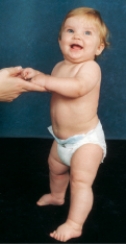
B)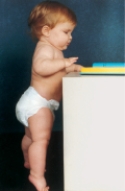
C)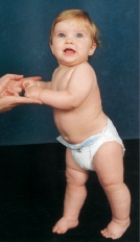
D)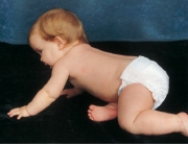
A)
B)
C)
D)
Question
Question
Question
Question
Question
Question
Question
Question
Question
Question
Question
Question

Unlock Deck
Sign up to unlock the cards in this deck!
Unlock Deck
Unlock Deck
1/39

Play

Full screen (f)
Deck 9: Health Promotion of the Infant and Family
1
A 4-month-old was born at 35 weeks of gestation. She seems to be developing normally, but her parents are concerned because she is a "more difficult" baby than their other child, who was term. What should the nurse's explanation include?
A) Infants' temperaments are part of their unique characteristics.
B) Infants become less difficult if they are not kept on scheduled feedings and structured routines.
C) The infant's behavior is suggestive of failure to bond completely with her parents.
D) The infant's difficult temperament is the result of painful experiences in the neonatal period.
A) Infants' temperaments are part of their unique characteristics.
B) Infants become less difficult if they are not kept on scheduled feedings and structured routines.
C) The infant's behavior is suggestive of failure to bond completely with her parents.
D) The infant's difficult temperament is the result of painful experiences in the neonatal period.
Infants' temperaments are part of their unique characteristics.
2
Which information could be given to the parents of a 12-month-old child regarding appropriate play activities?
A) Give large push-pull toys for kinetic stimulation.
B) Place cradle gym across crib to facilitate fine motor skills.
C) Provide child with finger paints to enhance fine motor skills.
D) Provide stick horse to develop gross motor coordination.
A) Give large push-pull toys for kinetic stimulation.
B) Place cradle gym across crib to facilitate fine motor skills.
C) Provide child with finger paints to enhance fine motor skills.
D) Provide stick horse to develop gross motor coordination.
Give large push-pull toys for kinetic stimulation.
3
A 3-month-old infant, born at 38 weeks of gestation, will hold a rattle if it is put in her hands, but she will not voluntarily grasp it. How should the nurse interpret this action?
A) Normal development
B) Significant developmental lag
C) Slightly delayed development due to prematurity
D) Suggestive of a neurologic disorder such as cerebral palsy
A) Normal development
B) Significant developmental lag
C) Slightly delayed development due to prematurity
D) Suggestive of a neurologic disorder such as cerebral palsy
Normal development
4
A parent asks the nurse "at what age do most infants begin to fear strangers?" The nurse should give which response?
A) 2 months
B) 4 months
C) 6 months
D) 12 months
A) 2 months
B) 4 months
C) 6 months
D) 12 months
Unlock Deck
Unlock for access to all 39 flashcards in this deck.
Unlock Deck
k this deck
5
A nurse is conducting a teaching session for parents of infants. The nurse explains that which behavior indicates that an infant has developed object permanence?
A) Recognizes familiar face, such as mother
B) Recognizes familiar object, such as bottle
C) Actively searches for a hidden object
D) Secures objects by pulling on a string
A) Recognizes familiar face, such as mother
B) Recognizes familiar object, such as bottle
C) Actively searches for a hidden object
D) Secures objects by pulling on a string
Unlock Deck
Unlock for access to all 39 flashcards in this deck.
Unlock Deck
k this deck
6
Which would be the best play activity for a 6-month-old infant to provide tactile stimulation?
A) Allow to splash in bath.
B) Give various colored blocks.
C) Play music box, tapes, or CDs.
D) Use infant swing or stroller.
A) Allow to splash in bath.
B) Give various colored blocks.
C) Play music box, tapes, or CDs.
D) Use infant swing or stroller.
Unlock Deck
Unlock for access to all 39 flashcards in this deck.
Unlock Deck
k this deck
7
The nurse is assessing a 6-month-old healthy infant who weighed 7 pounds at birth. The nurse should expect the infant to now weigh approximately how many pounds?
A) 10
B) 15
C) 20
D) 25
A) 10
B) 15
C) 20
D) 25
Unlock Deck
Unlock for access to all 39 flashcards in this deck.
Unlock Deck
k this deck
8
Which is an appropriate play activity for a 7-month-old infant to encourage visual stimulation?
A) Playing peek-a-boo
B) Playing pat-a-cake
C) Imitating animal sounds
D) Showing how to clap hands
A) Playing peek-a-boo
B) Playing pat-a-cake
C) Imitating animal sounds
D) Showing how to clap hands
Unlock Deck
Unlock for access to all 39 flashcards in this deck.
Unlock Deck
k this deck
9
A nurse is assessing a 12-month-old infant. Which statement best describes the infant's physical development a nurse should expect to find?
A) Anterior fontanel closes by age 6 to 10 months.
B) Binocularity is well established by age 8 months.
C) Birth weight doubles by age 5 months and triples by age 1 year.
D) Maternal iron stores persist during the first 12 months of life.
A) Anterior fontanel closes by age 6 to 10 months.
B) Binocularity is well established by age 8 months.
C) Birth weight doubles by age 5 months and triples by age 1 year.
D) Maternal iron stores persist during the first 12 months of life.
Unlock Deck
Unlock for access to all 39 flashcards in this deck.
Unlock Deck
k this deck
10
At what age does an infant start to recognize familiar faces and objects, such as a feeding bottle?
A) 1 month
B) 2 months
C) 3 months
D) 4 months
A) 1 month
B) 2 months
C) 3 months
D) 4 months
Unlock Deck
Unlock for access to all 39 flashcards in this deck.
Unlock Deck
k this deck
11
The nurse is doing a routine assessment on a 14-month-old infant and notes that the anterior fontanel is closed. How should the nurse interpret this finding?
A) Normal finding
B) Finding requiring a referral
C) Abnormal finding
D) Normal finding, but requires rechecking in 1 month
A) Normal finding
B) Finding requiring a referral
C) Abnormal finding
D) Normal finding, but requires rechecking in 1 month
Unlock Deck
Unlock for access to all 39 flashcards in this deck.
Unlock Deck
k this deck
12
The nurse is discussing development and play activities with the parent of a 2-month-old. Recommendations should include giving a first rattle at about which age?
A) 2 months
B) 4 months
C) 7 months
D) 9 months
A) 2 months
B) 4 months
C) 7 months
D) 9 months
Unlock Deck
Unlock for access to all 39 flashcards in this deck.
Unlock Deck
k this deck
13
A nurse is assessing a 6-month-old infant. The nurse recognizes the posterior fontanel usually closes at which age?
A) 6 to 8 weeks
B) 10 to 12 weeks
C) 4 to 6 months
D) 8 to 10 months
A) 6 to 8 weeks
B) 10 to 12 weeks
C) 4 to 6 months
D) 8 to 10 months
Unlock Deck
Unlock for access to all 39 flashcards in this deck.
Unlock Deck
k this deck
14
By which age should the nurse expect an infant to be able to pull to a standing position?
A) 6 months
B) 8 months
C) 11 to 12 months
D) 14 to 15 months
A) 6 months
B) 8 months
C) 11 to 12 months
D) 14 to 15 months
Unlock Deck
Unlock for access to all 39 flashcards in this deck.
Unlock Deck
k this deck
15
At what age can most infants sit steadily unsupported?
A) 4 months
B) 6 months
C) 8 months
D) 10 months
A) 4 months
B) 6 months
C) 8 months
D) 10 months
Unlock Deck
Unlock for access to all 39 flashcards in this deck.
Unlock Deck
k this deck
16
The parents of a 9-month-old infant tell the nurse that they have noticed foods such as peas and corn are not completely digested and can be seen in their infant's stools. The nurse's explanation of this is based on which statement?
A) Child should not be given fibrous foods until digestive tract matures at age 4 years.
B) Child should not be given any solid foods until this digestive problem is resolved.
C) This is abnormal and requires further investigation.
D) This is normal because of the immaturity of digestive processes at this age.
A) Child should not be given fibrous foods until digestive tract matures at age 4 years.
B) Child should not be given any solid foods until this digestive problem is resolved.
C) This is abnormal and requires further investigation.
D) This is normal because of the immaturity of digestive processes at this age.
Unlock Deck
Unlock for access to all 39 flashcards in this deck.
Unlock Deck
k this deck
17
At what age should the nurse expect an infant to begin smiling in response to pleasurable stimuli?
A) 1 month
B) 2 months
C) 3 months
D) 4 months
A) 1 month
B) 2 months
C) 3 months
D) 4 months
Unlock Deck
Unlock for access to all 39 flashcards in this deck.
Unlock Deck
k this deck
18
The parents of a 3-month-old infant report that their infant sleeps supine (face up) but is often prone (face down) while awake. What knowledge should the nurse's response should be based?
A) Unacceptable because of the risk of sudden infant death syndrome (SIDS)
B) Unacceptable because it does not encourage achievement of developmental milestones
C) Acceptable to encourage fine motor development
D) Acceptable to encourage head control and turning over
A) Unacceptable because of the risk of sudden infant death syndrome (SIDS)
B) Unacceptable because it does not encourage achievement of developmental milestones
C) Acceptable to encourage fine motor development
D) Acceptable to encourage head control and turning over
Unlock Deck
Unlock for access to all 39 flashcards in this deck.
Unlock Deck
k this deck
19
In terms of fine motor development, what should the infant of 7 months be able to do?
A) Transfer objects from one hand to the other and bang cubes on a table.
B) Use thumb and index finger in crude pincer grasp and release an object at will.
C) Hold a crayon between the fingers and make a mark on paper.
D) Release cubes into a cup and build a tower of two blocks.
A) Transfer objects from one hand to the other and bang cubes on a table.
B) Use thumb and index finger in crude pincer grasp and release an object at will.
C) Hold a crayon between the fingers and make a mark on paper.
D) Release cubes into a cup and build a tower of two blocks.
Unlock Deck
Unlock for access to all 39 flashcards in this deck.
Unlock Deck
k this deck
20
According to Piaget, the 6-month-old infant should be in which developmental stage?
A) Use of reflexes
B) Primary circular reactions
C) Secondary circular reactions
D) Coordination of secondary schemata
A) Use of reflexes
B) Primary circular reactions
C) Secondary circular reactions
D) Coordination of secondary schemata
Unlock Deck
Unlock for access to all 39 flashcards in this deck.
Unlock Deck
k this deck
21
The nurse notices that a 10-month-old infant being seen in the clinic is wearing expensive, inflexible, high-top shoes. The nurse should explain that:
A) soft and flexible shoes are generally better.
B) high-top shoes are necessary for support.
C) inflexible shoes are necessary to prevent in-toeing and out-toeing.
D) this type of shoe will encourage the infant to walk sooner.
A) soft and flexible shoes are generally better.
B) high-top shoes are necessary for support.
C) inflexible shoes are necessary to prevent in-toeing and out-toeing.
D) this type of shoe will encourage the infant to walk sooner.
Unlock Deck
Unlock for access to all 39 flashcards in this deck.
Unlock Deck
k this deck
22
Parents tell the nurse that their 1-year-old son often sleeps with them. They seem unconcerned about this. The nurse's response should be based on which statement?
A) Children should not sleep with their parents.
B) Separation from parents should be completed by this age.
C) Daytime attention should be increased.
D) This is a common and accepted practice, especially in some cultural groups.
A) Children should not sleep with their parents.
B) Separation from parents should be completed by this age.
C) Daytime attention should be increased.
D) This is a common and accepted practice, especially in some cultural groups.
Unlock Deck
Unlock for access to all 39 flashcards in this deck.
Unlock Deck
k this deck
23
What is the best age for solid food to be introduced into the infant's diet?
A) 2 to 3 months
B) 4 to 6 months
C) When birth weight has tripled
D) When tooth eruption has started
A) 2 to 3 months
B) 4 to 6 months
C) When birth weight has tripled
D) When tooth eruption has started
Unlock Deck
Unlock for access to all 39 flashcards in this deck.
Unlock Deck
k this deck
24
The parents of a 12-month-old child ask the nurse whether the child can eat hot dogs. The nurse's reply should be based on which statement?
A) Child is too young to digest hot dogs.
B) Child is too young to eat hot dogs safely.
C) Hot dogs must be sliced into sections to prevent aspiration.
D) Hot dogs must be cut into small, irregular pieces to prevent aspiration.
A) Child is too young to digest hot dogs.
B) Child is too young to eat hot dogs safely.
C) Hot dogs must be sliced into sections to prevent aspiration.
D) Hot dogs must be cut into small, irregular pieces to prevent aspiration.
Unlock Deck
Unlock for access to all 39 flashcards in this deck.
Unlock Deck
k this deck
25
A nurse is teaching a parent about introduction of solid foods into an infant's diet. Which should the nurse include in the teaching session? (Select all that apply.)
A) Solid food introduction can be started at 2 months of age.
B) Rice cereal is introduced first.
C) Begin the introduction of solid foods by mixing with formula in the bottle.
D) Introduce egg white in small quantities (1 tsp) toward the end of the first year.
E) Introduce one food at a time, usually at intervals of 4 to 7 days.
A) Solid food introduction can be started at 2 months of age.
B) Rice cereal is introduced first.
C) Begin the introduction of solid foods by mixing with formula in the bottle.
D) Introduce egg white in small quantities (1 tsp) toward the end of the first year.
E) Introduce one food at a time, usually at intervals of 4 to 7 days.
Unlock Deck
Unlock for access to all 39 flashcards in this deck.
Unlock Deck
k this deck
26
The clinic is lending a federally approved car seat to an infant's family. The nurse should explain that the safest place to put the car seat is:
A) front facing in back seat.
B) rear facing in back seat.
C) front facing in front seat with air bag on passenger side.
D) rear facing in front seat if an air bag is on the passenger side.
A) front facing in back seat.
B) rear facing in back seat.
C) front facing in front seat with air bag on passenger side.
D) rear facing in front seat if an air bag is on the passenger side.
Unlock Deck
Unlock for access to all 39 flashcards in this deck.
Unlock Deck
k this deck
27
Which figure depicts an expected developmental milestone for a 7-month-old infant?
A)
B)
C)
D)
A)
B)
C)
D)
Unlock Deck
Unlock for access to all 39 flashcards in this deck.
Unlock Deck
k this deck
28
Austin, age 6 months, has six teeth. How should the nurse interpret this finding?
A) Normal tooth eruption
B) Delayed tooth eruption
C) Unusual and dangerous
D) Earlier-than-normal tooth eruption
A) Normal tooth eruption
B) Delayed tooth eruption
C) Unusual and dangerous
D) Earlier-than-normal tooth eruption
Unlock Deck
Unlock for access to all 39 flashcards in this deck.
Unlock Deck
k this deck
29
A nurse is teaching a parent about administration of iron supplements to a 7-month-old infant. Which should the nurse include in the teaching session? (Select all that apply.)
A) Administer the iron supplement with a dropper toward the side and to the back of the mouth
B) Administer the iron supplement with feedings.
C) Your infant's stools may look tarry green.
D) Your infant may have some diarrhea initially.
E) Follow the iron supplement with 4 ounces of juice.
A) Administer the iron supplement with a dropper toward the side and to the back of the mouth
B) Administer the iron supplement with feedings.
C) Your infant's stools may look tarry green.
D) Your infant may have some diarrhea initially.
E) Follow the iron supplement with 4 ounces of juice.
Unlock Deck
Unlock for access to all 39 flashcards in this deck.
Unlock Deck
k this deck
30
The nurse is teaching parents about appropriate pacifier selection. Which characteristics should the pacifier have? (Select all that apply.)
A) Easily grasped handle
B) One-piece construction
C) Ribbon or string to secure to clothing
D) Soft, pliable material
E) Sturdy, flexible material
A) Easily grasped handle
B) One-piece construction
C) Ribbon or string to secure to clothing
D) Soft, pliable material
E) Sturdy, flexible material
Unlock Deck
Unlock for access to all 39 flashcards in this deck.
Unlock Deck
k this deck
31
Place in order the expected sequence of fine motor developmental milestones for an infant beginning with the first milestone achieved and ending with the last milestone achieved. Provide answer using lowercase letters separated by commas (e.g., a, b, c, d, e).
A) Voluntary palmar grasp
B) Reflex palmar grasp
C) Puts objects into a container
D) Neat pincer grasp
E) Builds a tower of two blocks, but fails
A) Voluntary palmar grasp
B) Reflex palmar grasp
C) Puts objects into a container
D) Neat pincer grasp
E) Builds a tower of two blocks, but fails
Unlock Deck
Unlock for access to all 39 flashcards in this deck.
Unlock Deck
k this deck
32
The parent of a 2-week-old infant, exclusively breastfed, asks the nurse if fluoride supplements are needed. What is the nurse's best response?
A) "She needs to begin taking them now."
B) "They are not needed if you drink fluoridated water."
C) "She may need to begin taking them at age 4 months."
D) "She can have infant cereal mixed with fluoridated water instead of supplements."
A) "She needs to begin taking them now."
B) "They are not needed if you drink fluoridated water."
C) "She may need to begin taking them at age 4 months."
D) "She can have infant cereal mixed with fluoridated water instead of supplements."
Unlock Deck
Unlock for access to all 39 flashcards in this deck.
Unlock Deck
k this deck
33
The nurse is guiding parents in selecting a daycare facility for their infant. Which is especially important to consider when making the selection?
A) Health practices of facility
B) Structured learning environment
C) Socioeconomic status of children
D) Cultural similarities of children
A) Health practices of facility
B) Structured learning environment
C) Socioeconomic status of children
D) Cultural similarities of children
Unlock Deck
Unlock for access to all 39 flashcards in this deck.
Unlock Deck
k this deck
34
Which information should the nurse give a mother regarding the introduction of solid foods during infancy?
A) Solid foods should not be introduced until 8 to 10 months, when the extrusion reflex begins to disappear.
B) Foods should be introduced one at a time, at intervals of 4 to 7 days.
C) Solid foods can be mixed in a bottle to make the transition easier for the infant.
D) Fruits and vegetables should be introduced into the diet first.
A) Solid foods should not be introduced until 8 to 10 months, when the extrusion reflex begins to disappear.
B) Foods should be introduced one at a time, at intervals of 4 to 7 days.
C) Solid foods can be mixed in a bottle to make the transition easier for the infant.
D) Fruits and vegetables should be introduced into the diet first.
Unlock Deck
Unlock for access to all 39 flashcards in this deck.
Unlock Deck
k this deck
35
In terms of gross motor development, which should the nurse expect a 5-month-old infant to do? (Select all that apply.)
A) Roll from abdomen to back.
B) Put feet in mouth when supine.
C) Roll from back to abdomen.
D) Sit erect without support.
E) Move from prone to sitting position.
F) Adjust posture to reach an object.
A) Roll from abdomen to back.
B) Put feet in mouth when supine.
C) Roll from back to abdomen.
D) Sit erect without support.
E) Move from prone to sitting position.
F) Adjust posture to reach an object.
Unlock Deck
Unlock for access to all 39 flashcards in this deck.
Unlock Deck
k this deck
36
The parents of a 4-month-old infant tell the nurse that they are getting a microwave oven and will be able to heat the baby's formula faster. What should the nurse recommend?
A) Never heat a bottle in a microwave oven.
B) Heat only 10 ounces or more.
C) Always leave bottle top uncovered to allow heat to escape.
D) Shake bottle vigorously for at least 30 seconds after heating.
A) Never heat a bottle in a microwave oven.
B) Heat only 10 ounces or more.
C) Always leave bottle top uncovered to allow heat to escape.
D) Shake bottle vigorously for at least 30 seconds after heating.
Unlock Deck
Unlock for access to all 39 flashcards in this deck.
Unlock Deck
k this deck
37
The nurse should teach parents that which age is safe to give infants whole milk instead of commercial infant formula?
A) 6 months
B) 9 months
C) 12 months
D) 18 months
A) 6 months
B) 9 months
C) 12 months
D) 18 months
Unlock Deck
Unlock for access to all 39 flashcards in this deck.
Unlock Deck
k this deck
38
A parent asks the nurse "when will my infant start to teethe?" The nurse responds that the earliest age at which an infant begins teething with eruption of lower central incisors is _____ months.
A) 4
B) 6
C) 8
D) 12
A) 4
B) 6
C) 8
D) 12
Unlock Deck
Unlock for access to all 39 flashcards in this deck.
Unlock Deck
k this deck
39
A mother tells the nurse that she is discontinuing breastfeeding her 5-month-old infant. What should the nurse recommend the infant be given?
A) Skim milk
B) Whole cow's milk
C) Commercial iron-fortified formula
D) Commercial formula without iron
A) Skim milk
B) Whole cow's milk
C) Commercial iron-fortified formula
D) Commercial formula without iron
Unlock Deck
Unlock for access to all 39 flashcards in this deck.
Unlock Deck
k this deck
Unlock Deck
Unlock for access to all 39 flashcards in this deck.






