Deck 25: Heterocycles: Heteroatoms in Cyclic Organic Compounds

Full screen (f)
exit full mode
Question
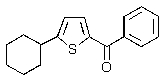
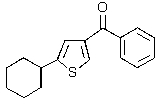
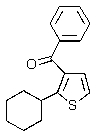
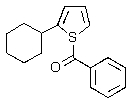
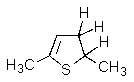
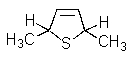
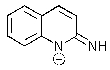
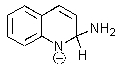
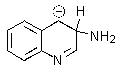
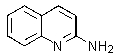
Predict the major product of the following reaction. <strong>Predict the major product of the following reaction.  </strong> A)   B)   C)   D)   E)   <div style=padding-top: 35px>

A)
<strong>Predict the major product of the following reaction.  </strong> A)   B)   C)   D)   E)   <div style=padding-top: 35px>
B)
<strong>Predict the major product of the following reaction.  </strong> A)   B)   C)   D)   E)   <div style=padding-top: 35px>
C)
<strong>Predict the major product of the following reaction.  </strong> A)   B)   C)   D)   E)   <div style=padding-top: 35px>
D)
<strong>Predict the major product of the following reaction.  </strong> A)   B)   C)   D)   E)   <div style=padding-top: 35px>
E)
<strong>Predict the major product of the following reaction.  </strong> A)   B)   C)   D)   E)   <div style=padding-top: 35px>
Use Space or
up arrow
down arrow
to flip the card.
Question
What product(s)would you obtain from the reaction below? <strong>What product(s)would you obtain from the reaction below?  </strong> A)   B)   C)   D)   E)   <div style=padding-top: 35px>
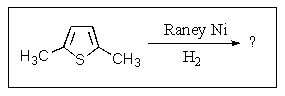
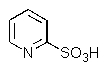
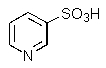
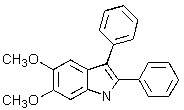
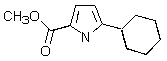
A)
<strong>What product(s)would you obtain from the reaction below?  </strong> A)   B)   C)   D)   E)   <div style=padding-top: 35px>
B)
<strong>What product(s)would you obtain from the reaction below?  </strong> A)   B)   C)   D)   E)   <div style=padding-top: 35px>
C)
<strong>What product(s)would you obtain from the reaction below?  </strong> A)   B)   C)   D)   E)   <div style=padding-top: 35px>
D)
<strong>What product(s)would you obtain from the reaction below?  </strong> A)   B)   C)   D)   E)   <div style=padding-top: 35px>
E)
<strong>What product(s)would you obtain from the reaction below?  </strong> A)   B)   C)   D)   E)   <div style=padding-top: 35px>
Question
Indole is stabilized by several charge-separated resonance contributors.Which of the following is not a contributing charge-separated resonance structure? <strong>Indole is stabilized by several charge-separated resonance contributors.Which of the following is not a contributing charge-separated resonance structure?  </strong> A)   B)   C)   D)   E)   <div style=padding-top: 35px>
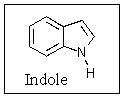
A)
<strong>Indole is stabilized by several charge-separated resonance contributors.Which of the following is not a contributing charge-separated resonance structure?  </strong> A)   B)   C)   D)   E)   <div style=padding-top: 35px>
B)
<strong>Indole is stabilized by several charge-separated resonance contributors.Which of the following is not a contributing charge-separated resonance structure?  </strong> A)   B)   C)   D)   E)   <div style=padding-top: 35px>
C)
<strong>Indole is stabilized by several charge-separated resonance contributors.Which of the following is not a contributing charge-separated resonance structure?  </strong> A)   B)   C)   D)   E)   <div style=padding-top: 35px>
D)
<strong>Indole is stabilized by several charge-separated resonance contributors.Which of the following is not a contributing charge-separated resonance structure?  </strong> A)   B)   C)   D)   E)   <div style=padding-top: 35px>
E)
<strong>Indole is stabilized by several charge-separated resonance contributors.Which of the following is not a contributing charge-separated resonance structure?  </strong> A)   B)   C)   D)   E)   <div style=padding-top: 35px>
Question
Which atom in the following heterocycle would be the most basic? <strong>Which atom in the following heterocycle would be the most basic?  </strong> A) A B) B C) C D) D E) E <div style=padding-top: 35px>
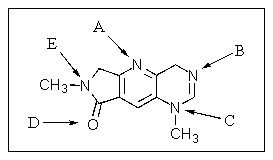
A) A
B) B
C) C
D) D
E) E
Question
Which of the following would be the most basic?

A)
<strong>Which of the following would be the most basic?</strong> A)   B)   C)   D)   E)   <div style=padding-top: 35px>
B)
<strong>Which of the following would be the most basic?</strong> A)   B)   C)   D)   E)   <div style=padding-top: 35px>
C)
<strong>Which of the following would be the most basic?</strong> A)   B)   C)   D)   E)   <div style=padding-top: 35px>
D)
<strong>Which of the following would be the most basic?</strong> A)   B)   C)   D)   E)   <div style=padding-top: 35px>
E)
<strong>Which of the following would be the most basic?</strong> A)   B)   C)   D)   E)   <div style=padding-top: 35px>
Question
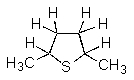
What is the name of the following amine? <strong>What is the name of the following amine?  </strong> A) Piperidine B) Pyrrolidine C) Morpholine D) Piperazine E) Pyridine <div style=padding-top: 35px>
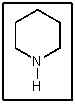
A) Piperidine
B) Pyrrolidine
C) Morpholine
D) Piperazine
E) Pyridine
Question
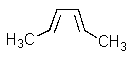
Which of the following would be the most reactive diene in a Diels-Alder reaction?

A)
<strong>Which of the following would be the most reactive diene in a Diels-Alder reaction?</strong> A)   B)   C)   D) These are equally reactive. E) None of these undergo Diels-Alder reactions. <div style=padding-top: 35px>
B)
<strong>Which of the following would be the most reactive diene in a Diels-Alder reaction?</strong> A)   B)   C)   D) These are equally reactive. E) None of these undergo Diels-Alder reactions. <div style=padding-top: 35px>
C)
<strong>Which of the following would be the most reactive diene in a Diels-Alder reaction?</strong> A)   B)   C)   D) These are equally reactive. E) None of these undergo Diels-Alder reactions. <div style=padding-top: 35px>
D) These are equally reactive.
E) None of these undergo Diels-Alder reactions.
Question
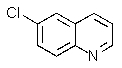
Which of the chloroquinolines shown below would be most reactive toward sodium methoxide?

A)
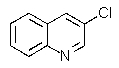
<strong>Which of the chloroquinolines shown below would be most reactive toward sodium methoxide?</strong> A)   B)   C)   D)   E) These are expected to be equally reactive. <div style=padding-top: 35px>
B)
<strong>Which of the chloroquinolines shown below would be most reactive toward sodium methoxide?</strong> A)   B)   C)   D)   E) These are expected to be equally reactive. <div style=padding-top: 35px>
C)
<strong>Which of the chloroquinolines shown below would be most reactive toward sodium methoxide?</strong> A)   B)   C)   D)   E) These are expected to be equally reactive. <div style=padding-top: 35px>
D)
<strong>Which of the chloroquinolines shown below would be most reactive toward sodium methoxide?</strong> A)   B)   C)   D)   E) These are expected to be equally reactive. <div style=padding-top: 35px>
E) These are expected to be equally reactive.
Question
What product would be formed in the reaction below? <strong>What product would be formed in the reaction below?  </strong> A)   B)   C)   D)   E)   <div style=padding-top: 35px>
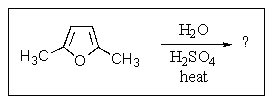
A)
<strong>What product would be formed in the reaction below?  </strong> A)   B)   C)   D)   E)   <div style=padding-top: 35px>
B)
<strong>What product would be formed in the reaction below?  </strong> A)   B)   C)   D)   E)   <div style=padding-top: 35px>
C)
<strong>What product would be formed in the reaction below?  </strong> A)   B)   C)   D)   E)   <div style=padding-top: 35px>
D)
<strong>What product would be formed in the reaction below?  </strong> A)   B)   C)   D)   E)   <div style=padding-top: 35px>
E)
<strong>What product would be formed in the reaction below?  </strong> A)   B)   C)   D)   E)   <div style=padding-top: 35px>
Question
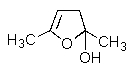
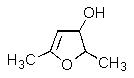
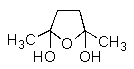
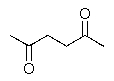
Which reagent might convert 2,5-hexanedione to 2,5-dimethylfuran? <strong>Which reagent might convert 2,5-hexanedione to 2,5-dimethylfuran?  </strong> A) NaBH<sub>4</sub>,CH<sub>3</sub>OH B) H<sub>2</sub>,Pt C) NaOH,heat D) P<sub>2</sub>O<sub>5</sub> E) Na,EtOH <div style=padding-top: 35px>
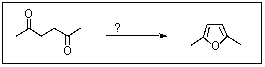
A) NaBH4,CH3OH
B) H2,Pt
C) NaOH,heat
D) P2O5
E) Na,EtOH
Question
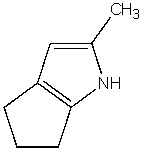
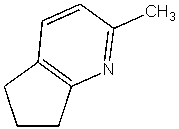
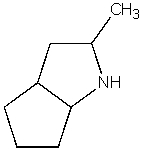
How would the heterocyclic amines shown here be ranked in order of decreasing basicity (more basic > less basic)? <strong>How would the heterocyclic amines shown here be ranked in order of decreasing basicity (more basic > less basic)?  </strong> A) III > I > II B) I > II > III C) II > III > I D) I > III > II E) II > I > III <div style=padding-top: 35px>
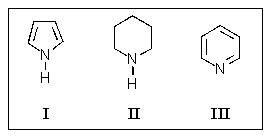
A) III > I > II
B) I > II > III
C) II > III > I
D) I > III > II
E) II > I > III
Question
Which of the following is not formed as either an intermediate along the reaction pathway or as a final product for the Chichibabin reaction shown below? <strong>Which of the following is not formed as either an intermediate along the reaction pathway or as a final product for the Chichibabin reaction shown below?  </strong> A)   B)   C)   D)   E)   <div style=padding-top: 35px>
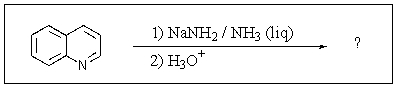
A)
<strong>Which of the following is not formed as either an intermediate along the reaction pathway or as a final product for the Chichibabin reaction shown below?  </strong> A)   B)   C)   D)   E)   <div style=padding-top: 35px>
B)
<strong>Which of the following is not formed as either an intermediate along the reaction pathway or as a final product for the Chichibabin reaction shown below?  </strong> A)   B)   C)   D)   E)   <div style=padding-top: 35px>
C)
<strong>Which of the following is not formed as either an intermediate along the reaction pathway or as a final product for the Chichibabin reaction shown below?  </strong> A)   B)   C)   D)   E)   <div style=padding-top: 35px>
D)
<strong>Which of the following is not formed as either an intermediate along the reaction pathway or as a final product for the Chichibabin reaction shown below?  </strong> A)   B)   C)   D)   E)   <div style=padding-top: 35px>
E)
<strong>Which of the following is not formed as either an intermediate along the reaction pathway or as a final product for the Chichibabin reaction shown below?  </strong> A)   B)   C)   D)   E)   <div style=padding-top: 35px>
Question
The best way to prepare a 2-alkylpyridine from pyridine would be what? <strong>The best way to prepare a 2-alkylpyridine from pyridine would be what?  </strong> A) Electrophilic substitution B) Free-radical substitution C) Nucleophilic substitution D) An S<sub>N</sub>2 reaction E) None of the above are correct. <div style=padding-top: 35px>
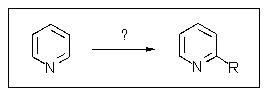
A) Electrophilic substitution
B) Free-radical substitution
C) Nucleophilic substitution
D) An SN2 reaction
E) None of the above are correct.
Question
What product do you expect from the reaction shown below? <strong>What product do you expect from the reaction shown below?  </strong> A)   B)   C)   D)   E)   <div style=padding-top: 35px>
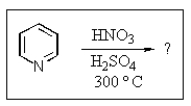
A)
<strong>What product do you expect from the reaction shown below?  </strong> A)   B)   C)   D)   E)   <div style=padding-top: 35px>
B)
<strong>What product do you expect from the reaction shown below?  </strong> A)   B)   C)   D)   E)   <div style=padding-top: 35px>
C)
<strong>What product do you expect from the reaction shown below?  </strong> A)   B)   C)   D)   E)   <div style=padding-top: 35px>
D)
<strong>What product do you expect from the reaction shown below?  </strong> A)   B)   C)   D)   E)   <div style=padding-top: 35px>
E)
<strong>What product do you expect from the reaction shown below?  </strong> A)   B)   C)   D)   E)   <div style=padding-top: 35px>
Question
Which of the following structures represents a quinoline derivative?

A)
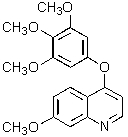
<strong>Which of the following structures represents a quinoline derivative?</strong> A)   B)   C)   D)   E)   <div style=padding-top: 35px>
B)
<strong>Which of the following structures represents a quinoline derivative?</strong> A)   B)   C)   D)   E)   <div style=padding-top: 35px>
C)
<strong>Which of the following structures represents a quinoline derivative?</strong> A)   B)   C)   D)   E)   <div style=padding-top: 35px>
D)
<strong>Which of the following structures represents a quinoline derivative?</strong> A)   B)   C)   D)   E)   <div style=padding-top: 35px>
E)
<strong>Which of the following structures represents a quinoline derivative?</strong> A)   B)   C)   D)   E)   <div style=padding-top: 35px>
Question
Which of the following is not aromatic?

A)
<strong>Which of the following is not aromatic?</strong> A)   B)   C)   D)   E) All are aromatic. <div style=padding-top: 35px>
B)
<strong>Which of the following is not aromatic?</strong> A)   B)   C)   D)   E) All are aromatic. <div style=padding-top: 35px>
C)
<strong>Which of the following is not aromatic?</strong> A)   B)   C)   D)   E) All are aromatic. <div style=padding-top: 35px>
D)
<strong>Which of the following is not aromatic?</strong> A)   B)   C)   D)   E) All are aromatic. <div style=padding-top: 35px>
E) All are aromatic.
Question
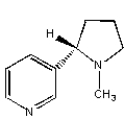
Which nitrogen,if either,is the more basic in nicotine? <strong>Which nitrogen,if either,is the more basic in nicotine?  </strong> A) Nitrogen A is more basic. B) Nitrogen B is more basic. C) The nitrogens are equally basic. D) Neither nitrogen is basic. E) There is no basis on which to predict this. <div style=padding-top: 35px>
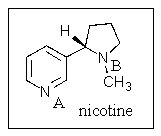
A) Nitrogen A is more basic.
B) Nitrogen B is more basic.
C) The nitrogens are equally basic.
D) Neither nitrogen is basic.
E) There is no basis on which to predict this.
Question
Predict the major product of the following reaction. <strong>Predict the major product of the following reaction.  </strong> A)   B)   C)   D)   E)   <div style=padding-top: 35px>
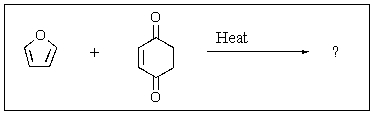
A)
<strong>Predict the major product of the following reaction.  </strong> A)   B)   C)   D)   E)   <div style=padding-top: 35px>
B)
<strong>Predict the major product of the following reaction.  </strong> A)   B)   C)   D)   E)   <div style=padding-top: 35px>
C)
<strong>Predict the major product of the following reaction.  </strong> A)   B)   C)   D)   E)   <div style=padding-top: 35px>
D)
<strong>Predict the major product of the following reaction.  </strong> A)   B)   C)   D)   E)   <div style=padding-top: 35px>
E)
<strong>Predict the major product of the following reaction.  </strong> A)   B)   C)   D)   E)   <div style=padding-top: 35px>
Question
You would expect a very strong nucleophile (e.g.,H2N-)to attack 2-methylpyridine where? <strong>You would expect a very strong nucleophile (e.g.,H<sub>2</sub>N<sup>-</sup>)to attack 2-methylpyridine where?  </strong> A) Position a B) Position b C) Position c D) Position d E) Position e <div style=padding-top: 35px>
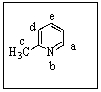
A) Position a
B) Position b
C) Position c
D) Position d
E) Position e
Question
You would expect a powerful electrophile (e.g.,Br+)to attack 2-methylpyridine mostly at which carbon? <strong>You would expect a powerful electrophile (e.g.,Br<sup>+</sup>)to attack 2-methylpyridine mostly at which carbon?  </strong> A) Position a B) Position b C) Position c D) Position d E) Position e <div style=padding-top: 35px>
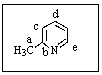
A) Position a
B) Position b
C) Position c
D) Position d
E) Position e
Question
Which of the following compounds is not a heterocycle?

A)
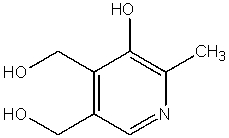
<strong>Which of the following compounds is not a heterocycle?</strong> A)   B)   C)   D)   E)   <div style=padding-top: 35px>
B)
<strong>Which of the following compounds is not a heterocycle?</strong> A)   B)   C)   D)   E)   <div style=padding-top: 35px>
C)
<strong>Which of the following compounds is not a heterocycle?</strong> A)   B)   C)   D)   E)   <div style=padding-top: 35px>
D)
<strong>Which of the following compounds is not a heterocycle?</strong> A)   B)   C)   D)   E)   <div style=padding-top: 35px>
E)
<strong>Which of the following compounds is not a heterocycle?</strong> A)   B)   C)   D)   E)   <div style=padding-top: 35px>
Question
What is the product of the following reaction? <strong>What is the product of the following reaction?  </strong> A)   B)   C)   D)   E) None of the above. <div style=padding-top: 35px>
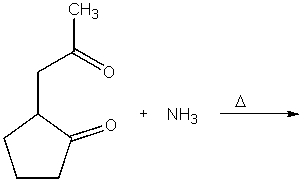
A)
<strong>What is the product of the following reaction?  </strong> A)   B)   C)   D)   E) None of the above. <div style=padding-top: 35px>
B)
<strong>What is the product of the following reaction?  </strong> A)   B)   C)   D)   E) None of the above. <div style=padding-top: 35px>
C)
<strong>What is the product of the following reaction?  </strong> A)   B)   C)   D)   E) None of the above. <div style=padding-top: 35px>
D)
<strong>What is the product of the following reaction?  </strong> A)   B)   C)   D)   E) None of the above. <div style=padding-top: 35px>
E) None of the above.
Question
Which of the following compounds is not an alkaloid?

A)
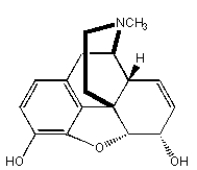
<strong>Which of the following compounds is not an alkaloid?</strong> A)   B)   C)   D)   E) All of the above are alkaloids. <div style=padding-top: 35px>
B)
<strong>Which of the following compounds is not an alkaloid?</strong> A)   B)   C)   D)   E) All of the above are alkaloids. <div style=padding-top: 35px>
C)
<strong>Which of the following compounds is not an alkaloid?</strong> A)   B)   C)   D)   E) All of the above are alkaloids. <div style=padding-top: 35px>
D)
<strong>Which of the following compounds is not an alkaloid?</strong> A)   B)   C)   D)   E) All of the above are alkaloids. <div style=padding-top: 35px>
E) All of the above are alkaloids.
Unlock Deck
Sign up to unlock the cards in this deck!
Unlock Deck
Unlock Deck
1/23
auto play flashcards
Play
simple tutorial
Full screen (f)
exit full mode
Deck 25: Heterocycles: Heteroatoms in Cyclic Organic Compounds
1
Predict the major product of the following reaction. <strong>Predict the major product of the following reaction.  </strong> A)   B)   C)   D)   E)

A)
<strong>Predict the major product of the following reaction.  </strong> A)   B)   C)   D)   E)
B)
<strong>Predict the major product of the following reaction.  </strong> A)   B)   C)   D)   E)
C)
<strong>Predict the major product of the following reaction.  </strong> A)   B)   C)   D)   E)
D)
<strong>Predict the major product of the following reaction.  </strong> A)   B)   C)   D)   E)
E)
<strong>Predict the major product of the following reaction.  </strong> A)   B)   C)   D)   E)
2
What product(s)would you obtain from the reaction below? <strong>What product(s)would you obtain from the reaction below?  </strong> A)   B)   C)   D)   E)

A)
<strong>What product(s)would you obtain from the reaction below?  </strong> A)   B)   C)   D)   E)
B)
<strong>What product(s)would you obtain from the reaction below?  </strong> A)   B)   C)   D)   E)
C)
<strong>What product(s)would you obtain from the reaction below?  </strong> A)   B)   C)   D)   E)
D)
<strong>What product(s)would you obtain from the reaction below?  </strong> A)   B)   C)   D)   E)
E)
<strong>What product(s)would you obtain from the reaction below?  </strong> A)   B)   C)   D)   E)
3
Indole is stabilized by several charge-separated resonance contributors.Which of the following is not a contributing charge-separated resonance structure? <strong>Indole is stabilized by several charge-separated resonance contributors.Which of the following is not a contributing charge-separated resonance structure?  </strong> A)   B)   C)   D)   E)

A)
<strong>Indole is stabilized by several charge-separated resonance contributors.Which of the following is not a contributing charge-separated resonance structure?  </strong> A)   B)   C)   D)   E)
B)
<strong>Indole is stabilized by several charge-separated resonance contributors.Which of the following is not a contributing charge-separated resonance structure?  </strong> A)   B)   C)   D)   E)
C)
<strong>Indole is stabilized by several charge-separated resonance contributors.Which of the following is not a contributing charge-separated resonance structure?  </strong> A)   B)   C)   D)   E)
D)
<strong>Indole is stabilized by several charge-separated resonance contributors.Which of the following is not a contributing charge-separated resonance structure?  </strong> A)   B)   C)   D)   E)
E)
<strong>Indole is stabilized by several charge-separated resonance contributors.Which of the following is not a contributing charge-separated resonance structure?  </strong> A)   B)   C)   D)   E)
4
Which atom in the following heterocycle would be the most basic? <strong>Which atom in the following heterocycle would be the most basic?  </strong> A) A B) B C) C D) D E) E

A) A
B) B
C) C
D) D
E) E
Unlock Deck
Unlock for access to all 23 flashcards in this deck.
Unlock Deck
k this deck
5
Which of the following would be the most basic?

A)
<strong>Which of the following would be the most basic?</strong> A)   B)   C)   D)   E)
B)
<strong>Which of the following would be the most basic?</strong> A)   B)   C)   D)   E)
C)
<strong>Which of the following would be the most basic?</strong> A)   B)   C)   D)   E)
D)
<strong>Which of the following would be the most basic?</strong> A)   B)   C)   D)   E)
E)
<strong>Which of the following would be the most basic?</strong> A)   B)   C)   D)   E)
Unlock Deck
Unlock for access to all 23 flashcards in this deck.
Unlock Deck
k this deck
6
What is the name of the following amine? <strong>What is the name of the following amine?  </strong> A) Piperidine B) Pyrrolidine C) Morpholine D) Piperazine E) Pyridine

A) Piperidine
B) Pyrrolidine
C) Morpholine
D) Piperazine
E) Pyridine
Unlock Deck
Unlock for access to all 23 flashcards in this deck.
Unlock Deck
k this deck
7
Which of the following would be the most reactive diene in a Diels-Alder reaction?

A)
<strong>Which of the following would be the most reactive diene in a Diels-Alder reaction?</strong> A)   B)   C)   D) These are equally reactive. E) None of these undergo Diels-Alder reactions.
B)
<strong>Which of the following would be the most reactive diene in a Diels-Alder reaction?</strong> A)   B)   C)   D) These are equally reactive. E) None of these undergo Diels-Alder reactions.
C)
<strong>Which of the following would be the most reactive diene in a Diels-Alder reaction?</strong> A)   B)   C)   D) These are equally reactive. E) None of these undergo Diels-Alder reactions.
D) These are equally reactive.
E) None of these undergo Diels-Alder reactions.
Unlock Deck
Unlock for access to all 23 flashcards in this deck.

Unlock Deck
k this deck
8
Which of the chloroquinolines shown below would be most reactive toward sodium methoxide?

A)
<strong>Which of the chloroquinolines shown below would be most reactive toward sodium methoxide?</strong> A)   B)   C)   D)   E) These are expected to be equally reactive.
B)
<strong>Which of the chloroquinolines shown below would be most reactive toward sodium methoxide?</strong> A)   B)   C)   D)   E) These are expected to be equally reactive.
C)
<strong>Which of the chloroquinolines shown below would be most reactive toward sodium methoxide?</strong> A)   B)   C)   D)   E) These are expected to be equally reactive.
D)
<strong>Which of the chloroquinolines shown below would be most reactive toward sodium methoxide?</strong> A)   B)   C)   D)   E) These are expected to be equally reactive.
E) These are expected to be equally reactive.
Unlock Deck
Unlock for access to all 23 flashcards in this deck.

Unlock Deck
k this deck
9
What product would be formed in the reaction below? <strong>What product would be formed in the reaction below?  </strong> A)   B)   C)   D)   E)

A)
<strong>What product would be formed in the reaction below?  </strong> A)   B)   C)   D)   E)
B)
<strong>What product would be formed in the reaction below?  </strong> A)   B)   C)   D)   E)
C)
<strong>What product would be formed in the reaction below?  </strong> A)   B)   C)   D)   E)
D)
<strong>What product would be formed in the reaction below?  </strong> A)   B)   C)   D)   E)
E)
<strong>What product would be formed in the reaction below?  </strong> A)   B)   C)   D)   E)
Unlock Deck
Unlock for access to all 23 flashcards in this deck.
Unlock Deck
k this deck
10
Which reagent might convert 2,5-hexanedione to 2,5-dimethylfuran? <strong>Which reagent might convert 2,5-hexanedione to 2,5-dimethylfuran?  </strong> A) NaBH<sub>4</sub>,CH<sub>3</sub>OH B) H<sub>2</sub>,Pt C) NaOH,heat D) P<sub>2</sub>O<sub>5</sub> E) Na,EtOH

A) NaBH4,CH3OH
B) H2,Pt
C) NaOH,heat
D) P2O5
E) Na,EtOH
Unlock Deck
Unlock for access to all 23 flashcards in this deck.
Unlock Deck
k this deck
11
How would the heterocyclic amines shown here be ranked in order of decreasing basicity (more basic > less basic)? <strong>How would the heterocyclic amines shown here be ranked in order of decreasing basicity (more basic > less basic)?  </strong> A) III > I > II B) I > II > III C) II > III > I D) I > III > II E) II > I > III

A) III > I > II
B) I > II > III
C) II > III > I
D) I > III > II
E) II > I > III
Unlock Deck
Unlock for access to all 23 flashcards in this deck.
Unlock Deck
k this deck
12
Which of the following is not formed as either an intermediate along the reaction pathway or as a final product for the Chichibabin reaction shown below? <strong>Which of the following is not formed as either an intermediate along the reaction pathway or as a final product for the Chichibabin reaction shown below?  </strong> A)   B)   C)   D)   E)

A)
<strong>Which of the following is not formed as either an intermediate along the reaction pathway or as a final product for the Chichibabin reaction shown below?  </strong> A)   B)   C)   D)   E)
B)
<strong>Which of the following is not formed as either an intermediate along the reaction pathway or as a final product for the Chichibabin reaction shown below?  </strong> A)   B)   C)   D)   E)
C)
<strong>Which of the following is not formed as either an intermediate along the reaction pathway or as a final product for the Chichibabin reaction shown below?  </strong> A)   B)   C)   D)   E)
D)
<strong>Which of the following is not formed as either an intermediate along the reaction pathway or as a final product for the Chichibabin reaction shown below?  </strong> A)   B)   C)   D)   E)
E)
<strong>Which of the following is not formed as either an intermediate along the reaction pathway or as a final product for the Chichibabin reaction shown below?  </strong> A)   B)   C)   D)   E)
Unlock Deck
Unlock for access to all 23 flashcards in this deck.
Unlock Deck
k this deck
13
The best way to prepare a 2-alkylpyridine from pyridine would be what? <strong>The best way to prepare a 2-alkylpyridine from pyridine would be what?  </strong> A) Electrophilic substitution B) Free-radical substitution C) Nucleophilic substitution D) An S<sub>N</sub>2 reaction E) None of the above are correct.

A) Electrophilic substitution
B) Free-radical substitution
C) Nucleophilic substitution
D) An SN2 reaction
E) None of the above are correct.
Unlock Deck
Unlock for access to all 23 flashcards in this deck.
Unlock Deck
k this deck
14
What product do you expect from the reaction shown below? <strong>What product do you expect from the reaction shown below?  </strong> A)   B)   C)   D)   E)

A)
<strong>What product do you expect from the reaction shown below?  </strong> A)   B)   C)   D)   E)
B)
<strong>What product do you expect from the reaction shown below?  </strong> A)   B)   C)   D)   E)
C)
<strong>What product do you expect from the reaction shown below?  </strong> A)   B)   C)   D)   E)
D)
<strong>What product do you expect from the reaction shown below?  </strong> A)   B)   C)   D)   E)
E)
<strong>What product do you expect from the reaction shown below?  </strong> A)   B)   C)   D)   E)
Unlock Deck
Unlock for access to all 23 flashcards in this deck.
Unlock Deck
k this deck
15
Which of the following structures represents a quinoline derivative?

A)
<strong>Which of the following structures represents a quinoline derivative?</strong> A)   B)   C)   D)   E)
B)
<strong>Which of the following structures represents a quinoline derivative?</strong> A)   B)   C)   D)   E)
C)
<strong>Which of the following structures represents a quinoline derivative?</strong> A)   B)   C)   D)   E)
D)
<strong>Which of the following structures represents a quinoline derivative?</strong> A)   B)   C)   D)   E)
E)
<strong>Which of the following structures represents a quinoline derivative?</strong> A)   B)   C)   D)   E)
Unlock Deck
Unlock for access to all 23 flashcards in this deck.
Unlock Deck
k this deck
16
Which of the following is not aromatic?

A)
<strong>Which of the following is not aromatic?</strong> A)   B)   C)   D)   E) All are aromatic.
B)
<strong>Which of the following is not aromatic?</strong> A)   B)   C)   D)   E) All are aromatic.
C)
<strong>Which of the following is not aromatic?</strong> A)   B)   C)   D)   E) All are aromatic.
D)
<strong>Which of the following is not aromatic?</strong> A)   B)   C)   D)   E) All are aromatic.
E) All are aromatic.
Unlock Deck
Unlock for access to all 23 flashcards in this deck.
Unlock Deck
k this deck
17
Which nitrogen,if either,is the more basic in nicotine? <strong>Which nitrogen,if either,is the more basic in nicotine?  </strong> A) Nitrogen A is more basic. B) Nitrogen B is more basic. C) The nitrogens are equally basic. D) Neither nitrogen is basic. E) There is no basis on which to predict this.

A) Nitrogen A is more basic.
B) Nitrogen B is more basic.
C) The nitrogens are equally basic.
D) Neither nitrogen is basic.
E) There is no basis on which to predict this.
Unlock Deck
Unlock for access to all 23 flashcards in this deck.
Unlock Deck
k this deck
18
Predict the major product of the following reaction. <strong>Predict the major product of the following reaction.  </strong> A)   B)   C)   D)   E)

A)
<strong>Predict the major product of the following reaction.  </strong> A)   B)   C)   D)   E)
B)
<strong>Predict the major product of the following reaction.  </strong> A)   B)   C)   D)   E)
C)
<strong>Predict the major product of the following reaction.  </strong> A)   B)   C)   D)   E)
D)
<strong>Predict the major product of the following reaction.  </strong> A)   B)   C)   D)   E)
E)
<strong>Predict the major product of the following reaction.  </strong> A)   B)   C)   D)   E)
Unlock Deck
Unlock for access to all 23 flashcards in this deck.
Unlock Deck
k this deck
19
You would expect a very strong nucleophile (e.g.,H2N-)to attack 2-methylpyridine where? <strong>You would expect a very strong nucleophile (e.g.,H<sub>2</sub>N<sup>-</sup>)to attack 2-methylpyridine where?  </strong> A) Position a B) Position b C) Position c D) Position d E) Position e

A) Position a
B) Position b
C) Position c
D) Position d
E) Position e
Unlock Deck
Unlock for access to all 23 flashcards in this deck.
Unlock Deck
k this deck
20
You would expect a powerful electrophile (e.g.,Br+)to attack 2-methylpyridine mostly at which carbon? <strong>You would expect a powerful electrophile (e.g.,Br<sup>+</sup>)to attack 2-methylpyridine mostly at which carbon?  </strong> A) Position a B) Position b C) Position c D) Position d E) Position e

A) Position a
B) Position b
C) Position c
D) Position d
E) Position e
Unlock Deck
Unlock for access to all 23 flashcards in this deck.
Unlock Deck
k this deck
21
Which of the following compounds is not a heterocycle?

A)
<strong>Which of the following compounds is not a heterocycle?</strong> A)   B)   C)   D)   E)
B)
<strong>Which of the following compounds is not a heterocycle?</strong> A)   B)   C)   D)   E)
C)
<strong>Which of the following compounds is not a heterocycle?</strong> A)   B)   C)   D)   E)
D)
<strong>Which of the following compounds is not a heterocycle?</strong> A)   B)   C)   D)   E)
E)
<strong>Which of the following compounds is not a heterocycle?</strong> A)   B)   C)   D)   E)
Unlock Deck
Unlock for access to all 23 flashcards in this deck.
Unlock Deck
k this deck
22
What is the product of the following reaction? <strong>What is the product of the following reaction?  </strong> A)   B)   C)   D)   E) None of the above.

A)
<strong>What is the product of the following reaction?  </strong> A)   B)   C)   D)   E) None of the above.
B)
<strong>What is the product of the following reaction?  </strong> A)   B)   C)   D)   E) None of the above.
C)
<strong>What is the product of the following reaction?  </strong> A)   B)   C)   D)   E) None of the above.
D)
<strong>What is the product of the following reaction?  </strong> A)   B)   C)   D)   E) None of the above.
E) None of the above.
Unlock Deck
Unlock for access to all 23 flashcards in this deck.
Unlock Deck
k this deck
23
Which of the following compounds is not an alkaloid?

A)
<strong>Which of the following compounds is not an alkaloid?</strong> A)   B)   C)   D)   E) All of the above are alkaloids.
B)
<strong>Which of the following compounds is not an alkaloid?</strong> A)   B)   C)   D)   E) All of the above are alkaloids.
C)
<strong>Which of the following compounds is not an alkaloid?</strong> A)   B)   C)   D)   E) All of the above are alkaloids.
D)
<strong>Which of the following compounds is not an alkaloid?</strong> A)   B)   C)   D)   E) All of the above are alkaloids.
E) All of the above are alkaloids.
Unlock Deck
Unlock for access to all 23 flashcards in this deck.
Unlock Deck
k this deck
locked card icon
Unlock Deck
Unlock for access to all 23 flashcards in this deck.