







 Chat with AI

Deck 13: Alkynes: the Carbon
Full screen (f)

Question
What would be the proper name of the following compound? 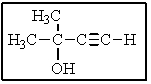
A) 1,1-dimethyl-2-propyn-1-ol
B) 3-methyl-1-butyn-3-ol
C) 3-hydroxy-3-methyl-1-propyne
D) 2-methyl-3-butyn-2-ol
E) 2-ethynyl-2-propanol
A) 1,1-dimethyl-2-propyn-1-ol
B) 3-methyl-1-butyn-3-ol
C) 3-hydroxy-3-methyl-1-propyne
D) 2-methyl-3-butyn-2-ol
E) 2-ethynyl-2-propanol

Question
What would be the product of the following reaction? 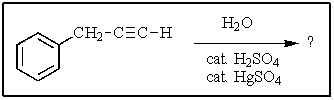
A)
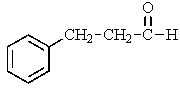
B)
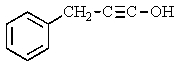
C)
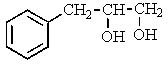
D)
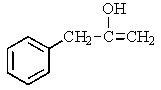
E)
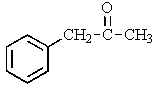
A)
B)
C)
D)
E)
Question
Considering the mechanism of the following reaction,which of the intermediates shown below is not likely to form along the reaction pathway? 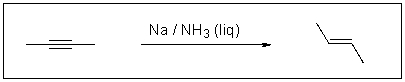
A)
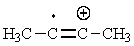
B)

C)

D)

E)
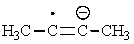
A)
B)
C)
D)
E)
Question
What organic product results from the reaction shown below? 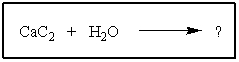
A) CH4
B) Ca(CH3)2
C) CH3CH3 + Ca(OH)2
D)

E)

A) CH4
B) Ca(CH3)2
C) CH3CH3 + Ca(OH)2
D)
E)
Question
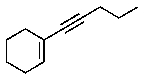
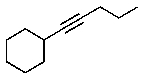
What is the major product of the following reaction? 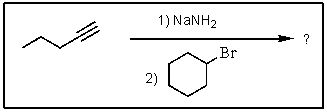
A)
B)
C)

D)

E)
A)
B)
C)
D)
E)
Question
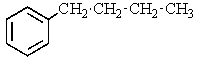
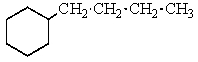
What would be the product of the following reaction? 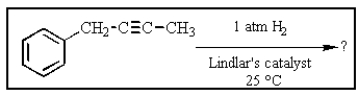
A)
B)
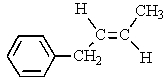
C)
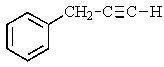
D)
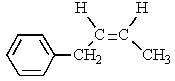
E)
A)
B)
C)
D)
E)
Question
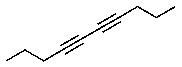
Given separate pure samples,in what way(s)could you quickly distinguish between the two alkynes below? 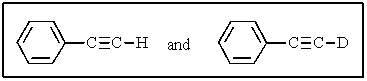
A) gas chromatography
B) infrared spectroscopy
C) ultraviolet spectroscopy
D) NMR spectroscopy
E) both B and D
A) gas chromatography
B) infrared spectroscopy
C) ultraviolet spectroscopy
D) NMR spectroscopy
E) both B and D
Question
Question
What is the major product expected from the following reaction? 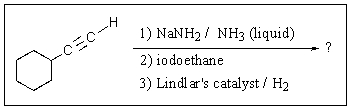
A)
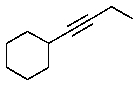
B)
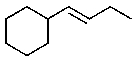
C)
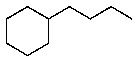
D)
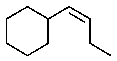
E)

A)
B)
C)
D)
E)
Question
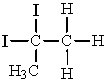
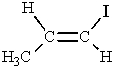
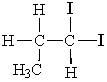
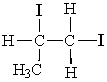
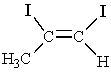
What major product(s)are expected from the reaction shown below? 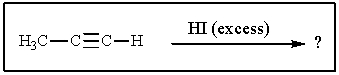
A)
B)
C)
D)
E)
A)
B)
C)
D)
E)
Question
What would you expect the major product of the following reaction sequence to be? 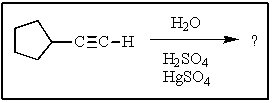
A)
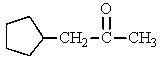
B)
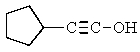
C)
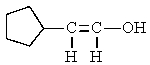
D)
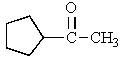
E)
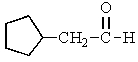
A)
B)
C)
D)
E)
Question
What would be the product of the following reaction sequence? 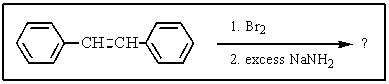
A)

B)
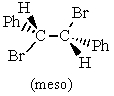
C)

D)
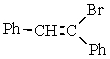
E)
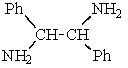
A)
B)
C)
D)
E)
Question
Question
What would be the major product of the following reaction? 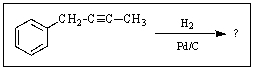
A)
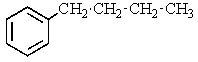
B)
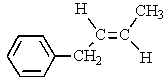
C)
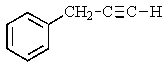
D)
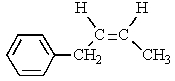
E)
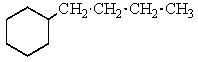
A)
B)
C)
D)
E)
Question
What major product(s)are expected from the reaction shown below? 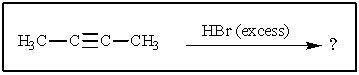
A)
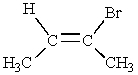
B)
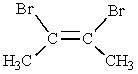
C)
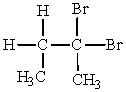
D)
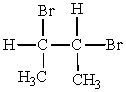
E) more than one of the above
A)
B)
C)
D)
E) more than one of the above
Question
What would be the product of the following reaction sequence? 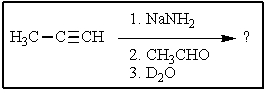
A)
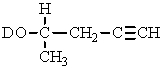
B)

C)

D)
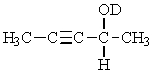
E)
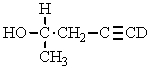
A)
B)
C)
D)
E)
Question
What reagent(s)would be required to accomplish the transformation shown? 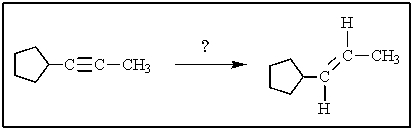
A) H2,Pt
B) H2,Lindlar's catalyst
C) Na,liq.NH3,then H2O
D) LiAlH4 then H2O
E) None of these reagents would accomplish this transformation.
A) H2,Pt
B) H2,Lindlar's catalyst
C) Na,liq.NH3,then H2O
D) LiAlH4 then H2O
E) None of these reagents would accomplish this transformation.
Question
Which,if either,of the following hydrogenations would be the more exothermic? 
A) Step 1
B) Step 2
C) both are equally exothermic
D) neither is exothermic
E) there is no way to predict this
A) Step 1
B) Step 2
C) both are equally exothermic
D) neither is exothermic
E) there is no way to predict this
Question
What reactant and product types would be most appropriate for the reagents shown? 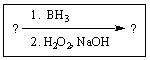
A) alkene/Markovnikov alcohol
B) alkene/anti-Markovnikov alcohol
C) alkyne/aldehyde or ketone
D) both A and B
E) both B and C
A) alkene/Markovnikov alcohol
B) alkene/anti-Markovnikov alcohol
C) alkyne/aldehyde or ketone
D) both A and B
E) both B and C
Question
What would be the major product expected from the following reaction? (Notice the D isotope.) 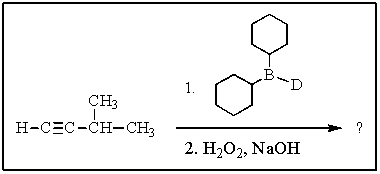
A)
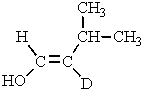
B)
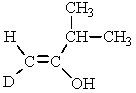
C)
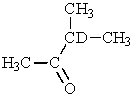
D)
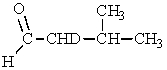
E)
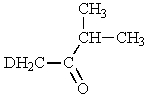
A)
B)
C)
D)
E)
Question
What reagent(s)would be required to accomplish the transformation shown? 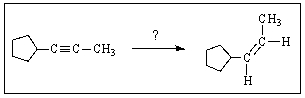
A) H2,Pt
B) H2,Lindlar's catalyst
C) Na,liq.NH3,then H2O
D) LiAlH4 then H2O
E) None of the above reagents would accomplish this transformation.
A) H2,Pt
B) H2,Lindlar's catalyst
C) Na,liq.NH3,then H2O
D) LiAlH4 then H2O
E) None of the above reagents would accomplish this transformation.
Question
Which product is the most likely to form? 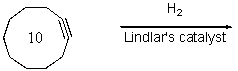
A)

B)

C)

D)
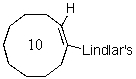
E) All of the above will form in nearly equal amounts.
A)
B)
C)
D)
E) All of the above will form in nearly equal amounts.
Question
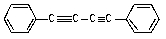
What is the expected product from the following reaction? 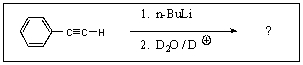
A)

B)
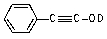
C)
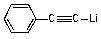
D)
E) no reaction
A)
B)
C)
D)
E) no reaction
Question
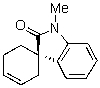
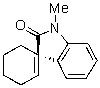
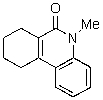
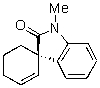
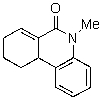
The following is an example of intramolecular Heck reaction.Which product is the most likely to form? 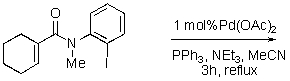
A)
B)
C)
D)
E)
A)
B)
C)
D)
E)
Question
What is the major product from the following reaction? 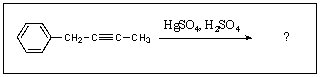
A)

B)

C)
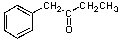
D)

E) no reaction
A)
B)
C)
D)
E) no reaction
Question
What is the major product of the following reaction? 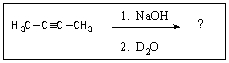
A) H3C-C C-CH2D
B) H3C-C C-CHD2
C) DH2C-C C-CH2D
D) D3C-C C-CD3
E) no reaction
A) H3C-C C-CH2D
B) H3C-C C-CHD2
C) DH2C-C C-CH2D
D) D3C-C C-CD3
E) no reaction
Question

Unlock Deck
Sign up to unlock the cards in this deck!
Unlock Deck
Unlock Deck
1/27

Play

Full screen (f)
Deck 13: Alkynes: the Carbon
1
What would be the proper name of the following compound?
A) 1,1-dimethyl-2-propyn-1-ol
B) 3-methyl-1-butyn-3-ol
C) 3-hydroxy-3-methyl-1-propyne
D) 2-methyl-3-butyn-2-ol
E) 2-ethynyl-2-propanol
A) 1,1-dimethyl-2-propyn-1-ol
B) 3-methyl-1-butyn-3-ol
C) 3-hydroxy-3-methyl-1-propyne
D) 2-methyl-3-butyn-2-ol
E) 2-ethynyl-2-propanol
2-methyl-3-butyn-2-ol
2
What would be the product of the following reaction?
A)
B)
C)
D)
E)
A)
B)
C)
D)
E)
3
Considering the mechanism of the following reaction,which of the intermediates shown below is not likely to form along the reaction pathway?
A)
B)
C)
D)
E)
A)
B)
C)
D)
E)
4
What organic product results from the reaction shown below?
A) CH4
B) Ca(CH3)2
C) CH3CH3 + Ca(OH)2
D)
E)
A) CH4
B) Ca(CH3)2
C) CH3CH3 + Ca(OH)2
D)
E)
Unlock Deck
Unlock for access to all 27 flashcards in this deck.
Unlock Deck
k this deck
5
What is the major product of the following reaction?
A)
B)
C)
D)
E)
A)
B)
C)
D)
E)
Unlock Deck
Unlock for access to all 27 flashcards in this deck.
Unlock Deck
k this deck
6
What would be the product of the following reaction?
A)
B)
C)
D)
E)
A)
B)
C)
D)
E)
Unlock Deck
Unlock for access to all 27 flashcards in this deck.
Unlock Deck
k this deck
7
Given separate pure samples,in what way(s)could you quickly distinguish between the two alkynes below?
A) gas chromatography
B) infrared spectroscopy
C) ultraviolet spectroscopy
D) NMR spectroscopy
E) both B and D
A) gas chromatography
B) infrared spectroscopy
C) ultraviolet spectroscopy
D) NMR spectroscopy
E) both B and D
Unlock Deck
Unlock for access to all 27 flashcards in this deck.
Unlock Deck
k this deck
8
What is NaNH2 mainly used for in organic chemistry?
A) as a nucleophile
B) as a weak base
C) as a strong base
D) as a weak acid
E) as a strong acid
A) as a nucleophile
B) as a weak base
C) as a strong base
D) as a weak acid
E) as a strong acid
Unlock Deck
Unlock for access to all 27 flashcards in this deck.
Unlock Deck
k this deck
9
What is the major product expected from the following reaction?
A)
B)
C)
D)
E)
A)
B)
C)
D)
E)
Unlock Deck
Unlock for access to all 27 flashcards in this deck.
Unlock Deck
k this deck
10
What major product(s)are expected from the reaction shown below?
A)
B)
C)
D)
E)
A)
B)
C)
D)
E)
Unlock Deck
Unlock for access to all 27 flashcards in this deck.
Unlock Deck
k this deck
11
What would you expect the major product of the following reaction sequence to be?
A)
B)
C)
D)
E)
A)
B)
C)
D)
E)
Unlock Deck
Unlock for access to all 27 flashcards in this deck.
Unlock Deck
k this deck
12
What would be the product of the following reaction sequence?
A)
B)
C)
D)
E)
A)
B)
C)
D)
E)
Unlock Deck
Unlock for access to all 27 flashcards in this deck.
Unlock Deck
k this deck
13
Which metal acts as a poison for hydrogenation catalysts?
A) Pd
B) Pt
C) Ni
D) Pb
E) Hg
A) Pd
B) Pt
C) Ni
D) Pb
E) Hg
Unlock Deck
Unlock for access to all 27 flashcards in this deck.
Unlock Deck
k this deck
14
What would be the major product of the following reaction?
A)
B)
C)
D)
E)
A)
B)
C)
D)
E)
Unlock Deck
Unlock for access to all 27 flashcards in this deck.
Unlock Deck
k this deck
15
What major product(s)are expected from the reaction shown below?
A)
B)
C)
D)
E) more than one of the above
A)
B)
C)
D)
E) more than one of the above
Unlock Deck
Unlock for access to all 27 flashcards in this deck.
Unlock Deck
k this deck
16
What would be the product of the following reaction sequence?
A)
B)
C)
D)
E)
A)
B)
C)
D)
E)
Unlock Deck
Unlock for access to all 27 flashcards in this deck.
Unlock Deck
k this deck
17
What reagent(s)would be required to accomplish the transformation shown?
A) H2,Pt
B) H2,Lindlar's catalyst
C) Na,liq.NH3,then H2O
D) LiAlH4 then H2O
E) None of these reagents would accomplish this transformation.
A) H2,Pt
B) H2,Lindlar's catalyst
C) Na,liq.NH3,then H2O
D) LiAlH4 then H2O
E) None of these reagents would accomplish this transformation.
Unlock Deck
Unlock for access to all 27 flashcards in this deck.
Unlock Deck
k this deck
18
Which,if either,of the following hydrogenations would be the more exothermic?
A) Step 1
B) Step 2
C) both are equally exothermic
D) neither is exothermic
E) there is no way to predict this
A) Step 1
B) Step 2
C) both are equally exothermic
D) neither is exothermic
E) there is no way to predict this
Unlock Deck
Unlock for access to all 27 flashcards in this deck.
Unlock Deck
k this deck
19
What reactant and product types would be most appropriate for the reagents shown?
A) alkene/Markovnikov alcohol
B) alkene/anti-Markovnikov alcohol
C) alkyne/aldehyde or ketone
D) both A and B
E) both B and C
A) alkene/Markovnikov alcohol
B) alkene/anti-Markovnikov alcohol
C) alkyne/aldehyde or ketone
D) both A and B
E) both B and C
Unlock Deck
Unlock for access to all 27 flashcards in this deck.
Unlock Deck
k this deck
20
What would be the major product expected from the following reaction? (Notice the D isotope.)
A)
B)
C)
D)
E)
A)
B)
C)
D)
E)
Unlock Deck
Unlock for access to all 27 flashcards in this deck.
Unlock Deck
k this deck
21
What reagent(s)would be required to accomplish the transformation shown?
A) H2,Pt
B) H2,Lindlar's catalyst
C) Na,liq.NH3,then H2O
D) LiAlH4 then H2O
E) None of the above reagents would accomplish this transformation.
A) H2,Pt
B) H2,Lindlar's catalyst
C) Na,liq.NH3,then H2O
D) LiAlH4 then H2O
E) None of the above reagents would accomplish this transformation.
Unlock Deck
Unlock for access to all 27 flashcards in this deck.
Unlock Deck
k this deck
22
Which product is the most likely to form?
A)
B)
C)
D)
E) All of the above will form in nearly equal amounts.
A)
B)
C)
D)
E) All of the above will form in nearly equal amounts.
Unlock Deck
Unlock for access to all 27 flashcards in this deck.
Unlock Deck
k this deck
23
What is the expected product from the following reaction?
A)
B)
C)
D)
E) no reaction
A)
B)
C)
D)
E) no reaction
Unlock Deck
Unlock for access to all 27 flashcards in this deck.
Unlock Deck
k this deck
24
The following is an example of intramolecular Heck reaction.Which product is the most likely to form?
A)
B)
C)
D)
E)
A)
B)
C)
D)
E)
Unlock Deck
Unlock for access to all 27 flashcards in this deck.
Unlock Deck
k this deck
25
What is the major product from the following reaction?
A)
B)
C)
D)
E) no reaction
A)
B)
C)
D)
E) no reaction
Unlock Deck
Unlock for access to all 27 flashcards in this deck.
Unlock Deck
k this deck
26
What is the major product of the following reaction?
A) H3C-C C-CH2D
B) H3C-C C-CHD2
C) DH2C-C C-CH2D
D) D3C-C C-CD3
E) no reaction
A) H3C-C C-CH2D
B) H3C-C C-CHD2
C) DH2C-C C-CH2D
D) D3C-C C-CD3
E) no reaction
Unlock Deck
Unlock for access to all 27 flashcards in this deck.
Unlock Deck
k this deck
27
Infrared spectroscopy is a useful technique in identifying terminal alkynes.What is/are the characteristic stretching band(s)for a terminal alkyne?
A) 3260-3330 cm-1
B) 1550-1680 cm-1
C) 2100-2260 cm-1
D) both A and B
E) both A and C
A) 3260-3330 cm-1
B) 1550-1680 cm-1
C) 2100-2260 cm-1
D) both A and B
E) both A and C
Unlock Deck
Unlock for access to all 27 flashcards in this deck.
Unlock Deck
k this deck
Unlock Deck
Unlock for access to all 27 flashcards in this deck.






