







 Chat with AI


Microbiology: A Systems Approach 4th Edition by Marjorie Kelly Cowan
Edition 4ISBN: 978-0073402437Microbiology: A Systems Approach 4th Edition by Marjorie Kelly Cowan
Edition 4ISBN: 978-0073402437 Exercise 14
Raw Milk: Worth the Risk
In 2011, federal officials arrested three members of Rawesome Foods, an organic food collective in Ventura County, California, after a yearlong investigation. Their crime: selling raw or unpasteurized milk. Sale and consumption of raw milk is legal in California and 28 other states, but the milk is subject to inspection and regulation and, in some states, may not be sold in grocery stores. Other small farmers in California and other states have been subject to similar raids and criminal charges for distributing raw milk. Passionate proponents of raw milk believe that there is a higher nutritional content in unpasteurized milk and that the pasteurization process kills helpful bacteria, denatures enzymes, and inactivates beneficial compounds in milk. They believe that lactose intolerance, food allergies, and other maladies can be traced to the consumption of pasteurized milk. In addition, they claim that the flavor and texture of unpasteurized and non-homogenized milk far exceed what can be bought in the grocery store.
Why is most milk in the United States pasteurized
Why is raw or unpasteurized milk a health concern
In 1856, Louis Pasteur was tasked by Emperor Napoleon III to determine what was causing the spoilage of wine in France. Because of his understanding of the germ theory of disease (see chapter 1), Pasteur discovered that unwanted microbes in the wine were causing it to spoil and turn to vinegar. He developed a method of heating the wine to a specific temperature for a short period of time to kill the harmful microbes without changing the taste of the wine. This process, which came to be known as pasteurization , was used for many years to treat beer and wine before it was used with milk. Pasteurization of milk in the United States did not begin until the 1920s. Before that time, diseases such as bovine tuberculosis, brucellosis, scarlet fever, and even anthrax were contracted by consuming raw cow's milk. Raw milk can harbor microbes such as Campylobacter, Listeria, Salmonella, and Escherichia coli from fecal contamination or infection of the cow's udders, skin biota of cows, or contamination of the milking equipment. By the 1950s, pasteurization was implemented as a standard procedure in the United States, which greatly reduced the number of infections and diseases transmitted by cow's milk and other dairy products.
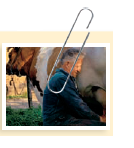
Raw milk has been a serious concern in recent years due to a number of outbreaks that have been linked to dairies and cooperative farms that sell raw milk products. The CDC reports that between 1993 and 2006, there were 73 outbreaks of disease linked to raw milk or cheese; it is estimated that the risk of disease from raw milk and milk products is 150 times greater than outbreaks caused by pasteurized milk. According to the CDC, many of the outbreaks associated with raw milk were caused by E. coli O157:H7, which causes hemolytic uremic syndrome (HUS), kidney failure, and death. Sixty percent of those sickened by raw milk were under the age of 20 and the number of reported cases is higher in states where the sale of raw milk is legal. In January of 2012, the family of a 5-year-old child in Washington State filed a lawsuit against the Cozy Valley Dairy after the child developed HUS after drinking raw milk from the dairy. Numerous other parents have witnessed their children suffer from HUS and other debilitating diseases as a result of consuming raw milk.
Are there any benefits to the consumption of raw milk
Does pasteurization remove or reduce beneficial microbes, enzymes, and chemicals in raw milk
In 2011, federal officials arrested three members of Rawesome Foods, an organic food collective in Ventura County, California, after a yearlong investigation. Their crime: selling raw or unpasteurized milk. Sale and consumption of raw milk is legal in California and 28 other states, but the milk is subject to inspection and regulation and, in some states, may not be sold in grocery stores. Other small farmers in California and other states have been subject to similar raids and criminal charges for distributing raw milk. Passionate proponents of raw milk believe that there is a higher nutritional content in unpasteurized milk and that the pasteurization process kills helpful bacteria, denatures enzymes, and inactivates beneficial compounds in milk. They believe that lactose intolerance, food allergies, and other maladies can be traced to the consumption of pasteurized milk. In addition, they claim that the flavor and texture of unpasteurized and non-homogenized milk far exceed what can be bought in the grocery store.
Why is most milk in the United States pasteurized
Why is raw or unpasteurized milk a health concern
In 1856, Louis Pasteur was tasked by Emperor Napoleon III to determine what was causing the spoilage of wine in France. Because of his understanding of the germ theory of disease (see chapter 1), Pasteur discovered that unwanted microbes in the wine were causing it to spoil and turn to vinegar. He developed a method of heating the wine to a specific temperature for a short period of time to kill the harmful microbes without changing the taste of the wine. This process, which came to be known as pasteurization , was used for many years to treat beer and wine before it was used with milk. Pasteurization of milk in the United States did not begin until the 1920s. Before that time, diseases such as bovine tuberculosis, brucellosis, scarlet fever, and even anthrax were contracted by consuming raw cow's milk. Raw milk can harbor microbes such as Campylobacter, Listeria, Salmonella, and Escherichia coli from fecal contamination or infection of the cow's udders, skin biota of cows, or contamination of the milking equipment. By the 1950s, pasteurization was implemented as a standard procedure in the United States, which greatly reduced the number of infections and diseases transmitted by cow's milk and other dairy products.
Raw milk has been a serious concern in recent years due to a number of outbreaks that have been linked to dairies and cooperative farms that sell raw milk products. The CDC reports that between 1993 and 2006, there were 73 outbreaks of disease linked to raw milk or cheese; it is estimated that the risk of disease from raw milk and milk products is 150 times greater than outbreaks caused by pasteurized milk. According to the CDC, many of the outbreaks associated with raw milk were caused by E. coli O157:H7, which causes hemolytic uremic syndrome (HUS), kidney failure, and death. Sixty percent of those sickened by raw milk were under the age of 20 and the number of reported cases is higher in states where the sale of raw milk is legal. In January of 2012, the family of a 5-year-old child in Washington State filed a lawsuit against the Cozy Valley Dairy after the child developed HUS after drinking raw milk from the dairy. Numerous other parents have witnessed their children suffer from HUS and other debilitating diseases as a result of consuming raw milk.
Are there any benefits to the consumption of raw milk
Does pasteurization remove or reduce beneficial microbes, enzymes, and chemicals in raw milk
Explanation Verified
Verified
The majority of milk in the United State...

Microbiology: A Systems Approach 4th Edition by Marjorie Kelly Cowan

Why don’t you like this exercise?
Other Minimum 8 character and maximum 255 character
Character 255






