







 Chat with AI


Human Heredity 11th Edition by Michael Cummings
Edition 11ISBN: 978-1305251052Human Heredity 11th Edition by Michael Cummings
Edition 11ISBN: 978-1305251052 Exercise 14
Peanut Allergies Are Increasing
Allergy to peanuts is one of the most serious food sensitivities and is a growing health concern in the United States. Hypersensitivity to peanuts can provoke a systemic anaphylactic reaction in which the bronchial tubes constrict, closing the airways. Fluids pass from the tissues into the lungs, making breathing difficult. Blood vessels dilate, causing blood pressure to drop, and plasma escapes into the tissues, causing shock. Heart arrhythmias and cardiac shock can develop and cause death within 1 to 2 minutes after the onset of symptoms. About 30,000 cases of food-induced anaphylactic reactions are seen in emergency rooms each year, with 200 fatalities. About 80% of all cases are caused by allergies to peanuts or other nuts. Peanut-sensitive individuals must avoid ingesting peanuts and be trained to recognize the symptoms of anaphylactic reactions. In spite of precautions, accidental exposures caused by use of cooking pans previously used to cook food with peanuts or the inhalation of peanut dust on airplanes have been reported to cause anaphylactic reactions. Many peanut-sensitive people carry doses of self-injectable epinephrine (EpiPen Autoinjectors and similar products) to stop anaphylaxis in case they are exposed to peanuts.
A 2008 survey reveals an alarming increase in peanut allergies. In 1997, about 0.4% of children were allergic to peanuts. In 2008, that number had risen to 1.4%, more than triple the levels from 1997. Surveys indicate that about 3 million people in the United States (about 1.1% of the population) are allergic to peanuts, tree nuts, or both. The hypersensitive reaction to one of three allergenic peanut proteins is mediated by IgE antibodies. Within 1 to 15 minutes of exposure, the IgE antibodies activate mast cells. The stimulated mast cells release large amounts of histamines and chemotactic factors, which attract other white blood cells as part of the inflammatory response. In addition, the mast cells release prostaglandins and other chemicals that trigger an anaphylactic reaction.
What is causing the increase in peanut allergies is unclear. Genetics obviously plays some part, but environmental factors also appear to play a major role. For example, peanut allergies are extremely rare in China, but children of Chinese immigrants have about the same frequency of peanut allergies as children of native-born Americans, pointing to the involvement of environmental factors.
One proposal is that as peanuts have become a major part of the diet in the United States-especially in foods advertised to provide quick energy-exposure of newborns and young children (1 to 2 years of age) to peanuts is now more common. This exposure occurs through breast milk, peanut butter, and other foods. The immune system in newborns is immature and develops over the first few years of life. As a result, food allergies are more likely to develop during the first few years. In the absence of conclusive information, it is recommended that mothers avoid eating peanuts and peanut products during pregnancy and while they are nursing and that children not be exposed to peanuts or other nuts for the first 3 years of life.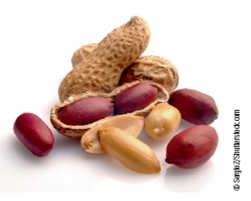
One treatment for peanut allergies is to give an allergic child increasing doses of the peanut allergen proteins, starting at a very low level and progressing to higher concentrations, stopping if any reaction occurs. Such treatments are usually successful, but at least one death has been reported. Would you agree to treat your allergic child this way? What are the risk-benefit considerations?
Allergy to peanuts is one of the most serious food sensitivities and is a growing health concern in the United States. Hypersensitivity to peanuts can provoke a systemic anaphylactic reaction in which the bronchial tubes constrict, closing the airways. Fluids pass from the tissues into the lungs, making breathing difficult. Blood vessels dilate, causing blood pressure to drop, and plasma escapes into the tissues, causing shock. Heart arrhythmias and cardiac shock can develop and cause death within 1 to 2 minutes after the onset of symptoms. About 30,000 cases of food-induced anaphylactic reactions are seen in emergency rooms each year, with 200 fatalities. About 80% of all cases are caused by allergies to peanuts or other nuts. Peanut-sensitive individuals must avoid ingesting peanuts and be trained to recognize the symptoms of anaphylactic reactions. In spite of precautions, accidental exposures caused by use of cooking pans previously used to cook food with peanuts or the inhalation of peanut dust on airplanes have been reported to cause anaphylactic reactions. Many peanut-sensitive people carry doses of self-injectable epinephrine (EpiPen Autoinjectors and similar products) to stop anaphylaxis in case they are exposed to peanuts.
A 2008 survey reveals an alarming increase in peanut allergies. In 1997, about 0.4% of children were allergic to peanuts. In 2008, that number had risen to 1.4%, more than triple the levels from 1997. Surveys indicate that about 3 million people in the United States (about 1.1% of the population) are allergic to peanuts, tree nuts, or both. The hypersensitive reaction to one of three allergenic peanut proteins is mediated by IgE antibodies. Within 1 to 15 minutes of exposure, the IgE antibodies activate mast cells. The stimulated mast cells release large amounts of histamines and chemotactic factors, which attract other white blood cells as part of the inflammatory response. In addition, the mast cells release prostaglandins and other chemicals that trigger an anaphylactic reaction.
What is causing the increase in peanut allergies is unclear. Genetics obviously plays some part, but environmental factors also appear to play a major role. For example, peanut allergies are extremely rare in China, but children of Chinese immigrants have about the same frequency of peanut allergies as children of native-born Americans, pointing to the involvement of environmental factors.
One proposal is that as peanuts have become a major part of the diet in the United States-especially in foods advertised to provide quick energy-exposure of newborns and young children (1 to 2 years of age) to peanuts is now more common. This exposure occurs through breast milk, peanut butter, and other foods. The immune system in newborns is immature and develops over the first few years of life. As a result, food allergies are more likely to develop during the first few years. In the absence of conclusive information, it is recommended that mothers avoid eating peanuts and peanut products during pregnancy and while they are nursing and that children not be exposed to peanuts or other nuts for the first 3 years of life.
One treatment for peanut allergies is to give an allergic child increasing doses of the peanut allergen proteins, starting at a very low level and progressing to higher concentrations, stopping if any reaction occurs. Such treatments are usually successful, but at least one death has been reported. Would you agree to treat your allergic child this way? What are the risk-benefit considerations?
Explanation Verified
Verified
The immune system is tuned to recognize ...

Human Heredity 11th Edition by Michael Cummings

Why don’t you like this exercise?
Other Minimum 8 character and maximum 255 character
Character 255






