







 Chat with AI


Ecology 6th Edition by Charles Krebs
Edition 6ISBN: 978-0321688149Ecology 6th Edition by Charles Krebs
Edition 6ISBN: 978-0321688149 Exercise 12
If the human population instantly adopted zero population growth ( R 0 = 1.0), the population would continue to grow until it reached the stationary age structure. Keyfitz (1971) showed that such a population would increase by demographic momentum, as follows:
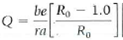
where Q = finite rate of population change (1.0 = no change)
b = crude birth rate per 1000 persons
e = life expectancy at birth in years
r = current rate natural increase per 1000 persons
a = average age at first reproduction in years
R 0 = current net reproductive rate
A human population growing at these rates would increase Q times before it reached equilibrium, if zero population growth was instantly adopted.
Calculate how much the human population of the Earth would increase from current levels if zero population growth happened overnight. In 2006 the human population parameters were: b = 21, e = 67 years, r = 12, a = 22 years, and R 0 = 1.13.
How sensitive is this estimate to changes in the birth rate? To changes in average age at reproduction?
where Q = finite rate of population change (1.0 = no change)
b = crude birth rate per 1000 persons
e = life expectancy at birth in years
r = current rate natural increase per 1000 persons
a = average age at first reproduction in years
R 0 = current net reproductive rate
A human population growing at these rates would increase Q times before it reached equilibrium, if zero population growth was instantly adopted.
Calculate how much the human population of the Earth would increase from current levels if zero population growth happened overnight. In 2006 the human population parameters were: b = 21, e = 67 years, r = 12, a = 22 years, and R 0 = 1.13.
How sensitive is this estimate to changes in the birth rate? To changes in average age at reproduction?
Explanation Verified
Verified
If the fertility rates are reduced to a ...

Ecology 6th Edition by Charles Krebs

Why don’t you like this exercise?
Other Minimum 8 character and maximum 255 character
Character 255






