







 Chat with AI


Pharmacology 3rd Edition by Michael Adams , Carol Urban
Edition 3ISBN: 978-0133923612Pharmacology 3rd Edition by Michael Adams , Carol Urban
Edition 3ISBN: 978-0133923612 Exercise 6
Remember the patient "Alexia Howard" at the beginning of the chapter? Now read the remainder of the case study. Based on the information presented within this chapter, respond to the critical thinking questions that follow.
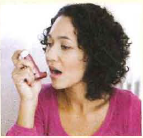
Alexia Howard is a 22-year-old woman with a history of asthma since child-hood. She is presently a student at the local university where she lives in a dormitory. Since the beginning of the semester, Alexia has experienced tremendous stress trying to manage school and part-time employment. Her roommate, an animal lover, has brought stray dogs and cats into their room several times during the past few months until she could find them good homes.
Today Alexia arrives at the University Health Center with tachypnea and acute shortness of breath with audible wheezing. She has not consistently taken her prescribed medications to avoid asthma attacks. A physical exam revealed a heart rate of 110 beats/min and a respiratory rate of 40 breaths/ min with signs of accessory muscle use. Auscultation revealed decreased breath sounds with inspiratory and expiratory wheezing. The patient was coughing up small amounts of white sputum. Her saturated oxygen is 93% on room air.
An aerosol treatment with albuterol (Proventil) was ordered, using a small-volume nebulizer for 15 min. Peak flow measures after the treatment showed marked improvement of airflow. On auscultation there was clearing of bilateral breath sounds. Alexia's respiratory rate at the time of discharge was 20 and her heart rate was 108. The patient verbalized that she felt much better but a little nervous.
Alexia was discharged from the University Health Center. She was given a prescription for inhaled steroids and instructed to resume her home medica-tions and use them consistently.
Why is albuterol being given to Alexia, and why is this route of administration being used?
Alexia Howard is a 22-year-old woman with a history of asthma since child-hood. She is presently a student at the local university where she lives in a dormitory. Since the beginning of the semester, Alexia has experienced tremendous stress trying to manage school and part-time employment. Her roommate, an animal lover, has brought stray dogs and cats into their room several times during the past few months until she could find them good homes.
Today Alexia arrives at the University Health Center with tachypnea and acute shortness of breath with audible wheezing. She has not consistently taken her prescribed medications to avoid asthma attacks. A physical exam revealed a heart rate of 110 beats/min and a respiratory rate of 40 breaths/ min with signs of accessory muscle use. Auscultation revealed decreased breath sounds with inspiratory and expiratory wheezing. The patient was coughing up small amounts of white sputum. Her saturated oxygen is 93% on room air.
An aerosol treatment with albuterol (Proventil) was ordered, using a small-volume nebulizer for 15 min. Peak flow measures after the treatment showed marked improvement of airflow. On auscultation there was clearing of bilateral breath sounds. Alexia's respiratory rate at the time of discharge was 20 and her heart rate was 108. The patient verbalized that she felt much better but a little nervous.
Alexia was discharged from the University Health Center. She was given a prescription for inhaled steroids and instructed to resume her home medica-tions and use them consistently.
Why is albuterol being given to Alexia, and why is this route of administration being used?
Explanation Verified
Verified
According to the given case, the subject...

Pharmacology 3rd Edition by Michael Adams , Carol Urban

Why don’t you like this exercise?
Other Minimum 8 character and maximum 255 character
Character 255






