







 Chat with AI


International Business 13th Edition by Donald Ball,Michael Geringer,Michael Minor ,Jeanne McNett
Edition 13ISBN: 978-0077606121International Business 13th Edition by Donald Ball,Michael Geringer,Michael Minor ,Jeanne McNett
Edition 13ISBN: 978-0077606121 Exercise 11
A Threat to National Sovereignty? America's Dolphin-Safe Tuna Labeling versus the WTO
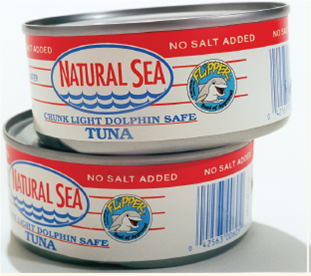
In May 2011, a World Trade Organization panel ruled that long-standing American "Dolphin Safe" labeling requirements for tuna violated international trade rules. As the first case examining the compatibility of voluntary product labeling with the WTO agreement, results of this finding against the United States could establish an important precedent-for governments, public interest organizations, consumers, and other stakeholders-of other informational labeling efforts worldwide.
First a bit of background on the case. In 1959, fishermen in the Pacific Ocean region stretching from southern California to South America began using purse seine fishing methods to harvest tuna. Purse seining deploys a wall of netting a mile or more in length that encircles entire schools of fish, the bottom is pulled closed like a drawstring purse, and everything inside the net is pulled into a boat to be processed. Dolphins in this part of the Pacific tend to swim in schools above large schools of tuna, so fishing fleets seek out dolphins and encircle them with nets in order to capture the tuna that swim below. While successful in netting tuna, consequences for dolphins can be catastrophic. Millions of dolphins were trapped in nets and drowned between 1959 and 1972, and dolphin populations plummeted. Congress passed the Marine Mammal Protection Act (MMPA) in 1972, which prohibited the use by American tuna fisherman of fishing methods that would cause dolphin deaths. In 1988, the MMPA was amended to ban tuna imports from nations whose fishing fleets caught tuna using purse seine nets. In 1990, the Dolphin Protection Consumer Information Act (DPCIA) was passed by Congress, and the "dolphin safe" label was created. Tuna caught with purse seine nets were prohibited from using this label in the United States. These actions dramatically reduced dolphin deaths, from 500,000 per year in the 1960s to 15,550 in 1992 and further declines since then, reducing the threat to endangered dolphin populations. The cost of implementing dolphin-safe labeling legislation, conducting negotiations with foreign governments, and preventing the sale of tuna caught with dolphin-unsafe methods was estimated by the Congressional Budget Office at $6 million per year.
The WTO ruling represents a victory for Mexico's three largest tuna producers: Grupo Herdez, Grupo Maritimo Industrial, and Pescados Industrializados, which collaborated with the Mexican ministries of Agriculture and Economy in the long-running battle to sell tuna in the United States. Beginning in 1980 under the WTO predecessor, the General Agreement on Tariffs and Trade (GATT), Mexico has repeatedly challenged American "dolphin safe" standards in what was dubbed "GATT-zilla versus Flipper." The most recent case was filed by Mexico in 2008. Although 315,000 tons of tuna were imported into the United States in 2010, Mexico asserted that "dolphin safe" standards resulted in unreasonably greater challenges to sell their tuna in the United States and violated trade rules.
"Dolphin safe" labeling is a voluntary measure, and tuna harvested with "dolphin unsafe" methods can legally be sold in the United States (but not with the "dolphin safe" label), which appears to comply with WTO guidelines. However, the WTO ruled that "dolphin safe" was a technical regulation rather than a standard. The WTO asserted that anything impeding nonlabeled tuna's "marketing opportunities in the United States" represents a barrier to trade and that "dolphin safe" labeling violates Article 2.2 of the WTO agreement, which prohibits technical regulations that are "more trade-restrictive than necessary to fulfill a legitimate objective." Therefore, the United States must discontinue the "dolphin safe" labeling program or face WTO sanctions. There is limited opportunity for the United States to appeal the ruling, and because the United States agreed to the WTO treaty, Article VI of the U.S. Constitution holds that the WTO agreement "shall be the Supreme Law of the Land; and the Judges in every State shall be bound thereby."
This WTO ruling on "dolphin safe" labeling has been viewed by some as evidence that trade agreements such as the WTO can erode national policies enacted on the basis of public interest and welfare. Several observers have expressed concern that the WTO has established a dangerous precedent that could be extended to a range of other public policy issues, such as environmental protection (e.g., habitat protection, clean air and water) or food chain safety (e.g., limitation on use of potentially damaging fertilizers or pesticides, existence of genetically modified organisms in food products).
Do you think that the WTO should be able to prohibit voluntary labeling efforts that provide information of potential value to consumers in a particular nation? Why or why not?
In May 2011, a World Trade Organization panel ruled that long-standing American "Dolphin Safe" labeling requirements for tuna violated international trade rules. As the first case examining the compatibility of voluntary product labeling with the WTO agreement, results of this finding against the United States could establish an important precedent-for governments, public interest organizations, consumers, and other stakeholders-of other informational labeling efforts worldwide.
First a bit of background on the case. In 1959, fishermen in the Pacific Ocean region stretching from southern California to South America began using purse seine fishing methods to harvest tuna. Purse seining deploys a wall of netting a mile or more in length that encircles entire schools of fish, the bottom is pulled closed like a drawstring purse, and everything inside the net is pulled into a boat to be processed. Dolphins in this part of the Pacific tend to swim in schools above large schools of tuna, so fishing fleets seek out dolphins and encircle them with nets in order to capture the tuna that swim below. While successful in netting tuna, consequences for dolphins can be catastrophic. Millions of dolphins were trapped in nets and drowned between 1959 and 1972, and dolphin populations plummeted. Congress passed the Marine Mammal Protection Act (MMPA) in 1972, which prohibited the use by American tuna fisherman of fishing methods that would cause dolphin deaths. In 1988, the MMPA was amended to ban tuna imports from nations whose fishing fleets caught tuna using purse seine nets. In 1990, the Dolphin Protection Consumer Information Act (DPCIA) was passed by Congress, and the "dolphin safe" label was created. Tuna caught with purse seine nets were prohibited from using this label in the United States. These actions dramatically reduced dolphin deaths, from 500,000 per year in the 1960s to 15,550 in 1992 and further declines since then, reducing the threat to endangered dolphin populations. The cost of implementing dolphin-safe labeling legislation, conducting negotiations with foreign governments, and preventing the sale of tuna caught with dolphin-unsafe methods was estimated by the Congressional Budget Office at $6 million per year.
The WTO ruling represents a victory for Mexico's three largest tuna producers: Grupo Herdez, Grupo Maritimo Industrial, and Pescados Industrializados, which collaborated with the Mexican ministries of Agriculture and Economy in the long-running battle to sell tuna in the United States. Beginning in 1980 under the WTO predecessor, the General Agreement on Tariffs and Trade (GATT), Mexico has repeatedly challenged American "dolphin safe" standards in what was dubbed "GATT-zilla versus Flipper." The most recent case was filed by Mexico in 2008. Although 315,000 tons of tuna were imported into the United States in 2010, Mexico asserted that "dolphin safe" standards resulted in unreasonably greater challenges to sell their tuna in the United States and violated trade rules.
"Dolphin safe" labeling is a voluntary measure, and tuna harvested with "dolphin unsafe" methods can legally be sold in the United States (but not with the "dolphin safe" label), which appears to comply with WTO guidelines. However, the WTO ruled that "dolphin safe" was a technical regulation rather than a standard. The WTO asserted that anything impeding nonlabeled tuna's "marketing opportunities in the United States" represents a barrier to trade and that "dolphin safe" labeling violates Article 2.2 of the WTO agreement, which prohibits technical regulations that are "more trade-restrictive than necessary to fulfill a legitimate objective." Therefore, the United States must discontinue the "dolphin safe" labeling program or face WTO sanctions. There is limited opportunity for the United States to appeal the ruling, and because the United States agreed to the WTO treaty, Article VI of the U.S. Constitution holds that the WTO agreement "shall be the Supreme Law of the Land; and the Judges in every State shall be bound thereby."
This WTO ruling on "dolphin safe" labeling has been viewed by some as evidence that trade agreements such as the WTO can erode national policies enacted on the basis of public interest and welfare. Several observers have expressed concern that the WTO has established a dangerous precedent that could be extended to a range of other public policy issues, such as environmental protection (e.g., habitat protection, clean air and water) or food chain safety (e.g., limitation on use of potentially damaging fertilizers or pesticides, existence of genetically modified organisms in food products).
Do you think that the WTO should be able to prohibit voluntary labeling efforts that provide information of potential value to consumers in a particular nation? Why or why not?
Explanation Verified
Verified
" Dolphin safe " label was created in 19...

International Business 13th Edition by Donald Ball,Michael Geringer,Michael Minor ,Jeanne McNett

Why don’t you like this exercise?
Other Minimum 8 character and maximum 255 character
Character 255






